
 Justin D.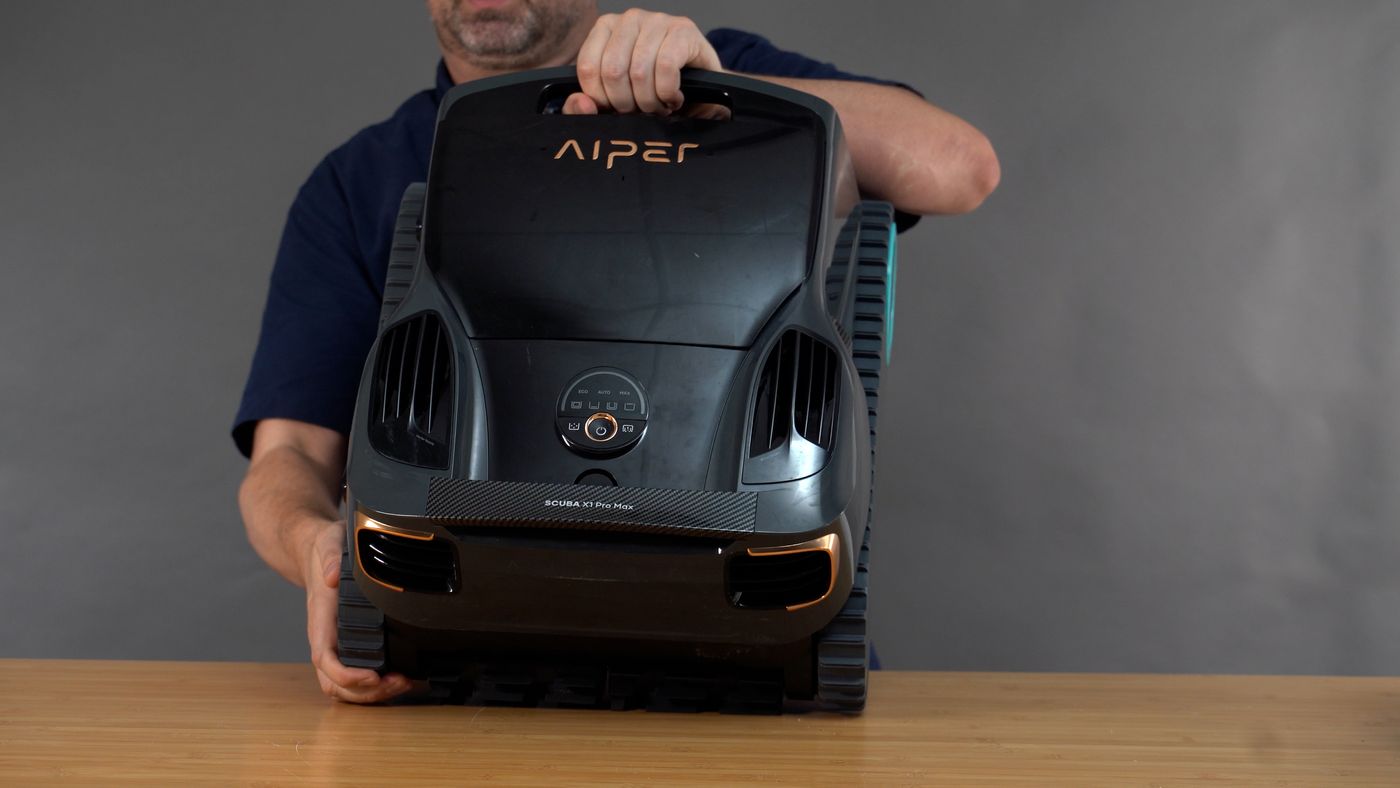
Today we're putting two of Aiper's cordless robots head to head — the Aiper Scuba X1 and the Aiper Scuba X1 Pro Max. One costs around $1,000, the other nearly $1,800. Both promise cutting-edge cordless cleaning with smart navigation, powerful suction, and app control.
Hey guys, welcome back to the Pool Nerd. I'm Justin, your resident pool aficionado.
Bottom Line: After testing both robots in our test pool for weeks, neither one delivered the kind of performance I'd expect at these prices. Both are Pool Nerd Disapproved. A corded Dolphin ProLine robot will outperform either one for less money — with true set-it-and-forget-it automation.
But here's the thing — after testing both of these robots in our test pool for weeks, I walked away with the same conclusion on each. Neither one delivered the kind of performance I'd expect at these prices. So let's break down exactly what separates these two, where each one has an edge, and why I ultimately think your money is better spent elsewhere.
Design and Build Quality
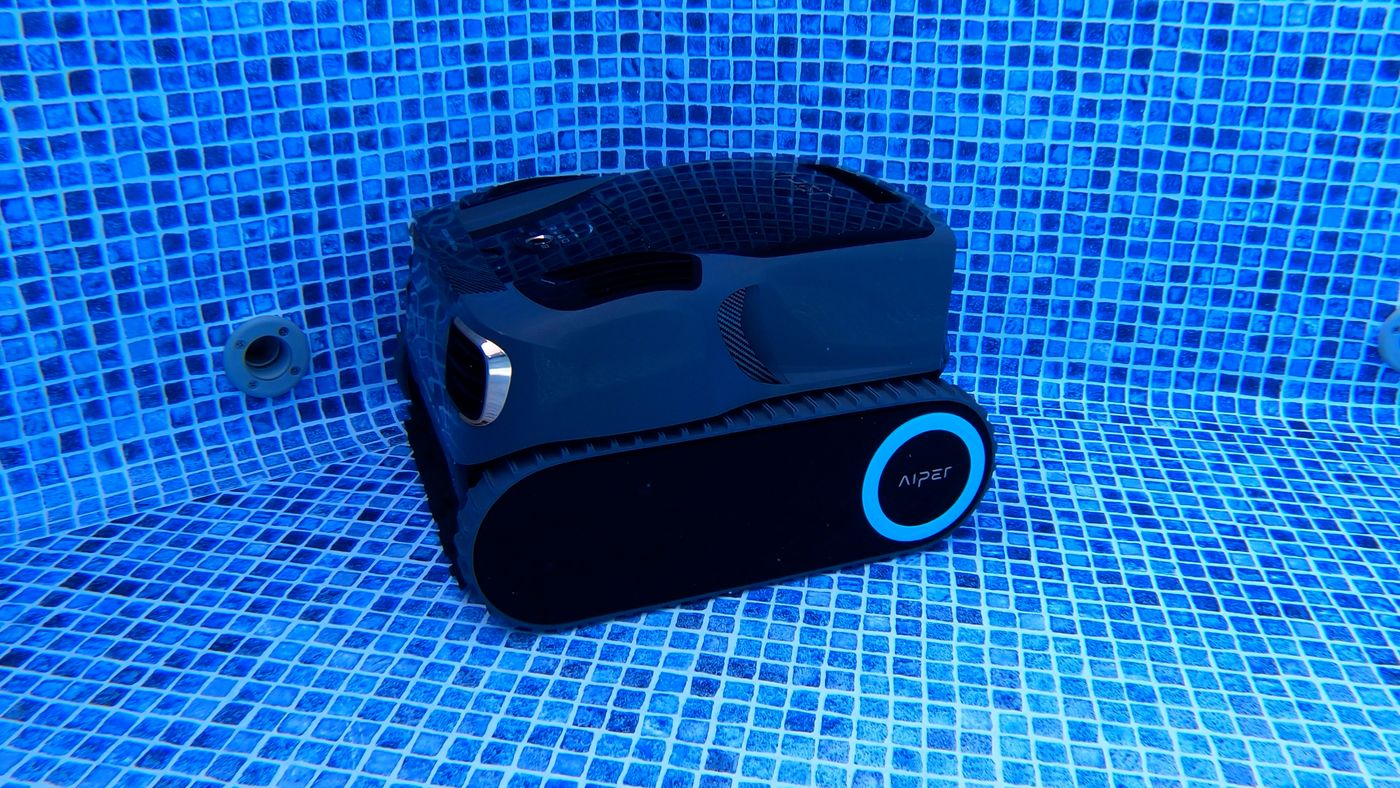
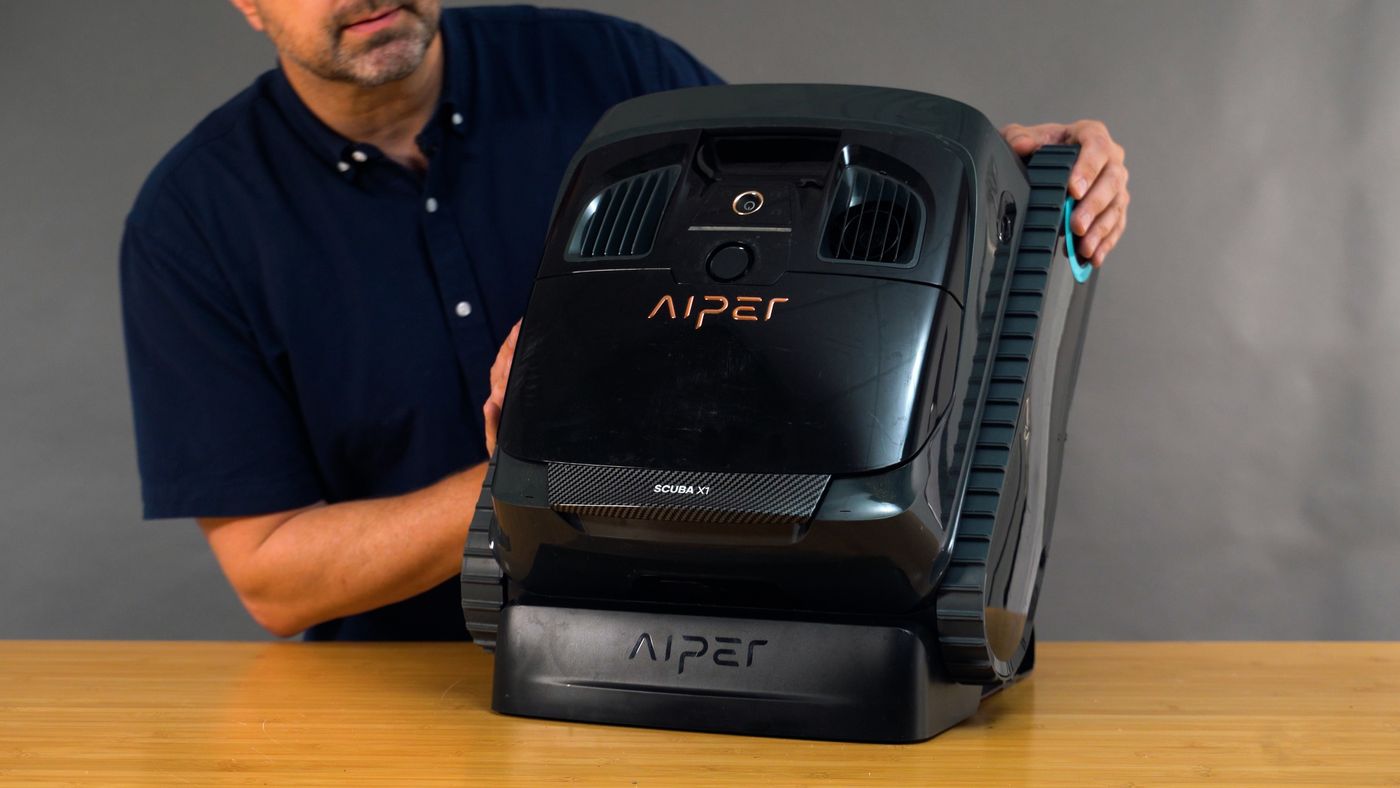
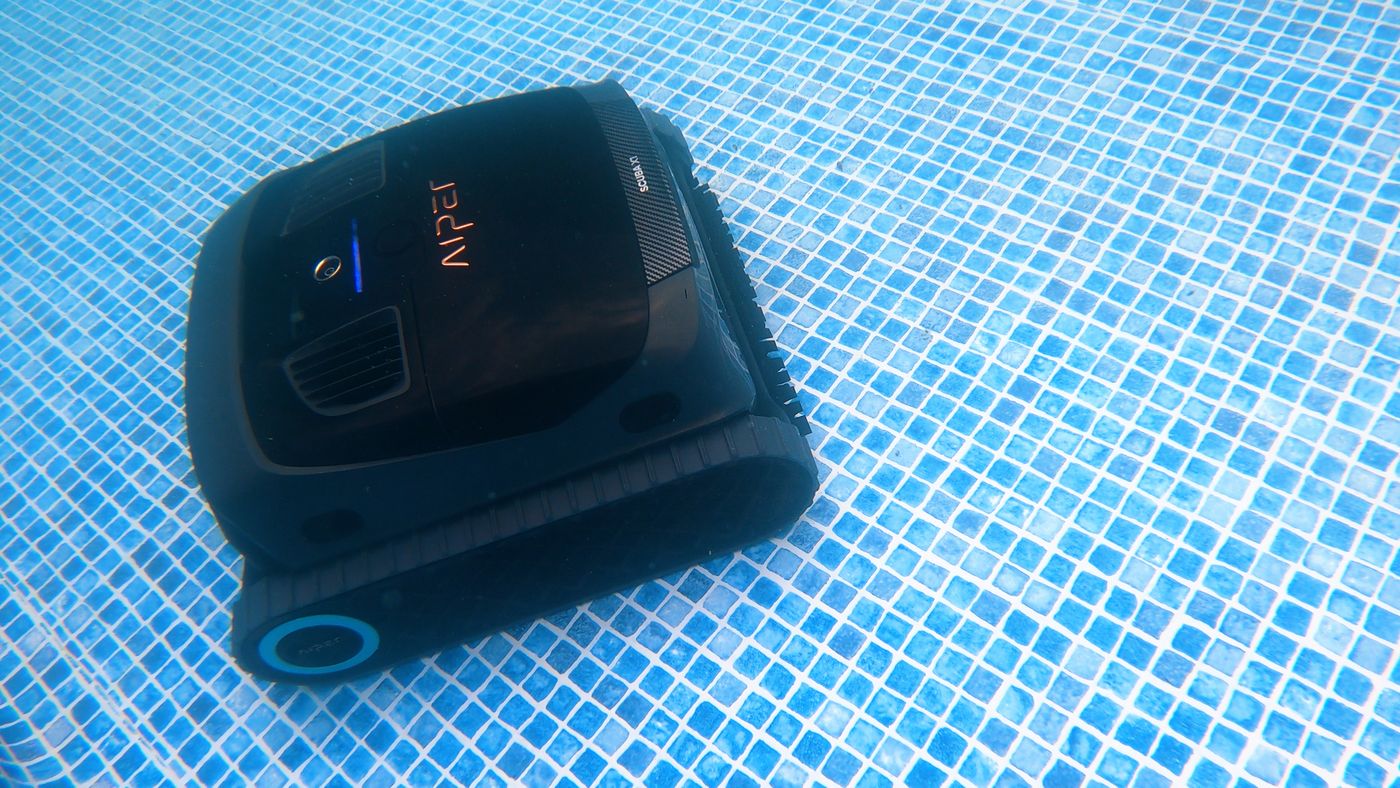
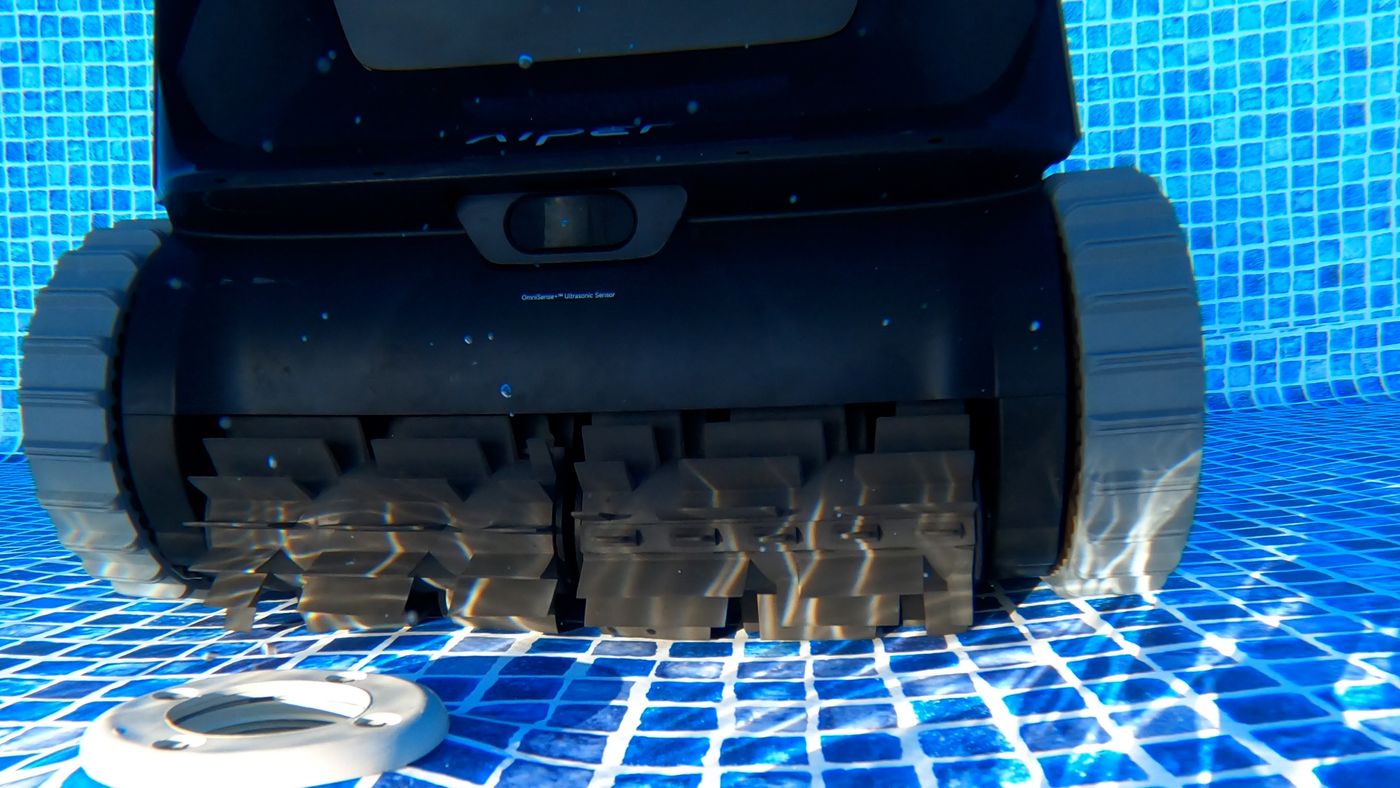
Credit where it's due — Aiper makes good-looking robots. Both the X1 and the Pro Max feature that signature glossy black body with carbon-fiber accents.
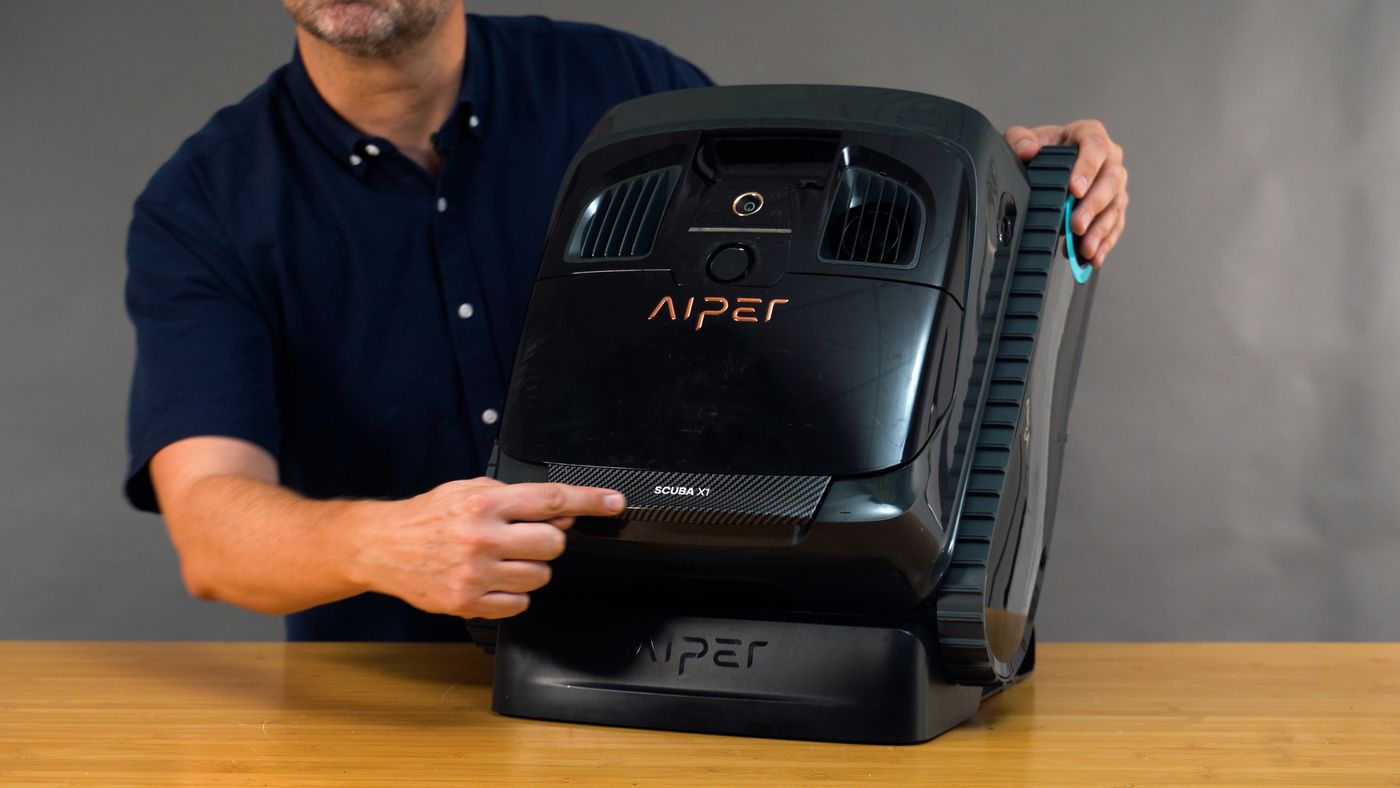
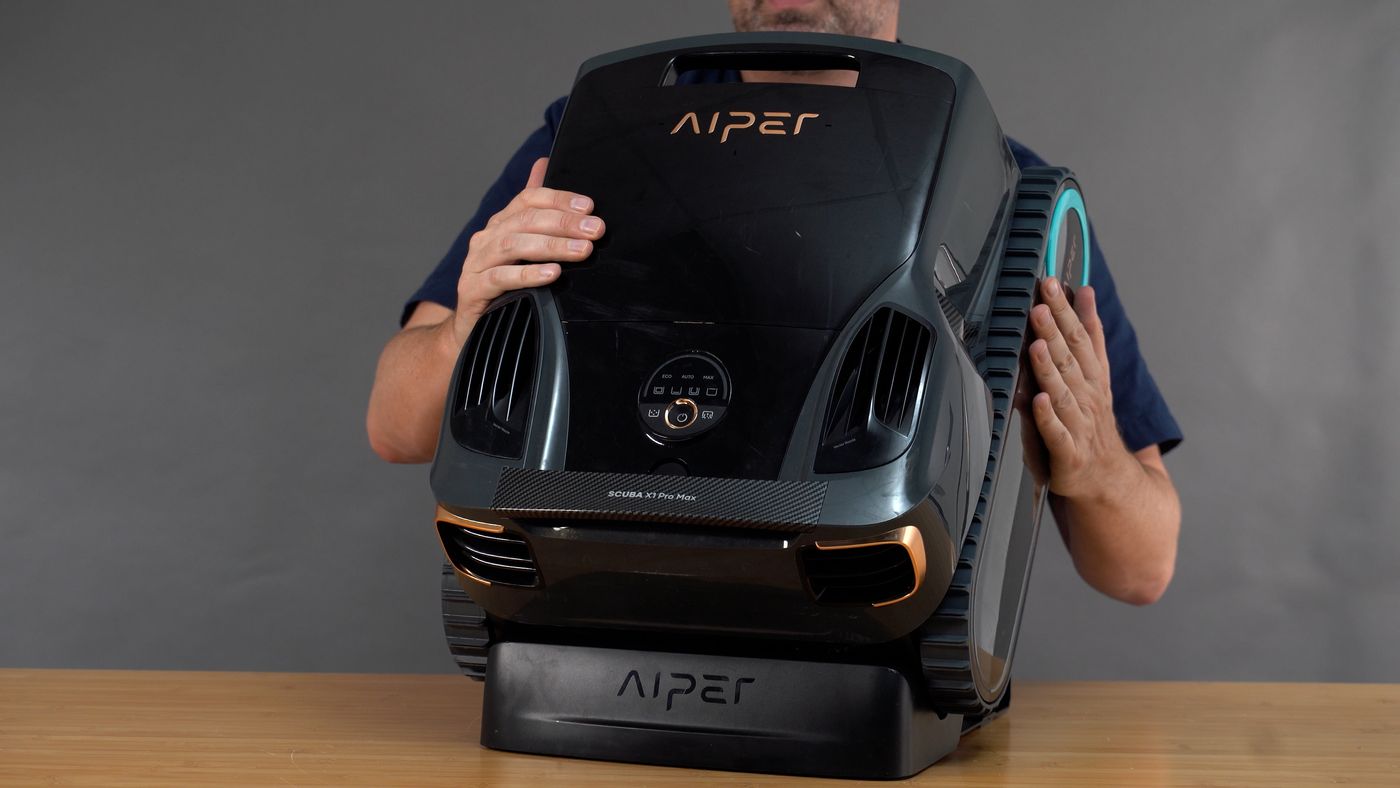
The big physical difference between the two? Weight. The standard Scuba X1 comes in at about 25 pounds dry. The Pro Max? Around 33 pounds. That might not sound dramatic on paper, but when you're hauling a waterlogged robot out of the deep end every single day — and I mean every single day — that extra weight adds up fast. Which if you have a bad back, you may want to think about – as you'll be fetching it out of the pool every single day to recharge.

Both models include a plastic hook attachment for your pool pole, but honestly, at 33 pounds, the Pro Max puts serious strain on this little hook. It's one of the heaviest pool robots I've tested, and it makes the daily recharging routine a lot more tedious.
Battery Life and the Recharging Routine
This is where cordless robots are the most disappointing, and both of these models are no exception. Battery life is the big reason why I don't recommend a cordless robot to most people. Unlike a corded cleaner, which can be automated to clean daily, you're stuck recharging these units every single day.
If you have a lot of leaves in your pool, you can't just hit "run" again and keep it going. Once the battery dies, that's it — you're waiting hours for a recharge. So if a storm dumps debris in your pool and the robot runs out of battery halfway through cleaning, you're stuck until the next day. And even when you do rerun it, the runtime still may not be enough — or the basket fills up too quickly to finish the job.
The Scuba X1 runs a 7,800mAh battery, giving you about 180 minutes of runtime with a 4-hour recharge time. The Pro Max steps up to a 10,400mAh battery, which Aiper says delivers up to 5 hours in Eco mode. But that's the lowest cleaning setting. Switch to Max mode — the one you need to use to do the walls and waterline — and that runtime drops significantly to 3.5 hours.
| Feature | Aiper Scuba X1 | Aiper Scuba X1 Pro Max |
|---|---|---|
| Battery | 7,800 mAh | 10,400 mAh |
| Runtime (Eco) | ~180 min | ~300 min |
| Runtime (Max) | Shorter | ~210 min |
| Recharge Time | ~4 hours | ~4–5 hours |
Here's the real issue: regardless of which model you choose, you're locked into the same daily cycle. Clean. Pull it out. Empty the filter. Carry it to the charger. Wait hours. Put it back. Every. Single. Day. With the Pro Max, you're looking at up to 14 separate interactions per week just to keep your pool clean.
That's not convenience — that's a chore.
Why do I say that? Because I've used a lot of cleaners that don't need babysitting. The kind you drop in once, set a schedule, and forget about them.
With a good corded robot, you plug it in, hit the weekly timer, and it handles the rest. It turns on automatically, runs at full power, shuts itself off, and you empty the basket once a week. That's it. No daily charging. No dragging it in and out. No wondering if it finished the job.
That day-to-day difference is huge. And honestly, it's the main reason I don't recommend cordless models.
If you want real automation — where the only thing you're doing is rinsing a filter once a week — stick around. At the end, I'll share a few robots I recommend over both of these Aipers that truly deliver that set-it-and-forget-it experience.
Suction Power
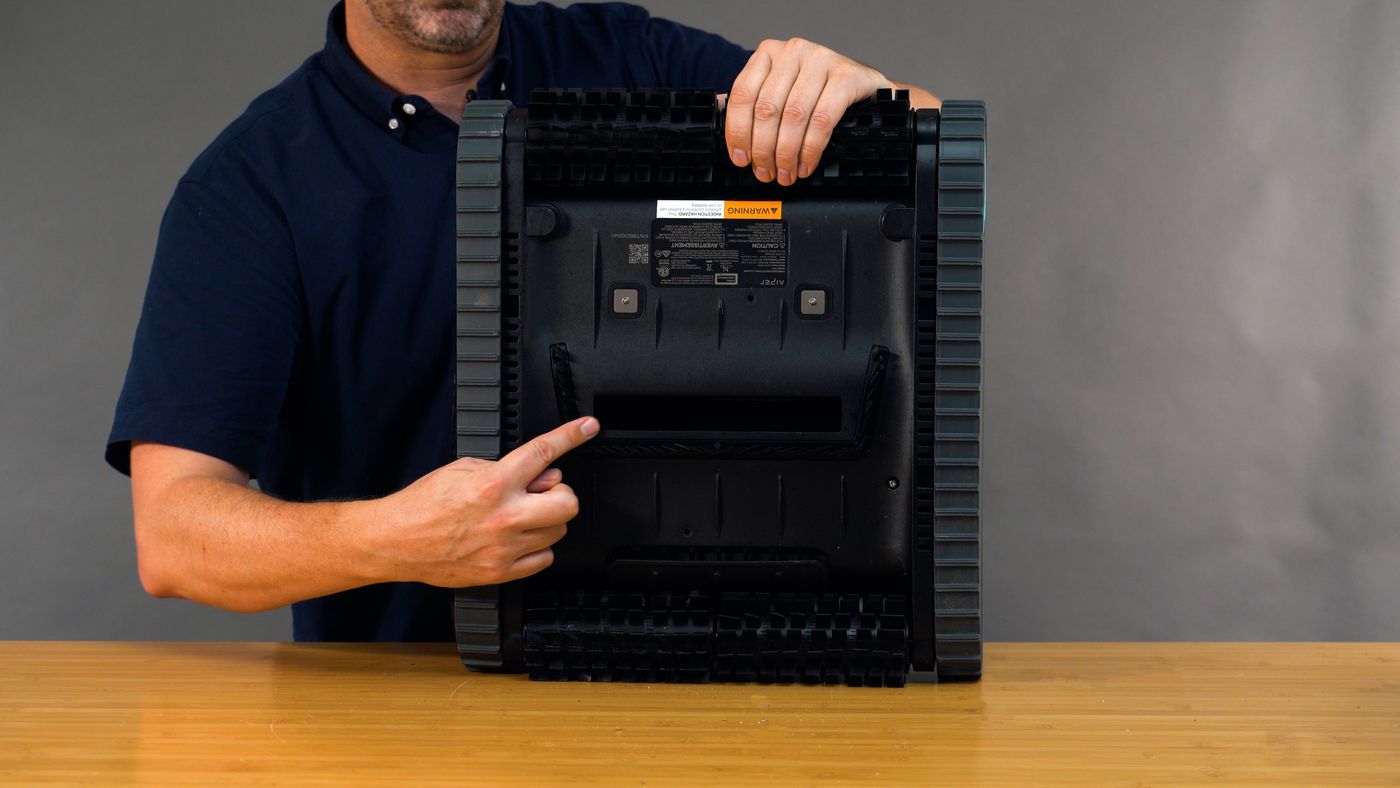
On the spec sheet, the X1 claims 6,600 GPH and the Pro Max bumps that up to 8,500 GPH. That's a noticeable step up on paper, and in my testing, the Pro Max did move more water than the standard X1.
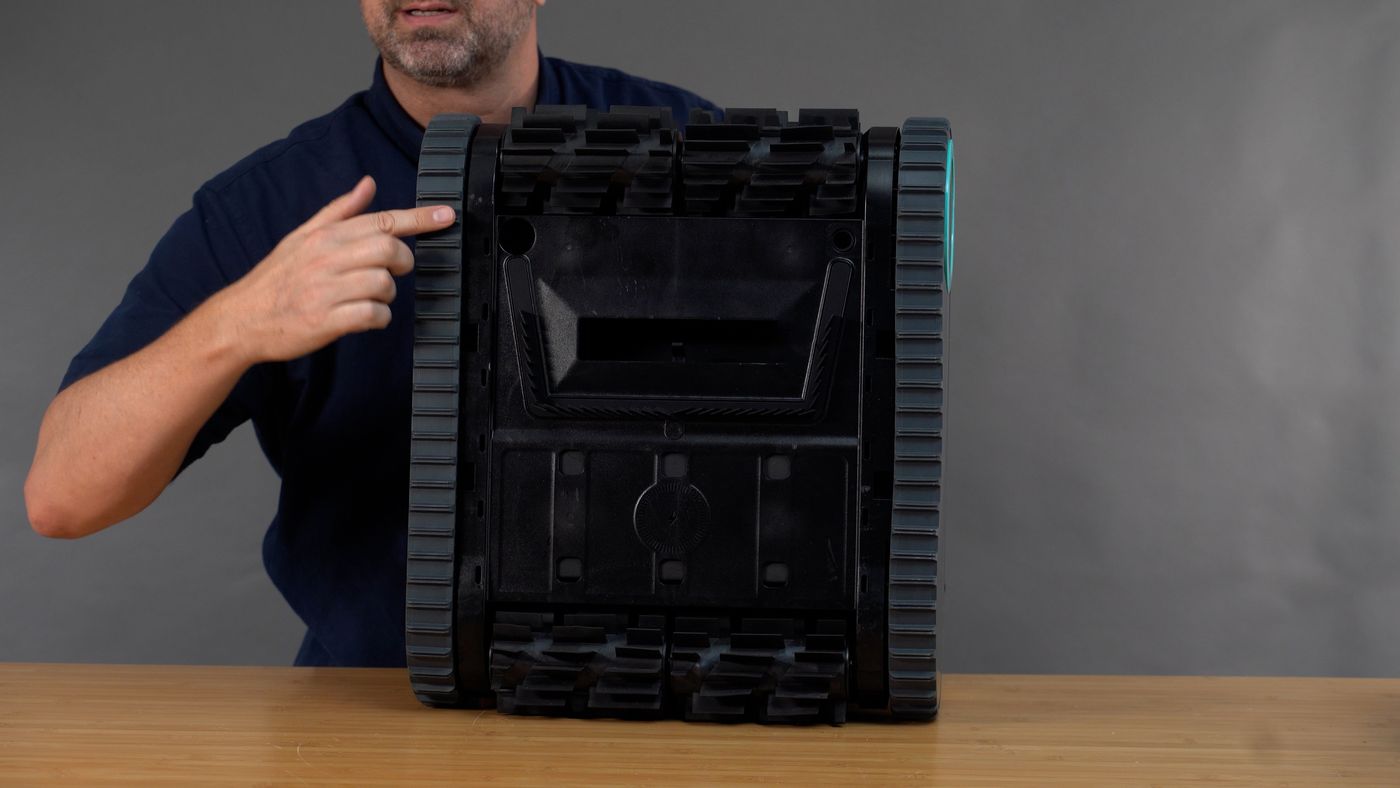
The Pro Max is the stronger of the two, no question. But stronger among cordless robots still doesn't close the gap with top-performing corded cleaners that draw consistent power from a direct electrical connection. In my testing, battery-powered motors simply can't seem to sustain the level of suction that corded cleaners do throughout an entire cleaning cycle in my testing.
Filtration
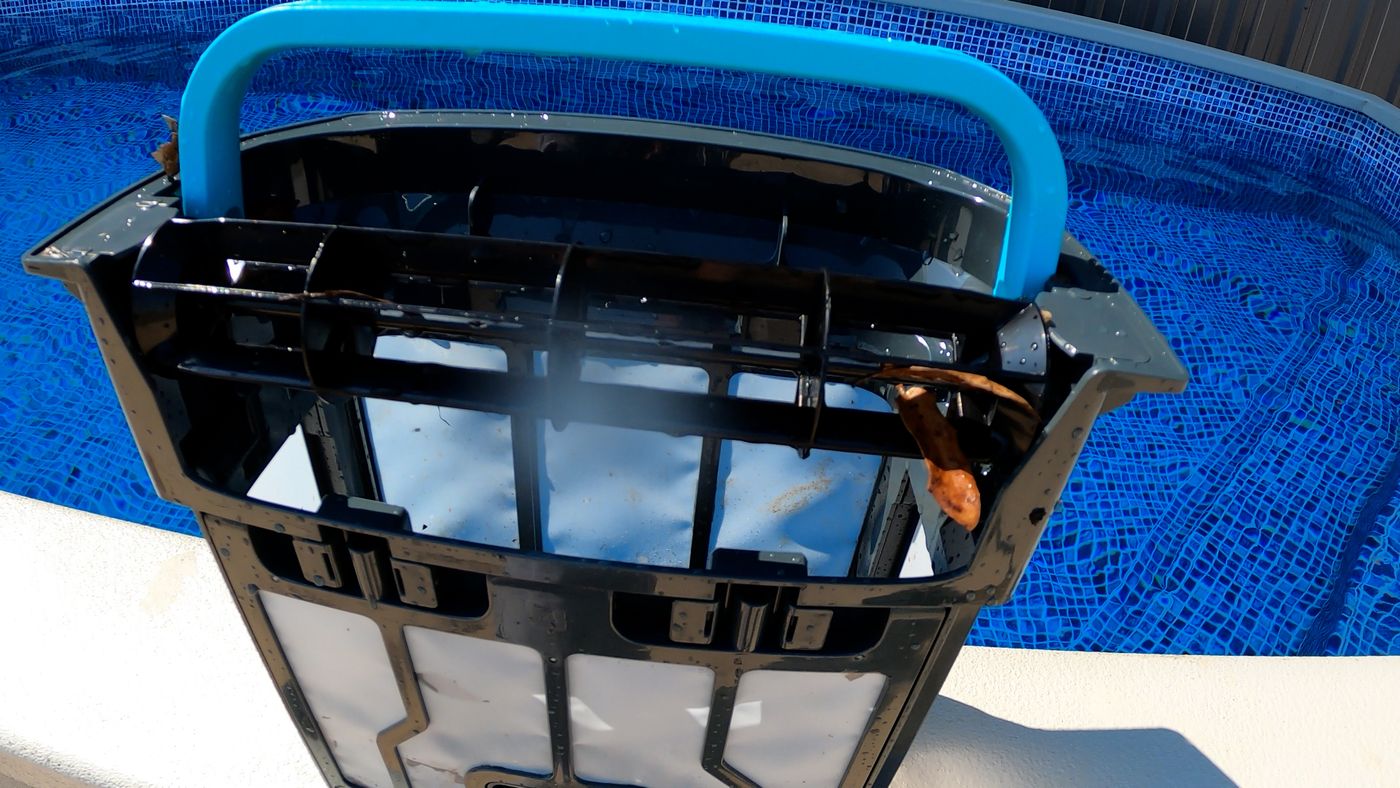
Both robots use what Aiper calls "ultra-fine" filters. Both use mesh and cotton-style filter screens rather than the pleated, ridged cartridges like NanoFilters you'll find on higher-performing robots. Side by side, you can see the deep pleats on the NanoFilters vs the flat cotton-like filters that the Aiper robots use.
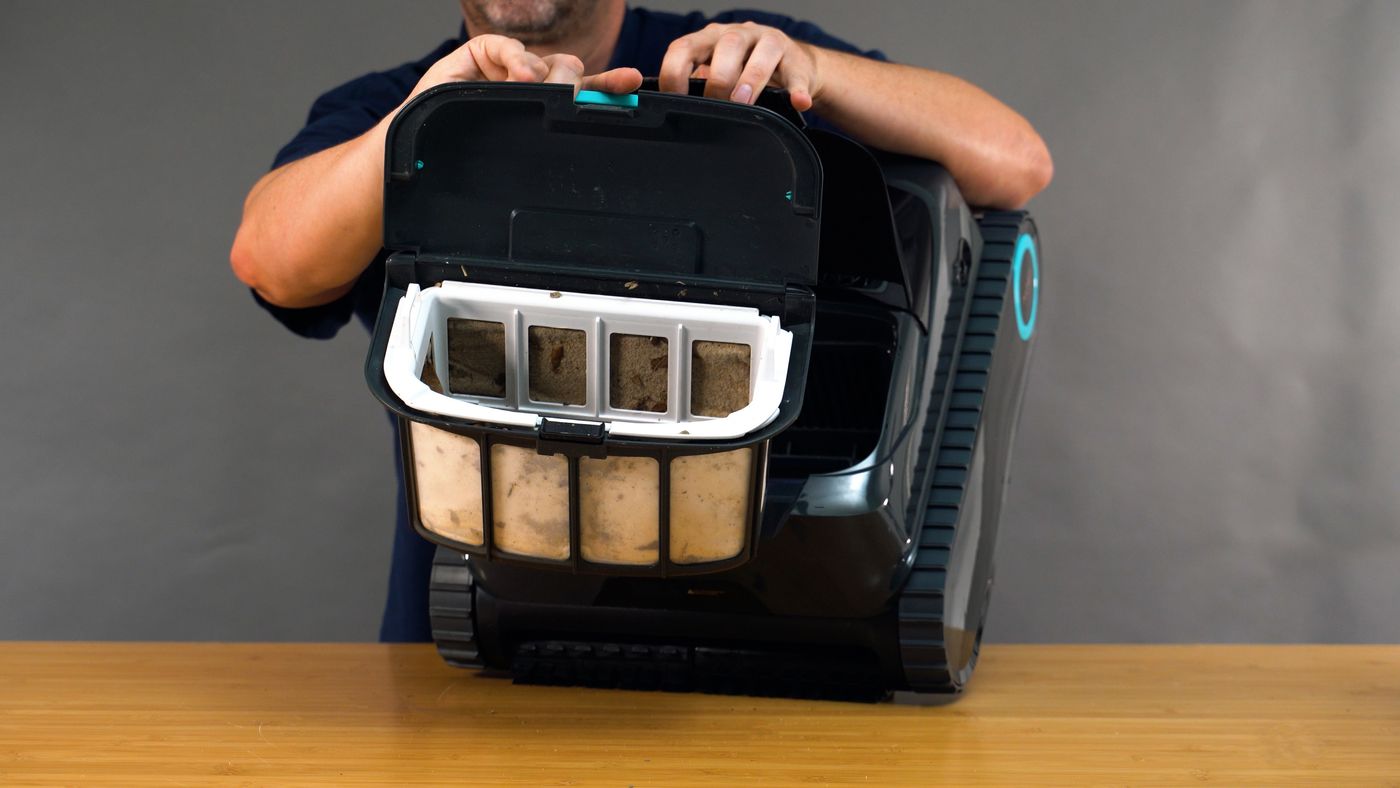
The X1's filter basket holds around 228 cubic inches, and both models use a top-loading design, which I do like — it makes access quick and easy. But even with that convenience, the overall capacity still feels small for robots in this price range. Compared to competitors with oversized baskets, both of these fill up pretty fast, which means you'll be pulling them out and emptying them more often than you'd expect.
Side by side, the X1 Pro Max's filter is larger. Not by too much, but it is nice to see an improvement over the original X1 design.
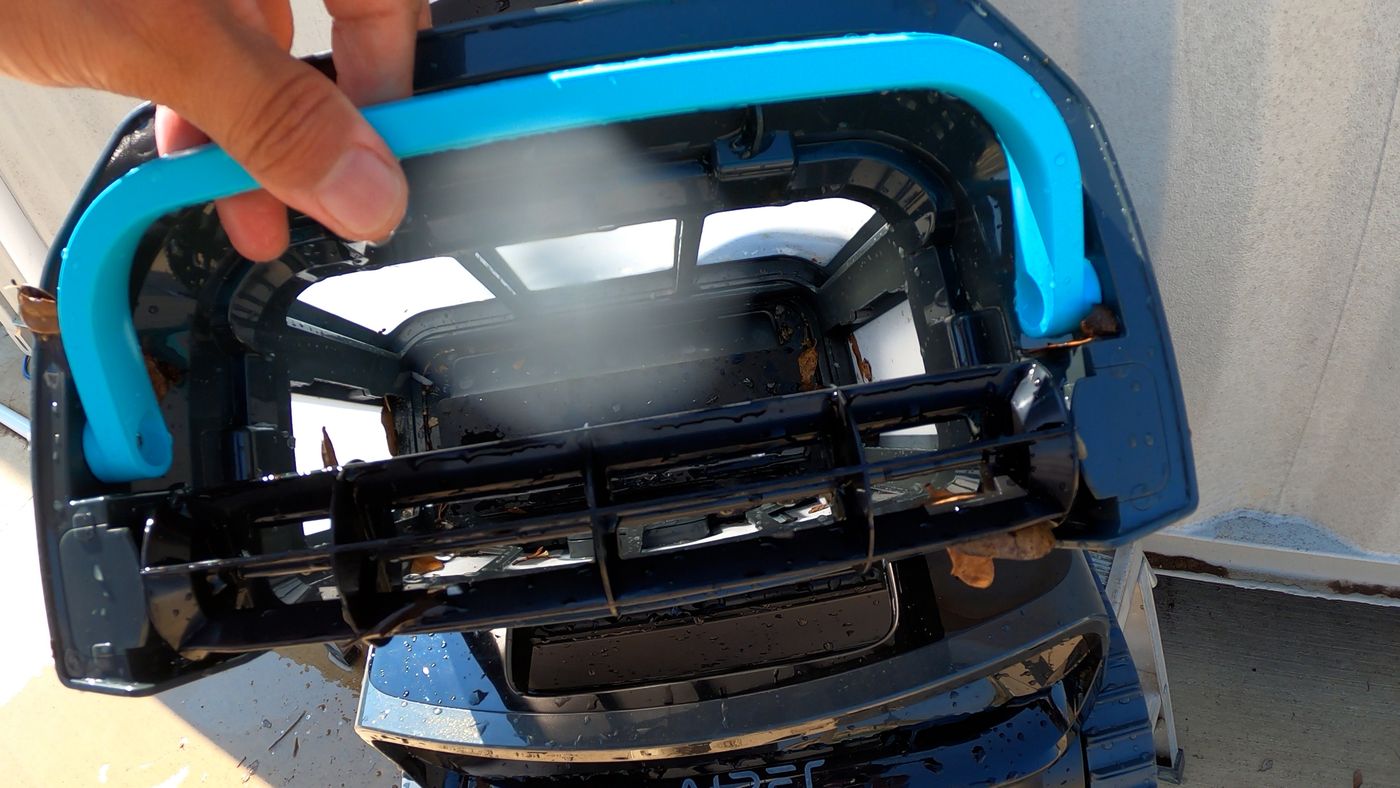
The bigger problem, though, is the filtration itself. Fine silt, pollen, and that dusty, almost powder-like debris tend to slip right through the mesh and end up back in the water. Even when I swapped to their ultrafine filters, the pool just didn't seem to have that polished, crystal-clear finish I'm used to seeing from robots with NanoFilters. If water clarity really matters to you, that difference stands out. And at this price point, I wouldn't settle for less.
App and Smart Features
Both models connect to the Aiper app, and the interface itself looks clean — battery status, cleaning modes, scheduling. It's well-designed.
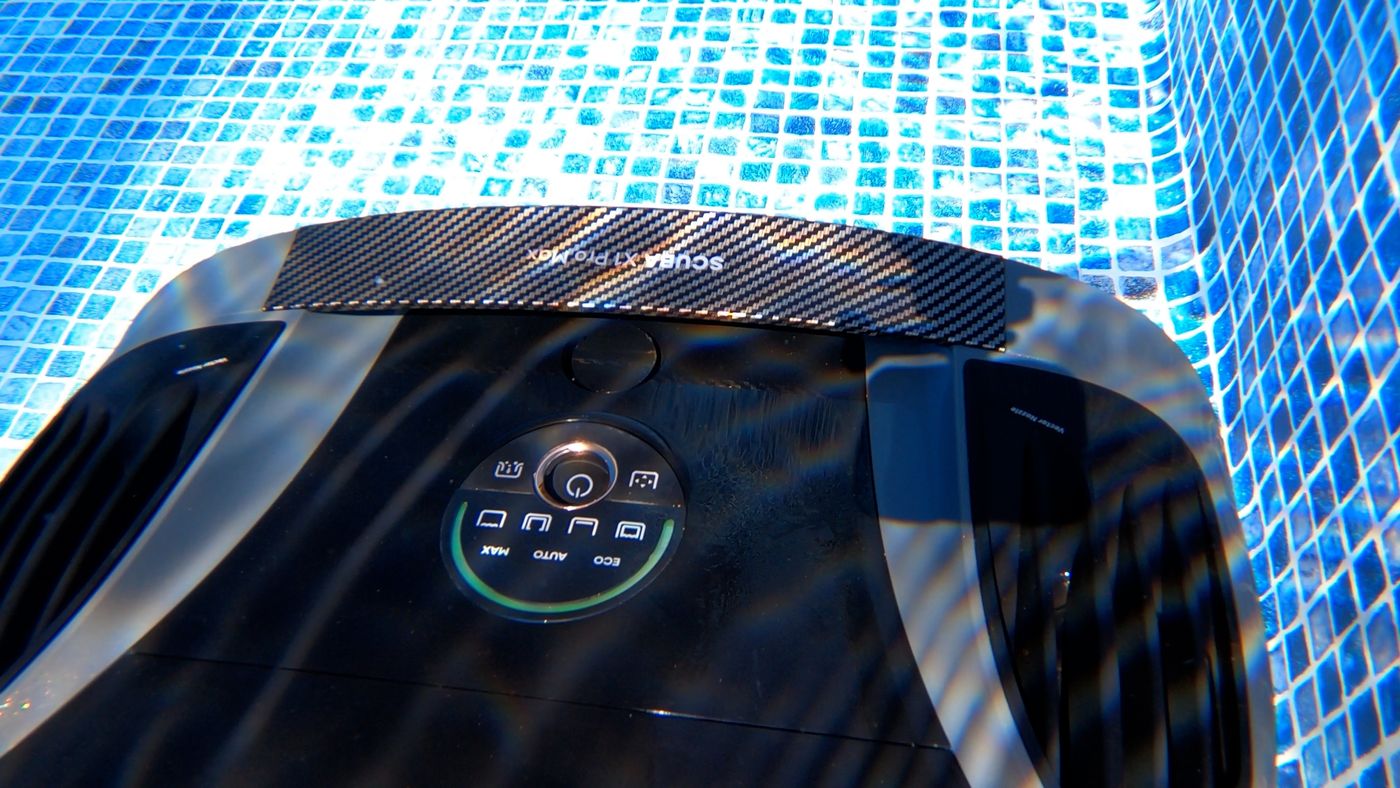
But here's the catch that applies to both robots: the app only works when the robot is out of the water. Once it's submerged, Wi-Fi signal drops and you lose all connectivity. You can't change modes, steer, or monitor progress mid-cycle.
Aiper's solution is the HydroComm Pro module — but it's an additional add-on. So all the connectivity and app control underwater is hidden behind a paywalled accessory.
For context, competing corded robots in this price range include underwater app control, remote steering, and scheduling right out of the box — no extra modules or units required. Locking core smart functionality behind a separate purchase feels like a tough ask at these prices.
Navigation
The X1 uses ultrasonic sensors and a built-in camera to help it map your pool. The Pro Max takes it even further with 40 sensors and 9 motors dedicated to navigation and cleaning. On paper, that sounds like serious tech.
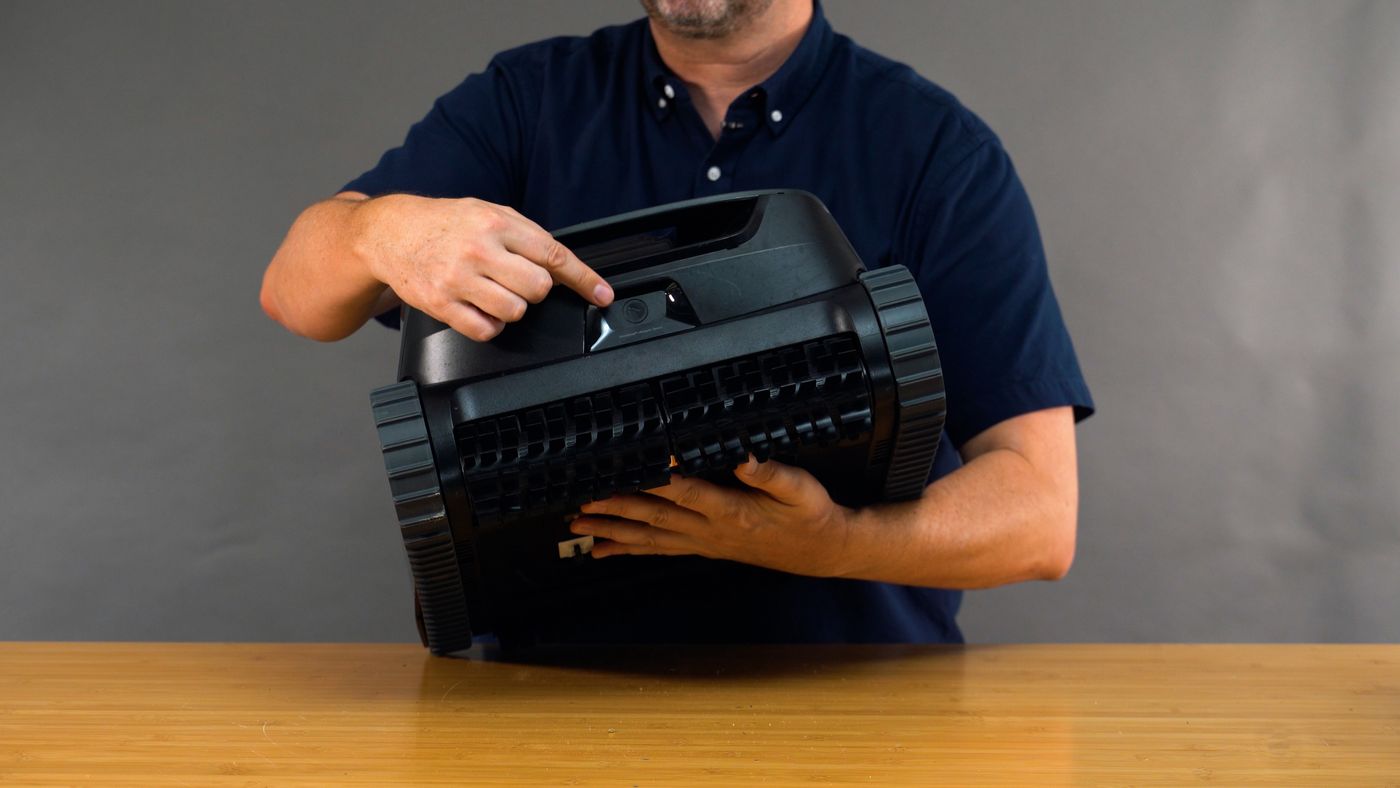
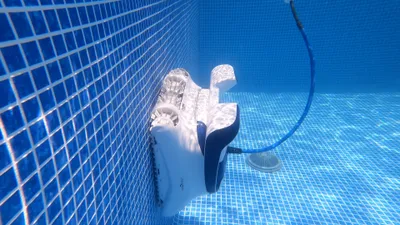
And compared to older budget models like the Aiper Scuba SE and the Aiper Seagull, it is a noticeable improvement. Those cheaper units wandered around more randomly and struggled with consistent wall coverage. The X1 series definitely feels more refined. It moves with more intention, climbs walls better, and does reach the waterline.
But here's the reality.
Once you switch it into full floor + wall + waterline mode — which is the whole point of buying a premium robot — the runtime drops by over an hour and a half. So yes, it can clean the entire pool… but not for as long as the marketing makes you think.
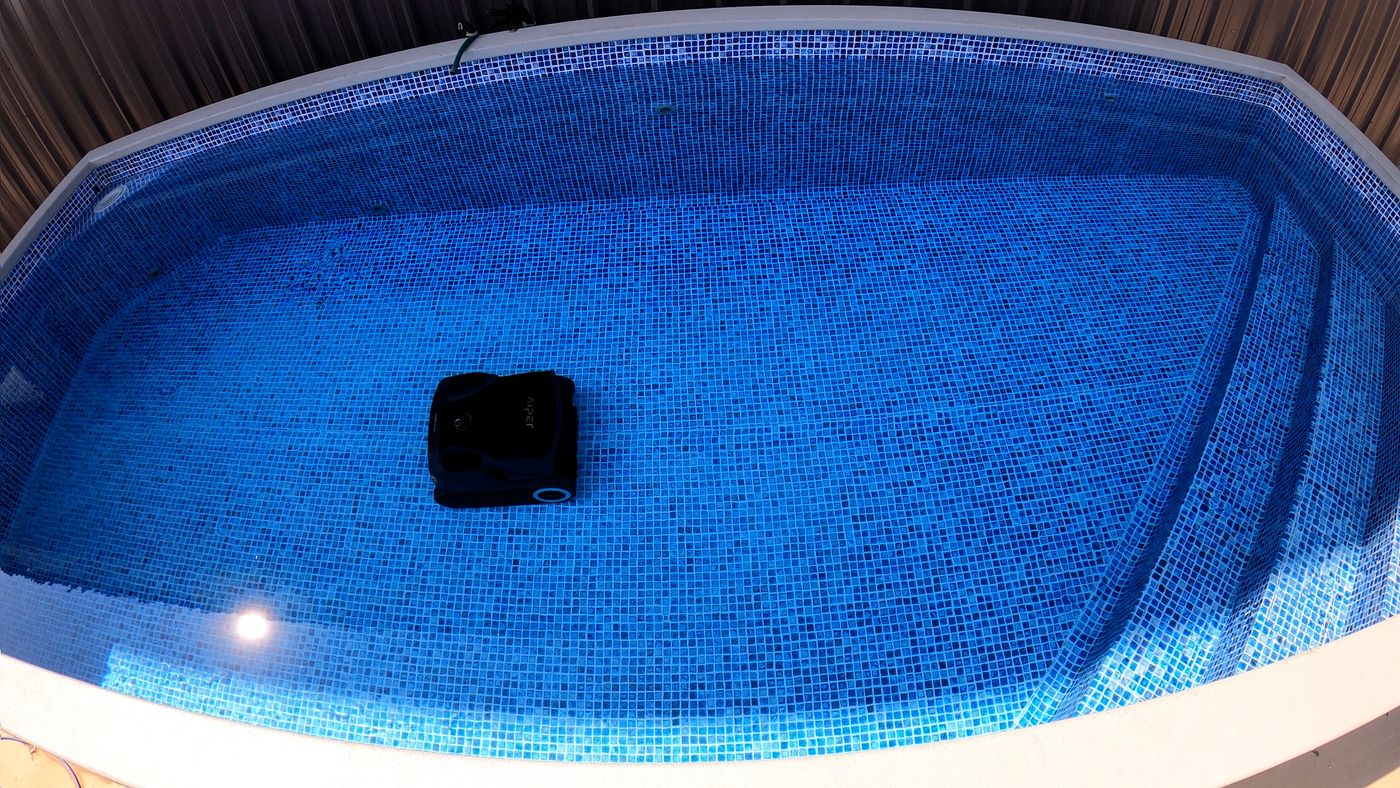
And when you zoom out and compare it to other cleaners in this price range, it doesn't really stand out.
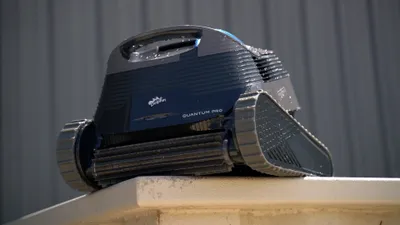
At this price point, you're competing with robots like the Dolphin Sigma, Dolphin Premier, and Dolphin Quantum. Those models deliver stronger, constant suction, true NanoFiltration, and full automation with a weekly timer — without worrying about battery drain.
The X1 Pro and Pro Max have cool tech. The sensors are impressive. The camera is interesting. But in real-world use? It didn't feel dramatically better than anything else in this price range. It didn't clean faster. It didn't clean deeper. It didn't leave the water noticeably clearer.
It just felt… average for the money.
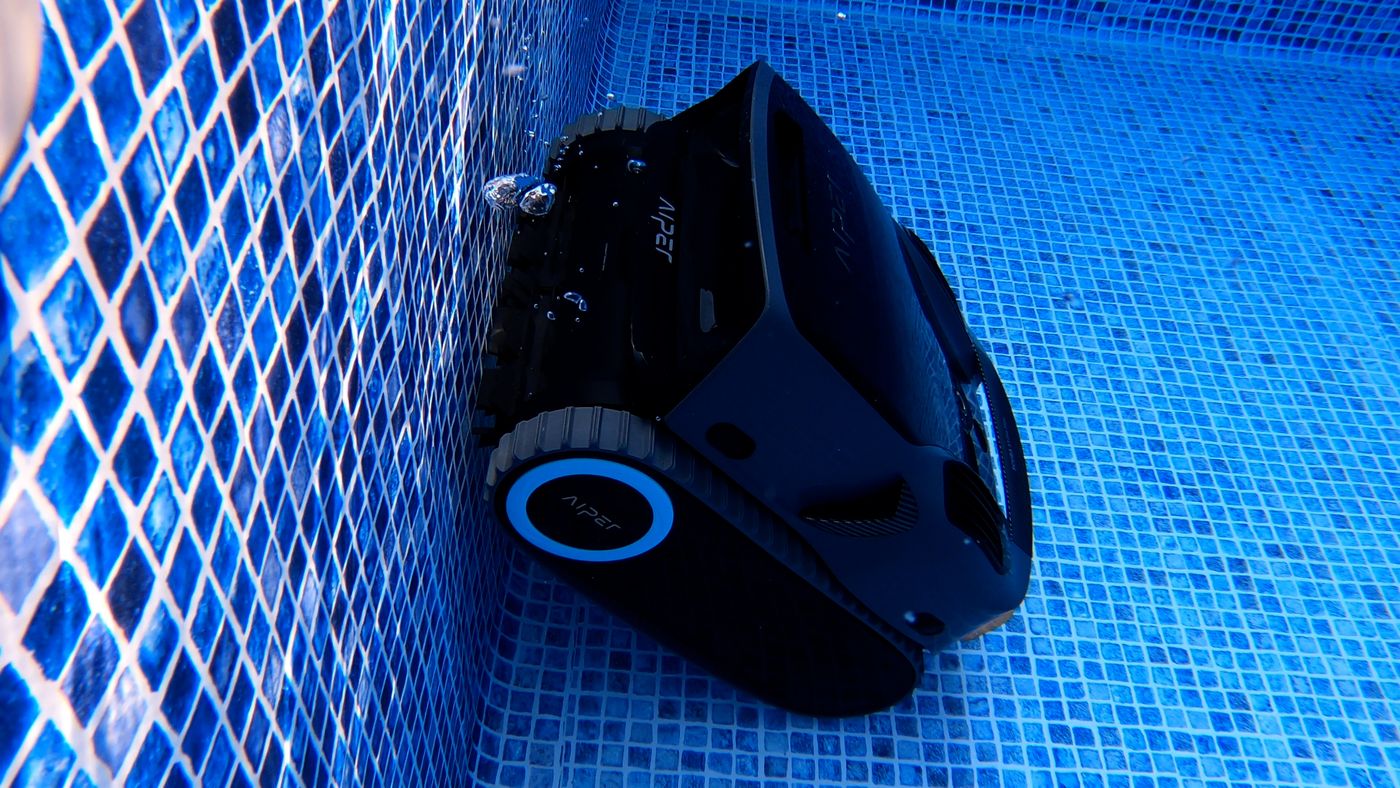
So while the navigation is a big step up from Aiper's cheaper models, it's not better than the top corded cleaners in the same price bracket. And at this level, "not better" just isn't good enough.
A Note on Safety History
I want to address this carefully because it's relevant context for any buyer. Aiper has had two product recalls in recent years — 22,000 Elite Pro units in 2023 and 35,000 Seagull Pro units in 2025 — both related to battery and charging issues, according to the CPSC recall notice. These are publicly documented recalls through the United States Consumer Product Safety Commission and you can read them for yourself online.
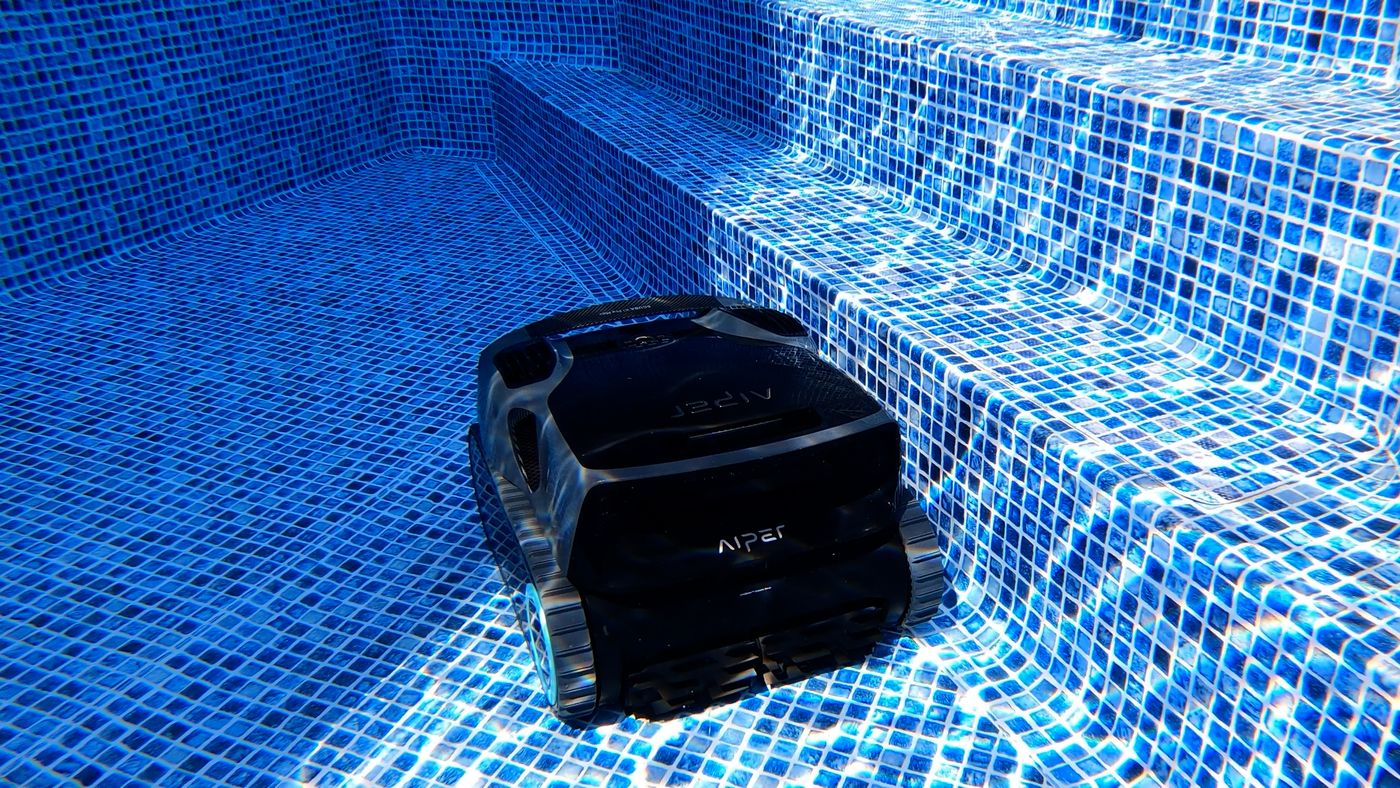
Neither the Scuba X1 nor the Pro Max has been recalled, and I didn't experience any safety issues during my testing. But given the history, it's something worth being aware of, particularly with lithium-ion battery products that charge unattended. I'd encourage anyone purchasing a cordless robot to follow all manufacturer charging guidelines carefully.
Head to Head — Which One's Better?
If you're strictly choosing between these two, the Pro Max is the better robot. It has more suction power, a larger battery, and better navigation hardware. If Aiper's cordless lineup is your only consideration, the Pro Max is the best option.
| Feature | Aiper Scuba X1 | Aiper Scuba X1 Pro Max |
|---|---|---|
| Price | ~$1,000 | ~$1,800 |
| Power | Cordless (battery) | Cordless (battery) |
| Weight | ~25 lbs | ~33 lbs |
| Battery | 7,800 mAh | 10,400 mAh |
| Suction (GPH) | 6,600 GPH | 8,500 GPH |
| Sensors | 30 | 40 |
| Motors | Dual | 9 |
| Filtration | Mesh/cotton | Mesh/cotton (larger) |
| App (underwater) | Requires HydroComm | Requires HydroComm |
| Weekly Timer | No | No |
| Pool Nerd Rating | Disapproved | Disapproved |
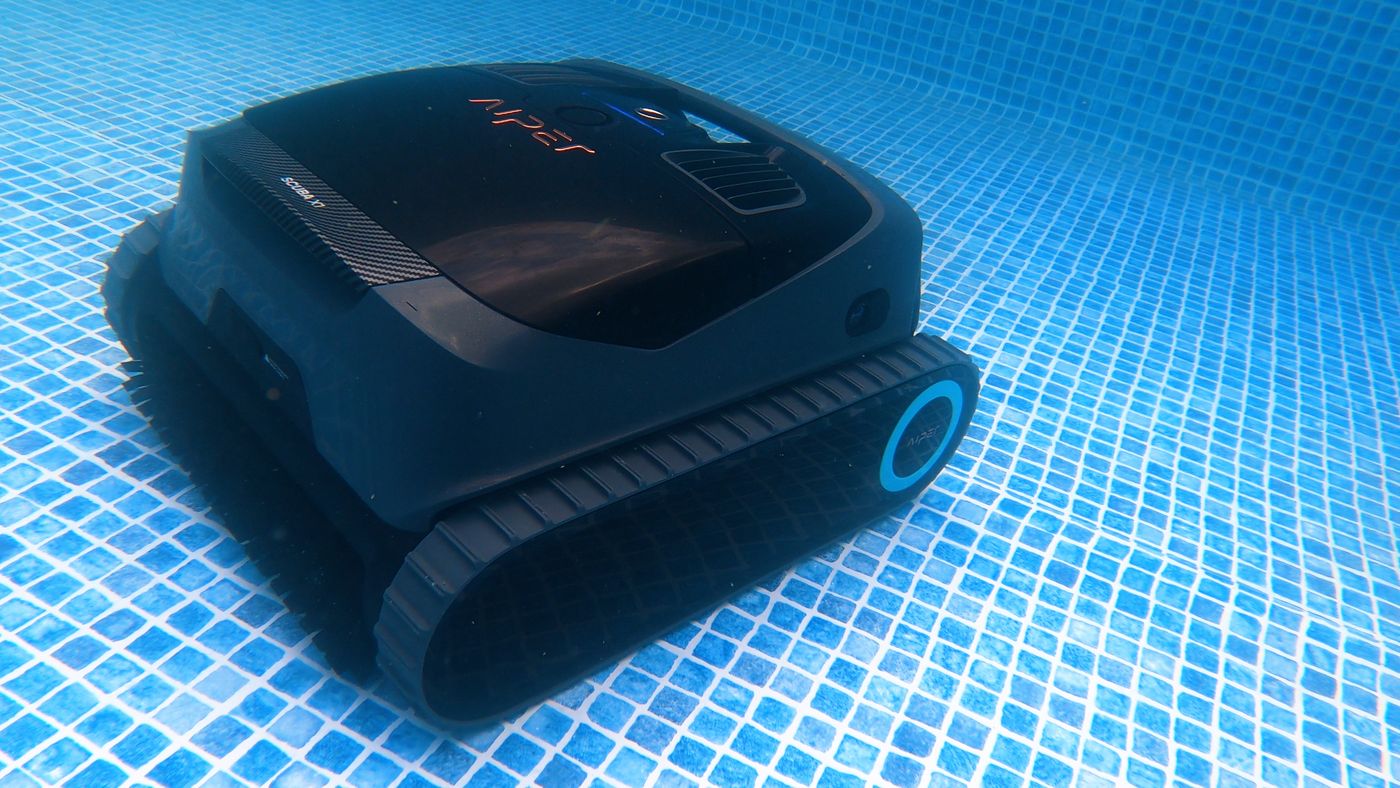
The standard X1 is lighter and cheaper, which counts for something. At around $1,000, the entry cost is lower, and the lighter weight makes the daily pull-out routine slightly less exhausting. But the performance gap — weaker suction, smaller filter, smaller battery — is hard to overlook.
That said, both robots share the same fundamental limitations: daily recharging, limited suction compared to corded models, cotton and mesh-style filtration that doesn't beat out NanoFilters in my testing, and app connectivity that only works outside the water – unless pay a few hundred dollars for the HydroComm.
Why I Still Recommend Corded — And What I Recommend Instead
I've tested over 30+ robotic pool cleaners, and every time I come back to the same conclusion — corded robots deliver a fundamentally different ownership experience. They plug in, draw consistent power, and clean at full suction for the entire cycle. Weekly timers handle scheduling automatically. You're not touching the robot every day.
Corded models at these price points give you stronger suction, larger and more advanced filtration systems, built-in smart connectivity that works underwater, and years of reliable, daily cleaning without any battery degradation. It's a level of true automation that cordless technology hasn't matched yet.
The idea of a cordless pool robot is appealing — I get it. No cord, no tangle, clean lines. But the trade-offs in real-world ownership are significant. Until cordless technology closes the gap on suction, runtime, and filtration, I believe corded robots offer substantially better value for your money.
If you're spending $1,000–$1,800 on a pool robot, you deserve something that actually makes your life easier — not something you have to manage every single day.
Instead of either Aiper, here's what I'd recommend:
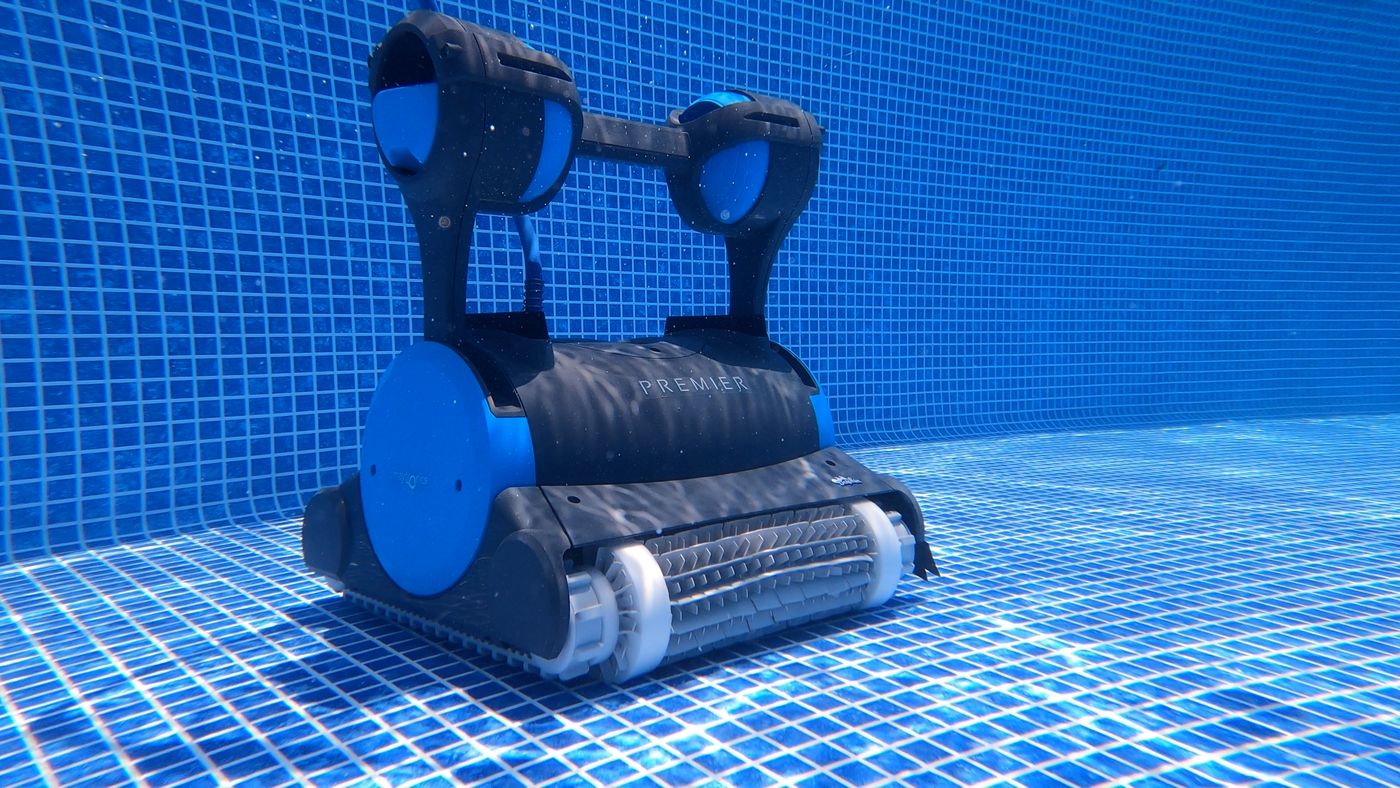
Dolphin Premier — Best Overall
If you want the most reliable, no-nonsense, workhorse robot in this price range, this is it.
- Commercial-grade dual motors
- Multi-Media filtration system (Leaf Bag, Standard Filters, NanoFilters)
- Weekly Smart Timer
- Full waterline cleaning
- 3-year warranty
The Premier filters over 4,500 gallons per hour with constant corded power. No battery fade. No recharging routine. No daily hauling it in and out of the pool.
You set the weekly timer once and forget about it. Empty the filter once a week. That's real automation.
If you want the most established, proven option with the best filtration options and commercial-motors, this is my #1 recommendation.

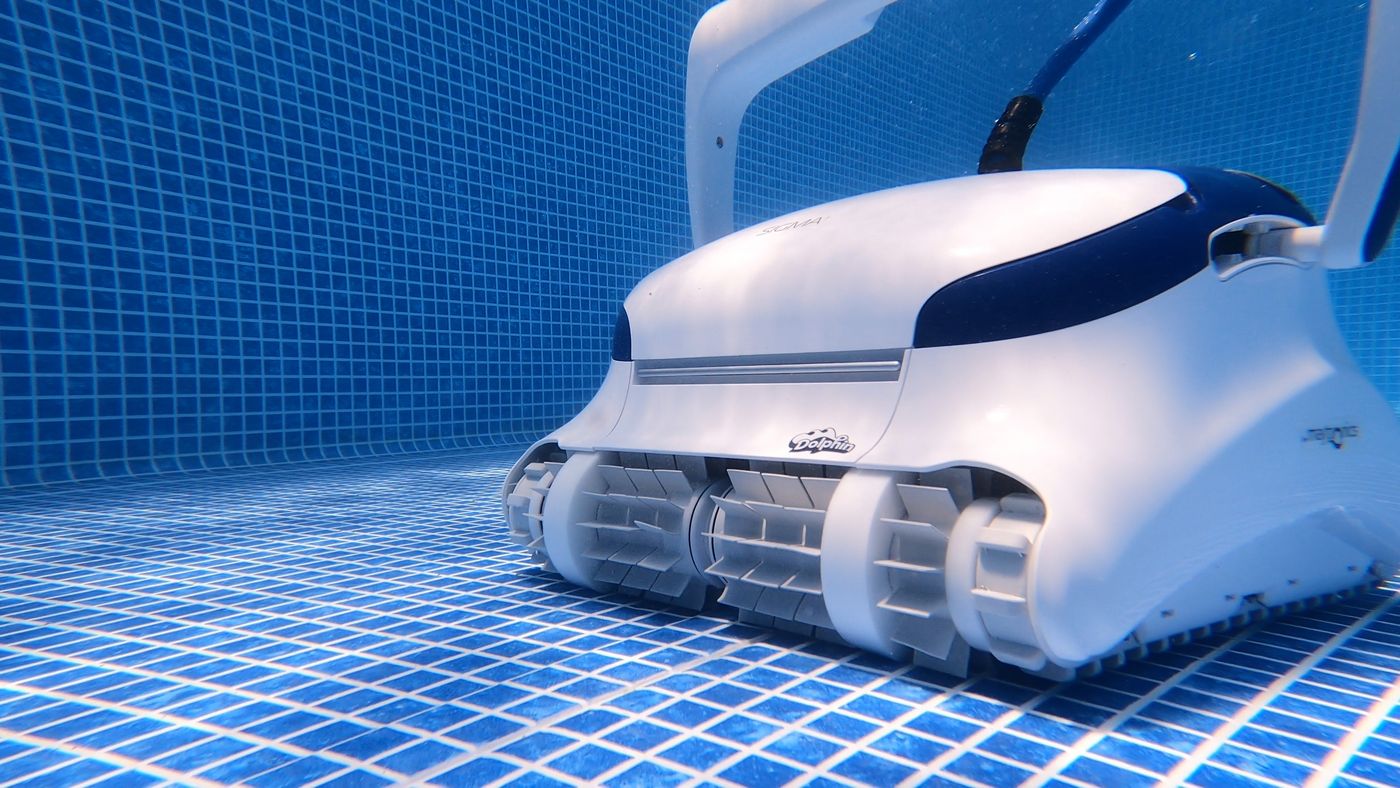
Dolphin Sigma — Best High-Tech Option
If you like smart features done right, the Sigma is the cordless dream — but corded and actually functional.
- Triple commercial-grade motors
- Built-in gyroscope for precise navigation
- NanoFilters included
- MyDolphin Plus app that works underwater
- Weekly scheduling built in
- 3-year warranty
Unlike the Aipers, you don't need a $400 add-on just to control it underwater. The app works. The suction is stronger. The cleaning is more consistent.
If you want premium performance plus tech that actually delivers, Sigma is the move.
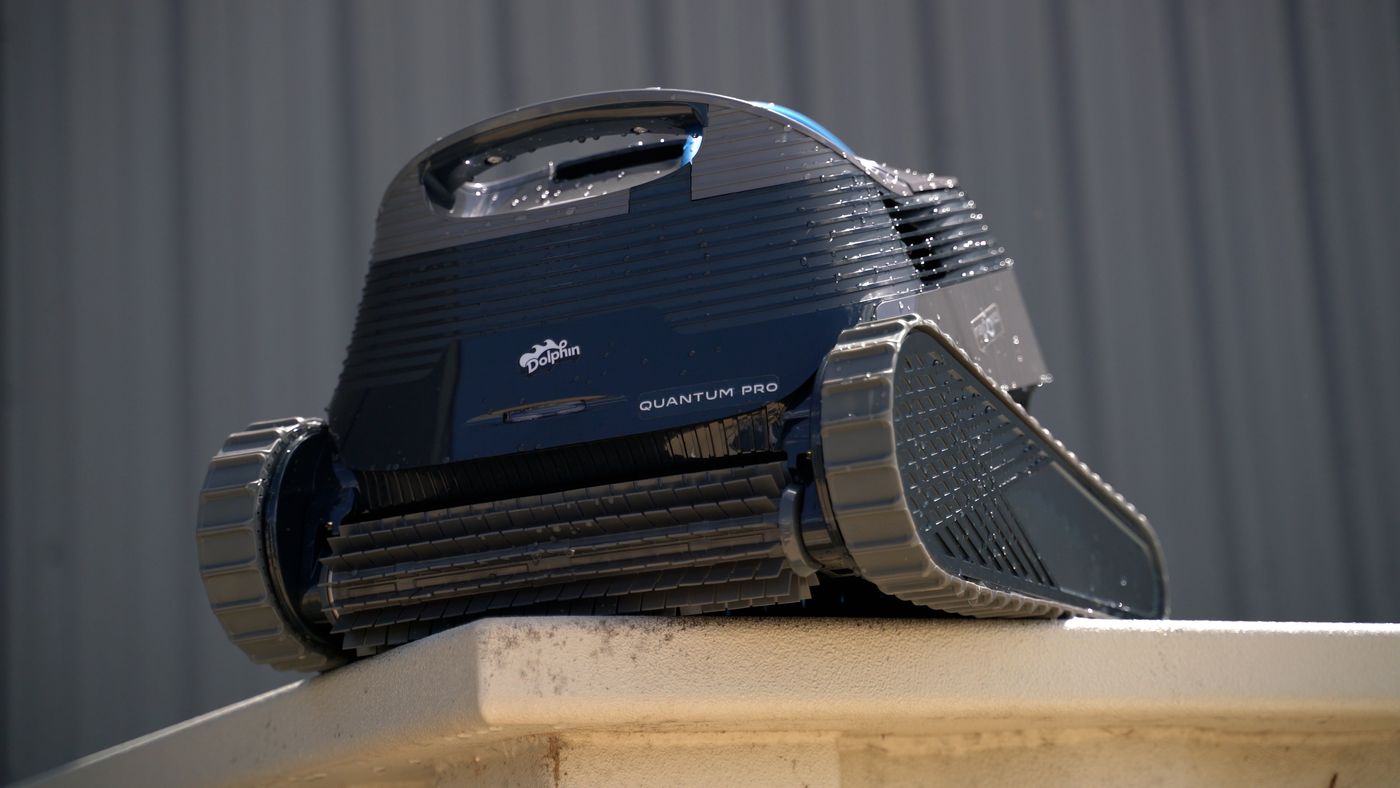
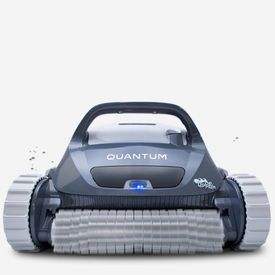
Dolphin Quantum — Best Value
If you want high-end cleaning without going full ProLine pricing, the Quantum is the sweet spot.
- XXL MaxBin (huge debris capacity)
- NanoFilters included
- PowerJet 3D mobility
- Weekly Timer
- Strong wall and waterline cleaning
The Quantum holds significantly more debris than either Aiper model and gives you that polished, crystal-clear finish thanks to real NanoFiltration.
It's usually hundreds less than the Pro Max — and performs better in real-world testing.
Why These Are Better Than the X1 or Pro Max
All three of these:
- Deliver powerful, consistent suction
- Include NanoFilters
- Offer true automation with weekly timers
- Don't require daily charging
- Have proven long-term reliability
Most importantly — you interact with them once a week, not 14 times a week.
Final Verdict
So, what's my final verdict on the Aiper Scuba X1 and Scuba X1 Pro Max?
Both are Pool Nerd Disapproved.
I respect what Aiper is trying to do. Pushing cordless technology forward takes ambition, and the Pro Max especially shows that they're investing in R&D. But at $1,000 for the Aiper Scuba X1 and $1,800 for the Aiper Scuba X1 Pro Max, these robots are priced against corded heavyweights that outperform them in virtually every category that matters.
If you want a pool robot that truly works for you — one that cleans automatically, filters like a pro, and doesn't add another daily task to your routine — I'd steer toward a proven corded cleaner. Your pool will be cleaner, your life will be easier, and your wallet will thank you in the long run.
As always, if you wanna keep nerding out over your pool, head on over to my deals page at ThePoolNerd.com/deals where I post the best deals on robotic pool cleaners and other top pool equipment.
Related Reading
- Aiper Scuba X1 Review — Our full in-depth review
- Aiper Scuba X1 Pro Max Review — Our full in-depth review
- All Aiper Pool Cleaner Reviews — Every Aiper review in one place
- Compare Every Aiper Model — Side-by-side breakdown of all Aiper pool cleaners
- Corded vs Cordless Pool Robots — Why corded cleaners outperform cordless
- Best Robotic Pool Cleaners — Our top picks after testing 30+ robots
- All Robotic Pool Cleaner Reviews — Every robot we've tested

Comments
Loading comments…