Introduction
Welcome back to The Pool Nerd. I'm Justin, your resident pool aficionado. And today we're talking about Total Alkalinity — what it is, why it matters, and exactly how to fix it when it's low.
Here's the thing: most pool owners have heard of alkalinity, but have no idea what it actually does. Pool stores love it that way. Because when you don't understand it, you're stuck buying chemical after chemical trying to fix problems that have one simple root cause.
So let's get into it.
Raising Alkalinity: What You Need Checklist
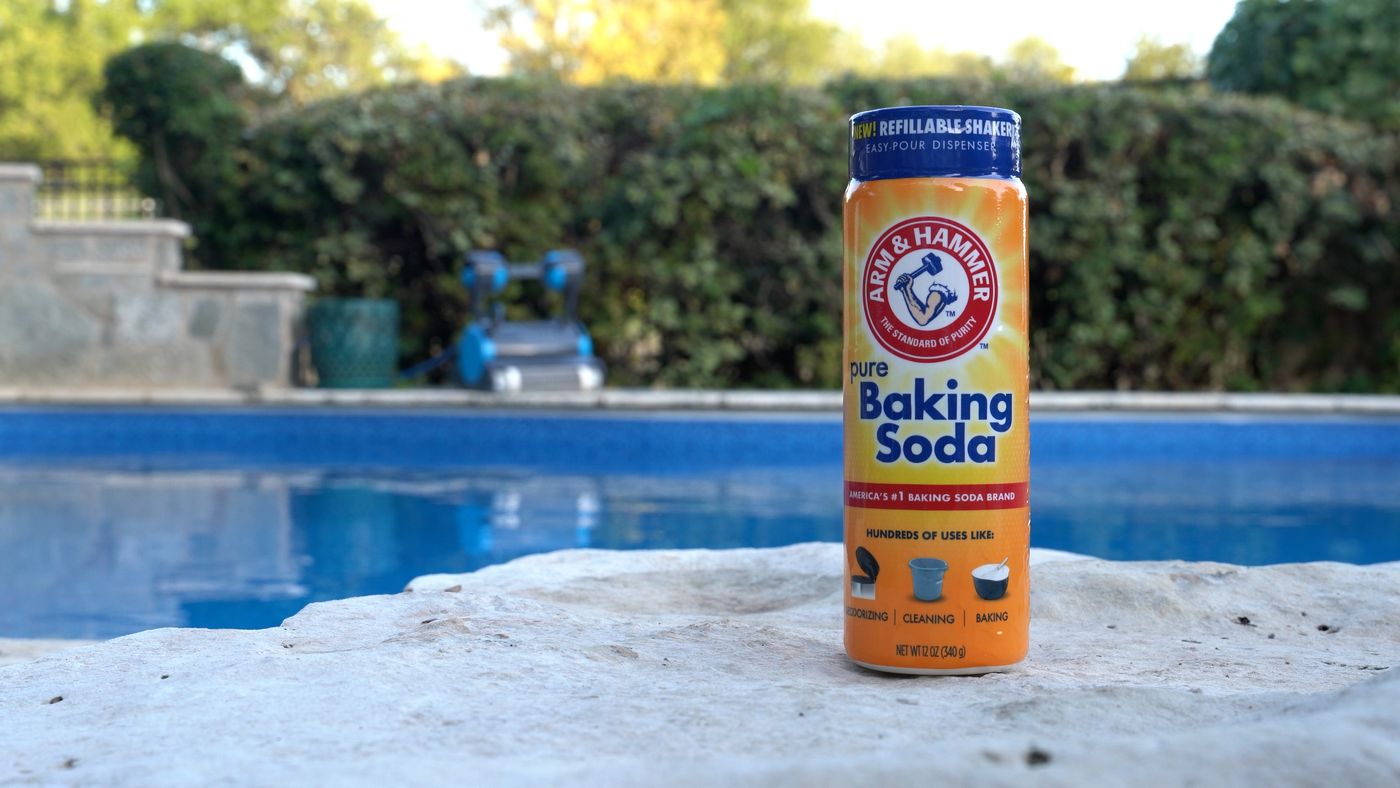
The chemical is plain sodium bicarbonate—grocery baking soda matches pool-store “alkalinity increaser.” You only need a drop kit to measure TA before and after.
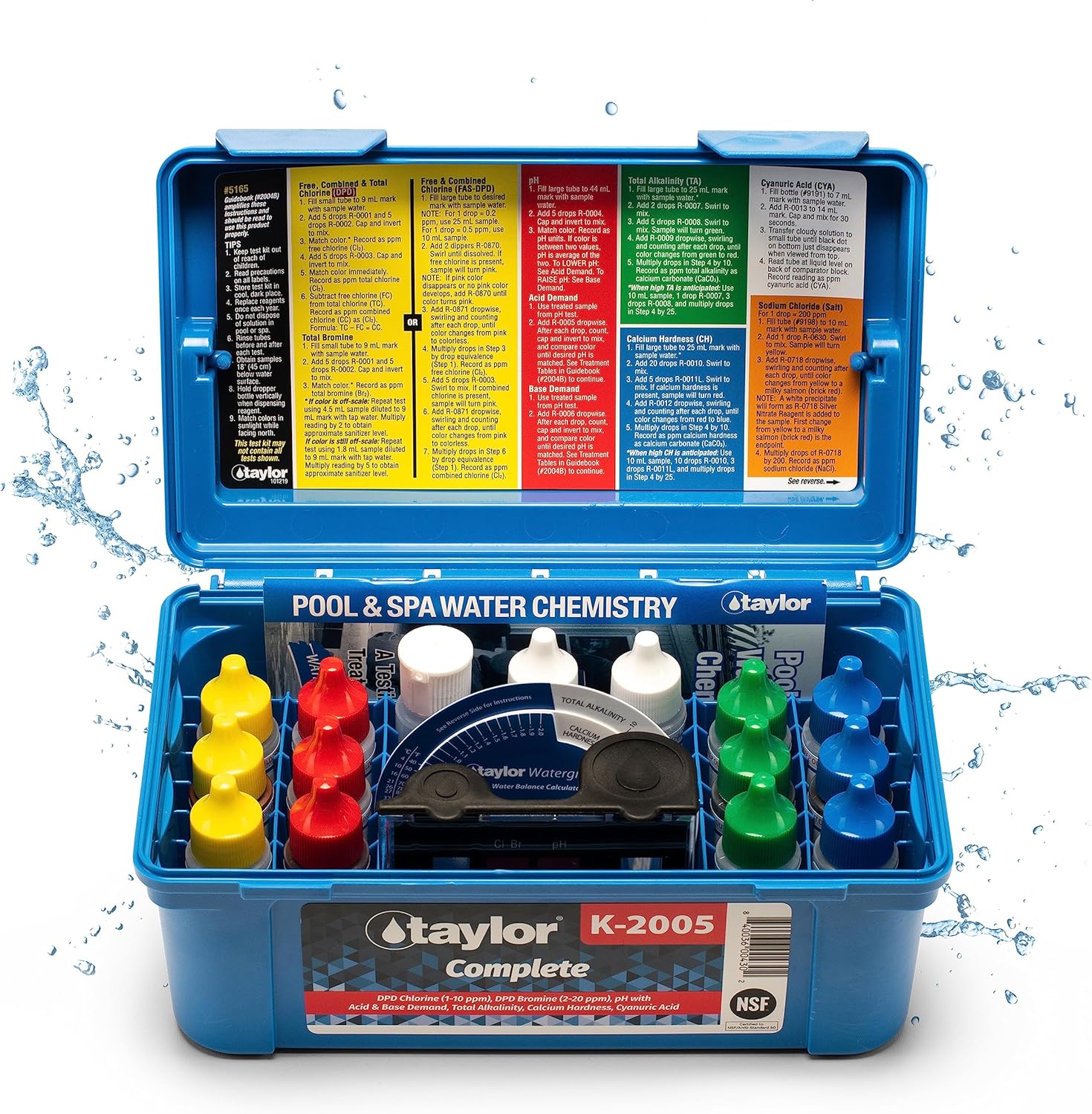
Taylor K-2005 Test Kit
What it is: A professional drop (titration) kit for chlorine, pH, alkalinity, calcium hardness, and cyanuric acid.
Why you need it: You can’t SLAM or balance blind—especially CYA, which handcuffs chlorine. This kit gives numbers you can trust, not strip guesswork.
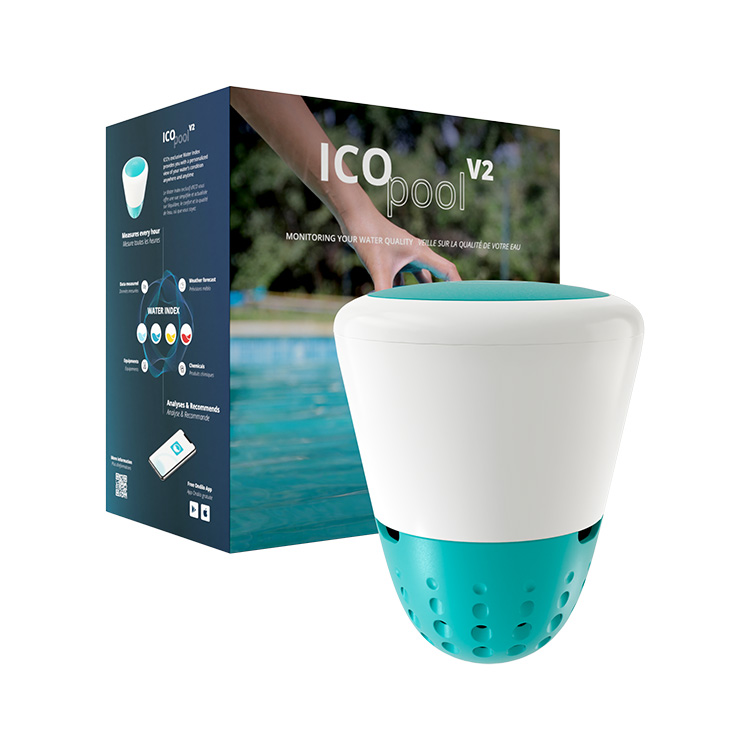
Ondilo ICO Pool Water Monitor
What it is: A floating smart monitor that samples pH, ORP (sanitizer effectiveness), and temperature on a schedule and sends trends to your phone.
Why you need it: You still need a real drop kit for parameters the ICO doesn’t replace (like TA and CYA), but hourly ORP/pH catches drift and dosing mistakes long before weekly strip checks do.
Read the full ICO review — Shop ICO direct (no Amazon listing for the hardware we run).
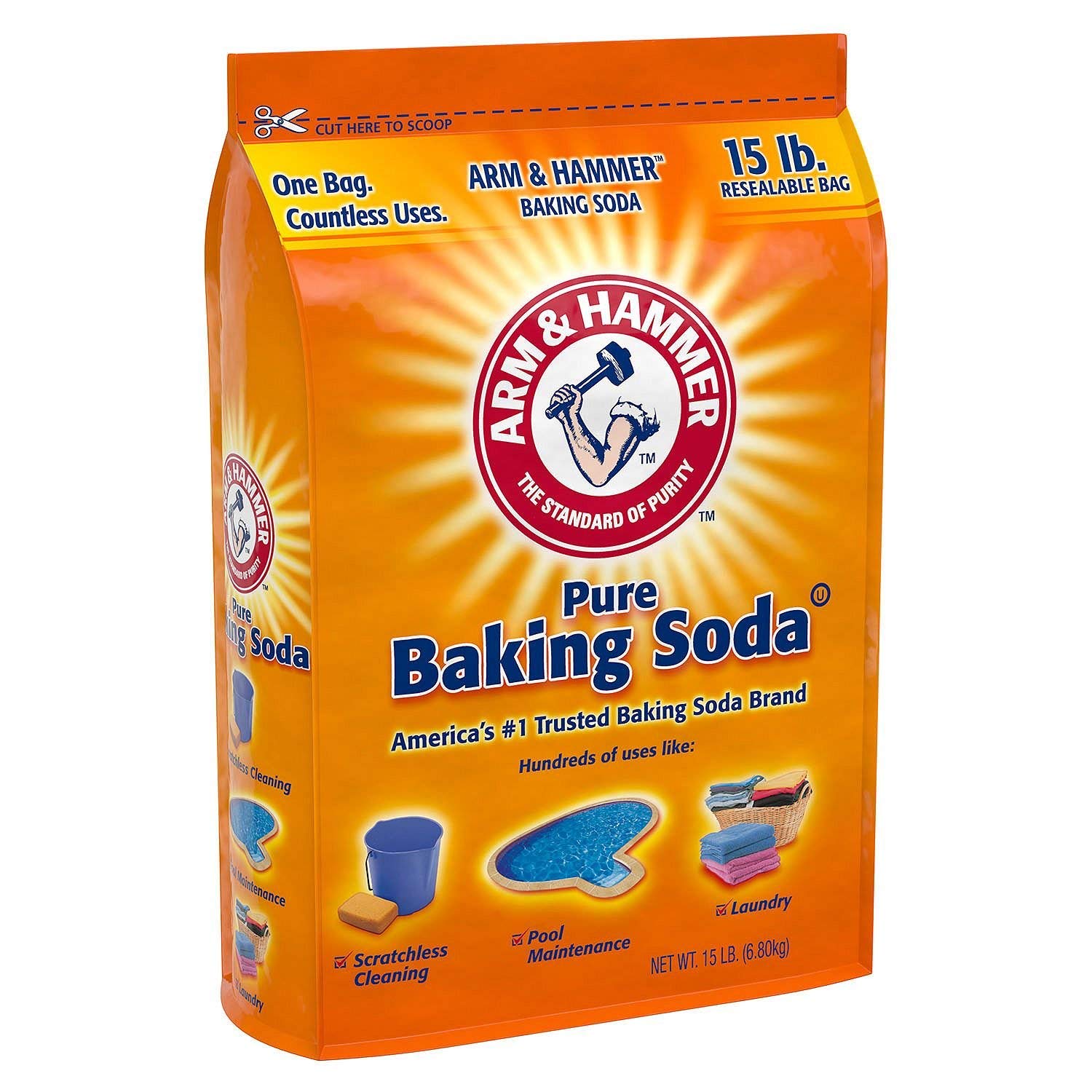
Baking soda (alkalinity increaser)
What it is: Sodium bicarbonate—the same compound as pool-store “alkalinity increaser.” Arm & Hammer 15 lb is a practical mid-size bag; USP pure 50 lb bucket is the usual pick when you want the lowest $/lb; grocery or pool-store bags work if the label is plain bicarbonate.
Why you need it: It raises total alkalinity with a gentler pH bump than soda ash. Do not use soda ash here if you only need TA up.
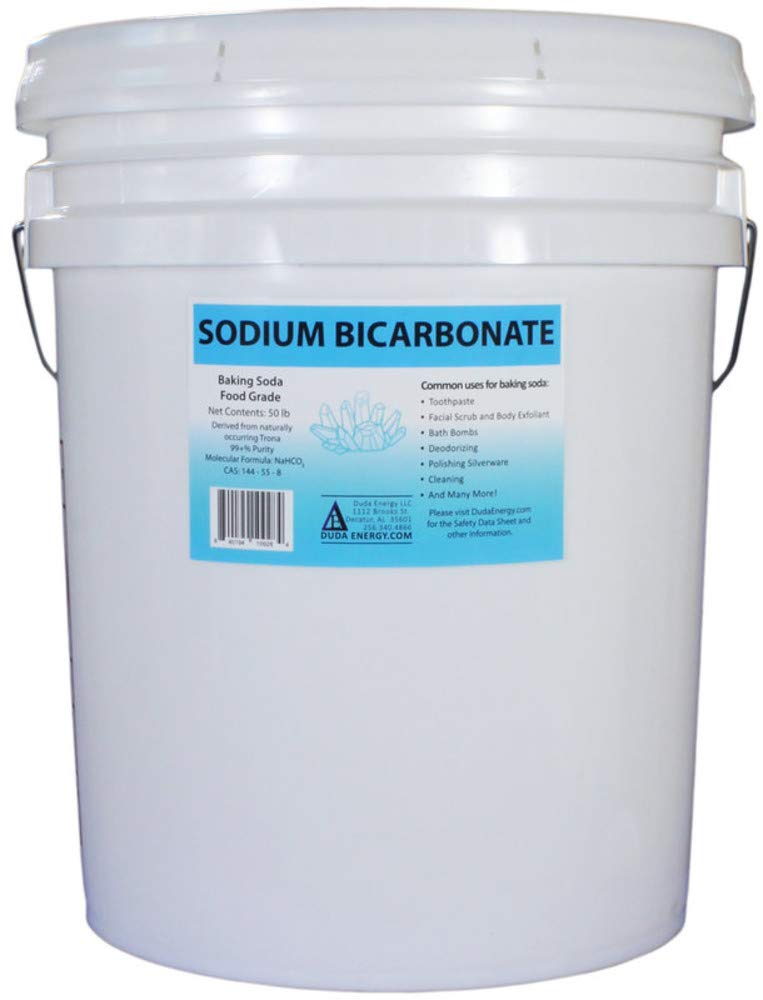
USP Pure Baking Soda (50 lb bucket)
What it is: Sodium bicarbonate in a large sealed bucket—often labeled USP/food-grade pure bicarbonate.
Why you need it: When you correct TA often or run a big pool, the cost per pound usually beats small retail boxes. Same dosing rules as any pure bicarbonate: add in stages, circulate, and retest.
Alkalinity Calculator
Already know your numbers? Plug in your pool volume and current alkalinity reading below, and the calculator will tell you exactly how much baking soda (or acid, if you overshoot) you need. For dosing charts and more detail, head to the full pool alkalinity calculator page.
Pool Alkalinity Calculator
Enter your pool details below for an instant chemical dosage recommendation.
What Is Total Alkalinity — And Why Should You Care?
Think of Total Alkalinity as your pool water's shock absorber. It's the buffer system that keeps your pH from bouncing all over the place every time a cloud passes overhead, a kid cannonballs in, or it rains.
Here's the kicker: pH and alkalinity are directly linked. Low alkalinity means your pH becomes unstable. And unstable pH means your chlorine effectiveness swings wildly — sometimes crashing to almost nothing. You're dumping in sanitizer and basically getting nothing back for it.
Low alkalinity also makes your water corrosive. It starts attacking your pool equipment — your heater, your pump, your surfaces. Heater replacement? That's potentially $4,000 or more. This stuff isn't theoretical damage. It's real money out of your pocket.
On the flip side, too much alkalinity locks pH high and makes it nearly impossible to bring down. Your chlorine weakens, you get cloudy water, and calcium starts scaling your surfaces and equipment.
The sweet spot is 80 to 120 ppm. That's where pH stays stable, your chlorine works, and your equipment stays protected.

What Causes Low Alkalinity?
If your alkalinity is crashing, the usual suspects are:
Heavy rainfall — Rain is naturally acidic and dilutes your water chemistry.
Trichlor pucks — Those floater tablets have a pH around 2.8. They're basically slow-release acid bombs that hammer both pH and alkalinity.
Muriatic acid overuse — Acid is the right tool for lowering pH, but adding too much too fast will tank your alkalinity along with it.
Fresh water top-offs — Depending on your source water, refilling the pool can introduce low-alkalinity water.
Any of these sound familiar? Then we need to talk about how to test and fix it.
How to Test Your Total Alkalinity
You have a few options, and I want to be straight with you about what each one can and can't do.
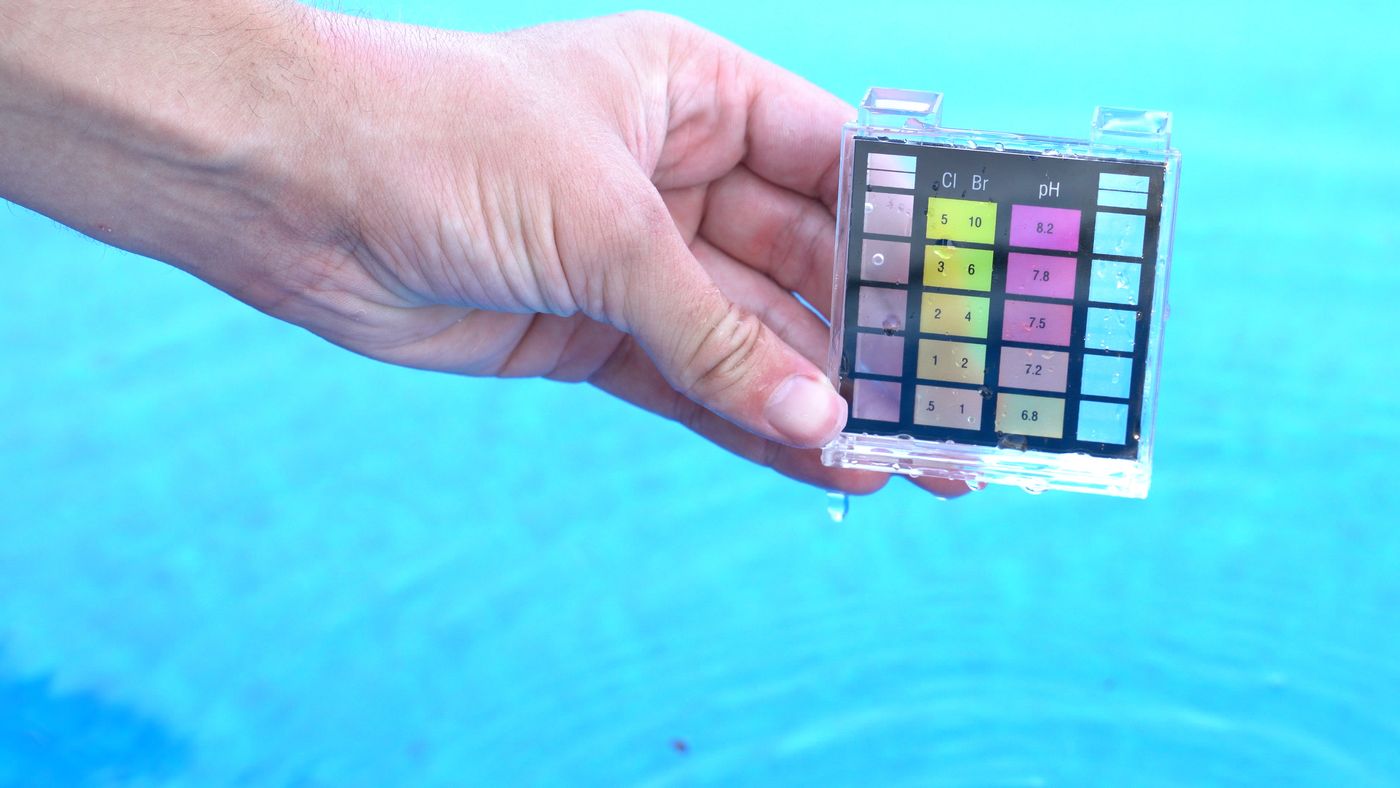
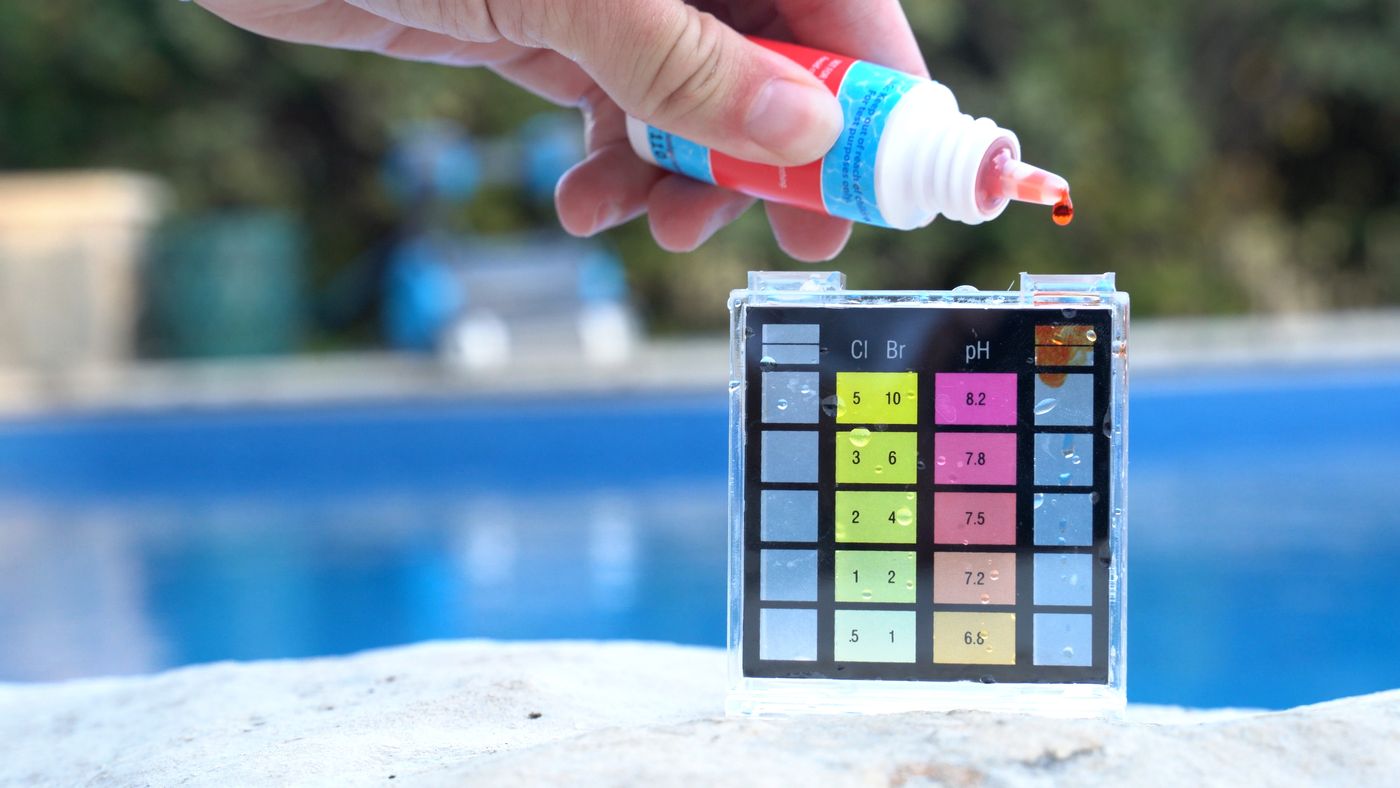
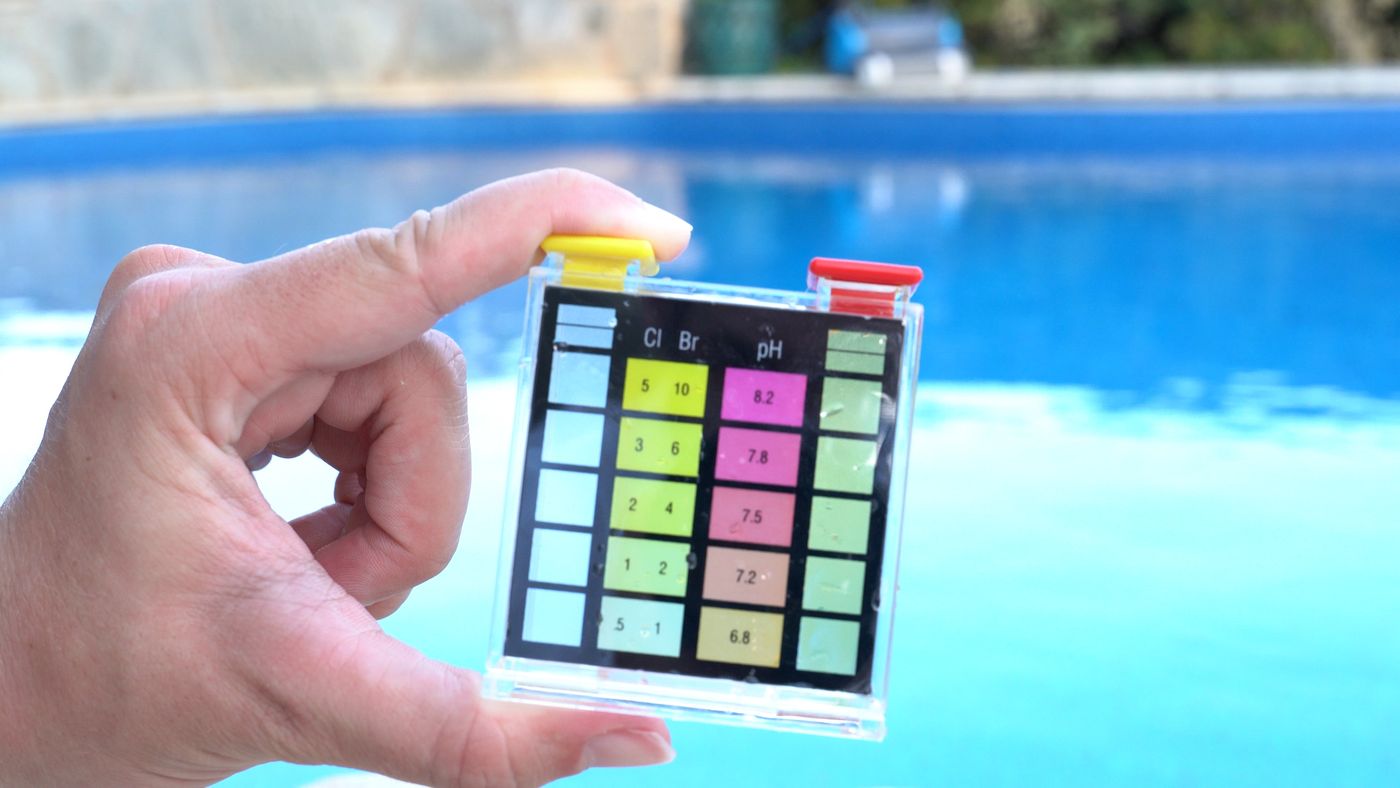
The gold standard for testing TA is a liquid drop test kit — specifically the Taylor K-2005 or K-2006 (salt pools: the K-2006 Salt). It uses an acid titration method. You count the drops until the color changes. It's precise, it's cheap, and it's what I use when I need an exact number.
Now — if you're using a smart pool monitor like the ICO by Ondilo, here's what you need to know. The ICO measures pH and ORP continuously, every hour. And that data tells you a lot — but it doesn't directly measure Total Alkalinity.
What it will do is tip you off when something's wrong. If your pH is bouncing around like crazy — spiking and crashing without a clear cause — that's your first sign that your buffering system is weak. That's your water telling you to go grab a drop test and check the TA manually.
ORP drops that mirror pH spikes are another red flag. When pH rises, ORP falls — even if your chlorine level hasn't changed. That's the water chemistry working against you. And it often traces back to insufficient alkalinity letting pH drift.
So: use the ICO to catch patterns and instability, then confirm with a drop test. Together they give you a complete picture.
What You Need to Raise Alkalinity
One product. That's it. (Expandable picks are in the what you need checklist earlier on this page.)
Sodium bicarbonate — also known as baking soda. You'll see it sold as "Alkalinity Increaser" at pool stores, usually at a significant markup. The stuff in the blue pool store bucket and the box of Arm & Hammer are the same compound: NaHCO₃. The chemistry is identical. For home delivery: Arm & Hammer 15 lb · USP pure 50 lb bucket—same NaHCO₃; compare $/lb to your pool store.
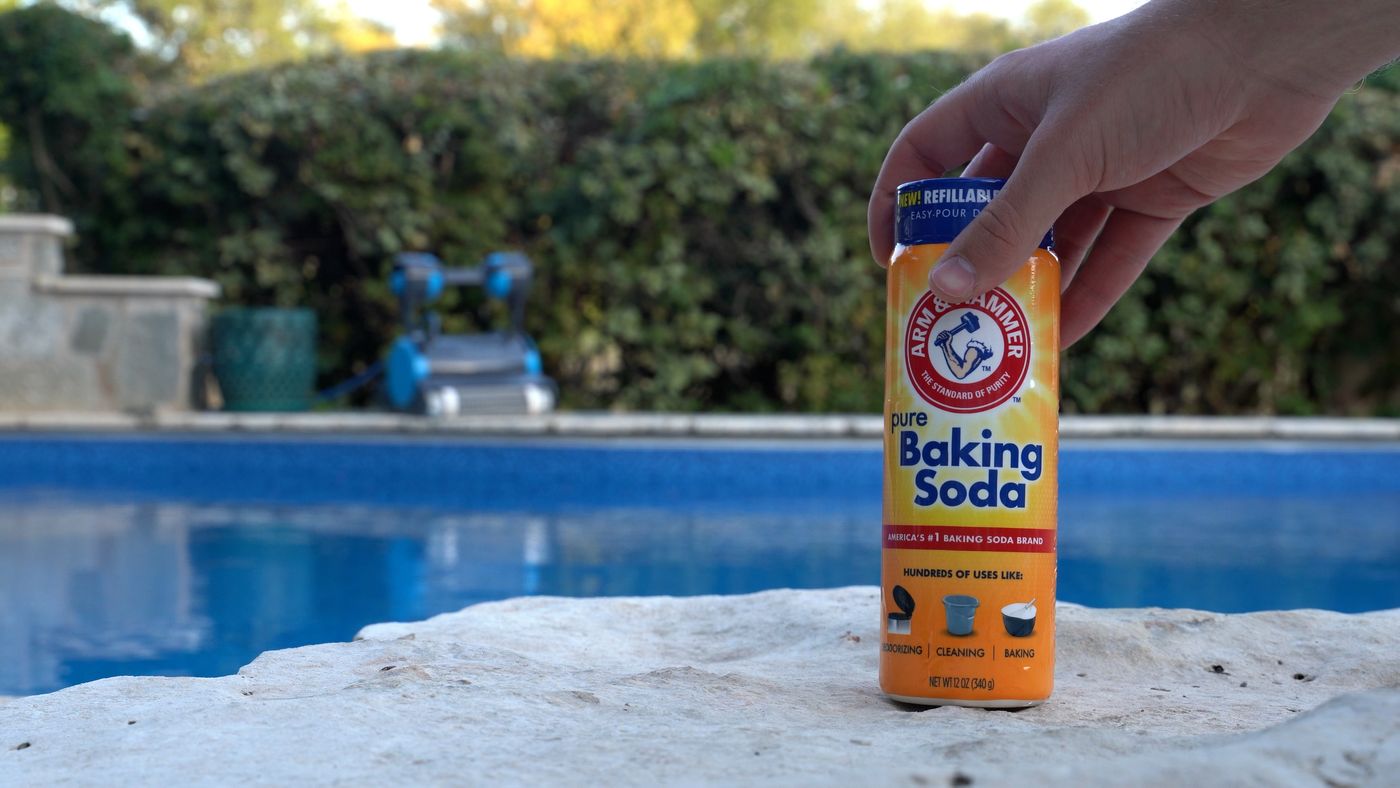
Do not use soda ash (sodium carbonate) for this job unless both your pH and alkalinity are low. Soda ash raises pH very aggressively — we're talking a pH of around 11.4 in solution — and can cloud your water or cause calcium scaling if you're not careful. For alkalinity-only correction, reach for baking soda every time.
How Much Do You Need? The Dosing Math
Here's the simple rule: 1.4 lbs of sodium bicarbonate per 10,000 gallons raises Total Alkalinity by roughly 10 ppm.
So before you touch a bag, you need two numbers: your pool's volume in gallons, and how far your TA is from your target. Use our pool volume calculator to get an accurate gallon count. Let's work through a real example.
Say you've got a 20,000-gallon pool. You test and find your TA is sitting at 60 ppm. Your target is 100 ppm — so you need to raise it by 40 ppm.
- 40 ppm ÷ 10 = 4 units
- 4 × 1.4 lbs × 2 (for 20,000 gal) = 11.2 lbs of baking soda. Most field guides round this to about 12 lbs.
If your pool is 10,000 gallons and you're low by 20 ppm? That's about 2.8 lbs. Simple arithmetic.
For exact dosing based on your pool size and current readings, use our alkalinity calculator at the top — or head to the full pool alkalinity calculator page for dosing charts and more detail.
How to Add It — The Right Way
Don't just dump the whole bag in at once. Here's the step-by-step:
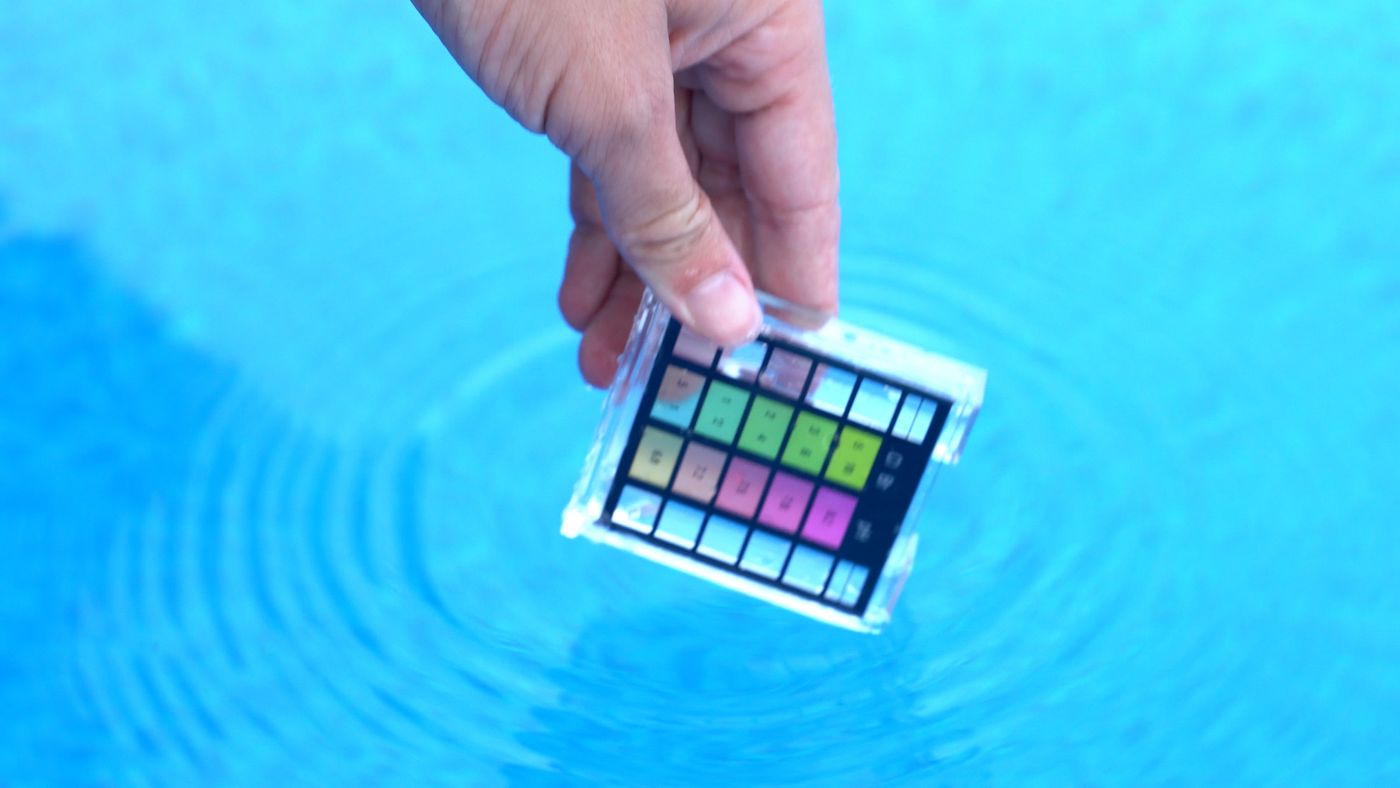
Step 1: Test your TA with a drop test kit. Get an exact number.
Step 2: Calculate your dose based on pool volume and the deficit. Stage it — don't add more than 50% of your total dose in one shot. For big corrections, break it into two or three additions over a day or two.
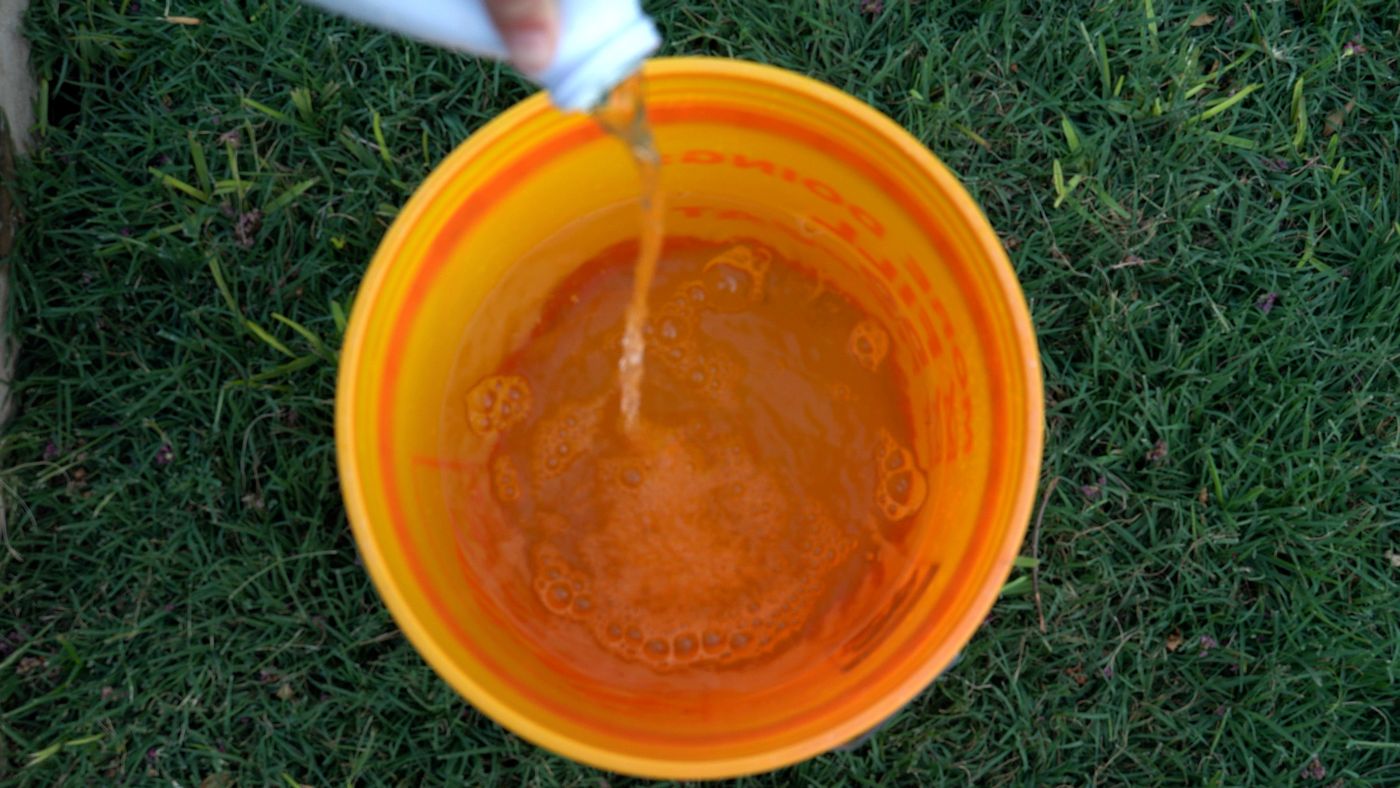
Step 3: With your pump running, broadcast the sodium bicarbonate across the surface of the pool. Walk around the perimeter. Don't dump it all in one spot.
Step 4: Let it circulate for at least four to six hours. Then retest.
Step 5: Once your TA is dialed in, then fine-tune your pH if needed. These two are linked — always correct TA first, then pH. If you flip the order, you'll be chasing your tail. If you need to adjust pH afterward, check out our guides on how to raise pH or how to lower pH.
One more note: if you're using a smart monitor like the ICO, give it 12–24 hours after your correction before reading too much into the ORP or pH trend. The water needs time to fully mix and stabilize.
Keeping Alkalinity Stable Long-Term
Once you get it in range, keeping it there is mostly about controlling what goes into your pool.
Ditch the Trichlor Pucks
If you're using Trichlor pucks, stop. Switch to liquid chlorine or sodium hypochlorite. Trichlor will drag your alkalinity and pH down week after week, and you'll be fighting it constantly. This is one of the most expensive habits in pool ownership, and most people don't even realize it.
Keep Your Pool Clean
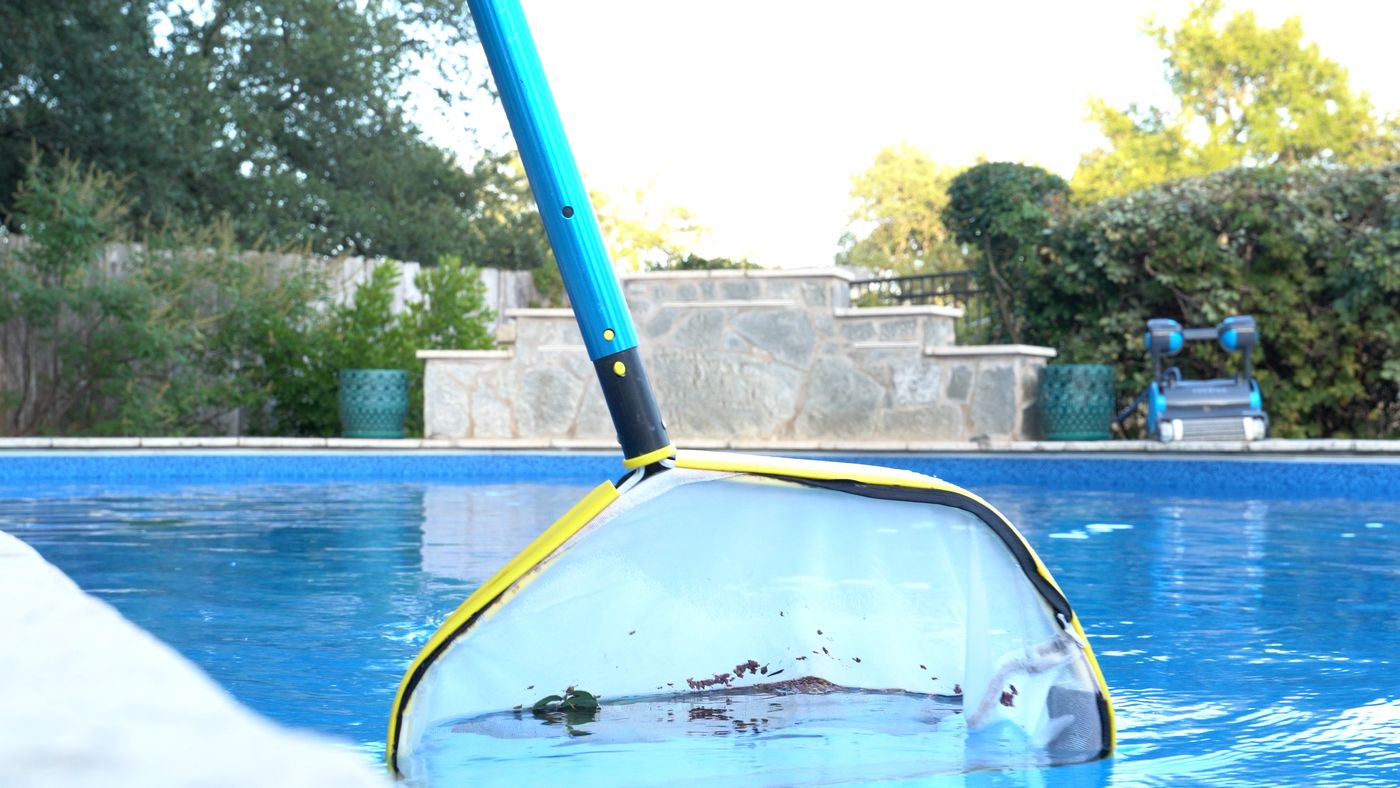
Keep debris out of the water. Organic matter — leaves, grass, pollen — decomposes and releases acids that eat away at your alkalinity over time. A robotic pool cleaner removes this material before it breaks down. The Dolphin Premier and Sigma are what I run on my test pool, and it genuinely makes a difference in how stable my chemistry stays between corrections.
Test Weekly
Test weekly. Especially after heavy rain, big swim parties, or significant chemical additions. TA doesn't swing as fast as pH or chlorine, but don't let it slide for weeks at a time without a check. Your weekly pool maintenance routine should include an alkalinity check.
Monitor Continuously
If you want continuous visibility into your water chemistry — so you catch the early signs of alkalinity trouble before they become a big correction — the ICO by Ondilo is what I use and what I recommend. It watches your pH and ORP around the clock and flags instability patterns that would take you weeks to notice with weekly testing alone.
Final Verdict
Total Alkalinity is the foundation your entire water chemistry sits on. Get it wrong, and nothing else works right. Get it right, and pH stabilizes, chlorine does its job, and your equipment stays protected.
The fix isn't complicated. Baking soda, a drop test kit, and a little patience is all it takes. Don't overcomplicate it — and don't let a pool store convince you that you need a shelf full of specialty products to solve a $3 problem.
The information is for educational purposes only. Always read manufacturer labels before handling pool chemicals. Use this information at your own risk.
If you want to look into a pool water monitor like the ICO or a robotic cleaner like the Dolphin Premier, head on over to my deals page, where I post all the best deals on top pool equipment and more.
Until next time — enjoy that pool.