
 Justin D.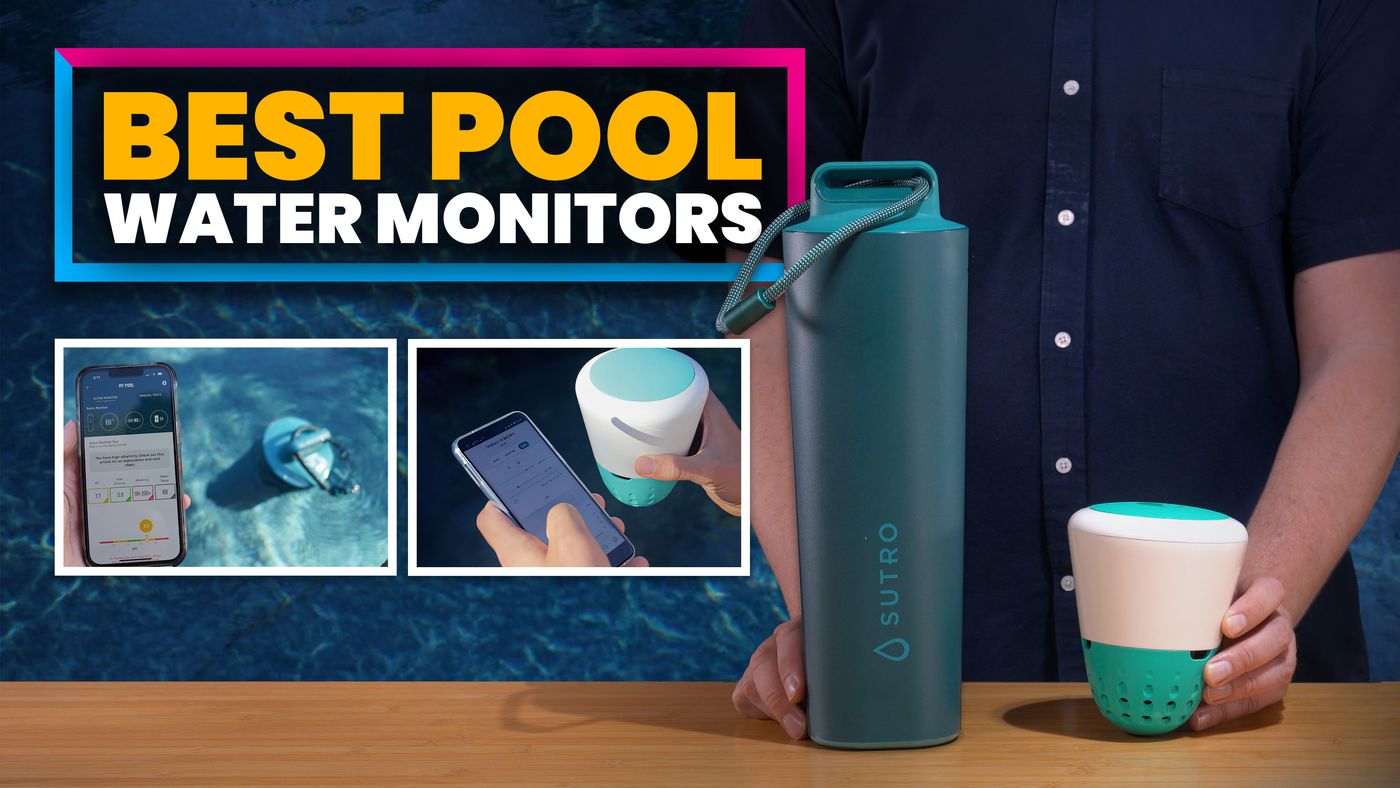
The best pool water monitor is the one that tells you the truth about your water—not just a chlorine reading on a strip. After testing the top models side by side in our 8ft x 20ft Ecopool container pool, I have a clear winner and a short list of what to avoid.
Hey there, I'm Justin, your resident pool aficionado. Today we're talking about pool water monitors—what I consider one of the most important, and underrated, pieces of pool equipment you can own.
Water quality is the single most important factor in pool maintenance. Unless you're paying hundreds of dollars a month on a pool service or manually testing your water daily, you're probably flying blind on chemistry—see weekly pool maintenance for how I think about the routine.
We spent months testing every major pool water monitor on the market—the Ondilo ICO, WaterGuru Sense S2, Sutro, Crystal Water Monitor, Aiper HydroComm, iopool EcO, and several others. After all that testing, I have one clear winner: ICO is #1 in the rankings chart below. The ICO Pool Water Monitor review is where I go deep on sensors, app, Wi-Fi, battery, and calibration—this guide is the head-to-head “why it won” story.
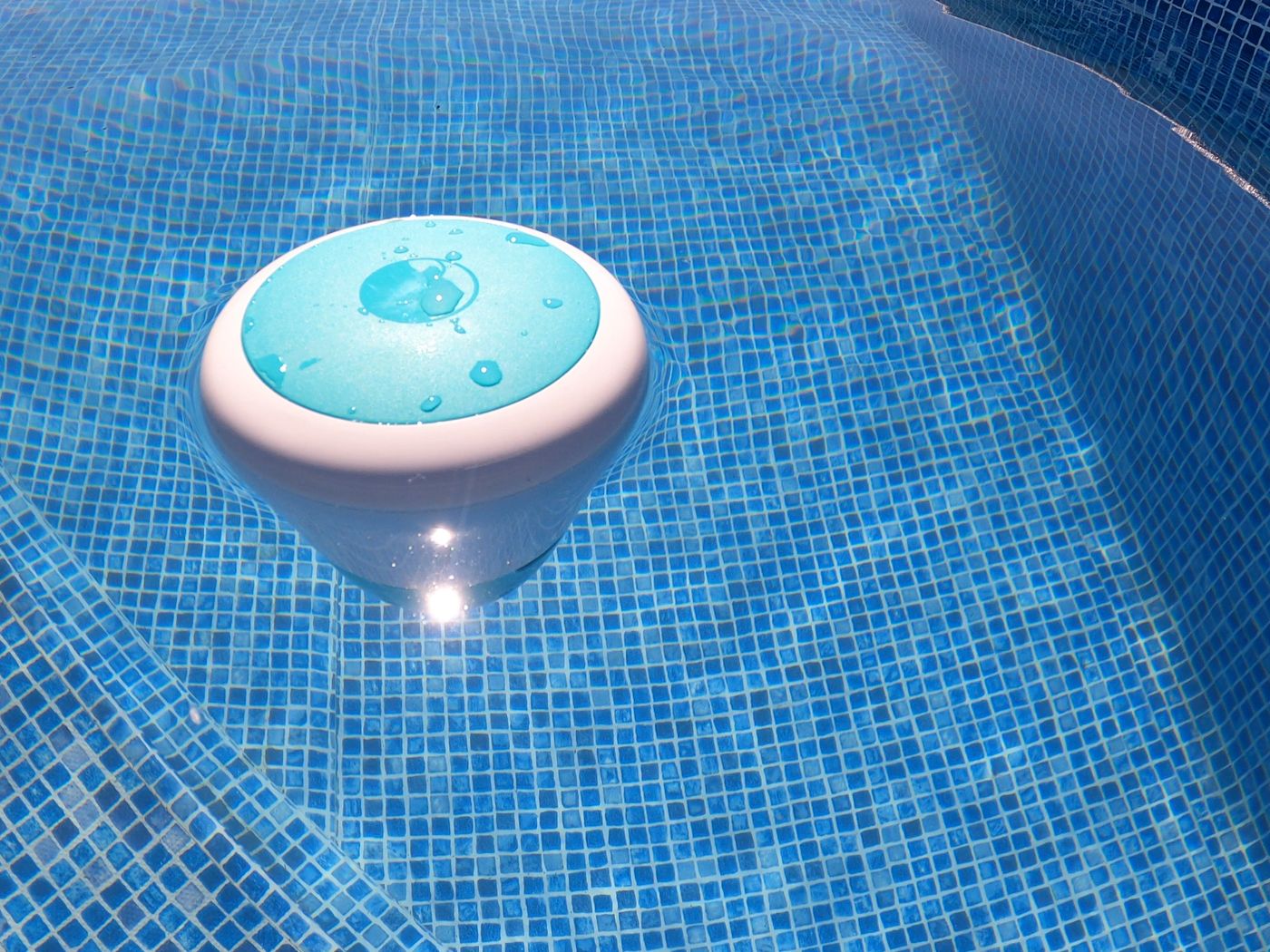
After using a pool water monitor in our pool for months, I'd never go back. It makes maintaining the pool a breeze. From a green, algae-ridden pool to crystal clear water, a good monitor gives you real-time alerts so you know when to add chlorine and acid. When chlorine is the next step, follow the safe process in my guide to adding liquid chlorine to your pool. No more guesswork—you know what to add and when.
Let me show you exactly what I found.
Best Pool Water Monitors at a Glance
Best Pool Water Monitors at a Glance


I test every monitor in real water so you can see how they stack up—not just what the box claims. Use Details ↓ to jump to each write-up below, and Check Price when you want current pricing (ICO links direct to the manufacturer; the others use our usual retailer links).
My pick after testing everything: the Ondilo ICO—ORP + pH tracking, no subscription, direct Wi-Fi, and an app that actually tells you what to dose.
Want the deep dive? Read my full ICO Pool Water Monitor Review—including what ORP is, what ICO tracks, and Wi-Fi setup.
Why You've Been Doing Pool Care Wrong
For years, pool care has been about chasing numbers—chlorine, pH, alkalinity—testing, adding chemicals, and hoping you got it right. Pool stores push endless products, and many service visits still lean on the same old playbook.
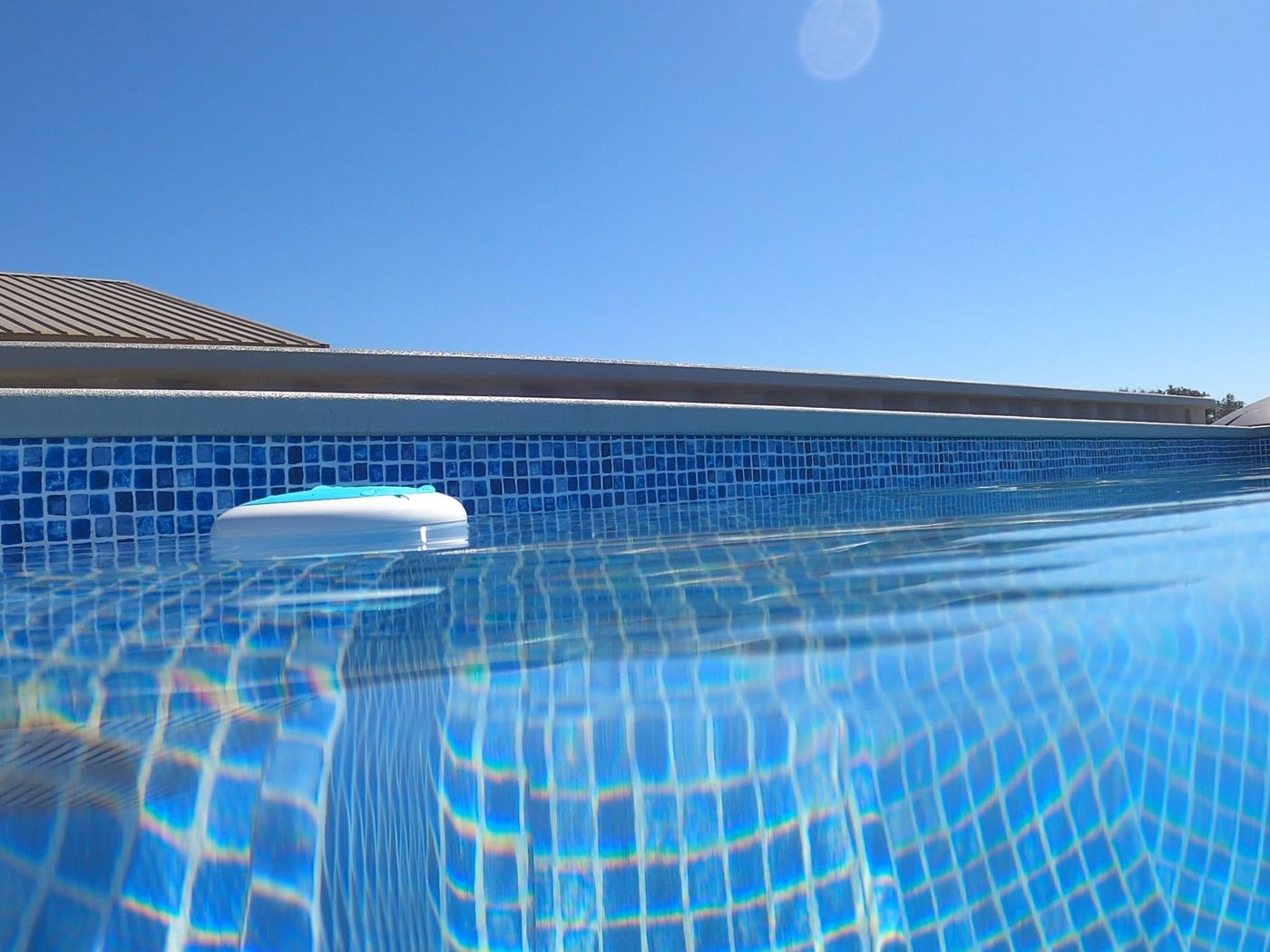
But here's what I learned on a trip to Europe, where Olympic training facilities don't bother with a long list of gimmicky pool-store products. Instead, they focus on one number that matters: Oxidation-Reduction Potential (ORP). I break down why ORP matters for backyard pools in my ICO review.
Unlike chlorine test strips that only tell you how much chemical is in the water, ORP measures how well your chemicals are actually working. It's the difference between knowing you have chlorine and knowing it's doing its job.
The problem with focusing on chlorine alone is that your chlorine level can be high and the water still has no sanitizing power. The wrong pH or CYA level can make chlorine almost useless—think of it as kryptonite for your sanitizer.
ORP gives you the real picture of water quality, while chlorine testing only shows one ingredient. That's why Olympic venues and commercial pools lean on ORP. It's not something most pool stores emphasize—because the more confused you are, the more stuff they can sell you.
What to Look For (And What to Avoid)
After testing all these monitors, here's what actually matters:
Look for ORP measurement
This is the gold standard for day-to-day maintenance. You can track many parameters, but for daily care you really need two: ORP and pH. ORP is the "one number to rule them all" for sanitizing power. When ORP sits in a healthy range (often around 650–750 mV), it reflects whether your water is actually sanitized—not just whether you dumped in chlorine.
Avoid subscriptions and endless cartridge swaps
Some monitors charged $29–39 per month on top of the hardware. That's $350+ per year just to use something you already bought. Others skip the subscription but need $20+ cartridges every month or two—another $240+ per year. Over five years, that's over a thousand dollars in consumables alone. Prefer monitors that need occasional calibration, not full sensor replacement every few weeks.
Long-lasting rechargeable battery
You want USB charging and months of runtime, not days. The best units should get you through much of a season without living on the charger.
Reliable Wi-Fi (with Bluetooth backup)
After testing models that needed hubs, dongles, and bridges near the pool, direct Wi-Fi to your router is worth it. Bluetooth as a backup for local checks is a nice plus.
An app that recommends doses—not just graphs
The app should translate readings into what to add and how much, using your pool size and the products you use. Historical trends for pH, ORP, and temperature help you fix drift before it becomes an algae bloom or a cloudy water headache.
How We Tested
I dropped each monitor in my pool and ran them side by side for weeks. I compared readings against lab-style checks, watched app stability, logged battery life, stress-tested connectivity, and—most importantly—tracked which ones actually helped me keep the water crystal clear.
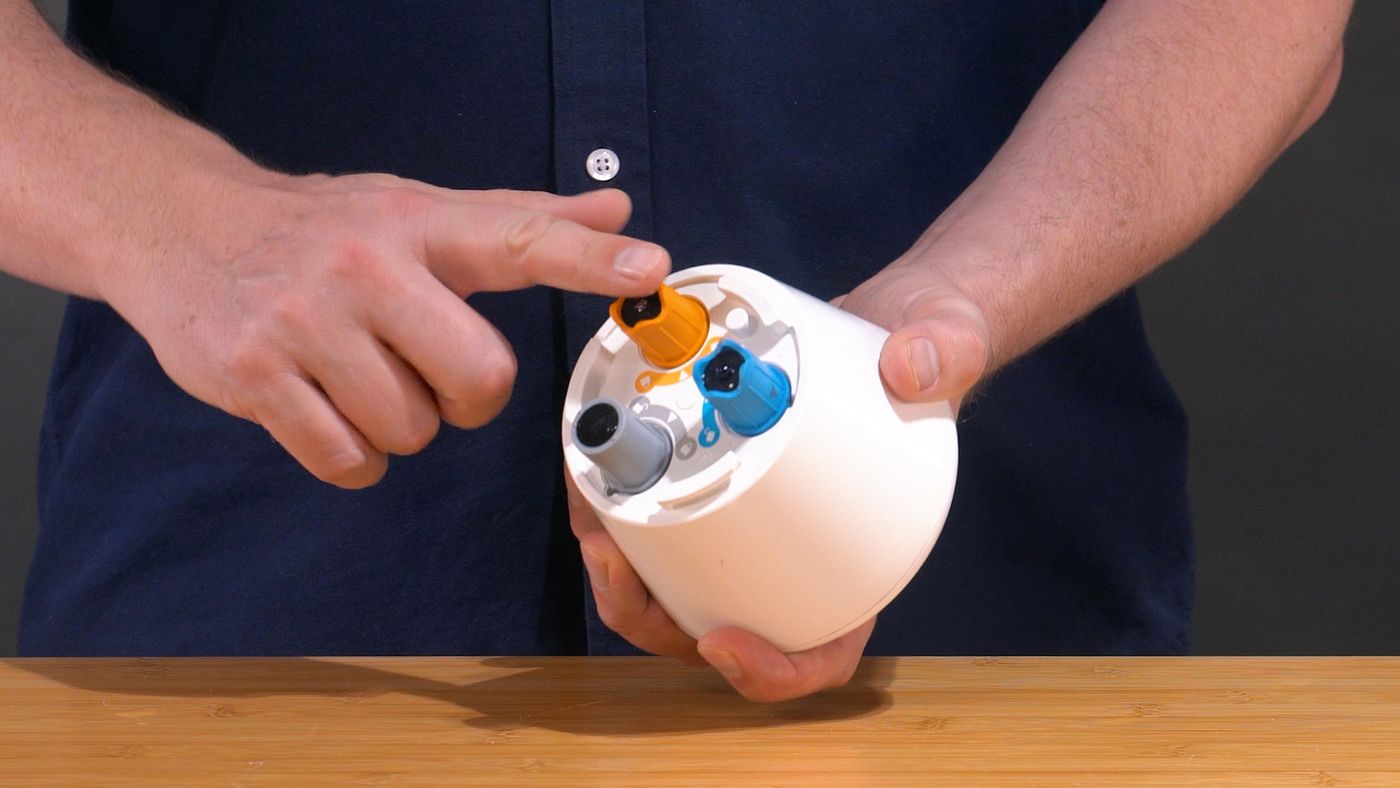
I also calculated true cost of ownership over several years, because the sticker price never tells the whole story.
The Monitors We Tested
Sutro
Sutro required a $29–39/month subscription plus cartridges and an external hub. Sutro is discontinued; service wound down and devices stopped working after October 2025. That's a cautionary tale about subscription-locked, proprietary hardware.
WaterGuru Sense S2
WaterGuru Sense lives in the skimmer instead of floating—some people prefer that. No subscription, but replacement cassettes every 4–8 weeks at about $20 each (~$120–240/year). It focuses on chlorine, not ORP, so you get less insight into real sanitizing power.
Crystal Pool Water Monitor
Crystal Water Monitor measures ORP, pH, and temperature with frequent sampling. Electronics stay drier in the design. Downside: ~$99/year after year one for full alerts/support/sensor program—and the industrial look isn't for everyone.
Aiper HydroComm
Aiper HydroComm is solar-powered, tracks pH, ORP, EC, TDS, temperature, and has no subscription. I'm cautious because Aiper pool robots have often scored poorly on Fakespot, and I've covered serious safety concerns with some Aiper cordless cleaners separately; HydroComm is also new, so long-term reliability is unproven.
iopool EcO
iopool EcO needed an extra Wi-Fi dongle in an outlet, and it doesn't support saltwater pools—non-starters for a lot of owners. If you run salt, our pool salt calculator is a handy companion either way.
My Number One Pick: ICO
After testing all the top pool water monitors, the ICO is my clear winner. It's the device that changed how I maintain my pool.
What is ICO? It's a smart, AI-assisted pool water monitor that analyzes your water about each hour and sends insights to your phone. It watches chemistry 24/7 and recommends what to add and when—without turning pool care into a second job. I walk through what ICO is and how it works step by step in the dedicated review.
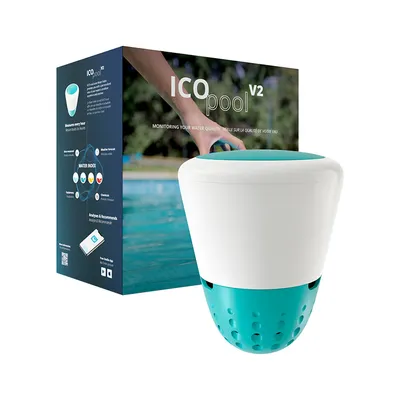
So what makes ICO different from everything else I tested?
- Reliable, accurate sensors
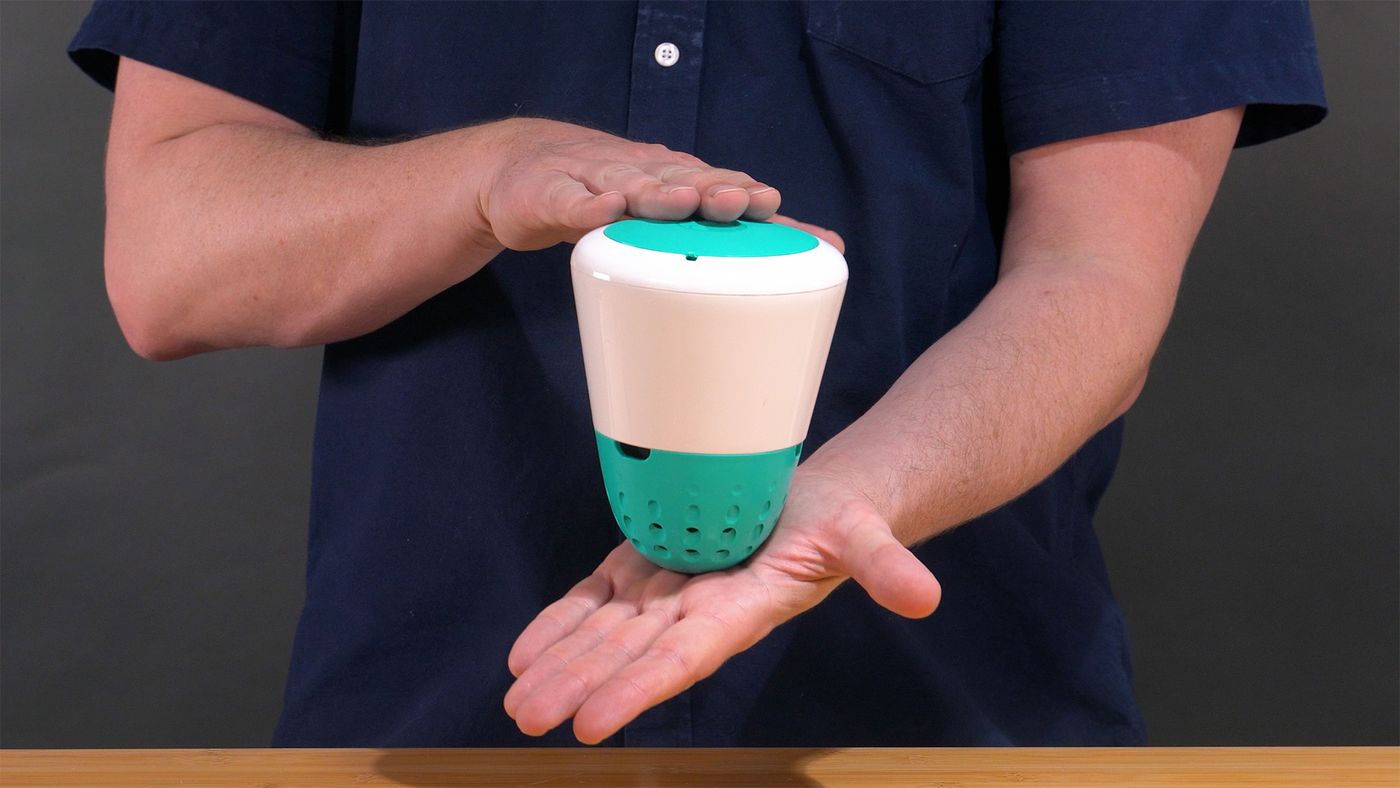
- Long battery life—up to about six months in my experience; USB rechargeable
- No subscription fees
The ICO tracks four major factors: BioPower (ORP)—aim for about 650–700 (see what ICO tracks); pH—ideally 7.0–7.2 for strong sanitizer performance (why pH matters); temperature; and TDS on the saltwater version (TDS explained).
They offer two versions—chlorine/bromine and saltwater. Most brands only sell one flavor; having both matters when half of pools are salt.
The app is intuitive: dashboard snapshot, history, and even weather context so you can anticipate rain or heat swings. I especially like the Water Index—one score that balances sanitation and comfort instead of a wall of numbers.
Battery: I've gone 4+ months without a recharge; it charges via USB like your phone. More on ICO battery life in the review.
Connectivity: Direct Wi-Fi—no dongle or hub—and Bluetooth for local access. After flaky setups on other models, ICO's stability stood out—details in Wi-Fi connectivity.
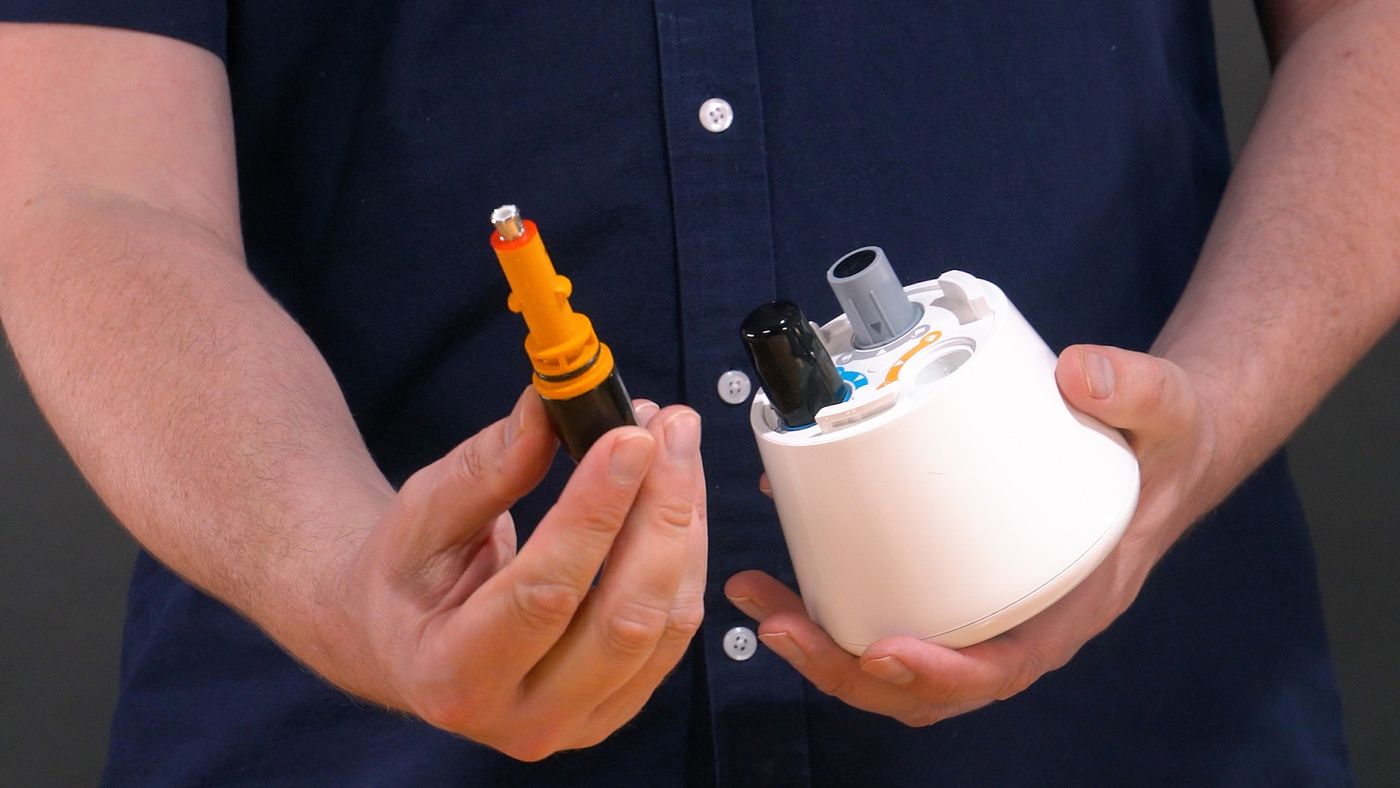
Setup: The app walks you through pairing; in the water it pushes about hourly readings. Sensors need calibration roughly every six months with the included kits—not monthly cartridge bills (setup and calibration).
The Money Math
ICO can pay for itself quickly. When you hold pH between 7.0 and 7.2, chlorine works the way it should—same range I target in ideal pool pH. Move pH from 7.0 to 7.5 and you can lose about half of chlorine's effectiveness; at 8.0, you can lose up to around 90%.
I was burning about $70/month in chemicals before dialing things in with ICO; now it's closer to $35—$400+/year in savings, before you count avoided equipment damage or algae cleanups (how to shock a pool, best pool shock, our pool shock calculator for a one-time dose, or the SLAM pool calculator for a maintained CYA-based cleanup). Versus $99/year apps or $20/month cartridge treadmills, ICO is the long-term math winner for me—often ~12 months to break even, then mostly upside. I also spell out the dollars in ICO as an investment.
Final Verdict
Pool water monitors are Pool Nerd Approved. They're one of the most important pieces of equipment you can own—right up there with a robotic pool cleaner and a good robotic skimmer. For the full automation stack I actually run, see must-have pool equipment.
Too many service visits are rushed; some pool stores still push 300–400% markups and products you don't need. Meanwhile your water can swing in 24 hours in hot weather. A monitor closes that gap.
The Ondilo ICO doesn't just reduce guesswork—it gives you time back. I'd recommend it to anyone who wants fewer water-testing headaches and more weekends actually in the pool. Start with the full ICO review if you want every detail, or use Discover to match gear to your pool.
For current pricing and bundles, check ThePoolNerd.com/deals—that's where I post the best deals on pool water monitors and gear I've vetted. You can also compare models and dig into the differences between everything I've tested. Until next time—enjoy the pool, and check back for more pool maintenance tips.


Comments
Loading comments…