
 Justin D.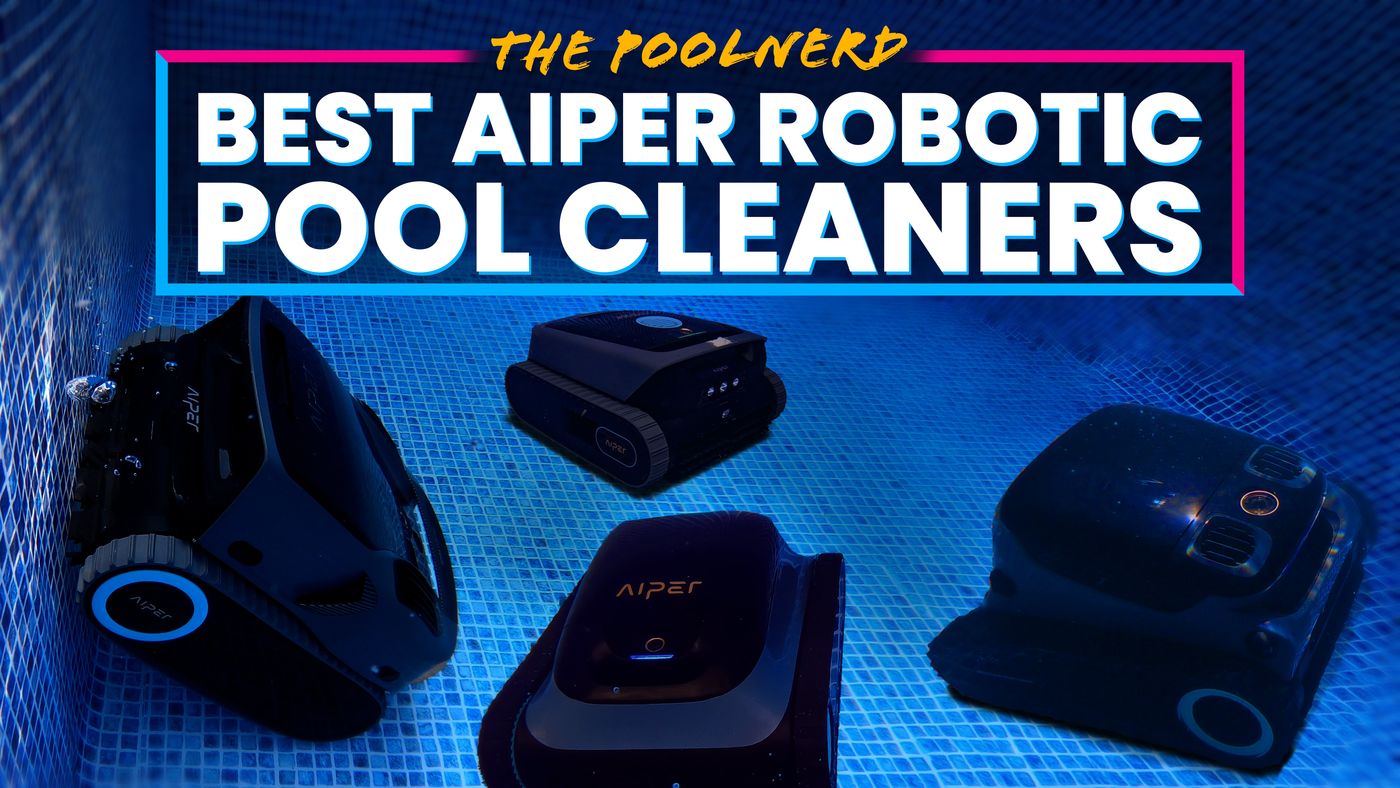
Thinking about buying an Aiper pool cleaner? I've tested every single Aiper model in my pool — all 12 of them. From the $80 Seagull 600 to the nearly $3,000 Scuba X1 Pro Max, I put every Seagull, Scuba, S-Series, and X-Series robot through its paces over several months of hands-on testing.
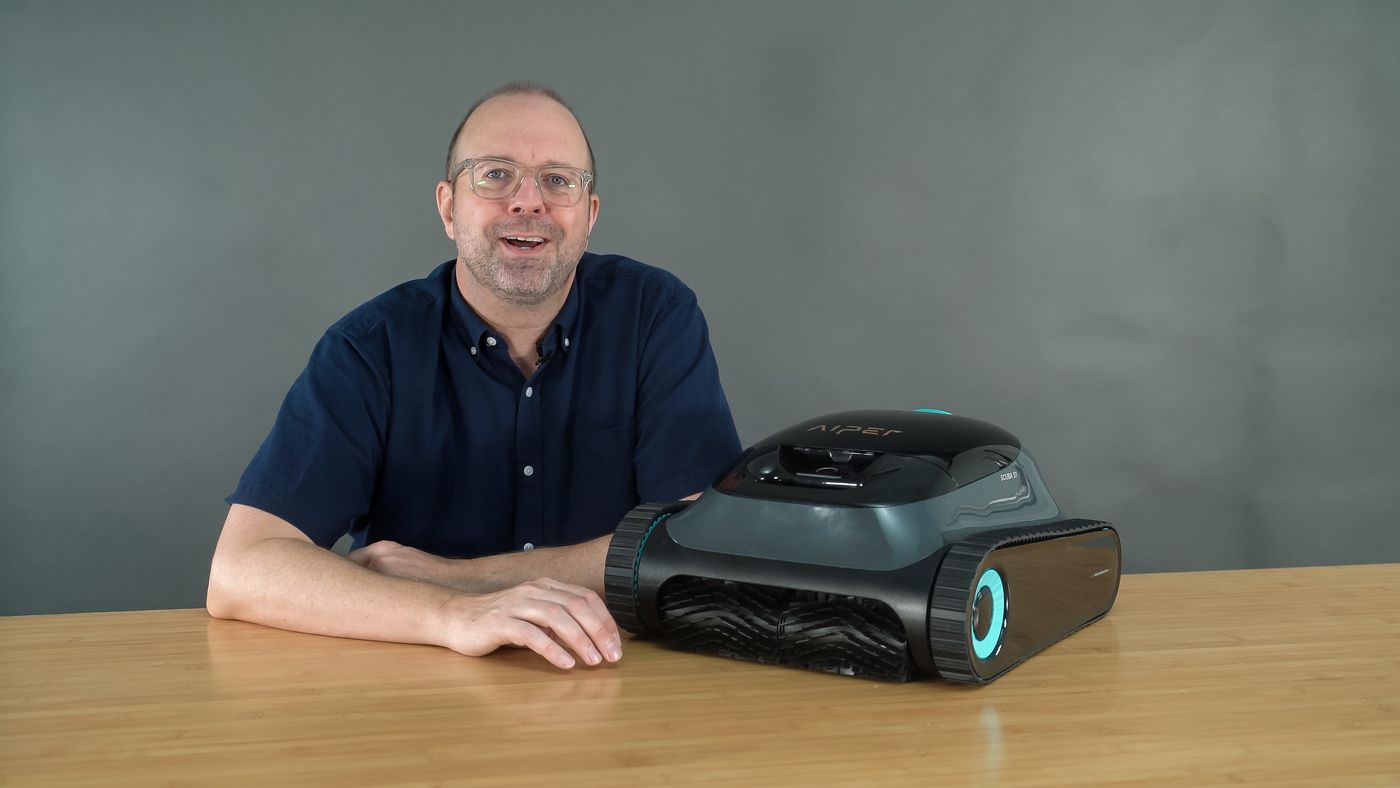
Hey there, I'm Justin, your resident pool aficionado. And today I'm ranking every Aiper pool cleaner from worst to best. If you're considering an Aiper, read this first — because I'm about to save you a lot of money and frustration.
Best Aiper Pool Cleaners at a Glance


After testing 30+ robotic pool cleaners from all the top brands — Dolphin, Polaris, Beatbot, and Aiper — I can tell you up front: Aiper makes a wide range of cordless robots, but they come with serious trade-offs that most buyers don't realize until it's too late. The constant recharging, fading suction, basic filtration, and some genuine safety concerns make it hard to recommend any of them over a solid corded alternative.
But if you're set on an Aiper, this guide will help you pick the right one — and avoid the ones that aren't worth the price tag.
Want the best pool robot overall? Read my Best Robotic Pool Cleaners of 2026 guide
After testing 30+ robots, I rank every top model — including what to look for and what to avoid.
Read all of our Aiper Pool Cleaner Reviews — every model tested with full hands-on verdicts.
Should You Buy an Aiper?
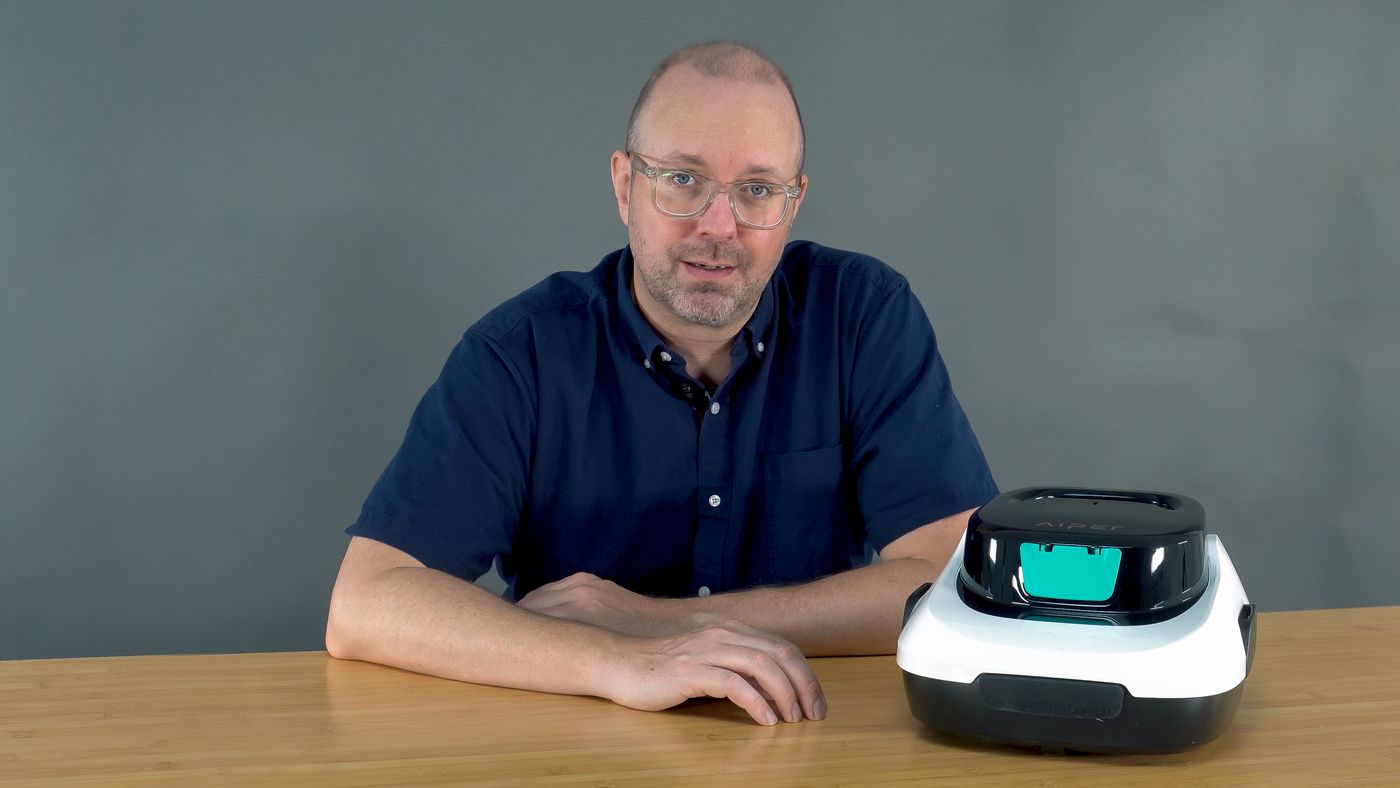
Let me be honest with you — I think most pool owners are better off with a corded robot. After spending thousands of dollars testing every Aiper model, I still use a corded Dolphin as my daily driver. But I know some of you are set on going cordless, and if that's you, Aiper does have some things going for it.
Aiper has built one of the largest cordless pool robot lineups on the market — 12 models spanning four product lines at price points from $80 to nearly $3,000. They've clearly invested in design, app integration, and trying to push cordless technology forward. And their flagship X-Series robots are genuinely ambitious machines.
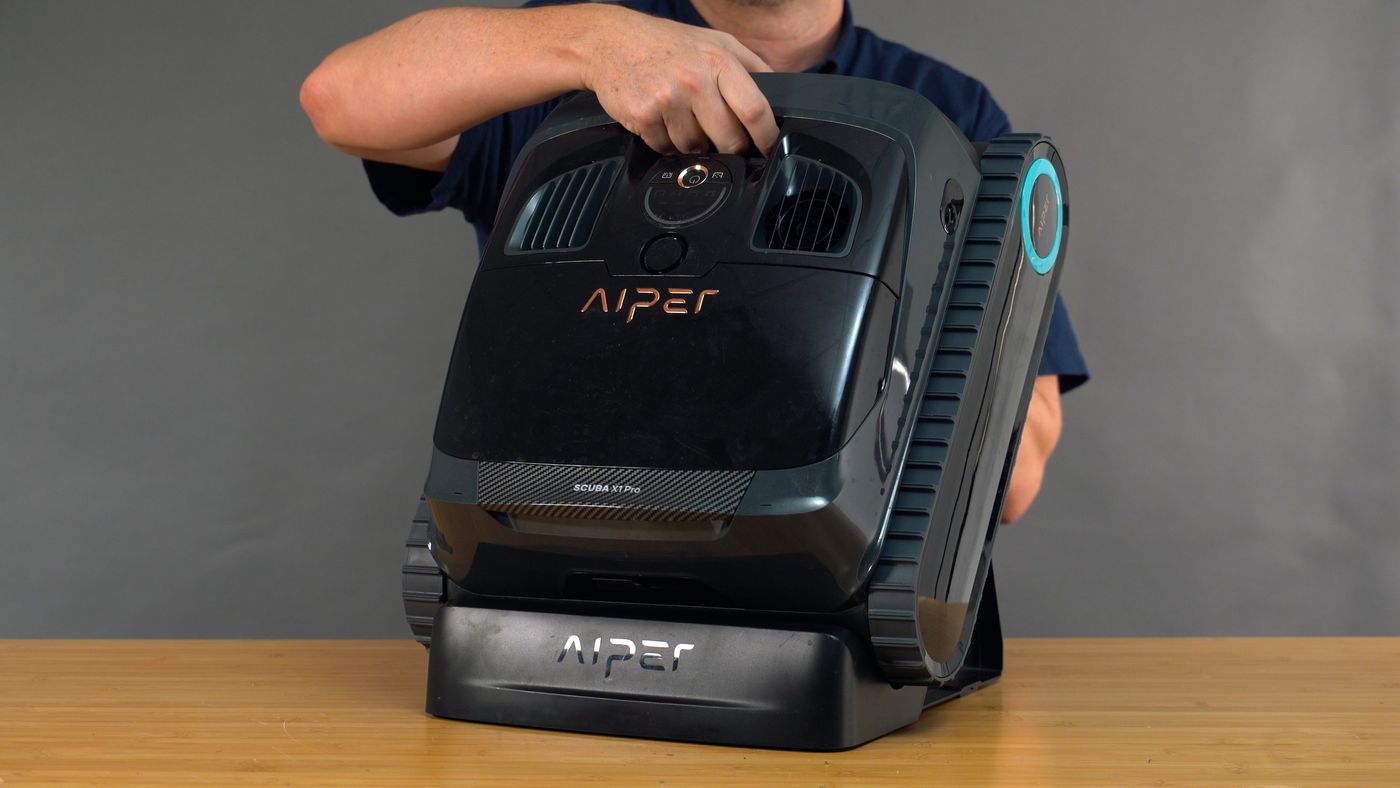
But here's the thing nobody tells you before you buy: cordless means daily maintenance. Every single day, you're fishing a heavy, waterlogged robot out of the pool, emptying the filter, docking it on the charger, and waiting 4–5 hours before you can use it again. That's 14 interactions per week just to keep your pool clean. Compare that to a corded robot with a Weekly Timer — you set it once, and go outside once a week to rinse the filter.
Aiper also has some unique concerns that other cordless brands don't — including two CPSC fire-related recalls and low scores on third-party review analysis tools. I'll cover both in detail below.
That said, if you absolutely cannot run a cord to your pool, or if the cordless convenience is non-negotiable for your situation, some Aiper models are better than others. Let's talk about what they do well — and where they fall short.
What I Liked About Aiper
Widest Cordless Selection
No other cordless brand offers 12 different models across four product lines. Whether you have a small above-ground pool or a large inground pool, Aiper has something in your price range. From the $80 Seagull 600 to the nearly $3,000 Scuba X1 Pro Max, there's an option for every budget. That variety is genuinely useful when you're trying to find the right fit.
App and Smart Features
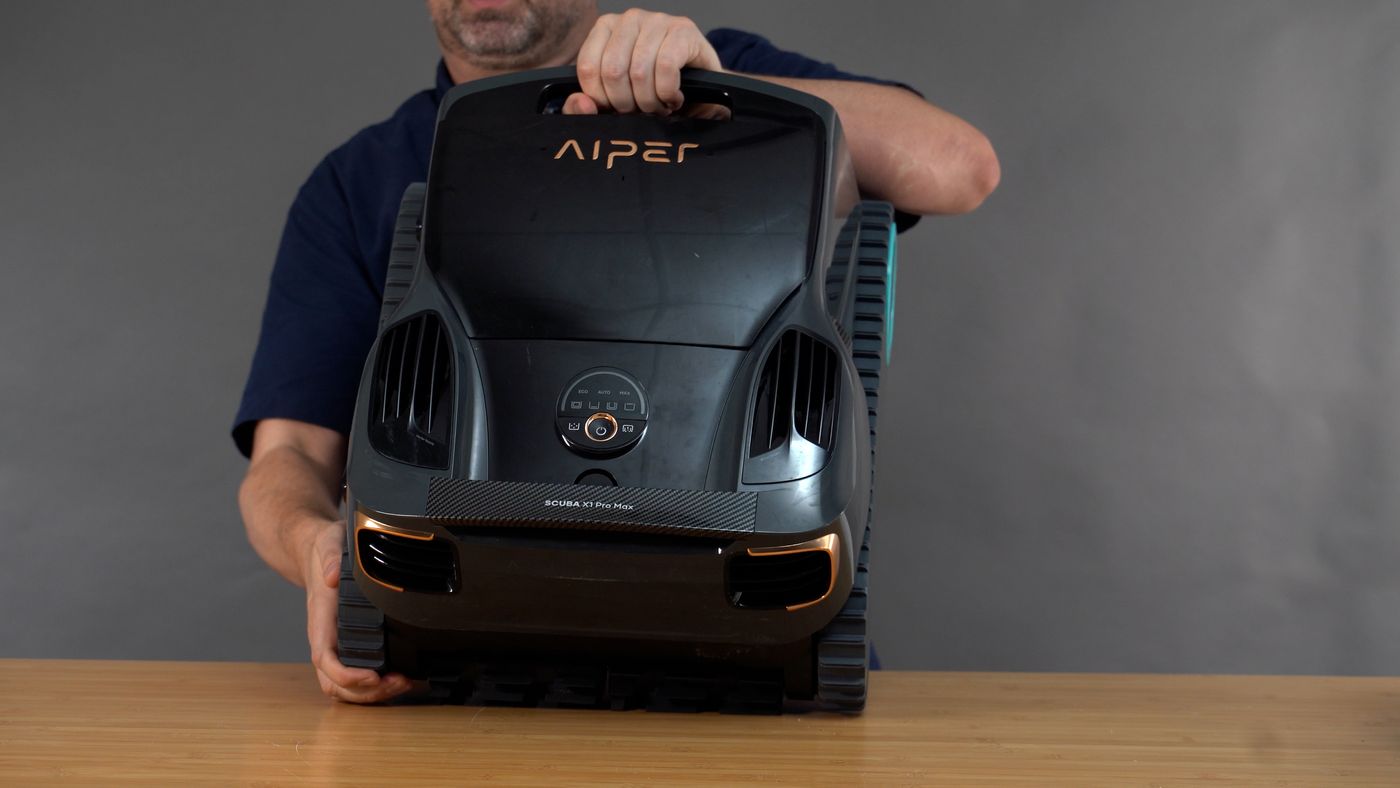
The higher-end Aiper models offer solid app integration. The Scuba S1 Pro, X1 Pro, and X1 Pro Max all connect to the Aiper app for scheduling, mode selection, and cleaning maps. The X1 Pro Max with HydroComm Pro even offers underwater connectivity — something very few cordless robots can do. While you have to pay extra for it, the technology is there.
Competitive Pricing at the Low End
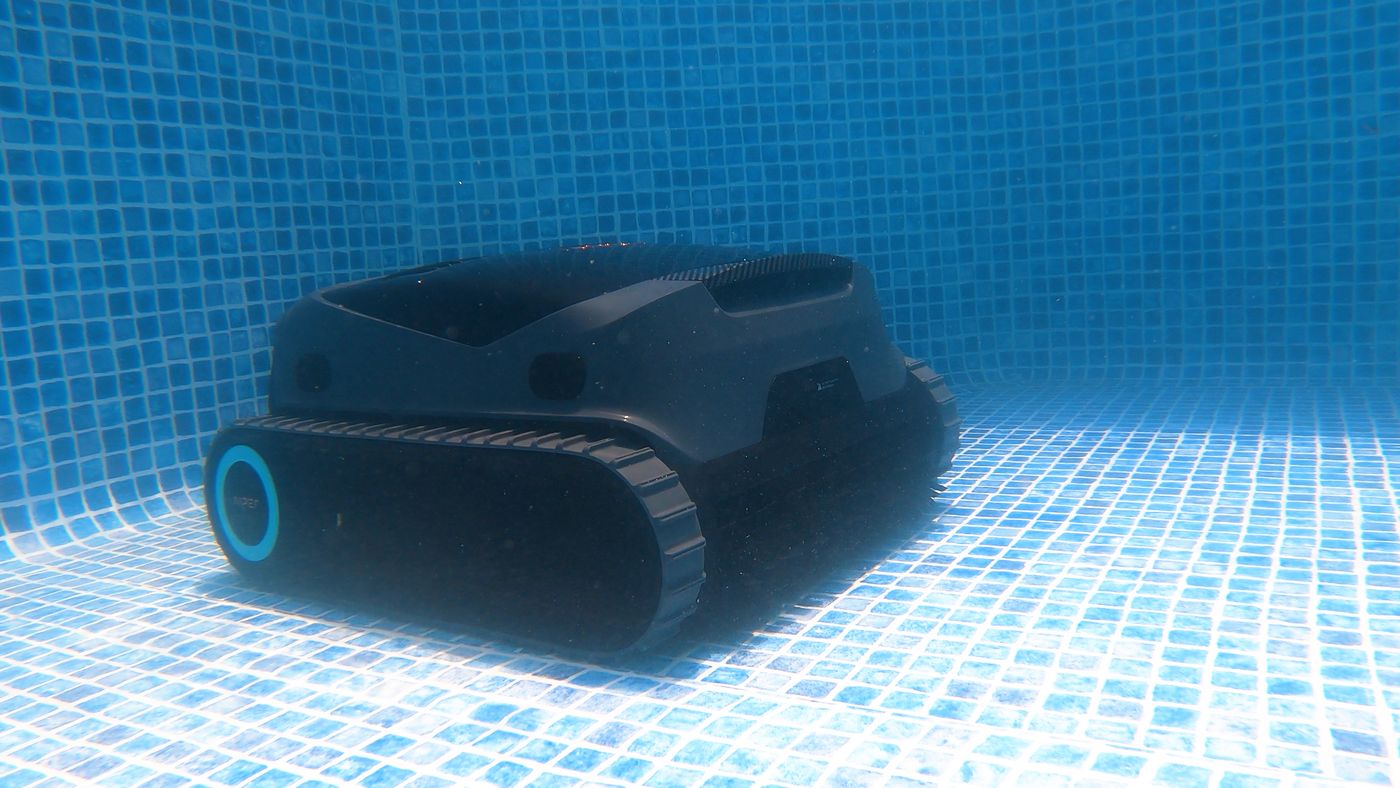
Aiper's budget models — the Seagull 600, Scuba SE, and Scuba E1 — are some of the cheapest pool robots you can buy. If you have a tiny above-ground pool and just need something to cruise the floor for a season or two, these sub-$300 options get the job done at a price point where few competitors exist.
Cable-Free Experience
I'll admit — dropping an Aiper into the pool with zero cables feels nice. No cord management, no transformer box on the deck, no tripping hazard for the kids. On a purely aesthetic level, cordless wins.

What I Didn't Like About Aiper
Constant Recharging
This is the dealbreaker for me. Every Aiper requires daily charging. You're hauling a waterlogged robot out of the pool, drying it off, placing it on the charging dock, waiting 4–5 hours (6+ on some Seagull models), and then tossing it back in. Every. Single. Day.
With a corded robot like the Dolphin Premier or Cayman, you set the Weekly Timer once and empty the filter once a week. That's 1 interaction versus 14. It's not even close.
Weak Suction That Fades
Despite impressive GPH numbers on paper, the real-world suction doesn't match corded models. Battery-powered motors have to conserve energy, which means less power from the start — and it only gets worse as the battery drains. I watched leaves and debris get pushed around instead of sucked up, especially in the final third of a cycle. My corded Dolphins churn the water so hard you can see ripples on the surface — Aiper just doesn't have that kind of power.
No Weekly Timer
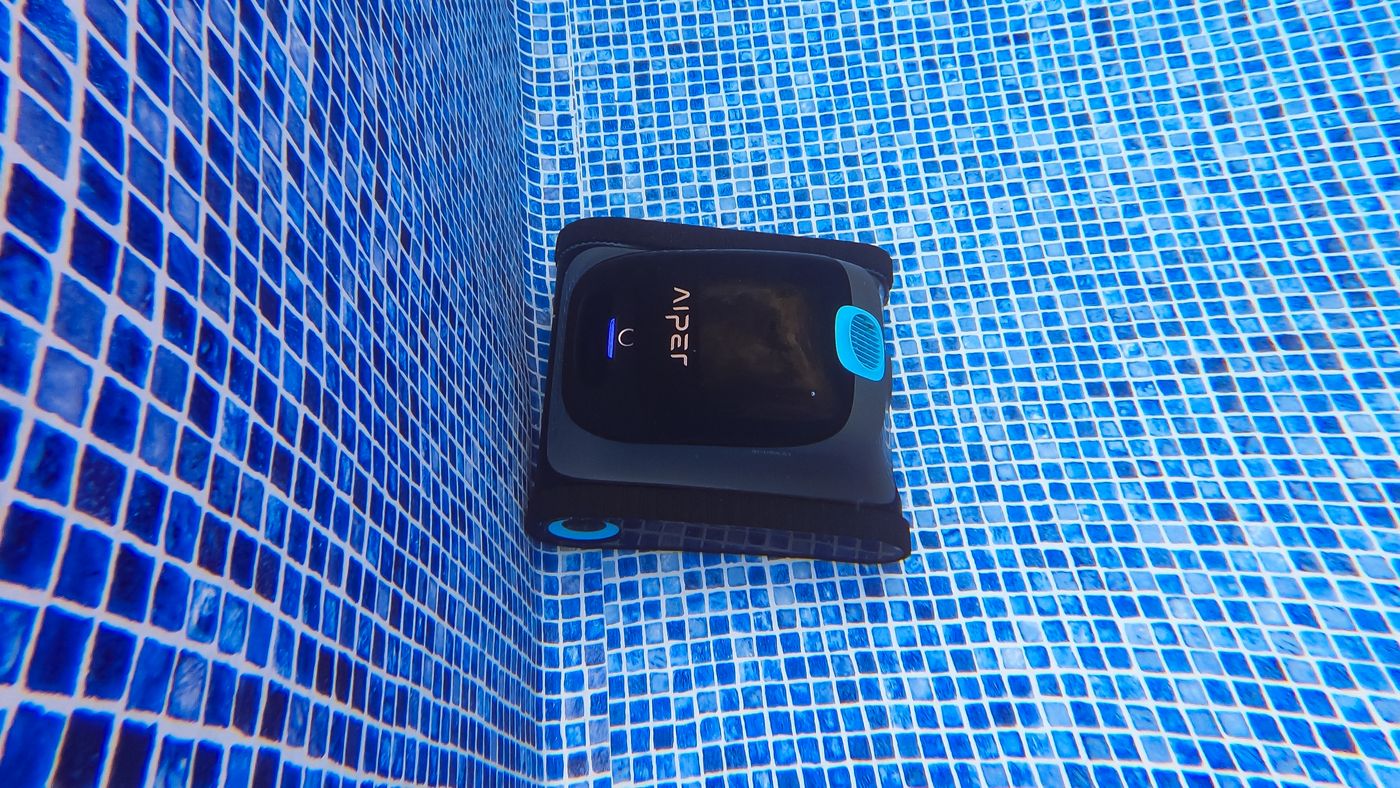
Not a single Aiper model includes a programmable weekly timer. You can't set it and forget it. Every cleaning cycle has to be manually started — which, combined with the daily charging, makes owning an Aiper a full-time job compared to the "set it once" experience of a corded robot.
Disappointing Filtration
Most Aiper models use flat pad filters or basic mesh baskets — no pleats, no advanced materials. Compare that to Dolphin's NanoFilters, which are rigid, pleated, polyester filters that catch everything from sand to pollen. Fine debris, silt, algae spores, and pollen pass right through Aiper's filtration on most models. Your pool might look surface-level clean, but the water stays cloudy.
Battery Degradation
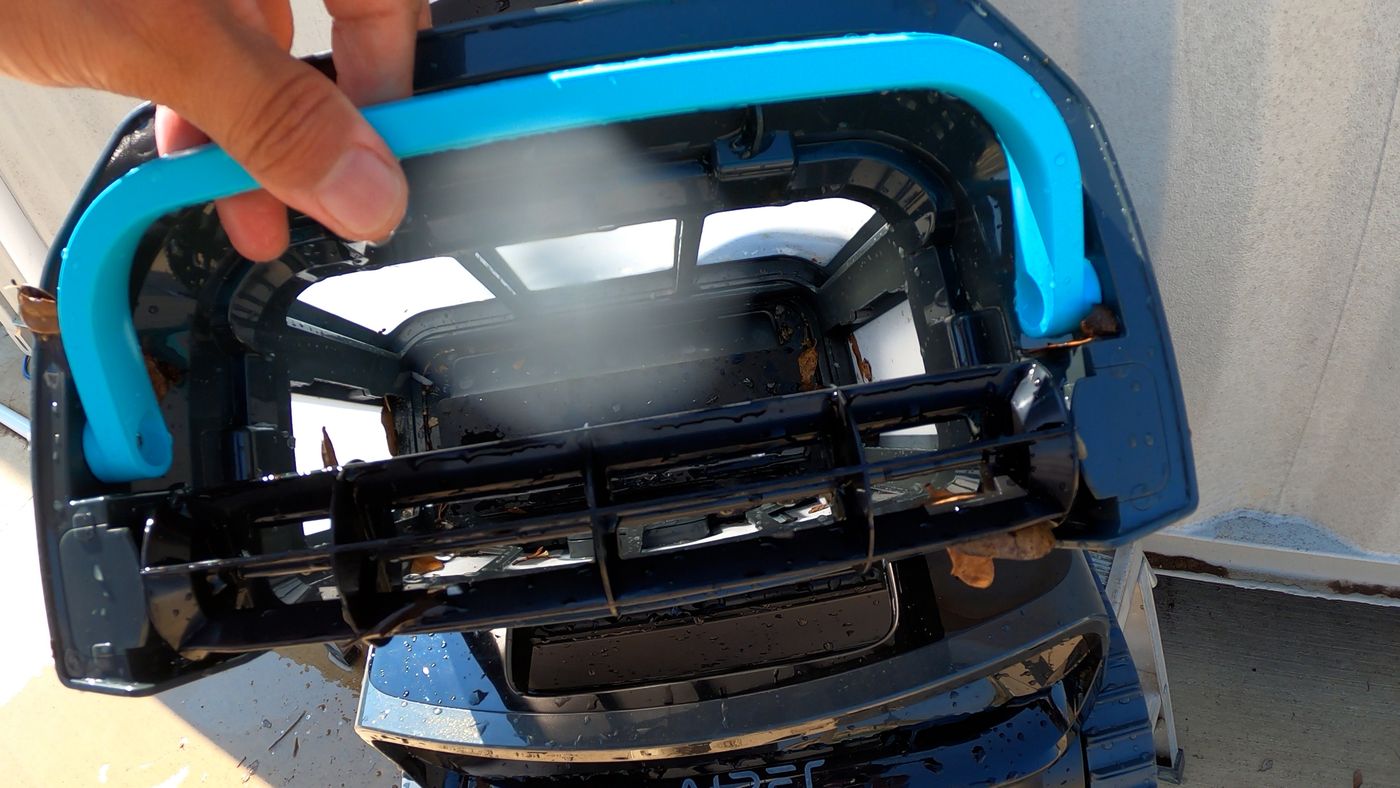
Expect noticeable performance drop-off after one season. Runtime shrinks, suction weakens, and the robot that barely finished the job when new will stop halfway through after a few months. Batteries can't be user-replaced on most models — after 2–3 years, you're looking at a $200–$300 battery replacement through Aiper or buying a new robot entirely.

Fire Risks and Recalls
This is the concern I take most seriously, and it's something every buyer needs to know about.
In 2023, the U.S. Consumer Product Safety Commission recalled 22,000 Aiper Elite Pro units due to overheating, fire, and burn risks. Seventeen reports of overheating were filed, including one that caused a burn injury.
Then in 2025, the Aiper Seagull Pro was recalled — 35,000 units pulled from shelves after 19 reports of smoking, melting, or catching fire while charging, including five cases of property damage.

One Las Vegas homeowner, Bob Mosley, claims his Aiper Seagull Pro started a fire that destroyed his entire home. The fire was reportedly caught on camera, starting right where the robot was charging in his backyard. According to Mosley, his cat had to be rescued and resuscitated by firefighters.
Now, I want to be fair here — lithium-ion battery risks aren't exclusive to Aiper. Any cordless pool robot uses the same battery technology. But as of this writing, Aiper is the only pool robot brand with two separate CPSC recalls involving fire or overheating risks. That's a factual distinction worth noting. Corded pool cleaners don't carry this risk at all. That peace of mind alone is worth considering a corded model.
Read more on the alleged Aiper Pool Cleaner Fires →

The Fakespot Problem
Before we rank the Aiper models, I need to mention this. If you've been following my content, you know I use Mozilla's Fakespot to analyze online review patterns. It's an AI-driven tool created by the company behind the Firefox browser that flags reviews that may be incentivized, manipulated, or otherwise unreliable — though a low grade doesn't necessarily mean the brand itself is responsible.
At the time of writing, nearly every Aiper product I checked received an F or D grade on Fakespot. That's the lowest range the tool assigns.
Now, this doesn't mean every review is fake — low Fakespot grades can result from incentivized reviews, unusual rating patterns, or a high volume of unverified purchases. But it does suggest you should take those glowing five-star reviews with a grain of salt. Meanwhile, established brands like Dolphin and Polaris consistently earn A grades on the same tool.
When you're spending hundreds to thousands on a pool robot, independent testing matters more than online ratings — and that's exactly what I provide here.
Best Aiper: Scuba X1 Pro Max
If you're going to buy an Aiper, the Scuba X1 Pro Max is the one to get. At nearly $3,000 (with the HydroComm Pro accessory), it's their flagship model and the most capable robot in the entire Aiper lineup. It's not cheap — and I still think there are better options — but if Aiper is what you want, this is their best.
What makes it the best Aiper:
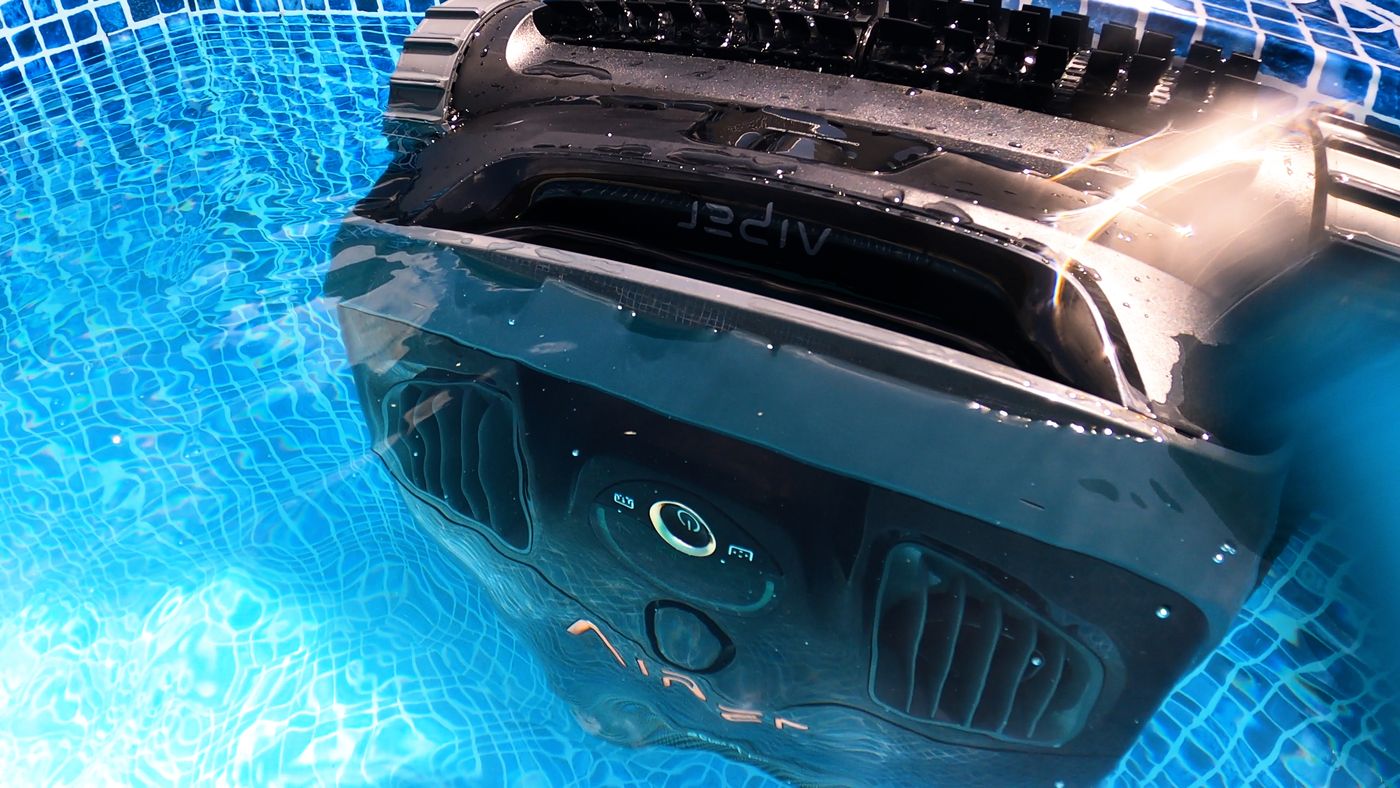
The X1 Pro Max has the most impressive spec sheet of any Aiper robot — nine motors, 40 sensors, 8,500 GPH claimed suction, and up to five hours of runtime. That's the longest battery life in the Aiper lineup and one of the longest of any cordless pool robot.
It cleans floors, walls, and the waterline and offers smart navigation with path planning. With the HydroComm Pro accessory, you get underwater Wi-Fi connectivity for real-time app control while the robot is cleaning — a feature that most cordless robots can't match.
Where it still falls short:
Even with all that tech, the real-world suction was underwhelming. Leaves swirled around the intake instead of getting pulled in. Heavier debris got nudged aside. Fine sediment lingered even after multiple passes. My Dolphin Premier clears the same mess in a single run.
At 33 pounds dry, retrieving the X1 Pro Max from the pool is a serious workout. The included hook bends under the load. The filtration, while better than budget Aipers, still doesn't come close to Dolphin's NanoFilters. And the HydroComm Pro costs an extra $500 — smart features that the Dolphin Sigma includes out of the box for less money.
The bottom line: it's the best Aiper, but it's not the best pool robot. You could buy a Dolphin Premier AND a solar surface skimmer and still have over $1,000 left over — with better cleaning performance to boot.
Read my full Aiper Scuba X1 Pro Max review →
Runner-Up: Scuba X1 Pro
The Aiper Scuba X1 Pro sits at around $1,500 and is what I'd call the sweet spot of the Aiper X-Series — if you can call any Aiper a sweet spot. It has most of the Pro Max's cleaning capability without the nearly $3,000 price tag.
The X1 Pro includes floor, wall, and waterline cleaning, smart navigation, and app connectivity. The suction is rated at a claimed 8,000 GPH, and in my testing it performed slightly better than the mid-range S-Series models in terms of coverage and debris pickup.
But here's the same story: suction doesn't match corded robots, filtration is basic, and constant recharging is required. The smart features that make this robot appealing are locked behind the $500 HydroComm Pro accessory — without it, the app goes dark the moment the robot hits the water.
At $1,500, you're in Dolphin Premier and Dolphin Sigma territory — both of which outperform the X1 Pro in every metric I tested, include full app connectivity out of the box, and never need to be recharged.
If you want Aiper's premium cleaning capability without spending Pro Max money, the X1 Pro is your best bet. But temper your expectations — this is still a cordless robot with all the limitations that come with it.
Read my full Aiper Scuba X1 Pro review →
Best Mid-Range: Scuba S1 Pro
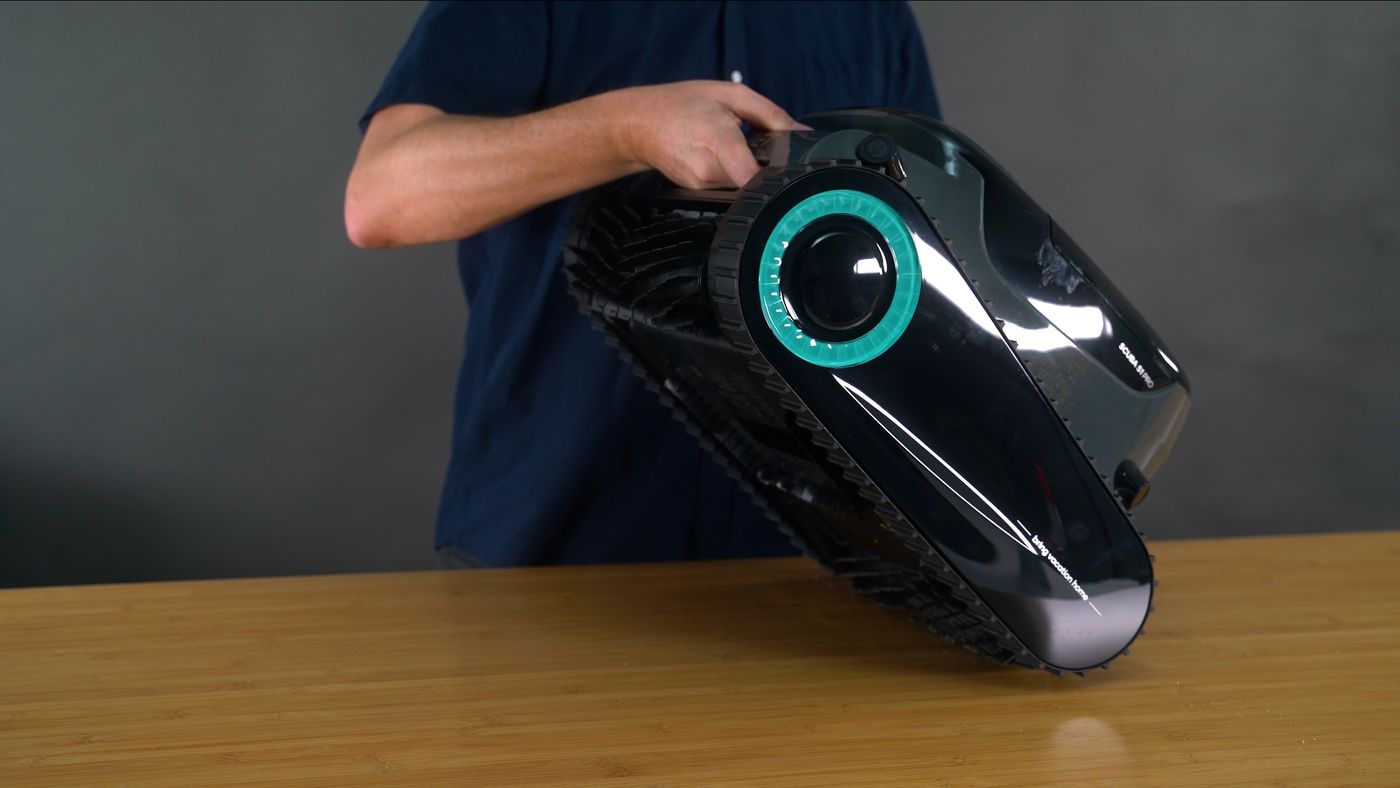
The Aiper Scuba S1 Pro is priced just over $1,000 and sits right in the middle of Aiper's lineup. It's the most capable robot below the X-Series and the first model in the lineup that feels like it's actually trying to be a real pool cleaner.
It advertises floor, wall, and waterline cleaning, app control, an ultra-fine filtration panel, and 180 minutes of runtime. The app connectivity works on the surface, and the navigation felt more deliberate than the cheaper models.
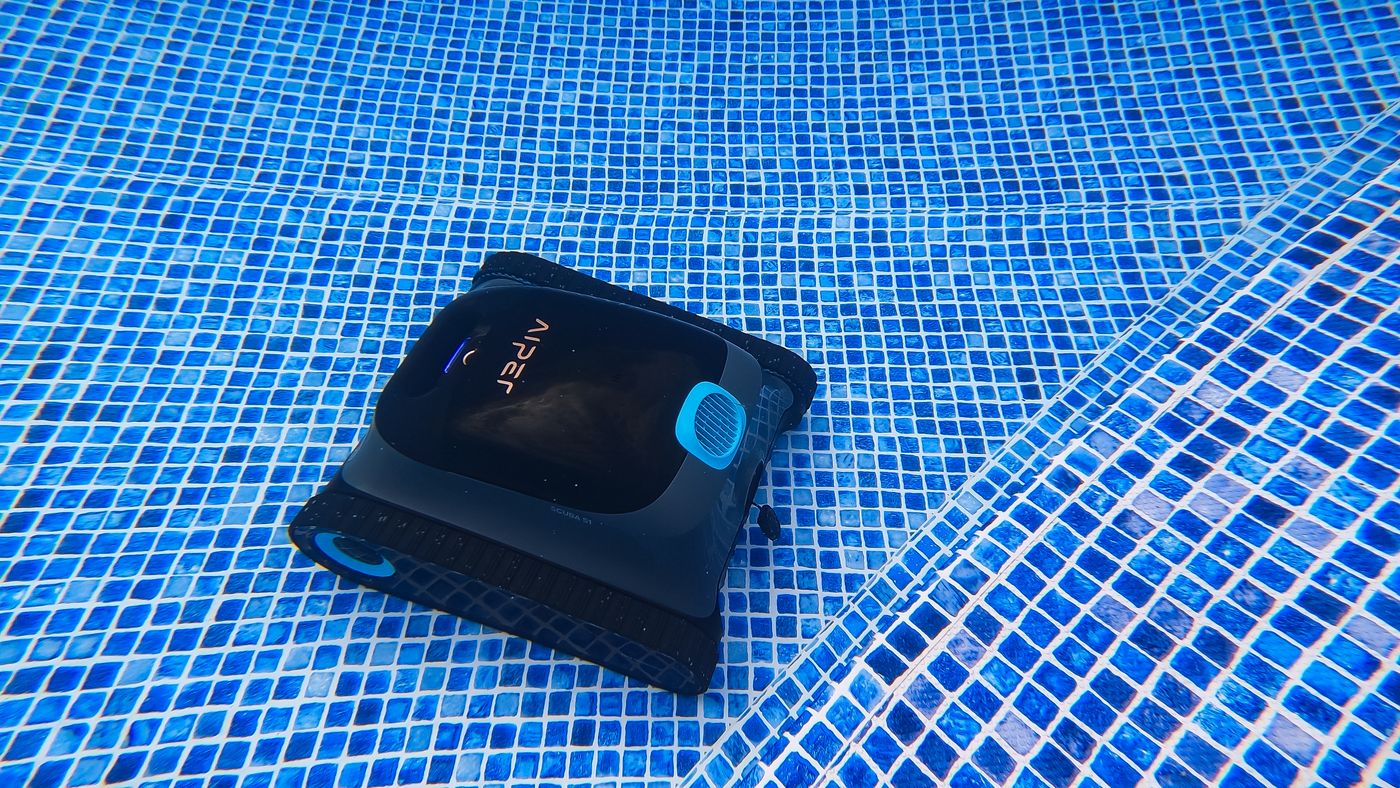
In reality? I got closer to 90–100 minutes of actual cleaning, and the robot missed significant portions of the pool — especially corners and consistent waterline coverage. The suction was weak enough that it often pushed dirt around instead of collecting it, particularly toward the end of a cycle.
At around $1,000, you're in Dolphin Quantum territory — a robot with NanoFilters included, an XXL MaxBin, a Weekly Timer, waterline cleaning, and 4,000+ GPH of constant suction power. The Quantum doesn't need to be recharged, doesn't lose power mid-cycle, and doesn't dump debris back into your pool when you pull it out.
If the X-Series is out of your budget but you still want wall and waterline cleaning from an Aiper, the S1 Pro is the one to get. Just know you're making compromises that a similarly-priced corded robot doesn't ask you to make.
Read my full Aiper Scuba S1 Pro review →
Budget Pick: Scuba S1
The Aiper Scuba S1 is Aiper's most affordable wall-climbing model at around $600–$800. If you just want a basic cordless cleaner that does more than the floor without spending over a thousand dollars, this is the one.
It advertises 150 minutes of runtime and 4,500 GPH of suction, with floor, wall, and waterline cleaning capability. The S1 is lighter and simpler than the models above it, making daily retrieval slightly less painful.
In my testing, I got closer to 60–70 minutes of actual cleaning, and suction faded noticeably as the battery drained. Fine particles like silt and sand slipped right through the mesh filter. Wall climbing worked, but inconsistently — the robot would start up the wall and then slide back down before completing a full pass.
At this price point, you're close to the Dolphin Cayman — which includes a Weekly Timer, HyperBrush active scrubbing, MaxBin, wall climbing, and 4,000+ GPH of constant suction for under $1,000. You'll save yourself the daily charging routine and get a more thorough clean.
If budget is the priority and you're committed to Aiper, the S1 gives you the most cleaning capability per dollar in the Aiper lineup. But I'd stretch the budget for a corded Cayman if you can.
Read my full Aiper Scuba S1 review →
The Rest of the Lineup
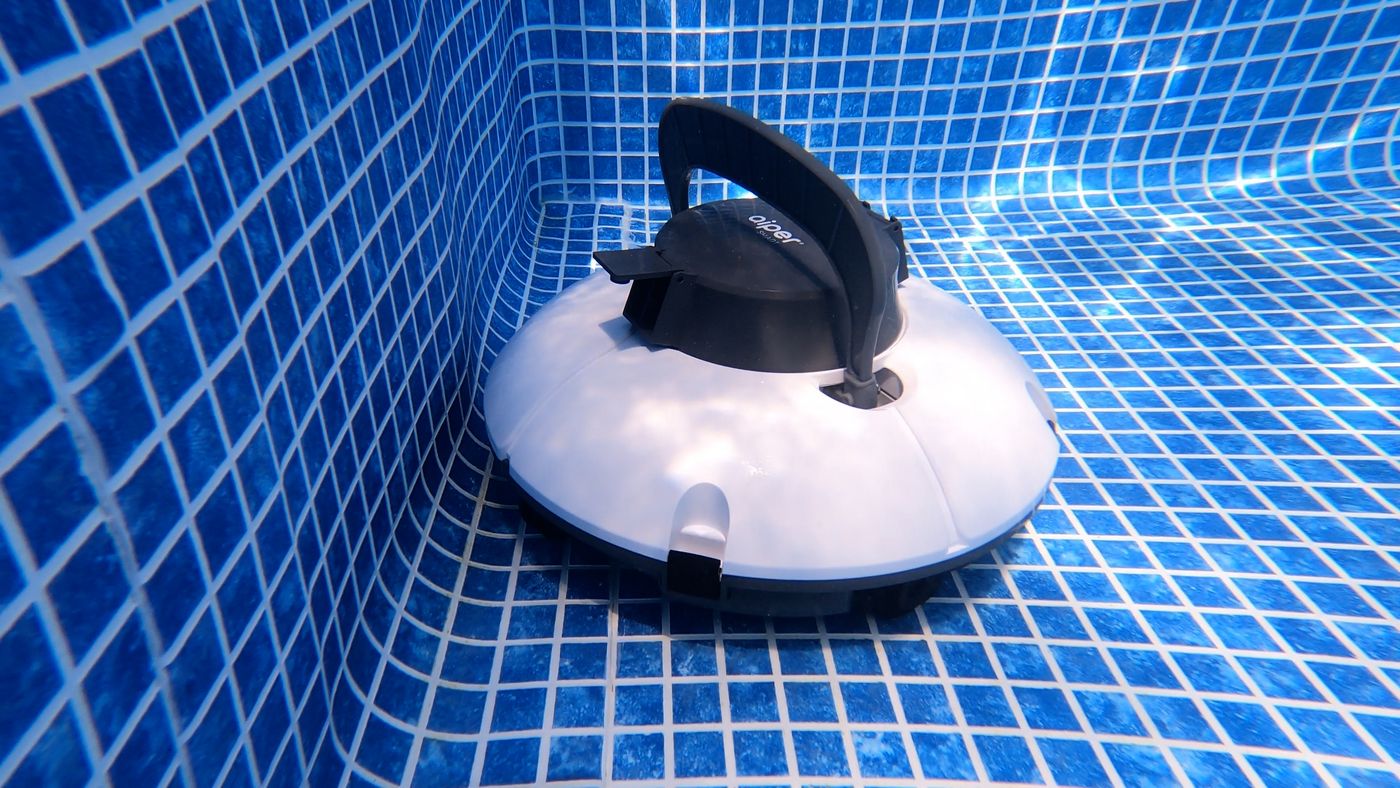
Beyond my top four picks, Aiper has eight more models across their older Seagull line, the entry-level Scuba series, and the base X1. Here's where they all land.
Scuba X1 — #5 Overall
The Scuba X1 is the base model of the X-Series. It has the same physical design as the X1 Pro and Pro Max but with fewer sensors, lower suction, and no app connectivity without the HydroComm accessory. For the price, you're better off stepping up to the X1 Pro or saving money with the S1 Pro. It sits in an awkward middle ground.
Scuba E1 — #6 Overall
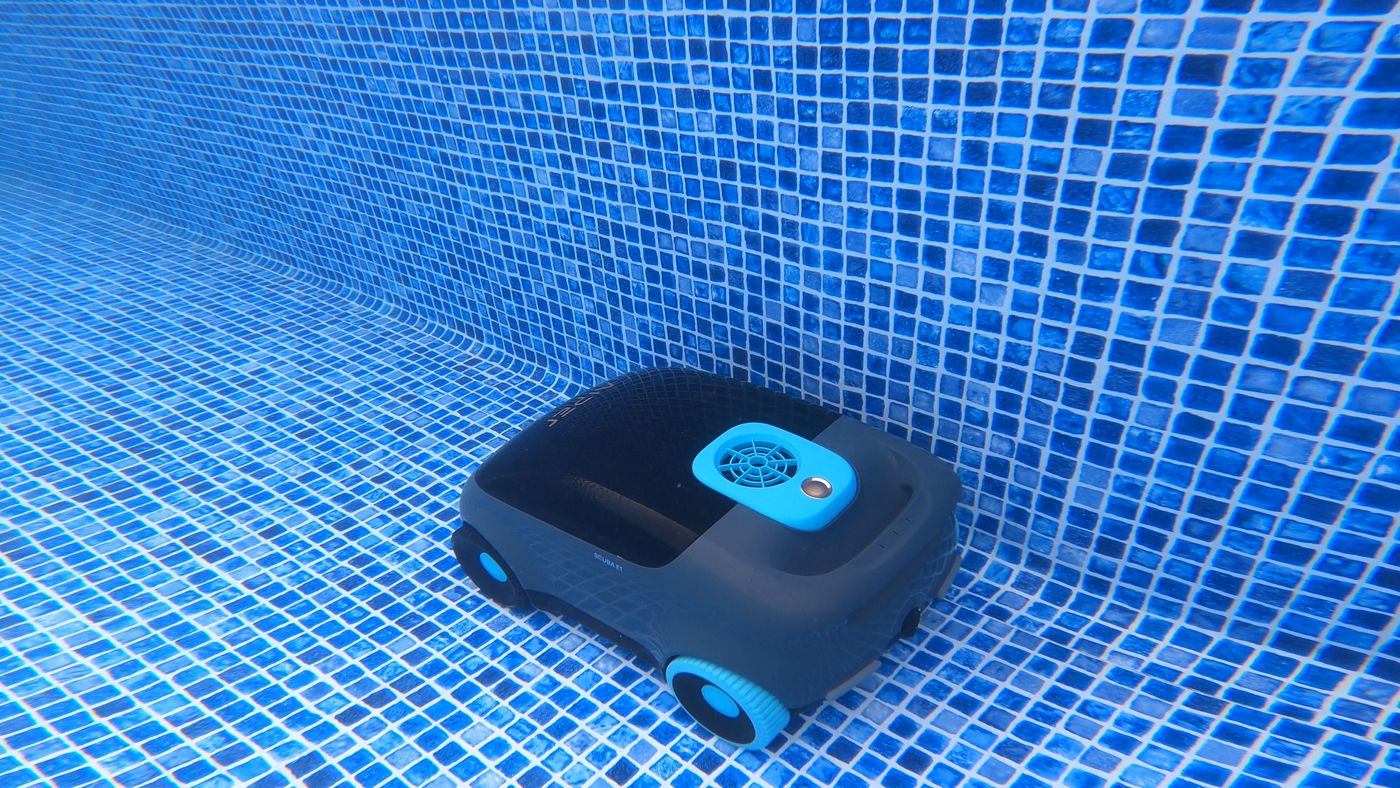
The Scuba E1 is a floor-only entry-level cordless cleaner. It improves on the Scuba SE with a longer runtime and a basket filter instead of a flat pad. For small above-ground pools on a tight budget, it's functional — but "functional" is doing a lot of heavy lifting. Suction is weak, coverage is random, and it won't touch your walls or waterline.
Scuba SE — #7 Overall
The Scuba SE is Aiper's bare-bones entry: no active scrubbing brush, flat pad filtration, and only 90 minutes of runtime. It's meant for small above-ground pools and nothing more. If your expectations are extremely low and your pool is extremely small, it does technically move around and pick up some debris.
Seagull Pro — #8 Overall
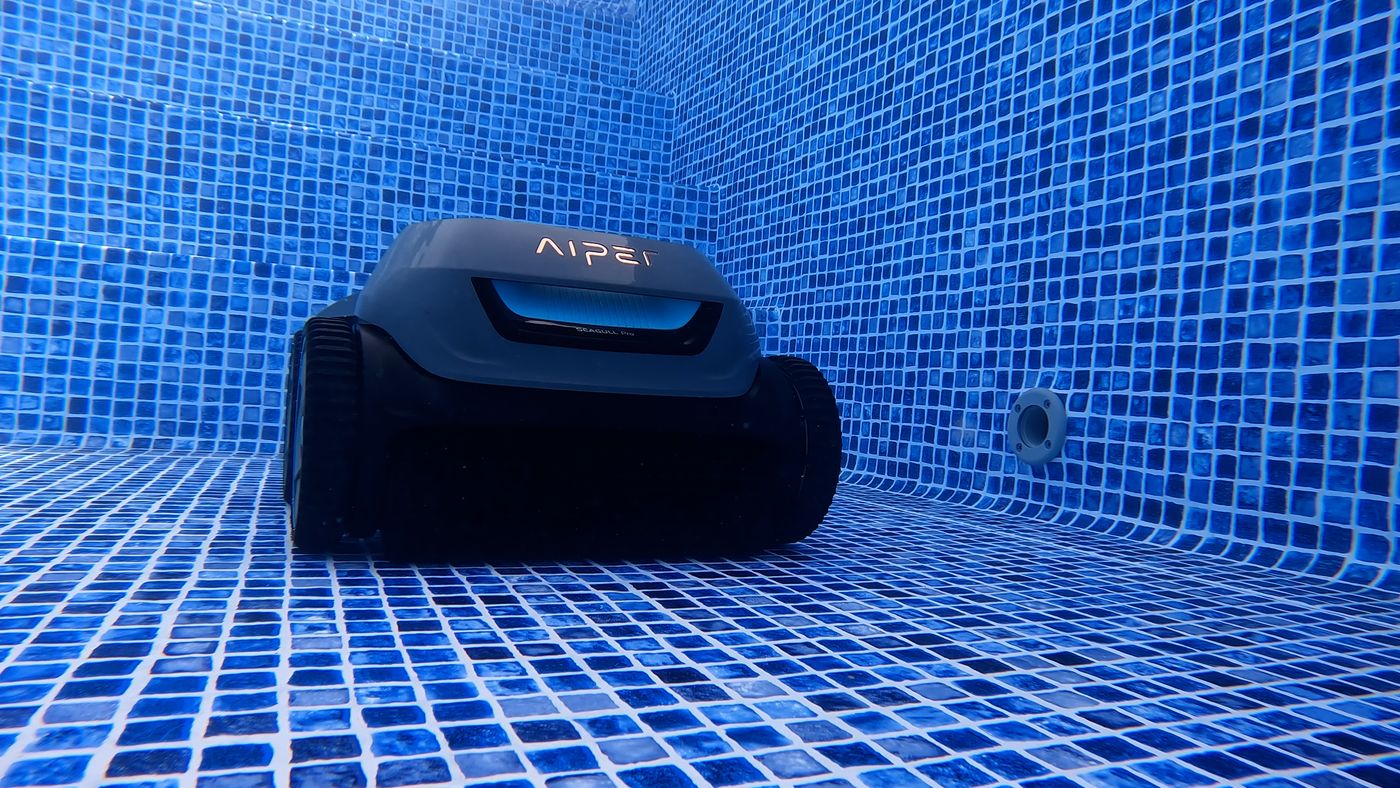
The Seagull Pro was once Aiper's flagship Seagull model, but it's been officially recalled by the CPSC due to overheating and fire risk during charging. Do not buy this model. If you already own one, check the recall details and contact Aiper for a refund or replacement.
Seagull 1000 — #9 Overall
The Seagull 1000 offers 90 minutes of floor-only cleaning with a 6+ hour charge time. The ratio of charging-to-cleaning time is painful. Suction is weak, navigation is random, and the flat filter clogs quickly. Based on online reviews I've read, many owners report frustration with poor battery life and ineffective cleaning.
Seagull Plus — #10 Overall
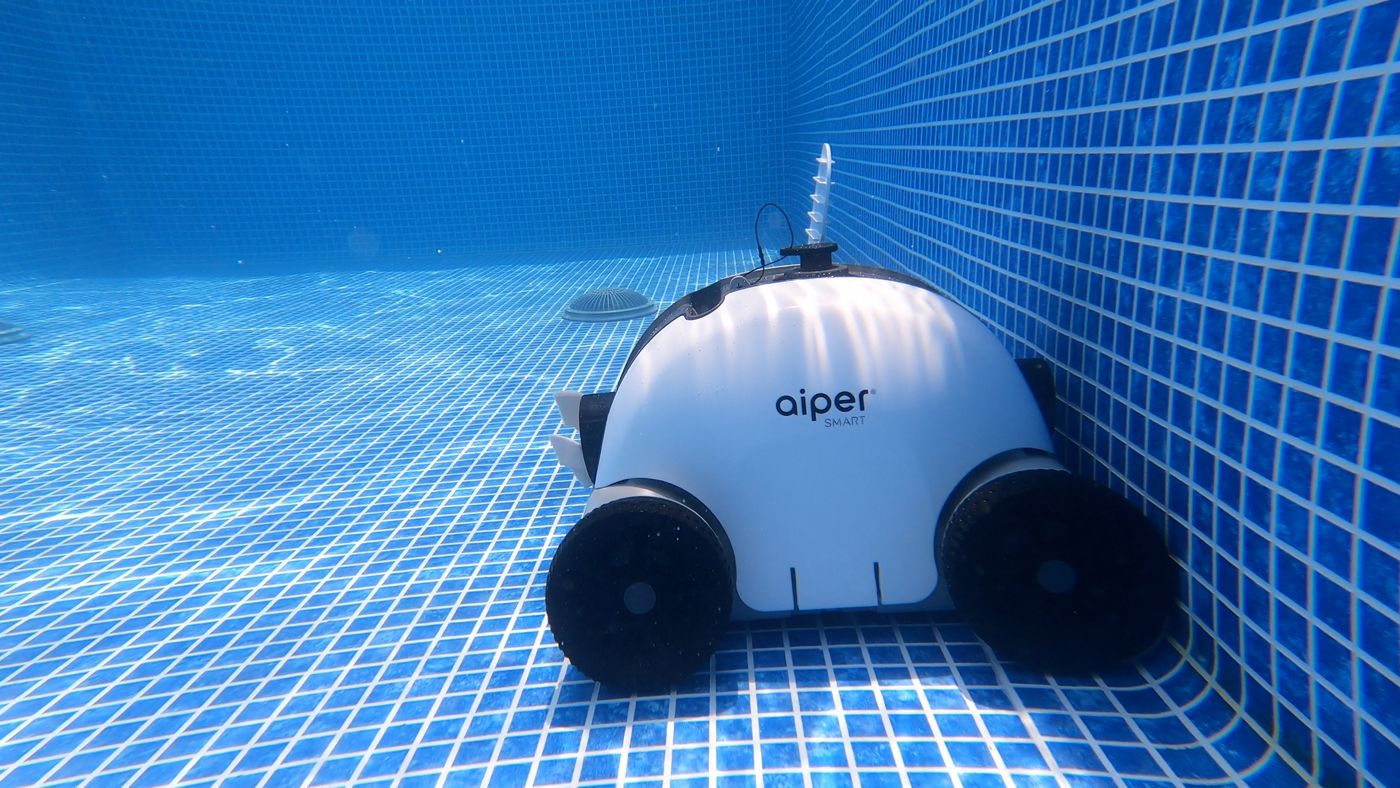
The Seagull Plus is marginally better than the 1000 with slightly improved runtime, but still uses a static brush and flat filter. Floor-only cleaning with random navigation. At this price point, you're getting what you pay for — which isn't much.
Seagull SE — #11 Overall
The Seagull SE is an older budget model with minimal suction and a very short runtime. It's meant for the smallest above-ground pools and does the absolute bare minimum. Hard to recommend over even the Scuba E1, which replaces it in Aiper's current lineup.
Seagull 600 — #12 Overall
The Seagull 600 is Aiper's cheapest model at around $80, and it shows. Only 50 minutes of runtime, extremely weak suction, and floor-only cleaning. It's a pool toy more than a pool cleaner. If you need something this basic, you might be better off with a manual vacuum.

What I Recommend Instead
Here's the honest truth: after testing every Aiper model, I still recommend corded robots for the vast majority of pool owners. The performance gap is just too wide. Here are my top alternatives that cost less and clean better than any Aiper.
Dolphin Premier – Best Overall

The Dolphin Premier is my #1 pool robot and the one I use as my daily driver. It has Multi-Media filtration with three filter types included (leaf bag, standard cartridges, and NanoFilters), dual commercial-grade motors pushing 4,500+ GPH, a Weekly Smart Timer, and a 3-year warranty. It cleans floors, walls, and the waterline — and it does it every single day without you lifting a finger.
At around $1,500, it costs half the price of the Scuba X1 Pro Max and outperforms it in every category I tested. That's not even close.
Read my full Dolphin Premier review →
Dolphin Sigma – Best Smart Features
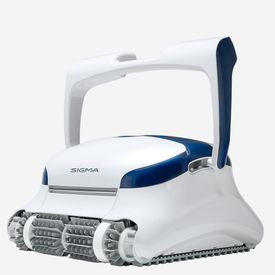
If you want the smart features that Aiper promises but struggles to deliver, the Dolphin Sigma is the answer. Its myDolphin Plus app actually works while the robot is cleaning — unlike Aiper's app that goes dark underwater (unless you pay $500 extra for HydroComm Pro). Triple commercial-grade motors, gyroscope navigation, NanoFilters, and the ability to steer it from your phone make this the most advanced pool robot I've tested.
The Sigma costs around $1,500 — half the price of the Scuba X1 Pro Max — with better real-world performance in every metric.
Read my full Dolphin Sigma review →
Dolphin Quantum – Best Value
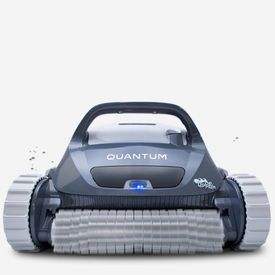
The Dolphin Quantum is the best value in the entire pool robot market. At around $1,200 — less than the Scuba X1 Pro — you get the XXL MaxBin (225% more capacity), NanoFilters included, waterline cleaning with PowerJet 3D Mobility, a Weekly Smart Timer, and 4,000+ GPH of constant suction. No recharging, no power fade, no daily routine.
For the price of Aiper's mid-range models, the Quantum delivers a dramatically better experience.
Read my full Dolphin Quantum review →
Dolphin Cayman – Best Budget Pick

If the Aiper caught your eye because of the affordable price point, the Dolphin Cayman offers true automation at a much lower price than most Aipers worth buying. The included Weekly Timer means it runs automatically — every day — without you going outside. Wall climbing, HyperBrush scrubbing, and a Gen-2 MaxBin make it a serious performer for under $1,000.
You'll save hundreds over even the cheapest wall-climbing Aiper, and your pool will be cleaner with zero daily effort from you.
Read my full Dolphin Cayman review →
Final Verdict
So, what's my final verdict on Aiper pool cleaners?

Proceed with caution.
Aiper makes the widest range of cordless pool robots on the market. Their X-Series is technically ambitious, the app integration is improving, and they offer price points that other brands don't. If you are absolutely dead set on cordless and you want the broadest selection of options, Aiper gives you the most to choose from — and the Scuba X1 Pro Max is the best Aiper you can buy.
But here's the reality: every Aiper I tested was outperformed by corded robots costing significantly less. The constant recharging, fading suction, basic filtration, lack of automation, fire-related CPSC recalls, and low third-party review scores make it hard for me to recommend an Aiper over a proven corded alternative like the Dolphin Premier, Sigma, or Quantum.
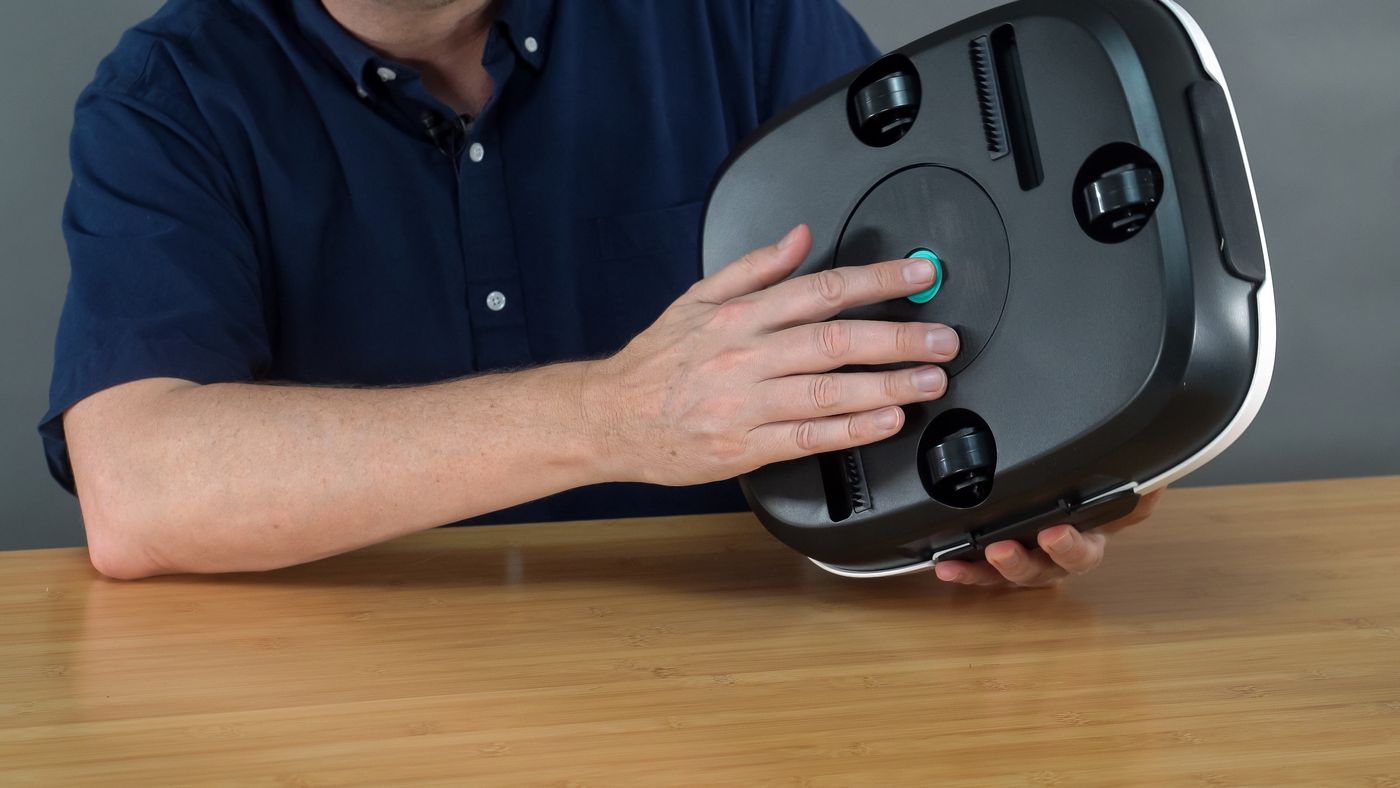
If you're considering an Aiper, ask yourself this: Do you want to go outside 14 times a week to manage a cordless robot, or once a week to empty the filter on a corded one? For me, the answer is obvious.
For pool owners who want reliable, powerful, automated pool cleaning — go corded. You'll save money, save time, and your pool will be cleaner than anything an Aiper can deliver right now.
If you wanna keep nerding out over your pool, head on over to my deals page at ThePoolNerd.com/deals, where I post the best deals on robotic pool cleaners and other pool equipment.
Related Reading
- All Aiper Pool Cleaner Reviews — Every Aiper review in one place
- Compare Every Aiper Model — Side-by-side breakdown of all 12 Aiper pool cleaners
- Aiper Seagull Pro Recall — CPSC recall details and safety info
- Best Robotic Pool Cleaners — My top picks after testing 30+ robots
- Best Cordless Pool Cleaners — The best of the battery-powered bunch
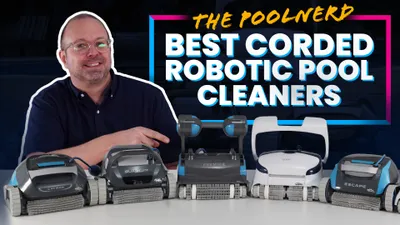
- Best Corded Pool Cleaners — Why corded is king
- Compare Dolphin Pool Cleaners — See how Dolphin models stack up
- Corded vs Cordless Pool Robots — Why corded cleaners outperform cordless
- All Robotic Pool Cleaner Reviews — Every robot we've tested


Comments
Loading comments…