
 Justin D.
Welcome back to The Pool Nerd. I'm Justin, your resident pool aficionado. Today, I'm going to challenge everything your pool store has told you about pH—and share the secret that commercial pools and Olympic facilities have used for decades that most pool owners have never heard of.
Most pool owners keep their pH way too high—and it's costing them thousands of dollars in chemicals every year. But that's not an accident. It's by design.
So let me give you the answer right up front—then I'll show you why it matters more than you think.
Dialing in pH: What You Need Checklist
Most pools bounce between acid (pH too high) and soda ash (pH too low)—plus liquid chlorine for daily sanitizing.

Taylor K-2005 Test Kit
What it is: A professional drop (titration) kit for chlorine, pH, alkalinity, calcium hardness, and cyanuric acid.
Why you need it: You can’t SLAM or balance blind—especially CYA, which handcuffs chlorine. This kit gives numbers you can trust, not strip guesswork.

Ondilo ICO Pool Water Monitor
What it is: A floating smart monitor that samples pH, ORP (sanitizer effectiveness), and temperature on a schedule and sends trends to your phone.
Why you need it: You still need a real drop kit for parameters the ICO doesn’t replace (like TA and CYA), but hourly ORP/pH catches drift and dosing mistakes long before weekly strip checks do.

Champion Muriatic Acid
What it is: Dilute hydrochloric acid—standard for lowering pH and, with the right method, total alkalinity.
Why you need it: High pH destroys chlorine efficiency. Always follow the label; never mix acid with chlorine.

In The Swim pH Reducer (dry acid)
What it is: Sodium bisulfate (dry acid)—lowers pH (and can pull TA down when used in controlled steps).
Why you need it: Easier to handle and store than jugs of muriatic acid for small, precise corrections; still an acid—never mix with chlorine, follow the label, and retest after circulation.

In The Swim Soda Ash
What it is: Sodium carbonate—raises pH faster than baking soda with less alkalinity bump.
Why you need it: Use when pH is low and you need pH up without overshooting TA; check TA first.

Liquid chlorine (10–12.5%)
What it is: 10–12.5% liquid shock/sanitizer—sold by the jug; shipping availability depends on seller and hazmat rules in your area.
Why you need it: For many SLAMs it’s the workhorse: no extra CYA from the sanitizer itself, fast, easy to pour. Grab fresh jugs; heat and age weaken it.
What Your pH Should Actually Be
Your pool's pH target should vary depending on your pool type.
For fiberglass and vinyl pools: Target 7.0-7.2. This is the "power zone" where your sanitizer runs at peak performance.
For gunite and plaster pools: Aim for 7.2-7.4. If you've got a plaster finish, read why gunite pools need higher pH—there's a hidden trade-off between protecting your surface and your chlorine's effectiveness.
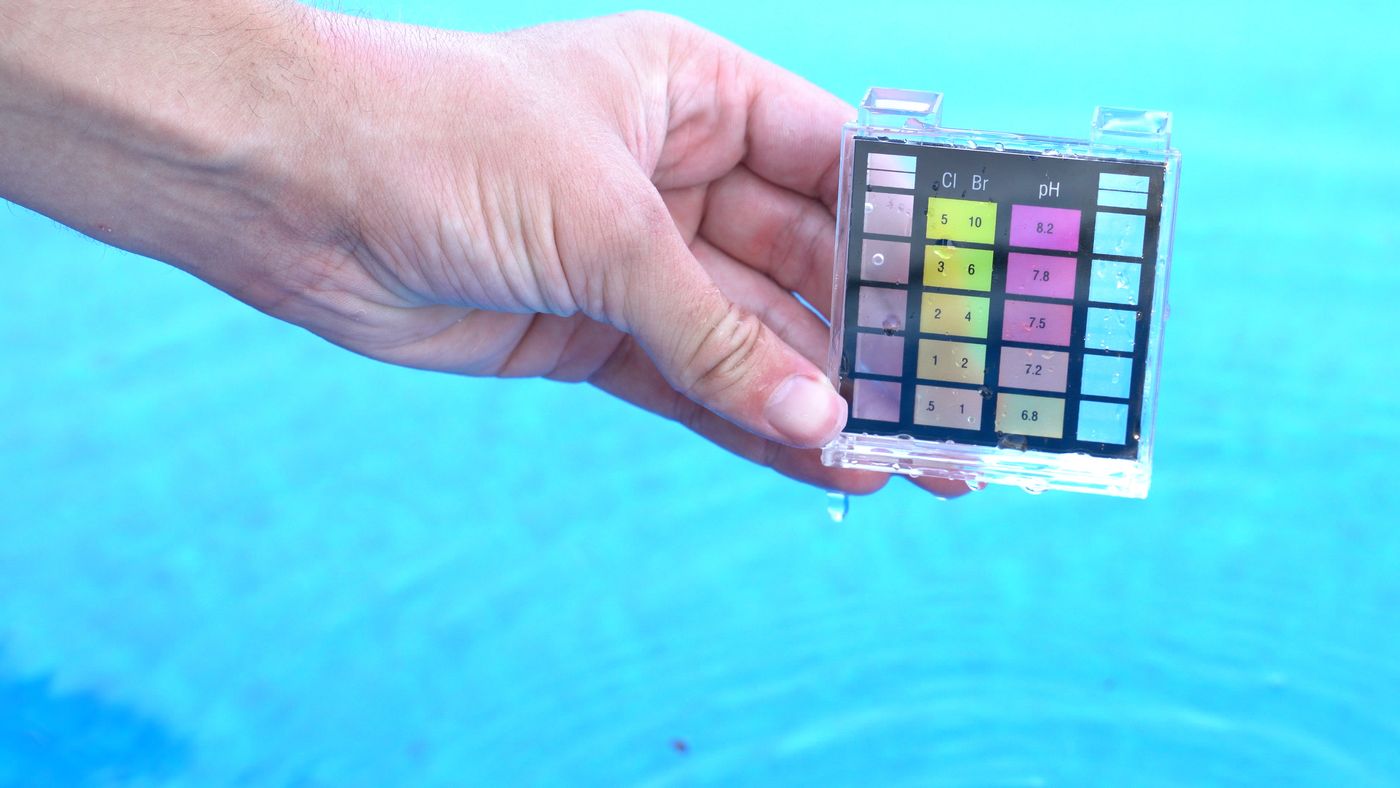
A quick word on plaster: We don't want to go below 7.2 on plaster pools because of the Langelier Saturation Index (LSI). If your water gets too acidic (low pH) and you don't have enough Calcium Hardness, the water becomes "aggressive" and will eat the calcium out of your plaster to balance itself. Keep your pH at 7.2, but make sure your calcium levels are in range to protect your finish.
You may be asking, "But this is higher than what my pool builder" or even the local pool store recommended. Well, plaster companies want you running pH around 7.6–7.8 to protect your finish. Which makes sense, as they don't want warranty claims. And pool stores tend to run with it, as it helps them get more money from you - as you need to buy more chemicals. Why is that? Well, I'll explain in a second.
Pro tip on eye comfort: People think chlorine burns eyes. It's usually the pH. Human eyes are about 7.4. If you're hosting a big pool party, let the pH drift toward 7.4 for comfort. When you're not swimming, bring it back to 7.2 to keep the water aggressive against algae.
Now—most pool stores say 7.4-7.6 is "ideal." So why am I telling you to go lower? Let me show you what pH actually does to your chlorine.
What pH Does to Your Chlorine
Chlorine's effectiveness is tied to pH on a logarithmic scale. That means small pH changes cause massive changes in sanitizing power. Look at these numbers:
-
At pH 7.0: Chlorine is roughly 80% effective.
-
At pH 7.2: Chlorine drops to about 65% effectiveness.
-
At pH 7.8: Only 30% effective.
-
At pH 8.0: You've lost over 80% of your chlorine's killing power.
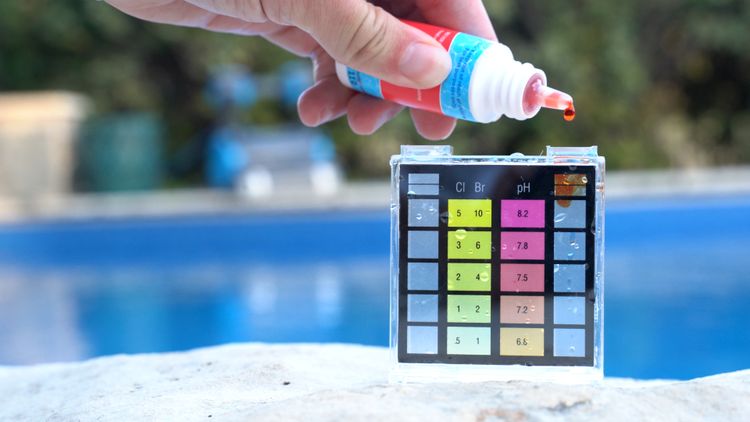
Chlorine effectiveness changes dramatically with pH // The Pool Nerd
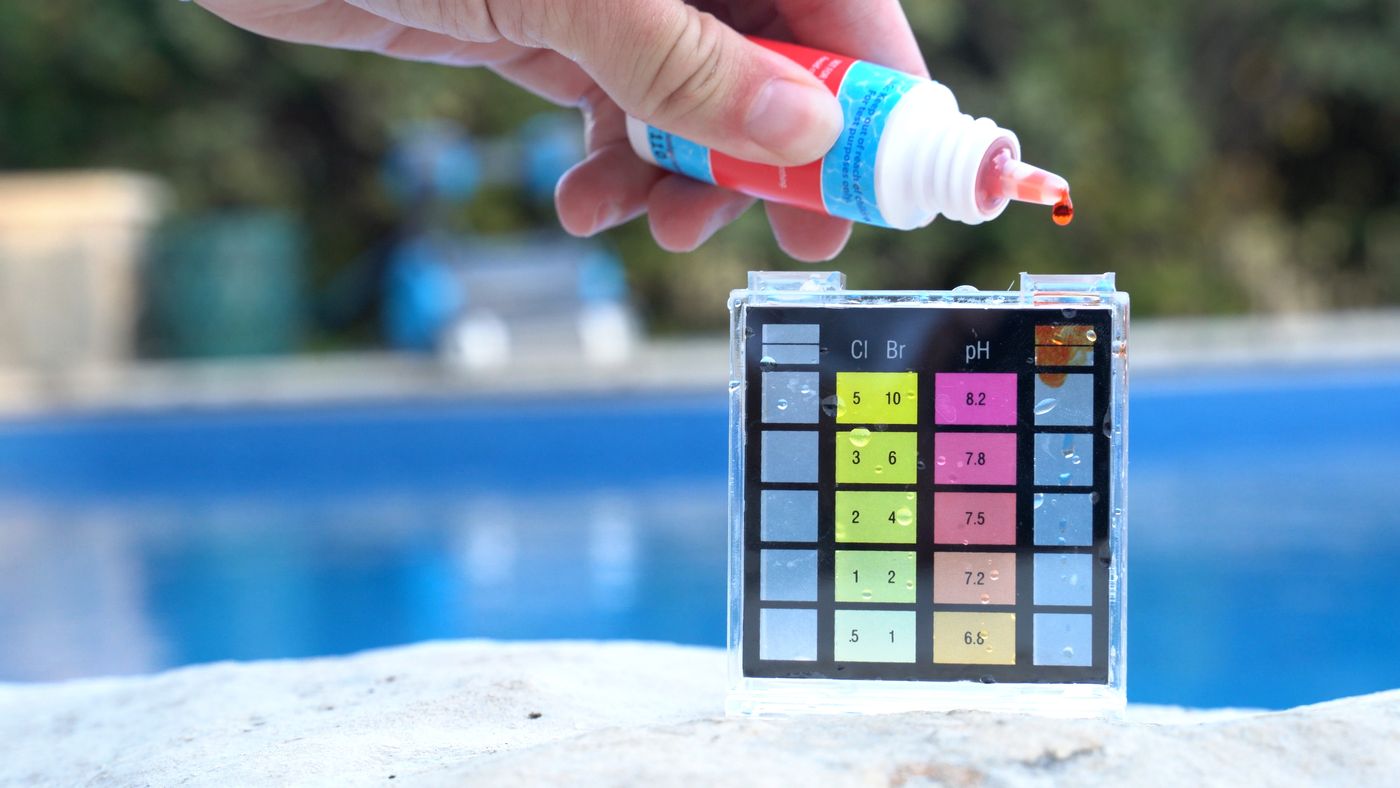
At pH 7.6 vs 7.2, you need almost twice as much chlorine to get the same sanitizing power. That's why most pool owners over-chlorinate by 200-300%. They're not using too much chlorine—their pH is just killing their chlorine's effectiveness before it can do its job.
So the pH ranges I just gave you aren't arbitrary. At 7.2, your chlorine is working near peak efficiency. You use less of it, you spend less money, and your pool stays cleaner. But here's the thing—how do you actually know if your chlorine is working? That's where most pool owners are flying completely blind.
ORP: How You Know Your Chlorine Is Actually Working
ORP stands for Oxidation-Reduction Potential. Your free and total chlorine tests tell you how much chlorine is present. ORP tells you if that chlorine is actually working.
You can have 3 ppm of chlorine and still grow algae. Why? Because high pH and high CYA (stabilizer) are chlorine's kryptonite. If your CYA is too high—over 70 or 80 ppm—it locks your chlorine up so tight it can't kill anything. ORP cuts through all of that. It measures actual sanitizing power in millivolts.
- Above 750 mV: Excellent.
- 650-750 mV: Ideal range.
- Below 650 mV: Warning — take action.
- Below 600 mV: Your water isn't properly sanitized regardless of chlorine readings.
This is the number that Olympic pools, high-end resorts, and commercial facilities monitor around the clock. pH controls how effective your chlorine can be. ORP tells you how effective it actually is. When you dial in both—low pH and high ORP—that's when everything clicks.
The Secret Pool Stores Don't Want You To Know
So if lower pH means more effective chlorine, higher ORP, and less money spent—why does every pool store tell you to aim higher?
They tend to run with the higher pH range, as your pool can live in that range. It just requires more chemicals. And what's a pool store's business model? Sell chemicals.
Walk into any pool store and you'll see walls lined with dozens of chemicals. Algaecides. Clarifiers. Phosphate removers. Here's the secret: you don't need most of that stuff.
The 'secret' of the Olympics and high-end resorts isn't a special chemical—it's precision. Commercial pools use automated controllers to monitor ORP, ensuring the water is always actively killing pathogens. By using simple liquid chlorine and muriatic acid, they avoid the 'stabilizer trap' of retail pucks.
Most pool stores won't recommend this because their business model is built on the convenience of dry, stabilized chemicals. But that convenience comes at a cost: as stabilizers build up, your chlorine becomes less effective, forcing you to buy specialty 'fixes' like algaecides and phosphate removers that a perfectly balanced ORP system simply doesn't need.
Ultimately, the industry pushes high pH ranges because they keep you on this chemical treadmill. Understanding ORP is how you jump off it entirely. And you'll want to be able to monitor your pH and ORP easily. So how do you do that?
How To Monitor pH and ORP
You've got three main options for testing your water: test strips, digital meters, and smart pool water monitors.
Test strips and liquid kits are fine for a quick pH check, but they don't measure ORP at all. You're flying blind on the number that actually matters. The Taylor K-2006 (or the K-2006 Salt for salt pools) is the gold standard for liquid testing if you go this route, which is something every pool owner should own – but it shouldn't be your primary method of measuring your pool.
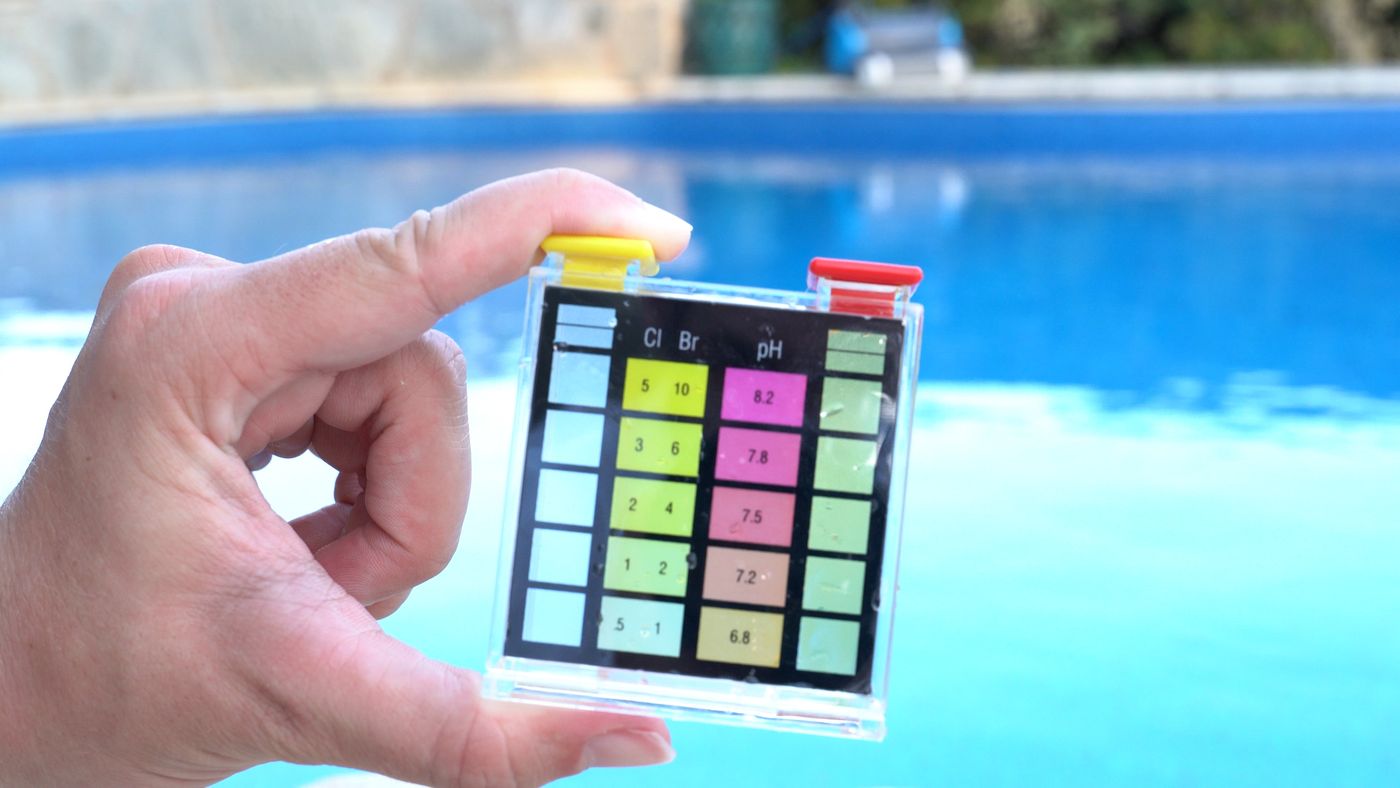
Digital meters give you more precise readings and some can measure ORP, but you still have to remember to go outside and test. Most pool owners test once a week—and pH can swing dramatically in 24-48 hours. By the time you catch a problem, you've already wasted days of chemicals.
So what's the solution? A smart water monitor.
Smart monitors like the ICO are what changed the game for me. The ICO sits in your pool and measures pH and ORP every single hour, sending the data straight to your phone. You can watch your ORP drop in real-time as your pH climbs over the week. No more guessing. No more weekly testing that misses what happened on Tuesday.
It tells you exactly how much chemical to add based on your pool size and current readings. It catches problems before they become expensive. We found ourselves using 30-50% less chemicals in the first pool season because we stopped over-dosing chlorine. It's one of the few things in your pool that pays for itself.
If you want to learn more about ORP and why it matters, check out the ICO's website at mysmartpool.com—they've got great educational content on the science behind pool water monitoring that helped me understand ORP, pH, and so much more.
Read our full review: ICO Pool Water Monitor Review
The Only Two Chemicals You Actually Need
Here's what it comes down to—the what you need checklist earlier in this guide expands on each pick: liquid chlorine and muriatic acid are the only two chemicals you need for day-to-day pool maintenance. Liquid chlorine sanitizes without adding CYA to your water. Muriatic acid keeps your pH in check. Simple.
But there's one Golden Rule you must follow:
Never mix chlorine and muriatic acid. If you pour them in at the same time or mix them in a bucket, you will create toxic chlorine gas. Add acid first, let the pool circulate for at least 30 minutes, then add chlorine. Always follow the full instructions on adding these and wear protective gear. I cover the complete safety protocol in my guide on how to lower pool pH.
Get These Two Numbers Right First
For this whole system to work, you need two "anchors" dialed in. Get these wrong, and you'll be chasing your tail no matter how perfect your pH is.
Total Alkalinity (TA): Keep this between 80-100 ppm. Think of alkalinity as your pH's shock absorber. If it's too high, your pH will constantly "bounce" back up no matter how much acid you add. You'll feel like you're fighting a losing battle—because you are. Use our pool alkalinity calculator to get the exact dosing.
CYA (Stabilizer): Keep this between 30-50 ppm. This is the one that trips people up. CYA protects chlorine from the sun, but too much of it—over 70 or 80 ppm—locks up your chlorine so tight it can't do its job. Your ORP will tank and this whole strategy fails. Even if your pH is perfect, high CYA will sabotage you.
How To Lower Your Pool's pH
If your pH is too high—and for most pool owners, it is—you need acid to bring it down.
Please note, you should NEVER mix acid with chlorine directly. You'll want to pour the acid in the pool, let it circulate, then add chlorine. And always follow all the labels and instructions before adding. So, which type of acid should you use to lower your pH?
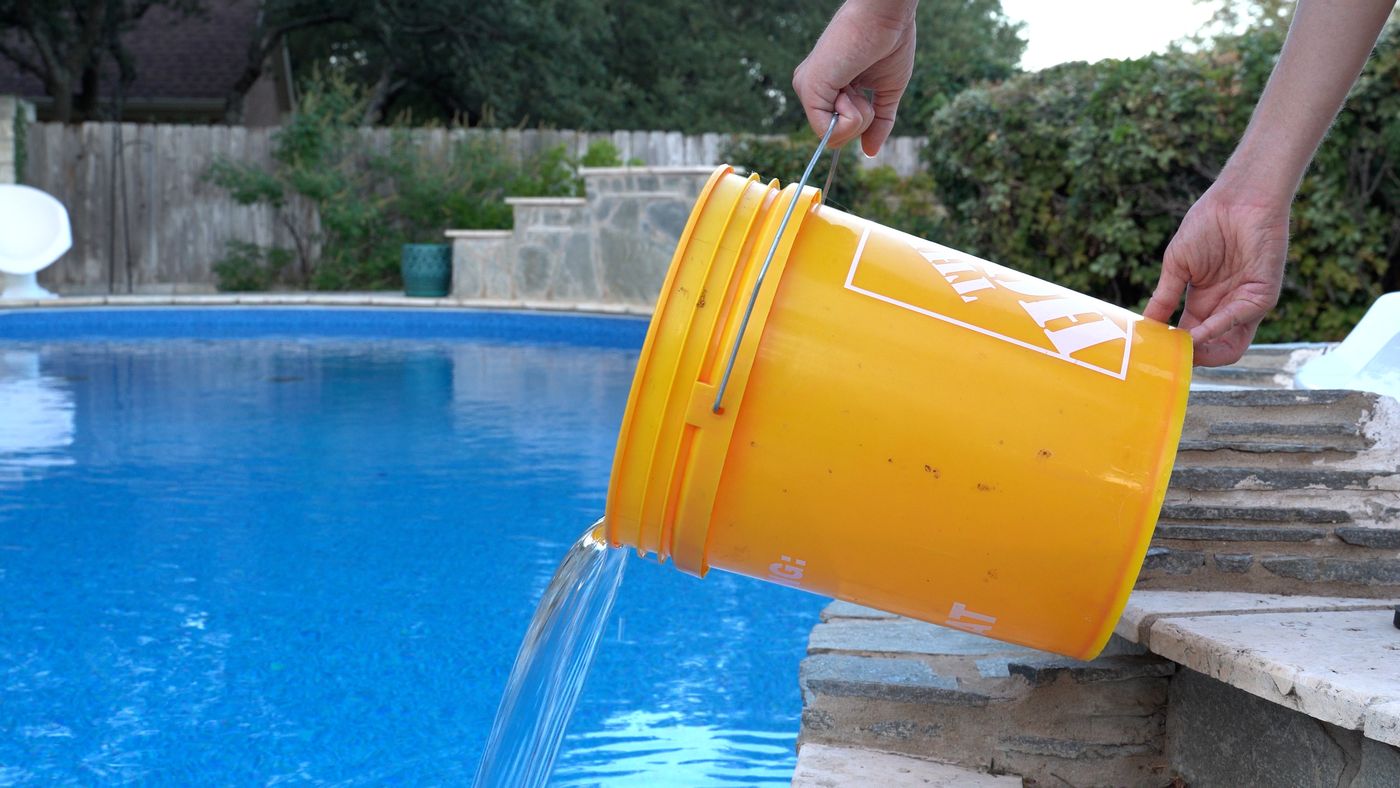
Muriatic acid is what I use and recommend. It's powerful, fast-acting, and costs about $10-15 per gallon at any hardware store. It doesn't add anything else to your water. Add it to the deep end while your pump is running, let it circulate, and retest the next day.
Dry acid (sodium bisulfate) is easier to handle with no fumes, but it's more expensive and adds sulfates that build up over time.
I've got a full video on exactly how to lower your pH safely, including how much acid to add for your pool size. Check out my complete guide on how to lower your pool's pH for the full walkthrough, or use our pool pH calculator for exact dosing.
How To Raise Your Pool's pH
Having a low pH reading is uncommon, but it does happen—especially if you're using trichlor tablets (those pucks have a pH around 2.8) or you've been heavy-handed with your acid.
This is where aeration actually becomes your best friend. If you want to raise your pH without increasing your Total Alkalinity, simply turn on your water features, pointed returns upward to break the surface, or let the kids have a "splash contest." The more bubbles and surface agitation you create, the faster you'll drive up that pH.
If you need a more immediate chemical boost, here are your best bets:
Soda Ash (Sodium Carbonate): This is the standard fix. It raises both pH and alkalinity. Dissolve it in a bucket first, then pour it around the perimeter while your pump runs.
Borax: This is a fantastic option if your alkalinity is already high and you just need to bump the pH. It has a much smaller impact on your alkalinity than soda ash does.
I cover this in detail in my complete guide on how to raise your pool's pH, or use our pool pH calculator for exact dosing.
The Pro Upgrade: UV Sanitation
If you're tired of the constant pH roller coaster, SpectraLight UV systems destroy 99.9% of pathogens using ultraviolet light—the same technology used in Olympic pools and over 200 commercial facilities. When UV handles the heavy lifting, you can run lower chlorine levels, which leads to more stable pH and consistently high ORP.
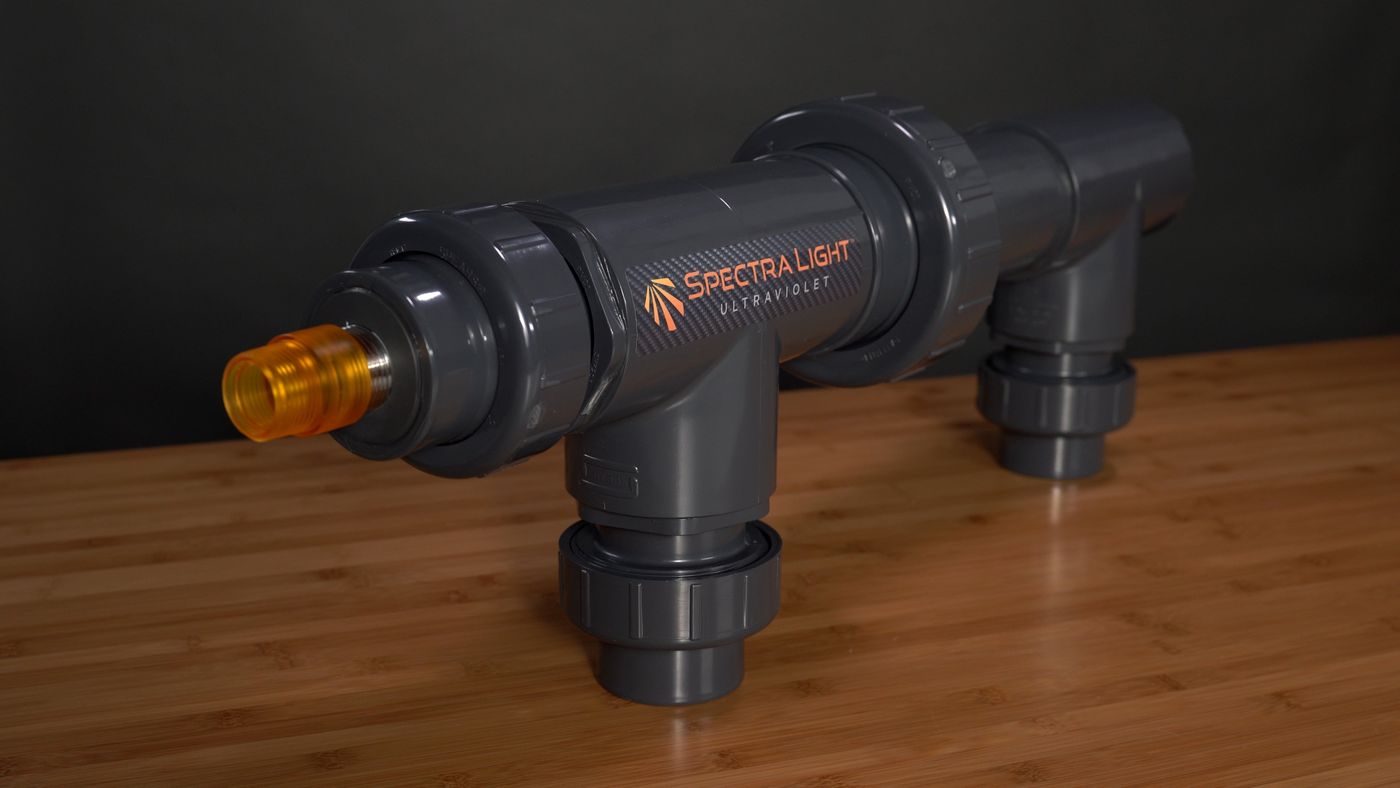
UV also destroys chloramines—those combined chlorines that cause the harsh "chlorine smell" and red eyes. Better water quality with fewer chemical inputs.
Read our full review: SpectraLight UV Review
The Pool Nerd Action Plan
- Target pH 7.2-7.4 (closer to 7.2 for maximum power, 7.4 for swim comfort).
- Monitor ORP, not just chlorine. A smart monitor like the ICO makes this effortless.
- Simplify to liquid chlorine and muriatic acid (but NEVER mix them).
- Check your CYA — keep it under 50 ppm.
- Add a UV sanitation system to reduce the amount of chemicals you need in your pool.
Final Verdict
So what's my final verdict?
Keep your pH at 7.2-7.4. That's the answer. But the real secret isn't just the pH number—it's understanding what pH does to your chlorine and learning to monitor ORP. pH controls how effective your chlorine can be. ORP tells you how effective it actually is. Master these two numbers and you've cracked the code that commercial pools have used for decades—and that pool stores have been hoping you'd never figure out.
Lower your pH, monitor your ORP, and stop buying "bucket fixes" for problems that a little muriatic acid could have prevented. For the complete picture of how pH fits into your full water balance, check out our pool chemistry calculator and our weekly pool maintenance guide.
Disclaimer: This information is for educational purposes only. Handling pool chemicals involves risk. Always read manufacturer labels and never mix chemicals. Use at your own risk.
For more guides and how-to's—including my full videos on how to raise and lower your pH—visit ThePoolNerd.com/pool-maintenance. Ready to upgrade with an ICO monitor, SpectraLight UV, or other top equipment? Head to ThePoolNerd.com/Deals.
Until then, enjoy that pool and I'll see you next time.

Comments
Loading comments…