High alkalinity throws your entire pool out of balance, and the biggest sign is your pH constantly rising. You dump acid in. It comes back down. A few days later, it's right back up at 7.8. You add more acid. Same thing. Over and over again.
Sound familiar? Here's the thing — you don't have a pH problem. You have an alkalinity problem. And if you don't fix it at the source, you're going to be playing that same game forever.
Hey there, I'm Justin, your resident pool aficionado. Today we're breaking down total alkalinity — what it is, why it matters, what you need to fix it, and exactly how to bring it down when it's too high. Let's get into it.
Lowering Alkalinity: What You Need Checklist
You need acid on a measured schedule plus a reliable TA test—no magic “alkalinity reducer” bucket required.
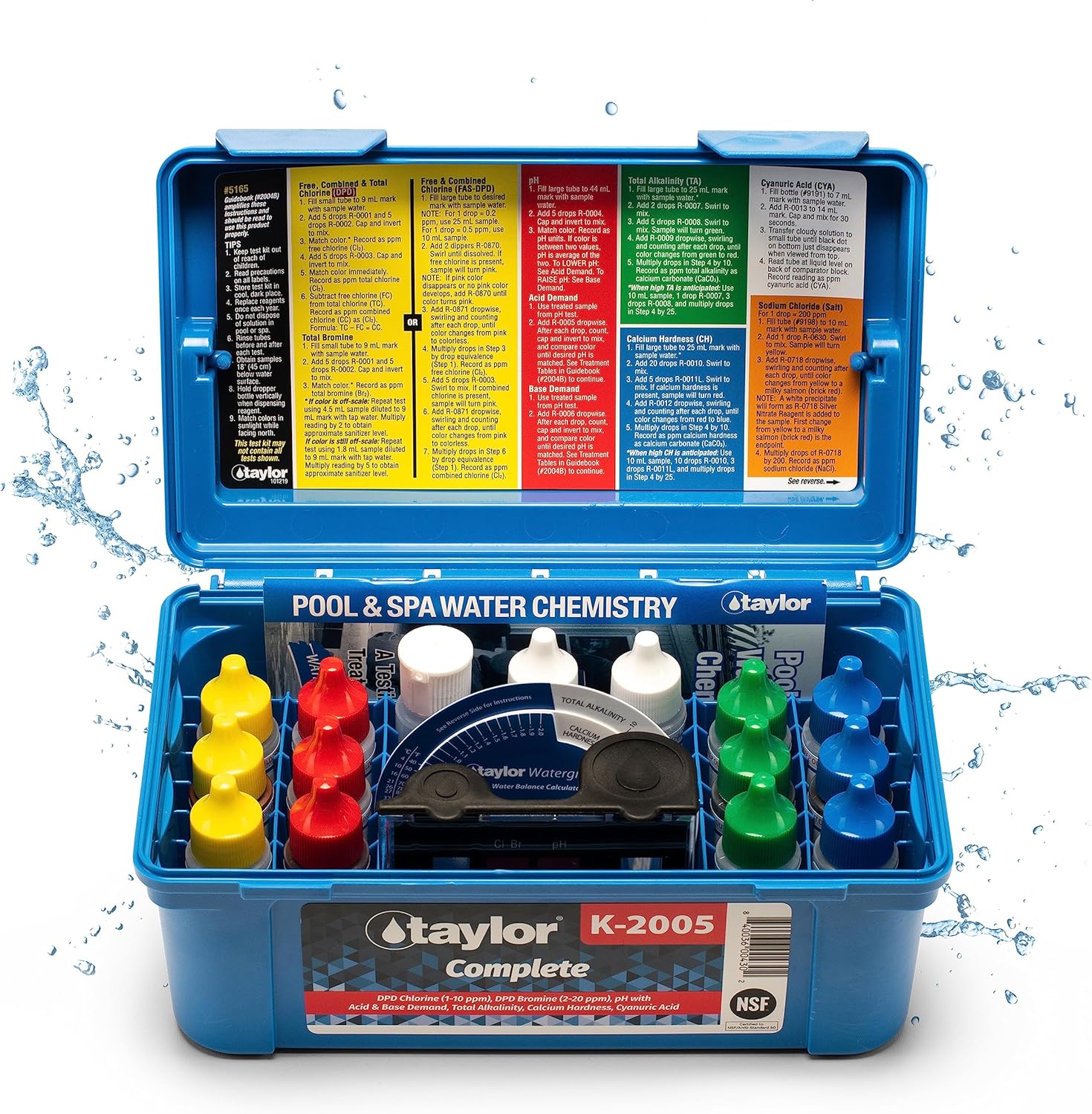
Taylor K-2005 Test Kit
What it is: A professional drop (titration) kit for chlorine, pH, alkalinity, calcium hardness, and cyanuric acid.
Why you need it: You can’t SLAM or balance blind—especially CYA, which handcuffs chlorine. This kit gives numbers you can trust, not strip guesswork.
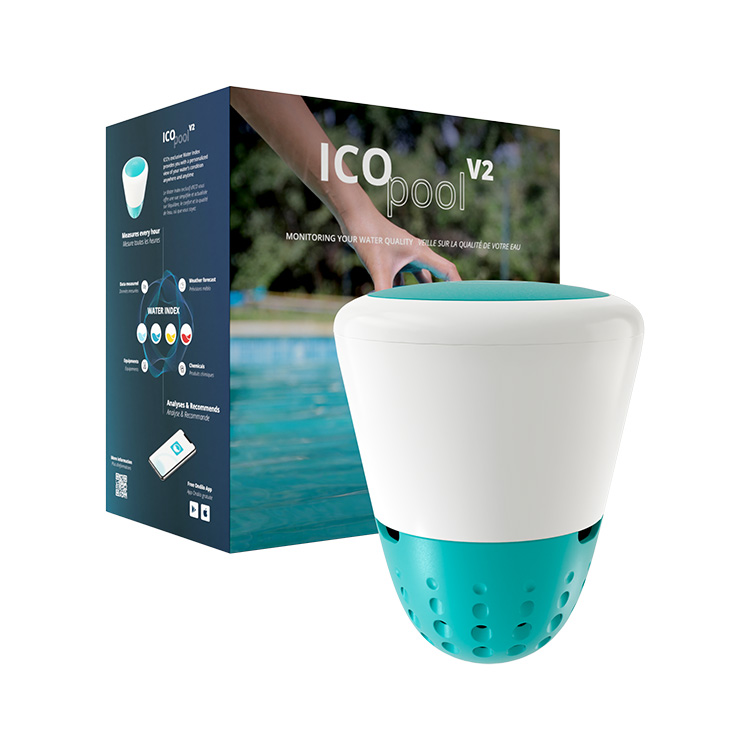
Ondilo ICO Pool Water Monitor
What it is: A floating smart monitor that samples pH, ORP (sanitizer effectiveness), and temperature on a schedule and sends trends to your phone.
Why you need it: You still need a real drop kit for parameters the ICO doesn’t replace (like TA and CYA), but hourly ORP/pH catches drift and dosing mistakes long before weekly strip checks do.
Read the full ICO review — Shop ICO direct (no Amazon listing for the hardware we run).
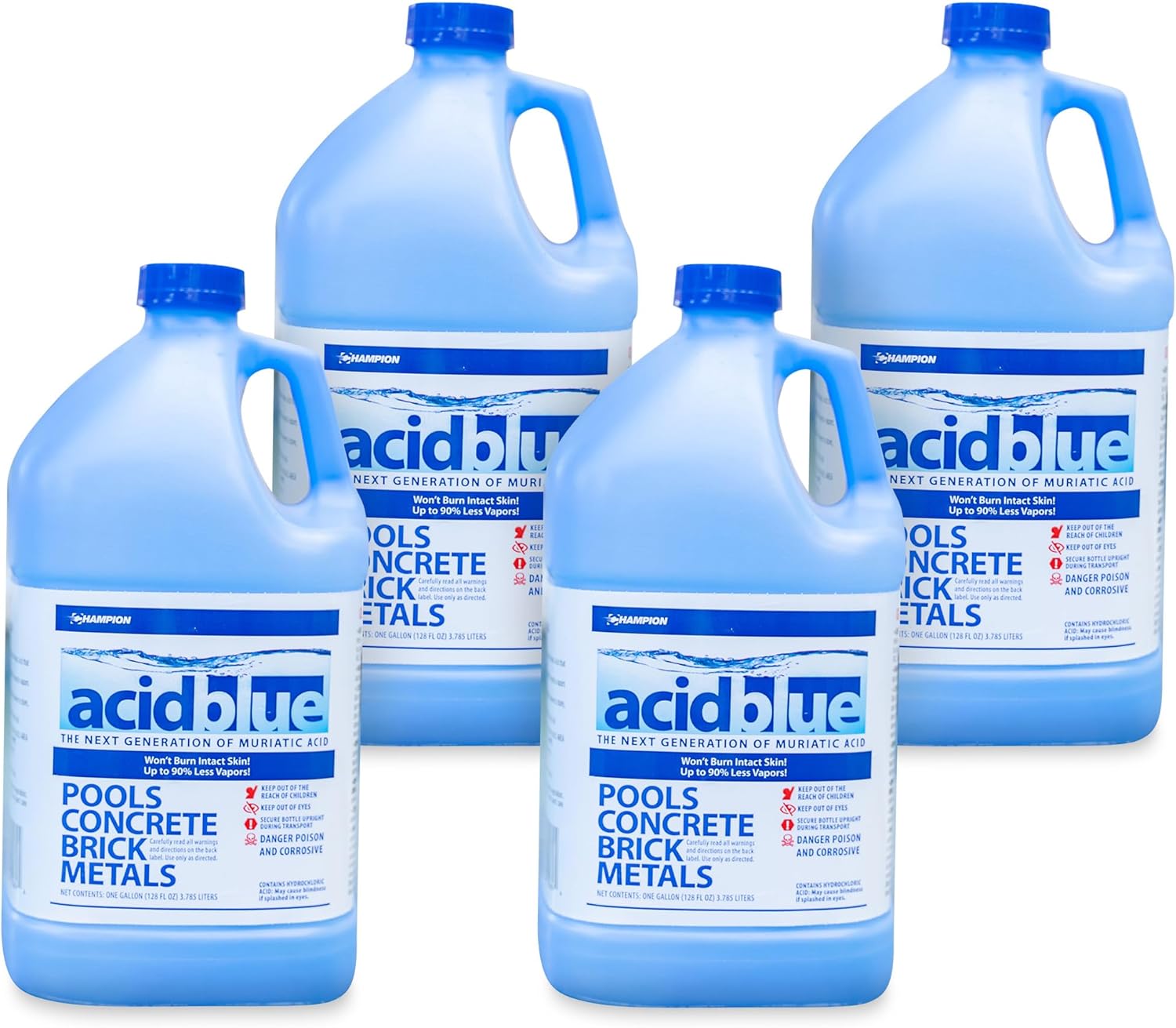
Champion Muriatic Acid
What it is: Dilute hydrochloric acid—standard for lowering pH and, with the right method, total alkalinity.
Why you need it: High pH destroys chlorine efficiency. Always follow the label; never mix acid with chlorine.
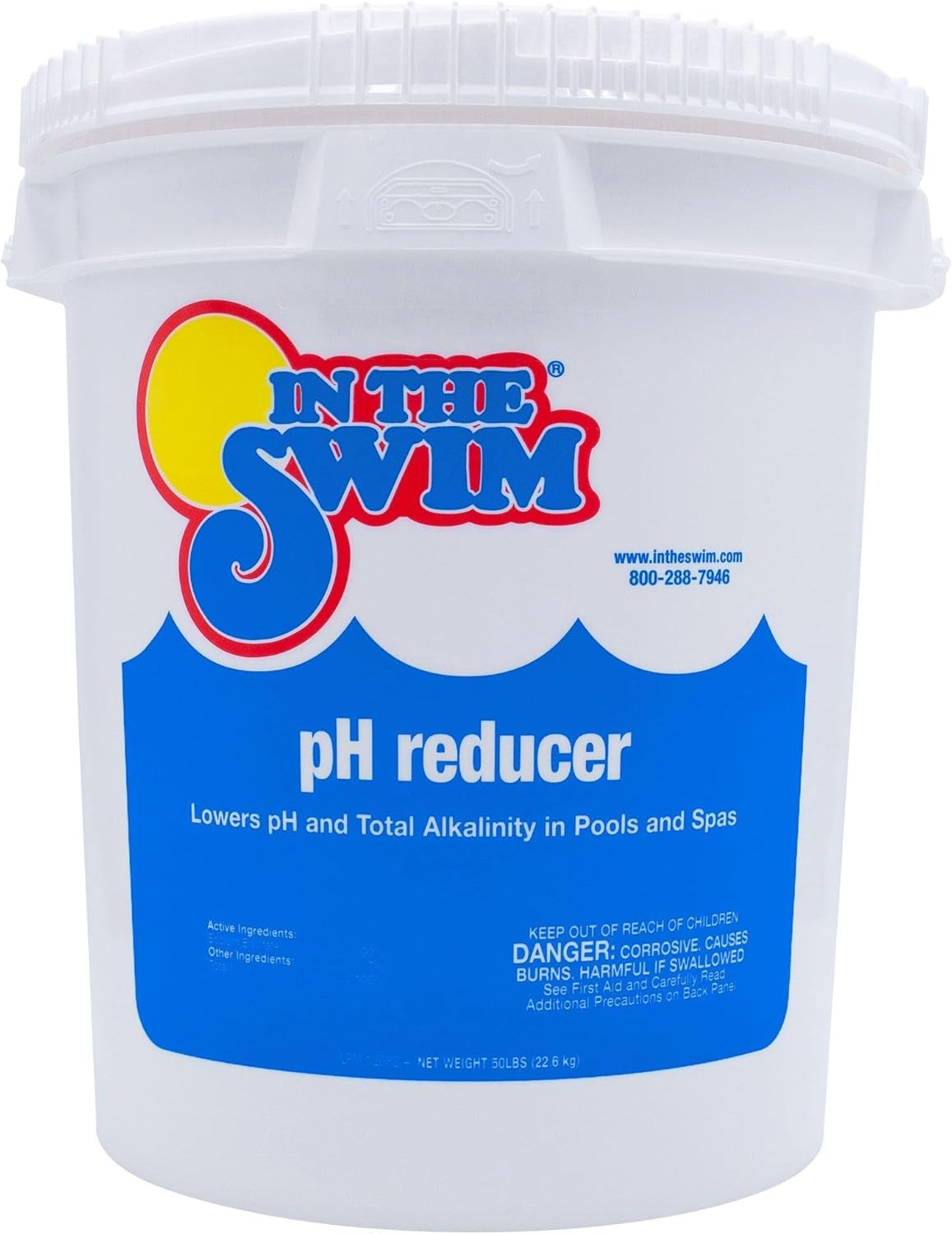
In The Swim pH Reducer (dry acid)
What it is: Sodium bisulfate (dry acid)—lowers pH (and can pull TA down when used in controlled steps).
Why you need it: Easier to handle and store than jugs of muriatic acid for small, precise corrections; still an acid—never mix with chlorine, follow the label, and retest after circulation.
Alkalinity Calculator
Already know your numbers? Use the calculator below to get your exact acid dose based on your pool volume and current alkalinity reading. For the full version with dosing charts and step-by-step guidance, head to the pool alkalinity calculator page.
Pool Alkalinity Calculator
Enter your pool details below for an instant chemical dosage recommendation.
What Is Total Alkalinity?
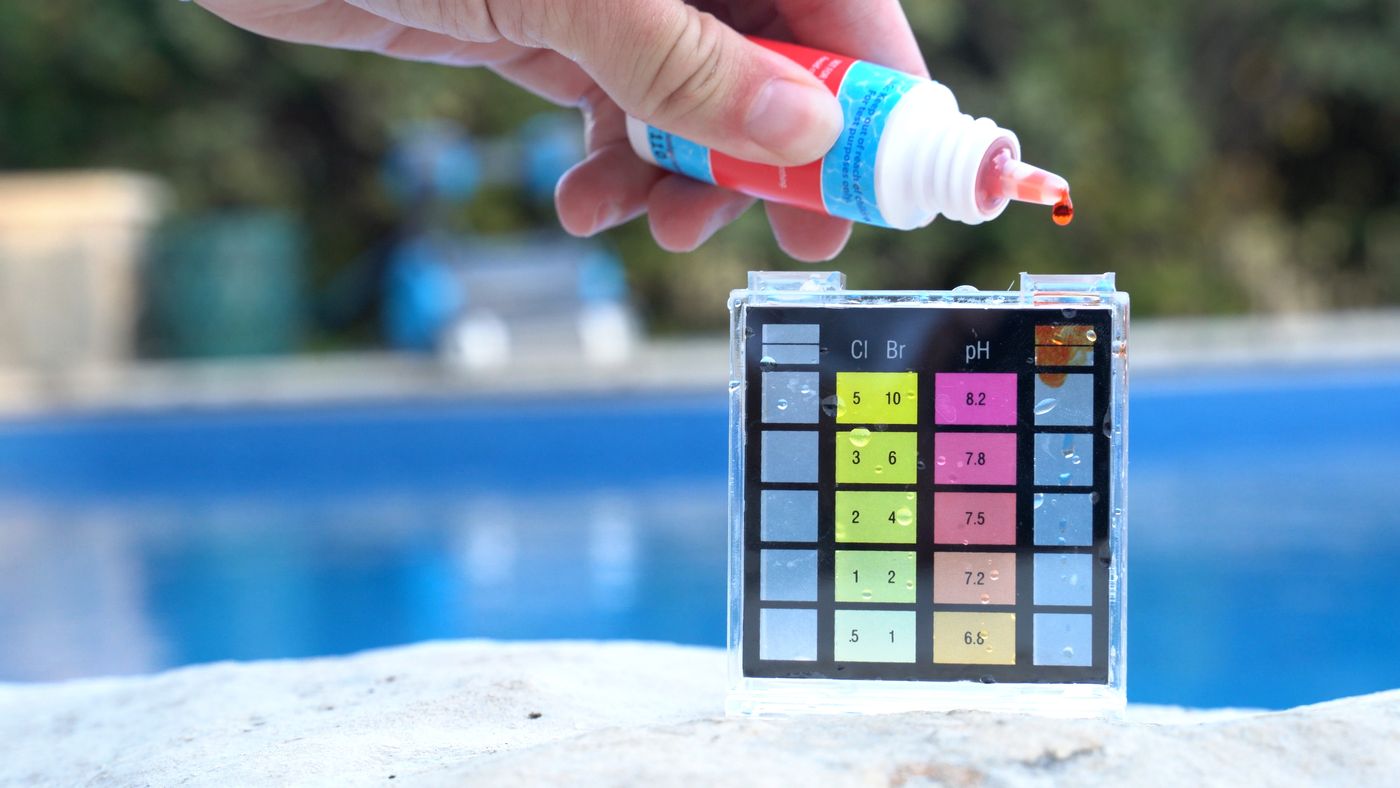
Total alkalinity — or TA — is your pool water's ability to resist pH changes. Think of it as a chemical shock absorber. It buffers your water against rapid swings in pH.
When TA is too low, your pH bounces all over the place with every rainstorm, every splash, every chemical you add. When TA is too high — and this is the one most people miss — your pH locks in at the top of the range and keeps drifting up no matter what you do.
That upward drift happens because of CO2 outgassing. Your water naturally contains dissolved carbon dioxide that helps keep pH down. When TA is too high, it creates conditions where that CO2 escapes to the atmosphere faster — and every time it does, pH rises. That's the cycle you're stuck in.
Why High Alkalinity Is A Real Problem
Let's talk about the downstream effects, because this isn't just about a stubborn number on a test strip.
Your chlorine stops working. This is the big one. As pH rises above 7.4, the effective sanitizing form of chlorine — hypochlorous acid, or HOCl — converts to hypochlorite, which is basically dead weight. You can have a perfect 3 ppm chlorine reading and your water is basically unprotected. High alkalinity driving high pH is one of the most common reasons pools go green even with "enough" chlorine in them. If that's already happened, check out my guide on how to clean a green pool.
Scale forms. When pH and alkalinity run high together, calcium carbonate falls out of solution and deposits on your tile, your heater, your salt cell, and inside your pipes. Replacing a heater runs $3,000 to $5,000. Descaling a salt cell costs time and money every single season.
Cloudy water. Minerals precipitating out of solution cause that hazy, milky look that no clarifier can fix — because clarifiers don't fix chemistry. I cover the full breakdown in my guide on how to clear cloudy pool water.

What Are The Right TA Targets?
Here's where the standard pool store advice gets it wrong. They'll tell you 80 to 120 ppm for everyone. That's not the full story.
For vinyl and fiberglass pools, target 80 to 100 ppm TA — closer to 80 if you're also running a salt cell or using liquid chlorine, which both push pH up.
For gunite and plaster pools, you can run 100 to 120 ppm. Plaster is more sensitive to aggressive water, so you need a little more buffer. Though — and this is important — plaster pools often run into the opposite problem where higher alkalinity locks in a high pH that wrecks chlorine efficiency. That's a cost I call the gunite tax.
The bottom line: if you're constantly fighting high pH, your TA is probably above 120 ppm. That's your starting point for this fix. For a deeper look at why pH matters so much, read my full guide on the ideal pool pH level.
What You Need (Checklist)
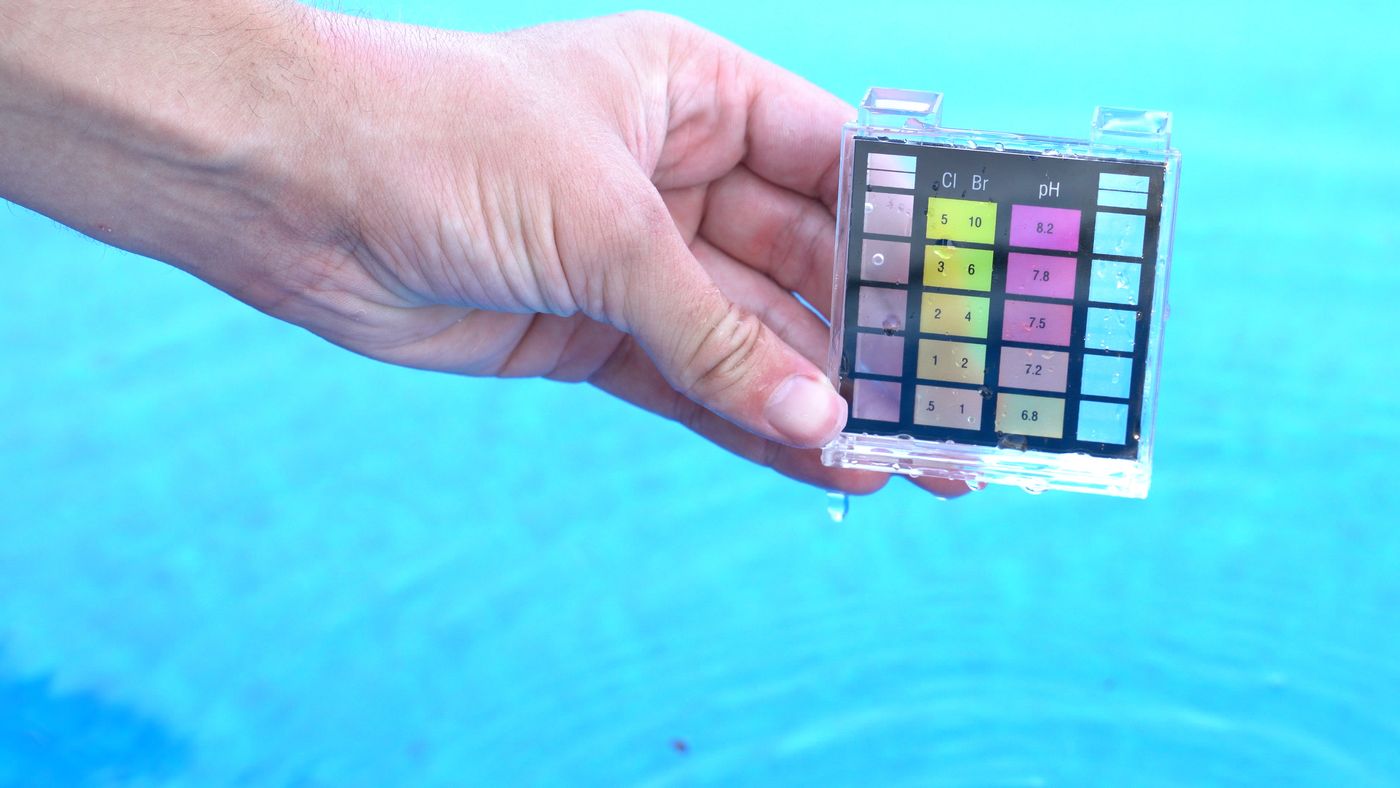
Before you start lowering total alkalinity, make sure you've got everything on hand—the what you need checklist earlier on this page has quick links for the chemistry:
- Muriatic Acid (preferred) or Dry Acid (sodium bisulfate)
- Reliable Test Kit — ideally a liquid kit like the Taylor K-2006 (or the K-2006 Salt for salt pools)
- Protective Gear — gloves + eye protection — don't skip this
- 5-Gallon Bucket — for pre-diluting acid safely
- Pool Pump Running — for proper circulation
- Aeration Source — return jets pointed up, waterfall, spa spillover, or fountain (anything that agitates water)
- Basic Measuring Tool — measuring cup for accurate dosing
- Optional: Smart Pool Monitor like the ICO — helps track pH trends and catch alkalinity issues early
That's it — no magic chemicals, no overpriced "alkalinity reducers." Just the right tools and a controlled process.
How To Actually Lower Alkalinity
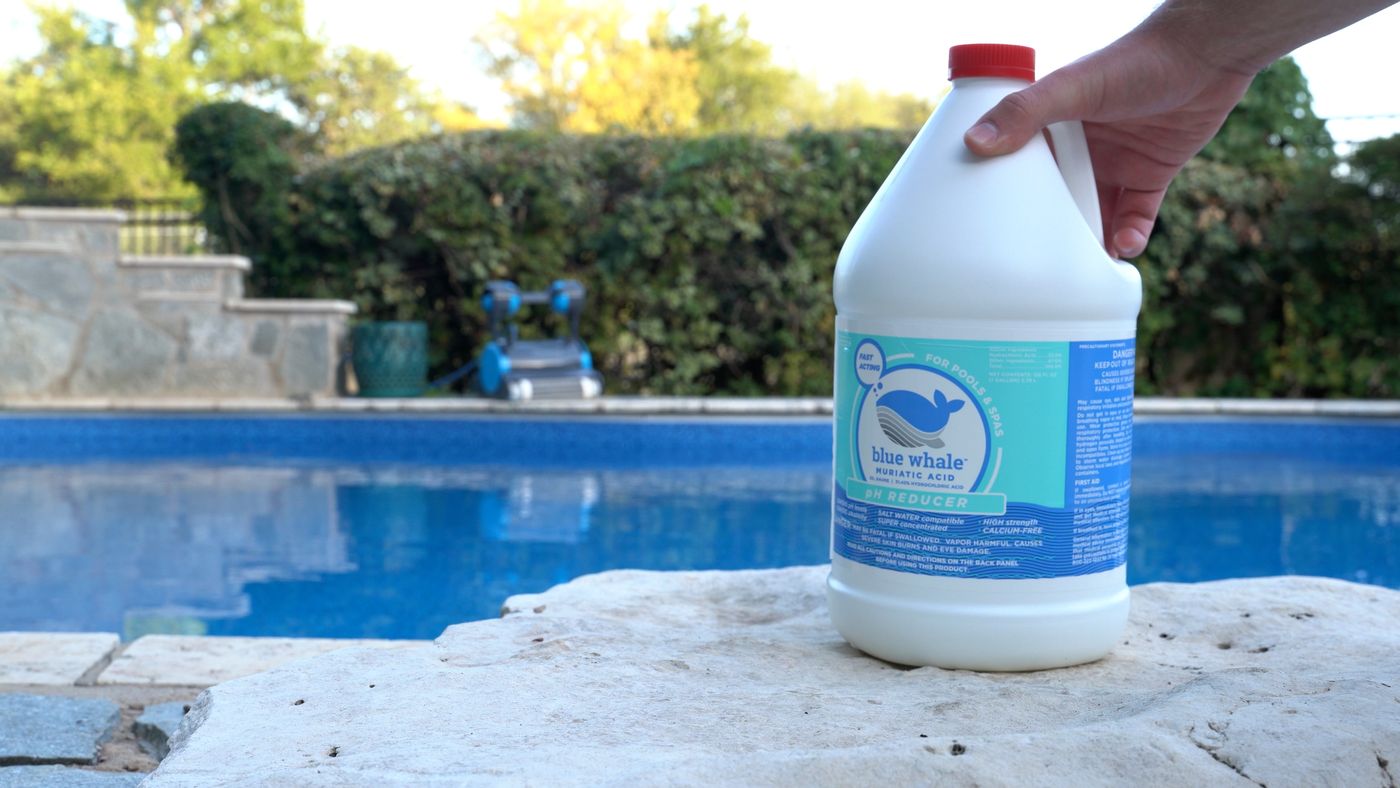
The only real way to lower total alkalinity is to add acid. You have two options:
Muriatic acid — liquid hydrochloric acid, sold by the gallon at any hardware store. Fast-acting, powerful, economical. This is what I use.
Dry acid (sodium bisulfate) — granular form, easier to handle for some people. Slightly more expensive and adds sulfate to your water over time.
Here's the key — you cannot add a massive dose and solve this in one shot. Your pH will crater, and you risk damaging your pool surface. For vinyl, pH below 7.0 causes wrinkling. For plaster, aggressive water etches the finish. For any pool — it's just bad chemistry.
The correct approach is the acid and aeration method:
Step 1: Add A Small Measured Dose Of Acid
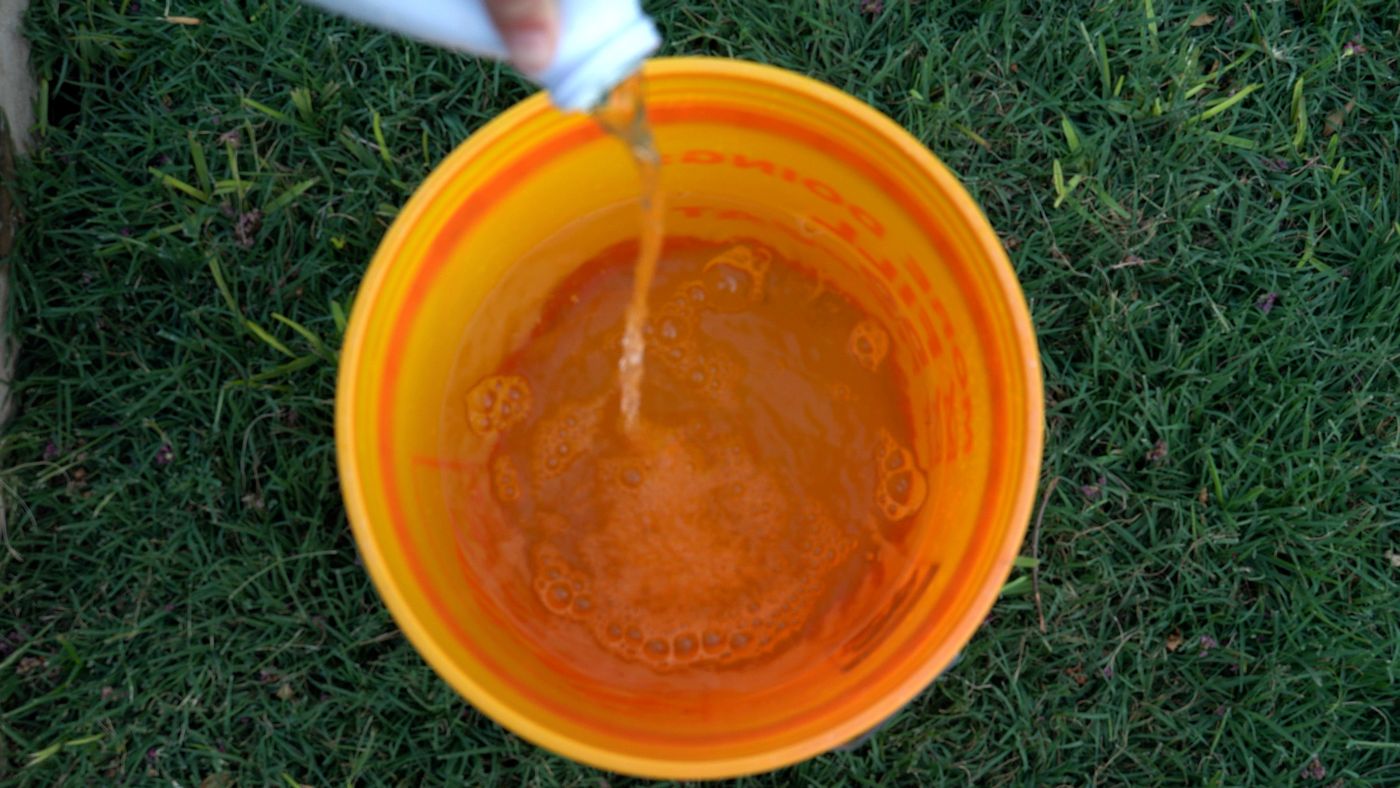
No more than 1 pint of muriatic acid or 1 pound of dry acid per 10,000 gallons per day. Pre-dilute it in a bucket of pool water first, then pour slowly near a return jet with your pump running. For exact dosing, use our pool acid calculator or pool alkalinity calculator.
Step 2: Let It Circulate And Wait
Test your pH. If it's dropped below 7.2, stop and let the water stabilize before adding more.
Step 3: Run Aeration
Point your return jets upward, run your waterfall or fountain. This drives off CO2 and raises pH back toward your target range WITHOUT raising alkalinity. That's the key. Aeration raises pH without touching TA.
Step 4: Retest The Next Day
If TA is still high, repeat the cycle.
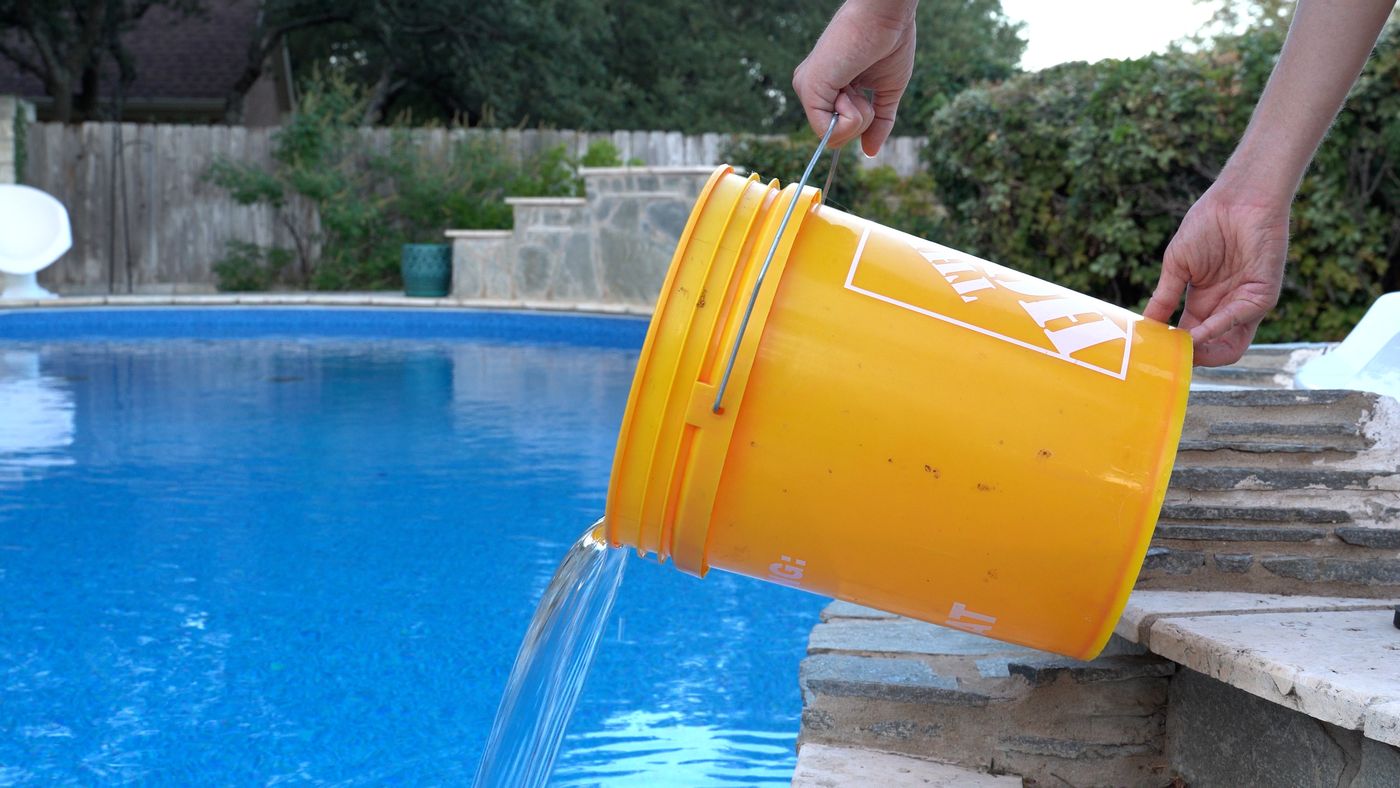
For a typical 20,000 gallon pool with TA at 150 ppm trying to get to 90 ppm, expect to run this cycle over 4 to 7 days. It's not instant. But it's the right way to do it. If you need help with the math, our pool chemistry calculator covers all five key water balance parameters in the correct adjustment order.
How To Monitor Alkalinity Without Going Crazy
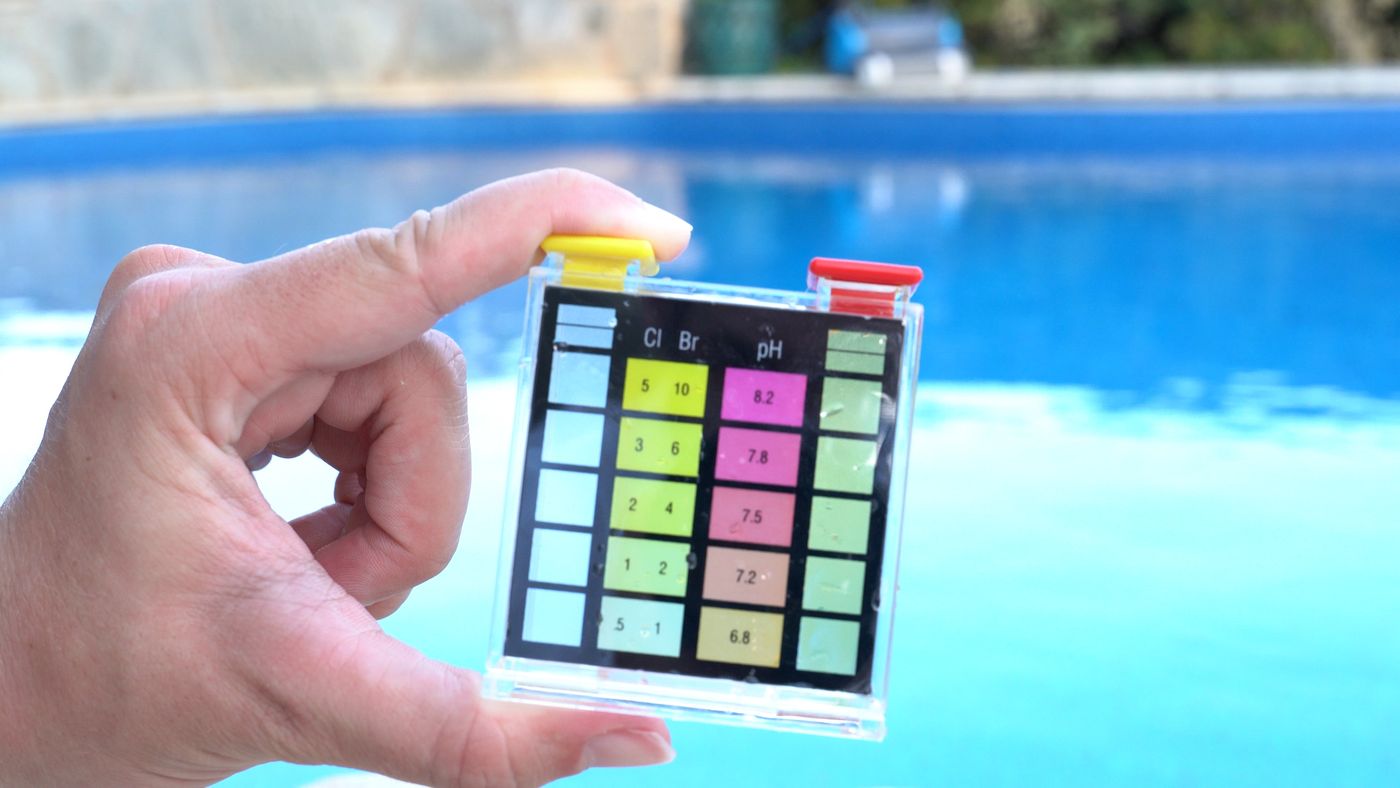
Here's where most pool owners fall behind — they test TA once a week at best, and by the time they catch the problem, they're already fighting pH every other day.
You need continuous monitoring. And this is exactly where the ICO by Ondilo changed my approach completely.
The ICO floats in your pool and measures pH and ORP — Oxidation Reduction Potential — every single hour and sends the data to your phone. Now, it doesn't directly measure alkalinity. But here's what it does tell you:
If your pH repeatedly climbs back to 7.8 shortly after correction — and you haven't made any unusual chemical additions — that's the signature of high alkalinity driving upward pH drift via CO2 outgassing. The ICO's continuous pH trend data makes this pattern obvious in a way that once-a-week testing never could.
ORP tells you whether your chlorine is actually working. Watch pH climb from 7.2 to 7.6, and you'll see ORP drop right alongside it. You want to stay between 650 and 750 mV. Below 650 mV, your water isn't being properly sanitized — regardless of what your ppm reads. That low ORP is often alkalinity-driven pH problems showing up downstream.
The ICO essentially gives you a real-time alkalinity early warning system through pH and ORP trending. And when you combine that with a weekly TA test, you'll catch problems in hours, not days. Check it out at mysmartpool.com.
Read our full review: ICO Pool Water Monitor Review
Quick FAQ
Can I lower alkalinity with baking soda?
Dead wrong — baking soda is sodium bicarbonate. It raises alkalinity. Never use it if TA is high. If you actually need to raise pH, read my guide on how to raise pool pH.
What if my TA is extremely high — like 200 ppm or more?
Consider a partial drain and refill. Diluting the water resets TA and any other parameters that are out of range at the same time. Just know your surface type — never drain a vinyl liner or fiberglass pool without understanding the structural risks first.
Will lowering TA hurt my plaster?
Only if you overdo it or drop pH below 7.2. Go slow, test daily, and stay within the safe range.
What's the difference between lowering pH and lowering alkalinity?
Both use the same acid, but the approach is different. When you lower pH, you add acid and let it circulate. When you lower alkalinity, you add acid AND run aeration to selectively bring TA down while letting pH recover. The aeration step is what separates the two processes.
Final Verdict
Total alkalinity is the hidden culprit behind most persistent pH problems.
If you've been adding acid every few days and watching pH bounce right back up — fix the alkalinity first. Use the acid and aeration method over several days. Test TA weekly. Monitor pH and ORP continuously with the ICO so you catch the drift before it costs you chemical money and equipment life.
Get your TA dialed into the right range, and pH management becomes dramatically easier. Your chlorine becomes dramatically more effective. And your pool becomes dramatically less of a headache.
Head over to ThePoolNerd.com/Deals for the best pricing on the ICO monitor and anything else you need to run a smarter pool.
I'm Justin. Until next time — enjoy that pool.
This content is for educational purposes only. Handling pool chemicals, including muriatic acid, involves significant risk of injury or property damage. Always read manufacturer labels. Use this information at your own risk.