
 Justin D.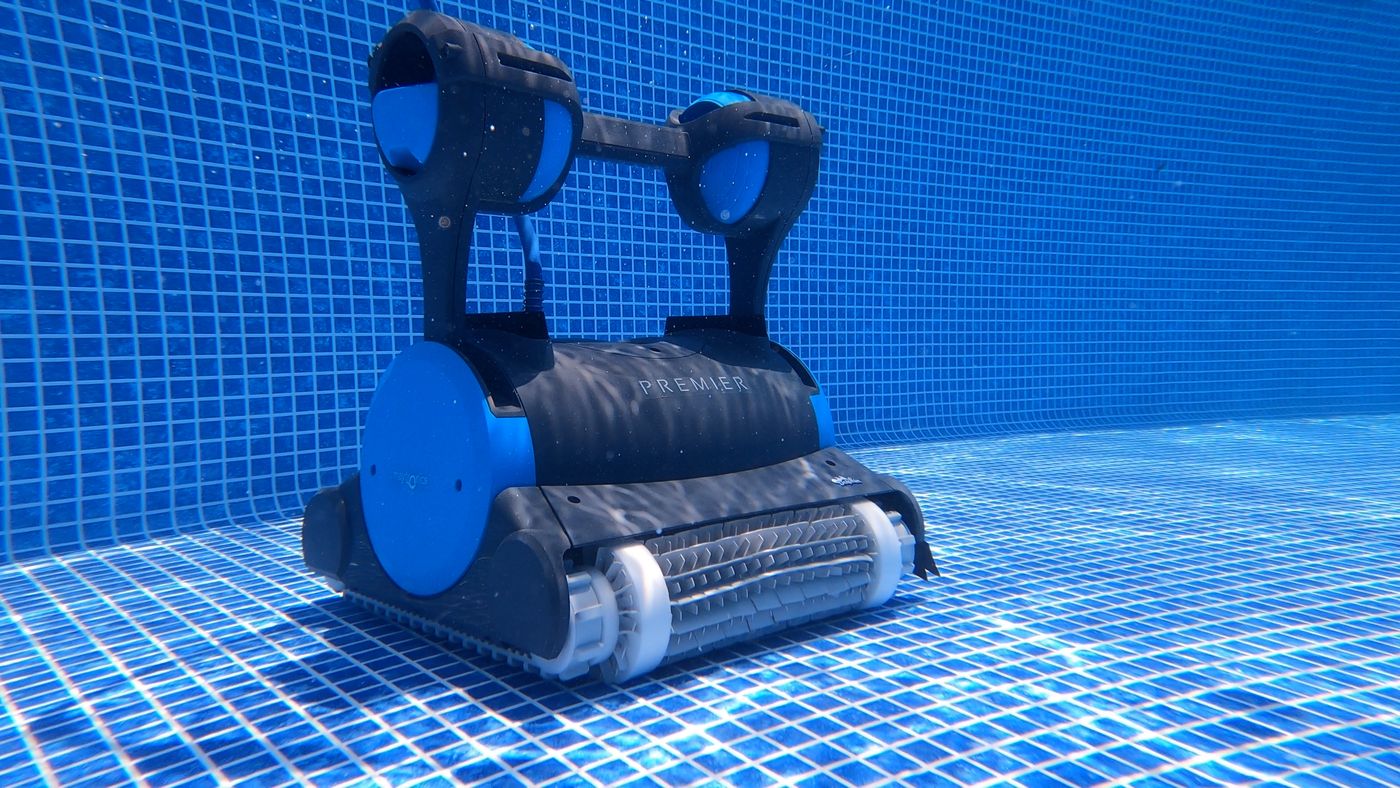
What if I told you that you could cut your pool maintenance by 90%?
That you could walk outside, see crystal-clear water, and not have to touch a single thing?
That's exactly what happened after I installed these six upgrades on my own pool. We used to be out there every weekend with test strips, jugs of chlorine, and a skimmer net, wondering why my pool still looked cloudy by Wednesday.
Hey there, I'm Justin, your resident pool aficionado.
After testing over 30 robotic pool cleaners, all the top water monitors, UV systems, and more — I stopped guessing and started automating. These aren't gimmicks or nice-to-haves. These are the upgrades we use on our own test pool, and they make the biggest difference with the least amount of effort. Let's dive in.
1. A Smart Pool Water Monitor
This is the upgrade that changed pool ownership for me more than anything else. I've tested all the major monitors — Sutro, WaterGuru, EcO — and ICO is the one that I loved the most. This little thing floats in your pool and monitors everything you need, sending alerts and recommendations right to your phone.
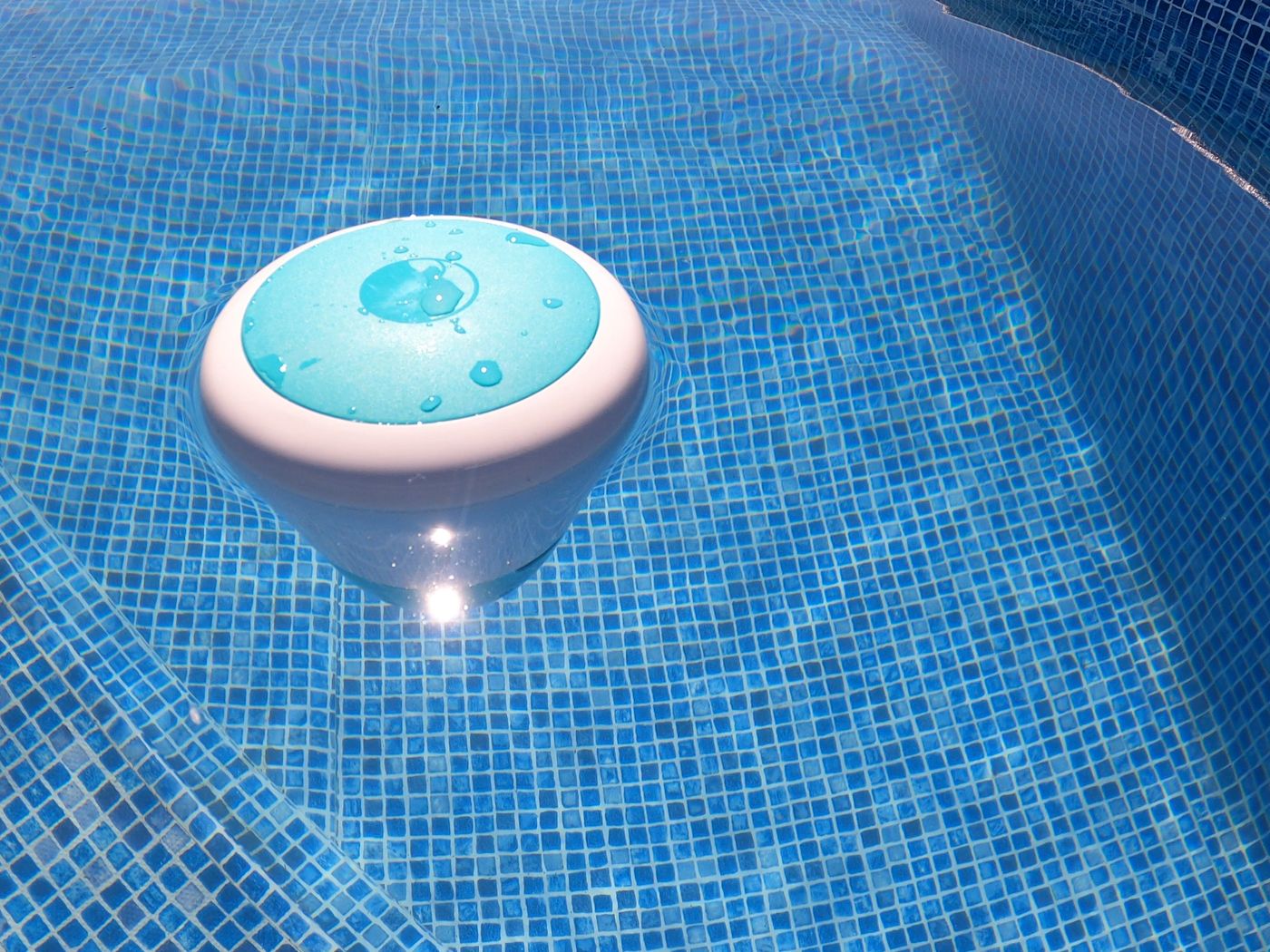
Here's the thing. Most pool monitors focus on reporting chlorine levels, which honestly doesn't tell you much. Your chlorine can be sky-high and your water can still have zero sanitizing power. That's because chlorine has kryptonite — wrong pH and high CYA levels can render it completely useless.
ICO measures ORP — Oxidation-Reduction Potential — the same metric used by Olympic training facilities and commercial aquatic centers worldwide. ORP tells you your pool's actual sanitizing power, not just how much chlorine is floating around. If ORP is above 650, your pool is crushing it. If it drops? Things are about to get nasty. ICO tracks ORP, pH, and temperature continuously — every single hour, with alerts sent right to your phone.
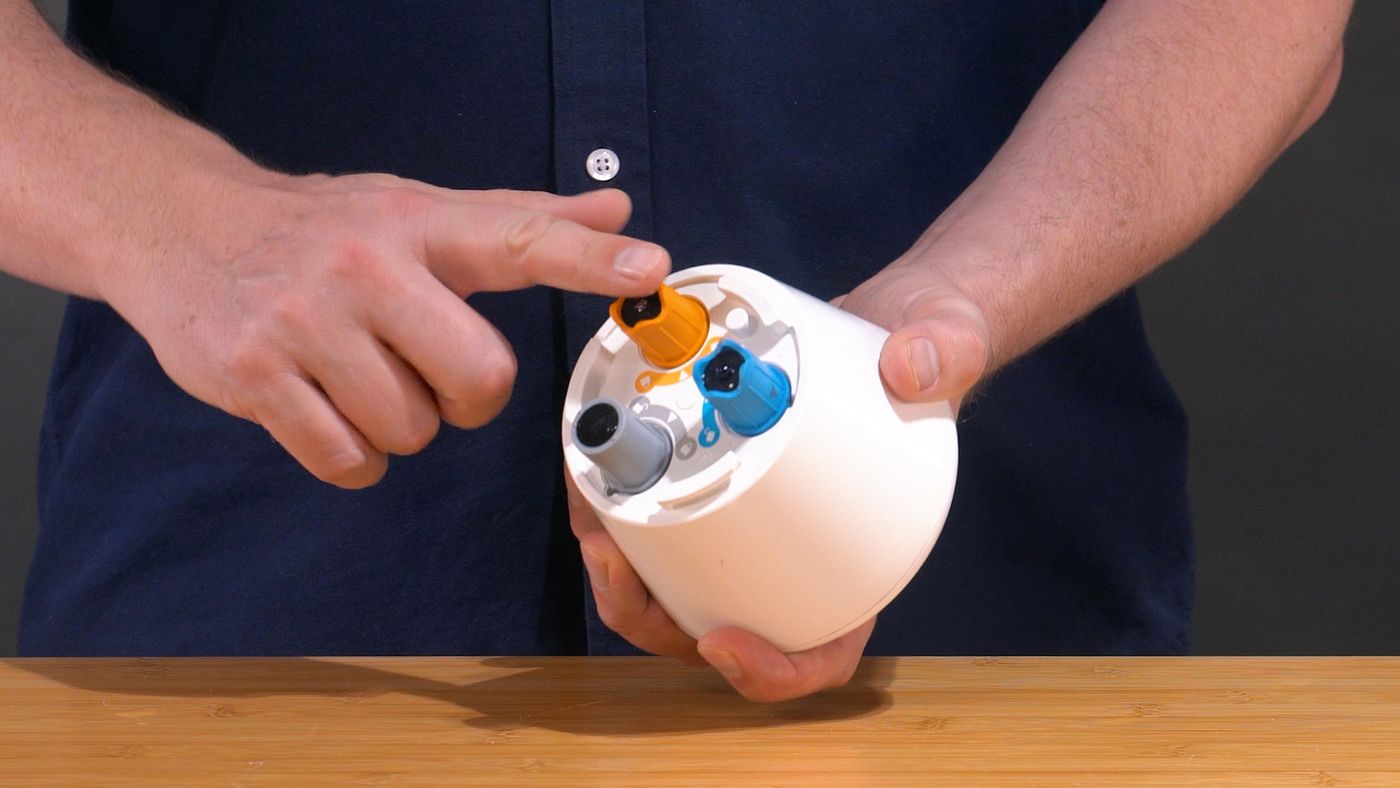
And here's why pH precision matters so much. If your pH moves from 7.0 to 7.5, chlorine loses 50% of its power. Move to 8.0? Your chlorine is only about 25% effective. That means you're basically pouring chlorine money into your pool and getting almost nothing back. Most pool owners over-chlorinate by 200-300% without even knowing it.
Once I started using ICO and kept my pH between 7.0 and 7.2, I cut my chemical spending nearly in half — from about $70 a month to $35. That's over $400 a year back in my pocket.
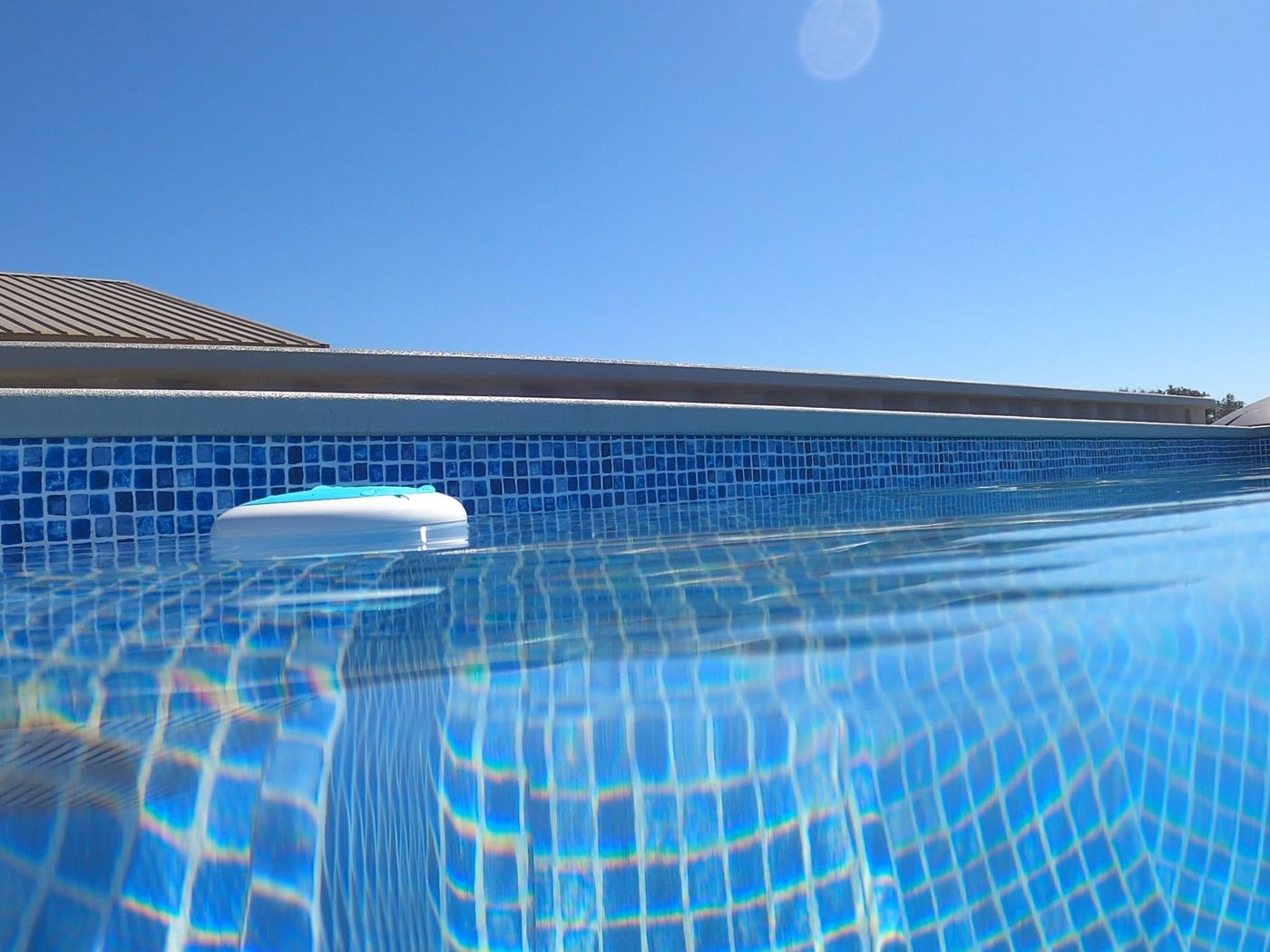
No subscription. No weekly calibration. Wi-Fi works out of the box. If pH drifts, ICO tells you. If ORP drops, ICO tells you. If I had to keep only one device on my pool, this would be it.
2. A Corded Robotic Pool Cleaner — Dolphin Premier, Sigma, or Quantum
You knew this one was coming. If you still use a pressure-side or suction-side cleaner, toss it to the side. A robotic pool cleaner is the single best tool any pool owner can have. But not all robots are created equal, and this is where people get burned.
After testing dozens of models from Beatbot, Aiper, Wybot, Polaris, and Dolphin, corded robots from Dolphin's ProLine absolutely dominate everything else on the market.
Cordless sounds great on paper, but in my testing — after running the Aiper Scuba X1 Pro Max, Beatbot AquaSense Pro, and so many more cordless cleaners in our pool — I can't recommend any of them over a corded cleaner. You're hauling these things in and out daily to recharge. The suction is weaker by a factor of two or more typically when measured with a manometer. Battery degradation shrinks your run times after a year. Many use mesh screens instead of real NanoFiltration. And in Aiper's case, there are documented recalls and alleged fire incidents with their lithium-ion batteries. In my experience, cordless is not ready yet. Corded is still king.
My Top 3 Picks for a Robotic Pool Cleaner
So what are my top picks?
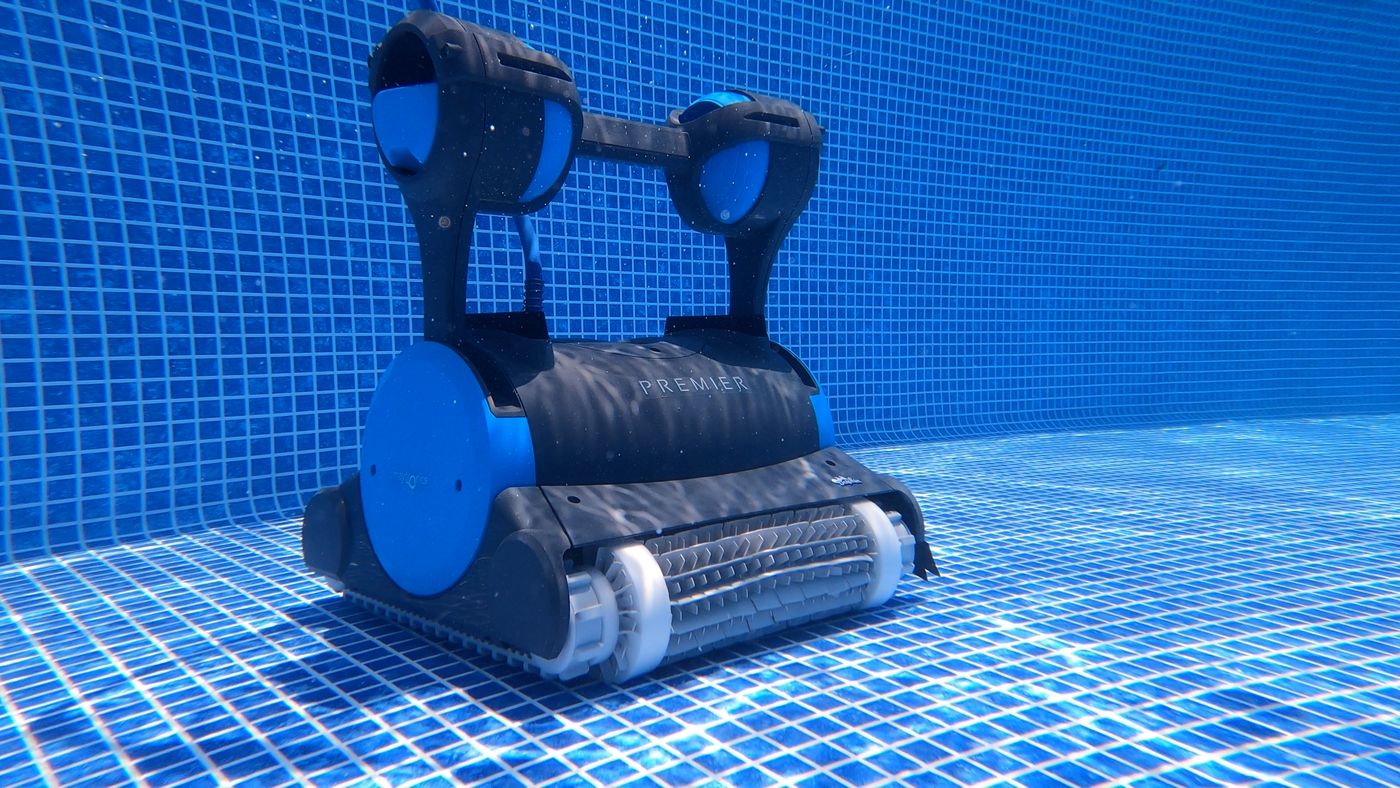
Dolphin Premier — the #1 robotic pool cleaner I've ever tested. And I'm not the only one – it was also rated the Best Robotic Pool Cleaner by USA Today. It has dual commercial-grade motors, Multi-Media filtration with NanoFilters, leaf bags, and disposable bags, waterline cleaning, a Weekly Smart Timer with AutoStart, and an anti-tangle swivel. Plus a 3-year warranty.
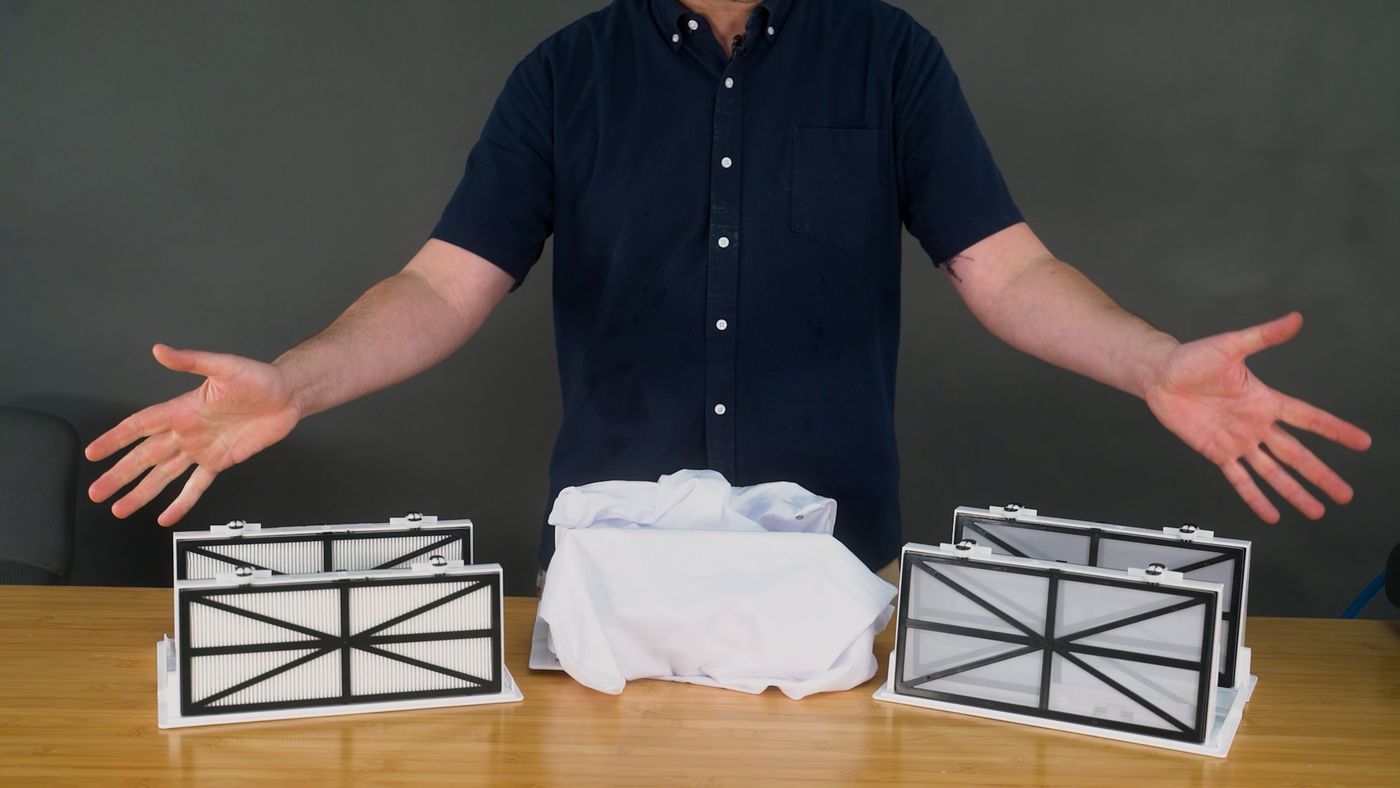
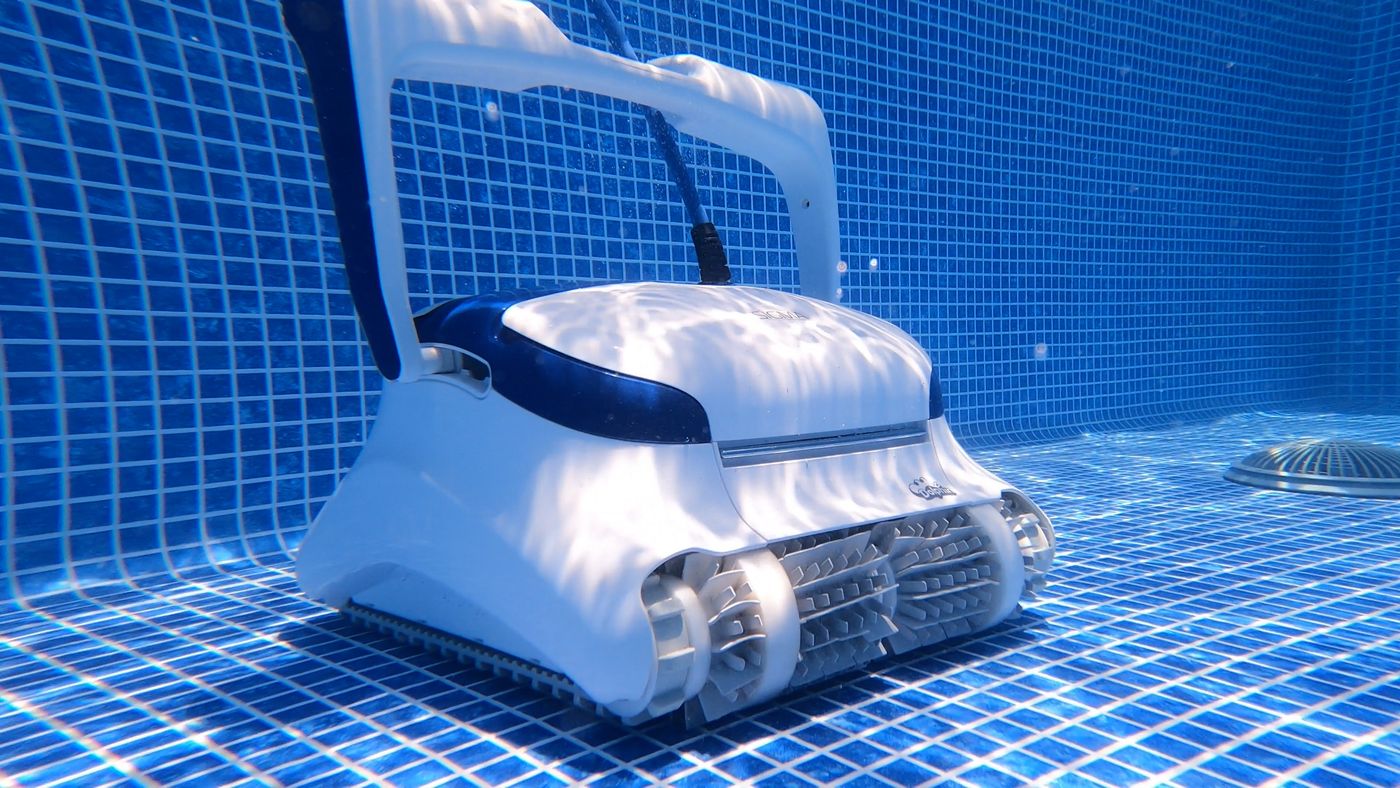
Dolphin Sigma — the tech lover's robot. Triple commercial-grade motors, gyroscope navigation, and the MyDolphin Plus app that works with real-time feedback and remote control. Smart navigation, zero wasted motion.
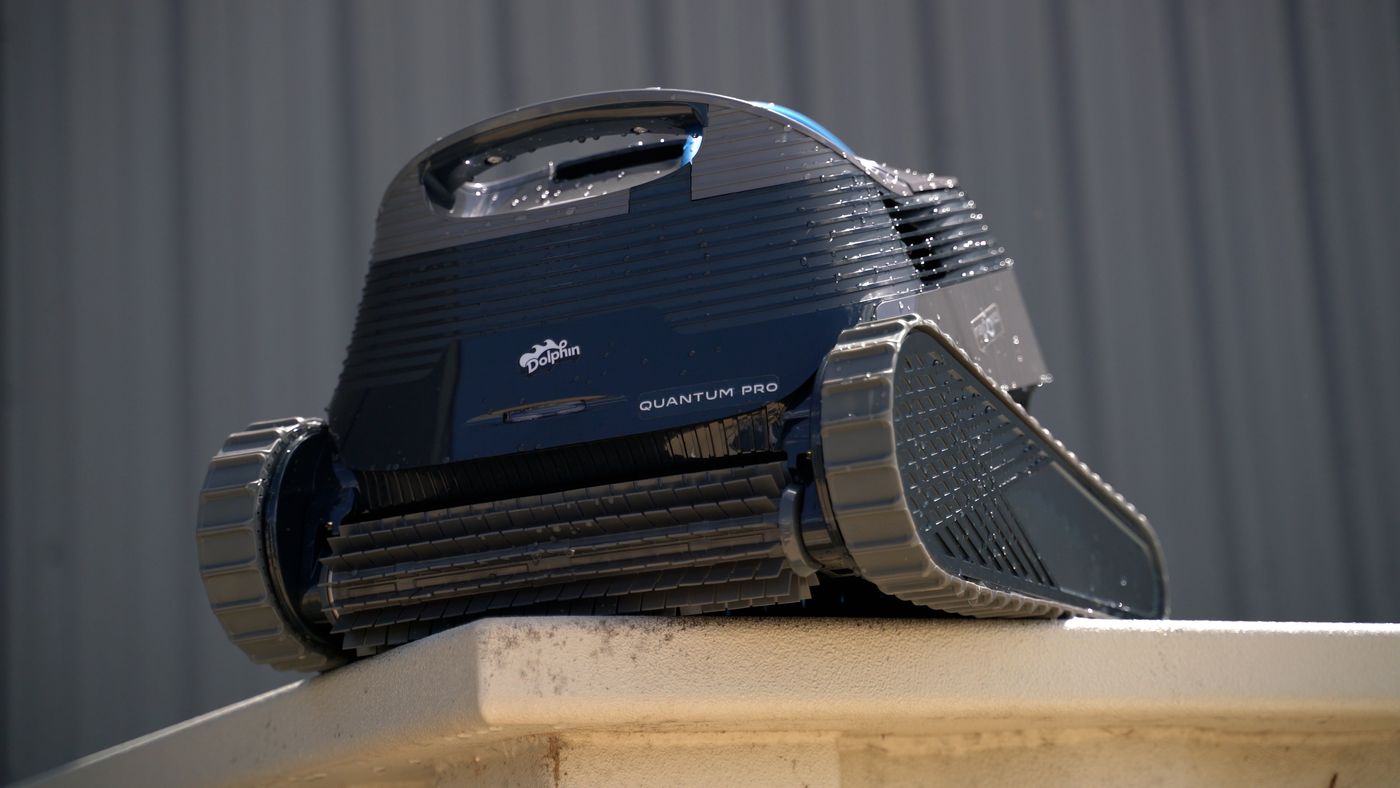
Dolphin Quantum — best value in premium cleaning. XXL MaxBin that's 225% larger than standard filters, NanoFilters, PowerJet 3D mobility, and the Weekly Smart Timer. Top-tier cleaning without going all the way to Premier or Sigma pricing.
With a corded robot, you get no hoses, no booster pump, floor-to-waterline cleaning, real scrubbing brushes, and NanoFilters that catch what other filters miss. Set the Weekly Timer, press a button, and all you do is empty the filter once a week. Robotic cleaners remove 80–90% of the work of owning a pool. Every model I'd buy is ranked in my best corded pool robots guide.
3. A Solar Robotic Skimmer — Betta SE or Dolphin Skimmi
Debris sinks. That's the problem. Once it hits the bottom, your robot works harder, your filter gets stressed, and your chlorine demand goes up. Every leaf that decomposes in your pool releases acids that wreck your pH. Debris isn't just ugly — it's a chemistry wrecking ball.
After testing skimmers from all the top brands — here are the two worth buying:
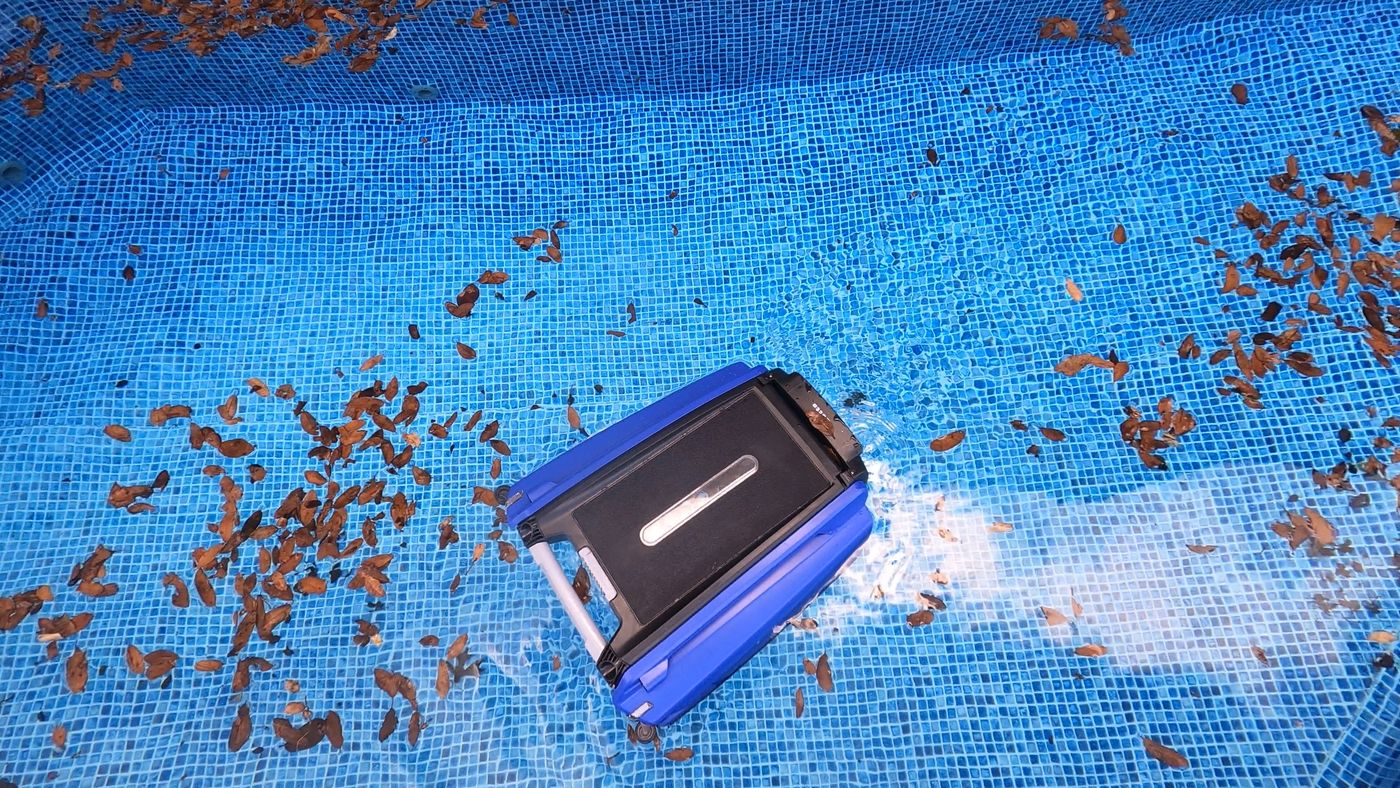
Betta SE — my best value pick. Solar-powered, so it never needs charging. Top-loading basket, twin motors, 24/7 continuous cleaning. Around $350–$400, and it outperforms models that cost twice as much. Drop it in the pool and forget about it.
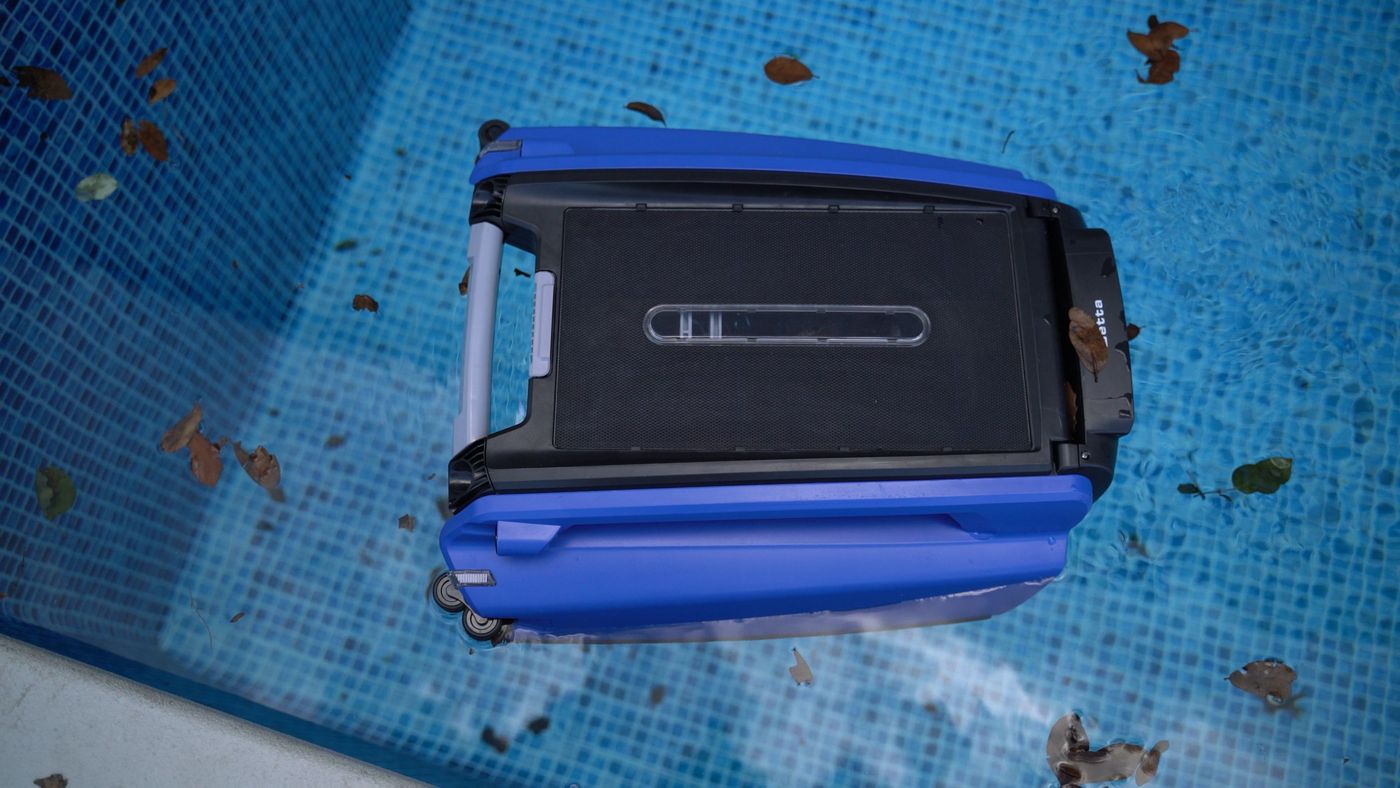
Dolphin Skimmi — the upgrade pick. Stronger propellers, paddle-wheel debris intake, smartphone app, and better performance with heavy leaf loads or windy conditions. More expensive, but worth it if your pool takes a beating from debris.
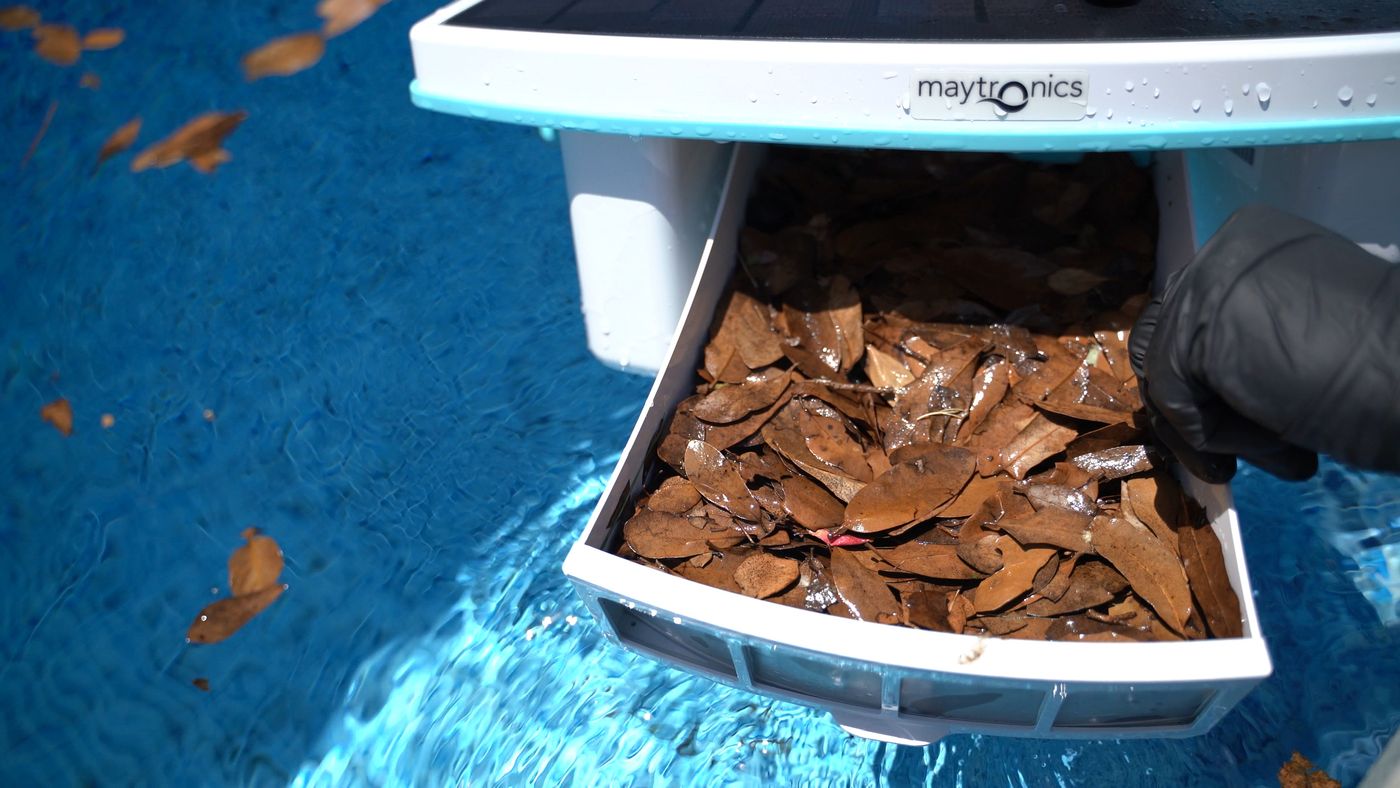
Once you install a robotic skimmer, you wonder how you ever lived without one. It catches debris before it sinks, reduces your robot's workload, takes strain off your pump, and keeps chlorine demand lower. Your pool just looks clean. All day.
4. SpectraLight UV — The Chemical-Reducing Secret Weapon
UV sanitation isn't new — commercial pools, water parks, and cruise ships have used it for decades. Those crystal-clear underwater shots you see during the Olympics? That's UV at work. The SpectraLight UV system brings that same commercial-grade technology to your backyard.
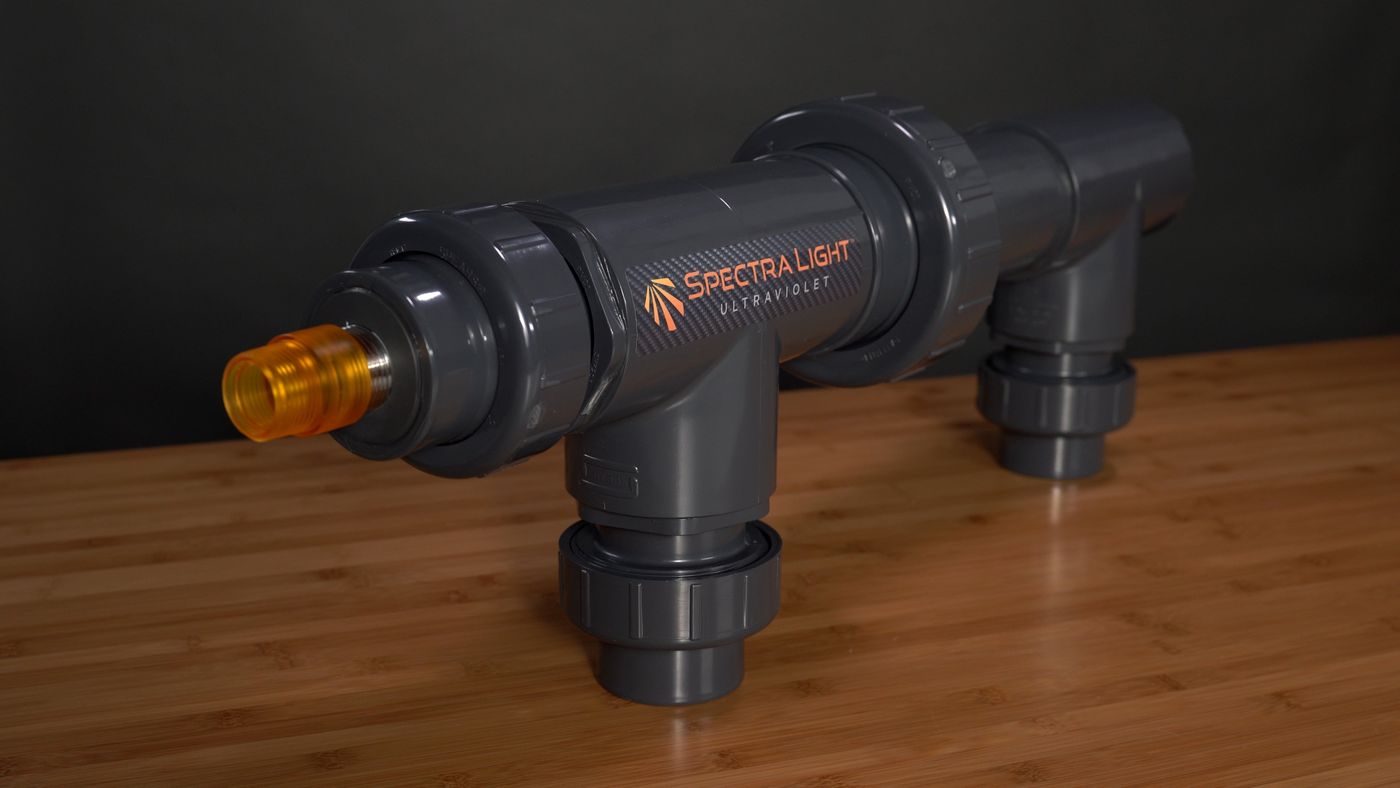
Here's something most pool owners don't know: that strong "chlorine smell" at your pool isn't actually chlorine — it's chloramines. Those nasty byproducts that form when chlorine binds to sweat and organic matter. They're what cause red eyes, dry skin, and that burning feeling in your nose. UV destroys chloramines, algae, bacteria, viruses, and over 60 waterborne pathogens using high-intensity ultraviolet light.
SpectraLight stands out with its commercial-grade reaction chamber, high output UV-C, and solid build quality. UV doesn't replace your sanitizer — it supercharges it. It can reduce chlorine demand by up to 80-90%. While the WHO and commercial standards allow for levels as low as 0.5 ppm, keeping it between 0.5 and 1.0 ppm gives you water that is about as gentle as tap water while staying perfectly safe.
And here's the bonus most people miss — less chlorine means more stable pH. When UV handles the heavy lifting, your chemistry stays flatter, your water stays clearer, and you stop fighting that constant pH roller coaster. Since installing UV, my pool stays clearer longer, handles heavy swimmer loads better, and the "pool smell" is basically gone.
5. A Variable-Speed Pump — The Biggest Equipment Upgrade
If your pool pump is single-speed, you're wasting electricity and making your pool harder to maintain than it needs to be. A variable-speed pump is the most impactful long-term equipment upgrade you can make.
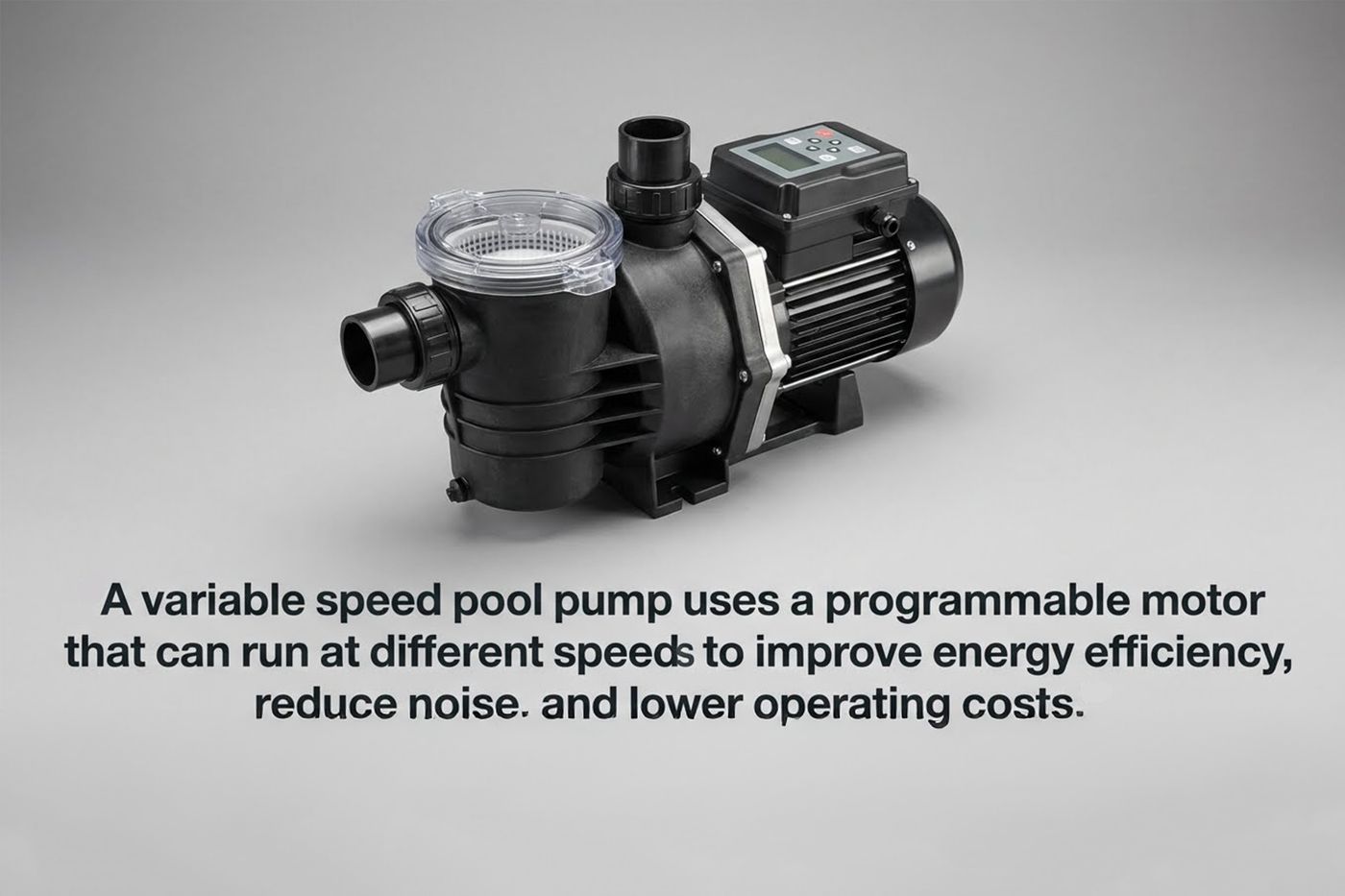
They run whisper-quiet, use up to 80% less electricity, and here's the part most people don't realize — running a pump slower for longer actually results in cleaner, clearer water. A variable speed pump lets you dial in the perfect flow rate instead of blasting water at one speed forever. That precision helps your filtration, your UV system, your chemical distribution — everything downstream.
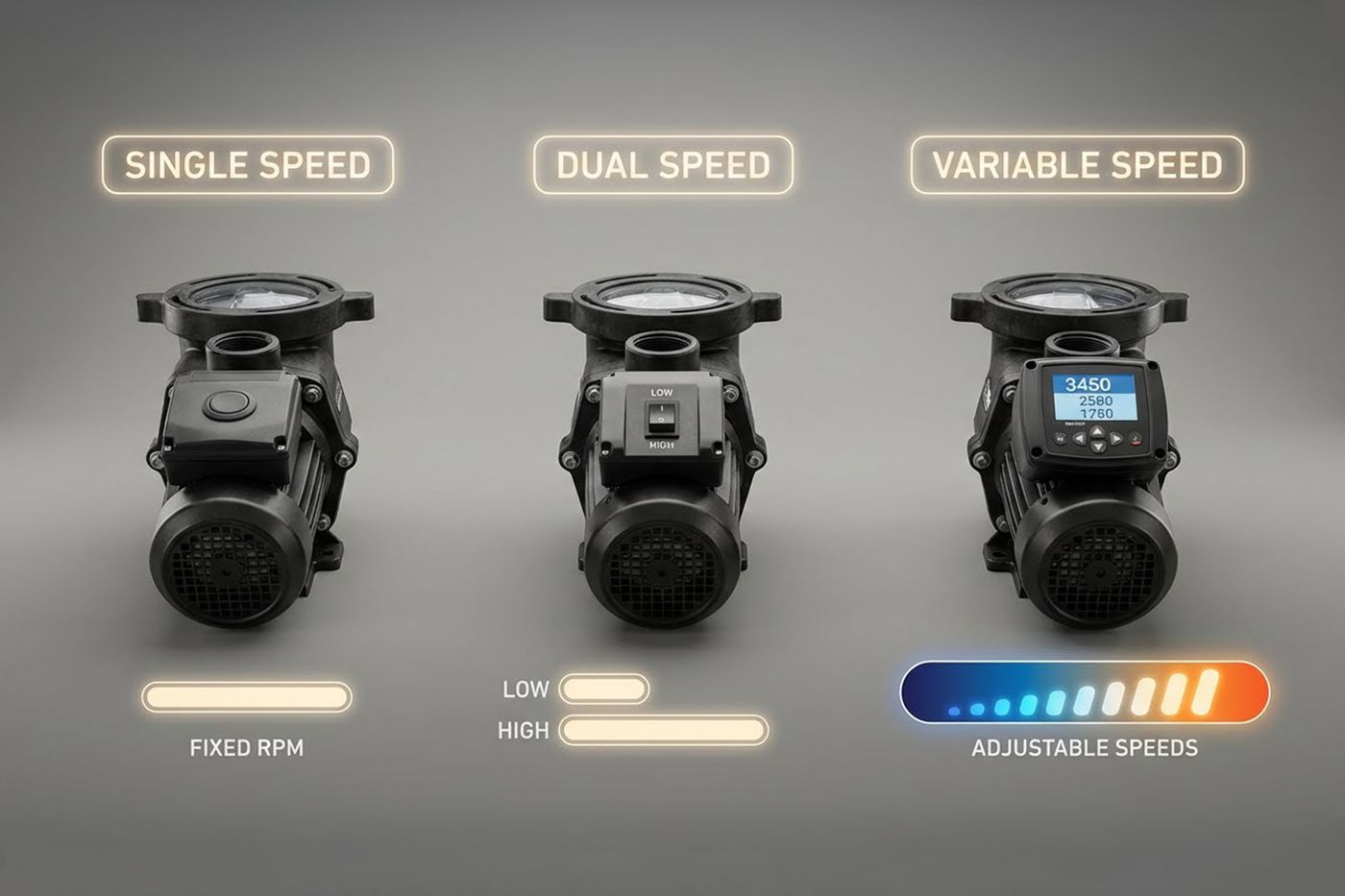
Most pool owners save $500–$1,200 per year in electricity. The pump pays for itself within 12–24 months. After that, it's pure savings — and your pool runs better than it ever did on a single-speed. Find all my top picks for the best variable speed pumps.
6. A Liquid Chlorine Injection System — The Final Piece of True Automation
Alright, this is the one nobody talks about. And honestly? This might be the upgrade that ties everything else together. Think about it. You've got your ICO telling you exactly what your pool needs. Your robot keeps the surfaces spotless. Your UV system is destroying pathogens. Your variable speed pump is running efficiently all day. But who's actually adding the chlorine? You are. Manually. Like it's 1985.
A liquid chlorine injection system fixes that. It's a peristaltic metering pump that automatically injects a precise amount of liquid chlorine into your plumbing right before the water returns to the pool. Same technology commercial pools have used for over 60 years. Proven, reliable, and now affordable for residential pools.
Why This Beats Tablets and Salt
Trichlor tablets? They have a pH around 2.8 — they're acid bombs. They constantly crash your pH and dump cyanuric acid into your water every single day. Once CYA builds up too high, it locks up your chlorine and the only fix is draining and refilling. Expensive and wasteful.
Salt water generators? They work, but they're pricey upfront, raise pH constantly, and the salt cell needs replacing every 3-5 years at $400–$800 a pop. Plus potential corrosion issues over time.
Manually pouring liquid chlorine? This is the right chemical you need — no CYA, no residue, cost-effective. The problem is you have to remember to add it. Every. Single. Day. Miss one day during a Texas heat wave and your pool turns on you fast.
A chlorine injection system takes the best method and automates it. A pump, a 5 or 7.5-gallon storage tank, an injection fitting after your filter and heater, and a timer. That's the whole setup. The pump draws liquid chlorine from the tank and injects a precise, controlled amount into your water flow. Every day. Automatically. If you want a chlorine injection system, make sure to check out my full guide at ThePoolNerd.com/Best-Chlorine-Injection-System.
The Next-Level Move
When you pair this with your ICO data, you're not just automating chlorine — you're building a precision sanitization system. Your ICO monitors ORP and pH. Your injection system delivers exactly the right dose. Some owners even add a second pump for muriatic acid to automate pH corrections. That's a fully automated chemistry system — the same way commercial pools operate — in your backyard.
Ongoing costs are typically cheaper — liquid chlorine is usually the cheapest sanitizer available, and you just replace the feed tube once a year. No salt cells. No CYA buildup. No pH bombs. And when you pair it with SpectraLight UV cutting your chlorine demand by 80-90%, your tank lasts even longer and costs drop further.
This is the final piece. Your ICO monitors. Your UV sanitizes. Your robot cleans. Your skimmer catches debris. Your variable speed pump circulates. And your injection system keeps your chlorine perfectly dialed in — all day, every day, without you lifting a finger.
My Final Verdict
You don't need every gadget. You don't need every shiny new toy on Amazon. You don't need "AI mapping," that random chemical at your local pool store, or fancy apps that don't work underwater. Here's what you need:
ICO Smart Water Monitor — fewer chemicals, early problem detection, ORP monitoring the pros use.
Dolphin Premier, Dolphin Sigma, or Dolphin Quantum — a robotic pool cleaner to take care of the day-to-day vacuuming.
Betta SE or Dolphin Skimmi — stops debris before it sinks.
SpectraLight UV — Gives you cleaner water, fewer chemicals, and no more "pool smell."
Variable-Speed Pump — Helps lower your energy bills and even pays for itself in a year.
Liquid Chlorine Injection — the final piece that takes you from mostly automated to fully automated.
With these six upgrades, your pool becomes what it should be — enjoyable, automatic, effortless, and crystal clear.
And if you want deals on all of these, like always, head to ThePoolNerd.com/deals where I keep an updated list of the best pricing online. Until then, enjoy that pool — I'll see you next time.
Related Reading
- Best Robotic Pool Cleaners of 2026 — My overall top picks after testing 30+ robots
- Compare Dolphin Pool Cleaners — My breakdown of every Dolphin model
- Compare Aiper Pool Cleaners — I tested every Aiper model and uncovered serious flaws
- Compare Beatbot Pool Cleaners — Beatbot's cordless lineup vs the corded competition
- Best Pool Skimmers — Top robotic pool skimmer picks
- SpectraLight UV Review — My full review of the UV system
- Best Variable Speed Pumps — Top picks for pool pumps
- Best Chlorine Injection System — Automate your liquid chlorine dosing
- Corded vs Cordless Robotic Pool Cleaners — A detailed breakdown


Comments
Loading comments…