Introduction
Hey there, and welcome back to The Pool Nerd. I'm Justin, your resident pool aficionado. It's that time of year again — your pool starts turning yellow, your chlorine keeps dropping, and your filter feels like it's working overtime. Pollen season is brutal.
If your pool looks like someone dumped yellow dust all over it this week, you're definitely not alone. Every spring I hear from pool owners dealing with the same thing. One day the water looks great, and the next it's covered in pollen, the chlorine is dropping, and the whole pool starts going downhill fast.
Oak pollen, pine pollen, cedar, ragweed — whatever it is in your area, it always seems to find its way into the pool. The problem is, a lot of pool owners don't really know what they're looking at or how to fix it the right way. So in this guide I'm breaking down exactly how I handle heavy pollen season in my own pool, what works, and how to stop it from turning into a much bigger problem — in 3 simple steps.
Cleaning Pollen: What You Need Checklist
Pollen season comes down to filtration: skim it off the surface, keep it from sinking, and pull what falls to the bottom. Here's the gear I'd want on hand.
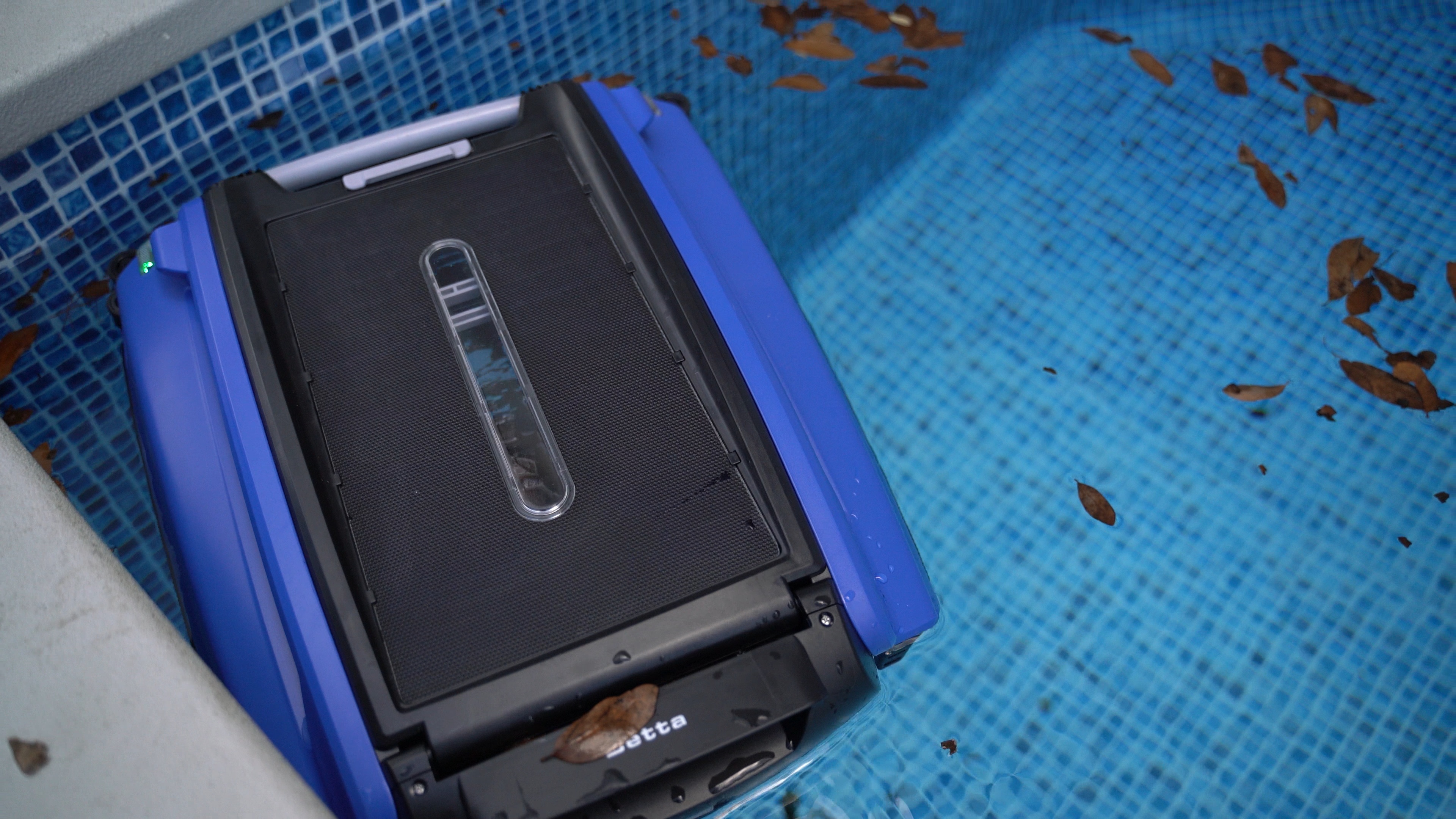
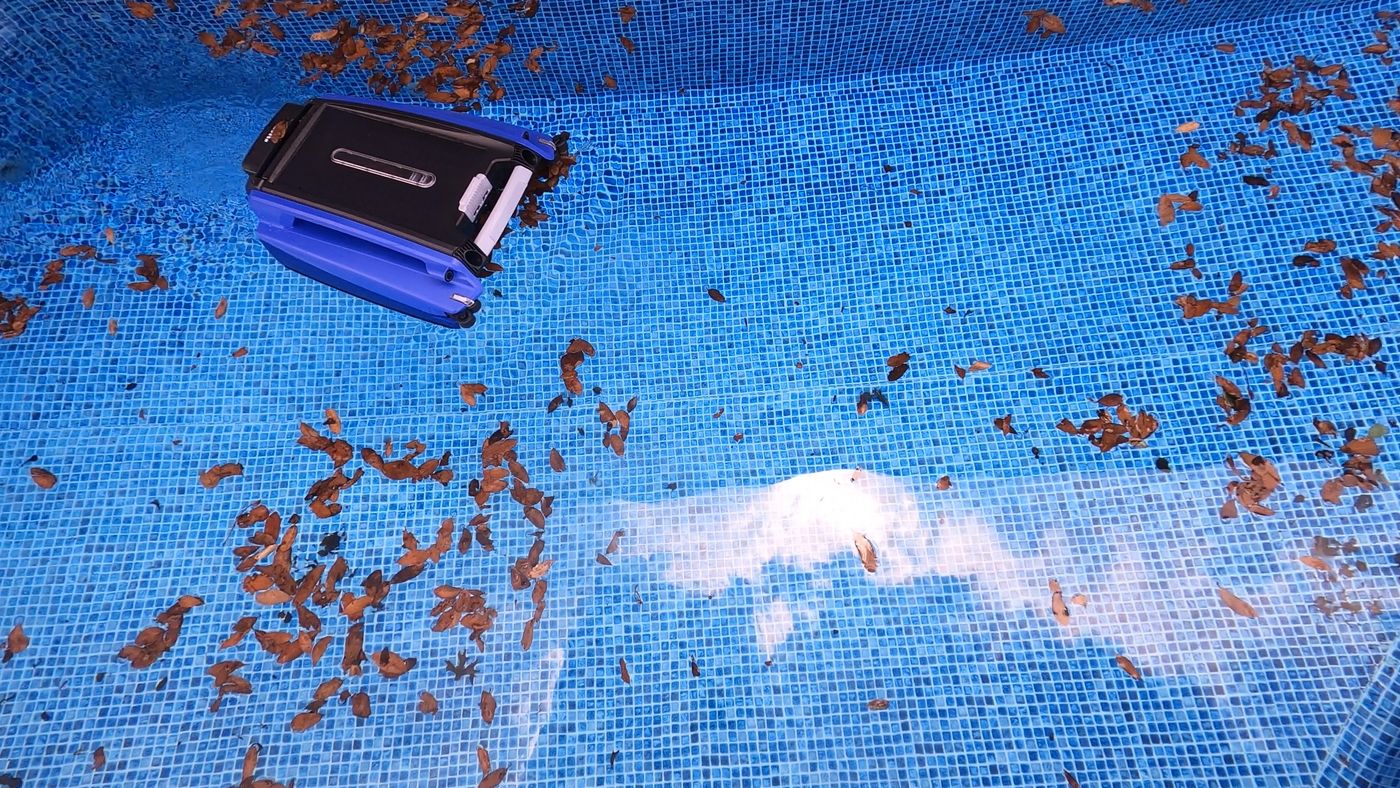
Betta SE Solar Pool Skimmer
What it is: A solar-powered surface skimmer that runs all day on its own—no cords, no charging—pulling pollen, bugs, and leaves off the surface before they sink.
Why you need it: Surface debris is easy to deal with until it drops to the floor. Skimming pollen off the top before it sinks means far less brushing and vacuuming during heavy pollen weeks. See the Betta SE review for the skimmer we run in our test pool.
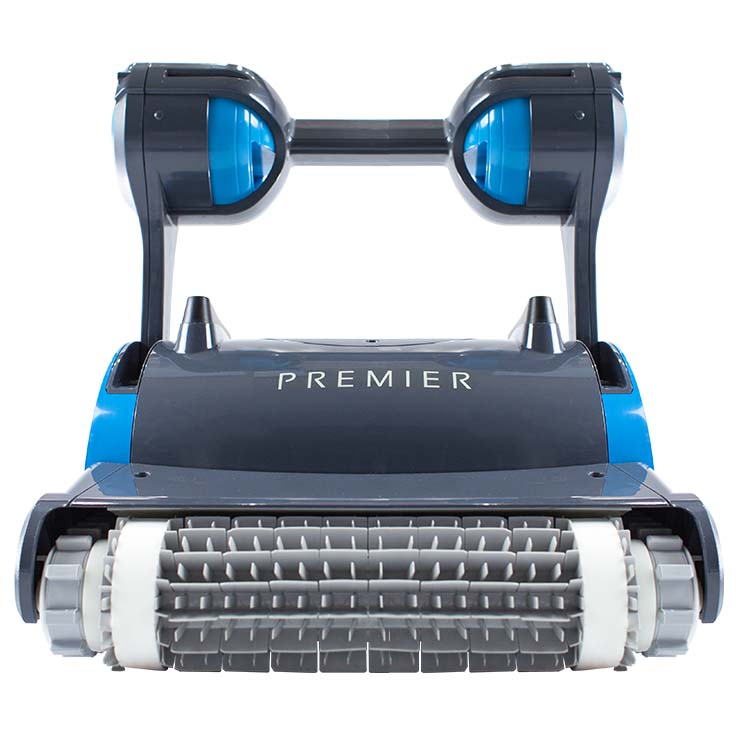
Dolphin Premier
What it is: A corded robotic cleaner with dual scrubbing brushes and strong filtration—built to pull debris and biofilm off surfaces so your sanitizer is not fighting mulch and leaves first.
Why you need it: Shock oxidizes what is in the water—leaves, pollen, and biofilm burn sanitizer too. A strong robot pulls debris off surfaces and into the filter so your chlorine works on algae and organics, not mulch. See the Dolphin Premier review for why it is our test-pool scrubber of choice.
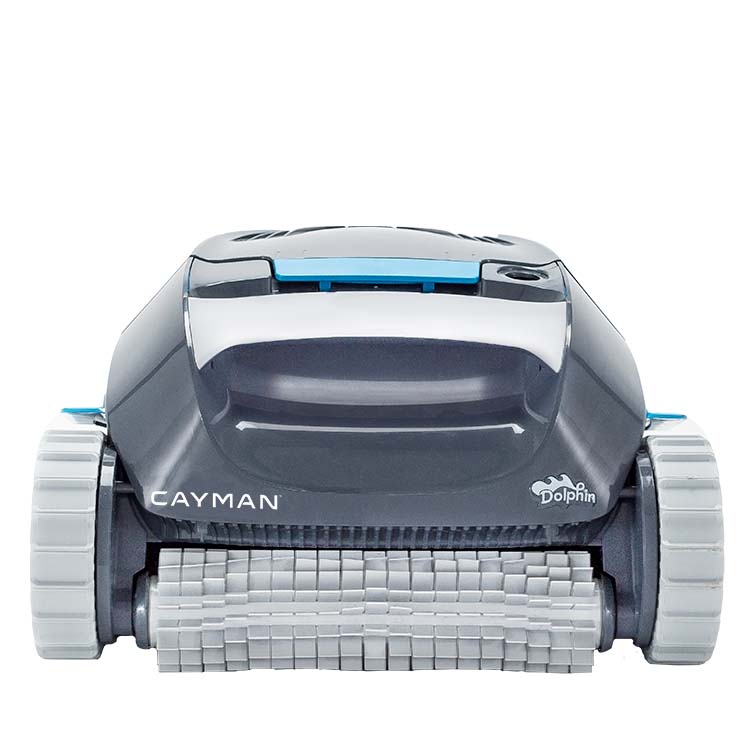
Dolphin Cayman
What it is: A budget-friendly corded robotic cleaner with a larger MaxBin and optional NanoFilters—much better at fine seasonal debris than most cheap cleaners.
Why you need it: Some pollen always sinks, even with a solar skimmer. A robot with fine filtration grabs what falls to the bottom so your pool doesn't look dusty after every cycle. It's not as versatile as the Premier, but for the money it's a strong pick—see the Dolphin Cayman review.
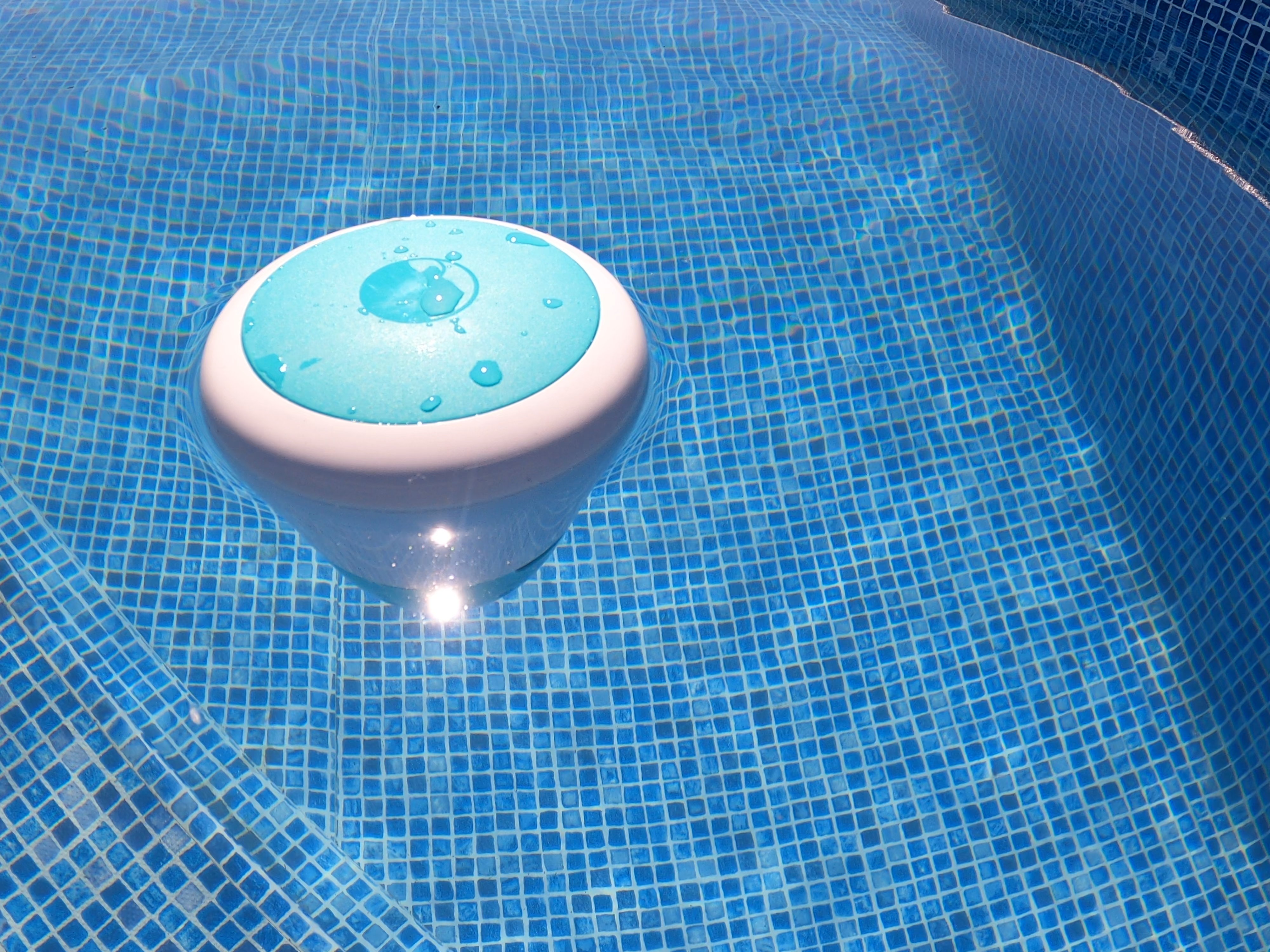
Ondilo ICO Pool Water Monitor
What it is: A floating smart monitor that samples pH, ORP (sanitizer effectiveness), and temperature on a schedule and sends trends to your phone.
Why you need it: You still need a real drop kit for parameters the ICO doesn’t replace (like TA and CYA), but hourly ORP/pH catches drift and dosing mistakes long before weekly strip checks do.
Read the full ICO review — Shop ICO direct (no Amazon listing for the hardware we run).
Why You Can't Just Leave Pollen in Your Pool
Before we get to the fix, let's clear something up. I hear this all the time: "It's just pollen. The filter will catch it." Not really. Pollen causes more problems than most people realize, especially if you let it sit.
It eats through your chlorine. Pollen is organic material. As soon as it hits the water, your chlorine starts working on it. That means your chlorine gets used up faster and your sanitizing power can drop in a hurry. If you track ORP like I do, you can actually watch this happen — it's one reason I like using an ICO water monitor. During pollen season it helps you catch those drops in ORP and pH before your pool starts going sideways.
It clogs your filter. Pollen is tiny. A lot of it falls in that 10 to 100 micron range, so it can pack into your filter fast. In bad weeks, it can absolutely overwhelm your system.
It can lead to algae problems. Once pollen starts breaking down, it adds to the organic load in the water. That means your chlorine has more to fight, and if your chemistry is already off, algae can show up way faster than you'd expect. That's how a pool goes from "a little yellow" to green in a day or two.
It can leave staining behind. If pollen sits too long, especially on lighter surfaces, it can leave behind yellow or brown staining that's a pain to deal with later.
So no, waiting it out usually isn't the move. You want to get ahead of it early.
Step 1: Net the Heavy Pollen First
If your pool is already covered in pollen, this is where I'd start. Grab a fine-mesh skimmer net on a pool pole and move slowly across the surface. You're not trying to be perfect here — you're just trying to remove the top layer and stop your pool from getting overwhelmed.
The biggest mistake people make is moving too fast and stirring everything around. Go slow, work in one direction, and get as much of that surface layer out as you can. If the pollen is really thick, you may need to repeat this a few times.
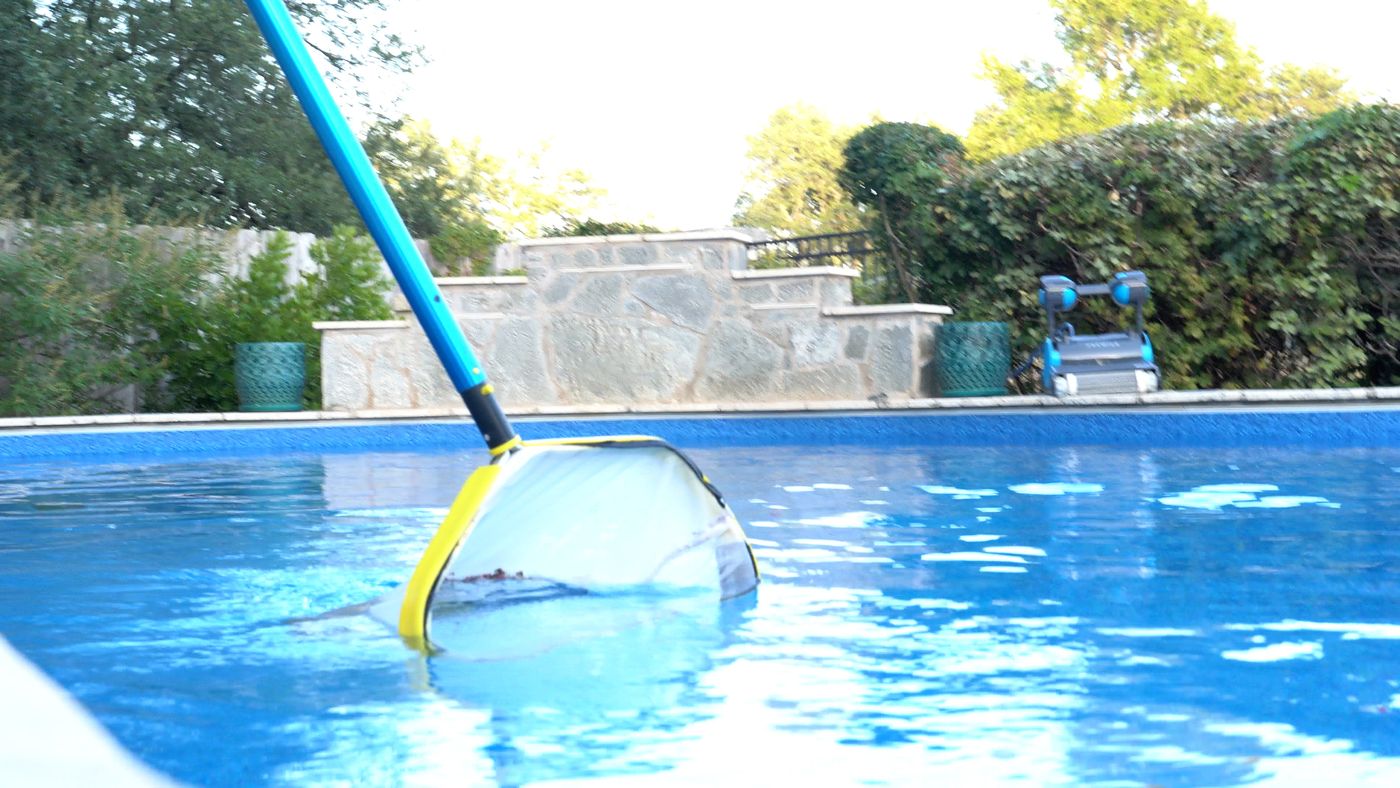
While you're doing that, run your pump longer than usual. Pollen season is not the time to cut your runtime — personally, I usually increase mine during heavy pollen weeks just to keep water moving and help the filter stay ahead of it.
If the pool is already cloudy or your chlorine has clearly taken a hit, this is also when I'd consider shocking the pool to deal with the extra organic load. And if needed, you can use a clarifier to help fine particles bind together so your filter has a better chance of catching them.
Step 2: Run a Solar Pool Skimmer
Once you get the heavy surface mess under control, the goal changes. Now you're trying to keep pollen from building up again — and this is where a solar pool skimmer makes a huge difference.
What a lot of people don't realize is that surface debris is easy to deal with — until it sinks. Once that pollen drops to the floor, now you're brushing, vacuuming, and spending way more time cleaning than you need to.
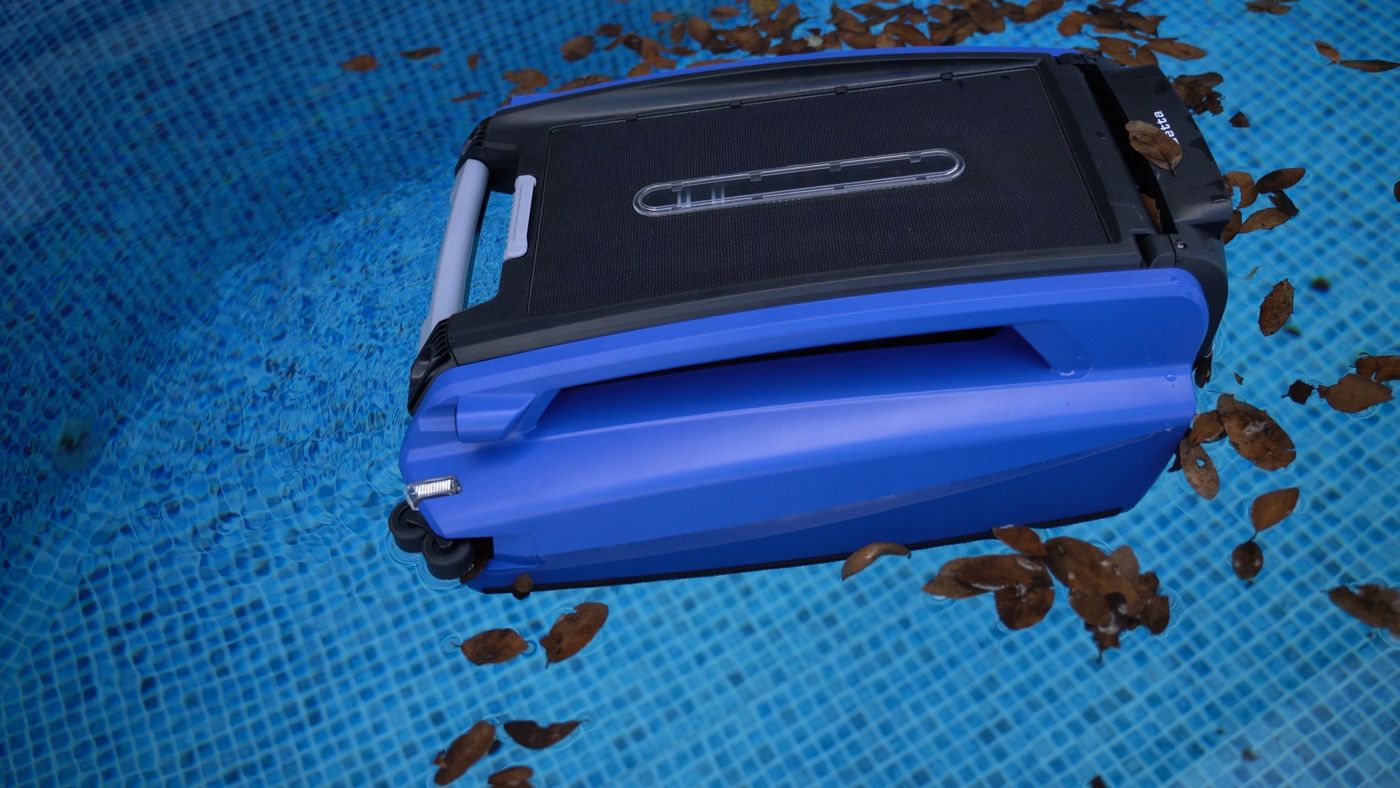
That's why I like running a solar skimmer during pollen season. We use the Betta SE right now, and it does exactly what I want a skimmer to do. It stays on the surface, runs all day, and picks up pollen, bugs, leaves, and whatever else is floating before it has a chance to sink.
And the best part is it's solar powered, so there's no plugging it in, no recharging, and no babysitting it. You just drop it in and let it do its thing. We usually empty the basket every day or two depending on how bad the pollen is, and that's about it. If your pool gets hammered by pollen every spring, this is one of those products that genuinely makes life easier.
Step 3: Use a Robotic Pool Cleaner
Even with a solar skimmer, some pollen is still going to sink. That part is unavoidable — and this is where your robotic pool cleaner matters a lot.
Because not every robot is good at handling pollen. Some cleaners just don't have the right filter setup for this kind of fine debris. They'll run a full cycle, and when you check the pool, it still looks dusty or cloudy. That's why I always say fine filtration matters — and if you can get NanoFilters, even better. Once you've used a robot with true fine filtration during pollen season, it's hard to go back.
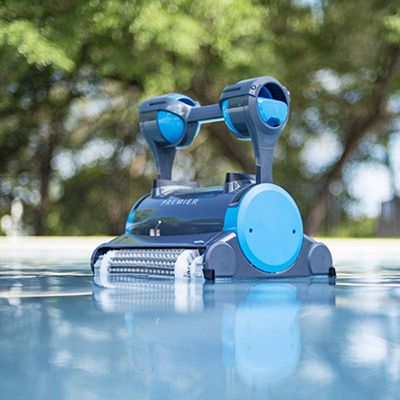
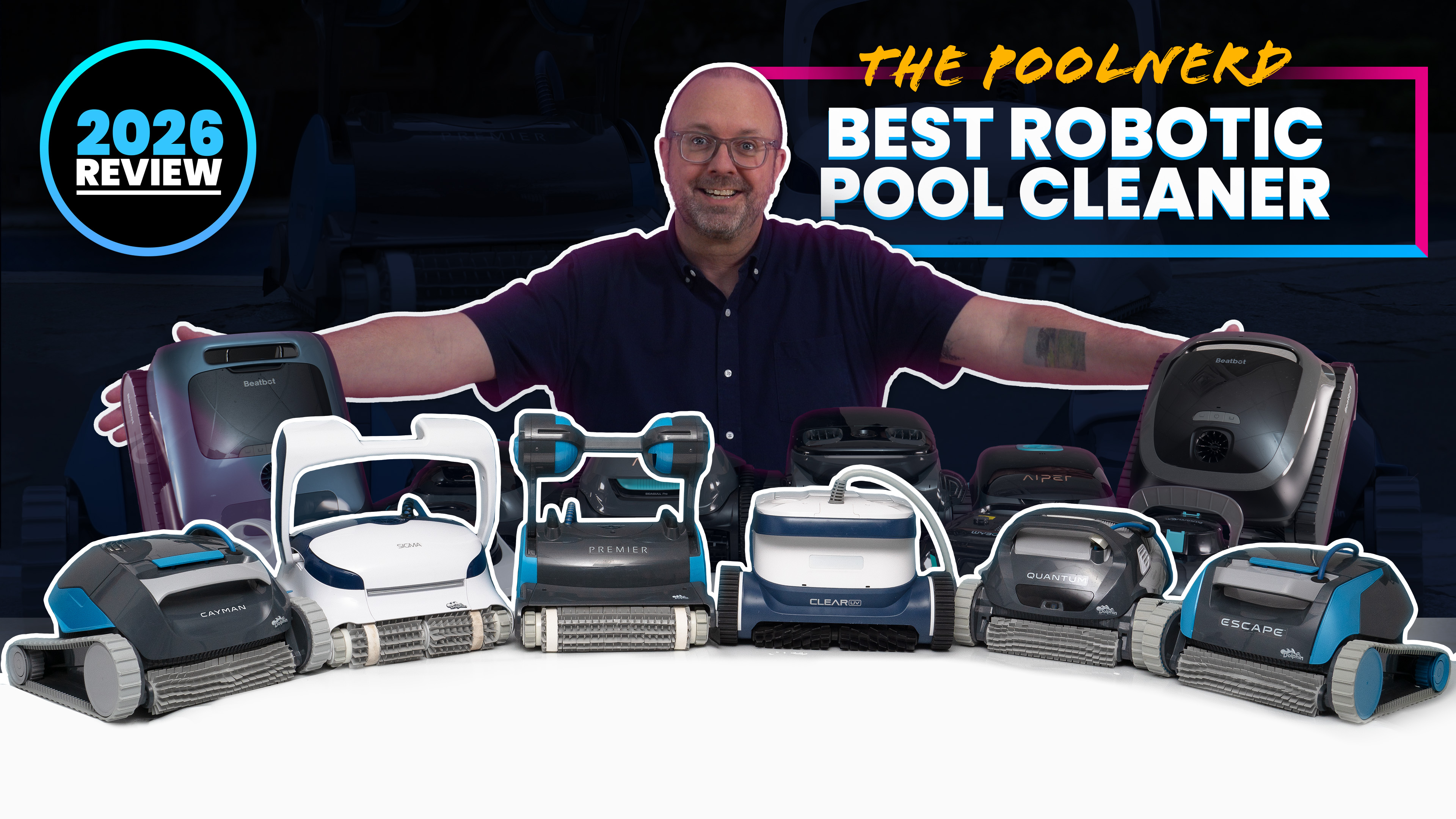
Dolphin Premier — this is still my number one pick. The Premier is just the most versatile robot for this kind of problem because of the Multi-Media system. You can switch between NanoFilters for pollen and fine debris, a leaf bag for heavier debris, and standard filters for normal use. That flexibility matters a lot when your pool conditions keep changing through the season. If I had to pick one robot for somebody dealing with pollen, leaves, and everything else that comes with spring, the Premier would be very hard to beat.
Clear UV — if you want the highest-tech option, the Clear UV is another one I'd look at. It's been one of the better overall performers I've seen, especially in terms of full cleaning ability and how much debris it can actually handle, and it includes an integrated UV light module as part of the system design. I wouldn't buy it just for the UV part alone, but it's just that good of a robot when it comes to power and performance — our filter was jam-packed with pollen every single time, which is something I don't normally see in robots. If you already like using UV as part of your broader pool care setup, it can be a nice extra layer alongside proper chemistry and filtration. I still look at the robot's cleaning ability first, though.
Dolphin Cayman — if you want a more budget-friendly pick, the Dolphin Cayman is still a really solid value option. It gives you the larger MaxBin and optional NanoFilters, which makes it much better for this kind of fine seasonal debris than a lot of cheaper cleaners. It's not as versatile as the Premier, but for the money, it's one of the better choices.
One more thing — avoid cordless robots for this. This is just not where I'd want to go cordless. In my testing, cordless robots usually have weaker suction, weaker filtration, more recharging, and less true automation. During pollen season, that stuff matters. You want a robot that can actually run consistently, filter fine debris well, and not turn into another chore — that's why I still lean corded here. All three of the cleaners above also have a weekly timer, which means they can turn on automatically and clean without you needing to constantly mess with them. That's a huge deal during heavy pollen weeks.
Keep an Eye on Your Water Chemistry
One thing that really helps during pollen season is staying on top of your chemistry before things go bad. The visible pollen is only part of the problem — the other issue is what it does to your chlorine demand and your actual sanitizing power.
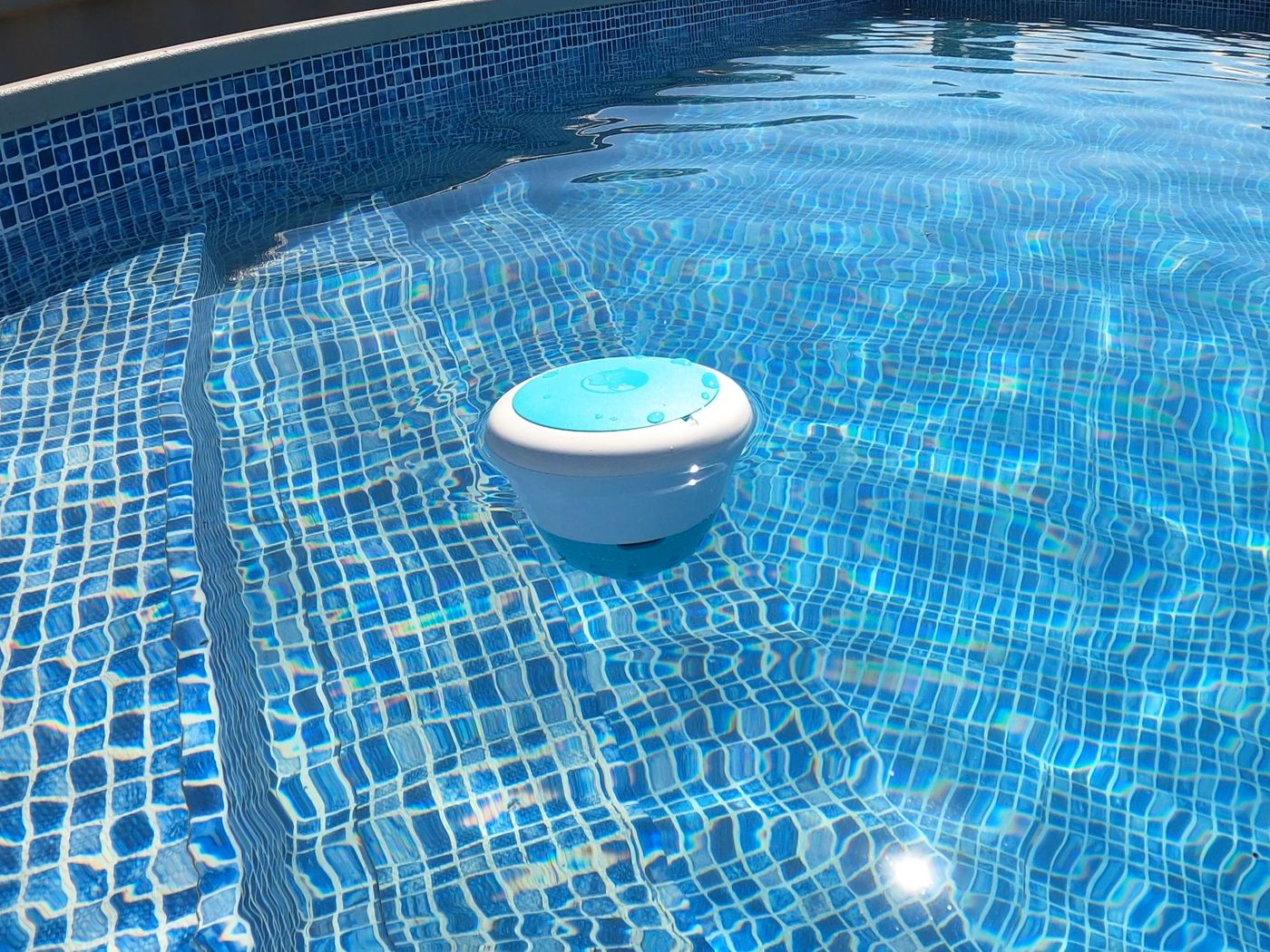
That's where something like the ICO can help. I like being able to keep an eye on ORP and pH, especially during spring when the pool can change fast. If pollen hits hard and your ORP drops, you can catch it early instead of waiting until the pool starts looking bad. It just makes the whole process easier and takes a lot of the guesswork out of what's going on.
Conclusion
So what's my final verdict? If you want to clean pollen out of your pool the right way, it really comes down to three things:
- Use a fine-mesh net and pool pole to remove the heavy surface layer.
- Use a solar pool skimmer to stop pollen before it sinks.
- Use a robotic pool cleaner with fine filtration to grab what falls to the bottom.
That's the formula. And if you really want to stay ahead of it, keeping an eye on your water with something like ICO can help you catch chemistry problems early before they snowball. Pollen season can be brutal, but if you stack the right tools together, it stops being nearly as big of a problem. Pool Nerd approved.
If you want to keep nerding out over your pool, be sure to hit that subscribe button and head over to thepoolnerd.com for more pool maintenance tips. Until next time — enjoy that pool.