
 Justin D.
Owning a pool can be an amazing thing. But building one can be a pain. So today, I'm going to cover the top 10 pool-buying mistakes and how to avoid them.
Hey there, I'm Justin, your resident Pool Nerd. And today, we're talking about the top 10 mistakes people make when buying a pool — including the ones I almost made myself.
A few years back, we needed a test pool. Our channel was growing, we were reviewing more pool equipment than ever, and we needed a new pool. So I did what most pool owners do. I started getting quotes.
What I uncovered was wild. Hidden costs. Half-truths. Outdated tech that pool builders don't want you to see. By the end of it, we went a completely different direction for our pool — and I'll show you exactly what I picked and why. Let's get into it.
Mistake #1: Believing the "Base Price"
Here's the thing — when a builder quotes you a "base price," that number is almost never what you'll actually pay. Our first quote came in over $100,000, and that didn't include decking, landscaping, permits, or upgraded finishes. By the time the add-ons hit, the "starting point" was closer to $130,000.
And here's the kicker. Most traditional pool builders aren't even doing the work themselves. They're project managers coordinating subcontractors — and charging you 30 to 40 percent on top for the privilege. In my experience getting quotes, roughly a third of your total pool cost is markup for phone calls and scheduling. If you want a realistic breakdown of what a pool actually runs, I put together a full guide on how much a pool costs.
Mistake #2: The "Done by Summer" Promise
"You'll be swimming by summer." Every builder I talked to said some version of this. The reality? Gunite pools regularly take 6 to 12 months, and that's if everything goes right.
Weather delays. Permit holdups. Subcontractor scheduling. Supply backorders. In my experience talking to pool owners, those delays stack up fast. A friend's "3-month" project dragged to nearly 6 months. Another guy waited over a year for a pool he was supposed to swim in by Memorial Day.
If you're going gunite, take whatever timeline you're given and add a few months. And get penalties for major overruns written into your contract. That alone tells you how confident your builder really is.
Mistake #3: Your Backyard Becomes a Construction Zone
Pool brochures show finished pools. They don't show what your yard looks like for the next six months.
Excavators tearing up the lawn. Dump trucks at the curb. Piles of dirt and rebar. Concrete dust on everything. If you work from home, enjoy quiet mornings outside, or have kids and pets running around — this part sucks.
I've heard owners describe their backyards as warzones for months on end. That's not the relaxing pool fantasy anyone signs up for. Plan for the disruption before it starts, not after the dig begins.
Mistake #4: Concrete Pools Are NOT Forever
This one drives me crazy. Gunite pools are sold as the "luxury, lasts-forever" option. They don't. You'll need replastering, resurfacing, and more.
Concrete cracks. And once a crack forms, water seeps in, reaches the steel rebar inside, the rebar rusts, expands, and blows the concrete apart from within. The industry has a name for this. They call it concrete cancer.
On top of that, plaster pools are rough, porous, and a magnet for algae. You'll be brushing weekly and burning through chemicals. And in my experience, plan to replaster every 10 to 15 years at a cost of $10,000 to $20,000 each time. That "forever" pool starts looking a lot more like a classic car — beautiful, expensive, and constantly in the shop. If you do go gunite, at least pair it with the right gear — here are the best robotic pool cleaners for gunite pools for those rough surfaces.
Mistake #5: Zero Insulation
Here's something no pool builder ever brought up with me. Insulation.
A standard concrete or fiberglass pool has effectively zero insulation. Your pool is a giant heat sink dumping warmth into the surrounding earth twenty-four seven. That means higher heating bills, a shorter swim season, and water that's never quite as warm as you want it.
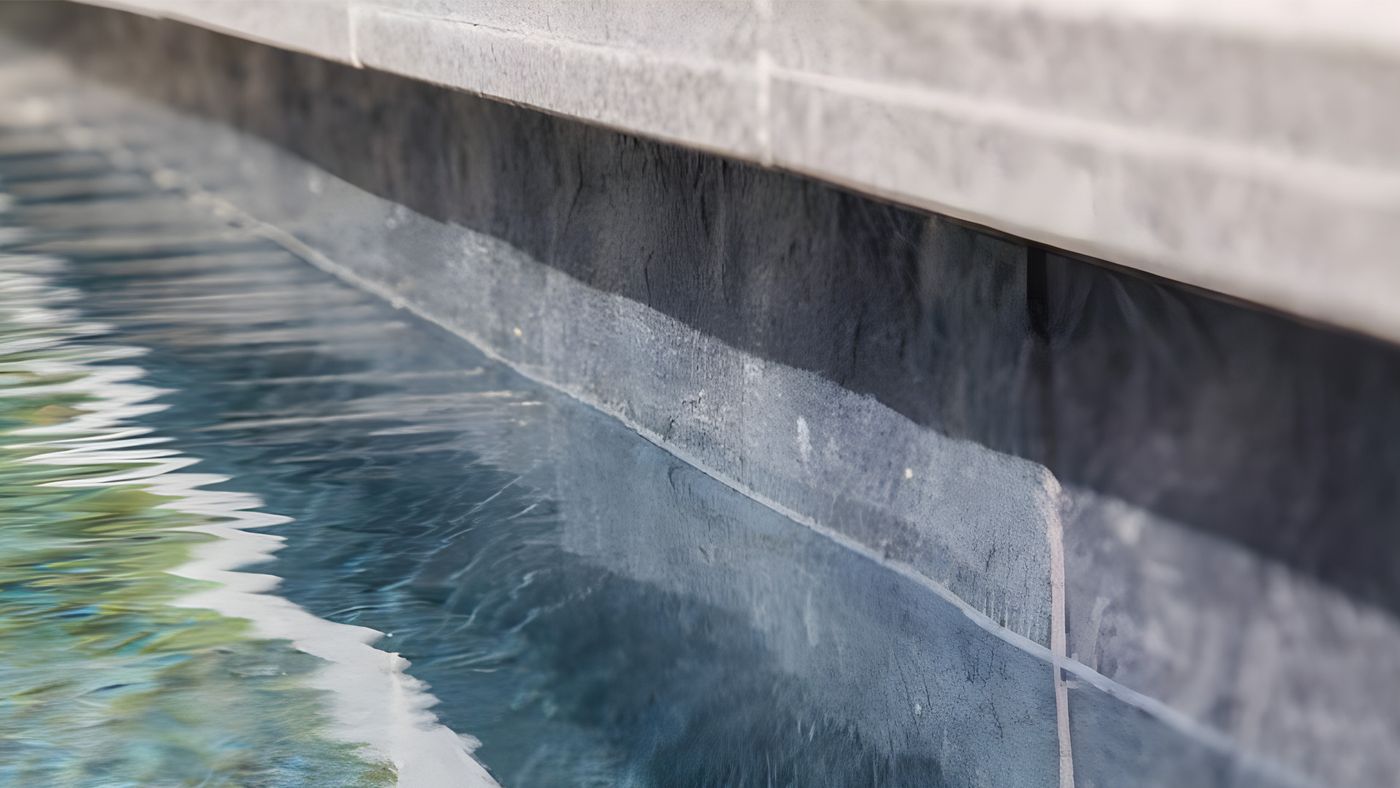
This is actually one of the biggest reasons I went a different direction. The pool I ended up with has R-10 insulated wall panels — similar to what you'd find in a high-end cooler. In my experience, that's made a massive difference in how long the water stays warm and how much I spend running the heater. More on that in a minute.
Mistake #6: Underestimating Lifetime Costs
The sticker price is just the beginning. What does it actually cost to OWN this pool year after year?
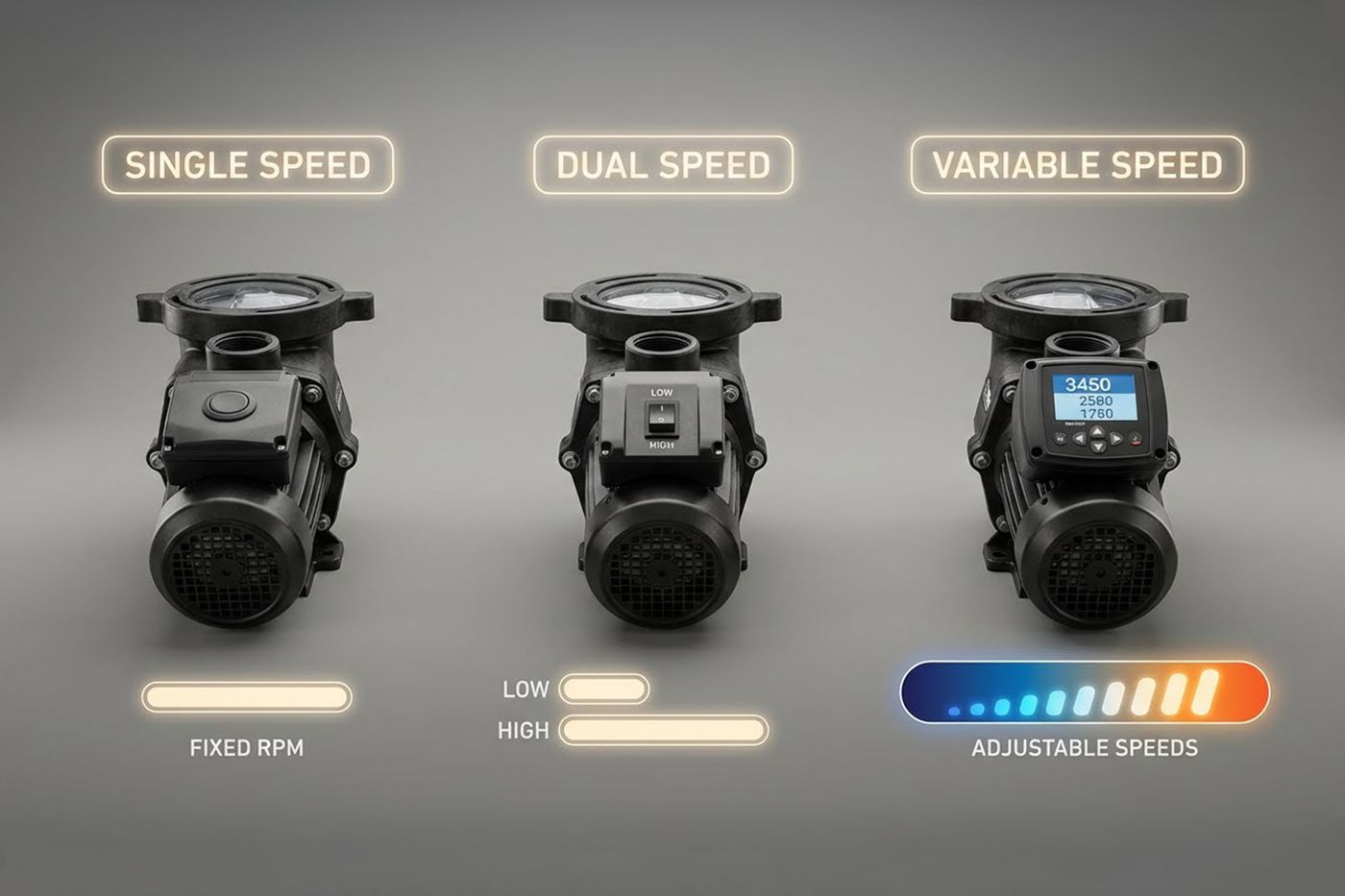
Concrete pools, with their rough surface, use more chemicals than fiberglass or membrane pools — in my experience, noticeably more. Single-speed pumps, which a lot of builders still default to in some places, can run hundreds more per year in electricity than variable-speed pumps. And if your builder throws in a pressure-side cleaner with a booster pump? You're looking at an extra 700 to 1,000 watts every time it runs, when a modern robotic pool cleaner only pulls around 180.
Then there's the big-ticket stuff. Vinyl liner pools need a new liner every 7 to 10 years at a few thousand bucks a pop. Gunite needs replaster every decade. Add it all up, and the "cheapest" pool to install can easily become the most expensive pool to own.
If you plan to finance any part of the project, use the pool loan calculator to compare the monthly payment and total interest—not just the advertised rate.
Mistake #7: Ignoring the Pool Surface
The surface of your pool is what you literally touch every time you swim. And it's a bigger deal than most buyers realize.
Plaster is rough, porous, and algae-friendly. Vinyl is smooth but fragile — one sharp toy or a dog's claw and you've got a tear. Fiberglass is smooth and non-porous, but cracks in the gelcoat can be a nightmare to fix.
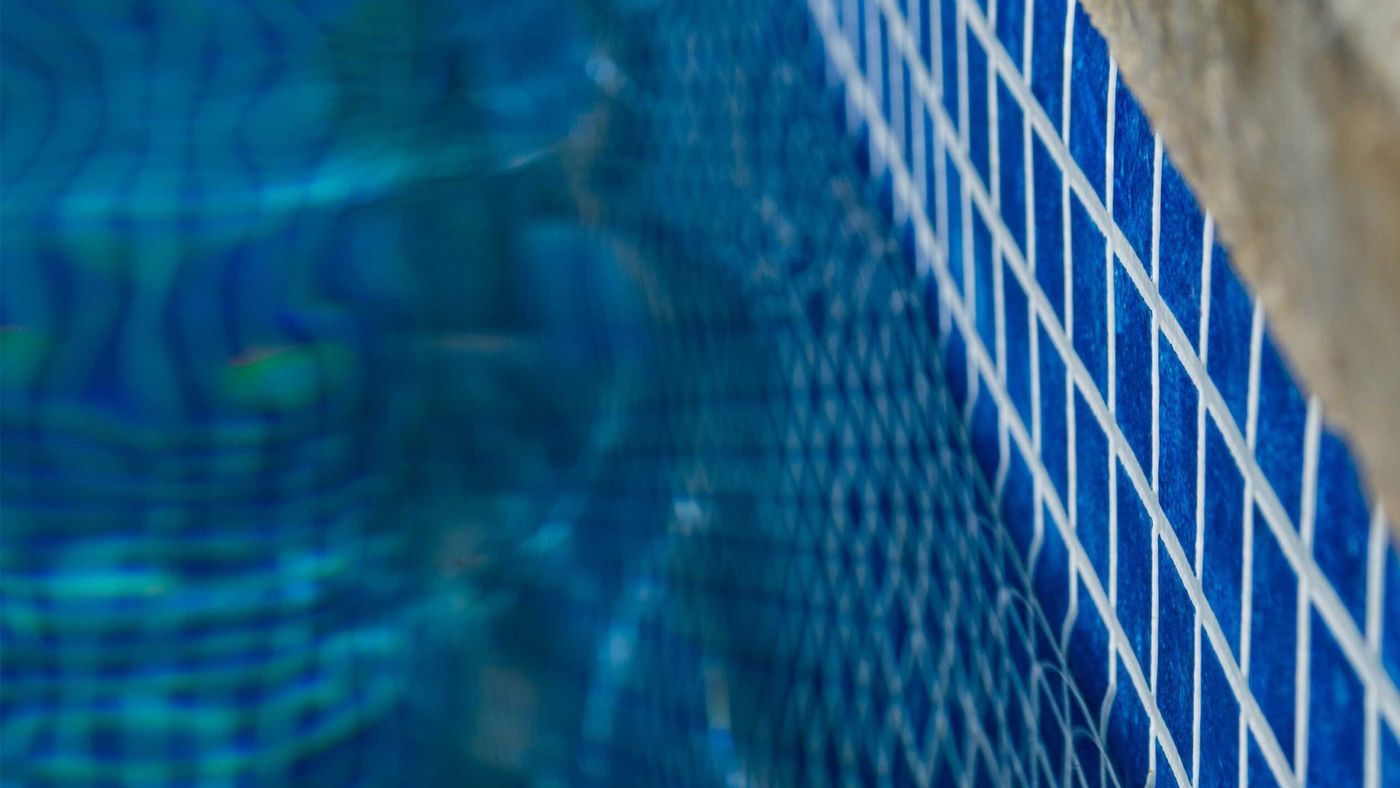
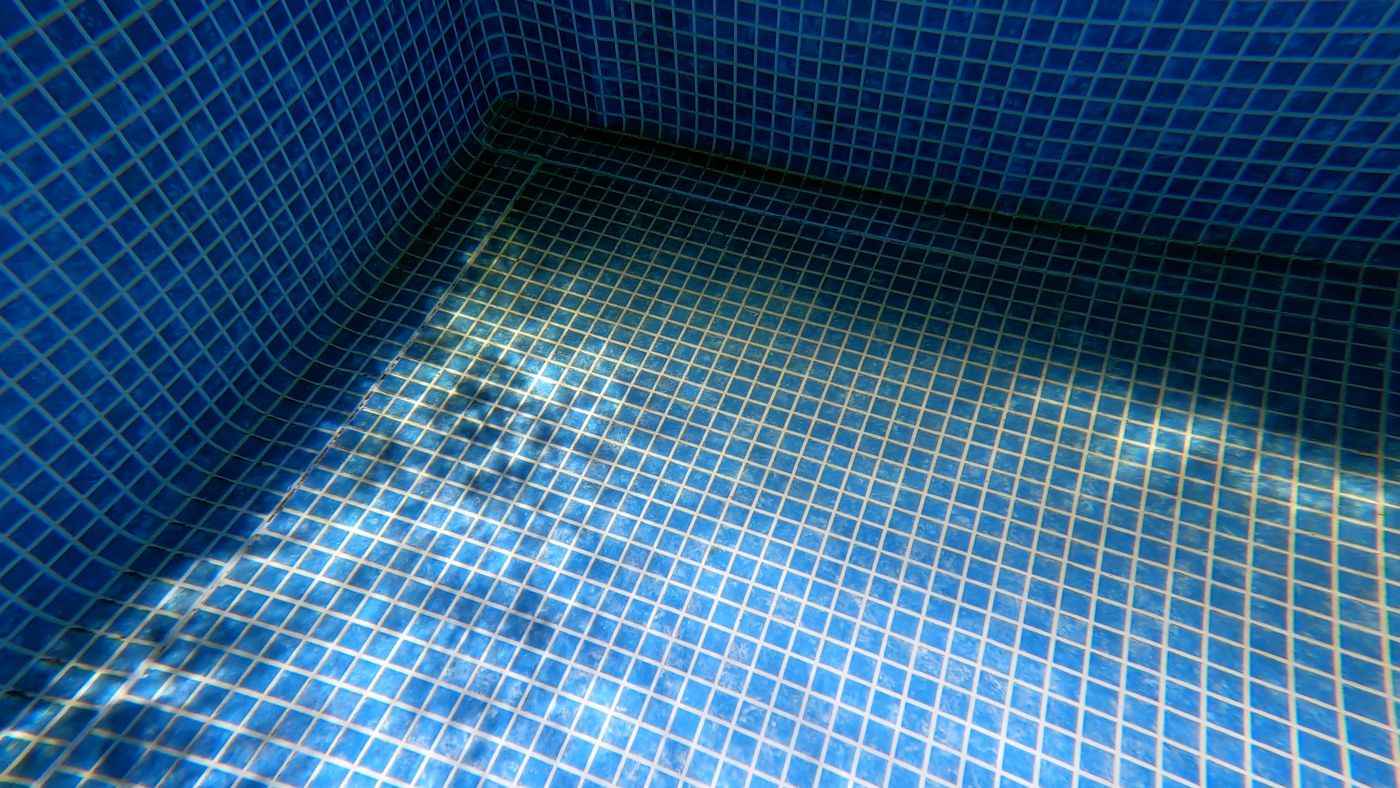
The newest option, and the one that won me over, is architectural membrane. It's like a heavy-duty welded liner used in commercial pools. That's what I ended up with on my Ecopool. It's tile-patterned, soft on the feet, and if it ever gets a puncture, you patch it in place. No replaster. No full liner replacement.
Mistake #8: Delivery & Access Logistics
This one catches fiberglass buyers off guard constantly. That gorgeous 35-foot shell has to physically get into your backyard. If your access is tight, you're paying for a crane — and in my experience, cranes run anywhere from $2,000 to $5,000, sometimes more for tricky lifts over a house.
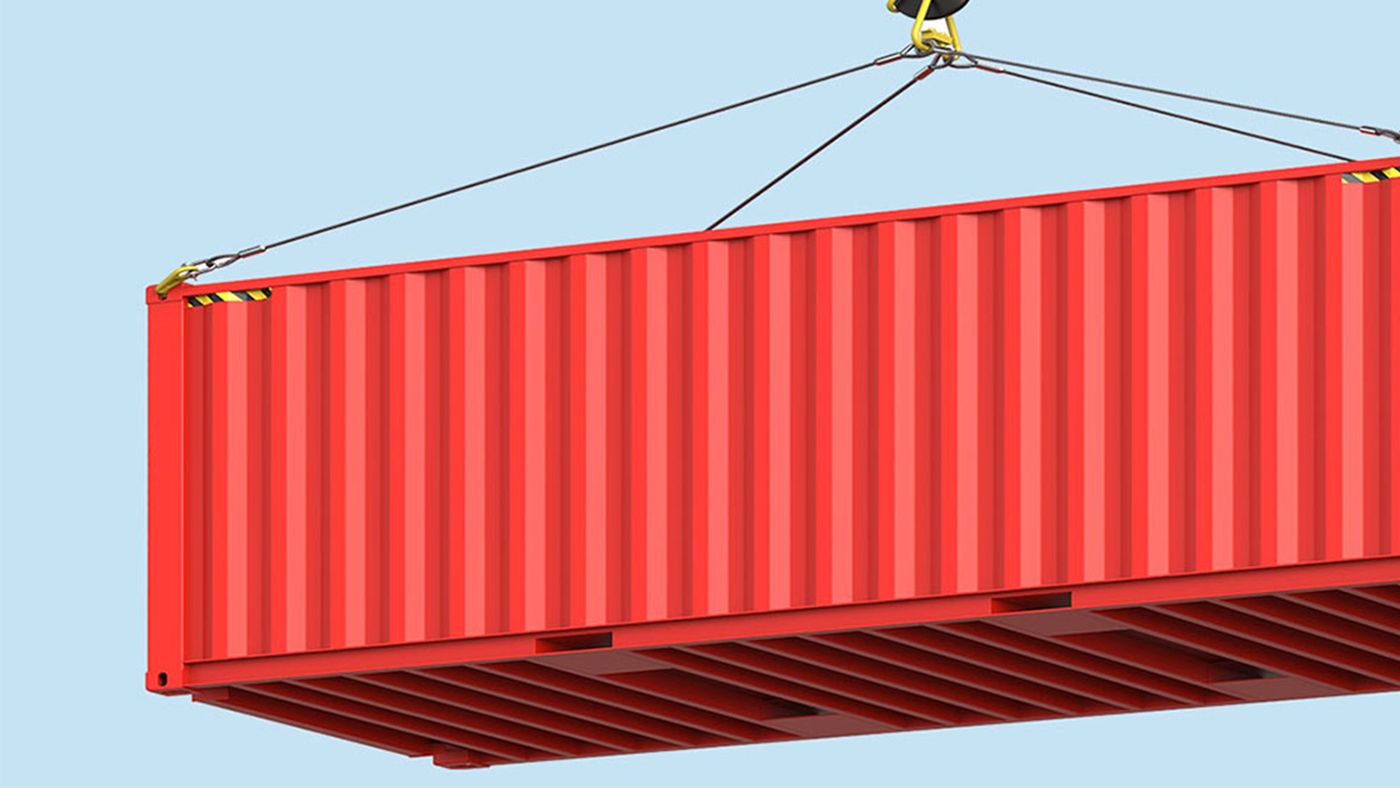
Even gunite has access issues. Tight yards mean smaller equipment, more hand-digging, longer timelines, higher bills. Get your builder out for a site visit before signing anything. Make them explain in writing exactly how the pool gets in — and who's paying when there's a hiccup.
Mistake #9: Outdated Equipment Bundles
Here's a Pool Nerd Disapproved move — builders bundling equipment that's 20 years out of date. Do research on every piece of equipment before you buy it.

I'm talking single-speed pumps that hemorrhage electricity. Pressure-side cleaners that need a separate booster pump. DE filters with messy carcinogenic powder. Incandescent pool lights in 2026. And sometimes a chlorine tab floater as the entire "automation" plan.
You'll live with this gear for a decade or more. Demand specifics. Get makes and models. Insist on a variable-speed pump and LED lights. And skip the bundled cleaner — ask for a credit and put it toward a proper corded robot like the Dolphin Cayman or Dolphin Premier. Trust me, you'll thank yourself every electric bill.
If you want to find the best equipment, head over to my robotic pool cleaner guide where I rank everything I've tested. From robots to variable-speed pumps, I rank the best of the best.
Mistake #10: Not Exploring Modern Alternatives
This is the one that changed everything for me.
I was staring down a $100,000 quote and a 12-month build for a traditional gunite pool. Then I started researching alternatives — and I discovered Ecopool.
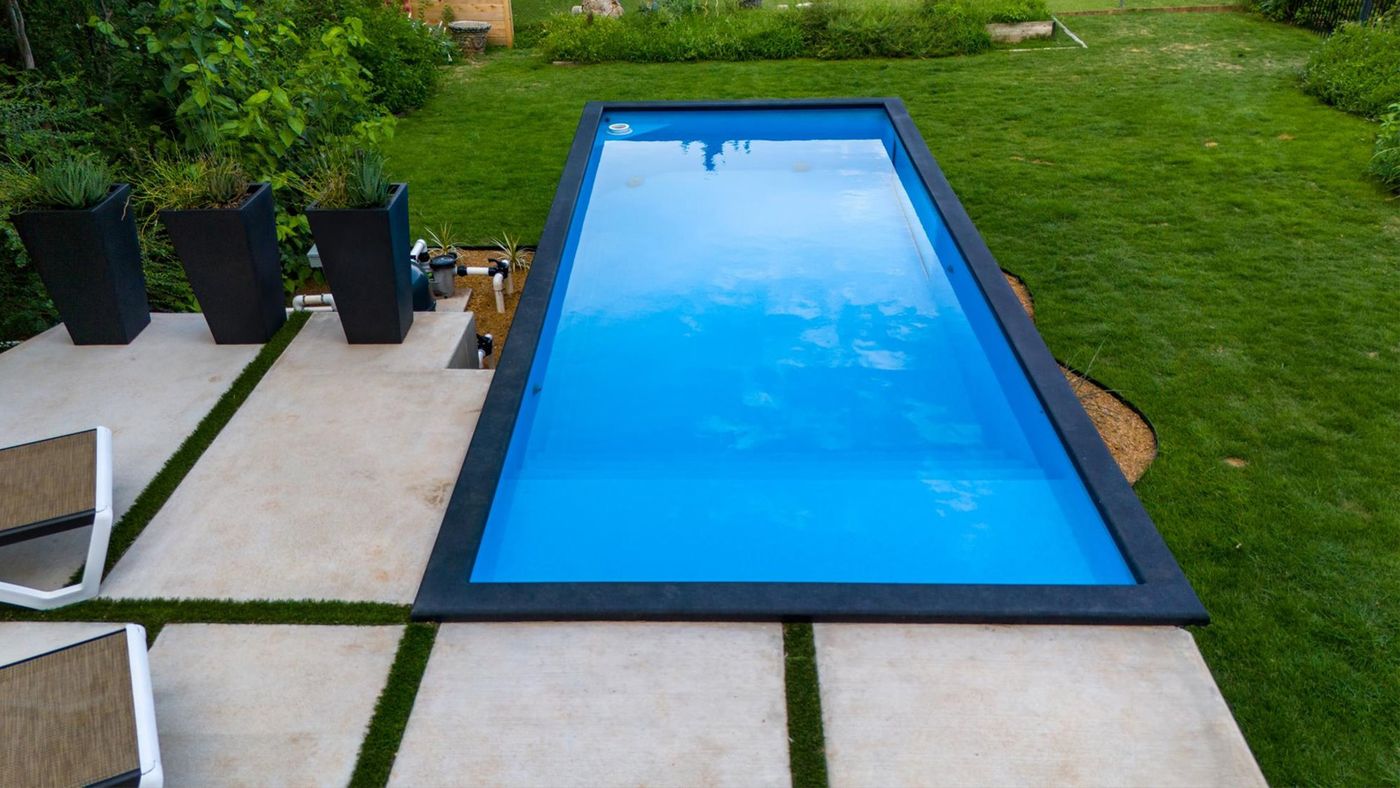
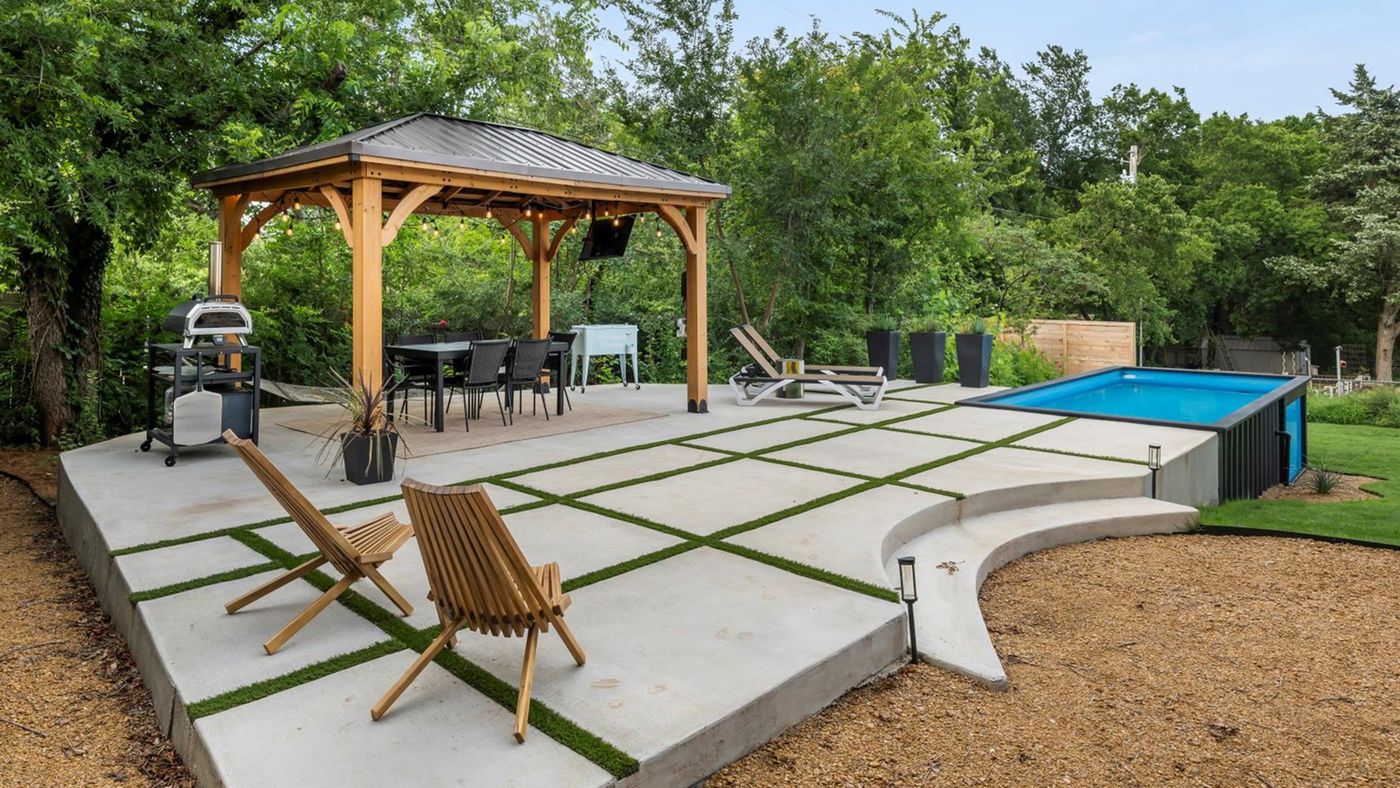
The Pool Nerd Approved choice for me was an Ecopool container pool. Factory-built. Modular. It arrived ready to swim. We were in the water in days, not months. The walls are galvanized steel insulated to R-10. The interior is a welded architectural membrane that doesn't crack, doesn't need replaster, and doesn't behave like a rough sponge for algae.
In my experience, it's been a completely different pool ownership life. Lower chemical use. Lower heating costs. No 12-month construction zone. No surprise crane fees. No 40 percent builder markup. I broke down the full numbers in my Ecopool container pool review.
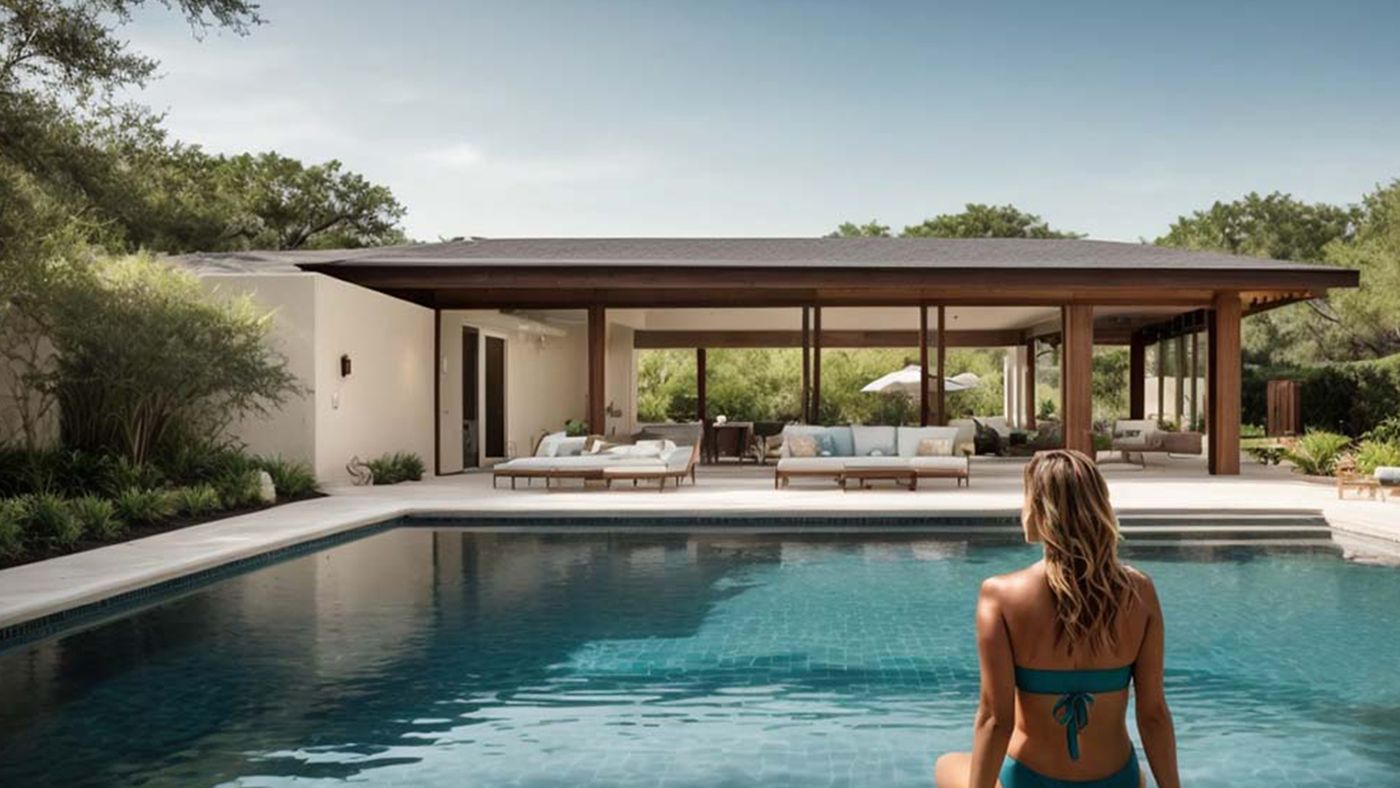
And here's where it gets even better. Ecopool now offers their S-Series, which gives you that fully inground luxury pool look while keeping the same insulated steel construction and membrane interior. So if the container pool aesthetic wasn't your thing, the S-Series is absolutely worth a hard look.
The point isn't "buy what I bought." The point is — do your research before you buy. The pool industry has evolved. Most builders just won't tell you that.
Final Verdict
Look, buying a pool should be exciting — not a six-figure trap. The pool industry has spent decades getting comfortable with how it does things, and a lot of those things benefit the builder more than they benefit you.
Get itemized quotes. Pad your timeline. Tour the surface options. Demand modern equipment. And before you sign on a six-figure traditional build, at least look at what's possible with modern container pool construction.
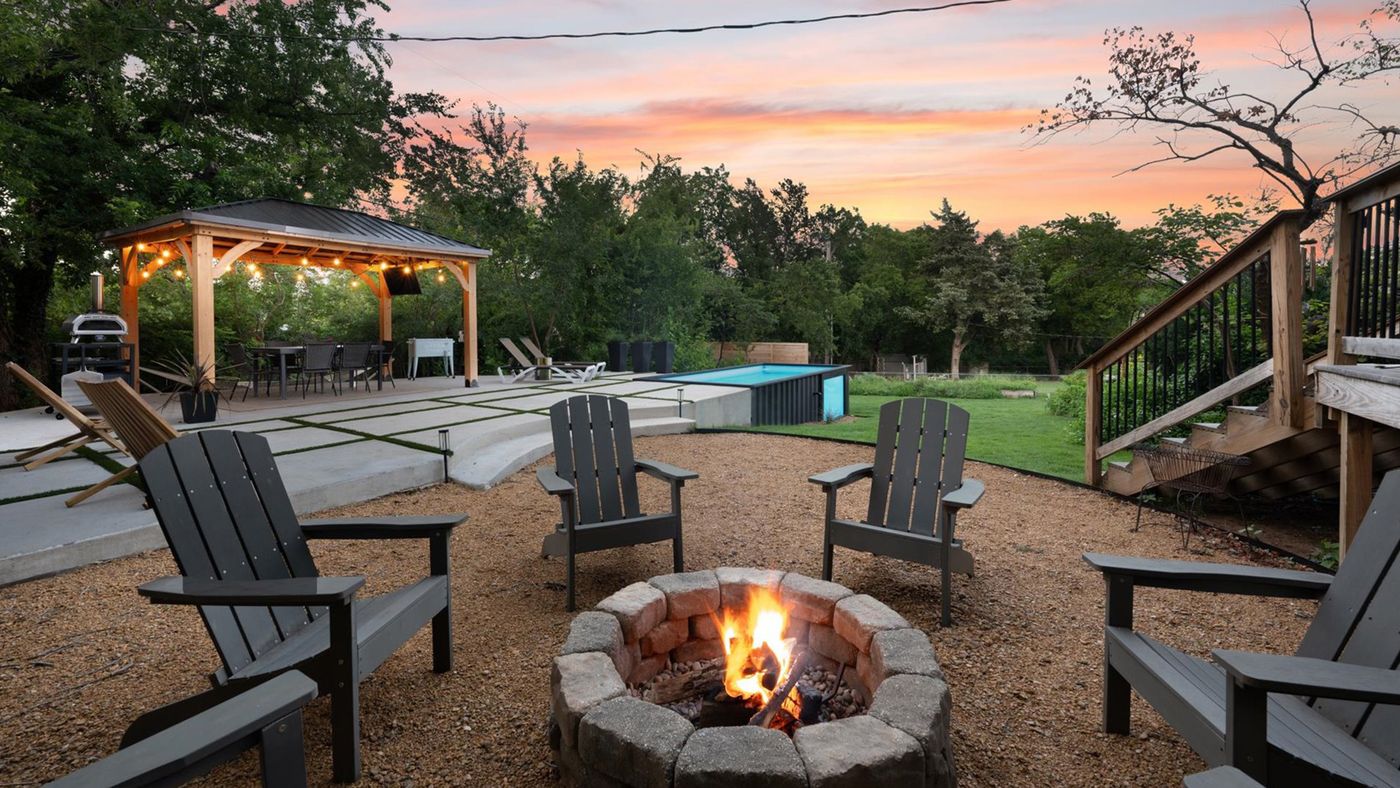
For me, going the Ecopool route was the difference between being a frustrated pool owner and a happy one. That container pool became my test pool — and now everything I review gets tested in a pool that doesn't crack, doesn't leak heat, and doesn't cost me a fortune to maintain.
Once your pool is in, the next step is keeping it clean and dialed in. Start with my weekly pool maintenance guide and the best robotic pool cleaners to automate the work.
If this guide helped you avoid even one of these mistakes, head over to ThePoolNerd.com/deals where I post my latest equipment picks, the best deals I can find, and links to everything we use in our test pool. Until next time, keep your water clear and your chemistry dialed in.

Comments
Loading comments…