
 Justin D.
Welcome back to The Pool Nerd. I'm Justin, your resident pool aficionado. Today we're tackling a question I get all the time: how often should you run your pool robot?
Here's the short answer up front — most pools do best with the robot running daily, or close to it. Not once a week. Not "whenever the water looks dirty." Daily. Let me walk you through why that is, and the part most people miss: your robot's hardware decides whether daily is effortless or a daily chore.
Pool Nerd Picks at a Glance
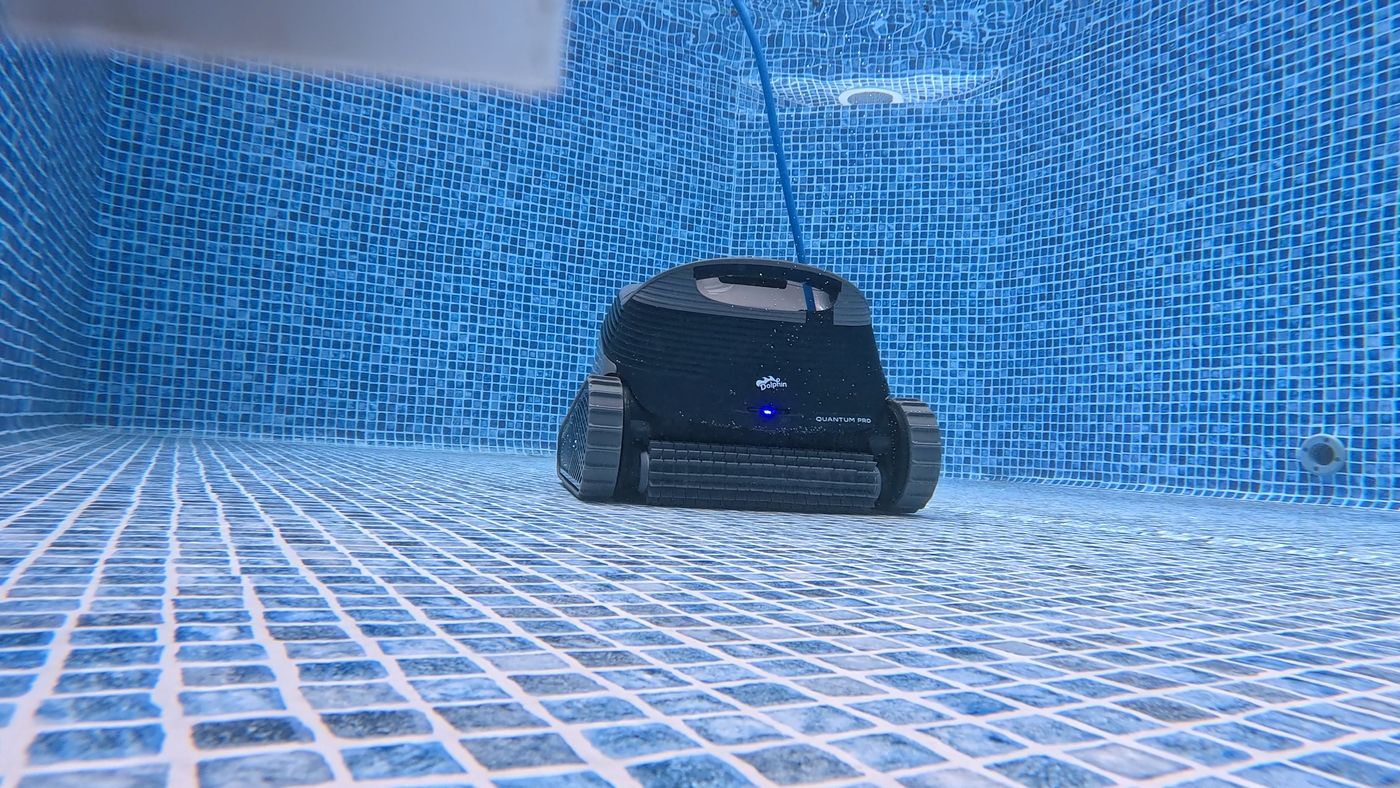
Corded robots with a Weekly Smart Timer — so daily cleaning happens on its own, no charging or remembering.

Dolphin Cayman
What it is: A value-priced corded Dolphin with a Weekly Smart Timer, strong suction, and an oversized MaxBin.
Why we picked it: The weekly timer means daily cleaning happens on its own—no charging, no remembering—at a price that does not sting. See the Dolphin Cayman review.

Dolphin Premier
What it is: A proven corded robot with dual scrubbing brushes, swappable NanoFilters, and a multi-year warranty—the workhorse I keep coming back to in our test pool.
Why we picked it: The parts that wear—brushes, filters, even the cable swivel—are replaceable, so a quality corded unit keeps running for years. Read the Dolphin Premier review.

Dolphin Escape
What it is: A corded Max-Series robot built specifically for above-ground pools, with HyperBrush scrubbing, a top-loading MaxBin, and a steady 4,000 GPH of suction.
Why we picked it: It is the best-value above-ground cleaner I test—corded power means no battery to babysit, and an optional Weekly Timer upgrade makes it fully hands-off. See the Dolphin Escape review.
The Short Answer: Run It Daily
Here's the thing. A pool robot isn't a deep-cleaning tool you break out when things get bad. It's maintenance. And maintenance only works when it's consistent.
Run it daily and your pool never leaves a clean baseline. Skip days and you're not maintaining anymore — you're recovering. Every recovery cycle is harder on the robot, harder on your filter, and harder on your water than just staying ahead of the mess. For most backyard pools, a daily cycle keeps debris, fine silt, and biofilm from ever getting a foothold. Every other day is the bare minimum I'd run during swim season.
Even if you don't see any dirt or debris, you probably should still be running it a full cycle.
Why Daily Beats Weekly
Debris doesn't wait for your schedule. Pollen, dust, leaves, sunscreen, body oils, and microscopic organic matter land in your water every single day. Two things happen when that load is left to sit:
-
Fine debris that's still floating on day one settles and compacts by day two or three — and compacted silt is far harder to lift than fresh debris.
-
Algae and biofilm need roughly 24 to 48 hours of undisturbed surface to take hold. A robot scrubbing your walls and floor every day mechanically interrupts that before it ever starts.

Daily cleaning keeps water crystal clear and lowers chlorine demand // The Pool Nerd

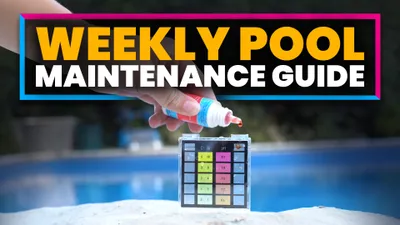
There's a chemistry angle too, and it's the one most owners overlook. Your chlorine can only do so much work. Every bit of organic gunk in the pool is something your chlorine has to burn through before it can sanitize. A robot running daily physically pulls that organic load out — the leaves, the oils, the fine debris — so your chlorine spends its energy killing bacteria instead of chewing through junk. In my experience, owners who run their robot daily see noticeably lower chlorine demand and clearer water than the once-a-week crowd. (If you want to stretch your chlorine even further, see my full weekly pool maintenance guide.)
"Won't Running It Daily Wear It Out or Cost a Fortune?"
Short version: no, on both counts.
A pool robot runs on a low-voltage motor and sips power compared to your pump. A daily cleaning cycle costs you pennies — a rounding error next to what your filtration pump already pulls every day. As for wear, a quality corded robot is built for regular cycles. The brushes and drive motors are designed to run often; running daily isn't abuse, it's the job. What cuts a robot's life short is the opposite — neglect. Letting debris cake on, skipping the filter cleanings, and leaving it baking in the sun between rare uses.
Here's the Catch — and It's the Robot, Not the Schedule
So daily is the goal. Simple enough. Except for a lot of owners, the hardware fights them on it.
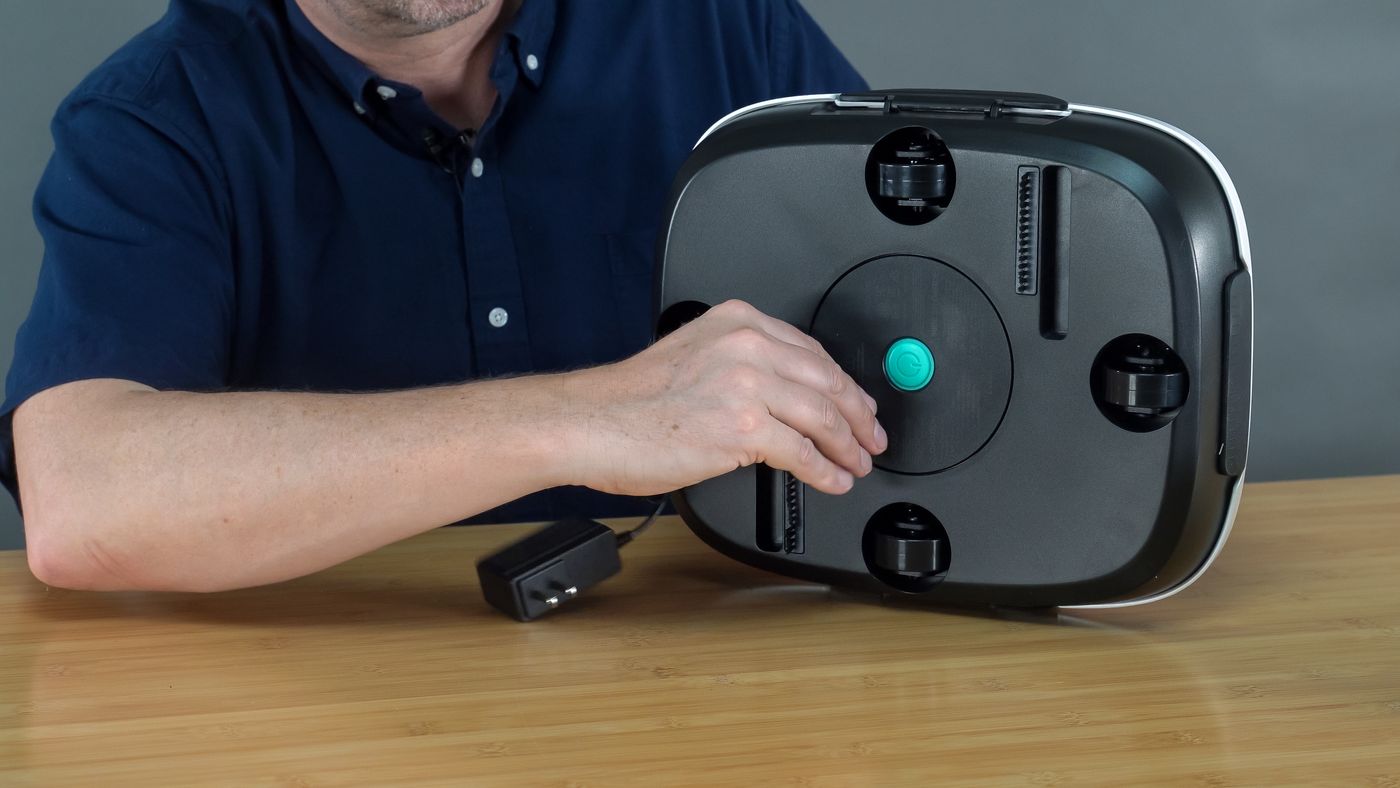
If you've got a cordless robot, "run it daily" means "charge it daily." And that's where the whole plan falls apart. The routine looks like this: fish it out of the pool, dry off the charging contacts, plug it in, wait a few hours for a full charge, then haul it back and drop it in. Every. Single. Day.
Let's get real — almost nobody keeps that up.
Pool Nerd Disapproved: The Cordless Charging Trap
Daily charging sounds minor until you're doing it in July. The hassle quietly trains you to run the robot less — every other day, then twice a week, then it lives in the shed and only comes out when the pool already looks rough. The robot didn't fail. The friction did. And friction always wins.
I've watched this play out over and over. The cordless robot cleans fine on day one — it's the charging routine that wears you down, not the machine. Pretty soon a tool you bought to save effort is the thing you keep putting off. I break this whole debate down in my corded vs cordless robotic pool cleaners guide.
The Fix: A Corded Robot With a Weekly Timer
This is why, in my opinion, the most underrated feature on a pool robot is a built-in weekly timer on a corded unit.
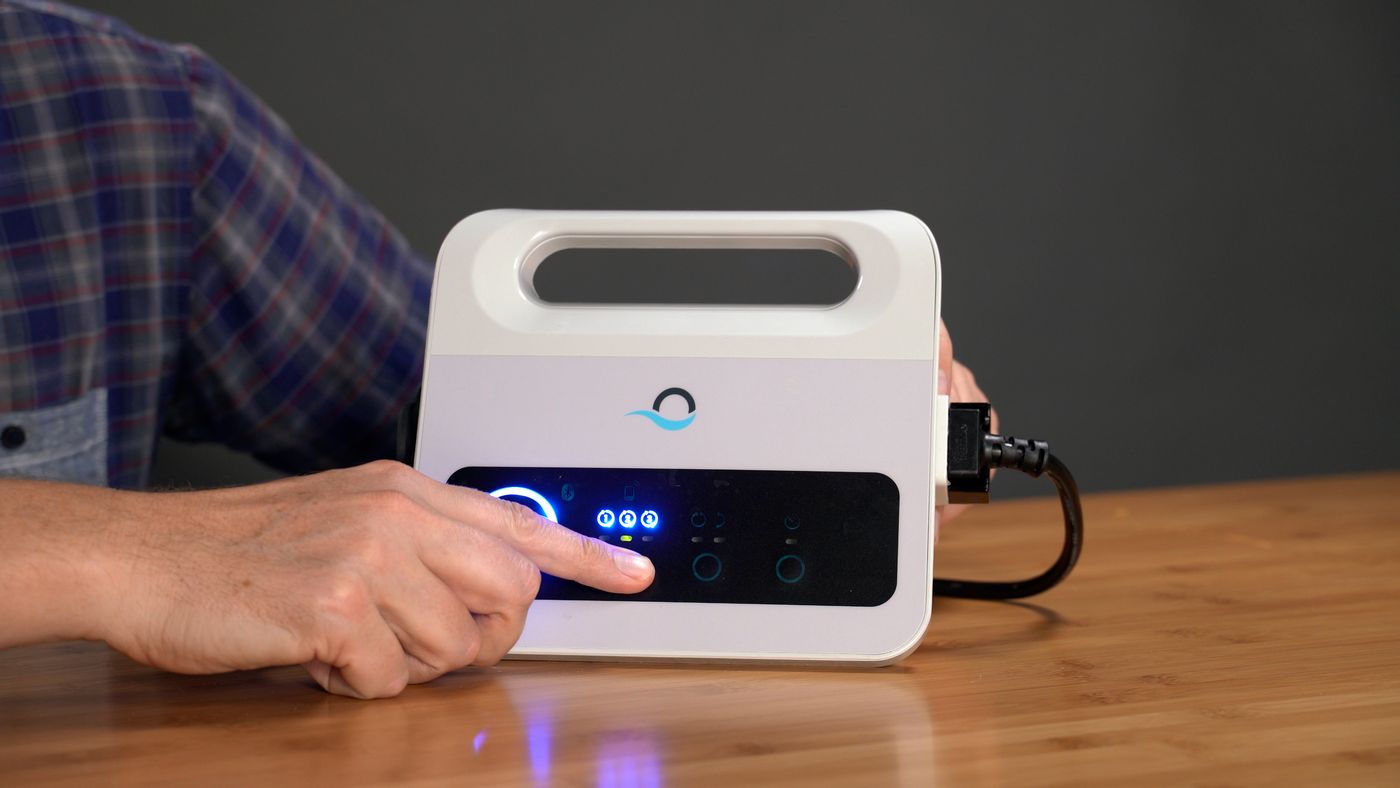
Here's what that setup does for you: plug it in once, set the days you want it to clean, and walk away. The robot drops in, runs on schedule, and you never touch it. No charging, no drying contacts, no remembering. The pool stays clean because nothing is standing between you and a daily cycle. That's the difference between a robot that can run daily and one that will.
Pool Nerd Approved: Corded + Weekly Timer
A corded robot with a weekly scheduler is the only version of "set it and forget it" that holds up. You program it once. It cleans on its own. The corded power means no battery to charge, drain, or replace down the road — and the timer means daily cleaning happens whether you remember it or not.
The Dolphin Cayman is the one I point most owners to here: a Weekly Smart Timer, strong corded suction, and an oversized MaxBin, all at a price that doesn't sting. If you want to compare it against the rest of the field, check out my best robotic pool cleaners list.

Where I land: If you want consistently clear water with zero daily effort, run your robot daily — and use a corded robot with a weekly timer so "daily" happens on its own.
If Your Current Robot Can't Do This
Maybe your robot doesn't have a weekly timer. Or maybe it's cordless, and the charging routine is the exact reason it's been gathering dust. I'm not going to tell you to throw out a robot that still cleans well.
You bought a robot to take pool cleaning off your plate. If the hardware is nudging you to run it less, it's quietly costing you the clean pool you already paid for — in extra chlorine, more brushing, and water that's never quite right. A corded robot with a weekly scheduler finishes the job your current setup started. When it's time to replace, that's the one feature I'd put at the top of your list, ahead of almost anything else.
Pro Tip: Run It Overnight
Schedule your robot for overnight or early morning. The day's debris settles out, the robot clears it before anyone swims, and you wake up to a clean pool. Running off-peak can shave a little off your power bill too.
My Final Verdict
So what is my final verdict on how often to run your pool robot? Daily.
So there it is. Run it daily, let a weekly timer handle the remembering, and pick hardware that doesn't punish you for using it the way it's meant to be used. Your water stays clear, your chlorine works less, and you stop thinking about pool cleaning altogether — which was the whole point of buying a robot in the first place.
If you wanna keep nerding out over your pool, head over to my deals page at ThePoolNerd.com/deals, where I post the best deals on robots and gear worth owning.
Until then, enjoy that pool — I'll see you next time.



Comments
Loading comments…