
 Justin D.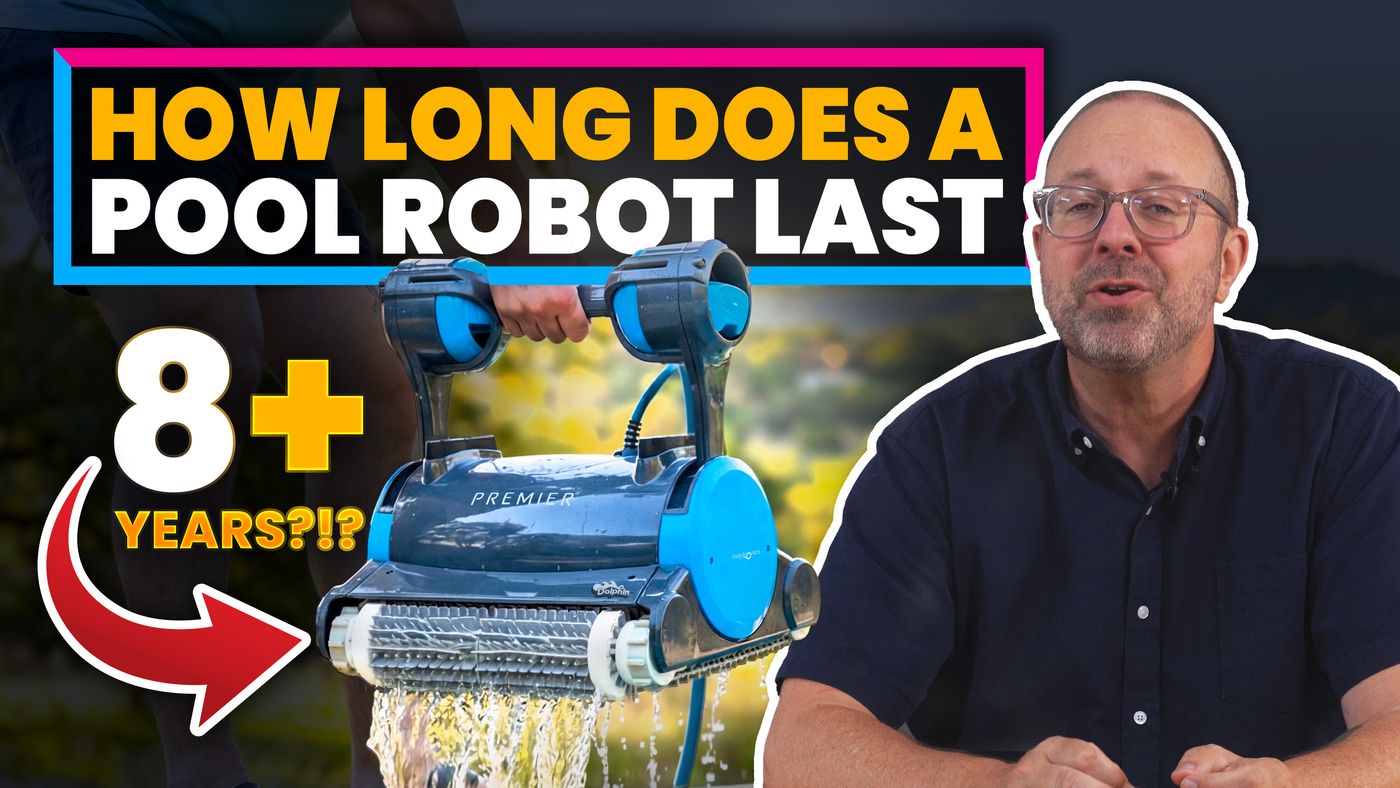
Here's the thing nobody at the pool store wants to tell you about that new robot: it has a lifespan, and how AND where you buy it matters.
Welcome back to The Pool Nerd. I'm Justin, your resident pool aficionado. Today we're answering a question I get all the time — how long does a pool robot last?
Here's the short version: in my experience, a good pool robot lasts about three to five years. I've had pool owners share they've had some units 8 to 10 years! Some push past that with the right care, and plenty of cheap ones tap out well before. But three to five years is the realistic range to plan around.
That number isn't random, and it isn't fixed. How you buy, what you buy, and how you treat it all move the needle. So let's get into what shortens a robot's life, what stretches it, and the one thing I'd never skip when shopping.
Pool Nerd Picks at a Glance
The longest-lasting robots I test — corded, name-brand, and backed by a multi-year warranty.

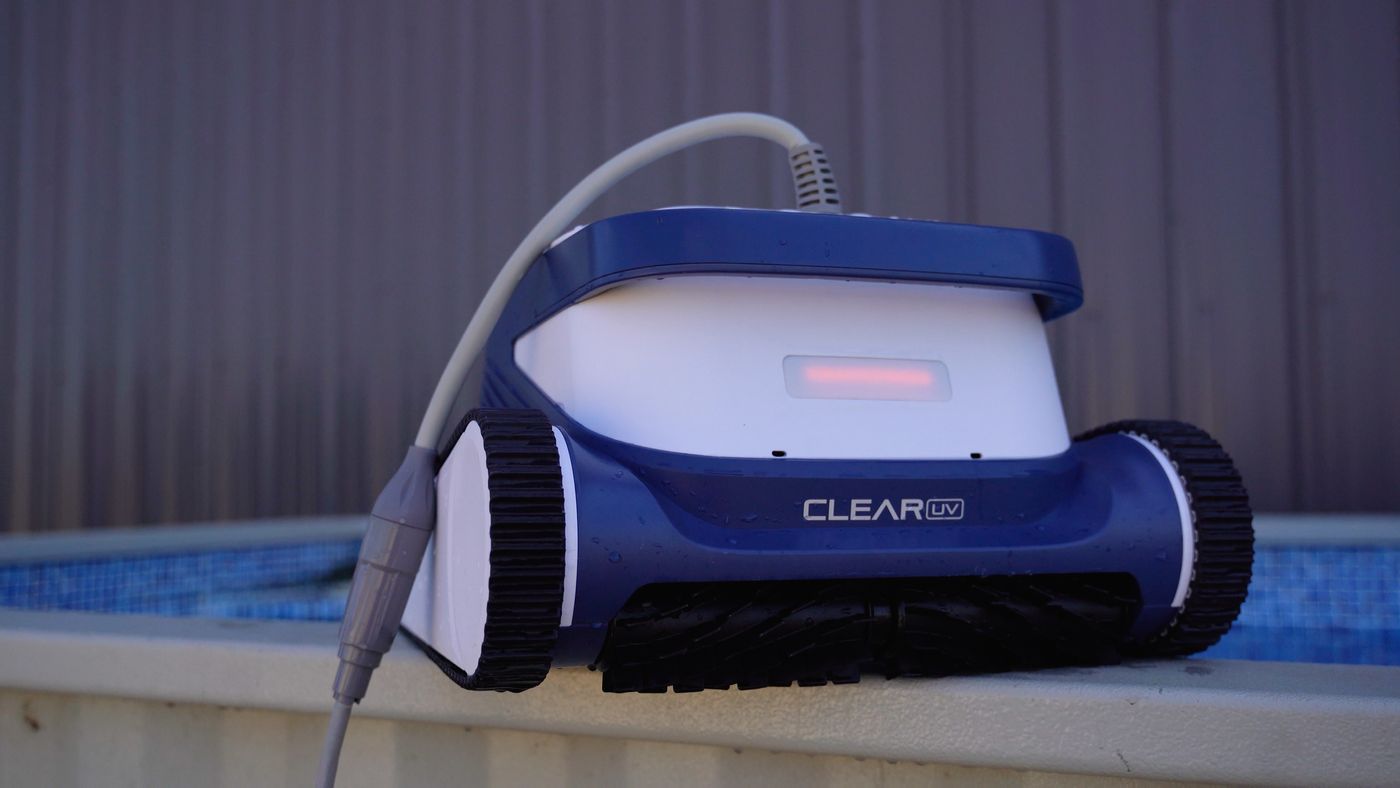
Clear UV
What it is: A corded robotic cleaner with built-in UV-C sanitation, a commercial-grade platform, and a Weekly Smart Timer—designed to live in your pool and clean on a schedule.
Why we picked it: Corded power means no battery to degrade, the sealed UV-stabilized housing holds up to sun and chemistry, and the built-in UV-C adds a second layer of sanitation most robots do not have. See the Clear UV review.

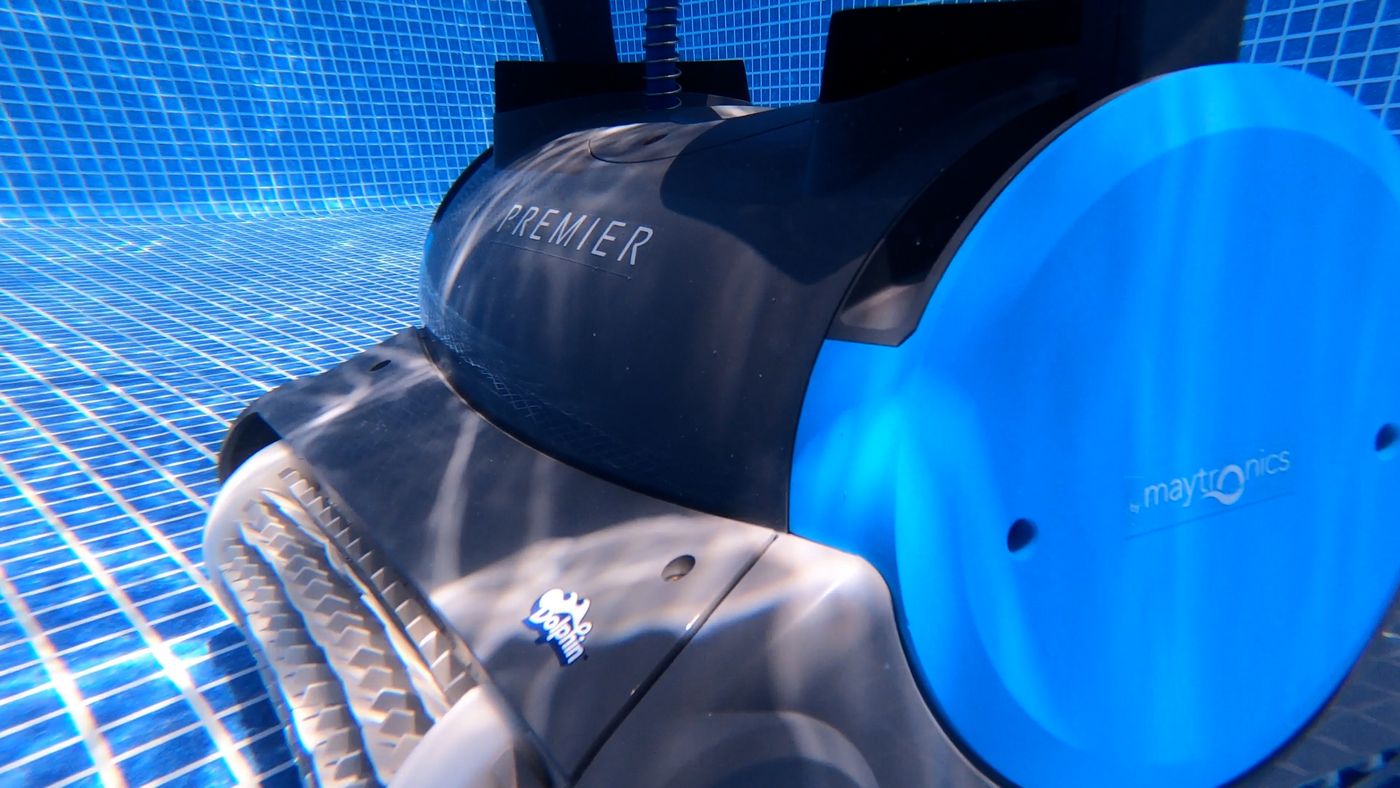
Dolphin Premier
What it is: A proven corded robot with dual scrubbing brushes, swappable NanoFilters, and a multi-year warranty—the workhorse I keep coming back to in our test pool.
Why we picked it: The parts that wear—brushes, filters, even the cable swivel—are replaceable, so a quality corded unit keeps running for years. Read the Dolphin Premier review.

Dolphin Sigma
What it is: The most advanced corded Dolphin—three commercial-grade motors, gyroscopic SmartNav, a Dual Stabilizer system, and an optional center active brush.
Why we picked it: Smart navigation and that center brush let it roll over raised main drains and obstacles that strand other robots. See the Dolphin Sigma review.

Dolphin Escape
What it is: A corded Max-Series robot built specifically for above-ground pools, with HyperBrush scrubbing, a top-loading MaxBin, and a steady 4,000 GPH of suction.
Why we picked it: It is the best-value above-ground cleaner I test—corded power means no battery to babysit, and an optional Weekly Timer upgrade makes it fully hands-off. See the Dolphin Escape review.
What Decides How Long a Pool Robot Lasts
Three to five years is the average, but the spread is wide. A handful of things push your robot toward the short end or the long end:
- Build quality. Higher-grade motors, seals, and gaskets go the distance. Bargain-bin parts don't.
- Water chemistry. This is the silent killer. Harsh, unbalanced water eats seals, gaskets, and electronics from the inside out.
- Storage. Leaving a robot baking in direct sun, or sitting in the pool around the clock, cooks the plastics.
- Power source. And this is the big one — corded or battery-powered changes how long you should expect it to last.
Why Corded Robots Outlast Cordless
Here's the thing about cordless robots: the battery is the weak link, and it's a weak link you can't fix.

Just like your phone after a few years, a battery doesn't hold its full charge forever. Year 0 to Year 1 may be great, but you may see some battery degradation after that.
A corded robot uses time-tested components and pulls its power straight from the wall. In my testing, a quality corded unit gives you the same suction on day 1,001 as it did on day one. Nothing inside is quietly wearing down on a charge cycle.
A cordless robot runs on a lithium-ion battery, and every battery degrades. Each charge and discharge chips away at how much power it holds. Two years in, you start noticing shorter run times and weaker pickup. The robot still switches on — it just doesn't clean like it used to. (I go deep on this in my corded vs cordless robotic pool cleaners guide.)
The Battery You Can't Replace
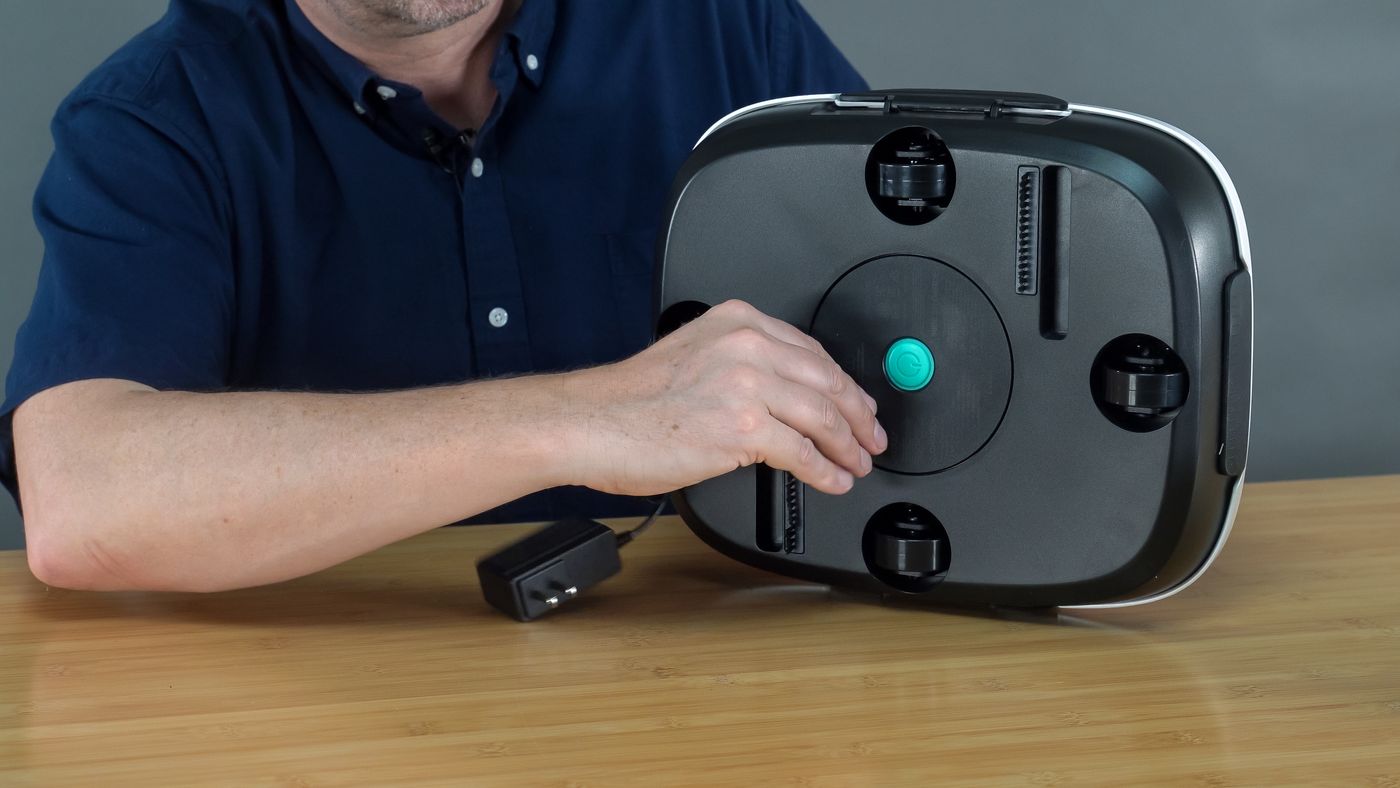
Here's the kicker. On most cordless pool robots I've looked at, the battery is sealed inside the housing. It's not like a cordless drill where you pop in a fresh pack. When that battery gives out, the robot is done — and replacing the whole unit costs about what you paid the first time.
That's the part the ads skip. You're not buying a robot that lasts as long as its motor. You're buying a robot that lasts as long as its battery, and the battery is the first thing to go.
Nobody Has the Long-Term Track Record Yet
Cordless pool robots are a young category. Most have been on the market only a few years, which means nobody — not me, not the manufacturers — has a real five-year track record on how they hold up. Corded robots have been proving themselves for decades. With cordless, in my opinion, you're paying full price to be the long-term test subject.
Until battery tech catches up and units let you swap the pack yourself, I'm sticking with corded. It's the difference between a known quantity and a gamble.
Pool Nerd Disapproved
Cordless robots with a sealed, non-replaceable battery. When the battery dies, you're buying a whole new robot — and you're betting on a long-term track record that doesn't exist yet.
The Warranty Is Your Real Lifespan Insurance
If you take one thing from this article, make it this: buy a robot with at least a three-year warranty.
A warranty isn't just a safety net. It's the manufacturer telling you how long they expect their own product to survive. No company backs something with years of coverage if they think it'll fail early — so a longer warranty is a quiet vote of confidence in the build. A one-year warranty tells you something too, and it isn't good.
Brands like Clear UV, Dolphin, and Polaris stand behind their corded units with the kind of multi-year coverage I want to see. That's not an accident. They've built these things to outlast the warranty, which is exactly the bet you want the maker making.
But you need to be careful. Brands like Dolphin have models on Amazon and big box stores that have shorter warranties compared to buying from some other online retailers like Poolbots, Pool Express, and Pool Robots.
So when you're comparing two robots, don't just stack up suction and features. Stack up the warranties. The longer one is usually the better-built one.
Pro Tip
Register your warranty the day your robot arrives, and keep your receipt somewhere you won't lose track of it in three years. A warranty you can't prove is a warranty you don't have.
How to Get Every Year Out of Your Robot
Buying right gets you the years. Treating it right keeps them. Here's what I do with the units I run in my own test pool:

- Rinse it after every clean if you're not using it daily. Chlorinated and salt water sit on the seals and break them down over time. A quick freshwater rinse adds up.
- Empty and clean the filter often. A clogged filter forces the motor to work harder, and a strained motor is a short-lived motor.
- Keep it out of the sun. Store it in the shade or a garage. Heat and UV are brutal on plastic housings and cables.
- Don't store it in the pool. Leaving it submerged around the clock means constant chemical contact. Pull it out when it's done and let it dry.
- Balance your water. This is the one most people miss. Stable pH and a healthy ORP don't just protect your pool surfaces — they protect everything you put in the water, your robot included. (Start with my weekly pool maintenance guide.)
⚠ Warning
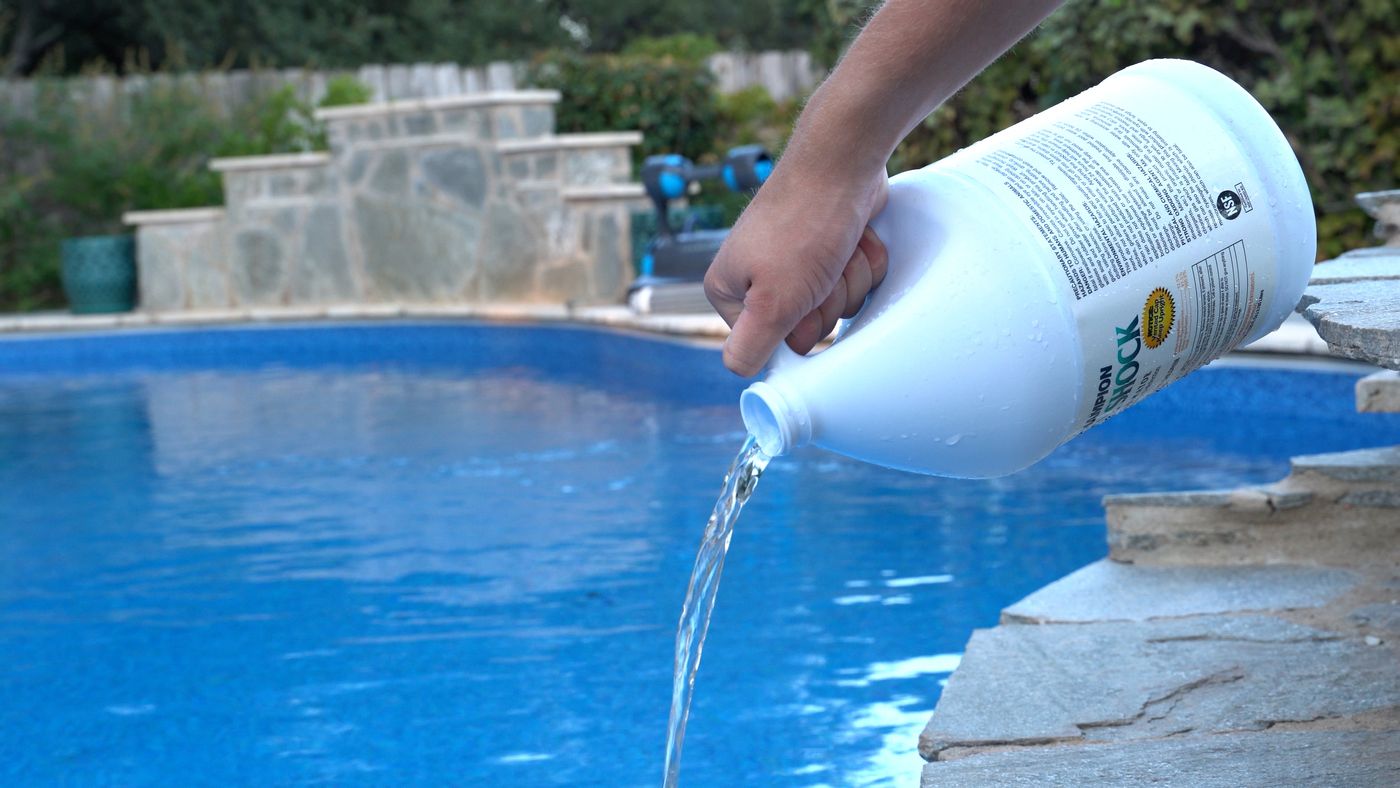
Always pull your robot out before you shock the pool. That burst of high chlorine is hard on seals, gaskets, and electronics. Let levels come back down before the robot goes back in.
Frequently Asked Questions
Can I replace the battery in a cordless robot?
On most models, no. The battery is sealed inside, and once it's spent you're usually looking at a new robot rather than a new battery. This is the single biggest reason I steer people toward corded.
Is it worth repairing an older robot?
It depends on the part. A worn drive belt, brushes, or a clogged filter are cheap, easy fixes worth doing. A failed motor or control board on an out-of-warranty unit usually isn't — at that point you're pouring good money into an old machine.
My Final Verdict
So what's my final verdict?
Plan on three to five years from a quality pool robot — and stack the deck in your favor while you're shopping. Go corded, so a degrading battery you can't replace isn't the thing deciding your robot's lifespan. And buy at least a three-year warranty from a brand that stands behind it, like Clear UV, Dolphin, or Polaris.
Do that, treat it right, rinse it off, keep your water balanced, and you'll likely land at the top of that range instead of the bottom. A pool robot is an investment. Buy it like one, and it'll pay you back in years.
✓ Pool Nerd Approved
A corded robot from a name brand with a three-year (or longer) warranty. You get consistent power for years, no battery to babysit, and a manufacturer on the hook if anything fails early.

Not sure where to start? My best robotic pool cleaners list rounds up the longest-lasting picks. If you wanna keep nerding out over your pool, head over to my deals page at ThePoolNerd.com/deals, where I post the best deals on robotic pool cleaners and other pool equipment.
Until then, enjoy that pool — I'll see you next time.


Comments
Loading comments…