
 Justin D.
Hey there, I'm Justin — your resident pool aficionado. Today we're tackling one of the most common questions I get from new robot owners: can you just leave your robot in the pool all the time?
Short answer — in most cases, yes. Robotic cleaners are built to live in your pool, and leaving one in through swim season is exactly what they are designed to do.
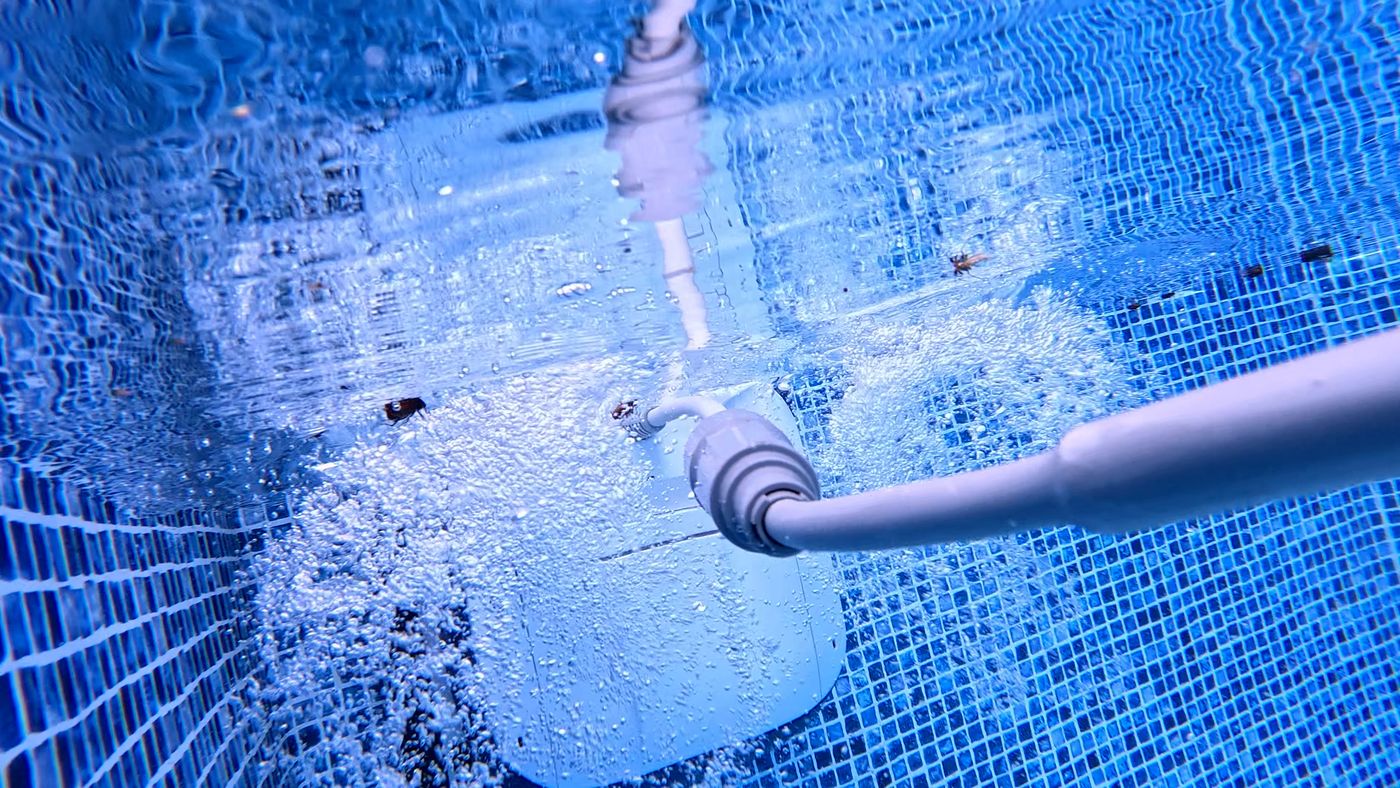
The nuance comes down to three things: the robot you bought, your water chemistry, and how you use your pool. After putting more than 30 cleaners through their paces over the past five-plus years, I can walk you through how to leave yours in with confidence — and get every season out of it.
Pool Nerd Picks at a Glance
Corded robots built for full-time submersion, with a Weekly Smart Timer so they clean on their own all season.

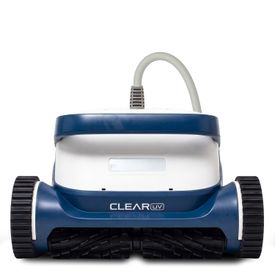
Clear UV
What it is: A corded robotic cleaner with built-in UV-C sanitation, a commercial-grade platform, and a Weekly Smart Timer—designed to live in your pool and clean on a schedule.
Why we picked it: Corded power means no battery to degrade, the sealed UV-stabilized housing holds up to sun and chemistry, and the built-in UV-C adds a second layer of sanitation most robots do not have. See the Clear UV review.

Dolphin Premier
What it is: A proven corded robot with dual scrubbing brushes, swappable NanoFilters, and a multi-year warranty—the workhorse I keep coming back to in our test pool.
Why we picked it: The parts that wear—brushes, filters, even the cable swivel—are replaceable, so a quality corded unit keeps running for years. Read the Dolphin Premier review.

Dolphin Sigma
What it is: The most advanced corded Dolphin—three commercial-grade motors, gyroscopic SmartNav, a Dual Stabilizer system, and an optional center active brush.
Why we picked it: Smart navigation and that center brush let it roll over raised main drains and obstacles that strand other robots. See the Dolphin Sigma review.

Dolphin Quantum Pro
What it is: A premium corded robot with gyroscopic navigation, strong suction, and a Weekly Smart Timer for hands-off scheduled cleaning.
Why we picked it: Smart navigation helps it recover from drains and obstacles instead of stalling, and corded power lets it stay in and clean all season. See the Dolphin Quantum Pro review.

Dolphin Escape
What it is: A corded Max-Series robot built specifically for above-ground pools, with HyperBrush scrubbing, a top-loading MaxBin, and a steady 4,000 GPH of suction.
Why we picked it: It is the best-value above-ground cleaner I test—corded power means no battery to babysit, and an optional Weekly Timer upgrade makes it fully hands-off. See the Dolphin Escape review.
What's Happening to a Robot Sitting in Your Pool
Here's the thing — your robot is sitting in a chemical bath all day. It's up against:
-
Chlorine
-
UV rays
-
Heat
-
Calcium and minerals
-
Salt (in a salt pool)
-
Acidic water
-
Constant moisture
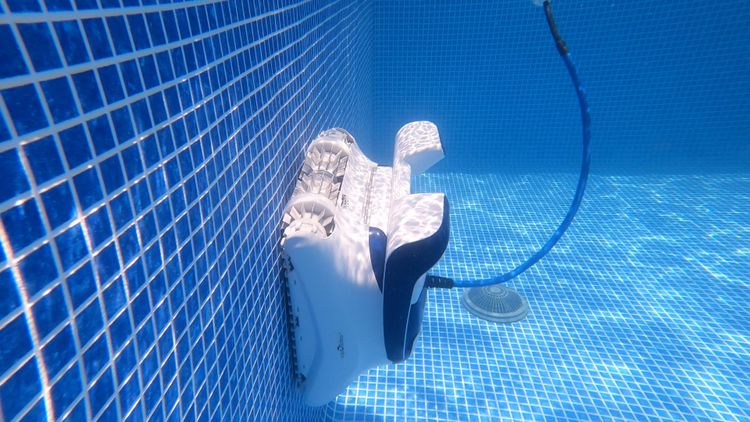
Sun, heat, and chemistry work on a robot all day long // The Pool Nerd

Even though pool robots are sealed and waterproof, they're still electronics — motors, bearings, rubber seals, tracks, cables, and circuit boards. Water chemistry works on all of that over time. That's why a well-built robot can run 8 to 10 years, while a cheaper one starts struggling at 18 months. Same pool, same water — the difference is build quality.
They're Built to Stay In
The better robots on the market are engineered for exactly this kind of life. Quality seals keep water where it belongs. UV-stabilized housings hold up to sun. Corrosion-resistant hardware shrugs off chlorine and salt. And the feature that makes leaving it in make sense — the one I'd point every new owner to first — is the Weekly Smart Timer.
The Weekly Timer Is the Whole Point
A Weekly Smart Timer lets you set a cleaning schedule once and walk away. Pick your rhythm — every day, every other day, a few times a week — and the robot handles the rest. It drops in, runs its cycle, and parks itself until the next one. You're not plugging anything in or babysitting it. You empty the filter once or twice a week, and that's the extent of your involvement.
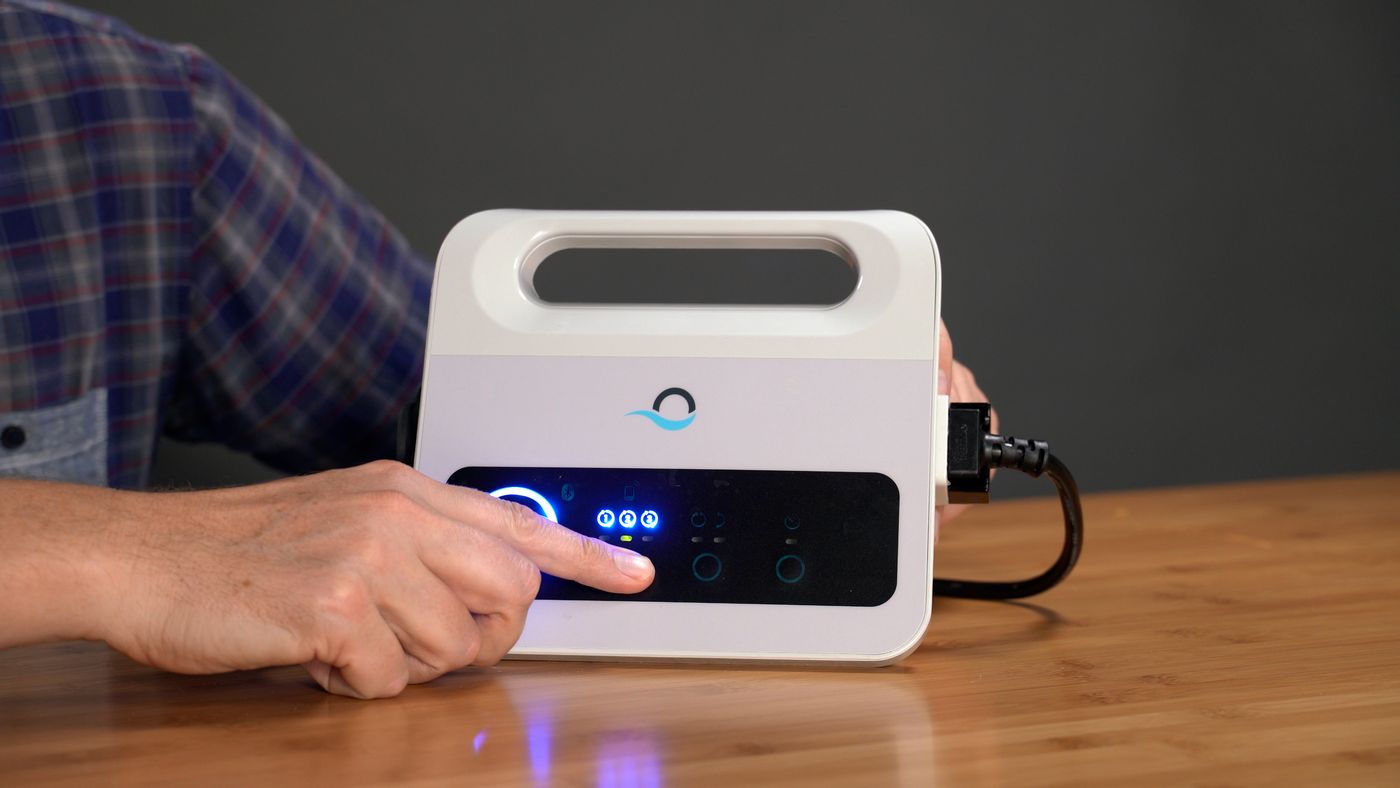
That's what real automation looks like, and it's the reason leaving your robot in the pool isn't a compromise — it's the way these machines are meant to be used. Corded models shine here because there's no battery to charge and nothing to retrieve between cycles. Set the timer and they clean on their own, all season. (Here's why I'll always take corded over cordless.)
Pool Nerd Approved
The top corded robots are designed for long-term submersion. The Clear UV, Dolphin Premier, Sigma, and Quantum are all built on commercial-grade platforms with a Weekly Smart Timer made for daily, hands-off cleaning.

How Long Can You Leave It In?
Corded Robots
- Leave in pool all swim season
- Weekly Smart Timer handles cleaning automatically
- Remove every week to clean filters
Cordless Robots
- Can stay in the pool between cleaning cycles
- Typically removed after each cycle for charging
- Keep battery and charger out of direct sunlight
- Follow manufacturer charging recommendations
The Chemistry Factor Most Owners Miss
Here's the kicker — bad chemistry ages a robot faster than anything else, no matter what kind you own. A robot sitting in high free chlorine, low pH, elevated calcium, high CYA, or an active algae bloom is wearing out faster than it should. Seals swell, bearings corrode, tracks crack, and cable jackets get brittle.
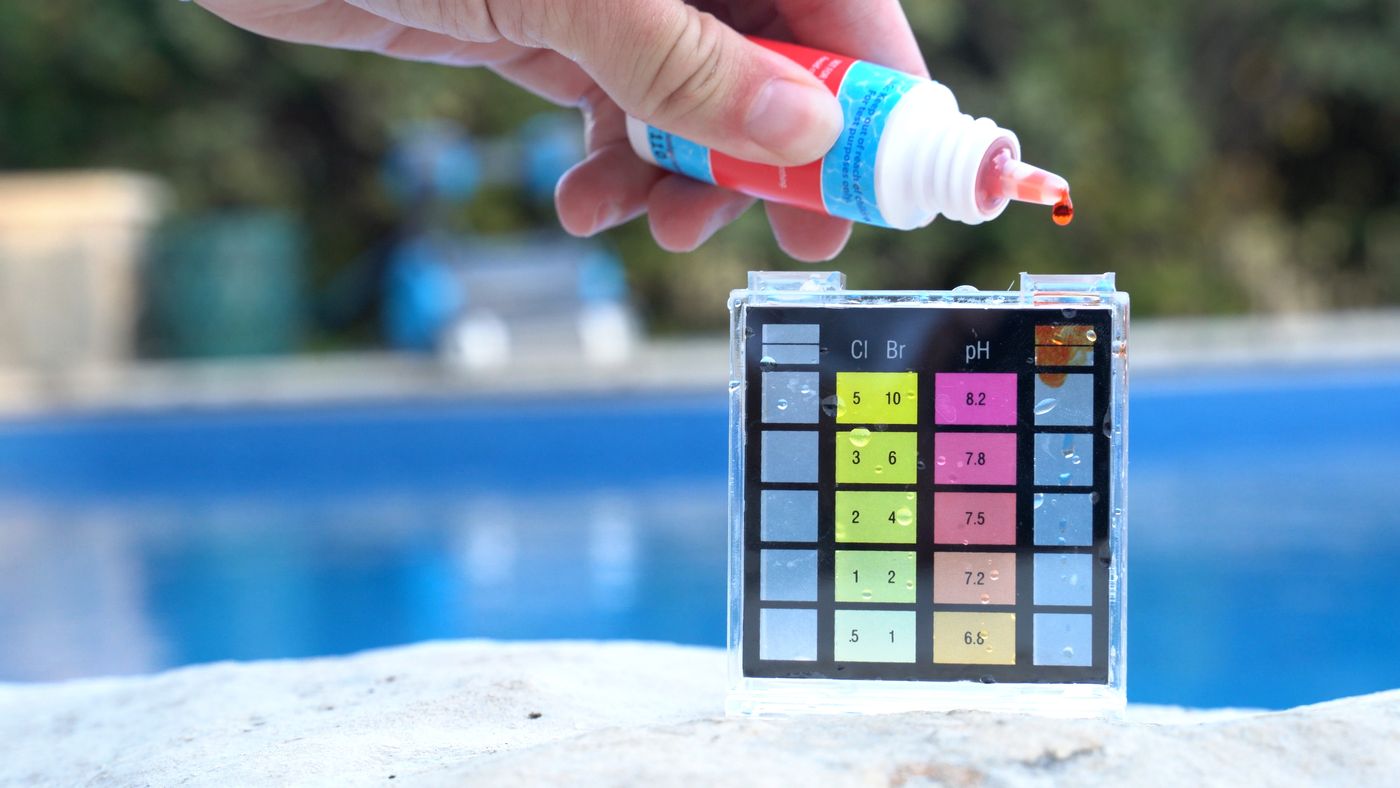
Keeping your water balanced is the single biggest favor you can do your robot. Park your pH where it belongs — 7.0 to 7.2 for vinyl and fiberglass, 7.2 to 7.4 for gunite — keep chlorine from running hot, and stay on top of calcium. Balanced water lets you sanitize at lower doses, which means less chemical stress on the robot, the seals, and the cable. Skip the long stretches of neglected, swing-y chemistry and your robot will thank you with extra seasons. If your pH runs high, here's exactly how to lower it, and my weekly pool maintenance guide keeps everything dialed in.
The Parts Wear — and Most of Them Swap Out
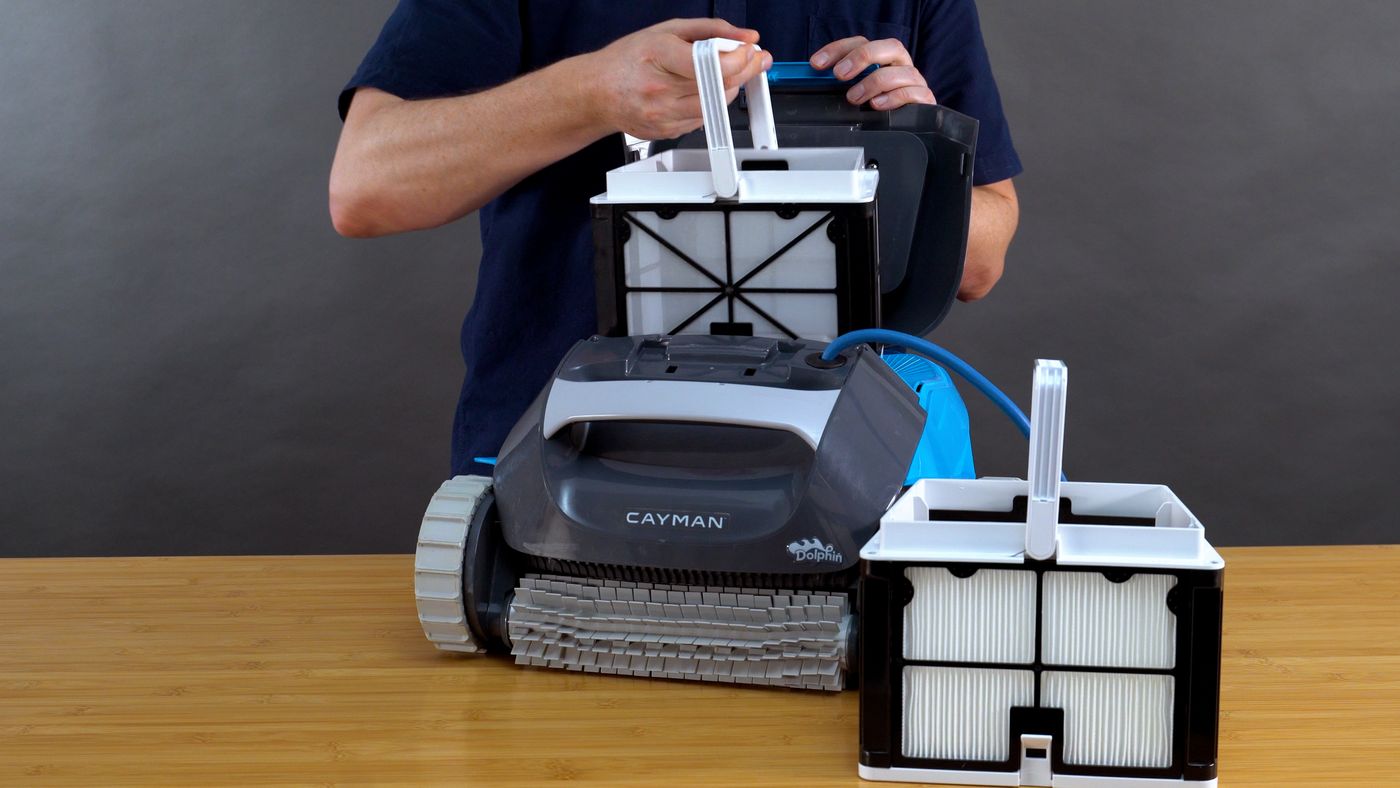
Here's something that gets lost in the will-it-get-ruined worry: on a quality robot, the parts that take the most abuse are the parts you can replace.
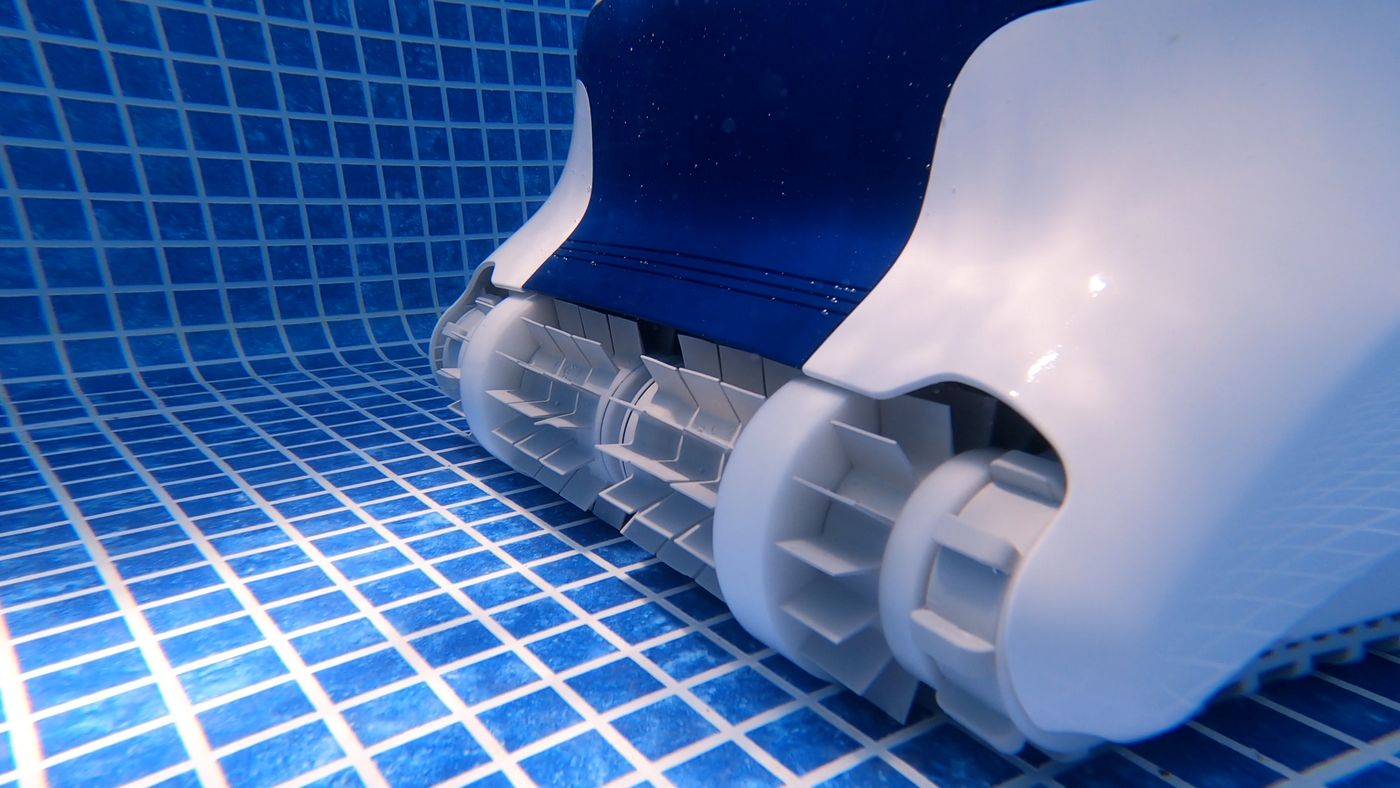
Sun and chemistry will fade plastic and stiffen brushes over a few seasons. That's normal wear, not a death sentence. Brushes, tracks, and filter cartridges are consumables on the better platforms — swapping them takes a few minutes with no tools or basic ones, and your robot comes back to life.
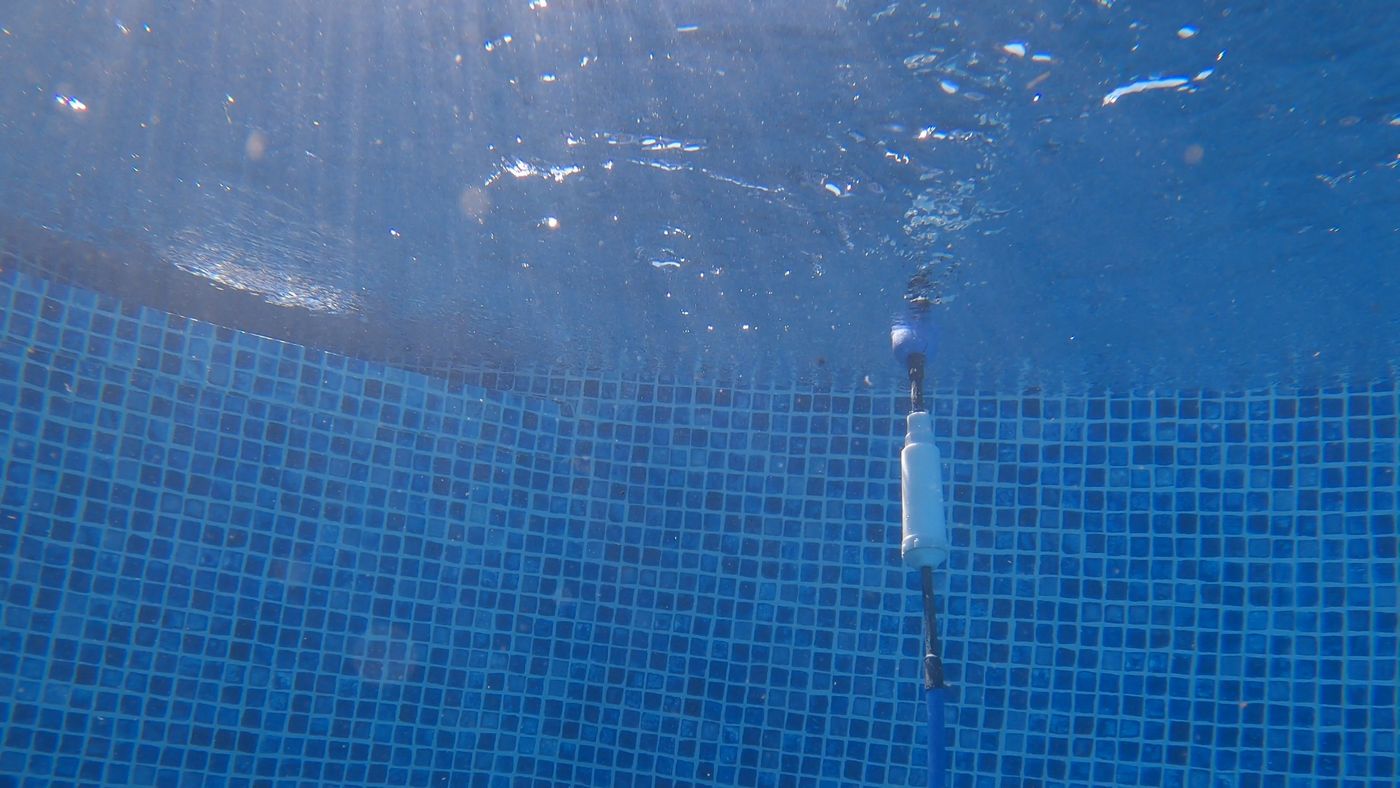
The cord is the same story. On most robots, the cable and its anti-tangle swivel are a serviceable assembly. If yours gets sun-faded, stiff, or kinked after years of deck time, you replace that section — not the whole robot. Knowing that takes the anxiety out of leaving it in: you're not babying a sealed, throwaway gadget, you're maintaining a machine built to be serviced.
Pro Tip
Keep a spare filter cartridge or panel on hand. Swapping a clean one in while the dirty one dries means your robot never misses a scheduled cleaning — and rotating two sets makes both last longer. The same goes for brushes and the cable swivel: they're wear items, so order them as parts rather than replacing the whole unit.
Saltwater Pools Ask a Little More
A lot of folks assume saltwater is gentler on equipment. It isn't. A saltwater pool isn't chlorine-free — it's a chlorine pool with a chlorine generator built in. Salt speeds up corrosion on metal parts, breaks down cable jackets a little faster, nudges pH upward (which drags chlorine effectiveness down), and leaves scale behind as water evaporates. If you're leaving a robot in a salt pool full-time, dial your chemistry in tight — this is the setup where sloppy water shows up fastest on your robot. My saltwater pool maintenance guide covers how to keep it balanced.
Mind the Power Supply
⚠ Warning
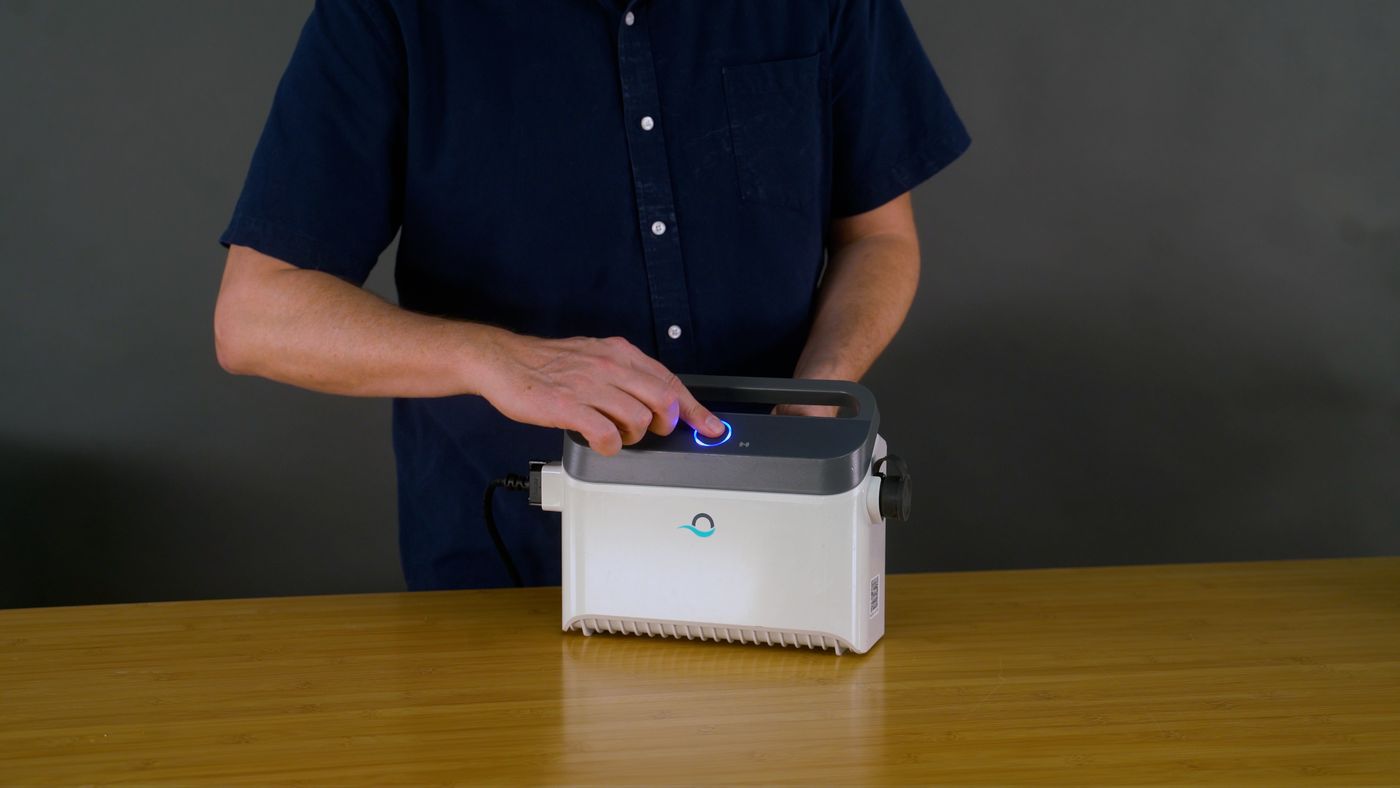
The robot is waterproof. The power supply is not. Most premium supplies are splash-resistant, not weatherproof.
Never leave the power supply:
- In direct rain
- Where sprinklers hit it
- Baking in direct sun
- On hot concrete
- Tightly covered while running — it needs ventilation
The easiest way to check all of those boxes at once is a caddy and a caddy cover. A caddy is the wheeled cart your robot and power supply ride on — it lifts the supply up off hot concrete, keeps the cord tidy, and lets you roll the whole rig into the shade in seconds. A caddy cover then shields the setup from sun and rain while it's parked. For a $200-plus power supply, a caddy and cover are cheap insurance.
Winter Is the One Exception
If there's a single time not to leave your robot in, it's a closed pool over winter. Cold, stagnant water, freezing temps, and a season of debris are hard on tracks, seals, brushes, and cables. When you close the pool, pull the robot, rinse the filters, let everything dry, and store it indoors or in your garage. That one habit adds years to a quality machine.
Signs the Water Is Aging It Faster Than It Should
Leave a robot in long enough with off chemistry and it'll tell you. Watch for:
- Faded or chalky plastic
- Stiff or cracking brushes
- Cracked tracks
- Brittle or discolored cable
- Weak wall climbing
- Water inside the housing
- Rust streaks
- Swollen rubber seals
The good news: on a quality robot, several of those — brushes, tracks, filters, even the cable — are replaceable parts, not the end of the road. Water inside the housing is the one to take seriously; that's a seal issue worth a service check before it spreads.
Frequently Asked Questions
Can I leave my robot in the pool?
Yes — especially a corded model with a Weekly Smart Timer. That's exactly what it's designed for. Pull it every week or two to clean the filters.
Can I leave a cordless robot in the pool?
You can leave it in between uses, but most cordless robots are built around a charge cycle, so you'll typically pull it to recharge anyway. Store the battery and charger out of direct sun, follow the charging instructions, and buy from an established brand — the CPSC has recalled some cordless models over charging-related overheating, so it's worth a quick search on the model you're considering.
Will chlorine damage my robot?
Over time, aggressive chemistry will age any robot — high chlorine, low pH, and high calcium are the usual culprits. Balanced water is the single biggest factor in how long your robot lasts.
Can I swim with the robot in the pool?
With most models you can, but I pull it. You get better circulation, no cord to tangle, and nothing to bump into.
Does sunlight fade a pool robot?
Yes — UV fades housings and stiffens brushes over time, and it hits cordless units hardest while they float on the surface waiting to be retrieved. On a quality robot, those are replaceable parts, so it's maintenance rather than a write-off.
Can I replace the cord if it gets sun-faded?
On corded Dolphins, yes. The cable and its swivel are a serviceable assembly you can swap out without buying a new robot — one more reason leaving a quality corded model in doesn't worry me.
The Final Verdict
✓ Pool Nerd Approved If:
- It's a quality robot with a Weekly Smart Timer — corded or cordless
- Your chemistry is balanced — pH 7.0–7.2 (vinyl/fiberglass) or 7.2–7.4 (gunite), with chlorine not running hot
- You pull it now and then to clean filters and check the brushes and seals
✗ Pool Nerd Disapproved If:
- Your water chemistry is unbalanced and left that way
- You're heading into pool-closing season — pull it and store it dry
- You leave the power supply exposed to rain, sprinklers, or direct sun
A pool robot is supposed to make your life easier — not become one more thing you worry about. With a quality machine and dialed-in chemistry, leaving it in is the whole point. Corded makes that effortless; cordless can do it too, as long as you respect the charge cycle and keep the battery cool. Not sure which to buy? Start with my best robotic pool cleaners picks.
Head over to my deals page at ThePoolNerd.com/deals, where I post the best deals on top robotic pool cleaners and everything else you need to keep your pool dialed in.
Until then — enjoy that pool. I'll see you next time.


Comments
Loading comments…