I cut my pool costs by over 70% — and here's exactly how. I used to spend over $1,500 a year on my pool. Now I'm spending under $500, and my pool is actually cleaner. The crazy part? I didn't buy more chemicals. I used less.
Hey there, I'm Justin, your resident pool aficionado. Today I'm breaking down exactly how I did it — and how you can do the same thing. We're talking a real 70% drop in annual pool costs — through smarter chemistry, better filtration, and a few things the pool store will never tell you.
Cut Pool Costs: What You Need Checklist
Two chemicals do the heavy lifting—liquid chlorine and acid—then a real monitor, a strong corded robot, and UV keep your sanitizer from working overtime so you buy less of everything.
Primary sanitizer — liquid, multipack shipped
Champion Pool Shock (4 Pack Liquid Chlorine)
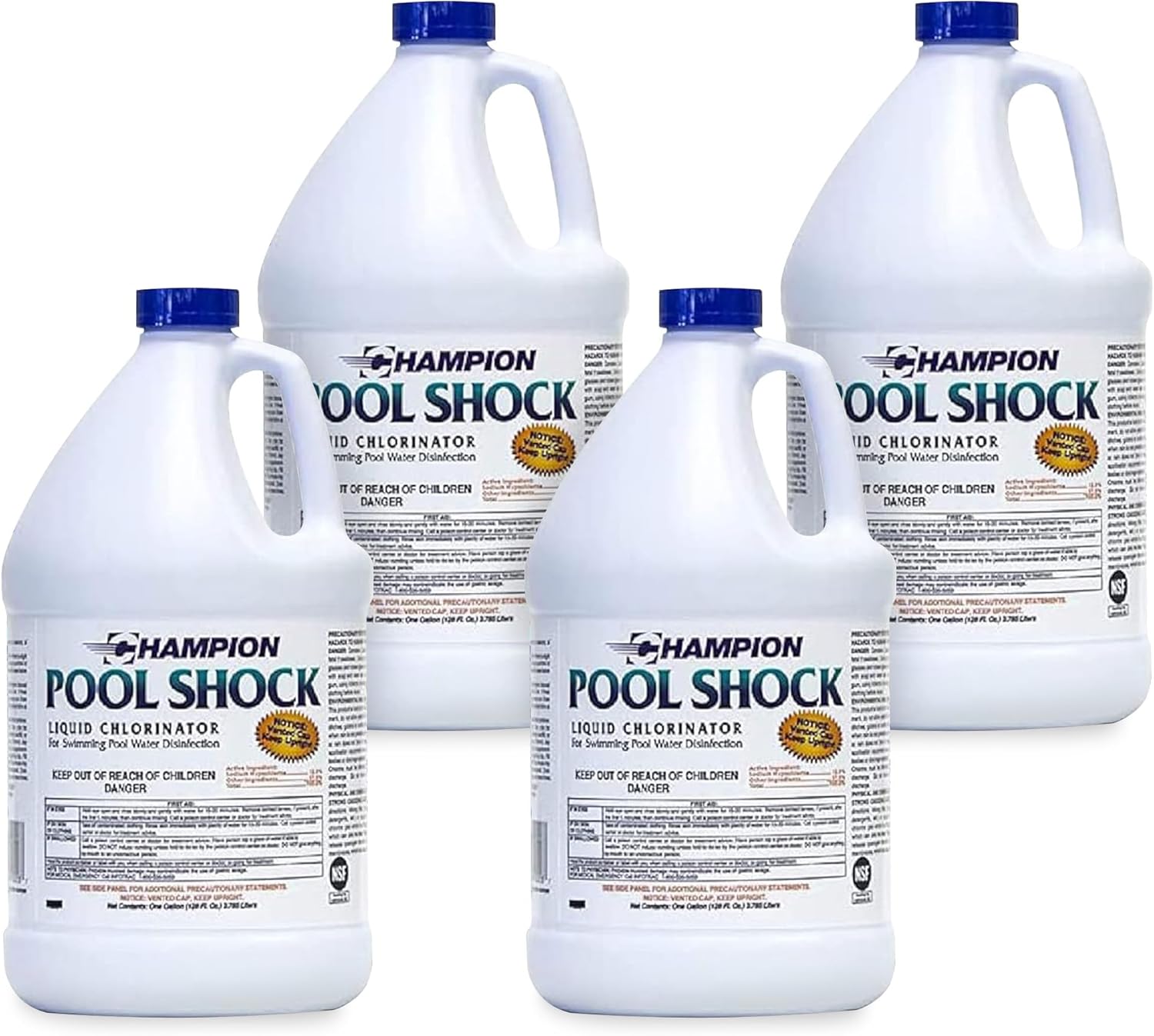
Champion Pool Shock (4 Pack)
What it is: A case of liquid pool chlorine (sodium hypochlorite)—not cal-hypo granules. Confirm strength on the listing and jug label (often around 10–12.5%).
Why you need it: Same upside as other liquid shock: no CYA from the product, easy to pour with the pump running—useful to keep stocked for openings, algae pushes, storms, or parties.
How to use: Treat it like any liquid shock (pour with circulation; big doses still work best at dusk). Store cool and shaded; opened jugs lose strength over time—plan to use them within a few weeks.
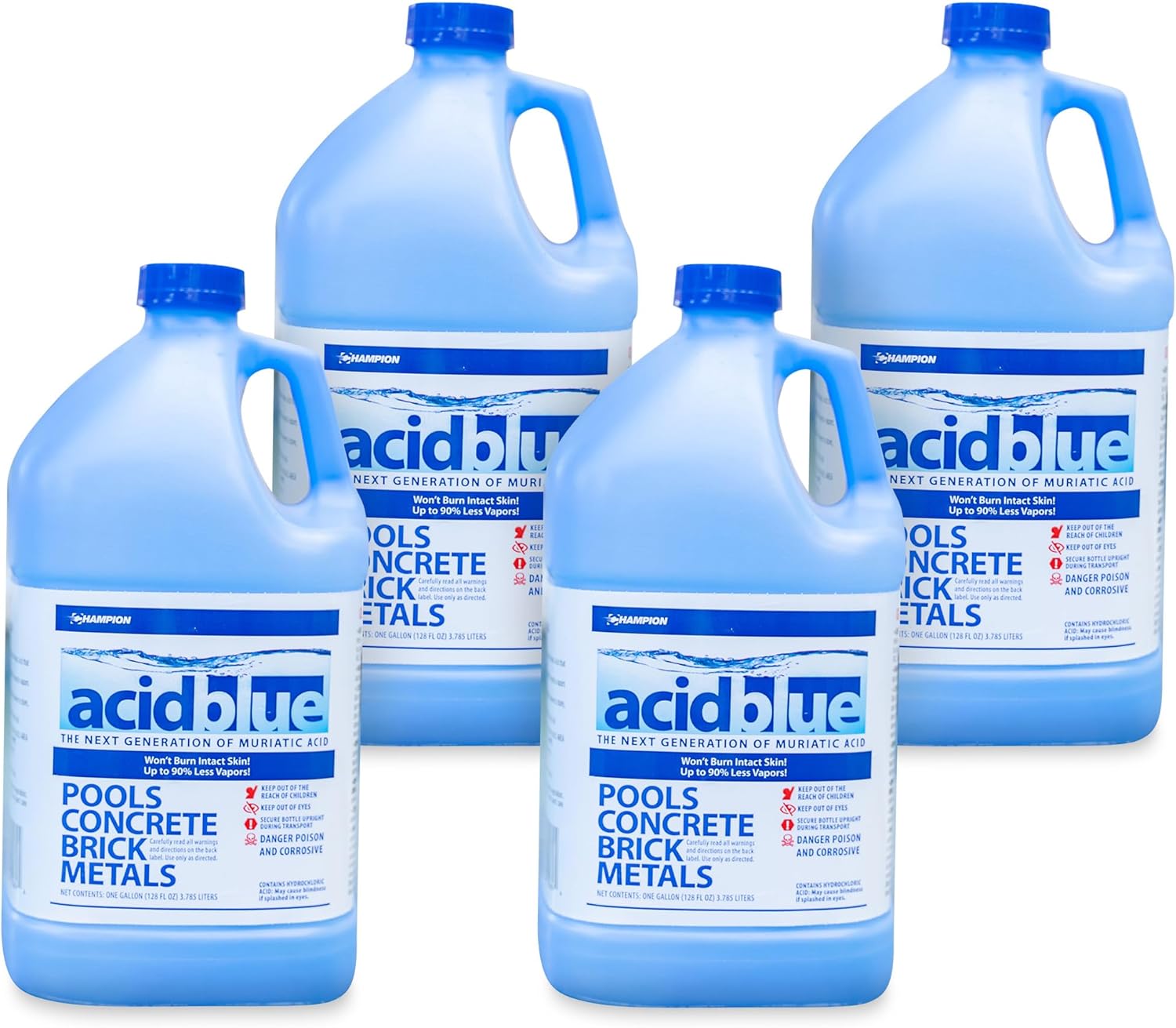
Champion Muriatic Acid
What it is: Dilute hydrochloric acid—standard for lowering pH and, with the right method, total alkalinity.
Why you need it: High pH destroys chlorine efficiency. Always follow the label; never mix acid with chlorine.
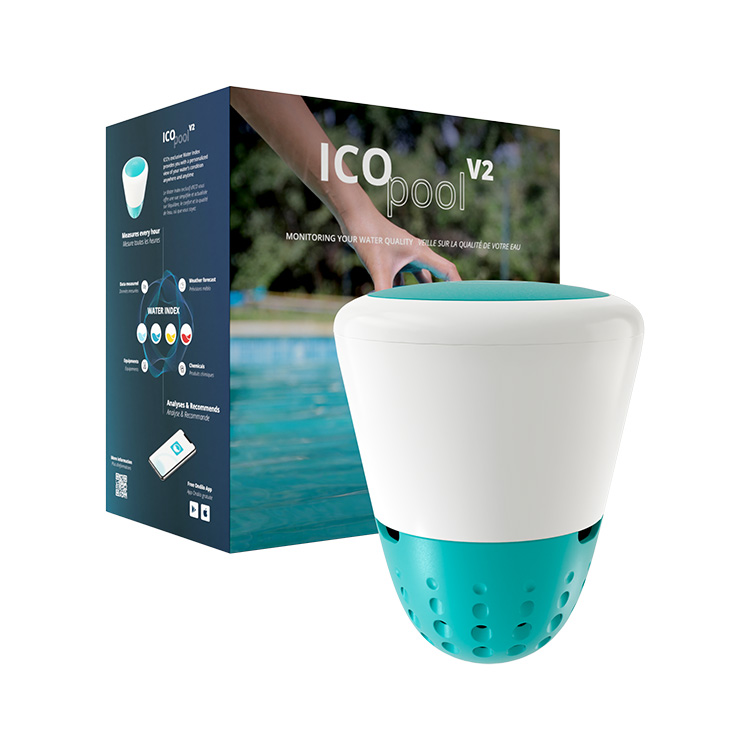
Ondilo ICO Pool Water Monitor
What it is: A floating smart monitor that samples pH, ORP (sanitizer effectiveness), and temperature on a schedule and sends trends to your phone.
Why you need it: You still need a real drop kit for parameters the ICO doesn’t replace (like TA and CYA), but hourly ORP/pH catches drift and dosing mistakes long before weekly strip checks do.
Read the full ICO review — Shop ICO direct (no Amazon listing for the hardware we run).
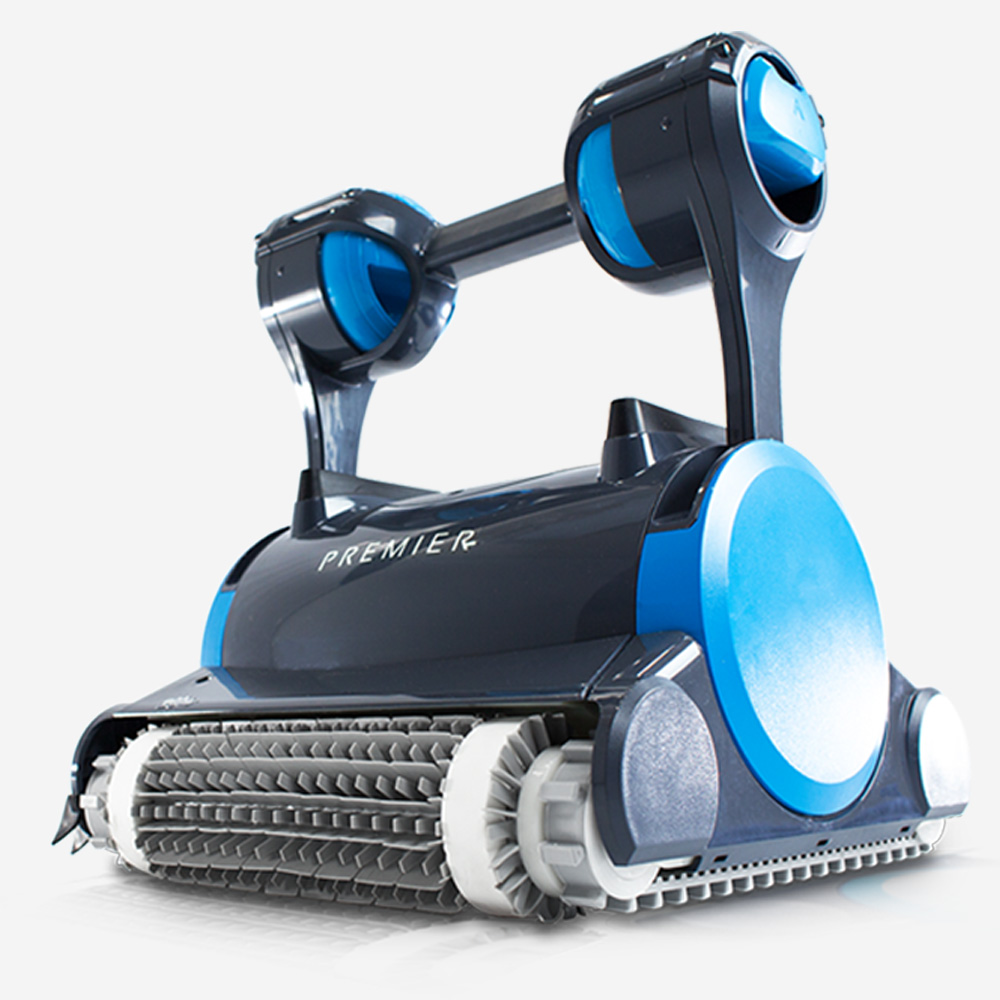
Dolphin Premier
What it is: A corded robotic cleaner with dual scrubbing brushes and strong filtration—built to pull debris and biofilm off surfaces so your sanitizer is not fighting mulch and leaves first.
Why you need it: Shock oxidizes what is in the water—leaves, pollen, and biofilm burn sanitizer too. A strong robot pulls debris off surfaces and into the filter so your chlorine works on algae and organics, not mulch. See the Dolphin Premier review for why it is our test-pool scrubber of choice.
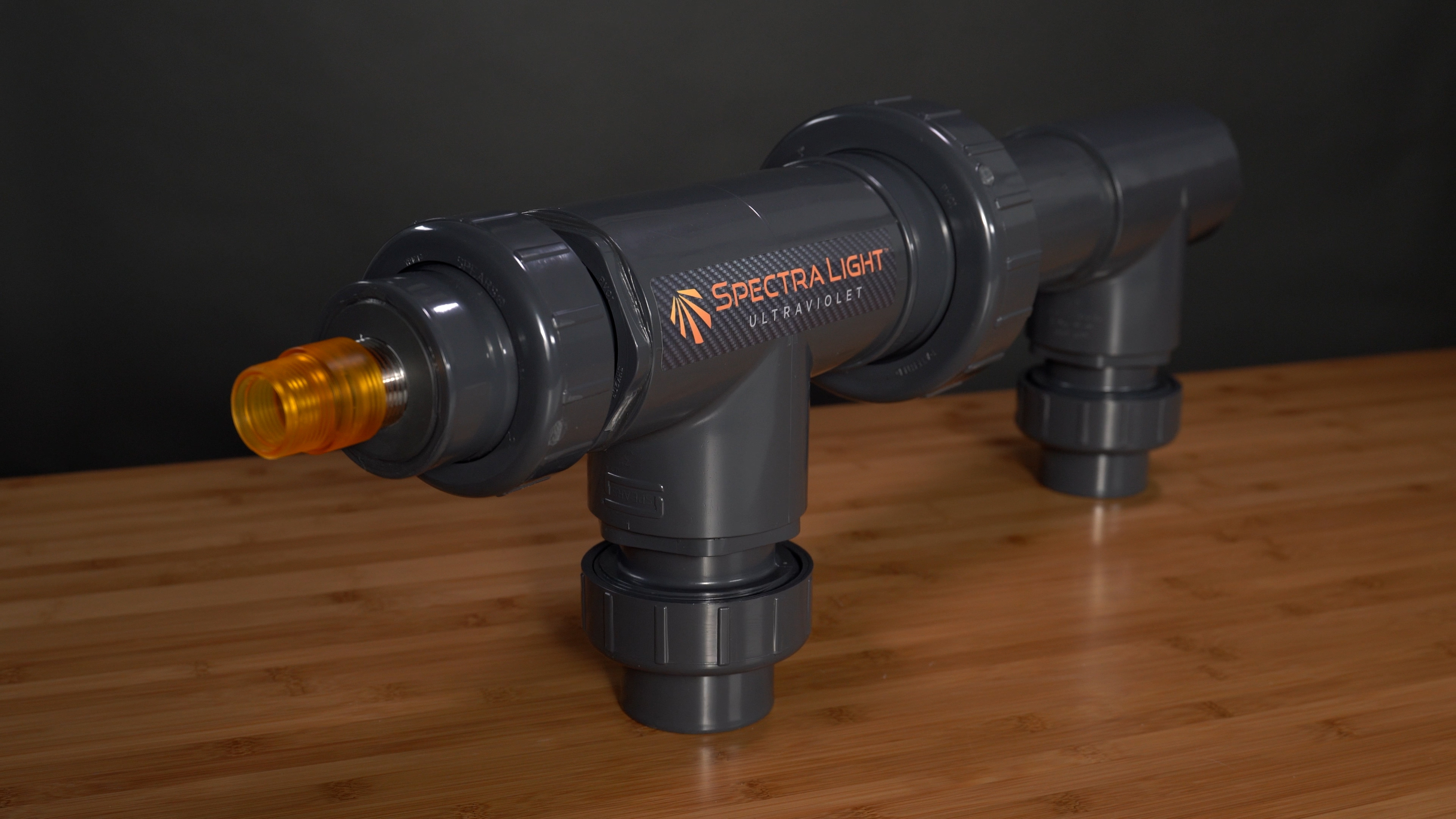
SpectraLight UV
What it is: Inline UV-C on the return line—knocks down pathogens and helps with chloramines as water passes the lamp.
Why you need it: Cleaner water with less organic load means you reach for shock less often while staying comfortable. Read the full SpectraLight review for sizing and install notes.
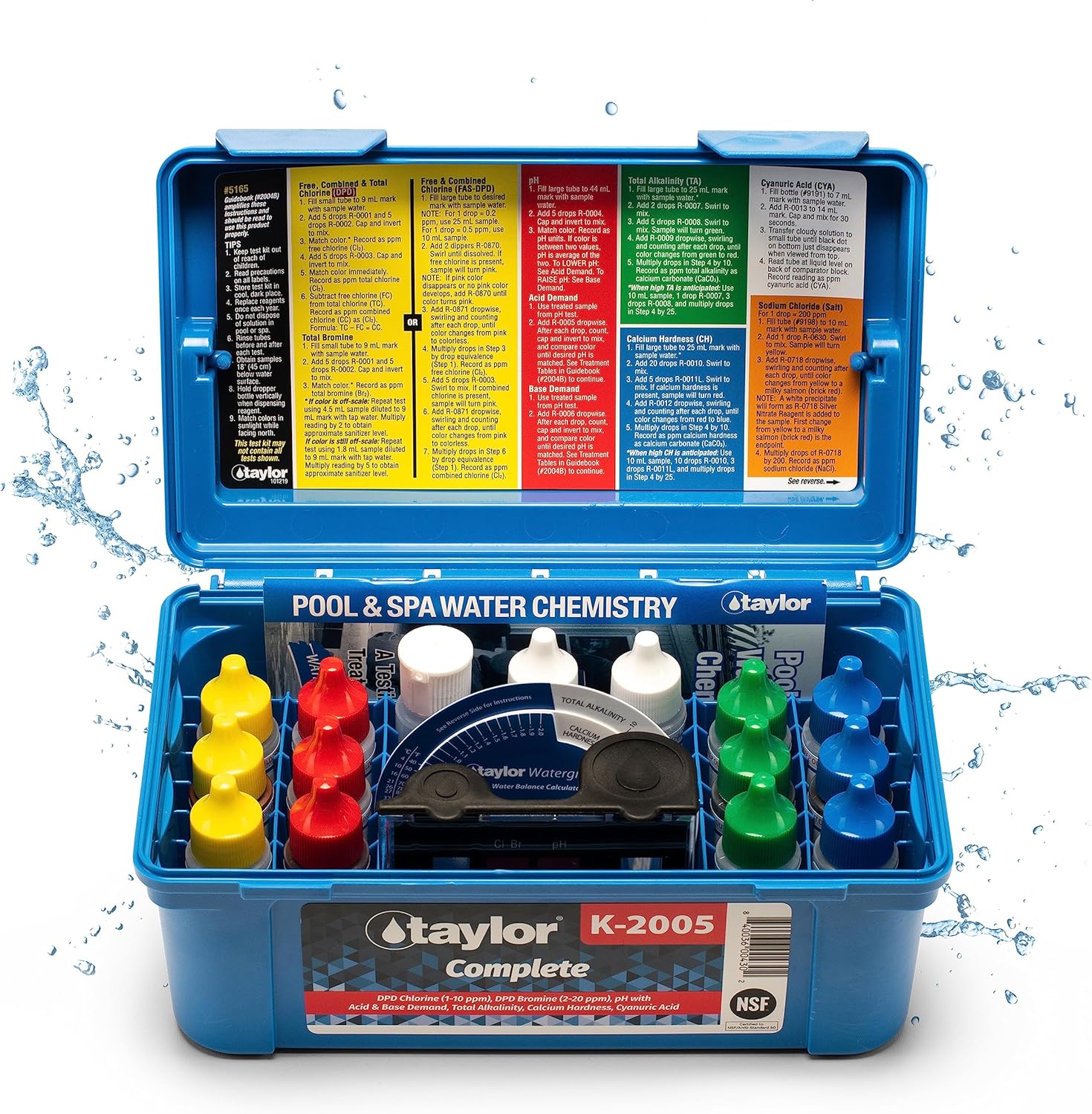
Taylor K-2005 Test Kit
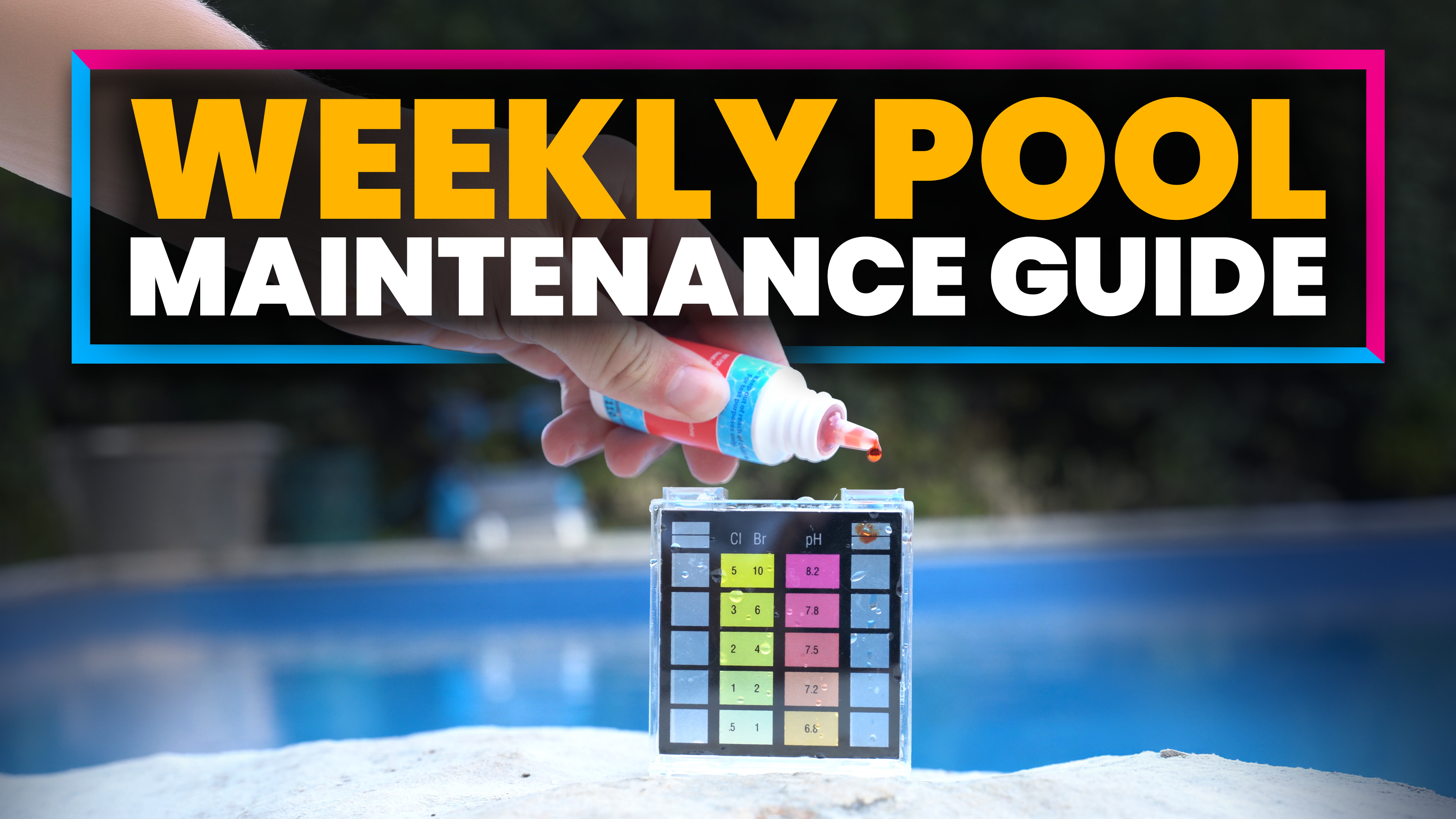
What it is: A professional drop (titration) kit for chlorine, pH, alkalinity, calcium hardness, and cyanuric acid.
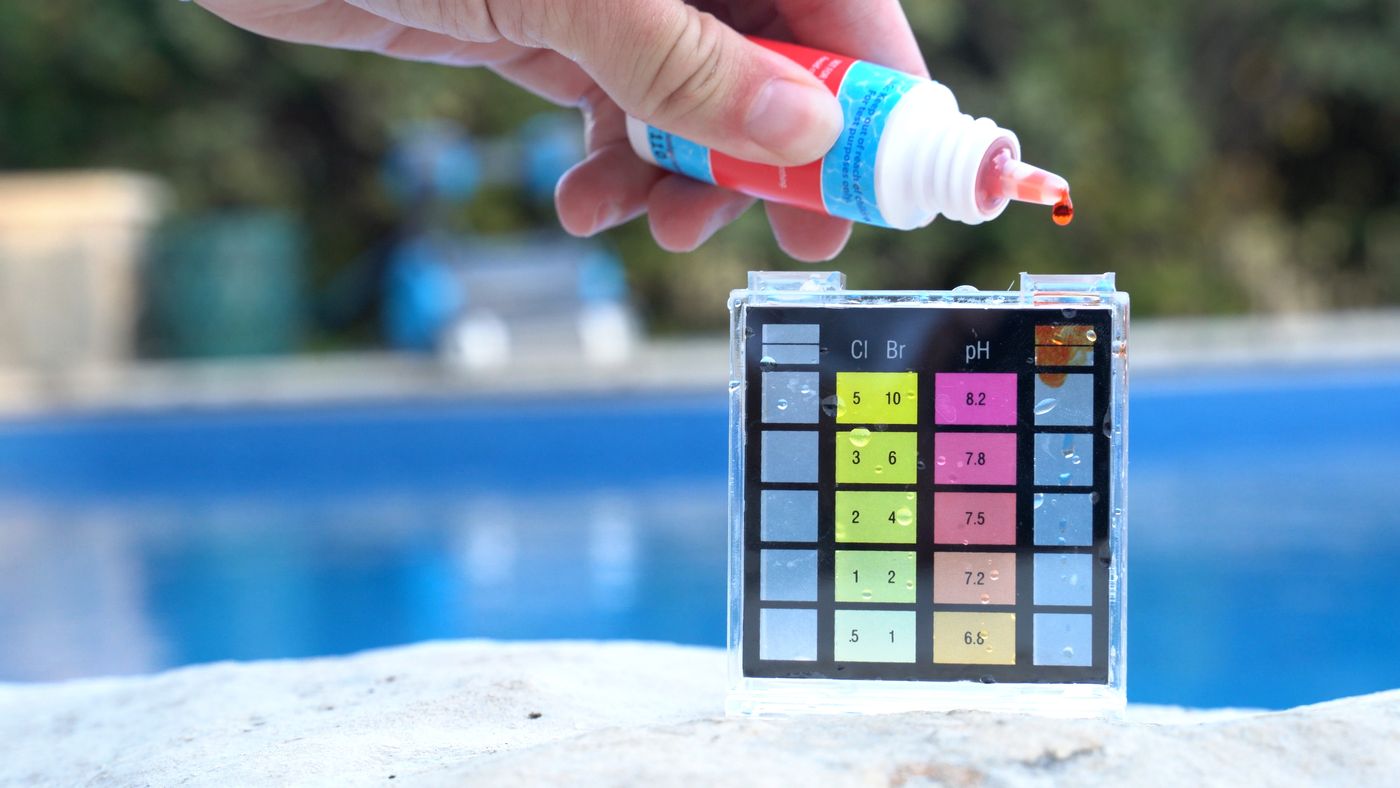
Why you need it: You can’t SLAM or balance blind—especially CYA, which handcuffs chlorine. This kit gives numbers you can trust, not strip guesswork.
What You Need
Before we get into how to cut your costs by over 70%, let's start with exactly what you need to make this work. Keep it simple — the what you need checklist above has quick shop links, and here's the full rundown of why each one earns its place.
Liquid Chlorine
Your primary sanitizer. It's the most effective, predictable, and cost-efficient way to keep your pool clean when your chemistry is dialed in — and it adds zero CYA, so it never locks itself up over time.
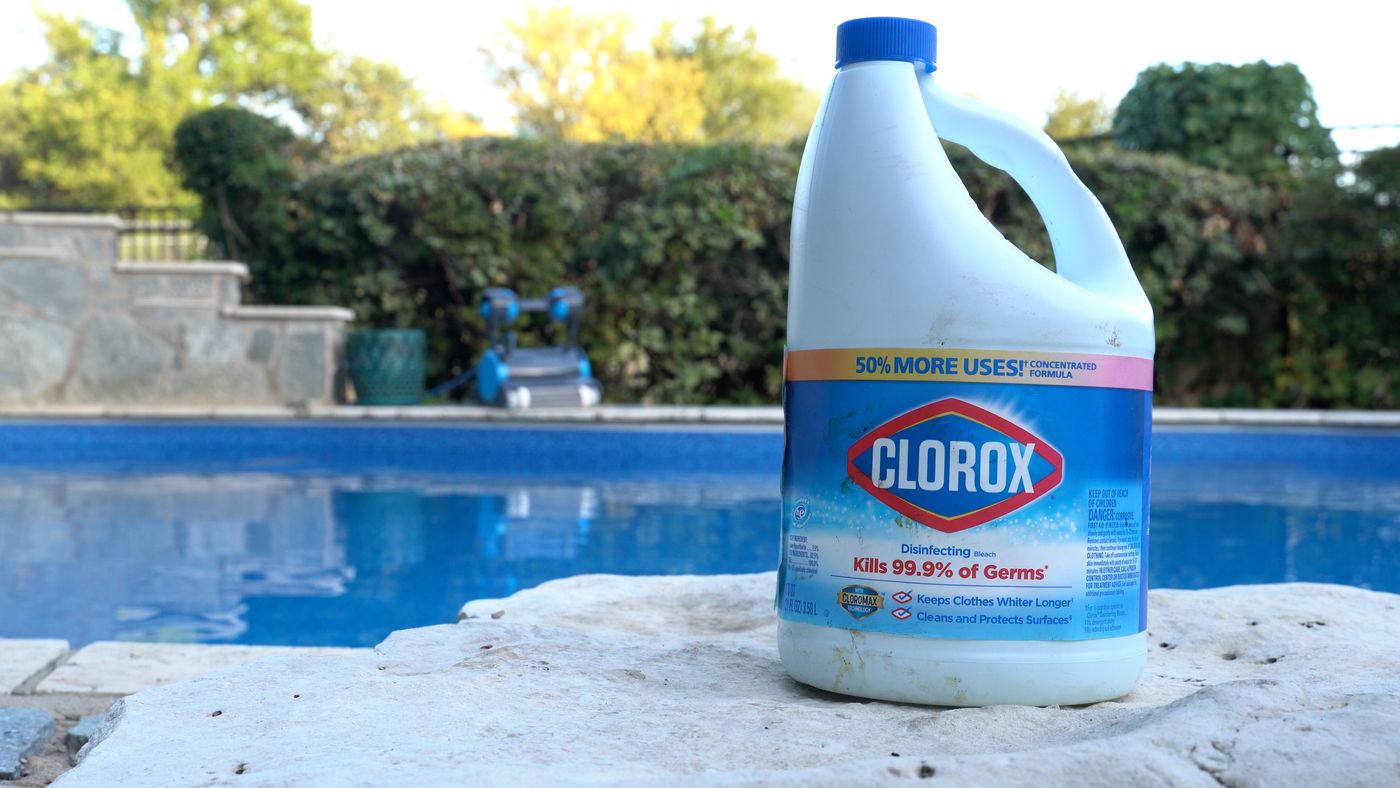
Muriatic Acid
This is how you control your pH — which is the single most important factor in making your chlorine actually work. It's cheap, and it's the highest-impact change on this entire list.
A Reliable Way to Test Your Water
Ideally a smart monitor like the ICO, or at minimum a good test kit. You need to know what your water is doing, not guess. If you want to compare options first, I rank them all in my guide to the best pool water monitors.
A Corded Robotic Pool Cleaner
Not required — but this is what removes debris so your chemicals don't have to work overtime. It's one of the biggest cost savers long-term. See my picks in the best robotic pool cleaners guide.
Pool Brush + Skimmer Net
Basic tools for manual cleanup when needed — especially after storms or heavy debris.
Optional, but it helps a lot:
- Liquid chlorine injection system — automates small, consistent dosing so your chlorine stays stable without spikes and crashes.
- Ultraviolet light system — not a must-have, but it can reduce chemical demand by 20–50% and even cut down on chlorine byproducts, like that chlorine smell everyone hates.
You can find all of this and more at ThePoolNerd.com/Deals.
Where Pool Owners Burn Money
Most pool owners aren't spending too much money because their pool is big. They're spending too much because their pool is being maintained wrong.
Here are the four things I see all the time:
- Weekly shocking — $20 to $50 every single week. Completely unnecessary for a properly maintained pool.
- High pH — this one is massive. When your pH is too high, your chlorine barely works. So what do most pool owners do? Dump in more chlorine. And more. And more. It's a money pit.
- Bad filtration — if you're not pulling debris out of the water efficiently, your chemicals are working overtime, fighting a losing battle against organic matter, sunscreen, and bacteria instead of just keeping your water sanitized.
- Pool store dependency — you go in for a "free test" and walk out $80 lighter every single time. That's not an accident. That's the business model.
That was me too. And when I figured it out, everything changed.
The Pool Store Game
The pool store business model is not built around helping you spend less. I say that without drama — it's just true. Their revenue depends on you buying chemicals, and the most effective way to keep you buying is to set up your water chemistry so those chemicals are less effective. You'll be back next week. Once you understand the game, you stop playing it.Change #1: Lower Your pH
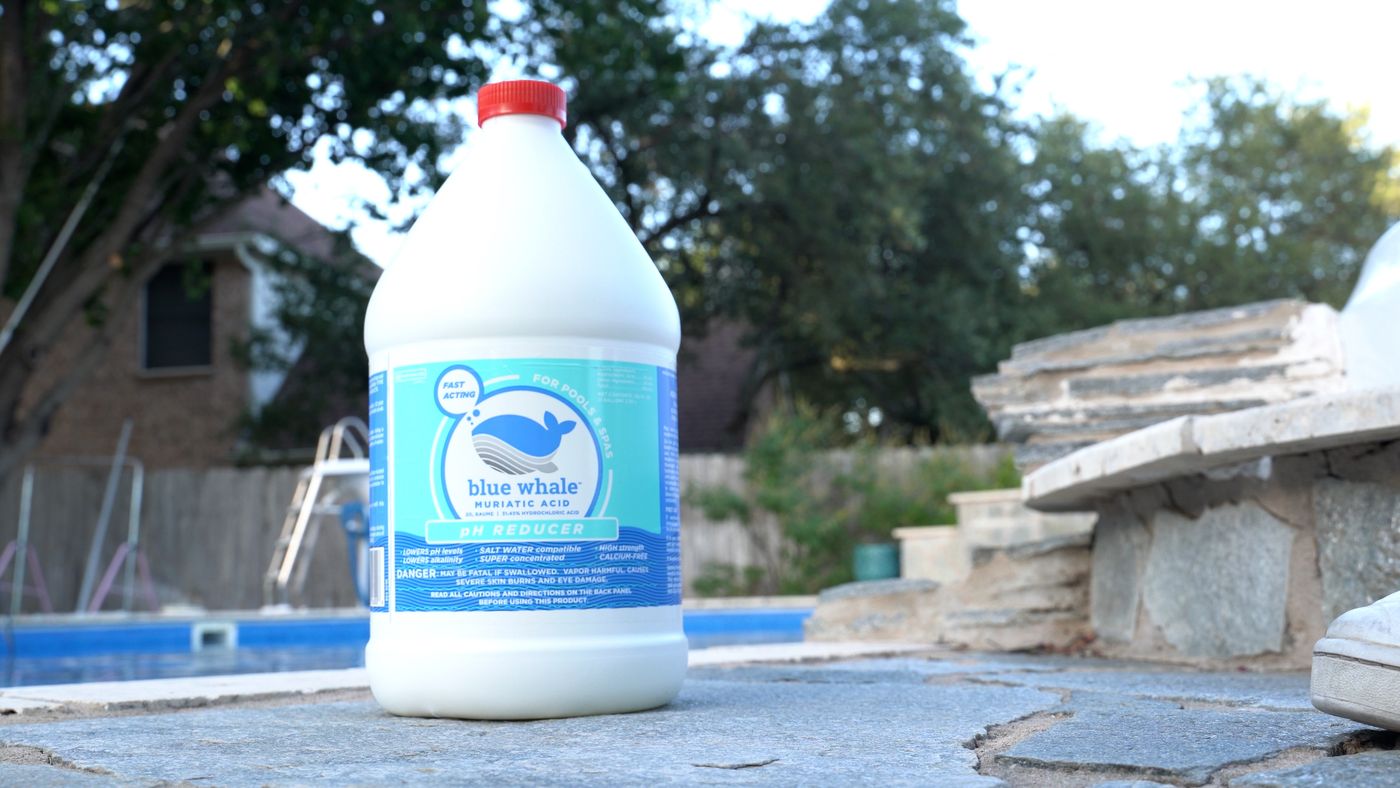
If you take nothing else from this article, take this: your chlorine isn't weak — your pH is probably too high.
The pool industry and most pool stores will tell you to keep your pH between 7.4 and 7.8. Here's the thing — that range is convenient for them because it makes your chlorine less effective, which means you use more of it, which means you spend more money.
What I target:
- 7.0–7.2 for fiberglass and vinyl liner pools
- 7.2–7.4 for gunite and plaster pools
At those ranges, chlorine is dramatically more effective. I'm using a fraction of what I used to — and the water looks better, not worse.
Here's the chemistry in plain English: chlorine exists in your water in two forms — hypochlorous acid (HOCl), the active sanitizing form, and hypochlorite ion, which is basically useless. The higher your pH, the more chlorine shifts into the useless form. At a pH of 7.6, about half your chlorine is just sitting there doing nothing. At 7.0, the vast majority is in the active form. So when your pH is too high, you're paying for chlorine that isn't working — every single time.
Need a hand getting there? Follow my full guide on how to lower pool pH, and run the numbers through my pool chemistry calculator so you don't overshoot.
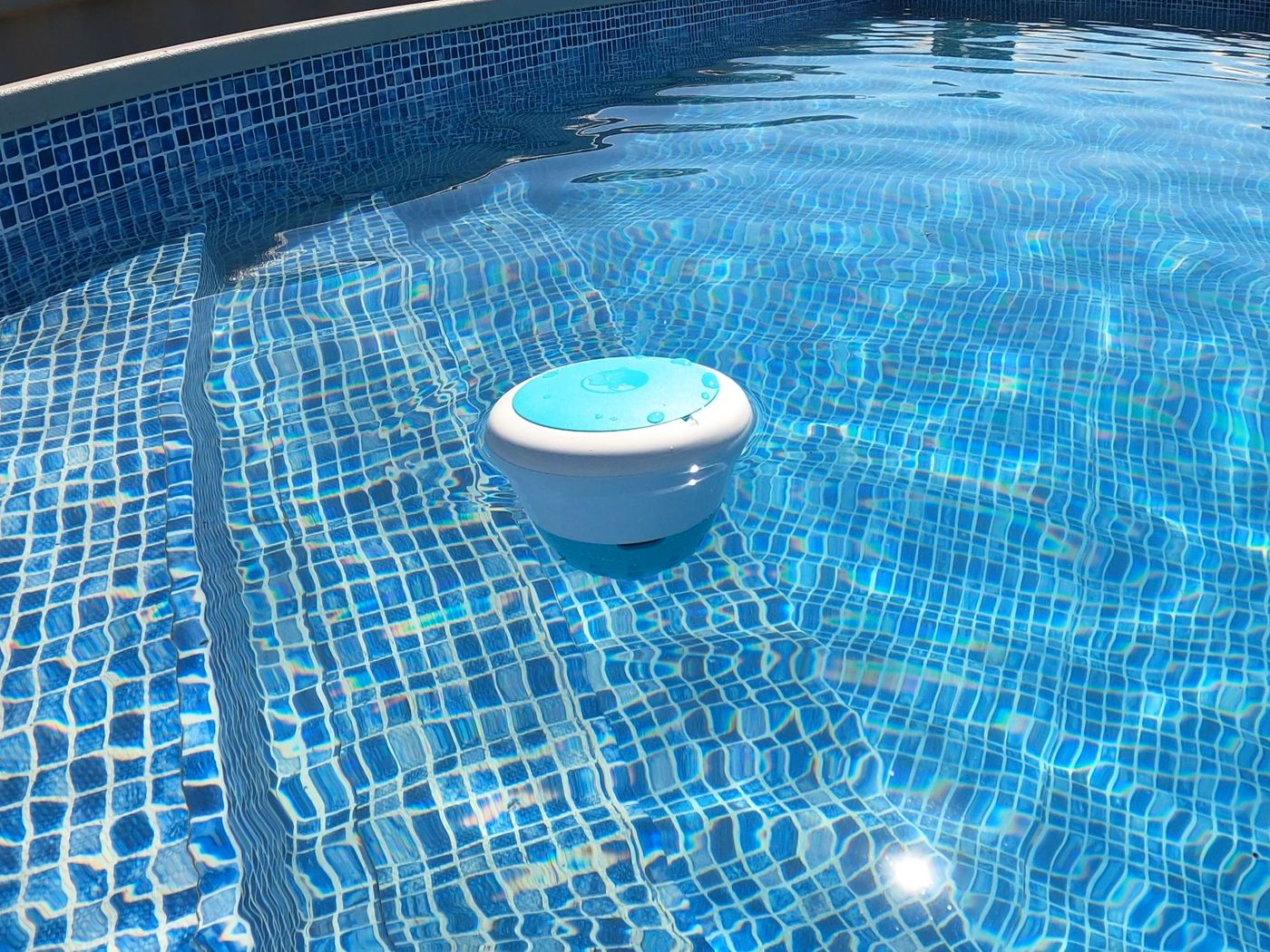
To know that my pH and chlorine are doing their job at all times, I use the ICO Smart Monitor. It sits in the water 24/7 measuring ORP, pH, temperature, and more, and sends everything straight to my phone. Here's why that matters: ORP — Oxidation-Reduction Potential — tells you how effectively your sanitizer is actually working, not just how much chlorine is in the water. You could have 3 ppm of chlorine and still have weak sanitization if your pH is too high. The ICO caught that for me. It's the reason I stopped guessing and started knowing. Check it out at mysmartpool.com. And if you don't want a smart monitor, you can pick up a handheld pool water monitor for around $50–$80.
Change #2: Stop Shocking Weekly
If you're shocking your pool every week, you're not maintaining it — you're rescuing it.
Shocking is for specific situations: after a big party, after a storm drops a bunch of debris in the water, or when you can actually see or smell a problem. Not on a weekly schedule by default.
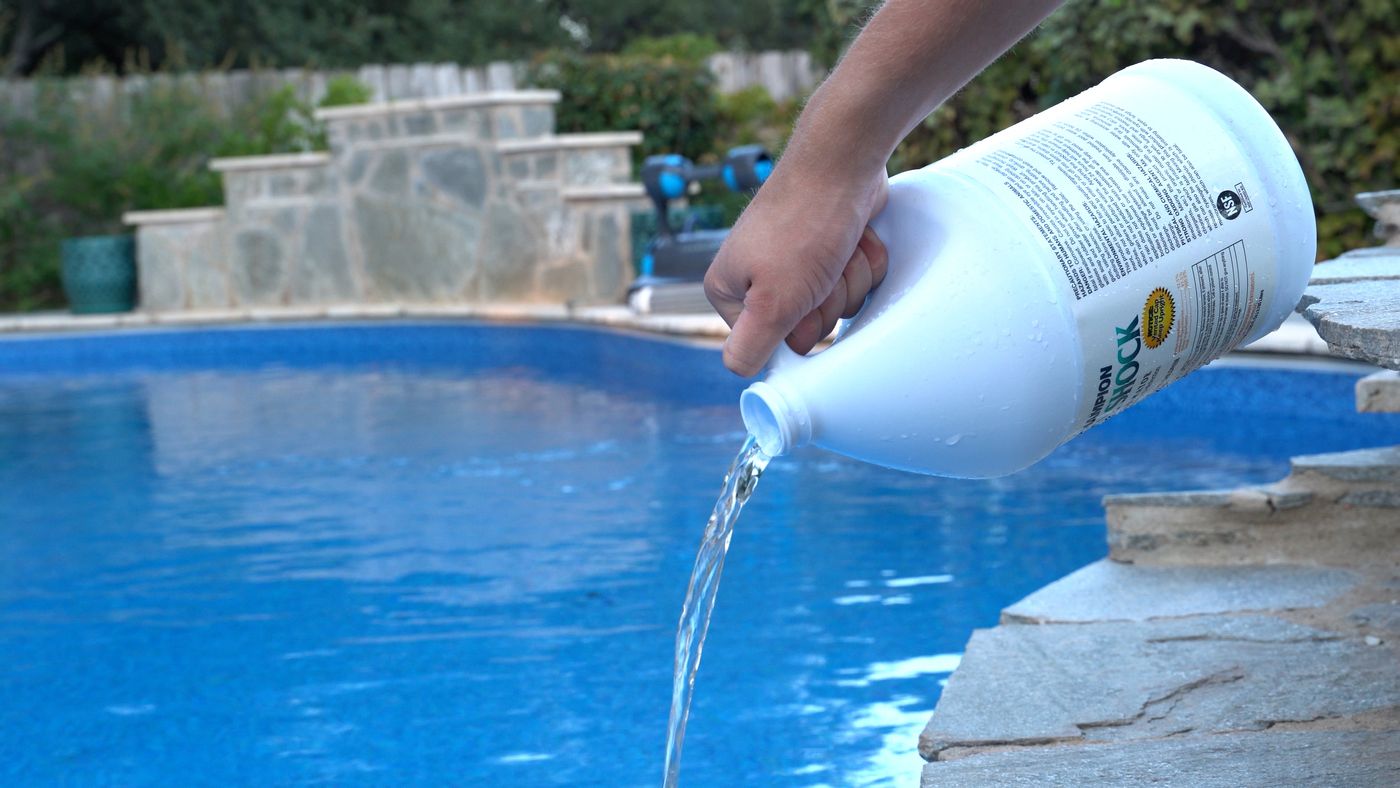
When your pH is dialed in and your chlorine is actually working, you don't need to shock constantly. This alone cut hundreds of dollars off my annual cost. If you do need to shock, my pool shock calculator gives you the exact dose so you're not over-pouring.
Change #3: Upgrade Your Filtration
This is where the pool robot comes in — and it's a big one. If your pool is physically clean, your chemicals don't have to fight as hard.
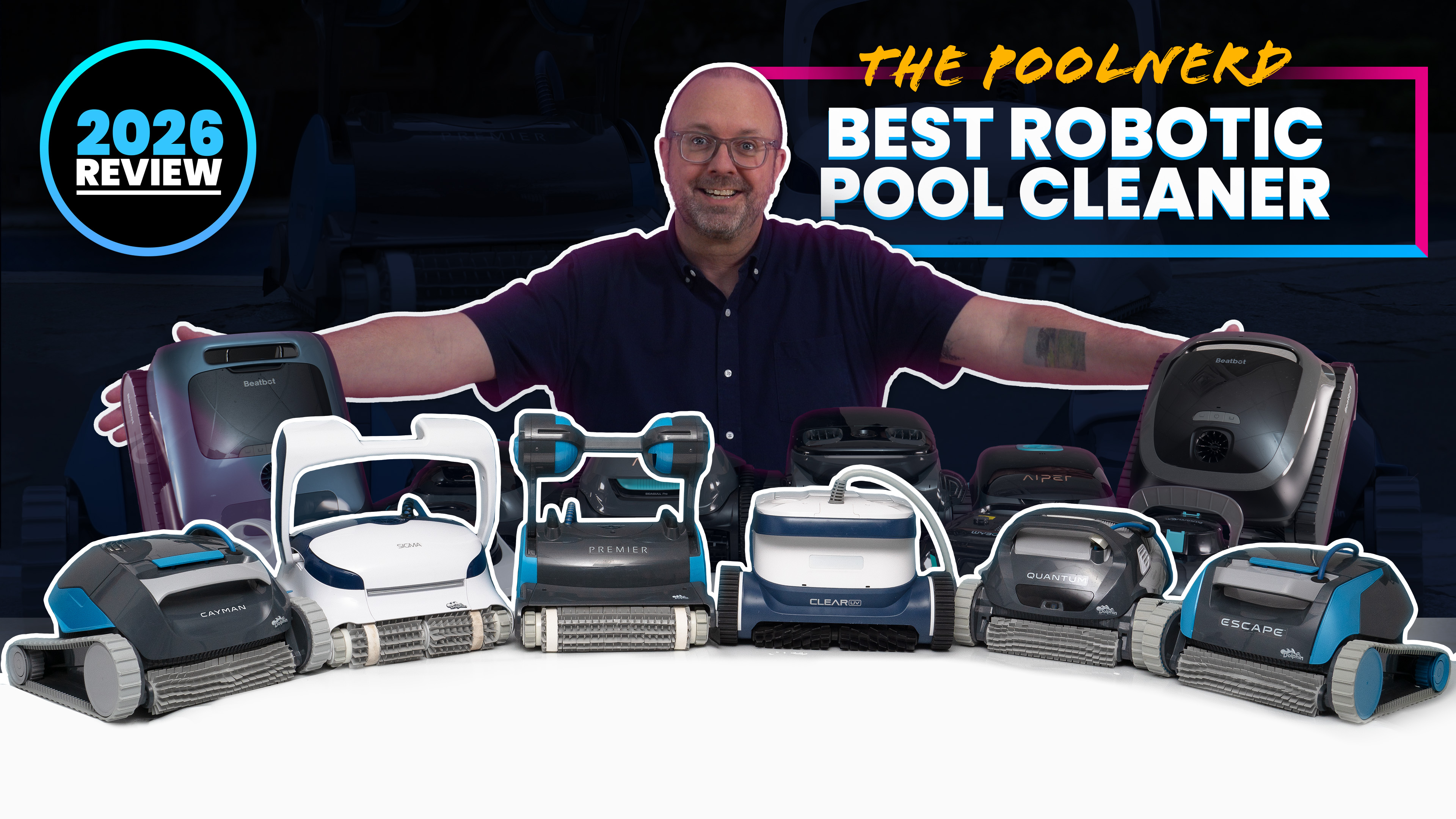
I've tested a lot of pool robots, and in my experience the difference between a mediocre robot and a great one isn't just about clean floors — it's about how fine a filter it runs. A robot with nano or ultra-fine filtration pulls out the microscopic particles your pool's main filter misses. Less organic matter in the water means less chlorine demand, and that directly translates to lower chemical costs.

My top recommendations right now are the Dolphin Premier, the Dolphin ProLine and Max-Series, or a Clear UV/Clear S model. All of them are corded, which is what you want. A corded robot runs on a weekly timer — set it once, it runs automatically, and you never think about it again. The Clear UV even has ultraviolet light that helps keep your pool clean with the same technology commercial pools use.
Cordless robots — and I've tested a lot of those too — require you to fish them out, charge them, and toss them back in every single day. That's not automation. That's a new chore. The whole point of a robot is to eliminate work, not create it. That's why corded beats cordless every time for a low-maintenance pool. Links to my top picks are in the best corded robotic pool cleaners guide.
Change #4: Dose Consistently
Consistency beats correction.
Most pool owners dose chemicals in big weekend dumps — a pound of this, a bag of that. Your chlorine spikes, then crashes, then you dump in more, then it crashes again. That's expensive, and it's hard on your water.
How do you fix it? Liquid chlorine injection. It adds small amounts of chlorine to your pool daily, maintaining a stable level instead of a roller coaster. Combined with a properly calibrated pH and a robot keeping the physical debris load down, this is the foundation of a low-cost pool.
If you want to automate it, head to my deals page for the liquid chlorine injection setups I recommend.
The UV Advantage
Before I wrap up, there's one more thing I run in my pool that makes everything above work even better: UV. And again — this isn't replacing chlorine, and it's not some magic fix. It's just another layer that helps your system stay stable.
Here's the reality. Your chlorine is constantly getting used up fighting everything in your pool — debris, organics, sunscreen, all of it. When that demand is high, you end up using more chlorine, more shock, more everything. That's where UV helps.
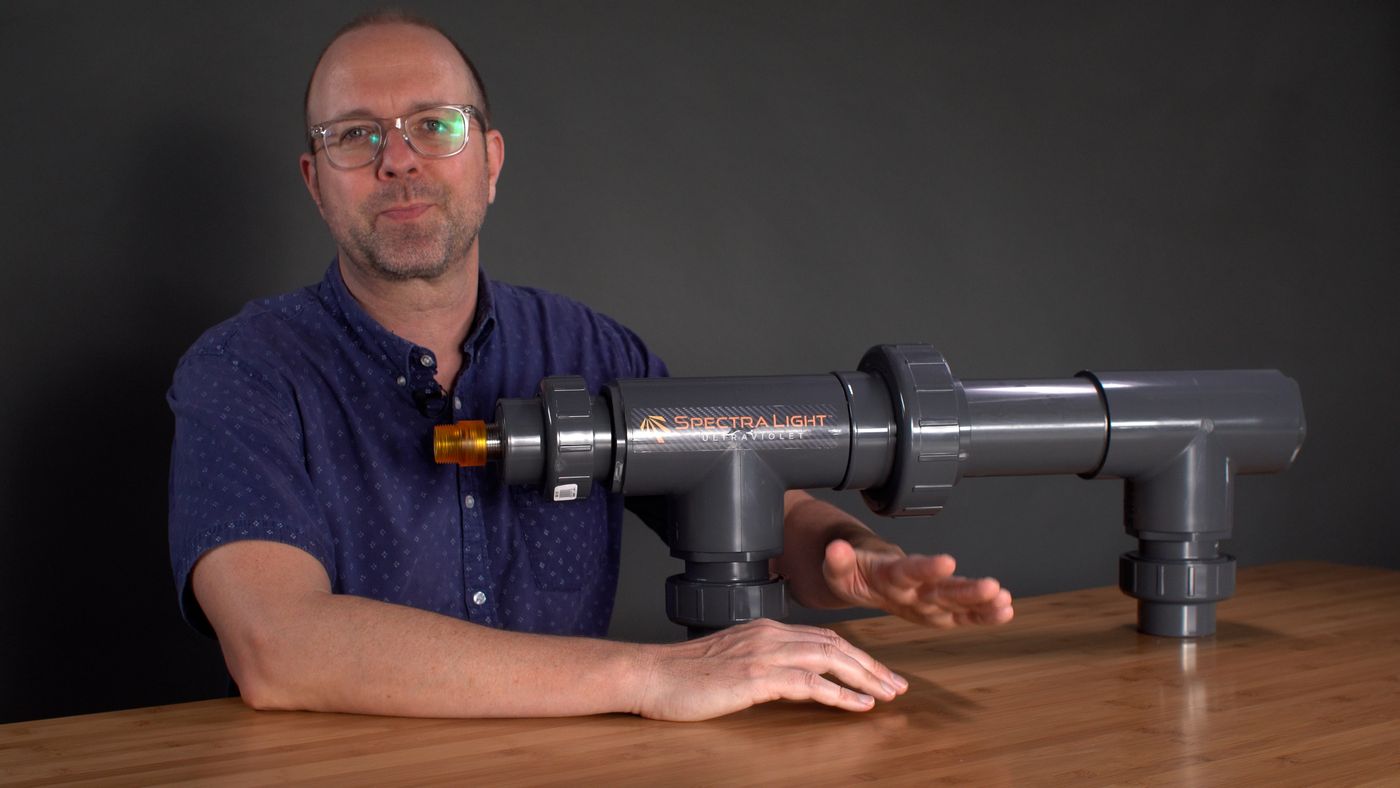
I run a SpectraLight unit in our test pool. As water circulates, it passes through the UV chamber as part of the normal flow — you're not adding chemicals, you're just reducing the load on your sanitizer. Studies on UV systems in pools and water treatment have shown they can reduce chlorine demand anywhere from about 20% to 50%, depending on conditions like bather load, sunlight, and overall water quality. That lines up closely with what I've seen: my chlorine holds longer, my pool stays more stable, and I'm not constantly correcting things.
It's not the reason I cut my costs — the pH, consistency, and filtration did that. But it helps everything stay dialed in. Less fluctuation. Less waste. Less chasing your water.
Before & After: My Pool Budget
Let me show you what the before and after actually looks like.
| Category | Before | After |
|---|---|---|
| Shock | ~$800/year | ~$100/year (occasional) |
| Chlorine | ~$400/year | $250–$300/year |
| Acid | — | ~$100/year |
| Other chemicals | ~$300/year | $0 |
| Total | ~$1,500/year | ~$400–$500/year |
This may vary depending on your pool size, weather, and more, but it's a solid general guide for just how much you can save by staying on top of your maintenance. Same pool. Cleaner water. Less work.
And I want to be clear — I didn't get here by buying cheaper products or skipping maintenance. I got here by doing things smarter: lower pH, consistent dosing, real-time monitoring with the ICO, and a robot that keeps my pool clean so my chemicals don't have to overwork.
How To Do This Yourself
Here's how to replicate this. Dead simple:
Step 1: Lower your pH first. Muriatic acid is cheap. Get your pH into the right range for your pool type. This is the single highest-impact change you can make. Stop listening to the pool store on this one.
Step 2: Get a way to actually monitor what's happening. Stop relying on weekly strip tests. The ICO is what I use and recommend — it gives you continuous ORP and pH readings so you know your chemistry is dialed in constantly, not just once a week. Find it at mysmartpool.com.
Step 3: Upgrade your filtration. Get a quality corded robotic cleaner that runs automatically and filters fine particles. The Dolphin lineup is what I trust — Premier, Sigma, Quantum, Escape, or Cayman depending on your pool size and budget.
Step 4: Stop the weekly shock. Shock reactively, not on a calendar. When you actually have a problem — after a storm, a big swim party, or visible issues. Not by default every Saturday morning.
Frequently Asked Questions
Do you really only use two chemicals?
For day-to-day maintenance, yes — liquid chlorine and muriatic acid. Occasionally I'll add a stabilizer (CYA) if it tests low or shock after a heavy event, but I've ditched algaecides, clarifiers, and weekly shock entirely.
Why is lowering pH the biggest money saver?
Because chlorine's killing power is tied to pH. At a high pH, half or more of your chlorine is in a useless form, so you pour in more to compensate. Drop your pH into range and the chlorine you already have suddenly works — so you buy far less of it.
What's ORP and why does it matter?
ORP (Oxidation-Reduction Potential) measures how effectively your sanitizer is actually working, not just how much chlorine is present. You can have 3 ppm of chlorine and still have weak sanitization if your pH is off. ORP tells you the truth — aim for 650–700 mV.
Do I need the robot and UV to save money?
No. The pH, consistent dosing, and monitoring do the heavy lifting. The robot and UV are accelerators — they lower your chlorine demand even further, so they pay for themselves over time, but you'll see big savings without them.
Final Verdict
So what's my final verdict? Work smarter, not harder.
The pool industry benefits when you use more chemicals, when you don't know what your water is actually doing, and when your filtration is bad enough that your chemicals are always playing catch-up.
Lower your pH. Monitor your ORP. Run a robot that keeps the physical side clean. Dose consistently instead of in panic-spikes. That's it — that's the whole strategy. My pool is cleaner right now than it ever was when I was spending $1,500 a year, and in my experience this is the most impactful thing most pool owners could do. It has nothing to do with buying more stuff.
If you want to keep nerding out over your pool, head over to ThePoolNerd.com/deals for everything I personally use and recommend — the ICO, SpectraLight UV, corded robotic cleaners, and more. Until next time, enjoy your pool.