
 Justin D.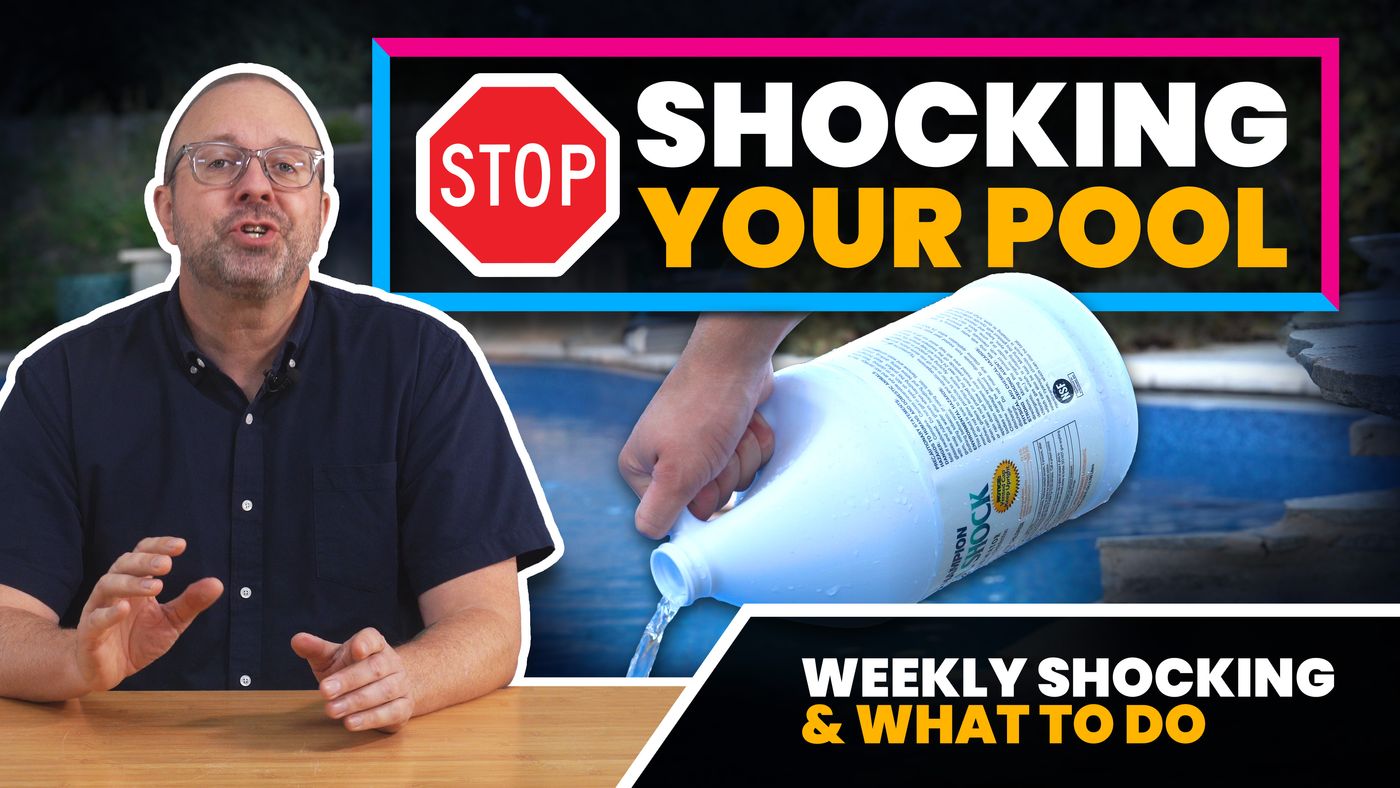
Stop Shocking Your Pool — Do This Instead
If you're shocking your pool every week… you're doing it wrong.
And the pool industry? They love that you don't know this.
Here's the thing: if your pool actually needed shock every single week… something is wrong. You're not maintaining your pool. You're rescuing it. Over and over again.
Hey there, I'm Justin, your resident pool aficionado. And today I'm going to show you why weekly shocking is one of the most expensive habits in pool ownership — and what to do instead. This is the stuff the pool store will never tell you, because if they did, you'd stop buying their products.
Shock Is a Tool, Not a Routine
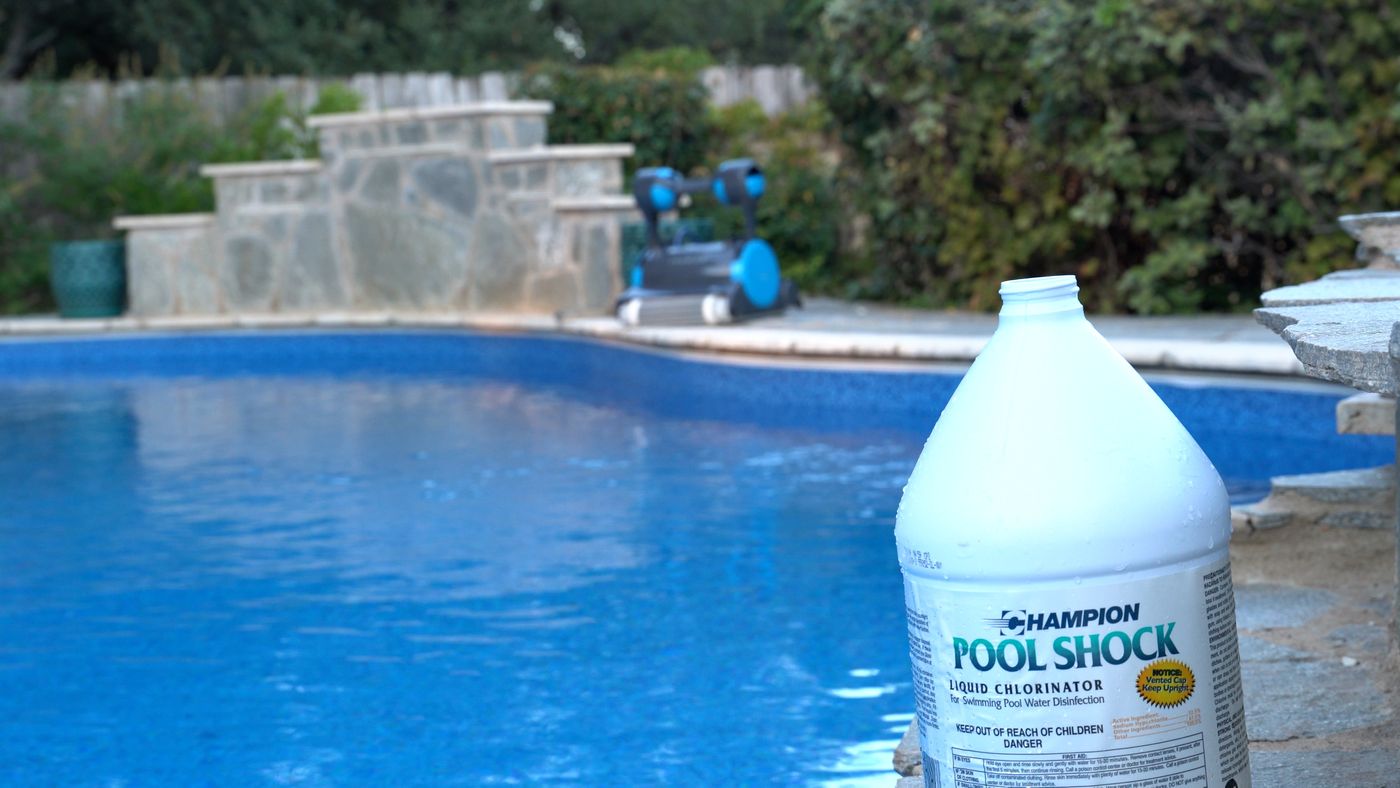
Let's get real. Pool shock — whether it's liquid chlorine, cal-hypo, or di-chlor — is designed for one specific purpose: emergency oxidation. It's meant to wipe out algae, destroy combined chlorine, and recover a pool that's been through a beating.
What it is not meant for is your Tuesday routine.
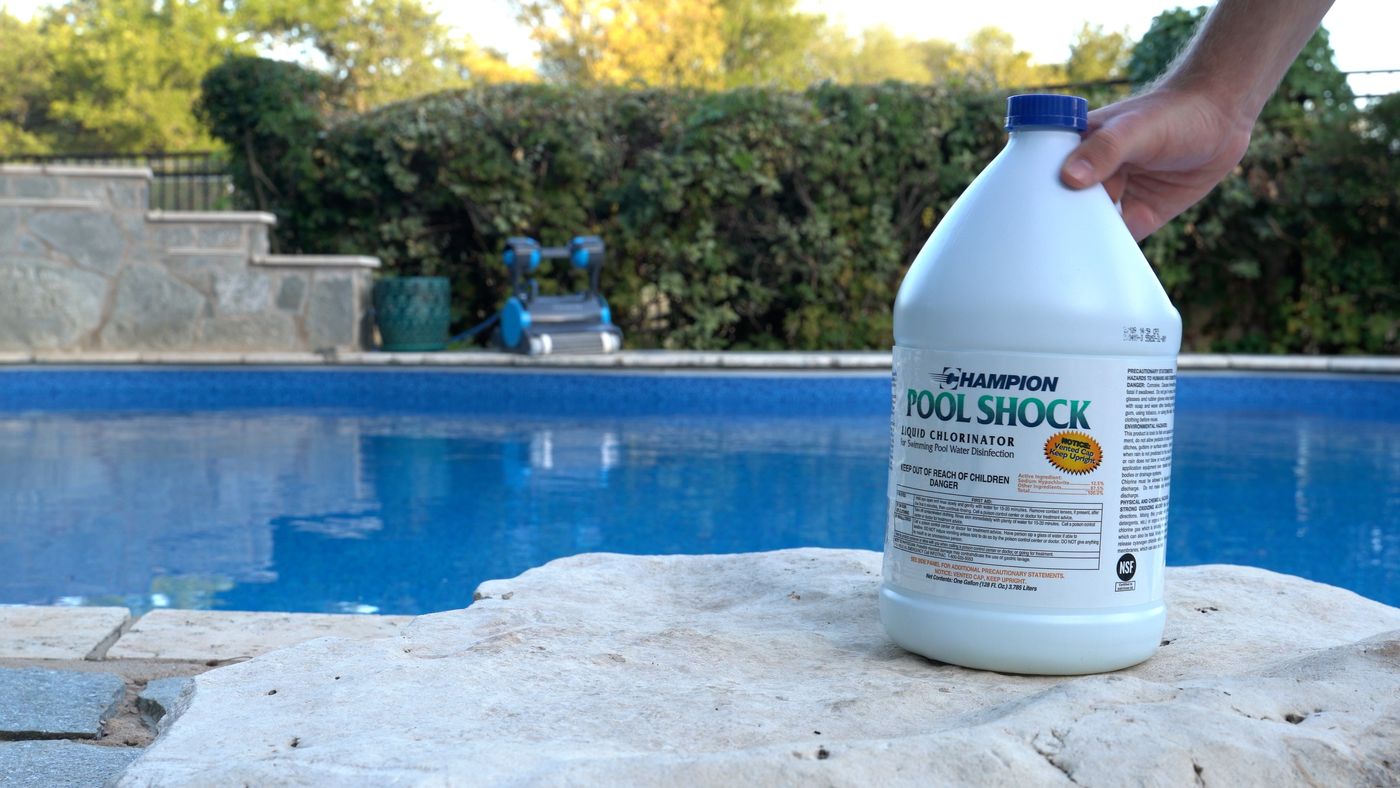
Here's the kicker: if you need to shock weekly, your pool has a chemistry problem that shock is just temporarily patching over. Every week you shock, the real issue is still sitting there. Waiting.
Why Weekly Shocking Is Costing You
Let's talk money first, because the numbers are ugly.
If you're throwing down a bag or two of granular shock every week, you're looking at $20 to $50 a pop. Run that out over a pool season and you've easily spent $500 to $1,000+ on shock alone. That's not maintenance — that's a chemical dependency.
And the worst part? In my experience, that money is doing almost nothing for water quality. It's giving you a temporary spike and a false sense of control. Your chlorine looks great on Monday. By Thursday, the same problems are back.
That's because you're treating symptoms instead of causes.
The Real Problem (And It's Not What You Think)
Most pools that "need" weekly shock have one or more of these actual problems going on:
- High pH that's killing your chlorine.
- CYA overload locking chlorine up.
- Weak filtration leaving debris in the water.
- Inconsistent baseline chlorine levels.
Shocking weekly doesn't fix any of those problems. It just masks them until they come back, worse.
What You Should Actually Do
Step one: fix your pH.
This is, in my opinion, the single most powerful thing you can do for your pool. Your chlorine is only as strong as your pH allows it to be.
Here is a helpful chart you can use to visualize this:
How pH Wrecks Your Chlorine
- pH 7.0: Chlorine roughly 80% effective — peak power.
- pH 7.2: About 65% effective.
- pH 7.5: Already operating at a significant disadvantage.
- pH 8.0: Roughly 80% of your chlorine is essentially inactive.
At a pH of 7.5, your chlorine is already operating at a significant disadvantage. By the time you hit 8.0, roughly 80% of your chlorine is essentially inactive. You could have a perfectly "normal" chlorine reading on your test strip and still be swimming in undertreated water.
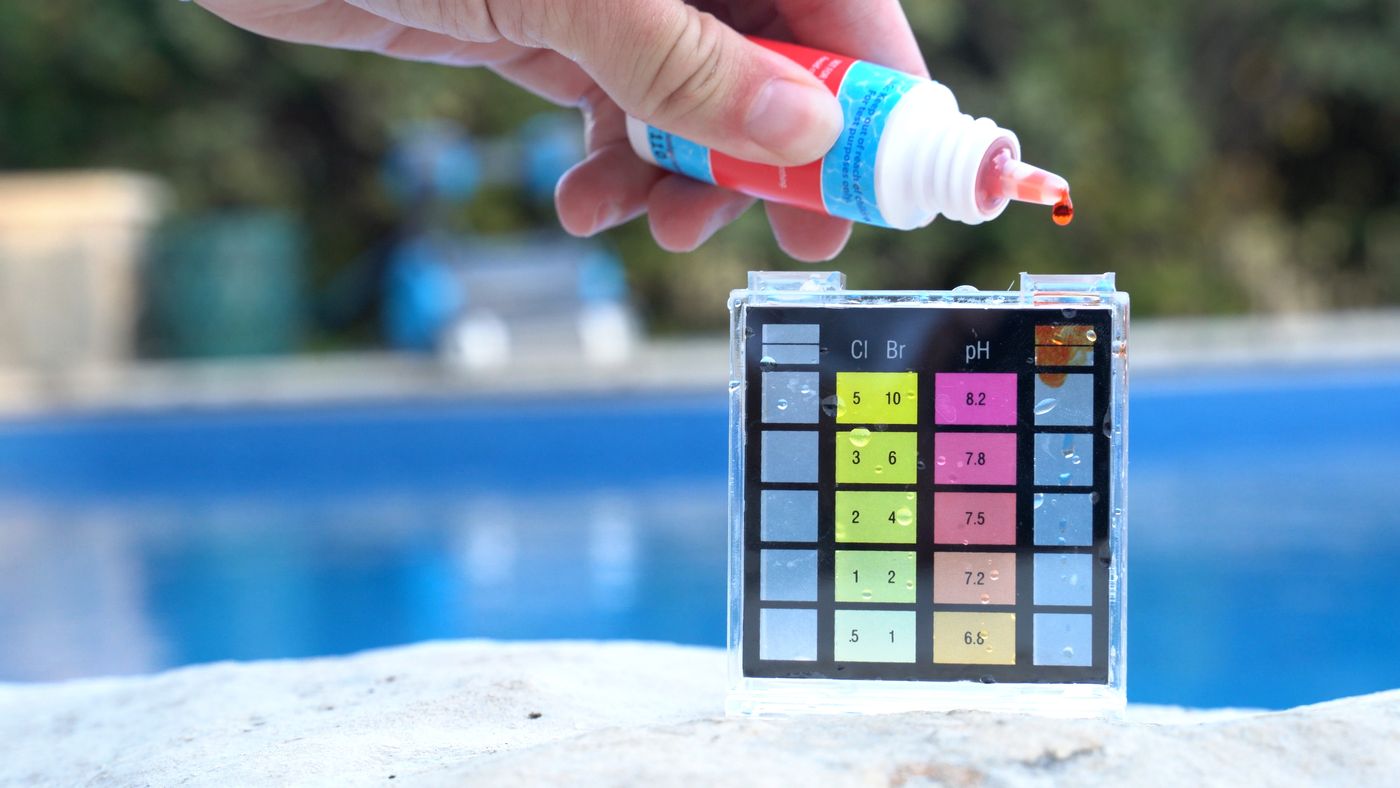
The Power Zone? 7.0 to 7.2 for vinyl and fiberglass pools. 7.2 to 7.4 for plaster. In my testing, keeping pH in that range is like doubling your chlorine's effectiveness — without adding a single extra chemical.
This alone eliminates most people's "shock problem" completely. If your pH is running high, start with my guide on the ideal pool pH level.
Step two: maintain consistent free chlorine instead of spiking it.
Weekly shock creates wild swings — a massive chlorine spike that drops back down and lets contaminants gain a foothold before you shock again. That's dead wrong as a sanitation strategy.
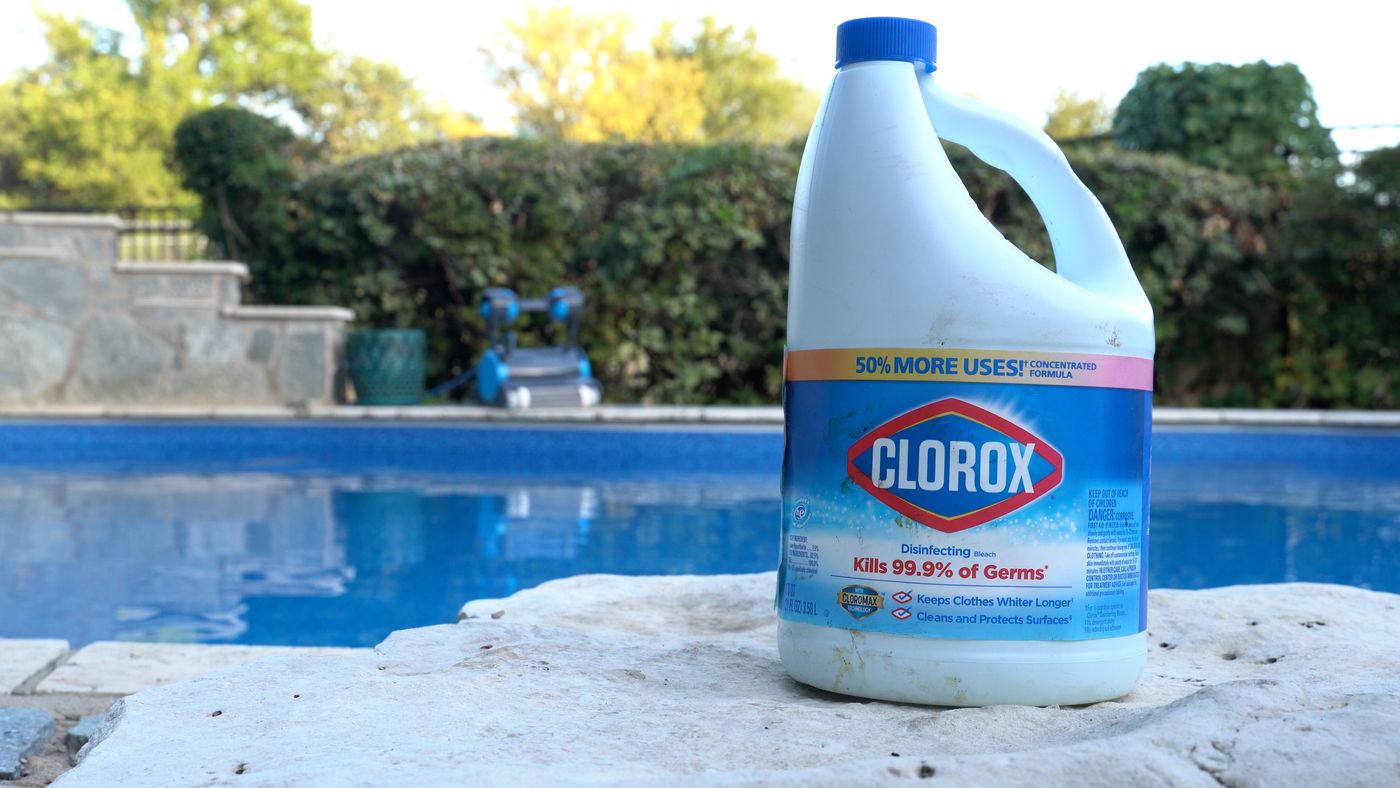
Consistent sanitation beats chemical spikes every time. A steady 2 to 4 ppm free chlorine with the right pH is more effective than a weekly chlorine bomb surrounded by days of weak chemistry.
Step three: fix your filtration.
Here's something most pool content won't tell you: your pool might not be dirty because of a chemistry problem at all. It might be dirty because your filtration is losing the battle.
If debris, organics, and fine particles are sitting in your water, your chlorine is getting consumed fighting them instead of sanitizing. You can dump shock in all day — it won't matter if your pool is constantly recontaminating itself.
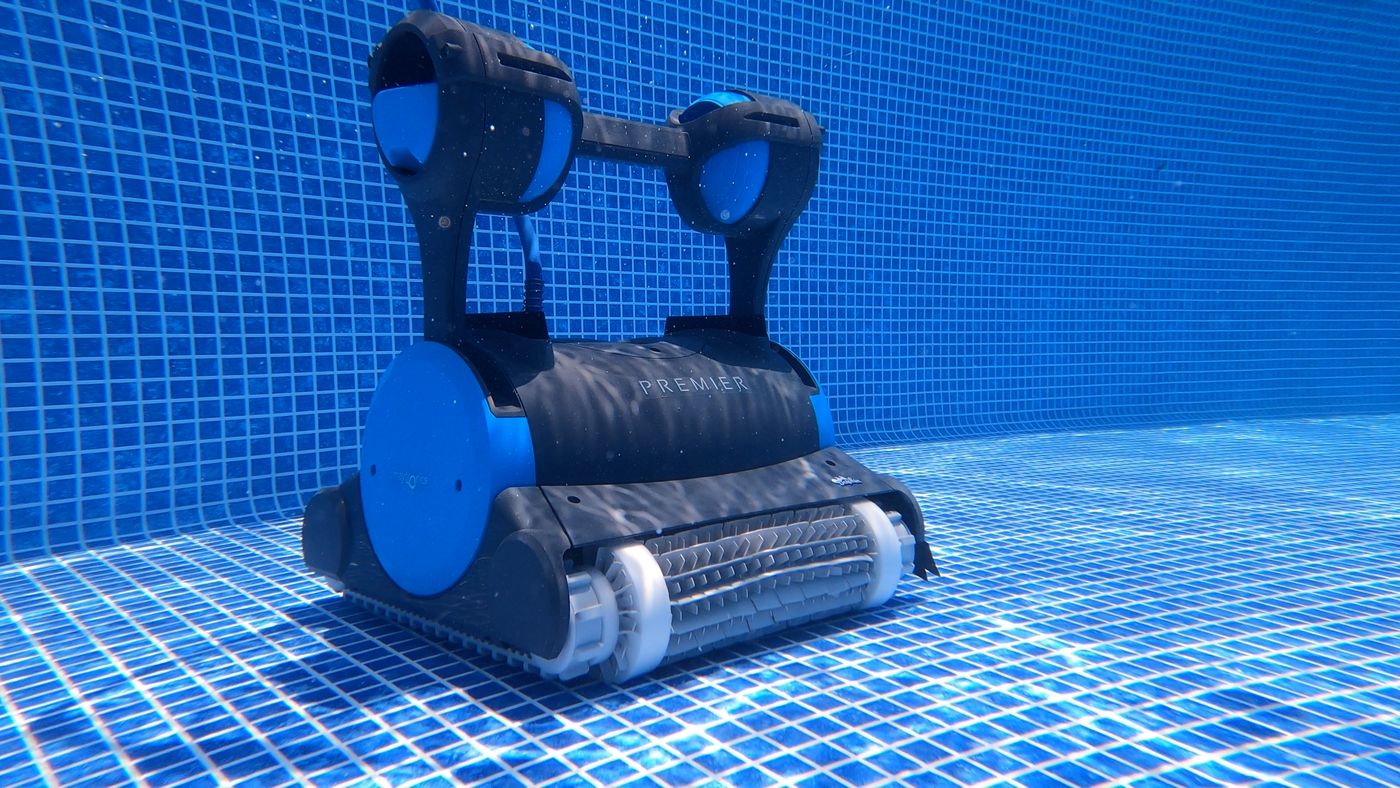
A quality robotic cleaner with fine filtration removes the physical load from your chemistry. When your filtration is actually doing its job, your chemical demand drops dramatically. In my experience, pools with a solid corded robot on a weekly timer burn through significantly less chlorine and need shock far less often. The two systems work together.
Step four: stop guessing and start monitoring ORP.
Here's what commercial pools and Olympic facilities figured out a long time ago: ORP — Oxidation Reduction Potential — is the real measure of whether your water is actually sanitized.
ORP measures your water's actual killing power in millivolts, not just how much chlorine is floating around. You can have a 3 ppm chlorine reading with terrible ORP because your pH is off. Or you can have a 1.5 ppm reading with excellent ORP because your chemistry is dialed in.
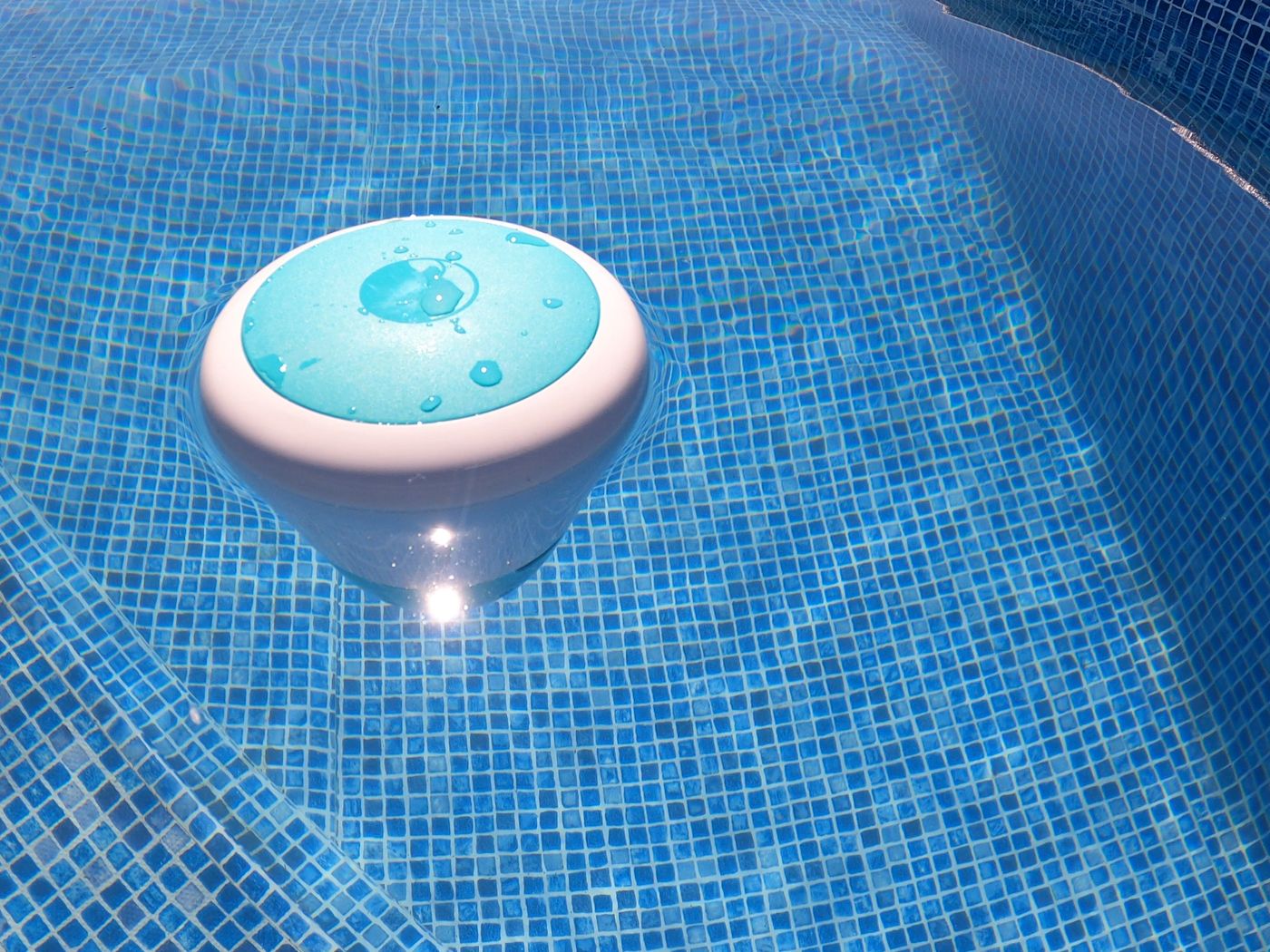
The ICO pool water monitor is what I use to track this in real time. It monitors both ORP and pH continuously and sends readings straight to my phone. When ORP drops below 650 mV, that's my signal that something needs attention. Not a calendar reminder — an actual data point. That's how professional pools operate, and there's no reason you can't do the same.
When Should You Actually Shock?
Shock still absolutely has a place in your arsenal. I'm not telling you to throw it out. I'm telling you to stop using it as a substitute for real maintenance.
Shock when:
-
You see visible algae.
-
You've had a massive bather load — big pool party, fifteen kids, the works.
-
ORP drops below 650 mV and doesn't recover with normal chlorine dosing.
-
You get heavy rain diluting your chemistry.
-
Combined chlorine climbs above 0.5 ppm.
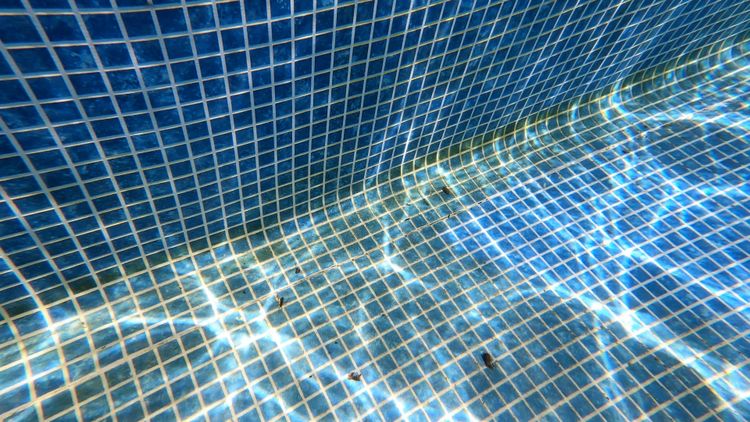
Visible algae is one of the few times you should actually shock // The Pool Nerd
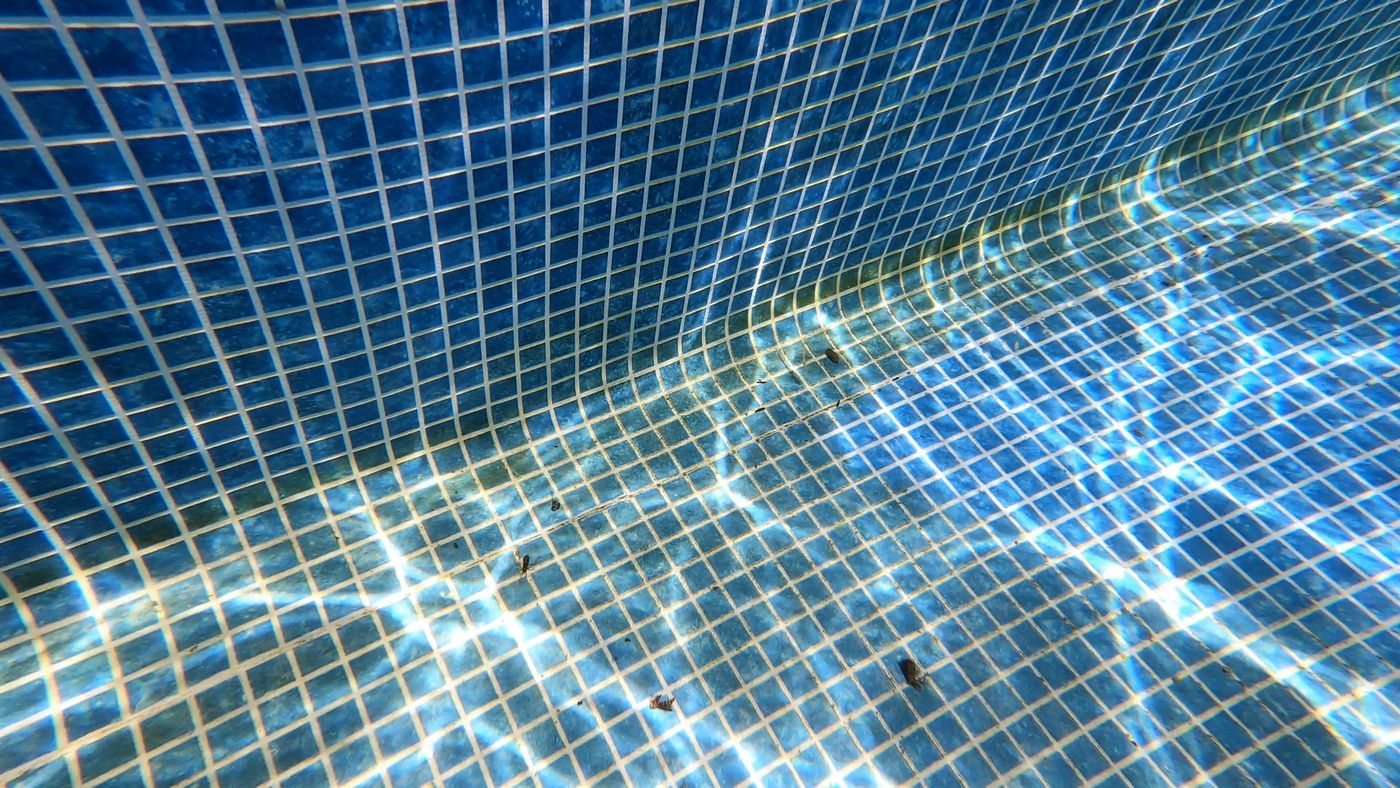
In those situations? Shock hard and shock correctly. Drop pH to 7.0-7.2 first for maximum effectiveness, hit it at dusk so sunlight doesn't burn the chlorine off, and run your pump all night. If you want the full walkthrough, here's my guide on how to shock a pool the right way.
But notice what's not on that list: "because it's Tuesday."
One Last Thing I Use in My Pool: UV
Before we wrap this up, I want to show you one more thing I run in my pool — and it's something most people never even think about.
UV.
Now, this isn't some magic replacement for chlorine, and it's not one of those gimmicks you see at the pool store. It's just another layer that helps everything else work better.
Think of it like this — your chlorine is constantly working. Every leaf, every bug, every bit of sunscreen… it's all getting burned off by your chlorine. That's why levels drop so fast.
What UV does is take some of that load off.
It's built into your system, and as water passes through, it's exposed to UV light as part of the circulation process. You're not adding anything to the water, you're just helping your system keep things more stable.
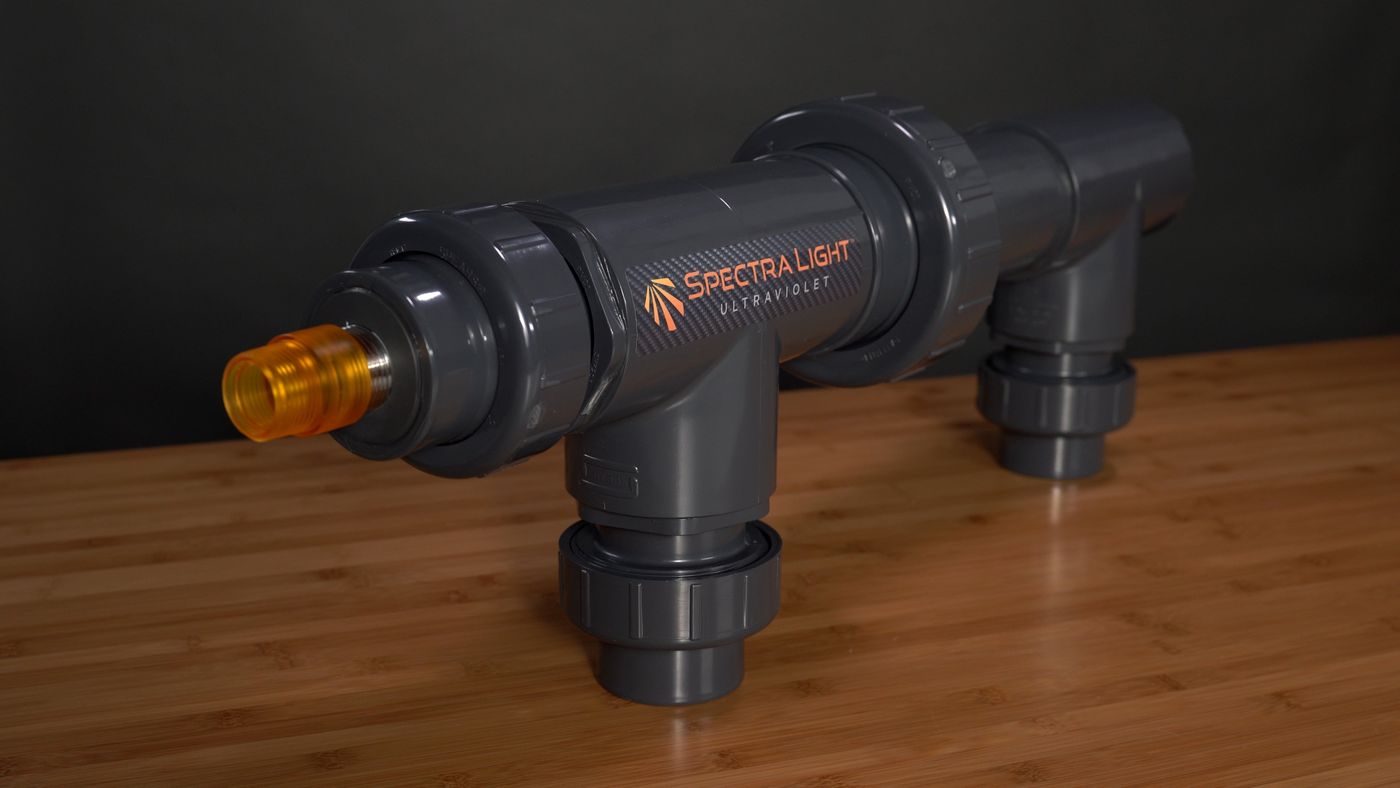
I've been running a SpectraLight unit in my pool, and honestly, it's one of those things you don't really notice day-to-day — but you notice it when it's not there.
My chlorine holds more steady. I'm not chasing swings as much. And overall, the pool just feels easier to manage.
That's really the best way I can describe it.
It's not something you need. If your chemistry is dialed in, your pool will be fine without it. But when you combine it with everything we talked about — proper pH, consistent chlorine, good filtration, and ORP tracking — it just makes the whole system run smoother.
Less fighting the pool. More just… maintaining it.
And that's really the goal.
My Final Verdict
Stop making shock a routine. Start making it a tool.
The pool store wants you buying shock every week. That's their business model. But a well-maintained pool — with dialed-in pH, consistent chlorine, real filtration, and ORP monitoring — should rarely need to be shocked.
If you need to shock your pool every week, your pool isn't maintained. It's being rescued.
Fix the chemistry, fix the filtration, and start monitoring what actually matters. You'll spend less money, less time, and you'll have better water. That's not insider knowledge — it's just how pool chemistry works.
Check out my deals page at ThePoolNerd.com/deals for the best pricing on everything I've mentioned today — the ICO pool water monitor, quality robotic cleaners, and more. And if you want to go deeper on pH chemistry, I've got full guides at ThePoolNerd.com/pool-maintenance. Links in the description.
Related Reading
- How To Shock Your Pool — Which shock to use, and exactly when to shock
- What Is the Ideal Pool pH? — Why your pH is costing you money
- Weekly Pool Maintenance — The simple routine that keeps water dialed in
- ICO Pool Water Monitor Review — The ORP and pH monitor I use
- SpectraLight UV Review — My full review of the UV system
- Best Robotic Pool Cleaners — My top picks after testing 30+ robots


Comments
Loading comments…