
 Justin D.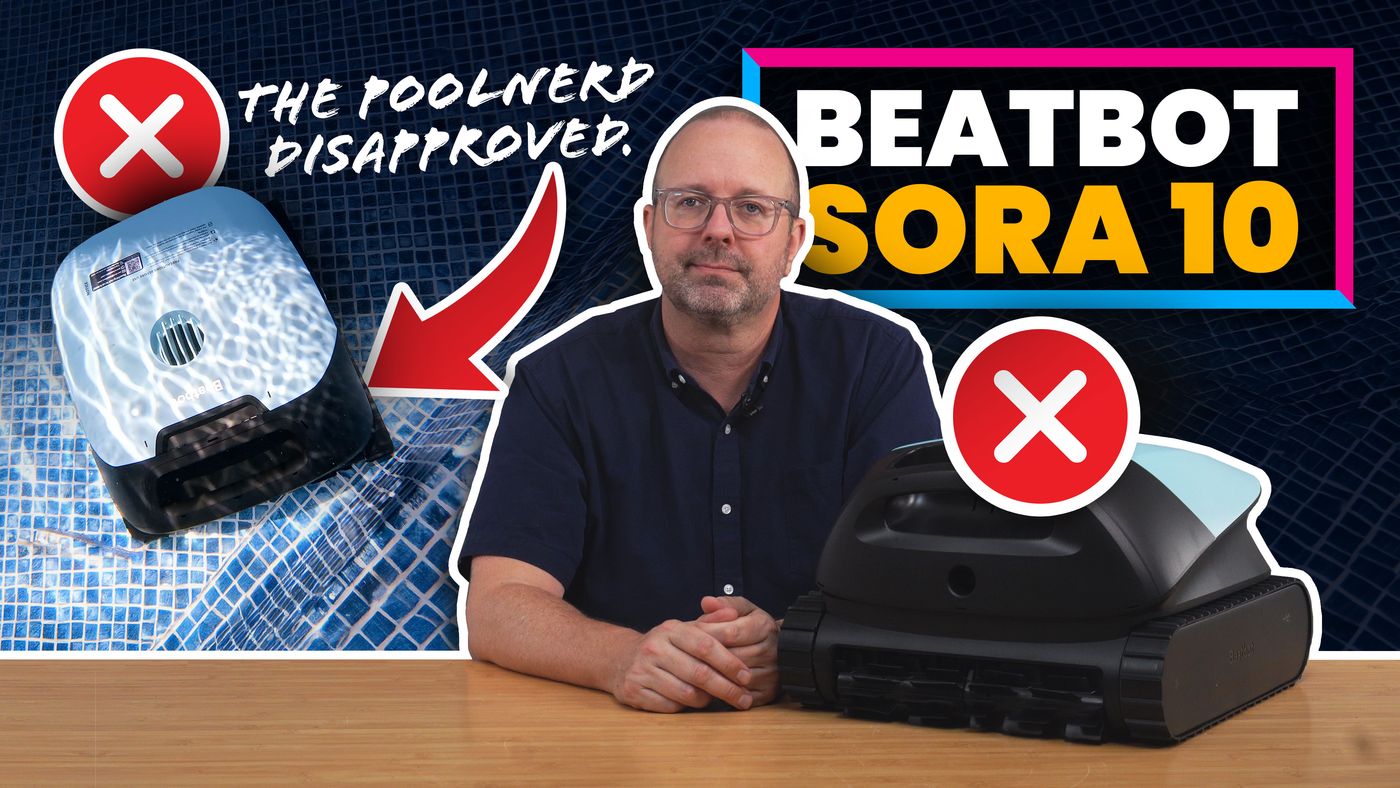
For where this model ranks across Beatbot and cordless options, see Best Beatbot Pool Cleaners and Best Robotic Pool Cleaners.
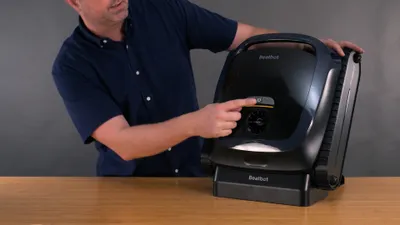
This is the newest entry-level Beatbot robotic pool cleaner, the Beatbot Sora 10. After testing it in our test pool for the last few weeks — I’ll walk you through what I saw, what you need to know, and how it stacks up against other cleaners.
Hey there, I’m Justin, your resident pool aficionado. Today we’re taking a look at the Beatbot Sora 10.
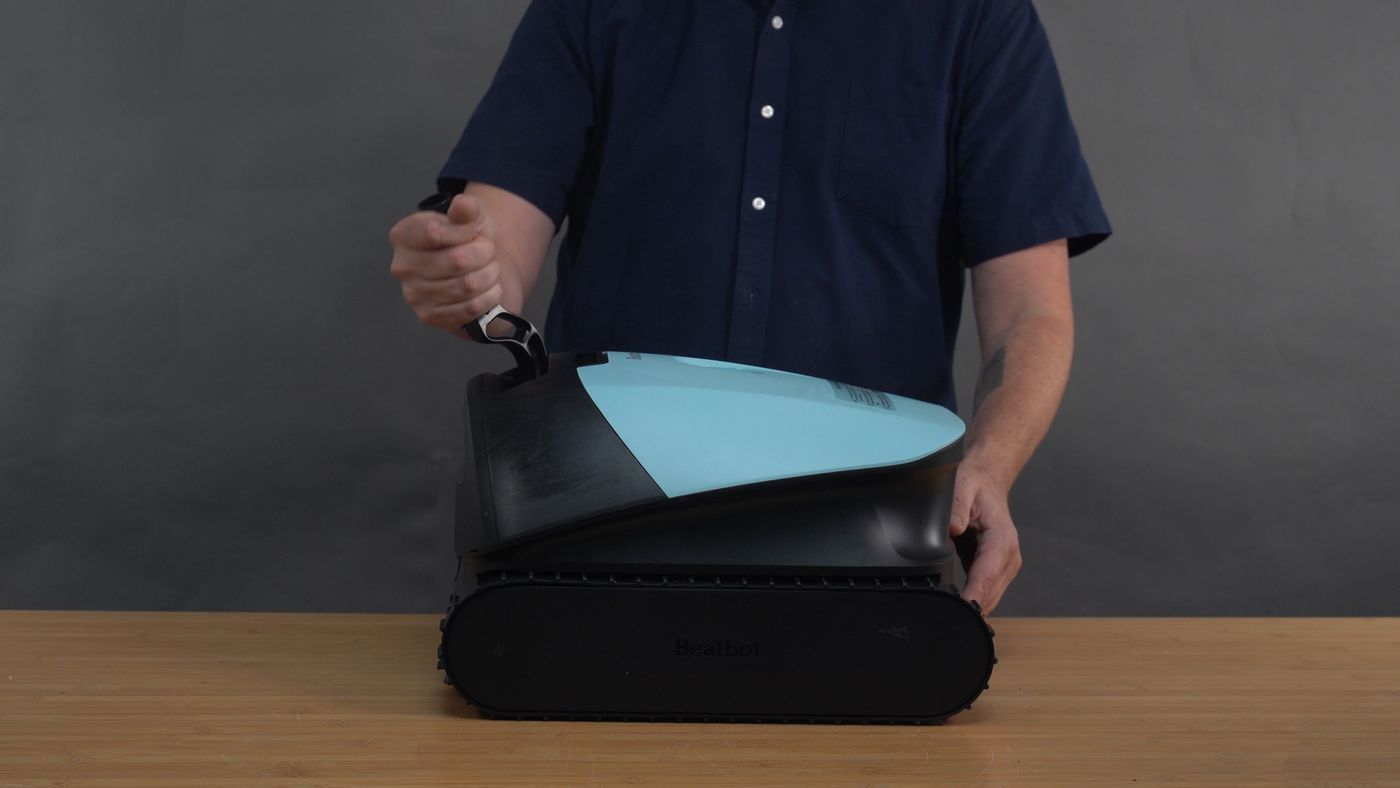
After testing more than 30 robotic pool cleaners over five-plus years in our test pool, we’ve developed a pretty clear sense of what works, what doesn’t, and what I’d put my own money behind. The Sora 10 is a model I’ve been running in our test pool, and I want to share my thoughts. While the Beatbot Sora 10 is a solid cleaner, there are simply still better options out there that you may want to look into instead – so stick around.
Want to check the latest price? See the Beatbot Sora 10 on Amazon.
What Is the Beatbot Sora 10?
The Sora 10 is positioned as the entry-level cordless model in Beatbot’s lineup. Per Beatbot’s product listing, it’s marketed for above-ground and inground pools as a floor, wall, and waterline cleaner with around 6,800 GPH of suction.
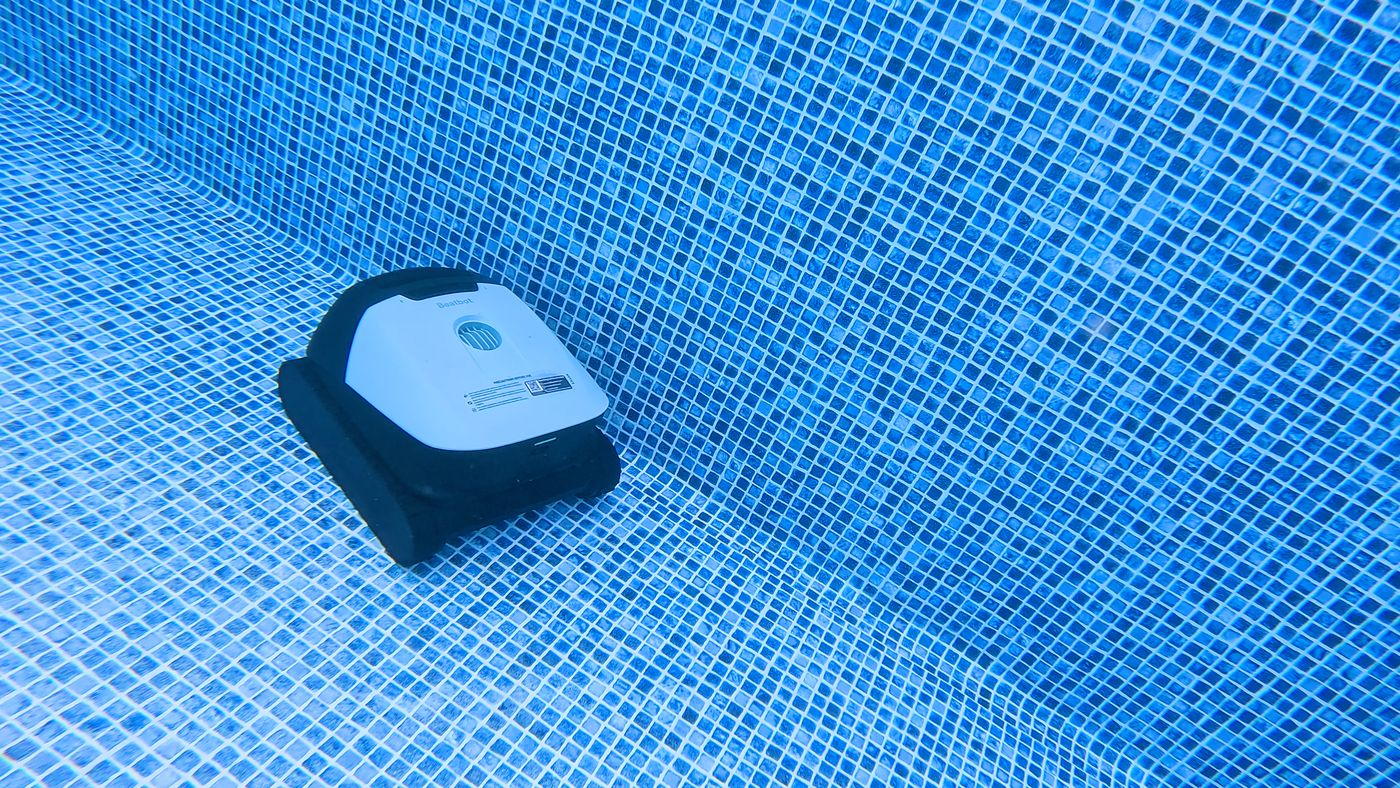
Per the manual, the Sora 10 runs on a 7,800 mAh battery with a 5-hour rated runtime and a 4.5-hour charge time. Best case, that’s one full cleaning cycle per day. We’ll come back to why that matters.
How It Compares
To start, let's see how it compares to the rest of the Sora lineup.
The Sora 10 is the base model of the lineup. It’ll handle your floor, walls, and waterline just fine—but that’s where it stops. Compared to the Sora 30 and especially the Sora 70, you’re giving up surface cleaning, less battery at 7,800mAh, and it can’t handle shallower areas like the others.
But here’s the bigger picture—and this is important. All three of these Sora models use basic mesh filtration. That means they’ll grab leaves and larger debris, but they’re not going to polish your water or catch the fine stuff like silt, pollen, or algae as well as NanoFilters. And none of them include a weekly timer, so you’re still going outside and starting it manually every time you want to run a full cleaning cycle.
That’s where corded units separate themselves. Cleaners like the Dolphin Premier, Dolphin Sigma, and Dolphin Quantum give you true automation with a weekly timer and NanoFilters that actually capture the microscopic debris these miss. You set them once, they clean daily, and your water comes out noticeably clearer. It’s the difference between “looks clean” and actually being clean.
Cleaning Performance
Speaking of looking clean, lets dive into the cleaning performance. In my testing, one of the weirdest things about the Sora 10 was how slow it moved in the water. Not a deliberate, mapped pace — more of a steady drift. The cleaning path it followed appeared more random than I would’ve expected from a robot at this price point. It returned to the same corner of the pool repeatedly during my testing while other parts of the floor seemed to get less coverage.
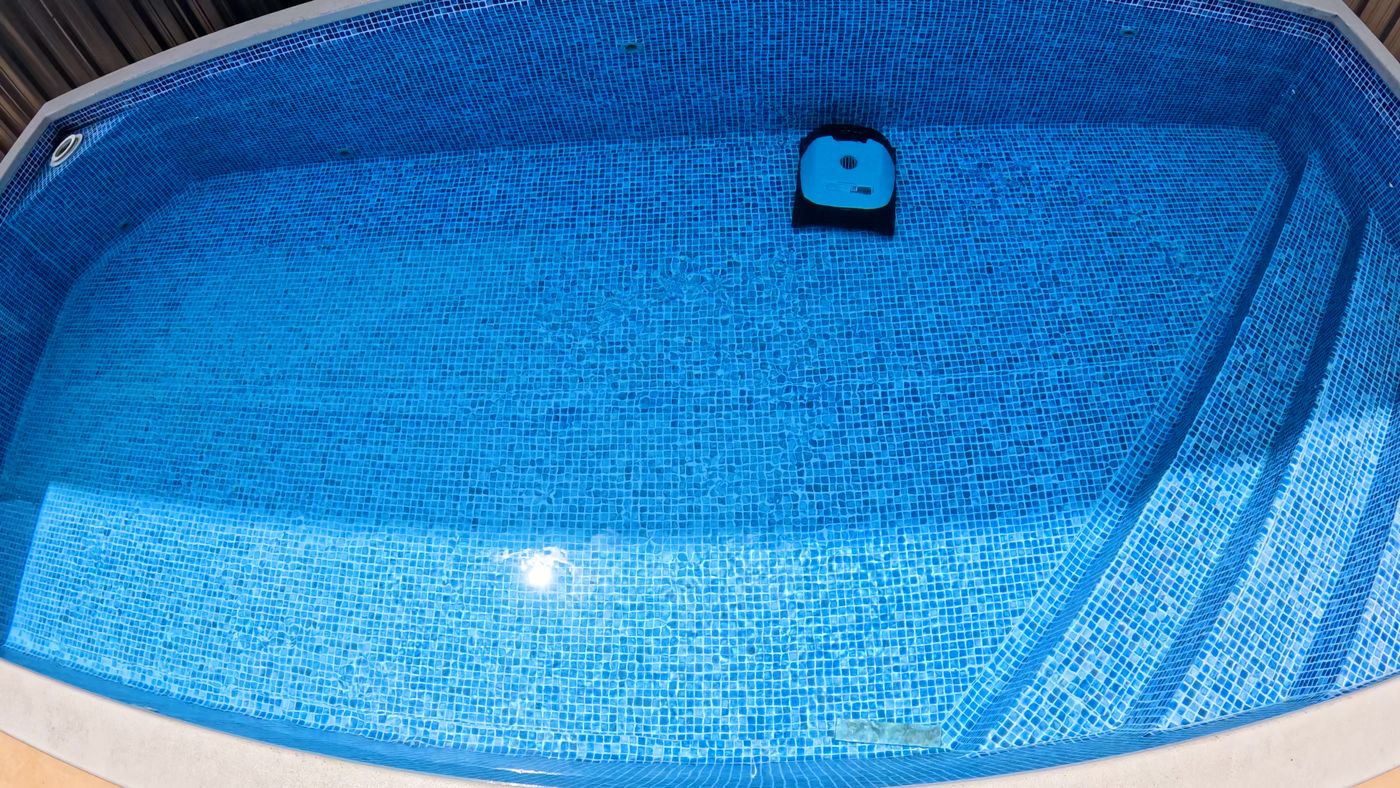
When the Sora 10 reached a wall, the pattern I observed was a consistent bump-and-pivot — the unit would contact the wall, turn around, and go back the other way. The cleaning path felt to me like a blend of the AquaSense 2 Ultra’s smarter behavior and a more basic cordless approach — not as random as the cheapest cordless robots I’ve tested, but not as deliberate as the higher-end models in the Beatbot lineup.
Wall and Waterline Cleaning
Credit where it’s due — the Sora 10 does cover the floor, the walls, and the waterline. That’s what Standard Mode is supposed to do, and in my pool, it did make it up the walls and reach the waterline.
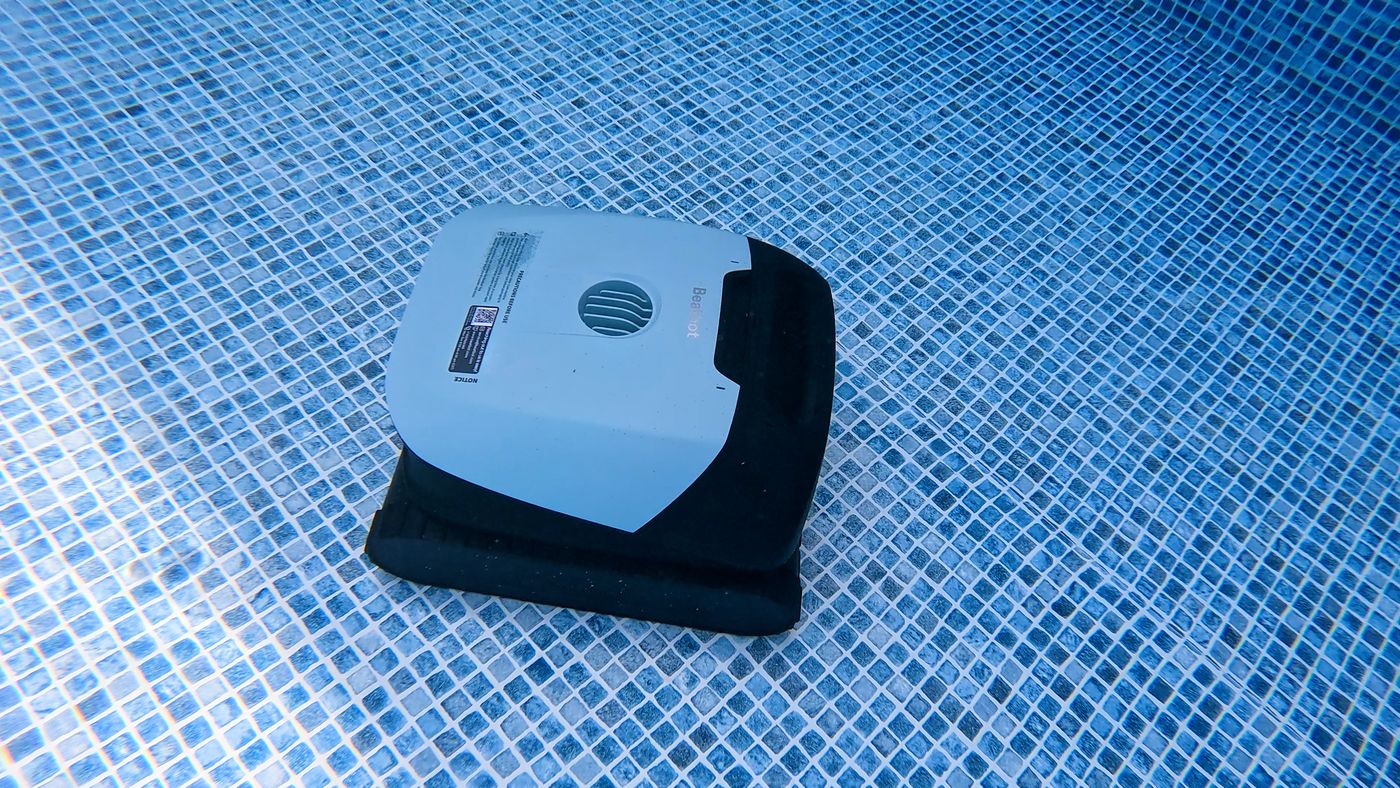
That said, in my opinion the wall and waterline cleaning is not as thorough as what I’ve seen from comparable corded units. The Sora 10 felt underpowered to me on vertical surfaces — it would make the climb, but the contact pressure and dwell time at the waterline didn’t look or feel as confident as a corded Dolphin Cayman or Premier in side-by-side observation. Whether that comes down to suction, weight, brush pressure, or some combination, I can’t say for sure.
So it’s not that wall and waterline cleaning is missing from this robot — it’s there. In my opinion it’s just a noticeable step down in thoroughness compared to what corded units in this price range deliver.
The Filter Basket
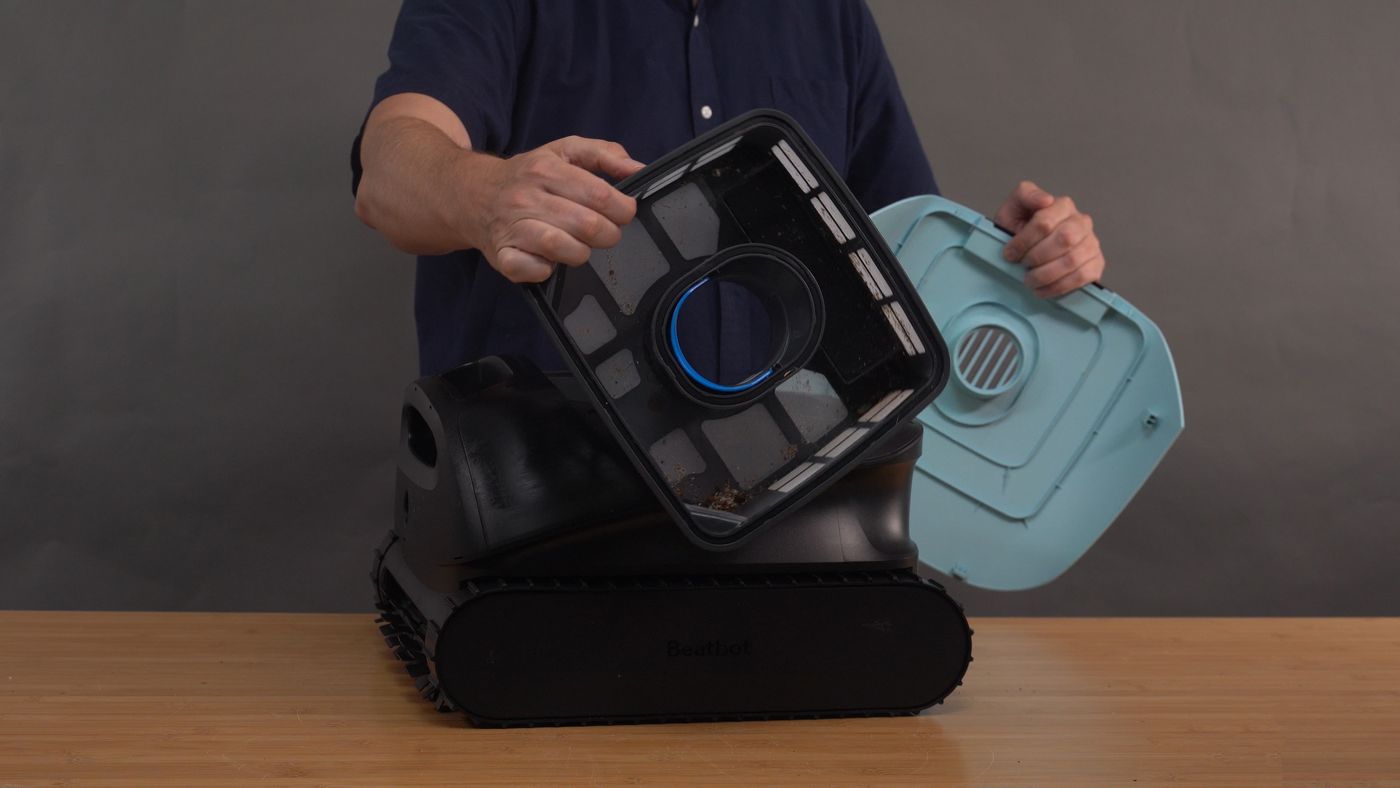
A pool robot’s filter basket is one of the better indicators of how well it cleaned. In my testing, the Sora 10’s basket consistently came out lighter than I’d expect from a cleaner.
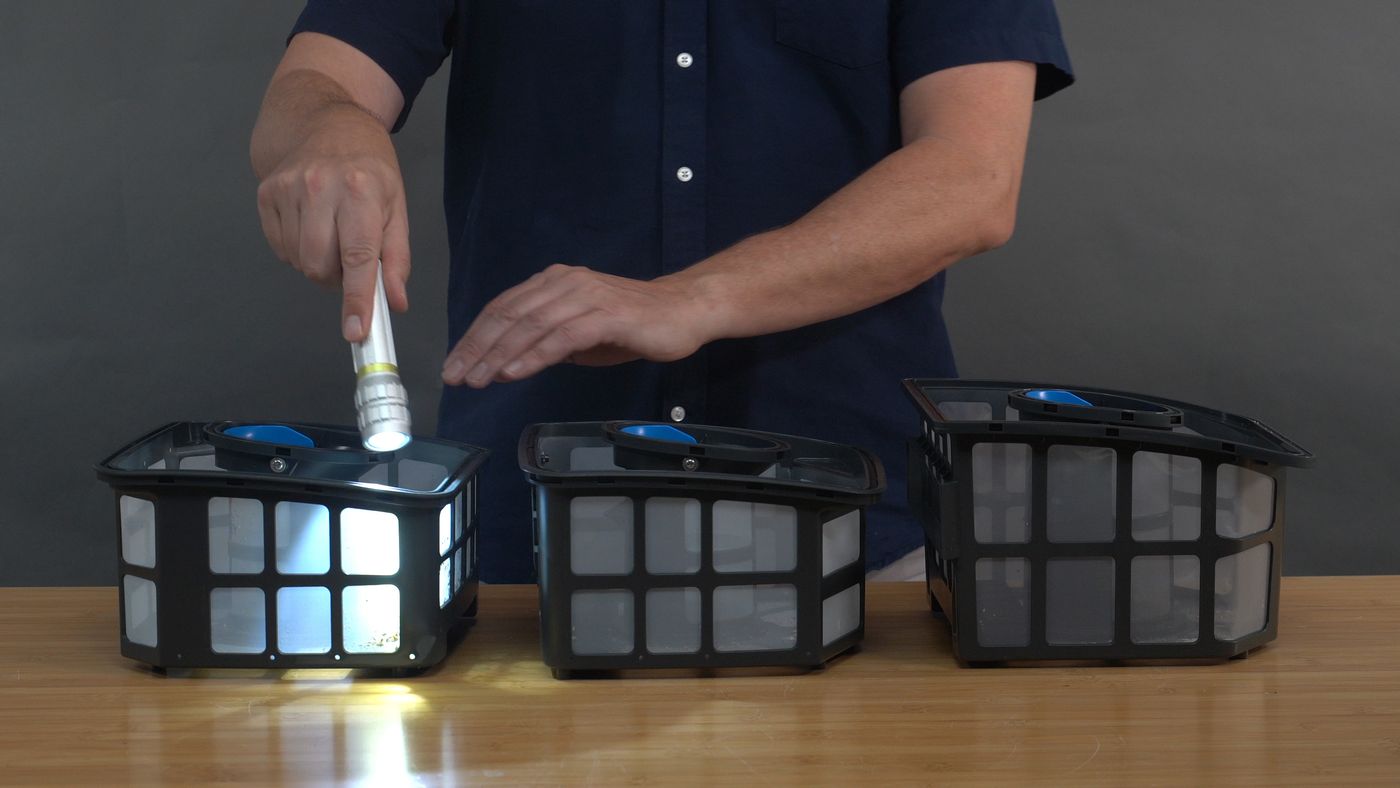
The basket itself measures roughly 9 x 8 x 5.5 inches — decent size on paper. The interesting design choice here is that water flows up through the center of the basket rather than around the outside, which is meant to improve suction efficiency. In my opinion the basket itself is well-built, and the design is clean.
But here’s the catch. The filter is rated at 150 microns, which is a standard mesh size. It’ll catch leaves, twigs, and larger bugs without much issue. Where I noticed it struggling in my testing was with finer particles like silt, dust, and pollen. This is a mesh filter — not the pleated NanoFilters used in the Dolphin Cayman and Premier, which filter down to around single micron level. In my side-by-side experience, that difference shows up in water clarity at the end of a cleaning cycle.
The App
The Sora 10 has an app — Beatbot’s app, available on iOS and Android. In my opinion, the app is a nice-to-have for initial setup. You use it to bind the robot to your account, pick cleaning modes beyond the two positions on the physical switch on the unit, and check battery level after a cycle.
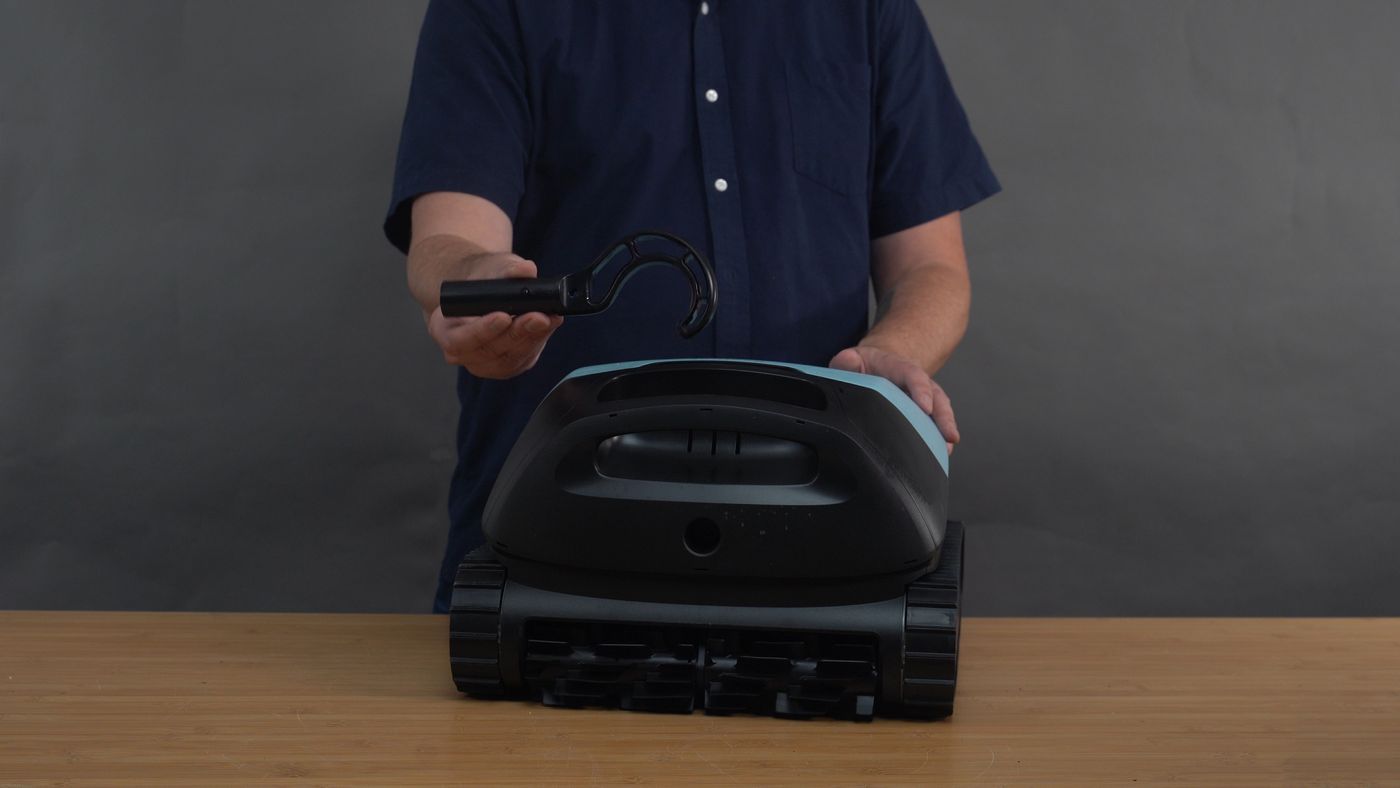
Once you’re past setup, though, here’s the kicker. The app is essentially pointless while the robot is doing the one thing you bought it for. Why? Per Beatbot’s user manual: “The robot’s Wi-Fi signal will weaken and disconnect while it is submerged.”
The manual goes on to explain that the connection automatically restores once the unit comes back out of the water, and the app then reconnects and syncs cleaning data after the fact.
In other words, the moment your cordless robot starts actually cleaning, the app stops working. There’s no live status. No mid-cycle adjustments. No “watch the robot work” view. In my opinion, the app is more of a post-cycle logbook than a remote control — calling this a “smart” robot feels generous when the smart features go offline the second it enters the water.
ECO Mode vs. a Weekly Timer
One feature the app does let you set is ECO Mode. In ECO Mode the Sora 10 finishes a cleaning cycle, settles on the pool floor, and stays there — automatically initiating another cleaning cycle every other day until the battery runs out.
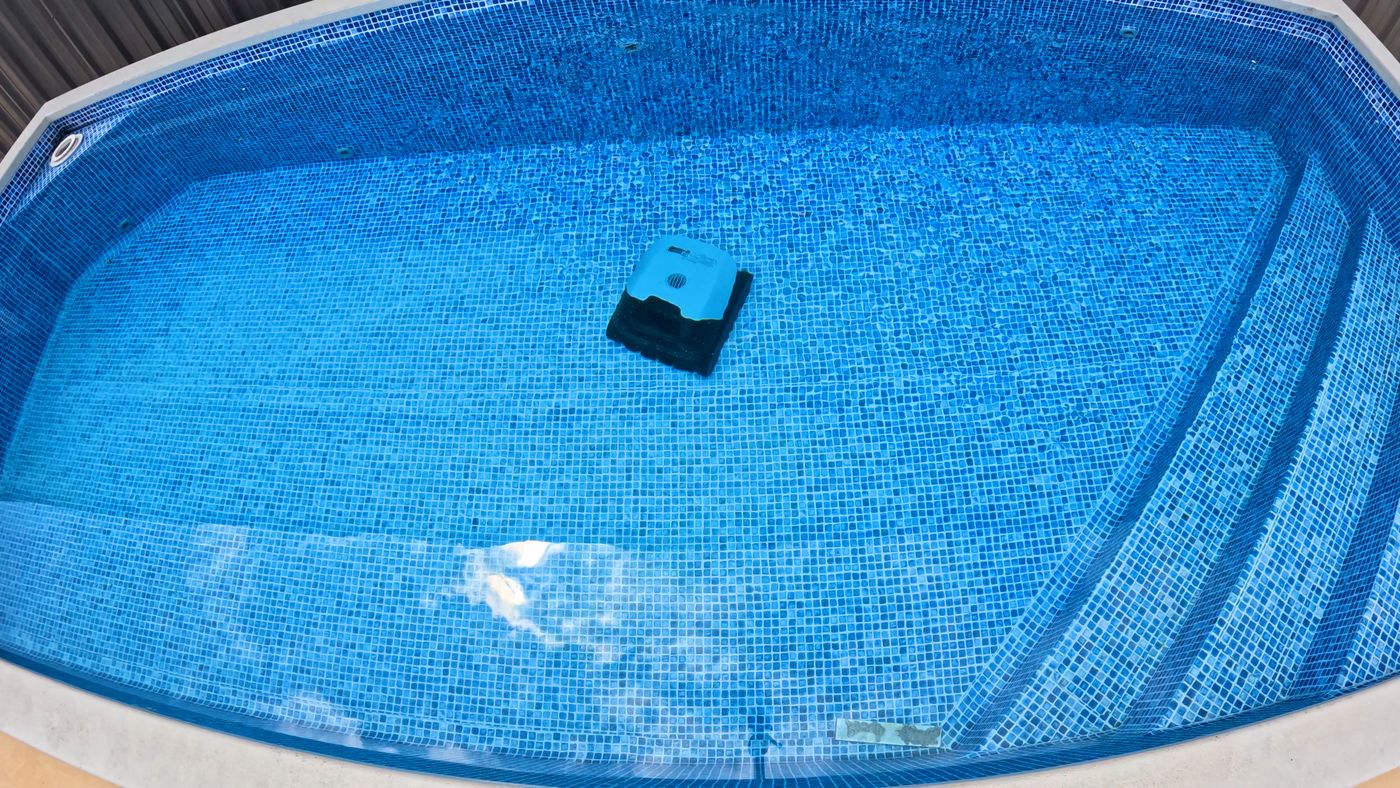
ECO mode isn’t really a ‘cycle’—it’s more like a maintenance mode. It’ll clean, park itself, and then automatically run again every couple days. So you’re not getting full power cleaning… you’re getting lighter, spaced-out cleaning.
On paper, that sounds like real automation. In my opinion, it’s not the same thing as a true weekly timer, and the difference matters.
The battery still drains. Every-other-day cleaning on a 7,800 mAh pack runs out fast. Once the battery is dead, the unit auto-shuts down and you’re right back to the manual workflow: lift it out, charge it for 4.5 hours, drop it back in, repeat.
Compare that to a corded model like the Dolphin Cayman with its Weekly Smart Timer. You program it once — pick the cleaning intervals and get a FULL cycle every day. Not one broken down over a week. The unit lives in the pool, plugs into a GFCI outlet, and runs on schedule until you want to empty the filter, typically once a week. No charging, no fishing it out between cycles, no battery aging from constant deep-discharge cycles. In my experience, that’s a meaningfully different level of automation than ECO Mode delivers.
Weight and Build
The Sora 10 is noticeably lighter than the Sora 30 (20 lbs) and Sora 70 (23.2 lbs) — even when waterlogged. Lighter sounds like a clear advantage when you’re lifting it out of the pool, and in that respect it is.
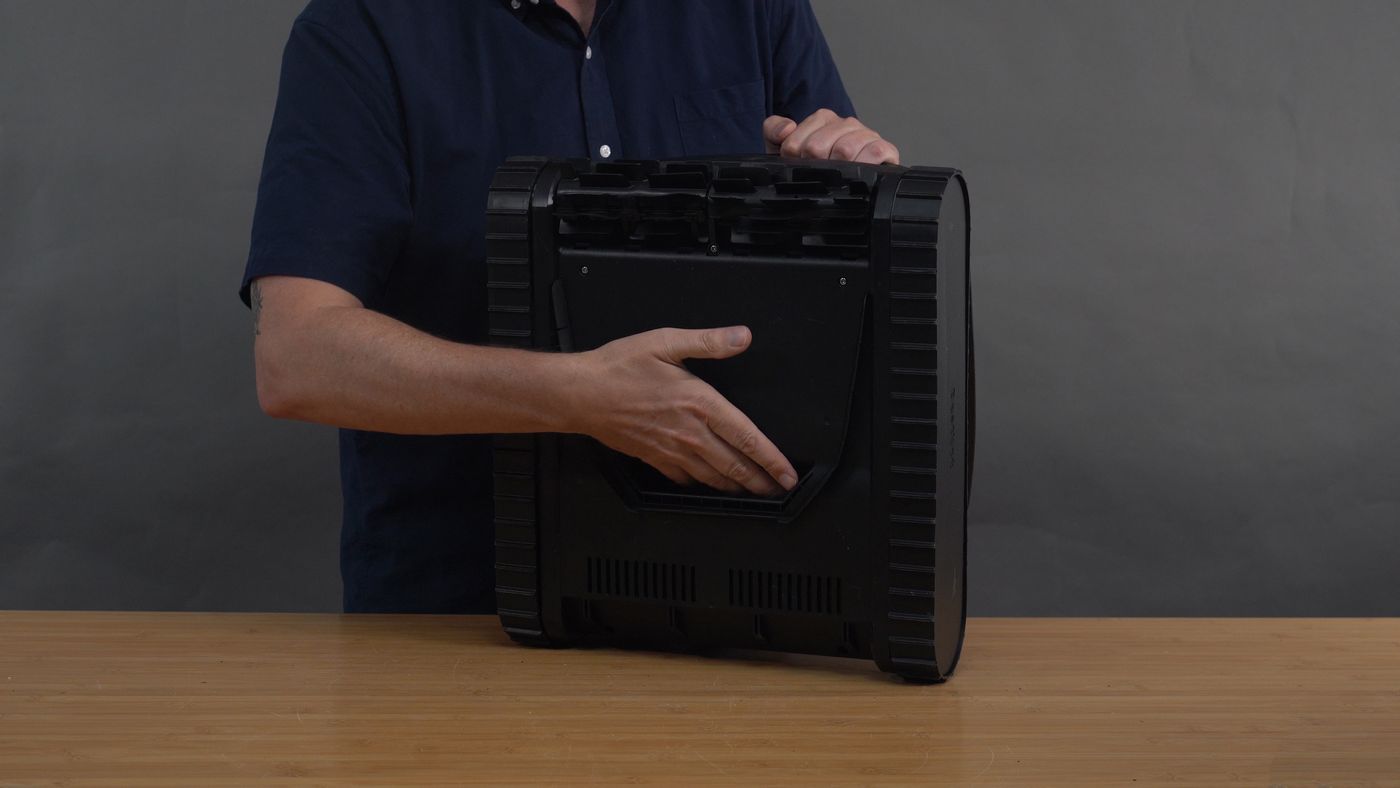
The build quality itself is solid in my opinion. The plastics feel premium and the design is clean.
Battery and Operating Quirks
A few more things buried in the manual I think are worth knowing before you buy.
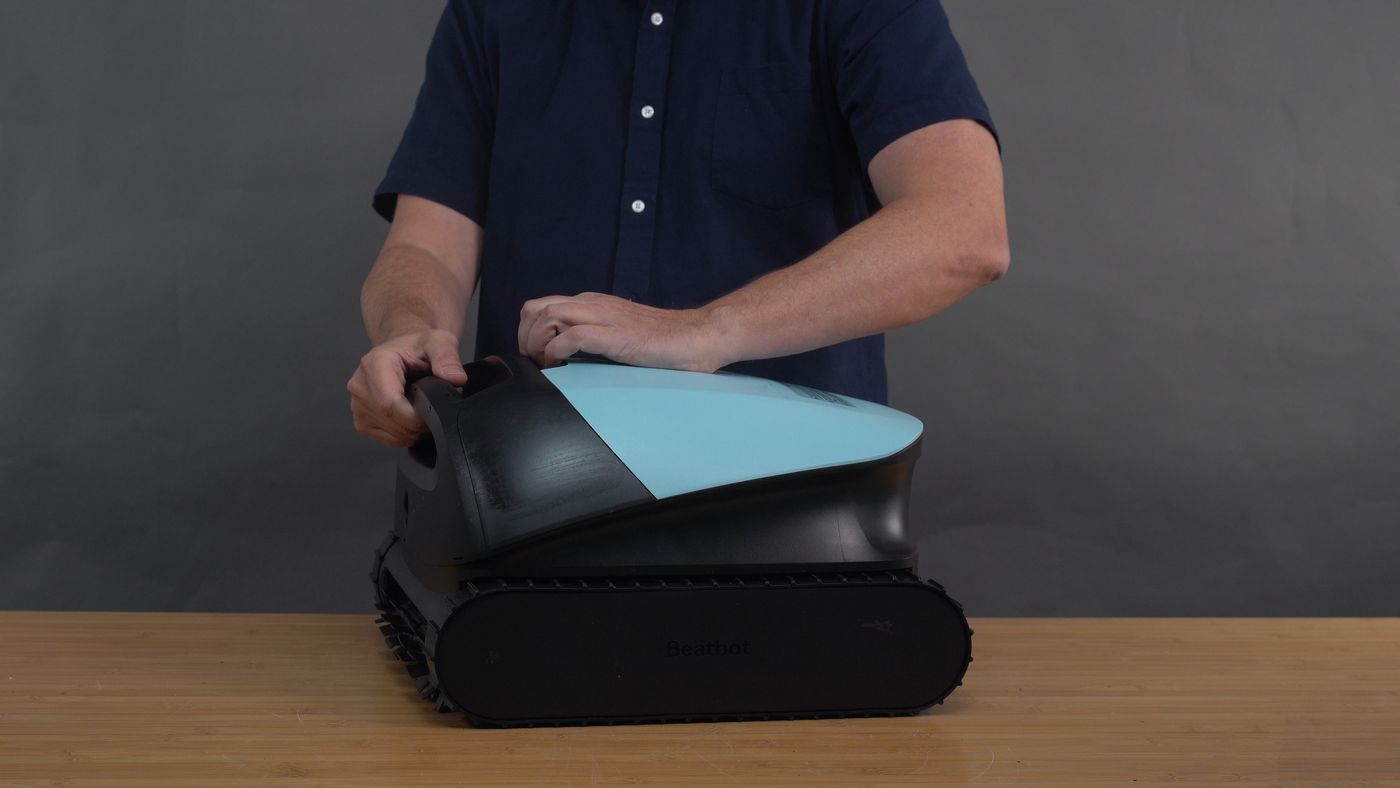
First, if the unit is powered on but left out of the water and inactive, it auto-shuts down after 10 minutes to conserve battery. So you can’t just turn it on, walk back to the garage to grab something, and come back to it. Per the manual, you need to get it in the water promptly after powering on.
Second, when the cleaning cycle finishes, the robot is supposed to park itself against the pool wall for 10 minutes so you can grab it. If it doesn’t — or if you miss that window — per the manual it submerges again, and you’re using the supplied hook to fish it out. In my opinion, manual retrieval is just part of the workflow with this robot, every cycle.
Last, the listed water chemistry tolerances are tight: maximum 4 ppm chlorine and a recommended pH range of 7.0 to 7.8. If your pool is out of balance — which, again, is exactly when you want a robot doing its job — you’re outside the manufacturer’s recommended operating window. And if you need help with your pool maintenance, make sure to check out my pool maintenance section.
Cordless vs. Corded
This trade-off applies to every cordless pool robot, not just the Sora 10, but it’s worth covering.
With a cordless robot like the Sora 10, the workflow is: charge it for around 4.5 hours, drop it in the pool, wait about five hours for the cycle to finish, retrieve it with a hook, clean the filter, and put it back on the charger. Each cleaning session involves manual handling — and per the manual’s own runtime and charge specs, you’re realistically looking at one cycle per day, max.
With a corded robot, the workflow is different. You leave the unit in the pool. With a model that includes a weekly timer, like the Dolphin Cayman, it cleans on a schedule and you only need to handle it when it’s time to empty the filter — typically about once a week.
That is 14 interactions vs 1 interaction a week when comparing a cordless robot to a corded one if you want to run it every day.
Both approaches have their place. For a smaller spa or a seasonal above-ground pool, cordless can make sense. For a standard inground pool that you want to keep clean year-round with minimal hands-on time, the corded workflow is, in my experience, significantly less work.
My Pick: Dolphin Escape
If you’re shopping near the Sora 10’s price point, the Dolphin Escape is the corded model I’ve recommended for years.
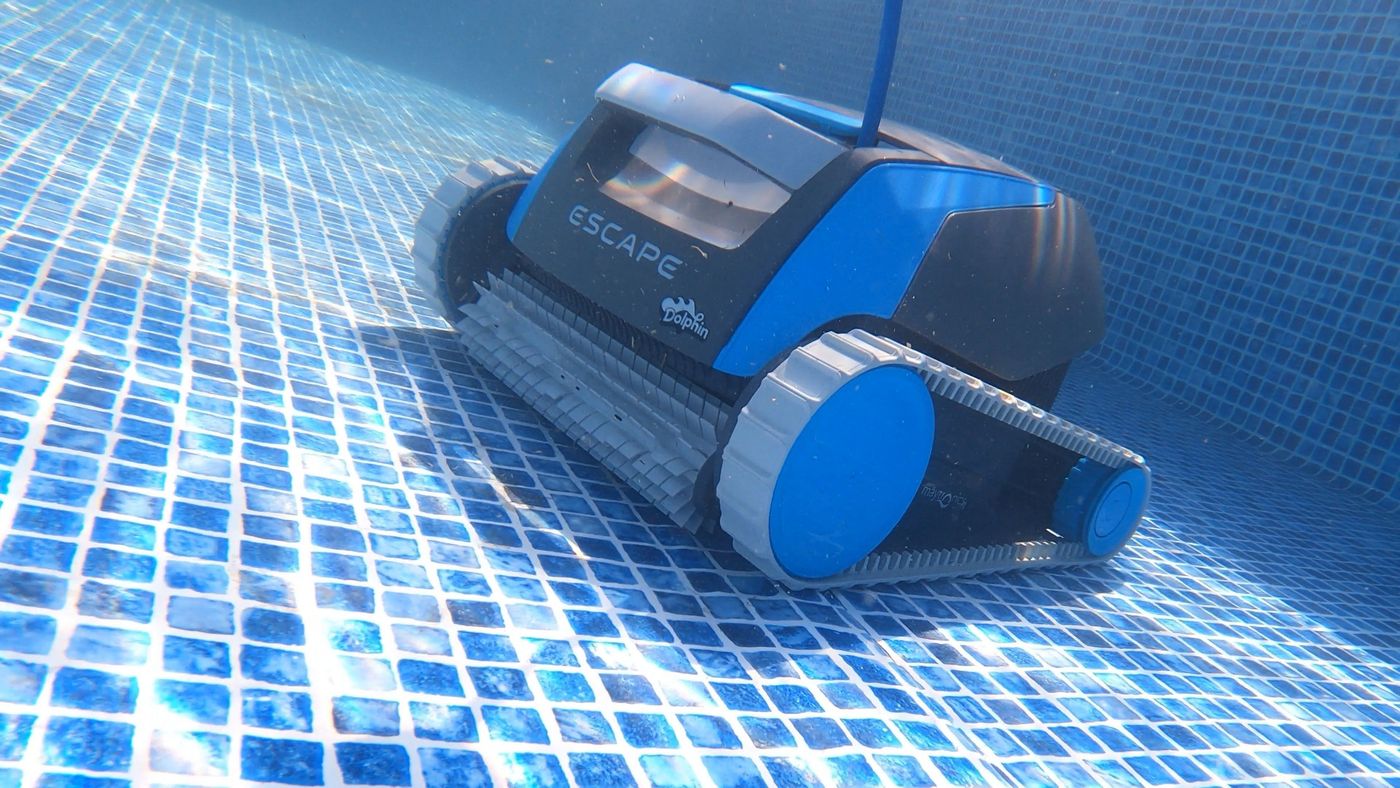
The Escape runs around $600. It uses dual DC motors that filter over 4,000 gallons per hour with constant power from the wall outlet. It includes a HyperBrush for active scrubbing, HyperGrip tracks instead of wheels for better floor traction, and SmartNav 2.0 navigation. It’s marketed primarily for above-ground and smaller inground pools.
It has free NanoFilters at most retailers and you can even upgrade to a Weekly Timer.
In my pool, the Escape consistently fills its filter basket with the kind of debris I’d expect a cleaner to pick up over a full cycle. It won’t climb to the waterline like the higher-end models, but for floor cleaning at this price point, it’s the unit I’ve relied on.
It’s the unit I would pick over the Beatbot Sora 10.
Read our full Dolphin Escape review, or check the latest price on Amazon.
Full Automation: Dolphin Cayman
The Dolphin Cayman is the step up. It includes everything the Escape offers, plus a Weekly Smart Timer included, wall climbing, and the MaxBin with NanoFilters for finer particle capture.
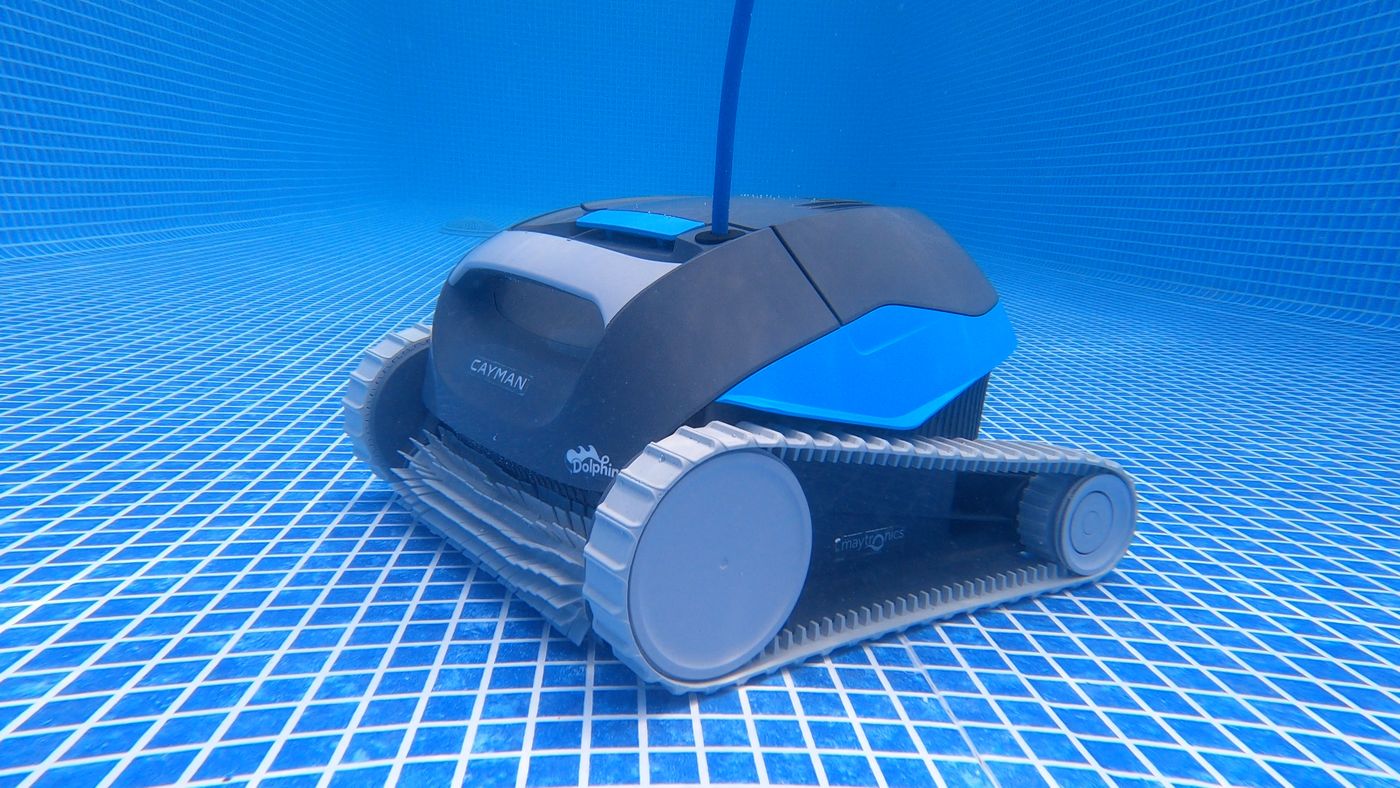
In my testing, the Cayman climbs walls and scrubs the waterline more thoroughly than I observed from the Sora 10, captures finer debris than the Sora 10’s mesh filter, and runs on a schedule without daily handling. For a standard inground pool, it’s the corded model I keep coming back to.
Read our full Dolphin Cayman review, or check the latest price on Amazon.
Final Verdict
What’s my final verdict on the Beatbot Sora 10?
Pool Nerd Disapproved
Based on what I observed during my testing in my own pool — the Beatbot Sora 10 is Pool Nerd Disapproved. It isn’t necessarily a bad unit — I just wouldn’t recommend it over a corded robot. Even still in 2026, the tech just simply isn’t there.
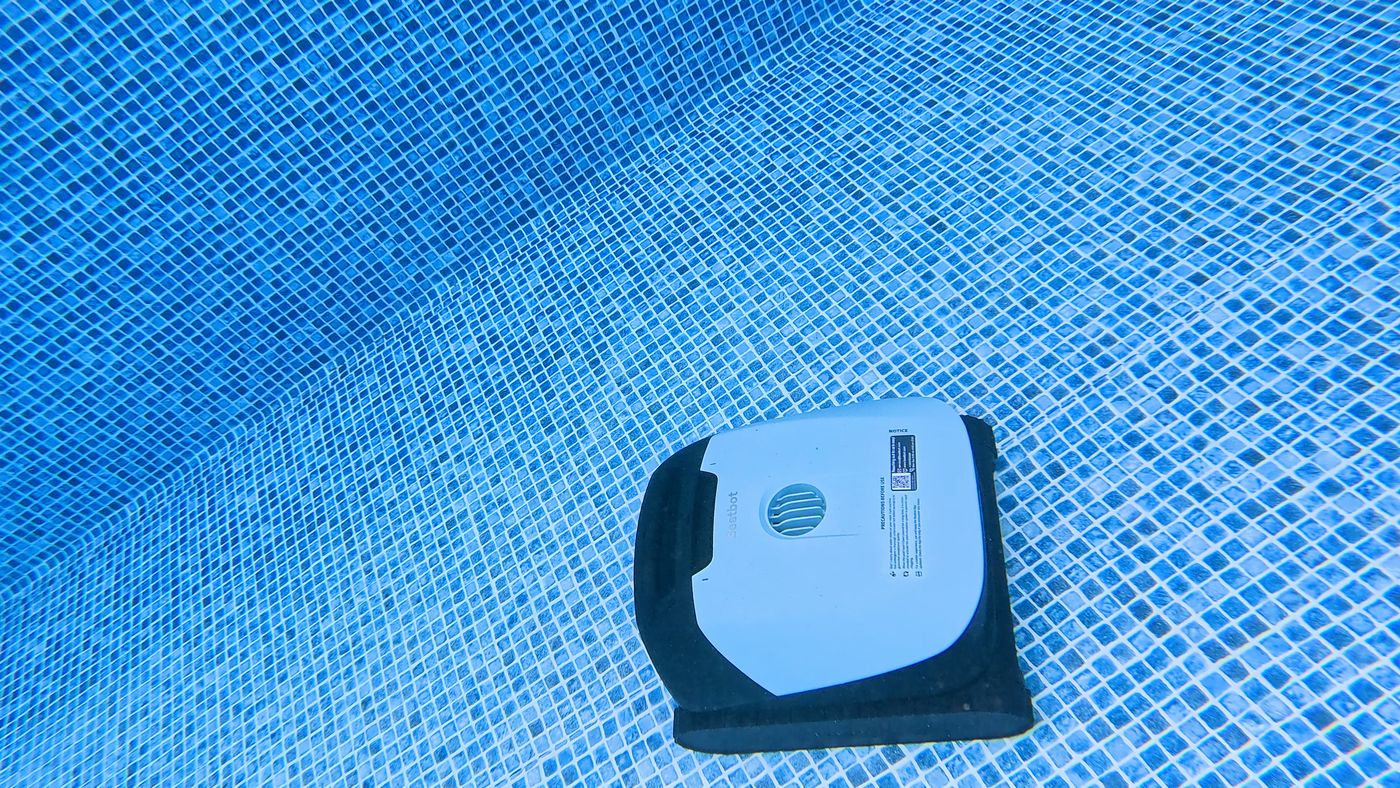
The build quality is good. The design is clean. But between the cleaning behavior I observed in testing — the slow pace, the somewhat random path, the repeated coverage of the same areas, the lighter wall and waterline coverage compared to corded units, and the lighter filter basket at the end of cycles — and the limitations — including the offline-while-submerged “smart” experience, the babysitting required around the battery, and the 5-hour-runtime / 4.5-hour-charge cycle — I can’t recommend it over a corded robot at a similar or lower price point.
If you’re shopping at this price point, the Dolphin Escape and Dolphin Cayman are the corded models I’d recommend based on my testing. But you can always check out my list of the best robotic pool cleaners for my latest up to date list.
As always, if you wanna keep nerding out over your pool, head on over to my deals page at ThePoolNerd.com/deals where I post the best deals on robotic pool cleaners and other top pool equipment.
Related Reading
- Compare Every Beatbot Model — Side-by-side breakdown of all Beatbot pool cleaners
- Best Beatbot Pool Cleaners — How the Sora lineup ranks across Beatbot
- Best Robotic Pool Cleaners — Our top picks after testing 30+ robots
- Best Corded Pool Robots — Every corded model we recommend, ranked
- Corded vs Cordless Pool Robots — Why corded cleaners outperform cordless
- All Robotic Pool Cleaner Reviews — Every robot we’ve tested


Comments
Loading comments…