
 Justin D.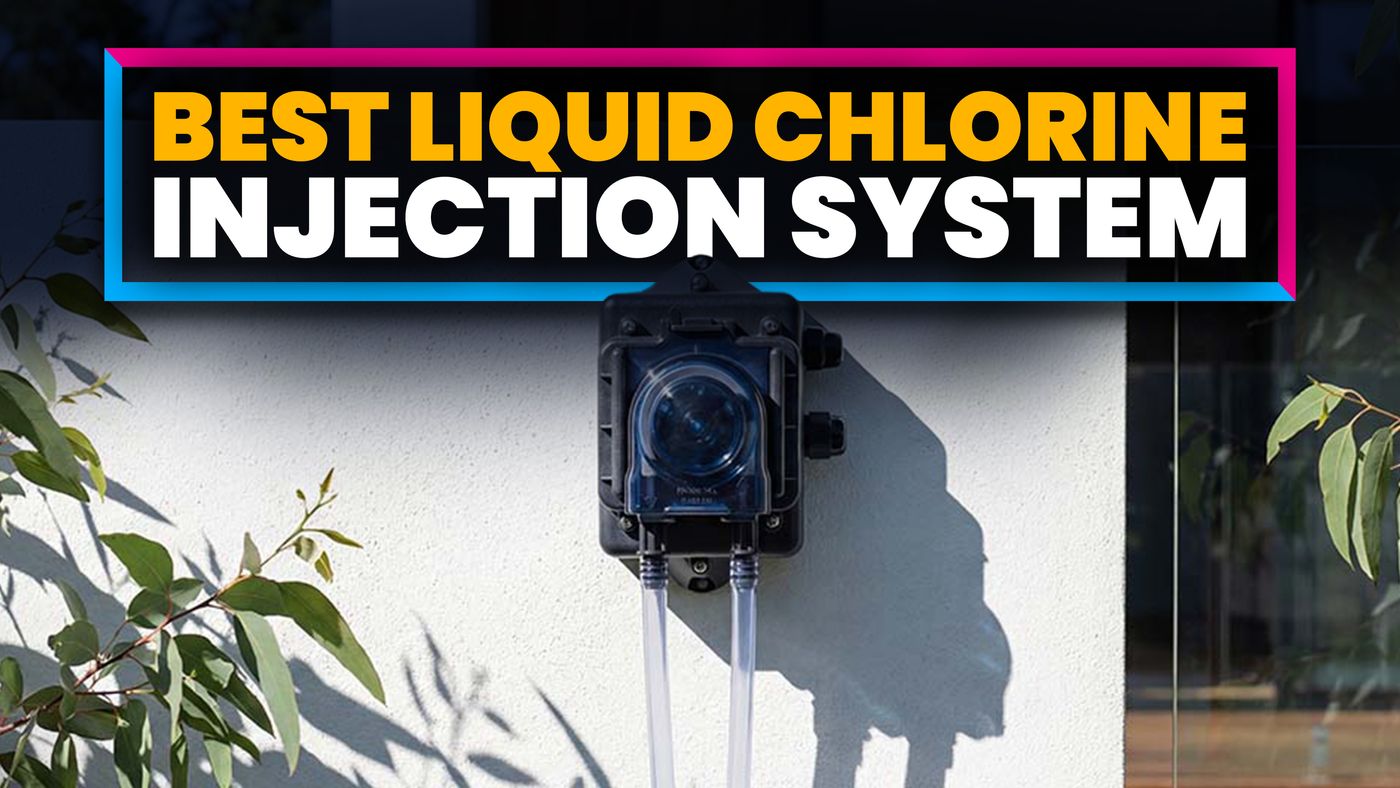
For years, I've preached one chemistry tip for pools: liquid chlorine and muriatic acid are the only two chemicals most pools ever need, and ORP — oxidation-reduction potential — is the number that tells you whether your sanitizer is working. If you are starting with manual dosing, first read how to add liquid chlorine to your pool. I run an Ondilo ICO in my own test pool and watch its ORP and pH readings every day, I've published deep dives on everything from best robotic pool cleaners to choosing between a saltwater or chlorine pool, and every verdict in this guide comes from my experience with years in the pool industry.
Best Liquid Chlorine Injection Systems at a Glance


For most pool owners, the best liquid chlorine injection system in 2026 is the Pentair IntelliChem — the controller plus the IntelliChem pump and tank — a two-part system where the controller reads your ORP and pH and the pump doses liquid chlorine to match. Buy both or buy neither; the controller without the pump is half a system.
If you're handy and want maximum value, build your own with a Stenner Classic 45 Series peristaltic pump, a vented solution tank, and a timer for a few hundred dollars.
And whichever route you take: order the equipment yourself online, then install it yourself or hire a pool pro for the hookup. In my experience, equipment supplied by a builder or service company carries a markup you don't need to pay.
Why Liquid Chlorine — And Why Automate It
Here's the thing. If you've followed this channel, you know where I stand on chemicals. Try to not use trichlor pucks as they stack cyanuric acid into your water. No cal-hypo dust clouding it up. Just clean, simple sanitation from the cheapest jug on the shelf. The one complaint is the jug itself — hauling it, pouring it, and riding the chlorine roller coaster that comes from dumping a big slug of bleach once or twice a week.
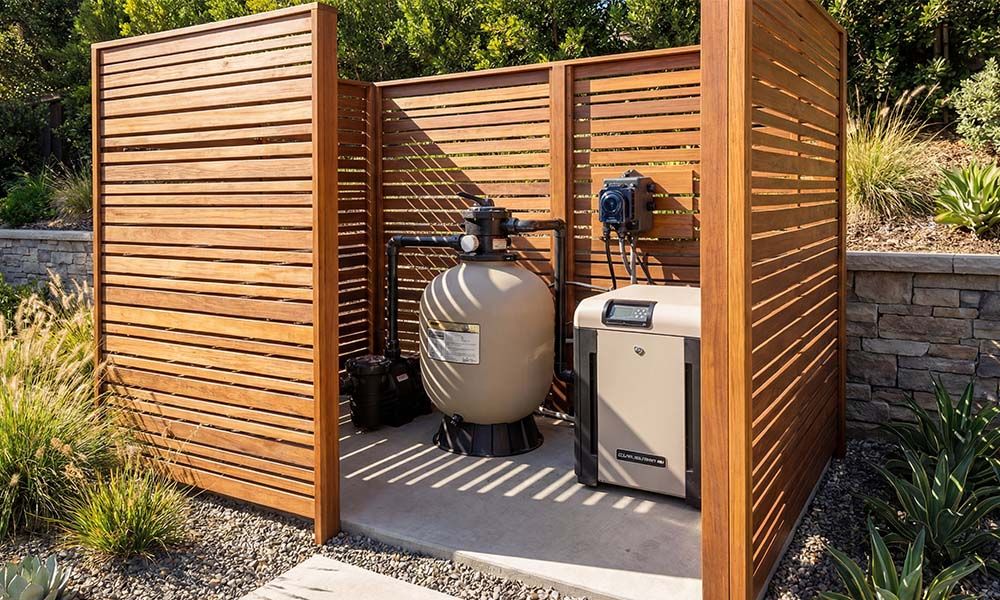
An injection system fixes exactly that. A small metering pump drips a tiny, measured dose of liquid chlorine into your return line all day long — the same way commercial pools, resorts, and water parks keep their water dialed in. In my opinion, it's the closest thing there is to a truly hands-off pool that still runs on the cheapest, cleanest sanitizer available.
It allows you to deliver more stable chlorine, giving you a healthier pool for you and your family.
Now if you were thinking about a saltwater pool to "get rid of chlorine".
Let's talk about what a saltwater pool is, because salt is the automation most people default to. A saltwater pool is not chlorine-free. It's a chlorine pool with a chlorine factory bolted onto it — the salt cell makes sodium hypochlorite through electrolysis, the same compound that's in a jug of liquid chlorine. People don't buy salt because it's chlorine-free; they buy it because they're tired of hauling jugs. An injection system delivers that same set-it-and-forget-it convenience without a salt cell slowly corroding your heater, your rails, and your coping. I break the salt story down fully in saltwater vs chlorine pools.
Here's the kicker. Because liquid chlorine adds zero cyanuric acid, your water stays responsive. Your chlorine keeps its killing power instead of getting locked up the way it does when tab users watch their CYA creep past 100 ppm. Pair injection with an ORP monitor and you're running the same playbook Olympic venues use — micro-dose the sanitizer, watch the oxidation potential, and let the water tell you when it needs more.
The Three Ways Most People Chlorinate (And the Catch With Each)
Trichlor and Dichlor Tablets
Those pucks in a floater or in-line feeder are convenient, and that's the whole trap. Trichlor sits around a pH of 2.8 — an acid bomb — and every tab you dissolve adds cyanuric acid to your water. A little CYA is fine. But tabs never stop adding it, and once it climbs past 80 or 100 ppm it starts choking your chlorine's ability to sanitize. Anyone who tells you CYA doesn't matter is dead wrong. There's a physical problem too: a feeder full of tabs creates a concentrated, acidic hot spot, and when your pump shuts off, that caustic water sits in the pipe until it gets pulled through your equipment on the next startup — hard on seals, filters, and heat exchangers.
The Tablet Trap
Tabs are the fast food of pool care: easy, cheap up front, and quietly expensive later. The CYA they leave behind is the single most common reason I see “high chlorine, still cloudy” pools. Injection runs on liquid chlorine, which adds no CYA at all — so your sanitizer stays effective and your ORP stays responsive. Already stuck? Here's how to lower CYA.
Salt Chlorine Generators
I'll be fair here — salt automates chlorination, it's consistent, and it's a big step up from a neglected tab pool. But salt is aggressive on metal, stone, and plaster over time, and the cell itself is a wear item with a countdown timer: the titanium coating degrades, scale builds up, and eventually you're buying a replacement. Add the steady pH climb from the high-pH chlorine a cell generates, and the "cheap chlorine" story gets expensive. Injection gives you salt's convenience without handing your equipment a slow corrosion bill.
Manual Jug-Dumping
This is what most liquid-chlorine folks do, and it works — but it's a roller coaster. You dump a big slug of bleach, your free chlorine spikes, then it sags over the next couple of days until the next dump. Your ORP rides the same wave, so the pool spends part of the week over-chlorinated and the rest under-protected. Micro-dosing a little every day flattens that curve completely: steady sanitizer, steady ORP, steady water.
How a Liquid Chlorine Injection System Works
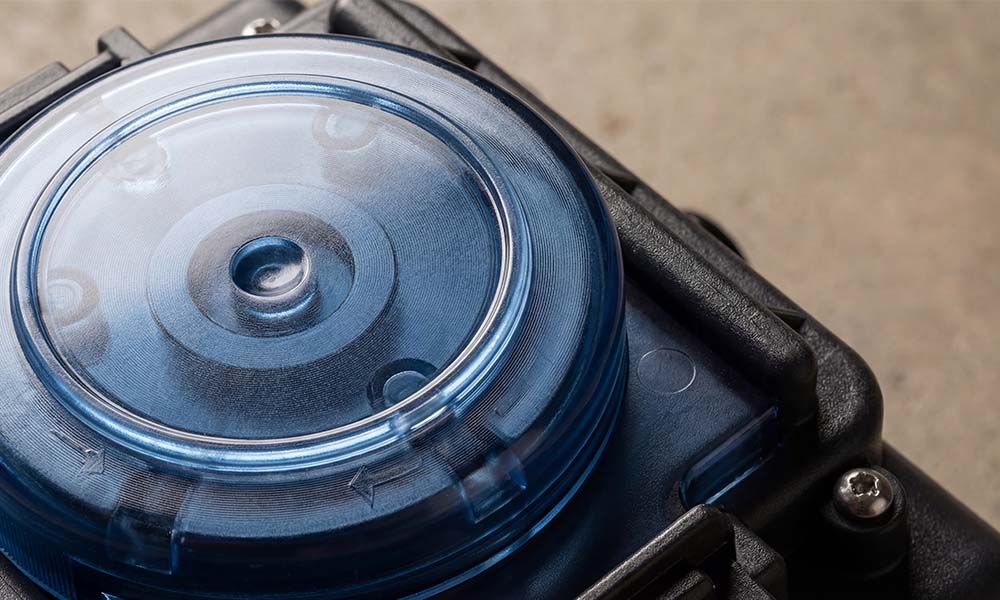
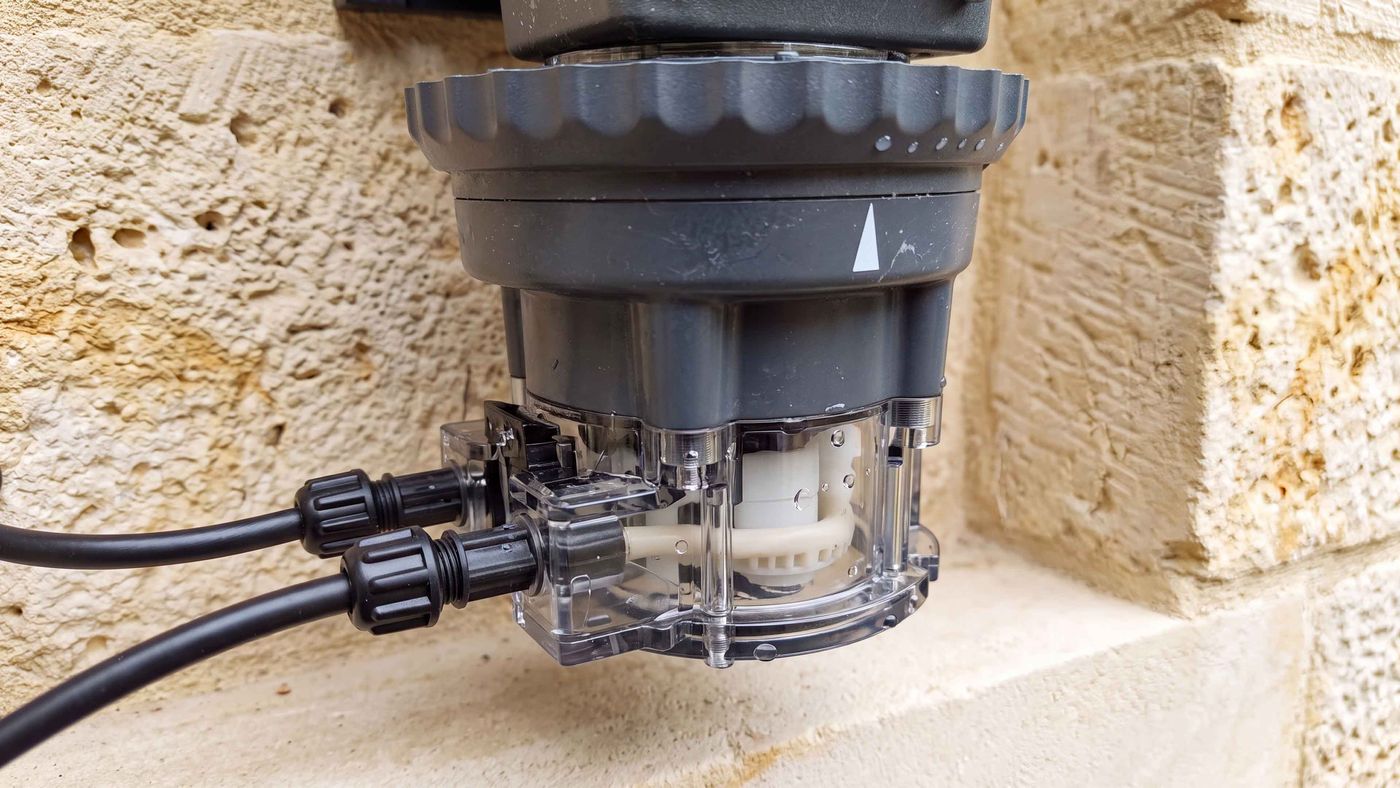
The concept is simple. A small metering pump pulls liquid chlorine out of a storage tank and injects a precise micro-dose into your return plumbing — after the filter and heater, so nothing corrosive ever runs backward through your equipment. Most residential setups use a peristaltic pump, which squeezes a flexible tube in a rotating motion to push the chemical through. The bleach only ever touches the inside of that one tube, so there's very little to corrode, and the tube is a cheap, quick swap when it wears.
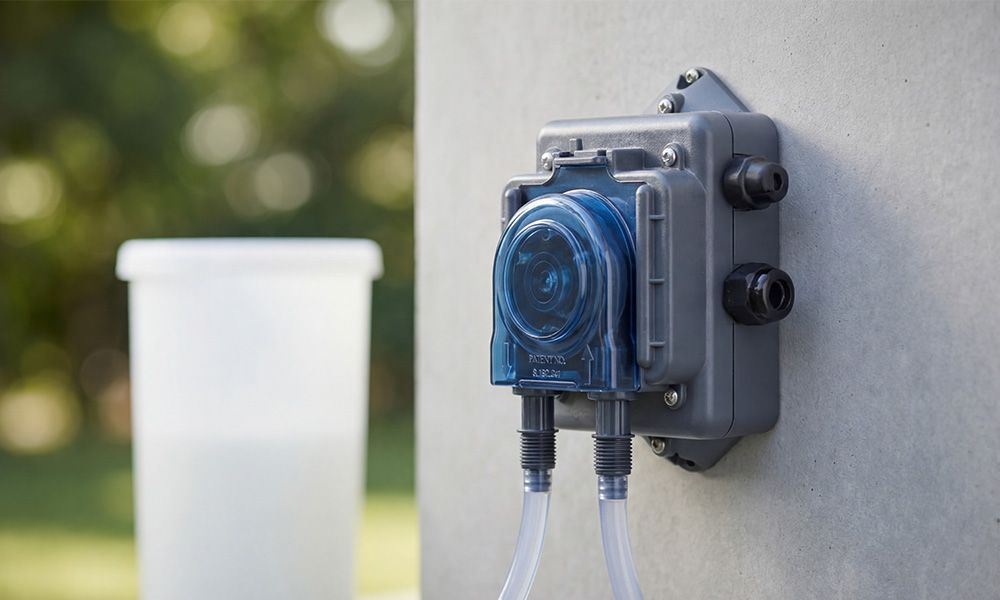
A basic build has five parts: the pump, a vented storage tank for your bleach, a weighted strainer that sits just off the bottom of the tank, a length of chemical-resistant tubing, and an injection fitting that taps into your return line. From there, the pump runs one of two ways. On the simple end, it's wired to a timer so it only doses while your main pump is circulating. On the smart end, it's paired with a monitor that reads your water, so dosing follows the numbers instead of a guess. That second approach lines up with everything I preach: measure the water's sanitizing power, top it up on demand, keep your CYA low, and you're about as close to autopilot as backyard pool care gets.
What Separates a Great System From a Headache
- A peristaltic (tube) pump. The chemical touches only the tube, so it shrugs off gas-forming bleach and stays easy to service. It's the design the pros trust for daily hypochlorite.
- Micro-dosing, not dumping. You want a little sanitizer added continuously, not a big slug once a week. That's what keeps your ORP flat and your water consistent.
- A feedback loop. The best setups dose based on what the water reports. ORP is the one number that tells you whether your chlorine is doing its job.
- Dose only into moving water. The pump should never feed chlorine into idle pipes — sync it to your circulation pump's runtime, or use a flow interlock.
- A serviceable, chemical-rated build. Look for NSF-listed components and a pump tube you can change yourself once a year for a few dollars. That's the difference between a decade of service and a throwaway.
And one that's on you, not the hardware: low-CYA discipline. Injection shines precisely because liquid chlorine keeps cyanuric acid low, which keeps both your chlorine and your ORP reading responsive.
1. Best Overall — Pentair IntelliChem (Controller + Pump — Buy Both, It's One System)
This is the commercial gold standard brought home. The IntelliChem is the brain of the operation: it continuously monitors your ORP and pH with in-line probes, then drives a dosing pump that injects liquid chlorine based on your water's actual sanitizing power — not a schedule, not a guess. When your ORP dips, it doses. When pH climbs too high to trust the reading, it holds off until you bring it back down. There's a built-in setup wizard, a flow sensor so it never feeds into idle pipes, and a Langelier index calculator that flags when your water balance drifts — and the ScreenLogic remote puts your pH and ORP on your phone or PC. It's NSF-50 listed, the same certification class commercial aquatic facilities buy against.
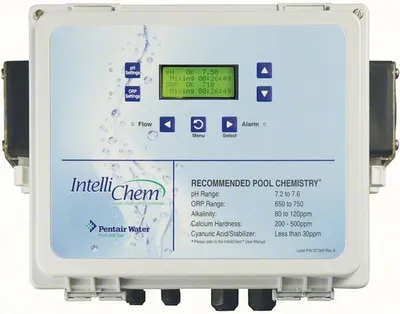
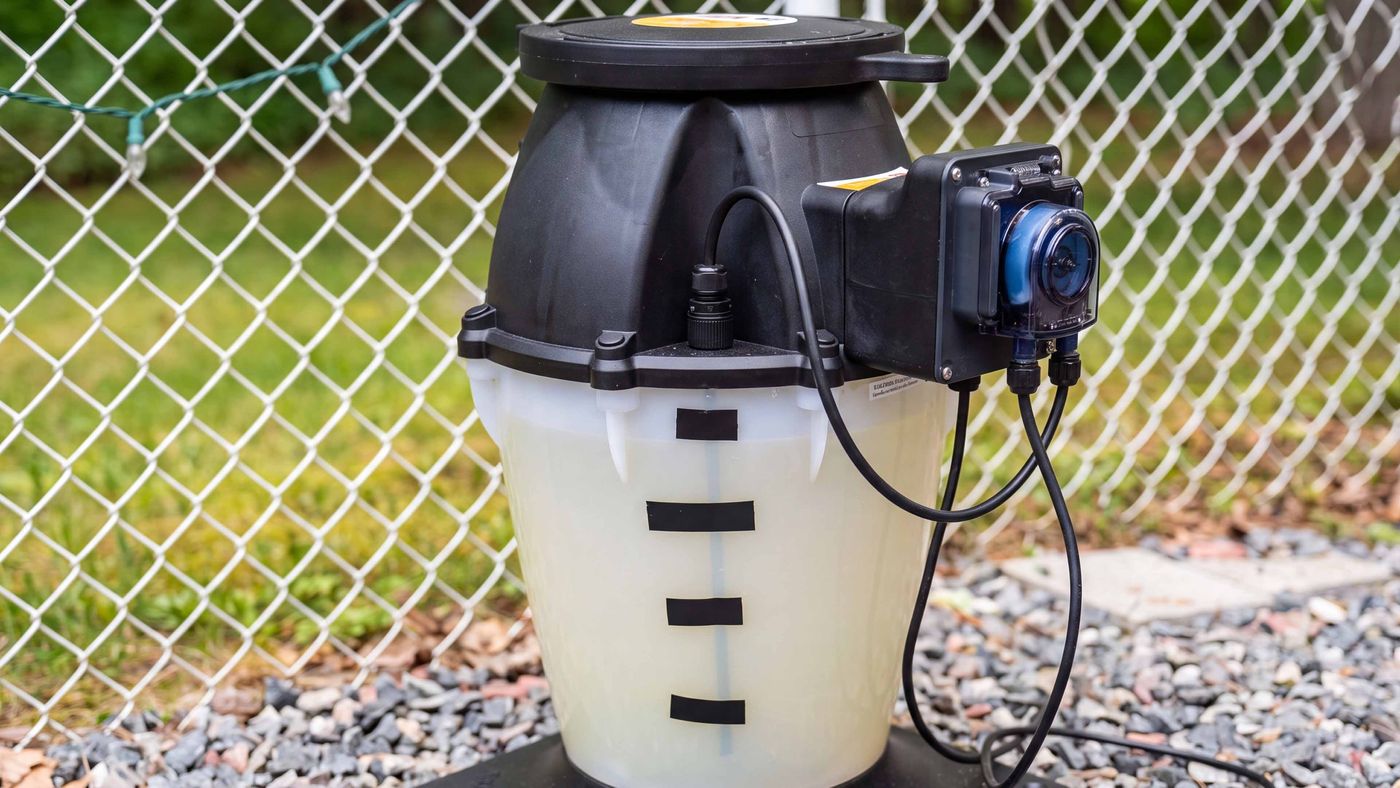
Understand one thing up front: this is a two-part purchase, and I'd tell you to buy both parts or neither. The IntelliChem controller is the brain; the IntelliChem pump with tank is the muscle. The controller reads the water and makes the call, the pump executes it, and the tank holds the plain liquid chlorine it draws from. Order both together and you have a complete, closed-loop chlorination system — the exact measure-and-dose playbook Olympic venues and water parks run, sized for a backyard.
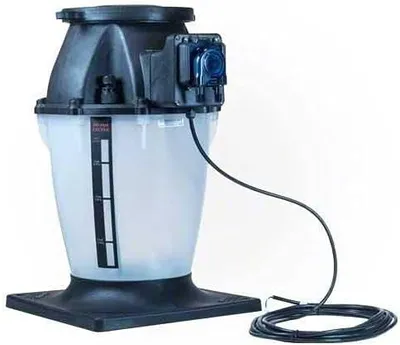
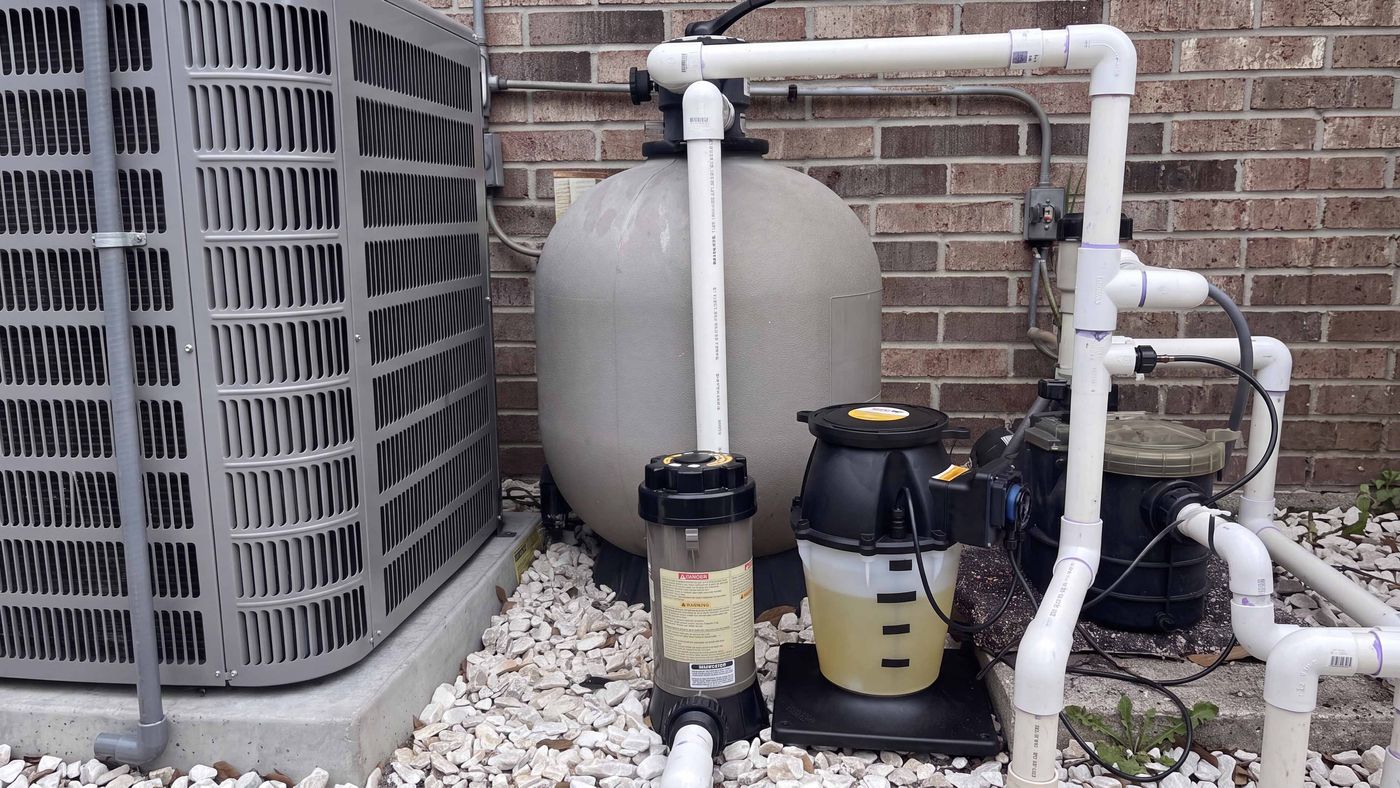
The trade-off is cost and discipline. This is the most involved system in this guide to own, and I'll be straight with you on the caveat that matters most: ORP probes need periodic calibration, and ORP-based control performs best in low-CYA water. That's not a knock — it's one more reason to stay off the tabs. Keep your cyanuric acid low the way this channel always preaches, keep the probes calibrated, and this system holds your water dead-on with almost no hands. Run high CYA and the ORP signal gets muddy fast. This is the pick for the owner who wants true autopilot and will pay for it.
Heads-Up Before You Buy
Two things. First, warranty: this is trade-grade gear that generally needs professional installation to validate the manufacturer's warranty, so buy from an authorized seller and budget the install into the price. Second, ORP realism: the system rewards low CYA and regular probe calibration. If you're not willing to keep up with either, the Stenner route below will make you happier.
2. Best DIY Value — The Stenner Classic 45 Build
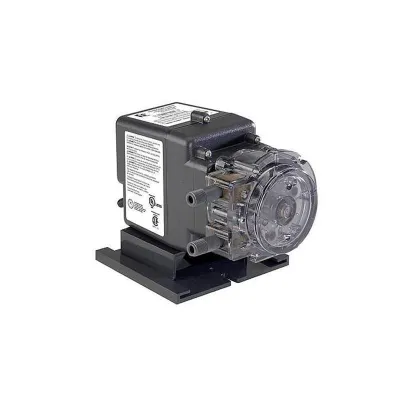
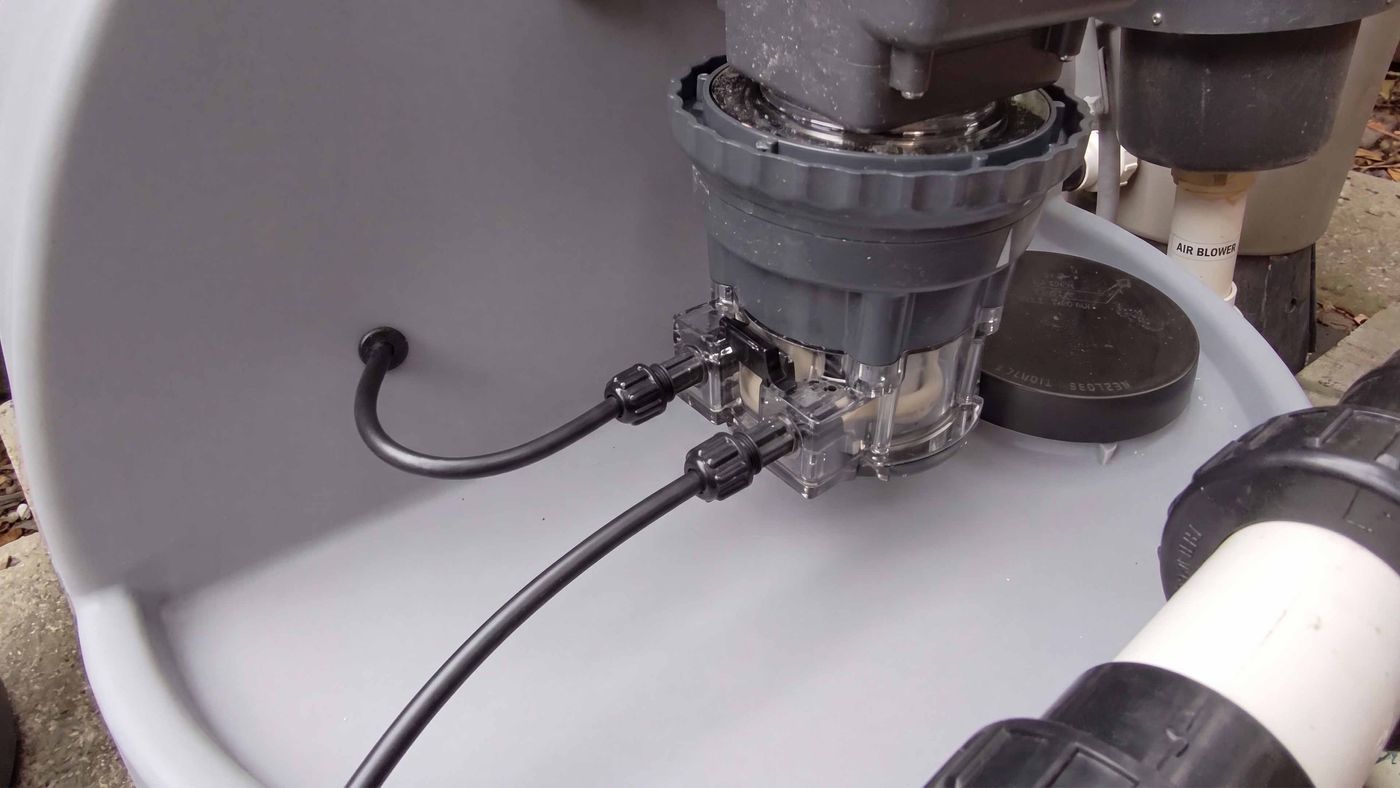
If you're handy and want the most proven, most repairable injection pump on the market, it's a Stenner. The Classic 45 Series is the workhorse that's been sanitizing commercial pools and well-water systems for decades, and it's the pump the forums point people to over and over for a reason: it's simple, it's NSF-listed, and it runs for years on a pump tube you replace yourself for a few dollars. A complete residential build — pump, tank, tubing, strainer, fitting, timer — typically lands at a few hundred dollars, which makes it the value pick in this guide by a wide margin. The trade-off is that nothing here reads your water for you: you set the dose, and you lean on testing (or an ICO) to check your work.
The Shopping List
| What you need | What it does | Nerd notes |
|---|---|---|
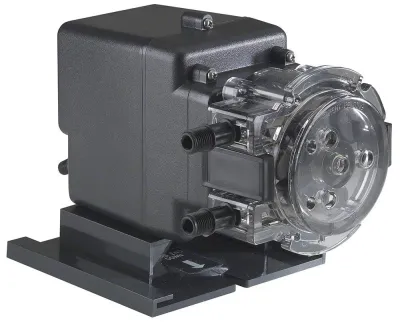
| Stenner Classic 45 Series pump — 45 Series on Amazon | The metering heart — a peristaltic pump that squeezes bleach through a single replaceable tube. | Fixed-output models run quieter. The 85MJH2A2S adjustable-head (0.8–17 GPD) lets you turn output up or down at the pump instead of the timer. |
| Vented solution tank, 15–30 gal | Stores your liquid chlorine between refills — this is your “bucket.” | Chemical-rated, lidded, and vented is non-negotiable — bleach off-gasses. A 30-gallon tank holds roughly a month of dosing for many pools. |
| Weighted suction strainer | Holds the pickup line a couple inches off the tank floor. | Keeps sediment out of the pump tube. Often included in Stenner tank kits. |
| Chemical-resistant tubing | Carries bleach from tank to pump to pipe. | Usually included with the pump. Keep runs short, protected, and out of the sun. |
| Injection check-valve fitting | Taps the dose into your return line. | The check valve stops pool water from backing up into the chlorine line. |
| Grounded digital timer | Syncs dosing to your circulation pump's schedule. | Chlorine should only ever flow into moving water — never into idle pipes. |
The Adjustable-Head Option
Fixed-output Classic 45 models run quieter, but if you'd rather turn a dial at the pump than reprogram a timer, the Stenner 85MJH2A2S gives you the same peristaltic design with an adjustable head that spans 0.8 to 17 gallons per day.
How to Build It, Step by Step
Here's the build, start to finish. Kill power to your equipment pad and relieve the filter pressure before you cut anything.
-
Pick the location. Close to the equipment pad, shaded, ventilated, and out of reach of kids. Mount the pump on a wall or shelf above the tank so a worn tube can never siphon the whole tank.
-
Set the tank. Level surface, out of direct sun — heat and UV degrade bleach fast — with a vented lid so gas can escape instead of building pressure.
-
Tap the return line — after the filter and heater. Drill and install the injection fitting so chlorine is the last thing added before water heads back to the pool. Nothing corrosive should ever pass through your equipment.
-
Run the suction line. Drop the weighted strainer into the tank so it hangs a couple inches off the floor — sediment stays put instead of feeding into the pump tube.
-
Run the discharge line. Tubing from the pump head to the injection fitting. Keep the run short and shielded from sunlight.
-
Wire the timer. A grounded digital timer, set so the pump only doses inside your circulation pump's runtime. The cleanest setup interlocks the injector with the pump circuit so chlorine can never flow into still pipes.
-
Fill and dial it in. Use 10–12.5% pool-grade chlorine (fresh) or plain, unscented household bleach. Start conservative, test free chlorine daily for the first week, and trim the timer minutes until your numbers hold steady. An ICO turns this from a week of test kits into a glance at your phone.
-
Maintain it. Swap the pump tube once a year, keep your bleach cool and fresh, and eyeball the fittings each spring. That's the entire maintenance plan.
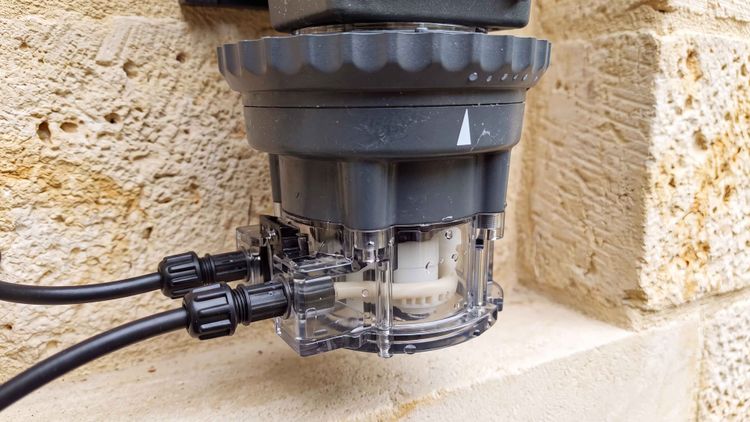
A Stenner pump dosing liquid chlorine — the only wear item is a feed tube you replace once a year // The Pool Nerd
Size It Right
Match the pump to the pool. In peak summer, a mid-size pool often needs roughly half a gallon to a gallon of liquid chlorine a day — size the pump to deliver a full day's dose within a few hours of runtime, then trim with the timer. A fixed-output Classic 45 runs quieter than an adjustable-head model; buy the adjustable if you'd rather turn a dial than reprogram a timer.
Skill gut-check: if you can drill a clean hole in PVC, thread a fitting with tape, and wire a timer, this is a Saturday afternoon. If that sentence made you nervous, keep reading — the next section is for you.
DIY or Hire a Pro? Order the Equipment First Either Way
Both of these setups can technically be self-installed, but they sit at opposite ends of the spectrum. The Stenner build is a true DIY project — a Saturday afternoon for anyone comfortable with basic plumbing and a timer. The IntelliChem is trade-grade gear that generally requires professional installation to validate its warranty, so for that one the question mostly answers itself. Either way, here's my standing advice, and it applies to nearly every piece of equipment I cover on this channel: order the equipment yourself, then decide who installs it.
In my experience, when a builder or pool service supplies the hardware, it arrives with a markup — sometimes a steep one — over the exact same pump or system sitting on Amazon or the manufacturer's site. Labor is worth paying for; a middleman's margin on a box is not. Buy the IntelliChem or the Stenner parts at street price, hand your pool pro the box, and pay them for an hour or two of skilled plumbing and wiring. You get a professional install, they get paid fairly for their time, and nobody pockets a markup on hardware you could have ordered in five minutes. One caveat: buy from authorized sellers so your warranty stays clean.
Building a New Pool? Injection Can Come Built In
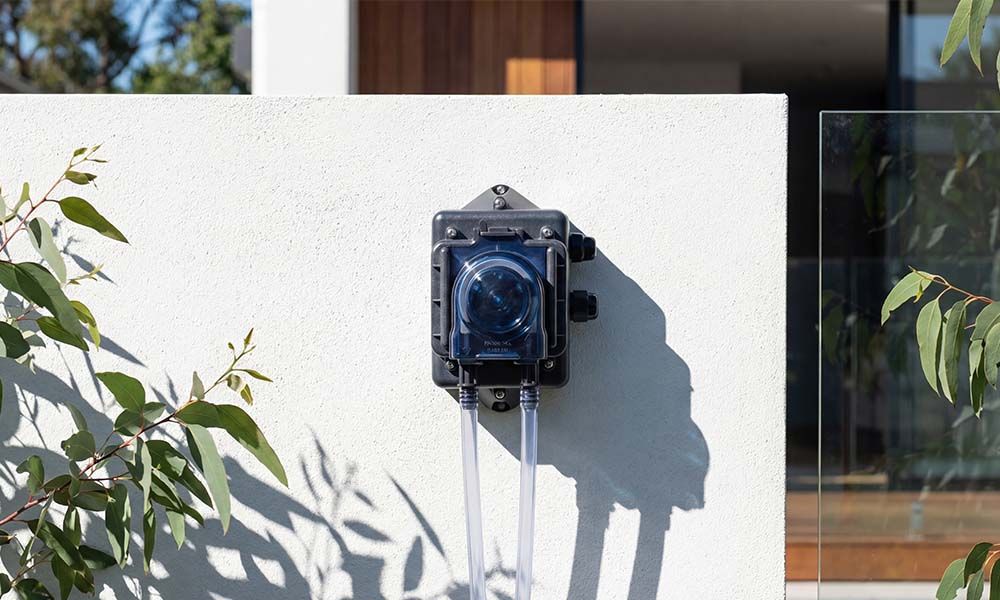
Micro-dosing injection isn't only a retrofit. Ecopool builds its pools with a commercial-grade liquid-chlorine micro-dosing injection system already integrated — a single variable-speed dial instead of a salt cell or a tab feeder. Ecopool doesn't sell the injector as a standalone product, so it won't show up in the rankings above, but if you're shopping for a whole pool it's the same philosophy this guide preaches, plumbed in from day one.
Dial It In With ORP — Then Cut Chlorine Demand With UV
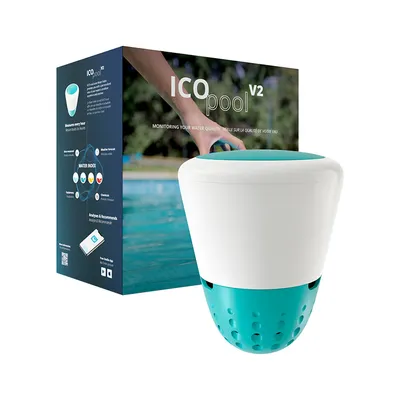
Whichever system you choose, I want an independent set of eyes on the water — and mine is the Ondilo ICO. I run one in my test pool, and it's the canary in the coal mine for water quality: it floats in the pool, tracks ORP and pH every hour, and sends the readings straight to my phone. On a Stenner build, the ICO is the brain the hardware doesn't come with — it tells you exactly where to set your dose and flags the moment your sanitizing power dips. On an IntelliChem, it's the second opinion: the controller has its own probes, and a monitor reading the same water is how you catch probe drift between calibrations instead of finding out the hard way. My target either way is an ORP of 650 to 700 millivolts, ideally north of 700. You can read more about ORP and the ICO at mysmartpool.com.
Want to take it one step further? A SpectraLight UV system kills pathogens with ultraviolet light before the water ever returns to your pool — the same technology used in Olympic venues and hundreds of commercial aquatic centers. When UV shoulders part of the sanitizing load, you hold the same ORP with less chlorine: the injection pump runs less, your pH stays steadier, and the chloramines behind that harsh "chlorine smell" get destroyed instead of building up. Injection, ORP monitoring, and UV together is the smartest modern pool setup I know of — the water people think they're getting from salt, without the corrosion and equipment damage.
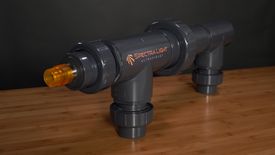
SpectraLight UV
Shock Less, Swim Cleaner
UV on the return line cuts chloramines and organic load so you pour less chlorine and shock over the season—not a sanitizer replacement, but a serious upgrade next to good circulation and testing.
Frequently Asked Questions
Can I inject bleach and acid with the same pump?
No — and don't try. Chlorine and acid get separate pumps and separate injection points for the same reason you never mix them in a bucket: combined, they produce chlorine gas that can seriously hurt you. Full automation systems like the IntelliChem offer acid dosing as a separate, second pump for exactly this reason.
What strength bleach should I use?
Pool-grade liquid chlorine at 10 to 12.5% is the most economical per gallon, but it degrades faster, so check the manufacture date and use it fresh. Standard 6% household bleach keeps longer and is easier on a small tank. Either way, buy plain and unscented — never splashless or scented.
How often do I refill the tank?
It depends on your pool size and the season. A 30-gallon tank holds roughly a month of bleach for many residential pools, which is why I like that size — refills become a monthly chore instead of a weekly one.
Is it safe?
Yes, when it's set up correctly. Mount the pump above the chemical and under cover, keep the tank out of reach of kids, and make sure the system can only dose while water is circulating. And remember the golden rule: keep your chlorine and acid tanks and injection points fully separate. This is educational information, not a substitute for the manufacturer's instructions.
Will it work with a variable-speed pump?
Yes, and that's the ideal pairing. A variable-speed pump running longer at low speed gives your injector more hours of the day to work with — exactly the slow, steady micro-dosing you're after.
Do I still need to test my water?
Yes. An injection system automates the dosing, not the thinking. A continuous ORP and pH monitor like the ICO does most of the watching for you, but confirm with a manual test now and then, and check your CYA every few months.
Where I Land
A liquid chlorine injection system is the upgrade that finally makes a simple, clean pool effortless. It delivers the convenience people chase with salt, without the corrosion — and the automation people chase with tabs, without the CYA creep — on the cheapest, cleanest sanitizer on the shelf.
If you want true autopilot, buy the IntelliChem controller and pump together and treat them as one purchase — then keep your CYA low and your probes calibrated so the ORP signal stays clean. If you're handy and value-focused, the Stenner Classic 45 build will serve you for years for a fraction of the price. And whichever you choose, order the equipment yourself at street price and hire out only the labor. Set your dosing, watch your ORP, and let the pump do the work.
Find The Best Deals
Want current pricing on the IntelliChem system, Stenner pumps, the ICO monitor, and SpectraLight UV — plus everything else I recommend? Head to the deals page, where I post the best deals I find online on top pool equipment.
This information is for educational purposes only. Handling pool chemicals — especially liquid chlorine and muriatic acid — carries a significant risk of injury or property damage. Never mix chlorine and acid. Always read the manufacturer's labels and safety data sheets, and use this information at your own risk.
That's the complete playbook. Until next time — keep nerding out, and enjoy that pool. I'll see you soon.
Related Reading
- Must-Have Pool Equipment — The 6 upgrades that cut my maintenance by 90%
- Saltwater vs Chlorine Pools — The honest comparison, corrosion and all
- Converting a Saltwater Pool to Chlorine — Where injection replaces the salt cell
- ICO Pool Water Monitor Review — The ORP data that makes dosing smart
- SpectraLight UV Review — Cut your chlorine demand at the source
- Best Variable Speed Pump — The long, slow circulation that injection loves
- How To Lower CYA — If tablets already left their mark



Comments
Loading comments…