
 Justin D.
Your test kit says you have chlorine. So why is your pool still green, cloudy, or smelling like a public water park?
If you're dumping chlorine in your pool and nothing is happening — stop. Adding more chlorine isn't the fix. It's probably making the problem worse. Welcome to one of the most misunderstood problems in pool care: chlorine lock.
Hey guys, welcome back to The Pool Nerd. I'm Justin, your resident pool aficionado. Today we're diving into chlorine lock — what it actually is, what really causes it, how to fix it, and most importantly, how to avoid it for good. And I'll show you how to fix it without having to go to the pool store.
Quick Take
"Chlorine lock" is almost always one of two fixable problems: too much cyanuric acid (CYA) strangling your chlorine, or pH so high your chlorine stopped working. The fix is boring but reliable: stop using tablets, lower CYA by dilution, drop pH to 7.0–7.2, and shock with liquid chlorine. No magic unlocker required.
Lowering CYA: What You Need Checklist
There's no chemical that destroys CYA—dilution is the fix. So the real shopping list is testing gear to confirm the problem and unstabilized chlorine to stop it from coming back.

Taylor K-2005 Test Kit
What it is: A professional drop (titration) kit for chlorine, pH, alkalinity, calcium hardness, and cyanuric acid.
Why you need it: You can’t SLAM or balance blind—especially CYA, which handcuffs chlorine. This kit gives numbers you can trust, not strip guesswork.

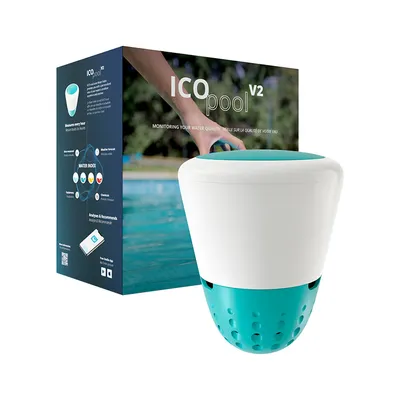
Ondilo ICO Pool Water Monitor
What it is: A floating smart monitor that samples pH, ORP (sanitizer effectiveness), and temperature on a schedule and sends trends to your phone.
Why you need it: You still need a real drop kit for parameters the ICO doesn’t replace (like TA and CYA), but hourly ORP/pH catches drift and dosing mistakes long before weekly strip checks do.

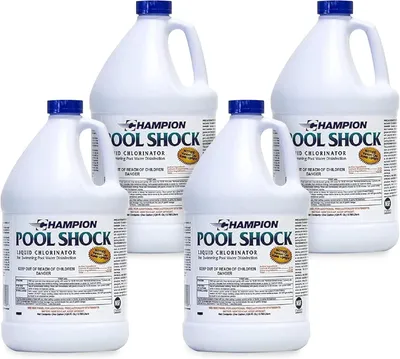
Champion Pool Shock (4 Pack)
What it is: A case of liquid pool chlorine (sodium hypochlorite)—not cal-hypo granules. Confirm strength on the listing and jug label (often around 10–12.5%).
Why you need it: Same upside as other liquid shock: no CYA from the product, easy to pour with the pump running—useful to keep stocked for openings, algae pushes, storms, or parties.
How to use: Treat it like any liquid shock (pour with circulation; big doses still work best at dusk). Store cool and shaded; opened jugs lose strength over time—plan to use them within a few weeks.

In The Swim Cal-Hypo Pool Shock
What it is: Calcium hypochlorite granular shock—high chlorine, adds calcium, no CYA.
Why you need it: Strong oxidizer for recovery and breakpoint; pre-dissolve; watch calcium if hardness is already high.

EASYTEST Pool Test Strips
What it is: Fast multi-parameter strips for quick checks.
Why you need it: Not as precise as a Taylor kit—use for mid-week spot checks (“did FC crash overnight?”) between full drop tests.
What "Chlorine Lock" Actually Is
Let me clear something up first. The term "chlorine lock" gets thrown around like it's some mysterious pool curse. It isn't.
What people call chlorine lock is almost always one of two things:
- Too much stabilizer (CYA) strangling your chlorine, or
- pH so high your chlorine has stopped working.
Your test kit shows chlorine in the water. But the chlorine has almost no sanitizing power left. So algae keeps coming back, water turns cloudy, and you burn through chemicals trying to fix it.
And here's the kicker — pool stores love this. They sell you shock, algaecide, clarifier, "magic" unlockers... and the real problem keeps getting worse. It's the same trap I break down in why you should stop shocking your pool every week: treating symptoms instead of causes.
The #1 Cause: CYA Creep (The Trichlor Trap)
The biggest cause of chlorine lock — by a mile — is too much cyanuric acid. CYA. Also called stabilizer or conditioner.
In small amounts, CYA protects your chlorine from sunlight. That's good. Without it, the sun would burn off your chlorine in a couple of hours. But CYA doesn't break down, doesn't evaporate, and doesn't leave your pool on its own. It just builds up. Forever.
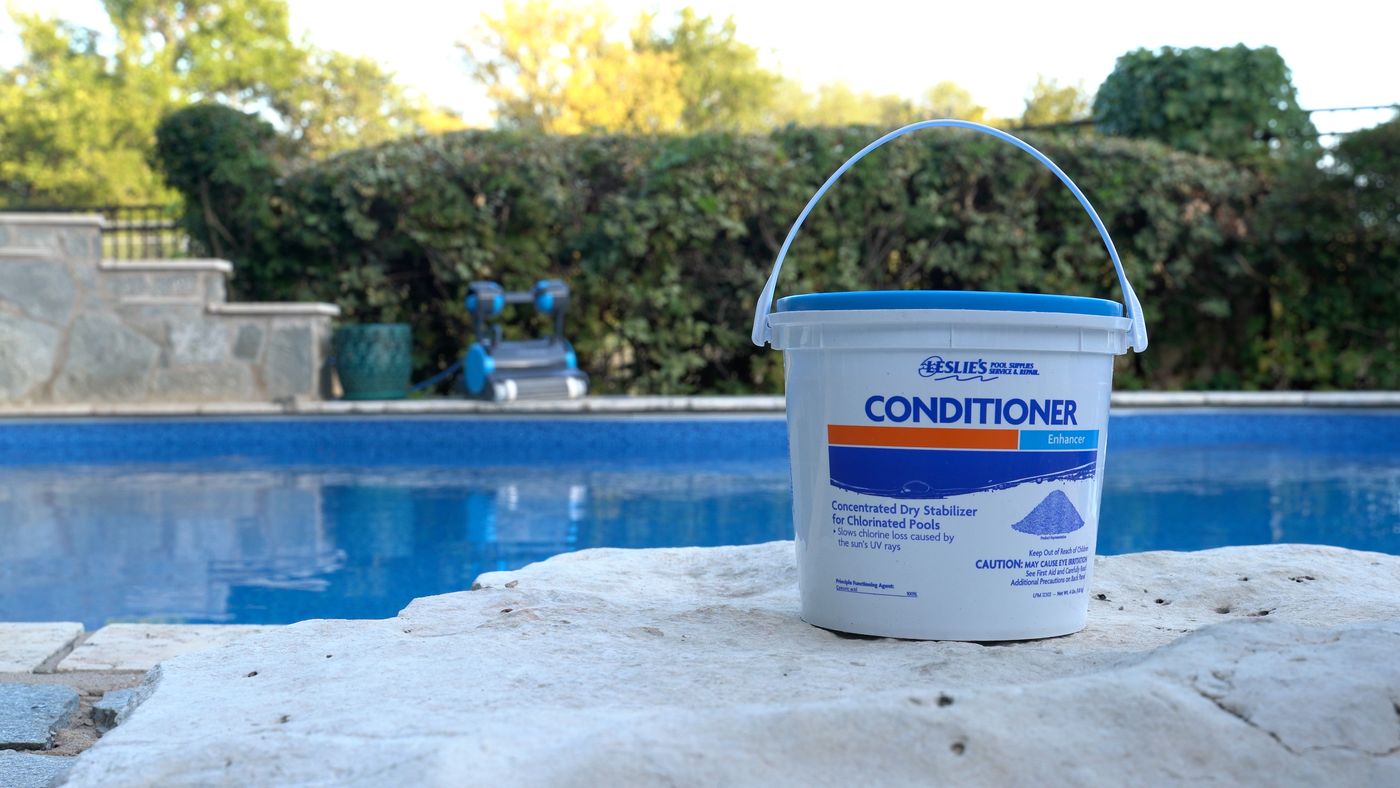
And here's where it comes from: chlorine tablets. Roughly 58% of a trichlor tablet is cyanuric acid by weight. Every puck you drop in the skimmer adds more stabilizer to water that already has plenty.
I call it the trichlor trap. You drop in pucks, your pool starts struggling, you drop in more pucks, your CYA climbs even higher, and the cycle keeps tightening.
The Golden Ratio Most Pool Owners Never Learn
There's a relationship between your CYA level and how much chlorine you need for it to actually work. Sounds nerdy. Let me make it simple:
| CYA Level | Free Chlorine You Need | What That Feels Like |
|---|---|---|
| 30 ppm | ~2 ppm | Easy. Cheap. Effortless. |
| 50 ppm | ~4 ppm | Still manageable |
| 100 ppm | 7–8 ppm | Constantly dosing just to keep up |
| 150 ppm | 11+ ppm | Dumping chlorine into a black hole |
See the problem? The higher your CYA climbs, the more chlorine you need just to do the same job. That's why folks with high stabilizer feel like they're pouring chlorine straight into a black hole. If your CYA is already out of range, my full guide on how to lower CYA walks through the fix in detail.
The Other Chlorine Killer: pH
pH does just as much damage as CYA — but from the other side. Chlorine's killing power is tied to pH on a logarithmic scale, so small pH changes cause big swings in effectiveness:
| pH | Chlorine Effectiveness |
|---|---|
| 7.0 | Peak power — roughly 80% active |
| 7.5 | You've already lost about half your sanitizing strength |
| 8.0 | Only about 20% effective |
So if your pH has drifted up, your chlorine is technically there — it's just not doing much of anything.
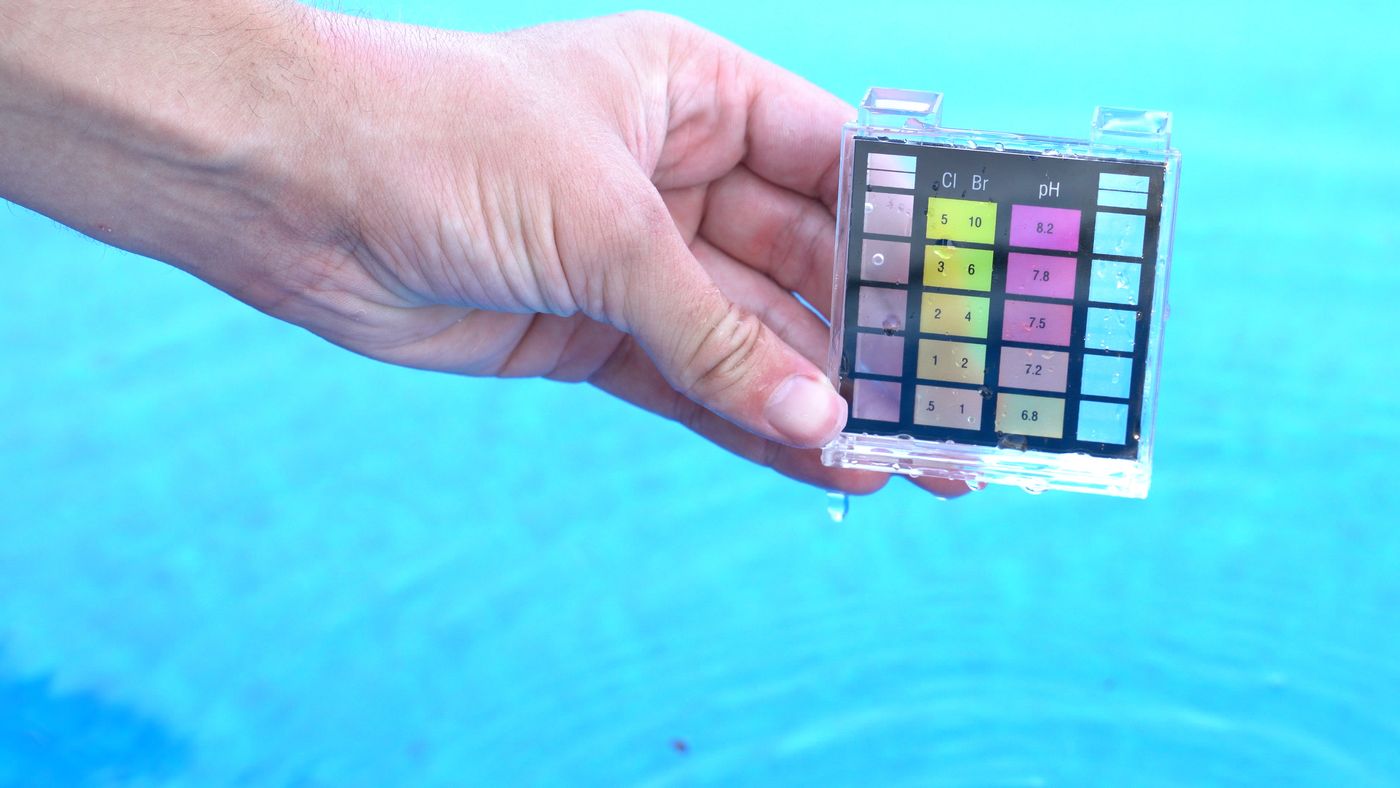
Most pool stores tell you 7.4 to 7.6 is fine. In my opinion, that's outdated. I run my pool at 7.0 to 7.2 — that's where chlorine actually fights. Where you keep your pH will depend on your pool type and personal preference, and I break the whole thing down in my guide on the ideal pool pH level.
Signs Your Pool Has Chlorine Lock
Here's how you know your chlorine is locked up:
- Chlorine vanishes within hours of adding it
- Algae keeps showing up despite "normal" chlorine readings
- Cloudy water that won't clear no matter what you add
- A strong chlorine smell coming off the water
- Your salt cell is running 100% and barely keeping up
- ORP stays low even when chlorine readings look fine
If you're seeing more than a couple of these, keep reading — the test below will confirm it in about five minutes.
How To Test For It (3 Numbers)
Three numbers tell you everything you need to know:
-
CYA — Should be 30–50 for chlorine pools, 60–80 for salt pools. If you're at 100+, you've found your problem.
-
pH — Should be 7.0 to 7.4. If you're at 7.6 or higher, your chlorine is half asleep.
-
ORP — Oxidation Reduction Potential. This is the one number that actually tells you if your chlorine is working. Target is 650 to 700 mV.
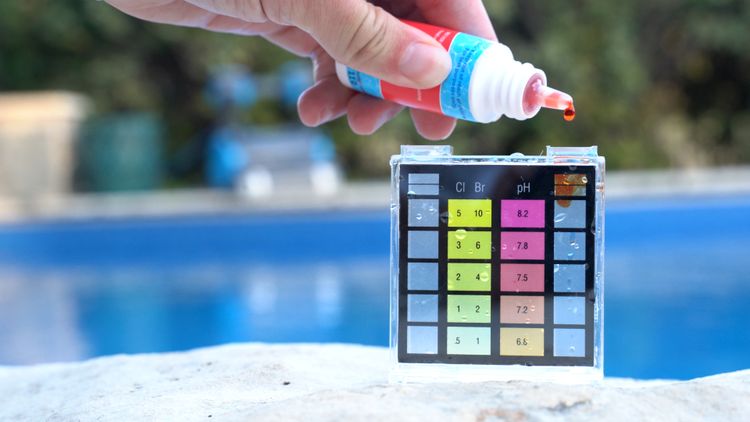
CYA, pH, and ORP tell you everything you need to know about chlorine lock // The Pool Nerd
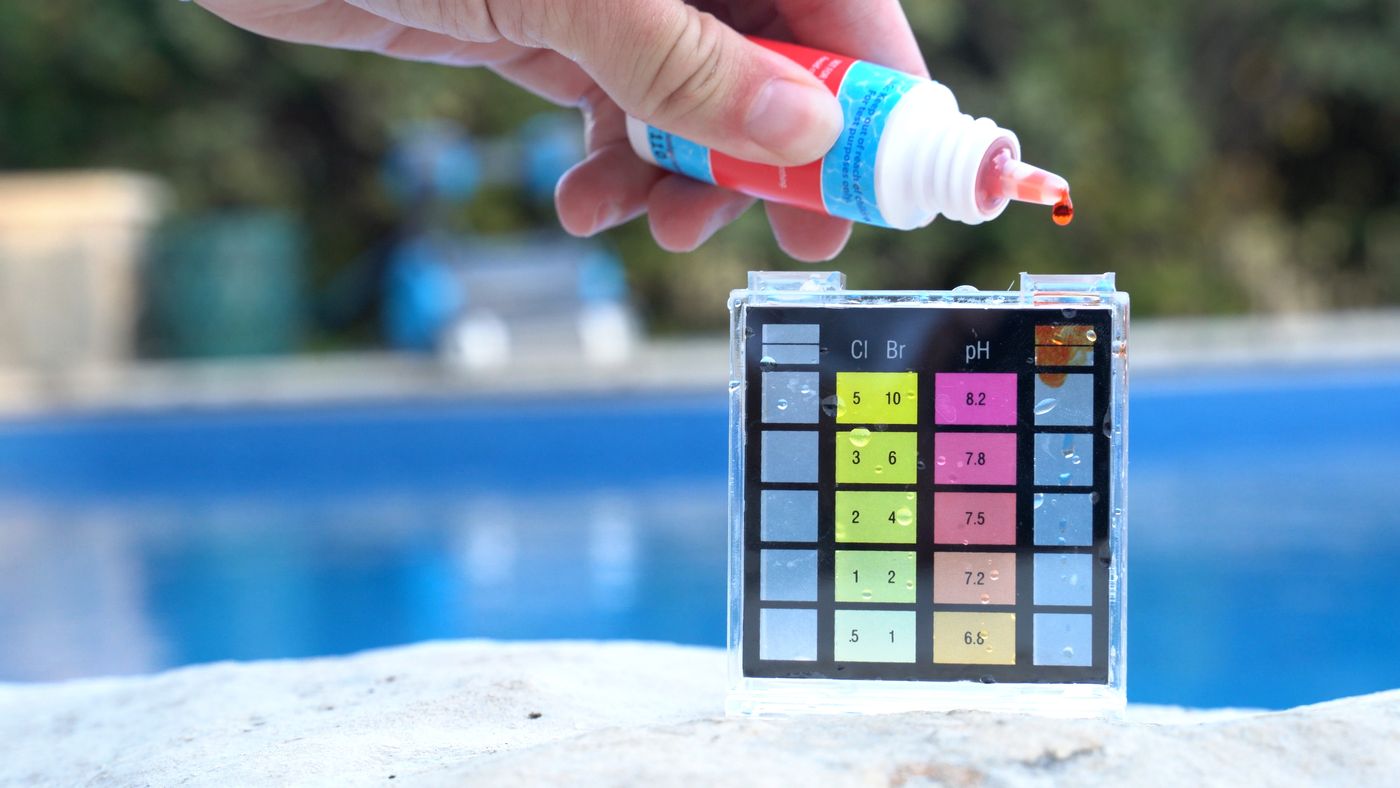
What Is ORP and Why Does It Matter?
ORP measures the actual sanitizing power of your water — not just how much chlorine is in it. It's the gold standard used at Olympic pools and commercial aquatic centers. If ORP is below 650 mV, your chlorine isn't doing its job — no matter what your test strip says.
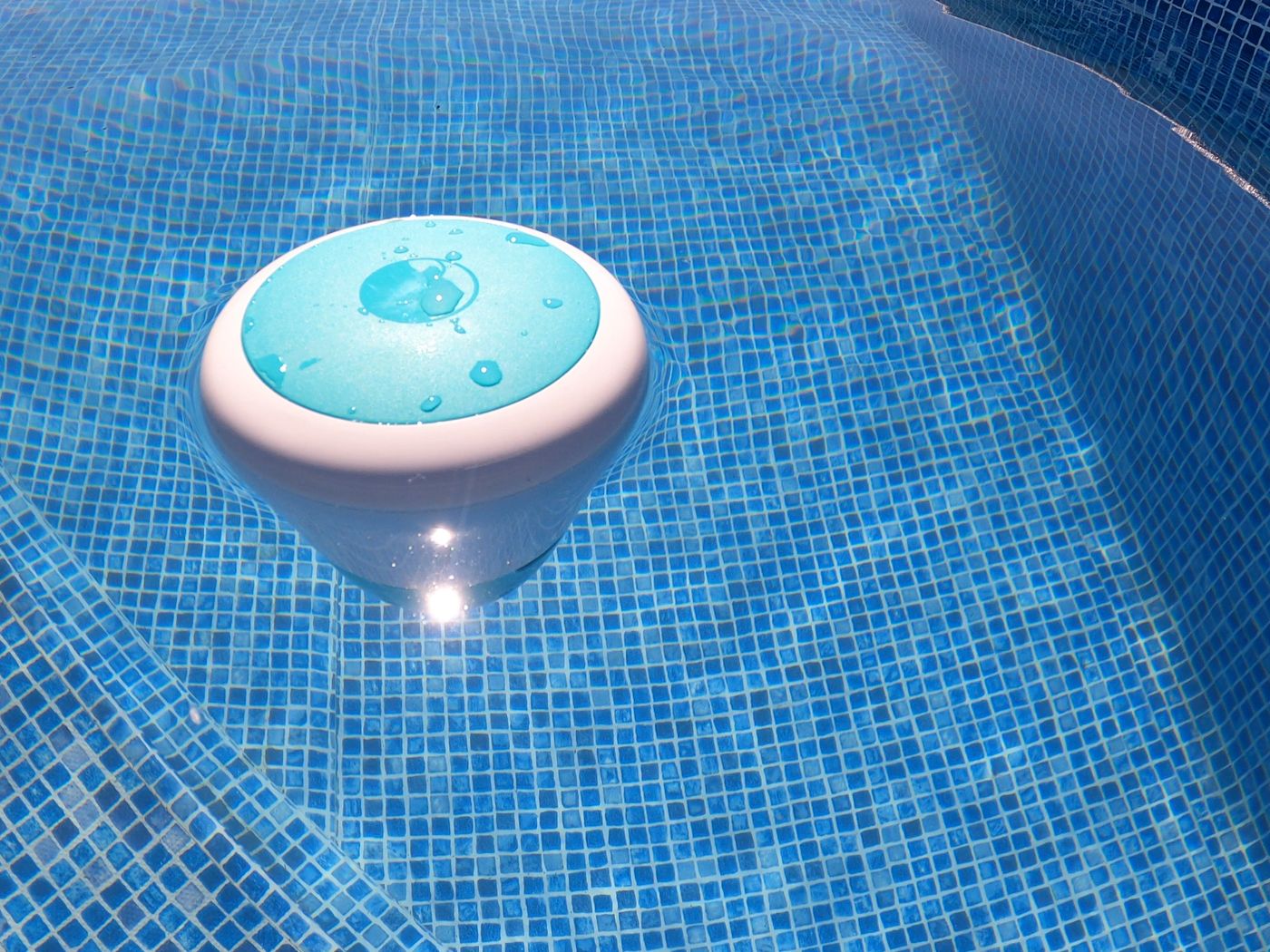
This is exactly why I run a pool water monitor like the ICO in my pool. It sits in the water and tracks ORP and pH 24/7, straight to my phone. No guessing, no panic dosing. If you want to compare options, I keep my full list at ThePoolNerd.com/best-pool-water-monitors.
So how do you fix chlorine lock?
How To Fix Chlorine Lock — Step By Step
This is where I see people make their biggest mistakes. Follow these in order:
Step 1: Stop Using Tablets
No more chlorine tablets. Switch to liquid chlorine, dosed regularly. And if you don't want to manually add it, look into a liquid chlorine injection system — I have my full list at ThePoolNerd.com/best-chlorine-injection-system.
Step 2: Lower Your CYA
Here's the part nobody wants to hear: CYA doesn't evaporate. It doesn't burn off in the sun. It doesn't break down on its own. The only reliable way to lower it is dilution — drain and refill.
If your CYA is at 100 and you want it at 50, you need to replace about half your water.
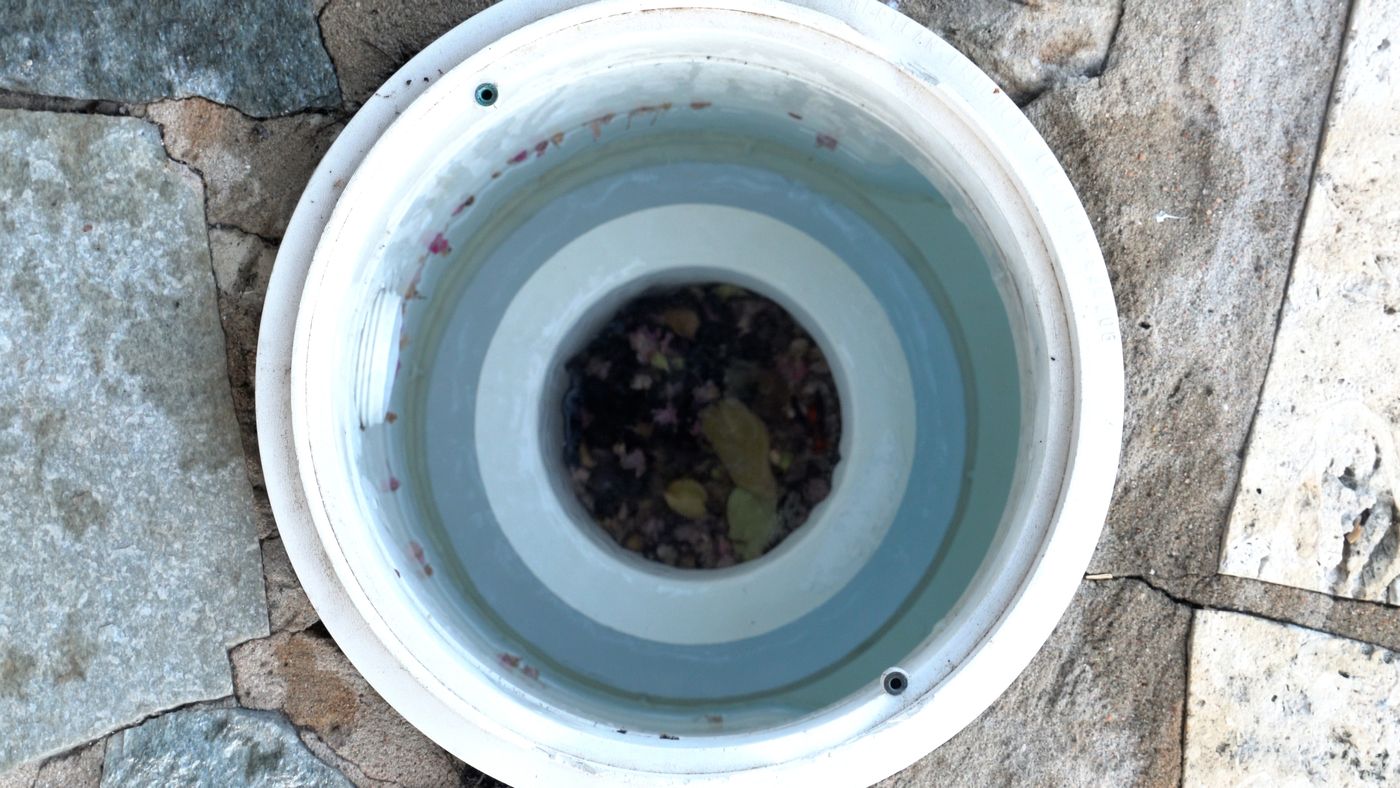
Never fully drain a vinyl or fiberglass pool. You can damage the liner, crack the shell, or even pop the pool out of the ground in high water table areas. Partial drains only. I've seen people turn a chemistry problem into a $20,000 structural repair bill.
If you can't drain — drought area, water restrictions, whatever — there are reverse osmosis pool water services that can filter CYA out. It's pricier than draining, but it works. My how to lower CYA guide covers the dilution math and the RO option in detail.
Step 3: Fix Your pH
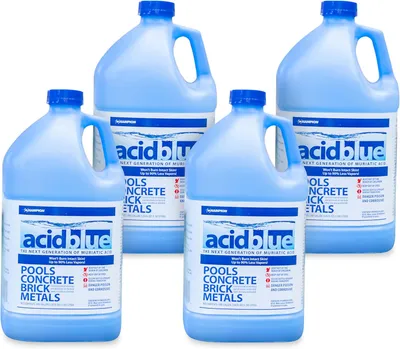
Once CYA is back in range, drop your pH to 7.0–7.2 using muriatic acid. Always add acid before chlorine, never the other way around. I have a full guide on lowering pH safely as well, so make sure to check that out.
Step 4: Shock With Liquid Chlorine ONLY
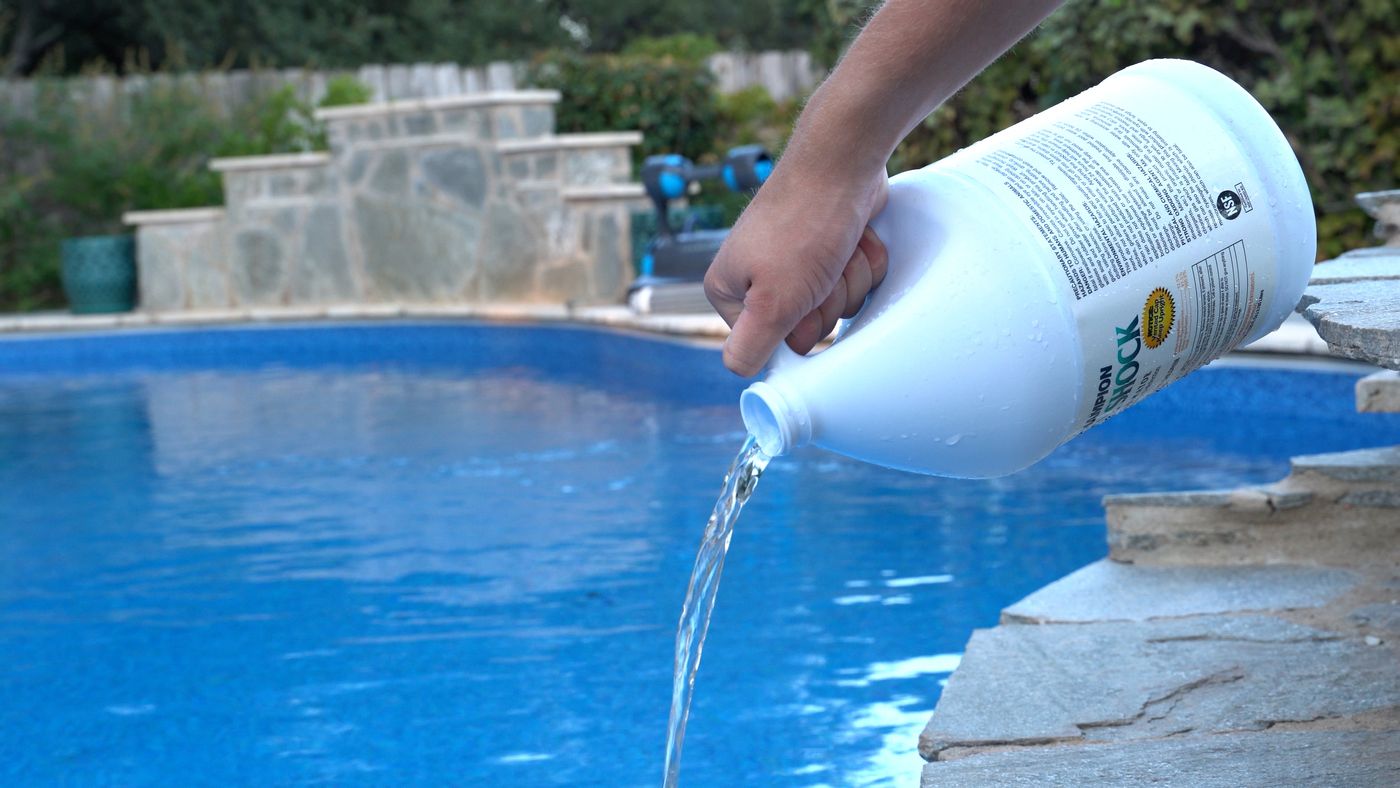
Shock at dusk. Run the pump overnight. Re-test in the morning. If your water doesn't hold chlorine, shock again until it does — that's called reaching breakpoint. My guide on how to shock a pool covers exact dosing, and if you're fighting visible algae, follow the SLAM method instead.
Do NOT shock with dichlor. Dichlor adds more CYA. You'd be feeding the exact monster you just spent half a day draining out of your pool.
How To Never Deal With Chlorine Lock Again
Once you've fixed it, here's how you keep it from coming back:
-
Drop the tabs. Switch to liquid chlorine, or a properly managed salt system. (Running salt? My saltwater pool maintenance guide covers the CYA trap that wrecks salt cells.)
-
Keep CYA in range. 30–50 for chlorine pools. 60–80 for salt.
-
Keep pH at 7.0–7.4. That's where chlorine actually works.
-
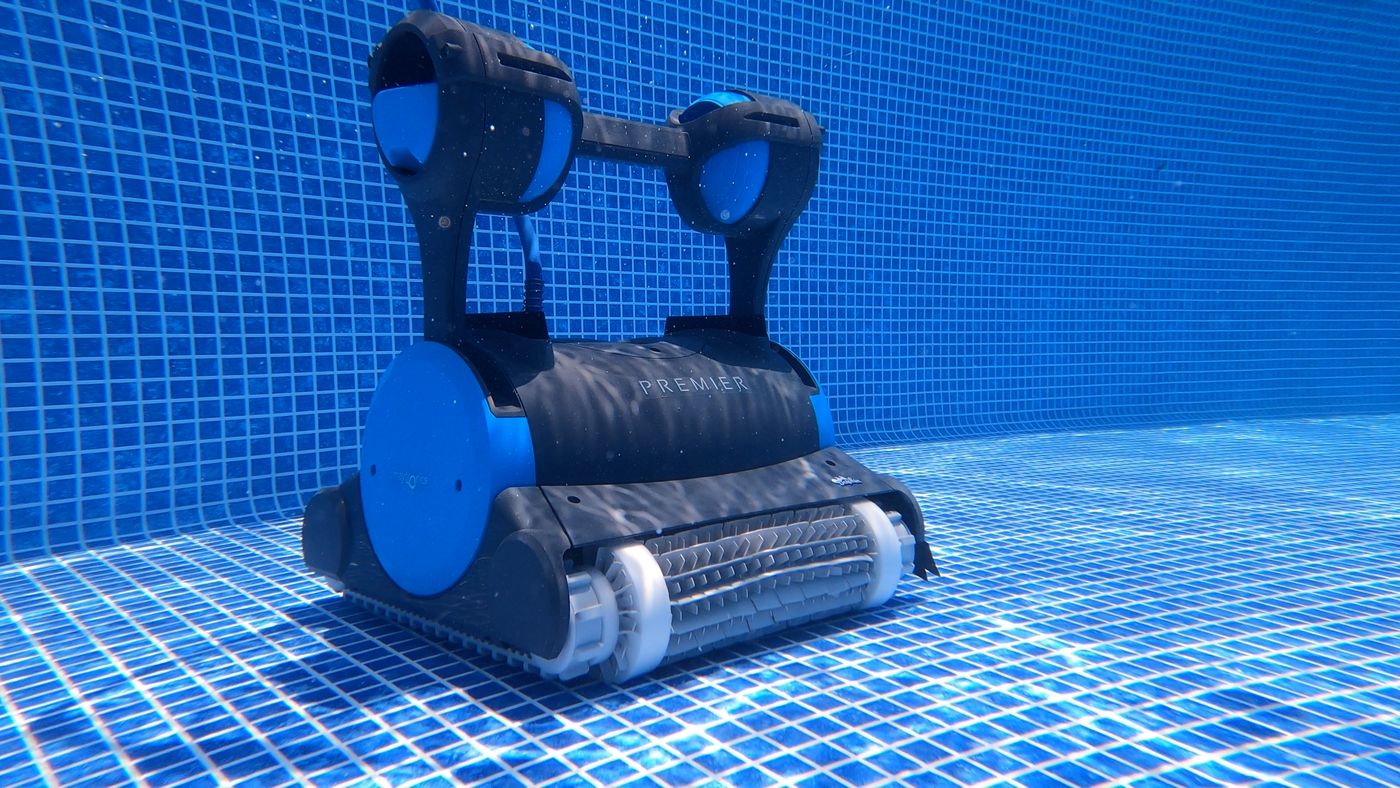
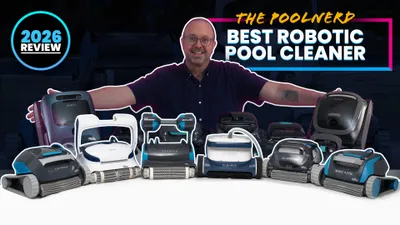
Improve your filtration. A robotic cleaner with a NanoFilter pulls organics out before chlorine even has to fight them. Less work for chlorine means less chlorine needed.
-
Add a UV system. Something like SpectraLight destroys chloramines and slashes chlorine demand dramatically.
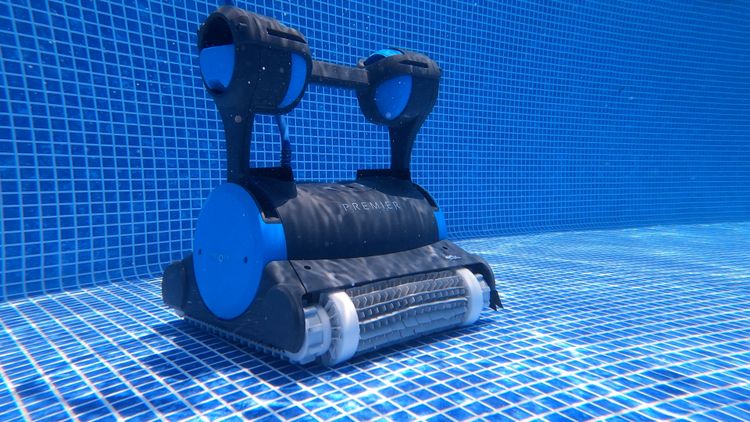
A robotic cleaner with fine filtration pulls organics out before chlorine has to fight them // The Pool Nerd
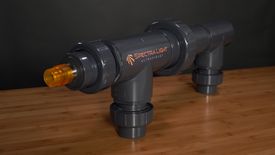
SpectraLight UV
Shock Less, Swim Cleaner
UV on the return line cuts chloramines and organic load so you pour less chlorine and shock over the season—not a sanitizer replacement, but a serious upgrade next to good circulation and testing.
Quick Reference: Healthy vs. Locked Pool
| Factor | Healthy Pool | Locked Pool |
|---|---|---|
| CYA | 30–50 ppm (60–80 salt) | 100+ ppm |
| pH | 7.0–7.4 | 7.6–8.2+ |
| ORP | 650–700+ mV | Below 500 mV |
| FC needed | Low and stable | High and climbing |
| Sanitizing power | Active / strong | Sluggish / dead |
| Algae | None | Keeps returning |
A Word on "Miracle" Chlorine Lock Products
You'll see products marketed as "CYA reducers" or "chlorine unlockers."
In my testing? I'm not a fan. Most of them either don't work, or only work under very specific conditions. The reliable fix is the boring fix:
- Stop using tabs
- Lower your CYA by dilution
- Get pH into range
- Shock with liquid chlorine
That's it. No magic powder is going to undo years of trichlor creep in a single bottle.
Final Verdict
So what's my final verdict on chlorine lock?
It's not a curse, not magic, not some mystery you have to buy your way out of. But it is something you need to be aware of as a pool owner — and know how to fix.
Manage CYA. Hold pH at 7.0–7.2. Watch ORP, not just free chlorine. Filter hard. And drop the pucks.
Do that, and chlorine lock becomes something that happens to other people's pools.
If you want to keep nerding out over your pool, head on over to ThePoolNerd.com/deals — that's where I post the best prices on the ICO, SpectraLight UV, and my favorite pool robots.
Until next time, enjoy that pool — I'll see you in the next one.
Related Reading
- Pool CYA Calculator — Calculate stabilizer additions or the water replacement needed to lower CYA
- Pool Chlorine Calculator — Match a maintenance chlorine dose to your current reading
- How To Lower CYA — The dilution math and drain method, step by step
- What Is the Ideal Pool pH? — Why your pH is costing you money
- How To Lower pH In Your Pool — Safe muriatic acid dosing
- How To Shock Your Pool — Which shock to use, and exactly when to shock
- Stop Shocking Your Pool — Why weekly shocking is masking the real problem
- Best Chlorine Injection Systems — Automate liquid chlorine dosing
- ICO Pool Water Monitor Review — The ORP and pH monitor I use
- SpectraLight UV Review — My full review of the UV system
This article is for educational purposes only. Handling pool chemicals — especially muriatic acid and chlorine — carries a real risk of injury or property damage. Always read the manufacturer's labels and SDS sheets, and use this information at your own risk.

Comments
Loading comments…