High cyanuric acid — otherwise known as CYA — is the silent killer of pool chemistry. It locks up your chlorine, fuels algae blooms, and drains your wallet, and most pool owners have no idea it's happening. But today, I'll show you how to fix it the right way.
Hey there, I'm Justin, your resident pool aficionado. And today we're tackling one of the most frustrating problems in all of pool chemistry: high cyanuric acid, also called CYA.
If yours is too high, your chlorine won't work — no matter how much you dump in. You'll battle algae you can't kill. You'll burn through buckets of shock. And you'll spend a fortune on products that won't fix the real problem.
Here's the thing — there's only one fix that works. And it's probably not what your pool store is selling you. Let's get into it.
Lowering CYA: What You Need Checklist
There's no chemical that destroys CYA—dilution is the fix. So the real shopping list is testing gear to confirm the problem and unstabilized chlorine to stop it from coming back.
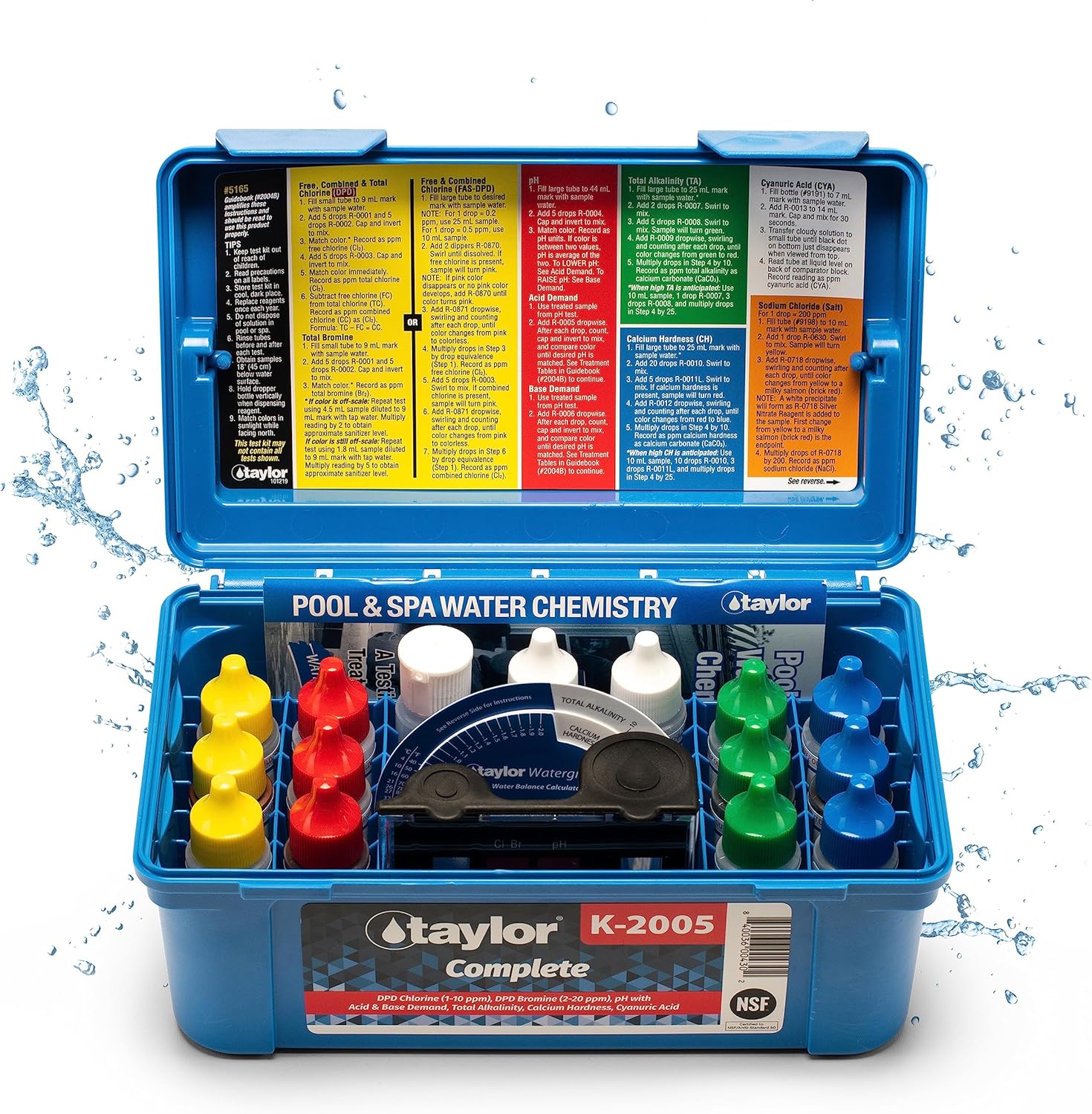
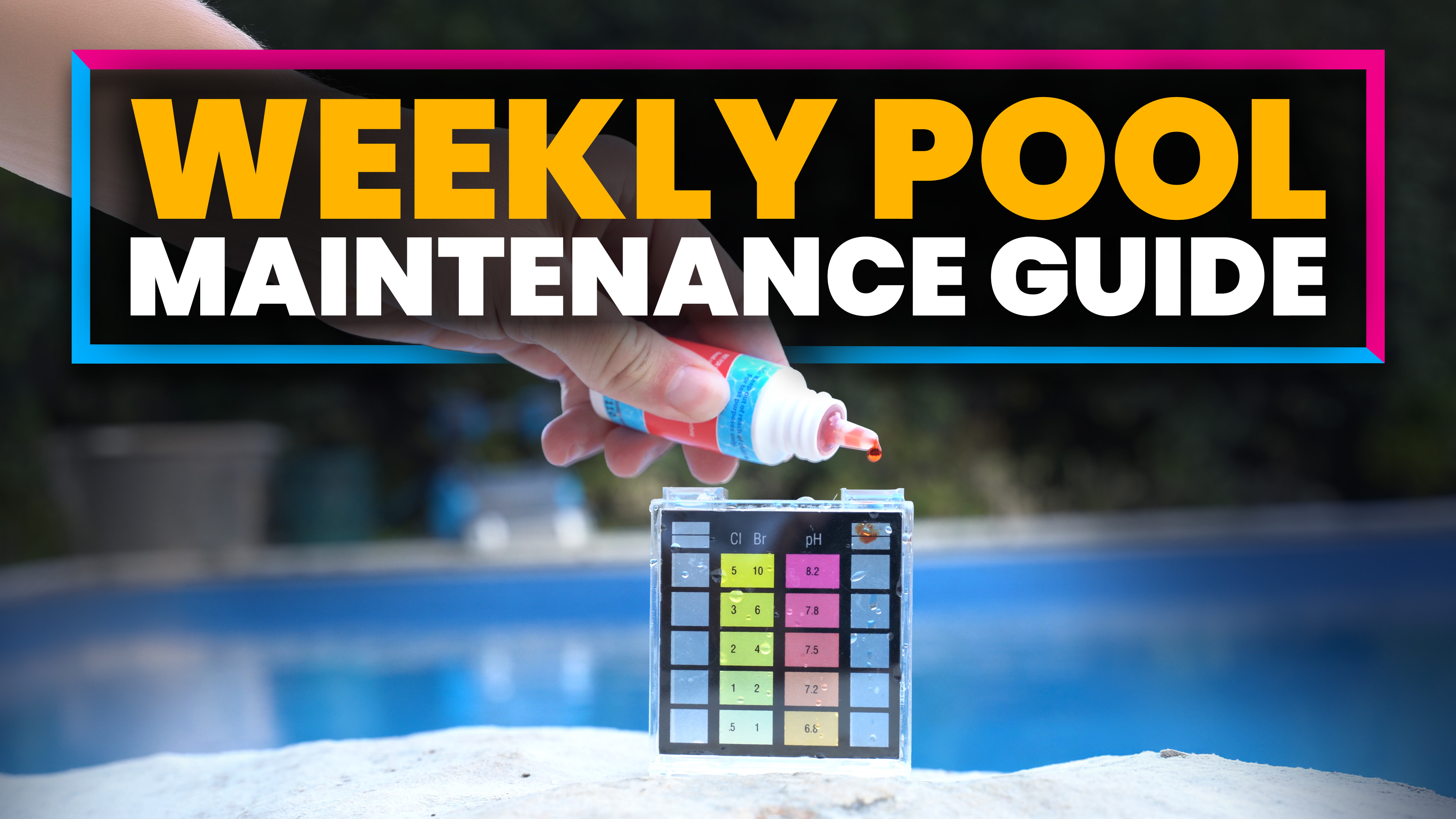
Taylor K-2005 Test Kit
What it is: A professional drop (titration) kit for chlorine, pH, alkalinity, calcium hardness, and cyanuric acid.
Why you need it: You can’t SLAM or balance blind—especially CYA, which handcuffs chlorine. This kit gives numbers you can trust, not strip guesswork.
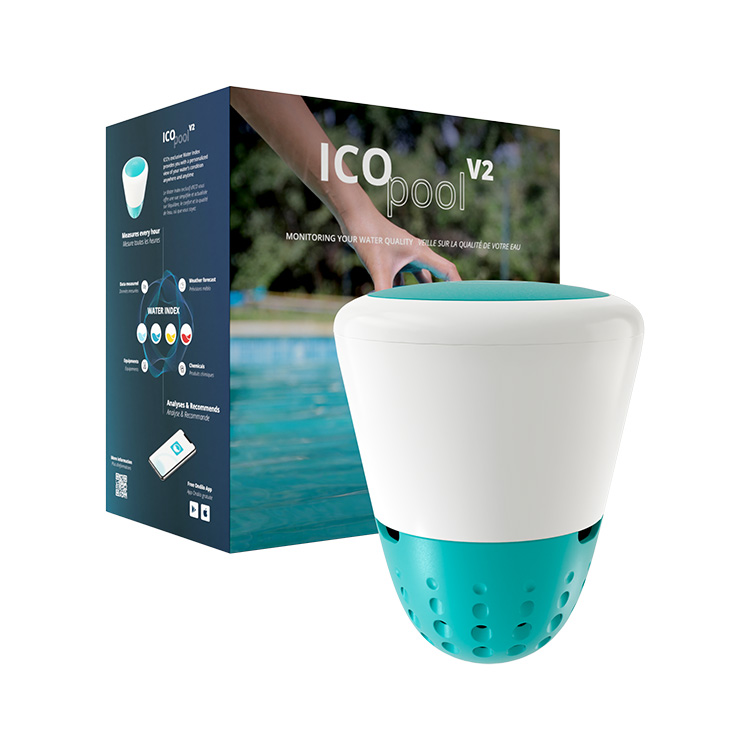
Ondilo ICO Pool Water Monitor
What it is: A floating smart monitor that samples pH, ORP (sanitizer effectiveness), and temperature on a schedule and sends trends to your phone.
Why you need it: You still need a real drop kit for parameters the ICO doesn’t replace (like TA and CYA), but hourly ORP/pH catches drift and dosing mistakes long before weekly strip checks do.
Read the full ICO review — Shop ICO direct (no Amazon listing for the hardware we run).
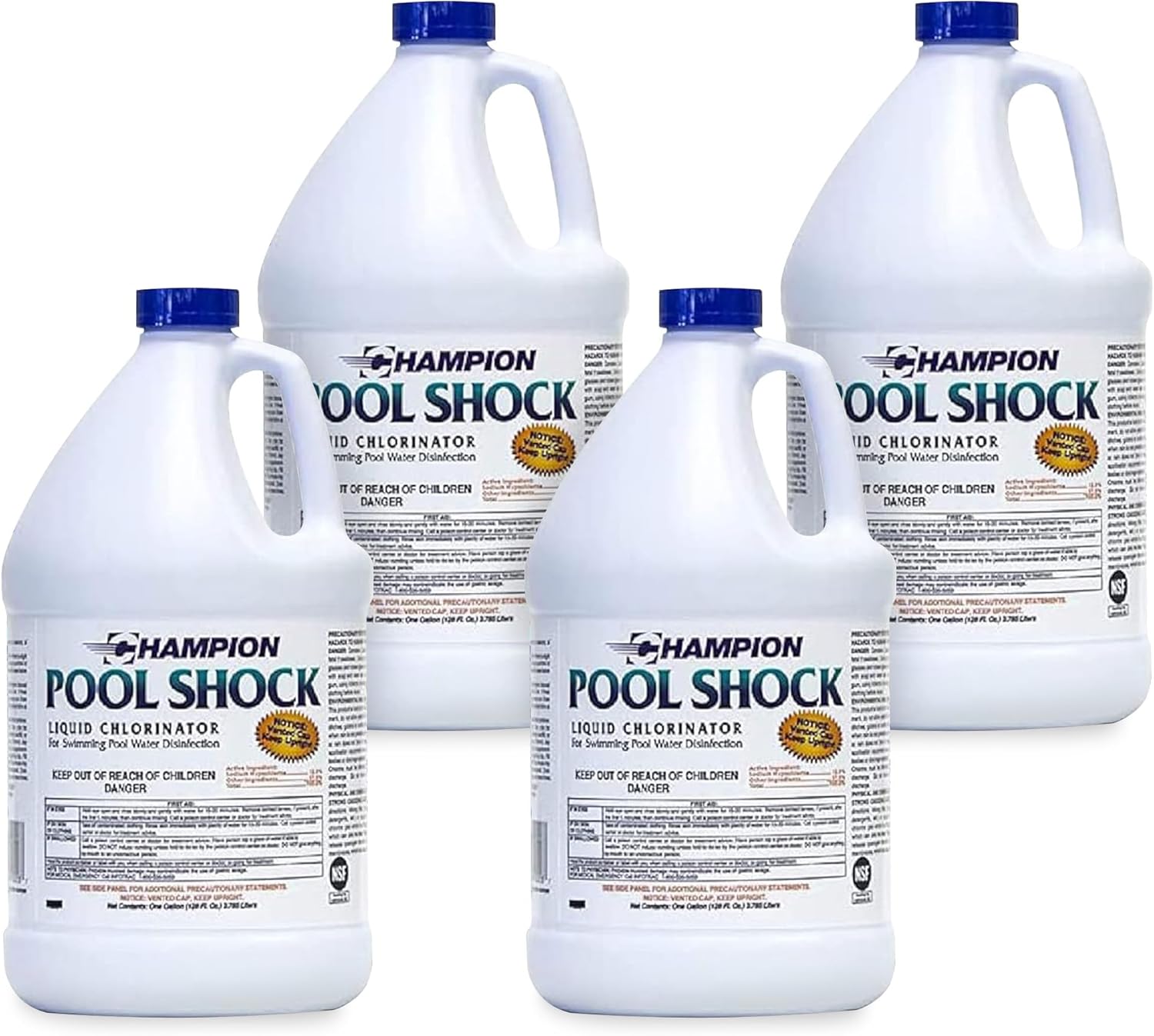
Champion Pool Shock (4 Pack)
What it is: A case of liquid pool chlorine (sodium hypochlorite)—not cal-hypo granules. Confirm strength on the listing and jug label (often around 10–12.5%).
Why you need it: Same upside as other liquid shock: no CYA from the product, easy to pour with the pump running—useful to keep stocked for openings, algae pushes, storms, or parties.
How to use: Treat it like any liquid shock (pour with circulation; big doses still work best at dusk). Store cool and shaded; opened jugs lose strength over time—plan to use them within a few weeks.
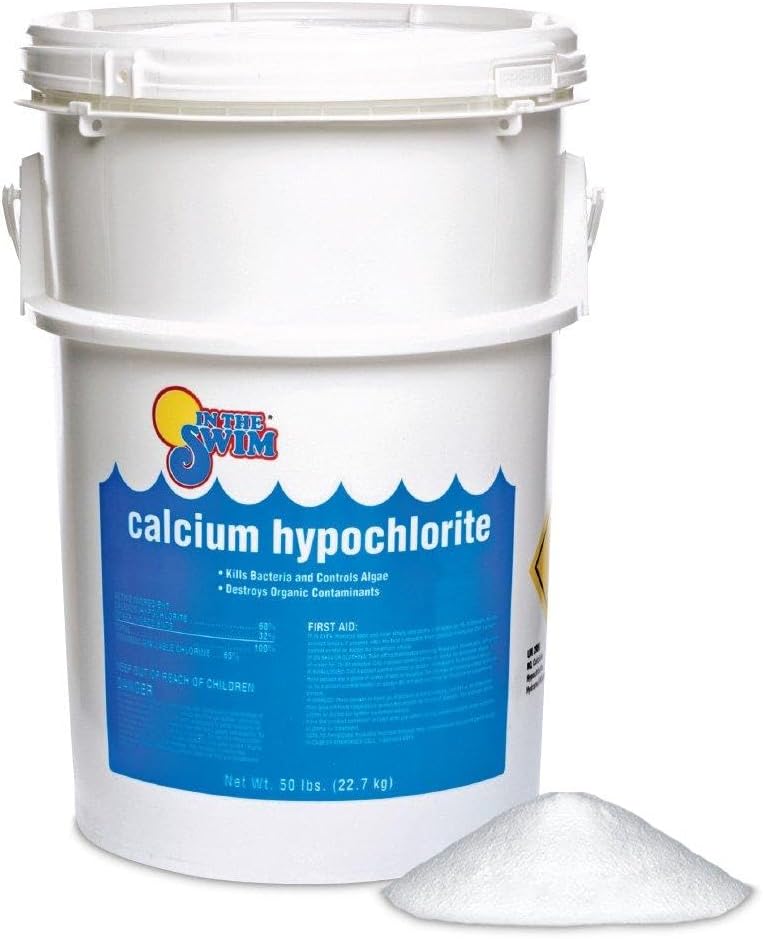
In The Swim Cal-Hypo Pool Shock
What it is: Calcium hypochlorite granular shock—high chlorine, adds calcium, no CYA.
Why you need it: Strong oxidizer for recovery and breakpoint; pre-dissolve; watch calcium if hardness is already high.
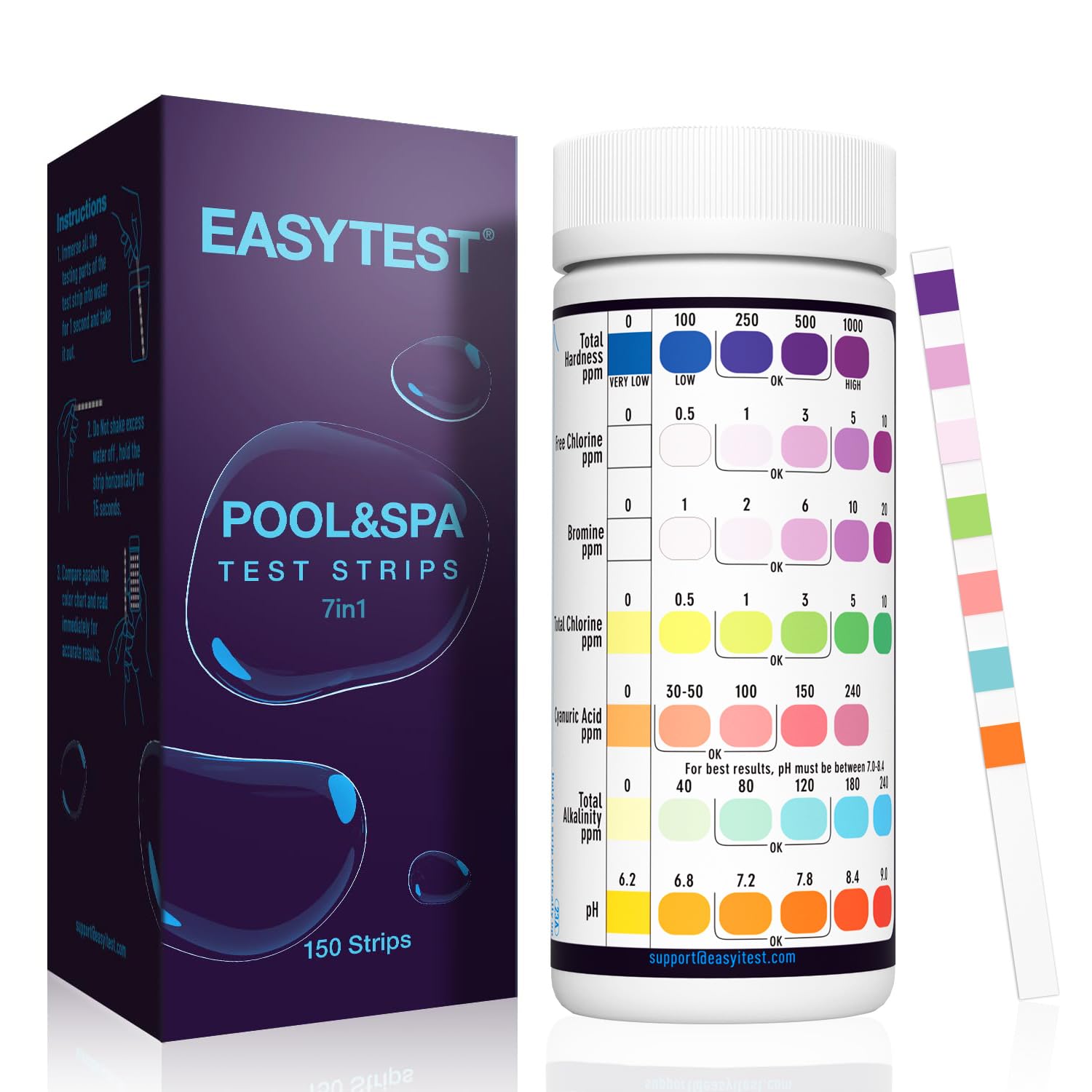
EASYTEST Pool Test Strips
What it is: Fast multi-parameter strips for quick checks.
Why you need it: Not as precise as a Taylor kit—use for mid-week spot checks (“did FC crash overnight?”) between full drop tests.
What Is CYA — And Why It Matters
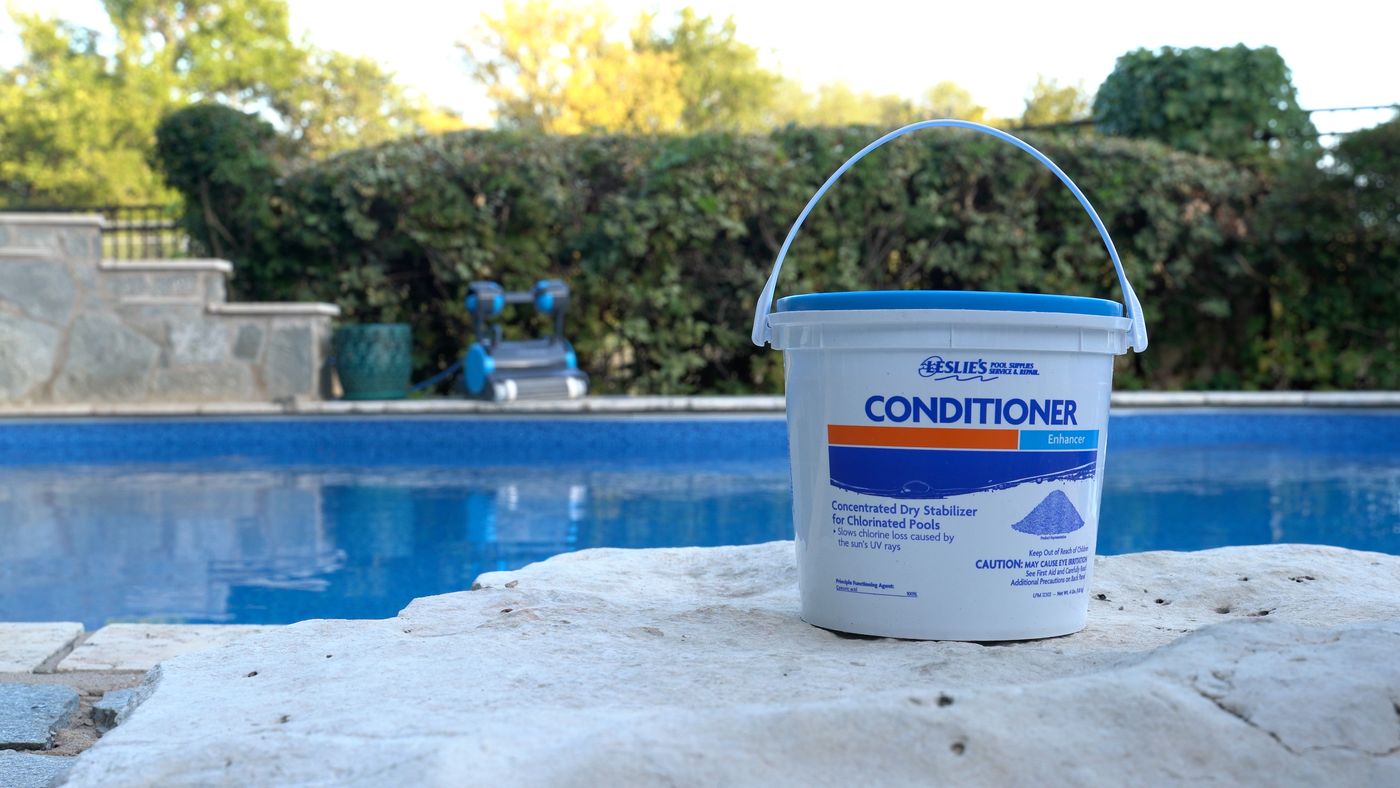
Quick refresher. CYA is what protects chlorine from UV sunlight. Without it, your chlorine would burn off in a couple of hours on a hot, sunny day. That's the good news.
The bad news? Too much CYA and your chlorine basically goes to sleep. It's still in the water — but it can't sanitize anything.
This is exactly why I care more about ORP — the actual sanitizing power of your water — than chlorine numbers. You can have plenty of chlorine showing and still have terrible sanitizing performance if your CYA is too high. ORP doesn't lie. Chlorine readings can.
CYA Target Ranges
| Pool Type / Level | CYA | What It Means |
|---|---|---|
| Traditional chlorine pool | 30–50 ppm | The sweet spot — enough sun protection without locking up chlorine |
| Saltwater pool | 60–80 ppm | Salt cells run best with slightly higher stabilizer |
| Above 100 ppm | — | Chlorine effectiveness starts dropping fast |
| Above 150 ppm | — | Major chlorine lock — dilution is mandatory |
Once you climb past 80 to 100 ppm, things start going sideways. Your chlorine becomes dramatically less effective — even if your test strip says you've got 3 ppm of chlorine in the water.
Why Your CYA Is High
Here's the kicker — most pool owners have no idea how their CYA got out of control in the first place.
I call it the CYA Creep.
Every single time you toss a chlorine tablet into your skimmer, you're adding stabilizer to the water. Same with dichlor shock. Same with most "all-in-one" chlorine products.
Roughly 58% of a trichlor tablet is cyanuric acid by weight. And here's the part nobody tells you — CYA doesn't break down. It doesn't evaporate. It doesn't disappear in sunlight. It just builds up. Forever.
Most people don't realize they've been adding stabilizer every single day for years through their chlorine tablets. By the time algae starts blooming and chlorine stops working, the damage is already done.
Pool tabs are basically the fast food of pool care. Easy in the short term, but eventually the chemistry catches up to you.
Signs Your CYA Is Too High
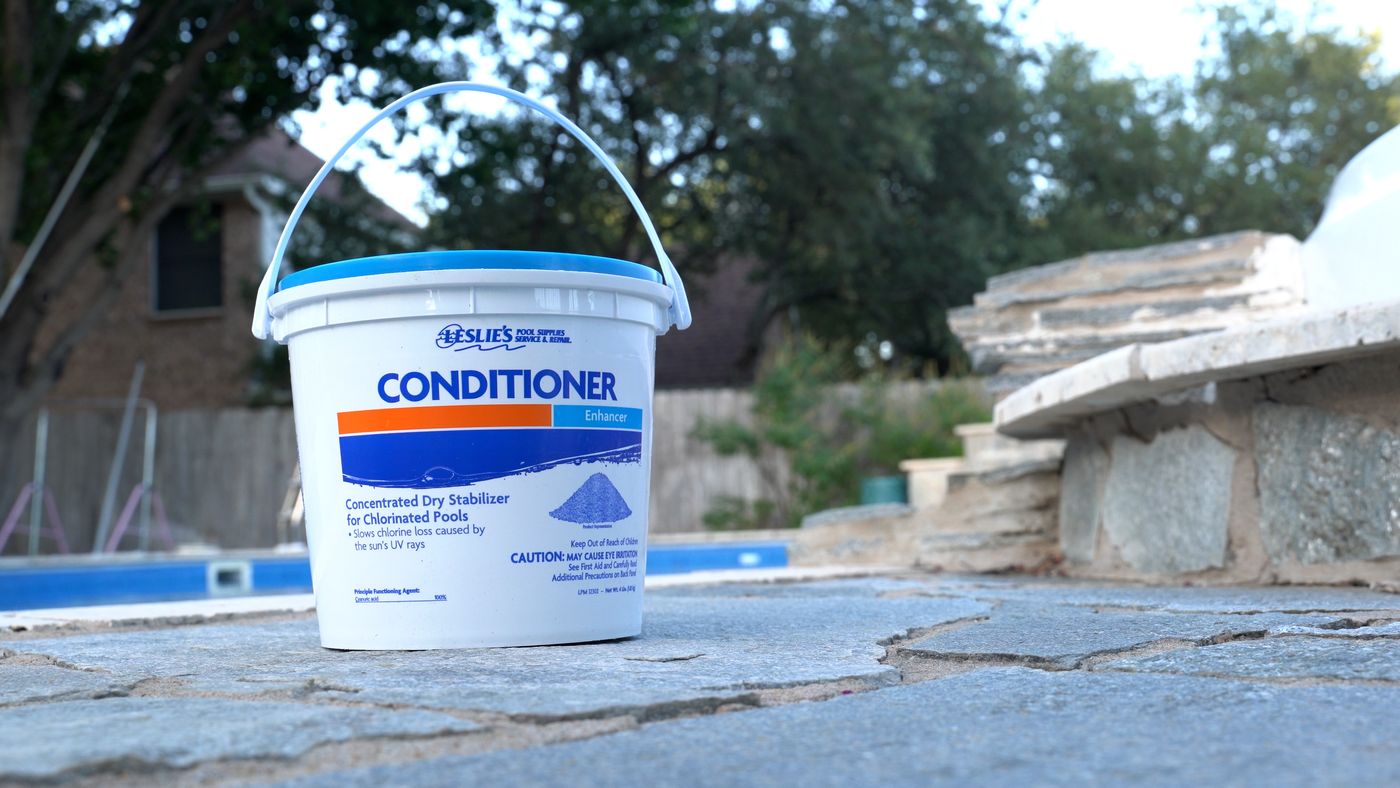
How do you know your CYA is the actual problem? Here are some signs your cyanuric acid levels are too high:
- Chlorine seems to "disappear" overnight
- Algae keeps coming back even with chlorine showing on your test
- You're shocking constantly with no real results
- ORP stays low even when chlorine reads fine
- Your salt cell is cranked to 90–100% and you still can't keep up
- That weird "chlorine smell" you keep blaming on too much chlorine
- Water looks dull, hazy, or just "off" — even when balanced
In my experience, if your chlorine seems to stop working, high stabilizer is the first thing I check. Every time.
The Only Real Fix: Dilution
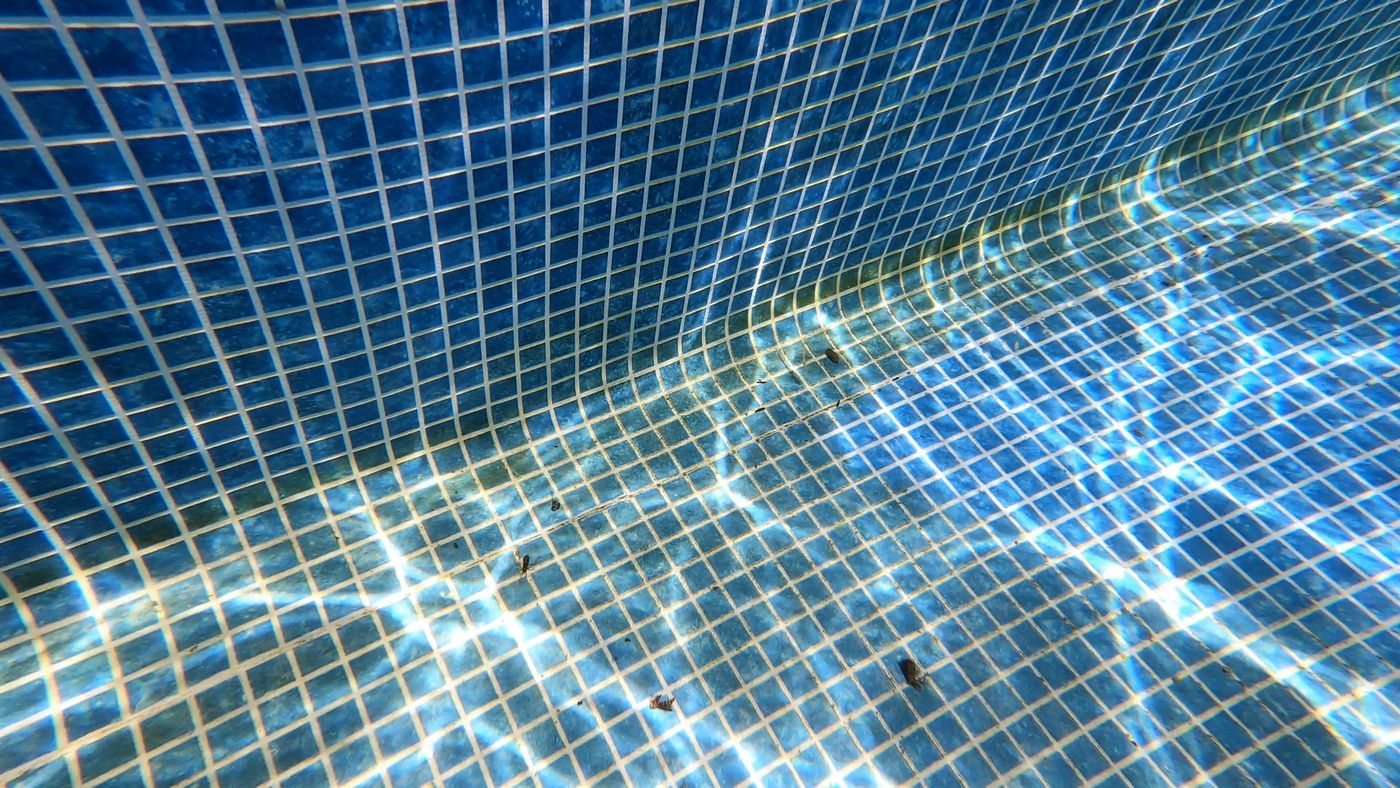
The only proven, reliable way to lower CYA yourself is dilution — physically removing water from the pool and replacing it with fresh water.
You can't shock your way out of it. You can't "burn it off." There's no chemical reaction in normal pool chemistry that destroys CYA.
I've seen pool owners dump hundreds of dollars into extra chlorine, algaecides, phosphate removers, and miracle fixes when the easiest fix is just to dilute your pool water with a partial drain.
The Dilution Math — Simple 1-to-1
| Current CYA | Target CYA | Water To Replace |
|---|---|---|
| 100 ppm | 50 ppm | ~50% |
| 150 ppm | 50 ppm | ~67% |
| 200 ppm | 50 ppm | ~75% |
This is why catching high CYA early matters. The deeper the hole, the more water you have to throw out.
Read This Before You Drain Anything
Before you grab a pump and start draining your pool — listen up. This is where pool owners turn a $50 chemistry problem into a $15,000 pool repair.
⚠ NEVER FULLY DRAIN THESE POOLS
- Vinyl liner pools — the liner will float, wrinkle, and won't seat back correctly
- Fiberglass pools — the shell can literally pop out of the ground from hydrostatic pressure
- Any pool in an area with a high water table
- Pools sitting on clay or expansive soil
Even gunite and concrete pools shouldn't be fully drained without professional help. The shell can crack, plaster can pop, and groundwater can do serious structural damage.
I've seen people destroy their pool trying to fully drain it themselves. Cracked plaster, popped fiberglass shells, ruined liners — all to save a few hundred bucks on a pool service. Don't do it.
How To Drain Your Pool
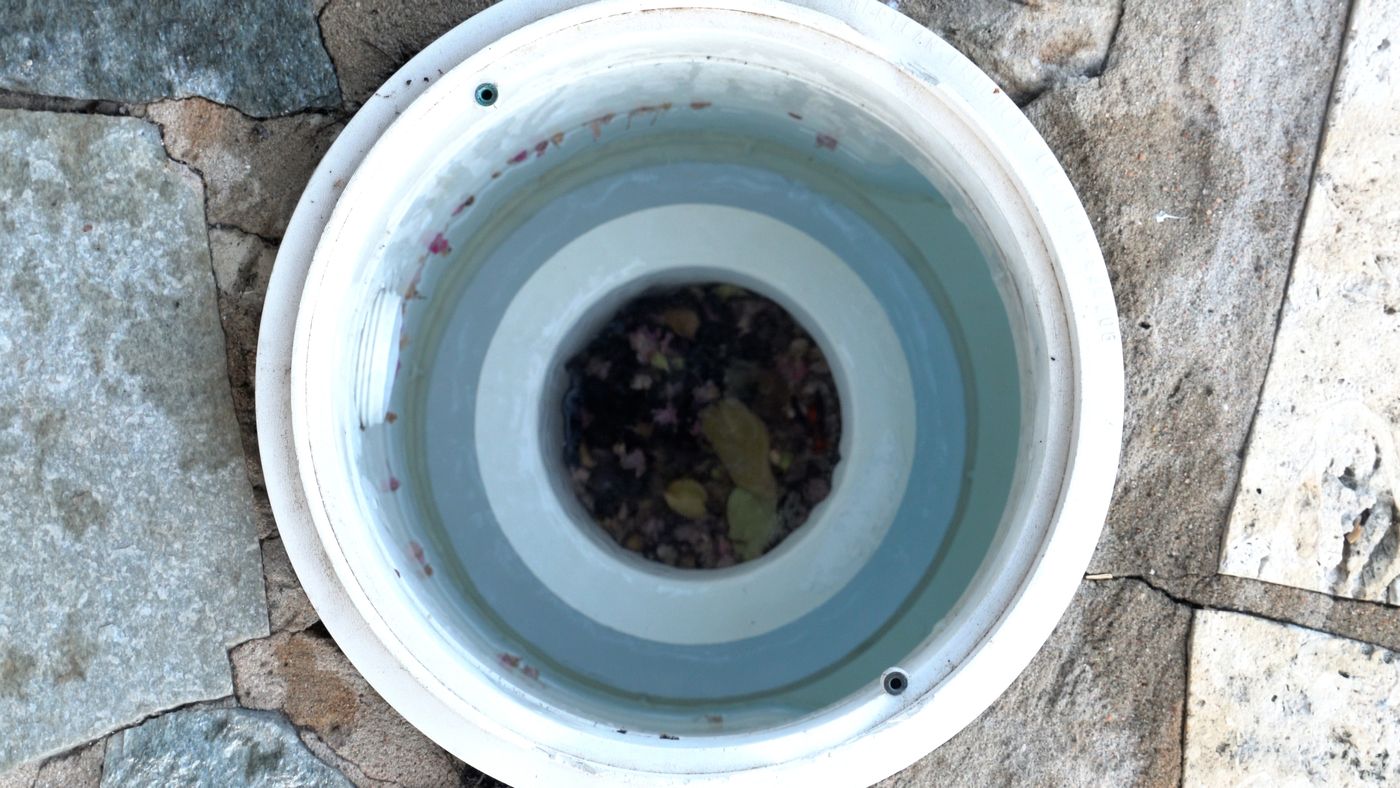
How should you drain your pool to lower CYA? Here's how I recommend doing it — in stages, never all at once.
Step 1 — Test your starting CYA
If your at-home kit shows "off the chart," take a sample to a local pool store for a high-range reading first. You need a real baseline before you start draining.
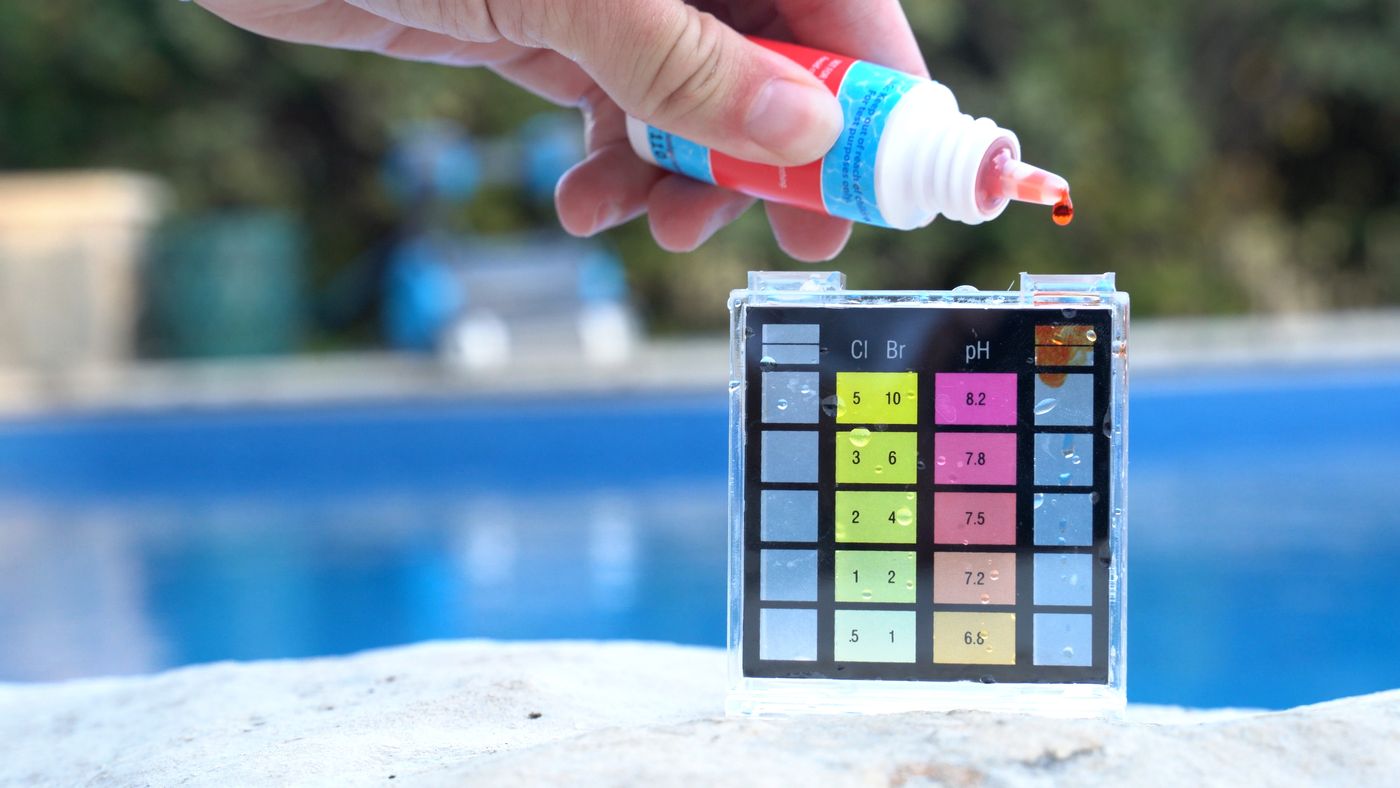
Step 2 — Calculate your target
Use the dilution math chart above. Then break the total replacement amount into 25% chunks.
Step 3 — Drain one 25% chunk
Use a submersible pump, a siphon, or your filter's "waste" setting. Lower the water level by about a quarter of your pool's depth.
⚠ PUMP SAFETY
Never let the water drop below your skimmer while your pump is running. It'll burn up dry in minutes. If you're using your filter's waste setting, watch the water level closely and shut it down before it gets too low.
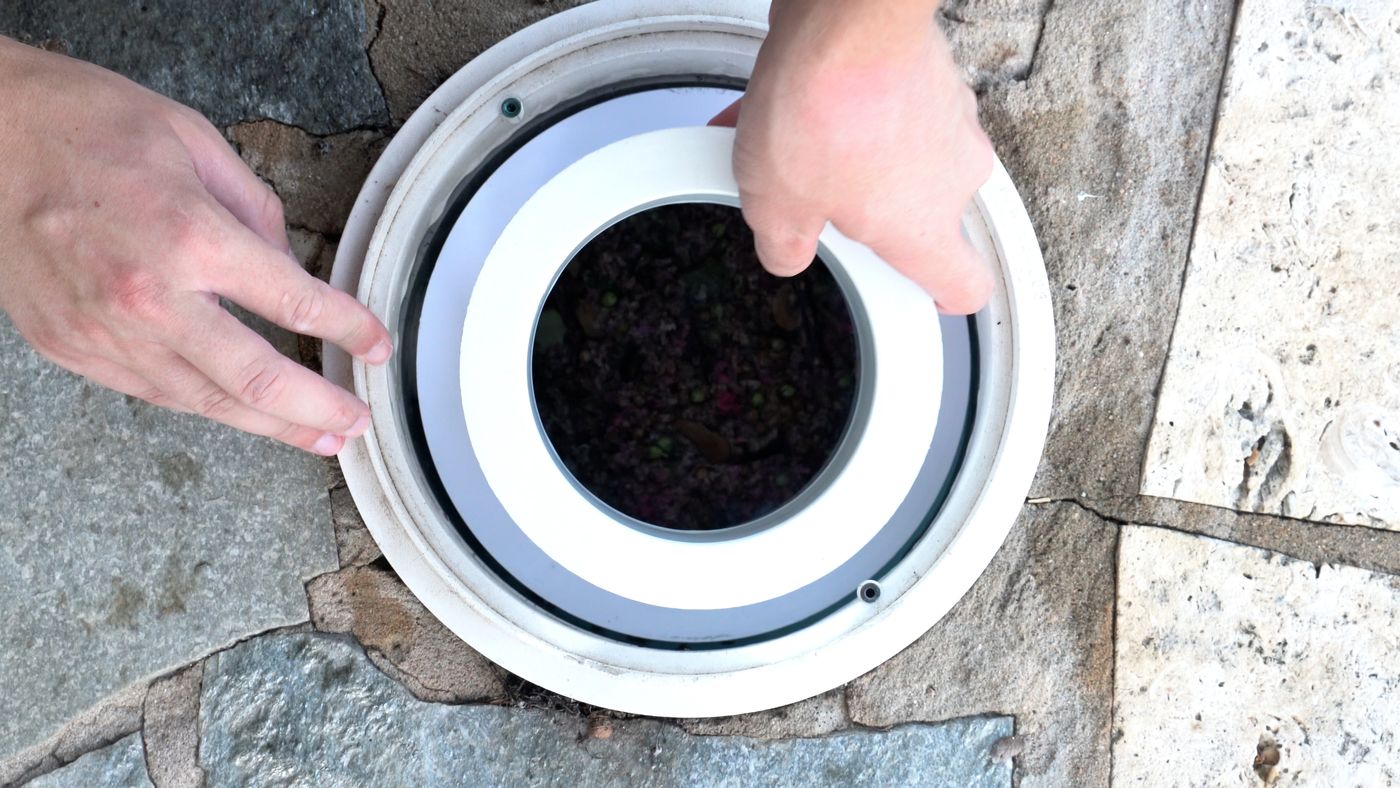
Step 4 — Refill with fresh water
Top it back up with your hose and let it circulate for 12 to 24 hours so the new and old water fully mix.
Step 5 — Retest CYA
If it's still too high, repeat the cycle. You can usually do this 2 to 3 times over a week without stressing the pool.
I prefer lowering CYA gradually in stages instead of one massive drain. It's safer on the pool, easier on the liner, and gives you a chance to retest between rounds so you don't overshoot.
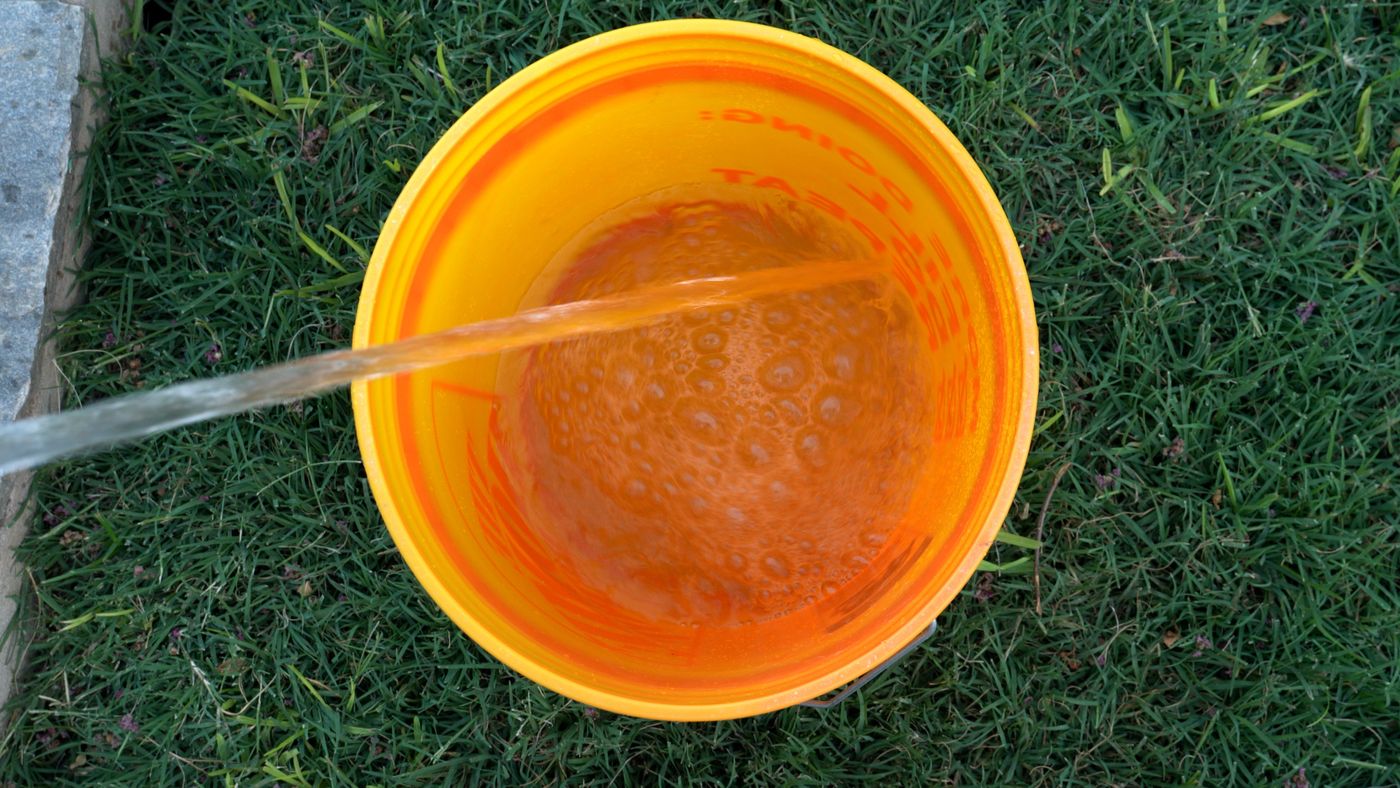
What About RO And CYA Reducers?
You'll hear about a couple of alternatives.
Reverse Osmosis (RO)
A professional service rolls up with an RO trailer and filters your pool water on-site through a semi-permeable membrane. It pulls out CYA, calcium hardness, and total dissolved solids — without you having to drain a drop.
My take: RO works extremely well. But in most residential pools, it's hard to justify the cost versus simply replacing water. We're talking $1,000 to $2,500+ for a typical service.
It usually makes the most sense in drought-restricted areas — think Arizona, California, Nevada — where draining isn't realistic and water replacement is expensive or restricted.
Chemical CYA Reducers
These are products marketed as "CYA removers" — most use specialized bacteria or enzymes to try to break down stabilizer in the water. The most well-known is Bio-Active CYA Reducer.
My take: Personally, I'm not a fan of most of these. Some do work under perfect conditions — usually requiring water temperatures between 65–85°F, no algae present, and pristine chemistry. But many pool owners spend $40 to $80 a bottle and see little to no real-world improvement.
When stabilizer gets truly high, water replacement is still the most reliable solution.
How To Keep CYA From Coming Back
Getting your CYA down is only half the battle. If you don't change what got you there, you'll be right back in the same spot next summer.
The biggest move: stop using stabilized chlorine as your primary sanitizer.
That means:
- Stop using trichlor tablets (pucks)
- Stop using dichlor shock
- Switch to liquid chlorine (sodium hypochlorite) for daily chlorination
- For shocking, use liquid chlorine or unstabilized cal-hypo
Liquid chlorine adds ZERO stabilizer. You add CYA manually maybe once or twice a year as needed — instead of pumping it into your pool every single day through tablets.
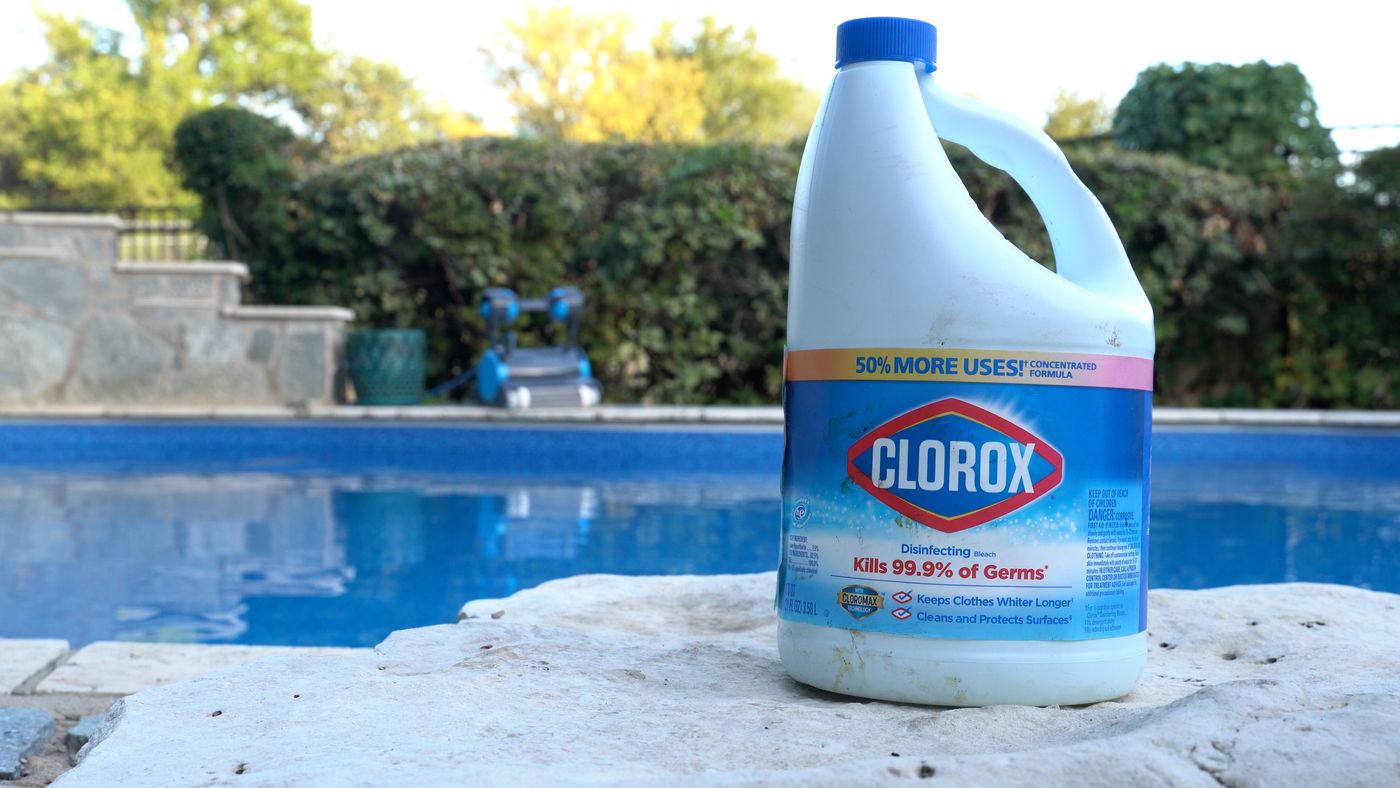
I highly recommend a liquid chlorine injection system. A chlorine injection system takes the best method and automates it. A pump, a 5 or 7.5-gallon storage tank, an injection fitting after your filter and heater, and a timer. That's the whole setup. The pump draws liquid chlorine from the tank and injects a precise, controlled amount into your water flow. Every day. Automatically. If you want a chlorine injection system, head to my deals page for the setups I recommend.
If you have a saltwater pool, your pool already does this. Your salt cell makes pure chlorine with zero stabilizer attached. Just don't make the mistake of running tabs alongside your salt system. That's the fastest way to wreck a salt pool.
Pool Nerd Approved Setup
- ✓ Liquid chlorine OR salt for daily sanitation
- ✓ CYA dosed manually 1–2x per year
- ✓ ORP monitor (like the ICO) to verify sanitizing power
- ✓ UV system to lower overall chlorine demand
- ✓ Robotic cleaner to reduce organic load
- ✓ Variable-speed pump for steady circulation
How Often Should You Test CYA?
CYA is one of the most stable parameters in your pool. It doesn't swing day to day like pH or chlorine — so you don't need to test it constantly.
Here's my schedule:
- Monthly during swim season
- Before opening every spring
- After any major water replacement
- Any time you've been burning through tabs
If you've fully ditched tabs and switched to liquid chlorine, you can check it every 3 to 6 months and call it good.
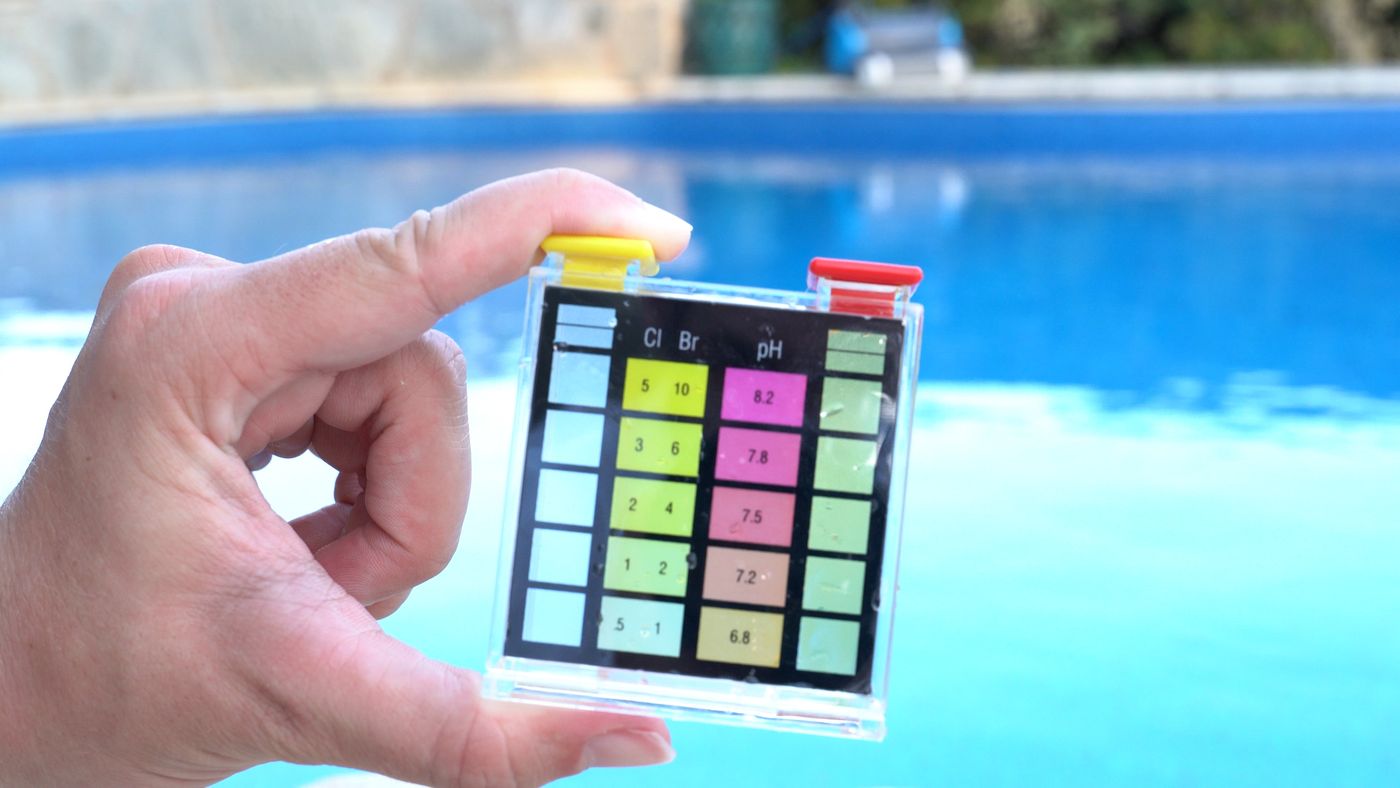
Smart Tools That Make This Way Easier
Look, I'm not going to lie — pool chemistry can wear you out. Here are the tools I actually use and recommend to make your life easier.
1. ICO Smart Pool Monitor
The ICO sits in your pool 24/7 and tracks ORP, pH, temperature, and TDS — sending readings to your phone every hour. While the ICO doesn't directly test CYA, it shows you the EFFECTS of high stabilizer immediately.
If your ORP is low and your pH is fine, the answer is almost always high CYA. As you dilute, you'll literally watch your ORP climb back into the healthy 650–700 range without adding a drop of extra chlorine. That's the canary in the coal mine for pool care. You can learn more at mysmartpool.com.
2. SpectraLight UV
Once you've got your CYA back in line, pairing your pool with a UV system is one of the smartest upgrades you can make. SpectraLight UV uses high-intensity ultraviolet light to destroy pathogens, algae, and chloramines — the same tech used in Olympic pools and over 200 commercial aquatic centers.
Why does this matter for CYA? UV handles a huge chunk of the sanitation work, which means you can run much lower chlorine levels. Lower chlorine demand = less reliance on stabilized products = less stabilizer building up in your pool over time. It's the long game.
3. A Good Robotic Pool Cleaner
This sounds unrelated, but stick with me. Cleaner pool = lower organic load = less chlorine demand = less stabilizer needed. It's a chain reaction.
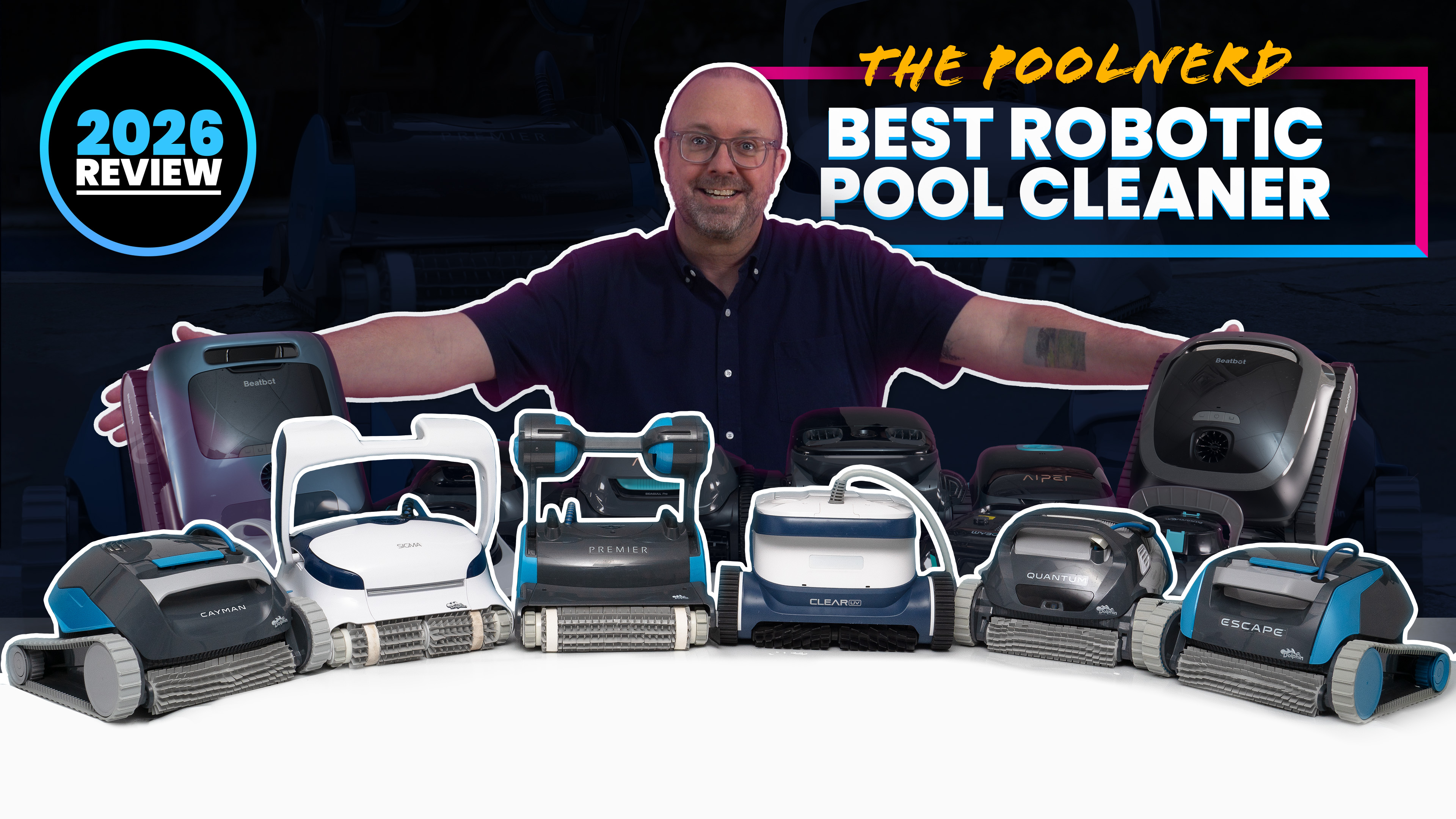
A good robotic cleaner like the Clear UV, Dolphin Premier or Dolphin Quantum pulls leaves, pollen, and organic matter out of your pool before chlorine has to oxidize it. That alone can cut your chlorine demand significantly.
You can check out all my top picks — which we update all the time — on my best robotic pool cleaners guide.
Final Verdict
So what's my final verdict? Most pools don't have a chlorine problem. They have a water management problem.
If you control your CYA, dial in your pH, run good filtration, and reduce organics — your pool becomes dramatically easier to manage. Less chlorine, less shocking, less drama, less money.
Quick Recap:
- The only reliable fix for high CYA is dilution. Drain and refill.
- Do it in stages — never all at once, especially on vinyl, fiberglass, or in high water table areas.
- Skip the chemical reducers. They're inconsistent and overpriced.
- RO is solid IF you can't drain and you can afford the service.
- Prevent it from coming back by ditching tabs and switching to liquid chlorine or salt.
- Pair good chemistry with smart tools — ICO for monitoring, UV for sanitation, a robot for organic removal.
That's how you fix your CYA level — and keep it fixed.
If you want to grab the ICO smart pool monitor, the SpectraLight UV system, or the best deals on Dolphin robotic cleaners, head over to my deals page. That's where I post every deal I've personally negotiated for you guys.
Until then — enjoy that pool.
Frequently Asked Questions
What actually lowers cyanuric acid in a pool?
Only one thing reliably lowers CYA: dilution. You physically remove pool water and replace it with fresh water. There is no chemical reaction in normal pool chemistry that destroys cyanuric acid — you can't shock it out, filter it out, or burn it off.
Will shocking my pool lower CYA?
No. Shocking adds chlorine to oxidize contaminants — it does nothing to cyanuric acid. In fact, if you're shocking with dichlor, you're actually adding more CYA. Use liquid chlorine or cal-hypo if you need to shock without raising stabilizer.
What CYA level is too high?
For a traditional chlorine pool, target 30–50 ppm. Above 80–100 ppm your chlorine starts getting locked up and loses effectiveness fast. Above 150 ppm you've got major chlorine lock and dilution becomes mandatory. Saltwater pools can run a little higher, around 60–80 ppm.
How much water do I need to drain to lower CYA?
It's roughly 1-to-1. To cut CYA in half (say 100 ppm down to 50 ppm), replace about 50% of your water. From 150 to 50 ppm is about 67%, and from 200 to 50 ppm is about 75%. Always do it in 25% stages and retest between rounds.
Can I fully drain my pool to fix high CYA?
Usually no — and it can be dangerous. Vinyl liner and fiberglass pools can be permanently damaged by a full drain, and any pool in a high water table can pop out of the ground from hydrostatic pressure. Drain in partial stages instead, and call a pro if you think a full drain is truly necessary.
Do chemical CYA reducers actually work?
Sometimes, under perfect conditions — warm water (65–85°F), no algae, and clean chemistry. But results are inconsistent and the products are pricey ($40–$80 a bottle). For high CYA, water replacement is far more reliable.
How does CYA get so high in the first place?
The number one cause is trichlor tablets and dichlor shock. About 58% of a trichlor puck is cyanuric acid by weight, and CYA never breaks down — it just accumulates every time you use stabilized chlorine. Years of tablet use is usually the culprit.
How do I keep CYA from climbing again?
Stop using stabilized chlorine as your daily sanitizer. Switch to liquid chlorine (sodium hypochlorite) or a salt system, both of which add zero CYA. Then dose stabilizer manually just once or twice a year to keep it in range.
How do I test my CYA level?
Use a turbidity-based CYA test like the one in the Taylor K-2005 kit. If your reading is "off the chart," take a sample to a pool store for a high-range test so you get an accurate starting number before you drain.
Does the ICO monitor measure CYA?
Not directly. But the ICO tracks ORP — your water's actual sanitizing power. When CYA is too high, ORP stays low even with plenty of chlorine showing. As you dilute, you'll watch ORP climb back into the 650–700 range, which confirms the fix is working.
This information is for educational purposes only. Always test your water carefully and follow manufacturer instructions for any chemicals you use. Draining a pool — even partially — can cause structural damage if done incorrectly. When in doubt, consult a local pool professional.
If you want to look into a pool water monitor like the ICO, head on over to my deals page, where I post all the best deals on top pool equipment and more.