Introduction
Welcome back to The Pool Nerd. I'm Justin, your resident pool aficionado. Today we're talking about something that affects almost every gunite and plaster pool owner in America—and you probably don't even know it's happening.
If you have a gunite or plaster pool, your pool surface and your sanitizer are working against each other. This hidden conflict is costing you hundreds—potentially thousands—of dollars every single year in wasted chemicals. Let me explain exactly what's going on, why it's costing you so much, and what you can actually do about it.
Dialing in pH: What You Need Checklist
Most pools bounce between acid (pH too high) and soda ash (pH too low)—plus liquid chlorine for daily sanitizing.
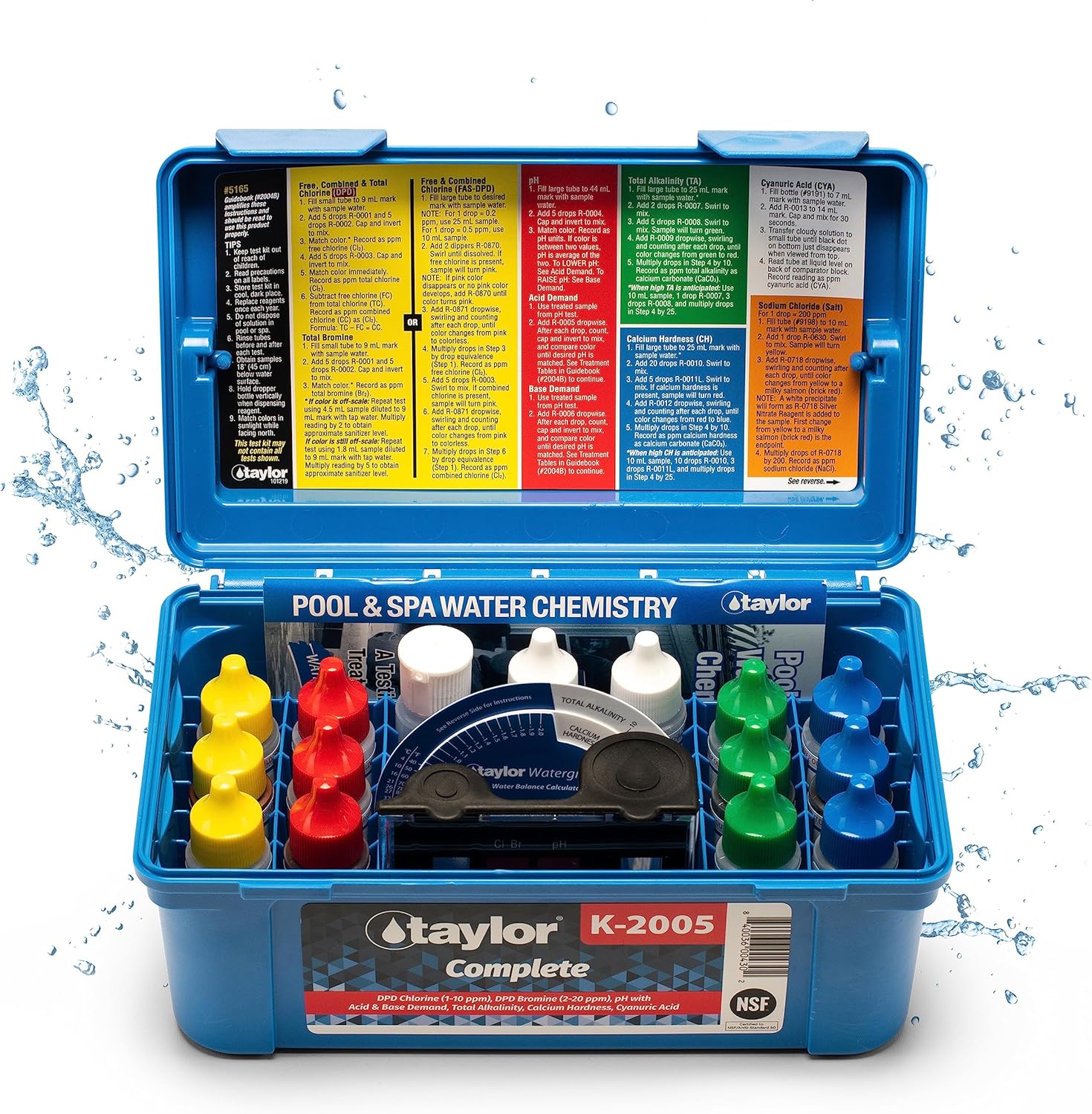
Taylor K-2005 Test Kit
What it is: A professional drop (titration) kit for chlorine, pH, alkalinity, calcium hardness, and cyanuric acid.
Why you need it: You can’t SLAM or balance blind—especially CYA, which handcuffs chlorine. This kit gives numbers you can trust, not strip guesswork.
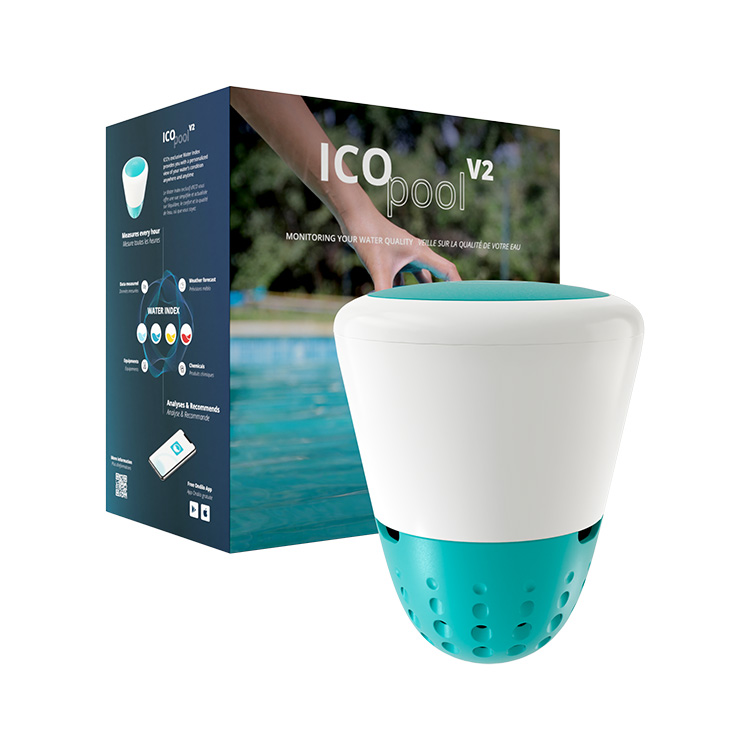
Ondilo ICO Pool Water Monitor
What it is: A floating smart monitor that samples pH, ORP (sanitizer effectiveness), and temperature on a schedule and sends trends to your phone.
Why you need it: You still need a real drop kit for parameters the ICO doesn’t replace (like TA and CYA), but hourly ORP/pH catches drift and dosing mistakes long before weekly strip checks do.
Read the full ICO review — Shop ICO direct (no Amazon listing for the hardware we run).
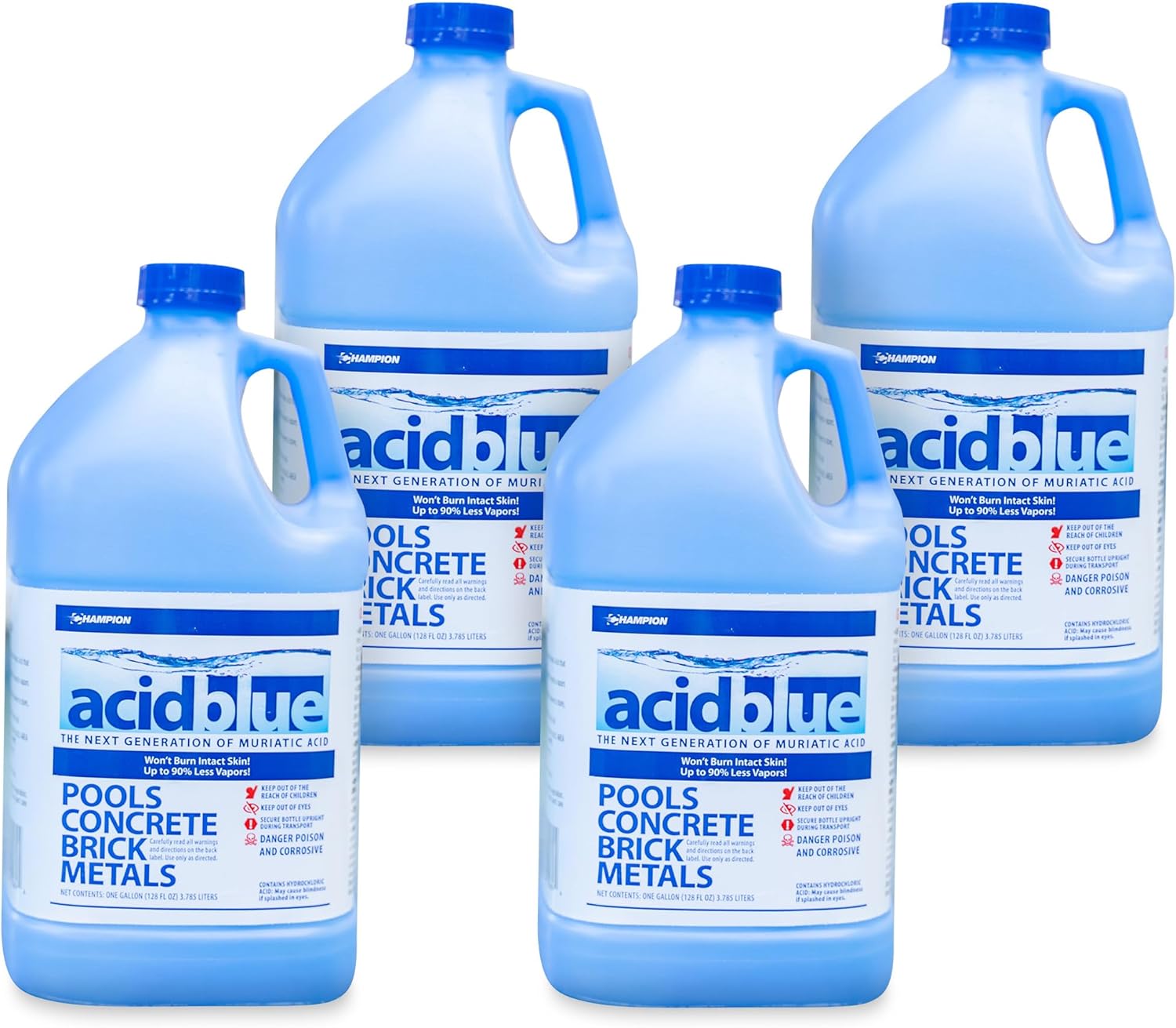
Champion Muriatic Acid
What it is: Dilute hydrochloric acid—standard for lowering pH and, with the right method, total alkalinity.
Why you need it: High pH destroys chlorine efficiency. Always follow the label; never mix acid with chlorine.
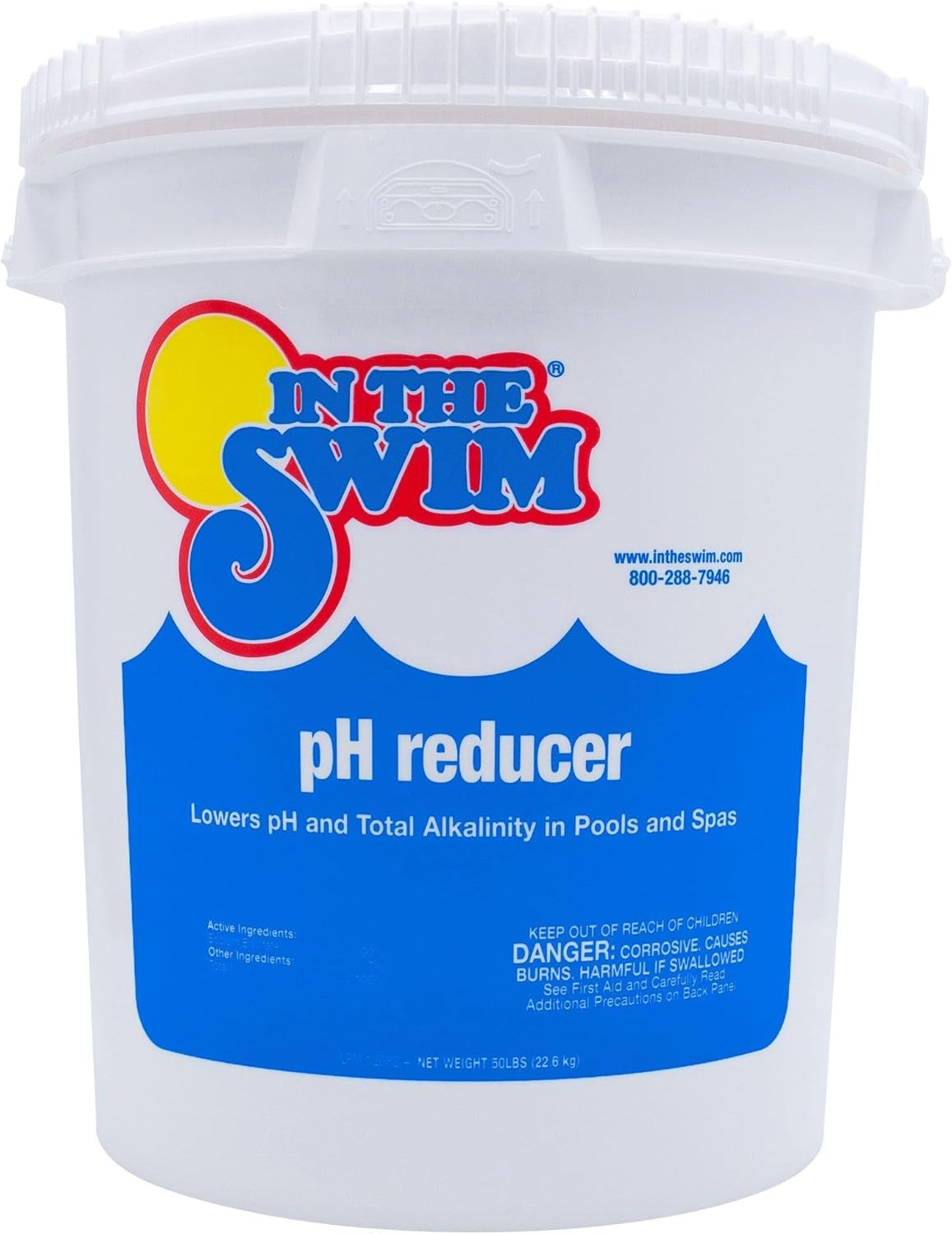
In The Swim pH Reducer (dry acid)
What it is: Sodium bisulfate (dry acid)—lowers pH (and can pull TA down when used in controlled steps).
Why you need it: Easier to handle and store than jugs of muriatic acid for small, precise corrections; still an acid—never mix with chlorine, follow the label, and retest after circulation.
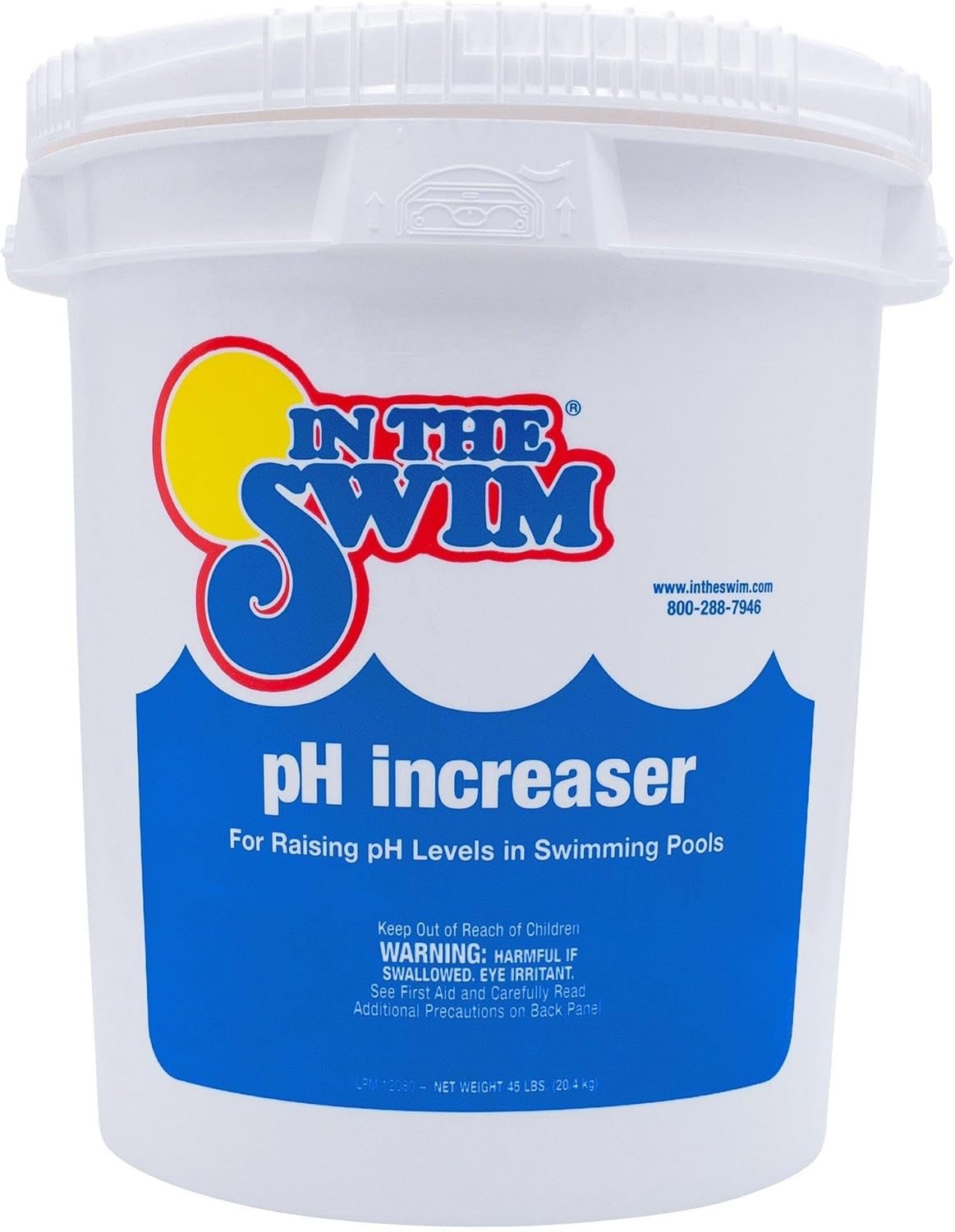
In The Swim Soda Ash
What it is: Sodium carbonate—raises pH faster than baking soda with less alkalinity bump.
Why you need it: Use when pH is low and you need pH up without overshooting TA; check TA first.
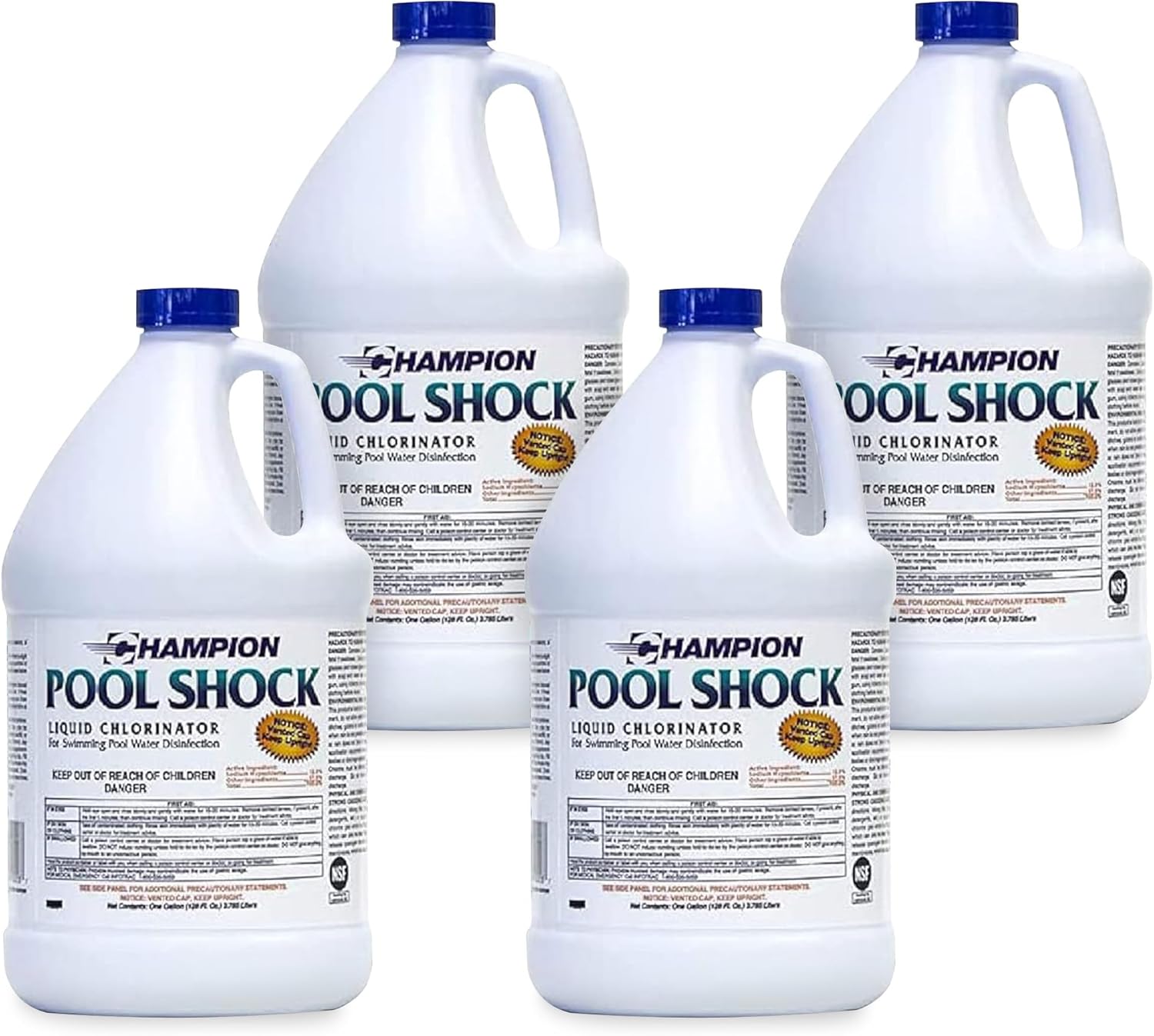
Liquid chlorine (10–12.5%)
What it is: 10–12.5% liquid shock/sanitizer—sold by the jug; shipping availability depends on seller and hazmat rules in your area.
Why you need it: For many SLAMs it’s the workhorse: no extra CYA from the sanitizer itself, fast, easy to pour. Grab fresh jugs; heat and age weaken it.
The Hidden Conflict In Your Pool
Here's something most pool owners don't realize: your plaster manufacturer and your chlorine have completely different priorities.
Plaster manufacturers want you running pH around 7.6–7.8 to protect your finish. That makes sense from their perspective—they don't want warranty claims. Low-pH water can be aggressive toward calcium-based surfaces, and plaster is essentially calcium. So they tell you to keep that pH up.
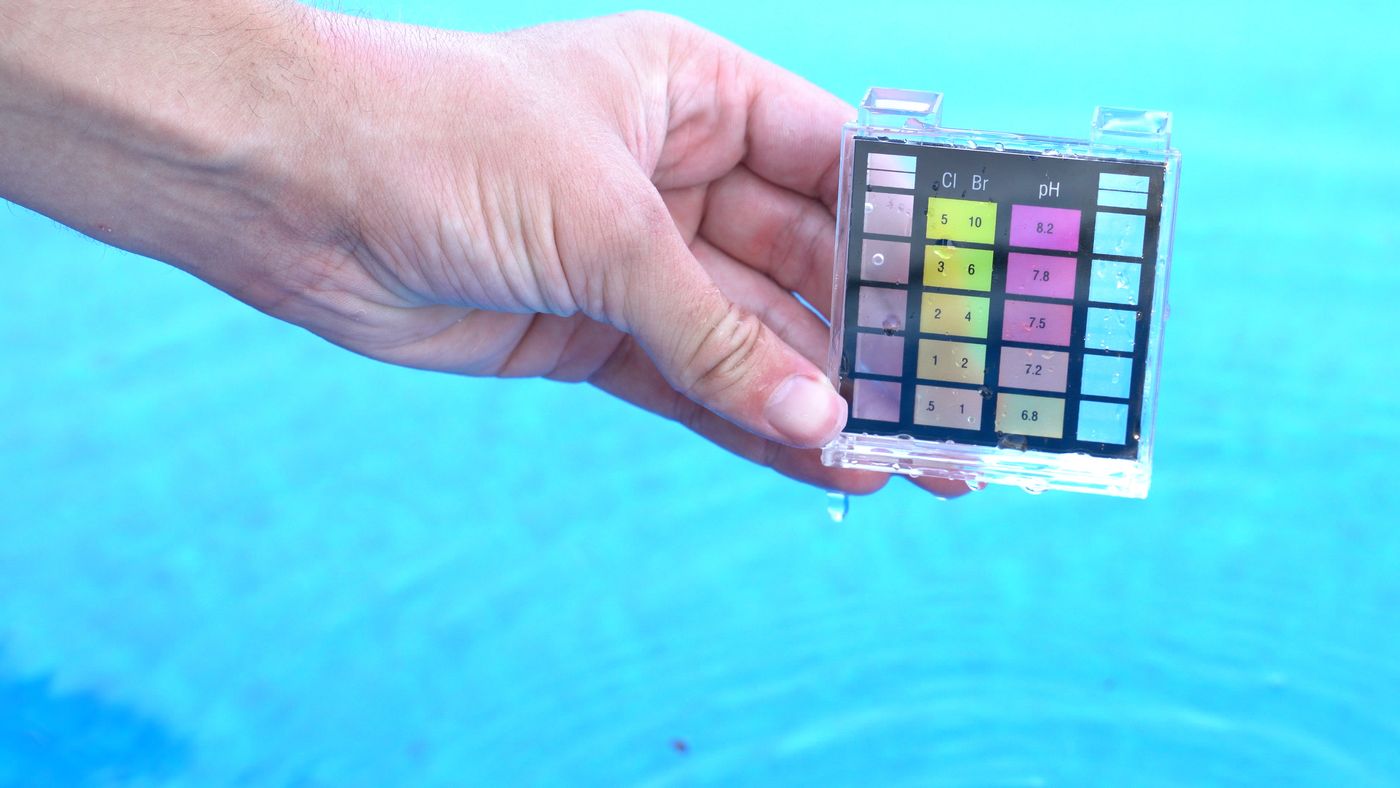
But here's the problem: the higher your pH goes, the weaker your chlorine gets.
That "free chlorine" reading on your test kit? It's lying to you about how much killing power you actually have. The number might look fine. But the effectiveness behind that number changes dramatically based on your pH—and on a gunite pool, you're forced to run pH right in the danger zone.
How pH Quietly Kills Your Chlorine
Here's what the pool industry doesn't explain clearly: chlorine's killing power changes dramatically based on your pH. Not a little—dramatically.
When chlorine enters your pool, it splits into two forms: one that's highly effective at killing bacteria and algae (hypochlorous acid), and one that's basically useless (hypochlorite ion). The ratio between these two forms is controlled entirely by your pH.
-
At pH 7.0: about 75–80% of your chlorine is in the powerful, fast-killing form.
-
At pH 7.2: around 65%. Still strong.
-
At pH 7.5: down to roughly 50%. You've already lost more than half your sanitizing power.
-
At pH 7.8: only about 30% is effective—half the power you'd have at 7.2.
-
At pH 8.0: just 20% of your chlorine is actually working. The rest is sitting in your pool doing almost nothing.
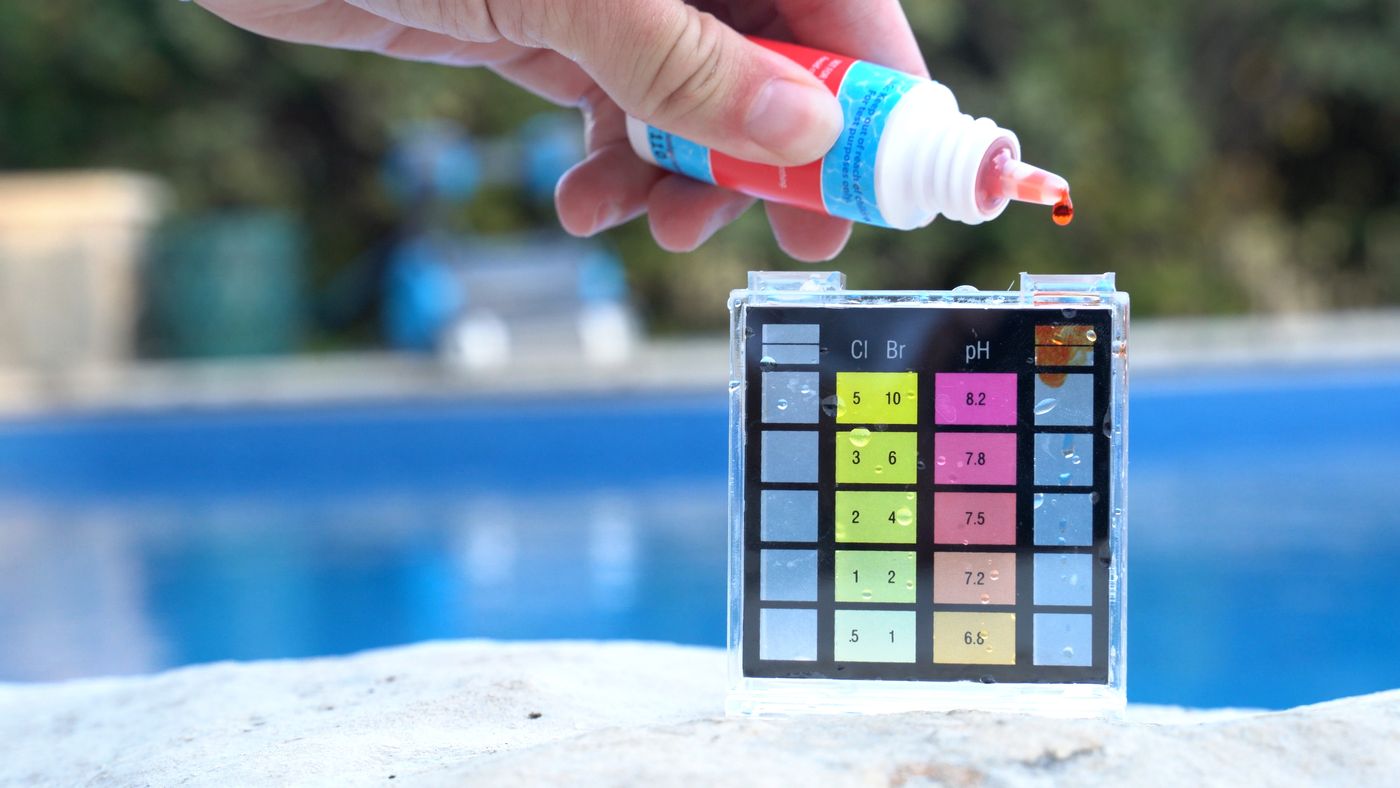
Chlorine effectiveness drops sharply as pH climbs // The Pool Nerd
So when your plaster manufacturer tells you to run at 7.6–7.8, they're asking you to operate with 30–50% less effective chlorine than you'd have at optimal levels. This is exactly why dialing in the ideal pool pH matters so much—and why it's harder to do on a gunite pool. The question is: how do you actually see this happening?
ORP: How To See What's Actually Happening
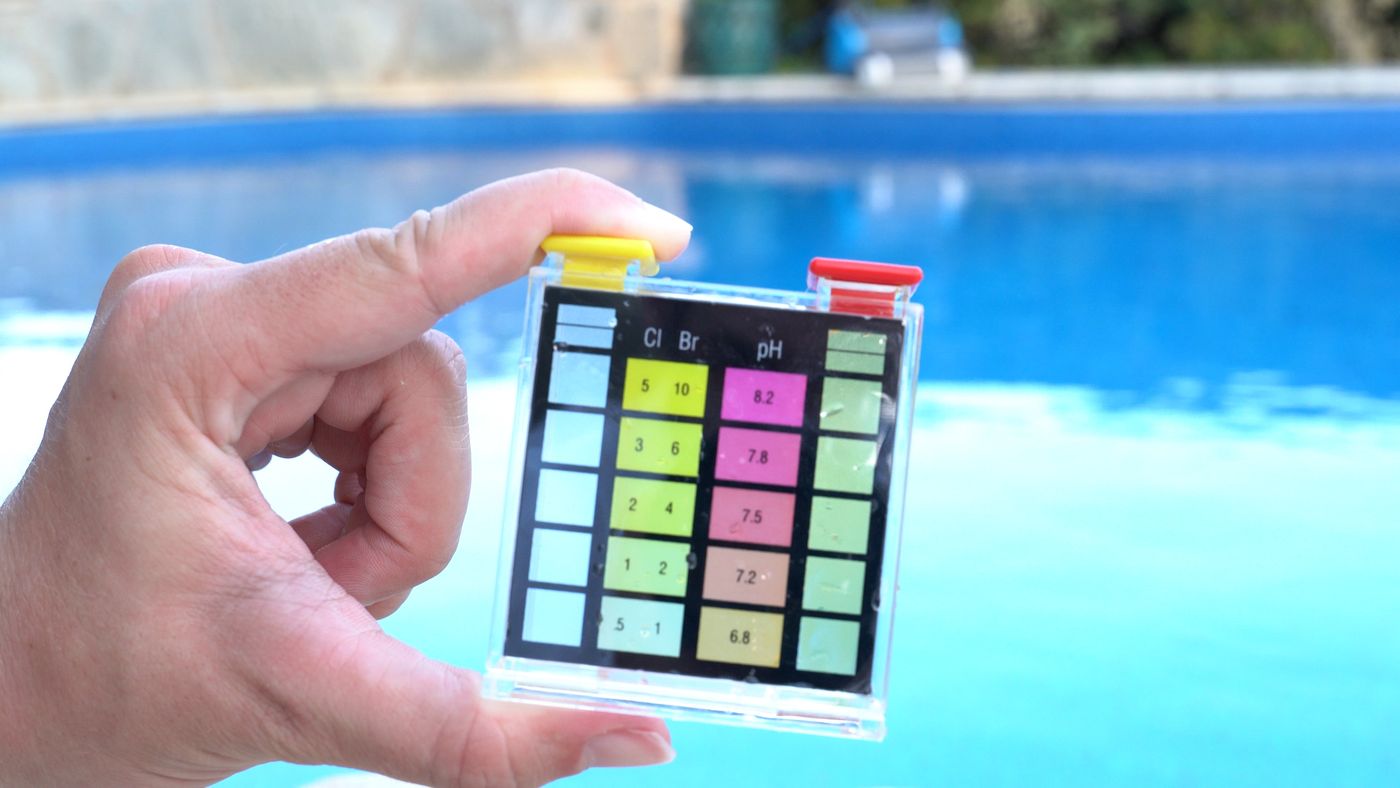
Test strips and liquid kits can tell you your pH number, but they don't show you the impact. You drop in the solution, match the colors—assuming your color-matching skills are on point—see "7.6," and think everything's fine. What you don't see is your chlorine working at half strength.
This is where ORP comes in. ORP stands for Oxidation-Reduction Potential. While pH tells you acidity, ORP tells you actual sanitizing power—whether your chlorine is working or just sitting there. It's the number commercial pools and Olympic facilities monitor around the clock, because it's the number that actually matters.
- Above 750 mV: excellent.
- 650–750 mV: ideal range.
- Below 650 mV: warning—take action.
- Below 600 mV: your water isn't properly sanitized, regardless of what your chlorine reading says.
On a gunite pool you can literally watch your ORP drop as your pH climbs through the week. It's eye-opening—especially for plaster owners who can finally see exactly what that high pH is costing them in real dollars.
How To Monitor pH and ORP
Digital meters give you more precise pH readings, but you still have to remember to test—and pH can swing dramatically in 24–48 hours. By the time you catch a problem, you've already wasted days of chemicals. What you really need is a real-time water monitor.
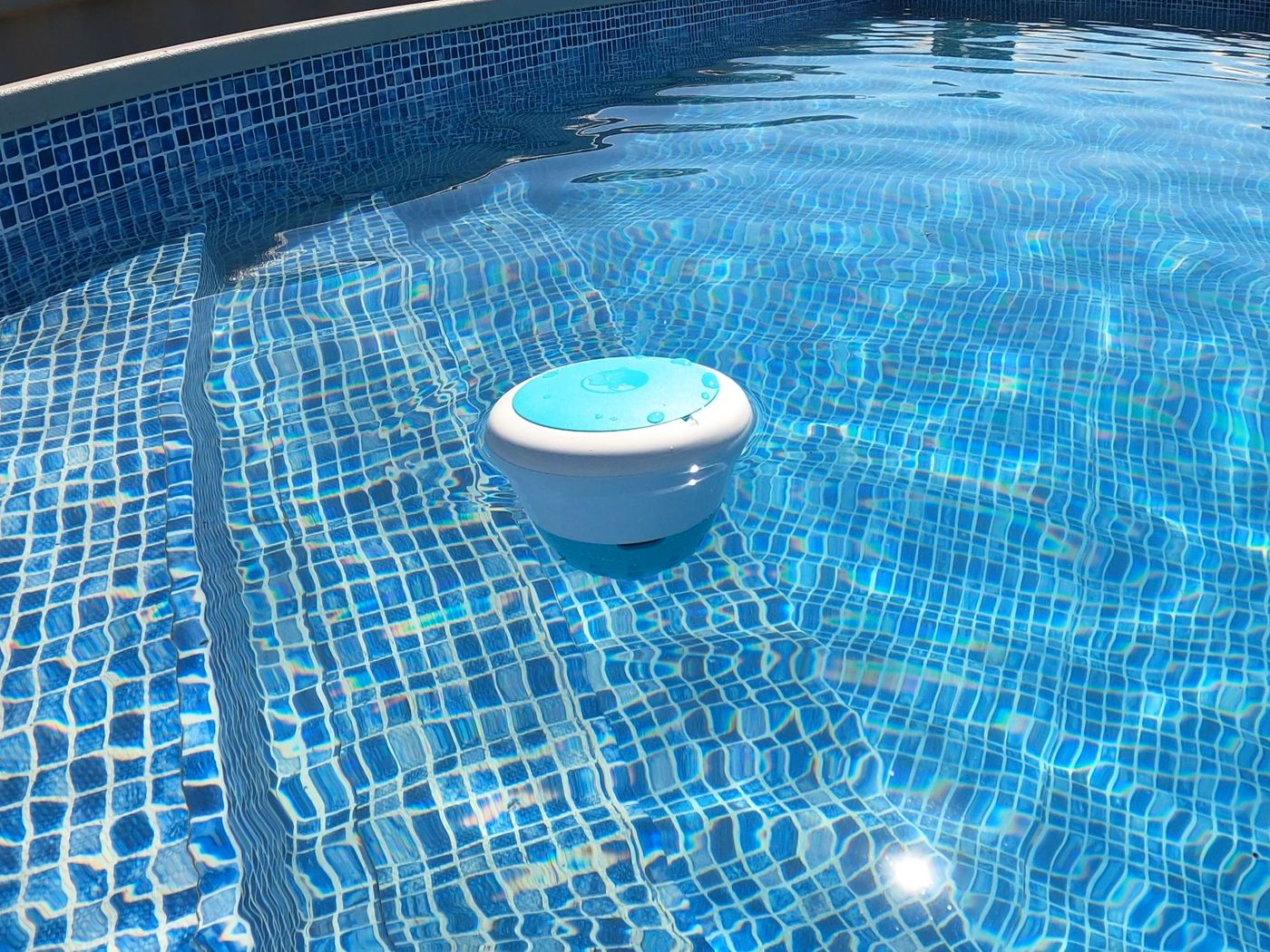
Smart monitors like the ICO changed how I understand pool chemistry. It sits in your pool and measures pH and ORP every hour, sending data straight to your phone. The ICO also tells you exactly how much chemical to add based on your pool size and current readings—no more guessing. Most owners cut their chemical spending by 30–50% in the first season just because they stop over-dosing chlorine.
If you want to learn more about the science behind ORP, check out the ICO's site at mysmartpool.com—and if you want to compare options, I rank them all in my guide to the best pool water monitors.
Read our full review: ICO Pool Water Monitor Review
The Real Cost To Your Wallet
So what do most gunite pool owners do when their water doesn't stay clear or they're fighting algae? They dump in more chlorine to compensate. A lot more. We're talking potentially double the chlorine just to get the same sanitizing effect you'd have at a lower pH.
Think about that. If you're spending $80 a month on chlorine—which isn't unusual for a gunite pool—that's an extra $500–900 a year just because your pH is running high to protect your plaster. Over a 10-year period? You're looking at $5,000–9,000 in unnecessary chemical costs.
And that's just chlorine. High pH also causes scale buildup on your tile, inside your pipes, on your heater elements, and in your salt cell if you have one. Scale damages equipment, reduces efficiency, and leads to expensive repairs and replacements.
All because you're caught between two competing demands: protect your expensive finish or get efficient sanitation without burning through chemicals. It's a trade-off nobody talks about when you're shopping for a new pool surface.
Why You Can't Just Ignore The Plaster Manufacturer
Now, I'm not saying to ignore your plaster manufacturer's recommendations entirely. There's real science behind their advice.
It comes down to something called the Langelier Saturation Index (LSI). This formula looks at your pH, temperature, calcium hardness, total alkalinity, and total dissolved solids to determine whether your water is "balanced," "aggressive," or "scale-forming."
If your LSI is too low—meaning your water is aggressive—it will literally pull calcium out of your plaster to balance itself. That's how you get etching, pitting, and premature surface failure. A plaster resurface can cost $10,000–15,000 or more.
So yes, there's a legitimate reason to keep pH higher on plaster pools. But that doesn't change the fact that you're paying a chemical penalty every single day for the privilege of owning that surface. The good news? You don't have to run at 7.8 to stay safe.
How To Optimize Your Gunite Pool
If you already have a gunite pool, you're not stuck. You can optimize within the constraints:
Run at 7.2–7.4 instead of 7.6–7.8. As long as your calcium hardness is properly balanced, you can safely run at the bottom of the plaster-friendly range and keep your LSI in check. Work with your LSI, not against it. This is the sweet spot covered in my full ideal pool pH guide.
Anchor your two key numbers. Keep Total Alkalinity at 80–100 ppm—think of it as your pH's shock absorber. Keep CYA (stabilizer) at 30–50 ppm; over 70–80 ppm it locks up your chlorine so tight it can't do its job, and your ORP tanks no matter how good your pH is. Use our pool alkalinity calculator to dial in TA.
Monitor your ORP with an ICO so you can see actual sanitizing power instead of just chlorine levels. You'll know exactly when your chemistry is working and when it's not.
pH Target For Gunite
Aim for 7.2–7.4—closer to 7.2 for maximum chlorine power, closer to 7.4 for swim comfort. Make sure your calcium hardness is in range first so your LSI stays balanced and your plaster stays protected.How To Lower Your Pool's pH
Since pH naturally rises on gunite pools, lowering it is the adjustment you'll make most often. You'll need acid to bring it down.
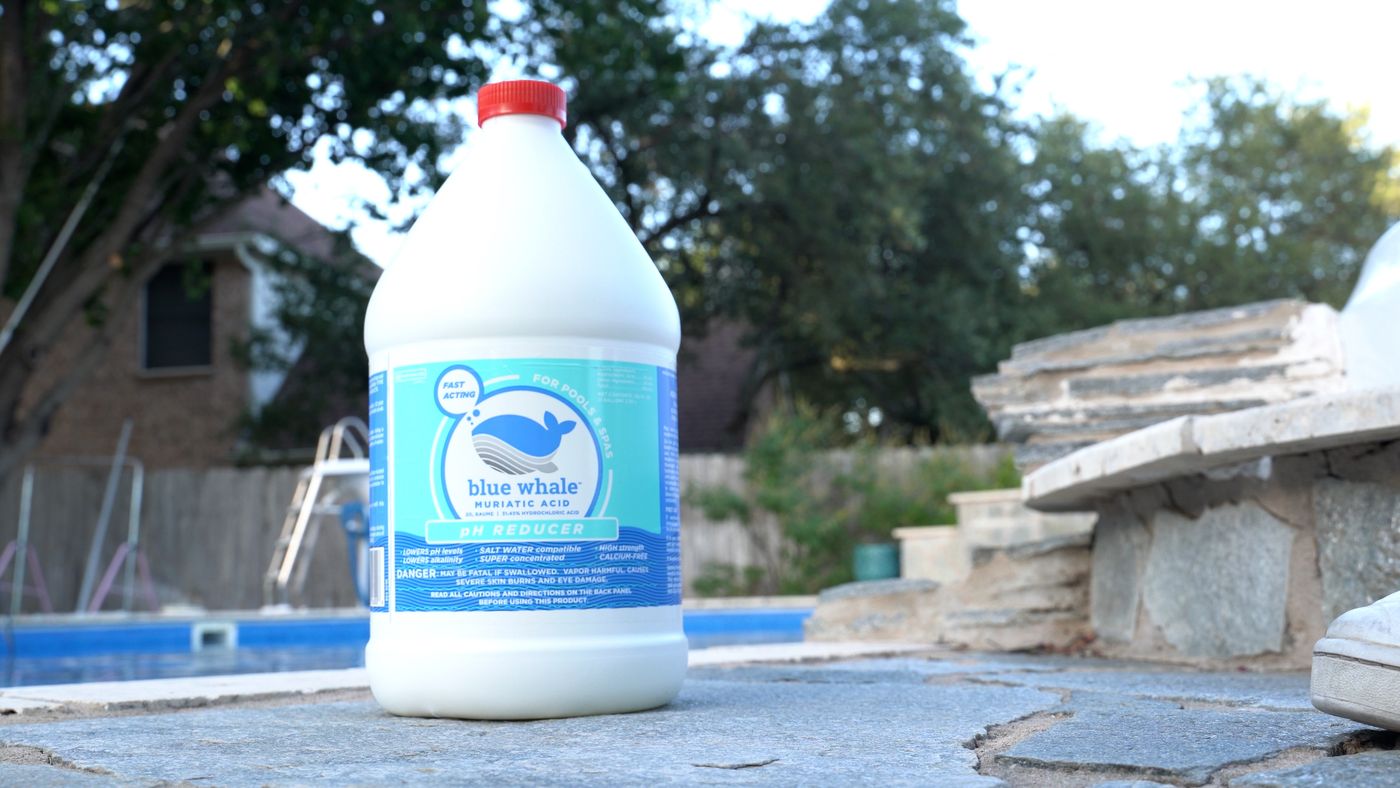
Muriatic acid is what I use and recommend. It's powerful, fast-acting, costs about $10–15 per gallon at any hardware store, and it doesn't add anything else to your water. Add it to the deep end while your pump is running, let it circulate, and retest the next day.
Dry acid (sodium bisulfate) is easier to handle with no fumes, but it's more expensive and adds sulfates that build up over time.
Never Mix Muriatic Acid and Chlorine
Never add muriatic acid and chlorine at the same time, in the same area, or directly into one another. Mixing these two chemicals can create toxic chlorine gas. Add acid first, let the pool circulate for at least 30 minutes, then add chlorine. Always wear protective gear and follow the label.For the full walkthrough, including how much acid to add for your pool size, check out my complete guide on how to lower your pool's pH, or use our pool pH calculator for exact dosing.
How To Raise Your Pool's pH
A low pH reading is uncommon on gunite—but it happens, especially if you've been heavy-handed with acid or you're using trichlor tablets (those pucks have a pH around 2.8). On a plaster pool, low pH is a bigger deal because aggressive water attacks your finish, so don't let it sit there.
The easiest fix is aeration: turn on your water features, point your returns up to break the surface, or let the kids have a splash contest. The more surface agitation, the faster your pH climbs—without raising your alkalinity.
If you need a chemical boost, soda ash (sodium carbonate) is the standard fix and raises both pH and alkalinity, while borax bumps pH with much less impact on alkalinity. I cover this in detail in my guide on how to raise your pool's pH, or use our pool pH calculator for exact dosing.
The Pro Upgrade: UV Sanitation
Here's the move that makes the gunite pH penalty almost irrelevant: SpectraLight UV systems destroy 99.9% of pathogens using ultraviolet light—the same technology used in Olympic pools and over 200 commercial facilities.
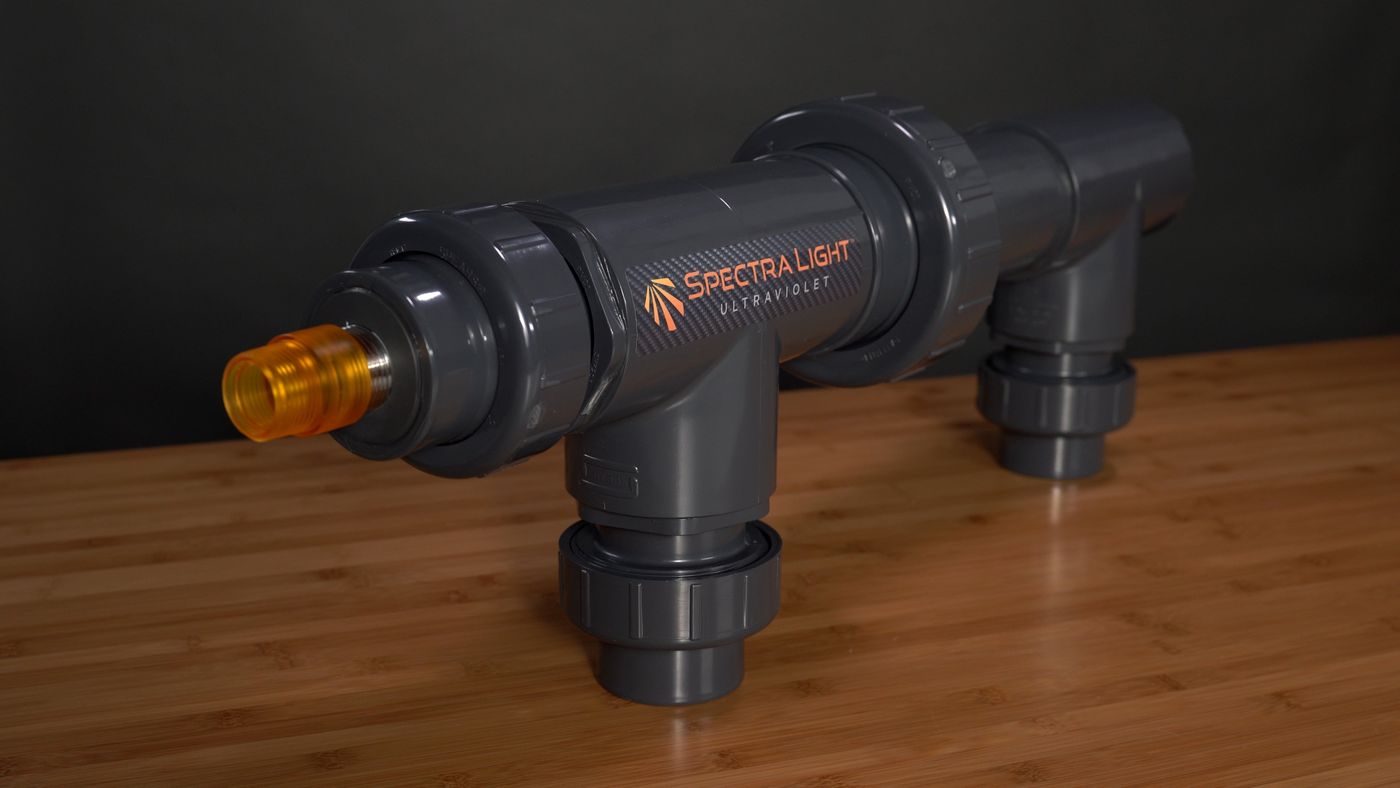
When UV handles the heavy lifting on sanitation, you need less chlorine to maintain the same ORP—even at the higher pH your plaster requires. It also destroys chloramines, the combined chlorines that cause the harsh "chlorine smell" and red eyes. For gunite owners stuck running higher pH, this is the single best way to break the chemical treadmill.
Read our full review: SpectraLight UV Review
The Pool Nerd Action Plan
- Target pH 7.2–7.4 (closer to 7.2 for power, 7.4 for swim comfort) and keep calcium hardness balanced to protect your plaster.
- Monitor ORP, not just chlorine. A smart monitor like the ICO makes this effortless.
- Simplify to liquid chlorine and muriatic acid (but NEVER mix them).
- Check your CYA — keep it under 50 ppm so it doesn't lock up your chlorine.
- Add a UV sanitation system to cut chemical use even at higher pH.
Final Verdict
Gunite and plaster pools are beautiful—the most popular choice in America for a reason. But there's a hidden cost nobody talks about at the sales appointment: higher pH to protect plaster means weaker chlorine, weaker chlorine means more chemicals, and more chemicals means more money out of your pocket year after year.
You don't have to just accept it. Run at the bottom of the plaster-safe range (7.2–7.4), keep your calcium and alkalinity balanced so your LSI stays happy, monitor your ORP instead of guessing, and let UV carry the sanitation load. That's how you get an efficient, clear pool and protect that expensive finish. For the complete picture, read my full ideal pool pH guide and run your numbers through our pool chemistry calculator.
Disclaimer: This information is for educational purposes only. Always follow your pool surface manufacturer's recommendations and consult a pool professional about your specific situation. Handling pool chemicals involves risk—always read manufacturer labels and never mix chemicals. Use this information at your own risk.
For more guides and how-to's, visit ThePoolNerd.com/pool-maintenance. Ready to upgrade your setup with an ICO, SpectraLight UV, or other top equipment? Head to ThePoolNerd.com/Deals.
Until then, enjoy that pool—I'll see you next time.