Introduction
It's that time of year. Leaves are falling into your pool faster than you can keep up, and if you don't get ahead of it, you're looking at stained surfaces, messed-up chemistry, and a green pool before you know it.
The good news? There's a pretty simple way to stay ahead of it.
Hey there, and welcome back to The Pool Nerd. I'm Justin, your resident pool aficionado. Today we're talking about one of the most common pool problems this time of year: leaves.
If the trees around your pool are dropping fast and you feel like you're constantly losing the battle, you're not alone. Most pool owners either let the leaves sit way too long—which is a huge mistake—or they spend way too much time every day trying to fish them out by hand.
There's a better way. Below is the exact 3-step system I use to keep my own pool clean during heavy leaf season, plus a few bonus tips that make a huge difference and that most pool owners completely forget.
Leaf Cleanup: What You Need Checklist
Stay ahead of leaf season with a net for the overload, a solar skimmer to catch leaves before they sink, and a corded robot for whatever hits the bottom—plus a way to watch your chemistry.
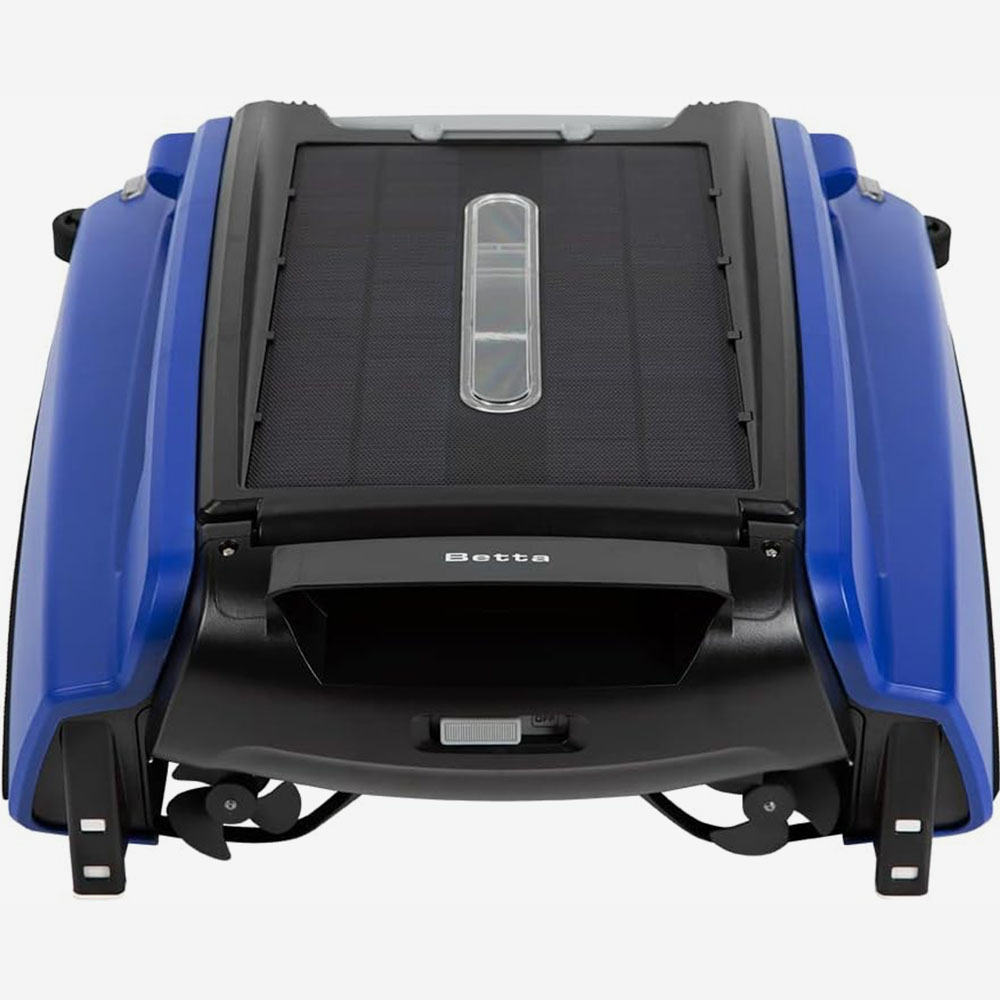
Betta SE Solar Pool Skimmer
What it is: A solar-powered surface skimmer that runs all day on its own—no cords, no charging—pulling pollen, bugs, and leaves off the surface before they sink.
Why you need it: Surface debris is easy to deal with until it drops to the floor. Skimming pollen off the top before it sinks means far less brushing and vacuuming during heavy pollen weeks. See the Betta SE review for the skimmer we run in our test pool.
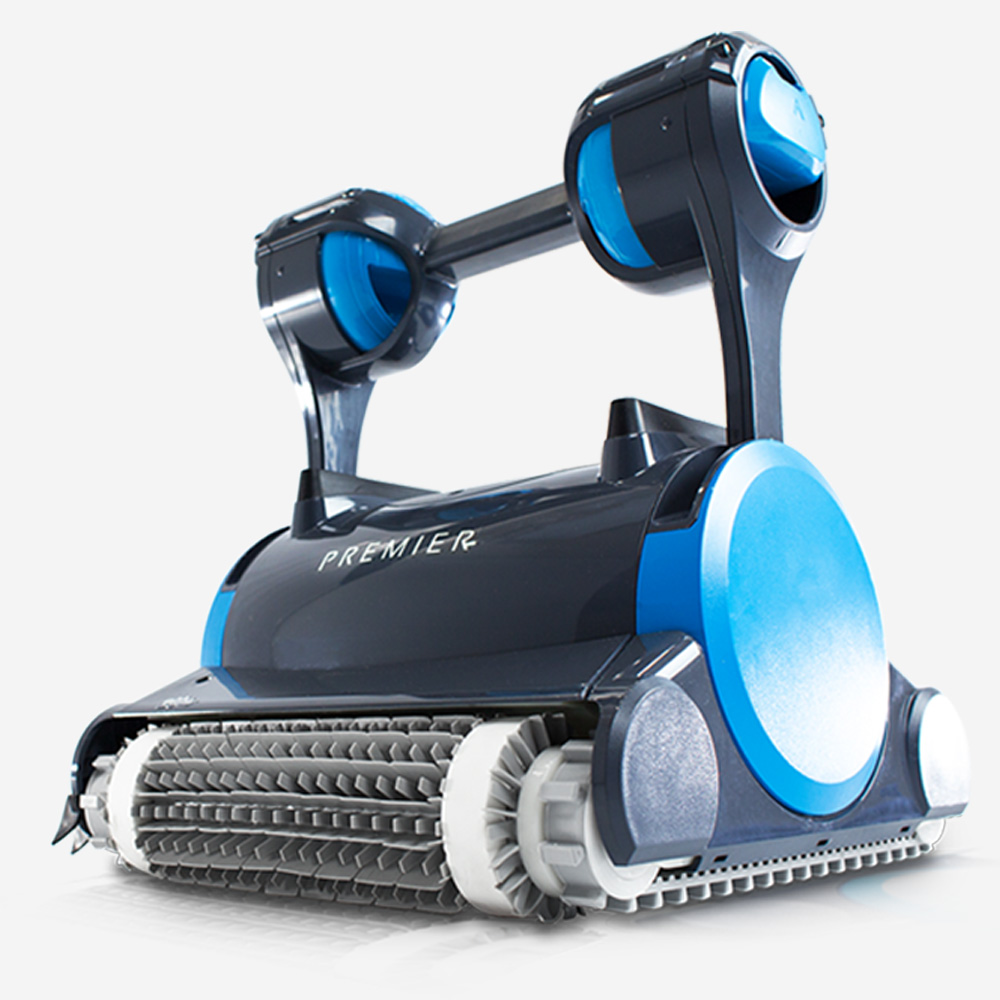
Dolphin Premier
What it is: A corded robotic cleaner with dual scrubbing brushes and strong filtration—built to pull debris and biofilm off surfaces so your sanitizer is not fighting mulch and leaves first.
Why you need it: Shock oxidizes what is in the water—leaves, pollen, and biofilm burn sanitizer too. A strong robot pulls debris off surfaces and into the filter so your chlorine works on algae and organics, not mulch. See the Dolphin Premier review for why it is our test-pool scrubber of choice.
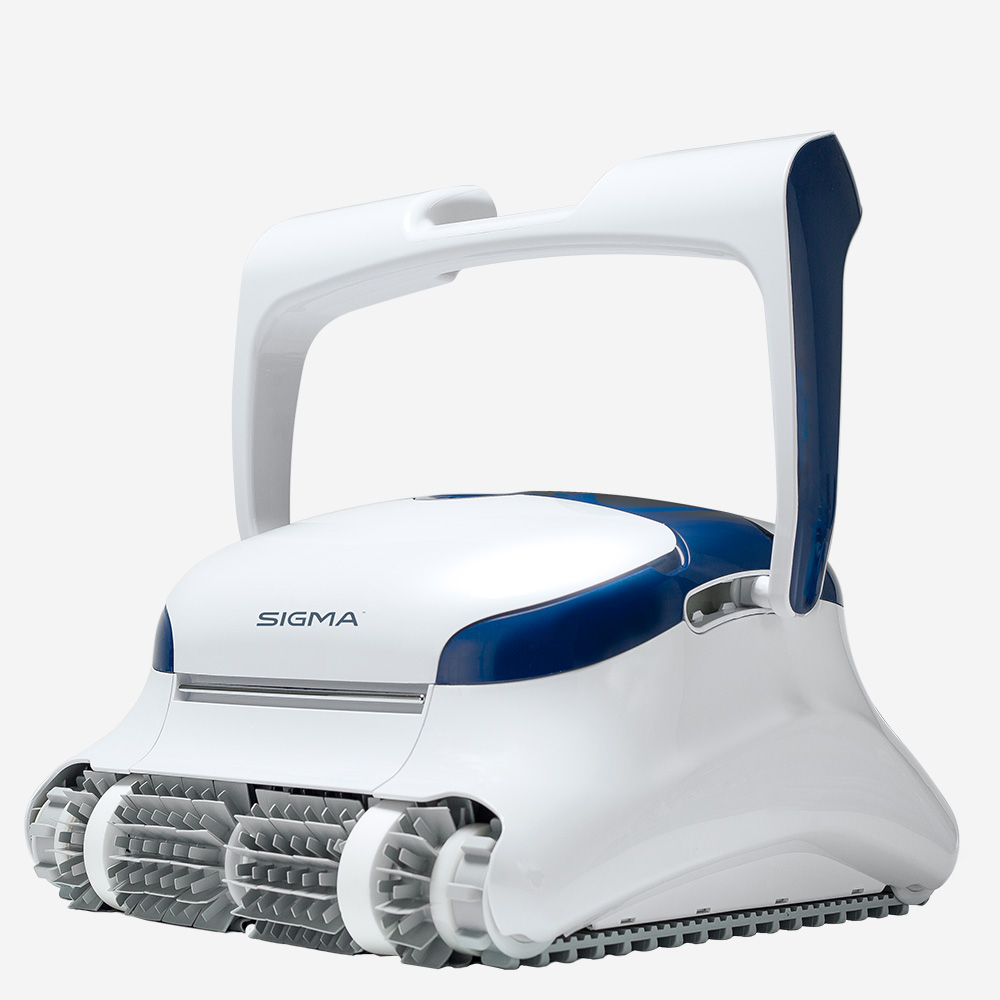
Dolphin Sigma
What it is: A corded robotic cleaner with smart navigation, dual scrubbing brushes, and large-capacity filtration built to handle real-world debris loads.
Why you need it: During leaf season you want a corded robot with strong suction and a filter that can take a beating—not a battery that fades halfway through. The Sigma covers the whole pool efficiently and dumps what it grabs into the filter. Read the Dolphin Sigma review or compare picks in best robotic pool cleaners.
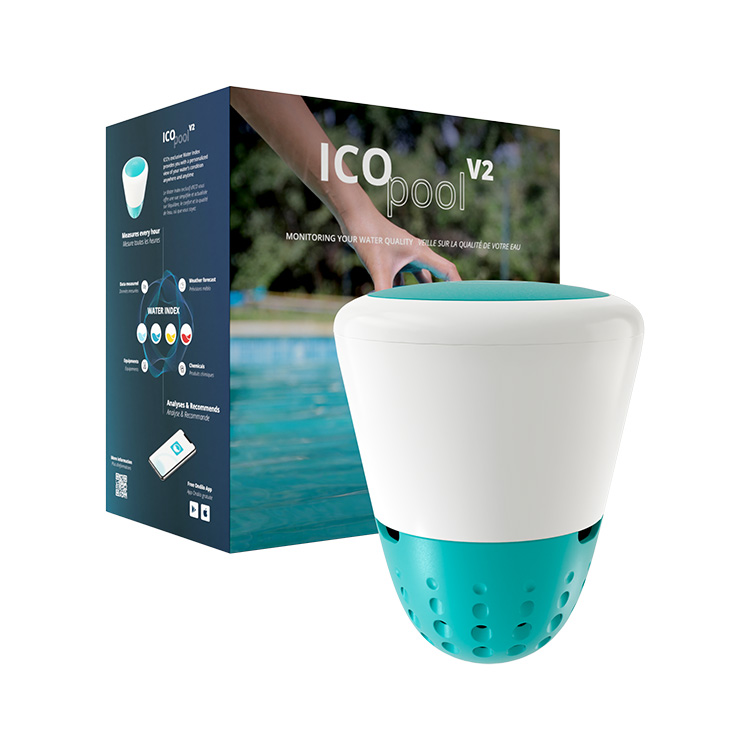
Ondilo ICO Pool Water Monitor
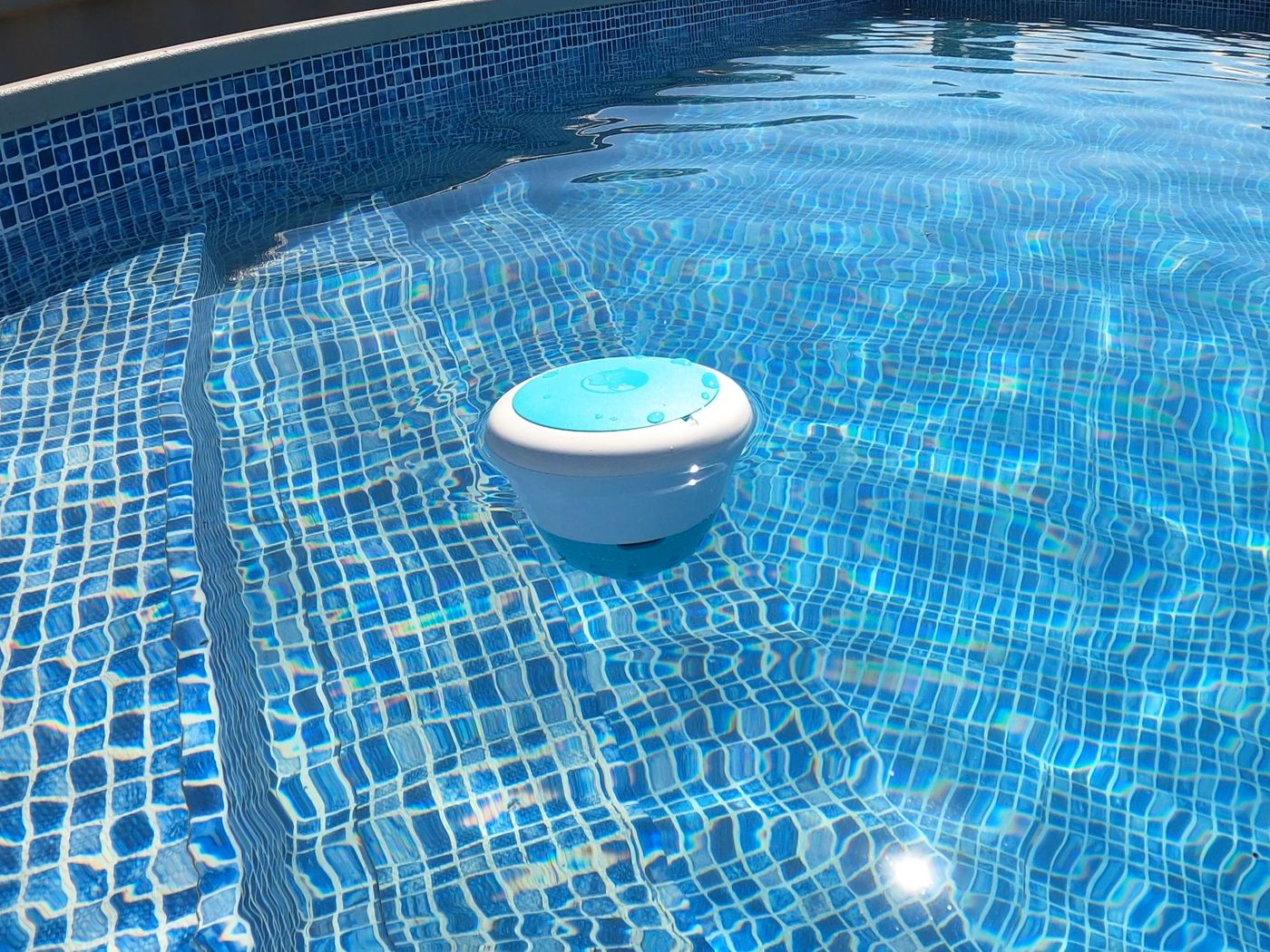
What it is: A floating smart monitor that samples pH, ORP (sanitizer effectiveness), and temperature on a schedule and sends trends to your phone.
Why you need it: You still need a real drop kit for parameters the ICO doesn’t replace (like TA and CYA), but hourly ORP/pH catches drift and dosing mistakes long before weekly strip checks do.
Read the full ICO review — Shop ICO direct (no Amazon listing for the hardware we run).
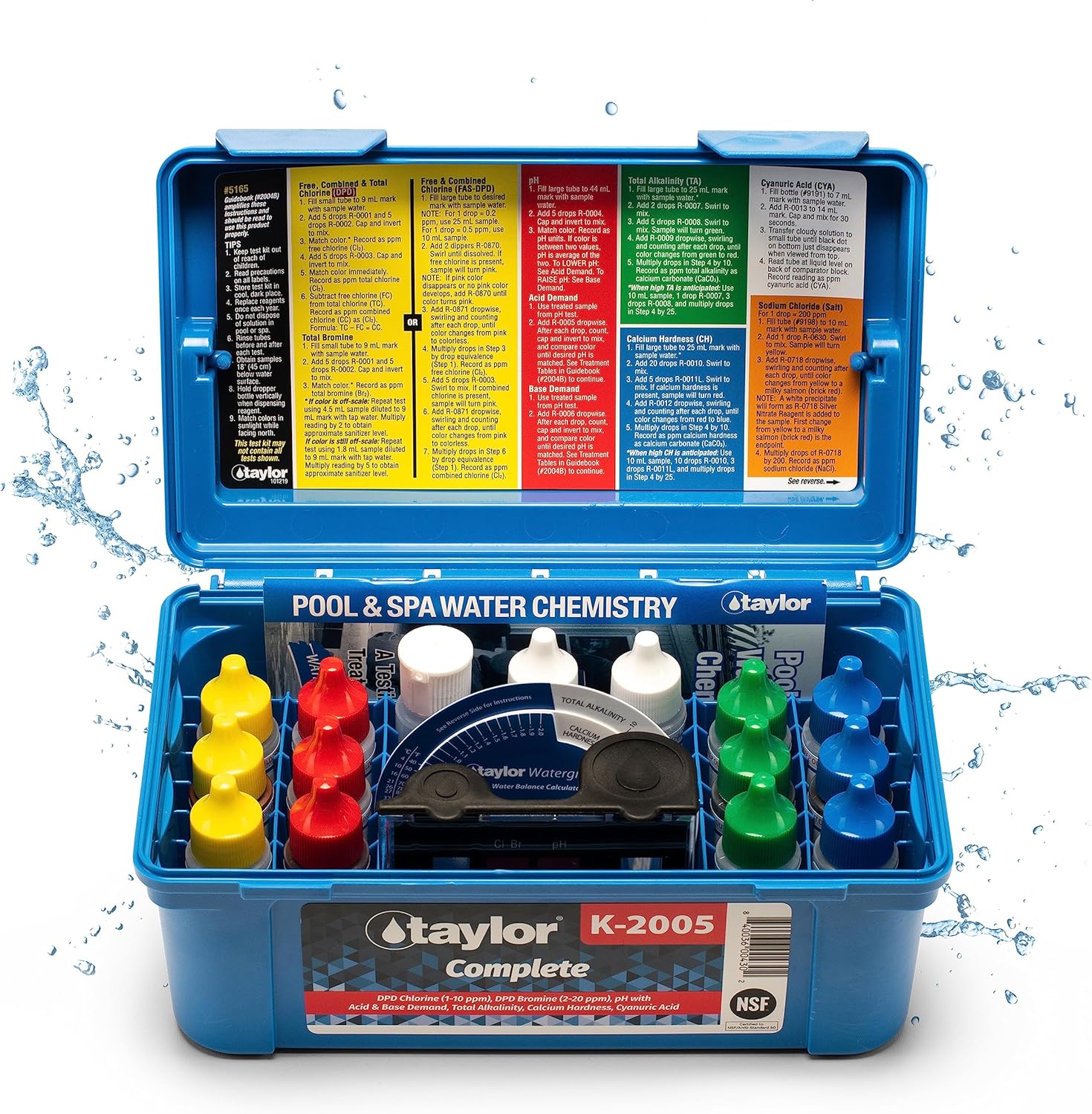
Taylor K-2005 Test Kit
What it is: A professional drop (titration) kit for chlorine, pH, alkalinity, calcium hardness, and cyanuric acid.
Why you need it: You can’t SLAM or balance blind—especially CYA, which handcuffs chlorine. This kit gives numbers you can trust, not strip guesswork.
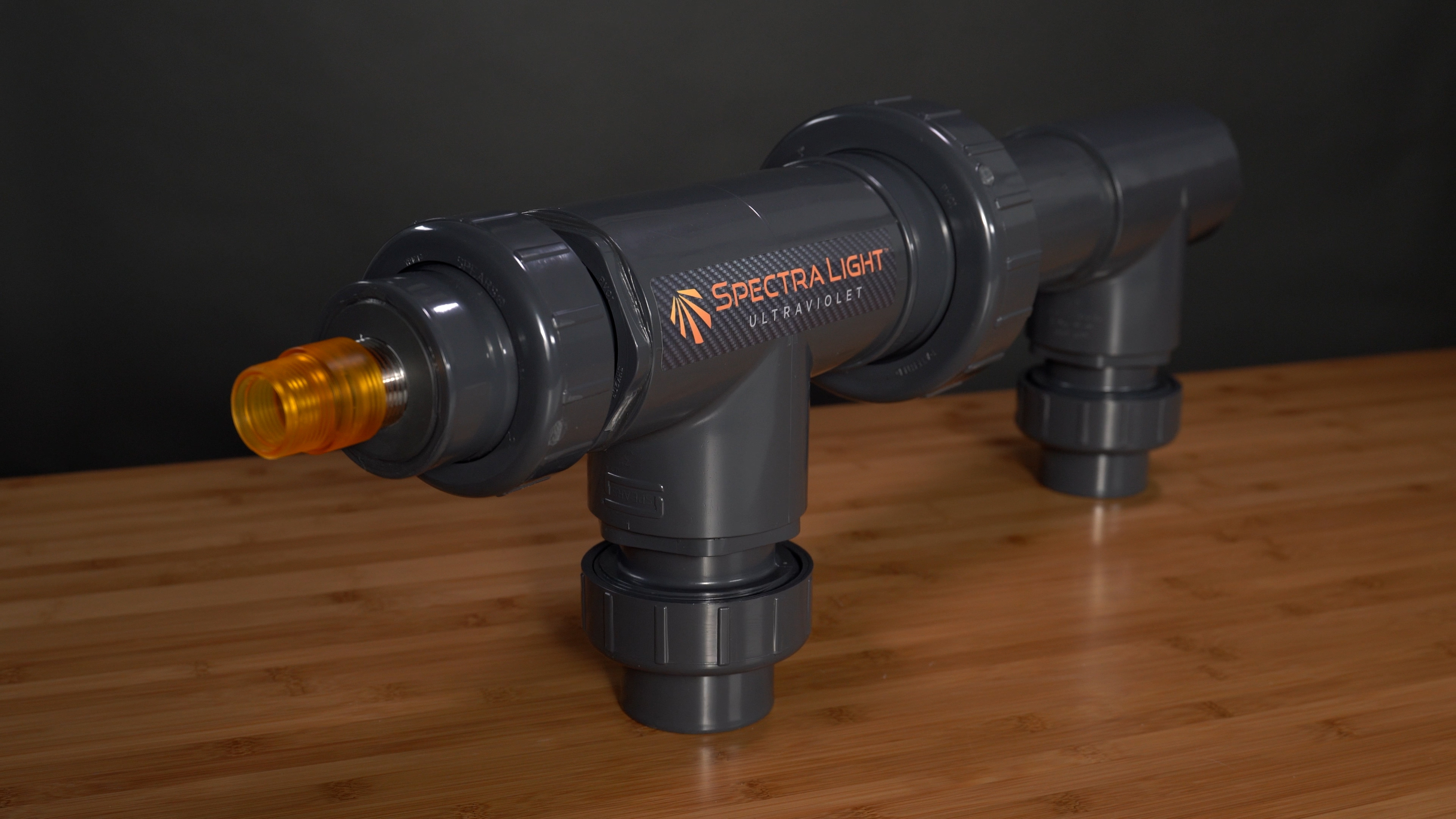
SpectraLight UV
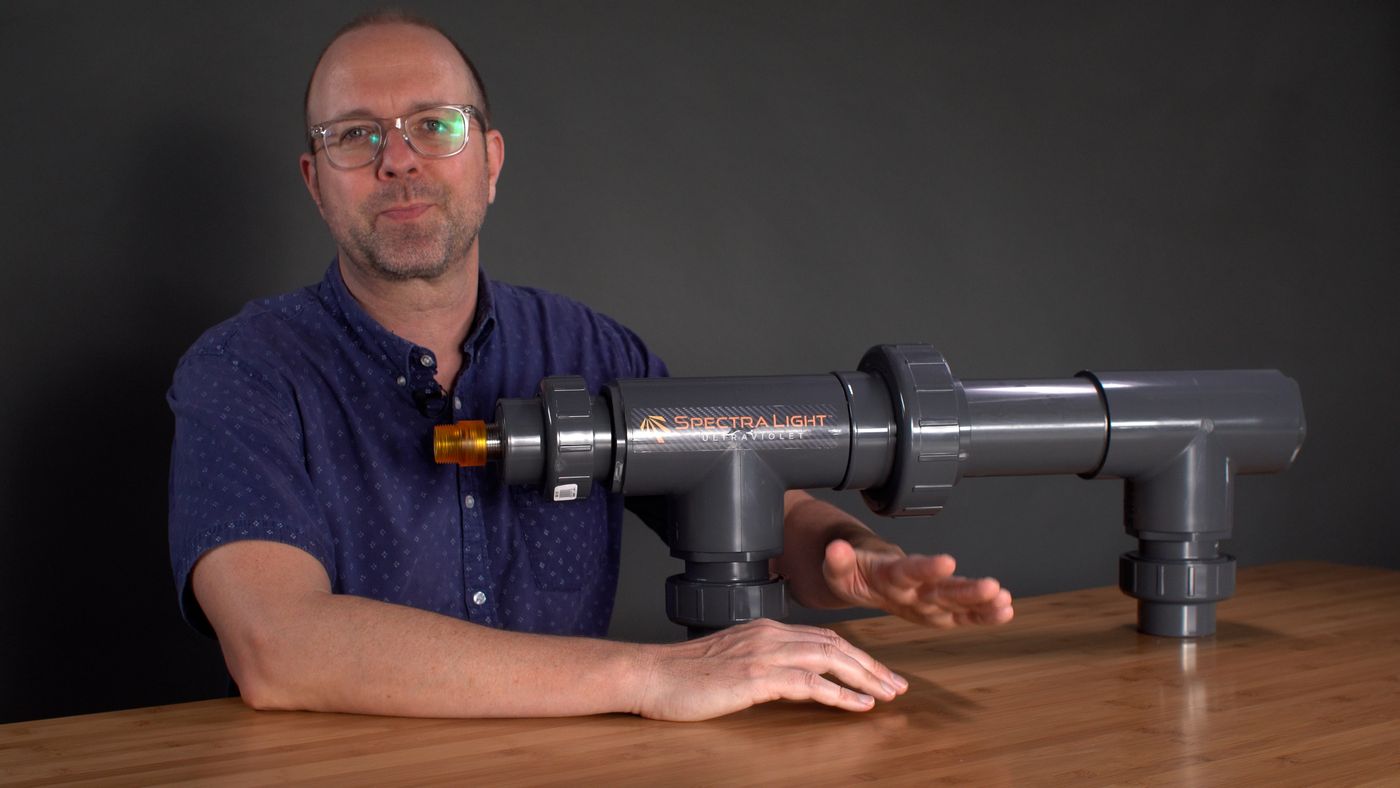
What it is: Inline UV-C on the return line—knocks down pathogens and helps with chloramines as water passes the lamp.
Why you need it: Cleaner water with less organic load means you reach for shock less often while staying comfortable. Read the full SpectraLight review for sizing and install notes.
Why You Can't Just Leave Leaves In Your Pool
Let's be real for a second. Leaves do not just harmlessly sit there and disappear. Here's what happens when you let them pile up:
-
They stain your pool. A lot of leaves release tannins as they break down—the same stuff that turns tea brown. Those tannins can stain plaster, vinyl, or fiberglass and leave behind ugly yellow-brown marks that are a pain to remove.
-
They burn through your chlorine. Leaves are organic debris, and organic debris creates chlorine demand. Instead of your sanitizer being available to do its job, it gets used up trying to break all that junk down.
-
They feed algae. As leaves decompose, they dump organics and nutrients into the water—exactly the kind of stuff algae loves. A pool that looks mostly fine today can turn fast if a bunch of leaves are left sitting.
-
They hurt circulation. Leaves clog skimmer baskets and pump baskets, which cuts down flow. Once flow drops, filtration and sanitizing both take a hit. That's how a simple leaf problem turns into a bigger pool problem.
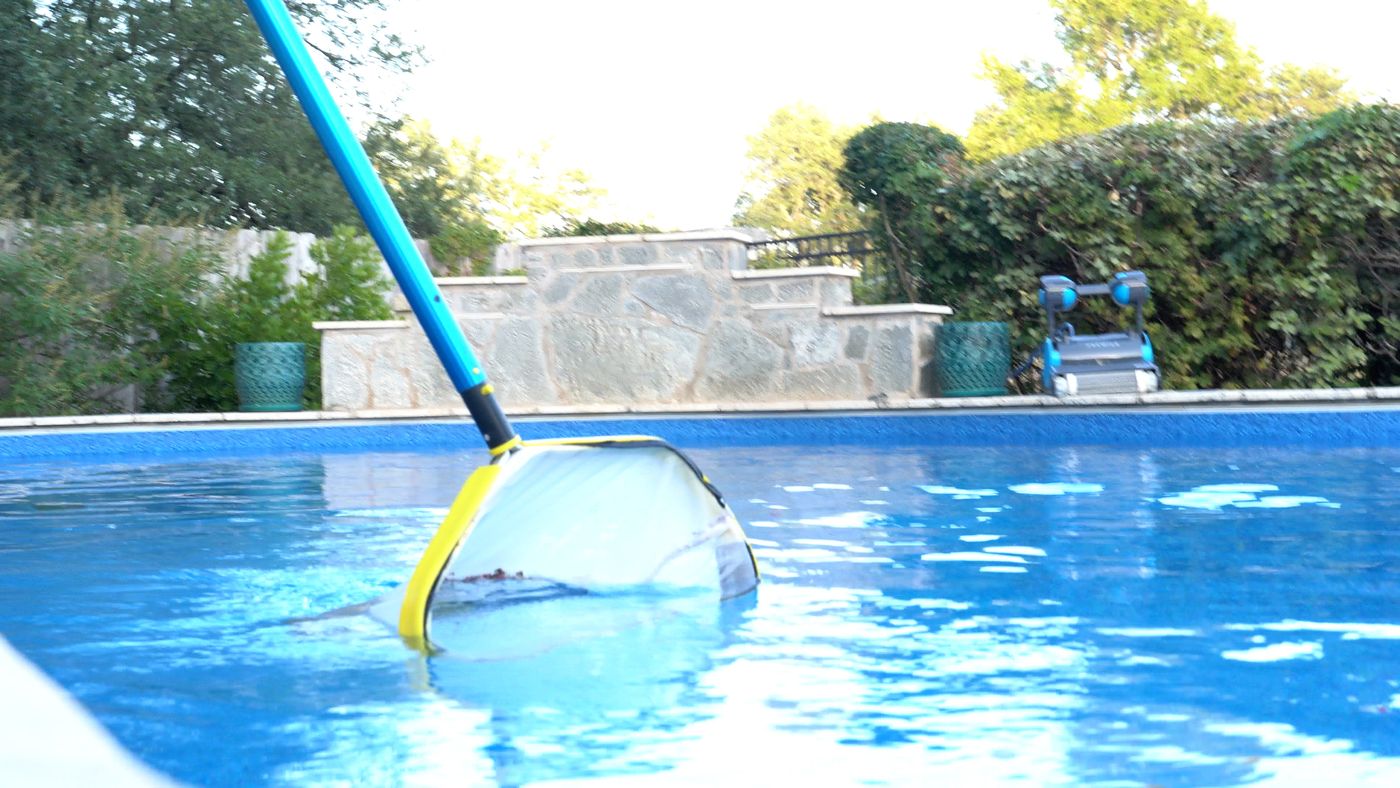
Leaves that have already settled on the bottom of the pool // The Pool Nerd
So no, leaves are not harmless. If you want to avoid a mess, you've got to stay ahead of them. Here's the system.
Step 1: Use a Pool Net and Pole
This is your first line of defense, and it's what handles the overload you're already dealing with.
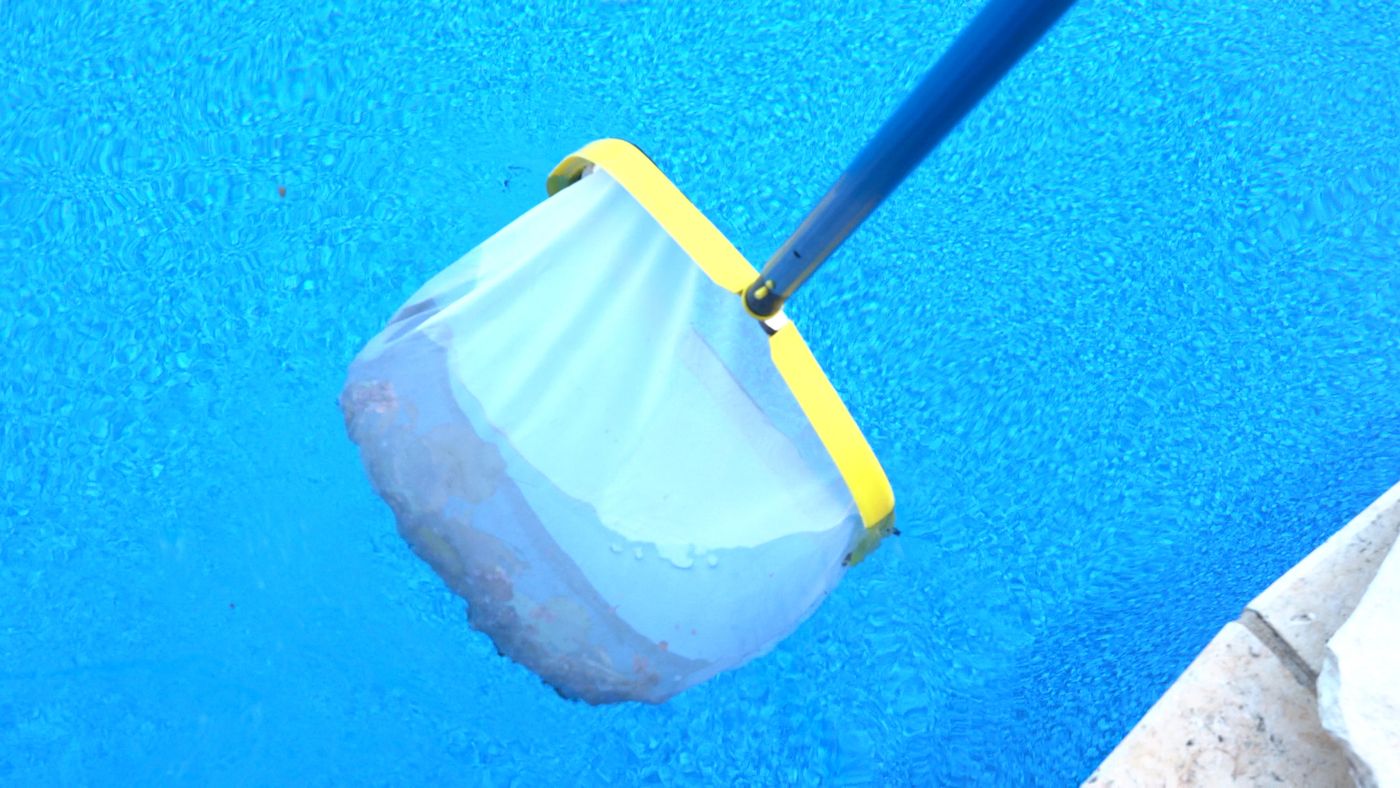
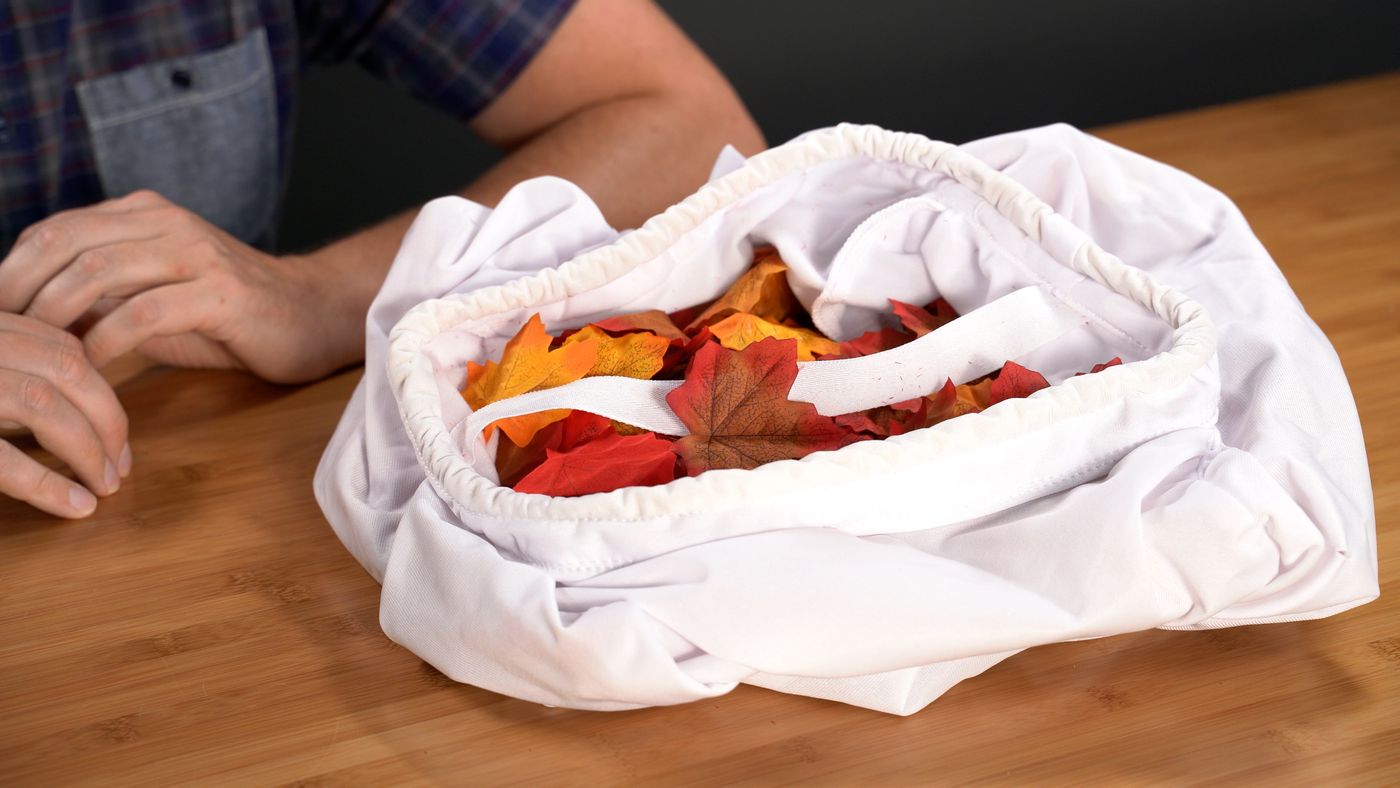
Get a telescoping pool pole with a skimmer net. During leaf season, the big bag-style nets pull up way more debris in one pass than a flat net ever will.
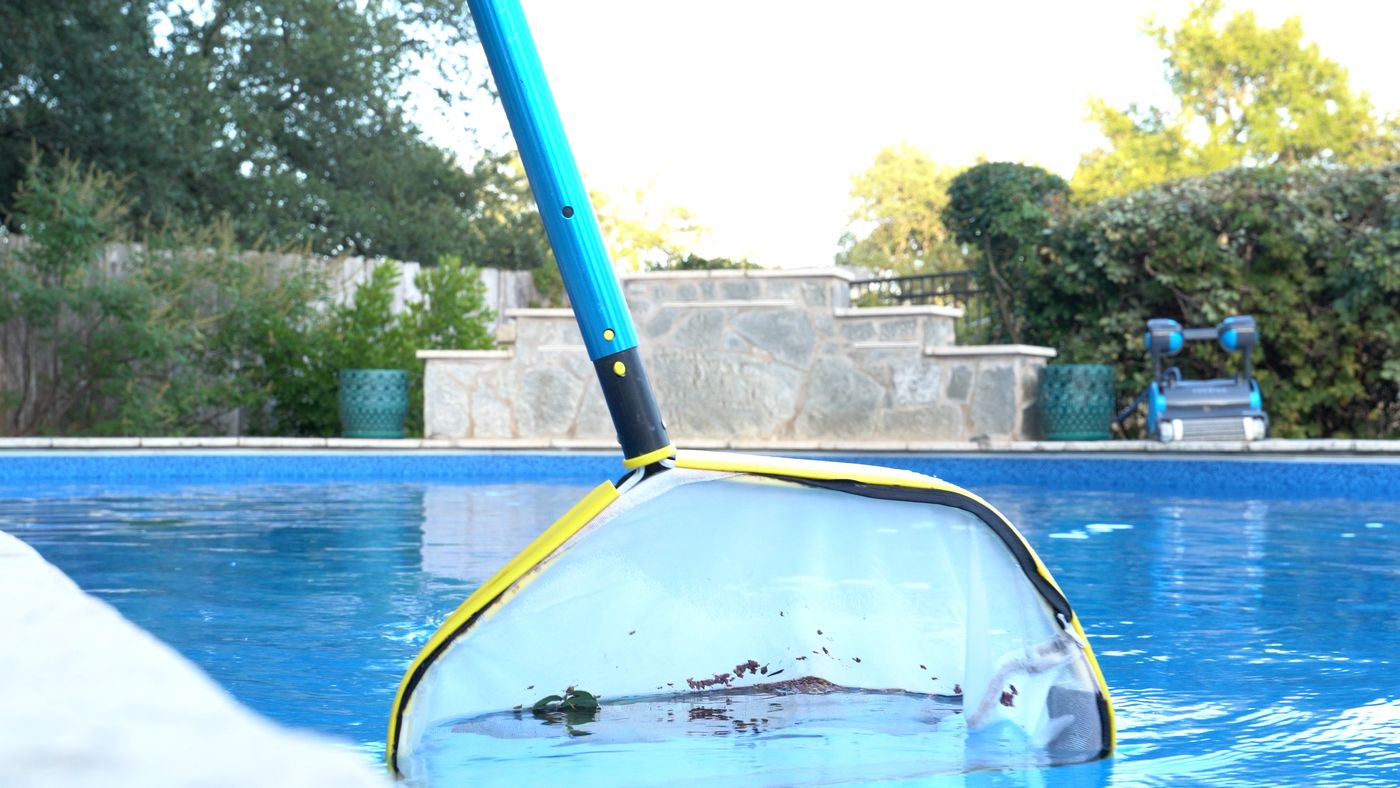
Start by skimming the surface. Any leaf that's still floating is way easier to remove than one that has already sunk and started breaking down. Then switch to cleaning anything sitting on the bottom of your pool.
When you're done, do not forget to empty your skimmer basket and pump basket. A lot of people skip that part, but if those baskets are packed with leaves, you're choking off your circulation and undoing half your work.
Step 2: Add a Solar Pool Skimmer
Step one handles the mess that's already there. Step two helps stop the next mess from building up.
Here's the truth: if you can grab leaves while they're still floating, life gets way easier. Once they sink, they start breaking down, releasing tannins, eating chlorine, and creating a bigger problem.
That's where a solar robotic pool skimmer really earns its keep. These float on the surface, run all day off solar, and start picking up leaves as soon as they hit the water. No cords. No daily charging. You just drop it in and let it work.
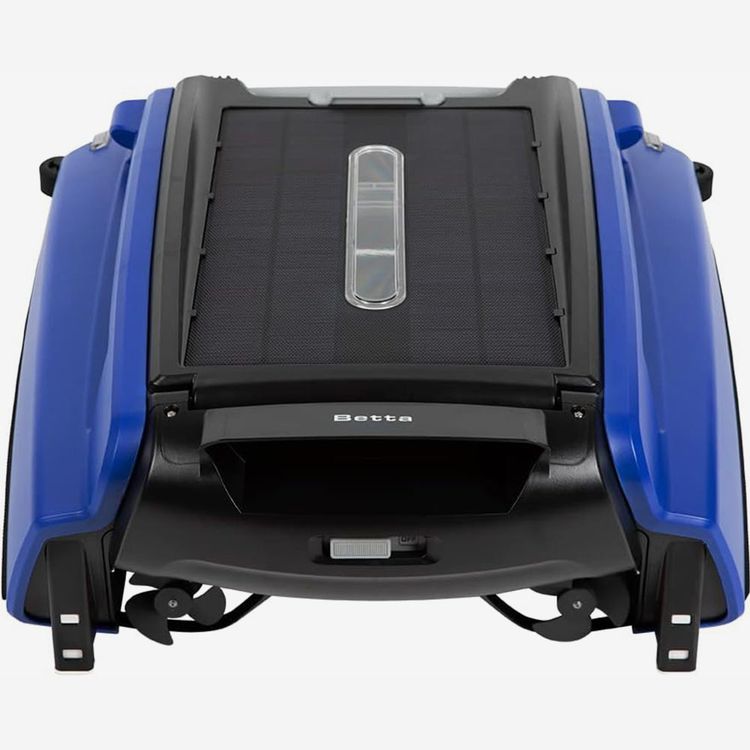
I've tested all the major skimmers, and my top pick right now is the Betta SE. It does a great job catching leaves early, is easy to empty, and saves you from standing there with a net every single day. If you want the most up-to-date list, head to my best pool skimmers guide—I update it as I test more models.
Step 3: Use a Robotic Pool Cleaner
Steps one and two take care of the surface. Step three handles whatever made it to the bottom.
And this is where I need to make something clear: I would not buy a cordless pool robot for heavy leaf cleanup. I know cordless sounds convenient, and I've tested a ton of them—but for serious debris loads they're just not what I'd recommend. You're dealing with recharging, weaker performance once the battery starts dropping, and usually less debris capacity too.
For leaf season, I want a corded robot with strong suction and a filter setup that can handle real debris.
My top picks for leaf cleanup are:
Dolphin Premier
This is one of my favorite robots when the pool is getting hammered with leaves. It's powerful, handles large debris well, and gives you multiple filter options depending on what your pool needs. Check out the Dolphin Premier review for the full breakdown.
Clear UV
This one's special. It's a commercial-grade robot with an integrated UV system, so it doesn't just clean like a pro—it also helps sanitize your pool water with UV technology built in.
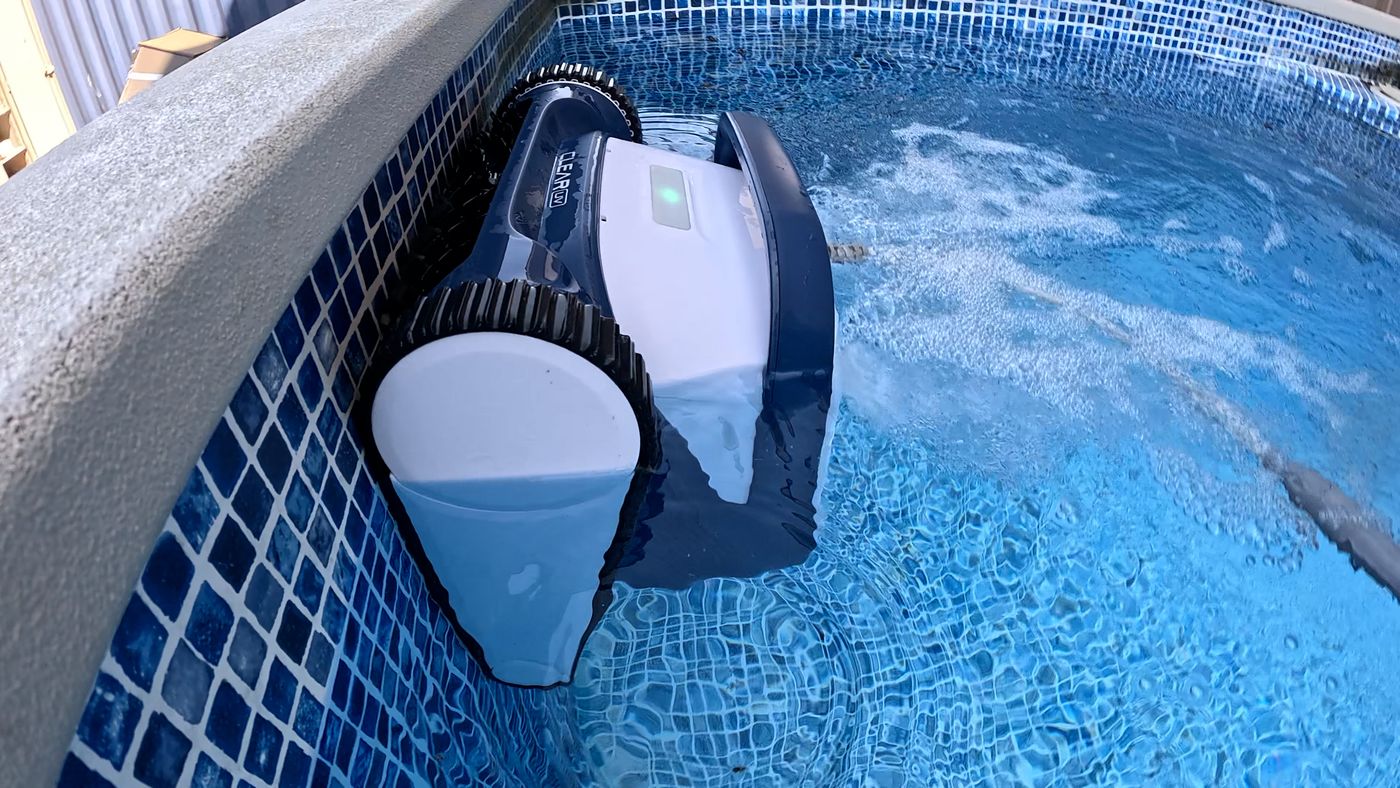
I wouldn't buy it for the UV part alone, but it's just that good of a robot when it comes to power and performance. Its UltraBin is great at capturing debris—ours was jam-packed every time we cleaned it—and it's easier to clean since it's top-loading. You just lift, dump, rinse, and put it back in. See the Clear UV review for more.
Dolphin Sigma
Another great option. Strong performance, smart navigation, and plenty of cleaning ability for real-world leaf season. Read the Dolphin Sigma review to compare.
All these robots are corded, and all of them are Pool Nerd Approved. For the most up-to-date rankings and current pricing, head to my best robotic pool cleaners guide.
Bonus Tips Most Pool Owners Forget
Before I wrap up, here are a few extra things that make a big difference during leaf season.
Trim back overhanging branches. If you've got branches hanging right over the water, that's the long-term problem. Even trimming a little can dramatically cut down how much ends up in your pool.
Run your pump longer during heavy leaf season. When your pool is getting hit with extra debris, longer circulation helps. A few extra hours of runtime keeps things moving and supports your filtration.
Watch your chemistry after storms or heavy leaf drops. This is where I really like using the ICO Pool Water Monitor. Leaves can knock your ORP down fast and throw your pH off quicker than people think. Having a way to track that without guessing makes life a lot easier—you can also compare options in my best pool water monitors guide.
Don't ignore your baskets. During peak leaf season, skimmer and pump baskets fill up fast. Emptying them regularly takes almost no time, but it protects your circulation and helps your whole system work better.
UV can be a helpful add-on, but it's not the fix for leaves. If you run something like SpectraLight UV or another UV setup, it can absolutely help support overall water quality as part of your system. But it is not a substitute for physically removing leaves—you still need to get the debris out first.
Closing the pool soon?
If you're heading into closing season, a leaf net over your cover is one of the smartest things you can do. It'll save you a ton of cleanup when you open back up.Final Verdict
So what's the best way to clean leaves out of your pool? Keep it simple:
- Use a net and pole for the overload.
- Use a solar skimmer to catch leaves before they sink.
- Use a corded robotic pool cleaner to clean up whatever makes it to the bottom.
That's the system. Add in a little chemistry awareness with something like the ICO, and maybe UV as a support piece if that's part of your setup, and you'll stay way ahead of the mess this time of year.
If this helped, keep nerding out with me—I test pool gear, review what's actually worth buying, and help you avoid wasting money on junk. For my current best picks and deals, head over to my deals page. Thanks for reading, and I'll see you in the next one.