
 Justin D.
Welcome back to The Pool Nerd. I'm Justin, your resident pool aficionado. Today I'm tackling a question I get constantly: how long should you run your pool pump? Most pool owners get this completely wrong — and if your pool guy still tells you to run the pump "8 hours a day," his advice has been collecting dust since 1998.
Here's the thing — variable speed pumps completely rewrote the rules, and most pool owners never got the memo. After years of testing equipment and obsessing over circulation, ORP, and chemistry on our test pool, I can tell you almost everyone is doing one of two things: running their pump way too long at the wrong RPM, or running it too short and wondering why their chlorine never stays stable.
Stick with me — what I'm about to share could cut your chlorine bill by up to 30% and make your water clearer than it's been in years.
The Equipment I Recommend for Smarter Pump Runtime


The Quick Answer
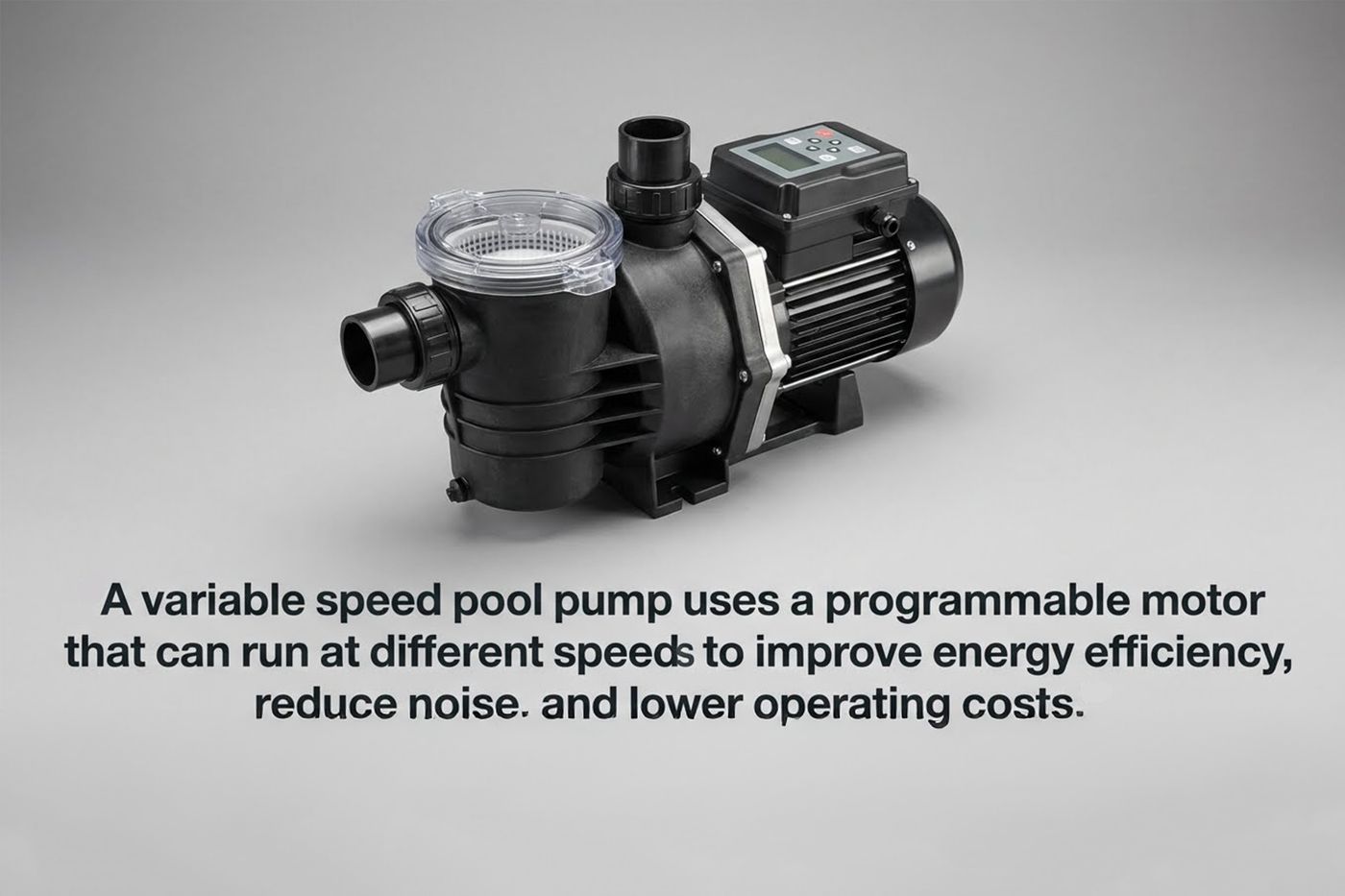
- Variable speed pump: run it 24/7 at low RPM. Steady, quiet, efficient, and dramatically better for your water than the old 8-hour rule.
- Single speed pump: run it 8–12 hours per day. No low-RPM option, so you're balancing circulation against your electric bill — push the high end in summer heat.
- Both inground AND above-ground: it doesn't matter what you swim in. Water has to keep moving.
Want to calculate runtime from your pool's actual gallons and GPM? Use my pool pump turnover guide to work out one or two daily turnovers before fine-tuning the RPM schedule below.
That's the short version. Now let me tell you why — because the reasoning is what saves you money.
Why Water Needs to Keep Moving (Always)
Most people think short runtime just means "a little less filtration." Not even close. Here's what actually happens when your pump shuts off for 16 hours a day.
Your water stops moving — and stagnant water, especially in heat, is a breeding ground for bacteria, algae, and biofilm. Once circulation stops, dead zones form in corners, behind ladders, around steps, and in the deep end. That's where algae starts. That's where biofilm anchors. That's where your pool turns from clear to cloudy seemingly overnight. It doesn't matter whether you've got an inground or above-ground pool — stagnation hits both the same way. Above-ground owners actually feel it faster because the smaller water volume swings harder when chemistry drifts.
But stagnation is only half the problem. You can't dose chlorine when the pump is off.
Salt cells only generate chlorine while water flows. Liquid chlorine pumps, tablet feeders, and chlorinators all depend on circulation. So when your pump shuts down, your sanitizer production shuts down too. Chlorine crashes overnight, the pump kicks back on in the morning, and dumps a fresh slug of chlorine into water that's already been brewing for half a day.
That up-and-down cycle is a disaster for three reasons:
- Chlorine demand goes up because the water has to play catch-up after every off cycle.
- Effectiveness goes down because chlorine never holds a stable ORP.
- You burn through more chemicals while getting worse sanitation.
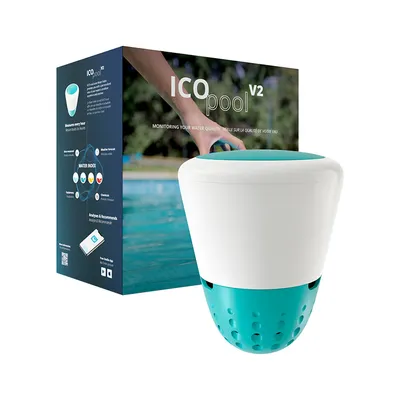
Most owners never notice this is happening — chlorine swings are invisible without continuous monitoring. A smart monitor like the ICO tracks ORP and pH around the clock and shows you exactly when sanitation crashes. It's the easiest way I've found to catch problems before they turn your water green.
A pool with steady, low-level chlorine output on 24/7 circulation will use less chlorine and stay cleaner than the same pool dosed harder on an 8-hour cycle. Stable beats spiky — every single time.
Where the 8-Hour Myth Came From
So why is "8 hours a day" still the most common pool pump advice on the planet? Because it's a holdover from another era.
That advice came from a time of single-speed pumps, inefficient motors, clunky plumbing, weak filtration, and zero automation. Your only knob was a power switch. Electricity wasn't cheap, and a 1.5 HP single-speed pump burning roughly 1,500 watts non-stop could rack up over $2,000 a year in some climates. So the pool store told everyone to run it 8 hours and call it a day.
It wasn't great advice — it was just the best people could do with the equipment available at the time.
Single Speed vs Variable Speed Pool Pumps
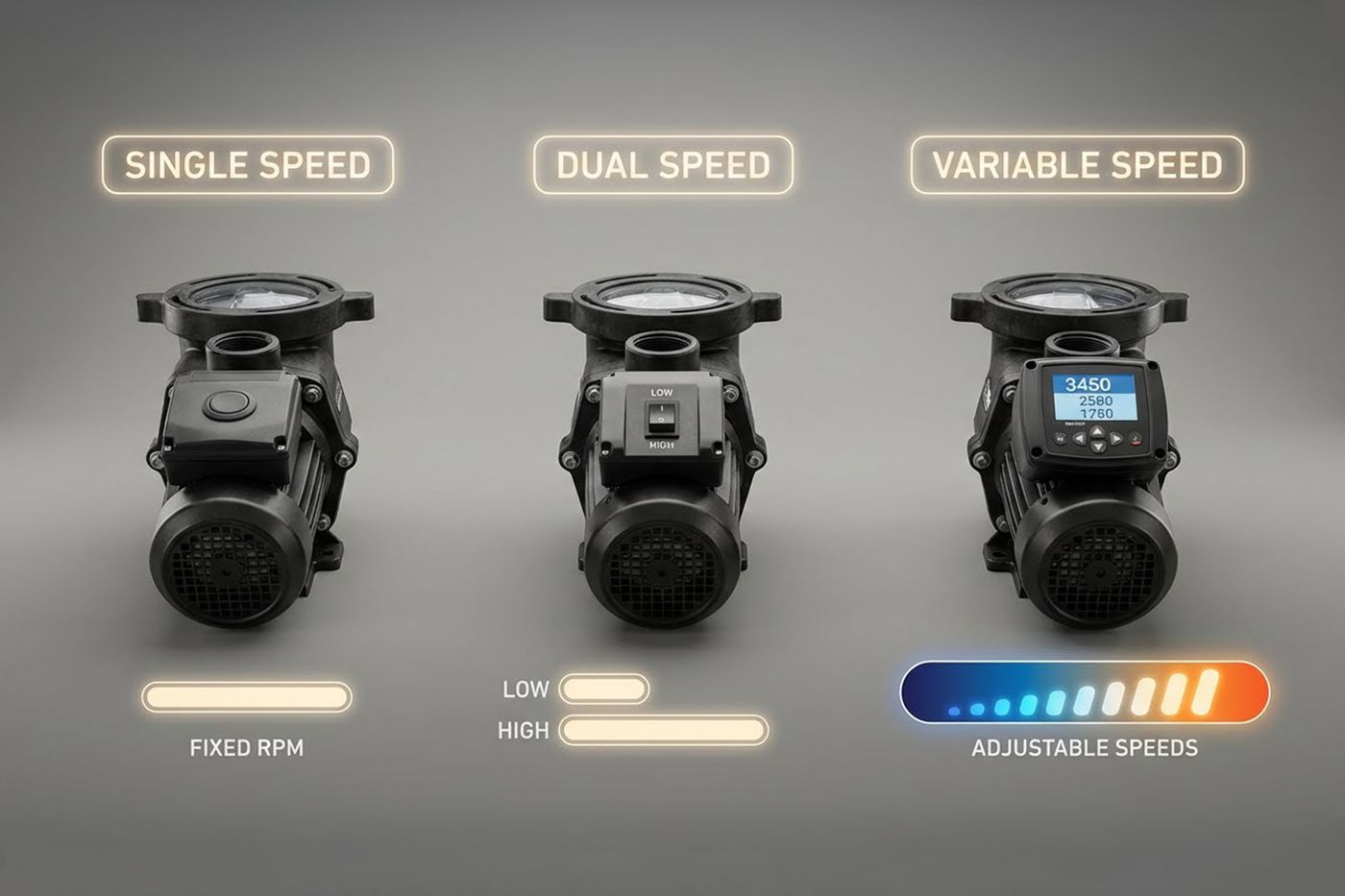
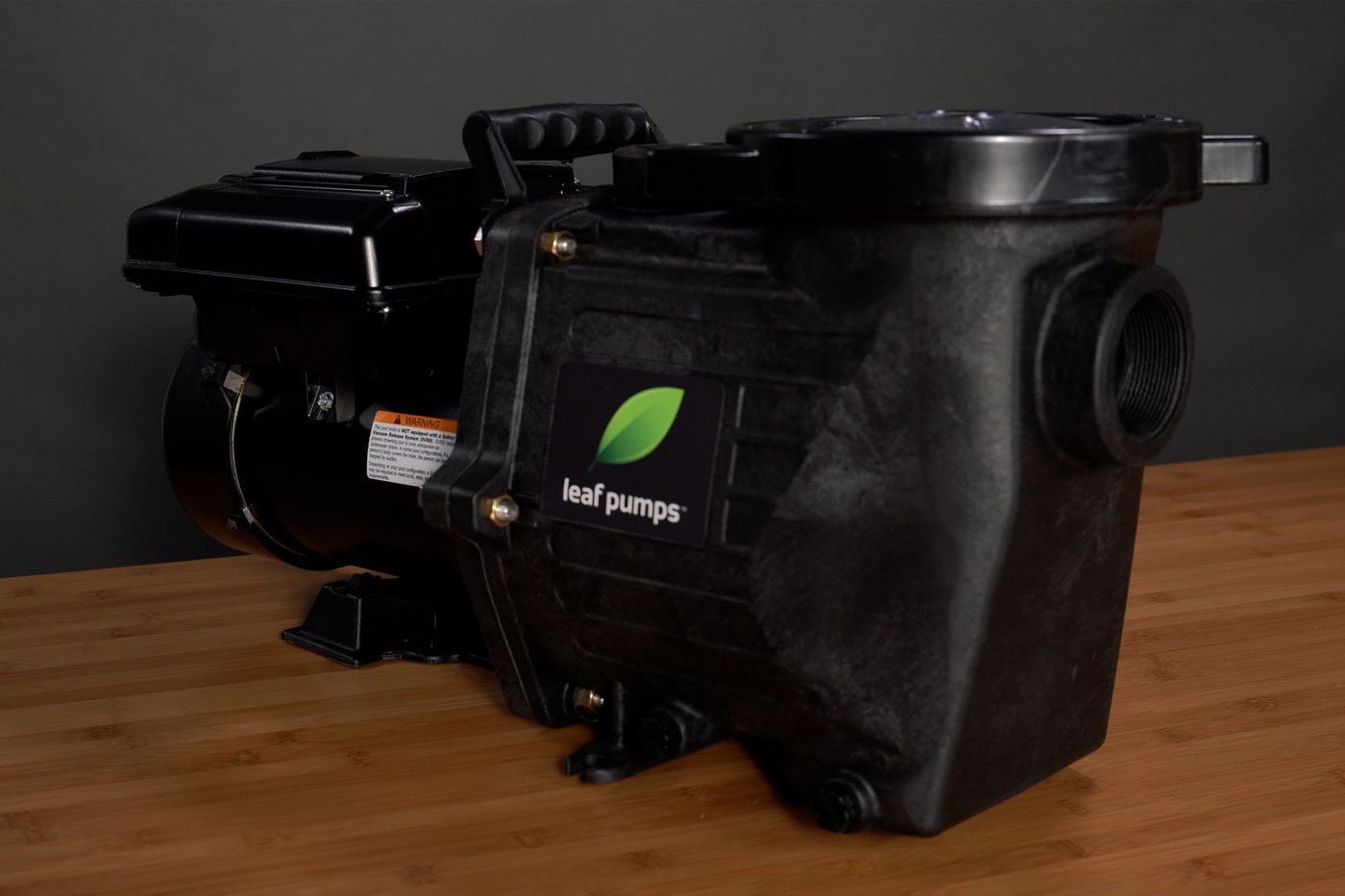
Variable speed pumps are the biggest upgrade pool tech has seen in 30 years — and whether you have an inground or above-ground pool, the math works the exact same way. The reason comes down to the Pump Affinity Law: when you reduce RPM, power doesn't drop linearly, it drops exponentially. Cut your RPM in half and you can slash energy use by up to roughly 87%. That single fact rewrites how you should think about runtime.
Single-Speed Pumps
These things are dinosaurs — on or off, full power or nothing.
- Loud and inefficient.
- Energy hogs that are brutal on your electric bill.
- Zero automation flexibility.
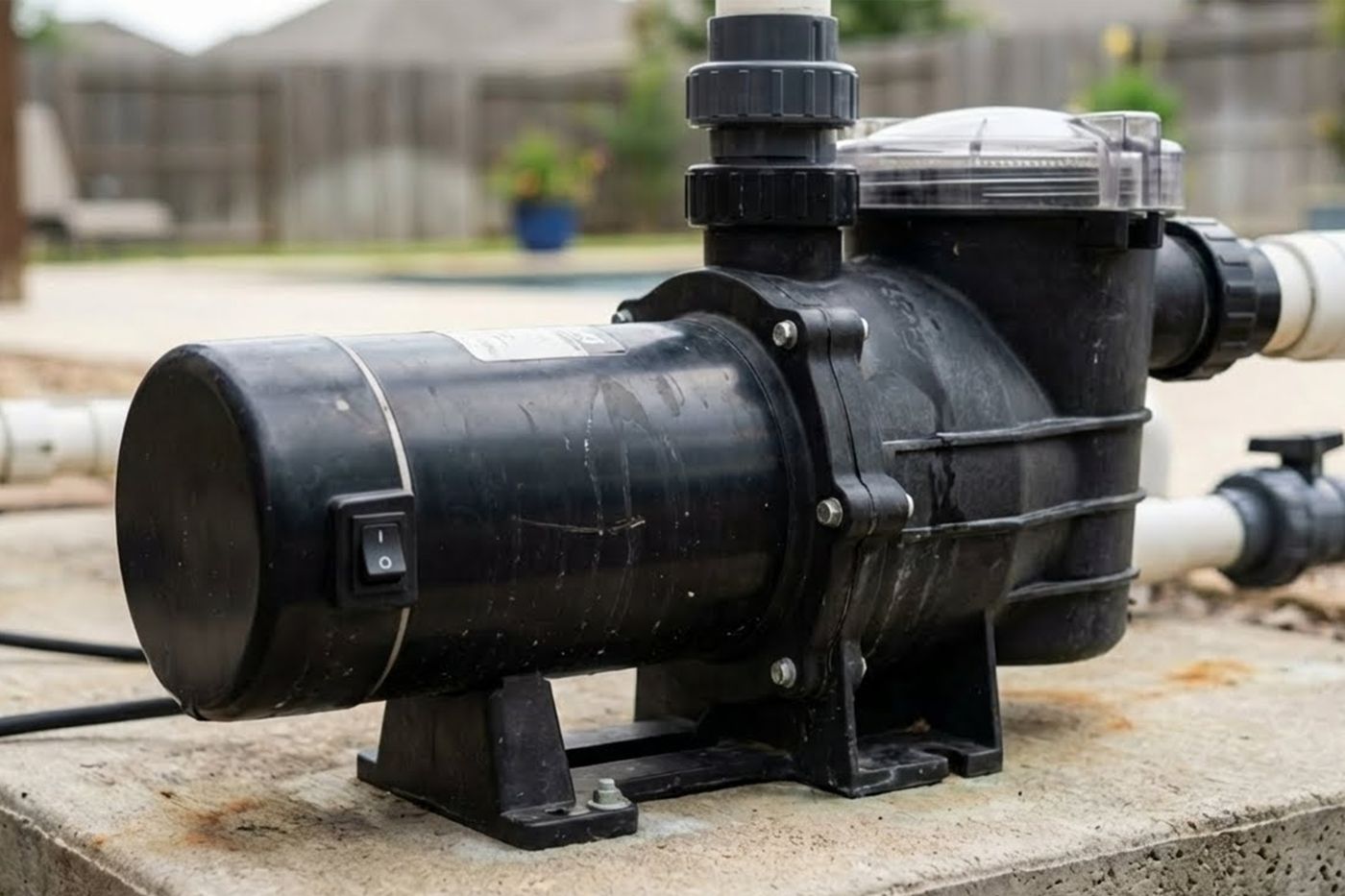
Running a 1.5 HP single-speed pump 24/7 will cost you serious money — easily $5/day, $160/month, and over $2,000/year in some climates. That's exactly why the old advice was "only run it a few hours." Anything more was financially insane.
Variable Speed Pumps
Variable speed pumps fixed all of it. Now you can:
- Run ultra-low RPM circulation around the clock.
- Dramatically cut power usage.
- Improve filtration and skimming.
- Stabilize pH, chlorine, and ORP.
- Eliminate stagnant dead zones.
- Extend the lifespan of every piece of equipment on your pad.
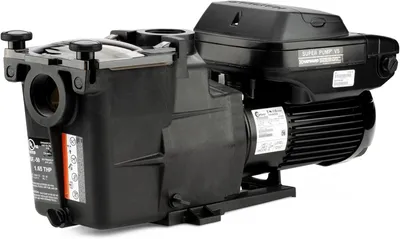
In my experience, every pool owner should have one — inground or above-ground. If you're still running single-speed, every cycle is money straight down the drain. For my full ranked list, check out the best variable speed pool pumps guide where I break down every major brand worth buying and the ones we run on our test pool.
The Pool Nerd Variable Speed Schedule
Here's the real-world schedule we run on our test pool — and the one I recommend to viewers all day long.
| Phase | RPM | Runtime |
|---|---|---|
| High | 2,600–3,000 | 2–3 hrs |
| Medium | 1,800–2,200 | 4–8 hrs |
| Low | 1,000–1,400 | Remaining hours |
1. High — 2,600–3,000 RPM, 2–3 hours/day. This is your power phase. High RPM kicks the skimmers into gear, pulls leaves and surface debris in, and creates real water movement on top. Run it during peak debris hours — usually mid-morning when wind, pollen, and bug activity peak.
2. Medium — 1,800–2,200 RPM, 4–8 hours/day. This is the workhorse phase: steady flow through your filter, even chlorine distribution, reliable ORP. It's also where UV sanitation pays off — systems like SpectraLight UV need consistent, even flow to neutralize pathogens before water heads back to the pool. Same goes for your salt cell or chlorinator. Slow, even, and consistent is the goal.
3. Low — 1,000–1,400 RPM, the remaining hours. This is where variable speed pumps earn their keep. Power draw is tiny, but you keep water moving, keep chlorine production steady, keep biofilm from anchoring, and keep your chemistry rock solid. Think of it like a heartbeat — always moving, quiet, efficient.
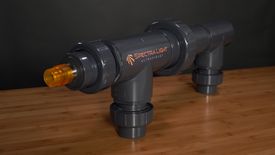
SpectraLight UV
Shock Less, Swim Cleaner
UV on the return line cuts chloramines and organic load so you pour less chlorine and shock over the season—not a sanitizer replacement, but a serious upgrade next to good circulation and testing.
What Does 24/7 Pool Pump Operation Actually Cost?
Running a variable speed pump 24 hours a day typically costs about $1 per day or less. Most people are shocked when they actually run the numbers. They think 24/7 sounds like a massive spike in their electric bill — but that's the old way of thinking.
Here's the breakdown for a modern 3 HP variable speed pump running a smart, low-RPM schedule:
- 2 hours at 2,700 RPM (high-speed turnover)
- 7 hours at 2,000 RPM (mid-range circulation)
- 15 hours at 1,200 RPM (the "low and slow" magic)
That entire 24-hour cycle costs roughly:
- About $1 per day
- Around $30 per month
- Roughly $365 per year
Essentially, you're getting commercial-style water management right in your backyard.
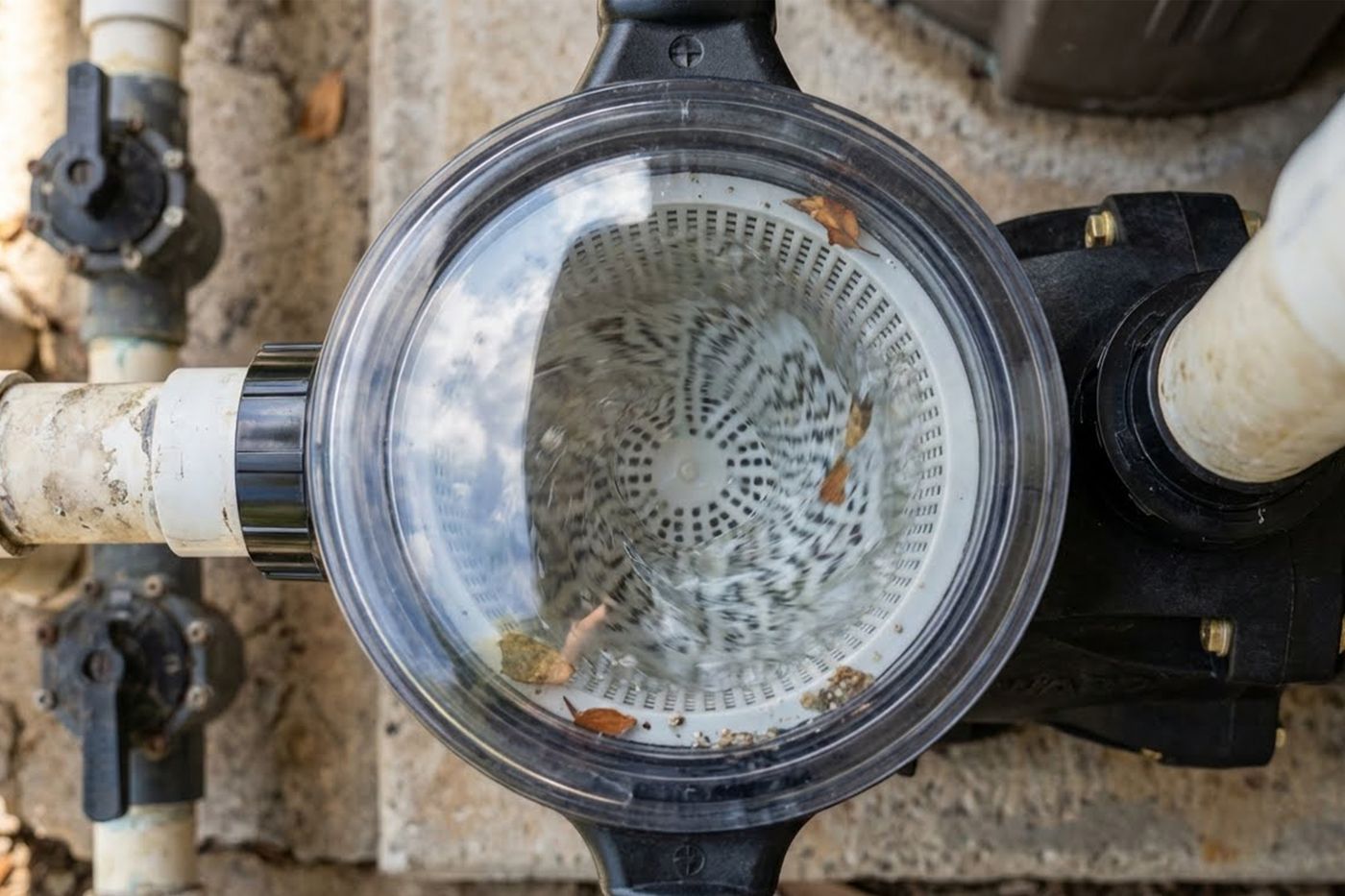
The Hidden Secret: It's Mostly Pennies
When you drop the pump to 1,200 RPM, it isn't just "slower" — it's exponentially more efficient. Because of the Pump Affinity Law, cutting speed in half can drop energy use by up to 8×. Those extra hours of low-speed circulation cost you pennies a day — usually less than a single piece of gum.
Compare that to a traditional single-speed pump running just 8 hours a day at full blast. That dinosaur can easily cost $250–$300+ per year while delivering worse filtration, zero skimming for 16 hours, and major chemistry swings. So what's the actual premium for upgrading to a 24/7 low-speed schedule? Usually only about $7–$10 more per month. For the price of a couple of coffees, you're buying dramatically cleaner water, more stable sanitizer levels, fewer algae headaches, less manual skimming, and far less overall maintenance.
RPM Matters More Than Runtime
This is the part most people miss. Old advice fixates on hours. Modern pool ownership should fixate on RPM strategy.
Running 24 hours at 1,200 RPM can use less energy than 8 hours at 3,000 RPM.
Stop asking, "how few hours can I get away with?" and start asking, "how efficiently can I circulate my water around the clock?" That's how you get clean, clear, stable water without dumping chemicals every weekend.
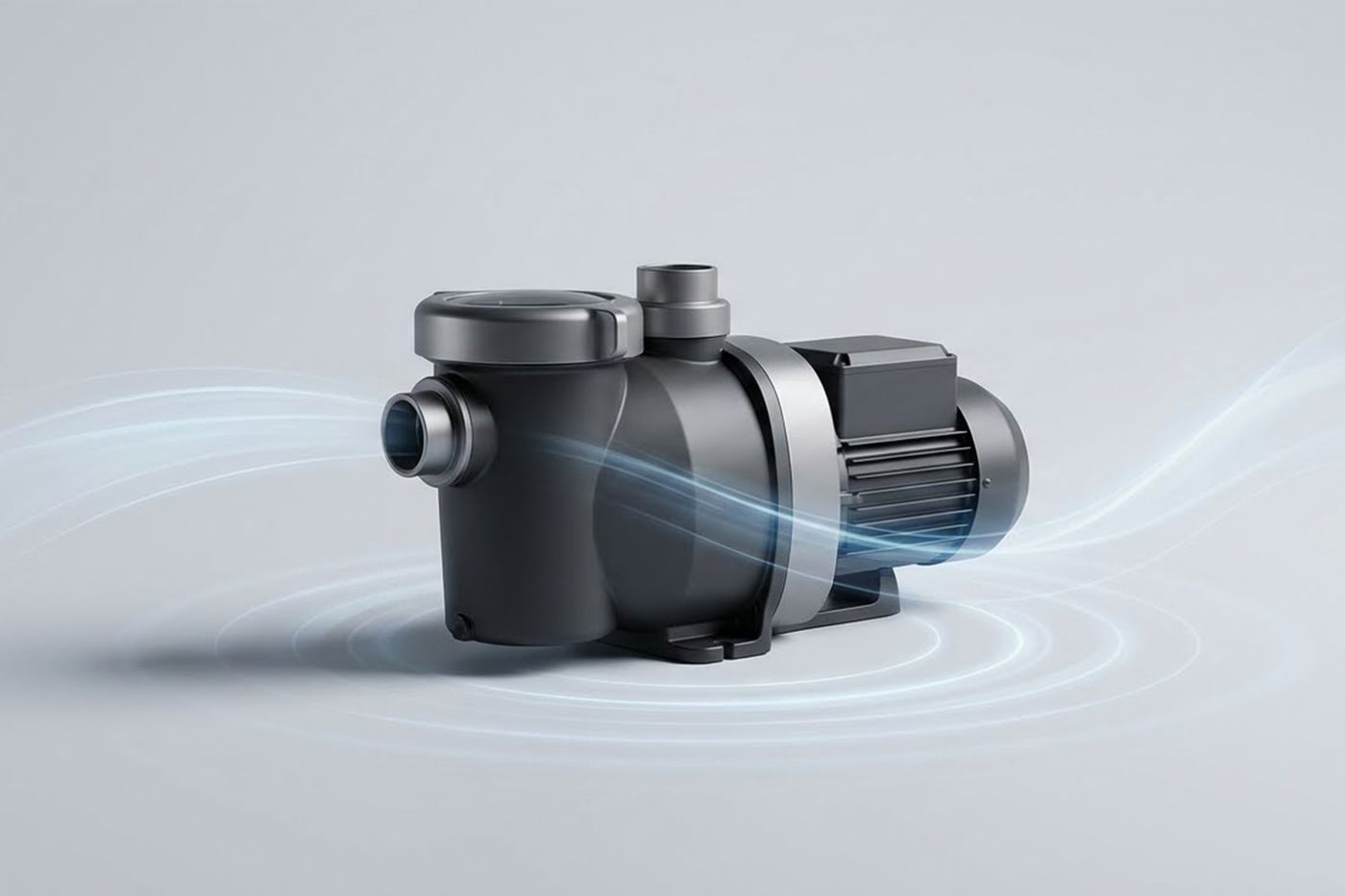
What About Saltwater Pool Pump Runtime?
Saltwater pools are a special case — and one I get asked about constantly. Salt cells only produce chlorine while water is flowing, which means short pump runtime hits a salt pool twice as hard: less circulation, less chlorine production, and bigger swings between dosed and undosed water. Same problem as before, just amplified.
Longer runtime at lower RPM gives you steadier chlorine output, a lower required cell percentage, less stress on the salt cell electrodes, more stable ORP, and fewer scaling events.
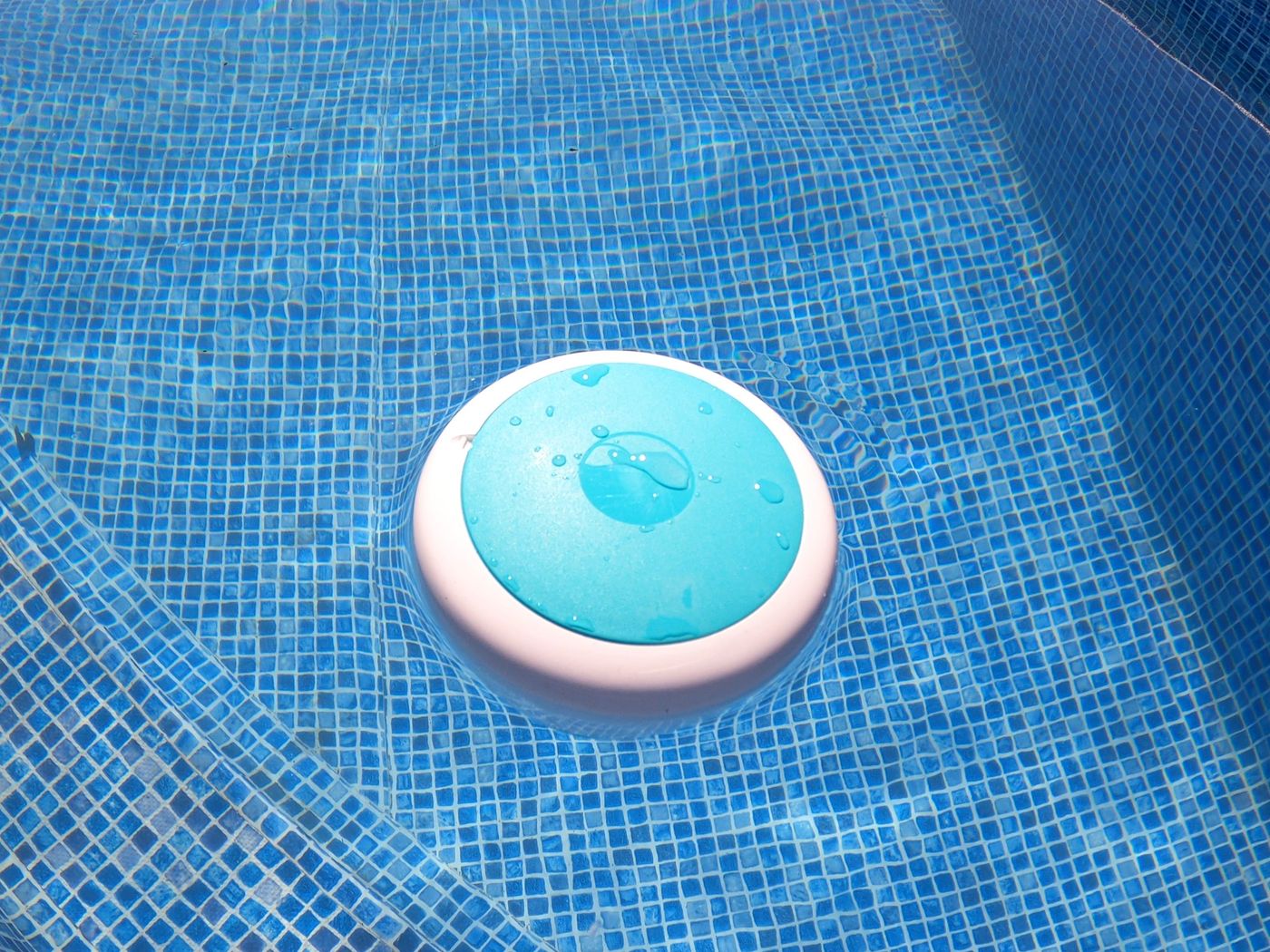
Here's the kicker — salt systems also constantly push pH upward. So if you're running a saltwater pool, circulation matters even more, and so does keeping an eye on your chemistry. A monitor like the ICO catches pH drift before it starts scaling your cell.
ORP Checkpoint
On a salt pool, the cell is a "dumb" device — set to 50%, it stays at 50% whether you've got twenty swimmers or none all week. Pairing it with continuous ORP and pH monitoring lets you match circulation to actual demand instead of guessing.
Why ORP Changes the Pool Pump Conversation
Here's where most residential pool advice falls apart. Commercial pools and aquatic centers don't obsess over turnover charts or arbitrary runtime formulas. They monitor ORP — Oxidation-Reduction Potential. That's the actual sanitizing power of your water, and it's the gold standard at every Olympic facility on the planet.
A well-circulated pool requires less chlorine, stays clearer, develops less biofilm, and holds a stable ORP between 650 and 700 mV. A poorly circulated pool? It cycles. It spikes. It crashes. And it eats chemicals.
This is exactly why I run the ICO on my own pool. It tracks ORP and pH continuously and sends data straight to my phone. When ORP starts to drift, I bump my RPM up slightly. When it's stable at 650–700 mV, I leave it alone. No guesswork, no test strips, no wasted chlorine. Pair that with a UV system like SpectraLight and you've essentially built a commercial-grade water management setup in your backyard — for a fraction of the cost of a full equipment overhaul.
Pool Pump Runtime FAQs
How many hours a day should I run my pool pump?
If you have a variable speed pump, run it 24/7 at low RPM. If you have a single-speed pump, run it 8–12 hours per day and push the high end in summer heat.
Can I really run my pump 24/7 without a huge electric bill?
Yes — on a variable speed pump. Thanks to the Pump Affinity Law, low-RPM circulation costs roughly $1/day, or about $30/month. The "extra" hours at 1,200 RPM cost pennies.
Is it bad to run my pool pump at night?
Not at all — it's ideal. Overnight circulation keeps chlorine production steady, prevents dead zones, and is often when electricity is cheapest. The danger is shutting the pump off at night, which is when chlorine crashes.
Should I run my above-ground pool pump the same way?
Yes. Water has to keep moving regardless of pool type. Above-ground pools actually feel stagnation faster because their smaller volume swings harder when chemistry drifts.
Does a saltwater pool need to run longer?
Effectively, yes. Because the salt cell only makes chlorine while water flows, longer low-RPM runtime gives steadier output, less cell stress, and more stable ORP.
Final Verdict
So what's my final verdict on how long you should run your pool pump? Run it 24/7 if you can — especially with a variable speed pump. A modern pump shouldn't sound like a jet engine for 8 hours a day. It should quietly hum along all day long: efficient, automated, and barely noticeable.
If you have a single-speed pump, upgrade as soon as you can. The savings usually pay it off in 2–3 years, and the water quality difference is night and day. If you already have a variable speed, stop asking how short you can run it — start asking how efficiently you can move your water around the clock. That's the modern mindset, and it's the same one every commercial pool operator on Earth uses.
Use the pool pump size calculator to turn your gallons, turnover goal, plumbing, and head estimate into the required flow rate and pump range.
To build your schedule, follow my complete variable speed pool pump schedule guide, then use our completely free schedule calculator. Enter your pool size, the flow rate at each speed, and your turnover target, and it'll help you create a schedule based on your actual pool—not somebody else's random eight-hour rule.
For my full ranked list of the best variable-speed pool pumps — the exact models I recommend and the ones I'd avoid — check out the guide. To compare every pump type, including two-speed and above-ground options, see my complete best pool pumps guide. And to dial in your water chemistry while you're at it, head over to ThePoolNerd.com/deals for everything I personally use and recommend: the ICO, SpectraLight UV, robotic pool cleaners, and more.
Thanks for reading, and I'll catch you on the next one.


Comments
Loading comments…