
 Justin D.
Tired of hauling chlorine jugs? Sick of red eyes, chlorine smell, and that gritty bleach feeling on your skin? A quality salt chlorine generator system fixes all of that. But here's the thing: most pool owners get sold the wrong system for their pool, and that's an expensive mistake.
I'm Justin from The Pool Nerd. After 5+ years of testing pool equipment and running ORP-monitored salt systems on my Ecopool, I've ranked the six best salt chlorine generators on the market right now — broken down by pool type.
Best Salt Chlorine Generators at a Glance


The short answer: for in-ground pools, the proven industry standard is the Hayward AquaRite, and the CircuPool Universal25 is the smartest replacement play if you already own one. For above-ground pools, it's the Hayward AquaTrol for OEM reliability or the Westaho WiFi for smart features.
What Is a Salt Chlorine Generator?
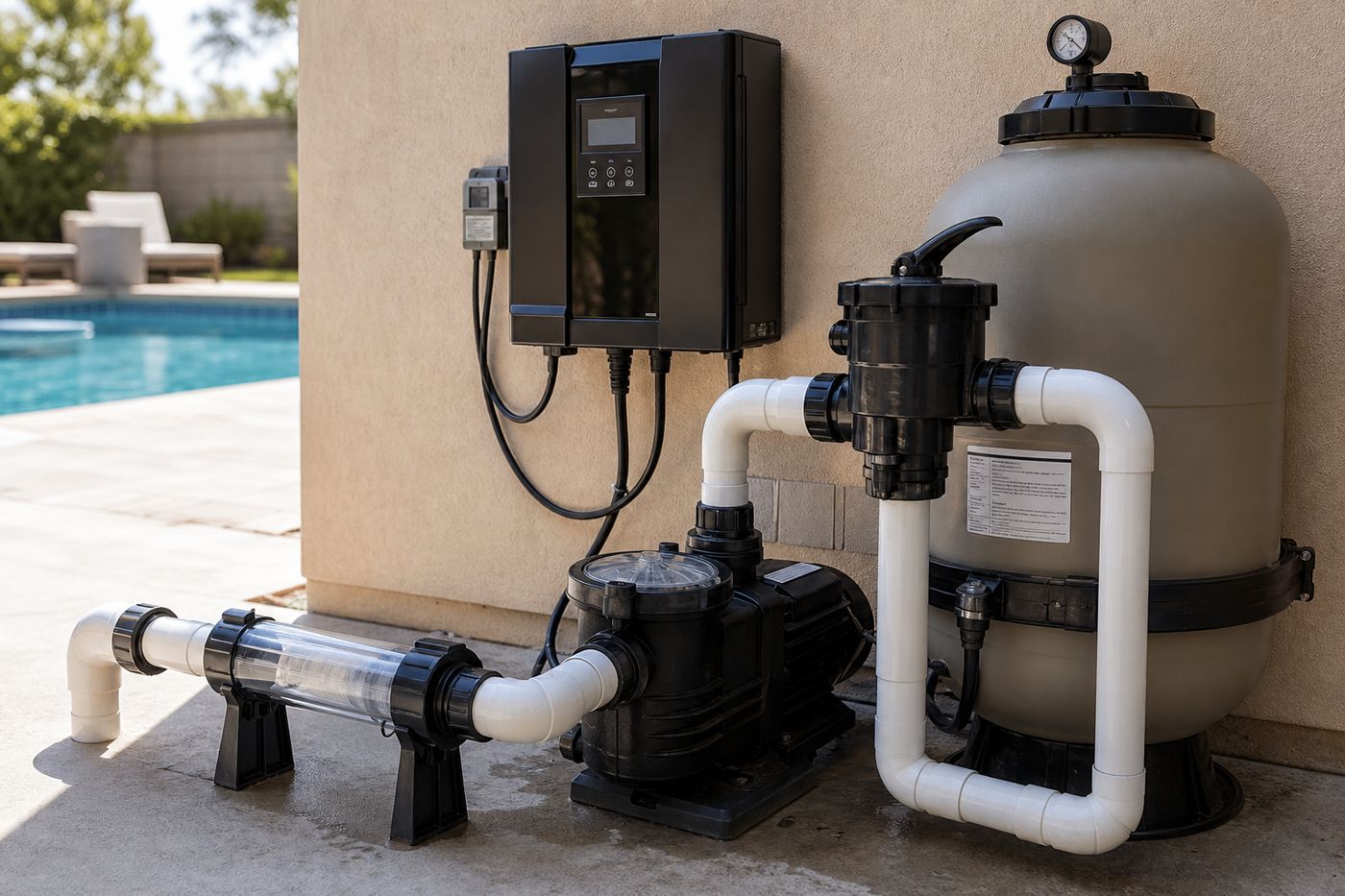
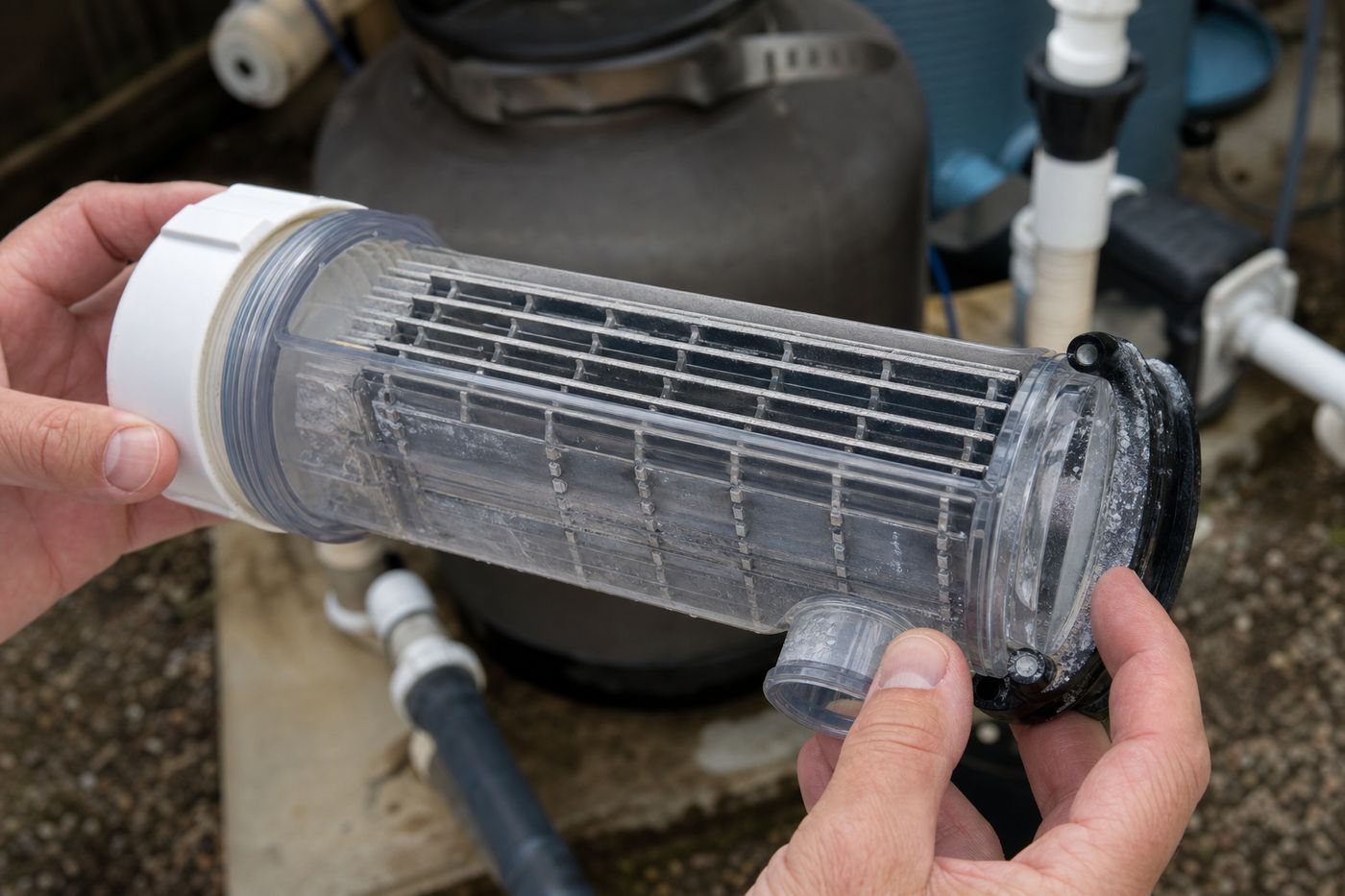
A salt chlorine generator — also called a saltwater chlorinator or salt system — converts dissolved salt in your pool water into chlorine through electrolysis. Instead of dumping liquid chlorine or tablets, the system makes chlorine continuously while your pump runs. Every system has two main parts: the control box (the brain) and the salt cell (the chamber with titanium plates where chlorine is produced).
Here's what most pool owners get dead wrong: a saltwater pool is NOT chlorine-free. It's a chlorine pool with a chlorine factory built into it. The chemistry is still chlorine sanitation — you're just changing how it gets delivered. I break that whole story down in saltwater vs chlorine pools.
How Does a Salt Chlorine Generator Work?
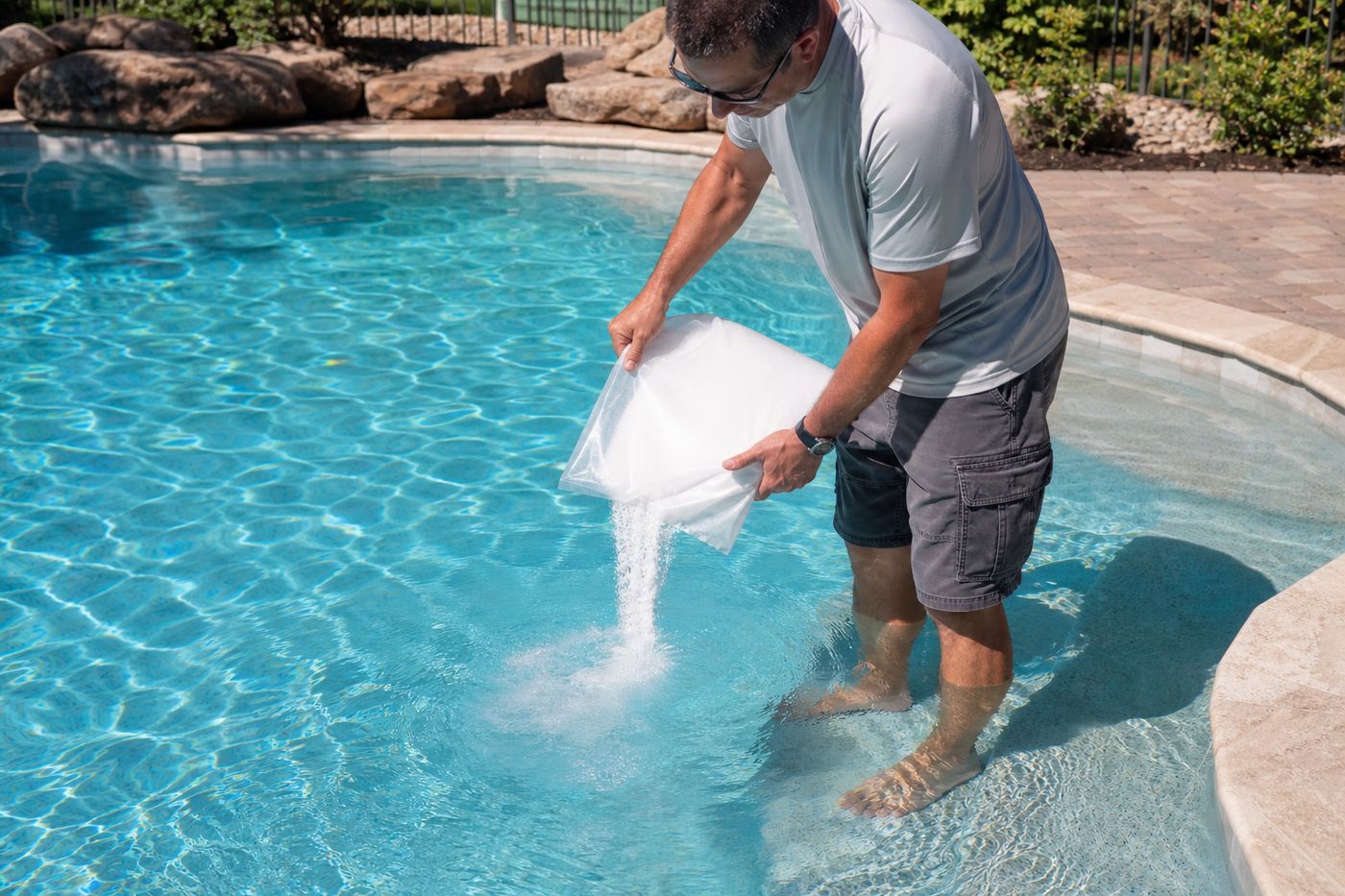
Simple science: you add pool-grade salt until you reach 2,800-4,500 ppm — about a teaspoon per gallon, far less than ocean water. When the pump runs, salty water flows through the cell, electrolysis splits the salt into sodium and chlorine, and the chlorine sanitizes your pool. The chlorine eventually reverts to salt, the cycle repeats, and you rarely need to add salt for months.
Is a Salt Chlorine Generator Right for You?
Salt systems aren't for everyone. They solve real problems and create a few new ones. Let's get honest about both.
The real pros of salt chlorine generators:
- Set-and-forget chlorination — no daily dosing or chlorine jugs
- Softer water that's gentler on skin, eyes, and swimsuits
- No chlorine smell or eye sting
- Lower long-term cost vs. liquid chlorine or tablets all season
The real cons (that pool stores won't mention):
- Salt is corrosive to metals, heaters, and soft stone coping over time
- Salt drives pH upward, meaning more acid dosing
- Cells fail every 3-7 years and OEM replacements are expensive
- Higher upfront cost than a chlorine floater or tablet feeder
- Still need pH, alkalinity, calcium, CYA management — not maintenance-free
Salt systems work best when paired with a continuous water monitor like the ICO by Ondilo. Without ORP tracking, most owners overrun their cells at 80-100% output and burn through plate life. With ORP, you can dial in the actual sanitizer demand and run the cell at 40-60% — which dramatically extends its lifespan. See my best pool water monitors guide for the monitors I run on my own pool.
Who Should Get a Salt Chlorine Generator?
Salt systems make the most sense for vinyl liner, fiberglass, and modern composite pools (like the Ecopool S-Series) where corrosion is manageable. They're convenient for vacation homes and owners who travel often. They make less sense for plaster pools with soft stone coping or pools with aging metal heaters not built for salt. In my opinion, the smartest modern pool runs liquid chlorine dosed against ORP with UV-C support — but that's a level of optimization most owners don't want to manage.
What to Look For in a Salt Chlorine Generator
1. Pool Type and Gallon Capacity
Above-ground and in-ground systems are NOT interchangeable. Above-ground systems are smaller and built for soft-sided or steel-walled pools. In-ground systems are higher output, hard-plumbed, and built for larger volumes. Do not size from the box's gallon number alone: use the salt chlorine generator calculator to match published pounds-per-day output to your actual chlorine loss and pump runtime. An undersized cell forced to run near 100% has no reserve for demanding days.
2. Salt Cell Quality and Replaceability
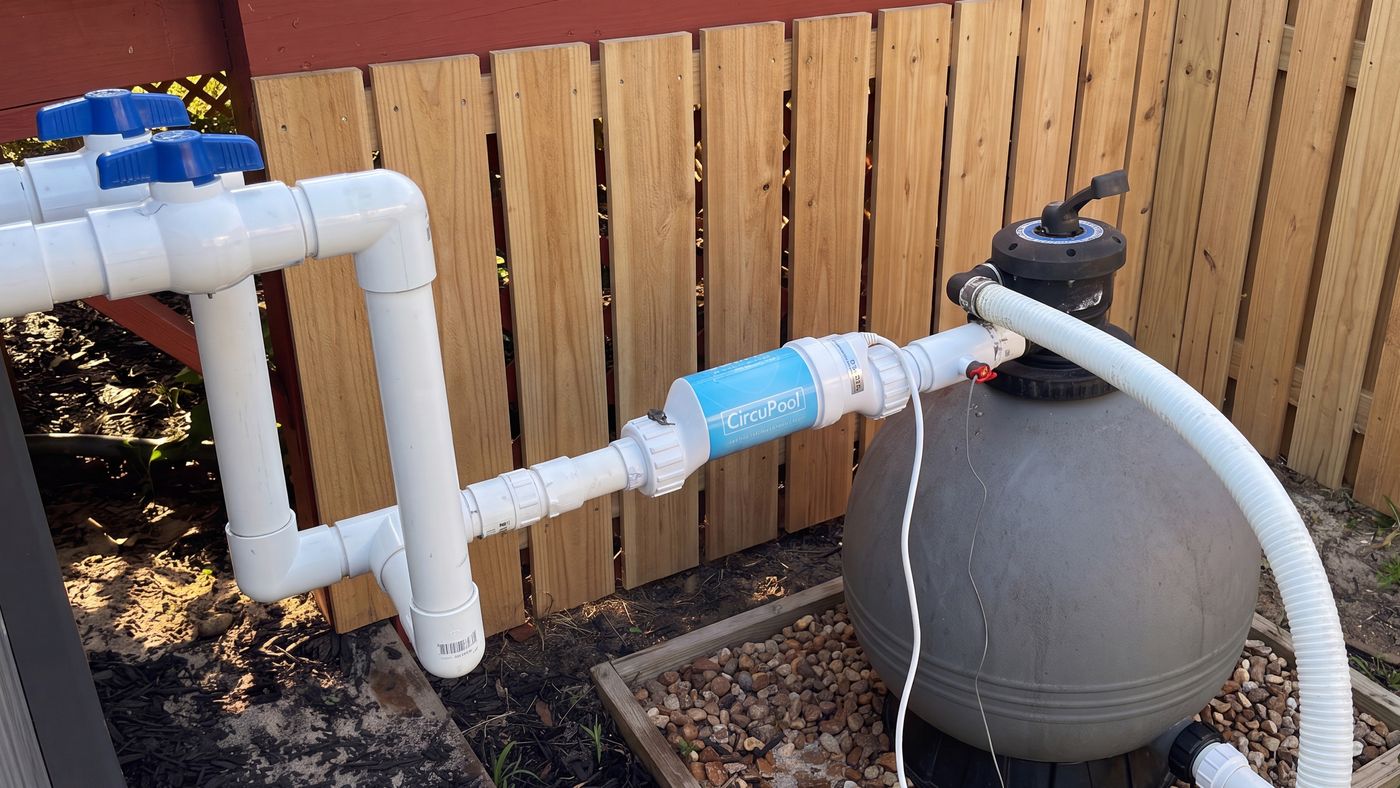
The cell is the most expensive consumable part. Look for USA-made titanium plates, NSF certification when possible, and proven aftermarket replacement availability. A great control box paired with a dead-end proprietary cell is a trap.
3. Warranty Terms
Most systems claim 2-4 year warranties. Read the fine print. Some are prorated, some void on DIY install, some are denied for freeze damage. The best (like CircuPool's 4-year and EDGE-series 7-year) explicitly allow DIY installation.
4. Self-Cleaning and Flow Switch
Every modern cell should have reverse polarity self-cleaning to dislodge calcium scale. A flow switch shuts the cell off when there's no water moving through — running a cell dry can damage it instantly. Also check for boost mode and low-temperature shutoff (cells stop generating below ~52°F).
#1 Best Overall In-Ground: Hayward AquaRite (W3AQR15)
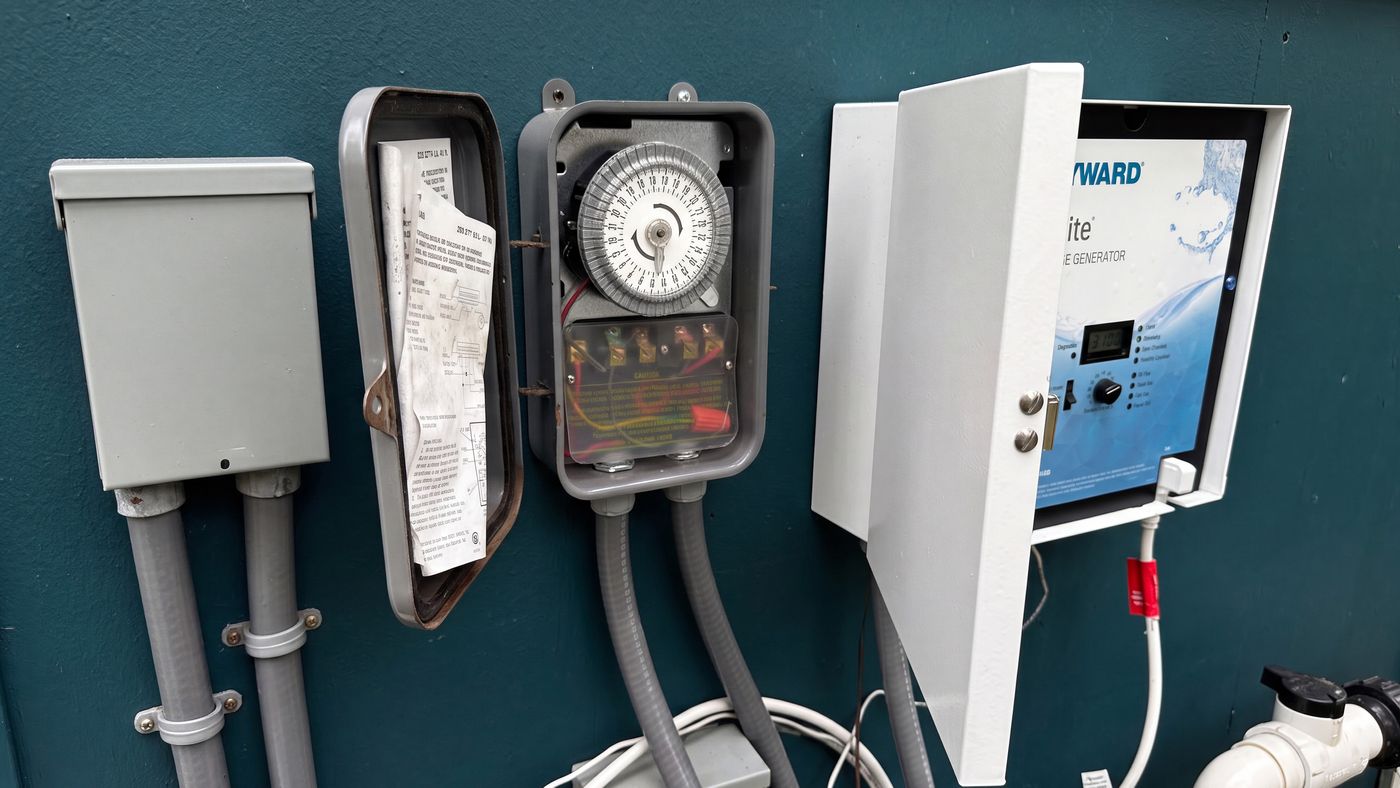
BEST OVERALL IN-GROUND: The industry-standard OEM with the largest installed base in North America. 40,000-gallon capacity, NSF-certified T-15 cell, and drop-in compatibility with all Hayward automation.
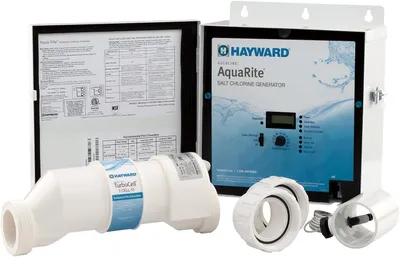
If you want the proven industry standard, the Hayward AquaRite is the salt chlorine generator more pool pros install than any two other brands combined. It pairs the W3T-CELL-15 TurboCell with the AquaRite board for pools up to 40,000 gallons. NSF certified, integrates with every Hayward automation system, and backed by a 3-year warranty.
Real-world reviews show consistent 5+ year performance with disciplined water chemistry. Downside? Premium price, and Hayward freeze-damage warranty claims are notoriously strict. But for serious in-ground owners who want zero compatibility headaches, this is the safe pick.
Why it earns the top spot:
- Industry-standard OEM with the largest installed base in North America
- 40,000-gallon capacity with NSF-certified T-15 cell
- Drop-in compatibility with all Hayward automation systems
- Best for serious in-ground pool owners who want zero compatibility headaches
Check the current price on Amazon here.
#2 Best Value In-Ground: CircuPool Universal25
BEST VALUE IN-GROUND: A true drop-in replacement for Hayward AquaRite systems at significantly less cost, with a 4-year warranty that doesn't penalize DIY installation.
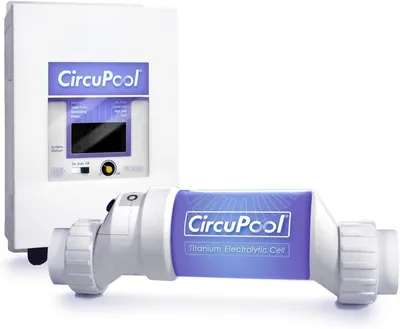
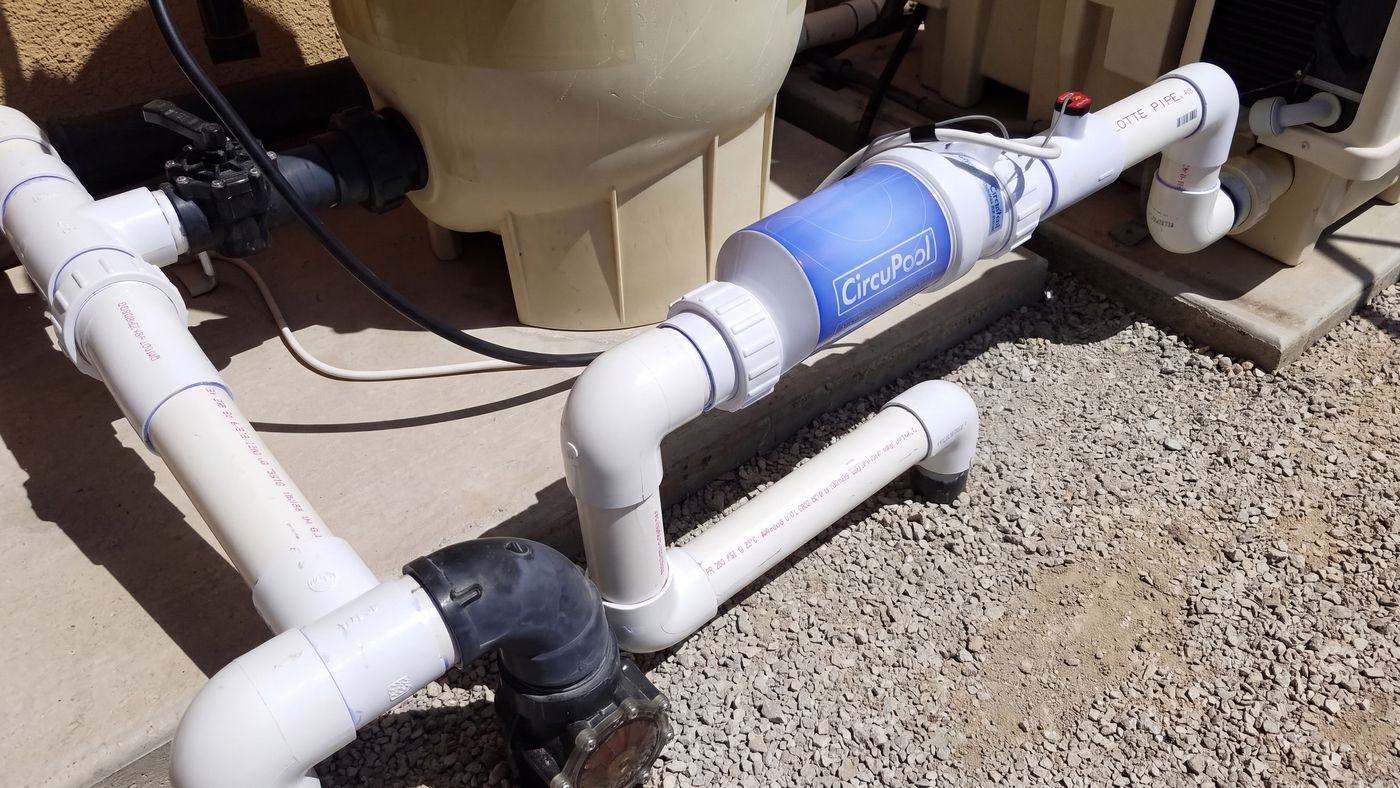
Here's the kicker: the CircuPool Universal25 is designed as a drop-in replacement for Hayward AquaRite systems at significantly less cost, with a 4-year warranty that doesn't penalize DIY installation. For owners replacing a failed Hayward AquaRite, this is the smartest play on the market.
Reviewers consistently report the Universal25 cell unscrews and replaces the Hayward T-Cell-15 in the same plumbing without modification. Clear viewing window for diagnostics and built-in reverse polarity self-cleaning. American-designed and supported out of Houston, Texas. Sized for pools up to 25,000 gallons.
Why it's the value pick:
- True drop-in replacement for Hayward AquaRite systems
- 4-year warranty with NO DIY install penalty
- USA-designed with clear viewing window for diagnostics
- Best value alternative for owners replacing an OEM Hayward
Check the current price on Amazon here.
#3 Best Compact DIY: E-CHLOR by APX Performance
BEST COMPACT DIY: A plug-in design with the cell and electronics in one compact unit. No wall-mounted control box, works with variable-speed pumps, and installs in under an hour.
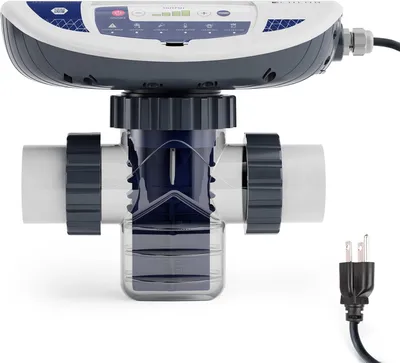
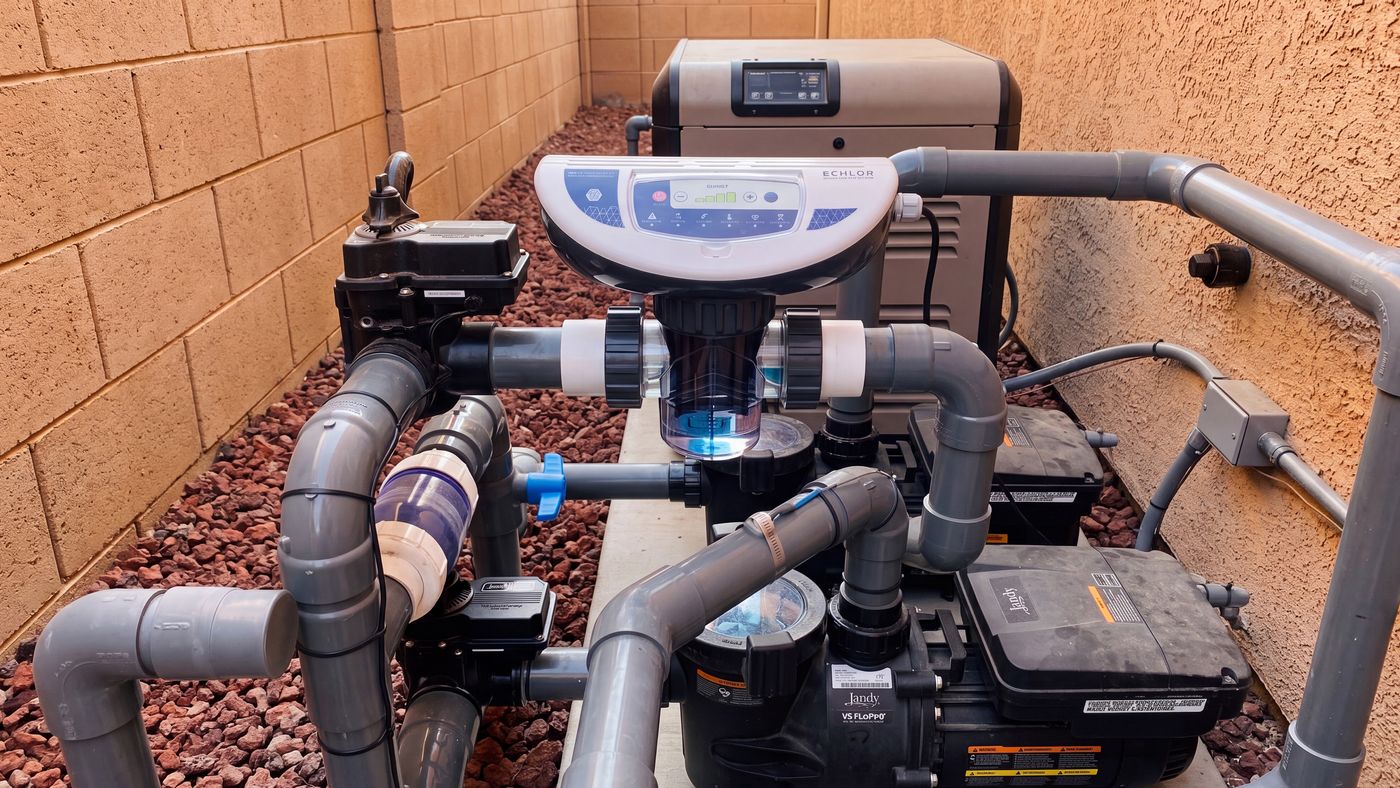
If you want the simplest install with no wall-mounted control box, the E-CHLOR takes a different approach. It's a plug-in salt chlorine generator that integrates the cell and electronics into one compact unit. Sized for pools up to 32,000 gallons, works with variable-speed pumps (a spec most compact systems fail at), and generates chlorine in cold water for shoulder seasons.
Standouts: clear cell for visual plate inspection, 3-year warranty from APX Performance (a US small business), and DIY install in under an hour. Trade-off: when the cell wears out, you may need to replace more of the integrated unit than a split-design system. For owners who value simplicity, this is the easiest way to add salt chlorination.
Why it's the DIY pick:
- Plug-in compact design — no wall-mounted control box
- Works with variable-speed pumps and cold water
- Clear cell for visual diagnostics, 3-year warranty
- Best for DIY-focused owners who want the simplest install possible
Check the current price on Amazon here.
#4 Best Above-Ground OEM: Hayward AquaTrol (W3AQ-TROL-RJ)
BEST ABOVE-GROUND OEM: The gold standard for non-Intex above-ground pools. T-CELL-5 sized for 18,000 gallons, return jet fittings included, and backed by Hayward's nationwide service network.
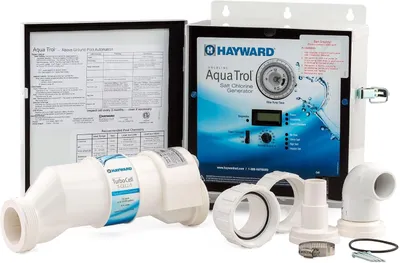
If you have a non-Intex above-ground pool — steel-walled, resin, or hybrid — and want OEM-grade reliability, the Hayward AquaTrol is the gold standard. It includes the Hayward T-CELL-5 (sized for pools up to 18,000 gallons), return jet fittings, and a straight blade line cord with outlet.
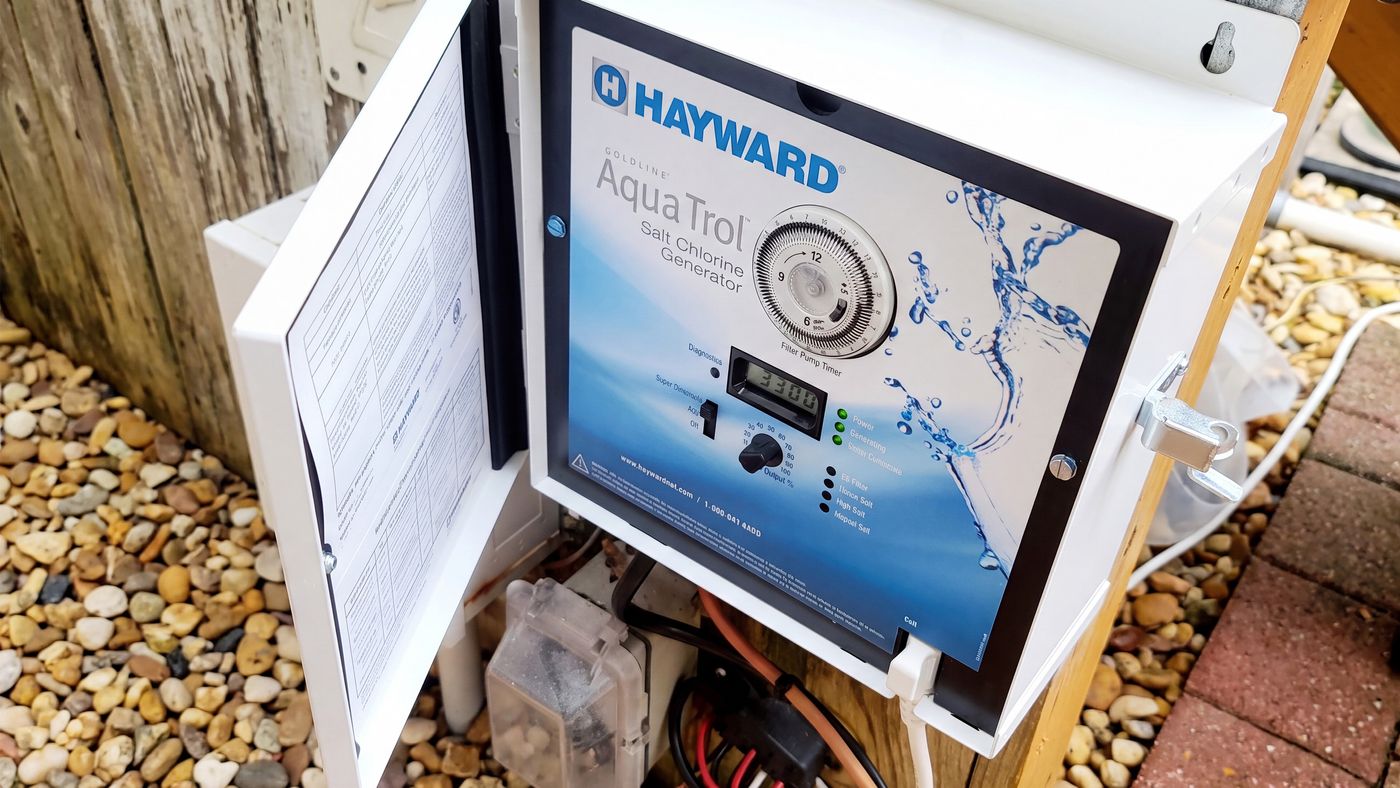
Same Hayward platform philosophy as the inground AquaRite: stable, well-documented, and supported by Hayward's nationwide service network. One reviewer reported nearly 8 years of service from the previous generation. Real talk: warranty experience has been mixed lately, with some board failures in the first season — though Hayward has improved replacement response on legitimate claims.
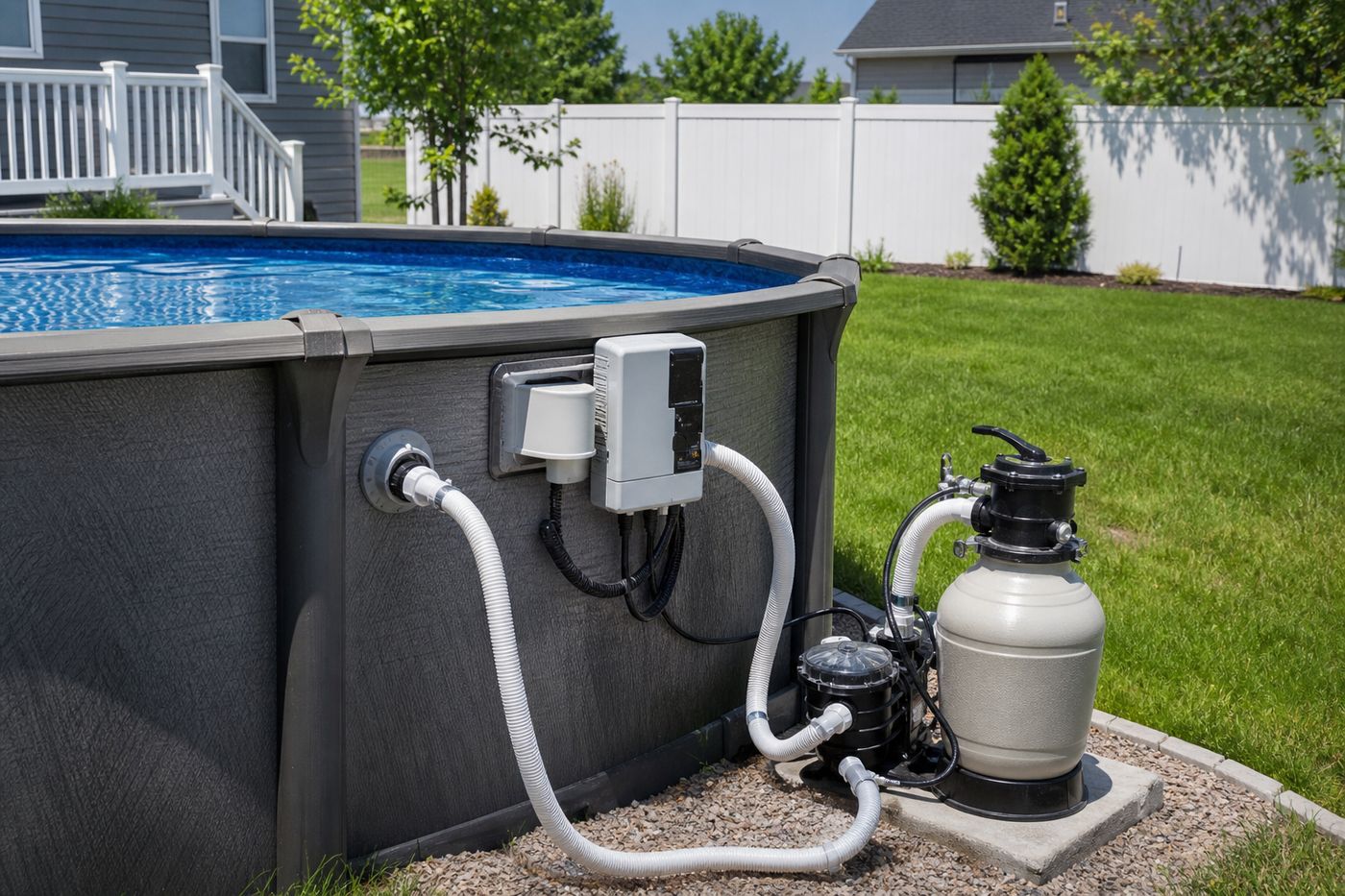
Why it's the above-ground OEM pick:
- OEM Hayward quality with established service network
- Sized for above-ground pools up to 18,000 gallons
- T-CELL-5 with proven titanium plate technology
- Best for serious above-ground owners who want long-term reliability
Check the current price on Amazon here.
#5 Best Smart Above-Ground: Westaho WiFi Salt Chlorinator
BEST SMART ABOVE-GROUND: Dual-band WiFi, full app control, and real-time salt, temperature, and flow monitoring — the most feature-rich smart chlorinator at its price point.
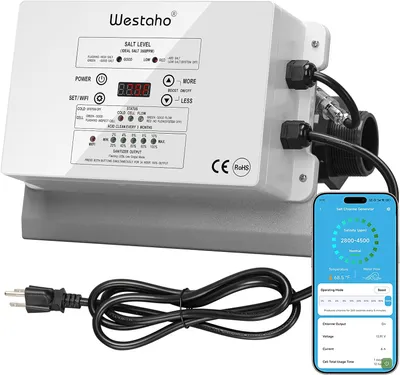
If you want app control and real-time monitoring without paying premium-OEM money, the Westaho WiFi is the most feature-rich smart chlorinator at its price point. USA-made titanium cells, dual-band WiFi (2.4G and 5G), and the GeniLife app for remote salt adjustments and smart alerts.
Real-time monitoring of salt, temperature, and flow puts it ahead of basic above-ground systems with only indicator lights. Smart alerts mean you actually know when something's wrong. Compatible with Intex pools, rated for above-ground pools up to 15,000 gallons. Trade-off: Westaho is a newer brand without Hayward's long-term track record.
Why it's the smart pick:
- Dual-band WiFi with full app control
- Real-time salt, temperature, and flow monitoring
- USA-made titanium cells, smart alerts
- Best for tech-forward above-ground pool owners
Check the current price on Amazon here.
#6 Best Budget Above-Ground: Intex Krystal Clear QS1200
WORTH KNOWING — BEST BUDGET OPTION: The cheapest entry point into salt chlorination, purpose-built for Intex pools. Realistic 1-2 season lifespan — the economics work for seasonal owners, not year-round pools.
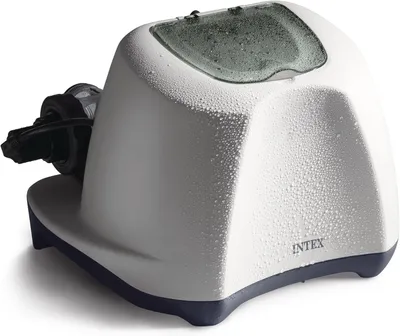
If you own an Intex above-ground pool and want the cheapest way to get into salt chlorination, the Intex Krystal Clear QS1200 is purpose-built. It connects directly to Intex pump systems (700-3,000 GPH), includes a 24-hour timer with three self-cleaning modes, and supports pools up to 15,000 gallons.
Let's get real about what this is. It's a seasonal-grade chlorinator — verified reviewers consistently report getting 1-2 seasons before replacement. For seasonal Intex owners who break down the pool every winter anyway, the economics work. For year-round operation in warm climates, this isn't your system.
Worth knowing before you buy:
- Lowest entry point for salt chlorination
- Designed for Intex pump systems with built-in 24-hour timer
- Realistic 1-2 season lifespan in many reviews
- Best for seasonal Intex pool owners on a tight budget
Check the current price on Amazon here.
Salt Chlorine Generator Comparison Table
| System | Pool Type | Max Gallons | Warranty | Best For |
|---|---|---|---|---|
| Hayward AquaRite W3AQR15 | In-ground | 40,000 | 3 years | OEM industry standard |
| CircuPool Universal25 | In-ground | 25,000 | 4 years | Hayward AquaRite replacement |
| E-CHLOR by APX Performance | In-ground | 32,000 | 3 years | Easiest DIY install |
| Hayward AquaTrol W3AQ-TROL-RJ | Above-ground | 18,000 | 3 years | Above-ground OEM |
| Westaho WiFi | Above-ground | 15,000 | Limited | Smart features |
| Intex Krystal Clear | Above-ground | 15,000 | 2 years | Budget Intex setups |
Don't Replace the Whole System — Just the Cell
Before you buy a new salt chlorine generator, ask one question: is the control box still working? Most salt system failures are actually cell failures, not control board failures. If your box reads, displays diagnostics, and powers on normally — your cell is the problem. Quality aftermarket T-Cell-15, T-Cell-9, and T-Cell-3 replacements drop into existing Hayward AquaRite or AquaTrol systems at a fraction of the cost. Check my best salt cells guide for the full breakdown.
SAVE HUNDREDS
If your control box is working but you're getting low chlorine output, false low-salt readings, or no chlorine generation, your cell is the culprit. Replacing the cell alone can save you 50-70% versus buying a complete new system. My best salt cells guide covers the OEM and aftermarket replacements worth buying.
Salt Chlorine Generator FAQ
How long do salt chlorine generators last?
Control boxes typically last 7-15 years. Salt cells last 3-7 years depending on water chemistry and run hours. Most owners replace 2-3 cells over the life of a single control box.
How much salt does a saltwater pool need?
Most systems require 2,800-4,500 ppm salinity — roughly one teaspoon per gallon. For a 20,000-gallon pool, that's 400-500 pounds at startup. After that, you only add salt when rainfall, splash-out, or backwashing dilutes the level.
Can I install a salt chlorine generator myself?
Yes, especially above-ground systems and modern DIY-friendly inground systems like the E-CHLOR and CircuPool Universal. The Hayward AquaRite requires basic 220V electrical knowledge but many owners DIY it. Always check warranty terms — some void coverage on self-installs.
Does salt damage pool equipment?
Salt is aggressive on metals, heaters, stone coping, and plaster over time. But corrosion is manageable with proper bonding, sacrificial zinc anodes, and pH discipline. Vinyl and composite pools (like the Ecopool S-Series) handle salt the best.
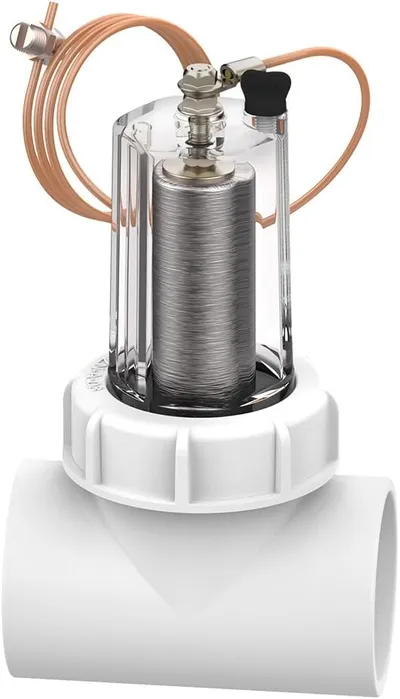
Salt chlorinator vs. salt cell — what's the difference?
The chlorinator is the complete package — control box plus cell plus flow switch. The cell is the consumable chamber where chlorine is generated. When people say "my salt system died," they usually mean the cell — which is replaceable without buying the whole system.
My Final Verdict
If you have an in-ground pool and want the proven industry standard with broad automation compatibility, the Hayward AquaRite is the safe pick. If you're replacing a Hayward AquaRite, the CircuPool Universal25 saves serious money without trading down on quality. For the simplest install on a smaller inground pool, the E-CHLOR delivers surprisingly strong performance.
For above-ground pools: Hayward AquaTrol for OEM reliability, Westaho WiFi for smart features, or the Intex Krystal Clear for seasonal Intex setups on a tight budget.
Whichever system you pick: salt chlorination is convenient, not magical. It still requires pH management, alkalinity control, calcium awareness, and disciplined CYA. Pair any salt system with a continuous water monitor and you'll get years more life from your cell. My saltwater pool maintenance guide walks through the exact routine.
Use the pool salt calculator before startup or any salt addition so you add only the gap between the current reading and the generator's specified target.
It's Pool Nerd Approved.
GET THE BEST POOL GEAR DEALS
I post the freshest discounts on salt systems, salt cells, ICO monitors, and all my favorite pool gear at ThePoolNerd.com/deals. Want to keep nerding out over your pool? Subscribe to The Pool Nerd on YouTube for weekly reviews and head-to-heads. Until next time — enjoy that pool.
This article contains affiliate links. The Pool Nerd may earn a commission on qualifying purchases at no extra cost to you. All opinions and product recommendations are based on personal testing and research.
Related Reading
- Best Salt Cells — Replace the cell, not the system, and save hundreds
- Pool Salt Calculator — Calculate the salt addition from measured and target ppm
- Saltwater Pool Maintenance — The routine that makes salt systems last
- Saltwater vs Chlorine Pools — The honest comparison, corrosion and all
- Converting Chlorine to Saltwater — Thinking about switching? Start here
- Best Pool Water Monitors — The ORP data that extends your cell's life
- Pool Mistakes Costing You Money — Buying the wrong salt system is one of them


Comments
Loading comments…