
 Justin D.
Dolphin EON 100 vs. What I'd Buy Instead


The Dolphin EON 100 cuts the cord, but it doesn't cut your workload.
After testing the Dolphin Nautilus EON 100 in our pool, I found a capable cleaner wrapped in a routine I don't want: fish it out, let it drain, dry the charging port, move it to the charger, and carry it back when it's ready.
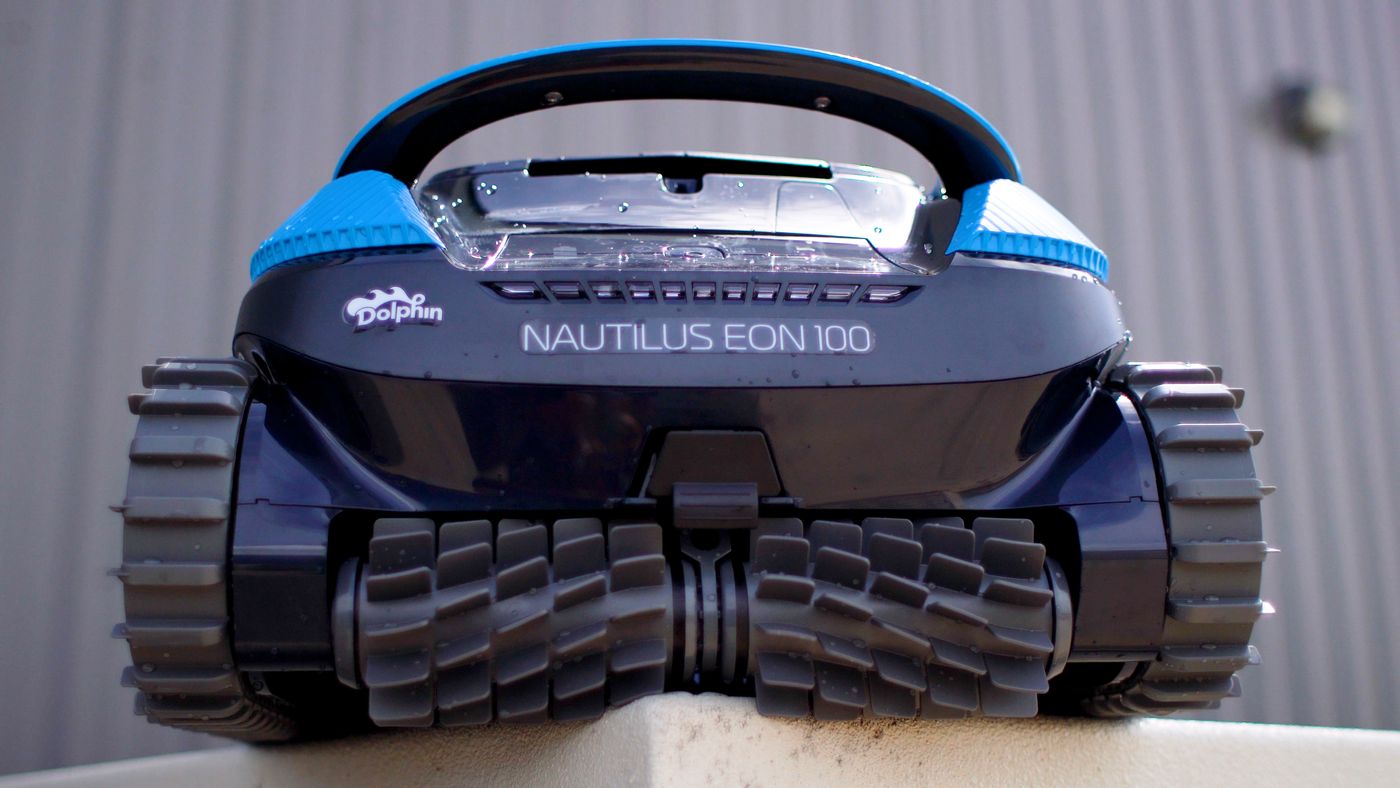
When the point of a robotic pool cleaner is to automate cleaning, trading a floating cable for battery babysitting isn't an upgrade I can recommend. But if you're set on buying a cordless robot, keep reading—this is still one of the better battery-powered options I've tested.
Bottom line: The EON 100 cleans well, but it isn't hands-off. UltraRun stretches one charge across shorter cycles, the app disconnects underwater, and every recharge still requires you to retrieve and move a roughly 23-pound robot.
Hey guys, welcome back to The Pool Nerd. I'm Justin, your resident pool aficionado. Today, we're diving into the Dolphin Nautilus EON 100 to see how it performs—and why I still prefer a corded pool robot, whether that's a corded Dolphin or a newer option like the Clear UV.
Don't get me wrong: I like Dolphin. Some of my all-time favorite cleaners come from this brand. But the logo alone doesn't guarantee a recommendation. The EON has to earn it, just like every other robot we put through the test here at The Pool Nerd.
Passing the cleaning test is only half the battle. The other half is what a robot is like to own, and that day-to-day experience is where the EON 100 struggles.
Dolphin EON 100 at a Glance
-
Pool coverage: Floor, walls, waterline, steps, and shallow ledges
-
Filtration: 70-micron monoblock filter
-
Scheduling: UltraRun scheduling through the Maytronics One app
-
App connection: Available above water, but not while the robot is submerged
-
Retrieval: Parking mode and a manual hook; no Clicker-assisted pickup
-
Weight: About 23 pounds dry
-
Retail warranty: One year on the Nautilus EON 100
-
Pool Nerd verdict: A solid cleaner, but not a better ownership experience than a good corded robot
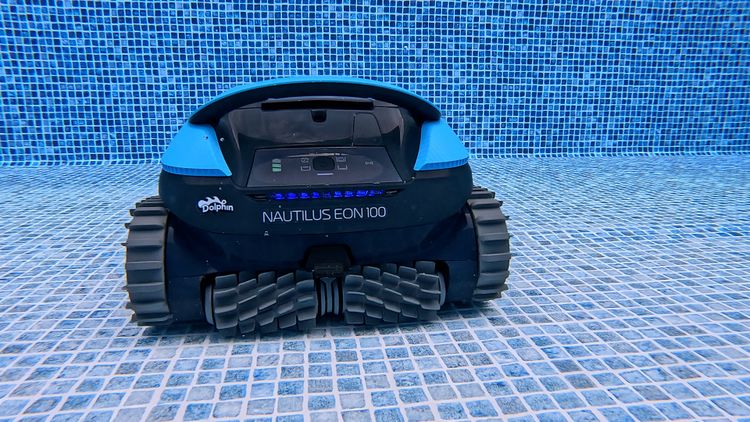
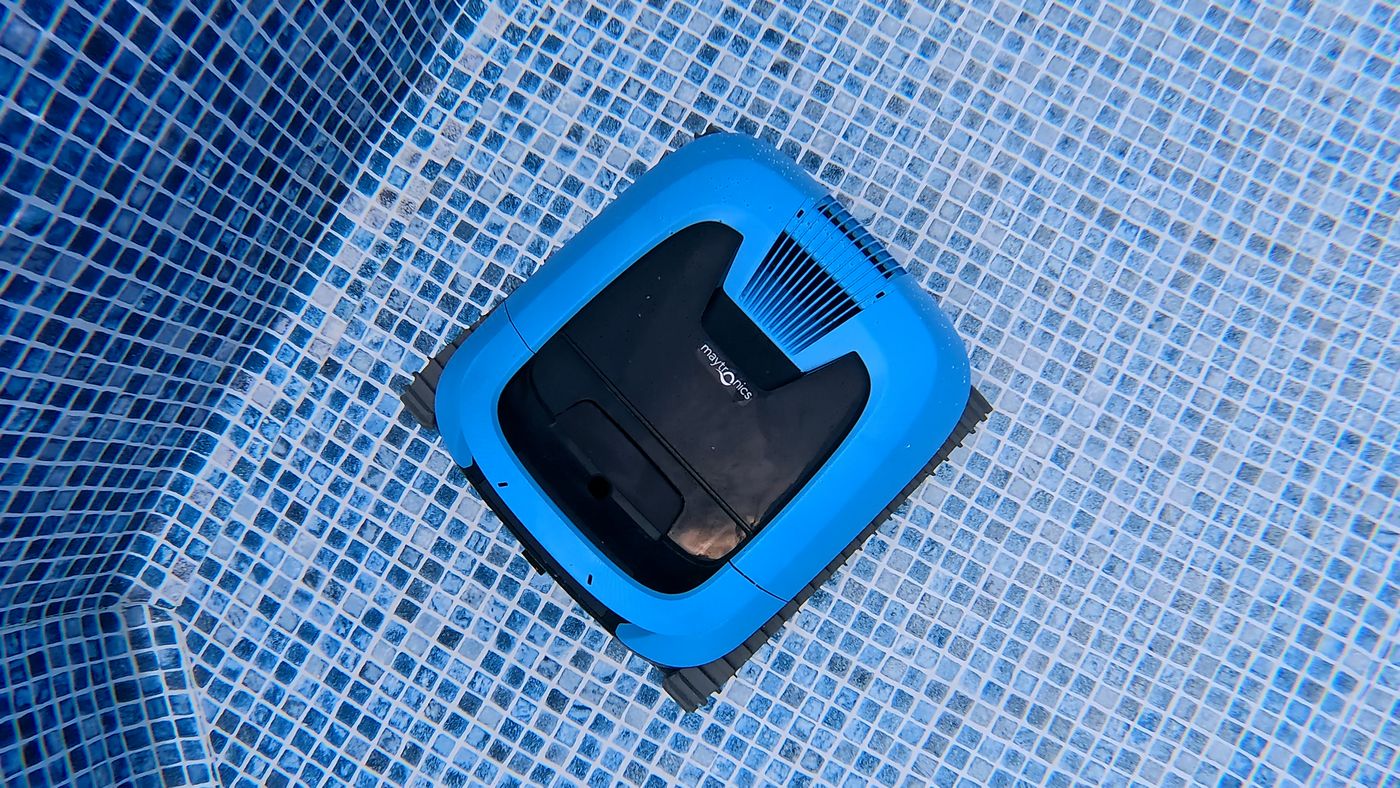
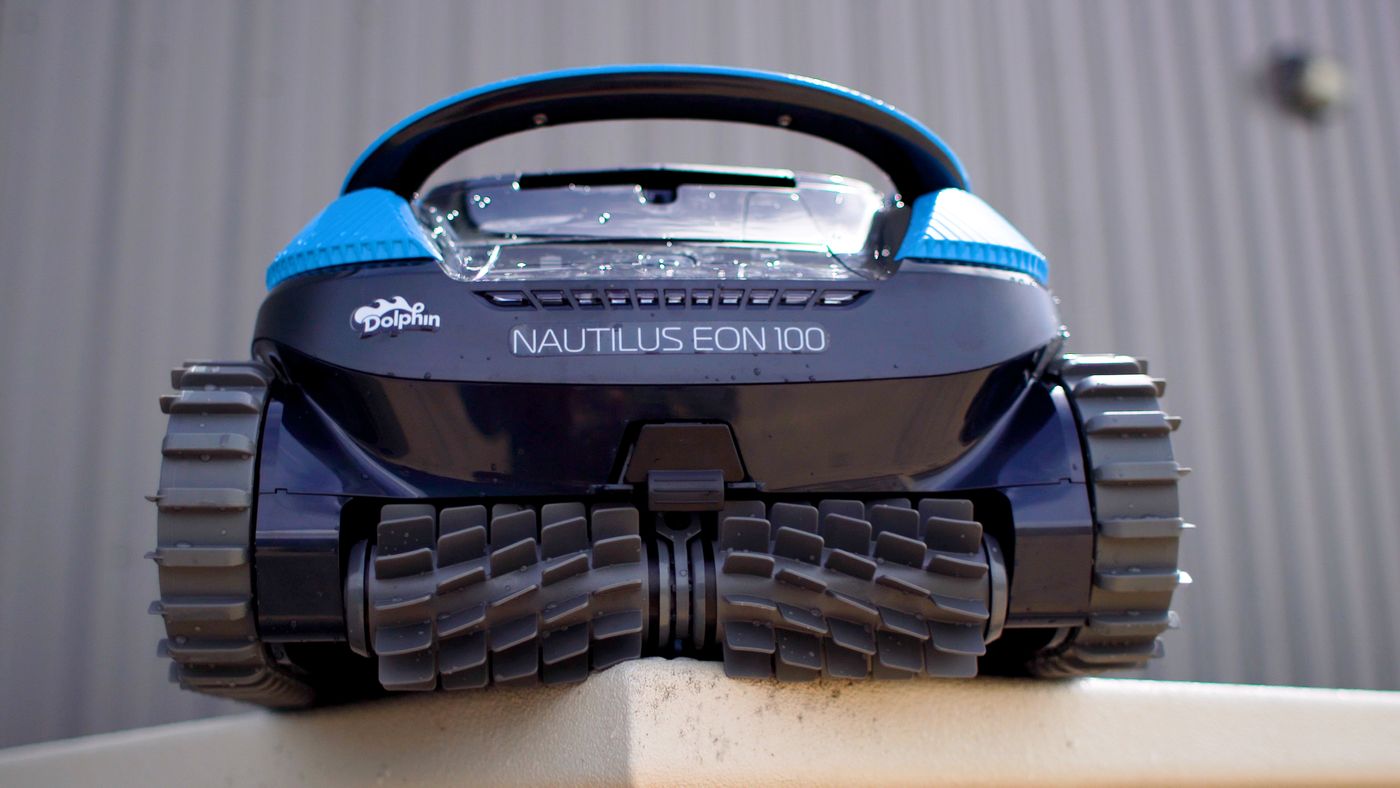
The Nautilus EON 100 running on the floor of our test pool // The Pool Nerd
What the EON 100 Gets Right
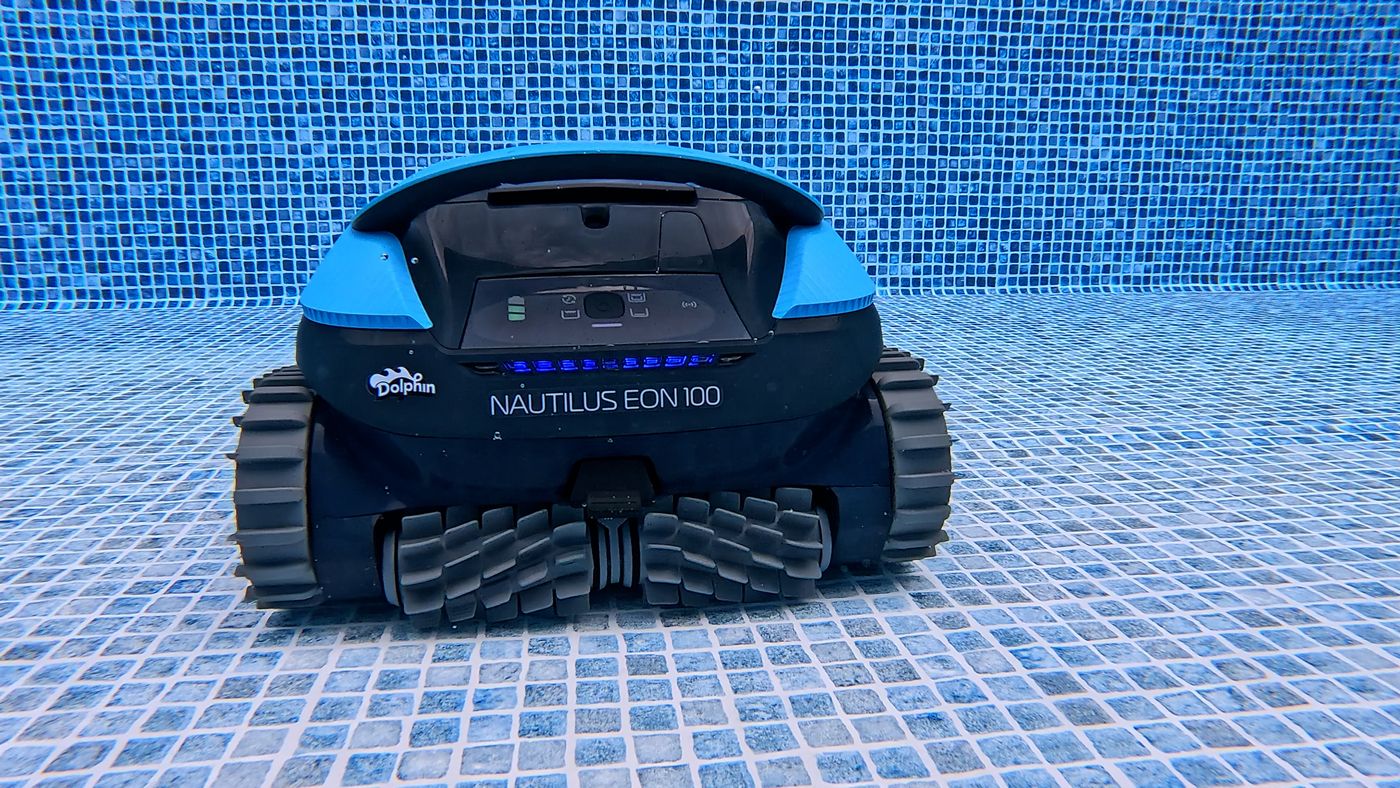
The EON 100 isn't a cheap floor-only robot with a Dolphin badge slapped on it. It cleans the floor, walls, and waterline, and it can work across shallow tanning ledges that stop many other robots. The 70-micron monoblock filter is also a meaningful step above the loose mesh found in a lot of cordless cleaners.
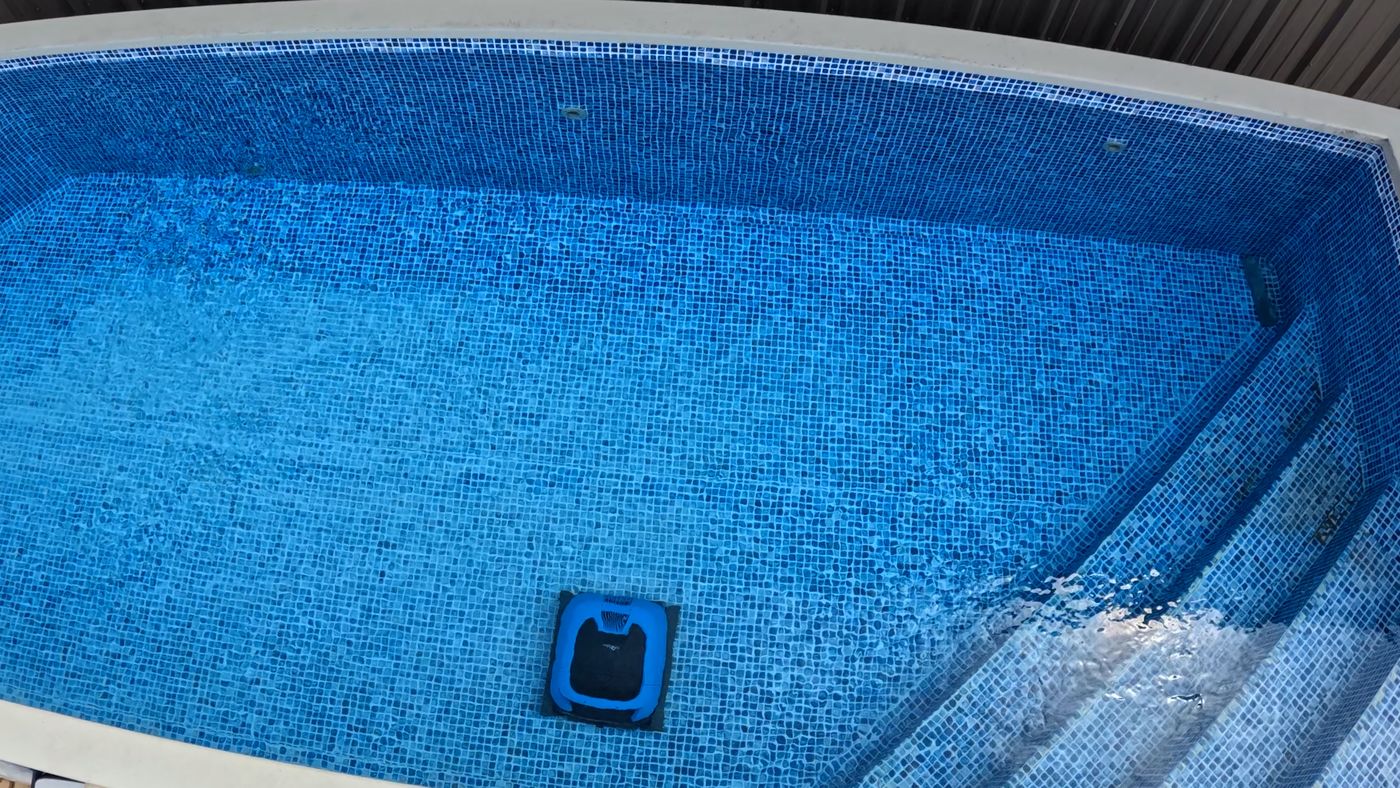
The filter and overall cleaning performance were solid in our pool. If you compare it only with other battery-powered robots, the EON's Maytronics build quality, tracked drive, active brushes, and full-pool coverage make it one of the more credible cordless choices.
That distinction matters. My problem isn't that the EON 100 can't clean; it's that removing the cord doesn't make pool care easier.
Cleaning and Navigation
Dolphin makes a big deal out of the EON's SmartMap navigation and shallow-water capability. It is designed to map the pool, cross the floor, climb the walls, scrub the waterline, and reach tanning ledges in water as shallow as about eight inches.
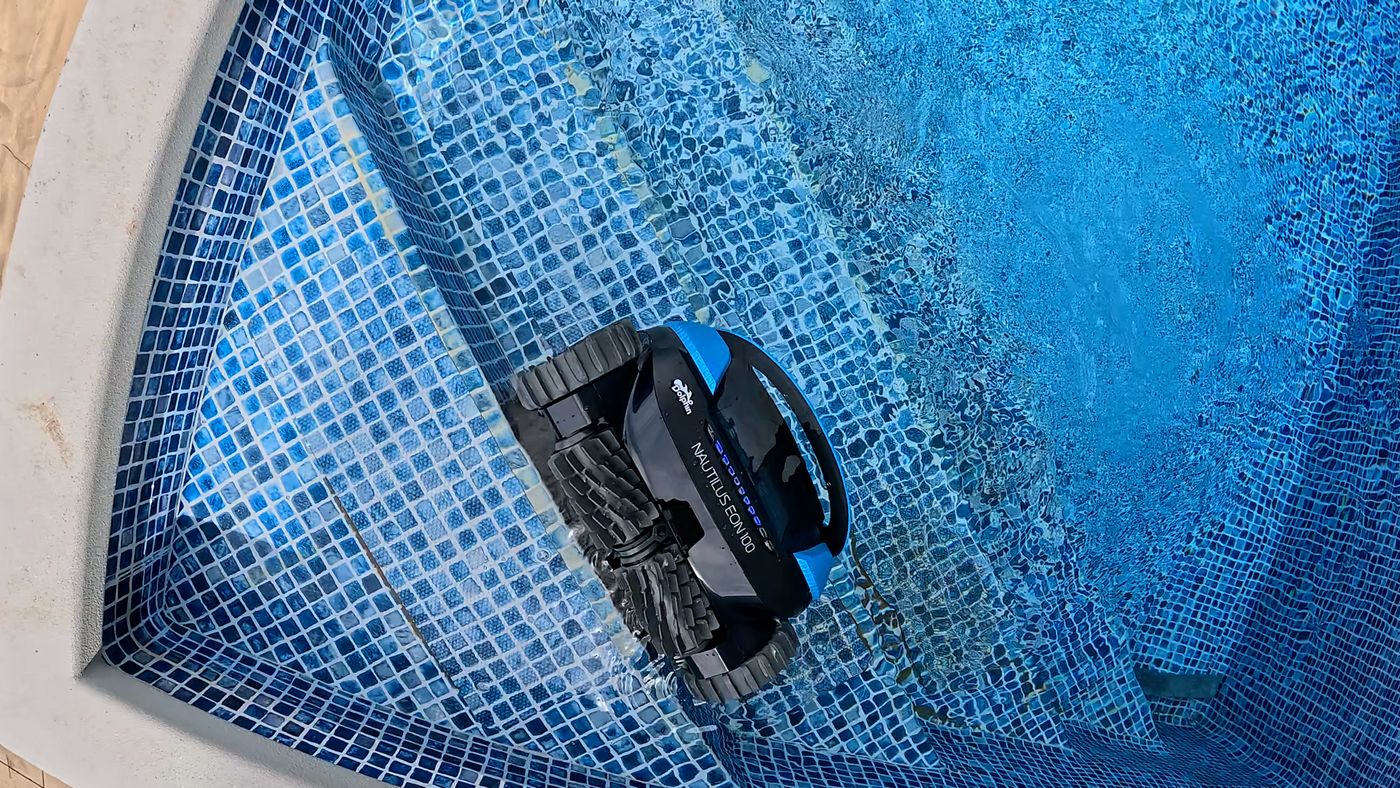
That shallow-water coverage is useful, especially if your pool has a sun shelf or Baja ledge. But SmartMap wasn't perfect in our testing. We still saw missed spots, so I'm not sold on the idea that better mapping suddenly makes this the future of pool cleaning.
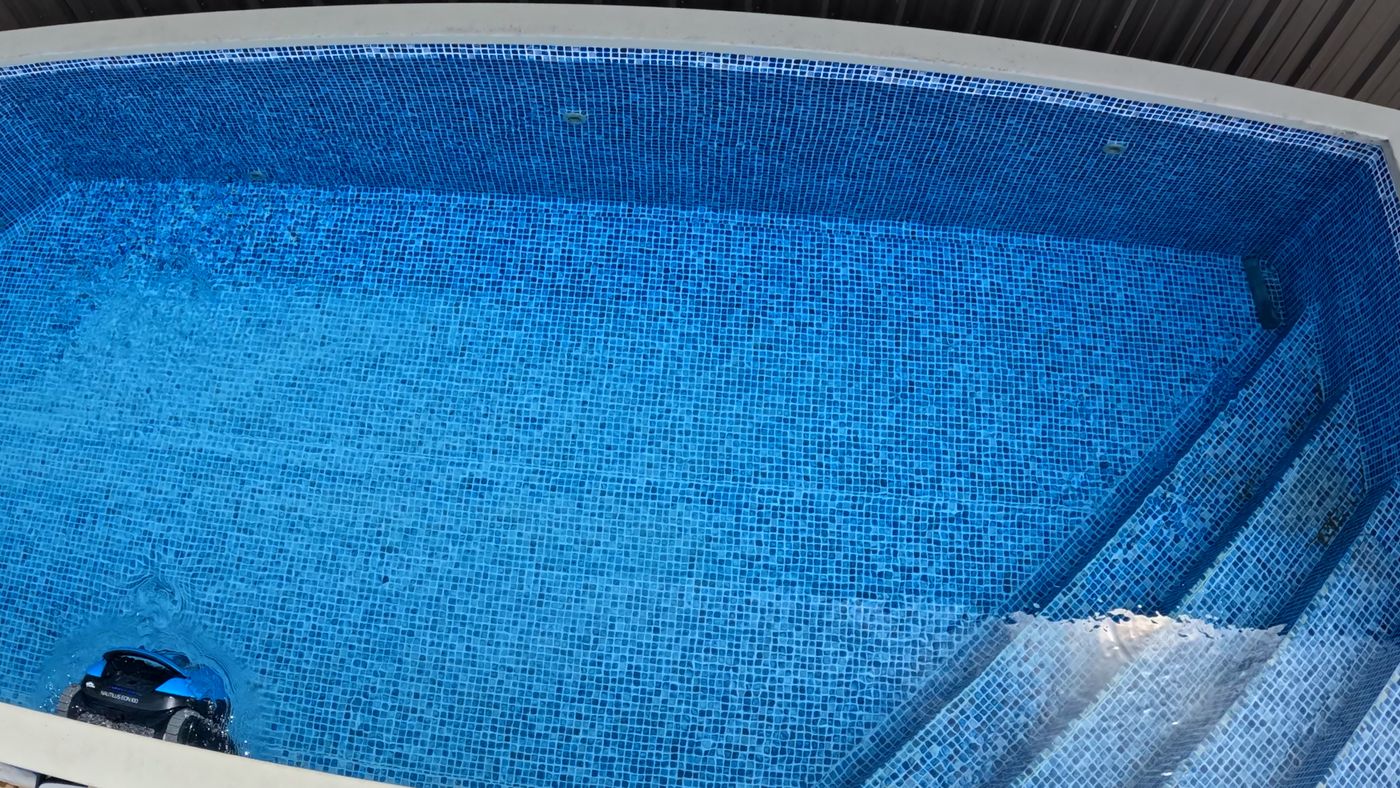
More importantly, even perfect navigation wouldn't solve my biggest complaint: I still have to manage the battery.
This Is Not Dolphin's First Cordless Robot
What makes that frustrating is that Dolphin isn't a rookie in the cordless space. Maytronics introduced the Dolphin Liberty lineup in 2023 with features specifically designed to make retrieval easier.
They already understand the core problem: getting rid of the cord can trade one chore for another. The EON brings newer shallow-water and navigation technology to the table, but it still doesn't give me a reason to leave my corded cleaners behind.
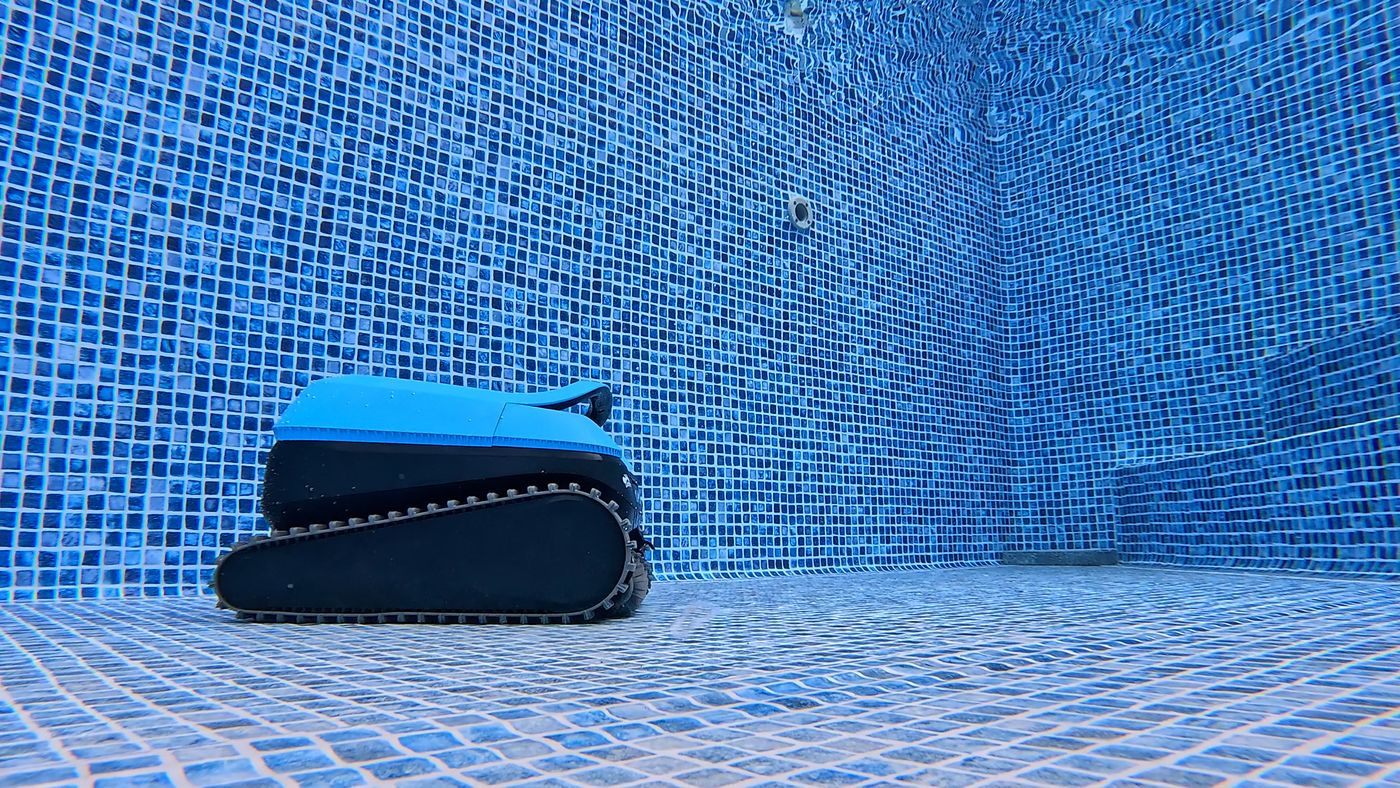
At this point, cordless pool robots are more convenient in one narrow way—there is no floating cable. In the ways that matter to me most, including repeat cleaning, scheduling, filtration, and hands-off ownership, corded robots are still better.
UltraRun Is Not the Same as a Real Weekly Timer
Let's talk about the EON's UltraRun scheduler, because it isn't the same thing as Dolphin's Weekly Timer with AutoStart.
UltraRun rations one battery charge across multiple shorter cycles so the EON can keep cleaning over several days. That may work if your pool stays fairly clean, but it isn't the same as running a complete cleaning cycle every day.
This is why a corded Dolphin with AutoStart pulls so far ahead for me. Set the schedule once and the robot can run a full cycle on every scheduled day. Tomorrow's clean isn't borrowing battery life from today's, and if another storm drops debris into the pool, you can start a second cycle immediately.
Living with both types highlighted the difference:
- EON 100 UltraRun: Divides a finite battery charge among shorter scheduled runs
- Corded Weekly Timer: Starts a normal cleaning cycle on each scheduled day
- EON 100 after a heavy debris event: May need a recharge before another complete cycle
- Corded robot after a heavy debris event: Empty the filter and run it again
Imagine a windy afternoon. A cycle finishes and another pile of leaves blows into the water. With a corded robot, you empty the basket and restart it. With the EON, you're checking the battery and hoping there is enough charge left. If there isn't, pulling it out and plugging it in becomes your job.
Automation isn't just a scheduling tab in an app. Real automation is measured by how little you have to get involved. I buy a robot to take a chore off my plate, not to give me one more battery to babysit.
The Heavy Lift Nobody Should Ignore
The EON 100 weighs around 23 pounds dry. The weight didn't bother me personally, but it is something every buyer should know before ordering—especially because retrieval and charging are recurring parts of ownership.
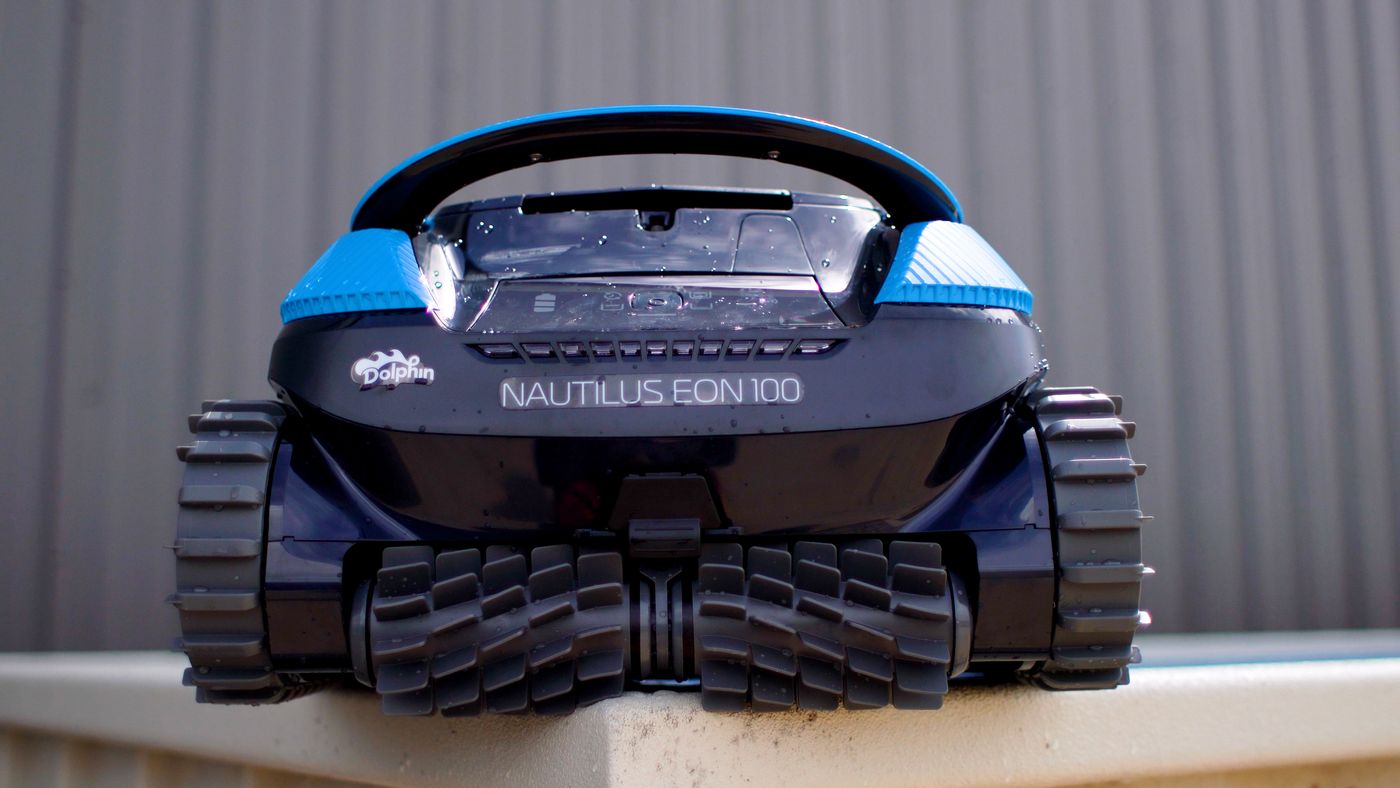
The Nautilus EON 100 also doesn't include Dolphin's Clicker-assisted pickup system. Dolphin reserves that feature for the more expensive EON 120d. With the EON 100, you use the parking feature to bring the robot toward the wall, then use the included retrieval hook to pull it within reach before lifting it by the handle.
Parking helps, but the robot can't lift itself onto the deck—and it definitely can't put itself on the charger.
Every full recharge still means:
- Use the hook to bring the robot to the waterline.
- Lift it out and wait for the water to drain.
- Move it to a dry, shaded charging location.
- Make sure the charging port is completely dry.
- Carry it back to the pool when it is ready to clean again.
That routine may not feel annoying during the first week, when you're excited about a new robot. It gets old after the twentieth retrieval, when you just want the pool ready without adding another task.
A corded cleaner still needs its filter rinsed, of course. In my pool, that is usually a once-a-week job. With a cordless cleaner running full cycles regularly, retrieval and charging become part of the routine too.
Why Corded Robots Are Better
My preference for corded robots comes down to two things: they are easier to own and they perform better.
When we put these robots head-to-head in our pool, corded models like the Dolphin Premier, Dolphin Sigma, and Dolphin Quantum outperformed the EON in my testing.

Those units are workhorses. They provide consistent full-cycle cleaning, automatic scheduled starts, and the ability to run another cycle immediately without waiting for a battery.
Filtration widens the gap. The pleated NanoFilters available on these corded models capture the fine, silty dirt that basic mesh can send back into the water. Their pleated design packs far more filtering surface area into each cartridge, and the difference was obvious in my side-by-side testing.
The Premier adds even more flexibility through its Multi-Media system. When leaves fill the pool, install the oversized leaf bag. When pollen and fine dirt arrive, switch to NanoFilters. You can match the filtration to the mess instead of settling for a single filter.
The EON's 70-micron filter is a step in the right direction, but it isn't enough to make me trade away corded power, flexible filtration, and truly hands-off scheduling.
An App That Goes Quiet Underwater
Here's another catch most buyers won't discover from a quick product listing: the EON only connects to your phone while it is out of the water. Once the robot is submerged, the connection is gone.

You can prepare the settings beforehand, but you lose the ability to steer the robot or change its instructions in the middle of a cycle. Because of that, the app feels more like a setup tool than a major reason to buy the cleaner.
The connected setup on the Sigma and Quantum makes more sense to me. Their above-water power supplies maintain the Wi-Fi connection, so the myDolphin Plus app on the Sigma and Quantum can work while those robots are cleaning underwater.
I would rather have a simple, dependable timer than a polished app that goes deaf as soon as the cleaner enters the water.
EON 100 vs EON 120d: Know Which Model You're Buying
The names are similar across the EON lineup, but the hardware and warranty are not.
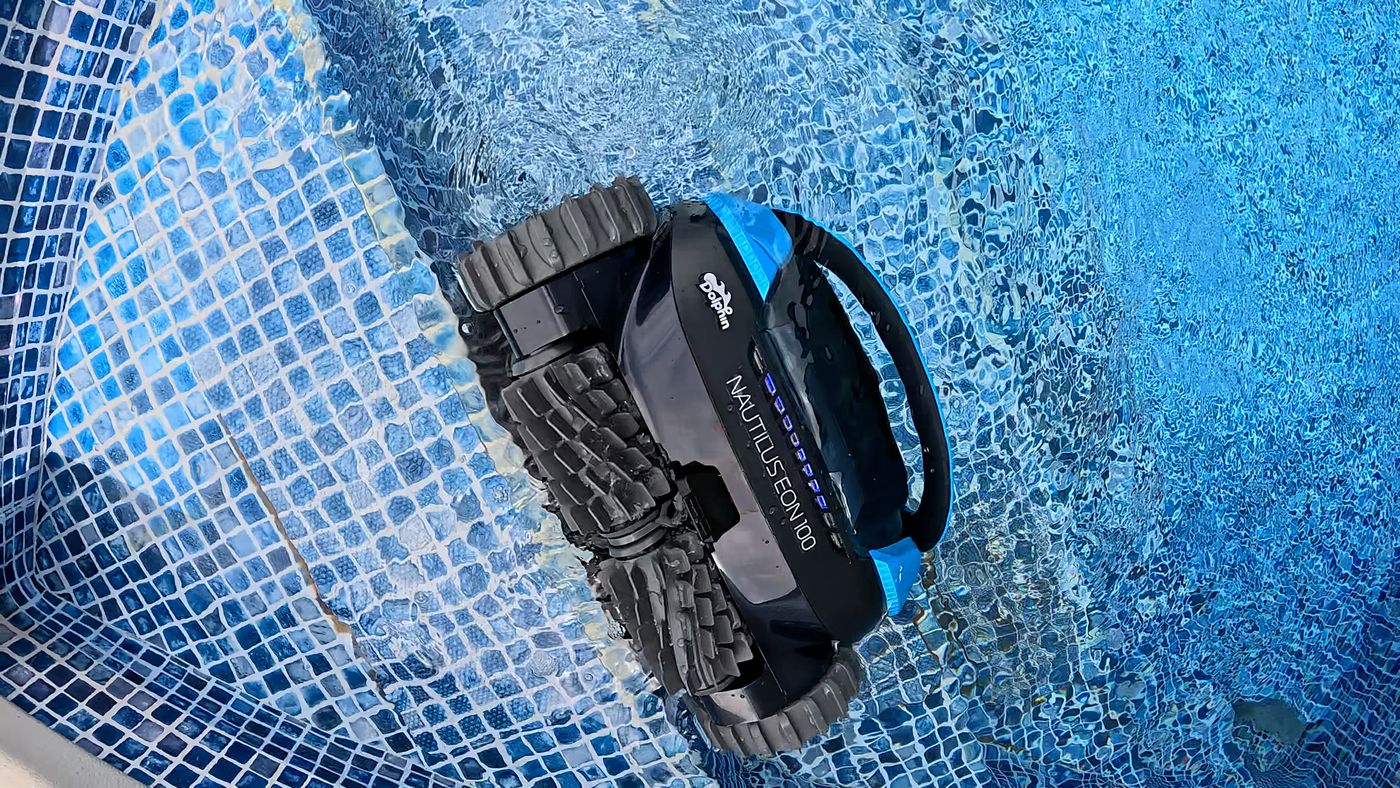
- Nautilus EON 100: Retail version with a published one-year warranty, 70-micron monoblock filter, manual hook retrieval, and no DebrisLock
- Dealer-channel EON 100: Closely related base model with a published two-year warranty, but still no Clicker or DebrisLock
- EON 120d: Higher-priced model that adds Clicker-assisted pickup and the DebrisLock backwashing filter
So when you see EON marketing that highlights assisted pickup or self-cleaning filtration, remember that those features are missing from the Nautilus EON 100 reviewed here.
The one-year warranty hurts the value too. Personally, I would rather put the budget toward a cleaner that includes the features and warranty I want from day one instead of starting with the base model.
What I Would Buy Instead
If you're choosing based on the complete ownership experience—not just the absence of a cord—these are the models I would buy first.
Dolphin Premier: Best for Filtration Flexibility
The Dolphin Premier is my first choice for cleaning power and flexible filtration. Its Multi-Media system switches between an oversized leaf bag, standard cartridges, and pleated NanoFilters. Add the weekly timer, and it delivers serious cleaning without a charging routine.
Dolphin Sigma: Best for Connected Control
The Dolphin Sigma is my choice for connected convenience. It combines top-loading filters, included NanoFilters, full app control, and flexible scheduling without making battery management part of the job.
Dolphin Quantum: Best Balance of Features and Value
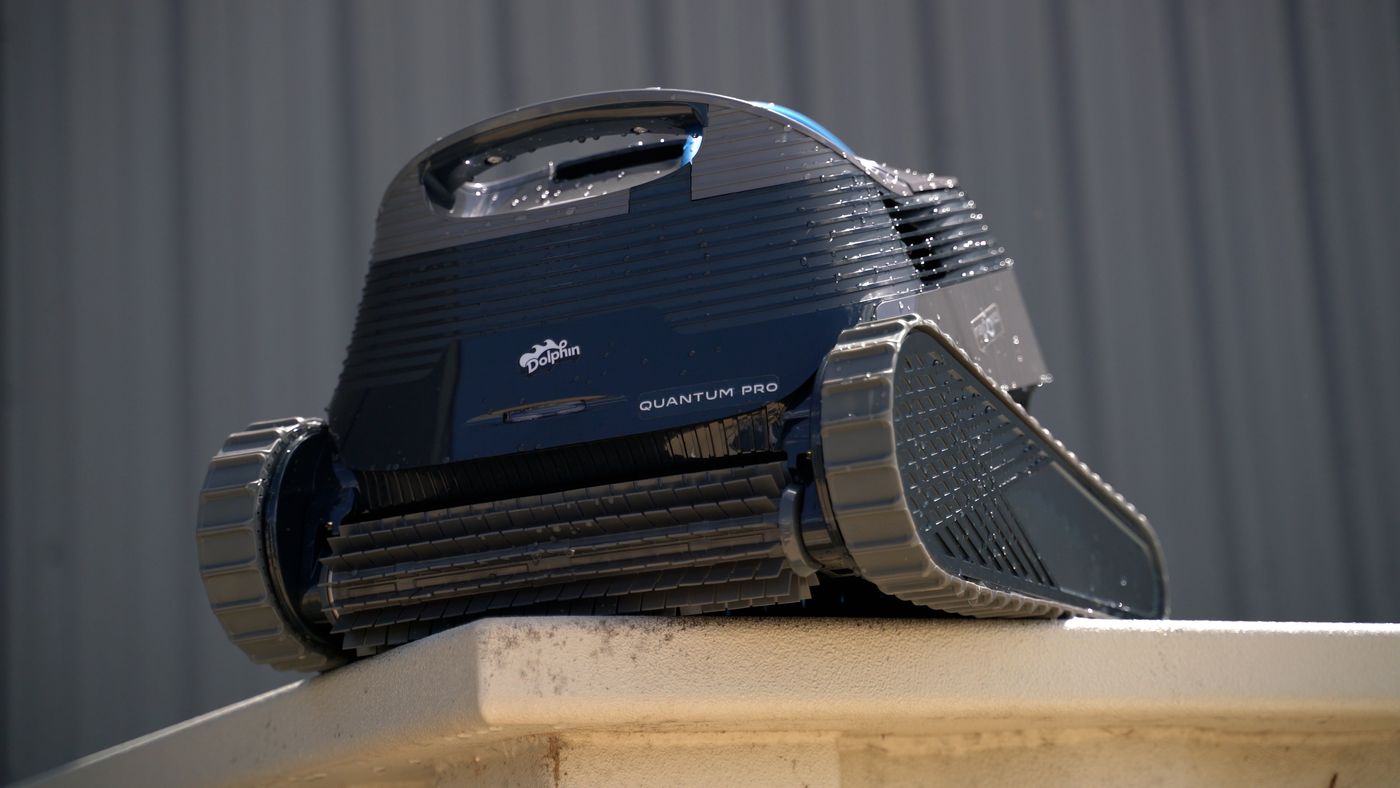
The Dolphin Quantum gives you the large top-loading XXL MaxBin, NanoFilters, weekly scheduling, and the myDolphin Plus app. The basket is one of my favorite features because getting the debris back out is straightforward.
Dolphin Cayman: Best Value for a Smaller Pool
The Dolphin Cayman is where I would start for value in a smaller pool. In my 8-by-20-foot test pool, its coverage and straightforward scheduled starts impressed me. I would prioritize its Weekly Timer with AutoStart and add the optional NanoFilter upgrade for finer debris.
For my money, the answer starts with corded power and automatic scheduling—not a battery. See how these models rank in my complete guide to the best robotic pool cleaners.
My Final Verdict
So what's my final verdict on the Dolphin Nautilus EON 100?

It's Pool Nerd Disapproved.
Not because it is a bad cleaner. The EON 100 cleaned well in our pool, and if you're determined to buy cordless, it remains one of the better options available.
I don't recommend it because I wouldn't trade the convenience of a good corded Dolphin for the EON's retrieval-and-recharge routine. The heavy lift, missing Clicker, above-water-only app connection, one-year retail warranty, and battery-limited scheduling all work against the reason I buy a pool robot in the first place: less work for me.
For everyday ownership, I would take a Premier, Sigma, Quantum, or Cayman with a weekly timer. I want to check the filter—not plan around the charger.
The best pool robot isn't the one that removes a cable. It's the one that removes a chore.
For all my recommendations, read the best robotic pool cleaners guide. If you're still committed to a battery, compare the best cordless robotic pool cleaners. You can also check ThePoolNerd.com/deals for current prices on my favorite robots and pool equipment.
Until next time, keep nerding out!
Related Reading
- Best Robotic Pool Cleaners — My complete rankings after hands-on testing
- Best Cordless Robotic Pool Cleaners — The battery-powered options I would consider first
- Best Corded Robotic Pool Cleaners — Why constant power still wins
- Corded vs Cordless Pool Robots — The ownership trade-offs compared
- Best Dolphin Pool Cleaners — Where the EON fits in the full Dolphin lineup
- Compare Dolphin Pool Cleaners — Features, warranties, and model differences
- Dolphin Premier Review — Best for leaves and flexible filtration
- Dolphin Sigma Review — Best for connected control and commercial-grade power
- Dolphin Quantum Review — Strong balance of filtration, automation, and value
- Dolphin Cayman Review — My value pick for smaller pools


Comments
Loading comments…