
 Justin D.
ORP. It’s the most important pool number most pool owners have never heard of. Your pool can test at 3 ppm of free chlorine, look perfectly clear, and still have much less sanitizing power than you think.
That sounds backwards, but it happens all the time.
Because knowing how much chlorine is in your pool and knowing how well that chlorine is actually working are two different things.
And the number that tells you how well your chlorine is working – is ORP. It completely changed how I look at pool care and makes maintaining my pool way easier – and it can do the same for you.
Products Mentioned in This Guide


Hey there, I’m Justin, your resident pool aficionado, and today we’re talking about oxidation-reduction potential — or ORP — what it actually tells you about your pool, what number I look for, and why I think it’s one of the most useful measurements a pool owner can have.
Commercial pools and aquatic facilities have used ORP monitoring for years, but most residential pool owners still manage their water almost entirely from chlorine readings and test strips.
And once I started monitoring ORP in my own pool, it changed the way I looked at chlorine completely. And made pool care simpler.
If you’ve ever had a pool with plenty of chlorine but still ended up with algae, cloudy water, or that strong “pool smell,” this is worth understanding.
What Is ORP?
ORP stands for oxidation-reduction potential.
That sounds much more complicated than it really is.
Basically, ORP measures how much oxidizing — or sanitizing — power your water has at that moment.
It’s measured electrically in millivolts, or mV, using a probe placed in the water.
The easiest way I’ve found to explain it is this:
Your free chlorine test tells you how much chlorine is in the pool.
ORP tells you how effective the water is at actually sanitizing.
Imagine looking at the fuel gauge in a car. The gauge can tell you there are ten gallons of fuel in the tank, but that doesn’t necessarily tell you how well the engine is running.
That’s basically the difference.
Free chlorine tells you what’s available.
ORP gives you another way to see how much sanitizing power you’re actually getting from it.
And that matters because chlorine doesn’t operate in a vacuum.
Its effectiveness changes depending on the rest of your water chemistry.
Why the Same Chlorine Reading Can Mean Two Very Different Things
This was the part that really made ORP click for me.
You could have two pools sitting next to each other, and both of them test at exactly 3 ppm of free chlorine.
On a regular test strip, they look identical.
But one pool could have a pH of 7.2 and relatively low CYA, while the other is sitting at a pH of 8.0 with CYA over 100.
Those are very different pools.
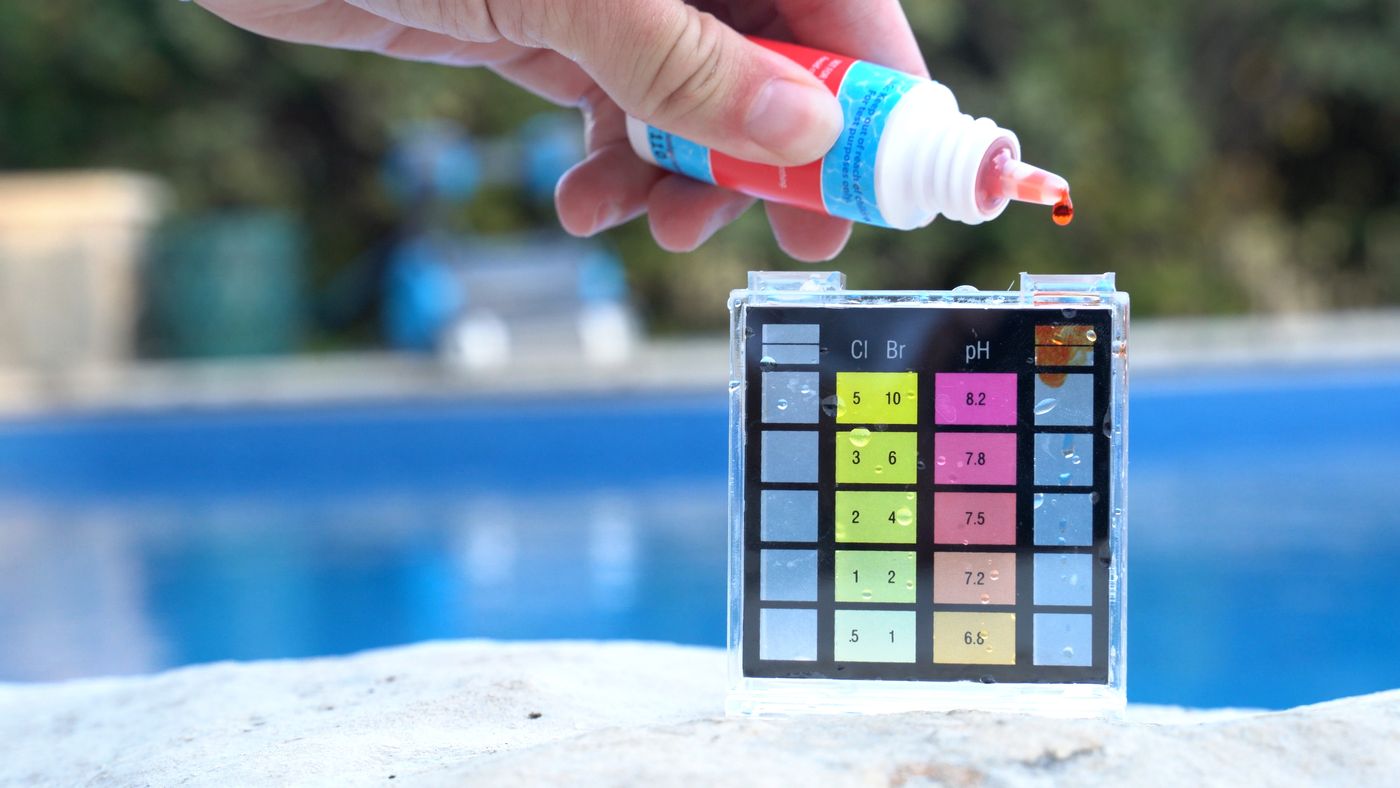
One of the biggest factors is pH.
As pH rises, chlorine becomes less active. So if you let the pool drift up toward 8.0, you can still measure chlorine in the water while getting significantly less sanitizing performance from it.
That’s one reason I pay so much attention to pH.
The other big one is CYA, or cyanuric acid.
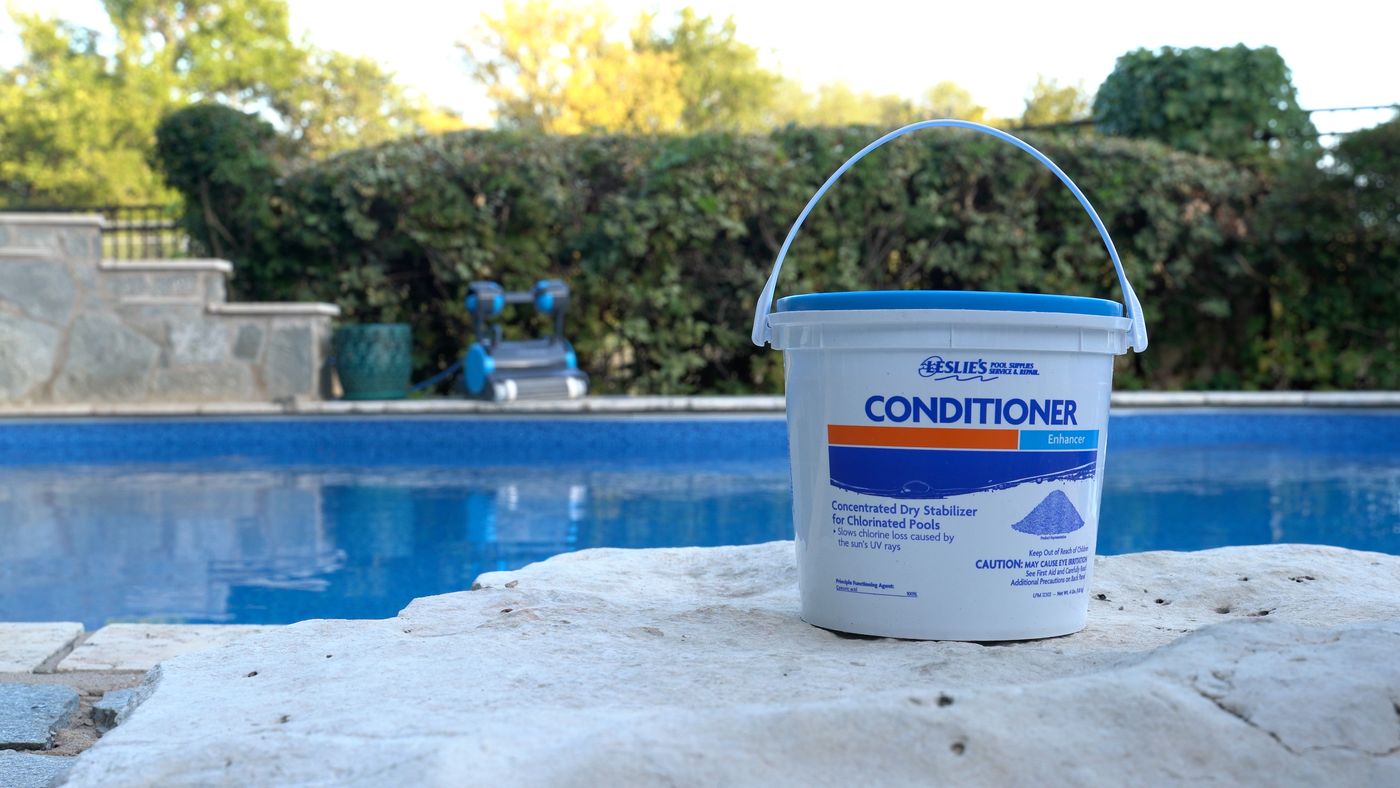
CYA protects chlorine from sunlight, which is useful, but too much can make chlorine much less effective.
And this is where trichlor tablets can get pool owners into trouble.
Every time you use stabilized chlorine, you’re adding chlorine and CYA at the same time. The chlorine gets consumed, but the CYA sticks around.
So over a season — or several seasons — the stabilizer level can slowly climb without the owner really noticing.
Then you end up compensating by adding more chlorine.
Your test still says there’s chlorine in the pool, but the ORP can tell a very different story.
That’s why I don’t think a chlorine number by itself gives you the whole picture.
What ORP Number Should You Look For?
For my pool, I’m generally looking for an ORP in the 650 to 750 millivolt range, and I like seeing it above 750 when everything is dialed in.
If I start seeing that number consistently falling below 650, I’m looking for a reason.
Maybe the pH has climbed.
Maybe I’m low on chlorine.
Maybe there’s a bunch of organic material in the pool.
Maybe my CYA has gotten too high.
The important part is that ORP gives me an early warning.
I don’t have to wait until the water turns cloudy or I see algae starting in a corner.
Something changed, and now I can figure out what it was.
But I don’t look at ORP completely by itself. I’m looking at ORP together with pH and the rest of the pool chemistry.
That combination tells you much more than one test strip ever could.
What Causes ORP to Drop?
If your ORP starts falling, I’d look at a few things before randomly adding chemicals.
The first is pH.
This is probably the one I see most often. Your chlorine level can look completely normal, but if the pH has climbed, you’re getting less performance from that chlorine.
Next is CYA.
If you’ve been running tablets for a long time and your stabilizer is sitting at 80, 100, or even higher, that’s absolutely something I’d check.
Then you have organic load.
Leaves, pollen, sunscreen, sweat, bugs, dirt — all of that gives chlorine something to oxidize.
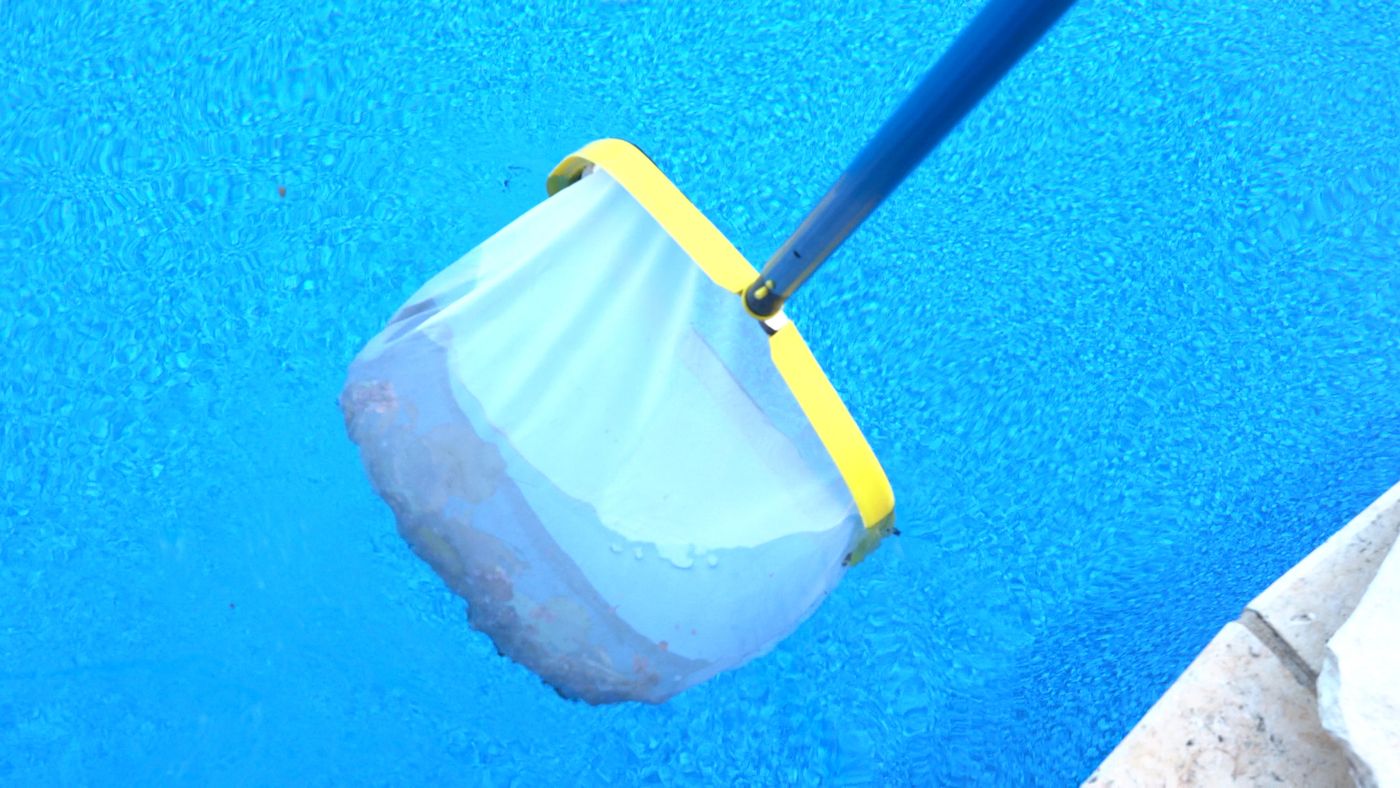
This is why I always say a lot of pools don’t necessarily have a chlorine problem. They have too much stuff in the water consuming the chlorine they already have.
And of course, sometimes the answer really is just low chlorine.
ORP isn’t replacing chemistry. It’s helping you understand what the chemistry is doing.
How Do You Measure ORP?
This is one thing a normal test strip can’t measure.
ORP is an electrical measurement, so you need an ORP probe.
There are a few ways to do that.
Handheld ORP Meter
The cheapest way in is a handheld ORP meter.
You dip the probe into the pool and get a millivolt reading.
They’re useful for spot checks, especially if you’re just curious about what your pool is doing.
The downside is that it’s still a manual test and sometimes not as accurate as the commercial-grade sensors found in a pool water monitor.
You’re seeing what your ORP is right now, but you don’t know what happened six hours ago or what happens while you’re asleep.
Smart Pool Monitor
This is what I prefer because it gives you the trend instead of one isolated reading. Plus a lot of the top pool water monitors, use commercial-grade sensors. You can find my full list of ones I’ve tested at ThePoolNerd.com/best-pool-water-monitors
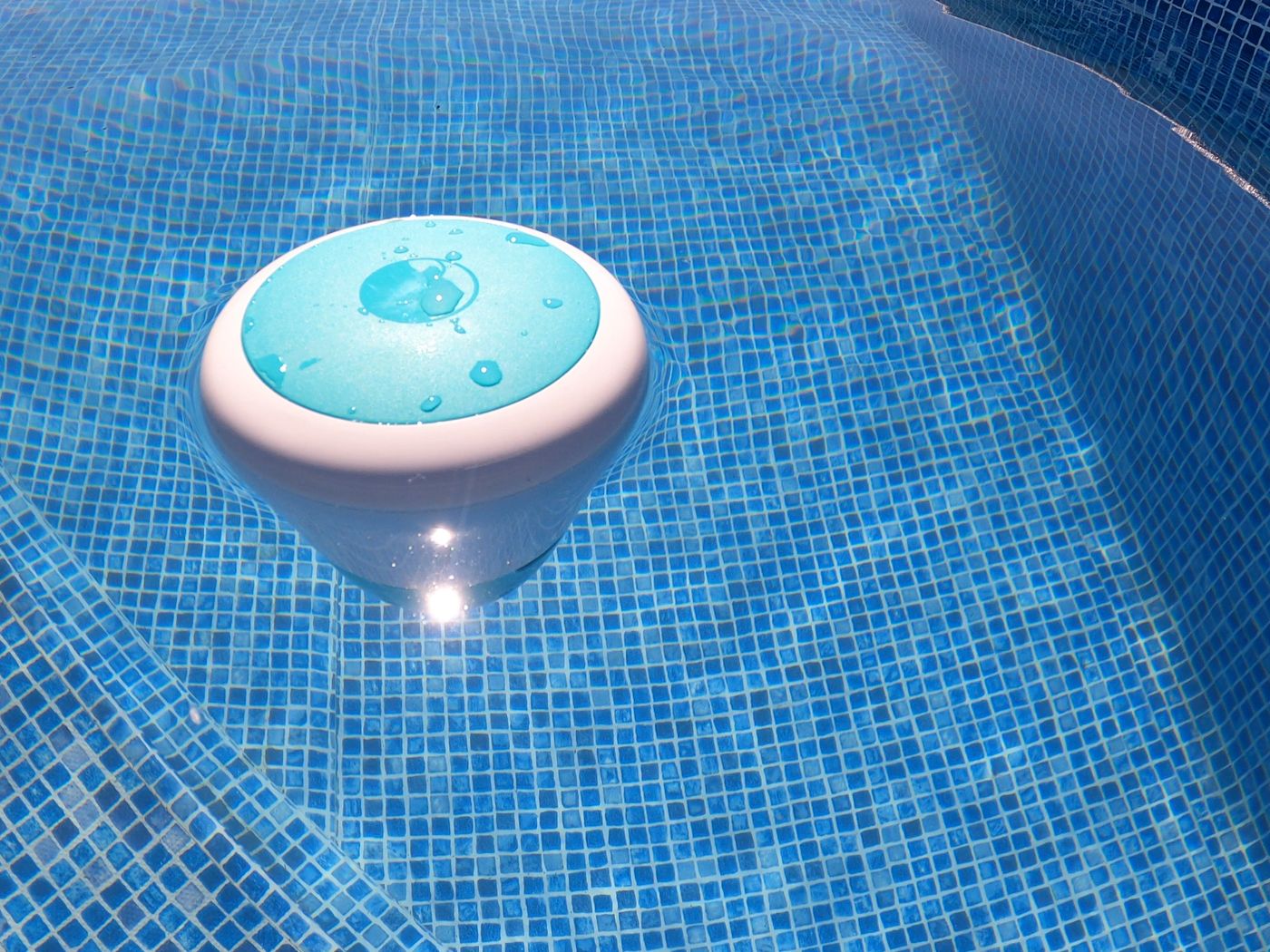
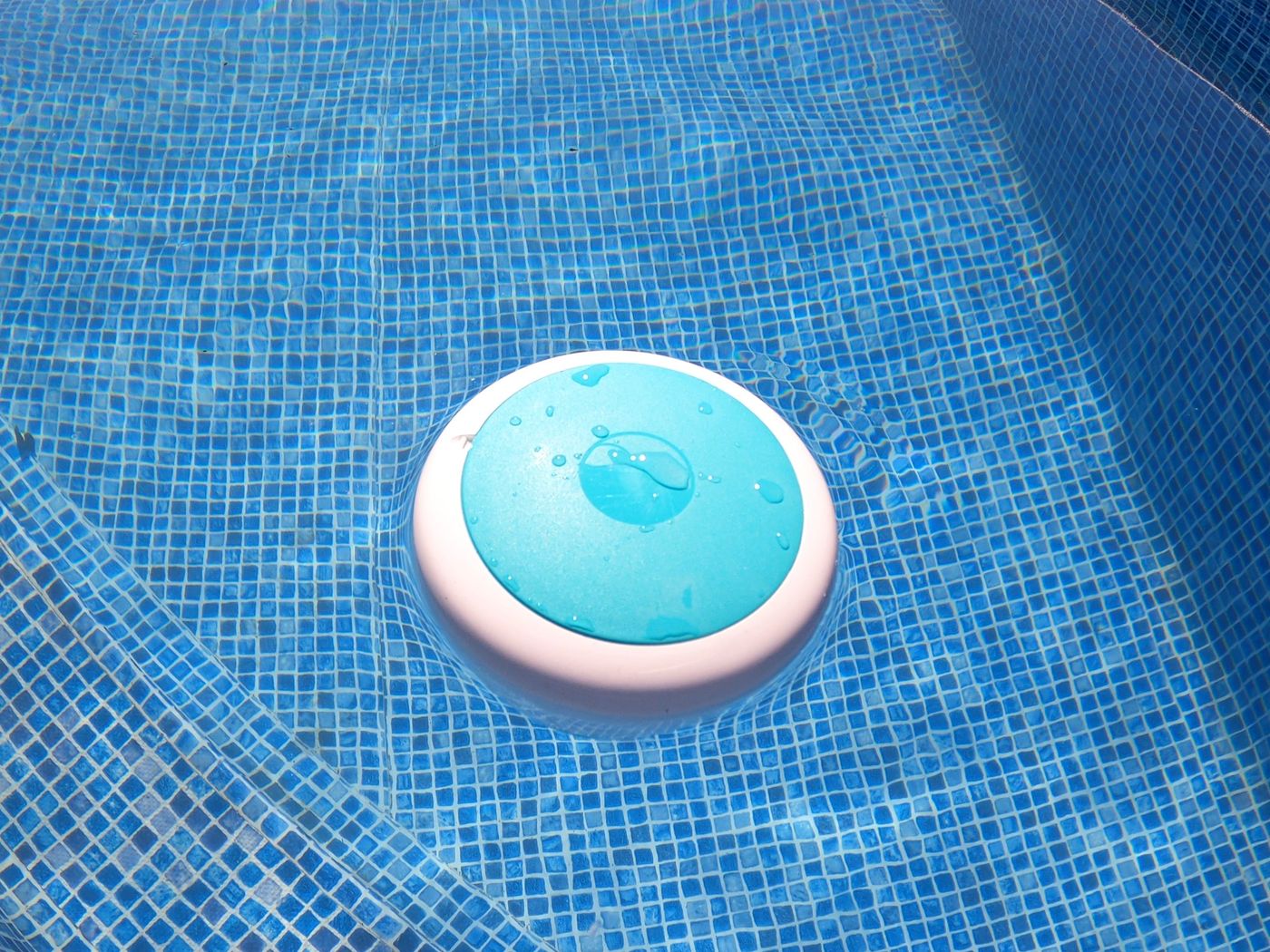
I use an Ondilo ICO in my pool. It floats in the water and measures ORP and pH throughout the day, then sends those readings to the app.
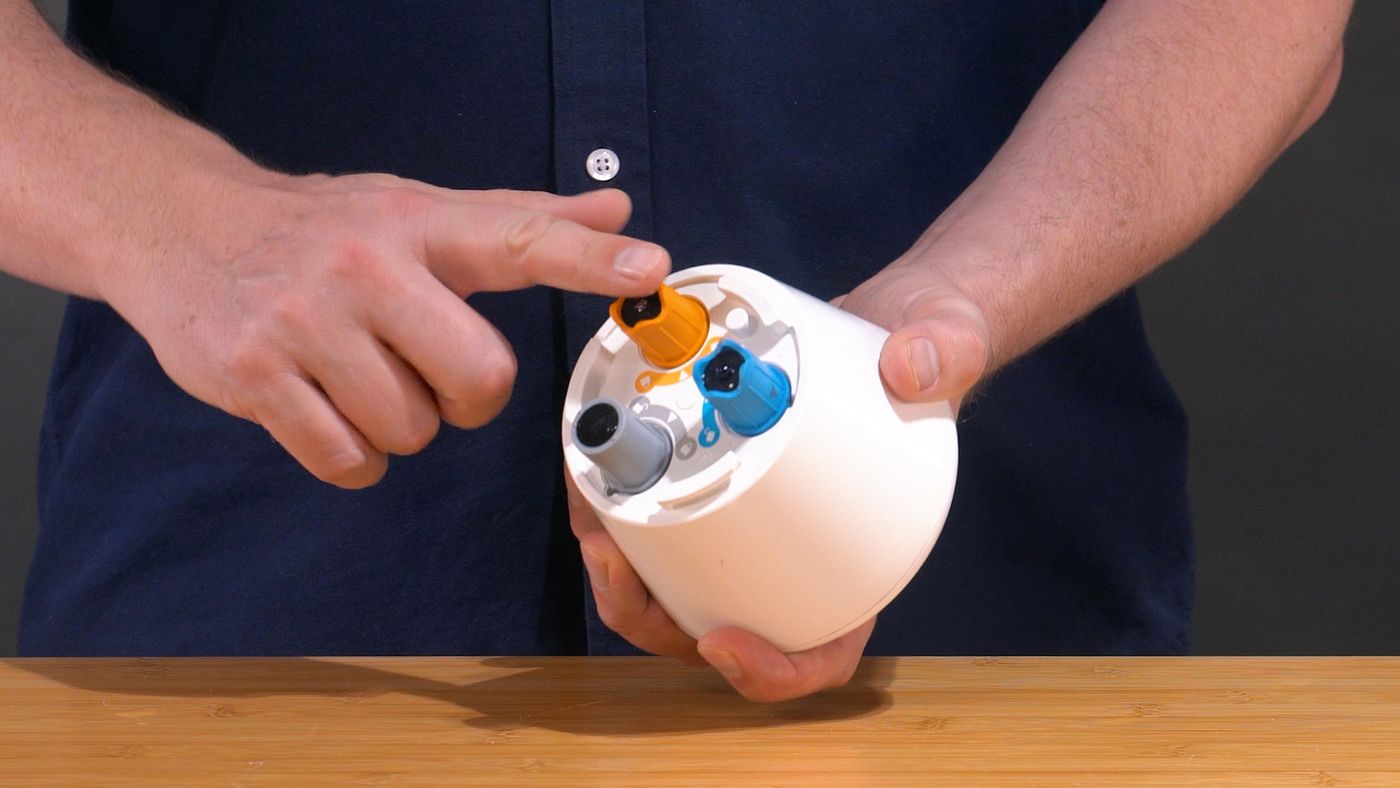
That means I can actually see what happens after I add chlorine, what happens when the pH rises, what happens during a hot day, or how quickly the ORP changes after a bunch of people swim.
And that history is really useful.
Instead of finding out there’s a problem because the pool suddenly looks bad, you can see the chemistry moving in the wrong direction beforehand.
I have a full review of the ICO if you want to see exactly how it works, check it out at: ThePoolNerd.com/ico-pool-water-monitor-review
How to Maintain Your Pool Using ORP: Step-by-Step
So how do you actually use ORP to maintain your pool?
I keep it really simple. Instead of adding chemicals on a schedule, I watch the ORP and let the water tell me when something needs attention.
Here’s the routine I follow.
Step 1: Watch Your ORP
Start with the ORP reading.
For my pool, I’m generally looking for 650 to 750 millivolts or higher.
If it’s sitting in that range and everything else looks good, I usually don’t touch anything.
That’s one of the biggest benefits of monitoring ORP. You stop adding chemicals just because it’s Tuesday and start responding to what the water actually needs.
If the ORP starts dropping, then I move to step two.
Step 2: Check Your pH
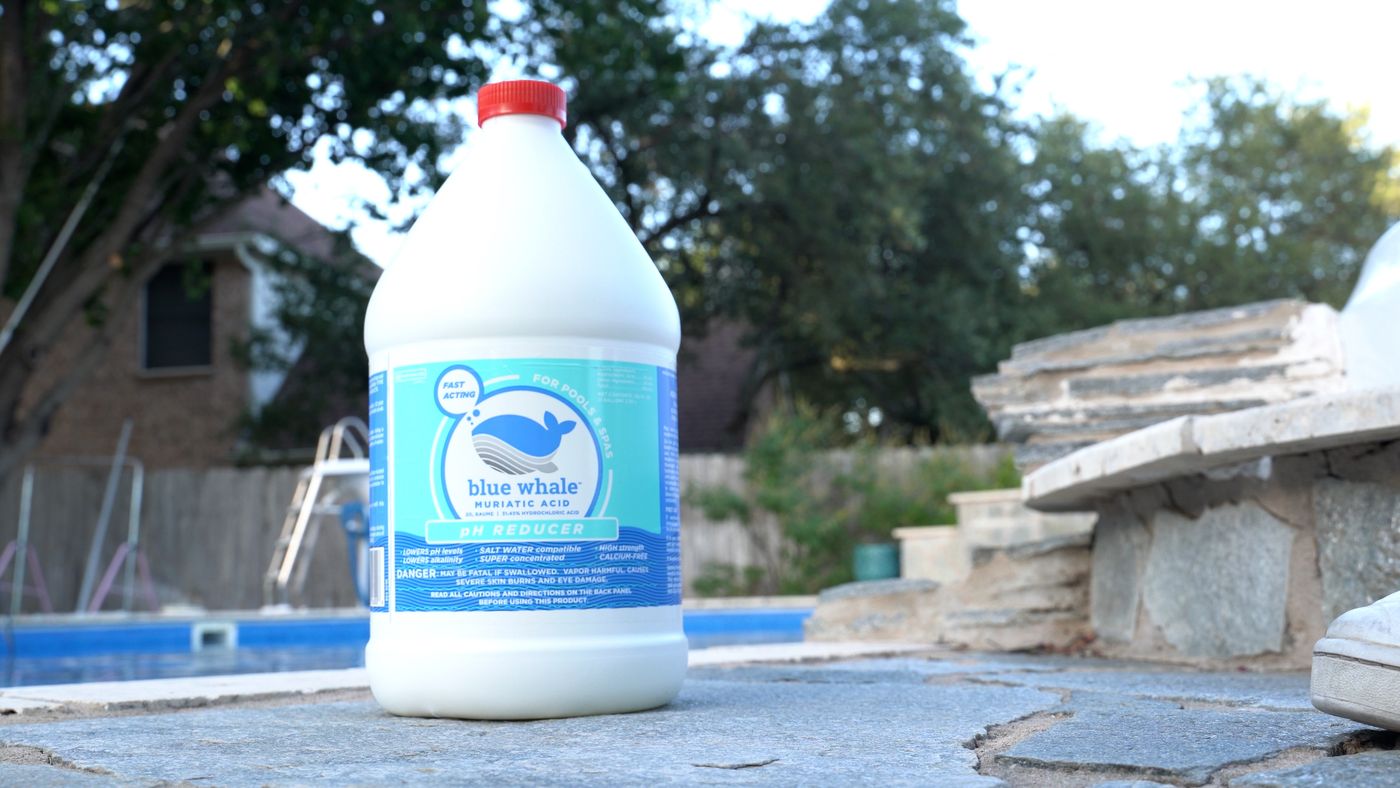
Before adding more chlorine, check the pH.
This is important because you can have plenty of chlorine in the pool and still have poor sanitizing performance if the pH gets too high.
For my pools, I generally like pH around 7.0 to 7.2 for vinyl and fiberglass, and around 7.2 to 7.4 for gunite.
If the pH has climbed, I correct that first and then watch what happens to the ORP.
A lot of the time, getting the pH back where it belongs can make a noticeable difference without adding a bunch more chlorine.
Step 3: Check Your Chlorine
If the pH looks good but the ORP is still low, then check your free chlorine.
If chlorine is low, add chlorine.
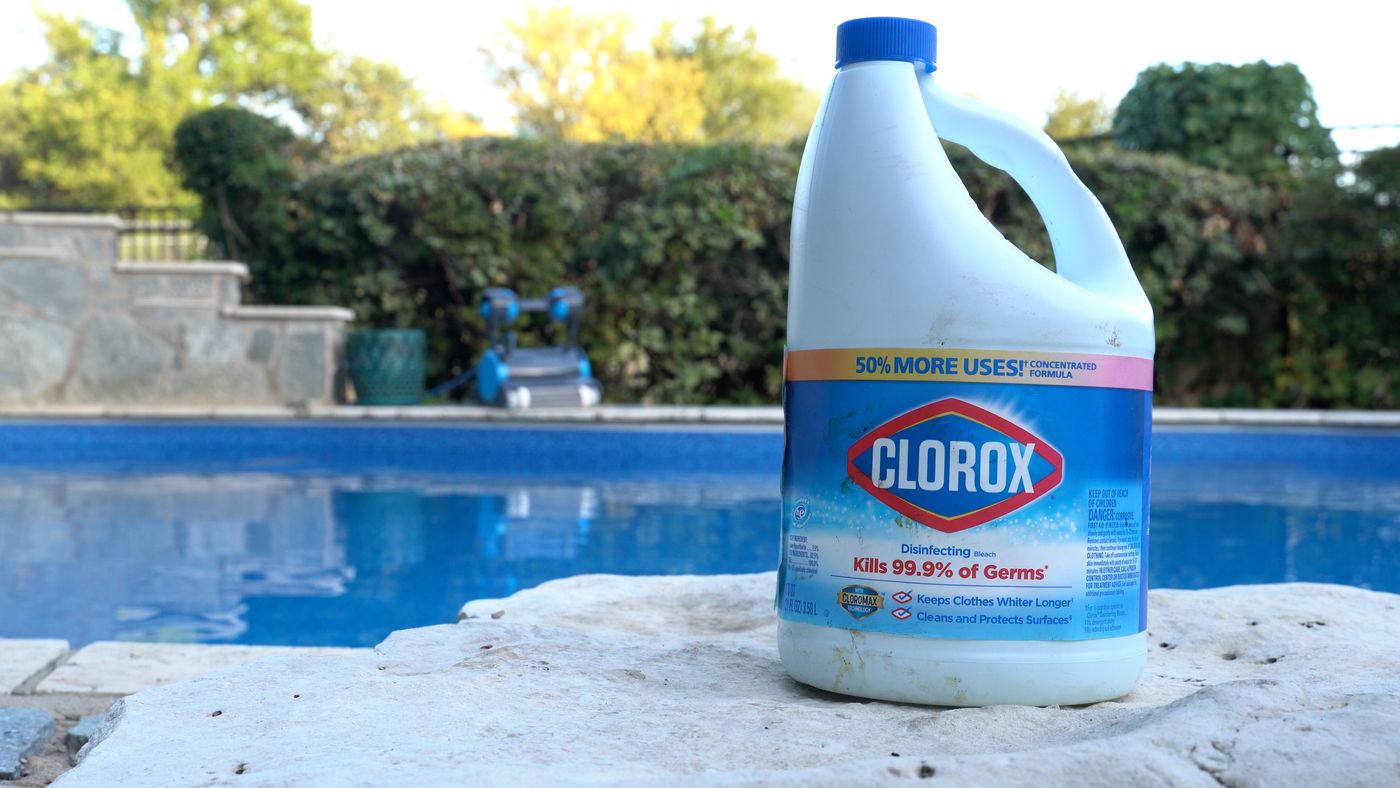
I prefer liquid chlorine because it raises the sanitizer level without continually adding more CYA along with it.
Then give the pool some time to circulate and watch the ORP again.
The goal isn’t to chase a huge chlorine number. You’re trying to get the sanitizing power back where it belongs.
Step 4: Check Your CYA If ORP Still Won’t Come Up
If your pH is good, you have chlorine in the water, and the ORP still refuses to climb, check your CYA.
This is especially important if you’ve been using trichlor tablets.
As CYA builds up, chlorine becomes less effective, so you can end up adding more and more chlorine without getting the result you expect.
If the CYA has gotten extremely high, the solution may be dilution — replacing some of the pool water with fresh water to bring that stabilizer level back down.
That’s why I’d rather catch this early than spend the entire summer trying to overpower high CYA with more chlorine.
Step 5: Remove Whatever Is Consuming Your Chlorine
Finally, clean the pool.
Empty the skimmer baskets.
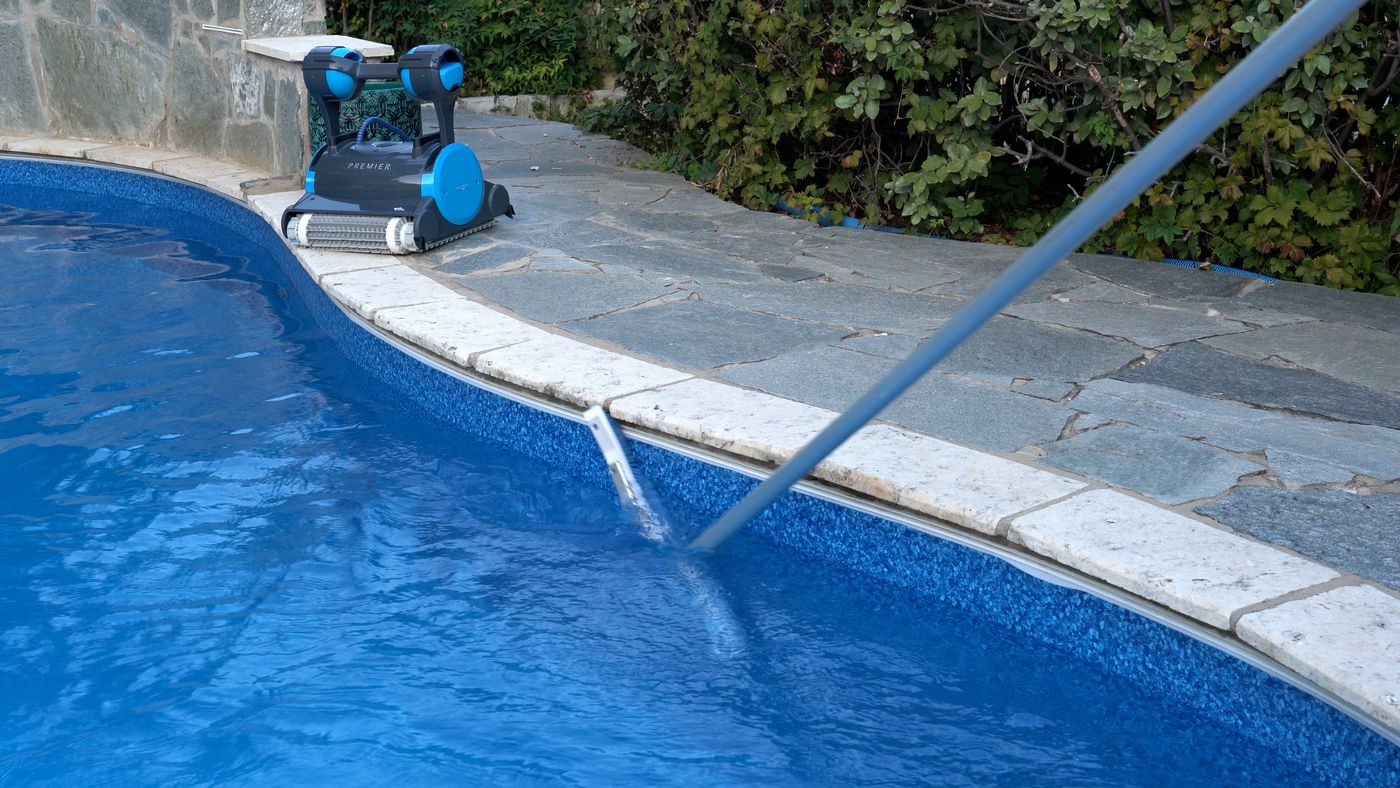
Run your robotic pool cleaner.
Brush the walls if they need it.
Clean the filter.
Get the leaves, pollen, bugs, and other organic material out of the water.
All of that debris creates extra work for your sanitizer.
The cleaner you keep the pool, the easier it is to maintain a strong ORP without constantly adding more chlorine.
And if you use something like UV as supplemental sanitation, that can help reduce some of the load on the chlorine as well.
So the whole routine is really simple:
Watch ORP.
Check pH.
Check chlorine.
Check CYA if something still looks wrong.
Keep the pool clean.
That’s how I use ORP.
I’m not trying to hit the pool with more chemicals every week. I’m trying to keep the water clean enough and balanced enough that the chlorine I already have can actually do its job.
“My Chlorine Is Fine, But My ORP Is Low”
This is probably the most interesting scenario.
Let’s say the test shows plenty of free chlorine, but the ORP is sitting lower than you want.
I’d check pH first.
If the pH is high, correct it and watch what happens.
If pH is fine, I’d test CYA.
This is especially important if you use trichlor tablets regularly.
You may have plenty of chlorine present, but enough stabilizer that the chlorine isn’t giving you the sanitizing performance you expected.
That’s exactly the type of situation where ORP becomes useful.
The test strip says everything is fine.
The ORP says keep looking.
What About Saltwater Pools?
ORP still applies because a saltwater pool is still a chlorine pool.
The salt cell is simply producing the chlorine for you.
And I actually think watching pH and ORP is especially useful on salt systems because those pools tend to need regular attention to pH.
If the pH starts climbing, your ORP can respond even while the salt system continues producing chlorine.
So again, the chlorine may be there.
The question is how well the whole system is working.
Do You Still Need to Test Chlorine?
Absolutely. But not as often.
I don’t use ORP as an excuse to stop testing everything else.
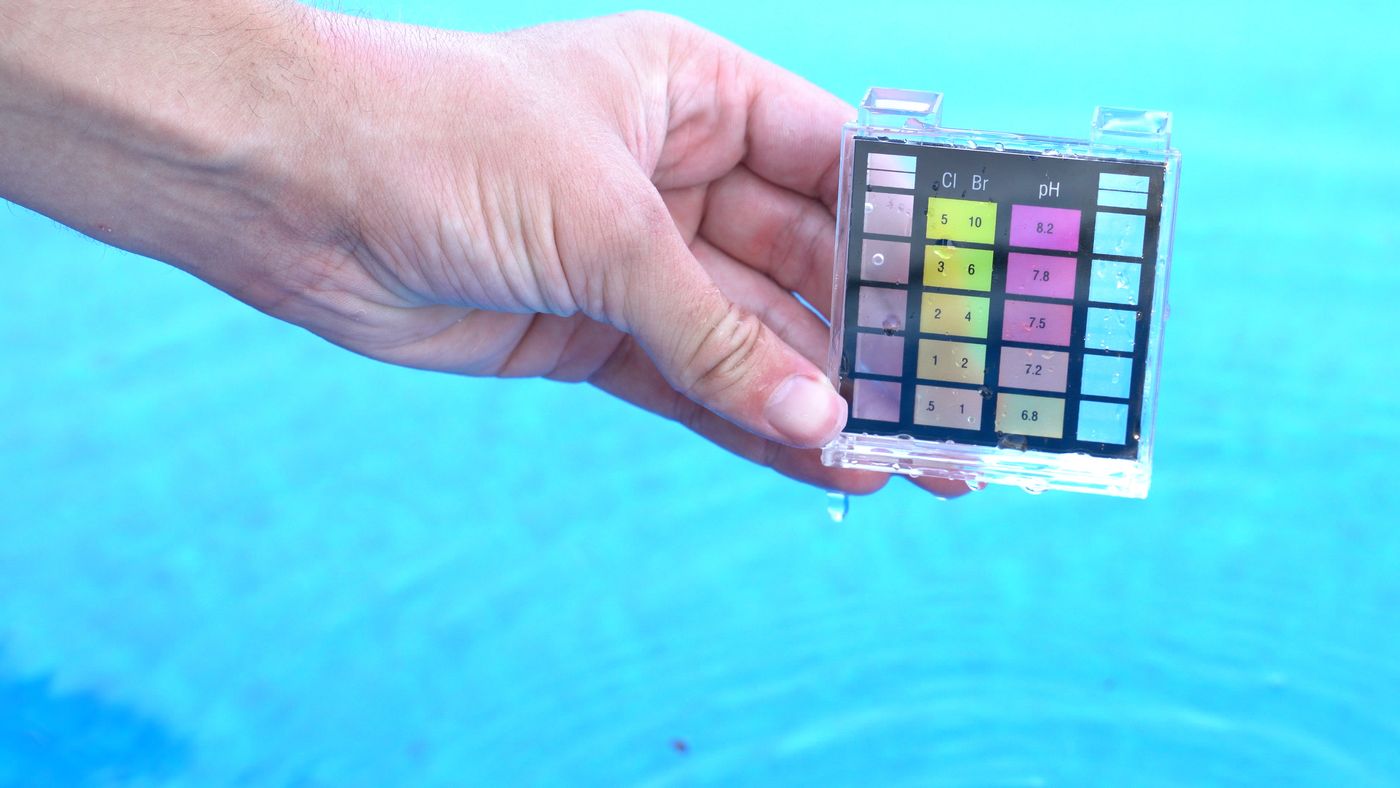
I still want to know my free chlorine.
I still want to know my pH.
I want to know my CYA.
And periodically I’m checking alkalinity, calcium hardness, and the other parts of the water balance.
I just think ORP fills in a piece of information that most residential pool owners are missing.
Instead of only asking, “How much chlorine is in my pool?”
You can also ask, “How well is my water actually sanitizing?”
Those are not the same question.
My Final Verdict
What’s my final verdict on ORP?
If there’s one thing I wish more pool owners understood about chlorine, it’s that more chlorine does not automatically mean better water.
The entire system matters.
Your pH matters.
Your CYA matters.
The amount of debris and organic material in the pool matters.
And ORP gives you a simple way to watch how all of those things are affecting your actual sanitizing power.
That’s why it has become one of the main numbers I watch in my own pool.
I still test the water. I still keep an eye on chlorine. But instead of blindly adding chemicals because a schedule says it’s Tuesday, I can see how the water is actually responding.
And once you start looking at pool chemistry that way, a lot of the usual problems begin making much more sense.
If you want to start monitoring ORP, I’ll put my full Ondilo ICO review below so you can see exactly how I use it and whether it makes sense for your pool.
And for the current deals on the ICO, ORP meters, UV systems, robotic cleaners, and the rest of the pool equipment I actually use, head over to ThePoolNerd.com/deals.
If this video helped you understand your pool a little better, subscribe to The Pool Nerd. I’m breaking down pool chemistry, equipment, and maintenance without turning every problem into another trip to the pool store.
Until next time, keep nerding out and enjoy that pool.


Comments
Loading comments…