
 Justin D.
Introduction
Hey there, I'm Justin, your resident pool aficionado. Today we're settling one of the biggest, most heated debates in the pool world: saltwater vs chlorine. Which one should you pick?
Here's the thing — the question itself is built on a misconception. So before you drop thousands of dollars on a system you might regret, let me walk you through everything you need to know. Not the pool store version. The real version. Let's get into it.

Quick Take
A saltwater pool isn't an alternative to chlorine — it's a chlorine pool that makes its own chlorine on-site. The real debate is a salt chlorine generator vs. a manually chlorinated pool. For most owners, I lean toward a traditional liquid chlorine pool paired with ORP monitoring and automated dosing — but salt can be excellent if you build for it.
The Biggest Myth In The Pool World
I'll say this as plainly as I can: a saltwater pool is not chlorine-free.
A saltwater pool is a chlorine pool. It's a chlorine pool with a chlorine factory built into it.
Let that sink in, because it trips up almost every new pool owner. Salt pools sanitize your water with chlorine — the exact same chlorine doing the work in a traditional pool. The only thing that changes is where that chlorine comes from.
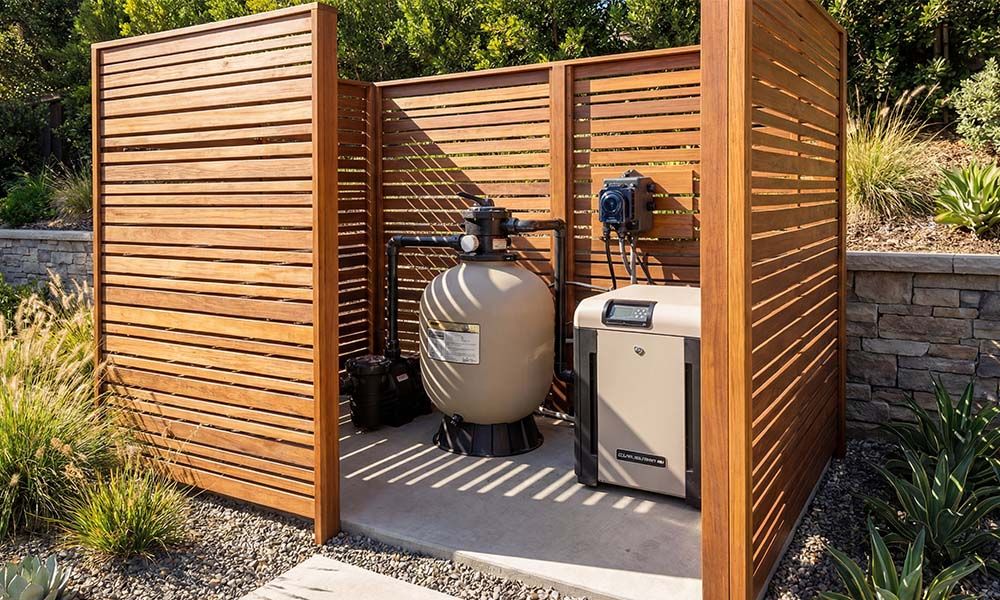
In a traditional pool, you add the chlorine yourself: liquid chlorine, tablets, or granular. In a saltwater pool, a device called a salt chlorine generator makes the chlorine for you, on site, out of dissolved salt.
So the real debate was never "salt vs chlorine." It's this: a salt chlorine generator versus a manually chlorinated pool.
And after years of working hands-on with pool equipment, automation systems, and water chemistry — and testing this stuff in my test pool — I'll tell you up front where I land. For most pool owners, I lean toward a traditional liquid chlorine pool paired with ORP monitoring and automated dosing.
But — and this matters — saltwater pools can absolutely be excellent. This is not a "salt is bad" article. Salt has real advantages, and I'm going to give them a fair shake. This is a "know exactly what you're signing up for" article. If you want the full deep-dive on salt systems specifically, read my complete saltwater pools guide.
How A Salt Chlorine Generator Works
Let's start under the hood, because once you understand how a salt system works, everything else makes sense.
You dissolve pool-grade salt into the water — somewhere around 3,000 to 4,000 parts per million. For reference, the ocean runs around 35,000, so a salt pool is nowhere near as salty as the sea. Most people can barely taste it.
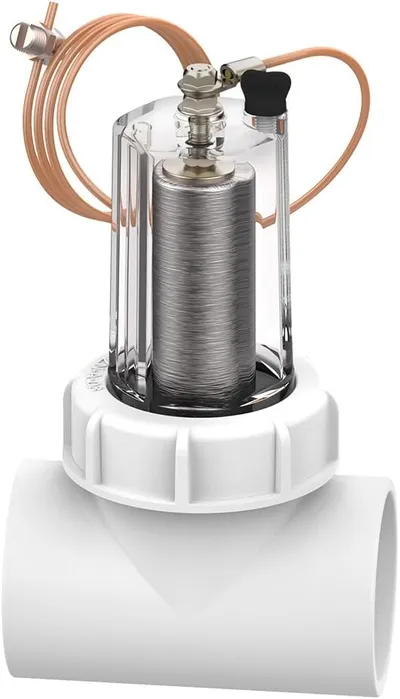
That salty water gets pulled through a salt cell — a chamber with electrically charged titanium plates. Run a current through saltwater and you get electrolysis, which splits the salt and water apart and produces chlorine right there in the cell. That chlorine dissolves into the water as hypochlorous acid — the same active sanitizer you get from a jug of liquid chlorine. (Curious which systems are actually worth buying? I rank them in my best salt chlorine generators guide.)
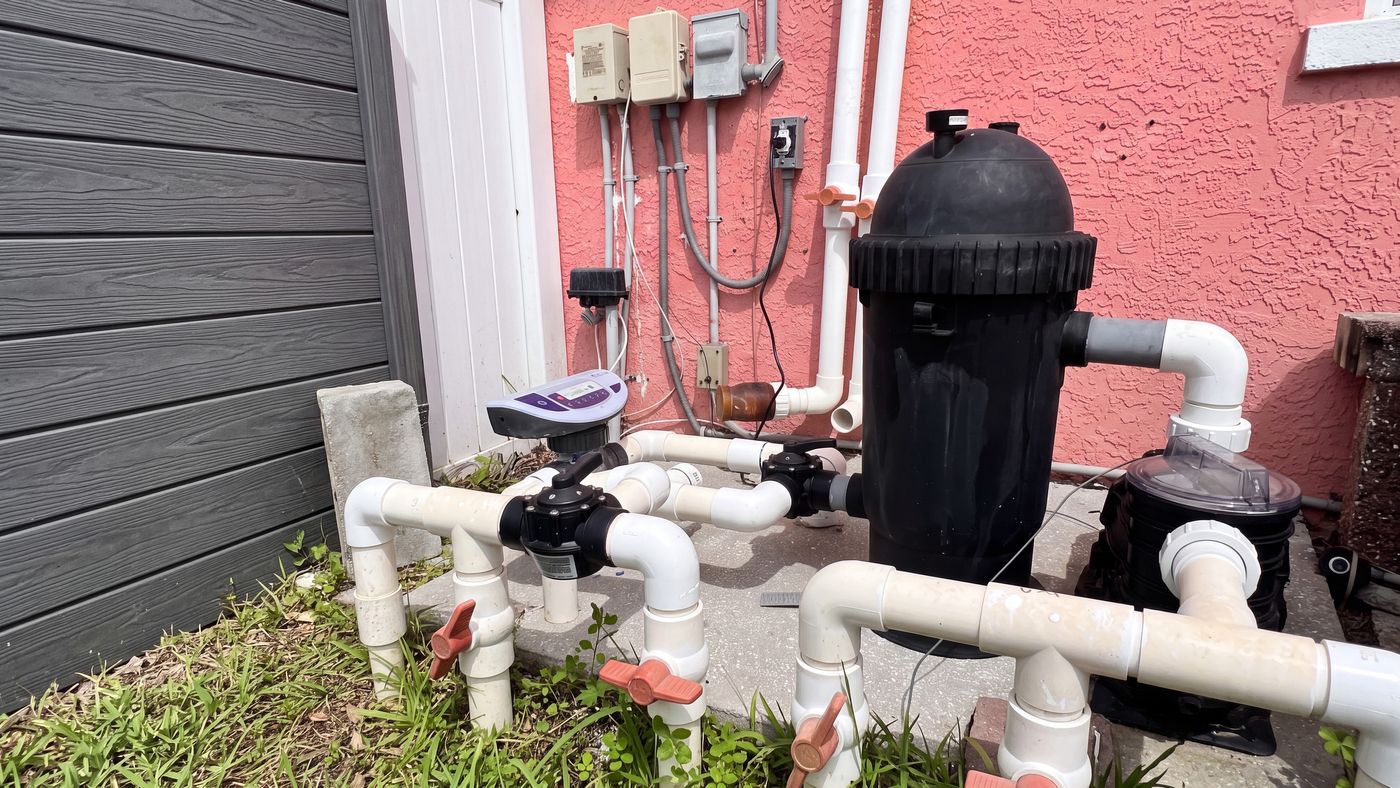
Here's the elegant part: the salt isn't used up. When the chlorine finishes its job, it reverts back to salt and the cycle starts over. You only top off salt now and then — after heavy rain, splash-out, or backwashing. Not sure how much salt you need? Run your numbers through our pool salt calculator.
But there's a catch most people never hear about. That electrolysis process also produces sodium hydroxide, which steadily drives your pH up. Remember that. It comes back to bite people later.
How A Traditional Chlorine Pool Works
A traditional pool is more direct. You add chlorine to the water yourself.
You've got three main forms. Liquid chlorine — that's my preferred sanitizer, and I'll explain why. Tablets, which are usually trichlor. And granular, which is usually cal-hypo or dichlor.
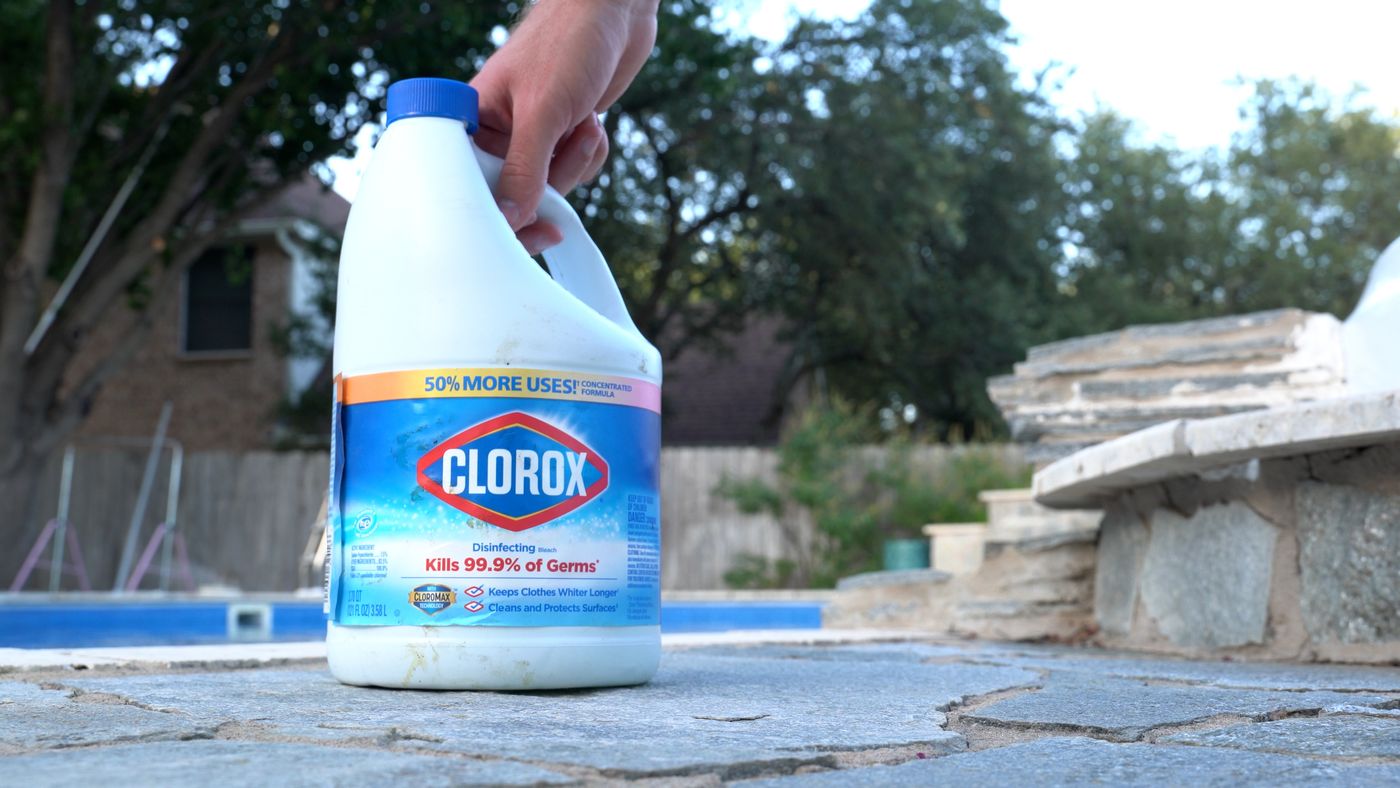
The part most people miss is that "manual" doesn't have to mean hands-on. You can pour chlorine in by hand, sure. Or you can put it on autopilot with a liquid chlorine dosing pump tied to a controller — and that's the option that quietly beats salt at its own game. More on that at the end.
Why Salt Got So Popular
Let's be fair, because salt pools earned their popularity for real reasons.
The number one reason people buy a salt system isn't chemistry. It's convenience. People don't buy saltwater pools because they're chlorine-free. They buy them because they're tired of hauling chlorine jugs.
A salt system makes chlorine automatically, every day, with no jugs to lift and no daily dosing. It feels modern. It feels hands-off. For a vacation home or a busy family, that's a genuine selling point.
And then there's the feel. This is the thing salt owners swear by — the water feels silkier, softer on the skin, easier on the eyes, with less of that chlorine smell.
Now let me add some honesty here, because this is where I earn your trust. That "chlorine smell" people complain about in other pools? That's not chlorine. That's chloramines — what you get when chlorine combines with sweat, oils, and organics in a poorly maintained pool. A well-run traditional pool barely smells at all. And in my experience, a properly maintained chlorine pool feels almost identical to a salt pool. The soft feel is real, but it's a smaller difference than the marketing makes it sound.
Salt Pools Still Need Chemicals
Here's the kicker that catches new salt owners off guard: a saltwater pool is not maintenance-free. Not even close.
You still manage pH. You still manage total alkalinity. You still manage calcium hardness. You still need stabilizer — CYA. You'll still shock the pool from time to time. And you'll be cleaning that salt cell.
In a lot of cases, a salt pool needs more water-balance attention than a traditional one, not less — because of that pH creep I mentioned. Salt automates one job: making chlorine. It does not automate water chemistry. Anyone who tells you a salt pool runs itself hasn't owned one for very long. If you've got a salt pool, my saltwater pool maintenance guide breaks down the full routine.
The Corrosion Problem
This is the big one, and it's where my position gets strong. Salt never sleeps.
Salt is aggressive on metal and stone. At pool concentrations it's far weaker than seawater, but it never stops working. Here's why it adds up: salt water splashes onto your deck and coping, the water evaporates, and the salt stays behind and concentrates. Salt mist drifts onto nearby metal. And electrically, salt water accelerates galvanic corrosion — metal eating itself.

Over the years, in the aging salt pools I've been around, you see it show up on the most expensive stuff: heater heat exchangers, stainless handrails and ladders, light niches, automation sensors, pool bonding hardware, and soft stone or limestone coping. Heaters are especially vulnerable — that's often the first big-ticket casualty.
This doesn't mean salt is a dealbreaker. It means you have to build for it. If you go salt, you want salt-rated equipment, and you want a sacrificial zinc anode installed — basically a chunk of metal that corrodes on purpose so your expensive components don't.
Don't Convert An Old Pool To Salt Blind
Where I see people get burned is converting an older pool to salt without upgrading any of the metal. That's asking for trouble. And if you're here in Texas like me, the heat and the bather load only push your system harder.
The pH Creep Spiral
Remember that sodium hydroxide from the salt cell? Here's what it sets off.
Salt systems naturally drive your pH upward, constantly. High pH encourages calcium to come out of solution and scale up — and scale is a problem on two fronts. It builds up on the salt cell and kills its efficiency, and it roughens plaster surfaces.
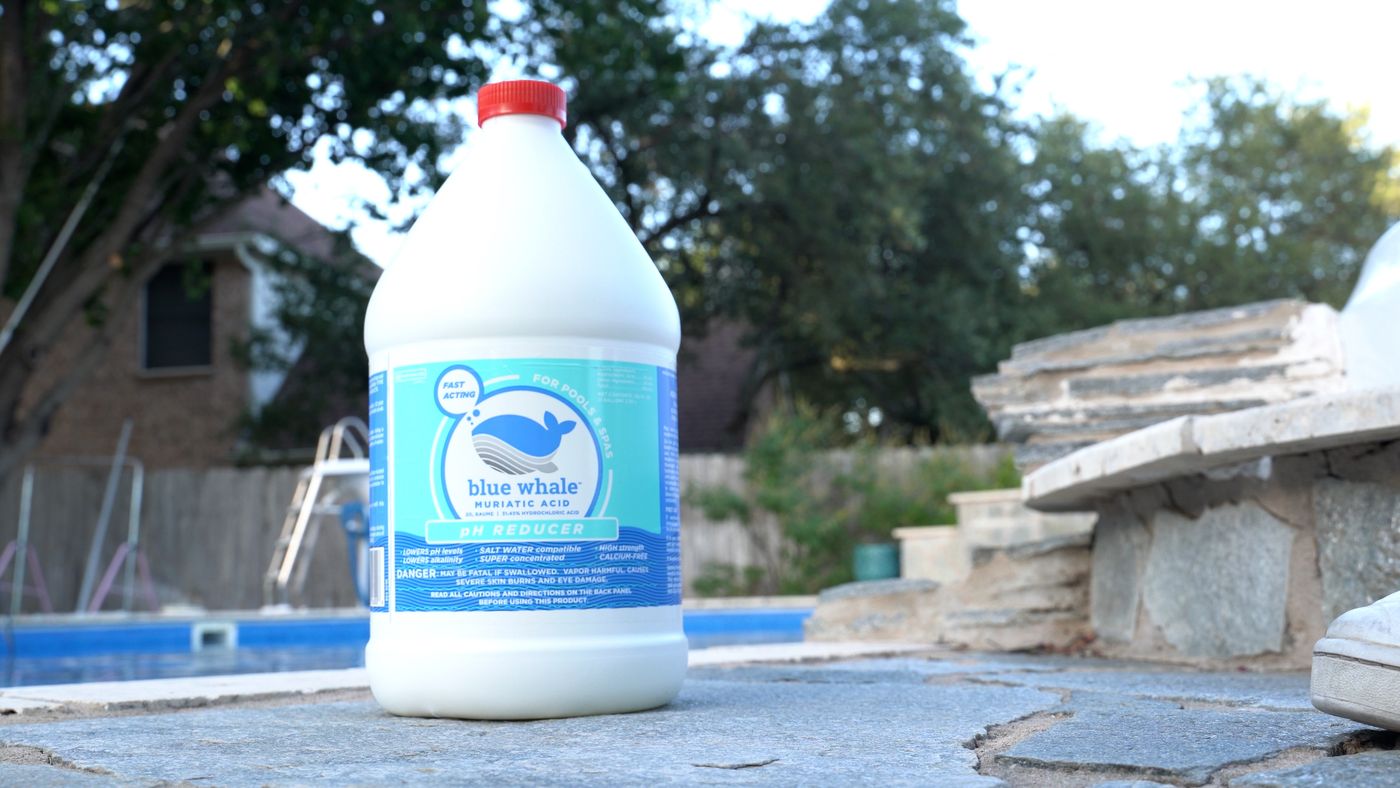
That sends owners reaching for acid, both to bring pH down and to acid-clean the cell. Repeated acid exposure slowly eats the cell's coating and, over time, shortens the life of your plaster.
So the quiet salt-pool routine becomes: constantly adding acid, fighting scale, and cleaning a cell that's wearing out the whole time. If you're in this loop, my guide on how to lower your pool's pH covers exact dosing and the full safety protocol, and the ideal pool pH guide explains why the target matters so much.
The True Cost Nobody Adds Up
Let's get real about money, because this is where the "salt is cheaper" story falls apart.
Start with the upfront cost. A salt system adds roughly $1,500 to $2,500 to install — the cell, plus the control board, plus labor. A traditional pool needs almost none of that.
Then there's the salt cell itself. A salt cell is a consumable — basically a chlorine printer with a countdown timer. The titanium coating degrades, scale lowers its output, and acid cleaning slowly destroys it. Cheap salt and high calcium kill it faster. Eventually it's done, and a replacement commonly runs $800 to well over $1,500 — though my best salt cells guide covers aftermarket replacements that cut that roughly in half.
When you amortize that cell and add the electricity to run it, you're looking at somewhere around $50 a month in real operating cost — call it $25 for the cell wearing down and $25 for power — before you've counted a single repair.
The Cost People Forget Entirely
The equipment you're quietly sacrificing. Folks compare the price of chlorine tabs to a bag of salt and feel like they're winning, while heaters, seals, rails, and hardware corrode in the background. Those repairs dwarf the cost of chlorine.
Compare that to a liquid chlorine pool: cheap to set up, and you pay a steady, predictable cost for chlorine. Over ten years, the gap is a lot closer than salt marketing wants you to believe — and that math only gets worse for salt once a repair bill lands.
Why ORP Matters More Than Chlorine PPM
Now here's the part that separates a dialed-in pool from a pool store pool.
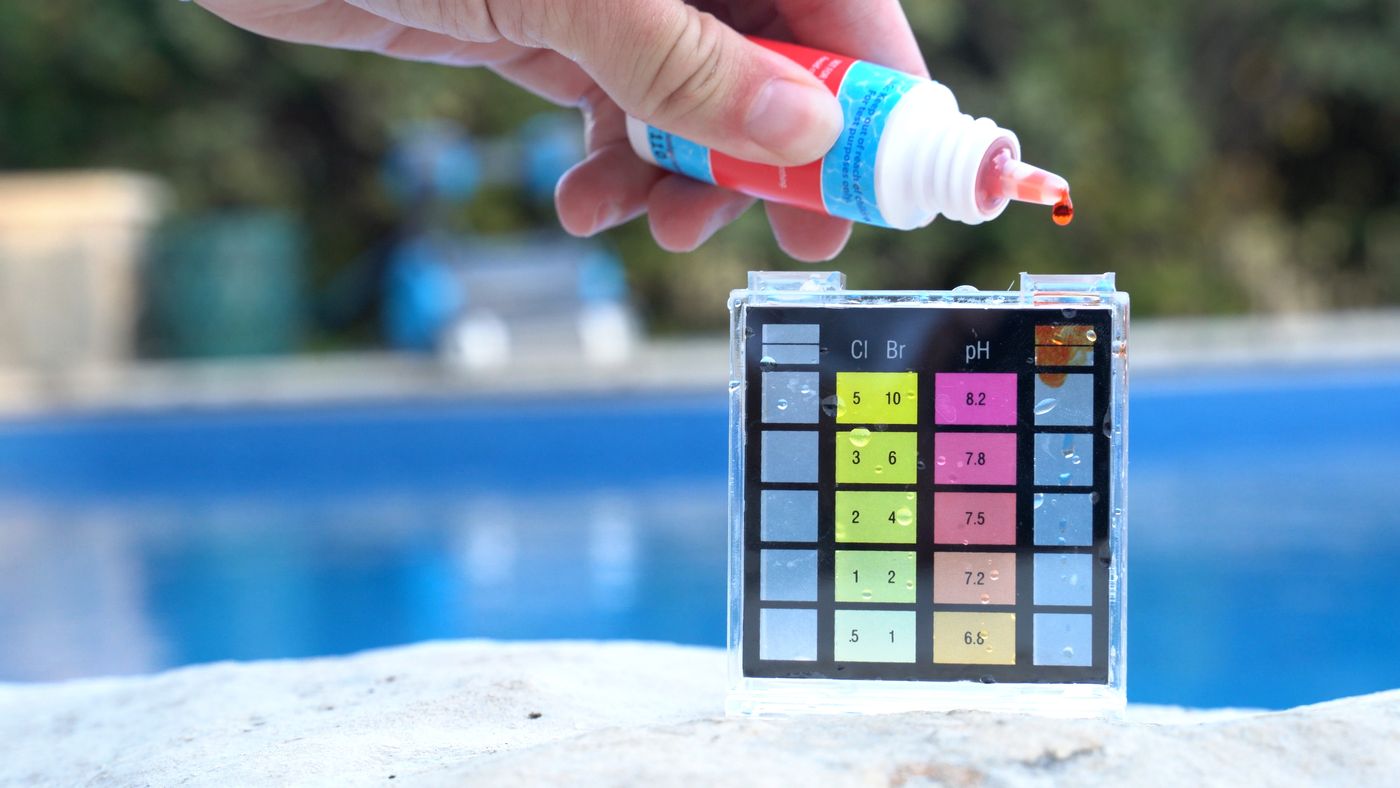
Almost everyone — and almost every pool store — obsesses over one number: chlorine ppm. "Your chlorine's fine." But chlorine ppm only tells you how much sanitizer is in the water. It tells you nothing about how well that sanitizer is working.
The number that tells you the truth is ORP — oxidation reduction potential, measured in millivolts. I target 650 to 700. ORP measures your water's true sanitizing strength, not just the chlorine concentration.
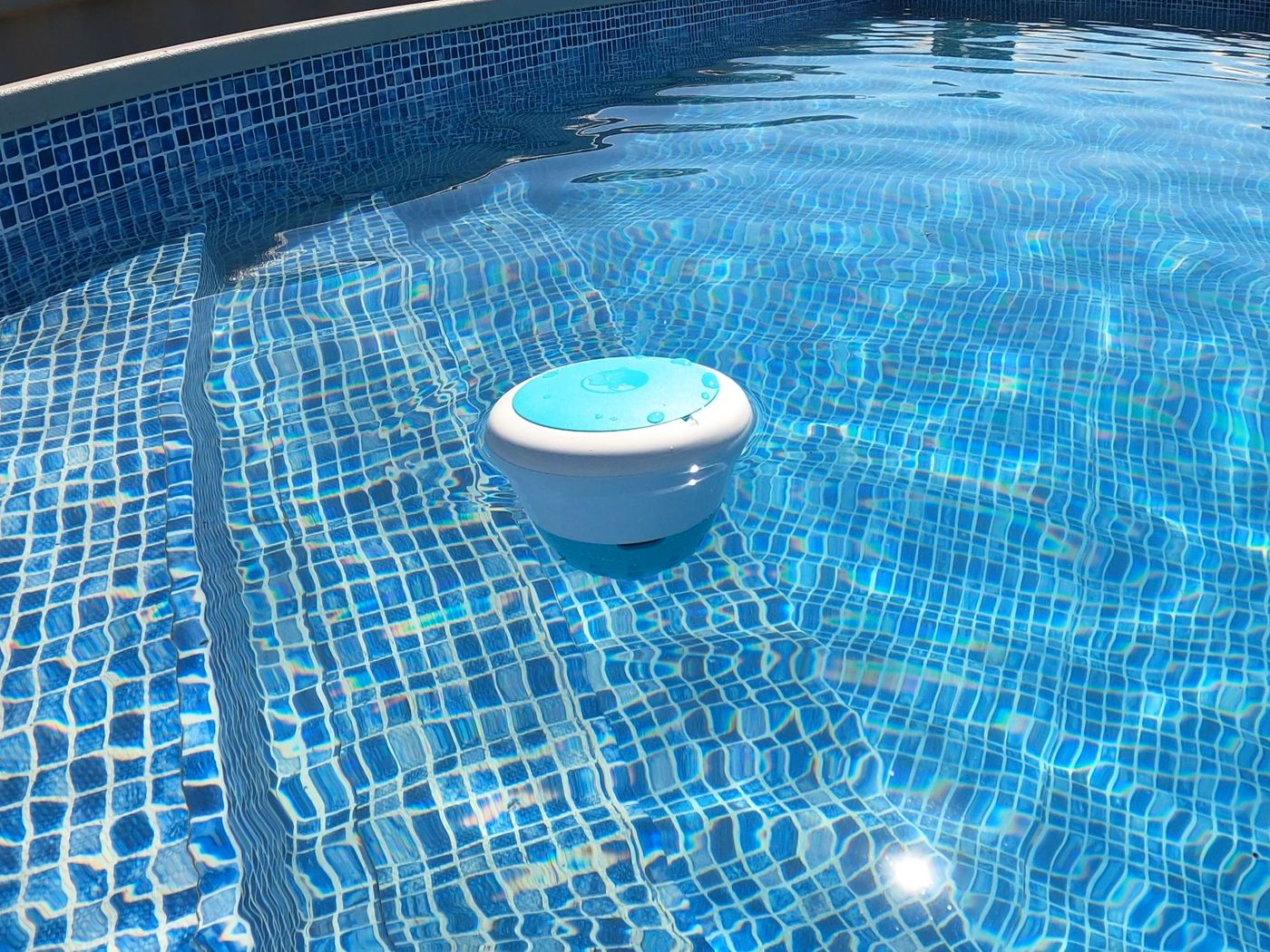
Here's how the two come apart. You can sit at 5 ppm chlorine and still have weak sanitizing power if your pH is too high or your CYA is too high — because both of those bind up your chlorine and make it sluggish. The pool store reads 5 ppm and says you're fine. Your ORP says otherwise.
While we're here, let me kill a myth: "chlorine lock" is not a real chemical event. It's a pool store story. What people call chlorine lock is almost always a bad free-chlorine-to-CYA ratio — your free chlorine should be at least 7.5% of your CYA level — showing up as low ORP. It's measurable, not magic.
And CYA is where salt and liquid diverge the most. Salt pools generally need more CYA — often 70 to 80 ppm — to protect all that constantly generated chlorine from burning off in the sun. A liquid chlorine pool lets you run leaner CYA, which keeps your chlorine punchier and your ORP higher with less sanitizer. That's a real edge. (If your CYA is already too high, here's how to lower it.)
Read our full review: ICO Pool Water Monitor Review
This is why I run an ORP monitor on every pool I care about — an ICO lives in my test pool — instead of guessing from a ppm reading. If you want to compare options, I rank them all in my guide to the best pool water monitors.
A Clean Pool Barely Needs Chlorine
Here's a Pool Nerd truth most channels won't say: most pools don't have a chlorine problem. They have an organic load problem.
Most residential pools are massively over-chlorinated, because they're managed blindly instead of managed by ORP. The dirtier the water — more debris, more organics, weaker filtration — the more chlorine it burns through. Clean that up and your chlorine demand drops like a rock.
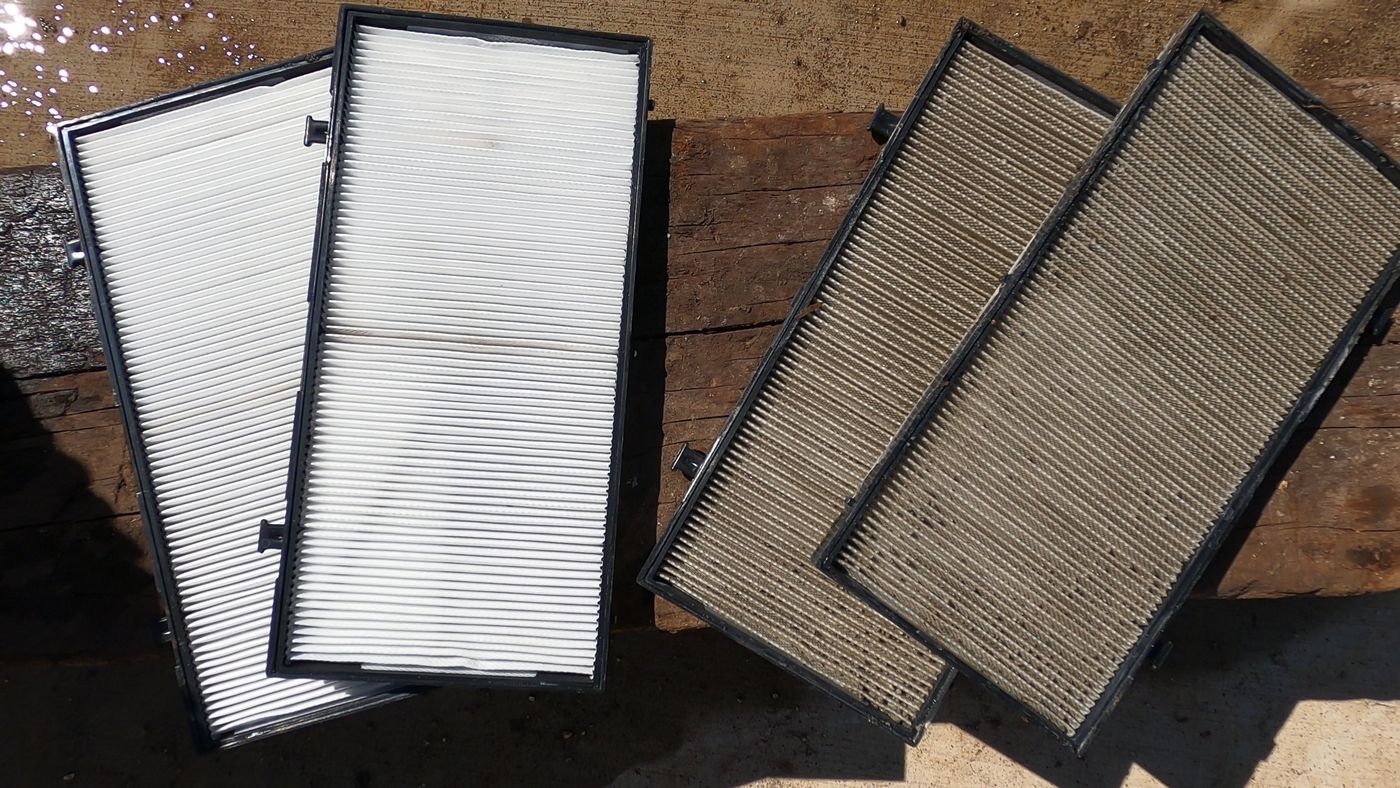
A clean pool barely needs chlorine. When your water is dialed in — low organics, strong filtration, steady circulation, and a UV-C system carrying part of the load — you can run dramatically lower chlorine than most pools and still hold rock-solid ORP. That's the goal: low chlorine residual, high sanitizing efficiency.
UV does a lot of that heavy lifting. A system like a SpectraLight UV unit knocks out the things chlorine struggles with and cuts your chlorine demand at the same time. Pair that with real filtration — NanoFilters on your robot make a bigger difference here than people realize — and constant circulation, and you've changed the whole equation.
What Pool Builders Won't Tell You
Let's pull back the curtain, because this is the part nobody in the industry wants on camera.
Salt systems are profitable. There's margin in selling you the system, and there's recurring revenue every time that cell wears out and needs replacing. That's part of why your builder or pool guy may be nudging you toward salt. I'm not saying it's a scam — I'm saying follow the incentive.
"Salt means less maintenance" gets oversold hard. And here's the dirty secret: plenty of builders install a salt pool and never dial in your CYA or your ORP. The pool technically works — it's making chlorine — but the water quality is mediocre, and you'd never know, because you're staring at a chlorine number that looks fine.
Then there's the fastest way to wreck a saltwater pool: running tablets on top of a salt system and never watching CYA. Tabs are the fast food of pool care. Trichlor tabs add CYA every single day they sit in the water. CYA climbs, your chlorine gets suppressed, so you crank the cell's output to compensate, the cell runs harder, you get more scale, more corrosion, more chloramine smell, more irritation. It's a brutal spiral.
There Is No Chemical That Removes CYA
None. The only fix is draining part of your water and refilling. You can't unring that bell. Same warning on dichlor — never use it to shock, because it pours even more CYA into the pool. Pool Nerd Disapproved, all of it.
Who Should Choose What
So let's make this simple.
Go saltwater if: you want maximum day-to-day automation, you'll keep up with pH and clean the cell, you're building new with salt-rated equipment and a sacrificial anode, and you love that soft-water feel. For vacation homes, busy families, and feel-first owners who'll respect the maintenance, salt can be a great fit.
Go traditional liquid chlorine with ORP if: you want the lowest corrosion risk, the leanest CYA, the most precise control, and the closest thing to commercial-grade water at home. That's my pick for owners who care most about water quality and protecting their equipment long term.
What would I avoid? Leaning on trichlor tablets as your main sanitizer long term. That's the setup that quietly destroys pools.
The Pool Nerd Ideal Setup
If I were building my ideal backyard pool today, here's exactly what I'd run:
- A traditional chlorine pool, sanitized with liquid chlorine.
- An automatic liquid chlorine dosing pump on a controller — that's the secret weapon, because it gives you salt-level automation without the salt, the cell replacements, or the corrosion.
- ORP-focused management, dialed to 650 to 700 millivolts.
- A smart monitor like the Ondilo ICO watching pH and ORP for me.
- A SpectraLight UV-C system to crush chlorine demand.
- Lean, low CYA. A low chlorine residual with high sanitizing efficiency.
- Strong variable-speed circulation, with a good corded Dolphin robot doing the cleaning — grab one with NanoFilters from Poolbots, where they include the NanoFilter upgrade.
That setup gives you everything people think they're getting from a saltwater pool — the automation, the consistency, the gentle water — without the corrosion and the equipment damage. It's also about as close as you'll get at home to how Olympic and high-end commercial pools are run: ORP-driven, controlled dosing, low stabilizer, strong circulation. Lowest headaches, best sanitizer efficiency, lowest corrosion risk, the most control. That's the setup I trust most for the long haul.
Final Verdict
So, saltwater or chlorine?
Both can give you clean, healthy, beautiful water when they're run right. If your top priority is hands-off convenience and you love the feel, a salt pool is hard to beat — just build for it and respect the maintenance.
But saltwater pools aren't magic. They've been marketed as magical, maintenance-free, chlorine-free pools, and that's simply not reality. In my opinion, a properly managed liquid chlorine pool with ORP control, UV, and good filtration can be cleaner, cheaper, gentler, and easier on your equipment over the long haul.
And here's the real takeaway, the one that matters more than salt or liquid: the winner isn't a sanitizer. It's the pool owner who manages by ORP and pH instead of chasing a chlorine number on a test strip.
If you wanna keep nerding out over your pool, head over to my deals page at ThePoolNerd.com/deals, where I post the best deals on the smart monitors, UV systems, and robotic cleaners I run myself. I'll see you in the next one.
This article is for educational purposes only. Handling pool chemicals — specifically muriatic acid, liquid chlorine, and pool salt — involves real risk of injury or property damage. Always read manufacturer labels and SDS sheets, and never mix chemicals. Use this information at your own risk.


Comments
Loading comments…