
 Justin D.
Introduction
Welcome back to The Pool Nerd. I'm Justin, your resident pool aficionado. And today we're doing something a little controversial: we're talking about how — and why — to convert your saltwater pool back to traditional chlorine.
If you've got a saltwater pool and you're eyeing the switch, you're in the right place. I'm going to walk you through why people are making this move, the technical steps to do it right, and how to actually upgrade your water quality and automation in the process.

Saltwater pools sound amazing in theory. You've heard the pitch: "It's like swimming in a spa," "soft, silky water," "basically maintenance-free." But after years in the industry — and after watching what salt does long-term to equipment, heaters, expensive stonework, and automation systems — I'm seeing a major shift. A lot of owners are realizing the saltwater "dream" comes with a side of corrosion and chemistry headaches nobody mentioned at the time of sale.
I'll say it plainly: a saltwater pool is still a chlorine pool. It just has an expensive, high-maintenance "factory" sitting on your equipment pad. If you're tired of chasing your pH, replacing pricey cells, or watching your travertine coping flake away, this guide is for you. (If you want the full background on how the two systems compare, read my saltwater vs chlorine pools breakdown first.)
Why People Are Converting Away From Salt
If you're reading this, you probably already have a reason. But let's look at the technical breakdown of why the salt-to-chlorine reversal is getting so popular.
1. The Constant pH Climb
This is the number one complaint I hear. Electrolysis — where the salt cell zaps the water to make chlorine — has a byproduct: sodium hydroxide, which has a very high pH.
Because the cell runs for hours every day, your pH is under constant upward pressure. The result? You're adding muriatic acid every few days just to keep your water from scaling. Miss a week and your pH spikes, your chlorine gets less effective, and your ORP (oxidation reduction potential) tanks.
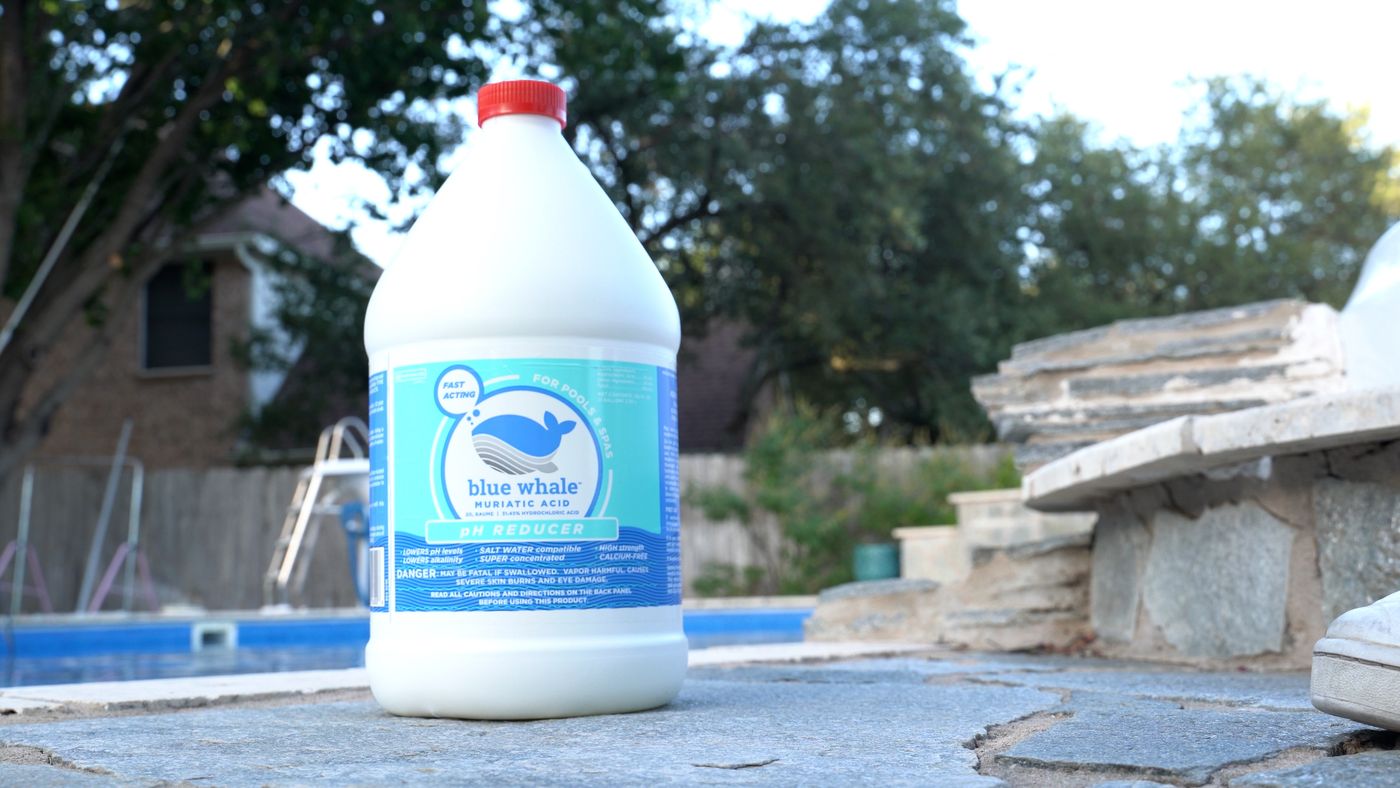
If you're stuck in that loop right now, my guides on how to lower your pool's pH and the ideal pool pH level cover exact dosing and why the target matters so much.
2. Salt Is Brutal On High-End Materials
In my experience, salt is the silent killer of the "backyard oasis." It accelerates galvanic corrosion, and if you live in a hot climate like we do here in Texas, the heat acts like a catalyst for salt damage.
-
Natural stone: Travertine, limestone, and flagstone are porous. Salt water seeps into the pores, the water evaporates, and the salt crystals grow — literally popping the face off your stone (spalling).
-
The heater: I've seen countless heat exchangers destroyed by salt. Copper is especially sensitive. A salt-heavy pool can turn a $4,000 heater into a giant paperweight in just a few years.
-
Metal fixtures: From stainless ladder cups to the screws inside your light niches, salt finds a way to corrode them.

Salt concentrates on coping, rails, and metal hardware as water evaporates // The Pool Nerd

3. The "Hidden" Long-Term Cost
The marketing says you "save money on chlorine." The math says otherwise. A typical salt cell lasts 3 to 7 years, and when it dies you're looking at $700 to $1,500+ for a replacement. (If you're staying on salt and just need a cheaper cell, my best salt cells guide covers the aftermarket options — but if you're done with the cycle entirely, keep reading.) Spread that over the life of the cell, add the extra acid you buy to fight the pH rise, and you're not actually saving money — you're just paying for it all at once when the cell fails.
Salt Doesn't Sleep
At pool concentrations salt is far weaker than seawater, but it never stops working. The damage shows up slowly on the most expensive stuff you own — heaters, rails, niches, and soft stone — which is exactly why it's so easy to ignore until the repair bill lands.
The Pool Nerd Alternative: Automation Without Salt
A lot of people fear that moving away from salt means going back to the dark ages of manual dosing. That's a myth. You can have the same — or better — automation than a salt pool without the corrosive downsides.
Here's the "Super-Pool" setup I recommend for anyone converting away from salt:
-
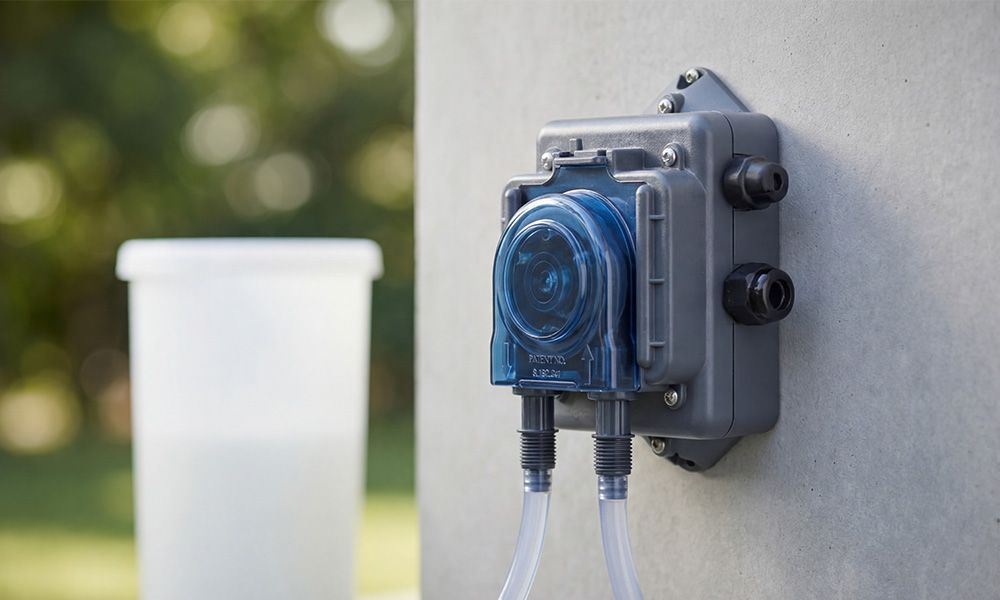
Liquid chlorine injection: A dosing pump (like a Stenner) automatically feeds liquid chlorine into your lines. This is your new chlorine factory — minus the salt. See my full chlorine injection system guide for the setup I recommend.
-
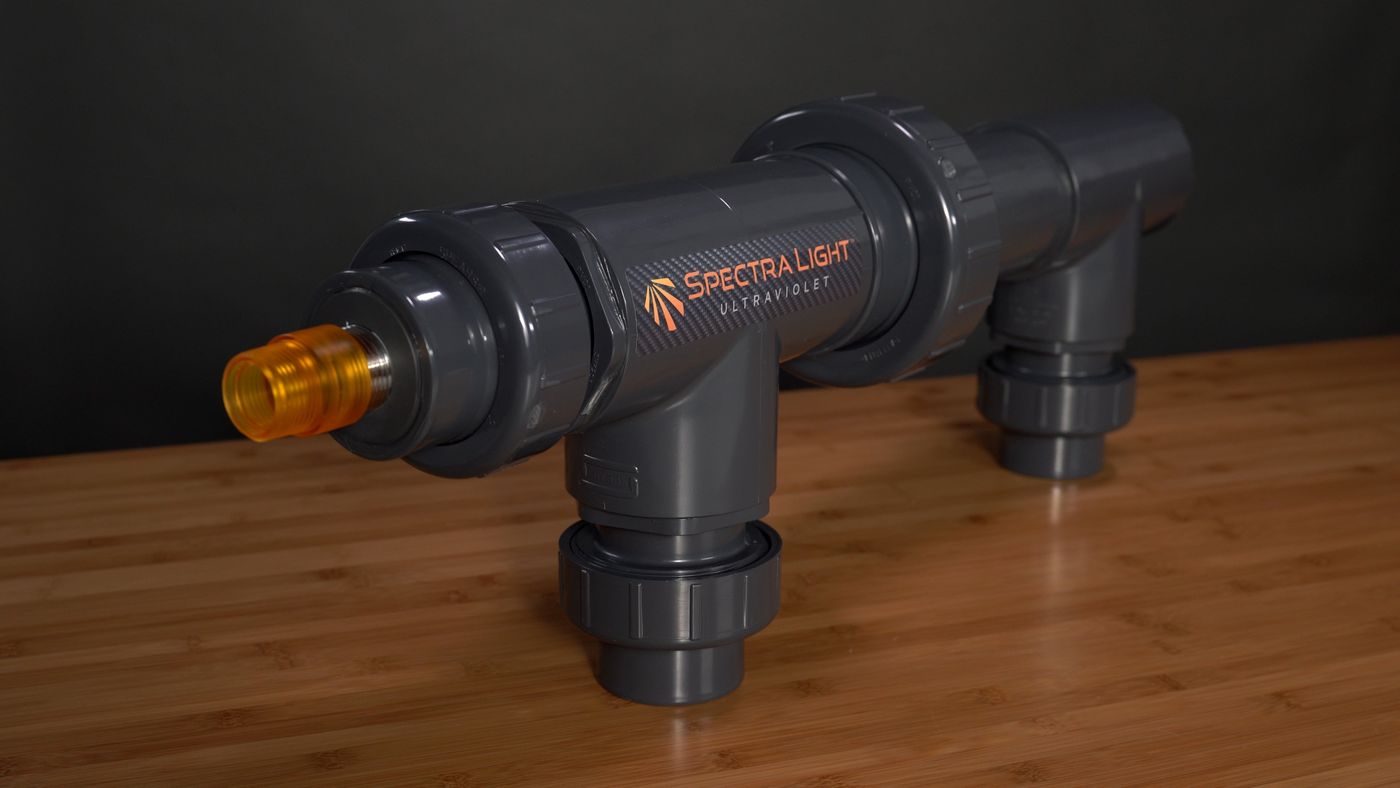
Ultraviolet disinfection: A system like SpectraLight UV kills pathogens and bacteria on contact, letting you safely run lower chemical levels.
-
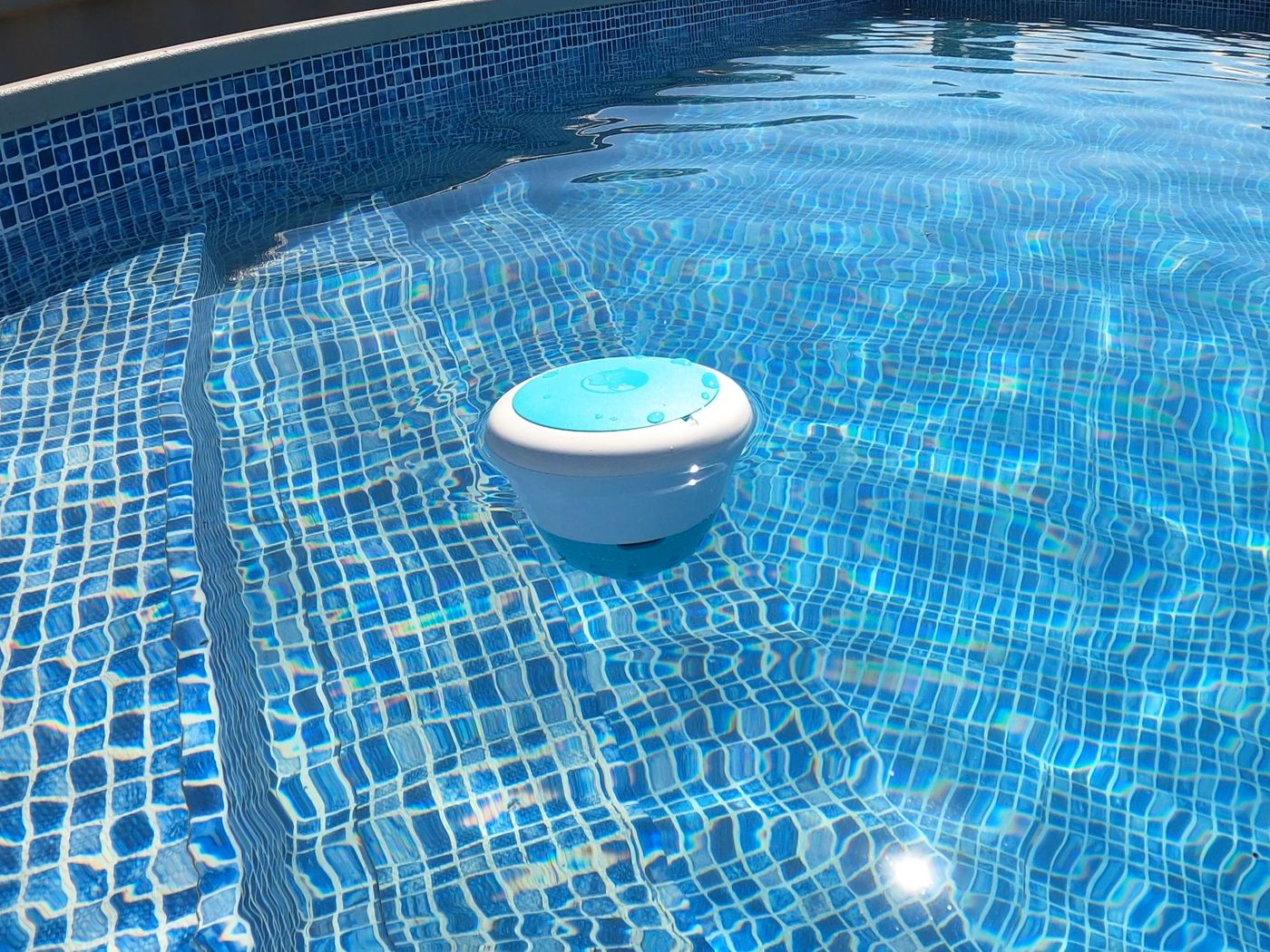
Smart monitoring: An ICO Pool Water Monitor gives you real-time ORP and pH data right on your phone.
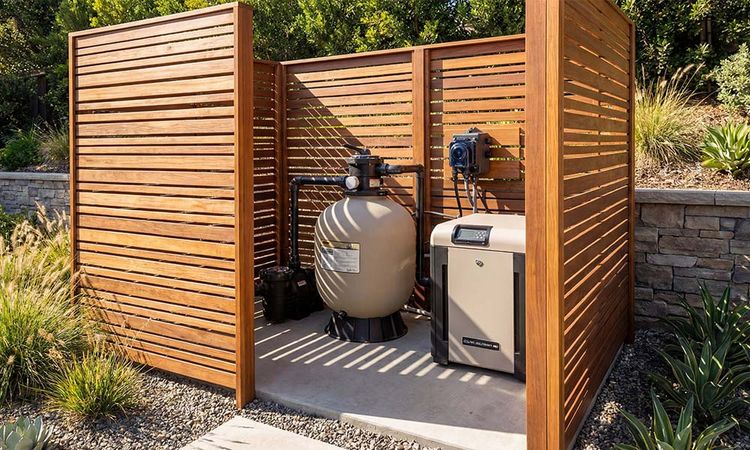
A liquid chlorine dosing pump delivers salt-level automation without the salt // The Pool Nerd
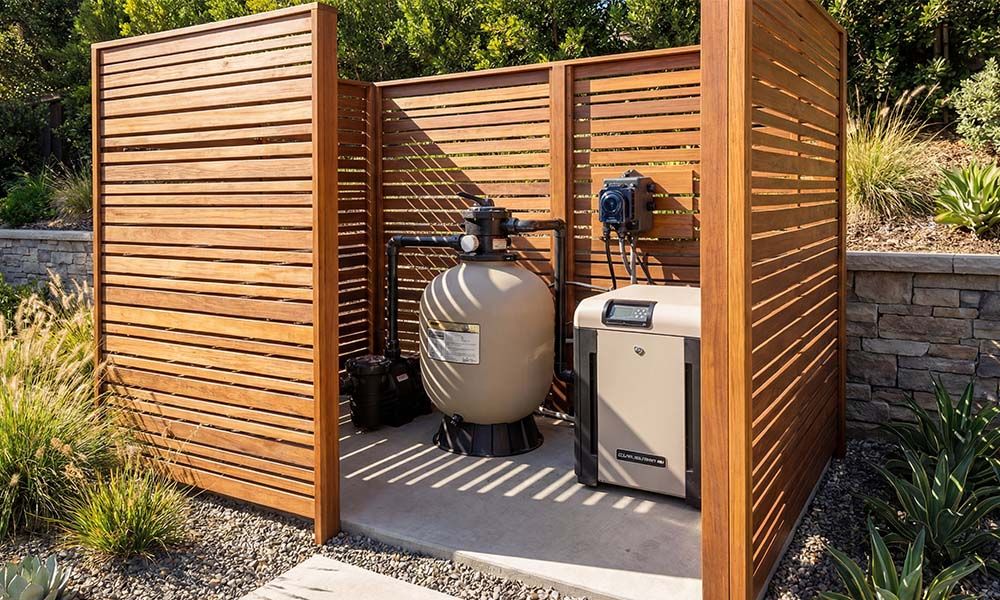
That combination gives you everything people think they're getting from salt — the hands-off automation, the consistency, the gentle water — without the corrosion and the cell replacements.
What You Need For The Conversion
To do this properly, you're not just "turning off a switch." You're replacing the salt factory with a more efficient system. You don't strictly need every item below, but each one makes your pool easier to run.
-
A salt cell bypass (dummy pipe): You don't want a dead salt cell sitting in your plumbing. Most manufacturers sell a bypass pipe that fits exactly where the cell used to be.
-
A liquid chlorine injection system: Your new chlorine factory. It pulls from a tank and injects chlorine into the plumbing.
-
A UV disinfection system: UV-C light blasts the DNA of bacteria and algae. This is the secret sauce that lets you keep chlorine low (1.0–2.0 ppm) while keeping the water perfectly safe.
-
A smart monitor (like the ICO): Sends real-time pH and ORP data to your phone so you can see how the conversion is going.
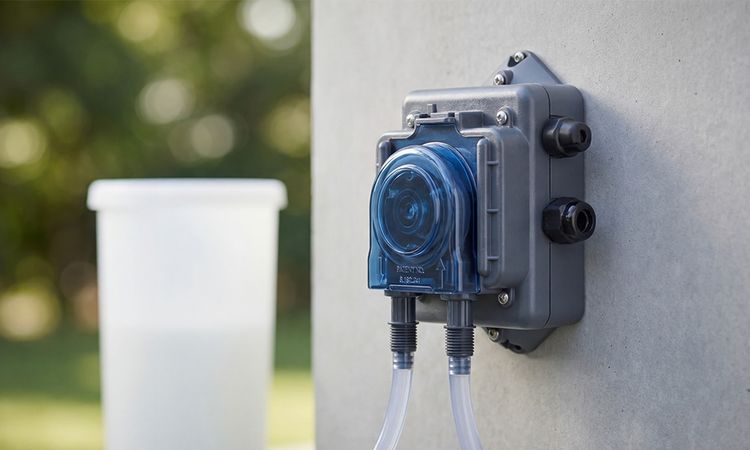
A chlorine injection pump and tank replaces the salt cell as your sanitizer source // The Pool Nerd
Nerd Tip: Use The Right Sensor
For pools transitioning off salt, run the ICO Gold (ORP) sensor for the most accurate sanitizing readings. ORP — not chlorine ppm — is what actually tells you how well your water is sanitizing. Compare your options in my guide to the best pool water monitors.
How To Convert A Saltwater Pool To Chlorine: Step-By-Step
Step 1: Disable And Remove The Salt Cell
Don't just turn the percentage to zero. Unplug the cell from the power center, remove it from the plumbing, and replace it with a bypass pipe. Leaving a dead cell in the line lets scale flake off into your pool later.
Step 2: Install Your New Automation
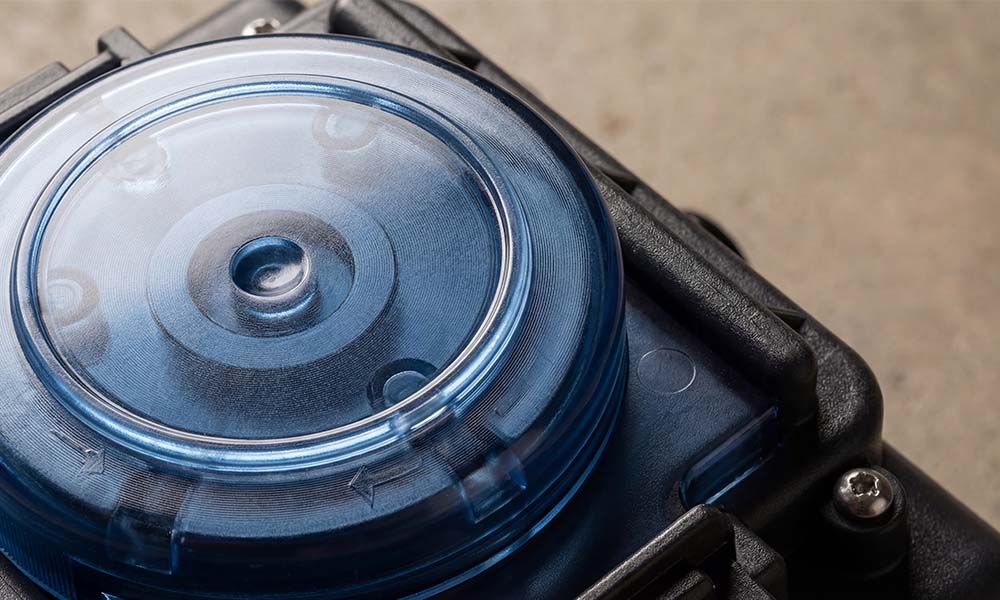
Mount your liquid chlorine injection pump and your UV system. The UV system should be installed after the filter but before the chlorine injection point.
Step 3: Dilute The Salt
You don't need to drain the whole pool. Natural splash-out, rain, and backwashing will lower salt levels over time. But to protect your stone immediately, a 25% to 50% partial drain and refill is the best way to jumpstart the process.
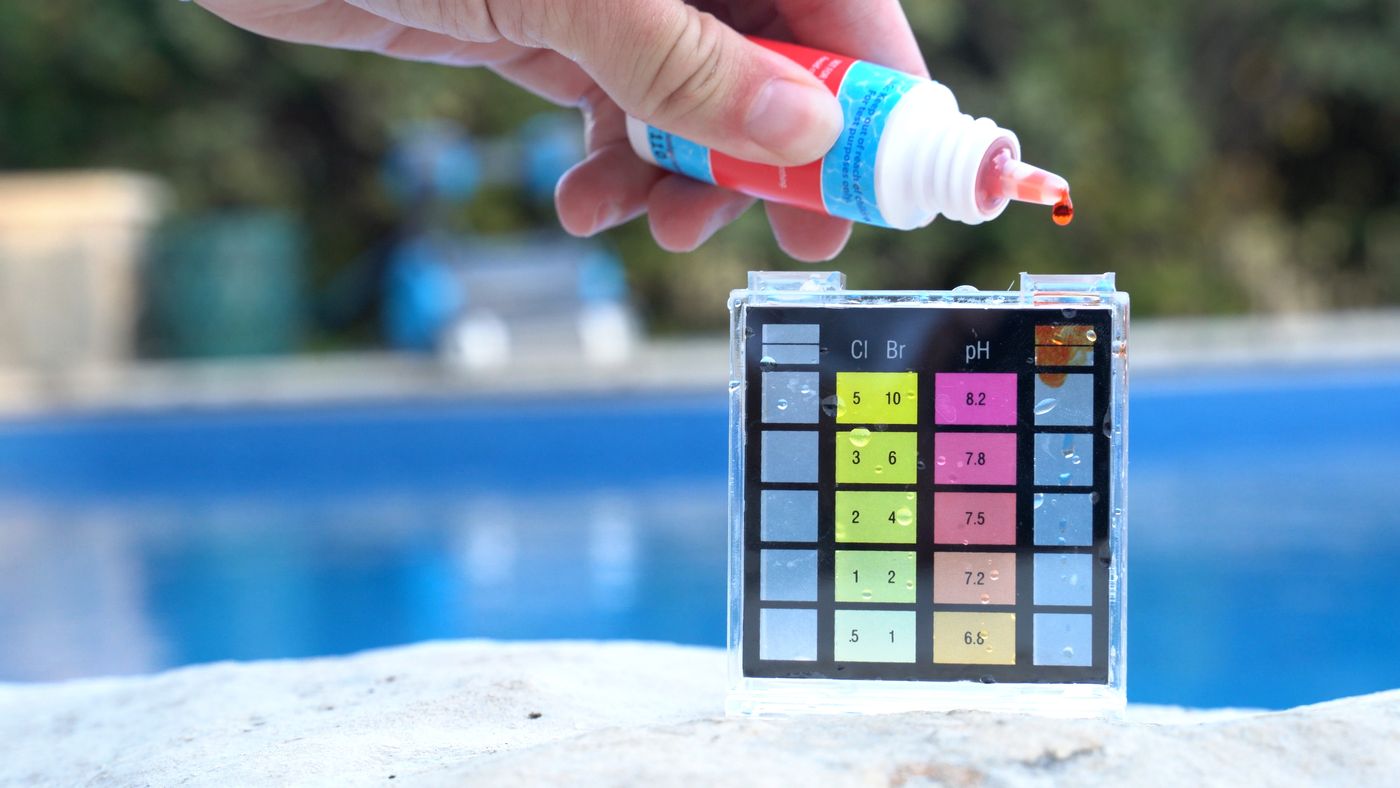
Step 4: The Pool Nerd Chemistry Reset
Now that the salt cell isn't pushing your pH up, find your new baseline:
-
Cyanuric acid (CYA): Lower this to 30–50 ppm. In a salt pool you likely ran 80 ppm, but liquid chlorine is far more effective at lower CYA. (Here's how to lower CYA if yours is high.)
-
pH: Target 7.4 to 7.6. It'll be much easier to hold now.
-
Calcium hardness: Keep this between 200–400 ppm.
-
The LSI: Always check your Langelier Saturation Index. Since you're no longer fighting salt-induced scaling, keeping your LSI between -0.3 and 0.0 is the gold standard for protecting your plaster.
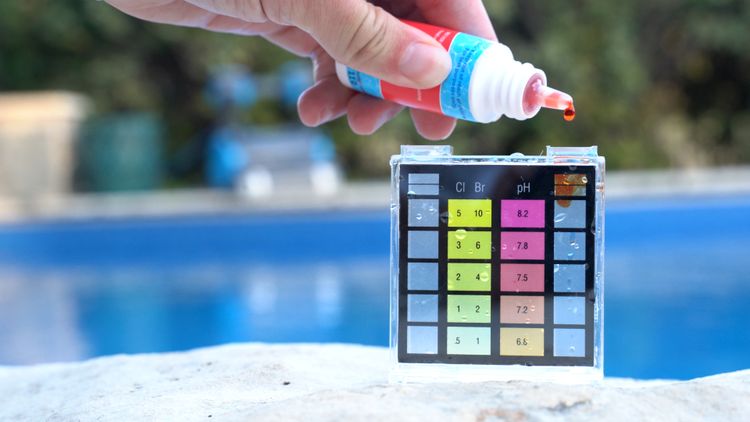
Re-baselining your water chemistry after the salt cell comes out // The Pool Nerd
Step 5: Dial In The Injection Pump
Start your dosing pump at a conservative setting. Use your ICO monitor to watch the ORP — you're looking for a steady 650mV to 750mV. Adjust the pump output until it holds there on its own.
Salt vs Automated Chlorine Compared
| Feature | Saltwater Pool | Traditional Chlorine (Automated) |
|---|---|---|
| Automation level | High | High (with injection + UV) |
| Corrosion risk | High (heaters, stone, metal) | Very low |
| pH stability | Poor (constantly rising) | Excellent |
| Water feel | Silkier (saline) | Excellent (via UV + balanced LSI) |
| Sanitizing method | Chlorine generation only | Chlorine + UV-C DNA blasting |
| Long-term cost | Higher (cell replacements) | Lower overall |
Leveling Up: Why UV And Monitoring Matter
When you remove the salt cell, you lose that "silky" saline feel. But you can get it back — through better chemistry.
The SpectraLight UV System
Most people don't realize the "harsh" feeling of a chlorine pool isn't from the chlorine — it's from chloramines (spent chlorine). A SpectraLight UV system destroys chloramines on contact. The result is water that smells better, feels better on your skin, and is easier on your eyes.
Real-Time Water Monitoring
A smart monitor like the ICO lets you see exactly how your water responds to a heavy bather load or a rainstorm. It takes the guesswork out of the transition and keeps you managing by ORP instead of chasing a chlorine number on a test strip.
Final Verdict
So what's my final verdict?
Are saltwater pools bad? No. But they're often oversold to homeowners who don't understand the long-term trade-offs. Converting back to traditional chlorine isn't "quitting" automation — it's upgrading to a system that's gentler on your equipment and far more predictable.
By combining liquid chlorine injection, UV disinfection, and smart monitoring, you build a "Super-Pool" that outperforms salt on longevity, science, and cost.
If you want to keep nerding out over your pool equipment and chemistry, head over to my deals page, where I post the best deals on the smart monitors, UV systems, and injection gear I run myself.
Until next time — keep your LSI in check, watch your ORP, and enjoy your pool!
This article is for educational purposes only. Handling pool chemicals — specifically muriatic acid and liquid chlorine — involves real risk of injury or property damage. Always read manufacturer labels and SDS sheets, and never mix chemicals. Use this information at your own risk.


Comments
Loading comments…