
 Justin D.
Introduction
Most pool owners are wasting thousands of dollars every year—and they don't even realize it. And honestly—it's not your fault. It's how the industry teaches you to run your pool.
Hey there, I'm Justin, your resident pool aficionado. And after years of making pool reviews, how-to's, and guides like my must-have pool equipment list, these are the 5 mistakes I see over and over again. If you can fix these five things, keeping your pool clean gets cheaper and easier.
Let's get into it.
Mistake #5: Relying on Pool Store Water Testing
The Problem: Free water testing sounds like a gift. And hey—it kind of is. The testing itself? Fine. But what comes after is where it gets expensive.
Free testing isn't free—it's a sales funnel.
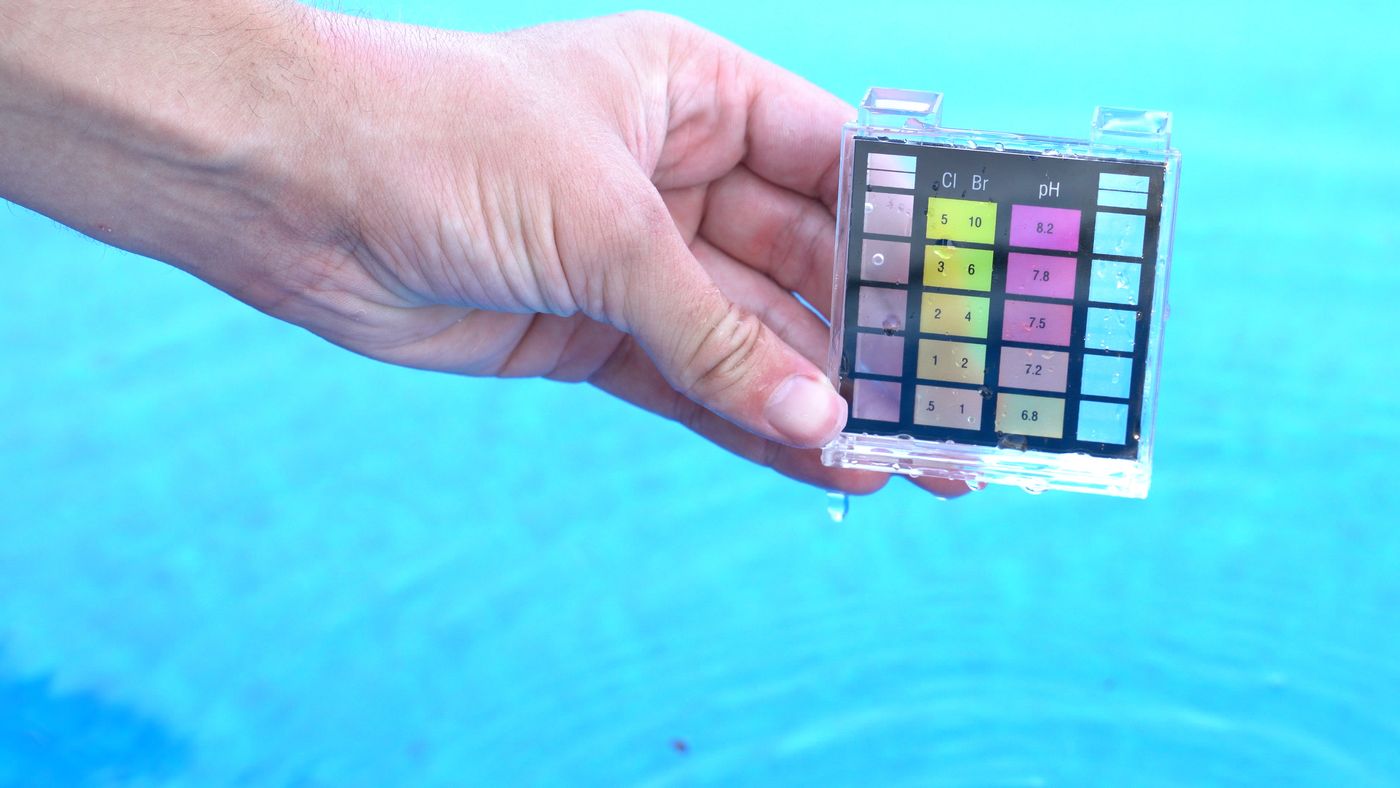
Here's the thing about pool store testing: they have every incentive in the world to find something wrong. And they usually do. You walk in with a water sample, you walk out with an armful of chemicals you didn't plan to buy. That's not a coincidence. The store makes money selling chemicals, not fixing your water.
Why it costs you: You may end up treating symptoms instead of root causes. And this is largely store dependent, and maybe you have a good one. But they may sell you clarifier when your pH is the actual problem. Or they'll push more shock when your chlorine efficiency is broken because pH is too high. You'll end up spending money on the wrong things, and your pool's water still won't be corrected.
The Fix: Stop relying on pool store printouts. Start using real data and do your own pool maintenance. I recommend an ICO monitor or a handheld sensor—because they track ORP, which tells you how effective your sanitizer actually is, not just how much chlorine is in the water. If you haven't, read up on why ORP matters so much and see why it's the metric the pros rely on.
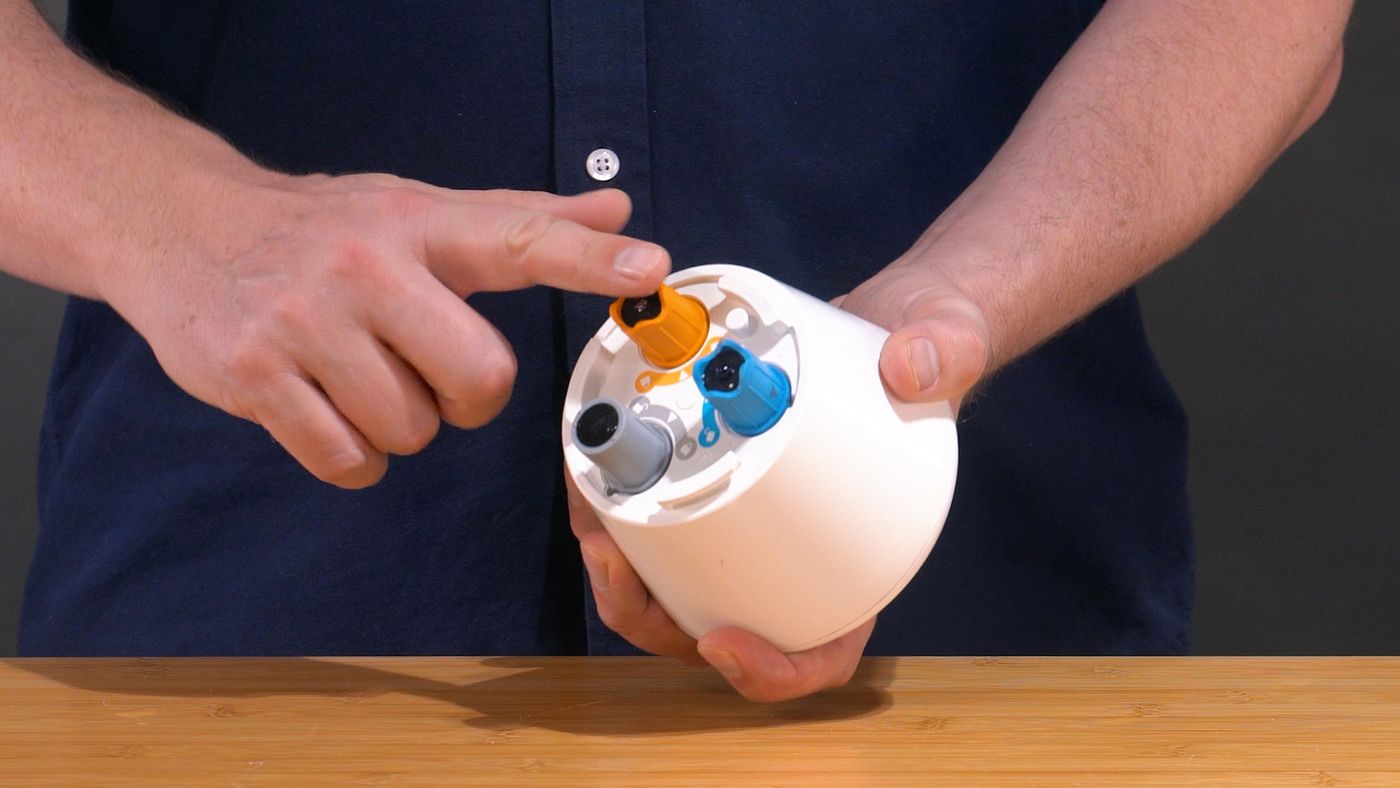
Then use a Taylor K-2006 (or the K-2006 Salt for salt pools) as your backup to verify your readings when needed.
Once you understand your pH and your ORP—and how they work together—you stop guessing… and that's when the overspending disappears. Because knowing how strong your chlorine is matters way more than just knowing how much you have.
Mistake #4: Neglecting Physical Filtration
The Problem: This one is massive and almost nobody talks about it. Your pool's chemistry doesn't exist in a vacuum. It's directly connected to how physically clean your pool is.
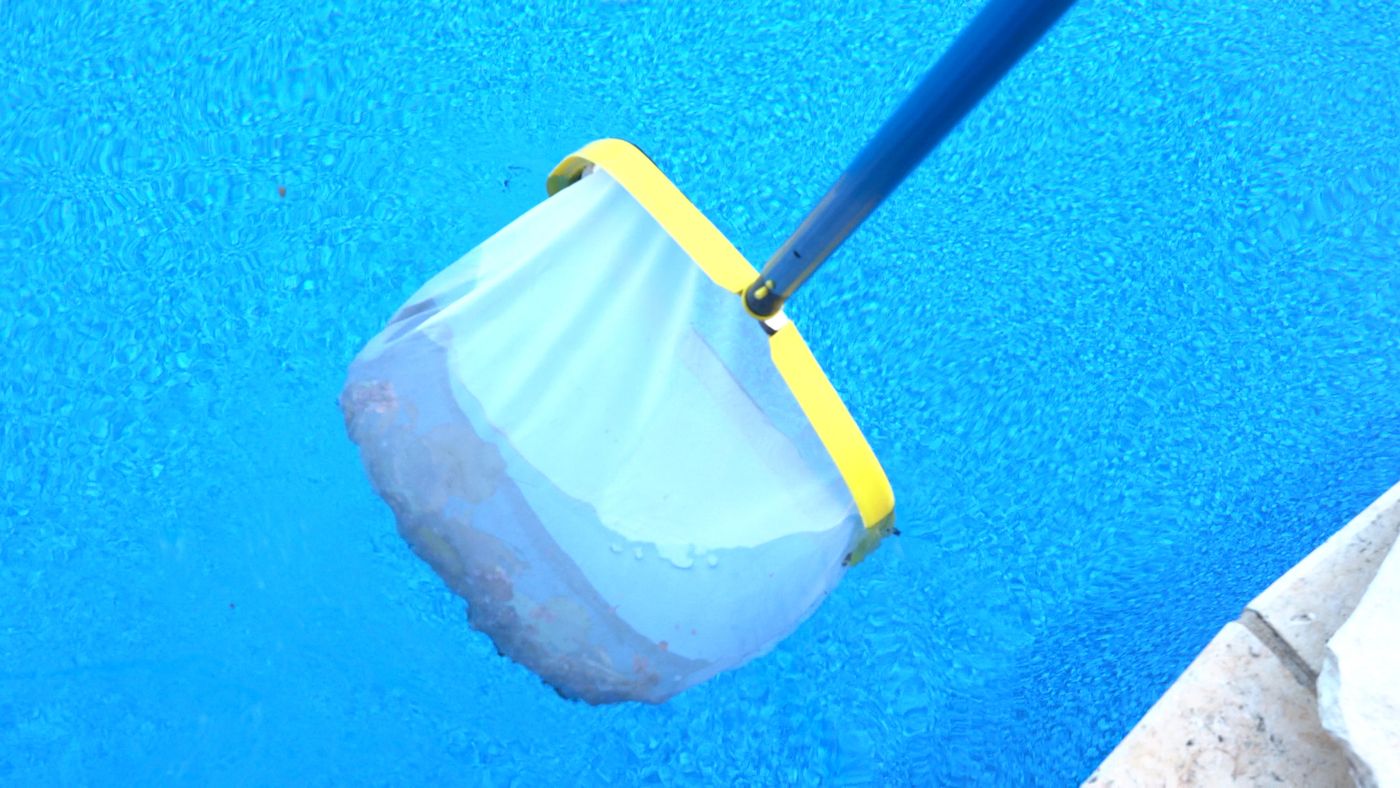
Weak pressure-side cleaners that push debris around instead of removing it. Clogged pump baskets nobody checks. Leaves and organic material sitting on the floor for two or three days between cleanings. In my testing, this is one of the biggest hidden chemical costs most pool owners carry.
Why it costs you: Every piece of organic material decomposing in your water is consuming your chlorine. Debris creates chlorine demand. The dirtier your pool is physically, the harder your chemistry has to work—and the more chemicals you burn through trying to compensate for what's essentially a cleanliness problem, not a chemical problem.
The Fix: Upgrade your filtration and keep your pool clean. This is where a quality robotic pool cleaner changes the math completely. A corded robot like the Dolphin Premier, Dolphin Sigma, or Clear UV scrubs your walls, floor, and waterline while filtering debris directly into its own filter basket—completely independent of your main pump system. Set it on a weekly timer and it runs automatically. You don't think about it. Your pool stays cleaner, your chlorine isn't fighting a losing battle against decomposing debris, and you use noticeably less chemistry as a result.
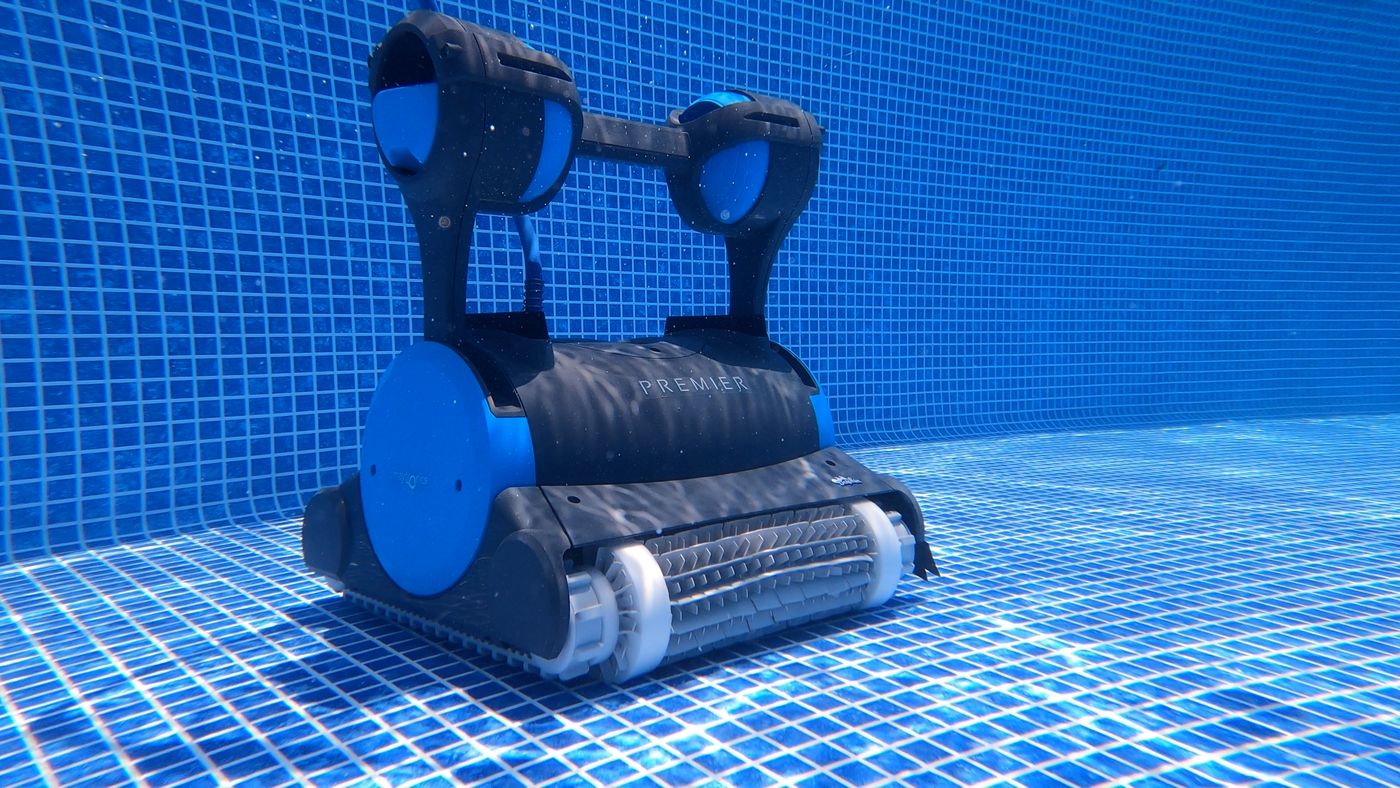
I've seen pool owners cut their chemical spend by 20–30% just by upgrading from a cheap suction cleaner to a quality robot. That's not a coincidence—that's the physics of how chlorine demand works.
And check your pool filters. Make sure to rinse and replace them if needed. It makes a huge difference in your water's chemistry.

If your pool is physically dirty, your chemicals are working overtime. And in the long run, you'll save a ton of money.
Mistake #3: Keeping Your pH Too High
The Problem: Most pool owners are running pH between 7.6 and 7.8. They've been told this is the safe zone. In my opinion, that advice is outdated—and it's quietly costing people real money every single month.
Your chlorine isn't weak—your pH is too high.
Here's the kicker: pH doesn't just affect swimmer comfort. It controls how effective your chlorine actually is. And the relationship isn't linear—it's logarithmic. Meaning small pH changes have massive effects on chlorine's killing power.
Take a look at this chart:
How pH Wrecks Chlorine Effectiveness
| Your pH Level | Active Chlorine (Killing Power) |
|---|---|
| 7.0 | ~73% effective |
| 7.5 | ~50% effective |
| 8.0 | ~20% effective |
At pH 7.5, your chlorine drops to roughly 50% effectiveness. At pH 8.0, you're down to around 20%. You could have a perfect 3 ppm chlorine reading and your water is basically wide open. The chlorine is there. It's just not working.
Why it costs you: You end up adding more chlorine trying to compensate for ineffective chlorine. More shock for algae that shows up because sanitization was weak. Clarifier for the cloudiness that high pH causes when calcium falls out of solution. It's a chemical spending cycle driven entirely by a pH number that's too high.
The Fix:
- Vinyl/Fiberglass pools: target 7.0–7.2
- Plaster/Gunite pools: target 7.2–7.4
Lower pH. Chlorine works harder. You use less of it. (If you need help dialing it in, here's my full guide on the ideal pool pH level.)
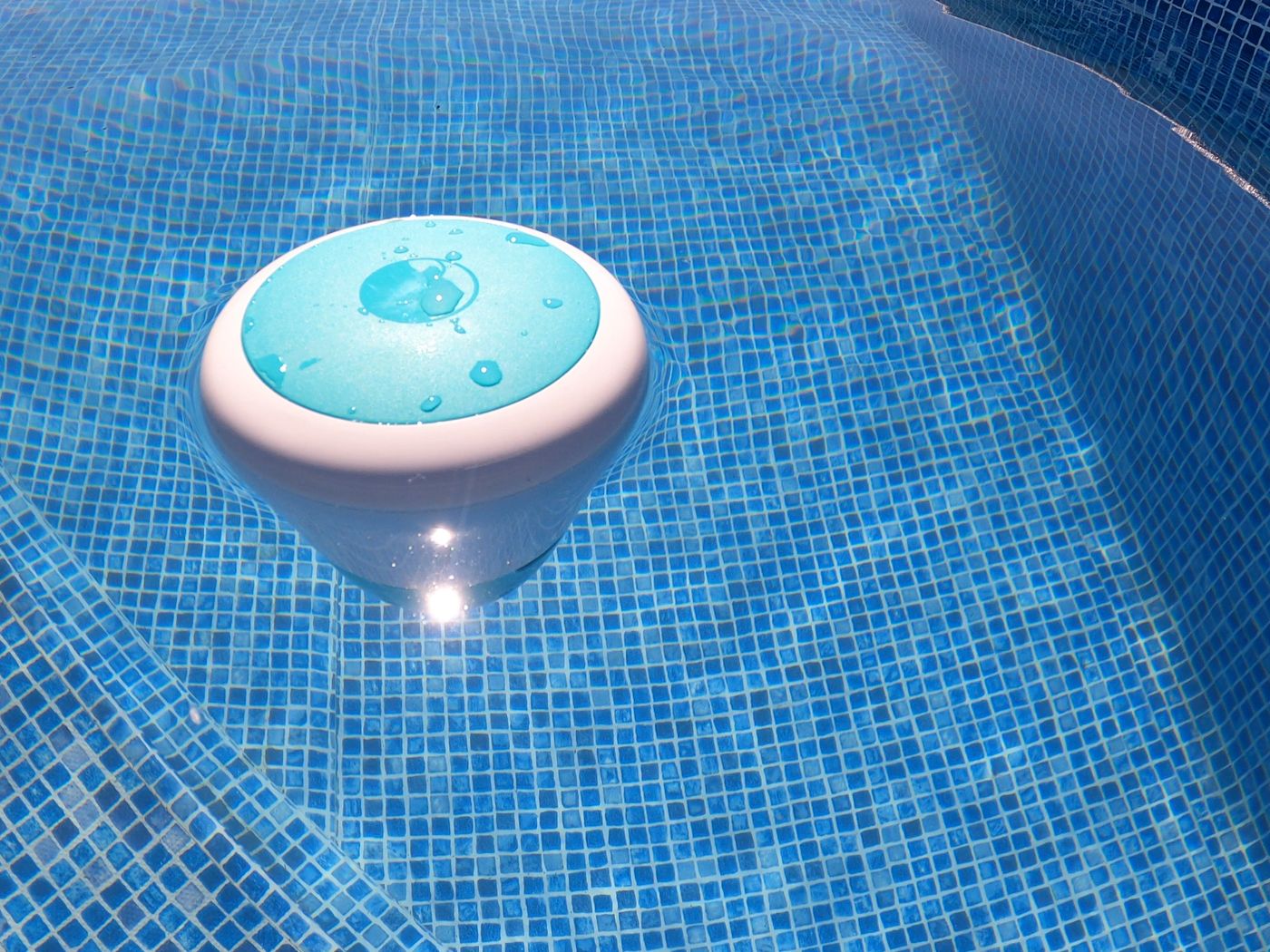
And if you want to stop guessing whether your chlorine is actually working—not just present, but actively sanitizing—this is where ORP monitoring becomes a game-changer. The ICO tracks both pH and ORP continuously and sends real recommendations straight to your phone. ORP measures actual sanitizing power, not just ppm. It's what Olympic pools and commercial aquatic centers rely on, and most backyard pool owners have never heard of it. That information gap is expensive.
Mistake #2: Shocking Your Pool on a Weekly Schedule
The Problem: Somewhere along the way, shocking became a weekly ritual. It gets treated like oil changes—just something you do on schedule. Dead wrong.
If you're shocking weekly, something else is wrong.
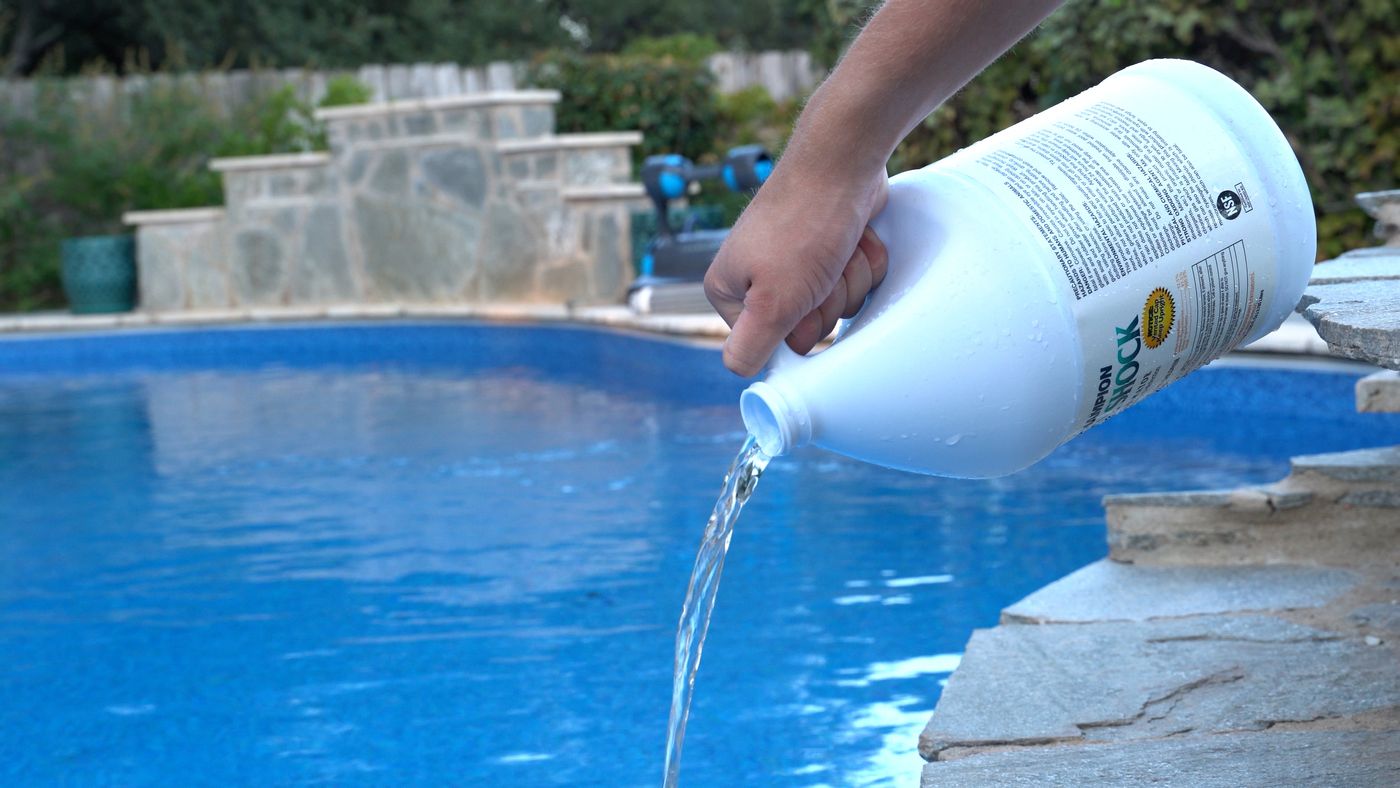
Why it costs you: Shock runs $20–$50 a bag. Weekly, that's over $1,000 a year on a product you don't actually need that often. And it's not just the money. Constant shocking hammers your cyanuric acid levels if you're using stabilized chlorine products, throws off your water balance, and creates a chemistry rollercoaster that takes more corrections to manage.
Reality check: Shock is for specific situations—algae blooms, heavy contamination after a big party, or when your water gets overwhelmed by organics and ORP tanks. It is not routine maintenance. It's emergency treatment. There's a big difference. (Want to do it right when you actually need to? Here's how to shock a pool and the best pool shock for the job.)
If you're shocking weekly and your pool still looks questionable—something else is wrong. That's the problem to solve. You can't shock your way out of a pH problem or a filtration problem.
The Fix: Only shock when you have a real reason. Your ORP reading will tell you when—which is another reason a smart pool water monitor like the ICO pays for itself quickly. Instead of a calendar-based schedule that wastes money whether your pool needs it or not, you treat the water when it actually tells you it needs help.
Mistake #1: Inconsistent Chlorine Levels — This Is the Big One
Everything else we've covered feeds into this one.
The Problem: Most pool owners manage chlorine reactively. Levels drop. Something looks off. They dump in a bunch of chlorine to correct it. Big spike. Burns off fast. Levels drop again. Repeat. That constant yo-yo is where the real damage happens.
Why it costs you: When chlorine drops into unsafe territory—even briefly—algae gets a window. Once algae establishes a foothold, you're not looking at normal maintenance anymore. You're looking at an emergency treatment, drain possibilities, scrubbing, and $100–$300 or more in chemicals to fix what consistent maintenance would have prevented entirely. (Ask anyone who's had to clean a green pool.) Correction is always more expensive than consistency.
The Fix: Two things make consistency genuinely easy:
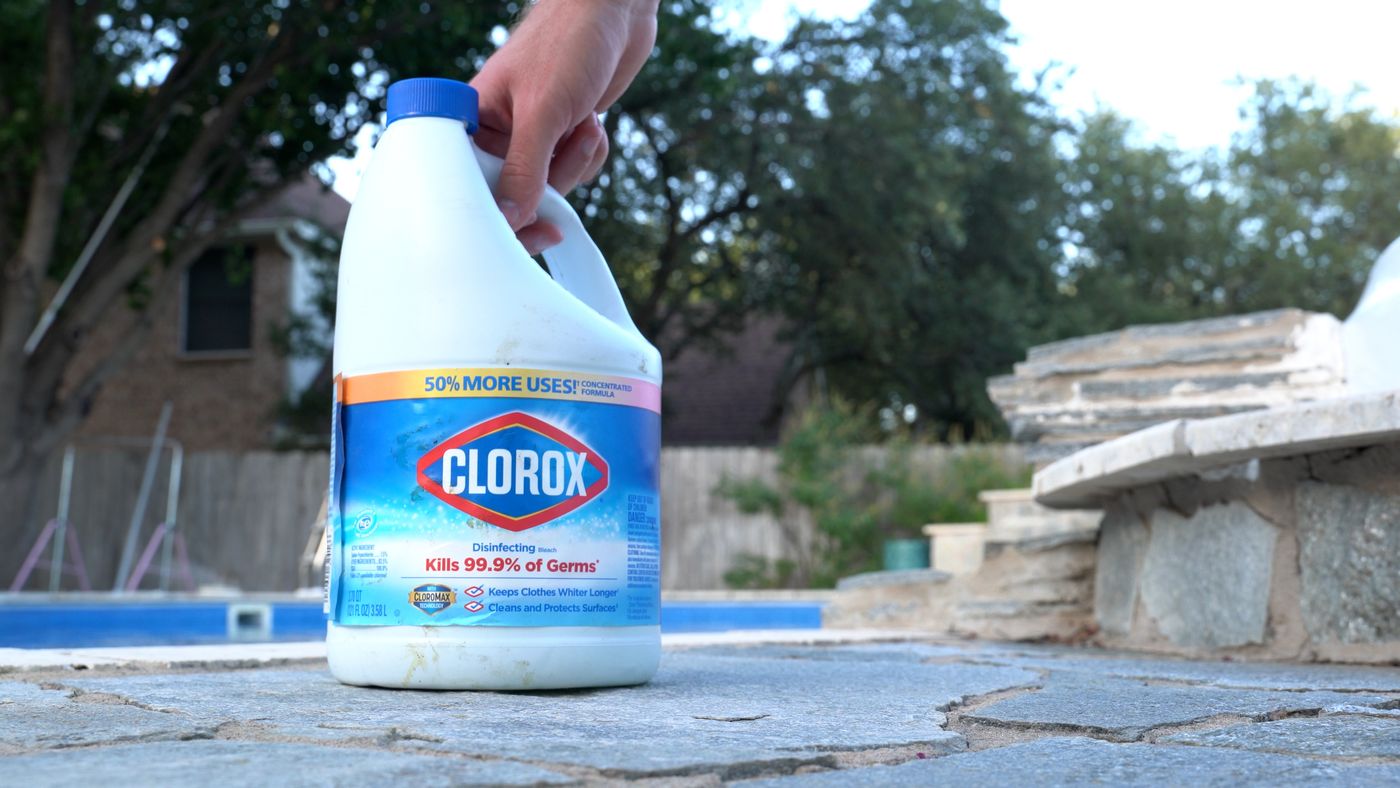
First—liquid chlorine. In my experience, liquid chlorine is the most cost-effective, reliable way to maintain stable sanitizer levels. No pH spikes like trichlor tablets cause. No calcium buildup like cal-hypo introduces. Clean, straightforward chlorination that disperses evenly and doesn't load your water with extra compounds over time. Easy to dose accurately, easy to adjust, and it keeps your chemistry stable instead of constantly fighting side effects from the delivery method. And if you want to take yourself out of the equation entirely, a chlorine injection system automates the daily dose for you.
Second—continuous monitoring. The ICO tracks your water chemistry around the clock and tells you exactly what your pool needs before problems develop. Instead of discovering your sanitizer crashed on Friday afternoon, you get a notification Thursday morning. That's the difference between a quick dose of liquid chlorine and an expensive algae cleanup that ruins your weekend.
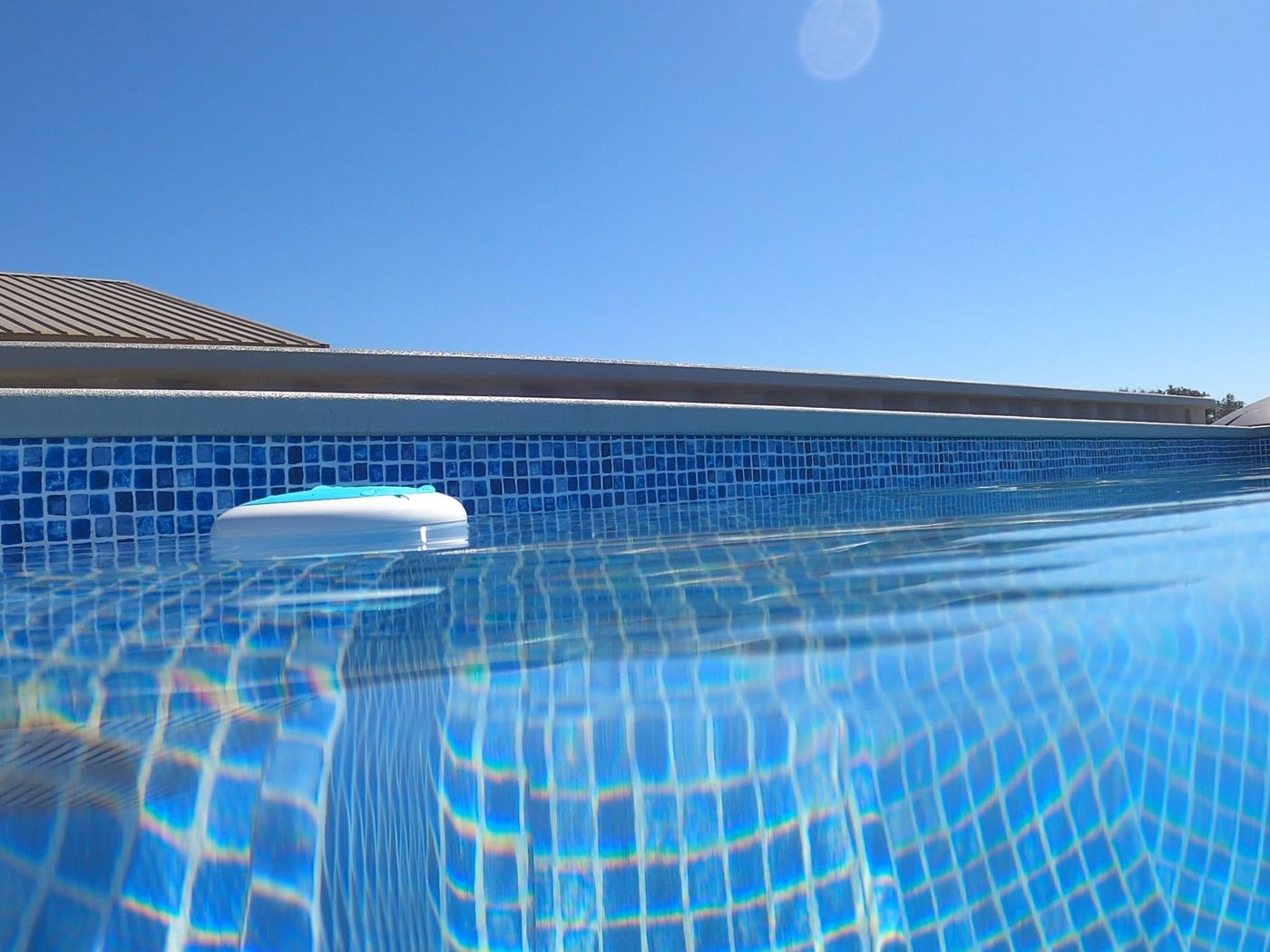
Most ICO owners report cutting their chemical spending by 30–50% in the first season because they stop over-treating and start responding to what their water actually needs. That's not marketing—that's what happens when you stop guessing.
My Final Verdict
Here's my final verdict: most people think pools are expensive. But they're only expensive when they're run wrong.
Stop trusting pool store testing blindly. Upgrade your physical filtration. Lower your pH into the range where chlorine actually works. Stop shocking on a calendar. Maintain consistent sanitizer levels instead of playing catch-up. Every one of these is fixable—and fixing them compounds. You don't just save money on one thing. The whole system gets more efficient.
The two upgrades I recommend to almost everyone: a Dolphin robotic cleaner to keep the pool physically clean so your chemistry isn't constantly fighting debris—and the ICO so you have real data instead of guesswork. Those two things alone will change how your pool runs.
If you want to keep nerding out over your pool, be sure to hit that subscribe button. Visit ThePoolNerd.com to see guides on maintaining your pool, reviews on the top pool equipment, and guides & how-to's. And if you want deals on everything I recommend, head to ThePoolNerd.com/deals where I keep an updated list of the best pricing online. Until next time, enjoy your pool, and stay tuned for more tips and insights on pool maintenance.
Related Reading
- Must-Have Pool Equipment — The 6 upgrades that cut my maintenance by 90%
- Weekly Pool Maintenance Guide — My exact step-by-step routine
- ICO Pool Water Monitor Review — Why ORP monitoring changed how I run my pool
- Best Robotic Pool Cleaners of 2026 — My top picks after testing 30+ robots
- Ideal Pool pH Level — Where to set your pH and why it matters
- Best Pool Shock — What to buy and when to actually use it


Comments
Loading comments…