
 Justin D.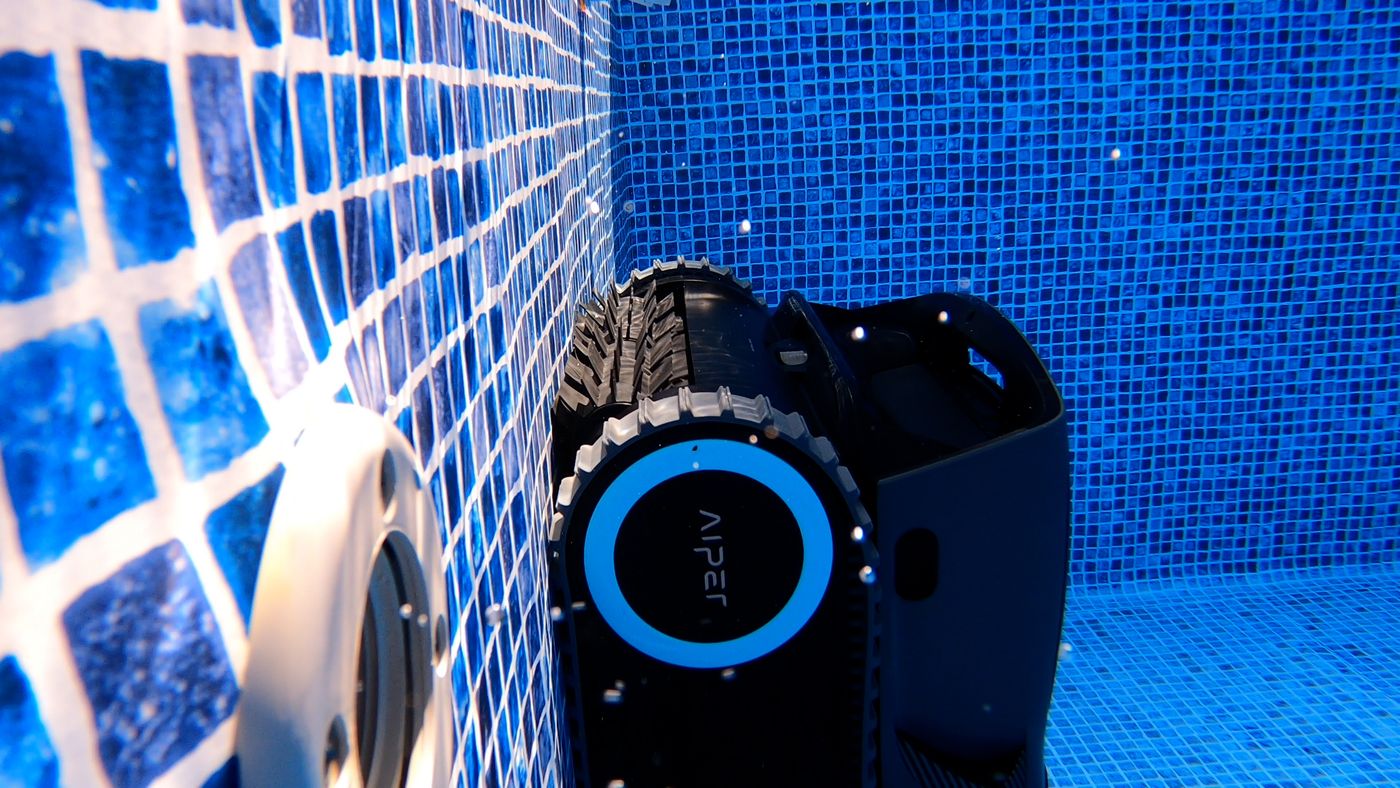
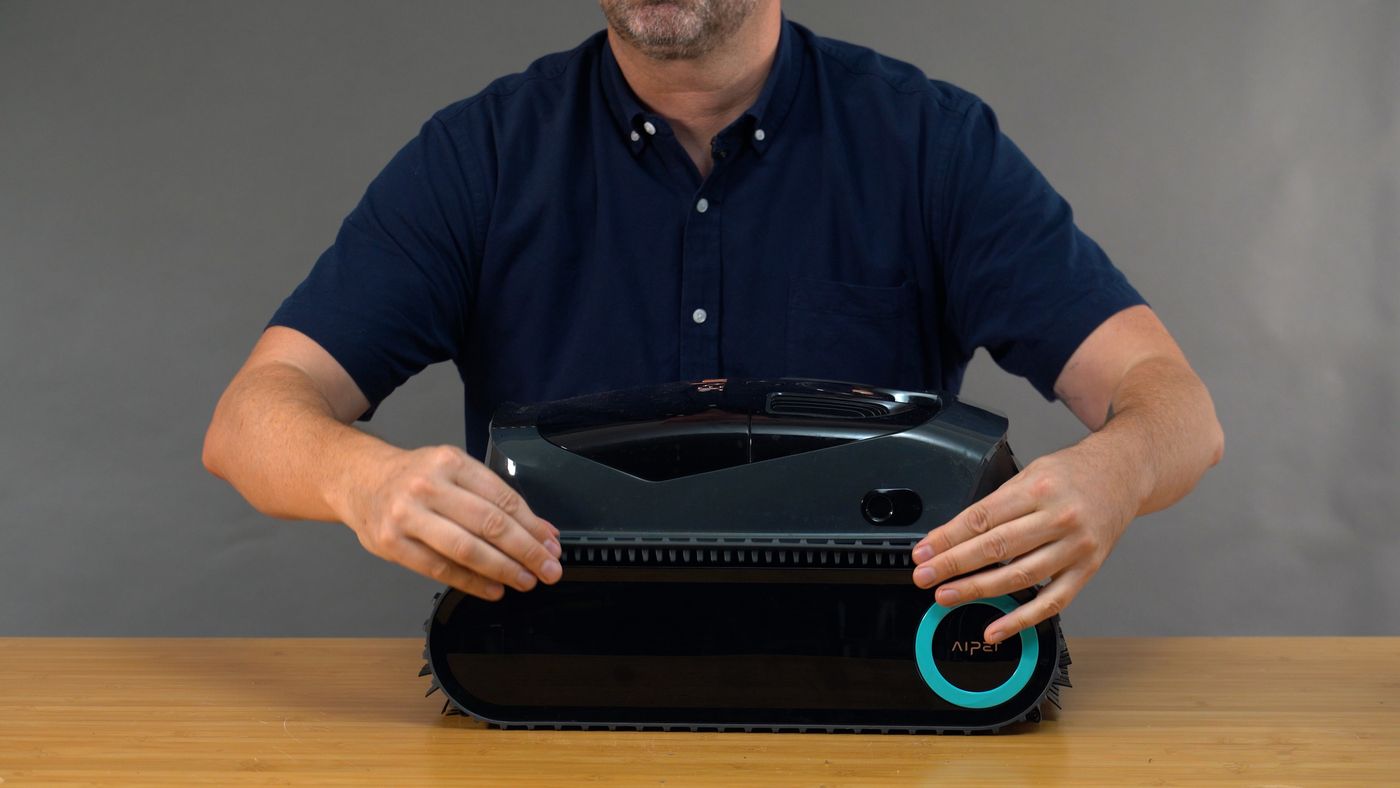
Looking at the Aiper Scuba X1 Pro and Aiper Scuba X1 Pro Max and can't decide? Well, I'm here to help. After testing 30+ pool cleaners, I'm going to show you the good, the bad, and the ugly about the X1 Pro and the X1 Pro Max. The Scuba X1 Pro at around $1,299 and the Scuba X1 Pro Max at $1,799. Both promise cordless freedom, sleek designs, and smart features. And on paper, the spec sheets look impressive.
Hey guys, welcome back to the Pool Nerd. I'm Justin, your resident pool aficionado. I've tested almost all the top robotic pool cleaners from all the top brands, and today I'm putting these two Aiper robots side by side to help you figure out which one — if either — is worth it for your pool.
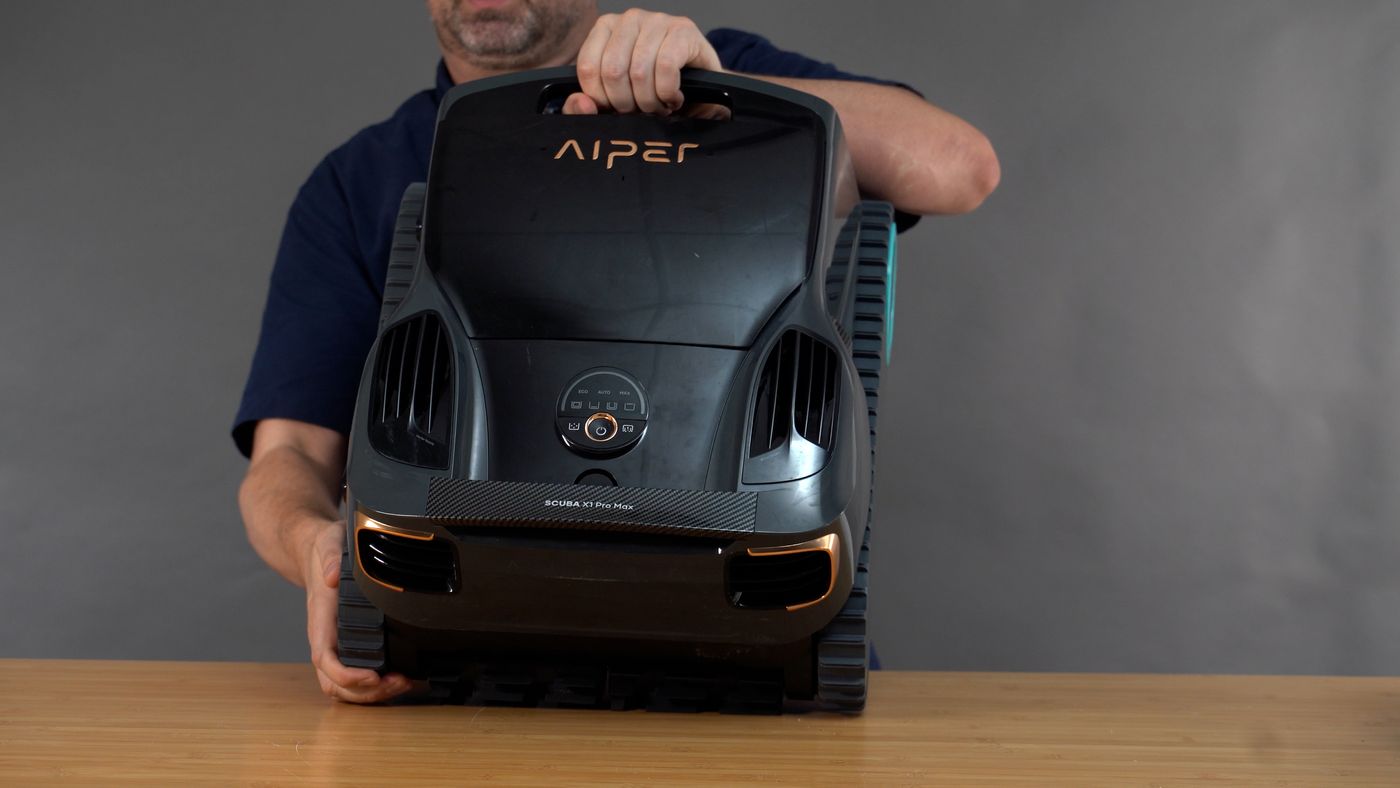
We spent weeks with both of these robots in our test pool, running them through daily use, and seeing what they're actually like to own. And while they each have their strengths, I walked away from both with the same conclusion: cordless technology still isn't where it needs to be to justify these price tags. Let me walk you through why.
Bottom Line: Neither the X1 Pro nor the X1 Pro Max earned a Pool Nerd Approved rating. If you're set on cordless, get the Pro Max. But for most pool owners, a proven corded robot delivers better performance with less hassle.
The Specs — What's Actually Different?
Let's start with the numbers, because that's what most buyers look at first.
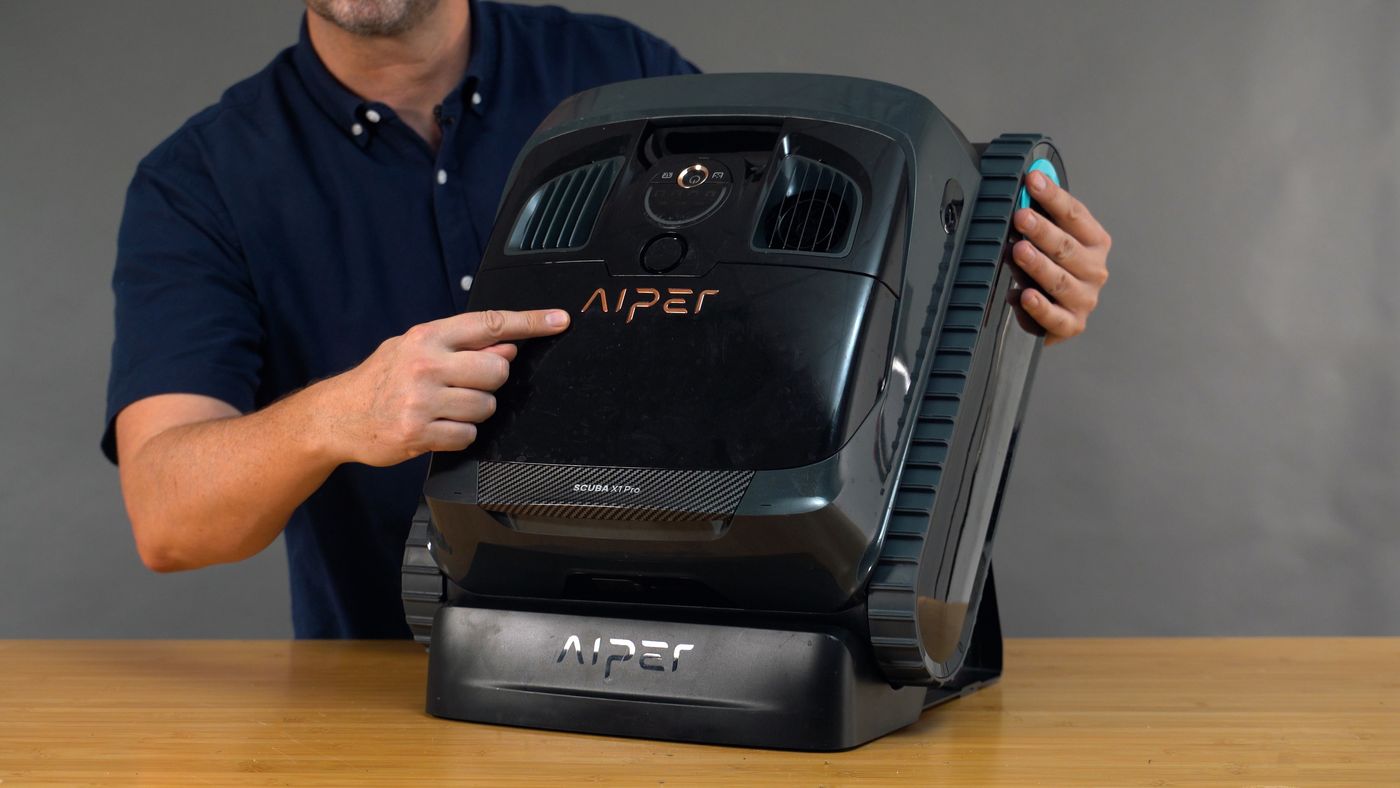
The X1 Pro is the middle of Aiper's pack. It runs 4 motors with 26 onboard sensors and improves upon the Aiper X1 which I've also reviewed. It features FlexiPath™ 1.0 navigation and is rated at 6,600 GPH of water movement. It packs a 10,400mAh battery at 21.6V, giving you up to 180 minutes of runtime. Charging takes about 5 hours for a full cycle, and it's rated for pools up to 2,150 square feet.
The Pro Max steps everything up. It packs 9 motors—more than double the Pro—and 40 sensors for its FlexiPath™ 2.0 system. Suction jumps to 8,500 GPH. While it uses the same 10,400mAh capacity, it runs at a higher 25.2V for more raw power. This gives it a longer run time on floor cleaning only with up to 5 hours of floor cleaning or a 10 hours of surface skimming. Charging drops to 4 hours and it even includes a wireless charging dock. And lastly, it handles pools up to 3,200 square feet.
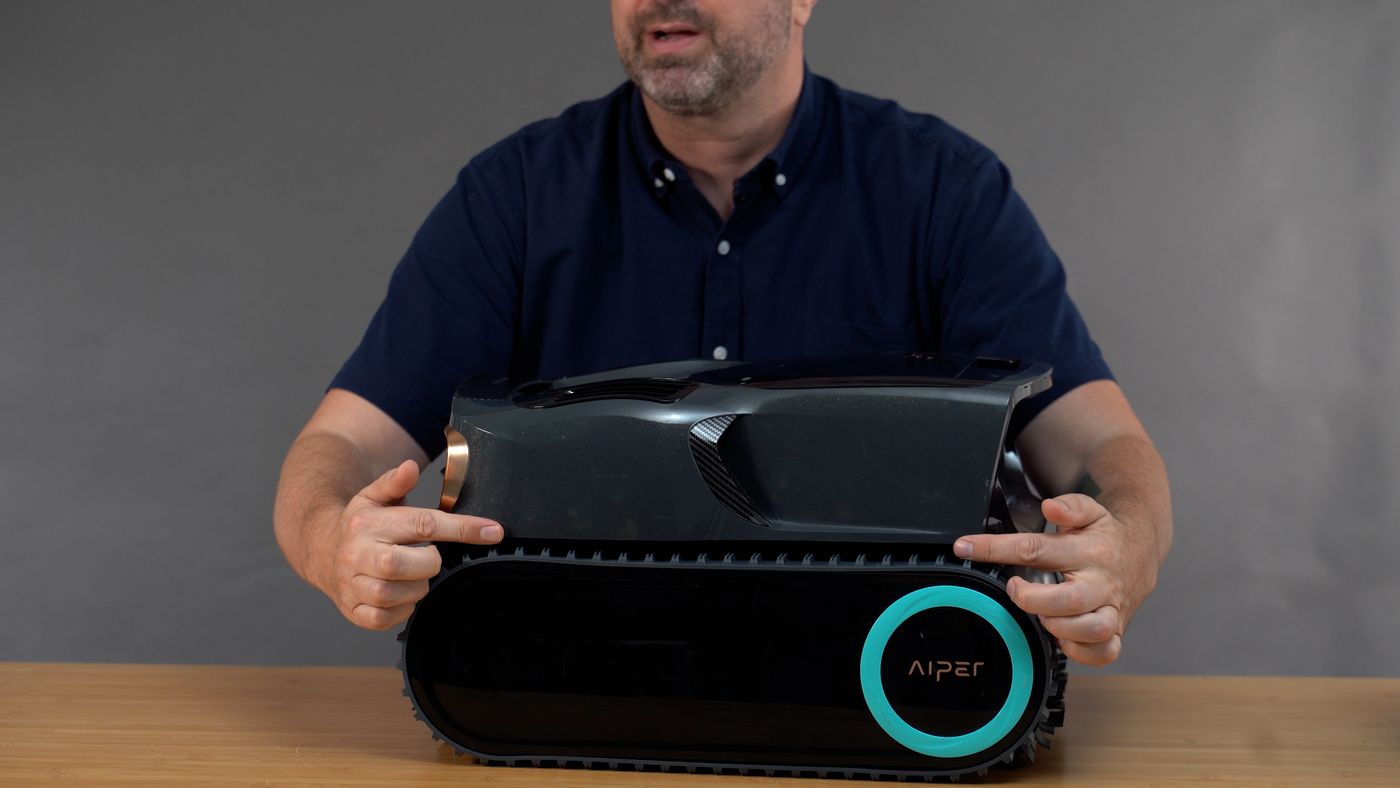
The Pro Max also adds Surface Cleaning and Elevated Platform/Slope coverage, which the base X1 doesn't have.
| Feature | Aiper Scuba X1 Pro | Aiper Scuba X1 Pro Max |
|---|---|---|
| Motors | 4 | 9 |
| Sensors | 26 | 40 |
| Navigation | FlexiPath™ 1.0 | FlexiPath™ 2.0 |
| Suction (GPH) | 6,600 GPH | 8,500 GPH |
| Battery | 10,400mAh / 21.6V | 10,400mAh / 25.2V |
| Runtime (Floor) | Up to 180 min | Up to 5 hours |
| Charge Time | ~5 hours | ~4 hours |
| Wireless Charging Dock | No | Yes |
| Pool Size | Up to 2,150 sq ft | Up to 3,200 sq ft |
| Surface Cleaning | No | Yes |
| Price | ~$1,299 | ~$1,799 |
So on paper, the Pro Max wins the spec war. More motors, more sensors, more suction, more runtime, faster charging, and a bigger pool coverage rating. It also adds a wireless charging dock—something the X1 Pro doesn't offer at all.
But here's the thing: it costs a lot more. On paper, the Pro Max wins the spec comparison. But in real-world use, performance matters more than spec sheets. And that's where the story gets more complicated for both of these robots.
Battery Life — The Cordless Catch
The biggest selling point of any cordless robot is convenience. No cord to tangle, no power supply sitting poolside. Just drop it in and go.
In practice, both the X1 Pro and Pro Max flip that promise on its head. The X1 Pro gives you about three hours of cleaning in Eco mode across a few days, then needs five hours on the charger before it's ready again. The Pro Max improves on runtime with up to five hours on the floor, and charges in about four hours with its wireless dock.
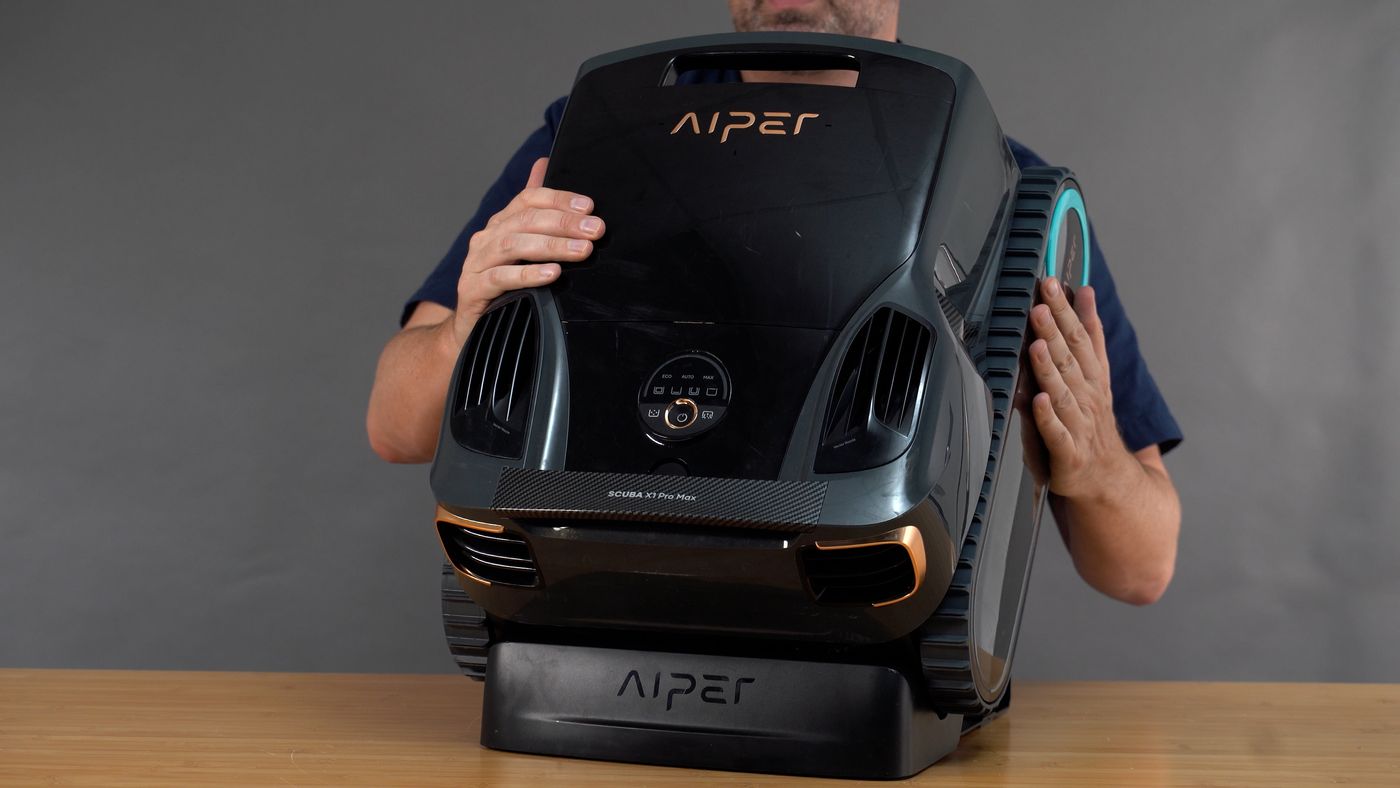
But regardless of which model you choose, the daily routine is the same: pull a heavy, dripping robot out of the pool, carry it to the charging station, wait for hours, and then haul it back in for the next cycle. If you want a consistently clean pool, that's happening every single day. That adds up to roughly 14 separate interactions per week just to keep your pool maintained.
The Pro Max's longer runtime and wireless dock make the process slightly less painful, but "slightly less painful" isn't the same as convenient. Both robots still require daily hands-on involvement—something that, in my experience, gets old fast.
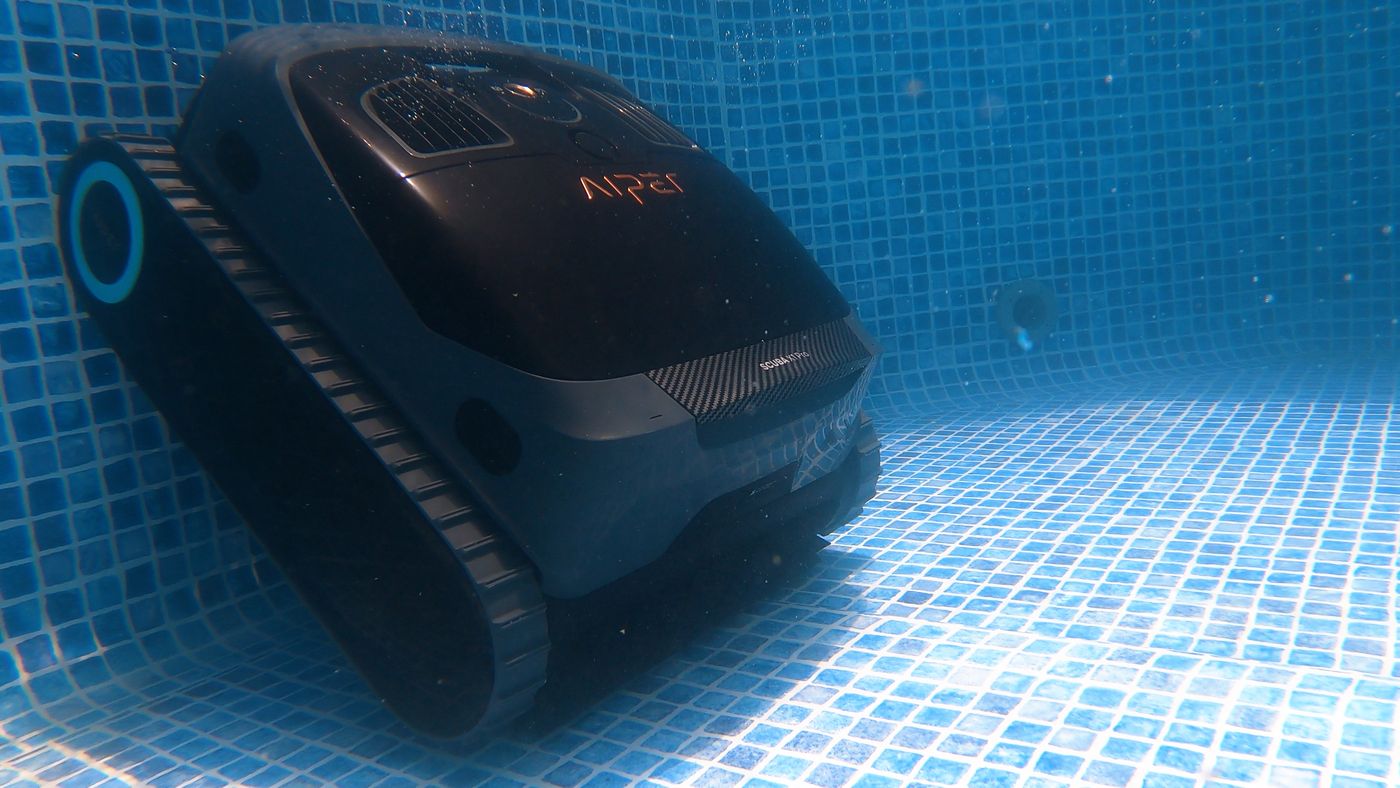
And you may be thinking, what's the alternative? Well, almost every corded robot includes a Weekly Timer. And it is a gamechanger.
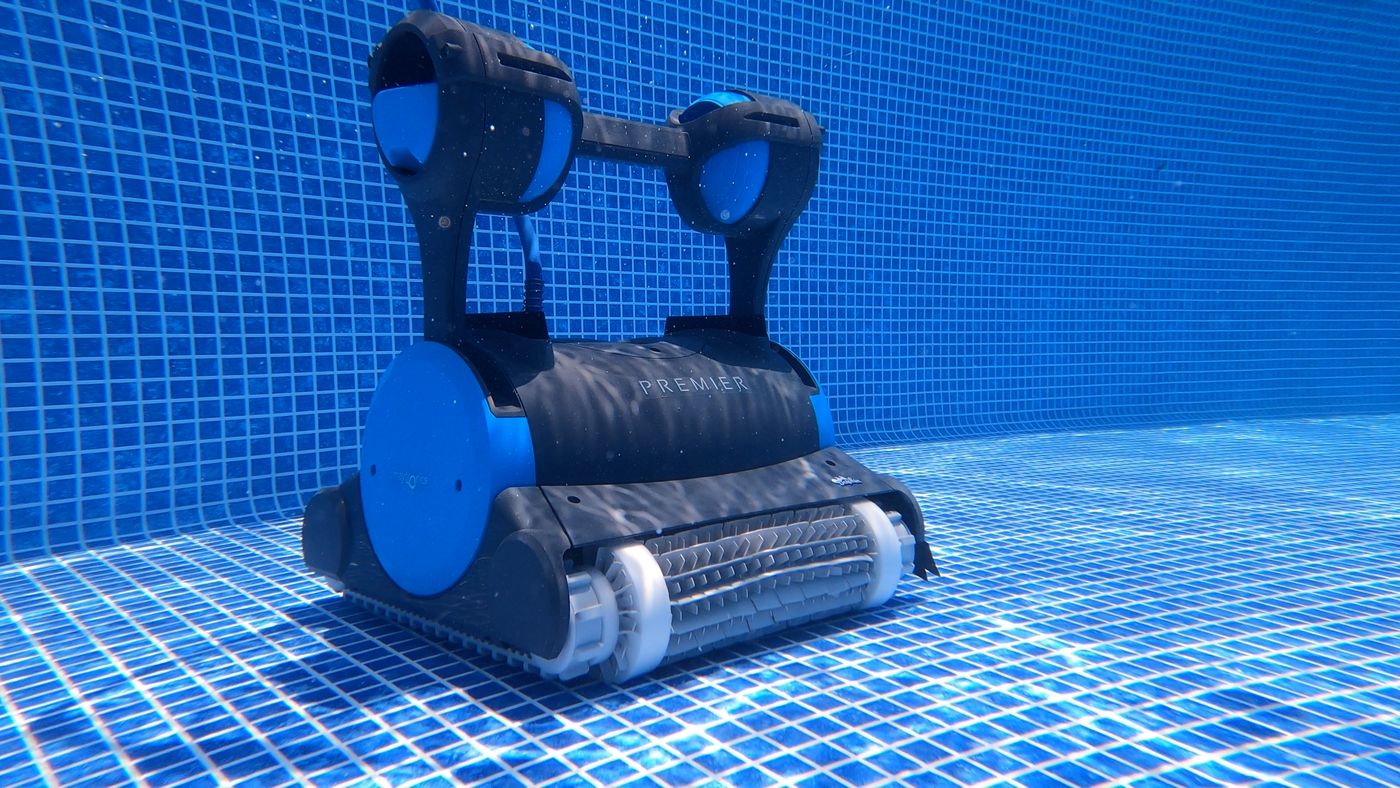
You can set it and your robot turns on automatically every day and runs a full cycle. That means your robot can run 3 hours a day, 7 days a week. Without you ever having to step outside. On units like the Dolphin Premier and Dolphin Sigma, that means you are getting up to 21 hours a week of cleaning while just interacting with the unit once a week to clean the filters. Compared to the Aipers, where you only get around 3 to 5 hours per interaction, it is a huge difference. And this is something I highly recommend considering before buying a cordless robot, because, in my experience, corded robots deliver a more consistent performance and can fully automate your pool cleaning routine.
Suction
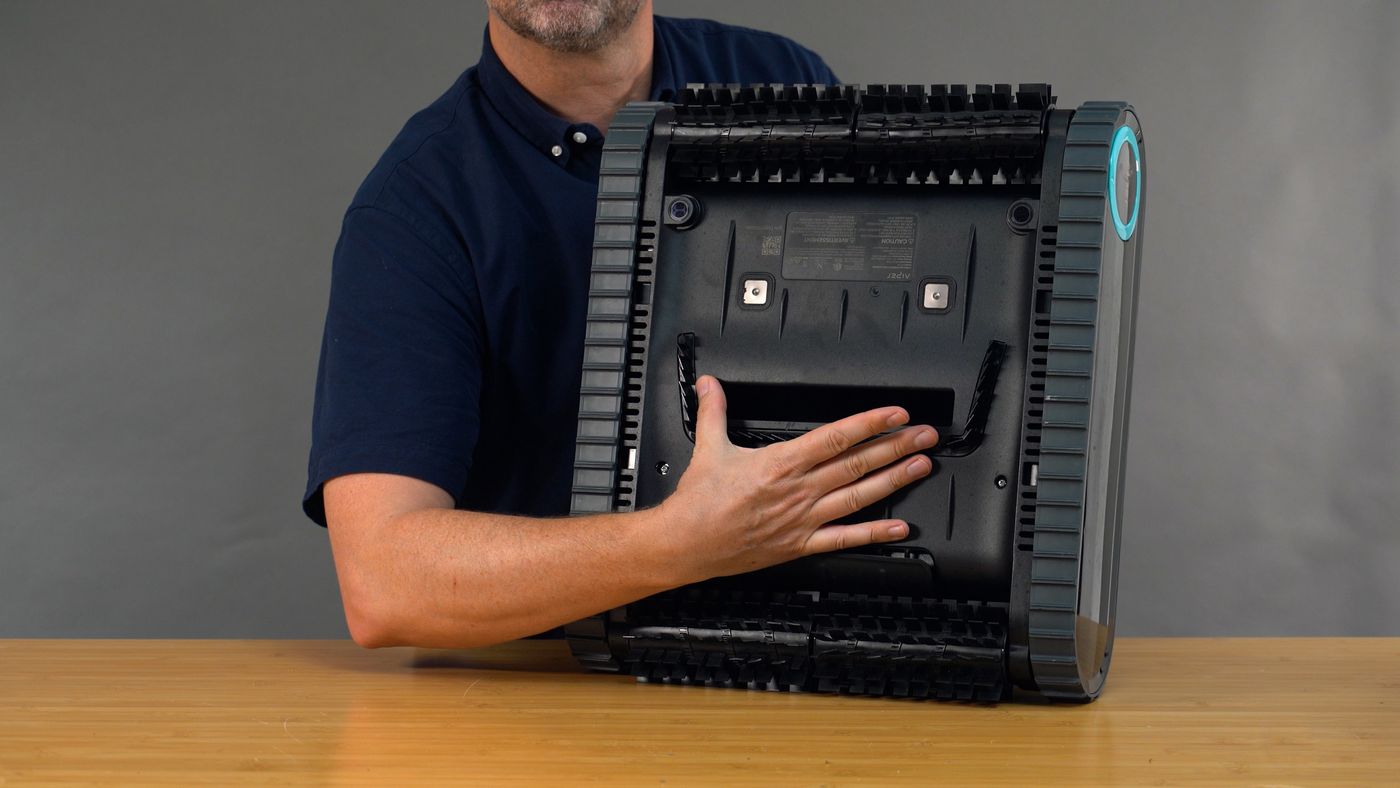
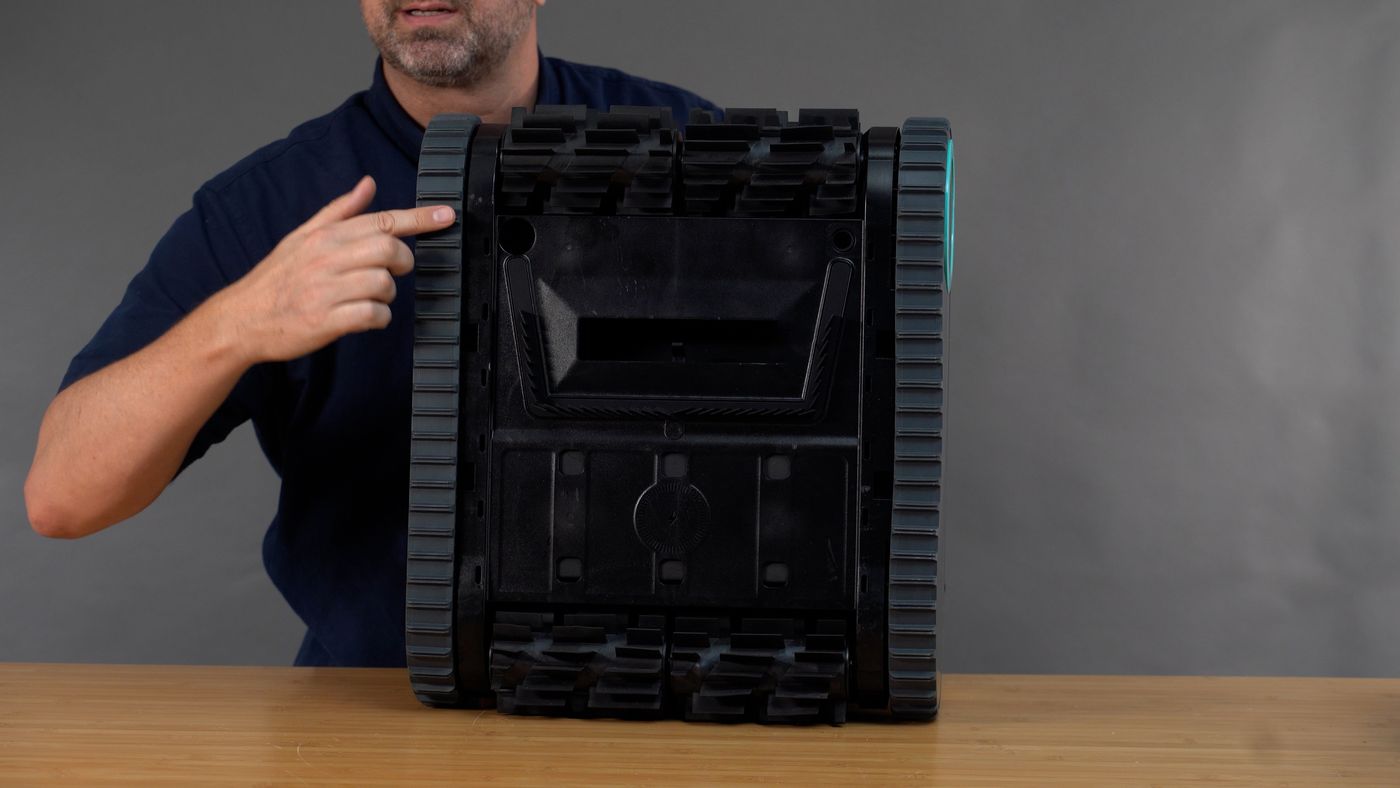
The X1 Pro advertises 6,600 GPH and the Pro Max jumps to 8,500 GPH. Those numbers sound impressive, but GPH measures water movement—not the actual suction force at the intake. And in my testing, neither robot delivered the kind of raw pulling power I'd expect at these price points.
Filtration — Fine on Paper, Just Okay in Practice
Both robots use top-loading debris baskets with what Aiper calls "MicroMesh™ Ultra-fine" filter inserts. The design is easy to empty, as you just lift the lid, rinse the filter, and pop back in.
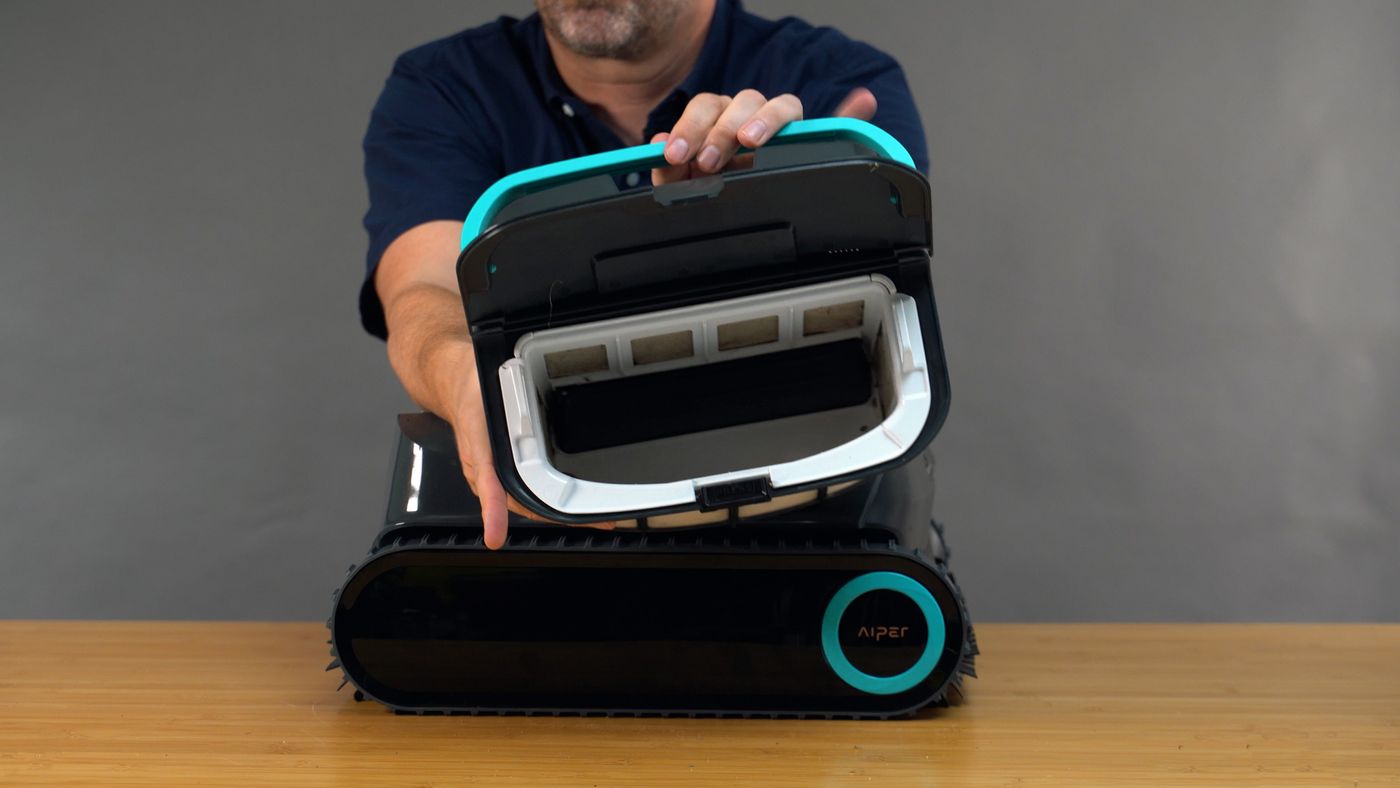
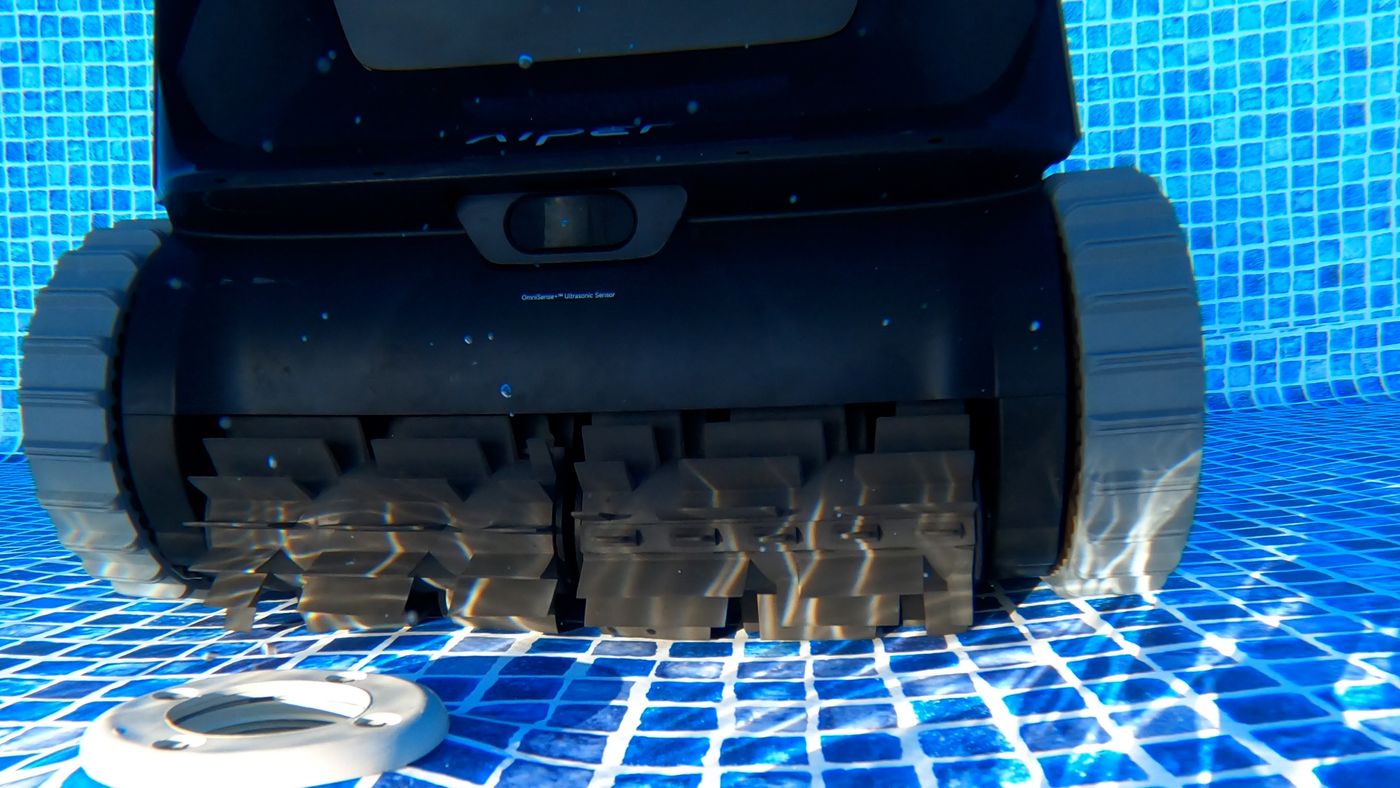
But the filter media itself is essentially a mesh sleeve and a cotton-sleeve. It catches large debris well enough, but when it comes to fine particles—pollen, silt, fine dust— I would have liked to seen a filter with deeper ridges. After a full cycle with either model, my pool looked improved but never had that polished, glass-clear finish you get from higher-end filtration systems on corded robots.
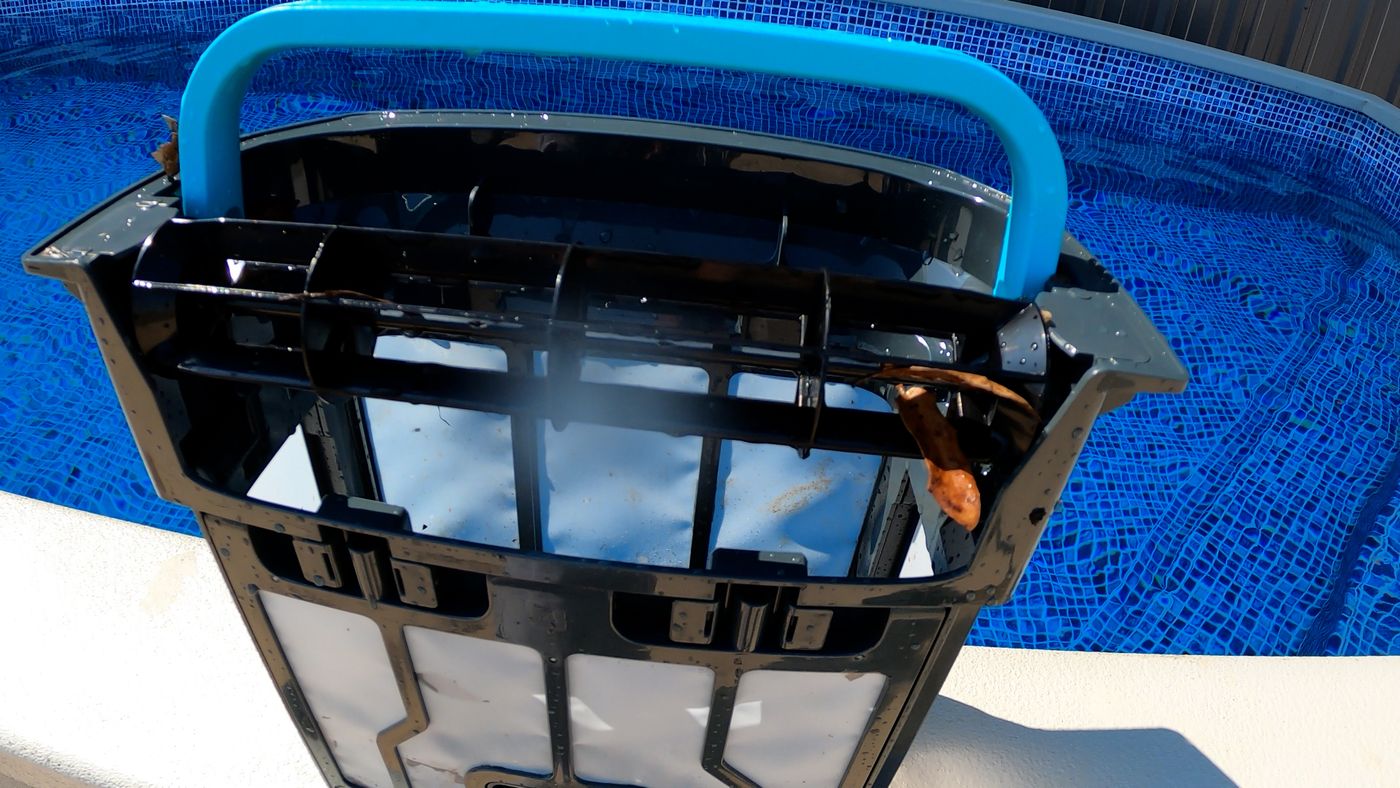
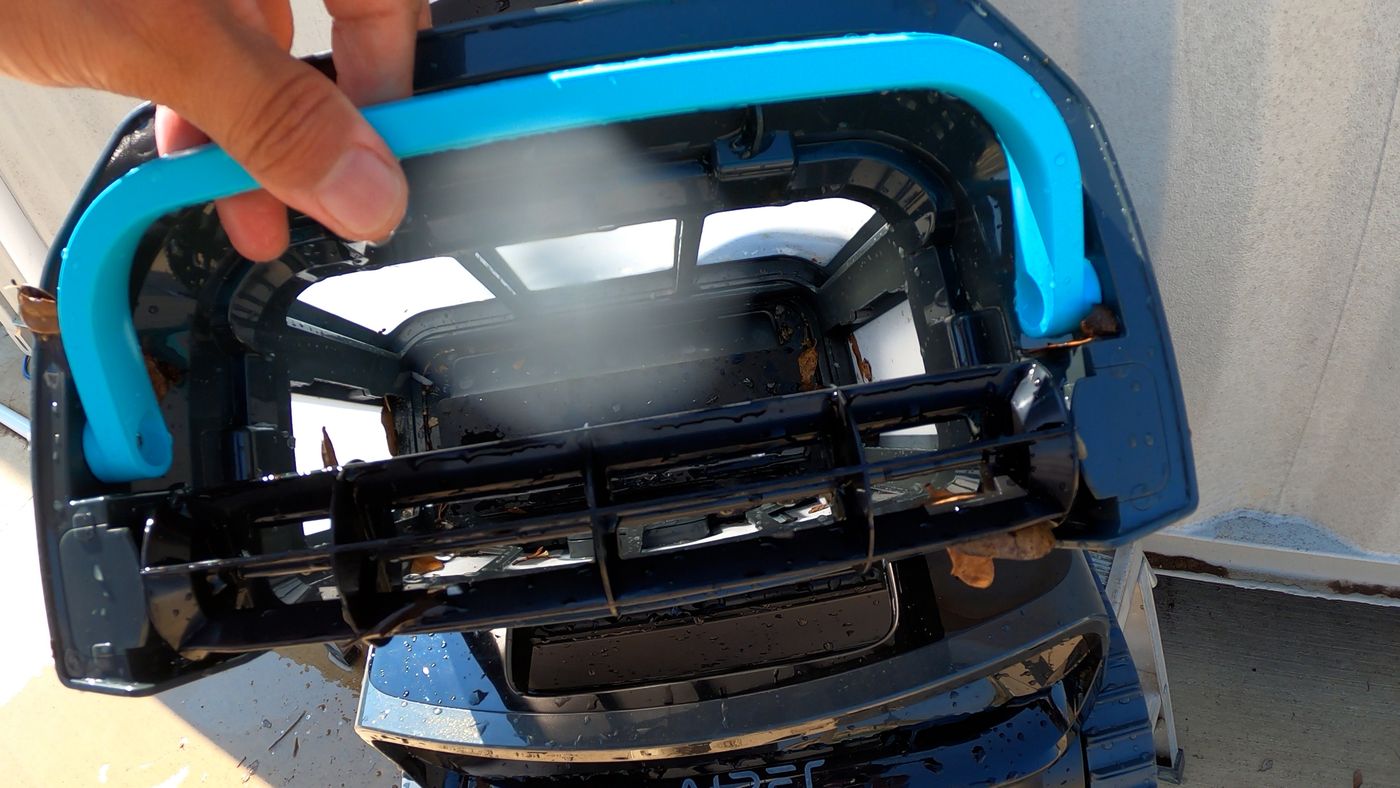
And to cap it off, the filters are really small. Especially the Pro Max, I excepted a larger filter since it is an upgrade model. And while it is SLIGHTLY larger, it isn't a significant increase in my opinion.
Weight and Handling — The Daily Workout
The X1 Pro weighs 26 pounds dry. The Pro Max tips the scales at 33 pounds dry. Add water weight, and you're looking at a real lift every time you pull either one out of the pool.
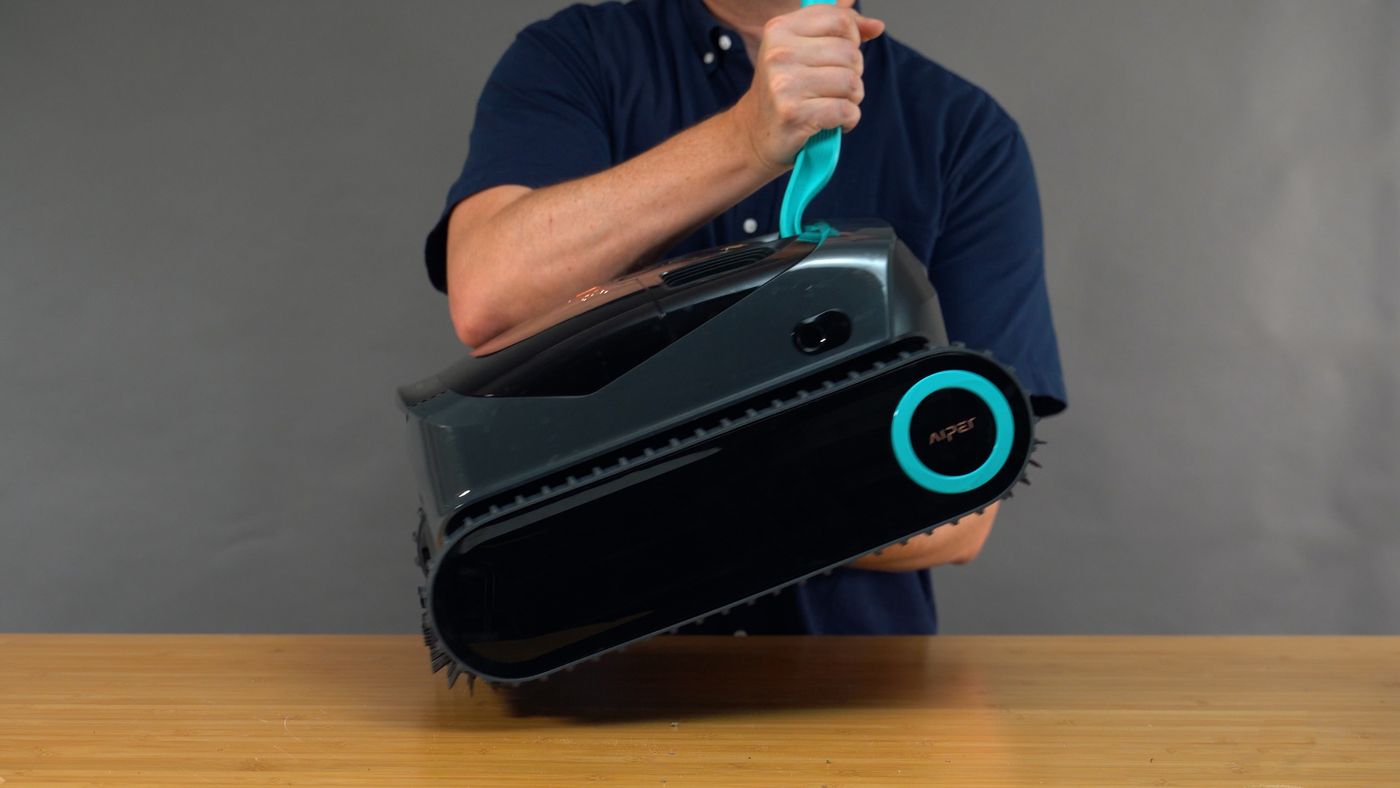
Aiper includes a plastic hook attachment for a pool pole with both models, but in my experience, it feels flimsy under the load—especially with the Pro Max. Wrestling either robot to the surface and onto the deck while water gushes out is awkward, and it's something you're doing daily with these robots.
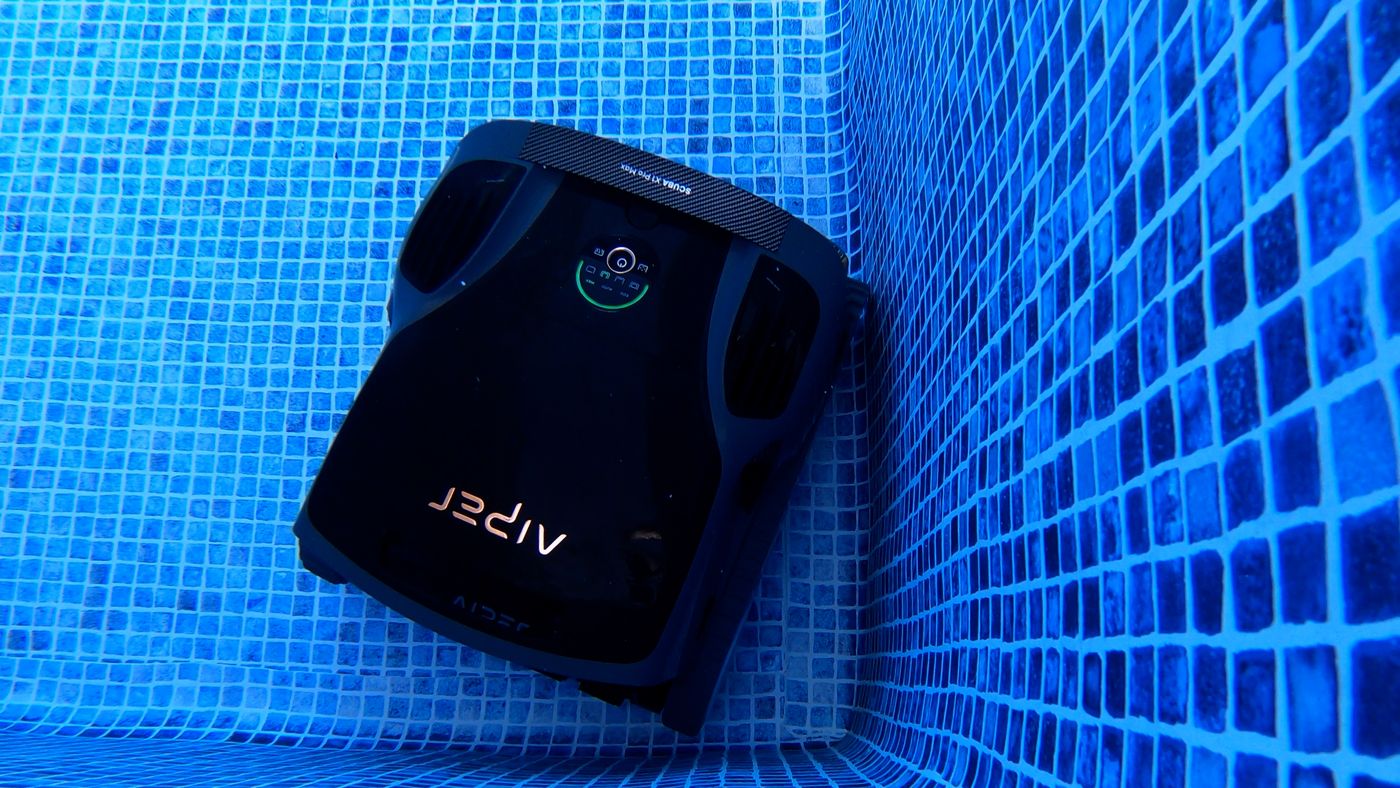
The Pro Max's wireless charging dock helps slightly since you don't have to fumble with a plug, but you're still hauling 33 pounds of wet robot out of the pool every day. That gets tiring in a hurry. And if you really wanted this wireless charging dock on the Aiper X1 Pro, it does seem you can buy it as an extra add on.
Smart Features — The Paywall Problem
Both the X1 Pro and Pro Max offer app connectivity with a clean, polished interface. You can check battery status, switch cleaning modes, and view cycle information while the robot is on deck.
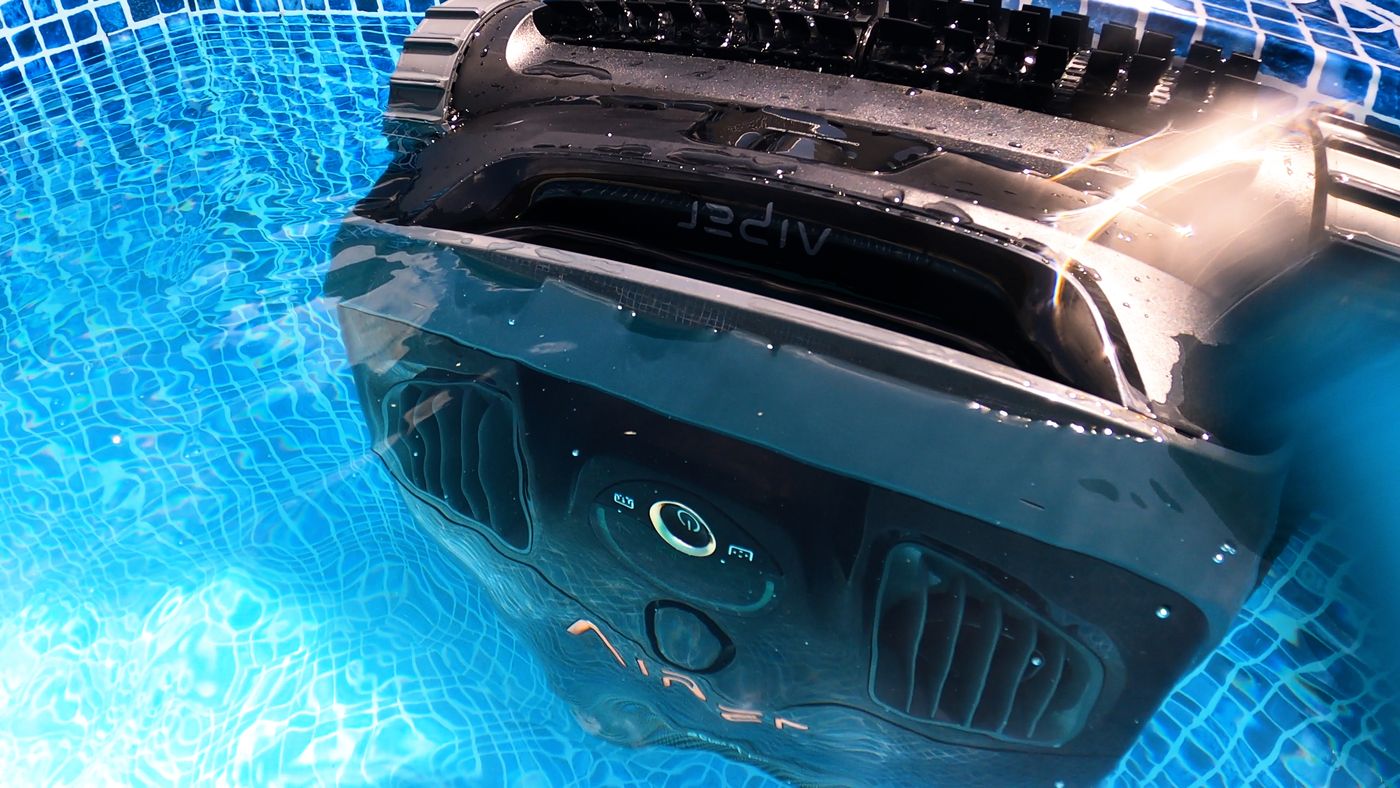
But once either robot goes underwater, the Wi-Fi signal drops. You lose the ability to steer, change modes, or monitor progress. The app becomes essentially useless during the actual cleaning cycle—which is when you'd want it most.
Aiper's solution is the HydroComm Pro—a separate module that enables underwater communication. It's available as seperate add on for a few hundred dollars. But at the time of my testing and writing this, I couldn't find it in stock on Amazon or on their website – which is concerning if this is something you wanted to add. Either way, you're paying a significant premium for functionality that, in my opinion, should come standard on robots at these prices.
Safety — Worth Mentioning
I want to be clear: I did not experience any safety issues with either the X1 Pro or the Pro Max during my testing. Both robots charged and operated without incident.
That said, as an informed consumer, it's important to look at the track record of any brand. Aiper has issued voluntary product recalls in conjunction with the U.S. Consumer Product Safety Commission (CPSC) in the past few years. These affected thousands of units across two Aiper models due to potential overheating risks during charging.
While the Scuba X1 Pro and Pro Max are not part of those recalls, it's part of the brand's public track record.
Why I Still Recommend Corded Cleaners
After testing both of these robots, my position hasn't changed: corded robotic pool cleaners remain the better choice for most pool owners. Here's why.
Corded robots plug into a power supply and deliver consistent, full-strength suction for the entire cleaning cycle. There's no battery to degrade over time, no charging routine to manage, and no daily interaction required beyond occasional filter maintenance. With a built-in weekly timer, a corded robot turns itself on, cleans your pool on a schedule, and shuts off — without you lifting a finger.
That's true automation. And it's something no cordless robot I've tested, including these two, has been able to match. The combination of stronger suction, longer continuous runtime, more advanced filtration options, and genuine set-it-and-forget-it operation makes corded cleaners the clear winner when it comes to daily pool maintenance.
Cordless technology is improving, and I give Aiper credit for pushing the category forward. But at the price points these robots command, you can get a proven corded robot that I thought outperforms both of them in filtration, automation, and cleaning performance. Here are three I'd recommend over either Aiper:
Dolphin Premier — My top pick overall. The Multi-Media filtration system lets you swap between a leaf bag, fine cartridges, and NanoFilters depending on what your pool throws at it. Commercial-grade dual motors deliver consistent suction from start to finish, and the weekly timer means you never have to touch it. Better filtration, stronger power, and true automation — for less than the X1 Pro.

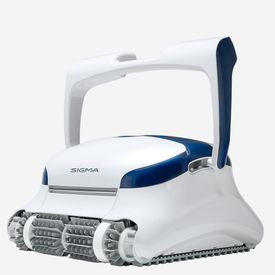
Dolphin Sigma — The tech-forward choice. Triple commercial-grade motors and gyroscope-enhanced SmartNav 3.0 give it some of the most precise coverage I've tested. The MyDolphin Plus app works while the robot is underwater — real-time control, scheduling, and Siri integration. If you want the smart features Aiper promises but with the cleaning power to back it up, the Sigma delivers.
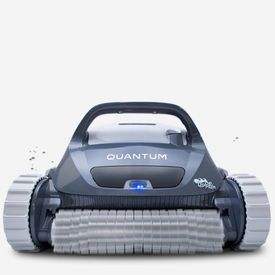
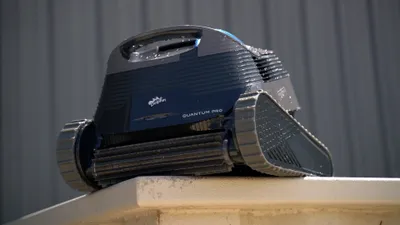
Dolphin Quantum — Best value of the three. The XXL MaxBin holds a ton of debris, NanoFilters capture the fine particles these mesh-based cordless robots miss, and the weekly timer gives you the same set-it-and-forget-it automation. At a fraction of the Pro Max's price, the Quantum punches well above its weight.
Final Verdict
So what's my final verdict?
Go corded instead of cordless. But if you want the X1 Pro or X1 Pro Max, go with the Pro Max, without question. It has more suction, longer runtime, faster charging, a wireless dock, and handles bigger pools. If you're set on going cordless within the Aiper lineup, the Pro Max is the stronger product.
But the better question is: should you buy either one?
In my experience, both the X1 Pro and Pro Max ask too much of their owners for what they deliver. The daily charging routine, the heavy lifting, filtration that didn't meet my expectations at this price point, and smart features that require an additional accessory for full functionality. These are robots that look incredible and market beautifully, but living with them day to day tells a different story.
Neither robot earned a Pool Nerd Approved rating. Not because they're bad products—they're well-built, well-designed machines. But because at these prices, the trade-offs are too significant when proven corded alternatives exist that deliver better performance with less hassle.
What should you buy instead?
Make sure to check out my list of the Best Robotic Pool Cleaners of the year. After all my reviews, I compile the best of the best – from corded to cordless, to help you make an informed decision on which robot is right for you.
If cordless convenience is your absolute top priority and you understand the daily commitment involved, the Pro Max is the better of the two. But for most pool owners, I'd recommend looking at corded robotic cleaners that offer stronger suction, smarter filtration, and true hands-off automation at similar or lower price points.
Cordless may be the future of pool cleaning. But in my testing, we're not there yet.
As always, if you wanna keep nerding out over your pool, head on over to my deals page at ThePoolNerd.com/deals where I post the best deals on robotic pool cleaners and other top pool equipment.
Related Reading
- Aiper Scuba X1 Pro Max Review — Our full in-depth review
- Aiper Scuba X1 Pro Review — Our full in-depth review
- Compare Every Aiper Model — Side-by-side breakdown of all Aiper pool cleaners
- Best Robotic Pool Cleaners — Our top picks after testing 30+ robots
- Corded vs Cordless Robotic Pool Cleaners — The full breakdown
- All Robotic Pool Cleaner Reviews — Every robot we've tested

Comments
Loading comments…