
 Justin D.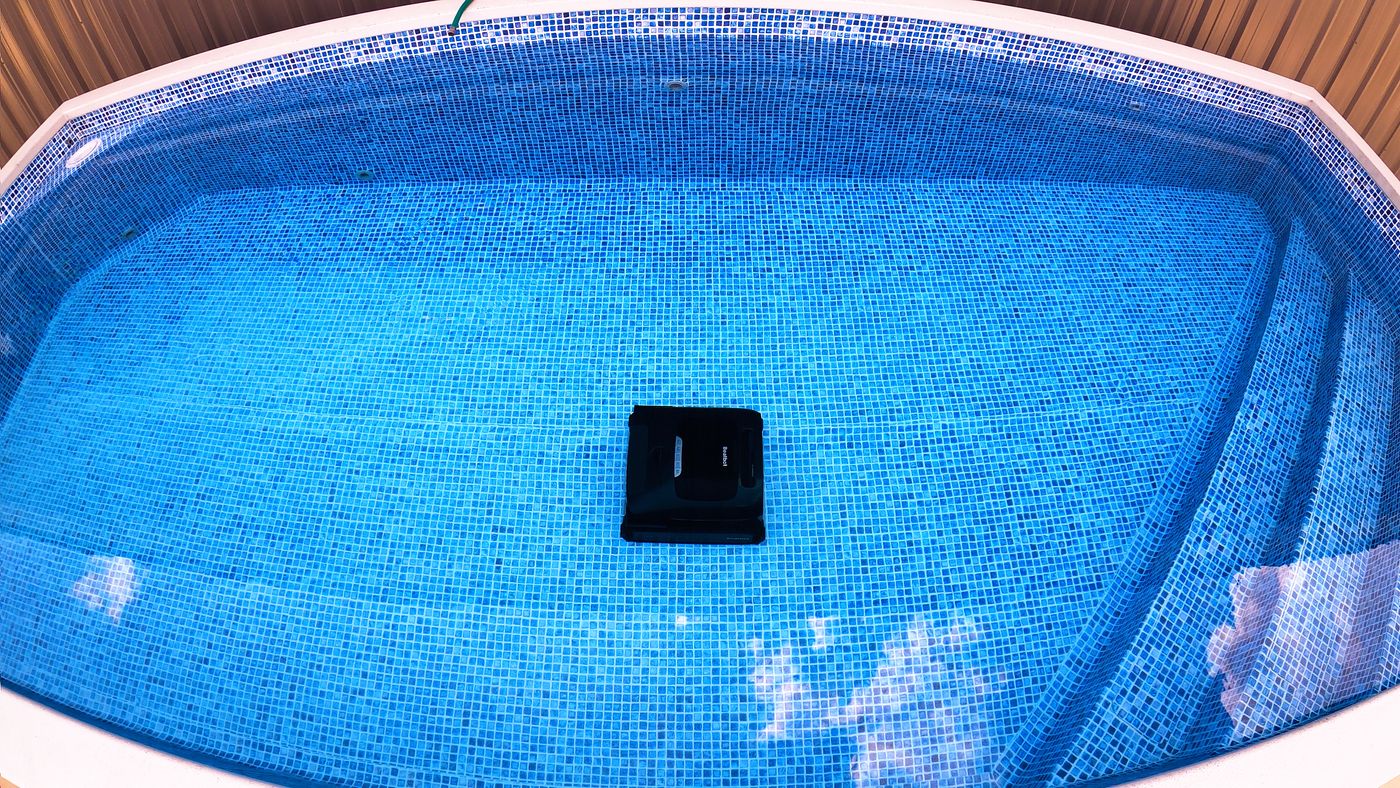
When a pool robot costs $2,000, your expectations are sky-high. When it's pushing $3,000? You expect perfection.
Well, today, I'm diving into two of the most expensive pool robots I've tested and putting them head to head.
Hey there, I'm Justin, your resident pool aficionado. And today, we're comparing the Beatbot AquaSense 2 Ultra vs the Beatbot AquaSense 2 Pro.
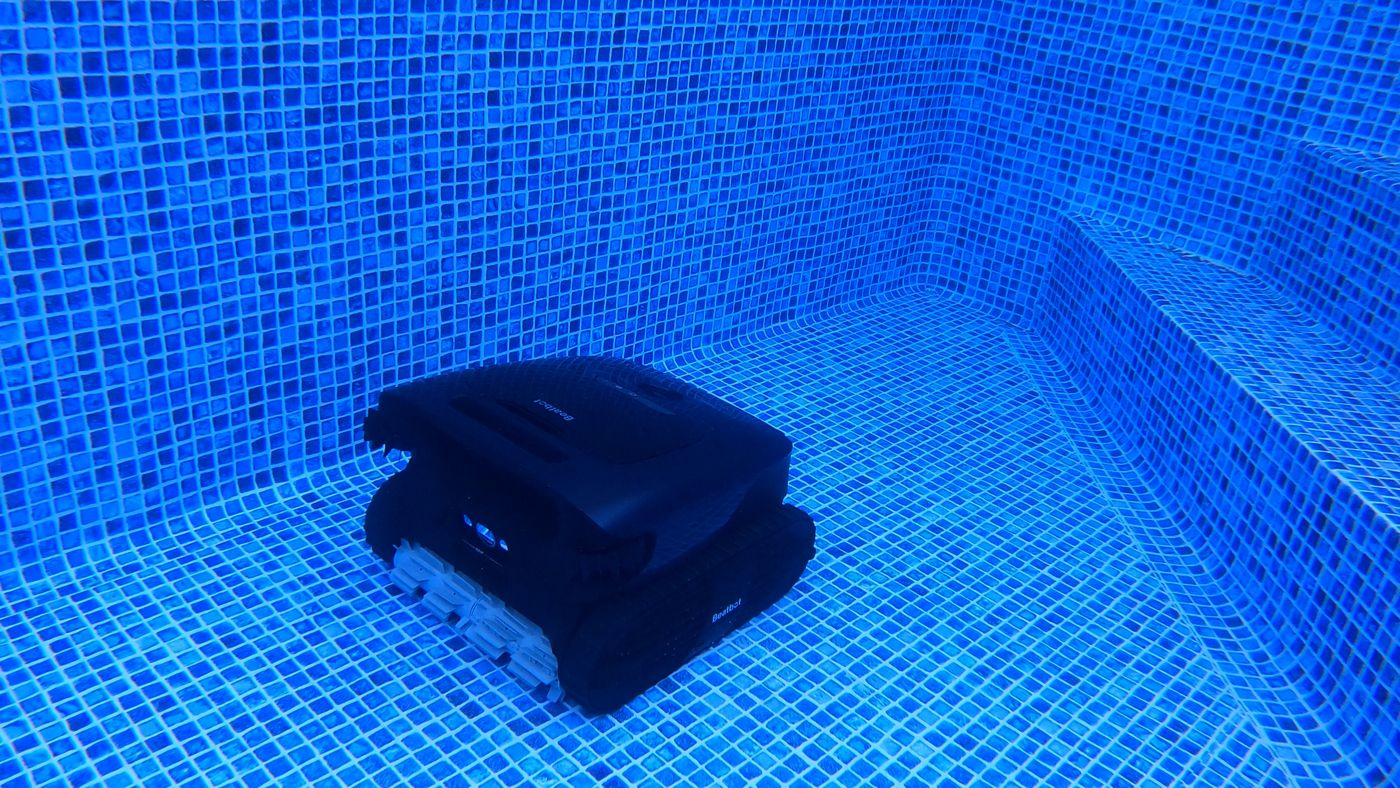
Bottom Line: Both the AquaSense 2 Pro and AquaSense 2 Ultra are Pool Nerd Disapproved. The Ultra costs $1,000 more for sensor upgrades that don't translate to meaningfully better cleaning. If you're set on Beatbot, the Pro is the better value — but corded robots from Dolphin's ProLine outperform both at a lower price.
The Beatbot AquaSense 2 Pro and the Beatbot AquaSense 2 Ultra sit at the top end of Beatbot's cordless lineup — same brand, same family, and very high price tags. And after testing both hands-on, I can tell you the differences are a lot smaller than you would think. I've done full reviews on both of these on my channel, so go check those out for the deep dive on each one individually.
But today, we're putting them head to head — and more importantly, I'm going to explain why I think both of them lose to corded robots that cost significantly less. Let's get into it.
Price and What You're Actually Getting
Let's start with the numbers. The AquaSense 2 Pro comes in around $2,000. The Ultra? Around $3,000. That's a thousand-dollar jump between two robots in the same family.
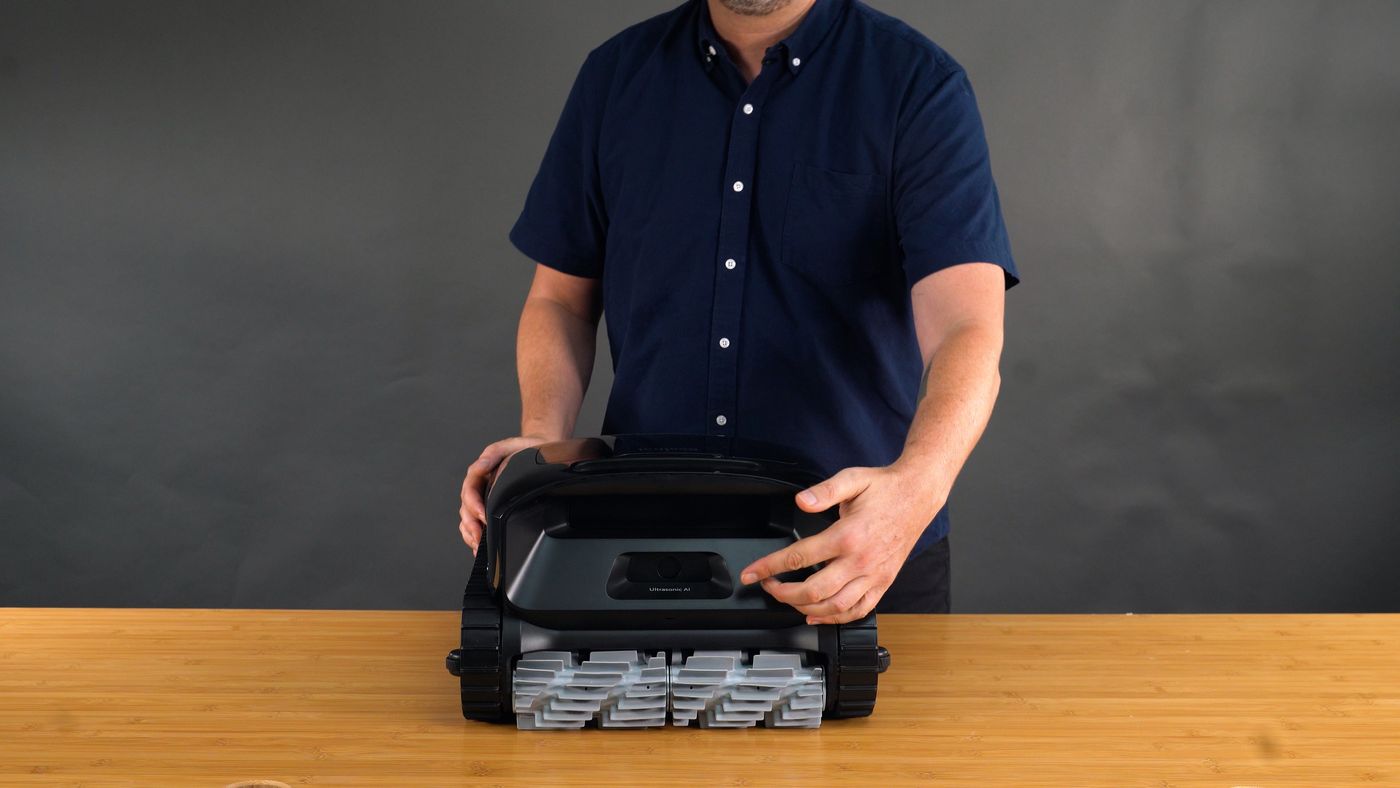
So what does that extra money get you? The Ultra bumps you up to 11 motors versus 9 and adds an AI camera with Dual TOF sensors along with HybridSense AI pool mapping on top of CleverNav. You also get AI debris detection that claims to identify over 40 types of debris. The Ultra's filter baskets are slightly larger at 4.0 liters and 3.7 liters versus 3.7 liters and 3.5 liters on the Pro. And the Ultra is noticeably heavier at 29.1 pounds versus 25 pounds on the Pro.
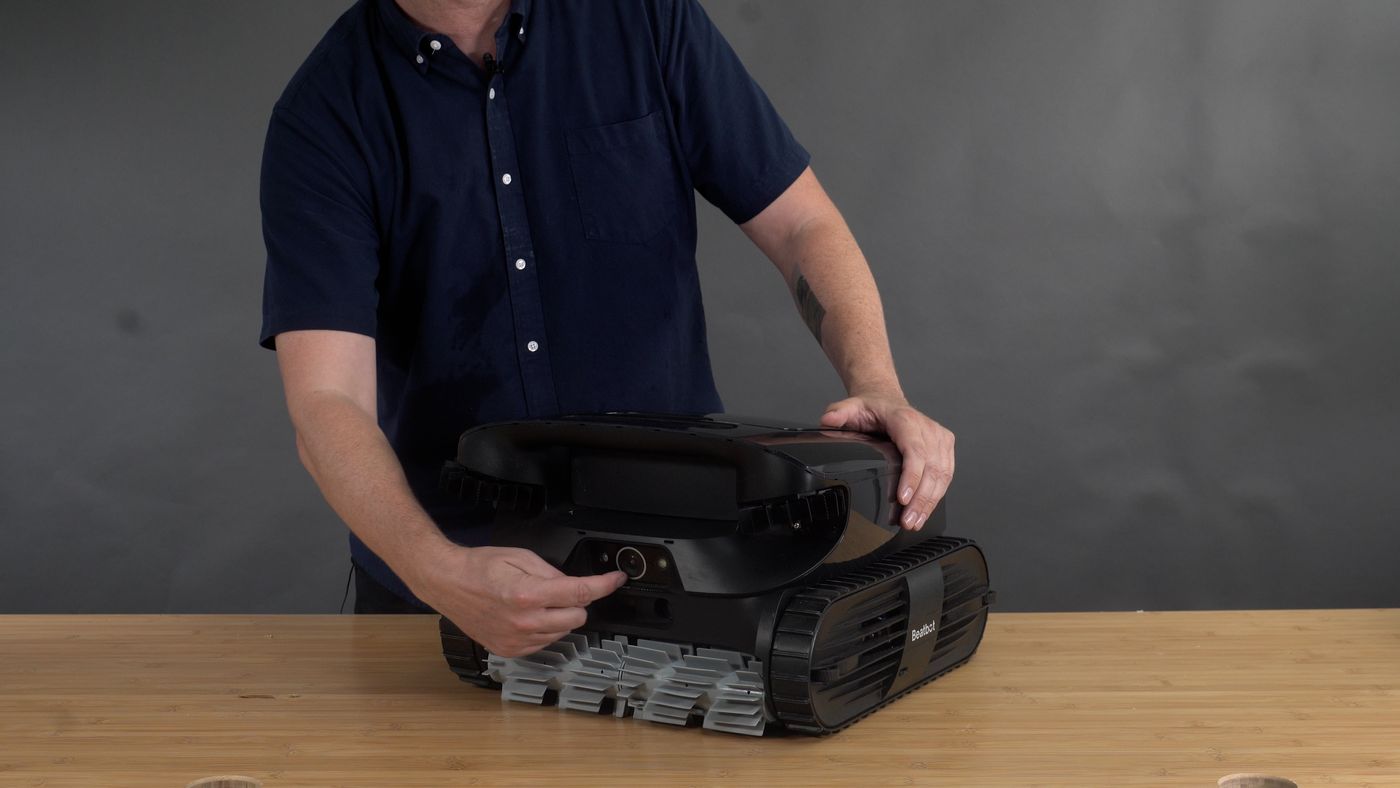
But here's the thing — both robots share the same 5,500 GPH rated suction, the same 13,400 mAh battery, the same approximate 4.5-hour charge time, the same 3-year warranty, the same IP68 rating, the same ClearWater clarification system, and the same pool size rating of 3,875 square feet. The filtration density is identical at 150 microns plus 250 microns on both. Neither one includes the AstroRinse cleaning station or smart home integration — those are reserved for the even pricier AquaSense X. So the core cleaning hardware? It's practically the same in my opinion.
| Feature | AquaSense 2 Pro | AquaSense 2 Ultra |
|---|---|---|
| Price | ~$2,000 | ~$3,000 |
| Motors | 9 | 11 |
| Suction (GPH) | 5,500 | 5,500 |
| Battery | 13,400 mAh | 13,400 mAh |
| Charge Time | ~4.5 hours | ~4.5 hours |
| AI Camera | No | Yes (Dual TOF) |
| Navigation | CleverNav + SonicSense | HybridSense AI + CleverNav |
| Filter Baskets | 3.7L + 3.5L | 4.0L + 3.7L |
| Filtration Density | 150μm + 250μm | 150μm + 250μm |
| Weight | 25 lbs | 29.1 lbs |
| Warranty | 3 years | 3 years |
| Pool Size Rating | 3,875 sq ft | 3,875 sq ft |
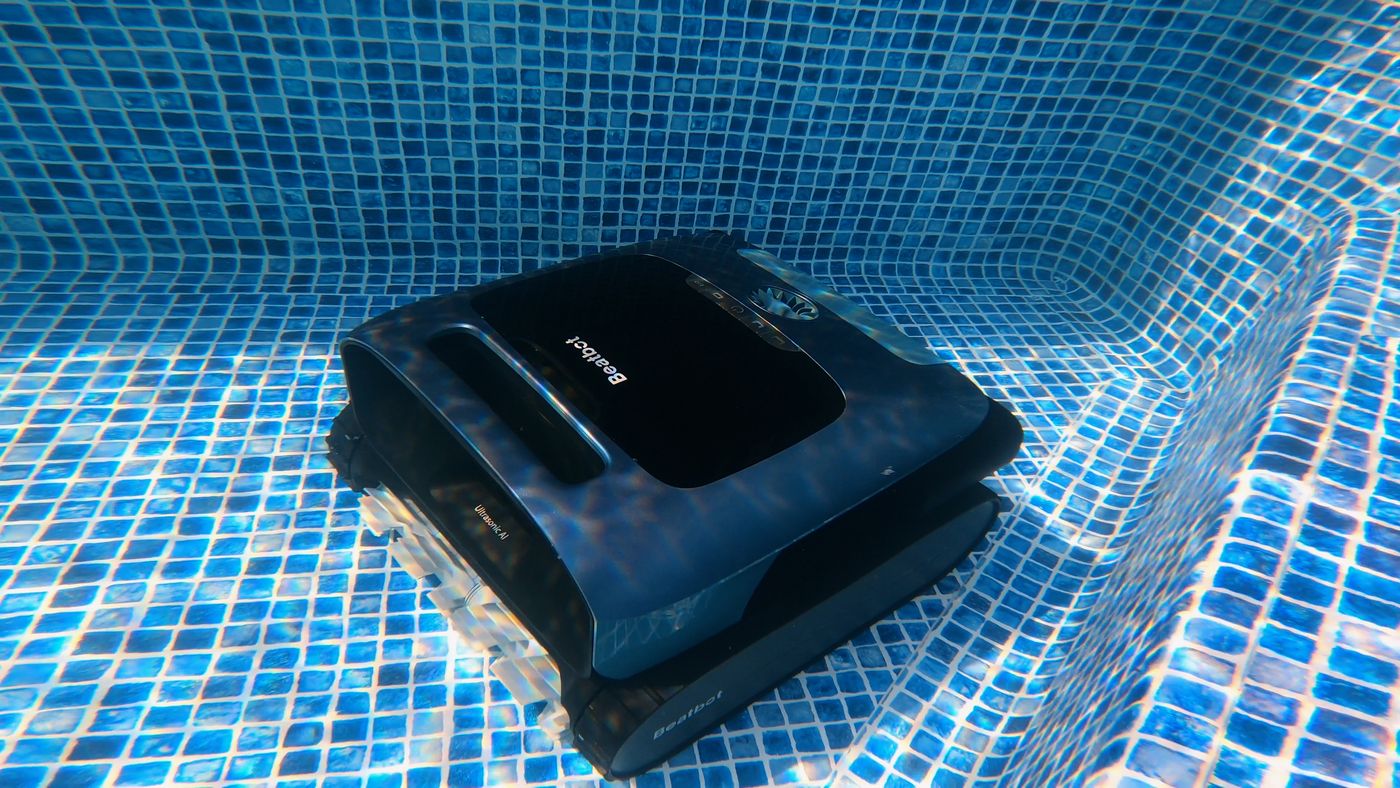
The Ultra's upgrades are almost entirely on the tech and sensor side — and that's a tough pill to swallow for a thousand-dollar premium in my opinion.
Where They Fit in Beatbot's Lineup
To put things in perspective, the base AquaSense 2 is Beatbot's entry model with just 4 motors, a single basket, a 10,000 mAh battery, and no surface cleaning or water clarification — it only covers floor, walls, and waterline. Above the Ultra sits the AquaSense X, which is where Beatbot puts the real flagship features: 6,800 GPH suction, the AstroRinse cleaning station, and smart home integration with Google, Alexa, and Siri. The 2 Pro and 2 Ultra land in the middle, which makes that near-$3,000 price tag on the Ultra even harder to justify when it's missing features that the X has while still costing a small fortune.
Cleaning Performance — Not What You'd Expect
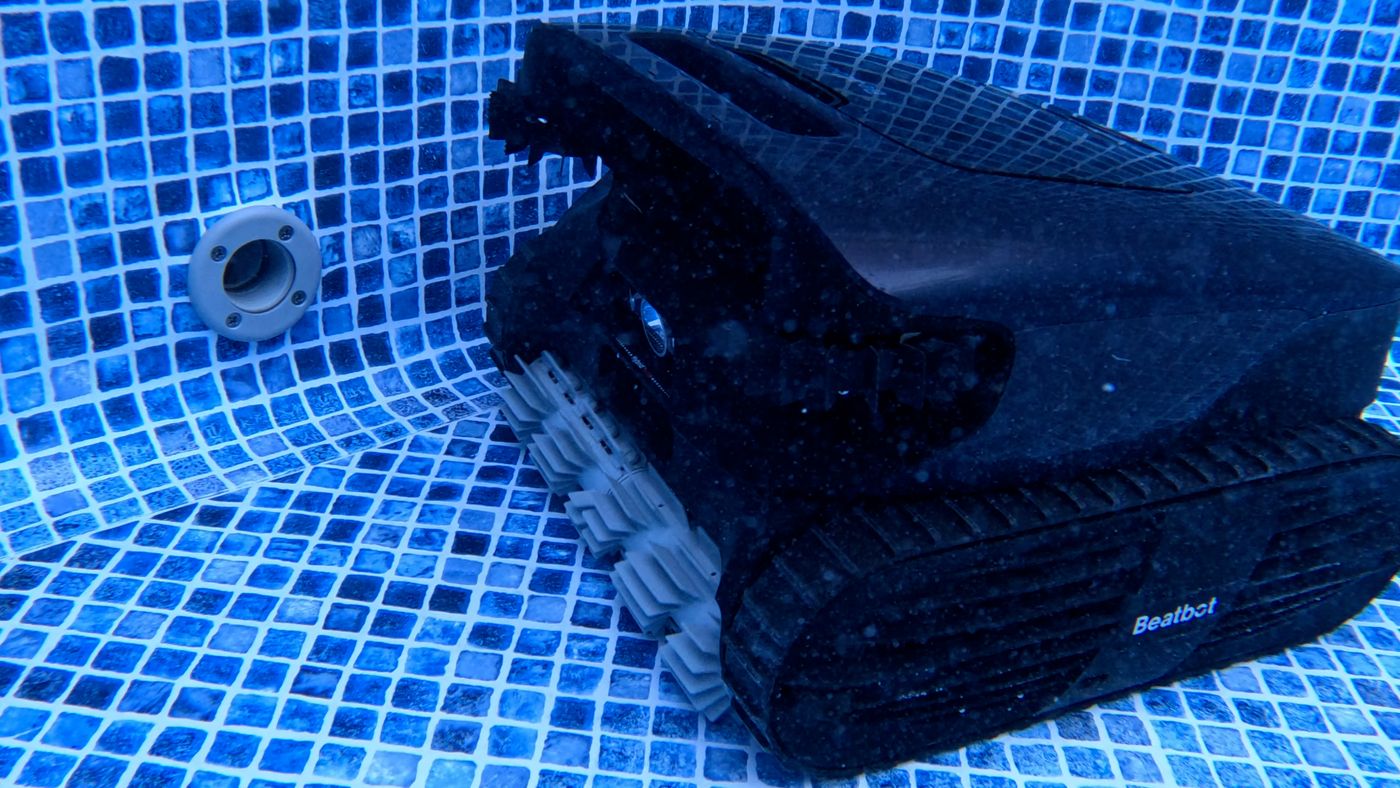
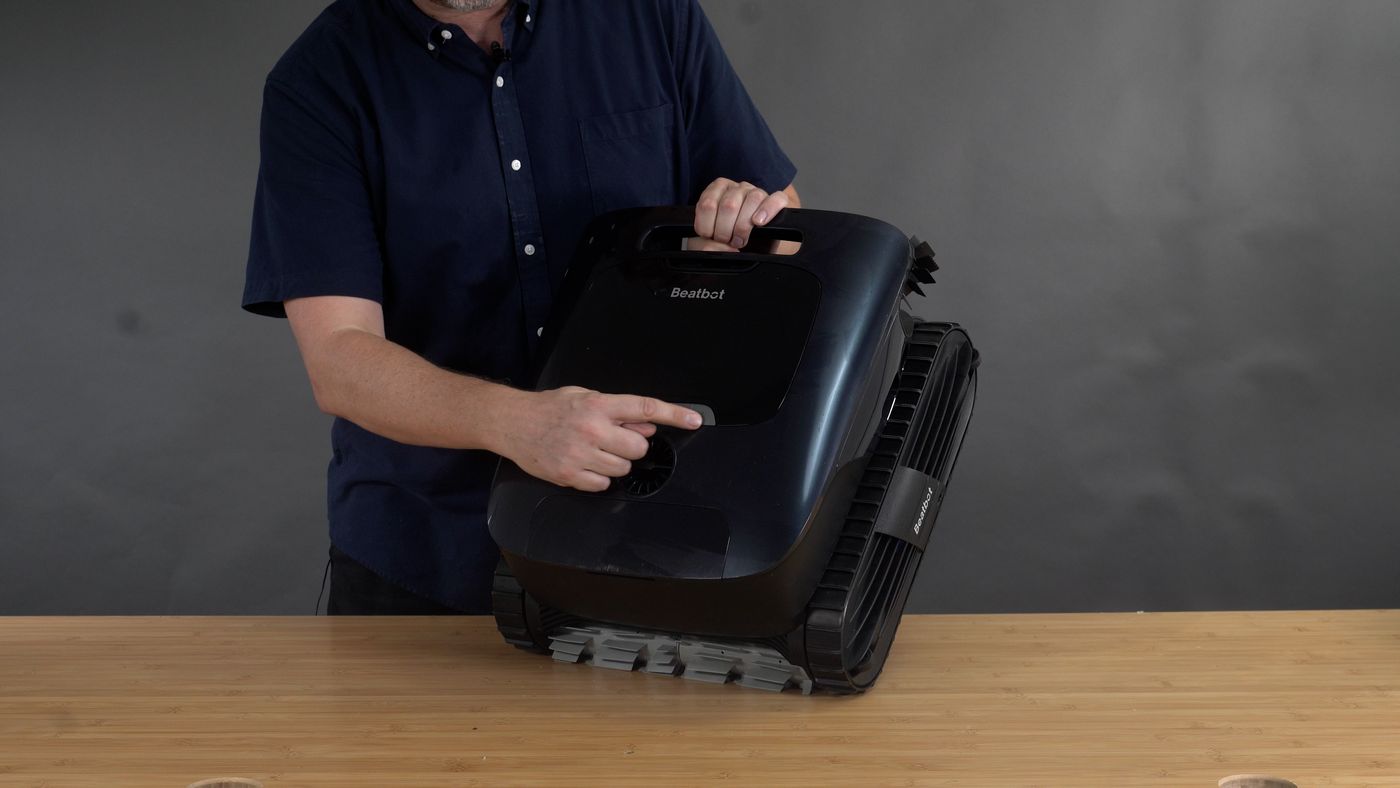
In my testing of both robots, the cleaning performance was underwhelming for the price. Both moved super slowly through the pool, and while they picked up larger debris just fine — it is odd just how slow they move. And without NanoFilters, they didn't seem to polish the water as well as other robots I've used.
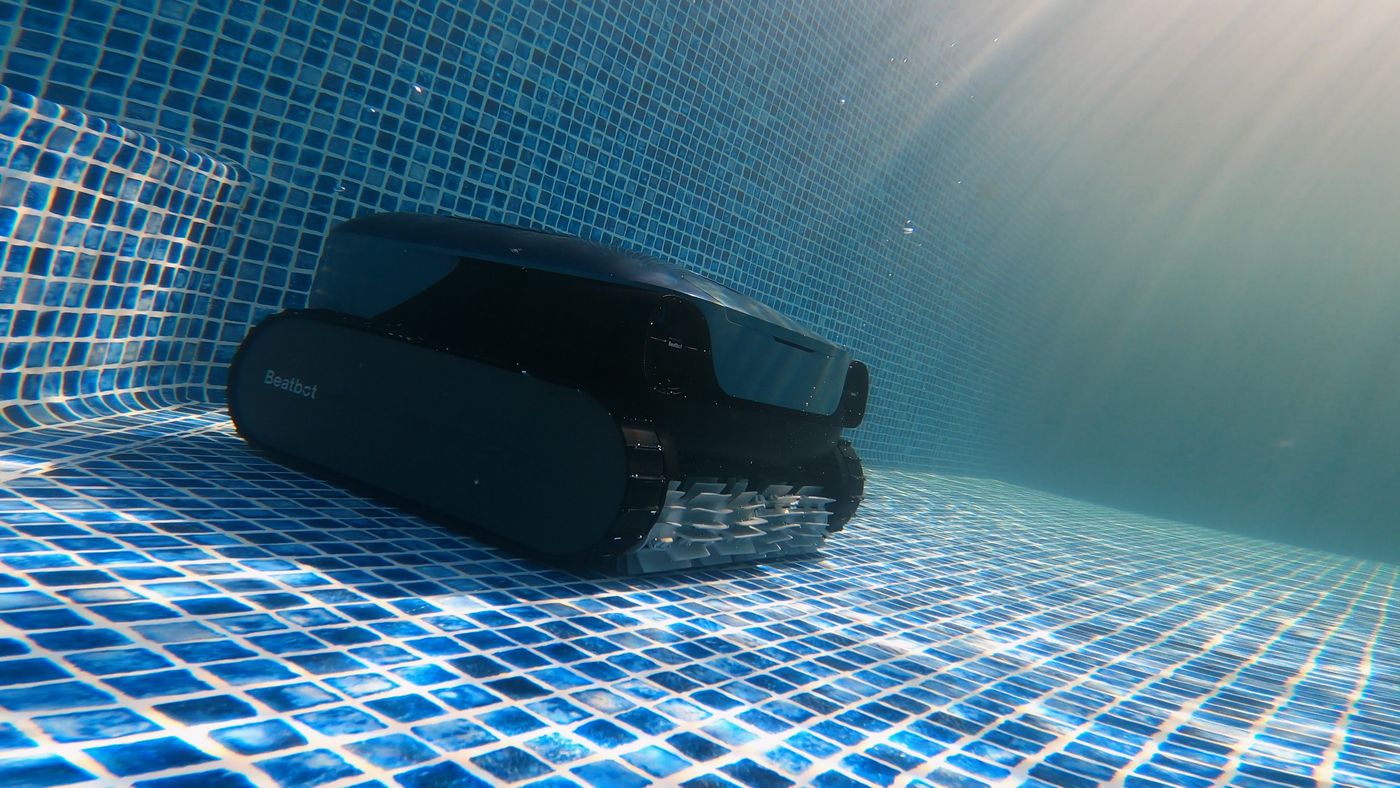
The Ultra's HybridSense AI mapping does create cleaner, more strategic-looking patterns. But in my experience, impressive mapping didn't translate to meaningfully better cleaning.
The Reality of "Up To" Runtimes
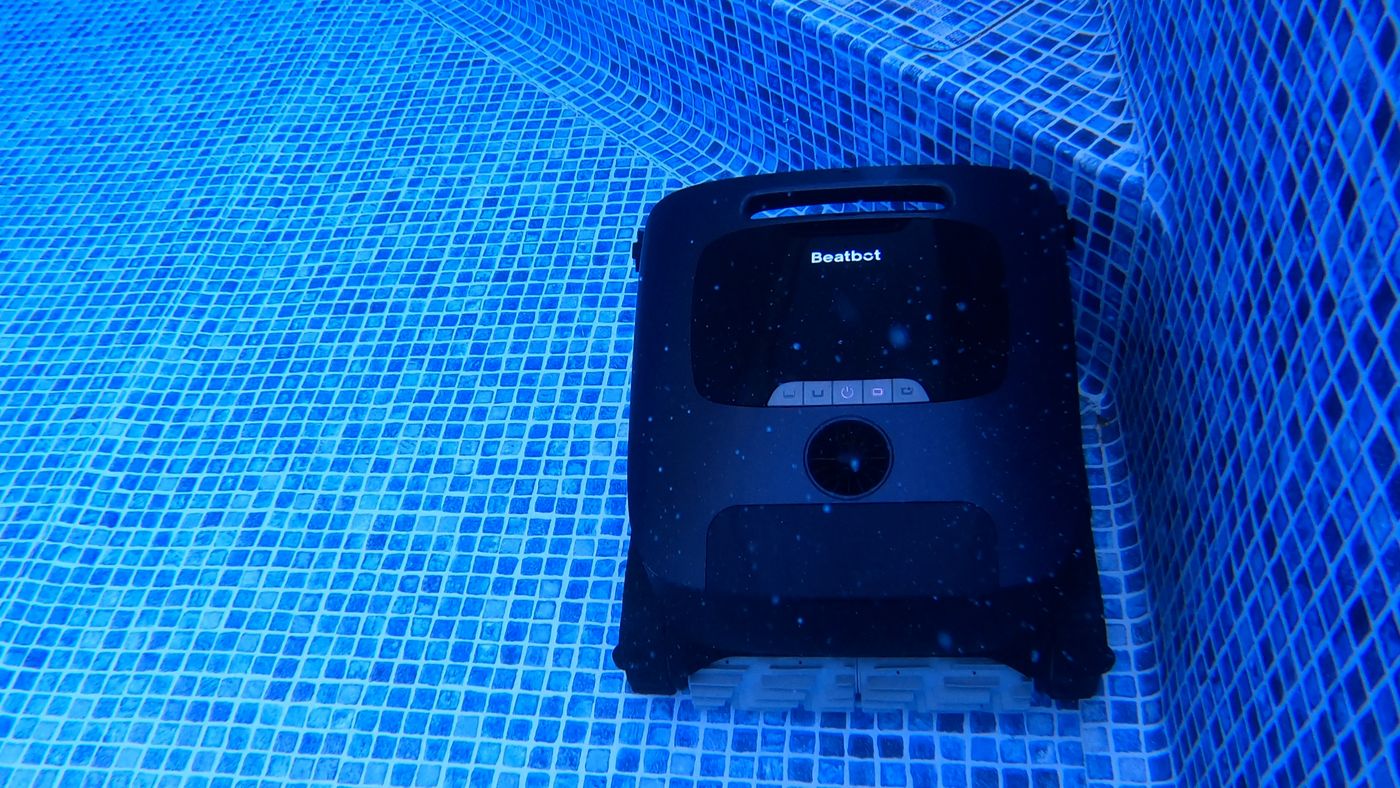
Now, let's talk about the battery, because this is where the specs get really interesting — and a bit frustrating. Both the Pro and the Ultra are rated to clean up to 5 hours on a single charge. But as any pool owner knows, you want to be very careful with that "up to" phrasing.
In my testing and in some user reports I've seen online, that number isn't an exact science. Depending on your pool's debris level or how much the robot has to fight your specific water chemistry, they can sometimes stop early. If the battery dips too low, it's heading to the surface for parking whether the job is finished or not.
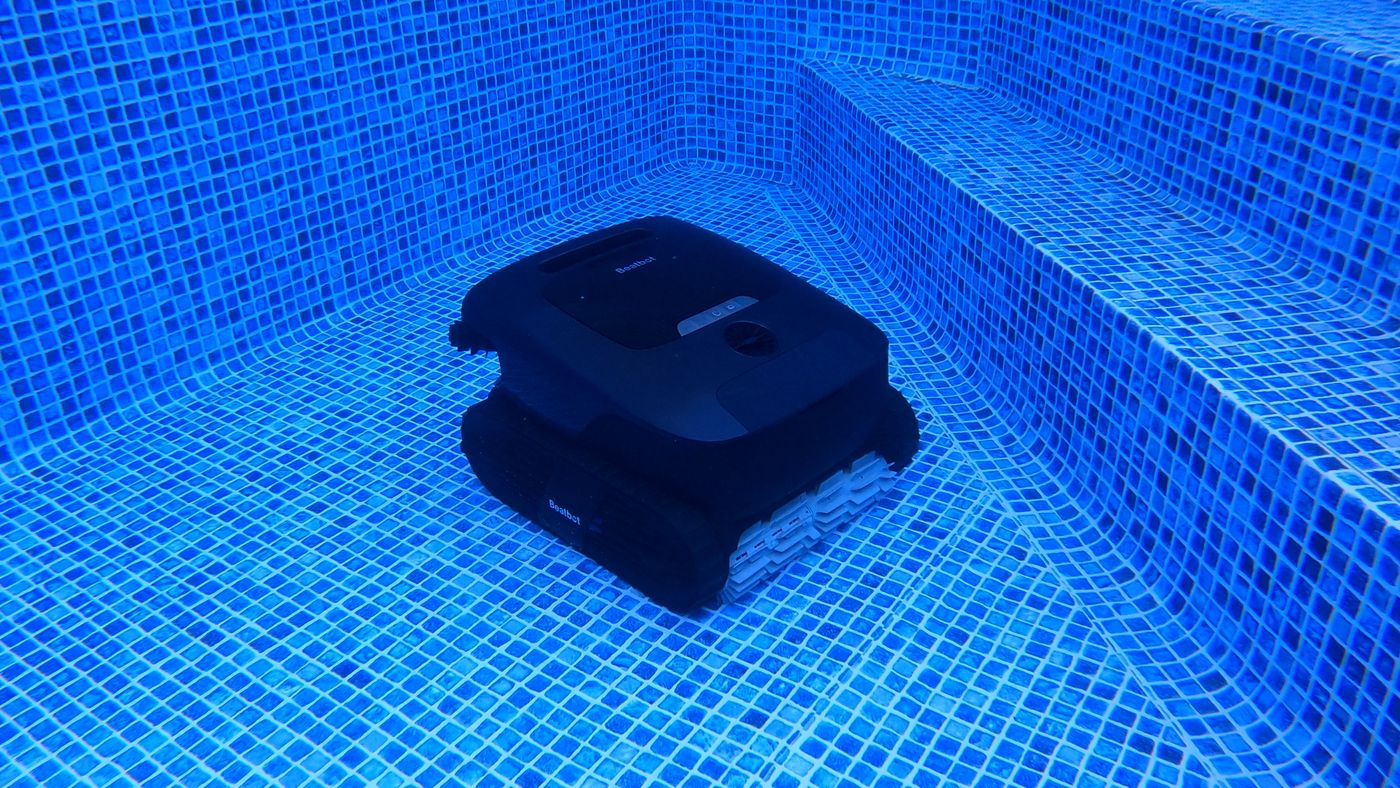
But here is the real kicker for the Beatbot AquaSense 2 Ultra: despite costing a thousand dollars more, it actually has less battery life in some categories.
The Ultra is rated for 10 hours of surface cleaning, while the "cheaper" Pro gives you 11 hours. And when it comes to the walls and waterline? The Ultra is rated for 4.5 hours compared to the Pro's 5 hours.
Why are you getting less cleaning time for more money? My theory is simple: the "Tech Tax." The Ultra has 11 motors instead of 9, and an AI camera system that's constantly processing data. My theory is that the extra sensors and motors may draw more power from the same battery, which could explain the slightly shorter runtimes. To me, that is a very tough pill to swallow.
The Cordless Reality — 14 Interactions a Week
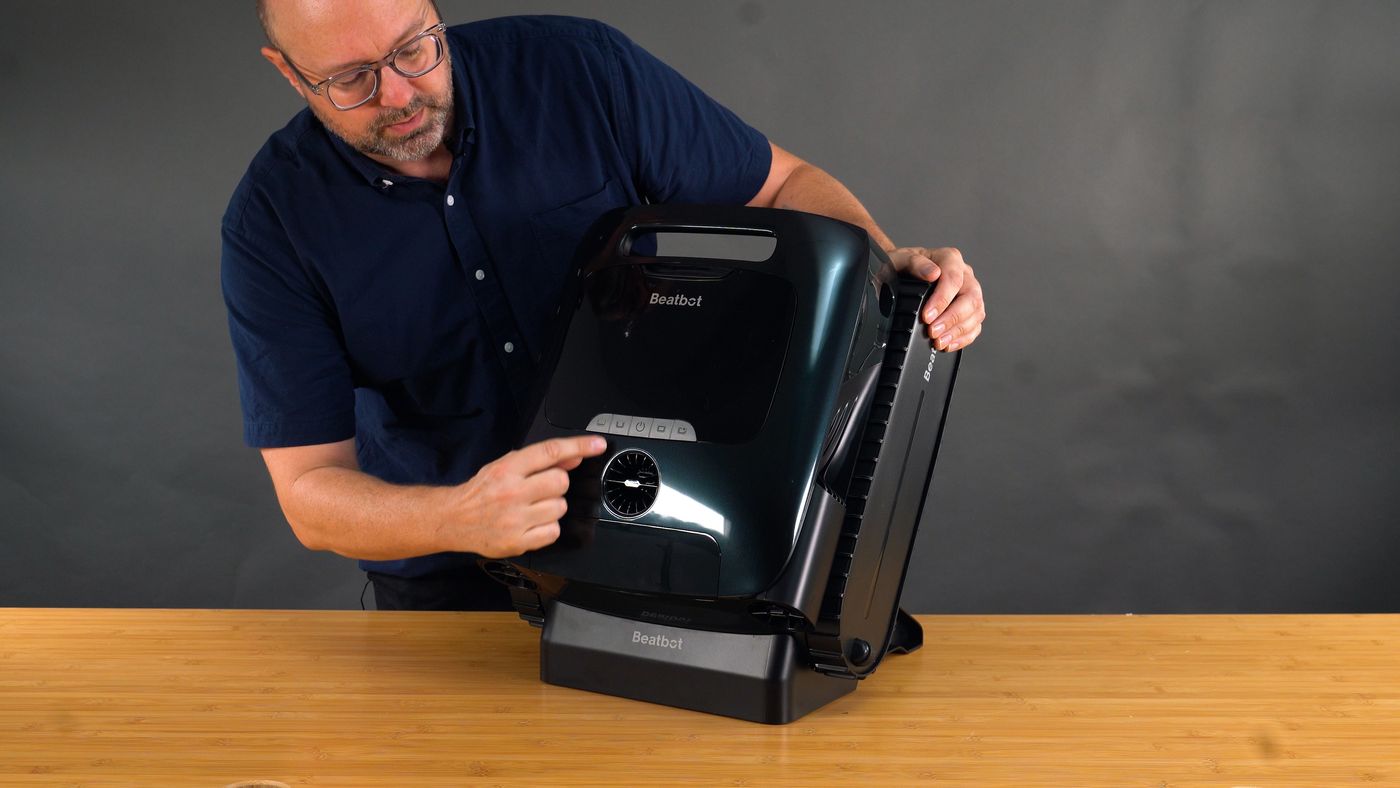
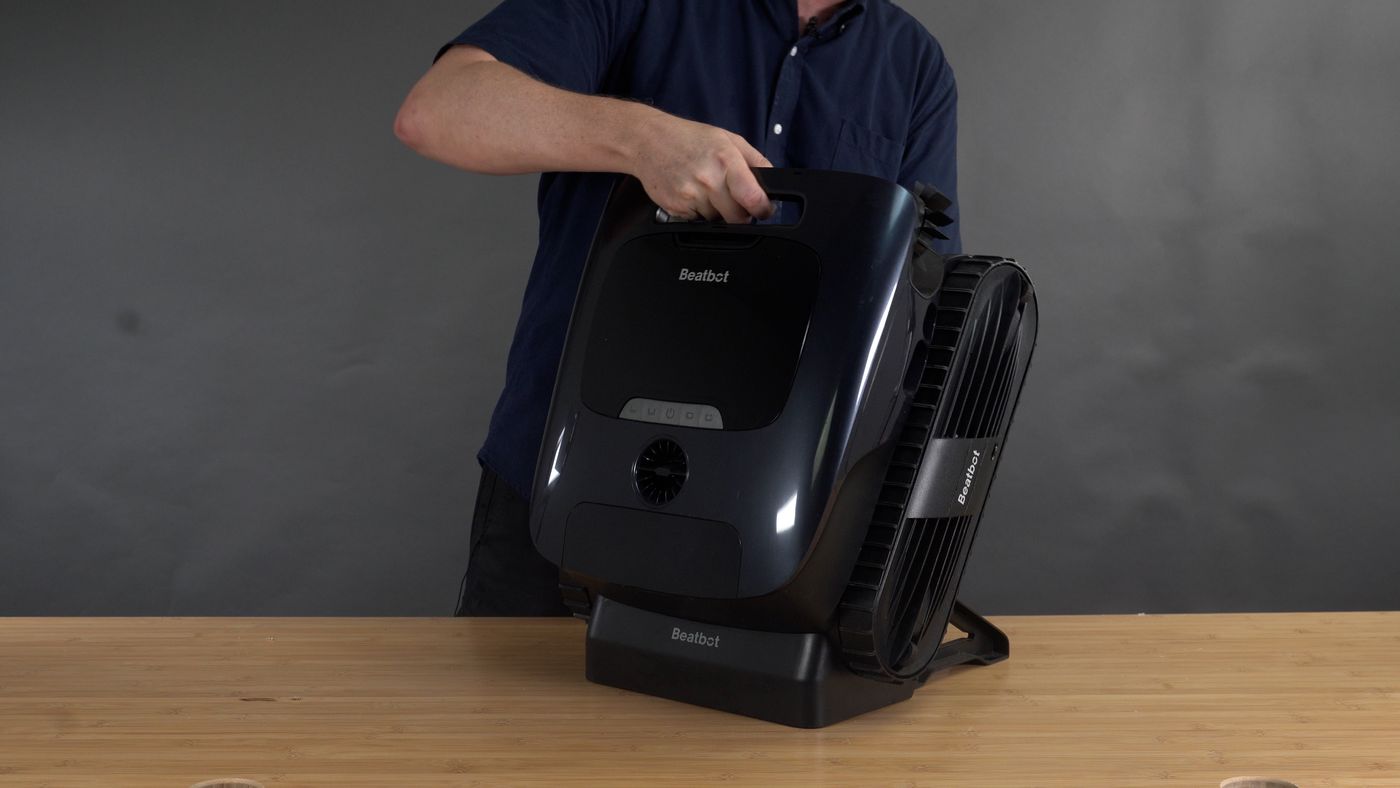
This is the part that really gets me, because it applies equally to both robots. Whether you spend $2,000 or $3,000, you're stuck with the same daily routine: go outside, fish a 25-to-29-pound robot out of the water, clean the filter, haul it to the charging dock, wait about 4.5 hours for it to charge, then go back outside and drop it in again. That's two interactions per day. Multiply that by seven — you're looking at 14 interactions per week just to keep your pool clean.
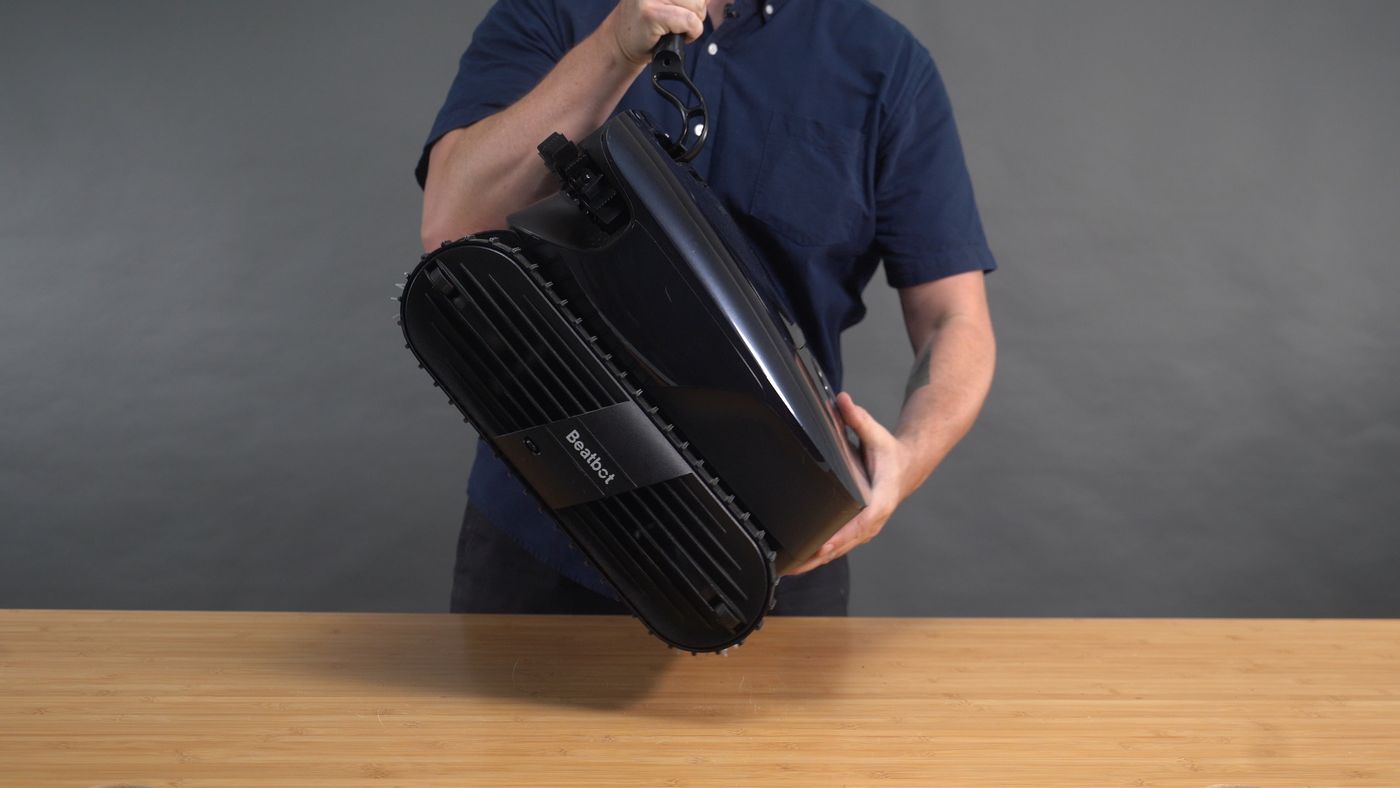
What makes it worse is when you compare this to a corded robot. Whereas a corded robot can completely automate your weekly pool cleaning routine. And the craziest part? All of the top corded cleaners cost less than both of these cleaners. So, you're paying a premium for you to do more work.
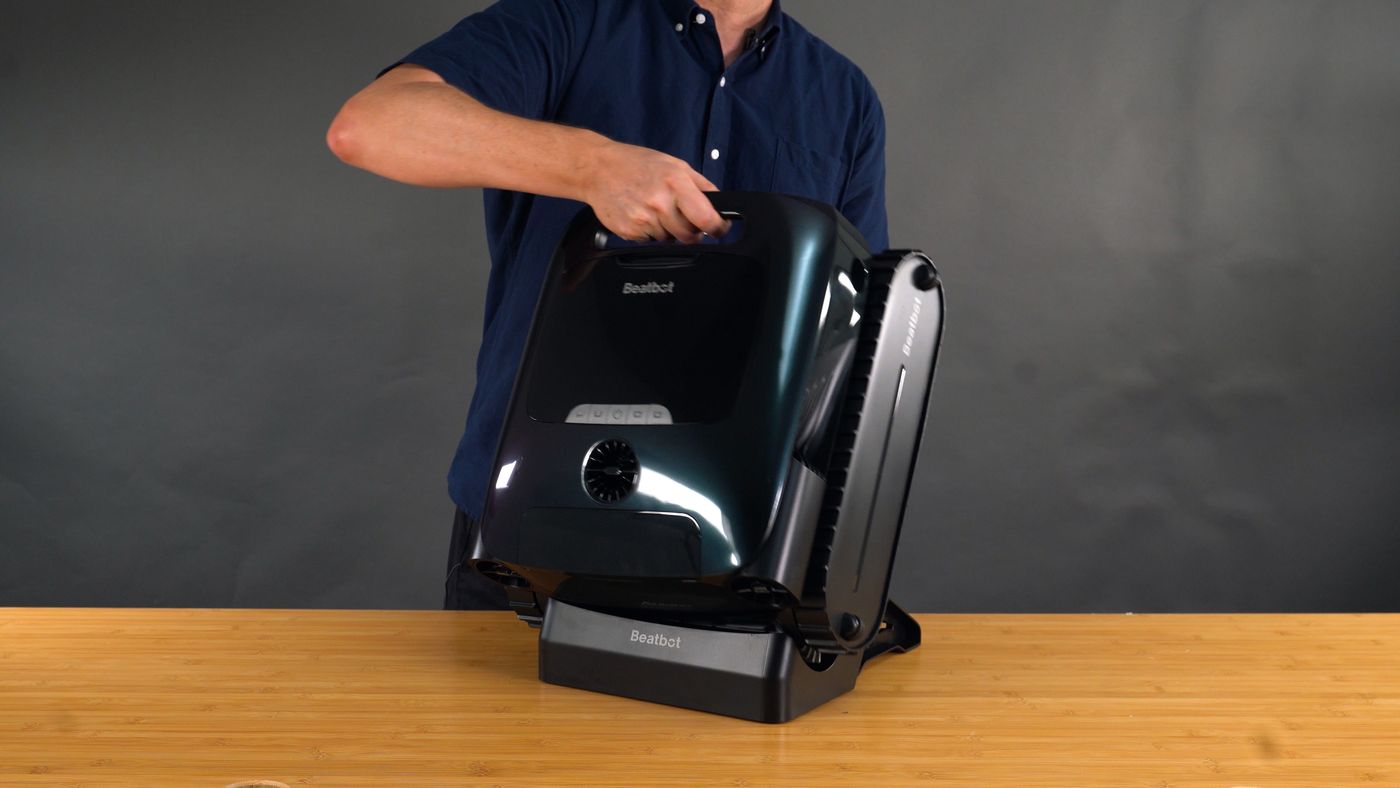
Compare that to a corded robot with a weekly timer. Set the schedule once, it runs automatically every day. Empty the filter once a week. That's one interaction, five minutes, done.
The Ultra's extra sensors and AI camera don't solve this problem. Same battery, same charge time, same daily chore. That extra thousand dollars buys you more sensors while you're still hauling this thing in and out every single day. Once you've lived with a weekly timer, going back to this routine is painful.
Filtration — Premium Price, Basic Filters
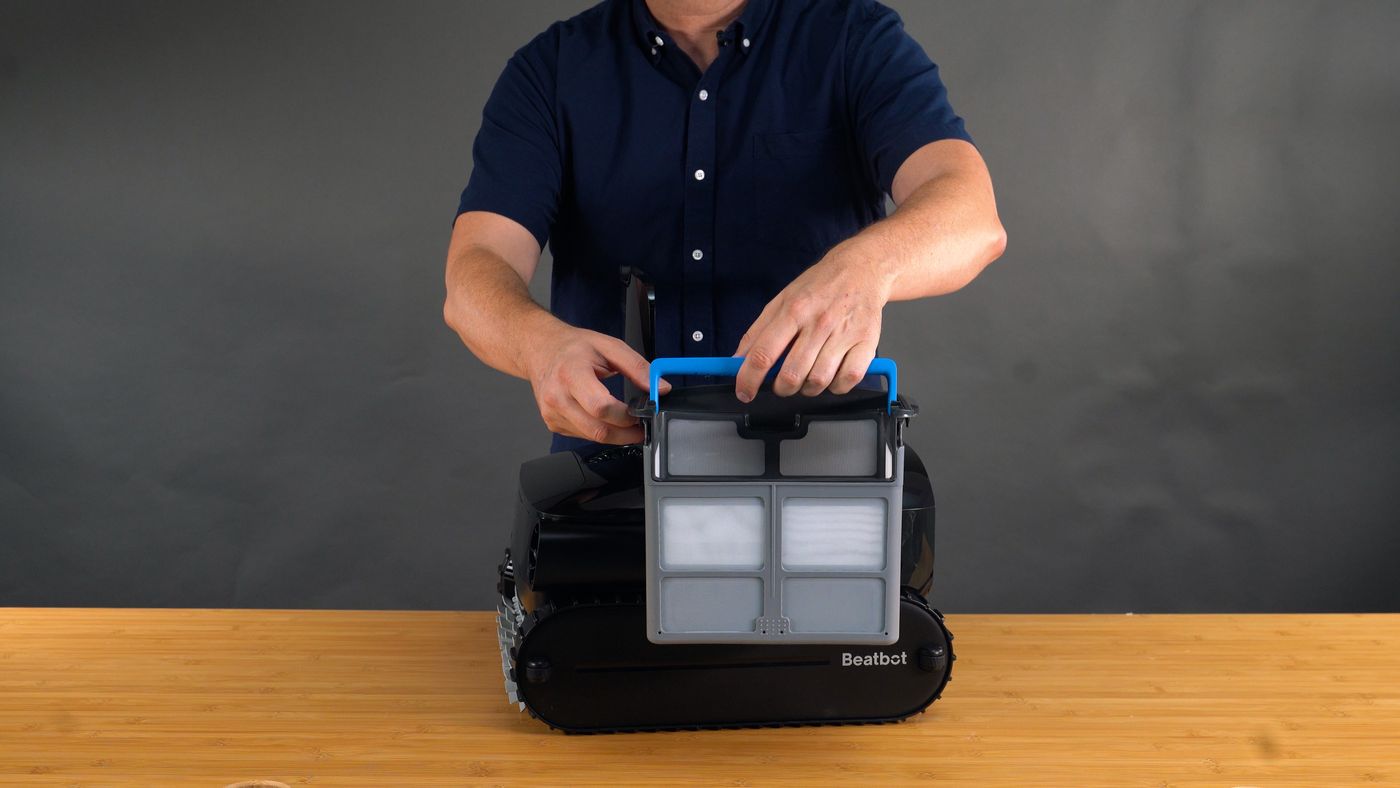
Both the Pro and Ultra use a dual filter basket system with the same 150-micron plus 250-micron filtration density. The Ultra's baskets hold slightly more — 4.0 and 3.7 liters versus 3.7 and 3.5 liters — but the filter material is the same on both: basic mesh screens and a cotton-like mesh.
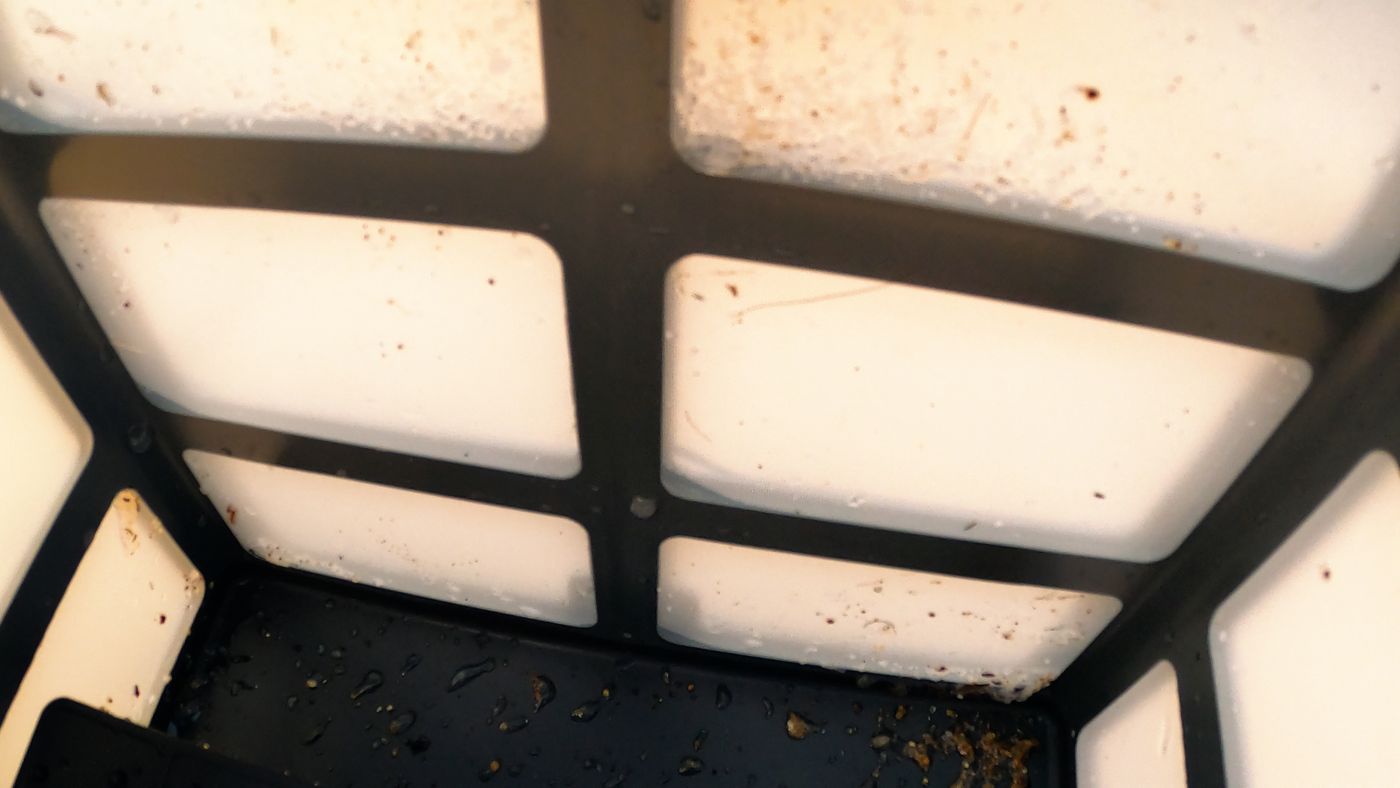
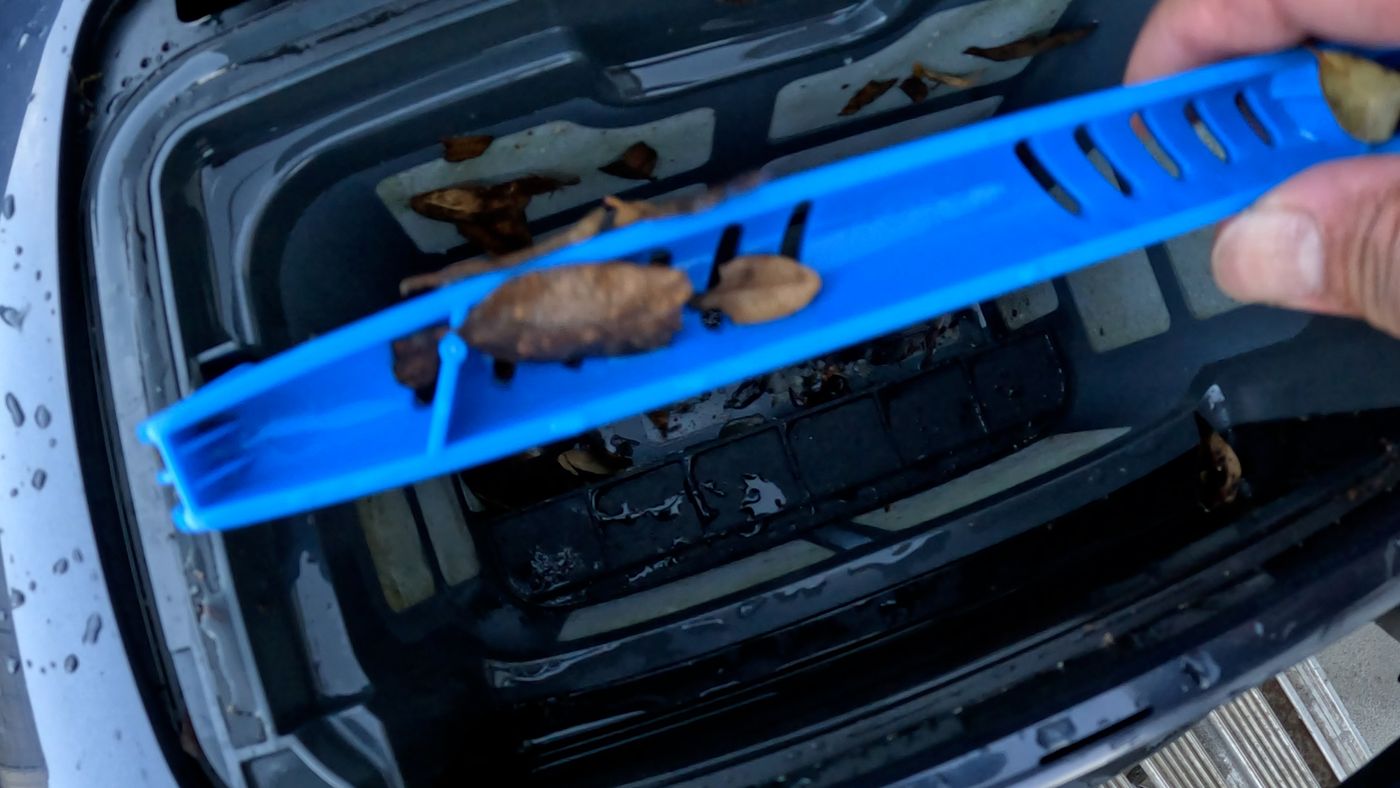
In my testing, 150 microns handles everyday stuff fine — leaves, larger debris, surface mess. But it's nowhere close to what you get from a Dolphin NanoFilter, which catches particles you can't even see — pollen, fine silt, dust. The stuff that makes the difference between a pool that looks clean and a pool that actually is clean.
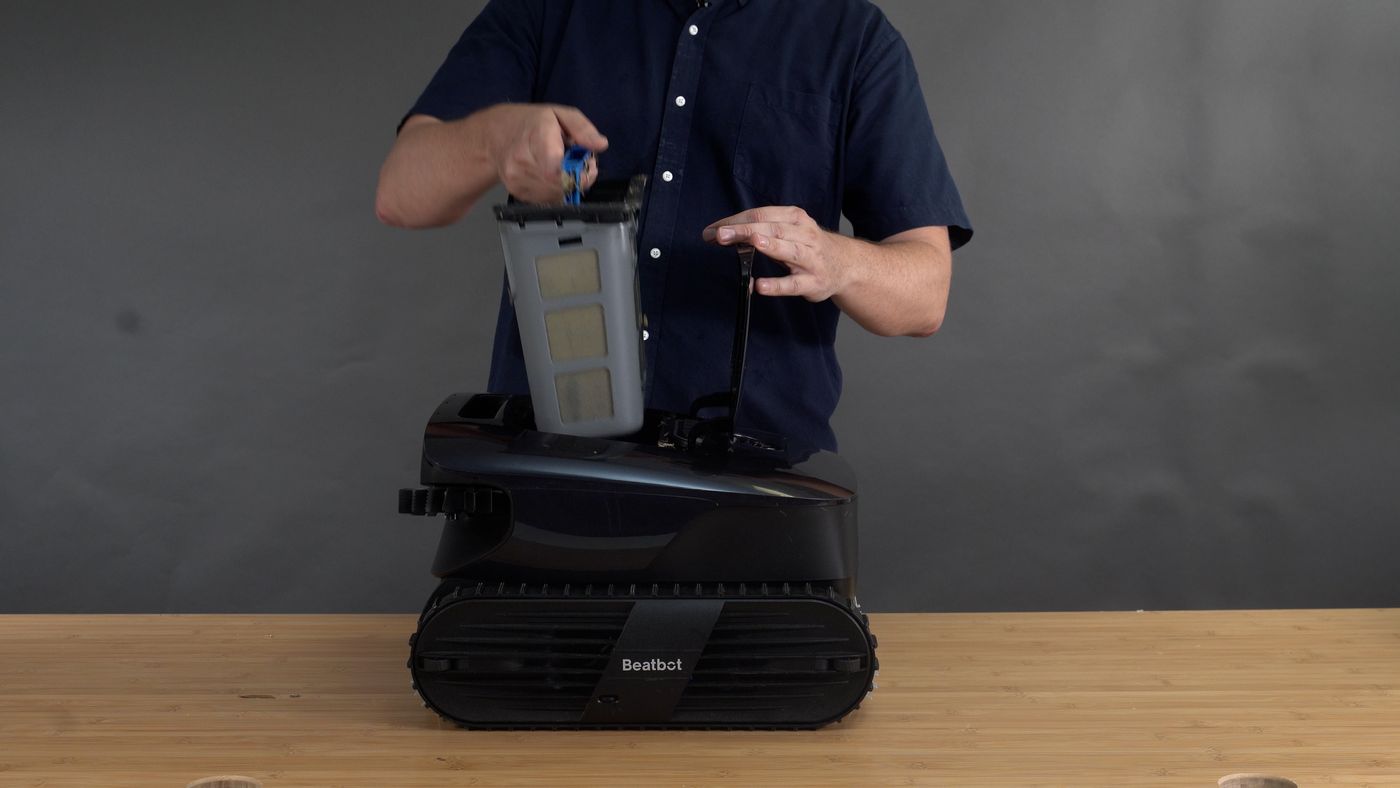
At these price points, I expected filtration that would blow me away.
App and Smart Features — Impressive Until They're Not
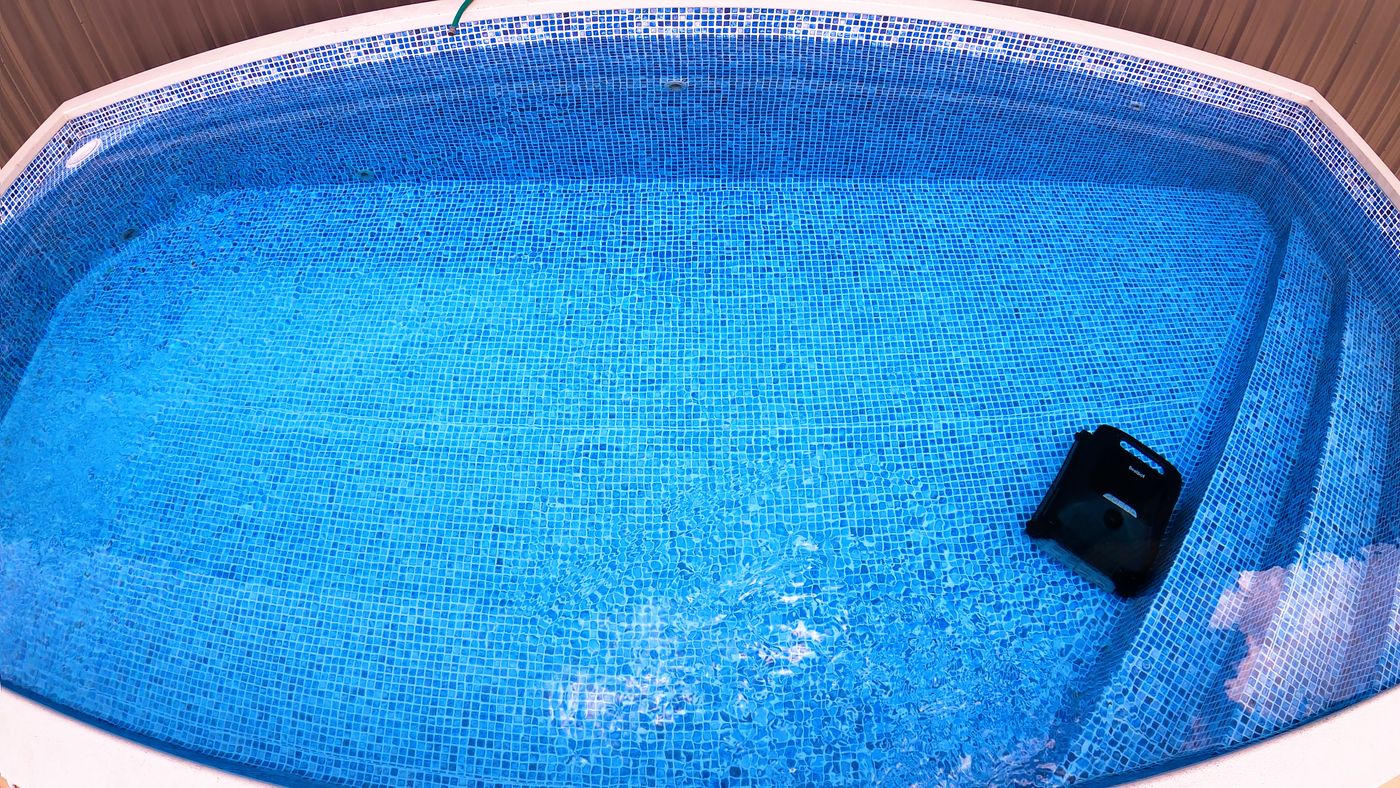
The Ultra does try to justify its price with some interesting tech. The AI camera with Dual sensors and HybridSense AI mapping creates some sophisticated cleaning patterns, and watching it work and map the pool is something you don't normally see. The AI Cruise debris detection claims to identify over 40 types of debris. The Pro, by comparison, uses CleverNav and SonicSense — it seems simpler, but still gets the job done.
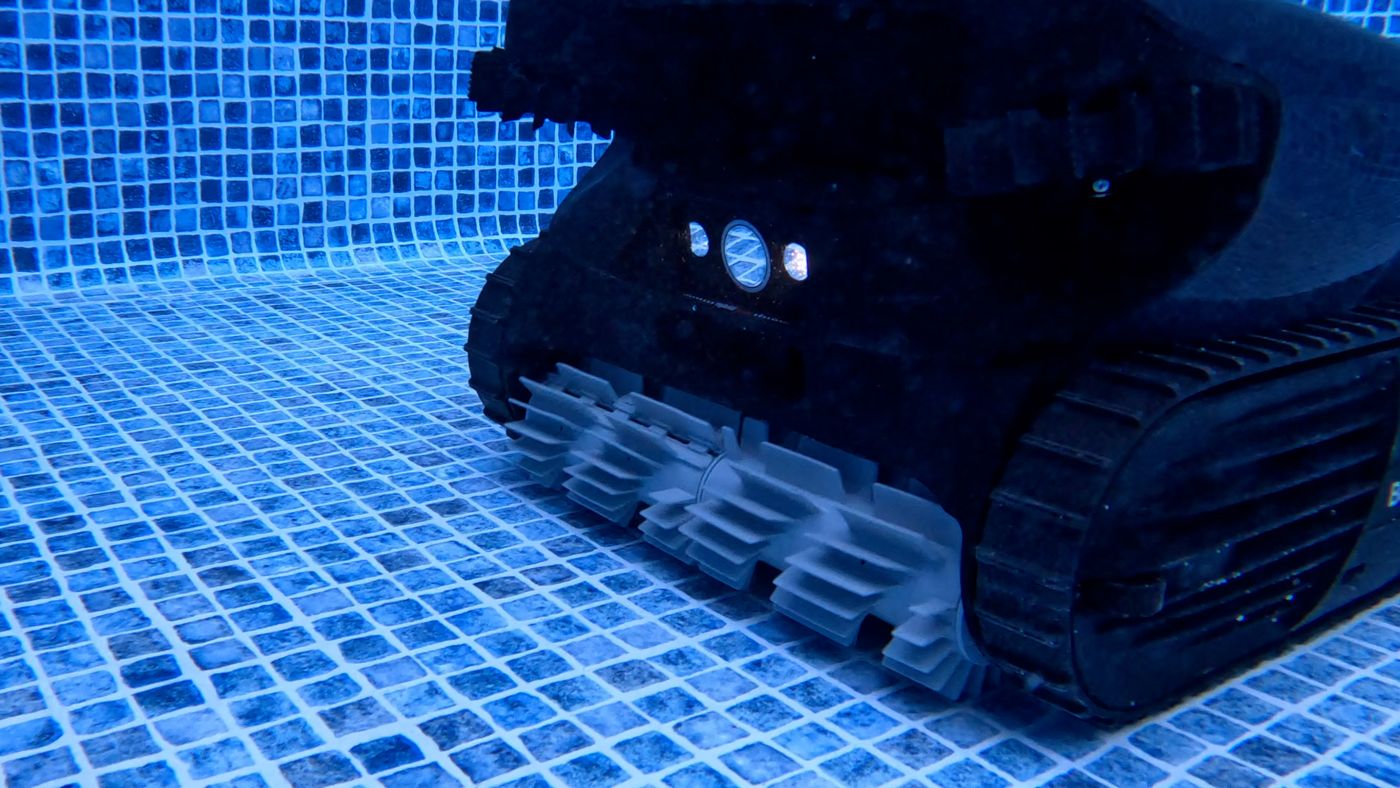
But here's the problem with both robots — the app only works when the robot is at the surface. Once it goes underwater, you lose connection entirely. You can't steer it, you can't change modes, you can't check progress. For devices marketed as "smart," they're anything but that once they start cleaning.
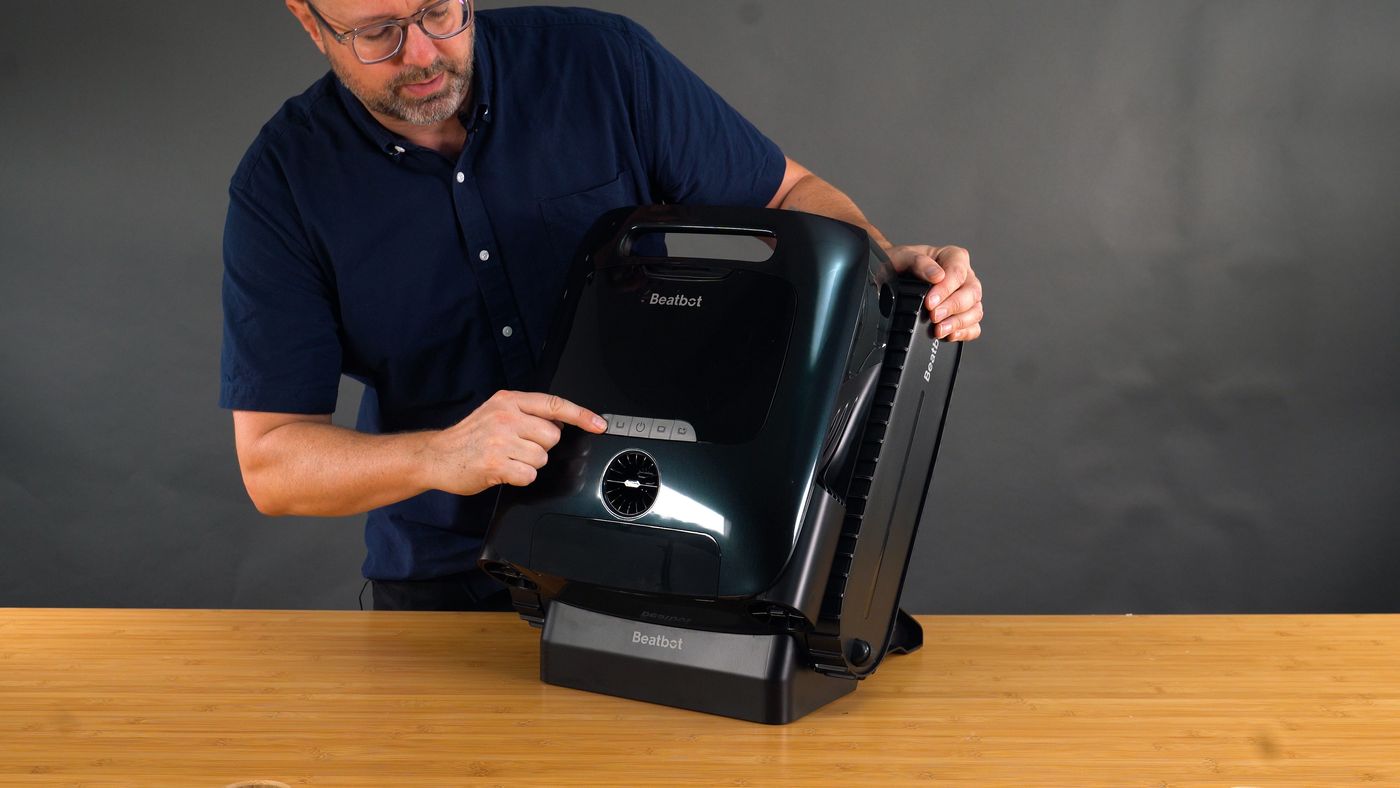
Compare that to the Dolphin Sigma with the MyDolphin Plus app, where you can control the robot in real time while it's underwater — start a clean from your couch, switch modes, monitor progress, and even tell Siri to start it. That's what "smart" should actually mean.
But why can't the Beatbots be connected to underwater? It comes down to basic physics. Wireless signals like WiFi and Bluetooth don't travel well through water — especially pool water. Water absorbs and weakens radio frequencies, which means your phone simply can't maintain a reliable connection to a fully submerged cordless robot.
That's why cordless robots disconnect once they're underwater. It's not a software issue — it's a signal limitation.
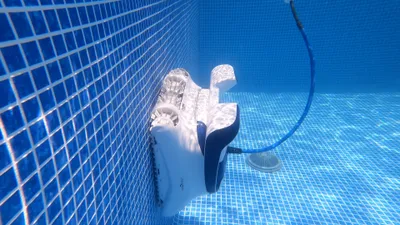
Now compare that to something like the corded Dolphin Sigma. The Sigma communicates through its physical cable to the power supply outside the pool. That wired connection allows real-time communication the entire time it's cleaning — no signal loss, no disconnects.
And that was one of my biggest disappointments with both Beatbots. At this price point, you'd expect seamless connectivity. But unless a brand figures out a way around the physics of radio signals in water, true underwater cordless control just isn't realistic.
What I'd Buy Instead
For less money than either Beatbot, you can get a corded robot that outperforms both in every category that matters.
Dolphin Premier — My number one pick. The Premier's Multi-Media filtration system lets you swap between a leaf bag, fine cartridges, and NanoFilters depending on the job — that kind of versatility is unmatched. It runs on commercial-grade dual motors with consistent power that never fades. The weekly timer means true set-it-and-forget-it automation. For less money than the AquaSense 2 Pro, you get stronger suction, far better filtration, and you never have to haul it out to recharge.

Dolphin Sigma — The Sigma brings triple commercial-grade motors and gyroscope-enhanced SmartNav 3.0 navigation for precise, efficient coverage. In my testing, NanoFilters captured noticeably finer debris than these mesh systems. And the MyDolphin Plus app works while the robot is underwater — real-time control, scheduling, monitoring, and Siri integration.
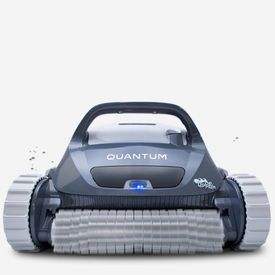
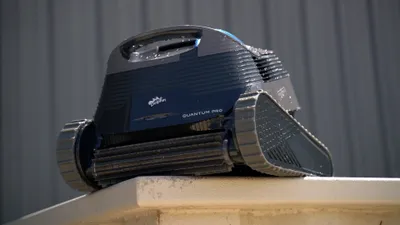
Dolphin Quantum — Best bang for your buck. PowerJet 3D Mobility for excellent wall climbing, a MaxBin filter that holds a ton of debris, NanoFilters for fine particle capture, and a weekly timer — all at a price that's less than half the Ultra. Sometimes simple and effective beats fancy and frustrating.
For the price of the Ultra alone, you could buy a Dolphin Premier, add a dedicated solar surface skimmer like the Betta SE, and still have over $1,000 left in your pocket. In my testing, that combination outperformed the Ultra in every meaningful category.
Pro vs. Ultra — If You're Set on Beatbot
I wouldn't choose either one. But if you've already decided you want a Beatbot — maybe the cordless design is a must-have for your setup — then the Pro is the better buy between these two in my opinion. It's four pounds lighter and easier to handle. It's significantly cheaper. You're getting the same suction at 5,500 GPH, the same battery, and the same daily charging routine either way.
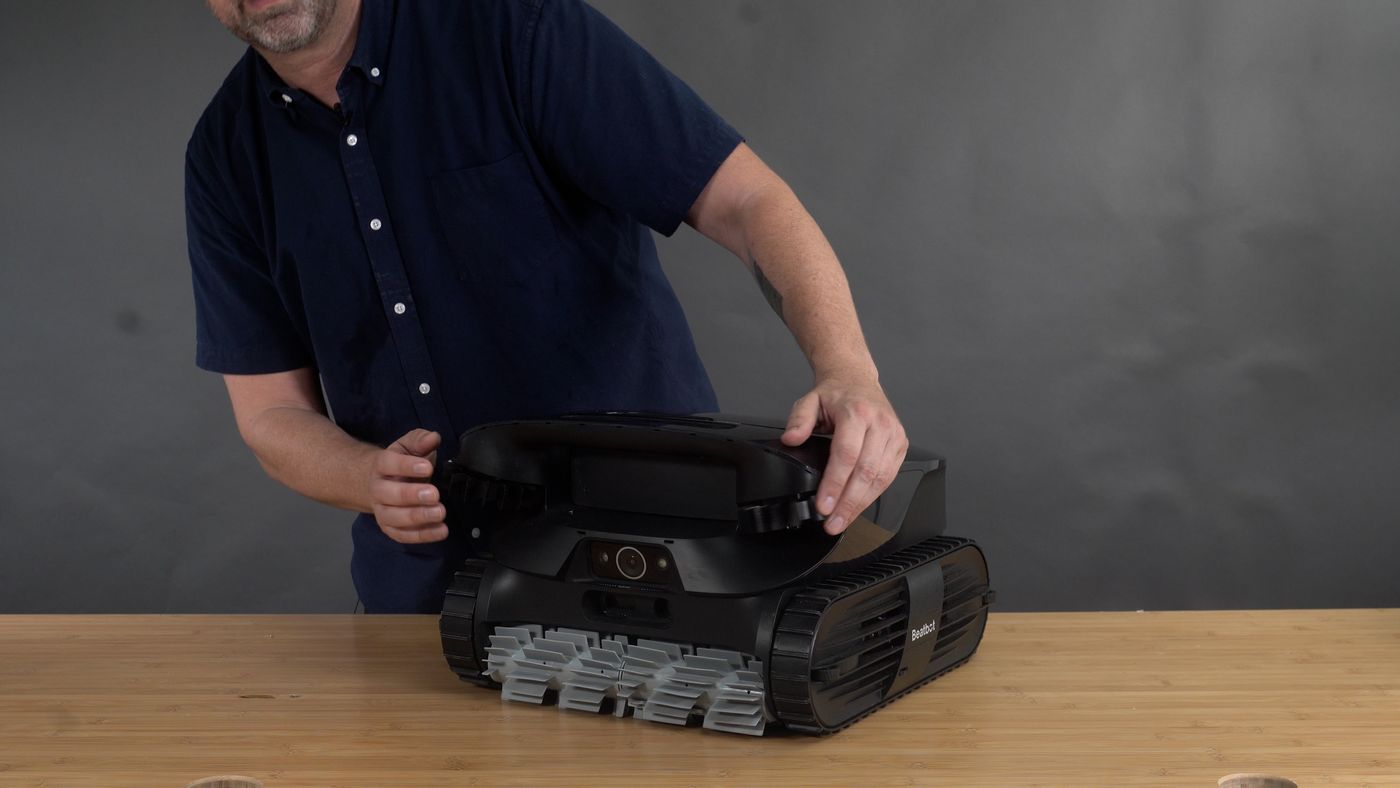
The Ultra's AI camera and HybridSense mapping sound impressive on a spec sheet, but they didn't translate to a meaningfully better clean in my testing. You're paying a steep premium for technology that looks cool but doesn't move the needle as much as I think it should to justify the price tag.
Final Verdict
So what's my final verdict? Both the AquaSense 2 Pro and AquaSense 2 Ultra are Pool Nerd Disapproved.
Between these two, the Pro wins on value. But when you zoom out and look at the full landscape, corded robots from Dolphin's ProLine dominate in every way that matters: stronger, more consistent power. NanoFilters that actually catch everything. Weekly timers that eliminate the daily recharging circus. And price tags that leave you money to spare.
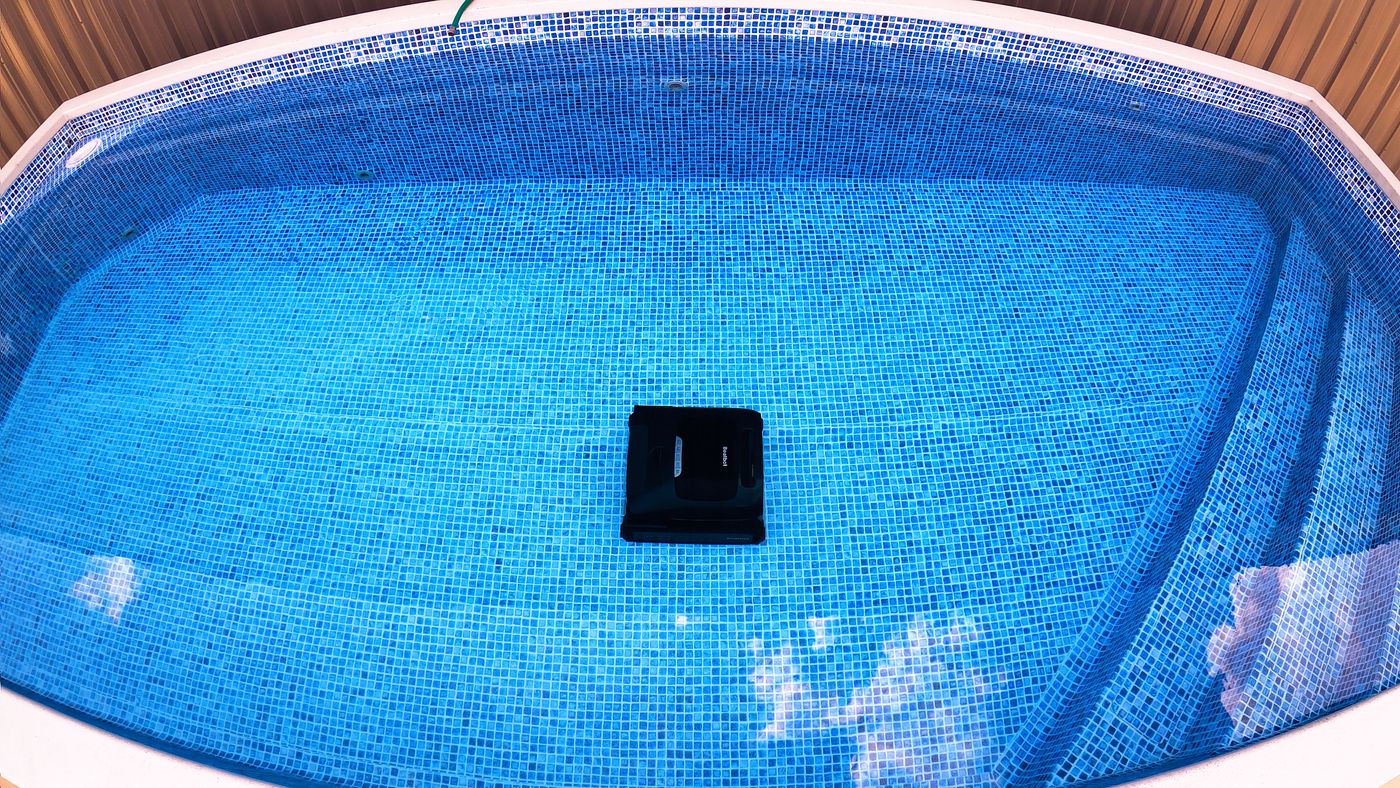
Cordless sounds convenient until you actually live with it. And at $2,000 to $3,000, in my experience, you deserve more than "sounds convenient." You deserve a robot that actually makes your life easier — and right now, that's corded.
Make sure to check out my videos on the best corded pool cleaners if you want to make the switch. And as always, if you wanna keep nerding out over your pool, head on over to my deals page at ThePoolNerd.com/deals where I post the best deals on robotic pool cleaners and other top pool equipment.
Related Reading
- Beatbot AquaSense 2 Pro Review — Our full in-depth review
- Beatbot AquaSense 2 Ultra Review — Our full in-depth review
- Beatbot AquaSense 2 vs Dolphin Quantum — Another head-to-head comparison
- Compare Every Beatbot Model — Side-by-side breakdown of all Beatbot pool cleaners
- Best Robotic Pool Cleaners — Our top picks after testing 30+ robots
- All Robotic Pool Cleaner Reviews — Every robot we've tested

Comments
Loading comments…