
 Justin D.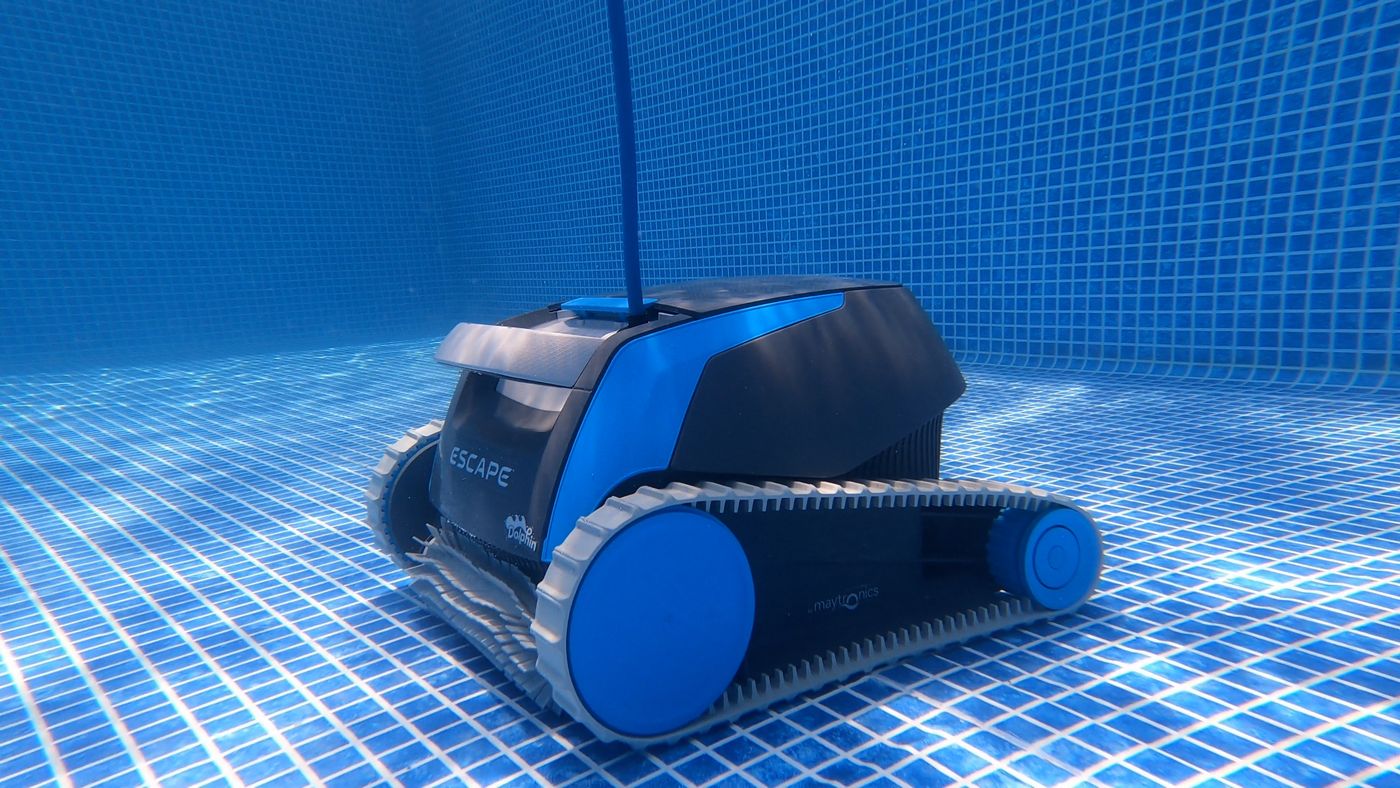
Hey there, welcome back to The Pool Nerd! I'm Justin, your resident pool aficionado. If you've been following along, you know I've tested more than 30+ pool robots — from the cheap $200 cleaners to the $2,000+ flagships. Today, we're putting two popular cleaners head-to-head: the Dolphin Escape and the Aiper Scuba S1.
Bottom Line: The Dolphin Escape wins this matchup decisively. Corded power, active scrubbing, free NanoFilters, and an optional Weekly Timer deliver a consistently clean pool — without the daily recharging hassle, safety concerns, and underwhelming performance of the cordless Aiper Scuba S1.
On paper, this looks like a classic showdown:
The Escape is corded, no-frills, built for raw cleaning performance. You can add NanoFilters and even the optional Weekly Timer with AutoStart – so you don't have to ever recharge or even go outside to start your cleaner. It's full pool cleaning automation. You just set and forget, and the Dolphin Escape turns on every day automatically – without ever lifting a finger.
The Scuba S1 is a different user experience. It is cordless and marketed as the "future" of pool cleaning. Without any cords, it navigates around your pool – which is great until you realize the tradeoff is daily recharging, worse filtration, and less power.
So, which one should you buy? After weeks of testing both robots in our test pools, doing individual reviews on both, and analyzing hundreds of reviews online, I've got the answer. Let's dive in.
First Impressions
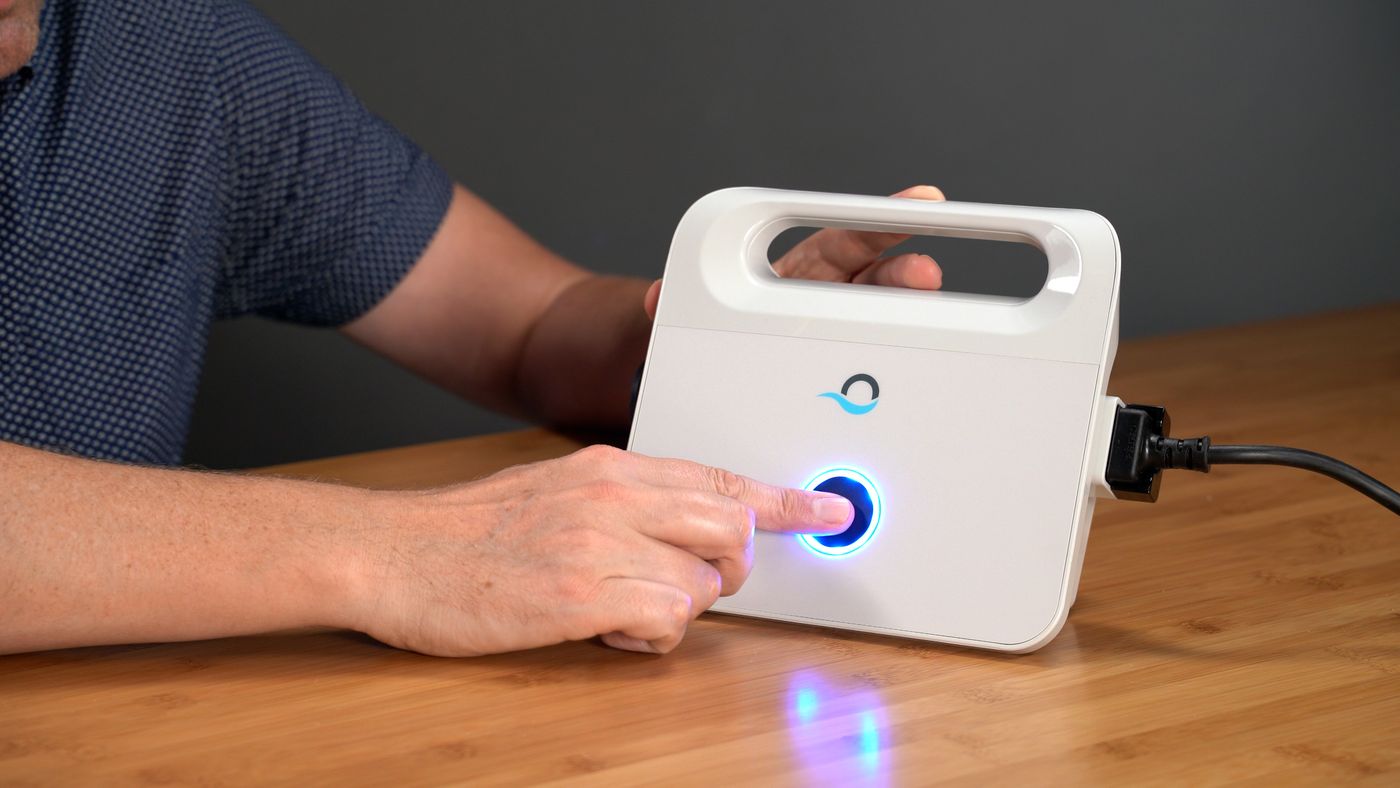
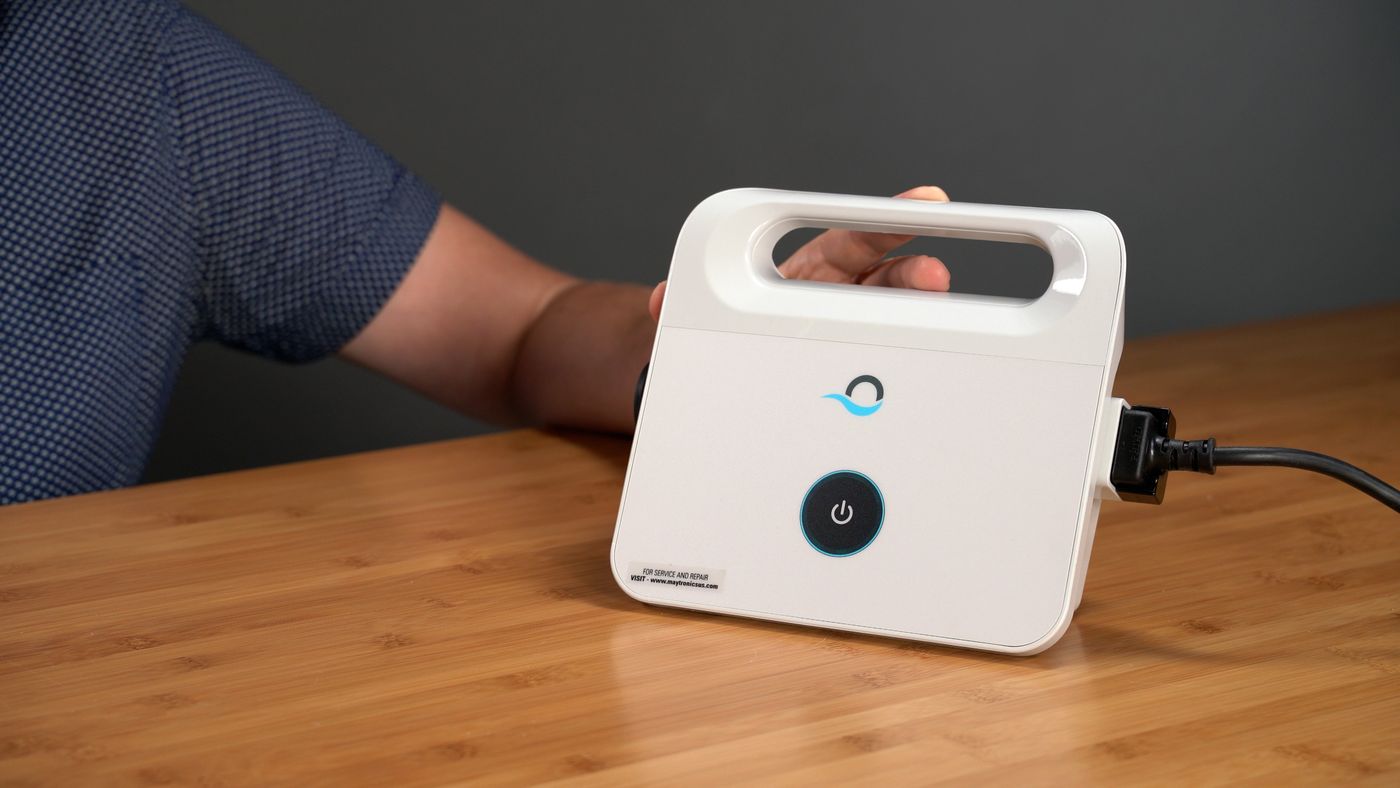
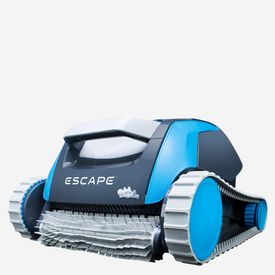
When you first unbox the Dolphin Escape, it's lightweight, simple, and ready to clean in about 30 seconds. Plug in the power supply, drop it in, and press start. That's it. No assembly, no charging docks, no firmware updates, no apps. Just a robot that cleans your pool.
Even though it's one of Dolphin's more affordable models, it doesn't cut corners on quality. You still get the same solid build and reliability you'd expect from Maytronics, a company that's been making pool robots for decades.
The Aiper Scuba S1, on the other hand, goes for the Apple-style vibe. A matte black body, sleek lines, and app control. The packaging alone is a step above.
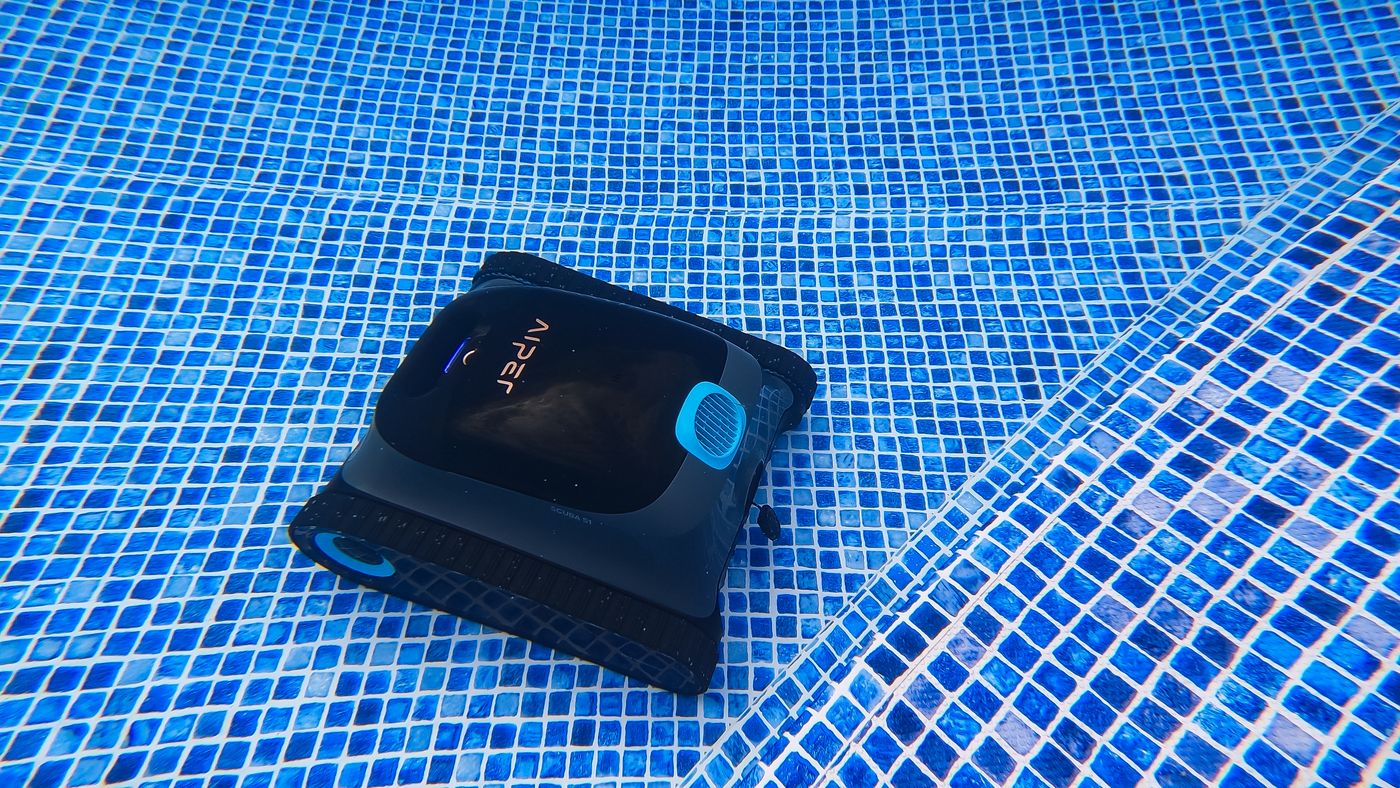
If all you did was look at it sitting on your patio, you'd think you just bought the future of pool cleaning. But as I've learned the hard way, looks alone won't scrub algae off your pool floor.
What Types of Pools They're Made For
Before we go too deep into features, it's worth knowing what pool types and size each is compatible with.
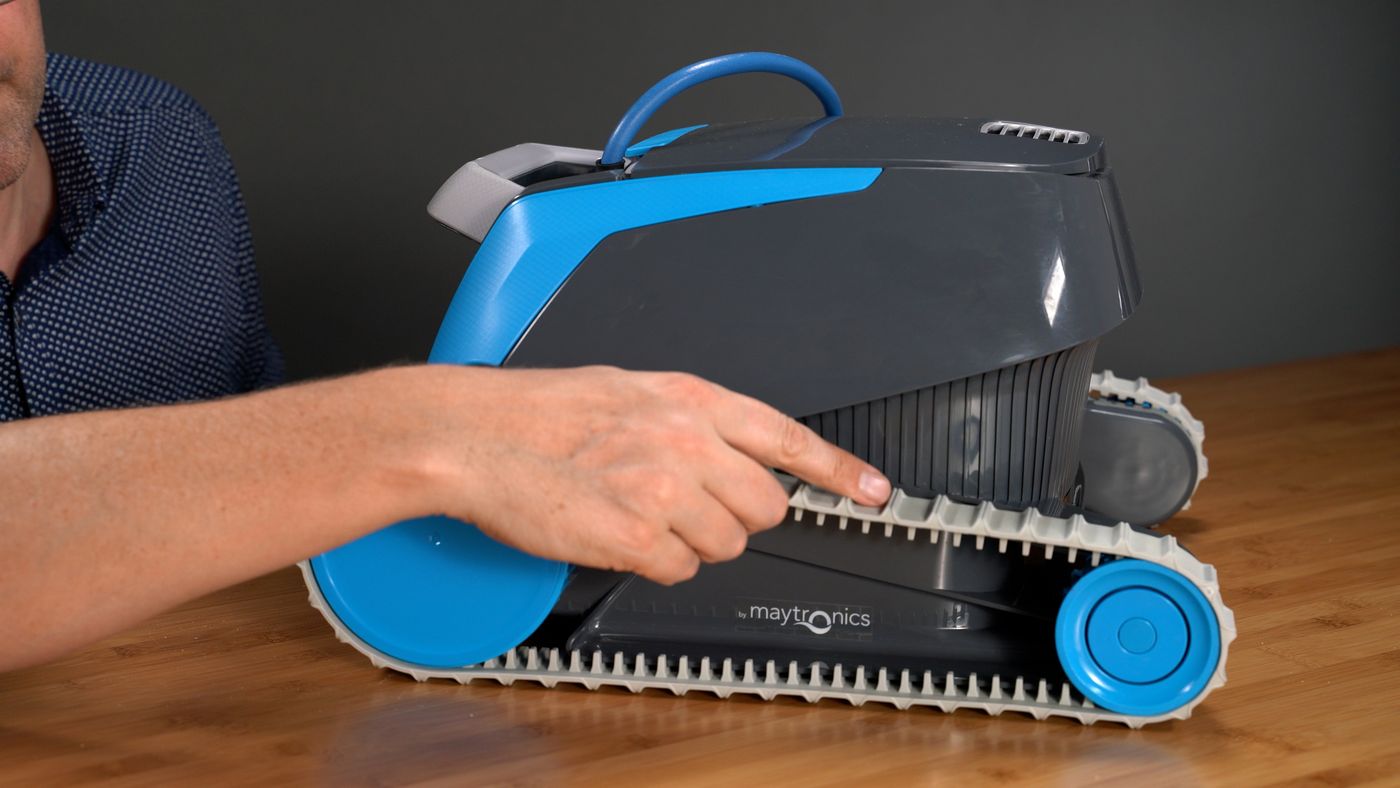
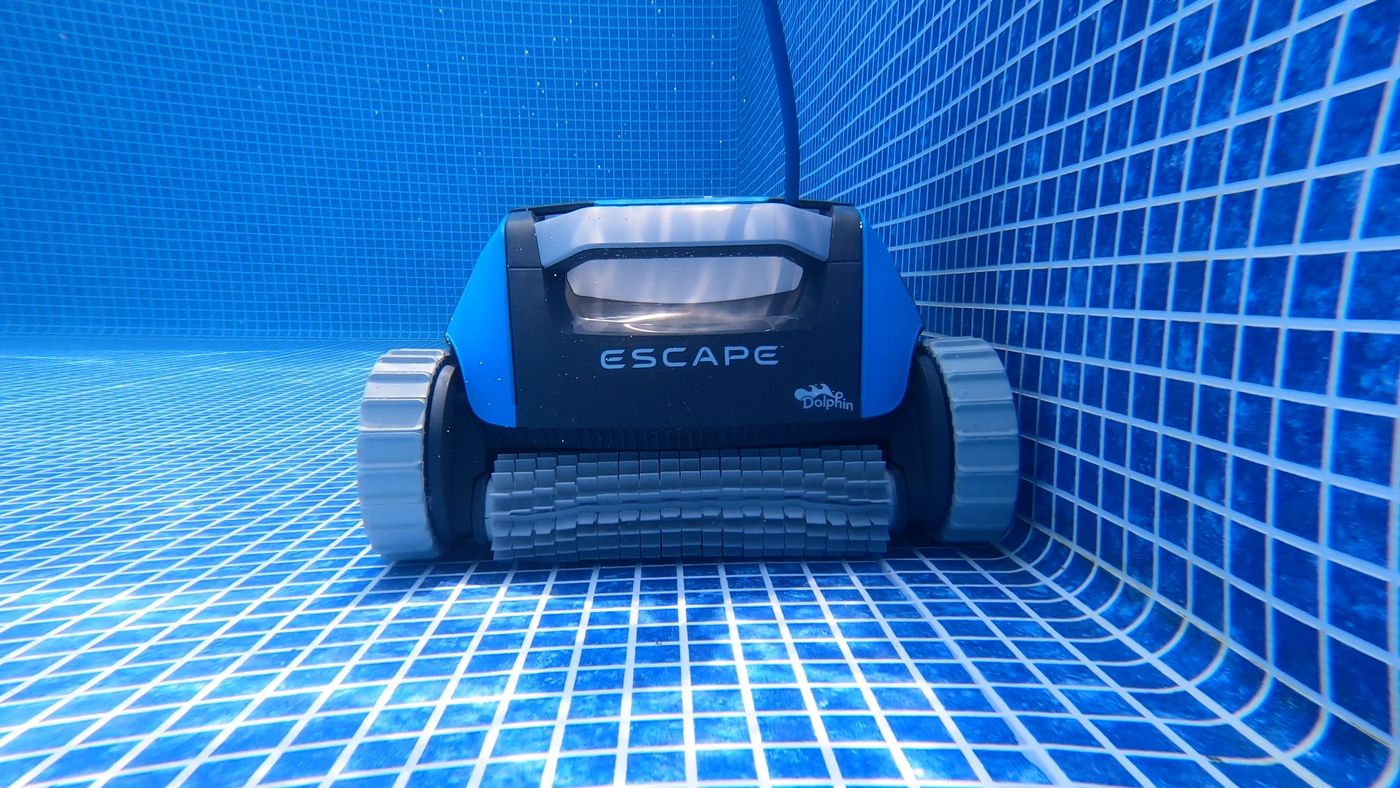
The Dolphin Escape is built for above-ground pools and smaller inground pools up to about 30 feet. That's its sweet spot. It doesn't try to climb all the way to the waterline like some higher-end Dolphins, but it still cleans like a pro. Thanks to the continuous tracks, it works on just about every common pool surface — vinyl liners, fiberglass, plaster, and even gunite. If your pool is on the slicker side, the Escape grips better than a lot of wheeled bots.
The Aiper Scuba S1 is also best suited for above-ground pools and small inground pools. I couldn't find much on how big of a pool it works up to. Maybe since it is cordless, it doesn't have a max size – but it will run for up to 180 minutes according to Aiper.
So if you've got a big inground pool? Neither of these is really designed for that. They're both small to medium-sized specialists — one corded, one cordless — and that's the context you should keep in mind when comparing them.
If you want a cleaner for larger pools, make sure to check out my video on the Best Robotic Pool Cleaners for Large Pools.
The Corded vs. Cordless Debate
Here's the core difference you need to understand:
Corded robots like the Escape run off constant power. No downtime. They clean at full suction from start to finish.
Cordless robots like the Scuba S1 rely on lithium-ion batteries. And that introduces a laundry list of problems. It may not sound like an issue at first, but if you haven't owned a cordless pool cleaner – you probably won't enjoy recharging your robot every single day.
The Daily Recharging Chore
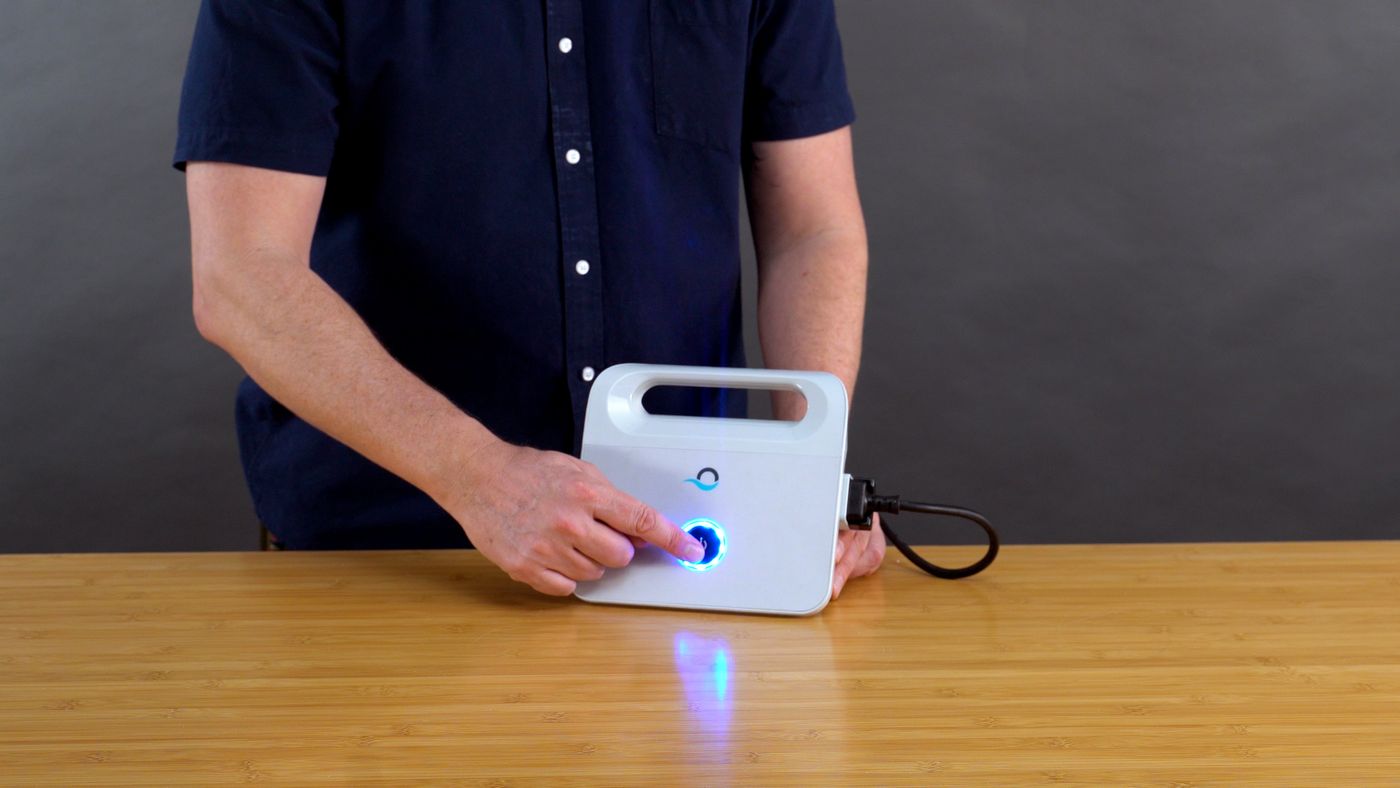
With the Escape, you hit a button, and it turns on. No coming out twice a day to recharge or anything else.
And with an optional Weekly Timer upgrade, it can even run daily automatically. It's truly set it and forget it. It runs every day, cleans the floor, and shuts off. All I have to do is empty the MaxBin once or twice a week. It's super easy.
In my experience, I found the S1 much more of a hassle to use than the Escape. With the Scuba S1, your daily routine looks like this:
- Fish 20 plus pounds of wet robot out of the pool
- Empty its small mesh basket
- Dry off the charging port (which is critical to prevent corrosion)
- Plug it in for 3–4 hours
- Go back outside to toss it back in the pool later that day
That's 14 separate interactions per week just to keep your pool clean. Not exactly the automation I was promised. It's one of those things that you wish you knew before you bought it. And sadly, it's not like this for just the Scuba S1. It's like this for all cordless pool cleaners, from the Polaris Freedom to Dolphin Liberty 200 – which is why I typically don't recommend you buy ANY cordless pool robot.
The Power Gap
Cordless robots also run weaker motors to preserve battery. The Escape's dual DC motors process 4,000+ gallons per hour at full strength. The S1? Advertised at 6,600 GPH, but in my testing, it didn't feel nearly as strong as the advertised 6,600 GPH. In my testing, it seemed vastly underpowered in comparison. I'm not sure if it peaks at 6,600 on a different mode, but in my opinion, it didn't look and feel as strong as the Escape.
Safety Concerns That Keep Me Up at Night
This one's serious. Aiper has had two major recalls through the U.S. Consumer Product Safety Commission, affecting over 50,000 units in the last two years. The most recent? March 2025, recalling 32,660 Seagull Pro units after 19 reports of the units melting, smoking, or catching fire while charging. Five incidents resulted in property damage per the U.S. CPSC.
Before that, August 2023 saw 22,000 Elite Pro units recalled for similar overheating and fire risks. The S1 hasn't been recalled yet, but if you're plugging a lithium battery into your backyard outlet every day, you're taking on a risk that doesn't exist with corded units.
I've seen the social media videos of houses catching on fire because of an alleged pool robot. This isn't something I want to worry about when charging my pool robot.
Bottom line: corded is safer, stronger, and actually automatic.
Cleaning Power
The Dolphin Escape is built around three things:
-
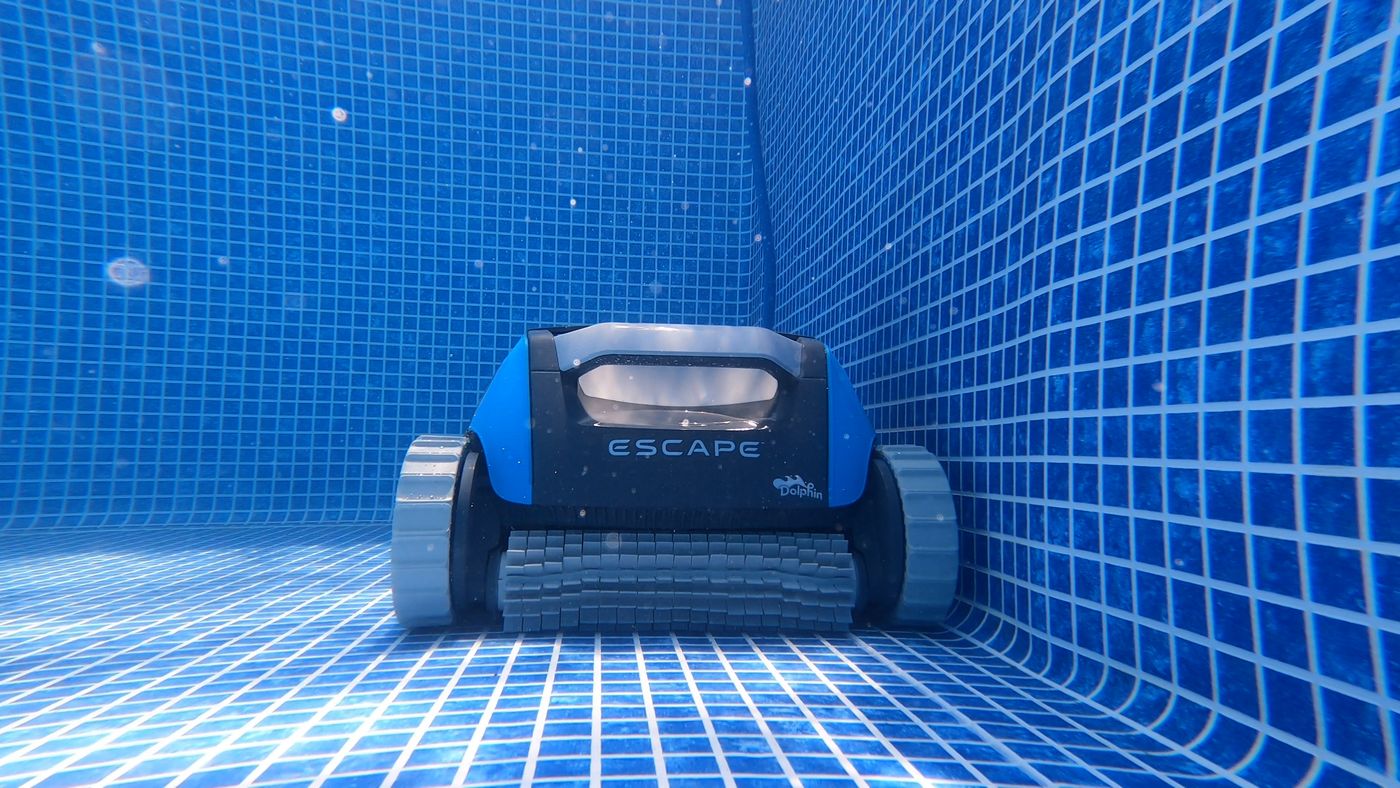
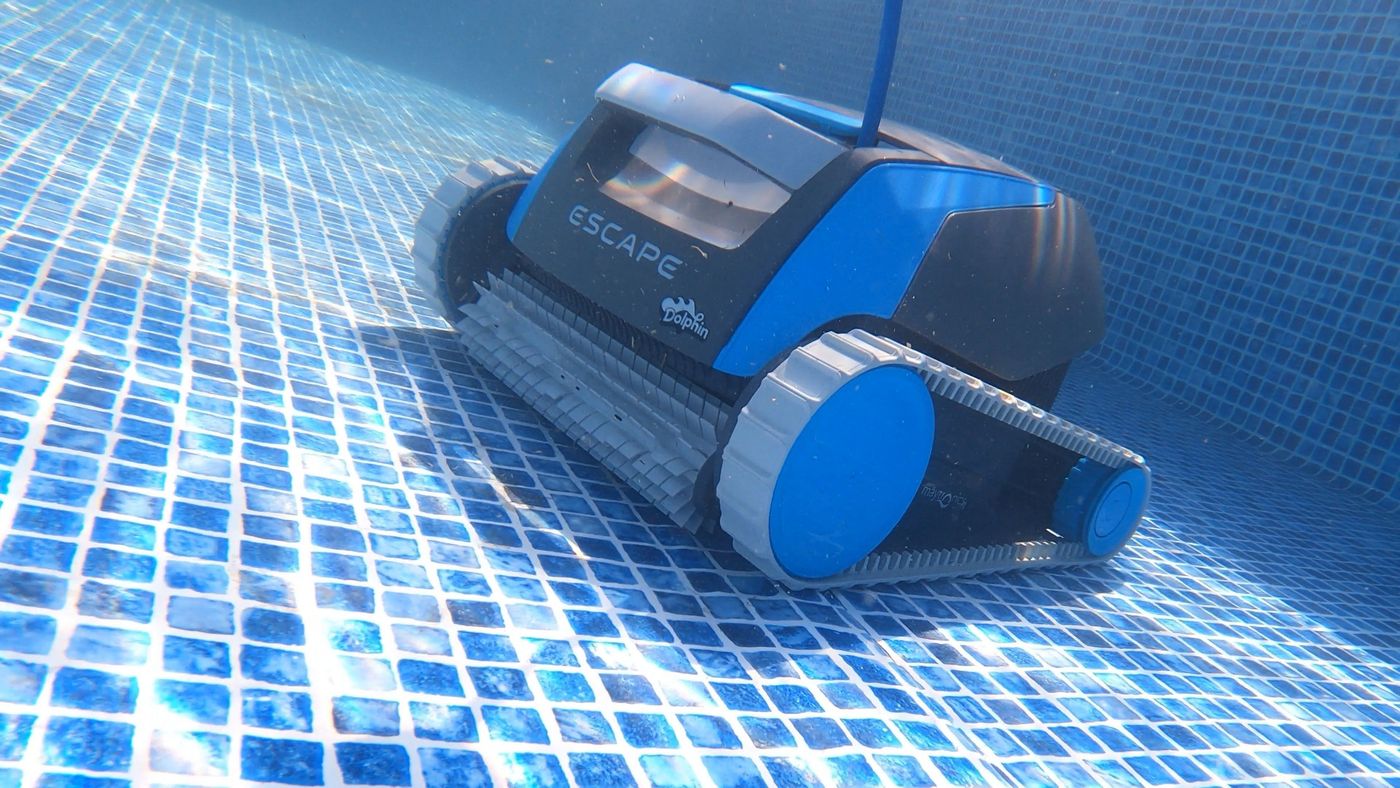
HyperBrush™ active scrubbing — a rotating brush that spins twice as fast as standard Dolphin cleaners to break up algae and biofilm. This isn't just marketing either. You can see the difference side by side on just how much faster the front brush spins in comparison to other cleaners.
-
HyperGrip™ continuous tracks — instead of wheels, it runs tank-style treads that grip vinyl, gunite, and fiberglass pools without slipping.
-
SmartNav 2.0 scanning — it maps the pool floor and moves methodically, covering the whole pool in 90 minutes. No random wandering, no missed spots.
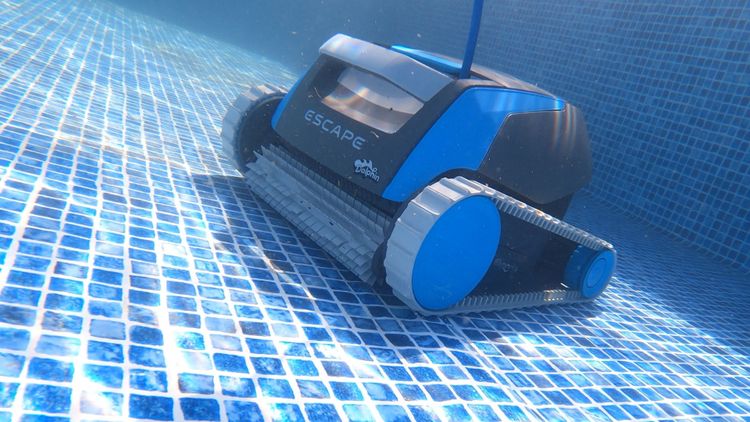
The Escape's HyperBrush spins twice as fast as standard Dolphin cleaners // The Pool Nerd
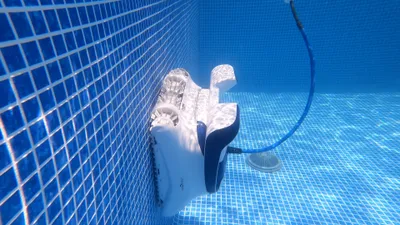
The Aiper Scuba S1 has some positives here too. It comes with what Aiper calls WavePath Navigation 2.0 and four modes (auto, eco, floor, wall). In my testing, the wall-climbing was solid — it managed to scrub a good portion of the walls before the battery started to taper off. If you've only used pressure-side or suction-side cleaners before, wall climbing is a cool feature.
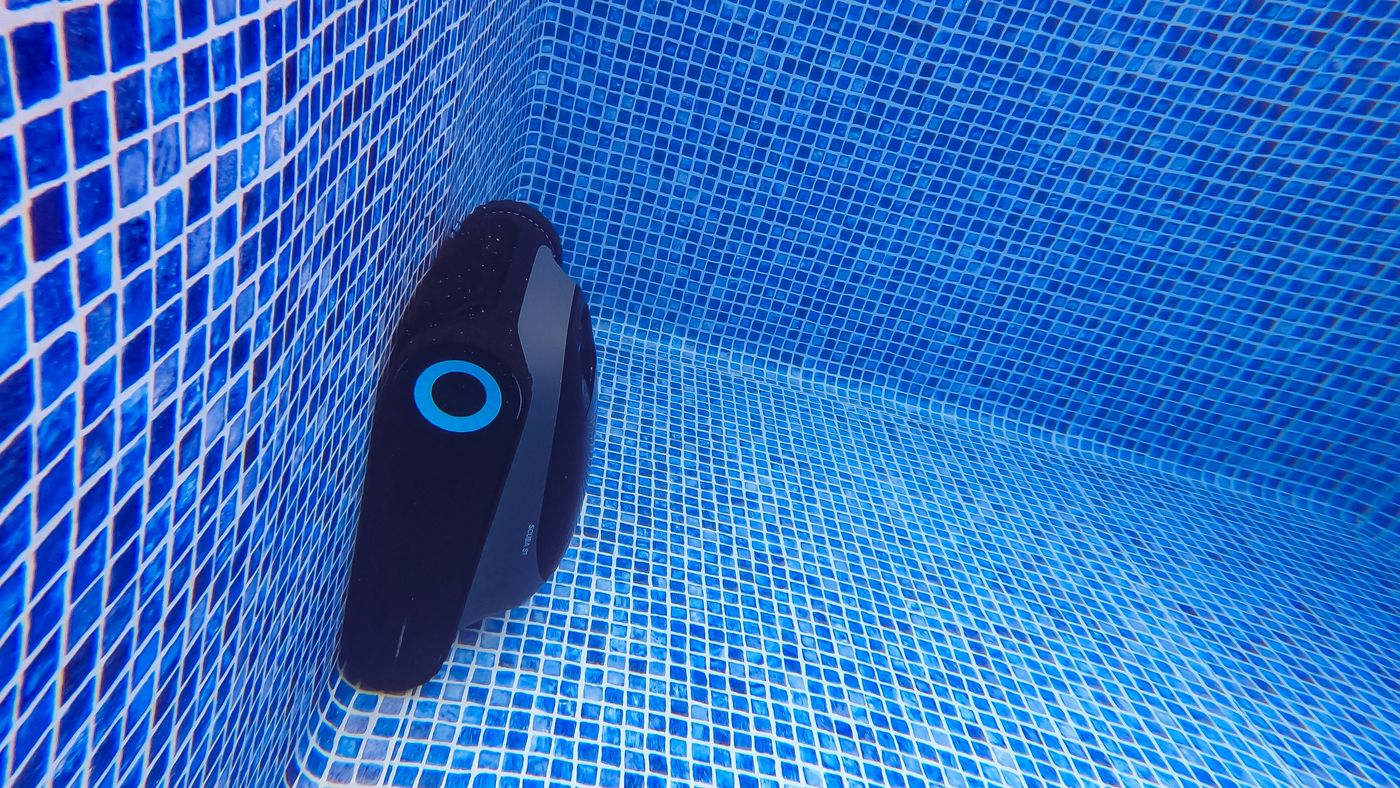
That said, cordless limitations show up fast. The battery seems to not be able to sustain as much power at the end. Coverage on the floor is decent, but not as consistent as the Escape.
So yes, the S1 can climb and has a few modes to play with — something the Escape doesn't offer. But in terms of raw, consistent cleaning power, the Escape's corded design and active scrubbing brush give it the edge.
Winner in the cleaning power category: Escape.
Filtration
This is where the Escape pulls even further ahead.
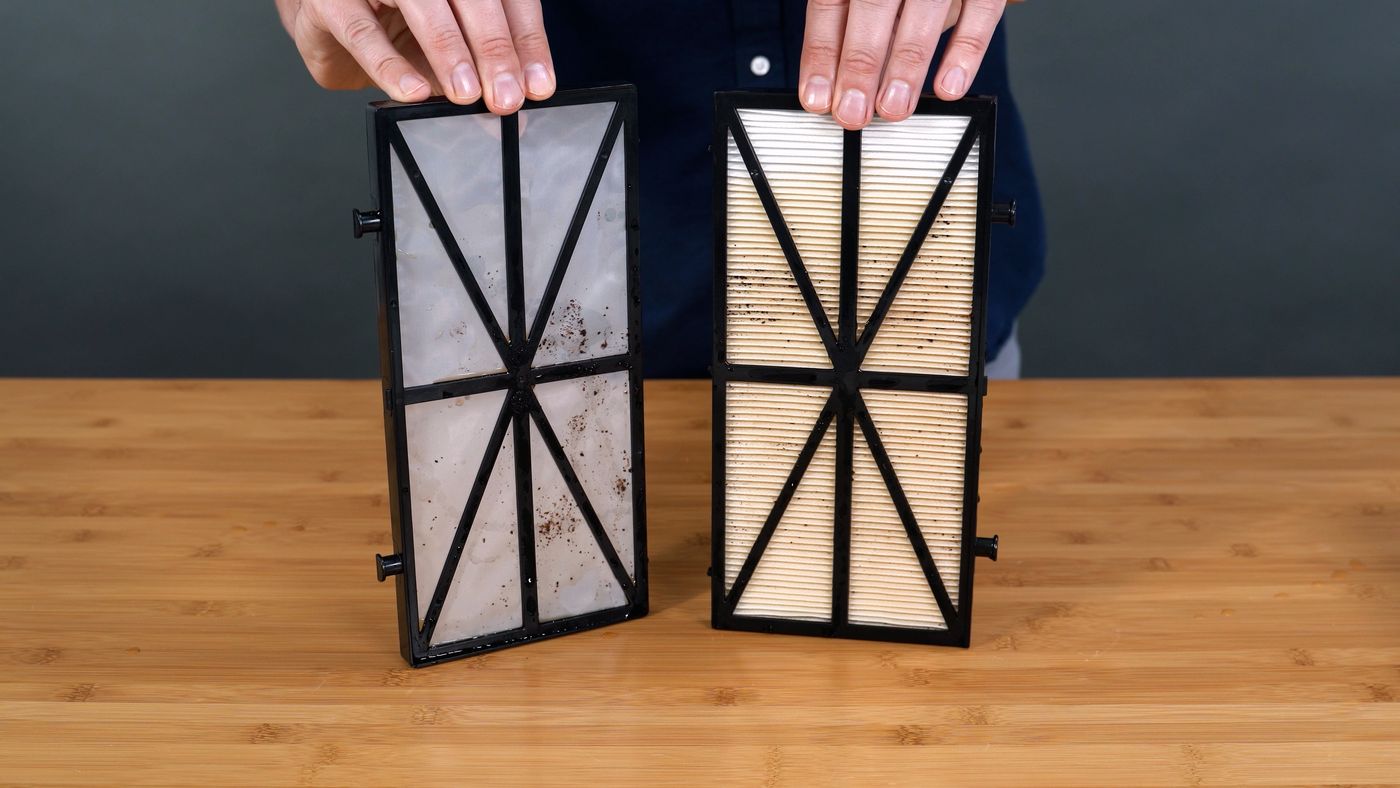
Dolphin Escape: Top-loading MaxBin filter that's 50–60% larger than other cleaners. The massive size means less frequent emptying and better debris capacity. You can upgrade to NanoFilter™ panels that trap microscopic debris like silt, sand, and pollen. This optional upgrade is often completely free, I'll drop a few links to let you know where to grab them. That's the difference between water that looks "fine" and water that looks hotel-glass clear.

In other reviews, I tested both standard and NanoFilters extensively. With standard filtration, the Escape handles leaves, bugs, and larger debris perfectly. Switch to NanoFilters, and suddenly that persistent cloudiness disappears. My water clarity improved dramatically.

Aiper Scuba S1: A dual-layer system sounds impressive, but the execution falls flat. The "ultrafine filters" seem to be more of a cotton-y mesh compared to Escape's NanoFilters. The mesh basket handles leaves okay but leaks fine particles back into the water.
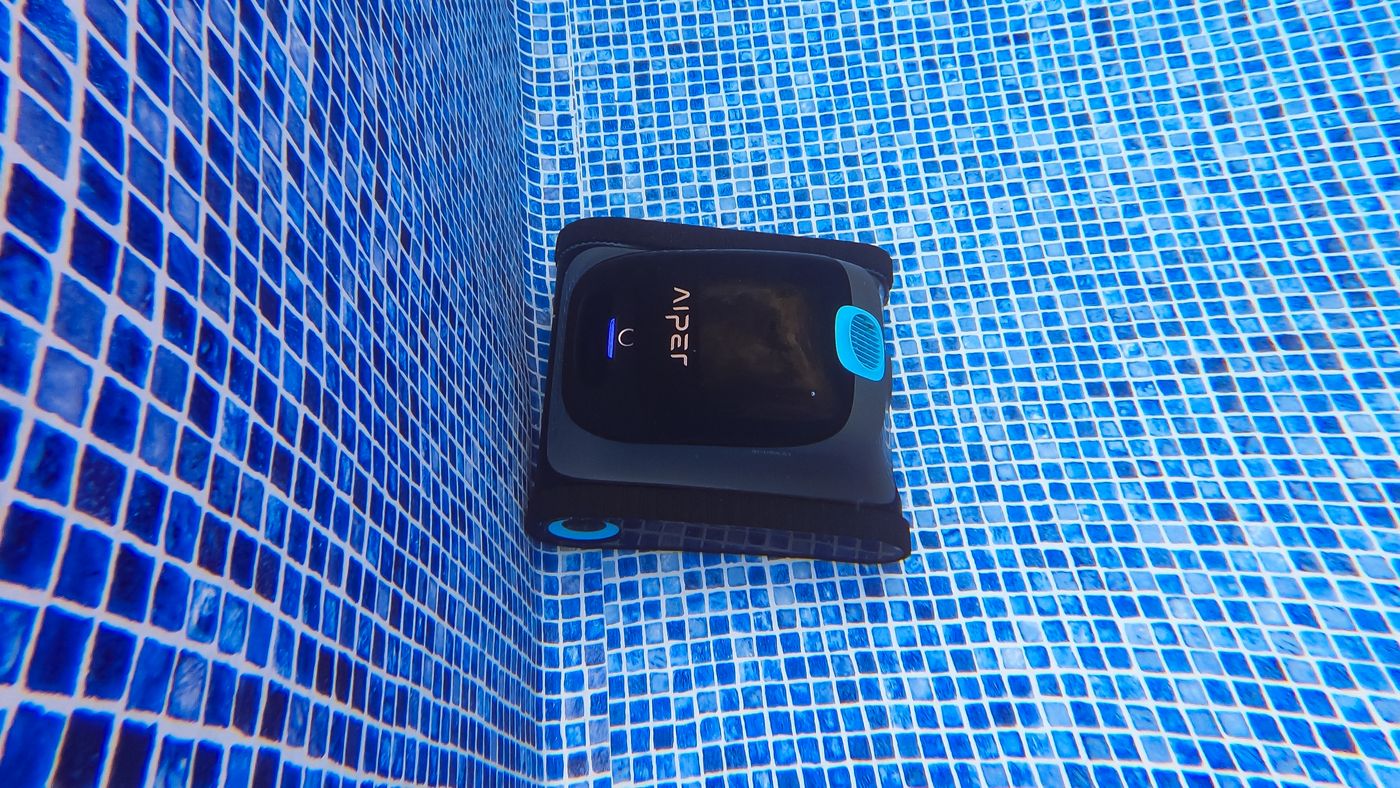
In my tests, the most frustrating part was when debris slipped out when it was lifted out of the pool.
The real problem is suction power. Without adequate flow rate, even the best filter can't capture a lot of debris. The S1's weak motors simply can't pull water through effectively as I would have liked, especially as the filter begins to clog.
If you've ever had cloudy water that just wouldn't sparkle, NanoFilters are the secret weapon. And cordless robots simply don't have the power to use them effectively.
Winner: Escape, especially with NanoFilter upgrade.
Navigation & Coverage
The Dolphin Escape uses SmartNav 2.0, which is designed to scan your pool and clean in systematic passes. Instead of wandering aimlessly, it moves more like a lawn mower — straight lines, deliberate turns, and efficient coverage. On paper, that means faster cleaning with fewer missed spots.

The Aiper Scuba S1 counters with its own system, WavePath Navigation 2.0, and offers multiple modes (auto, floor, wall, eco). The added modes are a nice touch. Watching it scale walls or switch modes mid-cycle feels more advanced than the Escape's simpler "floor-first" approach.
At the end of the day, both robots will get your pool clean, but they take different paths to get there. The Escape favors efficiency and predictability, while the S1 offers extra cleaning modes and some wall-climbing ability.
Winner: A tie.
Ease of Use
Let's break this down:
Escape: Plug in power supply, drop it in, press start. With a weekly timer, it runs itself daily. You empty the filter once or twice a week. Total weekly time investment: maybe 5 minutes.
Scuba S1: Haul it out daily. Dry the port. Charge for 3–4 hours. Drop it back in. Repeat. Total weekly time investment: at least 30-45 minutes, not counting the burden of remembering to charge it every single day.
I've said it before and I'll say it again: cordless turns pool cleaning into a part-time job. The whole point of a robot is to save time. The Escape nails that; the S1 misses it completely.
The S1's app control initially seemed cool, but here is the kicker. As soon as it hits the water, you lose the connection with the unit – unless you shell out $500 for the Aiper HydroComm Plus. Meanwhile, Escape's simple one-button operation just works.
Winner: Escape.
Reliability & Safety
This is probably the most important section, because nobody wants to spend hundreds (or thousands) on a pool robot that turns into a headache.
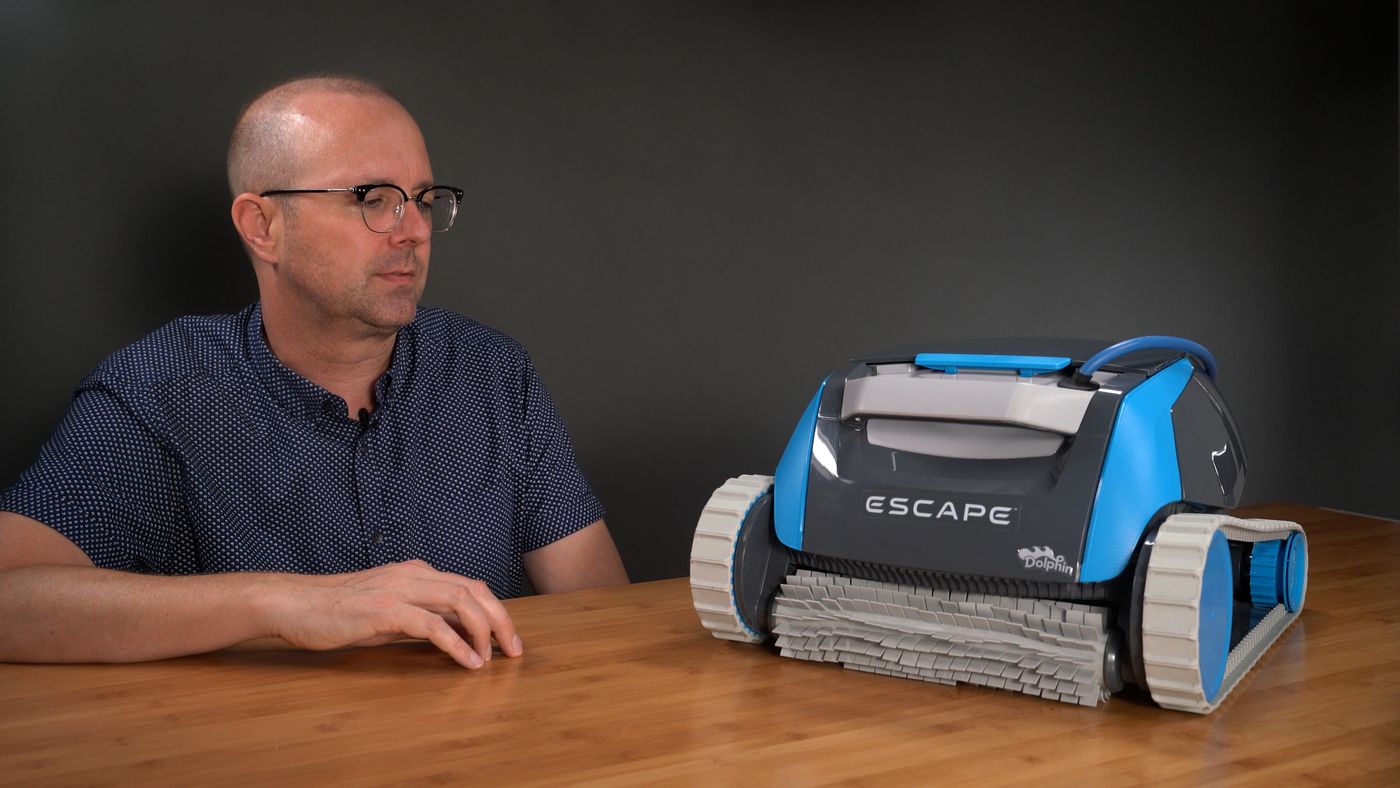
Dolphin Escape – Maytronics has been around for decades, and that kind of history does count for something. Escape itself holds an A rating on Mozilla's Fakespot, which basically means the reviews you see online are more likely to be from real pool owners and not just from paid reviews or free products. Warranty coverage is straightforward too — two full years, no pro-rating, no fine print. Parts are easy to find, and most pool pros will tell you Dolphins tend to just keep cleaning season after season.
Aiper Scuba S1 – In my research, I saw more negative feedback on Aiper products compared to Dolphin. Across the brand, they've picked up a few F ratings on Fakespot, which throws up a red flag about review reliability. And while the S1 itself hasn't been recalled, other models from the company have — including the Elite Pro and Seagull Pro — both pulled back by the U.S. CPSC for fire and burn risks. That history is hard to ignore.

While the S1 itself has not been recalled, other Aiper models have faced recalls for overheating. That history gives me pause before recommending it to my viewers.
Then there's the battery problem. Lithium-ion packs don't age gracefully, especially when they're getting dunked in a pool every day. From what users say online, the S1 tends to run great out of the box, but by a year or so, the battery life and charging reliability may start to slide.
So, if peace of mind is a factor, the Escape feels like the safer bet. The S1 can work well while it's new, but the brand's track record and the realities of battery wear make it a bigger gamble.
Winner in the Reliability and Safety Category: Escape.
Price & Value
Right now, both of these robots live in the same price neighborhood.
Dolphin Escape usually runs about $600–$700 retail from an Authorized Retailer, and if you hunt around for certified open-box deals, you can often score one in the mid-$500s with a full warranty or some are even less with Certified Refurbished.
Aiper Scuba S1 was originally marketed as a $1,000+ cleaner, but it's been showing up on sale a lot lately — typically $599–$839 depending on where you look. That "markdown" is just anchor pricing to make it look expensive first, then discount it to feel like a deal.
So, if you're just comparing sticker prices, they're closer than you might think.
But when you factor in the Free NanoFilters and Optional Weekly Timer, I'd give the "Value" category to the Escape.
The Cordless Myth
Let's address the elephant in the room: the supposed convenience of cordless. Yes, not dealing with a cord sounds nice. But here's what they don't tell you:
-
You're trading a cord that doesn't really ever get tangled for a charging cable you interact with daily
-
Battery anxiety is real — did I charge it? Is it charged enough?
-
Degradation is inevitable — all batteries die eventually
-
Fire risk is non-zero — and that should concern everyone
-
Performance is always compromised for battery life
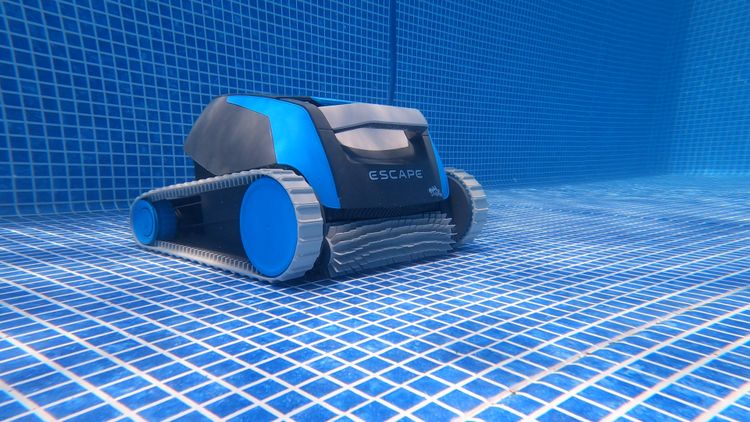
The cord on the Escape is a complete non-issue in practice // The Pool Nerd
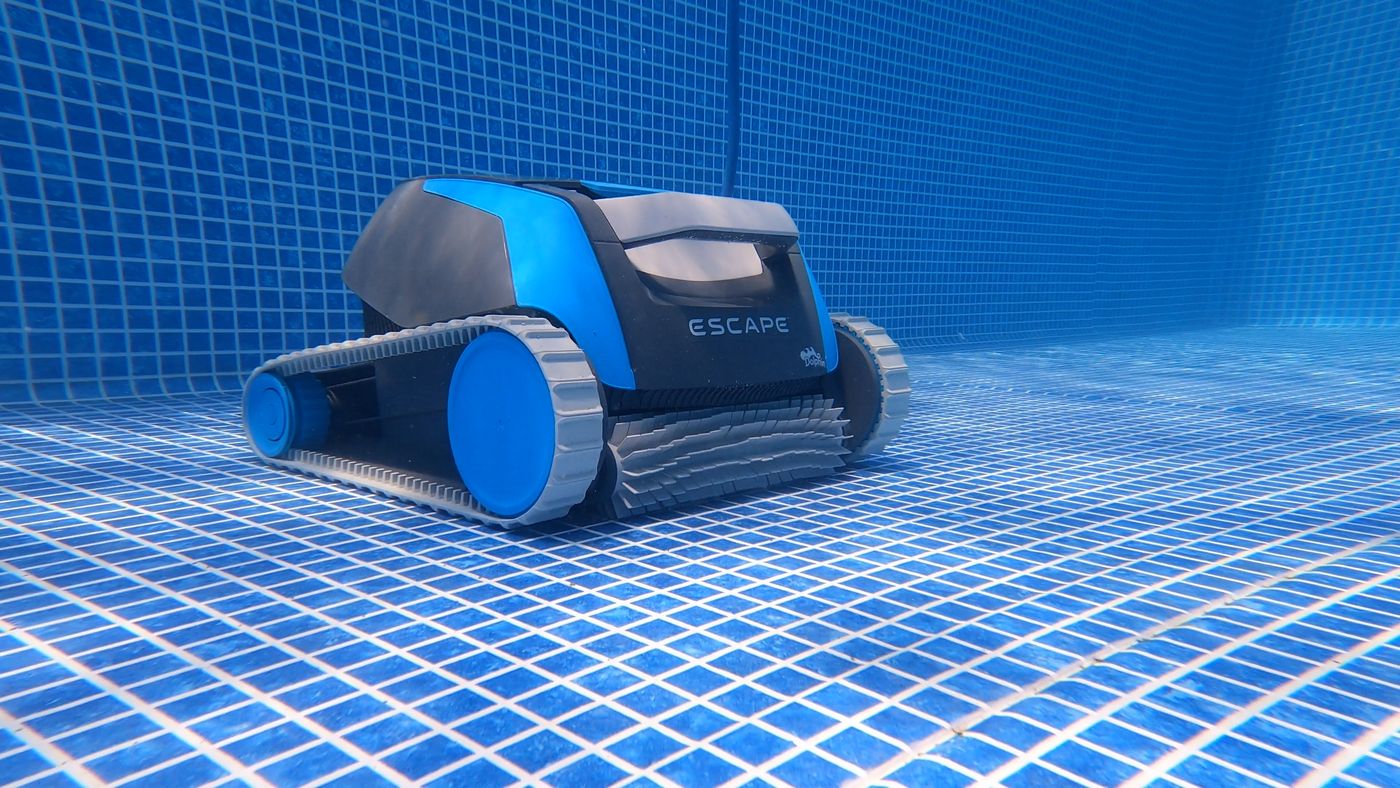
The cord on the Escape? You literally never touch it, but once a week clean the filter, after initial setup if you use the timer. It's a complete non-issue that cordless marketing has convinced you is a problem. And even if you don't get the timer, you still only have to hit 1 button to start it – and you never need to recharge it.
Pool Nerd's Verdict
After weeks of testing, here's my final verdict:
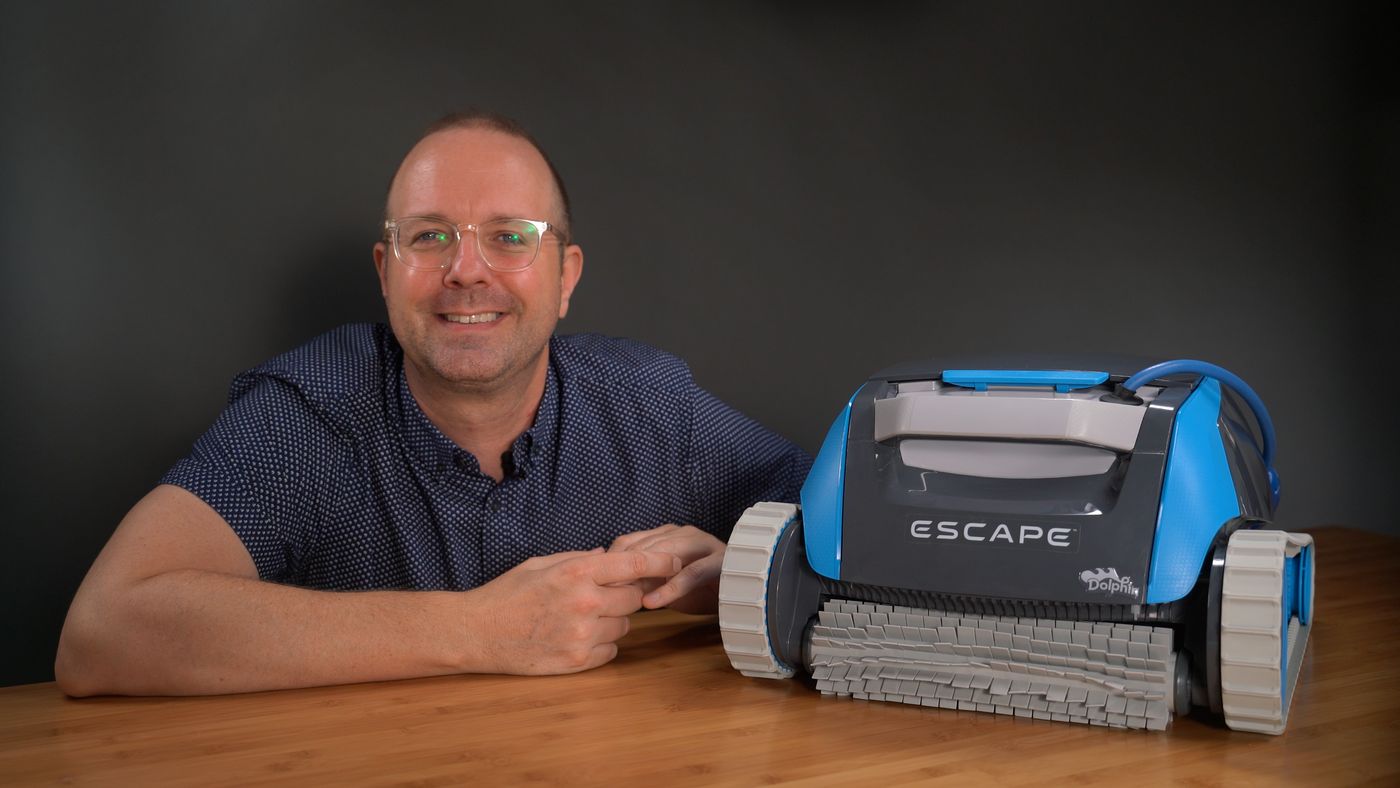
Dolphin Escape: It's Pool Nerd Approved ✅
It's the best bang-for-your-buck pool cleaner, period. With corded power, active scrubbing, NanoFilter upgrades, and an optional weekly timer, it delivers a consistently clean pool without turning into a chore.
Aiper Scuba S1: It's Pool Nerd Disapproved ❌
It looks nice, but it's underpowered, overpriced, and overhyped. Constant recharging, disappointing suction, and questionable reliability make it more trouble than it's worth. Add in the brand's recall history, and I just can't recommend it. For me, I haven't found a scenario where the S1 feels like the better choice than the Escape.
| Category | Winner |
|---|---|
| First Impressions | Tie |
| Pool Compatibility | Tie |
| Corded vs. Cordless | Escape |
| Cleaning Power | Escape |
| Filtration | Escape |
| Navigation & Coverage | Tie |
| Ease of Use | Escape |
| Reliability & Safety | Escape |
| Price & Value | Escape |
| Overall | Dolphin Escape |
Final Thoughts
If you're shopping for an above-ground or small inground pool robot, don't fall for the cordless hype. The Dolphin Escape proves that corded cleaners are still king — stronger, safer, and automatic.
The Aiper Scuba S1 might tempt you with nice marketing and the promise of cord-free convenience, but in real-world use, it's a daily hassle with underwhelming results. For the same amount of money, the Escape gives you the sparkling water, hands-off convenience, and peace of mind you actually want.
I've tested dozens of pool robots over the years, and the message is clear: current battery technology simply isn't ready for the demands of pool cleaning. Maybe in 5-10 years we'll have cordless options worth considering. But today? Save your cash. Skip the Scuba S1. And let the Escape do the dirty work while you kick back and enjoy your pool.
If you wanna keep nerding out over your pool, head on over to my deals page at ThePoolNerd.com/deals, where I post the best deals on robotic pool cleaners and other pool equipment.
Related Reading
- Dolphin Escape Review — Our full in-depth review
- Aiper Scuba S1 Review — Our full in-depth review
- Dolphin Escape vs Dolphin Nautilus CC — Another Escape head-to-head
- Compare Every Aiper Model — Side-by-side breakdown of all Aiper pool cleaners
- Compare Every Dolphin Model — Side-by-side breakdown of all Dolphin pool cleaners
- Best Robotic Pool Cleaners — Our top picks after testing 30+ robots
- All Robotic Pool Cleaner Reviews — Every robot we've tested

Comments
Loading comments…