
 Justin D.
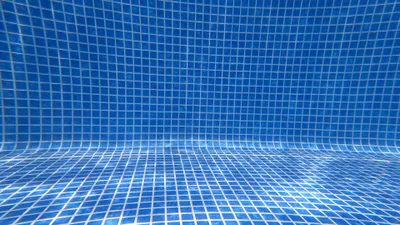
Take a good look at this pool. The water is crystal clear. For several weeks, I added no chlorine or acid while a filter problem went unrepaired—and the pool never looked dirty.
The smart pool monitor floating in it told a different story: ORP had fallen into the 300-to-400-millivolt range. The surface was ready for a photograph; the water had very little reserve sanitizing power.
That gap is the point of this article. Clarity tells you about suspended particles. It cannot confirm chlorine performance or kill time. I use ORP to watch that performance between manual tests, then verify free chlorine, pH, and CYA with the testing routine in my pool-water testing guide. Here is what the numbers showed in this pool and what I require before anyone swims.
What I Use to Monitor and Restore Sanitizing Power


The Setup: Nothing Added, Nothing Fixed
Quick backstory. Earlier this season, our test pool developed a filter problem right as life got busy. So for a stretch of weeks, that pool got nothing. No liquid chlorine. No acid. No repair. Total neglect.
And every single morning, it looked immaculate. If a neighbor leaned over the fence, they’d have said, “Pool looks great, Justin.” A test strip would may have flashed a whisper of chlorine and a whole lot of false confidence.
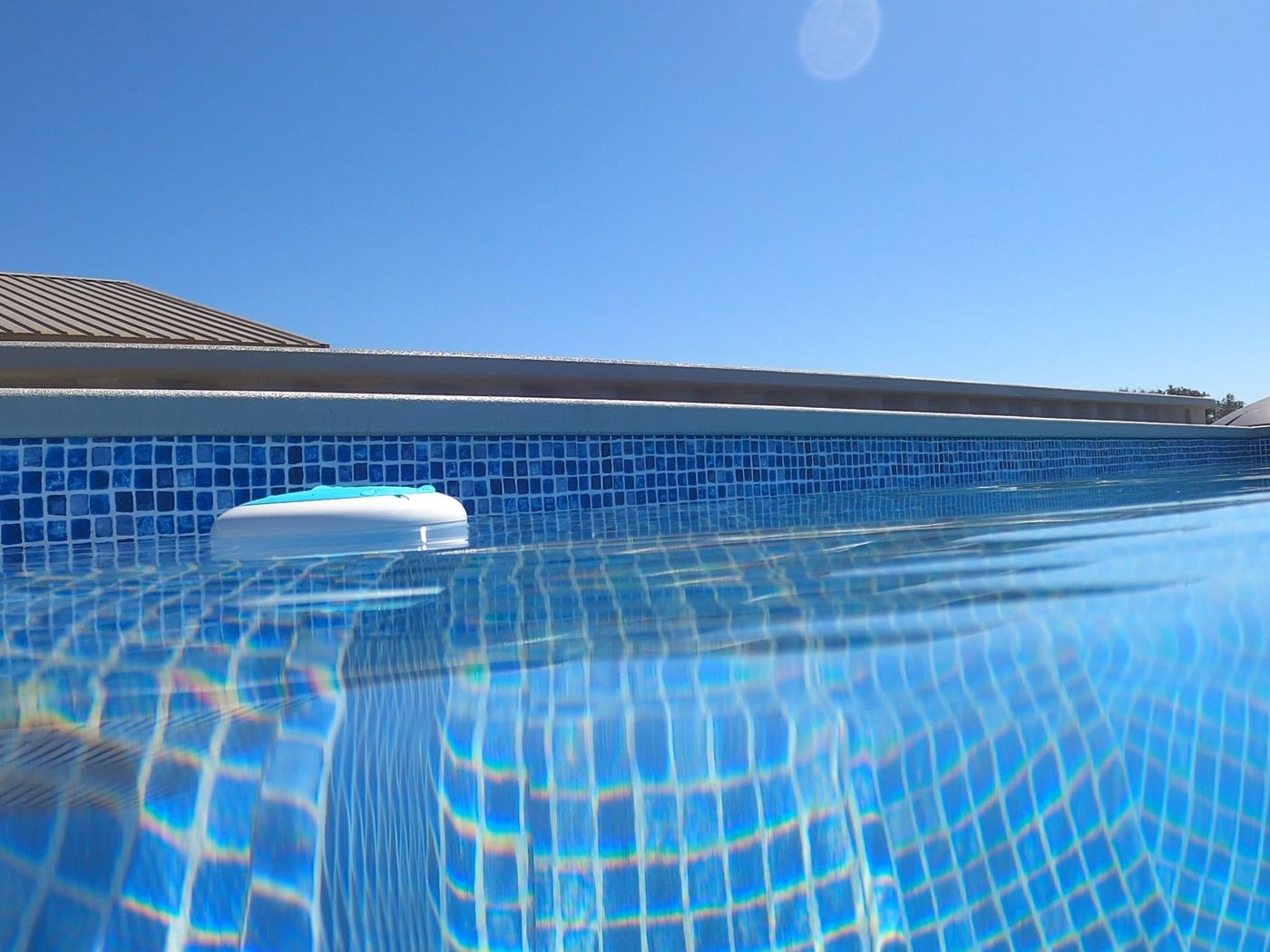
But the ICO floating out there told the truth the entire time. The ORP graph slid out of the 600s, down through the 500s, and parked itself in the 300-to-400 millivolt basement.
Same sparkle on top. Completely different water underneath. That gap — between what I saw and what the sensor saw — is what this whole video is about.
Clear Is Not Sanitized
Clarity and sanitation are two different jobs handled by two different systems. Clarity is a physics problem. It’s about particles — dust, pollen, debris — either getting filtered out or settling quietly to the floor. Sanitation is a chemistry problem. It’s about kill power: the water’s ability to destroy bacteria, viruses, and algae before they set up shop.
Your eyes can grade the physics. They are useless at grading the chemistry, because the stuff that makes people sick is thousands of times smaller than anything your eye can see.
A pool can be optically flawless and biologically defenseless at the same time.
So when somebody says, “It’s clear, so it’s clean” — that’s wrong. A clear pool is not always a safe one to swim in. That’s calling a kitchen counter sterile because you can’t see crumbs on it.
My pool stayed clear because nothing was stirring it up: no swimmers, light debris, particles settling on their own. Not one part of that means a single germ died.
ORP: The Number Your Eyes Can't See
So what is this number I keep waving around? ORP — oxidation-reduction potential — measured in millivolts. In plain English, it’s the water’s ability to oxidize, to chemically tear apart, whatever lands in it.
Use this mental model: chlorine ppm is an ingredient. ORP is the finished dish. Parts per million tells you how much sanitizer you poured into the pot. ORP tells you how much killing the water can do right now, after pH, stabilizer, sunlight, and temperature have all taken their cut.
This is why commercial pools and Olympic facilities — the ones health inspectors can shut down — don’t run on test strips. They run on ORP. And the benchmark that matters: at 650 millivolts and up, common bacteria die in seconds. Down in the 100-to-400 range, that same contamination can hang around for minutes, sometimes hours. So this is the single most important number in pool chemistry if you ask me.
Why 650 to 750 Millivolts
On this channel, the target is 650 to 750 millivolts. 650 is the floor — the level where kill times collapse from minutes down to seconds. Below it, you’re negotiating with bacteria. Above it, you’re not.
Me, I like the needle above 700, because that buys some room if you need it. A rainstorm, a pool party, a gift from a passing bird — the water absorbs the hit and keeps sanitizing without dipping into the danger zone. And no, you don’t need to chase 850.
Past the mid-700s you’re mostly burning chlorine. 650 to 750 millivolts. That is the magic number.
So, Is It Safe to Swim?
Which brings us to the question everyone asks: “The water’s clear but the monitor says 340 — can we swim?” My answer is no.
Not because one swim guarantees anyone gets sick. It might be fine — the same way rolling through a stop sign at 2 a.m. might be fine. The problem is margin.
Water at 300 to 400 millivolts has almost no reserve kill power, and every swimmer is a delivery truck of bacteria: sweat, sunscreen, body oils, and whatever the kids smuggle in. In a healthy pool, that load gets neutralized in seconds. In a 340-millivolt pool, it builds, and now you’re sharing water with everything the water can’t fight off — the same family of bugs behind recreational water illnesses.
I’m a pool nerd, not a doctor, so take this as pool advice: clear water at 340 millivolts is a photograph of a guard dog. Looks identical to the real thing. Protects you from nothing.
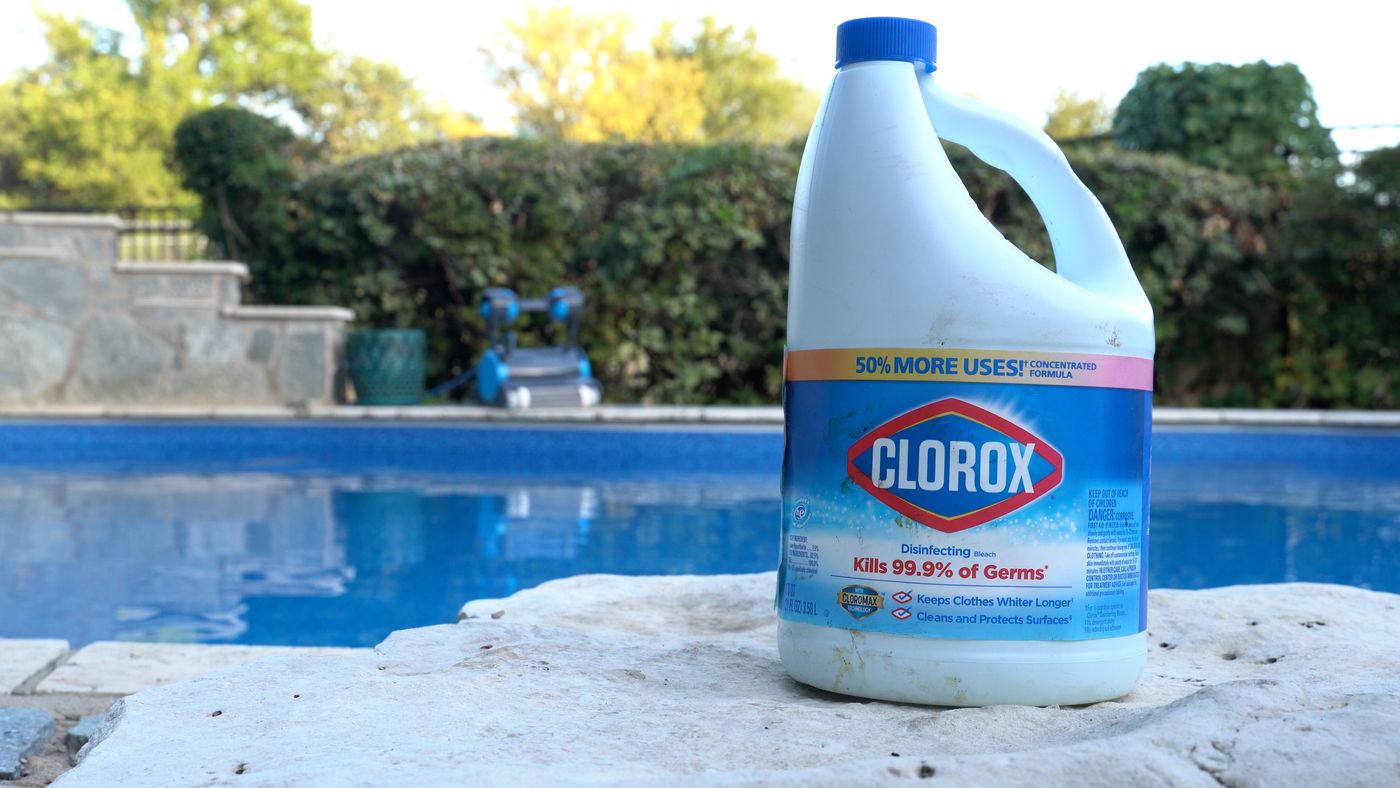
If your pool is clear but sitting in the 300s on the meter, correct the chemistry before anyone swims. Bring pH into the range for your pool type, dose liquid chlorine from the actual water volume and CYA level, circulate, and retest both free chlorine and ORP. Resume swimming only after the water is back inside the targets you use for safe operation.
Why I Watch ORP Alongside Free Chlorine
The pushback I often hear is, “My strip says 3 ppm free chlorine. I’m covered.” A chlorine reading tells you sanitizer is present, but it does not describe the whole operating condition. Three things can weaken performance while the strip still shows the same concentration.
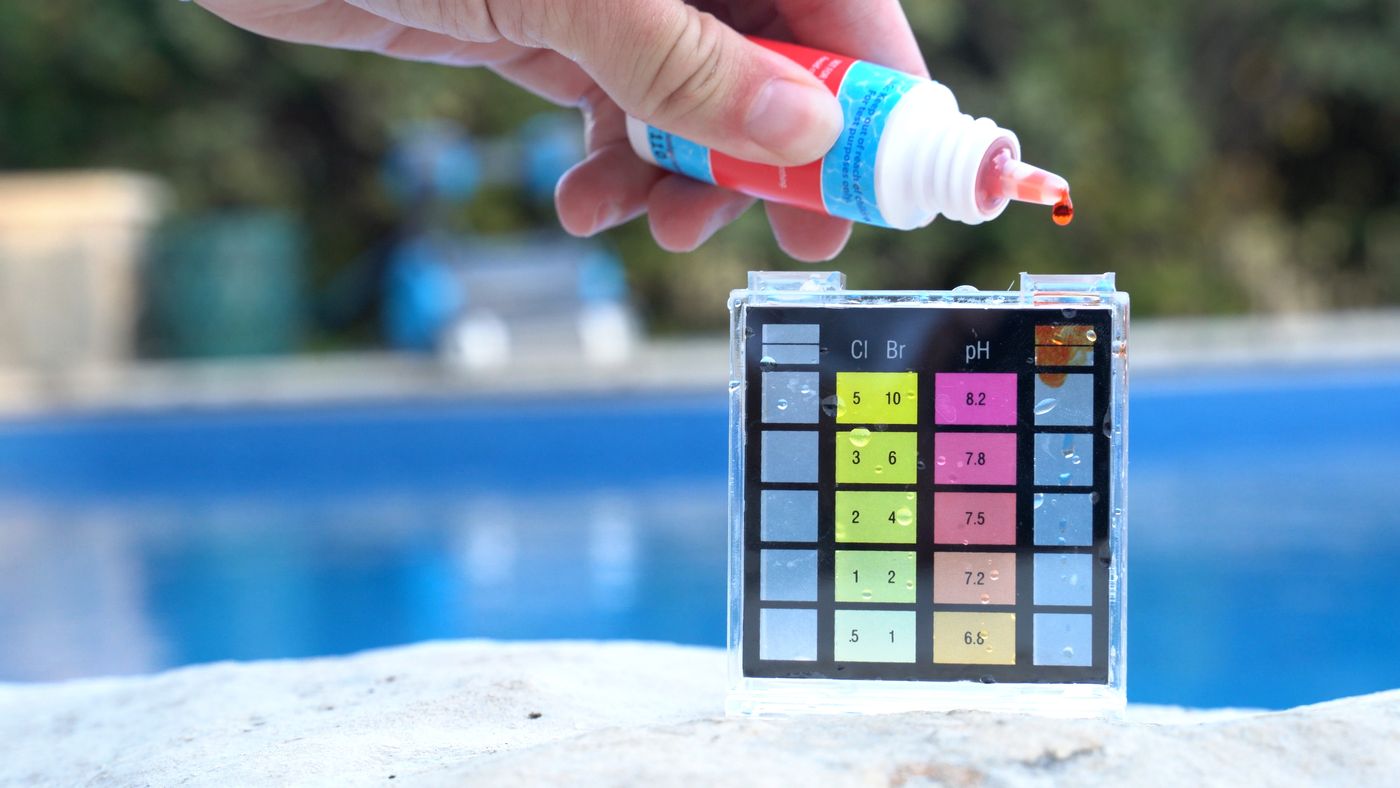
One: pH. As pH climbs, chlorine shifts into its weak form. Around 7.2, your chlorine is roughly 65 percent active. By 8.0, it’s down near 20. Same strip reading, a fraction of the muscle. If the number keeps climbing, work through the causes in my high-pH troubleshooting guide.
Two: cyanuric acid. Stabilizer grabs chlorine and holds it hostage. Load up on trichlor tablets until CYA hits triple digits, and your 3 ppm still shows on the strip but behaves like a shadow of itself in the water. That’s the tablet trap we talk about on this channel constantly.
Three: conditions. Sun, heat, and bather load move by the hour, so a Tuesday-morning strip says nothing about Saturday afternoon.
Free chlorine and CYA tell me how much sanitizer reserve the pool carries. pH explains part of its effectiveness. ORP shows the combined trend after chemistry, temperature, and contamination interact. I use those readings together: ORP for the early warning, and a liquid test kit to confirm the chemistry before making a large correction.
How You Catch This Before It Catches You
So how do you keep eyes on a number that moves all day? You don’t. A monitor does. Any smart pool monitor with a true ORP sensor gets you in the game — this isn’t brand-exclusive science.
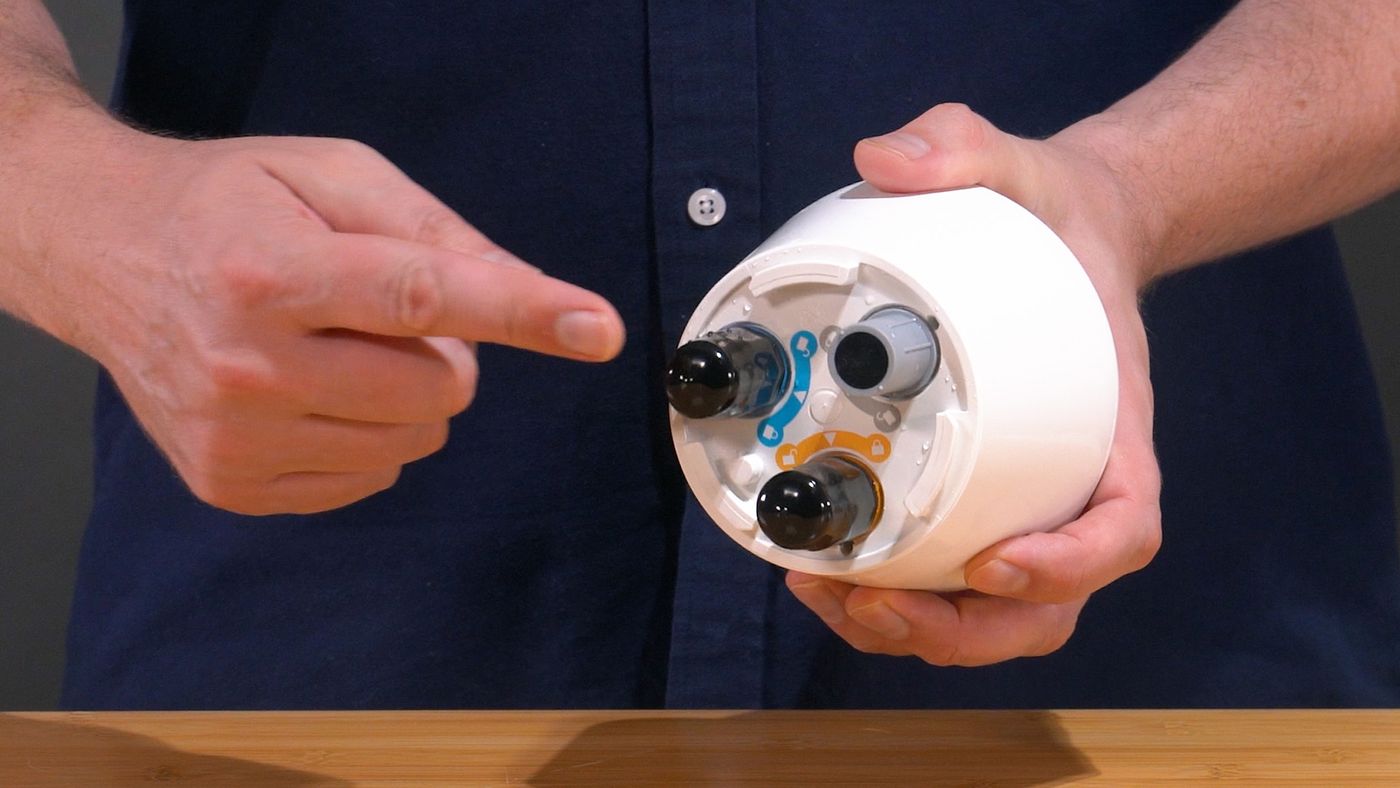
On our test pool — the pool that caught this whole mess — we run the Ondilo ICO. It floats in the water, reads ORP, pH, and temperature around the clock, and pushes everything to an app on your phone. It runs for months on a rechargeable battery, and there’s no subscription fee — the graph is just there, every day, whether you check it or not.
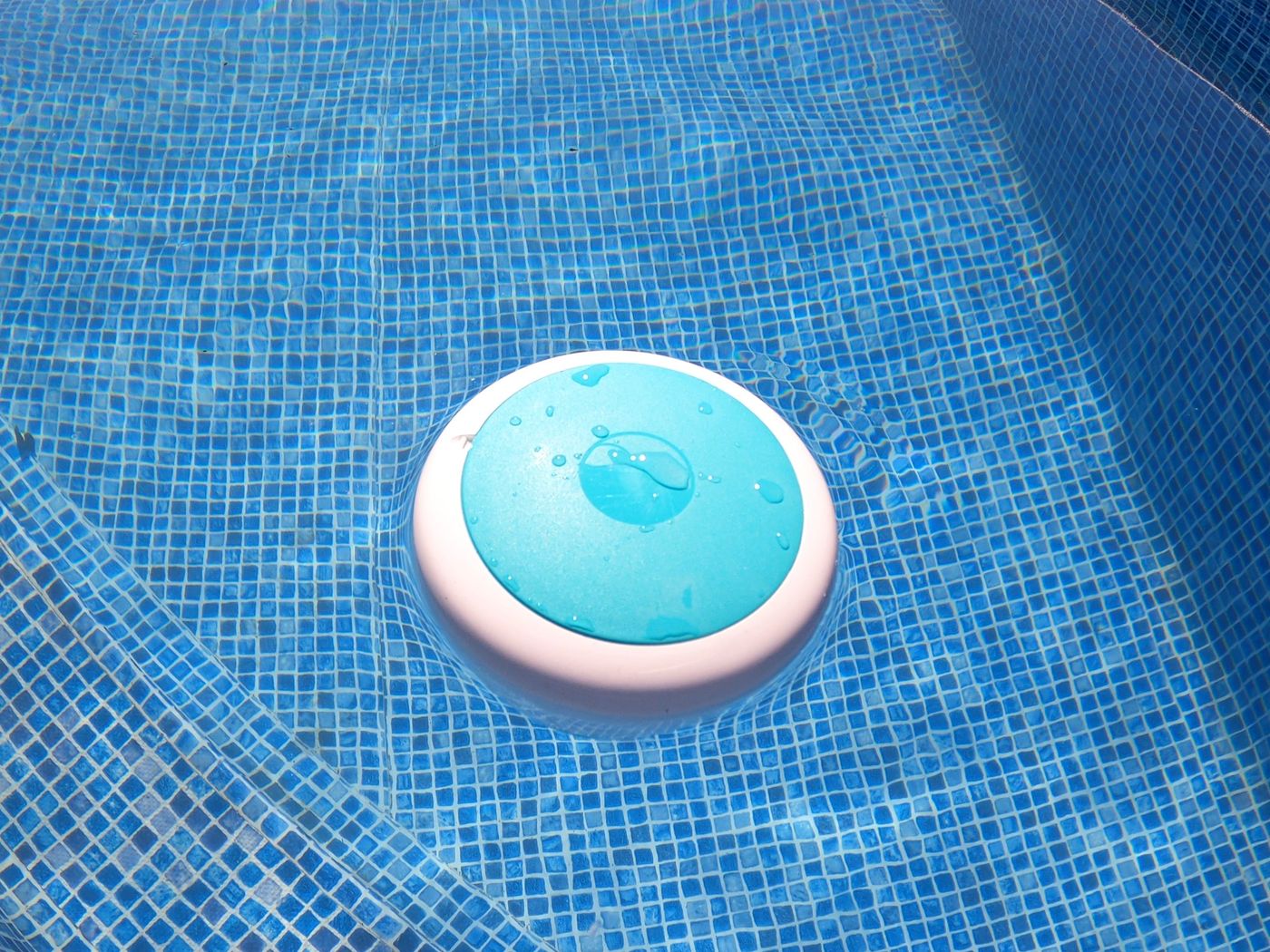
And the win isn’t the snapshot. It’s the trend line. My water looked identical to me at 720 millivolts and at 340. The graph knew the difference weeks before my eyes ever could, and it flagged the slide while the surface was still out there pretending everything was fine. Set an alert at 650 and the pool tattles on itself before things get ugly. In my testing, that one trend line has saved me more grief than any gadget on the equipment pad.
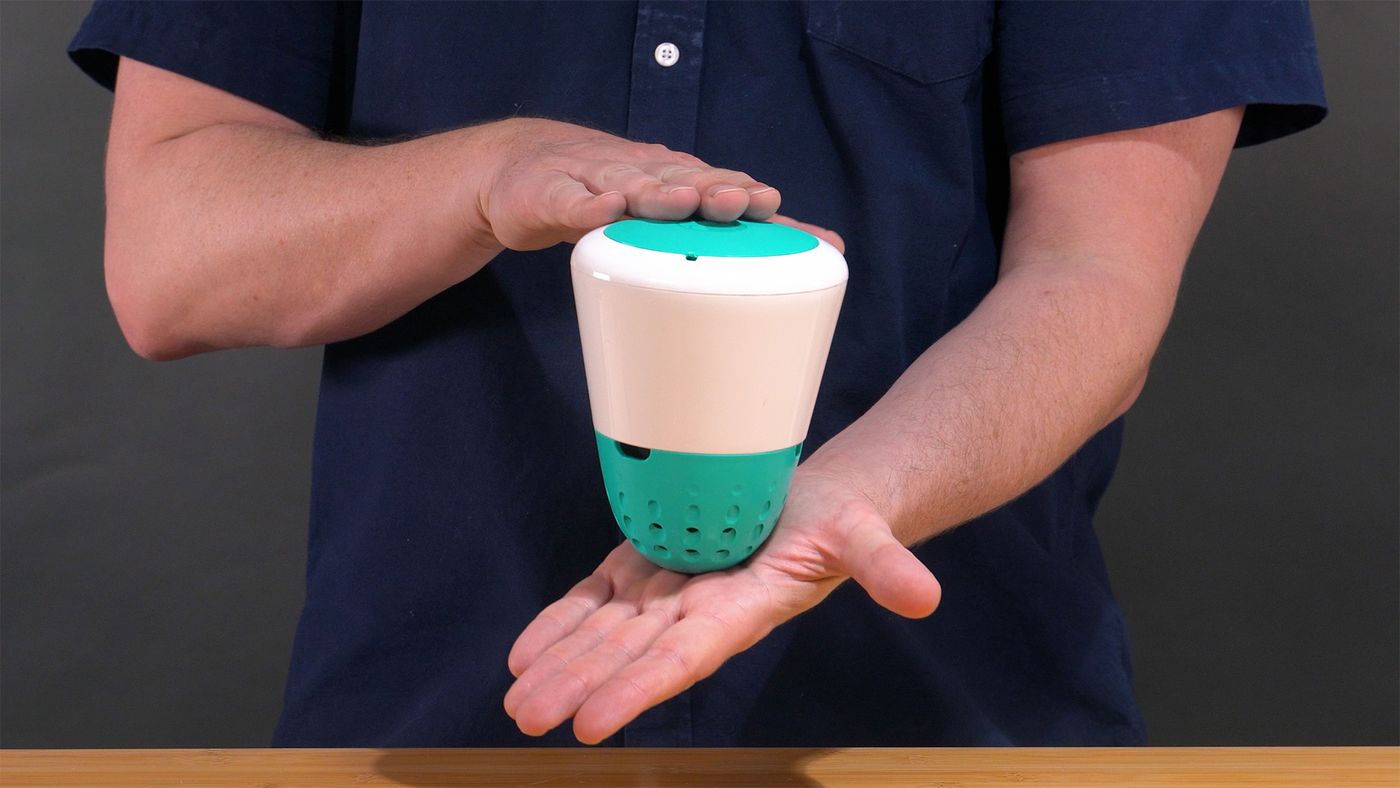
Pair the monitor with the two-chemical system we run on this channel — liquid chlorine and muriatic acid, nothing else — and you get water that’s clear and armed.
My Final Verdict
Your eyes are the worst test kit you own. Clear water tells you the particles are handled, or that nothing has stirred them up yet. It says nothing about sanitizer performance. I want ORP in the 650-to-750-millivolt range alongside verified free chlorine, pH, and CYA—not in place of those tests.
For the complete routine, read The Best Way to Test Your Pool Water, then compare the best pool water monitors if you want continuous ORP and pH trends.


Comments
Loading comments…