
 Justin D.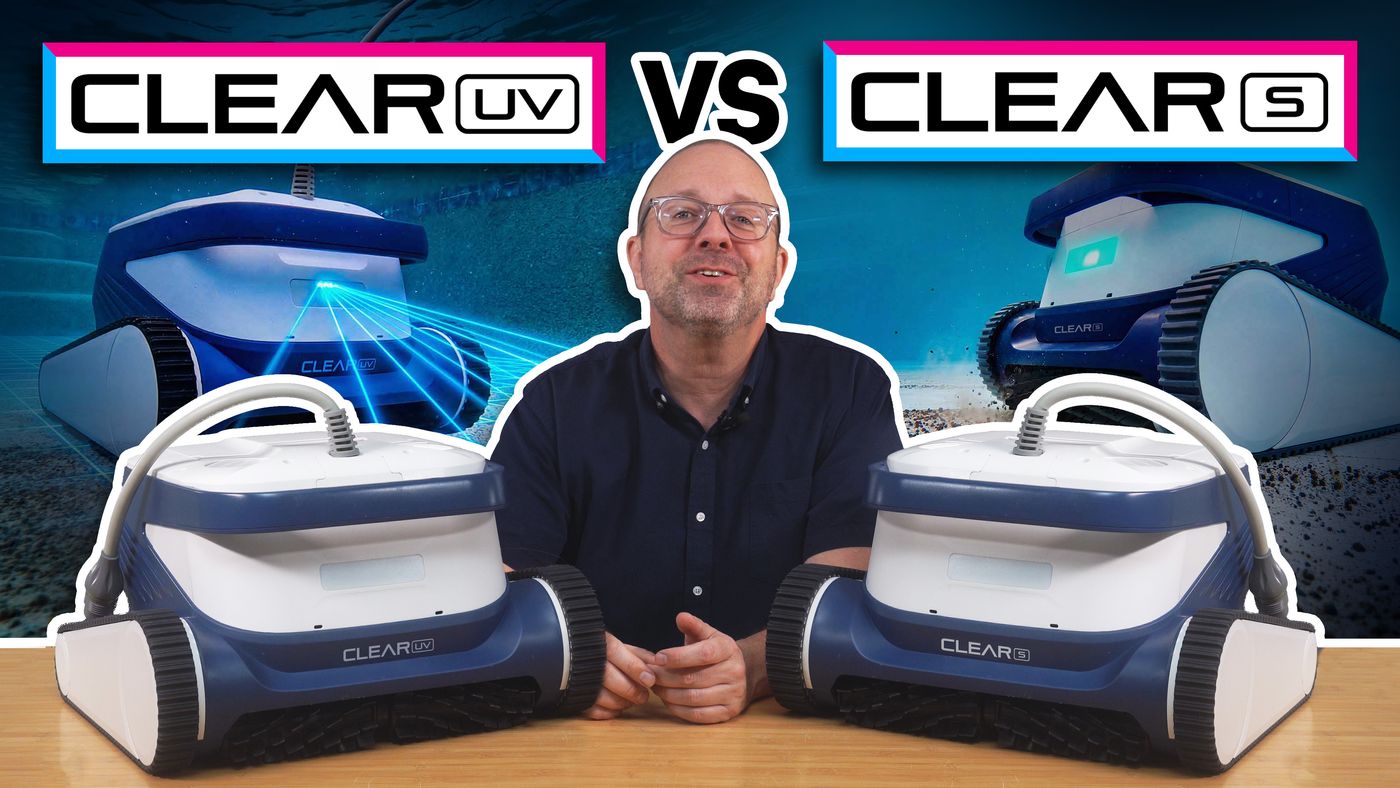
Trying to decide between the Clear S and the Clear UV? Good news — this is one of the easiest comparisons I've ever had to break down, because these two robots are nearly identical. Same cleaning power, same filtration, same app, same everything. There's exactly one difference between them, and once you understand it, the choice basically makes itself.
Hey there, and welcome back to the Pool Nerd. I'm Justin, your resident pool aficionado, and after testing 40+ pool robots in my own test pool, I'll tell you straight: this Clear platform is one of the most impressive I've put in the water in years. So let's figure out which version belongs in your pool. I'll give you the clear-cut answer right now, then walk you through everything you need to know.
Compare Both Clear Pool Robots


The Quick Answer
Buy the Clear UV if…
You want the standout feature: a built-in UV-C light that disinfects your pool's surface while it cleans. It's the move for pool owners who love a low-chemical, well-managed pool, who care about water clarity, and who want the most innovative robot on the market. In my opinion, it's worth the upgrade for that crowd.
Buy the Clear S if…
You want every bit of the same cleaning performance for less money and the UV light isn't a must-have for you. You lose nothing in suction, filtration, navigation, app features, or automation — not one thing. It's the smart-value pick.
Either way…
Both robots clean identically, and both are Pool Nerd Approved. There is no bad choice here. You're just deciding whether the bonus UV light is worth it to you.
Bottom Line: Buy the Clear S for the same cleaning performance at a lower price. Buy the Clear UV if you want that same robot with an added UV-C surface-disinfection layer.
The One and Only Difference
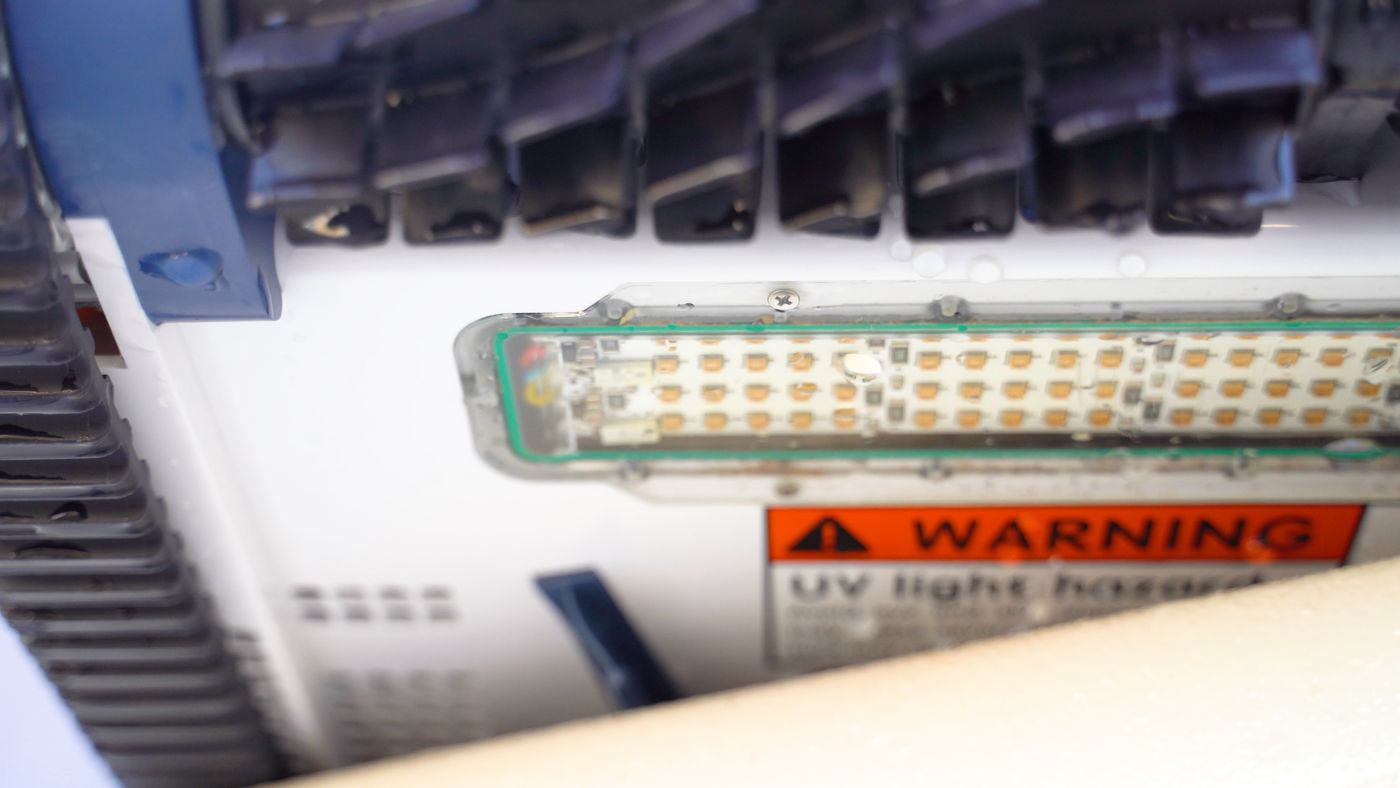
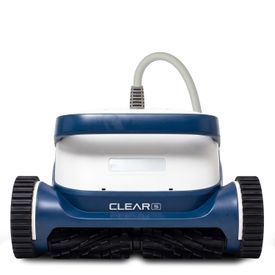
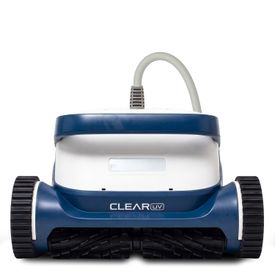
Let's get this out of the way first, because it's the whole ballgame. The Clear S and the Clear UV are the exact same robot — same motors, same filtration, same shell, same software — with one difference: the Clear UV has a UV-C disinfection lamp mounted on its underside, and the Clear S does not.
That's it. Everything else on this page applies to both robots equally. So as you read through how these things clean, climb, filter, and automate, just know you're reading about both of them at the same time. When the only difference between two robots is a single component, the cleaning performance doesn't change — and the cleaning is where this platform earns its reputation.
First, What Are These Robots?
If you're new to the Clear lineup, here's the lay of the land. Both the Clear S and the Clear UV are high-powered, commercial-grade corded robotic pool cleaners. You plug a power supply into a standard outlet near your pool, drop the robot in the water, and it cleans your floor, walls, and waterline on its own. "Corded" is the key word, and it's a good thing — I'll explain why when we get to automation.
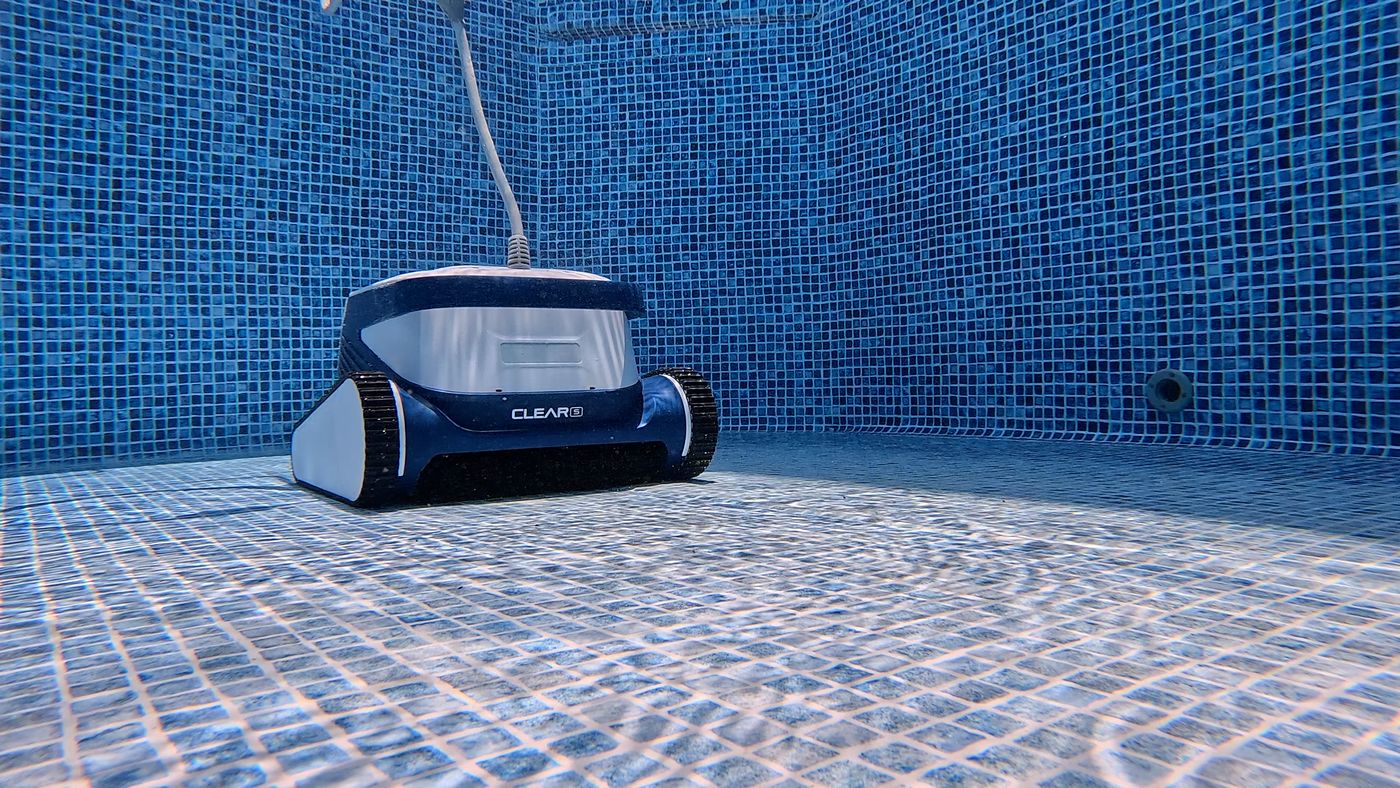
The Clear UV is the model I've logged the most hours on, and the Clear S is mechanically identical to it minus the light. So while I'll reference my time with the UV unit throughout, every observation about how this platform performs carries straight over to the Clear S. Now let's get into what makes them tick.
Cleaning Power and Coverage (Identical on Both)
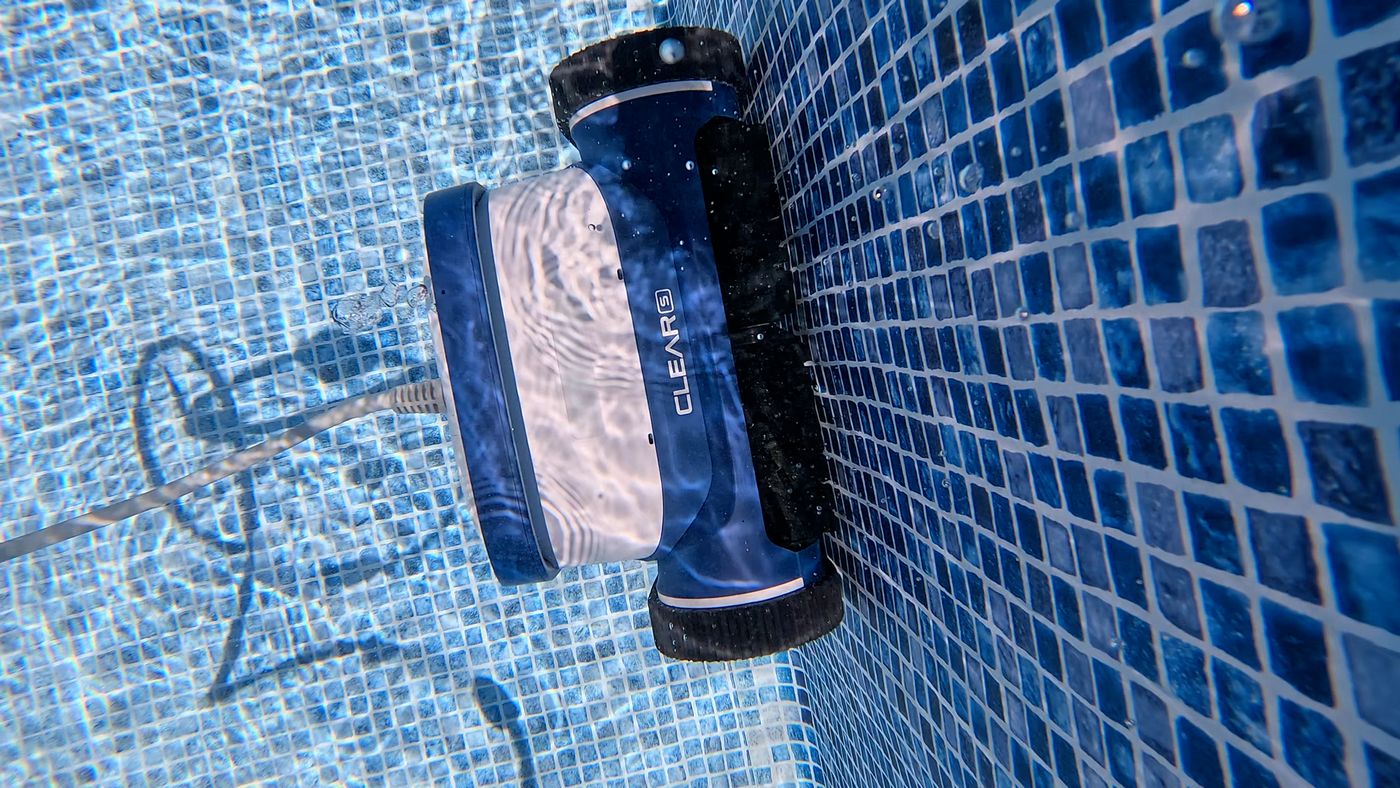
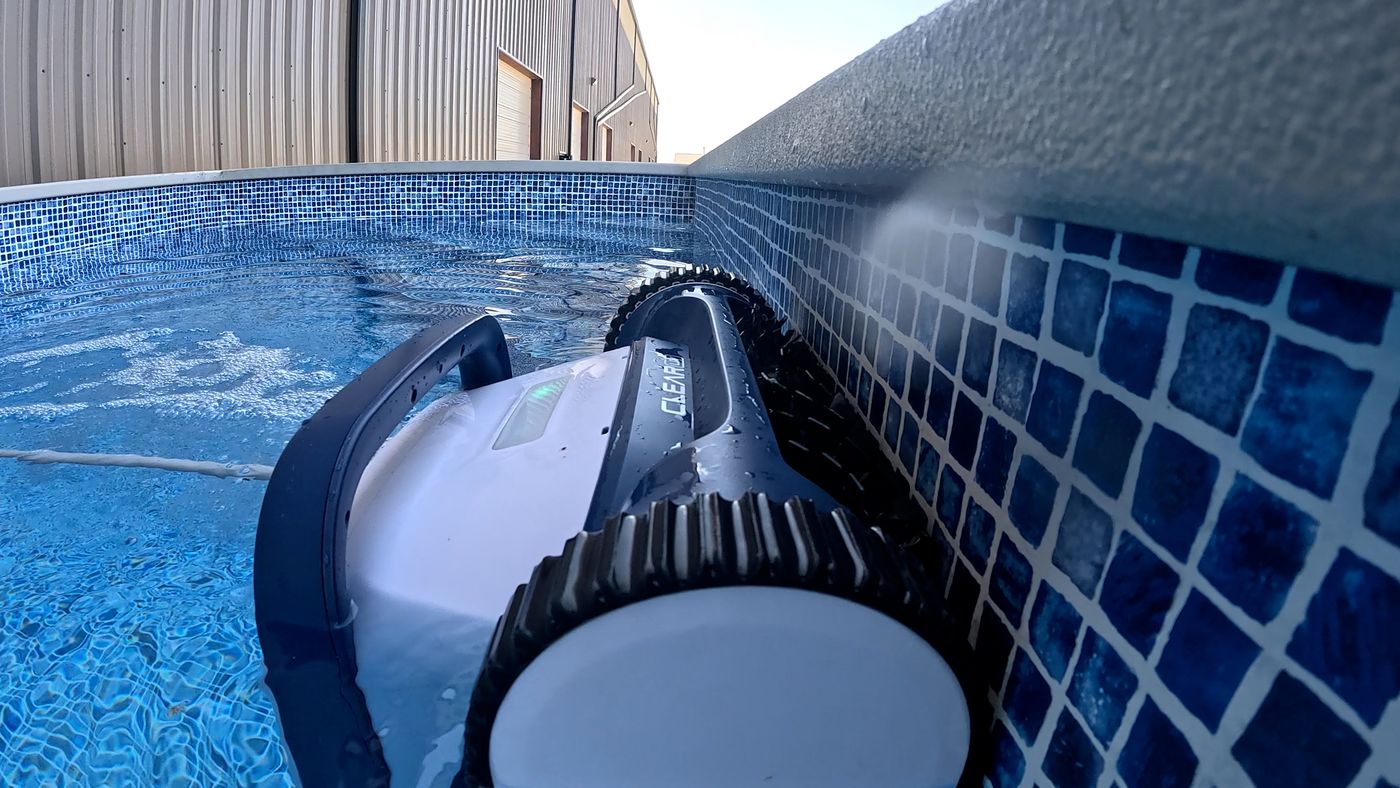
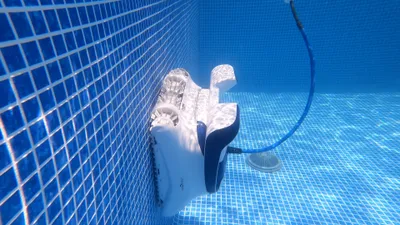
Both robots clean the floor, the walls, and the waterline. This matters more than people realize. The waterline is the dirtiest part of any pool — that's where the oils, bacteria, and algae gather — so a robot that skips it leaves you scrubbing by hand. In my testing, this platform climbed walls with real confidence and gripped the tile line instead of sliding back down halfway.
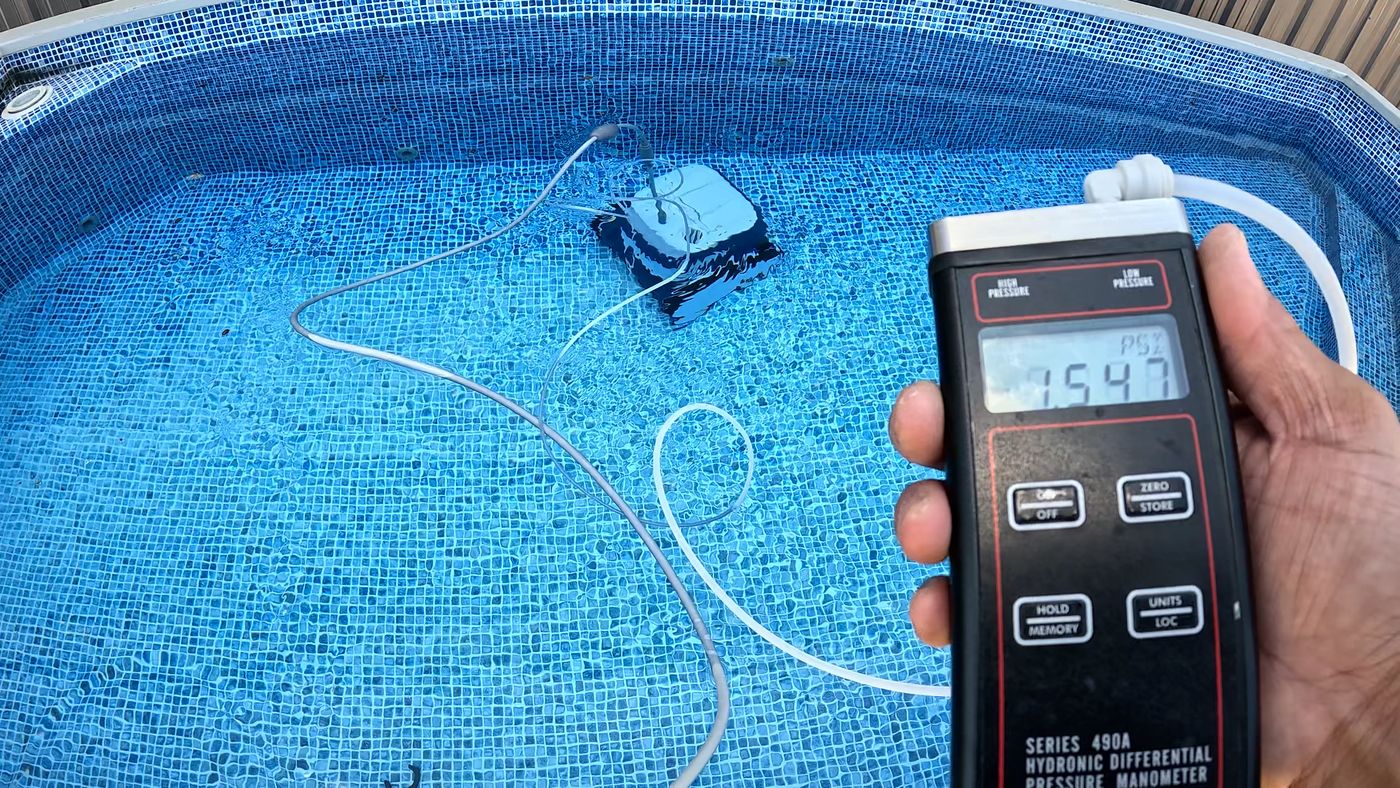
Driving all of it are four motors — two pump motors for suction and two drive motors for movement. That quad-motor setup is a big part of why these robots pull so hard. The suction is among the strongest I've felt in a residential robot, and the proof is in the basket: it fills to the brim on nearly every single run.
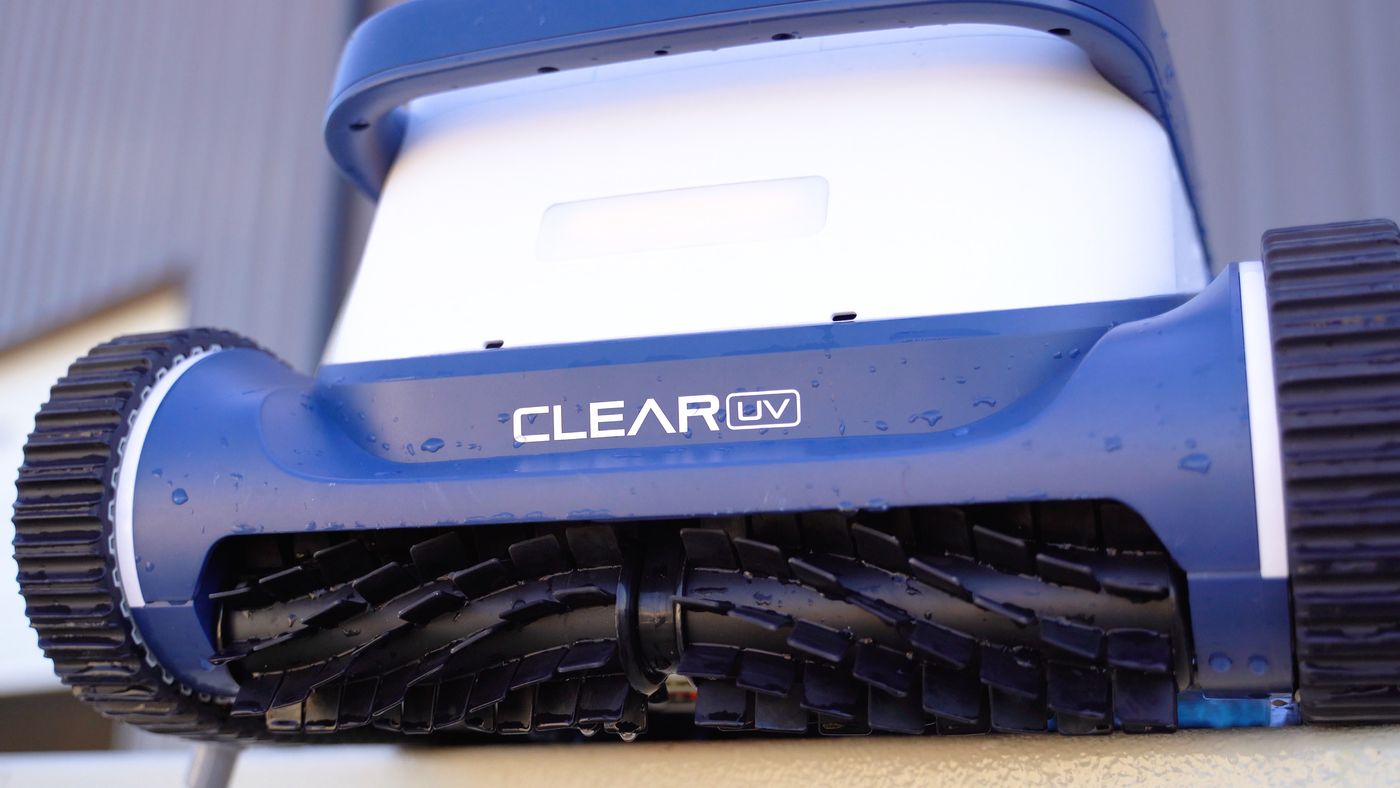
For scrubbing, both robots attack your surfaces from four points of contact — a fast active brush up front, a rear brush behind it, and two aggressive textured drive tracks that scour the surface as the unit moves. The result, in my testing, was a noticeably brighter pool after just one cycle.
Filtration: 1 Micron (Identical on Both)
This is the spec that genuinely impressed me. Both robots use Clear's top-loading UltraBin basket loaded with proprietary UltraFilter panels — and the filtration is rated down to 1 micron. For perspective, a human hair is around 70 microns. Most standard robot cartridges grab the big debris and let the fine stuff slip right back into your water. Filtering to 1 micron means these robots pull out the pollen, silt, and algae spores that make water look hazy.
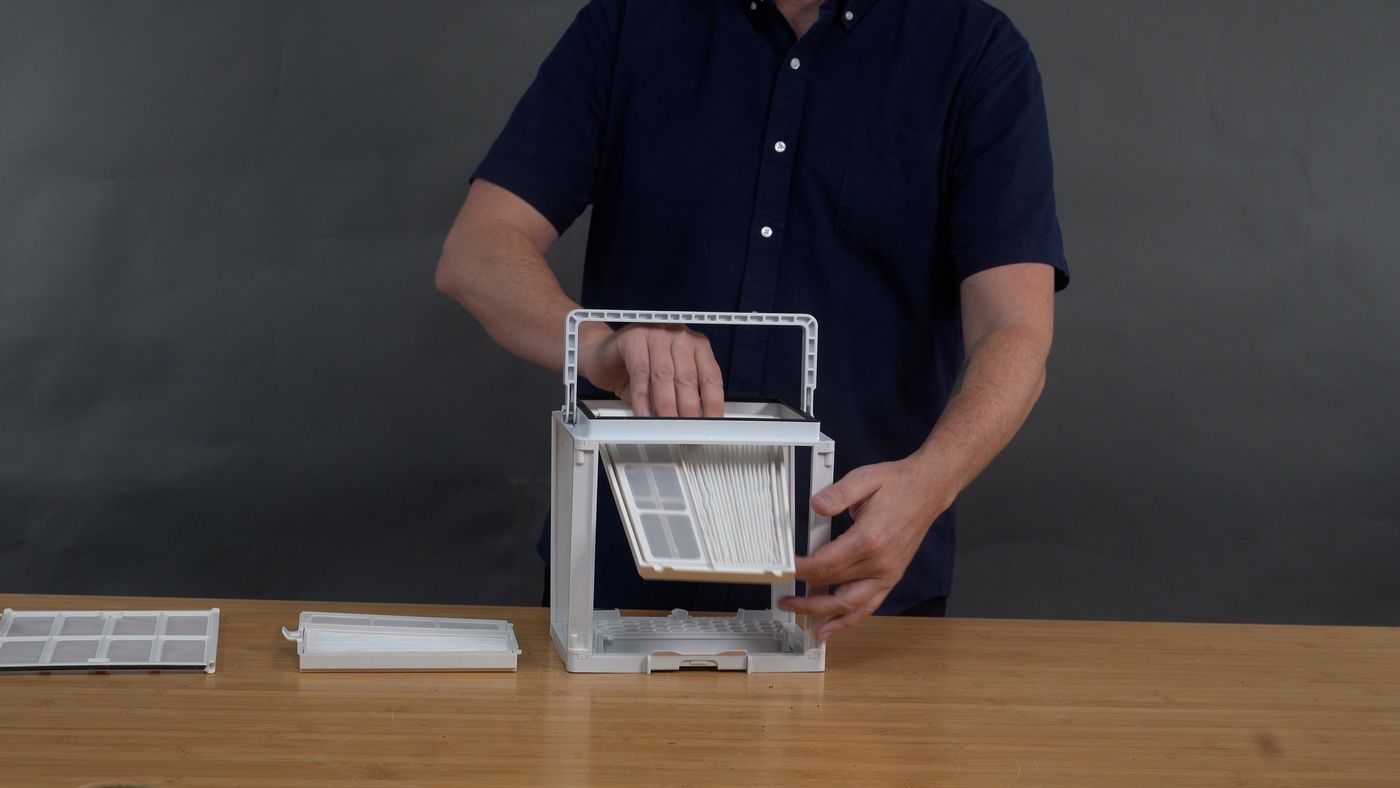
In my experience, that level of fine filtration is the single biggest difference between water that looks "clean" and water that's actually crystal clear. Both robots ship with two full filter sets — one installed, one spare — and the top-loading basket means maintenance takes about ten seconds: pop the cover, lift the basket out, and rinse it with a hose. Plan on replacing the UltraFilter panels every 3 to 6 months.
App, Automation, and Navigation (Identical on Both)
Both robots run on the same polished smartphone app, and here's the part that separates Clear from a lot of newer brands: the app works while the robot is in the water. App control that drops the moment the robot submerges is useless, and that's a constant problem with cordless units. From the app you get your cleaning modes, a live water-temperature readout, your connection status, and a Remote Control feature with a virtual joystick to steer the robot straight to a problem spot.
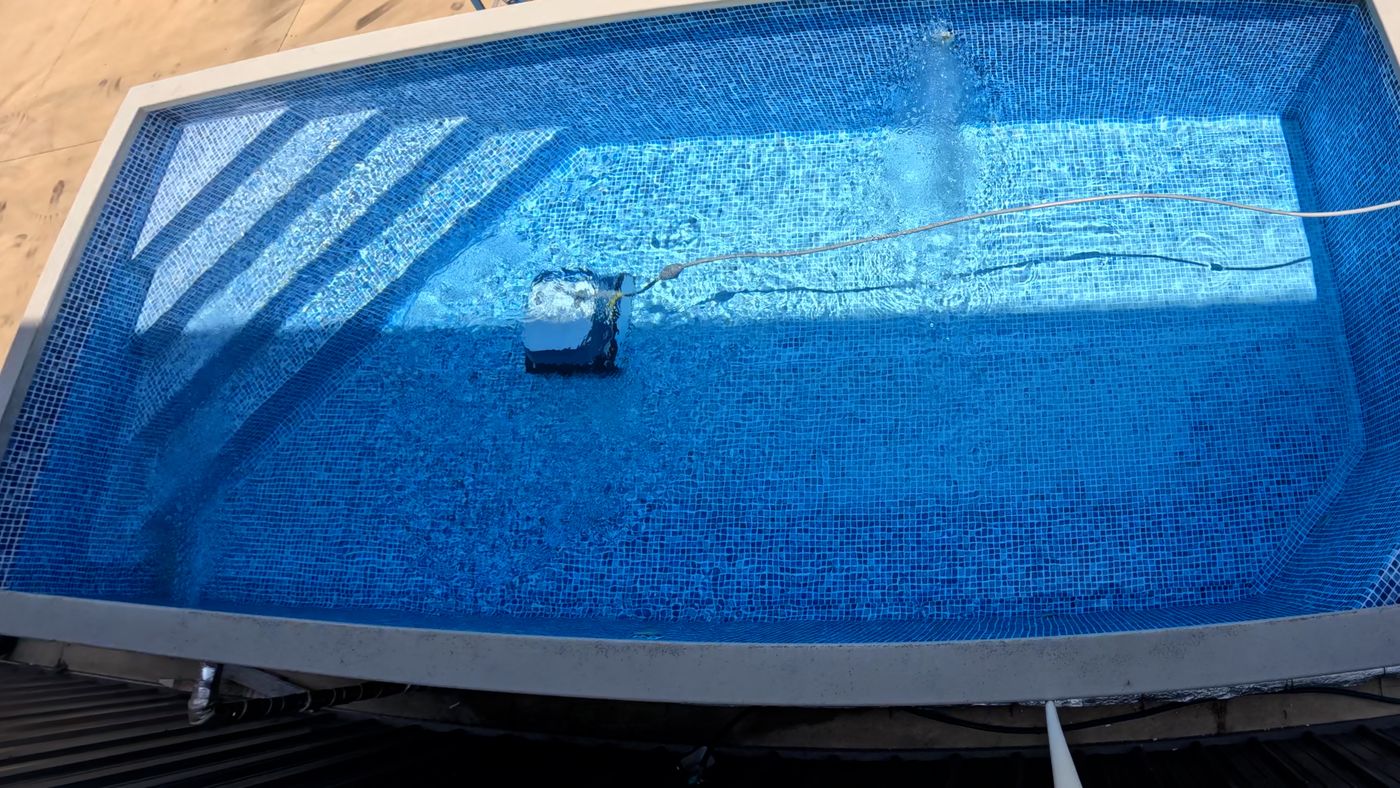
The feature I push the hardest is the weekly timer. Leave either robot in the pool, set a recurring schedule in the app, and it cleans on its own from then on — no dropping it in, no pressing start, no babysitting. This is true set-it-and-forget-it automation, and it's the single biggest reason I steer people toward corded robots. A cordless robot can't do this; you'd have to recharge, retrieve, and reset it after every cycle. These just handle it.
You also get the full set of cleaning modes on both:
- Regular — a 2-hour full clean
- Ultra — a 3-hour deep clean
- Fast — a 1-hour touch-up
- Floor — a 2-hour floor-only cycle
- Waterline — a 2-hour walls-and-waterline cycle
- Custom — a cycle you configure for your pool's shape
The focus modes are great — if you've just got a grime ring at the tile line, run Waterline mode and point the robot's full effort right at it. Under the hood, both use a C9 microprocessor with a gyroscope and accelerometer for smart navigation, so they work the pool methodically instead of bouncing around at random.
The Deciding Factor: What the UV Light Actually Does
Now we get to the only thing that should drive your decision. The Clear UV mounts a UV-C lamp on its underside that turns on while it cleans, bombarding the pool surface with germicidal ultraviolet light. It's the same proven technology used in Olympic pools and commercial aquatic centers to mitigate organic growth like bacteria and algae. As a longtime fan of UV in pools — we run a SpectraLight UV system on our own test pool — I think it's the most genuinely innovative feature I've seen on a residential robot in a long time.
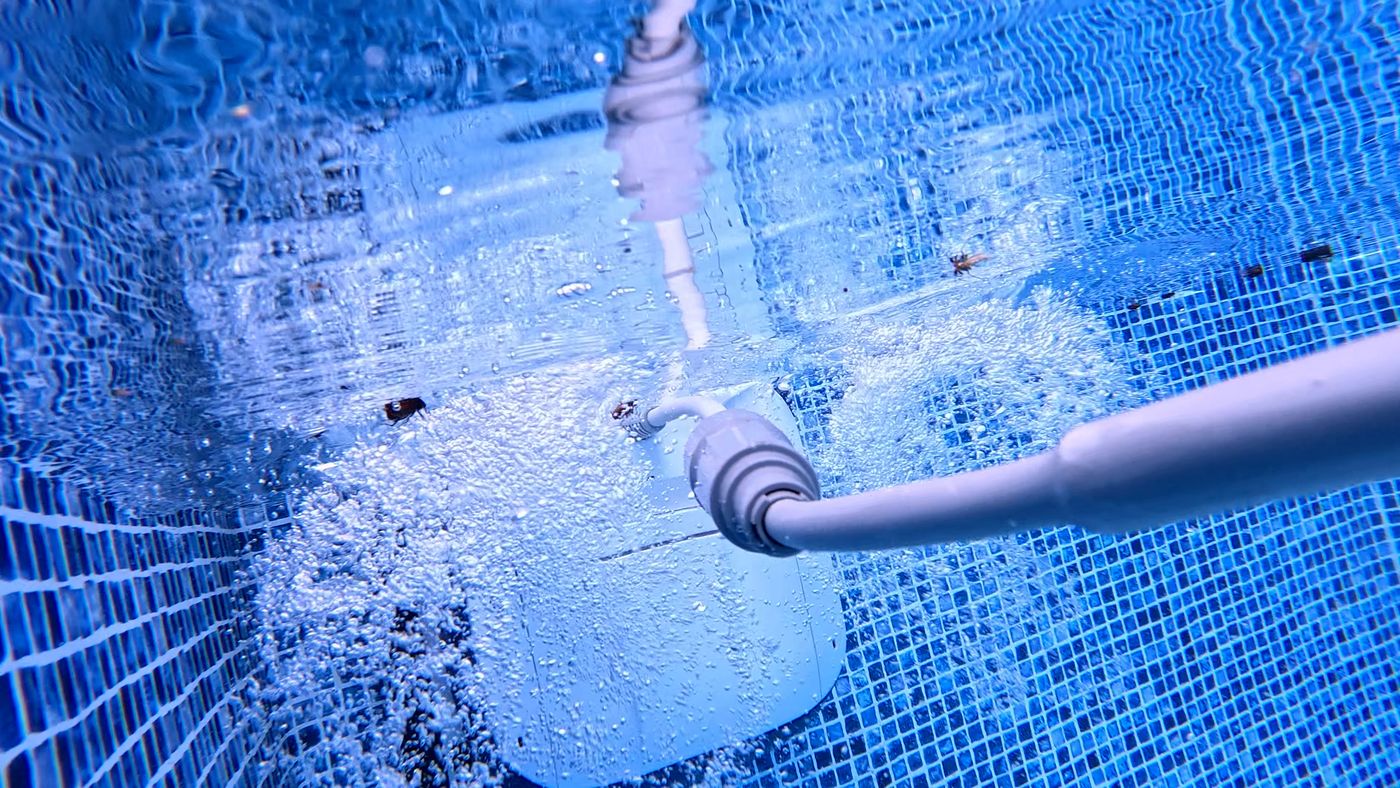
But here's the honest part you need to hear. That robot UV is a supplement, not a replacement for your sanitizer. It's a surface-level disinfection layer that runs while the robot cleans — it is not a whole-pool inline system like the SpectraLight UV we run around the clock. You still maintain your chlorine and manage your chemistry like normal, with or without it. So the UV upgrade won't let you stop sanitizing your pool. What it gives you is an extra layer of organic-growth control working alongside your existing routine.
One practical note: for safety, the UV lamp only runs when the robot is fully submerged, and you enable it through the app after a one-time safety acknowledgment. It shuts off automatically when the cycle ends or if it senses an unsafe condition. Clear built it to be foolproof. The Clear S simply doesn't have the lamp, so none of that applies to it.
Side-by-Side Comparison
| Feature | Clear S | Clear UV |
|---|---|---|
| UV-C Disinfection Light | No | Yes |
| Cleaning Coverage | Floor, walls, waterline | Floor, walls, waterline |
| Motors | Quad (2 pump + 2 drive) | Quad (2 pump + 2 drive) |
| Filtration Precision | Down to 1 micron | Down to 1 micron |
| Smartphone App | Yes (works underwater) | Yes (works underwater) |
| Weekly Timer | Yes | Yes |
| Remote Control | Yes | Yes |
| Cleaning Modes | Regular, Ultra, Fast, Floor, Waterline, Custom | Regular, Ultra, Fast, Floor, Waterline, Custom |
| Cable | Tangle-free, 59 ft | Tangle-free, 59 ft |
| Max Pool Length | Up to 50 ft | Up to 50 ft |
| Saltwater Compatible | Yes (up to 5,000 ppm) | Yes (up to 5,000 ppm) |
| Best For | Same cleaning power, lower price | All that, plus bonus UV sanitation |
The table really is that repetitive because the two robots share nearly everything. The UV-C row is the decision.
So, Which Should You Buy?
Now that you've seen the full picture, let's bring it home. Since the cleaning is identical, your decision comes down to one question: is the UV light worth it to you?
Go with the Clear UV if the innovation excites you
If you're the kind of pool owner who likes running a low-chemical, well-managed pool, who geeks out over crystal-clear water, and who wants the most cutting-edge robot available, you'll genuinely enjoy and use that UV feature. It's a bonus layer of sanitation riding along with every cleaning cycle, and in my opinion that's worth paying for if it speaks to you.
Go with the Clear S if you want the smart-value pick
If you mainly want a powerful, reliable, fully automated cleaner and you've already got your sanitation handled — or you simply don't feel the need for an extra disinfection layer — the Clear S is your robot. You get 100% of the cleaning performance for less money and give up nothing on the parts that actually scrub your pool.
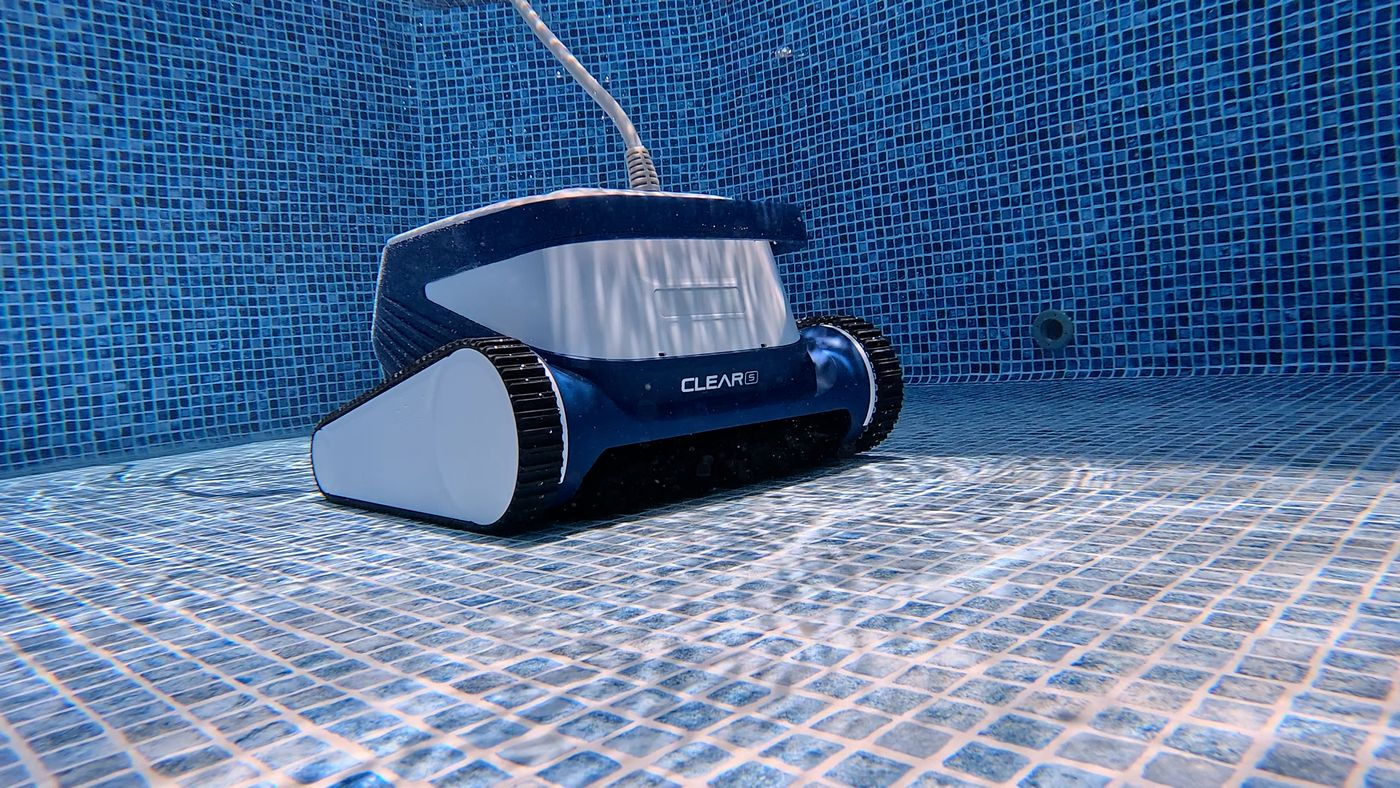
Let's get real one more time: there is no wrong answer. These are both excellent robots built on the same impressive platform. One just adds a feature the other doesn't. Pick the one that fits how you run your pool and your budget, and you'll be happy either way.
Final Verdict: Both Pool Nerd Approved
Both the Clear S and the Clear UV are Pool Nerd Approved.
They share the quad motors, the brim-filling suction, the 1-micron UltraFilters, the smart navigation, the app that actually works underwater, and the weekly timer that delivers true automation. The Clear UV layers on innovative UV-C disinfection; the Clear S delivers the same cleaning beast for less.
I'll be straight with you, because I don't do paid reviews — I'm not crowning either one my #1 robot overall just yet, and that's purely about longevity. Reliability over months and years is a huge part of how I rate a cleaner, and these are still building that long-term track record the way my top corded Dolphins have. I'll keep updating as I run them through the seasons.
But if you want a genuinely excellent pool robot, you can't go wrong with either. Decide whether the UV light is for you, and grab the one that fits.
If you want to keep nerding out over your pool, head over to my deals page at ThePoolNerd.com/deals, where I post the best deals on both Clear robots and other top pool equipment.
Related Reading
- Clear S Review — Full testing notes on the lower-priced non-UV model
- Clear UV Review — Everything to know about the built-in UV-C lamp
- Clear Pool Cleaner Reviews — Explore the complete Clear lineup
- Best Corded Pool Robots — See how both Clear models compare with the competition
- Best Robotic Pool Cleaners — Our top picks after testing 40+ robots
- Corded vs. Cordless Robotic Pool Cleaners — Why a weekly timer changes the ownership experience

Comments
Loading comments…