
 Justin D.
If pH increaser lifts the number for a day or two and it falls right back down, stop treating the symptom. The pool has either lost the alkalinity that buffers pH or it is receiving a steady acidic input.
Total alkalinity is my first check. After that, I look at acid dosing, daily trichlor use, heavy rain, and the water coming from the hose. Each leaves a different pattern, and all five can make a weekly bag of pH Up feel necessary when it is not.
Test pH and total alkalinity from the same water sample before adding anything. The pool pH calculator can size the correction once you know the numbers; the steps below identify why the reading keeps falling. If your pool has the opposite problem, use my high-pH troubleshooting guide.
What Does Low pH Actually Mean?
Quick refresher.
pH runs on a scale from 0 to 14.
Seven is neutral. Below seven is acidic. Above seven is basic.
For my pools, I generally like vinyl and fiberglass around 7.0 to 7.4, and I like gunite and plaster around 7.2 to 7.4. My ideal pool pH guide explains why those ranges differ.
That lower range helps chlorine work really efficiently, but there is a limit.
Once you start dropping below 7.0, I’m no longer looking at it as “better chlorine performance.”
Now I’m thinking about corrosion.
And that’s an important distinction because there’s a temptation to think, if chlorine gets stronger as pH drops, why not just keep the pH really low?
Because eventually that acidic water starts attacking the pool itself.
It can be hard on heaters, metal fixtures, plaster, seals, and even swimmers.
So yes, I like pH in the low sevens.
I do not want an acidic pool.
And before we get into the causes, there’s one other thing you need to understand:
pH and total alkalinity are not the same thing.
pH tells you where the water is right now.
Total alkalinity is the buffer that helps keep the pH from moving around too easily.
And if your pH keeps dropping, alkalinity is the first place I’d look.
What You Need
Low pH: What You Need Checklist
Check pH and total alkalinity before dosing. Fix low TA with baking soda; use soda ash only when TA is already in range, and switch away from trichlor when it keeps pulling pH down.

Taylor K-2006 Test Kit
What it is: The FAS-DPD drop kit the pros carry—free and combined chlorine, pH, alkalinity, calcium hardness, and CYA, all from drops instead of guess-strips.
Why you need it: Use it every few weeks to confirm your smart monitor, and a couple times a season to check CYA—the one number the float doesn't track. Drops over strips, every time.
Pick your version: Taylor K-2006 (chlorine pools) or the K-2006 Salt (salt pools)—same kit, the salt version adds a salinity test.

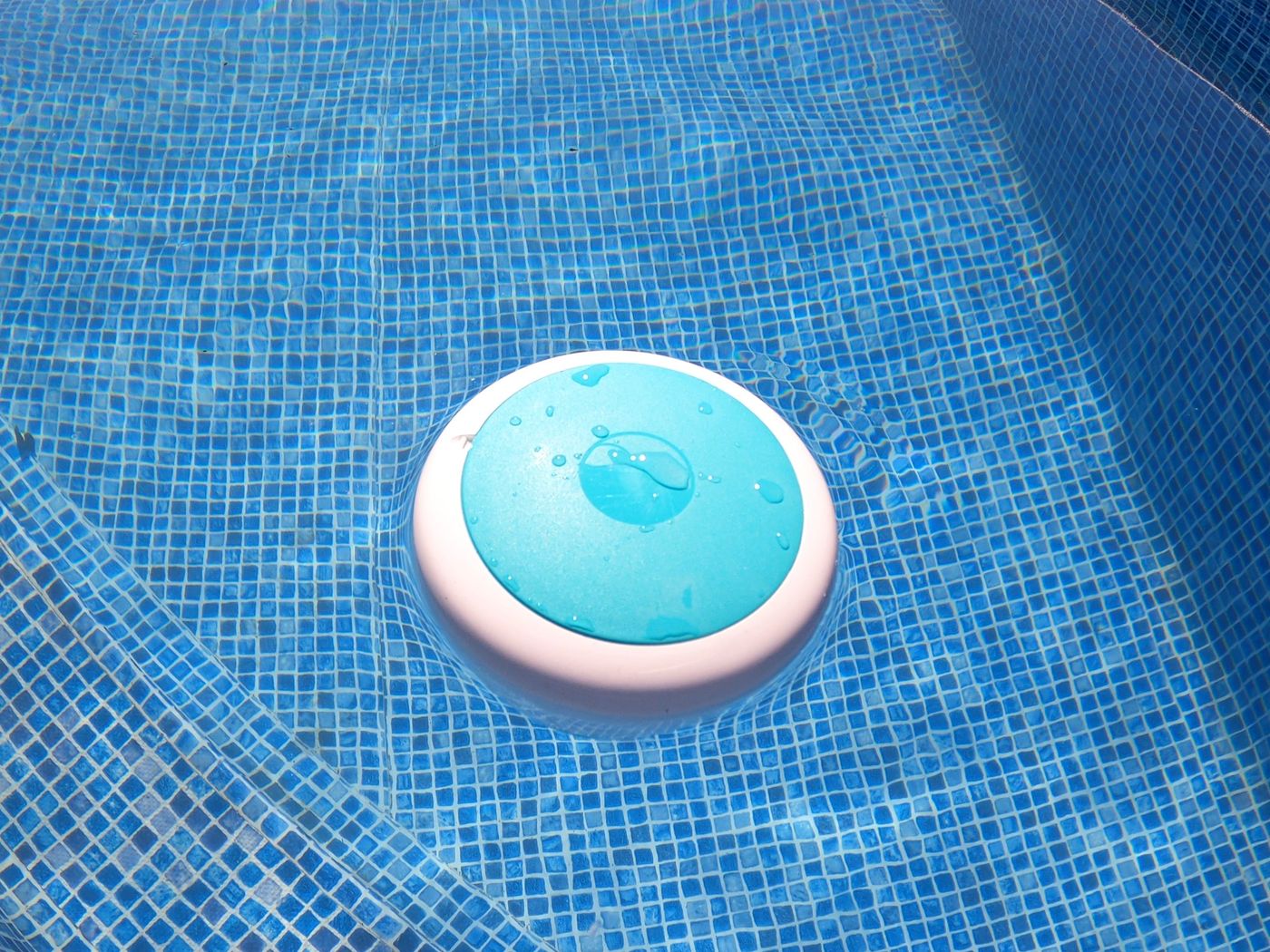
Ondilo ICO Pool Water Monitor
What it is: A floating smart monitor that samples pH, ORP (sanitizer effectiveness), and temperature on a schedule and sends trends to your phone.
Why you need it: You still need a real drop kit for parameters the ICO doesn’t replace (like TA and CYA), but hourly ORP/pH catches drift and dosing mistakes long before weekly strip checks do.

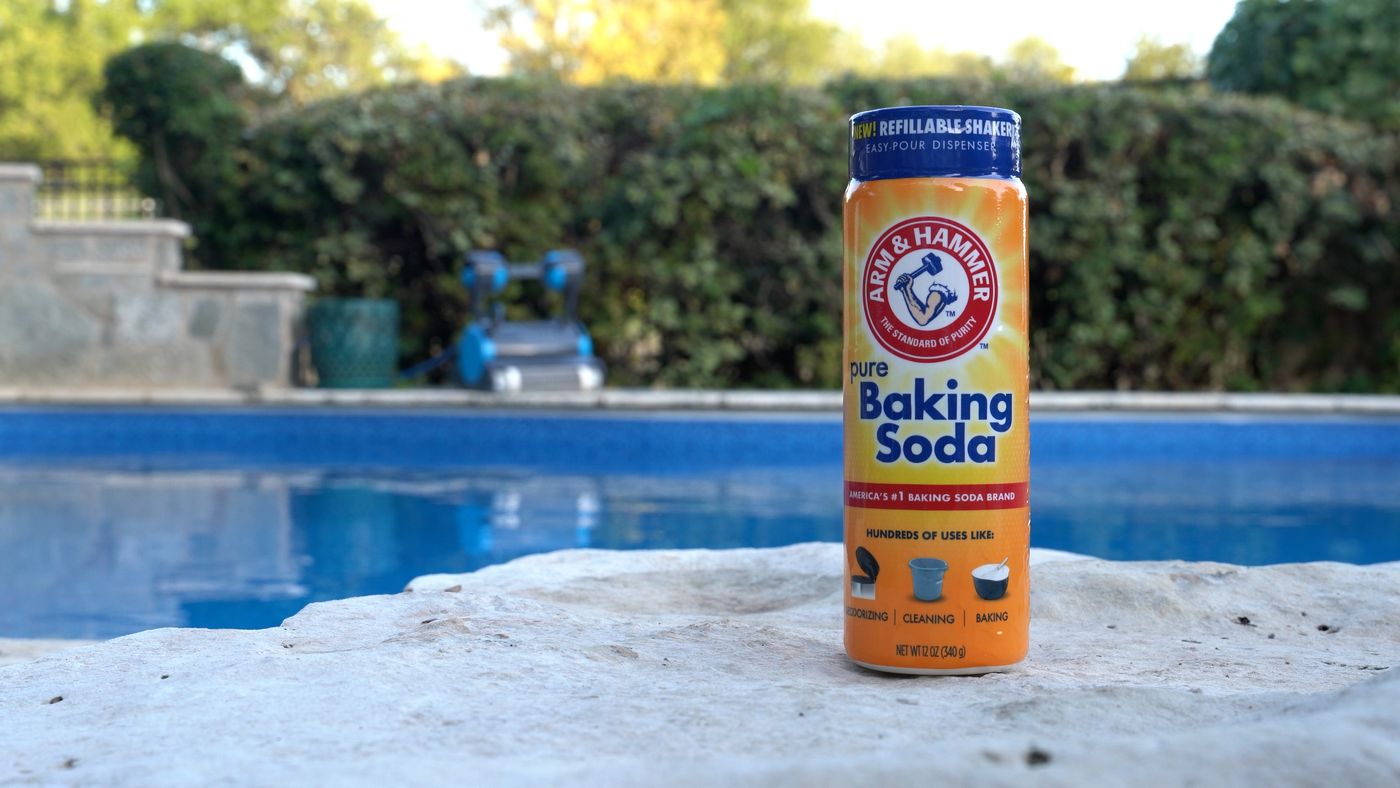
Baking soda (alkalinity increaser)
What it is: Sodium bicarbonate—the same compound as pool-store “alkalinity increaser.” Arm & Hammer 15 lb is a practical mid-size bag; USP pure 50 lb bucket is the usual pick when you want the lowest $/lb; grocery or pool-store bags work if the label is plain bicarbonate.
Why you need it: It raises total alkalinity with a gentler pH bump than soda ash. Do not use soda ash here if you only need TA up.

In The Swim Soda Ash
What it is: Sodium carbonate—raises pH faster than baking soda with less alkalinity bump.
Why you need it: Use when pH is low and you need pH up without overshooting TA; check TA first.

Champion Muriatic Acid
What it is: Dilute hydrochloric acid—standard for lowering pH and, with the right method, total alkalinity.
Why you need it: High pH destroys chlorine efficiency. Always follow the label; never mix acid with chlorine.

Liquid chlorine (10–12.5%)
What it is: 10–12.5% liquid shock/sanitizer—sold by the jug; shipping availability depends on seller and hazmat rules in your area.
Why you need it: For many SLAMs it’s the workhorse: no extra CYA from the sanitizer itself, fast, easy to pour. Grab fresh jugs; heat and age weaken it.
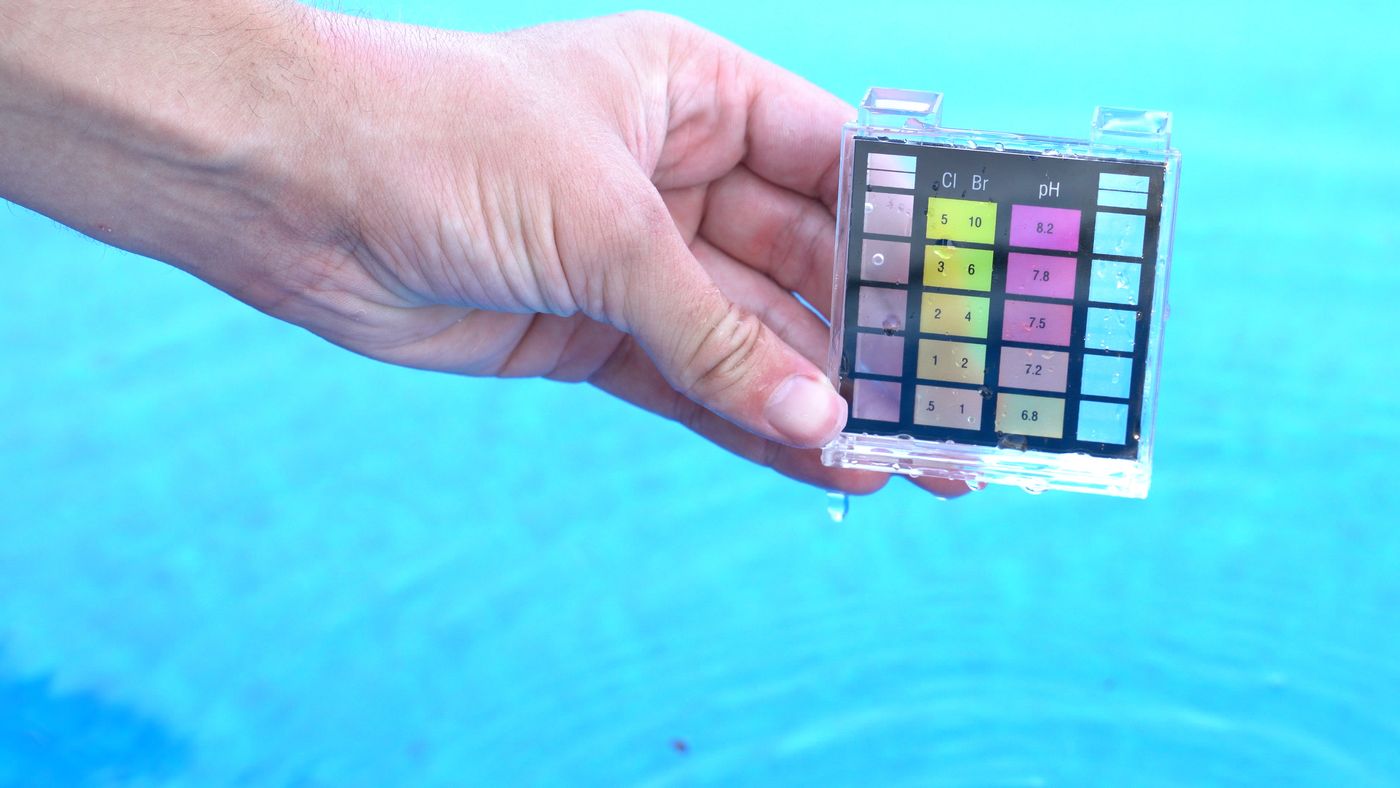
Before we start fixing anything, make sure you can accurately measure pH and total alkalinity.
You can use a regular drop test kit — the Taylor K-2006 is the one I use to verify my readings. My pool-water testing guide compares liquid kits with strips, digital meters, and continuous monitors.
Or, if you want to make this almost automatic, use a pool water monitor. That’s my favorite option because instead of getting one pH reading whenever you remember to test, you can see what the pool has been doing all day.
I use the Ondilo ICO in my pool, but it’s not your only option.
Go to ThePoolNerd.com/best-pool-water-monitors and I’ve got my full list of the best monitors I’ve tested, along with individual reviews so you can decide which one makes the most sense for you.
Cause #1: Low Total Alkalinity
This is probably the most common cause of a pH that just refuses to stay put.
If your total alkalinity is too low, the pool loses a lot of its ability to resist changes in pH.
Then almost anything acidic can move the number.
A little rain.
A little muriatic acid.
A few chlorine tablets.
Organic debris breaking down in the water.
Suddenly the pH drops much faster than it should.
The pattern is usually pretty obvious.
You raise the pH, everything looks good for a couple of days, and then it falls again.
So instead of adding more pH increaser, test your total alkalinity.
If TA is low, fix that first.
For this kind of pool, I generally want alkalinity somewhere around 80 to 120 ppm, with the exact number depending on the rest of the system.
And the nice part is that raising alkalinity is cheap.
You can use plain sodium bicarbonate — baking soda.
A lot of products sold as “Alkalinity Increaser” are essentially the same chemical in a much more expensive bag.
As a rough guide, about 1.5 pounds of baking soda per 10,000 gallons raises total alkalinity by around 10 ppm.
Bring the alkalinity back into range, circulate the water, and then test the pH again.
A lot of the time, once you fix the buffer, the pH problem becomes much easier to manage.
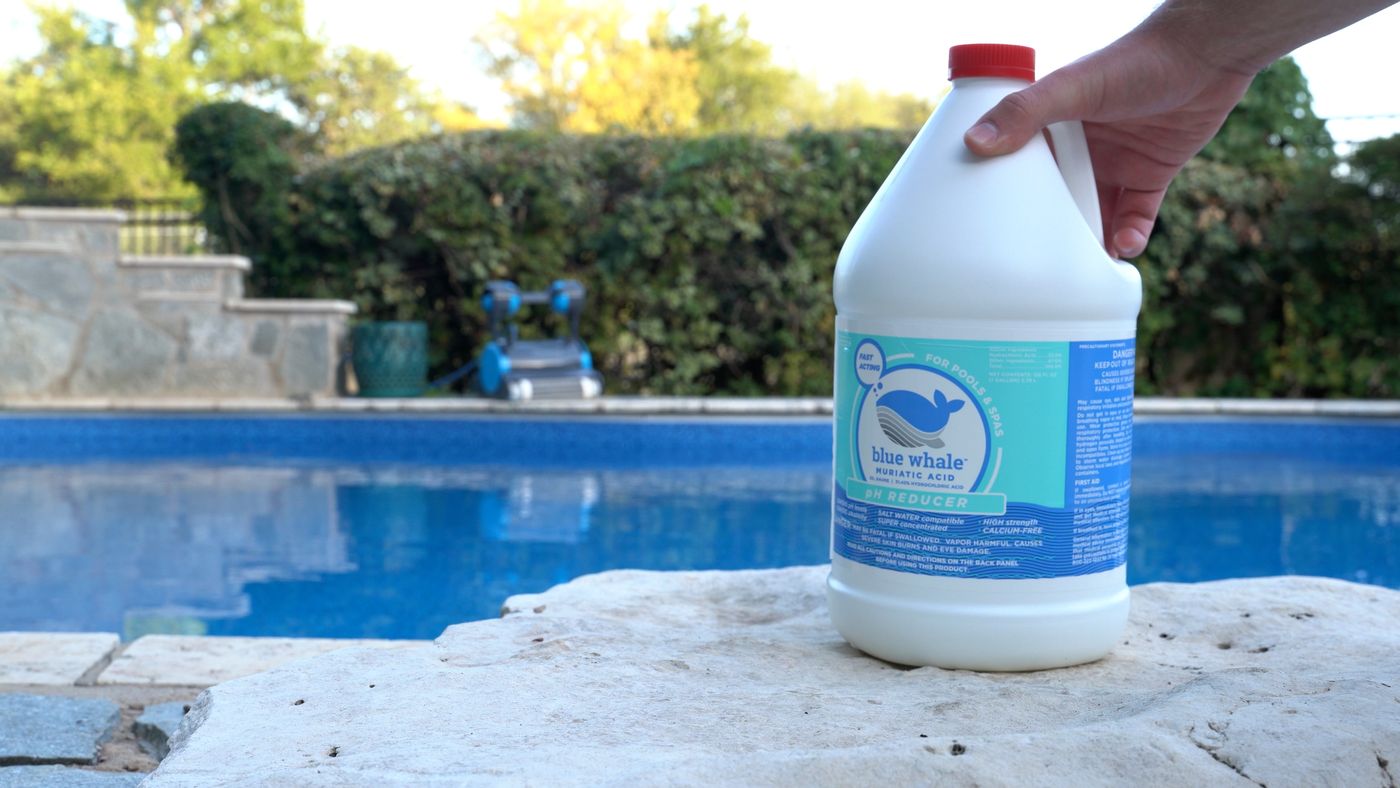
Cause #2: Too Much Acid
This one sounds obvious, but it happens all the time.
Muriatic acid is one of the chemicals I use most around a pool.
It’s cheap, effective, and it’s my preferred way to lower high pH.
But it’s also very easy to overshoot.
If you don’t know the actual volume of your pool and you’re just pouring acid based on a guess, you can blow right past your target.
Then the pH gets too low.
So you add pH increaser.
Now it gets too high.
Then you add more acid.
And before long, you’re spending the entire summer seesawing between two problems you created yourself.
That’s why I always dose based on the actual pool volume.
And I would much rather add slightly less than I think I need, circulate, and retest.
You can always add more.
You can’t take acid back out of the pool.
As a rough starting point, 6 to 8 ounces of 31.45% muriatic acid per 10,000 gallons may lower pH by around 0.2, but the actual change depends heavily on your alkalinity and starting chemistry.
So treat that as a starting point, not a guaranteed dose.
And if you’re constantly adding acid because your pH used to be high, take another look at your current numbers.
Your pool chemistry changes throughout the season.
The acid dose that made sense a month ago may be too much today. Recalculate from the current readings and actual water volume with the pool pH calculator.
Two rules with muriatic acid are non-negotiable.
First: A&W — Acid into Water.
If you’re diluting acid, always add the acid to the water, never water into concentrated acid.
And second: never mix muriatic acid and chlorine.
Not in a bucket.
Not in a feeder.
Not even stored carelessly where the fumes can interact.
That combination can create toxic chlorine gas.
If I’m adding both on the same day, I separate the additions and let the pool circulate between them.
Cause #3: Trichlor Chlorine Tablets
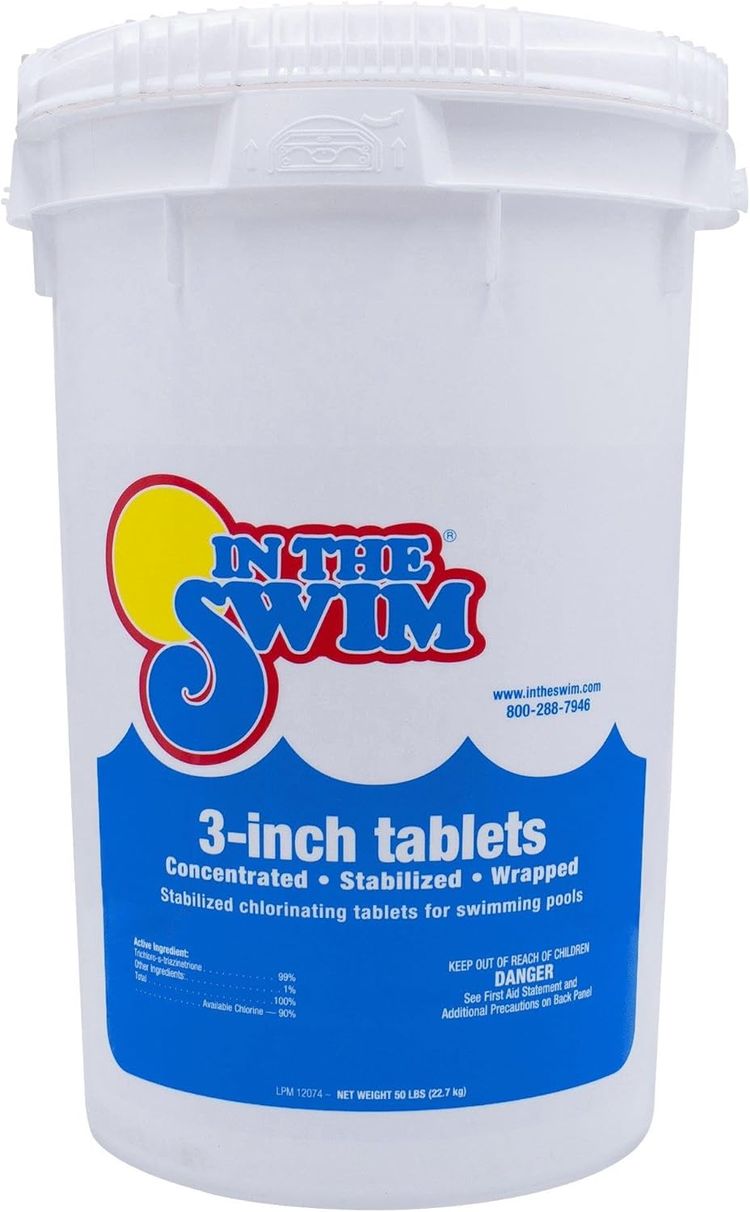
If you use chlorine tablets every day and your pH keeps falling, take a look at what those tablets actually are.
Trichlor is acidic.
Very acidic.
It has a pH around 2.8, so every time a tablet dissolves, you’re not just adding chlorine.
You’re also continuously pushing the water chemistry downward.
If you have a feeder or floater running around the clock, that becomes a constant acidic input.
And that’s only half of my issue with tablets.
Trichlor also adds cyanuric acid, or CYA.
For every 10 ppm of chlorine added by trichlor, you add roughly 6 ppm of CYA along with it.
The chlorine gets consumed.
The CYA stays.
So over time, you can end up with two separate problems from the same tablet.
Your pH and alkalinity keep getting pulled down, while your CYA keeps climbing.
Then you need more chlorine to maintain the same sanitizing performance.
That’s why I don’t like trichlor as the everyday chlorine source for most pools.
I’m fine with tablets in specific situations — vacation, for example — but I prefer liquid chlorine for normal maintenance because I can add chlorine without constantly changing my CYA and pushing the pH down.
Using trichlor tablets as your primary chlorine source all season without watching pH, alkalinity, and CYA.
Convenient doesn’t always mean maintenance-free.
Cause #4: Heavy Rain
If your pH suddenly drops after a storm, the rain may be the answer.
Rainwater is naturally acidic, usually somewhere around pH 5.5 to 6.5.
So when you get a major storm, you’re adding a large amount of relatively acidic fresh water directly to the pool.
But the bigger effect can be dilution.
That rainwater can lower your total alkalinity, which weakens the pool’s ability to stabilize its own pH.
Then you also have everything the storm brings with it.
Leaves.
Dirt.
Pollen.
Runoff.
Organic material.
All of that eventually breaks down and adds more load to the water.
The mistake I see is immediately dumping chemicals into the pool after every storm because you assume the chemistry must be destroyed.
Test it first.
Sometimes the storm barely moves anything.
Other times, both pH and alkalinity drop.
Those are two different situations and they need two different corrections.
So after a heavy rain, test before you treat.

Cause #5: Your Fill Water
Sometimes your pool isn’t causing the problem at all.
Your hose is.
Every pool loses water through evaporation, splash-out, backwashing, and normal use.
So throughout the season, you’re replacing that water.
If your tap water or well water has low total alkalinity, every top-off is slowly diluting the buffer in your pool.
That can create a pH problem that seems completely random until you test the source water.
This takes two minutes.
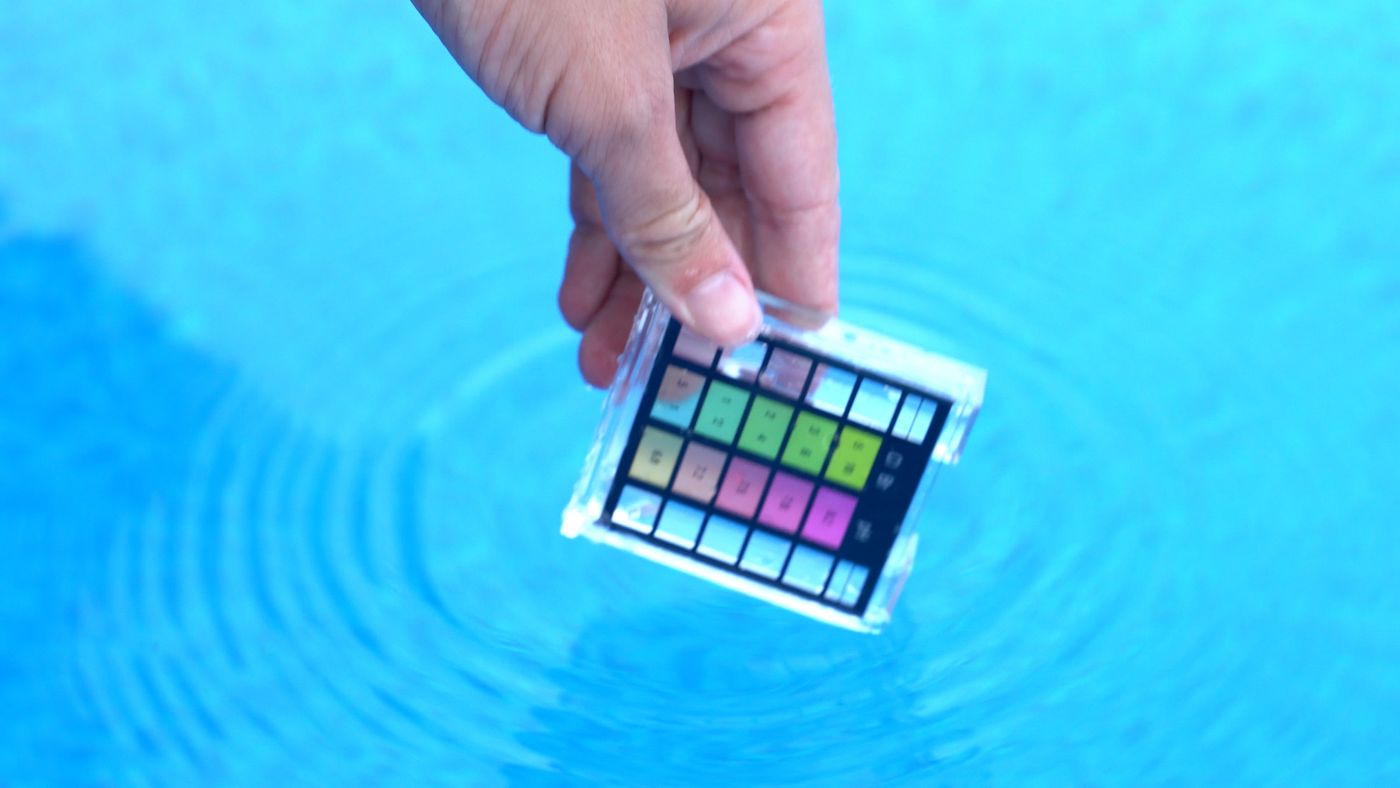
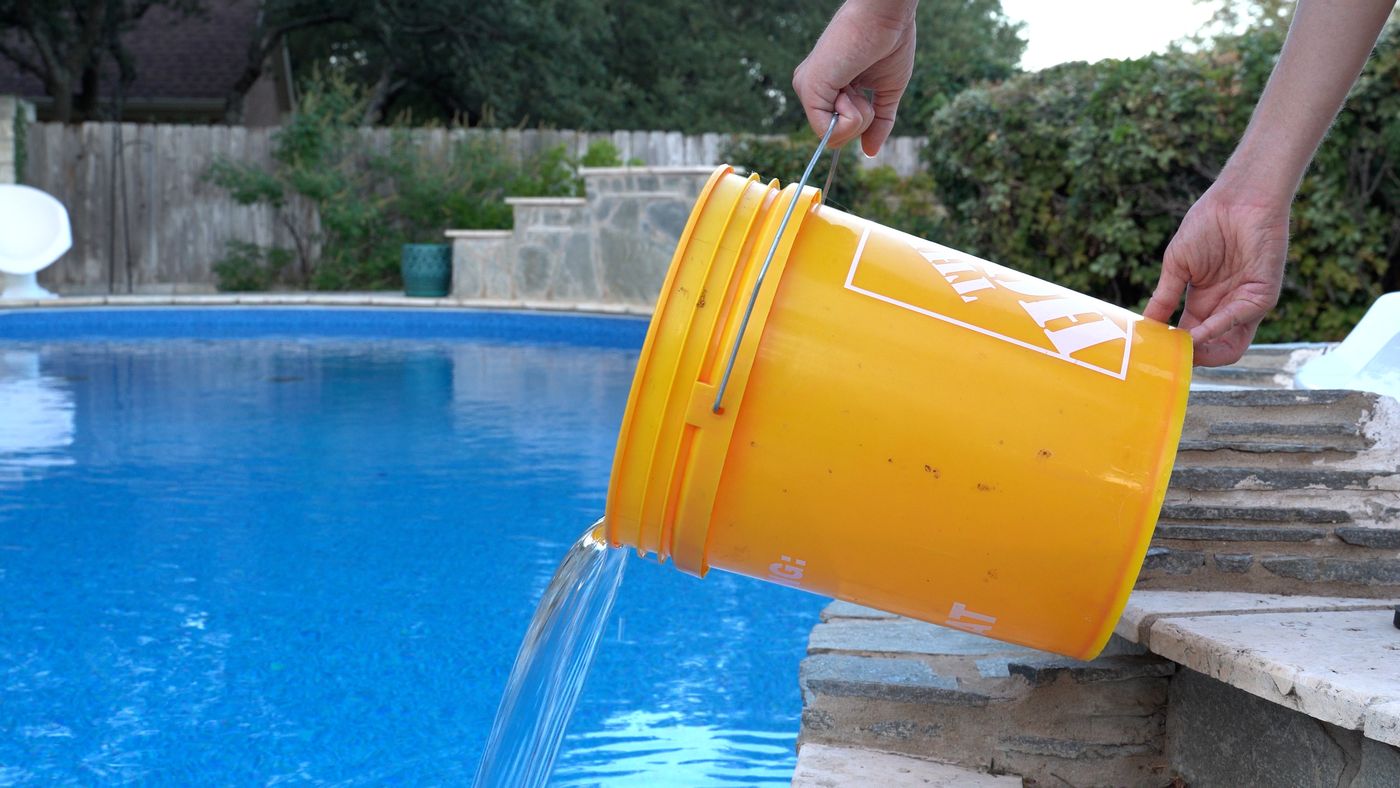
Fill a clean cup directly from the hose and test the pH and total alkalinity with the same kit you use on the pool.
If your fill water has very low alkalinity, now you know.
You may simply need to account for that as part of normal maintenance.
And that’s much easier than wondering why the pool chemistry changes every time you top it off.
Why Low pH Matters
Low pH isn’t something I’d ignore for a couple of weeks.
Acidic water can start attacking almost everything it touches.
One of the biggest concerns is your heater.
Many pool heaters use metal heat exchangers, and consistently acidic water can corrode them.
That can turn a chemistry problem into a repair bill very quickly.
Low pH can also attack ladder rails, fixtures, seals, and other metal components.
On plaster and gunite pools, acidic water can slowly etch the surface itself.
Instead of smooth plaster, you start getting roughness and deterioration that eventually becomes much more difficult — and expensive — to fix.
And swimmers usually notice it too.
Low-pH water can irritate eyes and skin and generally make the pool less comfortable.
So while I like running pH lower than some of the traditional pool-store recommendations, there’s still a floor.
Below 7.0 is where I’m correcting it.
How to Raise Low pH
Before adding anything, test pH and total alkalinity together.
That decides what I’d do next.
If Total Alkalinity Is Low
Fix the alkalinity first.
Use baking soda to gradually bring TA back into range.
As alkalinity rises, pH will often come up with it.
That may be all the pool needed.
If Total Alkalinity Is Fine but pH Is Low
Now you have a few options.
You can use soda ash — sodium carbonate, usually sold as pH Up or pH Increaser.
As a rough starting point, around 6 ounces per 10,000 gallons may raise pH about 0.2, but again, pool chemistry affects the actual result.
So dose conservatively and retest.
But before I buy another chemical, I’d probably try aeration.
Aeration: The Free & Easiest Way to Raise pH
This is one of my favorite tricks because it costs nothing.
Remember how aeration can cause high pH?
Here, we can use that on purpose.
Your pool contains dissolved carbon dioxide, and some of that contributes to carbonic acid in the water.
When you aerate the pool, CO2 leaves the water and the pH rises.
So point your return jets toward the surface.
Run the waterfall.
Turn on the bubblers.
Run the spa spillover.
Anything that aggressively moves the surface helps.
And the best part is that aeration can raise pH without significantly raising total alkalinity.
That makes it especially useful when your TA is already where you want it.
So before spending money on pH increaser, I’d absolutely try moving some air through the water.
If your alkalinity is already in range, point the returns upward and let the pool aerate overnight.
Test again the next morning.
You may be surprised how much the pH moved without adding anything.
If Your pH Keeps Dropping: Follow These Five Steps
If this keeps happening, here’s exactly how I’d troubleshoot it.
Step 1: Test Total Alkalinity
If it’s low, fix that first with baking soda.
Don’t chase pH until the buffer is back where it belongs.
Step 2: Look at How Much Acid You’re Adding
If you’ve been lowering pH frequently, check the dose against your actual pool volume.
You may simply be adding too much.
Step 3: Look at Your Chlorine Source
If you have a trichlor feeder running constantly, that’s a continuous acidic input.
Try switching your everyday chlorination to liquid chlorine and see how the pH responds.
Step 4: Test Your Fill Water
If your source water has low alkalinity, every top-off may be slowly pulling your TA down.
Once you know that, it’s easy to plan around it.
Step 5: Watch the Trend
One pH test tells you where the pool is right now.
A week of readings tells you what the pool is actually doing.
This is where continuous monitoring can be really useful.
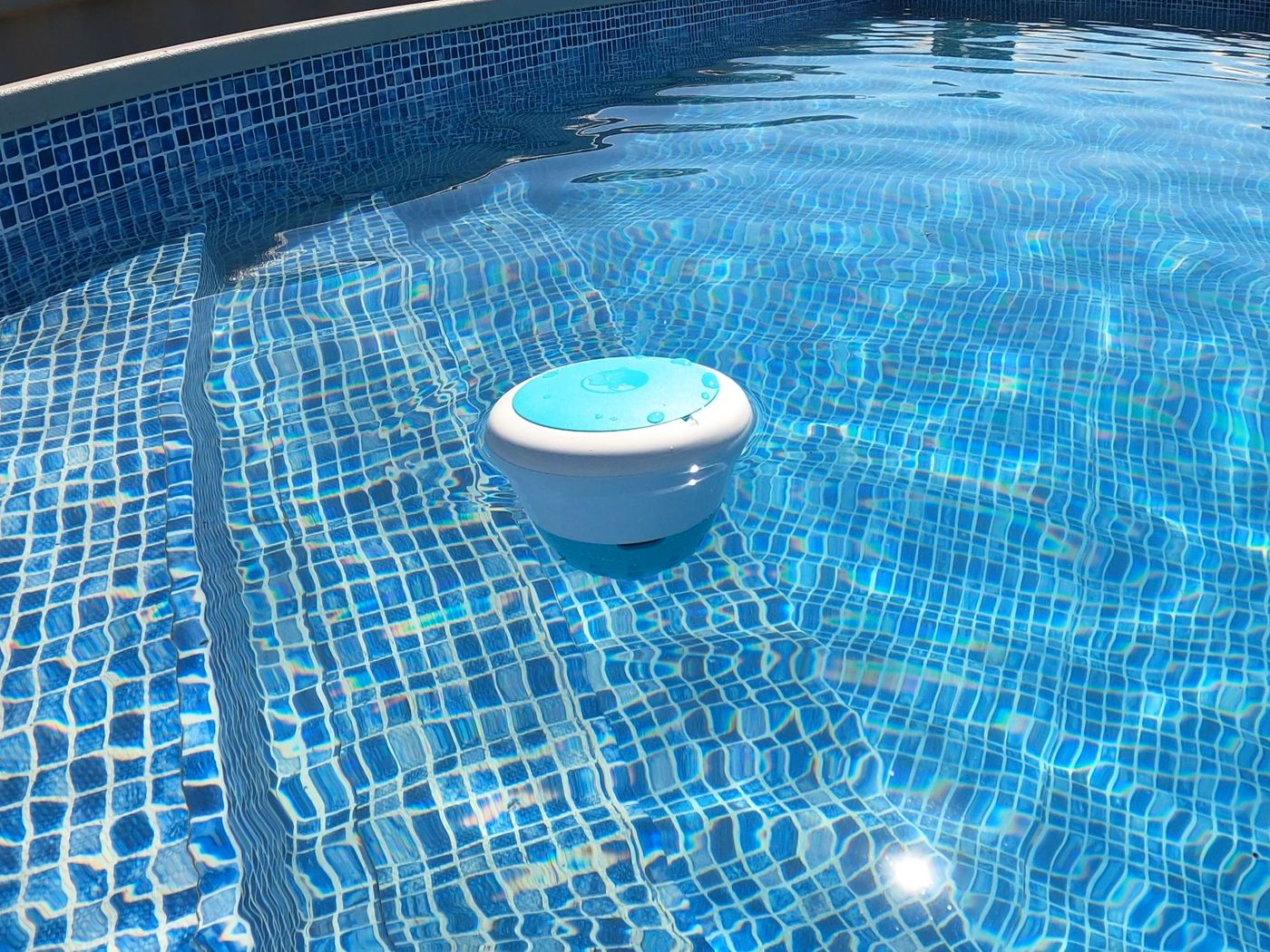
I use an Ondilo ICO because it tracks pH and ORP throughout the day and graphs everything in the app.
So if my pH drops after a storm, after adding acid, or after some other change, I can actually see when it happened instead of trying to reconstruct it days later.
If you want to see how I use the ICO, read my Ondilo ICO review.
My Final Verdict
So what’s my final verdict on low pH? If your pool’s pH keeps falling, don’t make pH increaser your weekly routine.
Find out why it’s falling.
Start with total alkalinity.
Then look at your acid dosing.
Look at whether you’re using trichlor tablets every day.
Check what happened after heavy rain.
And test the water coming out of your hose.
Once you find the source, the fix is usually pretty simple.
If TA is low, use baking soda.
If TA is fine and you only need to raise pH, try aeration before reaching for another chemical.
And if tablets are constantly dragging the chemistry downward, reconsider how you’re chlorinating the pool.
That’s really the goal with pool chemistry.
Not adding more products.
Making fewer, smarter corrections.
If this helped, subscribe to The Pool Nerd for more straightforward pool-maintenance videos.
For the Taylor K-2006, Ondilo ICO, robotic pool cleaners, and the other equipment I use around my own pool, head over to ThePoolNerd.com/deals.
And if your problem is the exact opposite and your pH keeps climbing, read Why Is My Pool pH High? next for the five causes I check first.
Until next time, keep nerding out and enjoy that pool.


Comments
Loading comments…