
 Justin D.
You bought a pool to enjoy it—not to spend every weekend pouring chemicals into it and wondering why something else is going wrong.
But here’s the frustrating part: you can be doing maintenance every week and still be making the problem worse.
Your pump might be running without enough water moving through the filter. Your chlorine test might be giving you a misleading result. And the mistake we’re finishing with can damage your equipment while the water still looks perfectly clear.
So before you add another bag of shock or decide you need a new pump, check these five things.
Welcome back to The Pool Nerd. I’m Justin, your resident pool aficionado. Today, we’re covering five beginner pool owner mistakes, why they happen, and what I would do differently—starting with the mistake that makes every other one harder to fix.
Products Mentioned in This Guide


MISTAKE #1: Not Testing Water Chemistry—or Testing Wrong
You can’t fix what you can’t measure.
And looking at your pool is not measuring it.
“I can see the bottom” or “the water looks clear” does not tell you whether you have enough sanitizer. Clear water can still contain germs and bacteria.
My starting point is a proper test kit. I like having a Taylor kit available, even when I’m using a water monitor, because I want to verify what’s happening before making a correction.
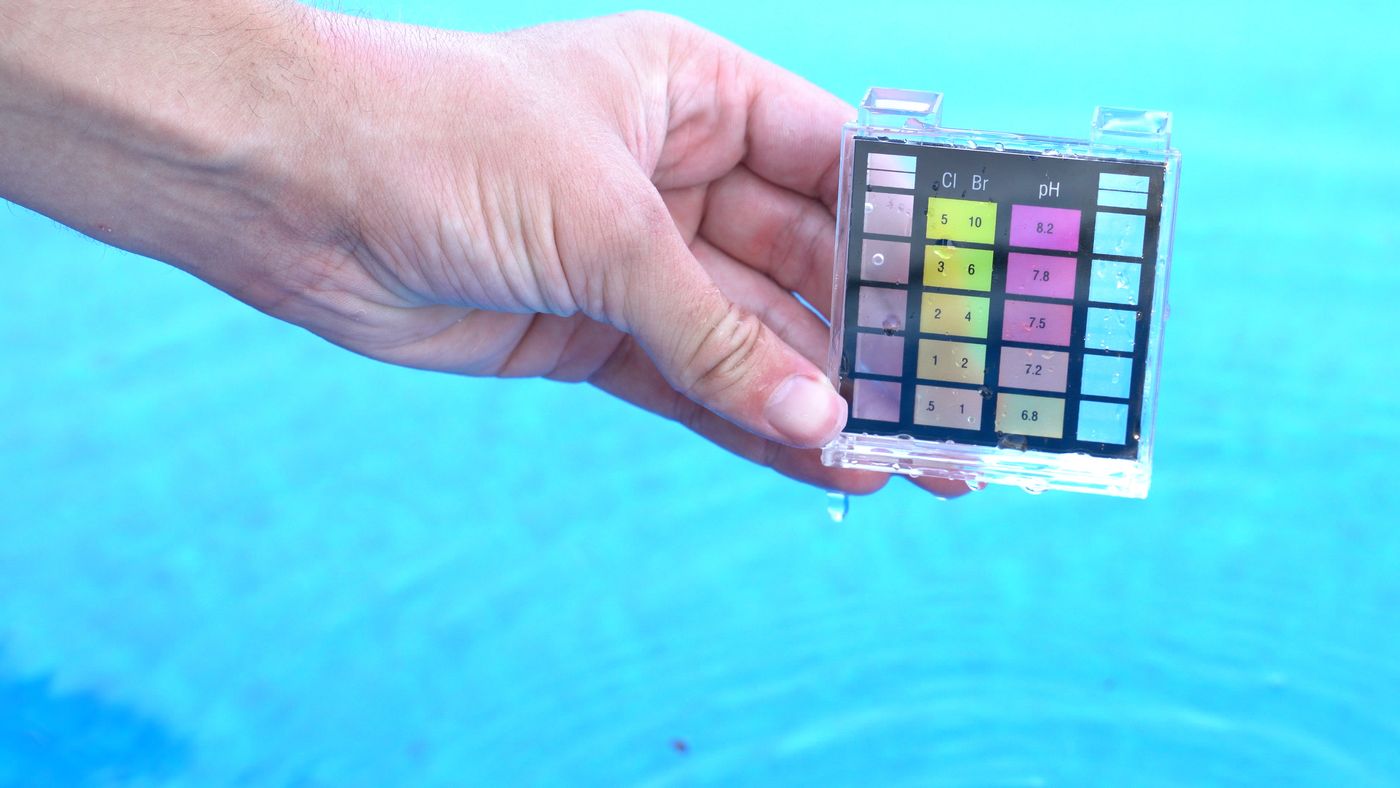
You need to understand ORP, chlorine, pH, total alkalinity, cyanuric acid—which is your stabilizer—and calcium hardness. Those are separate measurements, not interchangeable versions of “the water looks good.”
While you’re learning your pool, put a broader water-balance check on your weekly schedule. But chlorine and pH need more frequent attention.
The CDC recommends checking both at least twice daily, and more often with heavy use. Once a week is not enough to tell you what swimmers are getting into throughout the week.
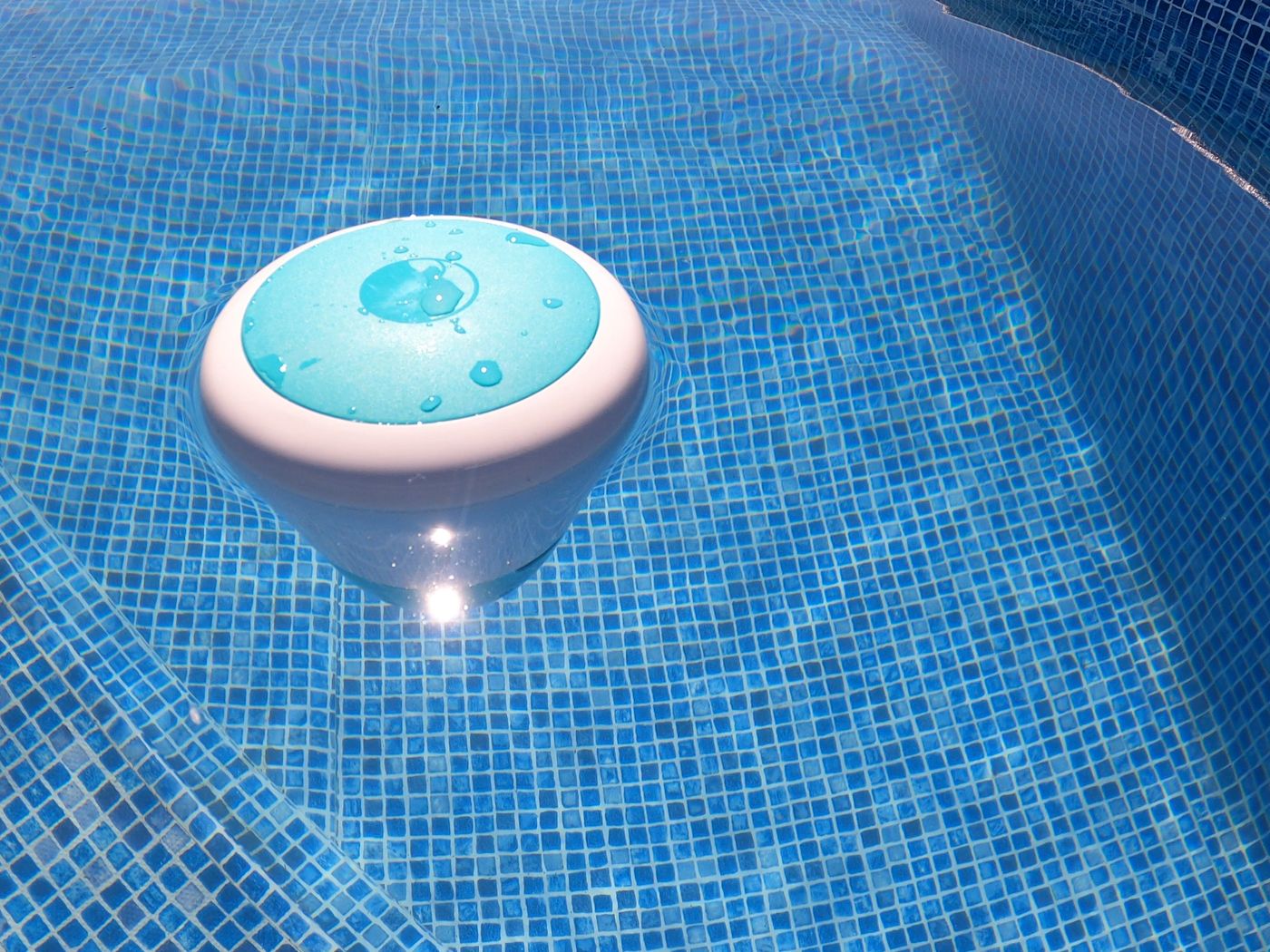
And that may seem like a lot – but with a pool water monitor – you simply just set it in your pool and let it do the work for you. They send alerts right to your phone. You can find my top picks at ThePoolNerd.com/best-pool-water-monitors
Then make sure you’re testing correctly.
Check expiration dates. Keep reagents away from heat and sunlight. That kit you left baking in the equipment shed may not deserve the confidence you’re putting in it.
Take your sample around elbow depth, away from return jets. Use the correct sample volume, follow the specified reaction time, and read colors in proper daylight. Testing at a particular hour won’t rescue a poorly collected sample or incorrectly performed test.
Personally, I like using the Ondilo ICO to follow pH and ORP trends between manual checks. I have an entire video on ORP and why it is the most important number in pool care – so make sure to check that out at ThePoolNerd.com/orp-pool
Whether you use a monitor or a manual kit, the rule stays the same: test before you dose.
Because guessing leads directly into mistake number two.
MISTAKE #2: Over-Chlorinating or Under-Chlorinating
Your pool needs consistent sanitation—not an enormous dose of chlorine every time it gets low.
Imagine this: the water looks a little cloudy, so you add shock. The next morning, it’s still cloudy, so you add more.
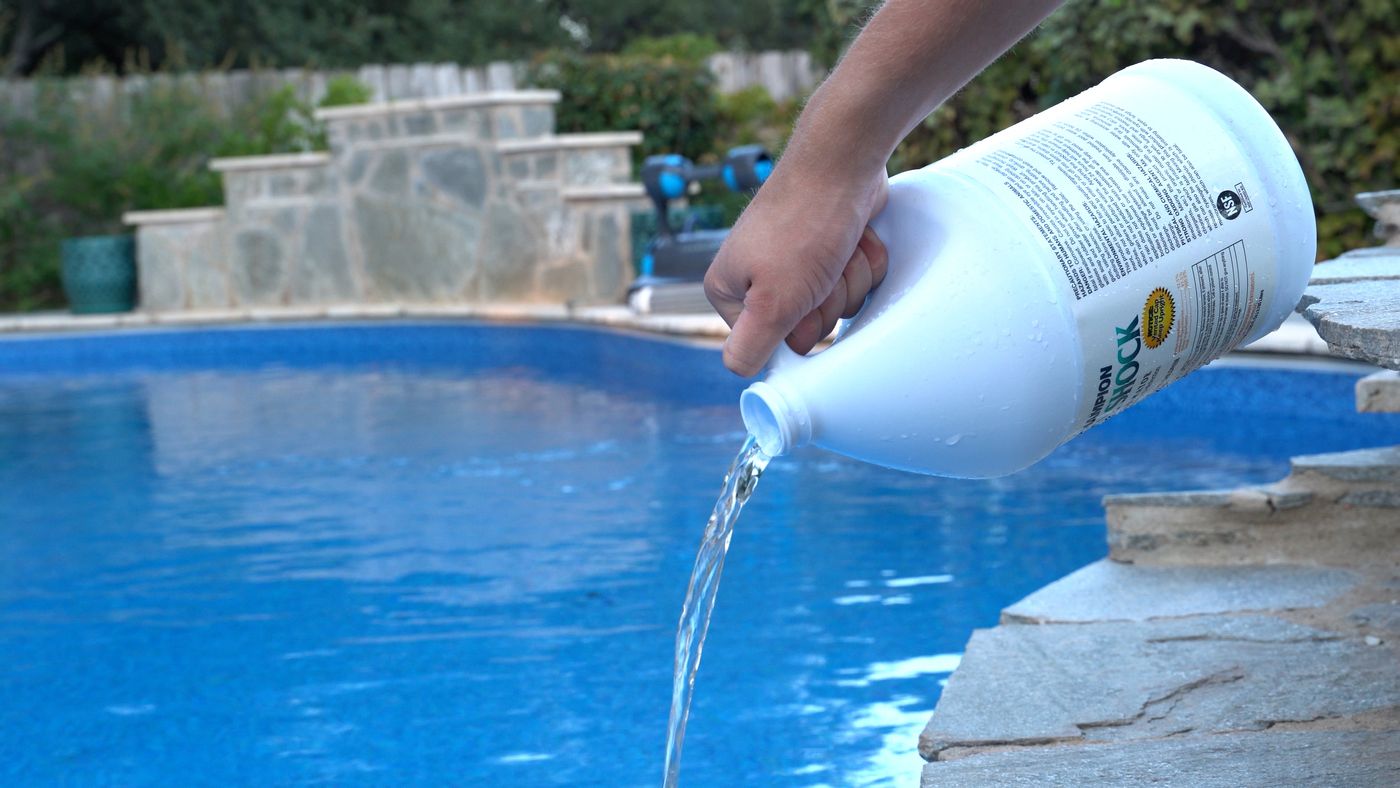
But cloudiness can involve filtration, water balance, or insufficient sanitizer. Without testing, you are throwing chemicals in your pool completely blind.
And there isn’t one universal “one to three parts per million” sweet spot for every pool.
You want at least one part per million of free chlorine without stabilizer, and at least two when stabilizer is present. Those are minimums—not a complete operating target for every setup. Your target must account for your stabilizer level and what type of sanitizer you’re using.
Here’s why that matters.
Stabilizer protects chlorine from sunlight. But as stabilizer increases, the amount of active chlorine available at the same free-chlorine reading decreases. A number that worked earlier in the season may not provide the same protection after stabilizer has accumulated.
This is one of the main reasons I prefer liquid chlorine for sanitation.
Liquid chlorine doesn’t add stabilizer. Trichlor tablets and dichlor do. Continually adding those products can gradually raise your stabilizer, especially without enough water replacement. Trichlor also pushes pH downward.
Tablets have their use case. I just don’t like using them as a maintenance plan, as the consequences of using them daily can completely skew your water’s chemistry.
I would rather manage my chlorine and stabilizer separately, using measured additions based on actual pool volume and test results.
And here’s a testing trap worth remembering.
Suppose you’ve added a large chlorine dose, but your test suddenly reads almost zero. That does not automatically mean you need more. Above roughly ten parts per million, some chlorine tests can bleach out and give a false-low result. Use a method capable of measuring the expected concentration and follow its instructions.
For a confirmed overdose, stop adding chlorine, pause the chlorine feeder if applicable, and keep swimmers out until verified readings. Don’t guess at a neutralizer dose just to rush the process.
I’m not saying never shock your pool. I’m saying have a reason, a measurement, and a treatment plan.
Consistency beats panic dosing.
And one of the coolest things you can add to change how you sanitize is a liquid chlorine injection system. These systems slowly drip chlorine in your pool. Giving you a healthier more stable pool – without all the side effects of salt systems OR tablets. You can find my full list of the best systems at: thepoolnerd.com/best-chlorine-injection-system
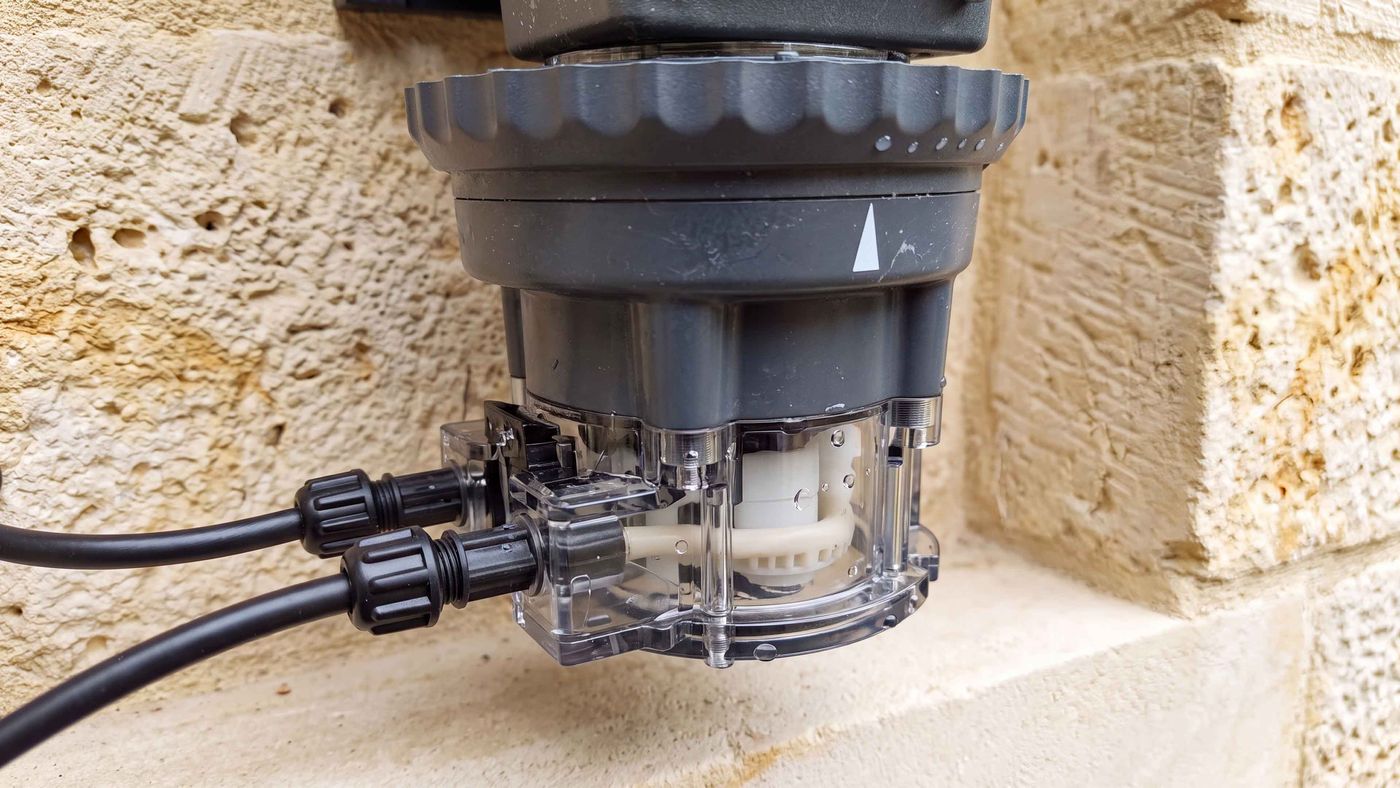
But even the right chemistry cannot compensate for ignoring the next part of your system.
MISTAKE #3: Neglecting Filter Maintenance
Your filter collects debris. That means maintenance includes removing what it has collected.
As a filter loads up, resistance increases and water flow can fall. The problem isn’t necessarily that it suddenly starts returning all that dirt to the pool. It’s that you’re no longer getting the circulation and filtration that your pool needs.
So here’s something I would do today: record your clean-filter pressure.
Not your neighbor’s pressure. Not a number from a random video. Your system’s pressure with a clean filter.
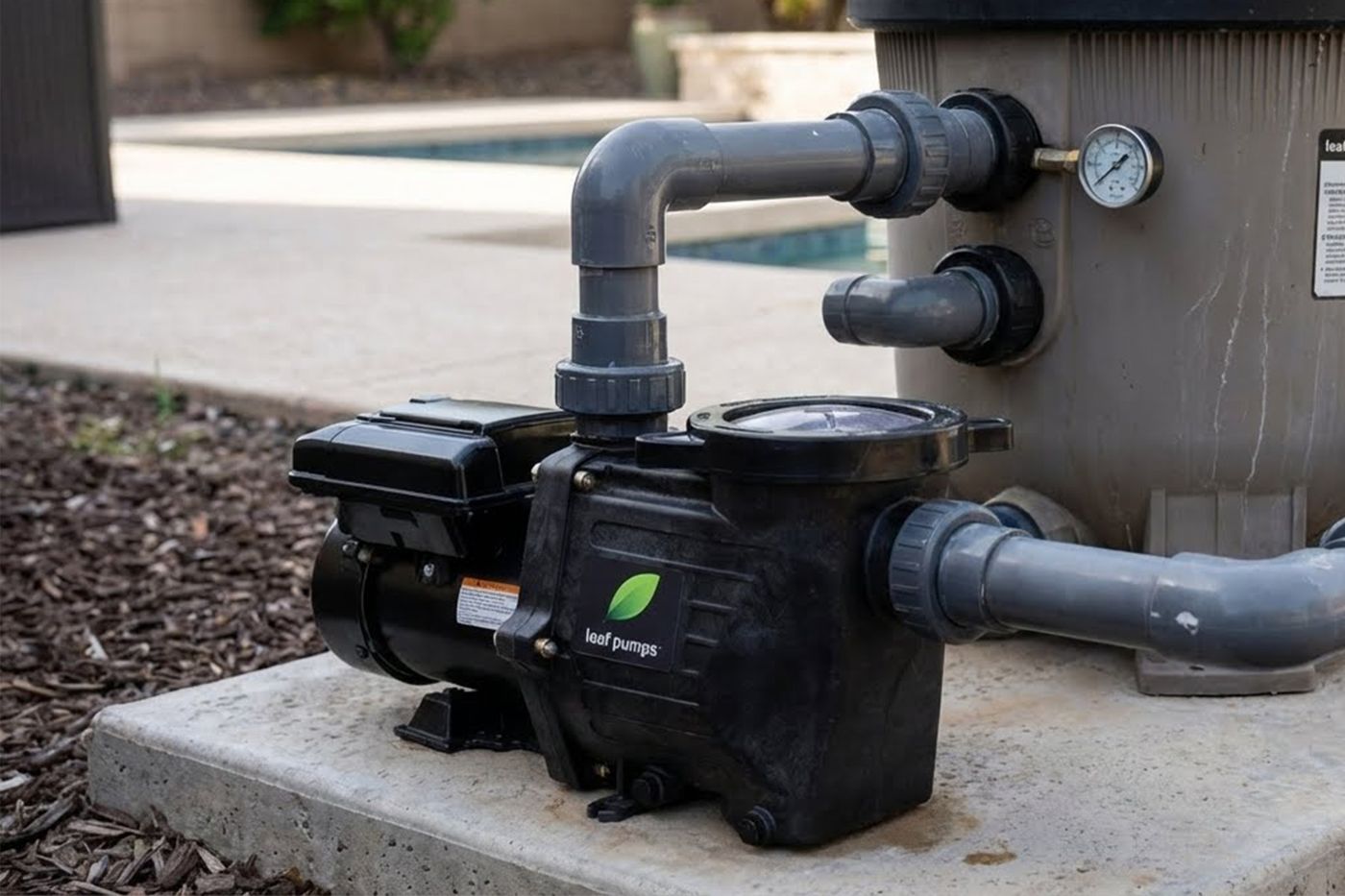
Compare readings at the same pump speed and valve settings. Otherwise, you may be comparing two different operating conditions.
You’ll often hear that cleaning is due when pressure rises eight to ten PSI above the clean baseline. That’s a useful reminder, but your manufacturer’s threshold takes priority. Different filters specify different increases.
And pressure is not the only clue. Weak return flow deserves attention too. A dirty filter is one possibility, but blocked baskets, low water level, or another restriction can also reduce flow. Don’t automatically blame the pump.
Maintenance depends on the filter.
Sand filters are backwashed according to their instructions. Cartridge filters generally need their elements removed, cleaned, and inspected—not backwashed. DE filters require their specified cleaning procedure and the correct replacement amount of DE afterward. Don’t backwash a DE filter and forget the recharge.
Before opening a filter, shut off pump power, prevent automatic restarting, and release pressure according to the manual. Never loosen a pressurized filter clamp. Turn the pump off before changing a multiport valve’s position, too. These are safety steps, not optional shortcuts.
My approach is to inspect regularly and clean when the system calls for it—not wait until the water becomes a problem.
And don’t try to compensate for a restricted filter by simply cranking up the pump.
Which brings us to the mistake that can show up on both your pool and your electric bill.
MISTAKE #4: Running Equipment at the Wrong Times—or Not Enough
“How many hours should I run my pump?”
It sounds like a question that should have one answer. Eight hours. Ten hours. Twelve hours.
But hours alone don’t tell you how much useful work your system is doing.
A variable-speed pump running slowly is not moving the same amount of water—or consuming the same electricity—as that pump running at high speed. Different tasks need different flow rates. Filtration may need less flow than operating certain cleaning equipment.
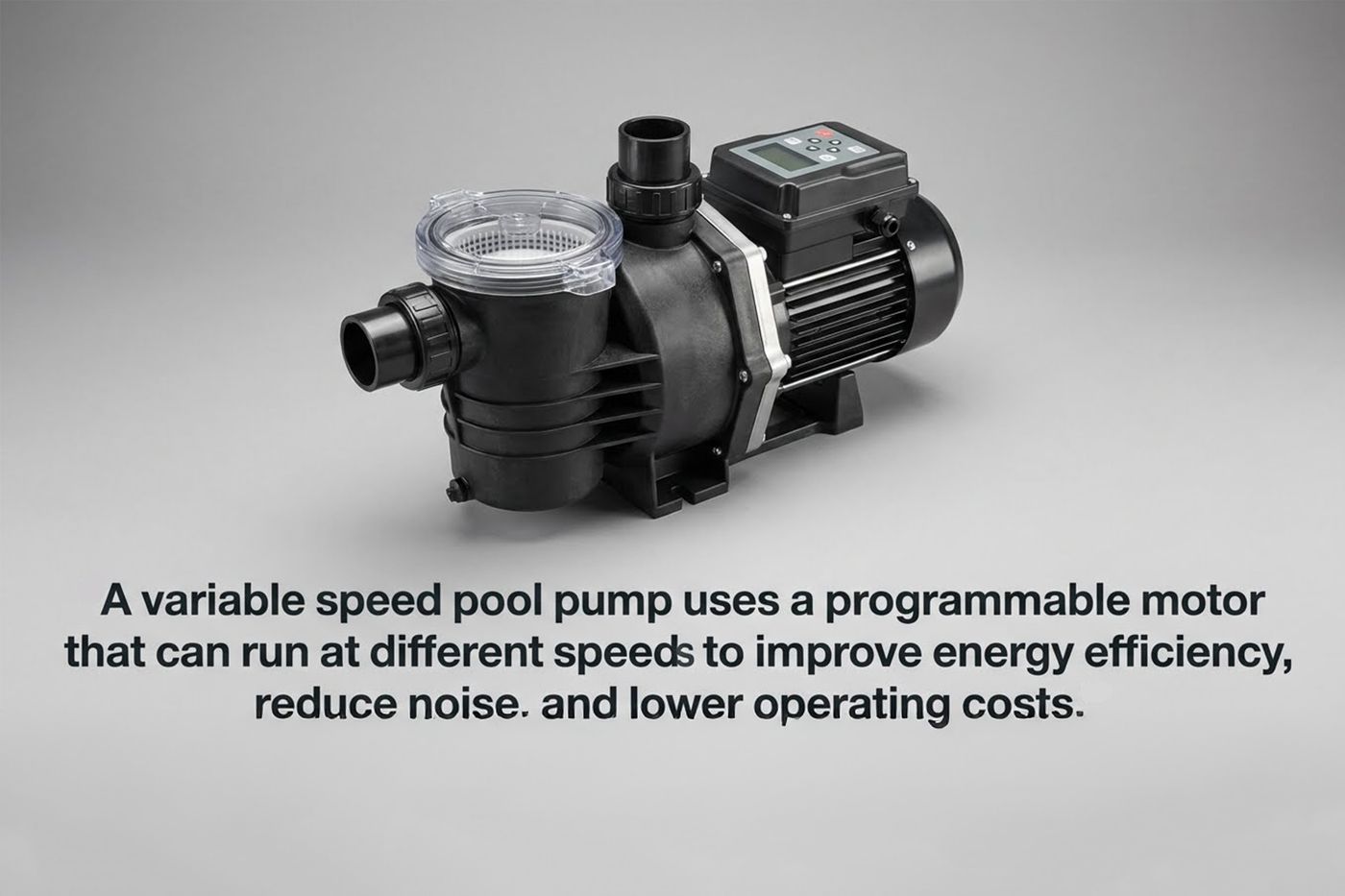
That’s why I don’t like copying someone else’s timer without understanding their setup.
In my own approach, I favor longer periods of lower-speed circulation, with higher-speed periods when I need stronger skimming or equipment operation.
The important part is matching speed to the job.
Turning the speed down can save substantial energy. Turning it down so far that your pool no longer gets adequate circulation is not a useful saving. Likewise, unnecessary high-speed operation wastes electricity.
Start with your equipment’s requirements and a schedule appropriate for your pool. Then verify the result.
Is water returning properly? Is the surface actually being skimmed? Does your heater or salt system, where fitted, have its required flow? Insufficient runtime and inadequate flow are both things to investigate when water quality deteriorates.
Running during swimming hours can be useful, but “daytime only” and “nighttime only” are not universal rules. Build the schedule around the work your equipment needs to perform and your electricity rate.
And check the timer itself.
Is the clock correct? Are the start and stop times right? Is it in automatic mode? Did you program the intended speed—or just an operating window?
I would rather spend a minute confirming the system is doing what I intended than assume a saved schedule means everything is working.
But even a clean filter and a sensible pump schedule won’t protect your pool from our last mistake.
MISTAKE #5: Ignoring pH Swings Until It’s Too Late
This is why I said clear water isn’t enough.
Low pH can increase the risk of corrosion. You don’t need an algae outbreak for that damage to happen.
On the other side, high pH can contribute to scale-forming conditions. But pH doesn’t operate alone: calcium hardness, alkalinity, temperature, and the overall water balance also matter. That is especially important when protecting a plaster surface.
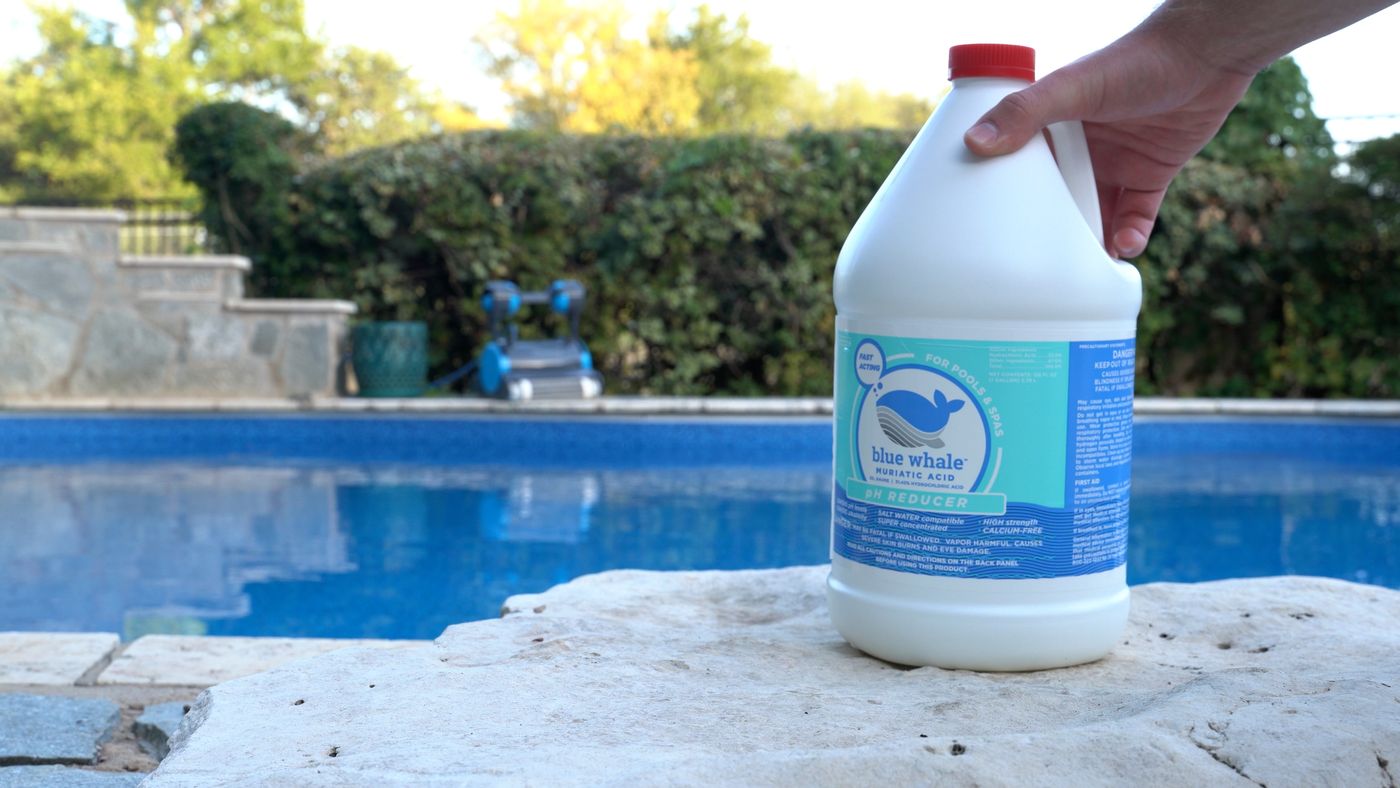
So don’t treat pH as the unimportant box beside the chlorine reading.
A commonly recommended pool range is 7.2 to 7.8, subject to your surface and equipment requirements. I tend to favor the lower end of the appropriate range, but that does not mean pushing pH lower is always better.
And when pH keeps moving, investigate why.
Total alkalinity helps buffer pH changes. Aeration can raise pH as carbon dioxide leaves the water. Acidic chlorine products can push it downward. Continually correcting the number without understanding those influences can turn maintenance into an endless back-and-forth.
Here’s what I would avoid: seeing one high reading, adding a large acid dose, finding it too low, and immediately adding something else to reverse it.
First, verify the result.
Remember that excessive chlorine can also interfere with some pH tests. A strange purple result immediately after shocking deserves investigation—not an automatic acid dose.
Then calculate an appropriate correction using your actual pool volume, current chemistry, and product instructions. Make measured adjustments, allow the required mixing time, and retest before deciding another correction is necessary.
Follow all handling instructions. Never mix pool chemicals together.
The goal is not to force one perfect number every time you walk outside. It’s to keep the water consistently within the appropriate operating range and address meaningful changes early.
Because correcting the water afterward does not rebuild metal that has already corroded.
That’s what ties all five mistakes together: stop waiting for the pool to look bad before checking whether something is wrong.
My Final Verdict
So what’s my final verdict?
Get reliable measurements. Make deliberate chemical corrections. Learn your filter’s normal pressure. Verify your equipment schedule. And give pH the attention you give chlorine.
Which of these caught you out when you first got your pool? Let me know in the comments!
And to keep nerding out over your pool, make sure to like and subscribe for more pool care guides, equipment reviews, and testing here on The Pool Nerd.
As always, you can find all the best deals on pool equipment like pool water monitors, UV systems, and even pool robots at ThePoolNerd.com/Deals
Until next time—enjoy that pool.

Comments
Loading comments…