
 Justin D.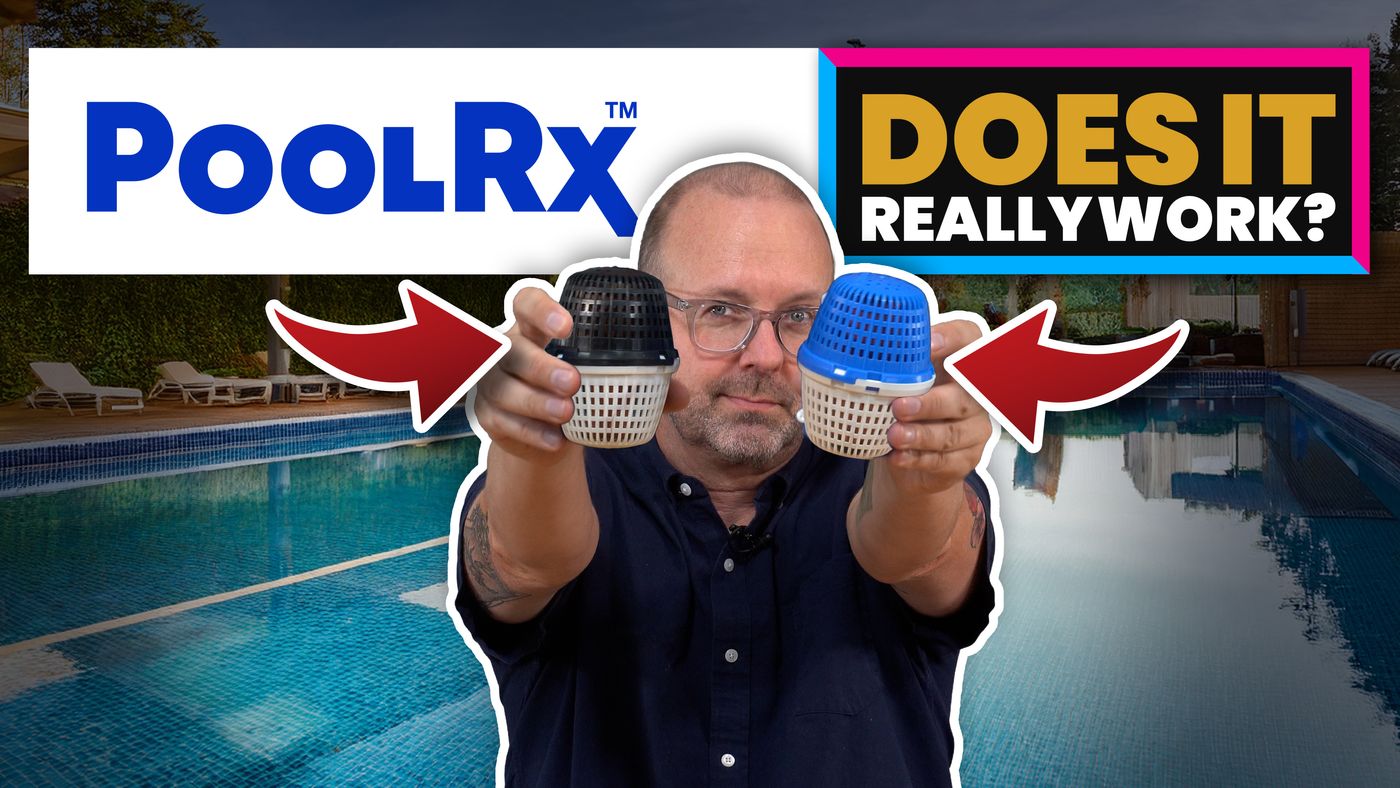
PoolRx is copper. That fact explains both sides of this review: copper is effective against algae, and copper can also stain pool surfaces or turn light hair green when the dose, pH, or existing metal level is wrong.
My verdict is conditional. In a balanced chlorinated pool where yellow or mustard algae keeps returning, PoolRx can reduce algae pressure and make the sanitizer's job easier. In a green or cloudy pool with high CYA, weak circulation, poor filtration, or inadequate chlorine, it adds metal without fixing the cause.
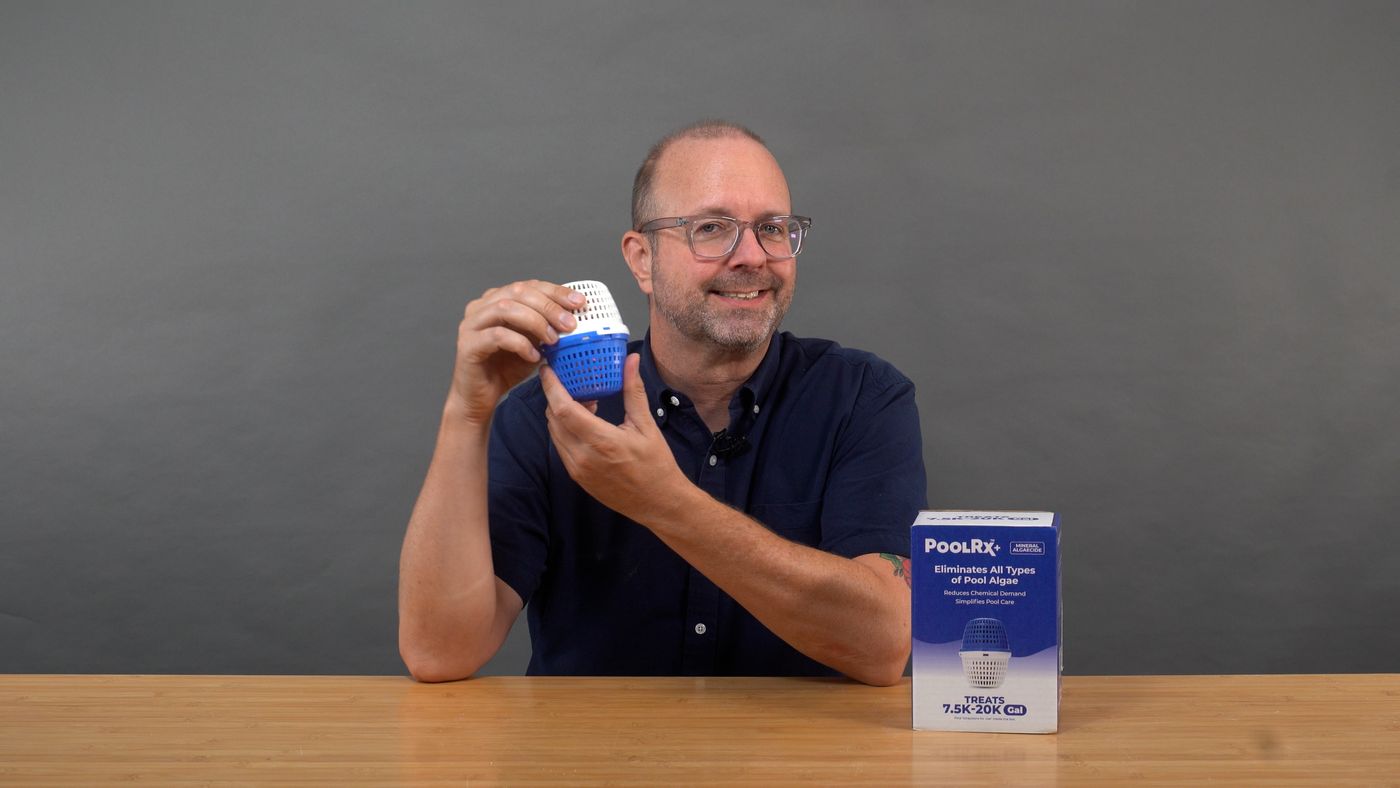
The newer PoolRx+ line adds smaller amounts of zinc and silver to its copper chemistry. Those minerals can reduce chlorine demand, but chlorine still provides the fast disinfection, measurable residual, and oxidation a swimming pool needs. I would only install PoolRx after checking the pool's actual volume, copper and iron baseline, pH, CYA, and free chlorine.
The Short Answer
Buy PoolRx for one problem: algae that keeps returning even though the pool holds the correct free chlorine for its CYA, circulates properly, and has a clean working filter. In that situation, the mineral residual adds another line of defense through the hottest part of the season.
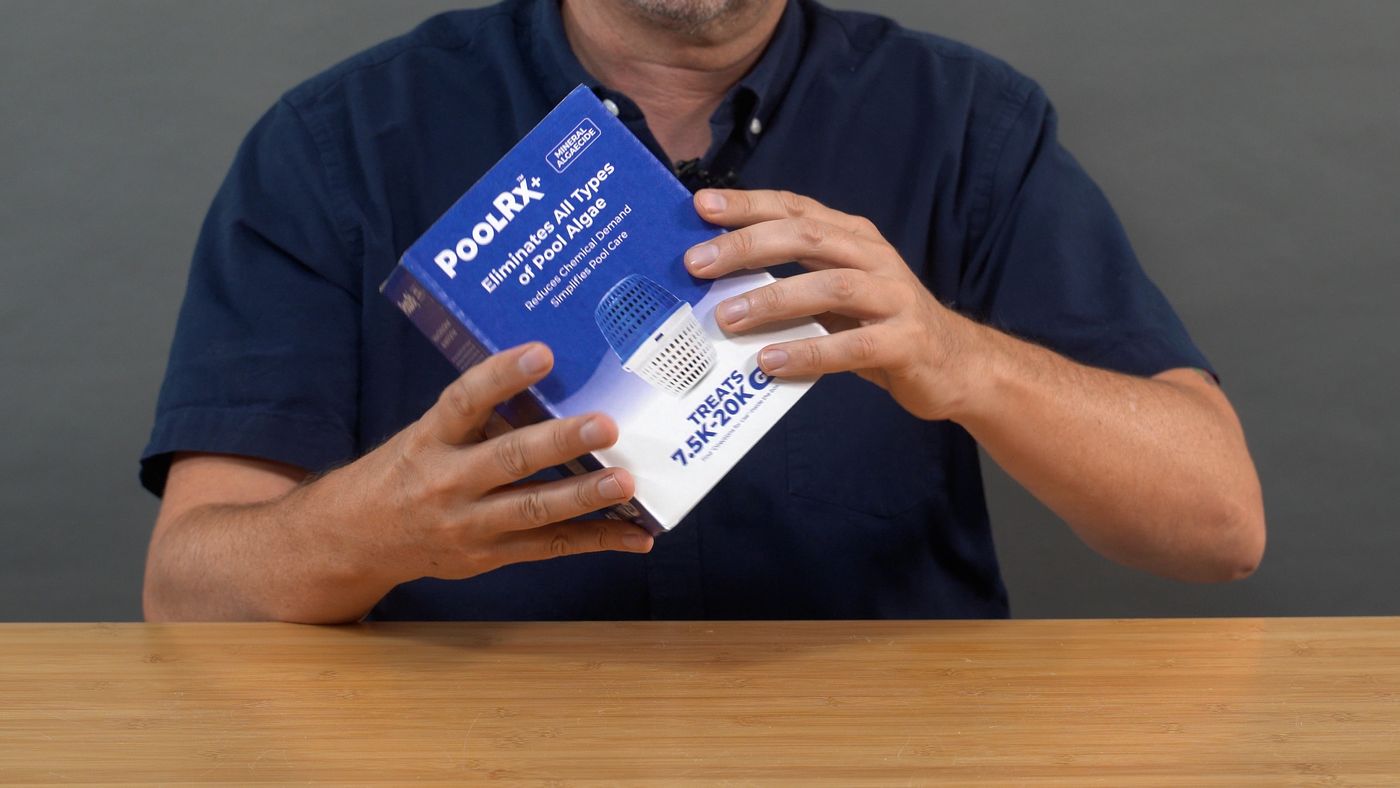
Skip it when the pool is cloudy or green because CYA, pH, chlorine, circulation, or filtration is out of control. PoolRx's own installation instructions require balanced water, a chlorine residual, and a clean filter. Correct those fundamentals before adding copper.
What PoolRx Is and How It Works
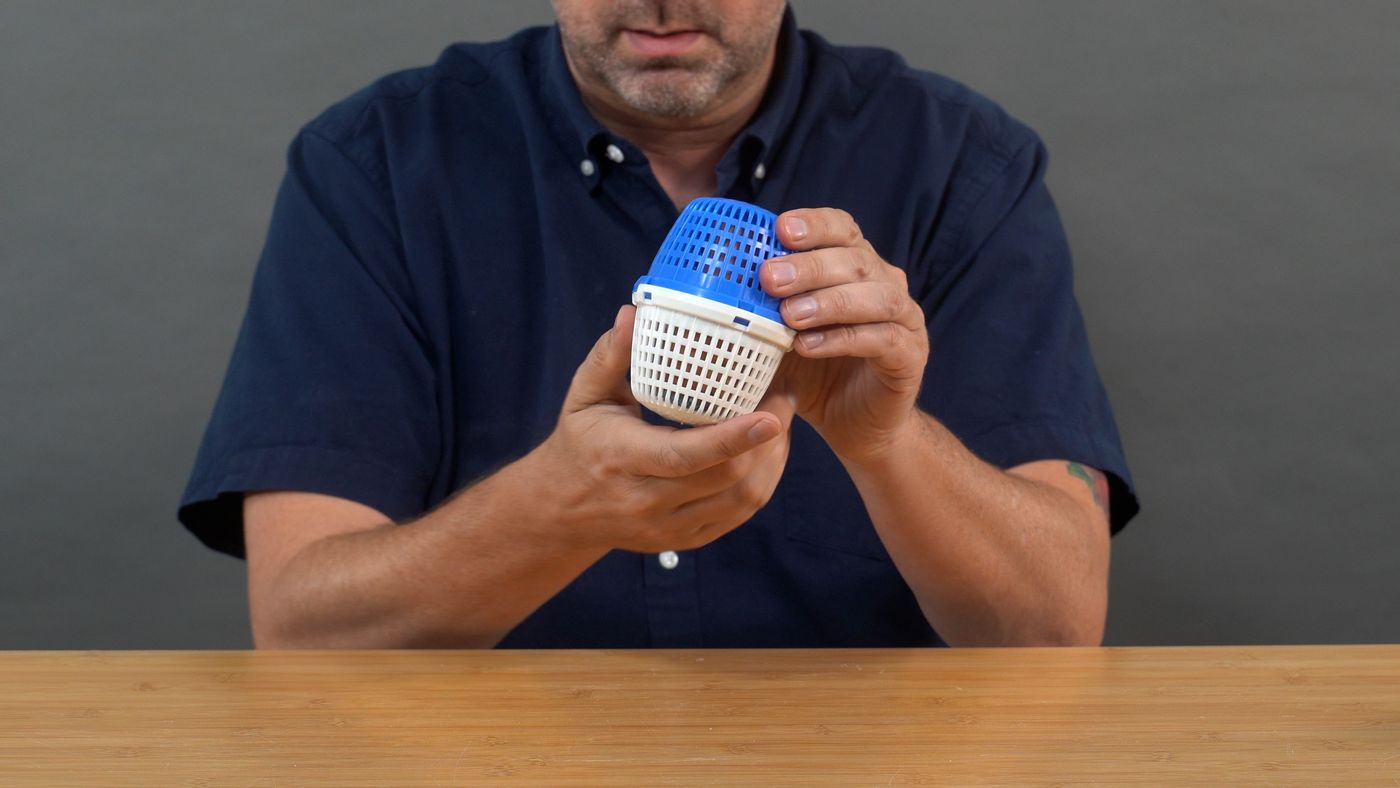
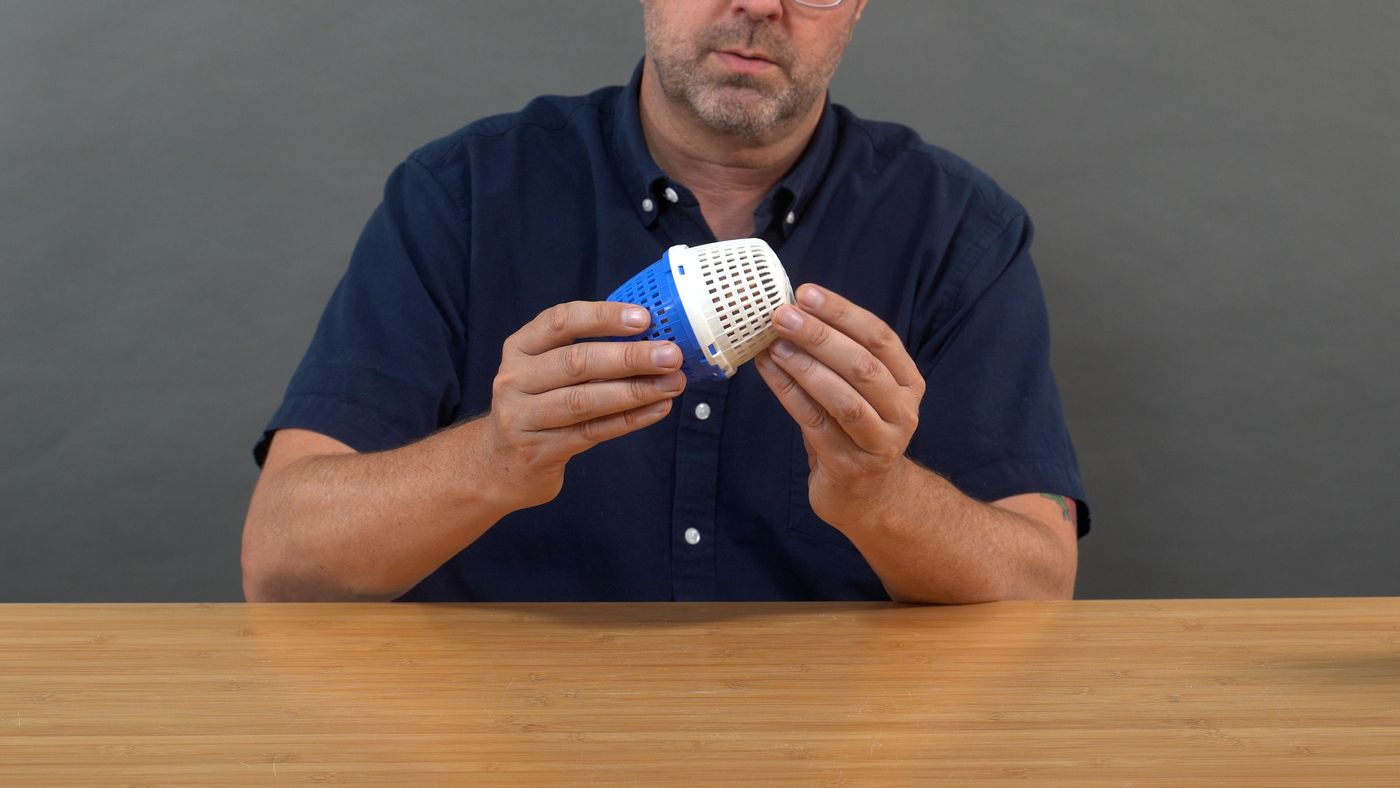
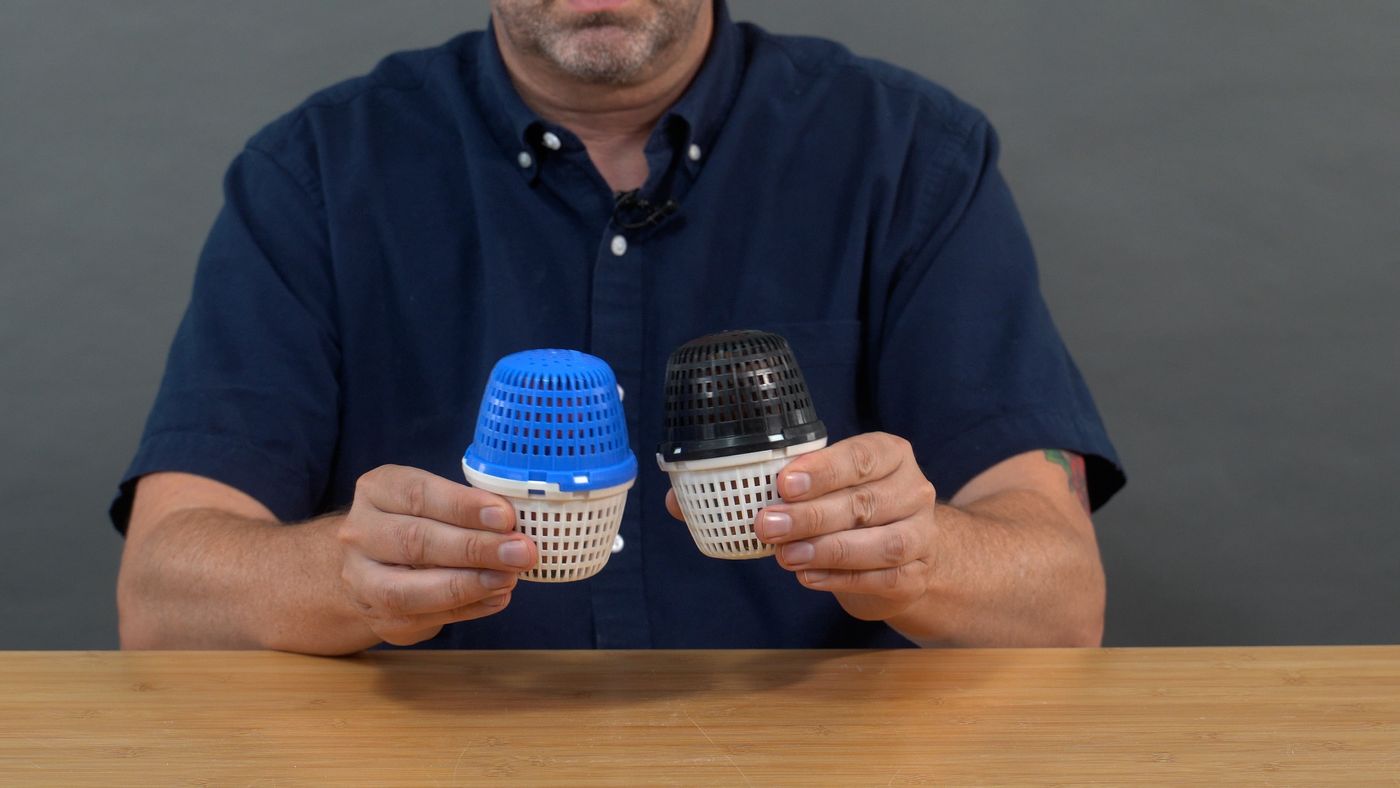
PoolRx packs a mineral blend inside a treated alloy cylinder. The EPA label for the PoolRx+ line lists 86.85% copper sulfate pentahydrate, 1.51% zinc sulfate, and 0.40% silver nitrate. That first percentage describes the copper-sulfate compound, not elemental copper. The Original line contains copper only, with no silver or zinc. Chemistry is determined by Plus versus Original; the unit colors indicate size. The units carry NSF/ANSI 50 certification, a meaningful third-party equipment standard.
The minerals dissolve within about six hours, form a stable residual for up to six months, and recharge as circulating water passes back over the cylinder. That residual is gradually depleted by algae control, backwashing, and splash-out. Copper does most of the algae work, silver adds an antimicrobial component, and PoolRx's salt-pool guidance says zinc may reduce scale on a salt cell.
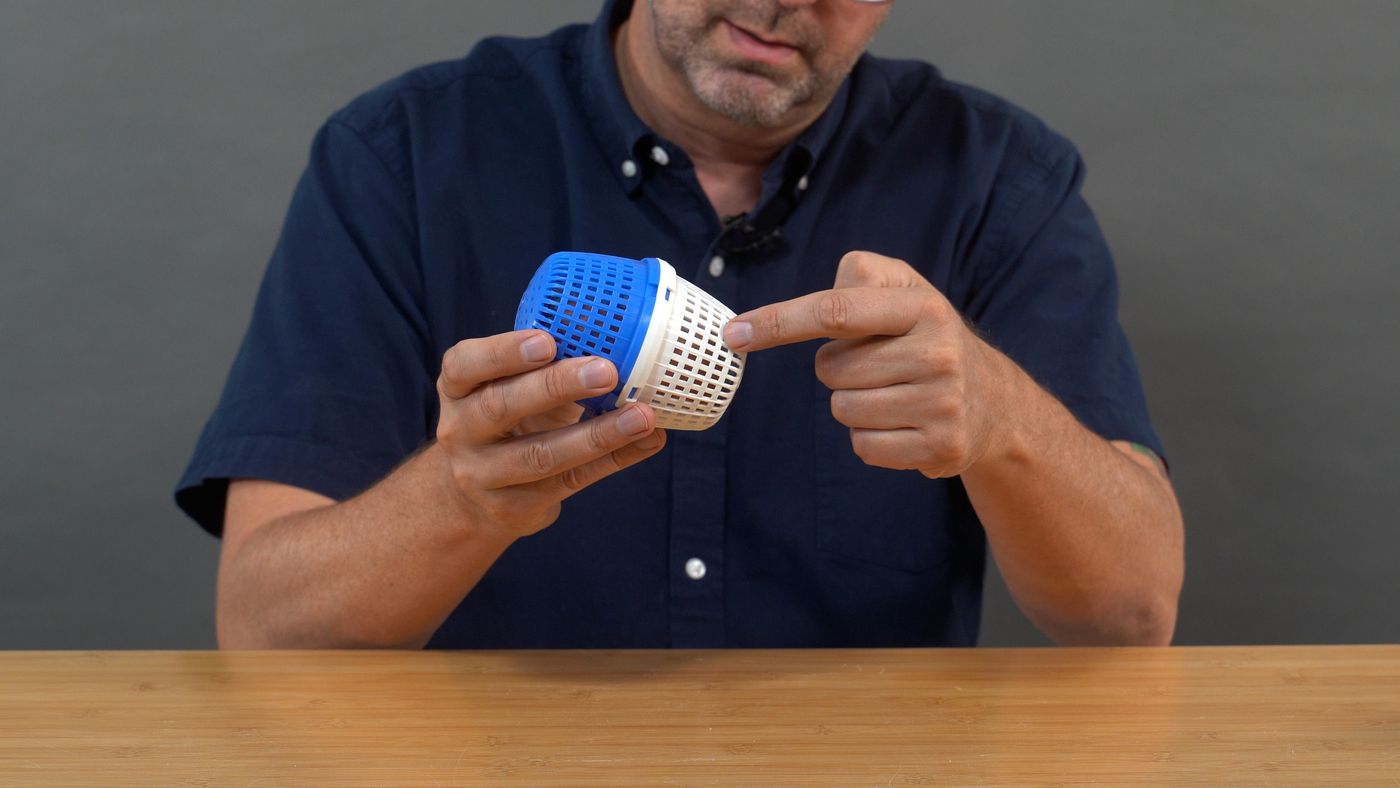
PoolRx does not create a chlorine-free pool. Its instructions call for a constant low chlorine residual, and Nature2, a competing mineral system, gives the same direction for its product. Copper and silver act too slowly to take over chlorine's role as the primary sanitizer, and the minerals do not oxidize bather waste the way chlorine does.
PoolRx also chelates its minerals to help keep them in solution. That treatment is why ordinary copper tests can become unreliable after dosing and why the product carries less precipitation risk than free copper. Chelation reduces stain risk; it cannot make overdosing, existing metals, scale, or high pH harmless.
Colors, Sizes, and What They Cost
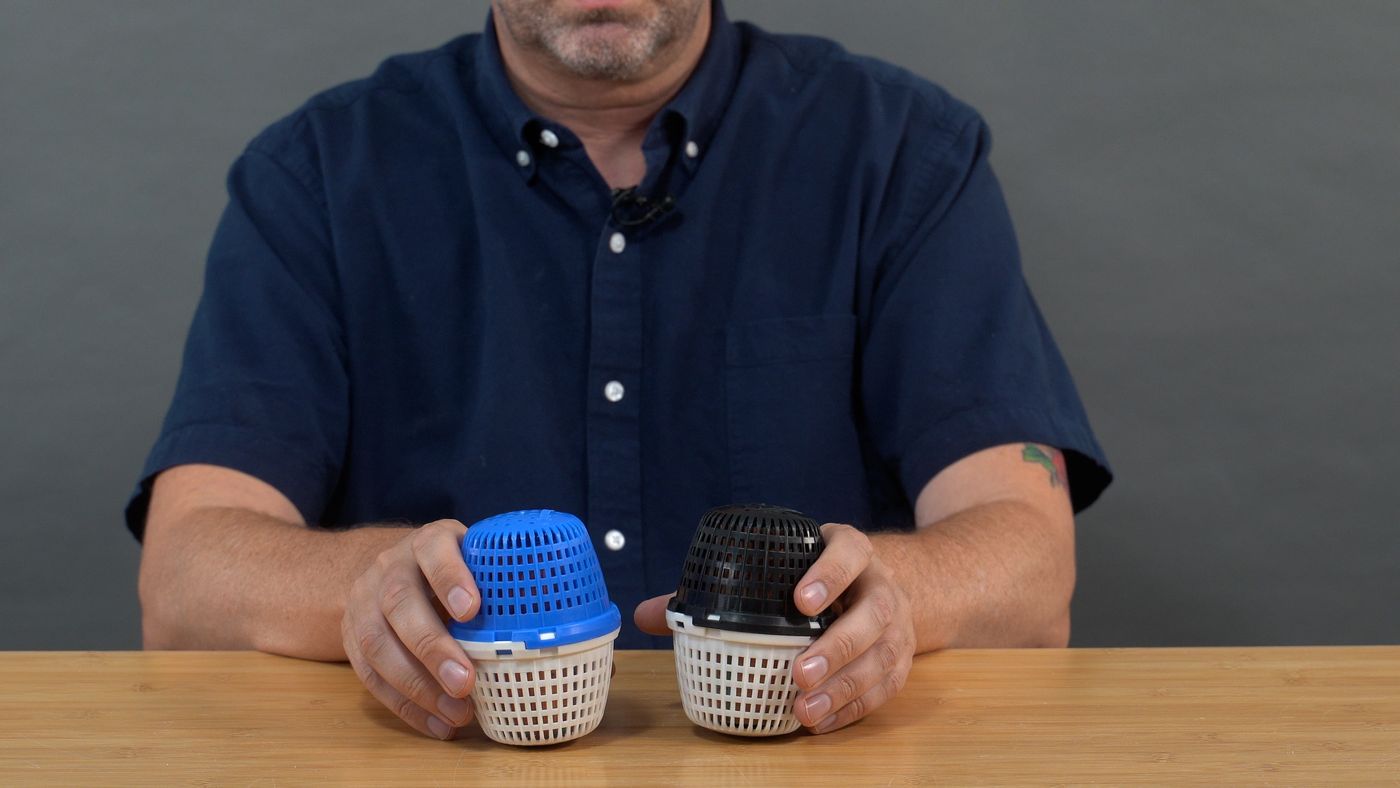
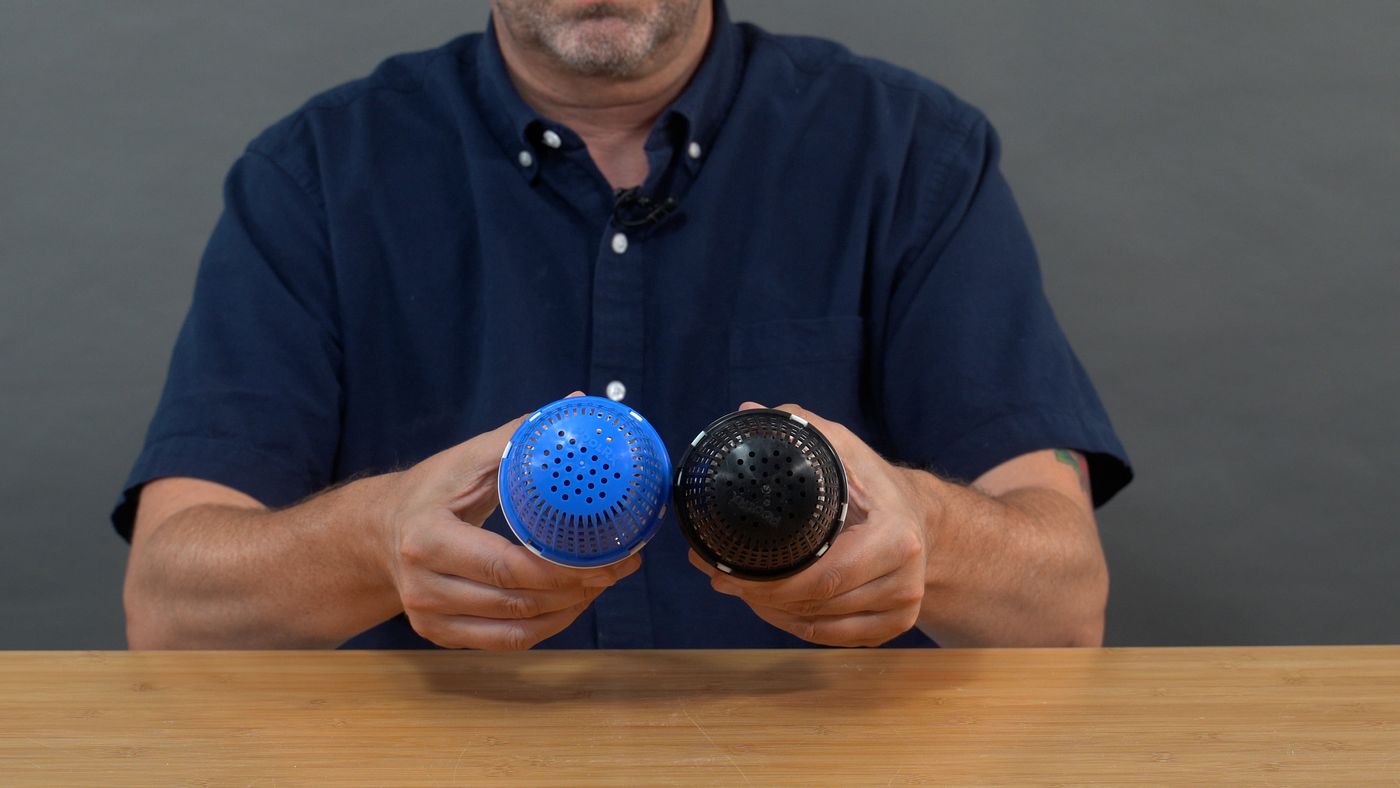
The colors are easy to misread: color is a sizing code, not a chemistry code. PoolRx+ adds silver and zinc to the copper chemistry used by the Original line. Boosters recharge the minerals in a cylinder you already own and must be sized to match.
| Unit | Pool Size | Approx. Price* |
|---|---|---|
| Yellow+ | 100 – 400 gal (spas, plunge) | $24 |
| Purple+ | 400 – 1,000 gal | $29 |
| Red+ | 2,500 – 5,000 gal | $41 |
| Blue+ | 7,500 – 20,000 gal | $79 |
| Black+ | 20,000 – 30,000 gal | $99 |
| Boosters (Blue / Black) | Match your existing unit | $39 / $59 |
*Street prices at the time of writing — check current pricing before you buy.
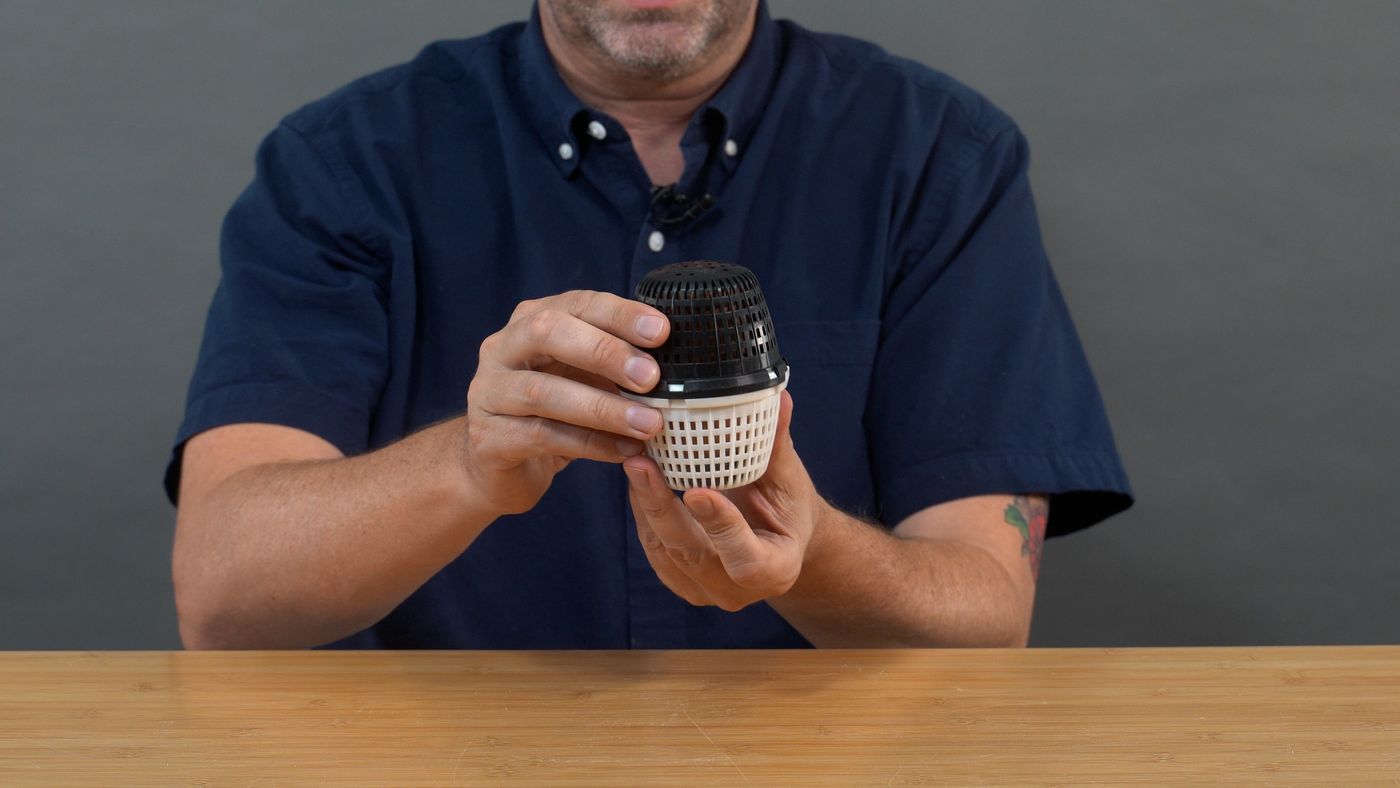
PoolRx permits installation in either the skimmer or pump basket. Use the location with strong, dependable flow and the least debris interference, then run the pump continuously for the first several hours. Good initial flow keeps partially dissolved granules moving through the system instead of letting them settle on the pool floor.
Chlorine Pools, Salt Pools, and the CYA Reality
In a standard chlorine pool, PoolRx is intended to prevent algae and reduce chlorine demand. The company says a clear pool can run at roughly 0.5 to 1.0 ppm free chlorine after installation. I would not lower the sanitizer simply because the cylinder is in place. The chlorine-to-CYA relationship still governs active chlorine: at 40 ppm CYA, my 7.5% rule targets about 3 ppm free chlorine, mineral cartridge or not. Use PoolRx to reduce algae pressure, then confirm any chlorine adjustment with testing and the requirements that apply to your pool.
In a saltwater pool, the cell manufactures chlorine, so the same sanitizer rules apply. PoolRx says the chelated blend is suited to the higher-pH conditions common around salt systems. It also says owners may be able to reduce generator output by as much as 50% and that the zinc can reduce scale on the cell. Do not cut output by 50% at installation. Make small adjustments, test free chlorine daily while dialing it in, and keep enough output to hold your CYA-based target. If algae demand falls, reduced cell runtime can reduce wear.
PoolRx reduces chlorine demand; it does not change chlorine chemistry. Its stated CYA range is 10 to 80 ppm, and high CYA still binds a large share of the chlorine reserve. There is no chemical CYA reducer I trust as a substitute for a partial drain. High pH also weakens chlorine's active form. No mineral cylinder corrects either problem.
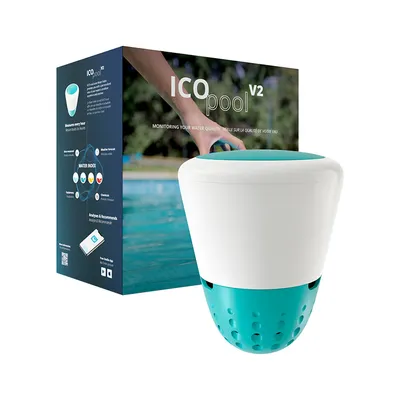
PoolRx does not publish a product-specific ORP target. If you want to know whether sanitizer demand has changed, track the water instead of assuming it has. We run the Ondilo ICO in our test pool for hourly pH and ORP trends, which makes generator or dosing changes much easier to evaluate.
PoolRx's position on phosphates is that their importance drops when its minerals are suppressing the algae they feed. That can be reasonable in a traditional chlorine pool, but a salt cell may have its own phosphate limit. Follow the cell manufacturer's target in a saltwater pool.
What PoolRx Does Well & Where It Falls Short
Algae control is PoolRx's strongest use case. Copper chemistry directly targets algae, and owner reports are most consistently positive on stubborn yellow and mustard algae. PoolRx says it can clear green pools faster when paired with at least 2.0 ppm chlorine.
Its limits follow from that chemistry. PoolRx cannot replace a shock treatment when the water is loaded with organics. It cannot fix poor circulation, high CYA, unstable pH, a failing salt cell, or metals in the fill water. The installation checklist calls for a clean filter, a metals test, pH between 7.2 and 7.8, adequate chlorine, and aggressive backwashing on a dirty pool. Those steps remain your job.
Inline cartridges such as Nature2 and copper-silver ionizers occupy the same category and carry similar metal cautions. Biguanide systems are a separate chemistry and are not compatible with PoolRx; bromine is also incompatible. If your goal is lower chlorine demand without adding metal, inline UV such as SpectraLight can reduce chloramines and chlorine demand without adding copper.
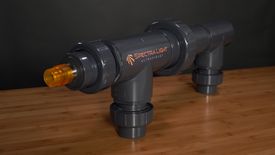
SpectraLight UV
Shock Less, Swim Cleaner
UV on the return line cuts chloramines and organic load so you pour less chlorine and shock over the season—not a sanitizer replacement, but a serious upgrade next to good circulation and testing.
Side Effects: Stains, Shock, and the Filter Reality
Chelation helps the minerals stay in solution instead of precipitating like free copper. PoolRx's FAQ still warns that overdosing, poor dissolution, or a delayed pump start can leave blue granules attached to scale and pool surfaces, and it recommends a phosphonic-acid stain treatment for cleanup. Owners report green hair, blue filter media, and colored rings on tile. Lower risk is not zero risk. Existing metals, scale, and high pH all narrow your margin.
The filter may need extra attention after installation. Once the pool settles, reduced algae can mean clearer water and less brushing. During startup, especially in a dirty pool, minerals and dead algae can clog media and raise filter pressure. Watch the gauge and expect more filter work at first.
Lifespan and Value
Replacement timing varies by product line. PoolRx+ pages say to replace the unit every four to six months or at the start of the season. Original pages say to replace the cylinder yearly and add a booster at four to six months. The FAQ also says booster minerals can fade within two to four weeks if the cylinder is not left in place.
Use those intervals as the schedule, then watch the pool. When chlorine demand rises toward its pre-PoolRx level, the water loses clarity, or algae returns, the mineral residual may need a correctly sized booster.
PoolRx offers the clearest value when it replaces repeated algaecide purchases or prevents recurring algae cleanups. A Blue+ unit is about $79, a Black+ about $99, and boosters run $39 to $59. Preventing a couple of algae recoveries can justify that cost. A disciplined liquid-chlorine pool that already stays algae-free has little reason to add metals or another seasonal expense.
How I'd Buy It
Size PoolRx to the pool's actual water volume. Use Yellow+ or Purple+ only for spas and plunge pools, Red+ for a small above-ground pool, Blue+ for a typical backyard pool from 7,500 to 20,000 gallons, and Black+ for 20,000 to 30,000 gallons. A unit-plus-booster bundle can make sense for larger volume, a rough opening, or a long hot season.
Do not intentionally oversize the cylinder for a "stronger" treatment. The size controls how much metal is introduced, so use the range that contains your measured pool volume and match any booster to the existing unit.
Skip PoolRx if copper or iron starts above 0.2 ppm, if you use bromine or biguanide, or if the real problem is CYA, pH, filtration, circulation, or a failing salt cell. Fix the cause instead of adding copper.
Where to Buy PoolRx
Choose the unit by actual gallons, then compare the current unit and booster prices below. Check the package label before ordering so you do not confuse Original chemistry, PoolRx+, and a booster refill.
Where to Buy PoolRx
Blue+ for the typical backyard pool up to 20,000 gallons, Black+ for 20,000 to 30,000. Match the unit to your gallons — undersizing is how the minerals fall short and oversizing is how you flirt with stains.

PoolRx+ Blue Unit (7,500–20,000 Gallons)
What it is: The standard PoolRx+ cylinder for the typical backyard pool — chelated copper, zinc, and silver minerals that drop into your skimmer or pump basket and hold an algae-suppressing residual for up to six months.
Why we picked it: Blue+ covers the vast majority of residential pools. Pair it with a chlorine residual, balanced pH, and a clean filter, and it pulls weekly algae pressure off your chlorine — especially against stubborn yellow and mustard algae.

PoolRx+ Black Unit (20,000–30,000 Gallons)
What it is: The larger PoolRx+ cylinder with a bigger mineral charge, sized for pools from 20,000 to 30,000 gallons. Same chemistry as the Blue+ — copper, zinc, and silver — just scaled up for the extra water.
Why we picked it: Big pools carry more algae pressure and more chlorine demand. The Black+ keeps the mineral residual in range for the full volume, and pairing it with a booster covers a long, hot season.
Final Verdict

PoolRx earns its place by lowering algae pressure. It cannot take over sanitation or compensate for neglected chemistry and equipment. If your pool already stays clean on a disciplined chlorine routine, keep the $79 to $99 and avoid introducing copper you do not need.
Frequently Asked Questions
Does PoolRx replace chlorine?
No. PoolRx requires a constant chlorine residual, and competing mineral systems give the same direction. It may reduce chlorine demand, but chlorine still provides the fast, maintained sanitation residual.
Can I use it in a saltwater pool?
Yes. PoolRx says salt-pool owners may be able to reduce generator output by as much as 50% and clean the cell less often. Lower the output only in small steps while testing free chlorine. A salt pool still needs the correct chlorine, pH, CYA, and cell-maintenance routine.
Will it stain my pool or turn blonde hair green?
It can. Chelation lowers the risk, but PoolRx's FAQ addresses overdosing and blue deposits, and owners report green hair and discoloration. Existing metals, scale, high pH, poor initial flow, and an oversized dose all raise concern.
Can I shock with PoolRx installed?
Yes, when the water needs it. PoolRx specifically warns against broadcasting cal-hypo directly into the pool. Follow both product labels. If the shock label permits pre-dissolving, add chemical to water in a clean bucket, never water to chemical, and never mix products.
Do I still need to care about pH and CYA?
Yes. PoolRx calls for pH between 7.2 and 7.8 and accepts CYA from 10 to 80 ppm. Your chlorine target must still account for the actual CYA level; PoolRx does not change the share of chlorine held in reserve by stabilizer.
What size PoolRx should I use?
Match the unit to actual water volume: Yellow+ for 100–400 gallons, Purple+ for 400–1,000, Red+ for 2,500–5,000, Blue+ for 7,500–20,000, and Black+ for 20,000–30,000. Do not oversize, and use a Blue or Black booster only with the matching existing unit.
Want to skip the pool-store markup? Head to my deals page at ThePoolNerd.com/deals, where I keep the best prices on the gear I stand behind — water monitors like the Ondilo ICO, UV systems like SpectraLight, and more.
Until then, keep nerding out and enjoy that pool — I'll see you next time.




Comments
Loading comments…