Welcome back to The Pool Nerd. I'm Justin, your resident pool aficionado. Today we're tackling the most searched pool question on the internet: how much chlorine should I add to my pool?
Here's the thing—most pool owners are asking the wrong question. You've been told to dump in a gallon per 10,000 gallons and call it a day. That's exactly why most pool owners over-chlorinate by 200 to 300% and waste hundreds of dollars every season.
In my testing, the difference between a crystal-clear pool and a green one has almost nothing to do with how much chlorine you add—and everything to do with your water chemistry. Specifically, your pH. Get that wrong, and no amount of chlorine will save you. Get it right, and you'll use half as much chemical as everyone else on your street.
So today, we're covering the different types of chlorine, the one thing you need to fix before you dose, exactly how much chlorine to add, and how to seriously cut down your chemical spending. Let's dive in.
Cut Pool Costs: What You Need Checklist
Two chemicals do the heavy lifting—liquid chlorine and acid—then a real monitor, a strong corded robot, and UV keep your sanitizer from working overtime so you buy less of everything.
Primary sanitizer — liquid, multipack shipped
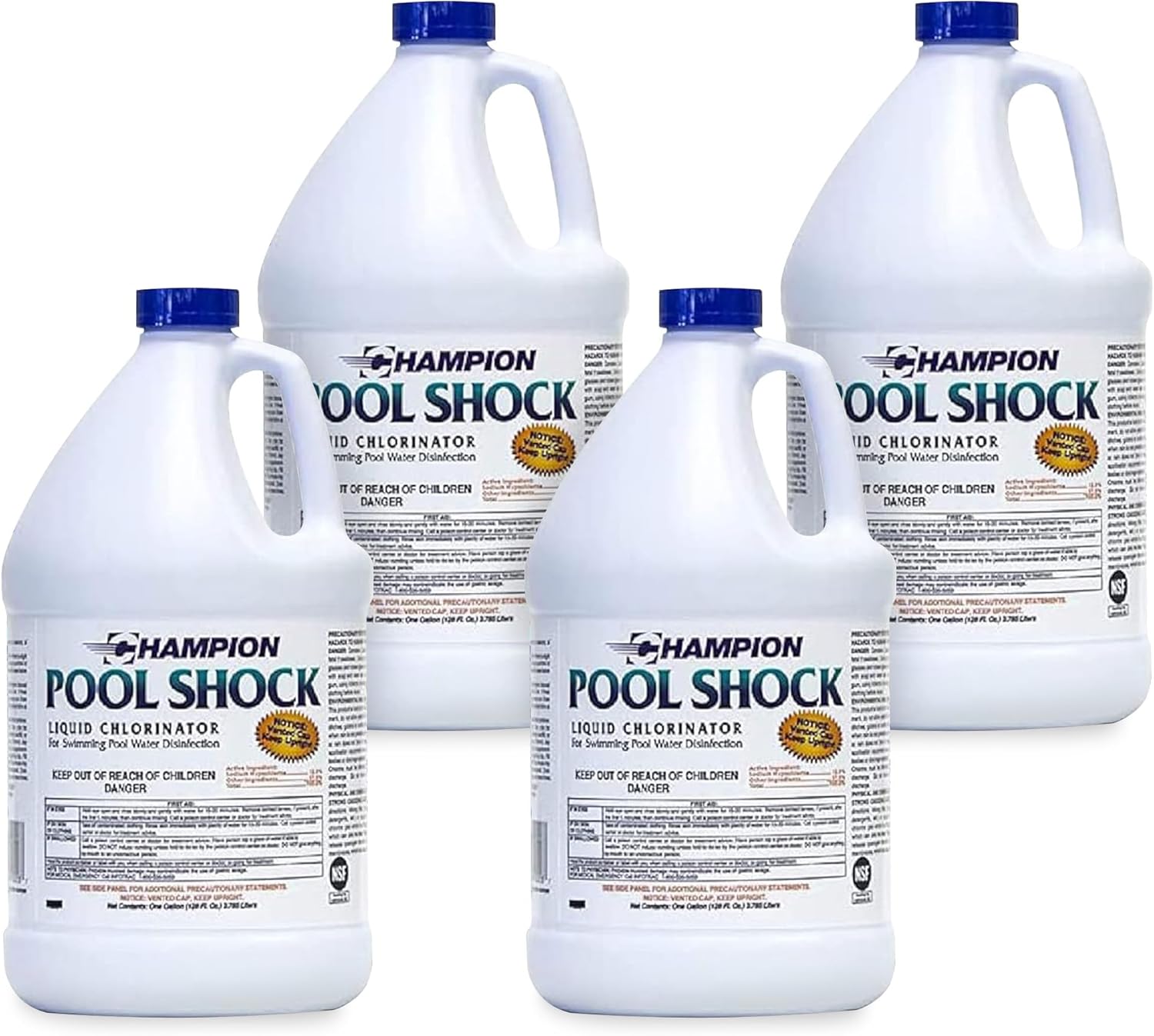
Champion Pool Shock (4 Pack Liquid Chlorine)
Champion Pool Shock (4 Pack)
What it is: A case of liquid pool chlorine (sodium hypochlorite)—not cal-hypo granules. Confirm strength on the listing and jug label (often around 10–12.5%).
Why you need it: Same upside as other liquid shock: no CYA from the product, easy to pour with the pump running—useful to keep stocked for openings, algae pushes, storms, or parties.
How to use: Treat it like any liquid shock (pour with circulation; big doses still work best at dusk). Store cool and shaded; opened jugs lose strength over time—plan to use them within a few weeks.
Champion Muriatic Acid
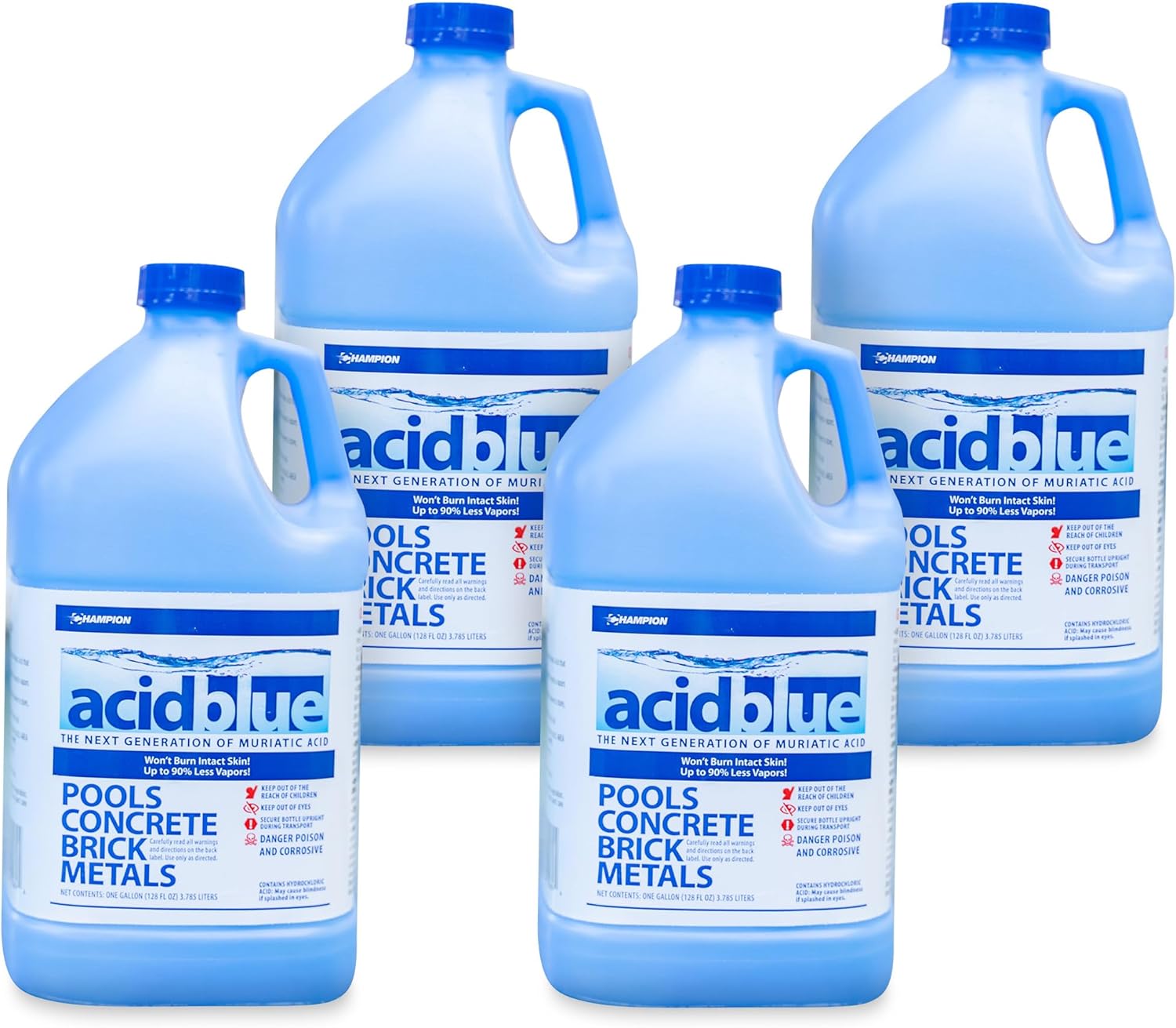
What it is: Dilute hydrochloric acid—standard for lowering pH and, with the right method, total alkalinity.
Why you need it: High pH destroys chlorine efficiency. Always follow the label; never mix acid with chlorine.
Ondilo ICO Pool Water Monitor
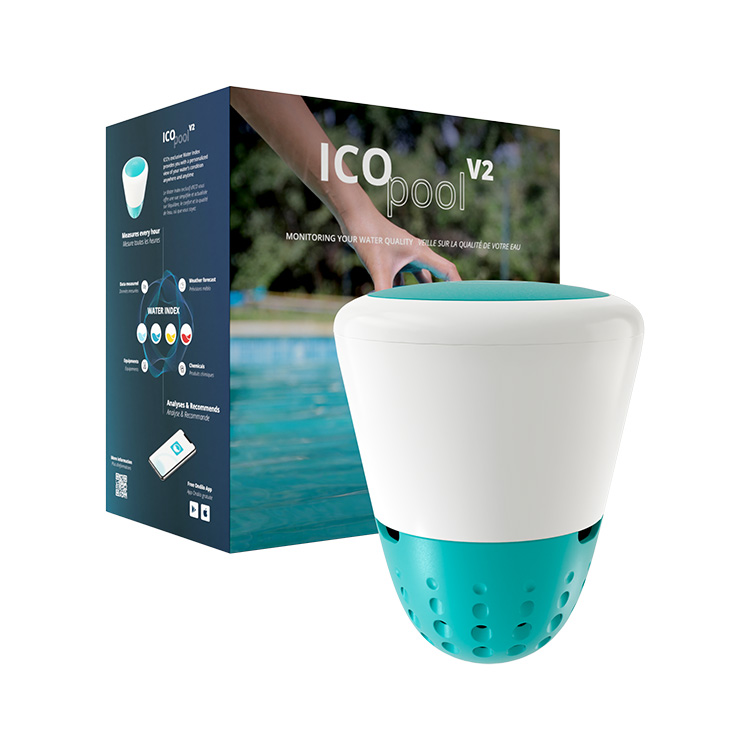
What it is: A floating smart monitor that samples pH, ORP (sanitizer effectiveness), and temperature on a schedule and sends trends to your phone.
Why you need it: You still need a real drop kit for parameters the ICO doesn’t replace (like TA and CYA), but hourly ORP/pH catches drift and dosing mistakes long before weekly strip checks do.
Read the full ICO review — Shop ICO direct (no Amazon listing for the hardware we run).
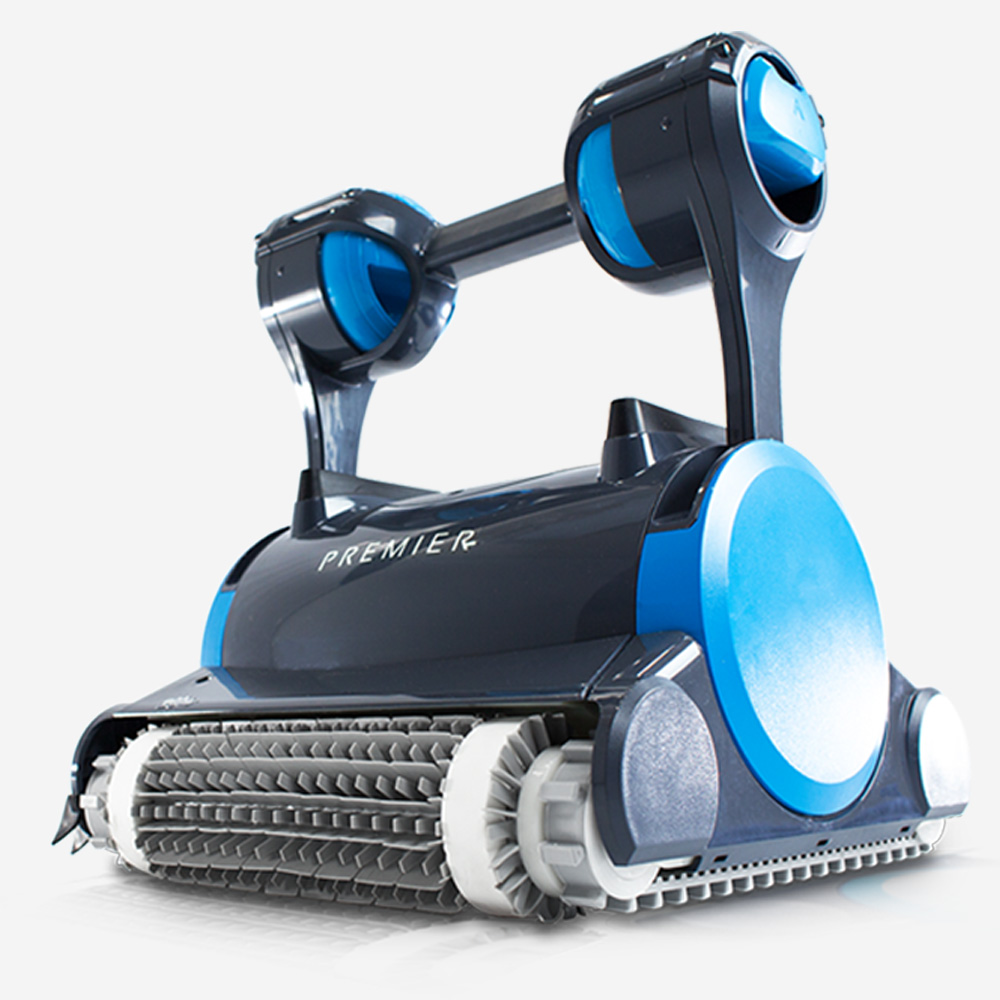
Dolphin Premier
What it is: A corded robotic cleaner with dual scrubbing brushes and strong filtration—built to pull debris and biofilm off surfaces so your sanitizer is not fighting mulch and leaves first.
Why you need it: Shock oxidizes what is in the water—leaves, pollen, and biofilm burn sanitizer too. A strong robot pulls debris off surfaces and into the filter so your chlorine works on algae and organics, not mulch. See the Dolphin Premier review for why it is our test-pool scrubber of choice.
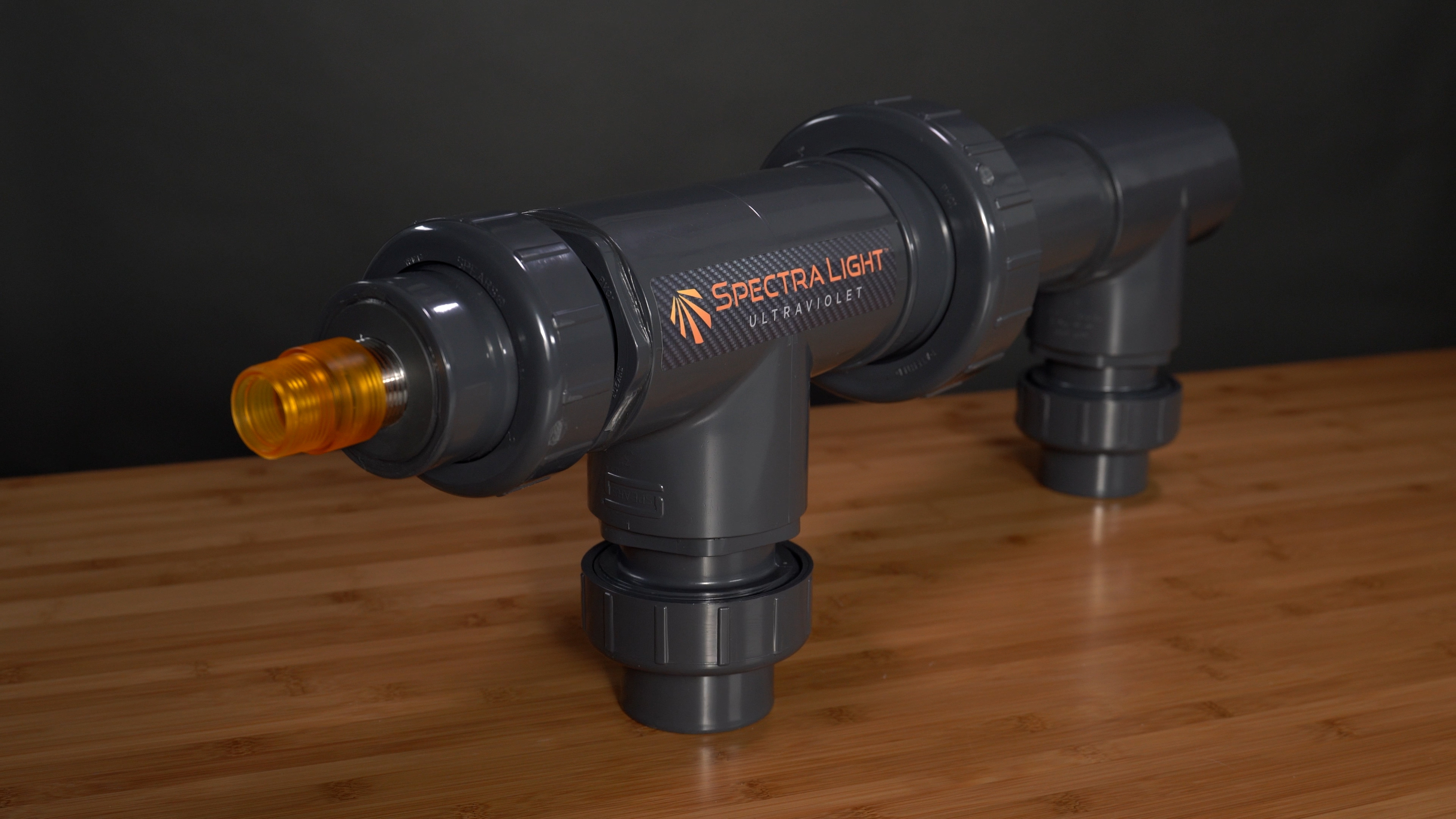
SpectraLight UV
What it is: Inline UV-C on the return line—knocks down pathogens and helps with chloramines as water passes the lamp.
Why you need it: Cleaner water with less organic load means you reach for shock less often while staying comfortable. Read the full SpectraLight review for sizing and install notes.
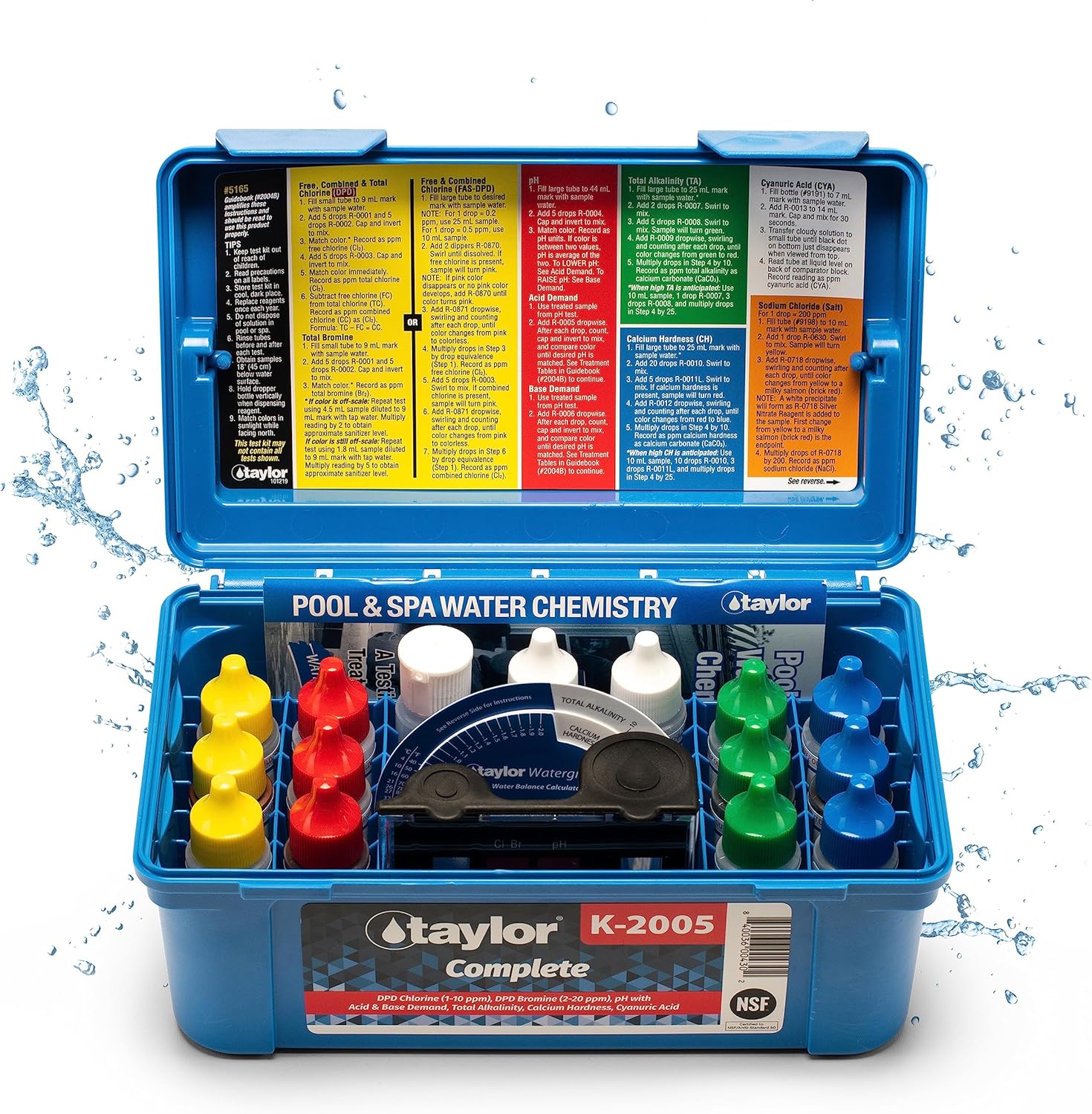
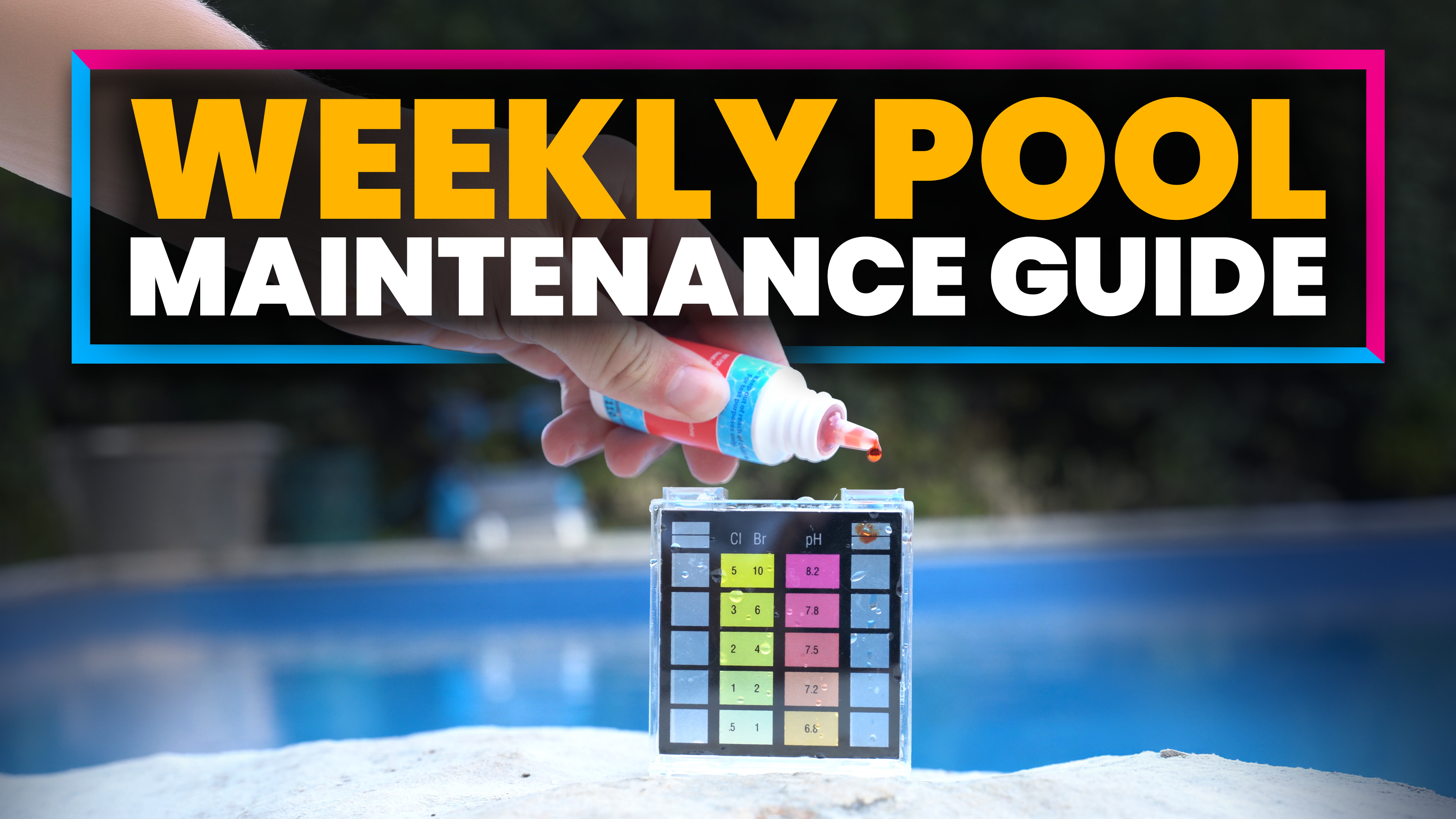
Taylor K-2005 Test Kit
What it is: A professional drop (titration) kit for chlorine, pH, alkalinity, calcium hardness, and cyanuric acid.
Why you need it: You can’t SLAM or balance blind—especially CYA, which handcuffs chlorine. This kit gives numbers you can trust, not strip guesswork.
Types Of Chlorine
When you walk into a pool store, you're going to see a bunch of different chlorine types—and it can get confusing fast. So let's break down each one.
1. Liquid Chlorine
First up, you'll see those big yellow or white jugs stacked everywhere. That's liquid chlorine.
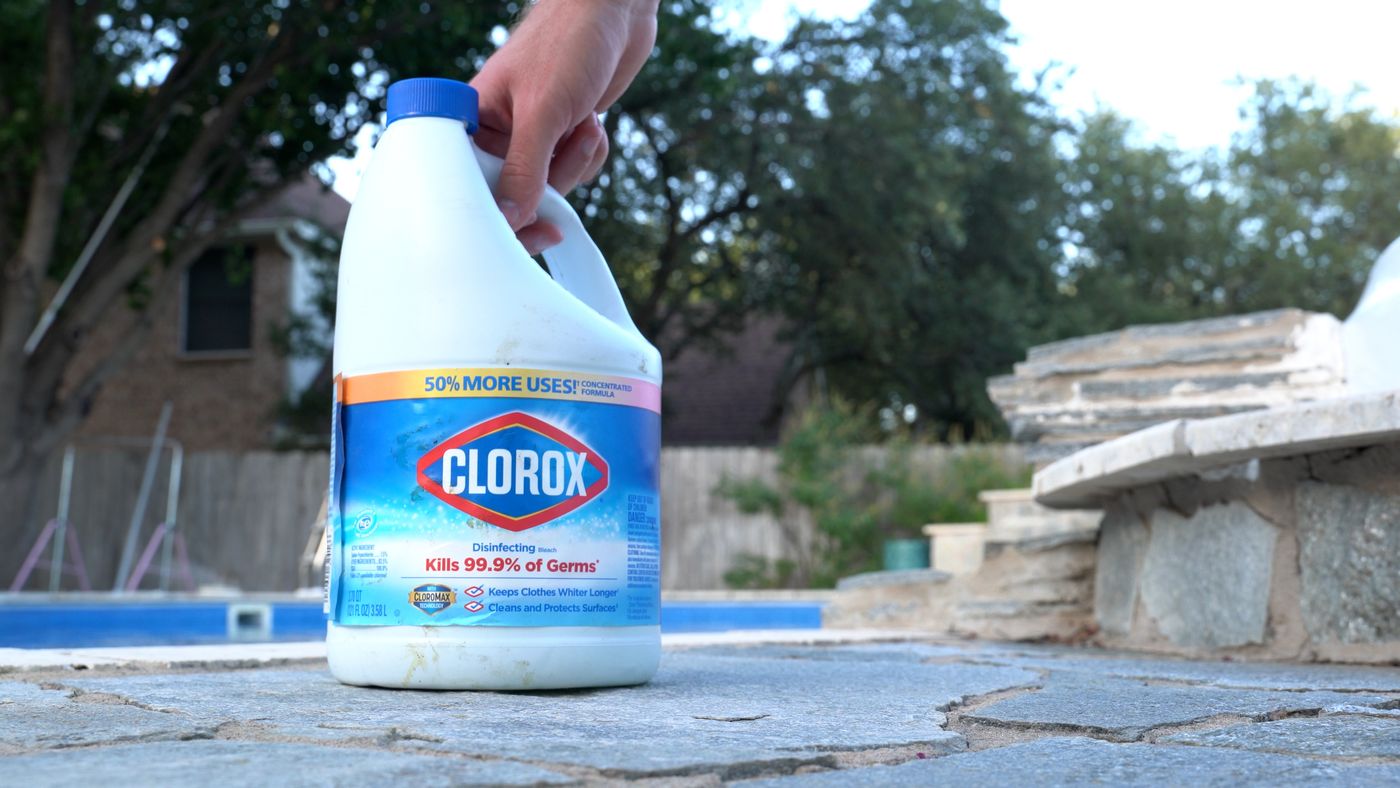
This is my go-to. It's usually labeled 10% or 12.5%, it works fast, and it doesn't add anything extra to your water—no CYA, no calcium. Just straight chlorine, which is exactly what you want. It's also the cheapest option per gallon.
2. Cal-Hypo Chlorine
Next, you'll see buckets of white powder or little pellets. That's cal-hypo granular chlorine.
This stuff is strong. If your pool's green or you need to shock it, this is what most people grab. But here's the thing—it adds calcium to your water. And if you just toss it straight in, you can bleach your liner or damage your surface. So always dissolve it in a bucket first.
Good tool to have, but not something you want to rely on every day.
3. Dichlor Shock
Then you'll come across smaller bags or tubs labeled "dichlor shock"—usually quick-dissolving granules.
Sounds great, right? Dissolves fast, easy to use. But this is where people get into trouble. Every time you use it, you're also adding CYA, or stabilizer. And it adds up quickly. So after a few weeks, your chlorine stops working like it should, your pool gets cloudy, and you don't know why.
That's what we call chlorine lock.
4. Chlorine Tabs
And then there's the most popular one in the store—the big buckets of 3-inch tablets. Usually labeled "chlorine tabs" or "pucks." You'll see them next to the floaters and inline feeders. Super common.
You want to be extremely careful using these and not rely on them as a primary method of sanitation. These tablets are trichlor, and they're extremely acidic—we're talking a pH around 2.8.
What happens is they slowly tank your pH while constantly adding CYA. At first, everything looks fine. Then a month or two later, your water's out of balance, your chlorine isn't working, and you're dumping in more chemicals trying to fix it.
The Trichlor Trap
Those tablets are the easiest way to slowly wreck your pool chemistry without realizing it. I'm not saying you can't use them—just use them with caution. What I recommend instead is keeping it simple: liquid chlorine paired with ORP monitoring so you're dosing based on actual sanitizing power instead of guessing. A tablet or two to maintain is fine, but it should never be your primary sanitation. That's how you avoid the chemical rollercoaster—and in most cases, cut your chemical costs by 40 to 60% over a season.If you want the full breakdown on tabs, I cover exactly how many chlorine tablets to use and where this goes sideways in a separate guide.
Fix Your pH Before You Dose
Here's the kicker, and this is the single most important concept in this entire article: chlorine's effectiveness is controlled by pH, and the relationship is logarithmic, not linear. A tiny shift in pH wipes out most of your chlorine's killing power.
Take a look at this chart—this one honestly changes everything.
| pH Level | Active Chlorine | Money Wasted |
|---|---|---|
| 7.0 | ~73% | Minimal |
| 7.2 | ~63% | Minimal |
| 7.5 | ~50% | Half wasted |
| 7.8 | ~28% | Mostly wasted |
| 8.0 | ~20% | 80% wasted |
Let me break this down for you.
At a pH of 7.0, roughly 73% of your chlorine is active and killing stuff—that's peak performance. Bump up to 7.2 and you're still in great shape at around 63% active.
But watch what happens next. At 7.5, you've already lost half your chlorine's power. At 7.8, you're down to around 28%—almost three-quarters of what you paid for is sitting there doing nothing. And at 8.0, you've wasted 80% of every dollar you spent on chlorine.
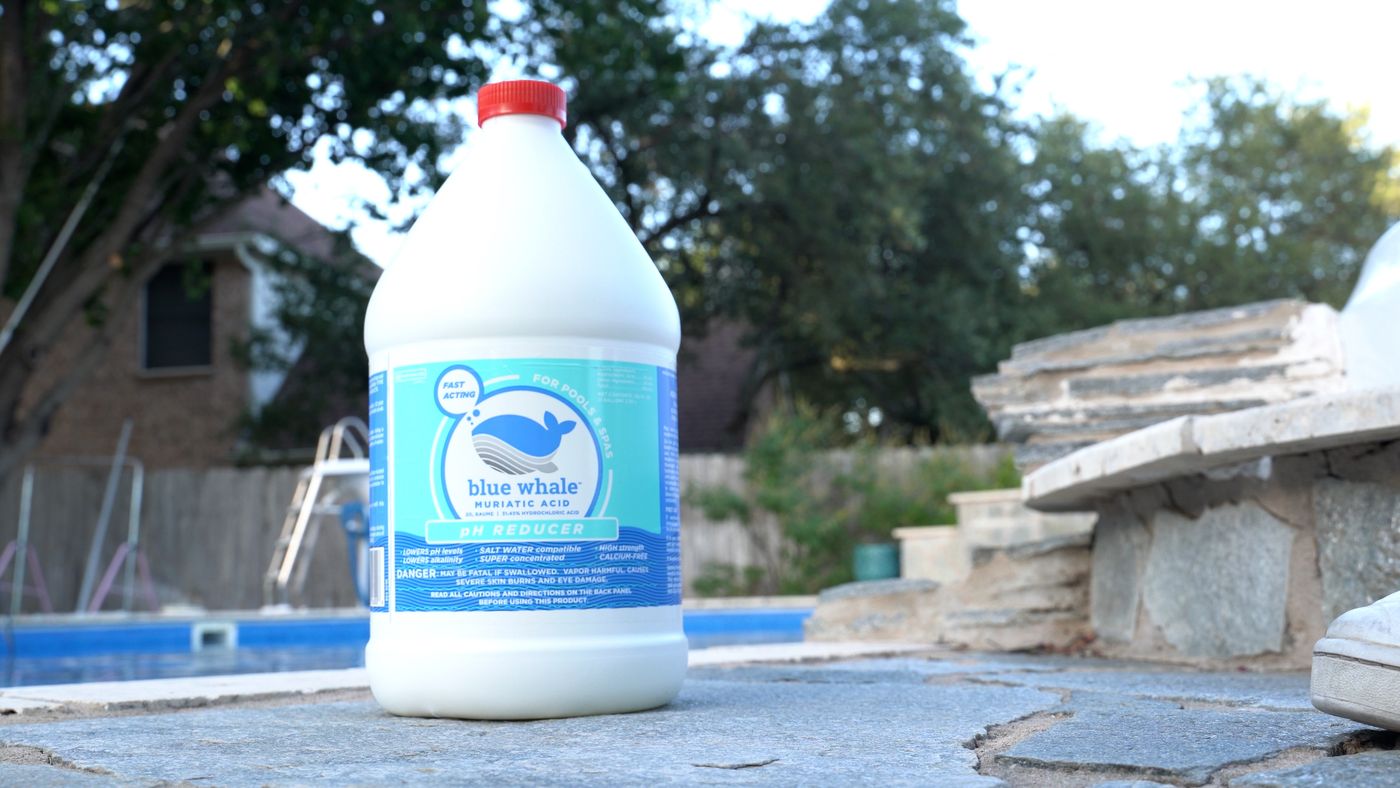
This is why pool owners over-chlorinate. They see cloudy water, panic, and dump in more chemical—when the real issue is pH drifted above 7.5. You don't need more chlorine. You need better pH.
In my opinion, the mainstream range of 7.4 to 7.6 is outdated. Olympic pools and commercial aquatic centers target the low end because they understand the chemistry. Here's where I keep my pool:
- 7.0 to 7.2 for vinyl and fiberglass pools
- 7.2 to 7.4 for gunite and plaster pools (slightly higher to protect the surface from etching)
At that range, you need roughly half as much chlorine to get the same result. Muriatic acid runs about $10 to $15 a gallon, and in my experience, lowering your pH is the single highest-ROI move you can make in pool care. Not sure how much to add? My pool acid calculator gives you the exact dose, and my guide on how to lower pool pH walks through the why.
Other Numbers To Check First
pH is the big one, but three other numbers decide how much chlorine you actually need. Check them all before you touch a jug of chlorine.
1. Cyanuric Acid (CYA) — target 30 to 50 ppm. Below 30, UV from the sun eats your chlorine in hours. Above 80 ppm, CYA locks your chlorine up and your sanitizer stops working. That's what causes chlorine lock. This is exactly why I stay away from trichlor tabs and dichlor shock—both dump CYA into your water every time you use them, and there's no way to remove it except draining and refilling.
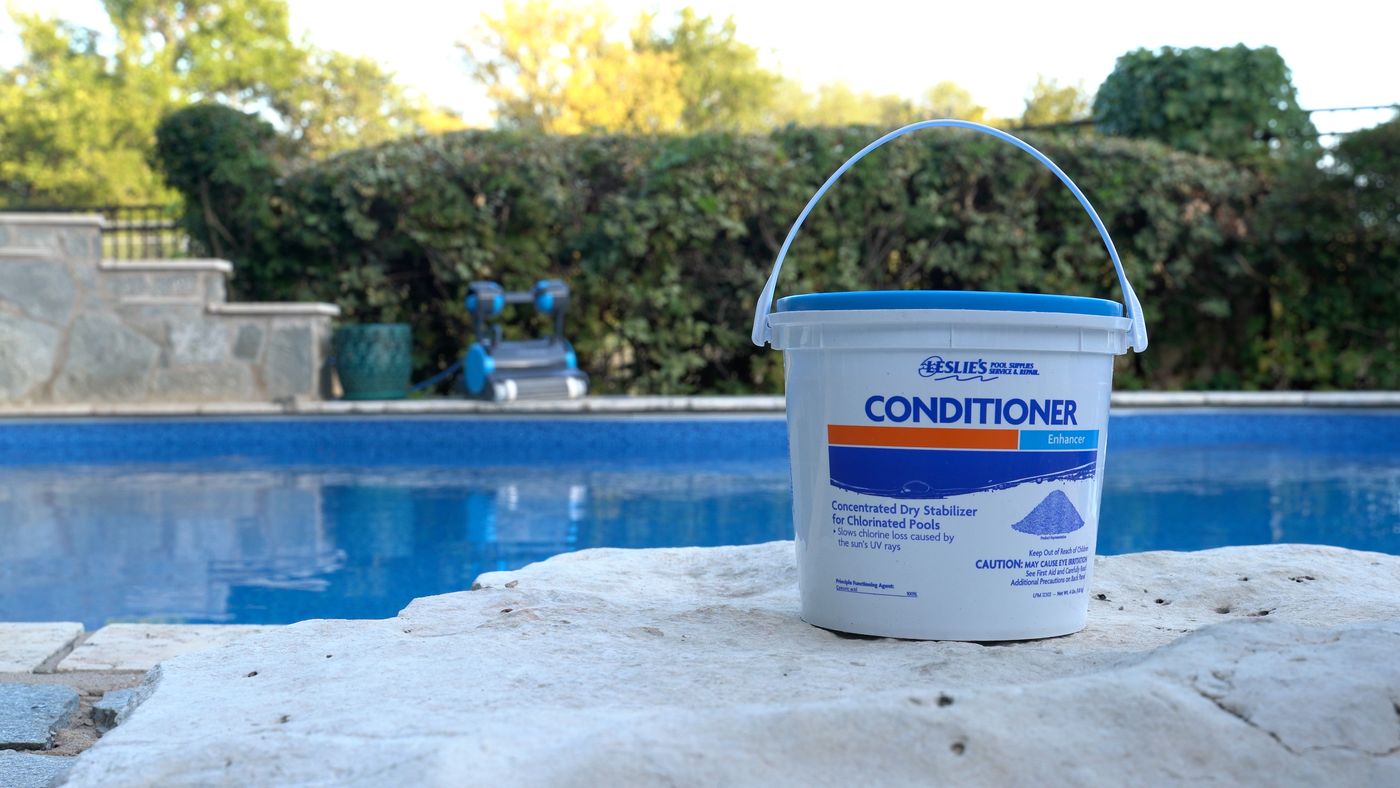
2. Total Alkalinity — target 80 to 120 ppm. Alkalinity is the buffer that keeps pH stable. If alkalinity is too low, your pH will bounce around no matter how much acid you add. Fix alkalinity first, then fix pH.
3. Water Temperature. Warm water burns through chlorine faster than cold. An 85-degree pool in August will demand 30 to 40% more chlorine than the same pool at 70 degrees in May. Plan accordingly.
If any of these are out of range, fix them first. Adding chlorine to a pool with 8.0 pH and 100 ppm CYA is like pouring water into a bucket with a hole in the bottom. You'll spend the whole season chasing your tail.
How Much Chlorine To Add
Alright, now that your chemistry is dialed in, let's talk doses. The traditional approach is to dose by pool size to raise free chlorine into the 1 to 3 ppm target range.
Here's the reference chart for raising free chlorine by 1 ppm.
| Pool Size | Liquid Chlorine (12.5%) | Cal-Hypo (73%) | Dichlor (56%) | Trichlor Tablets |
|---|---|---|---|---|
| 5,000 gal | ~11 oz | ~1.5 oz | ~1.8 oz | 1 tablet |
| 10,000 gal | ~22 oz | ~3 oz | ~3.6 oz | 2 tablets |
| 15,000 gal | ~33 oz | ~4.5 oz | ~5.4 oz | 3 tablets |
| 20,000 gal | ~44 oz | ~6 oz | ~7.2 oz | 4 tablets |
| 25,000 gal | ~55 oz | ~7.5 oz | ~9 oz | 5 tablets |
| 30,000 gal | ~66 oz | ~9 oz | ~10.8 oz | 6 tablets |
The easiest way to think about it: for liquid chlorine, you're looking at roughly 22 ounces per 10,000 gallons to raise free chlorine by 1 ppm. So a 15,000-gallon pool is about 33 ounces, a 20,000-gallon pool is about 44 ounces, and so on. Cal-hypo is roughly 3 ounces per 10,000 gallons. Just scale from there based on your pool size.
If you don't know your exact volume, run it through my pool volume calculator first—every dosing decision depends on it.
But here's the catch—a chlorine test tells you how much chlorine is in the water. It doesn't tell you if it's actually working. That's why you can read 3 ppm on a test strip and still end up with green water.
And that's exactly where the pros take a different approach.
The ORP-Based Method
Olympic pools and commercial aquatic centers don't dose by ppm—they dose by ORP, which stands for Oxidation-Reduction Potential. It measures the actual sanitizing power of your water in millivolts.
The best way to think about it: free chlorine tells you how many firefighters showed up. ORP tells you if they're actually putting out the fire.
Here are the targets I follow.
| ORP Reading | What It Means | What To Do |
|---|---|---|
| Above 700 mV | Excellent sanitization | Don't add anything—save your chlorine |
| 650–700 mV | Acceptable maintenance range | Where most healthy pools live |
| 600–650 mV | Sanitization weakening | Add a full dose from the table, then recheck |
| Below 600 mV | Time to shock | Your water has lost its sanitizing power |
Here's the quick read. If your ORP is above 700 millivolts, your pool is in excellent shape—don't add anything, you'll just waste money. Between 650 and 700 is the maintenance sweet spot where most healthy pools live day-to-day. Drop below 650 and that's when you add a normal dose from the chart and recheck in a few hours. And below 600, you need to shock.
The beauty of this method is you stop guessing. You stop dumping in a gallon every Sunday just to be safe, because you're watching the one number that actually matters.
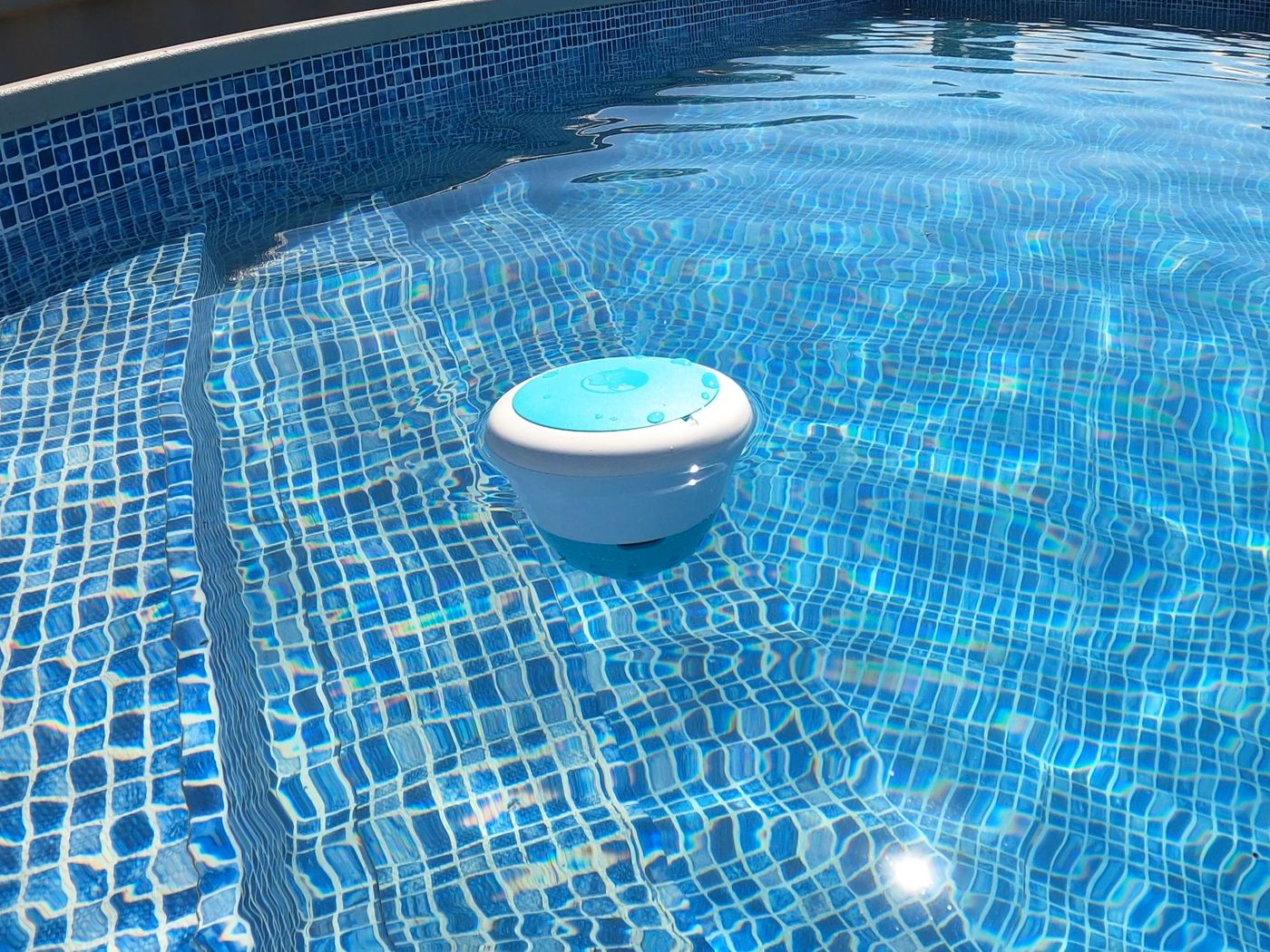
How I Monitor ORP
I use the ICO pool water monitor. It sits in the pool 24/7 tracking ORP, pH, and temperature, and it sends readings straight to my phone. In my experience, most owners cut their chemical spending 30 to 50% in the first season just by knowing when to dose—and when not to.If you want the full breakdown, check out my review of the ICO pool water monitor. And if the ICO isn't for you, I rank all the top options in my guide to the best pool water monitors—there are a ton of brands to choose from.
Use UV To Slash Chlorine Usage
If you really want to slash your chlorine usage, UV sanitation is worth taking a serious look at.
UV systems destroy chloramines and over 60 waterborne pathogens—including algae, bacteria, cysts, and viruses—using high-intensity ultraviolet light. I use the SpectraLight UV system on my test pool. The UV lamp installs inline after your filtration system and bombards passing water with germicidal rays that eliminate organic matter before it can cause problems.
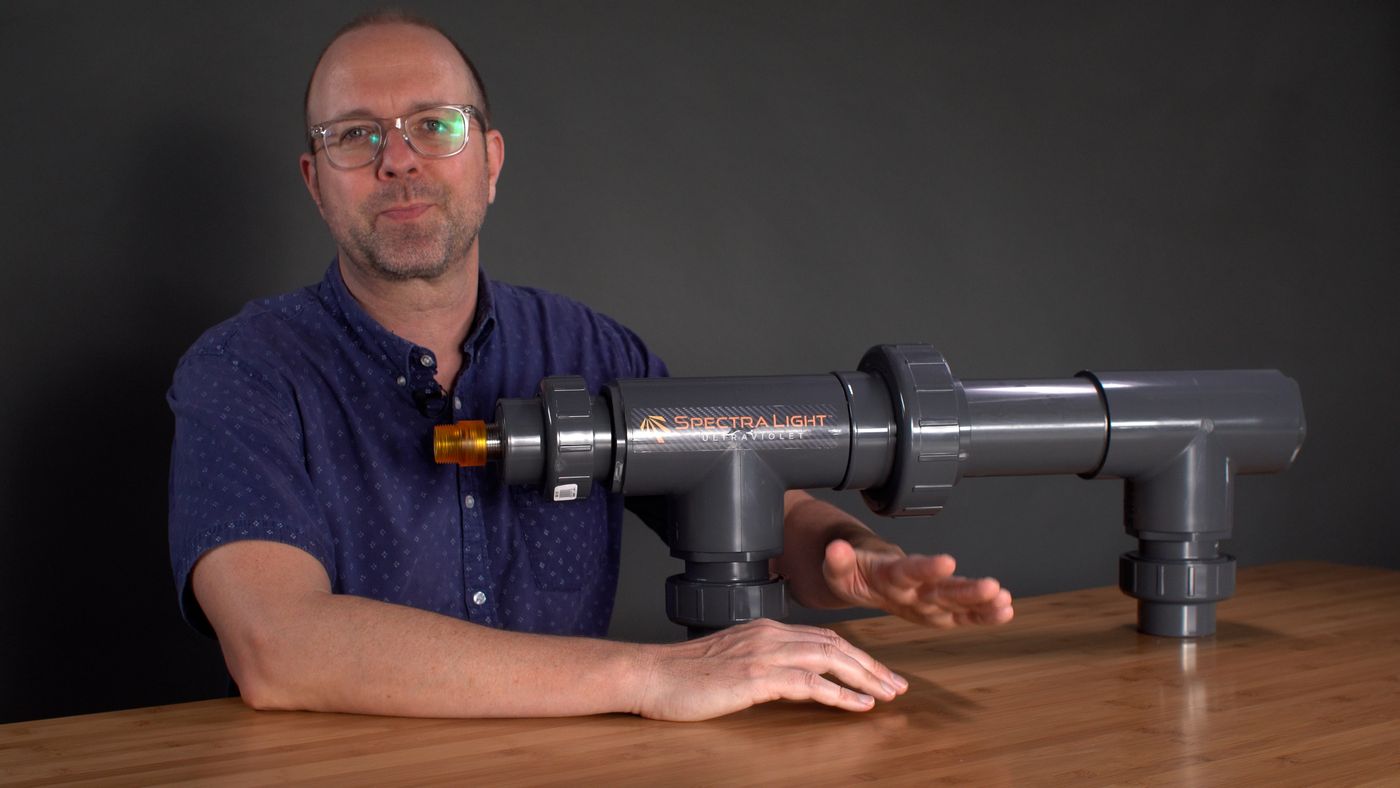
This is the same technology used in Olympic pools and over 200 commercial aquatic centers nationwide. Those crystal-clear underwater shots you see during the Olympics? That's UV sanitation at work.
Here's the part that matters for this article: SpectraLight UV can reduce your chlorine usage by 80 to 90%. When UV is doing the heavy lifting on sanitation, you can run your pool at just 0.5 ppm of chlorine—about the same level as tap water—and still keep the same killing power. The World Health Organization has even stated that lower free chlorine concentrations may actually be healthier for swimmers when UV is in place.
Less chlorine means fewer chloramines: no more red stinging eyes, no more dry itchy skin, no more chemical smell, and dramatically lower chemical costs year after year. In my opinion, if you're constantly battling chloramines or you just hate the chemical-soup feel of a traditional pool, UV is one of the smartest upgrades you can make.
A Robotic Cleaner Saves Chlorine Too
Here's a connection most pool owners miss: your robotic pool cleaner is one of the best chlorine-saving tools you can own.
Every leaf, every speck of pollen, every bit of grass or dirt that sits in your pool is an organic load. And organics eat chlorine. The more gunk in your water, the harder your sanitizer has to work. Get the debris out before it breaks down, and your chlorine demand drops significantly.
Dolphin Premier

The Dolphin Premier is the one I recommend for most pool owners. It's the top-of-the-line Dolphin for residential pools, with four filtration options—including the ultra-fine filter that pulls out pollen and the finest particles before they have a chance to decompose in your water. It scrubs the floor, walls, and waterline on its own, independent of your pump, and dumps the debris into its basket instead of your skimmer and filter.
Cleaner water means stable chemistry, lower chlorine demand, and fewer corrections all season long. It's a Pool Nerd Approved pick.
Clear UV
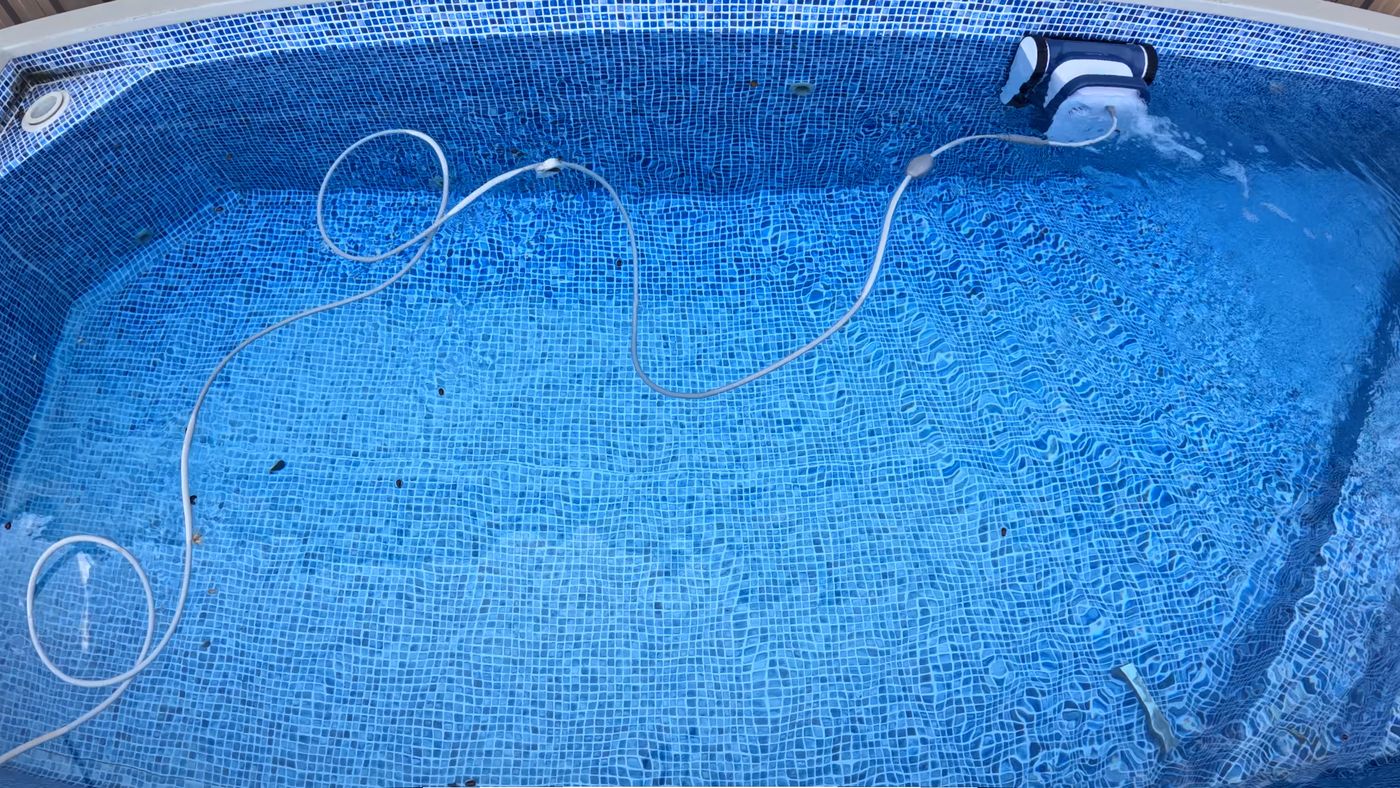
And if you really want to take things to the next level, the Clear UV is the most innovative robot I've tested in years. It's the first robotic pool cleaner I've seen that builds UV sanitation directly into the unit. While it's cleaning, the UV light underneath the robot is actively disinfecting your pool water and the pool surface.
In my testing, it's a beast: quad scrubbing brushes, four motors, UltraFilters, and a top-loading basket. It cleans with serious power, and the fact that it's also contributing to sanitation while it runs means you're getting a double benefit—cleaner water and less chlorine demand.
If you want a traditional powerhouse for pulling organics out of the water, go with the Dolphin Premier. If you want innovation and the added chlorine-reducing UV benefit built right in, the Clear UV is the one to watch.
How To Save Money On Chlorine
Let's put it all together. Here's the playbook to slash your chemical bill.
- Lower your pH to 7.0 to 7.2 (or 7.2 to 7.4 for gunite) using muriatic acid. About $10 to $15 a gallon, and it's the highest-ROI move in pool care.
- Monitor ORP continuously with an ICO. Only dose when ORP drops below 650. You'll be surprised how rarely that happens once your chemistry is right.
- Keep CYA between 30 and 50 ppm. Above 80 locks up your chlorine. Stick with liquid chlorine to keep CYA in check.
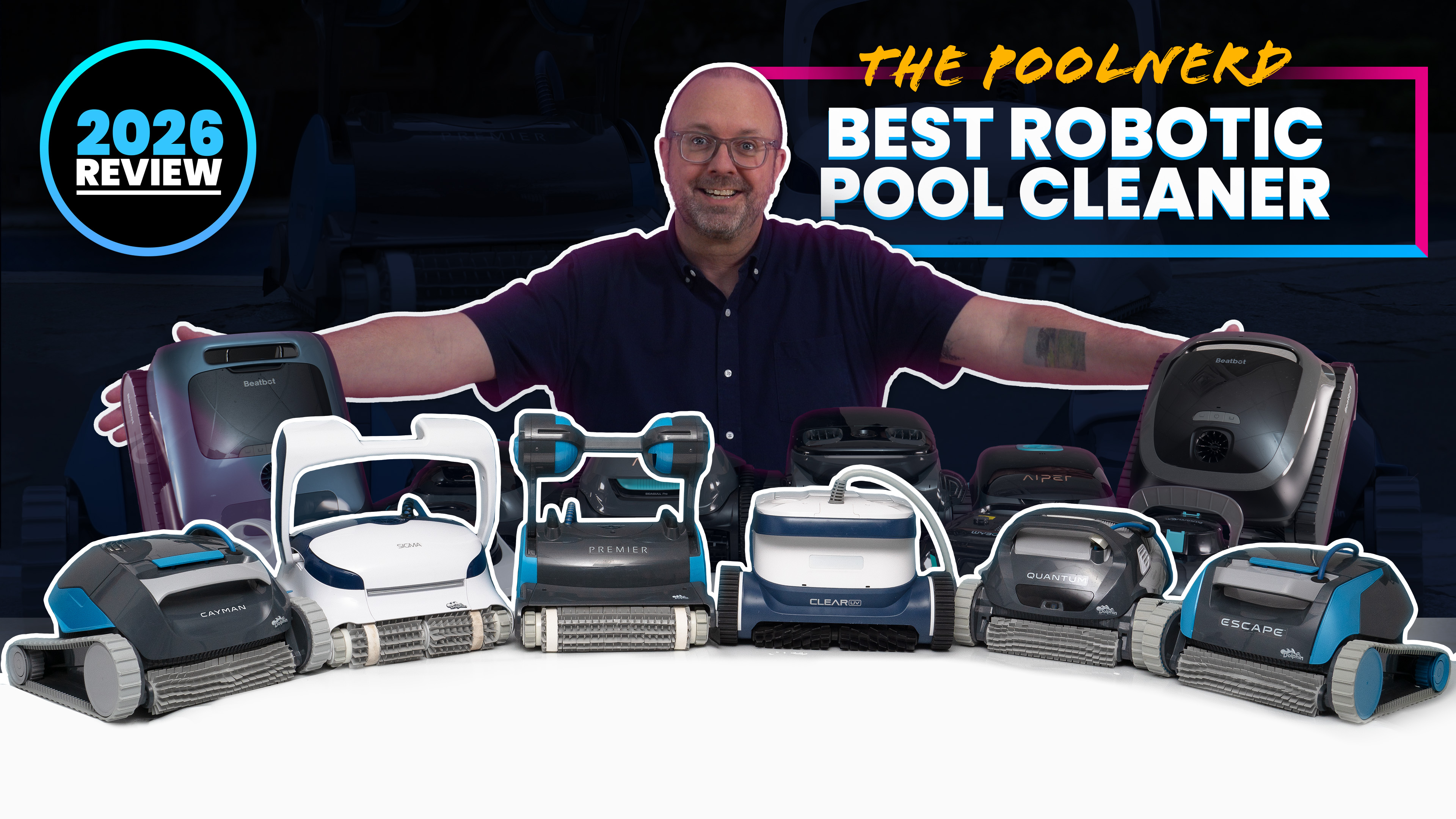
- Run a solid robotic cleaner like the Dolphin Premier or the Clear UV. Pulling organics out before they break down means less chlorine demand every single day.
- Add UV sanitation with a SpectraLight system. An 80 to 90% reduction in chlorine usage is the biggest single upgrade you can make if you want to get off the chemical treadmill for good.
Safety Reminders
Read Before Handling Any Pool Chemicals
Never mix chlorine and acid directly—that creates chlorine gas, which can seriously injure or kill you. Always read the label, and store chemicals in a cool, dry place, never near one another.When handling chemicals, always:
- Add chemicals separately, with the pump running for proper dilution.
- Wait 15 to 30 minutes between adding different chemicals.
- Add chemicals to water—never mix them together beforehand.
- Use gloves and eye protection, and avoid inhaling fumes.
Frequently Asked Questions
What should I do if my chlorine is too high or at zero?
If it's too high—above 5 ppm—wait and let the sun burn it off, and don't swim. If it's at zero, check pH and CYA first, then shock with liquid chlorine until ORP holds above 650 overnight.
Can I put too much chlorine in my pool?
Yes. Above 5 ppm isn't safe to swim in and can irritate skin, burn eyes, and damage liners.
Do I need to add chlorine every day?
No, not if you're monitoring ORP. Most pools at 7.0 to 7.2 pH only need chlorine every 3 to 5 days in summer. If you're adding daily, your pH or CYA is off.
Is liquid chlorine the same as shock?
Functionally, yes. Pool-grade liquid chlorine at 10 to 12.5% is what most of us call liquid shock. The only difference is the dose.
Should I shock or just add chlorine?
Add chlorine when ORP drops below 650. Shock when ORP drops below 600, after heavy rain, after a big pool party, or when combined chlorine is above 0.5 ppm.
How long after adding chlorine is it safe to swim?
For a maintenance dose, 30 minutes to an hour with the pump running. For a full shock, 8 hours minimum—ideally overnight. Always test to confirm free chlorine is below 5 ppm before anyone gets in.
How much chlorine based on pool size?
Use the dosing table above. But don't dose blindly—check ORP first. Above 700 mV, you don't need to add anything.
Why does my chlorine keep dropping to zero?
Almost always one of four things: CYA above 80 ppm, pH too high, heavy organic load, or high phosphates. Start with pH and CYA—that fixes it most of the time.
How does CYA affect how much chlorine I need?
At 30 to 50 ppm, CYA protects chlorine from UV and cuts consumption 30 to 50%. Above 80 ppm, it locks chlorine up and forces you to use more. Check CYA at the start of every season.
How much chlorine after heavy rain or a pool party?
After rain, add about 1 ppm worth of liquid chlorine and check ORP the next morning. After a pool party with 10 or more people, shock that night with one gallon per 10,000 gallons.
How many chlorine tablets do I need?
Roughly 1 three-inch tablet per 5,000 gallons, replaced every 5 to 7 days. But in my opinion, tablets are a long-term trap. Liquid chlorine is the better choice—here's the full tablet breakdown.
What's the ideal chlorine level in ppm?
Industry standard is 1 to 3 ppm free chlorine. In my opinion, ppm is the wrong target. If ORP is holding at 650 to 700 mV, your pool is properly sanitized. Chase ORP, not ppm.
Final Verdict
So what's my final verdict? Adding the right amount of chlorine to your pool is super important—but "how much chlorine should I add?" is the wrong question.
The right one is: is my chlorine actually working, and how do I make the least amount do the most work?
Stop thinking in ppm. Start thinking in ORP. Fix your pH first, every single time. Lock it at 7.0 to 7.2, use liquid chlorine, and monitor with an ICO. And if you want to really cut your chemical bill, pair it with a solid robot like the Dolphin Premier or the new Clear UV, and add a SpectraLight UV system to handle the heavy lifting on sanitation. Do all that, and you can cut your chemical bill by 40 to 60%—or more—and end up with the cleanest, clearest water you've ever had.
Safety Disclaimer: The information in this article is for educational purposes only. Handling pool chemicals, specifically muriatic acid and chlorine, involves significant risk of injury or property damage. Always read the manufacturer's labels and safety data sheets. Use this information at your own risk.
If you want to look into a pool water monitor like the ICO, a UV system like the SpectraLight, or any of the robots I mentioned, head over to my deals page—that's where I post all the best deals on top pool equipment and more. Until next time, enjoy that pool, and I'll see you on the next one.