Hey there, I'm Justin, your resident pool aficionado. Today we're talking chlorine tablets—those convenient little pucks you toss in a floater and forget about.
Here's the thing: most pool owners use them completely wrong. They dump in tabs every week, watch their pool turn green anyway, and end up back at the pool store buying more chemicals to fix the mess. And it's quietly costing them water clarity, equipment life, and a small fortune in chemicals.
After five-plus years testing pool chemistry and equipment, I'll show you exactly how many tablets to use, where to put them, and—more importantly—where this goes sideways and the system I use instead. Let's dive in.
Chlorine Tablets: What You Need Checklist
Tabs for backup + a floater-safe plan, but the real fix is liquid chlorine, ORP/pH monitoring, and acid for pH control—test before you dump.
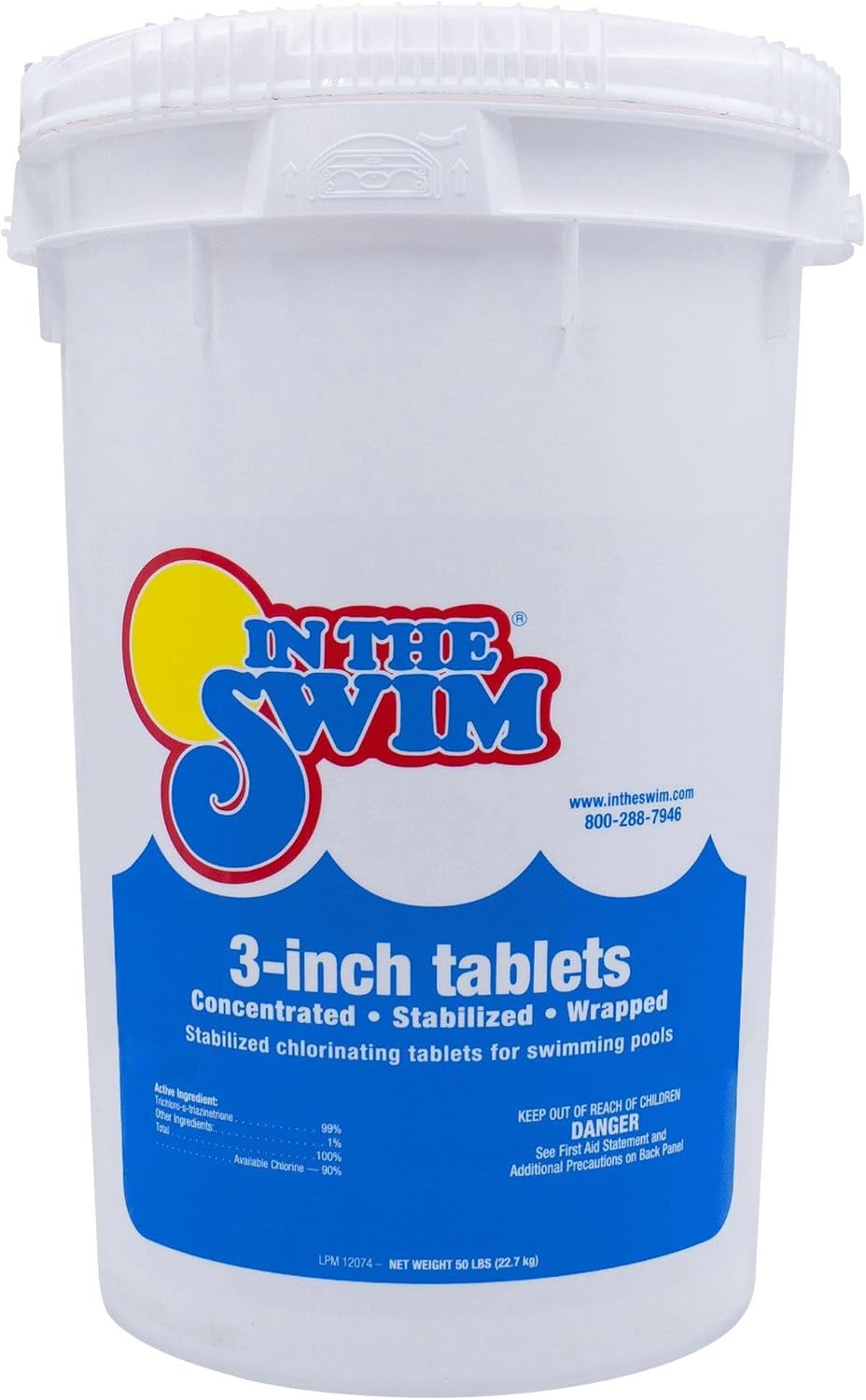
In The Swim 3" Chlorine Tablets
What it is: Slow-dissolving sanitizer pucks (usually trichlor) for feeders/floaters—adds CYA over time.
Why you need it: Fine for steady maintenance when CYA isn’t already high; back off if CYA creeps up.
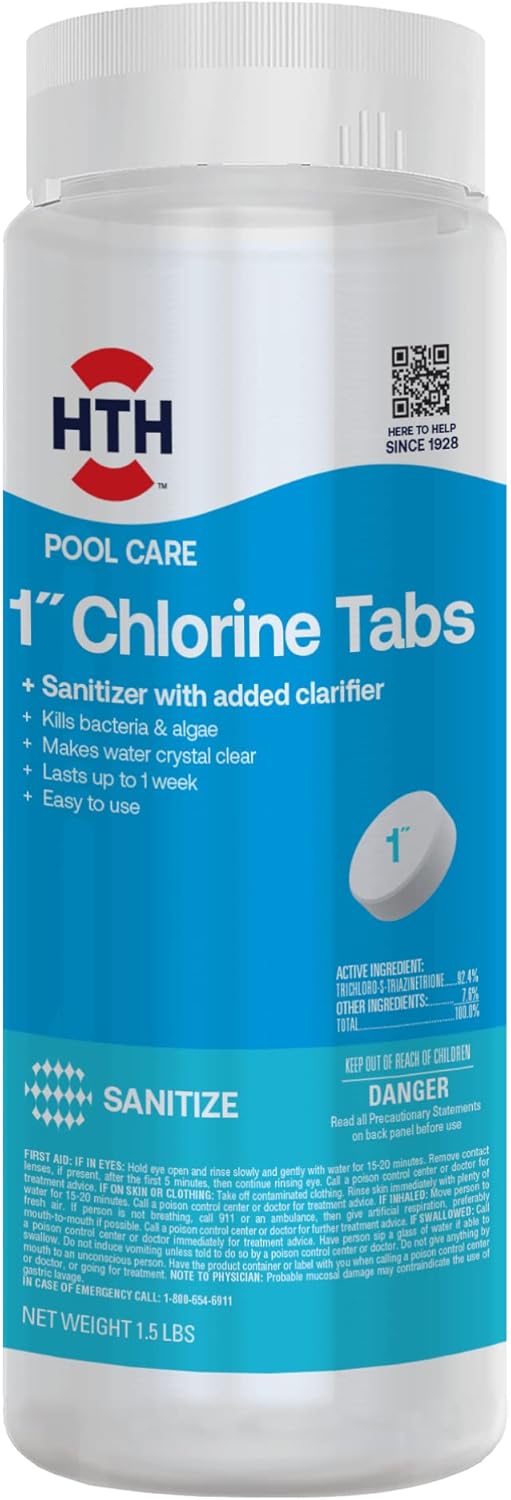
HTH 1" Chlorine Tablets
What it is: Smaller tablets for compact feeders or finer dosing control.
Why you need it: Same CYA rules as 3" tabs—pick the size that matches your chlorinator.
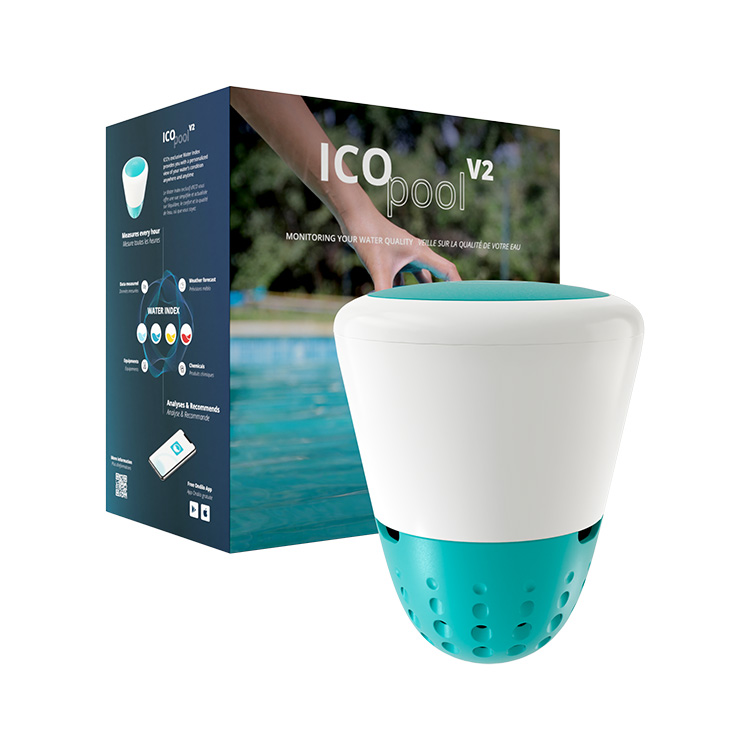
Ondilo ICO Pool Water Monitor
What it is: A floating smart monitor that samples pH, ORP (sanitizer effectiveness), and temperature on a schedule and sends trends to your phone.
Why you need it: You still need a real drop kit for parameters the ICO doesn’t replace (like TA and CYA), but hourly ORP/pH catches drift and dosing mistakes long before weekly strip checks do.
Read the full ICO review — Shop ICO direct (no Amazon listing for the hardware we run).
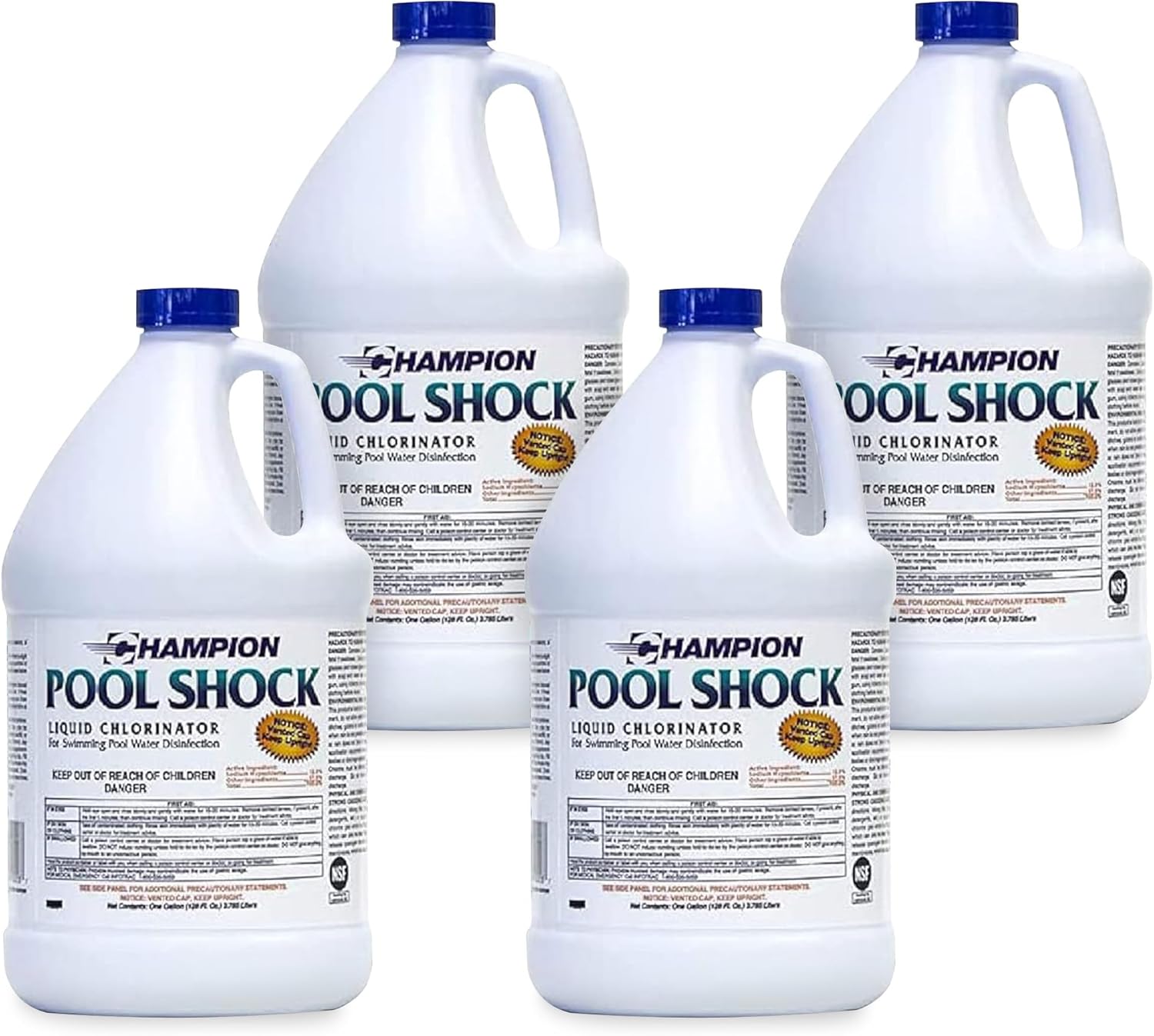
Champion Pool Shock (4 Pack)
What it is: A case of liquid pool chlorine (sodium hypochlorite)—not cal-hypo granules. Confirm strength on the listing and jug label (often around 10–12.5%).
Why you need it: Same upside as other liquid shock: no CYA from the product, easy to pour with the pump running—useful to keep stocked for openings, algae pushes, storms, or parties.
How to use: Treat it like any liquid shock (pour with circulation; big doses still work best at dusk). Store cool and shaded; opened jugs lose strength over time—plan to use them within a few weeks.
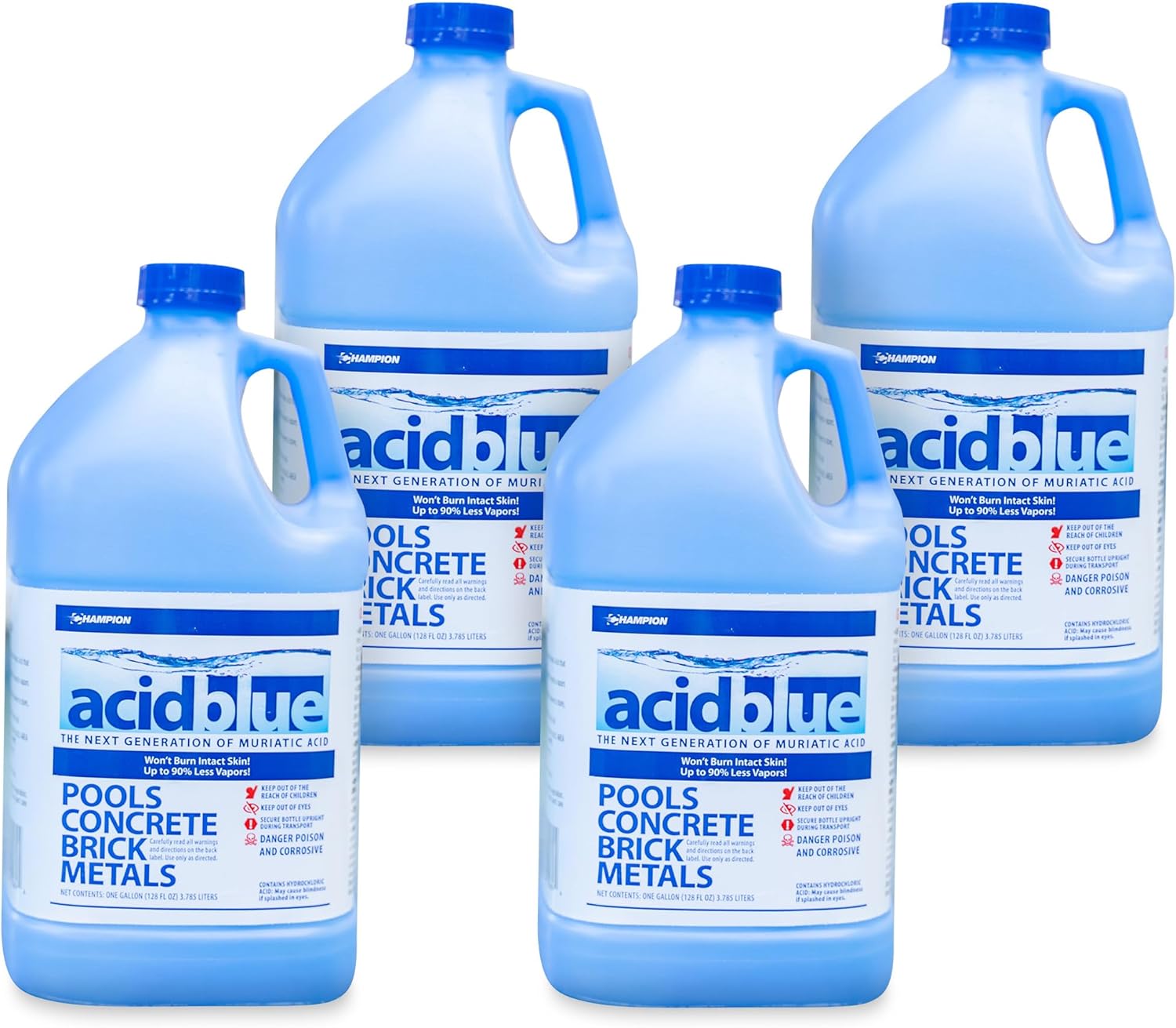
Champion Muriatic Acid
What it is: Dilute hydrochloric acid—standard for lowering pH and, with the right method, total alkalinity.
Why you need it: High pH destroys chlorine efficiency. Always follow the label; never mix acid with chlorine.
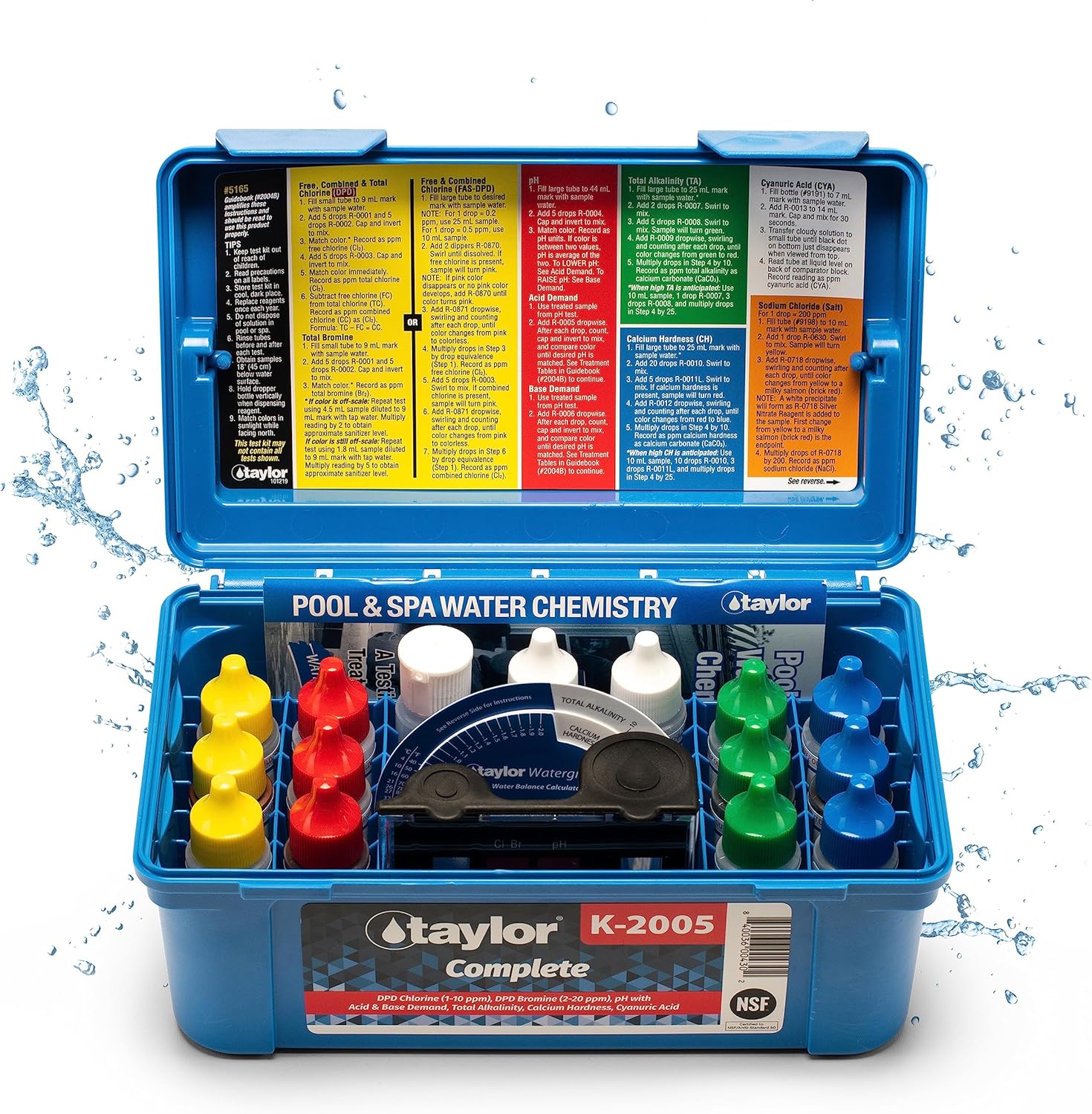
Taylor K-2005 Test Kit
What it is: A professional drop (titration) kit for chlorine, pH, alkalinity, calcium hardness, and cyanuric acid.
Why you need it: You can’t SLAM or balance blind—especially CYA, which handcuffs chlorine. This kit gives numbers you can trust, not strip guesswork.
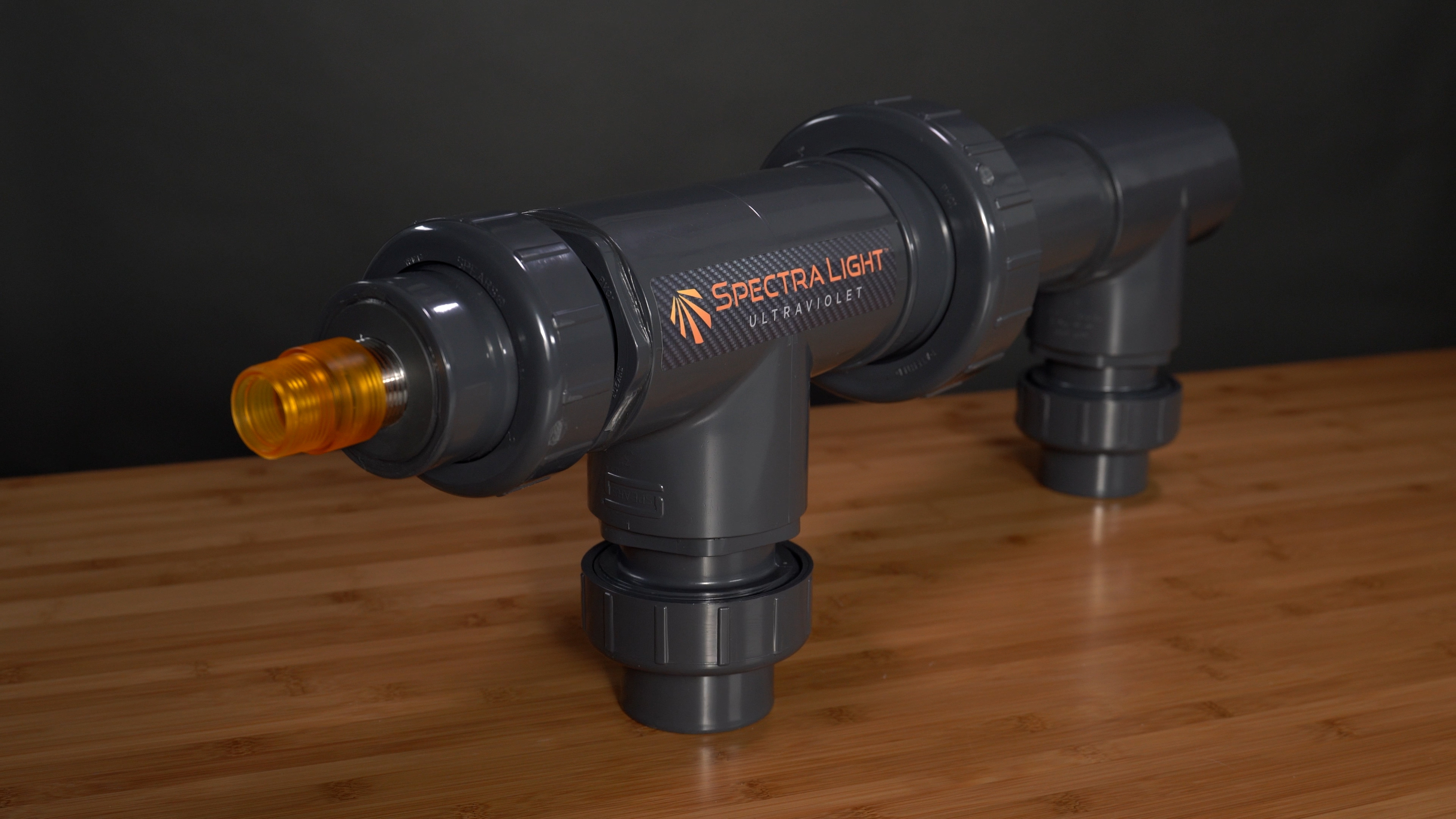
SpectraLight UV
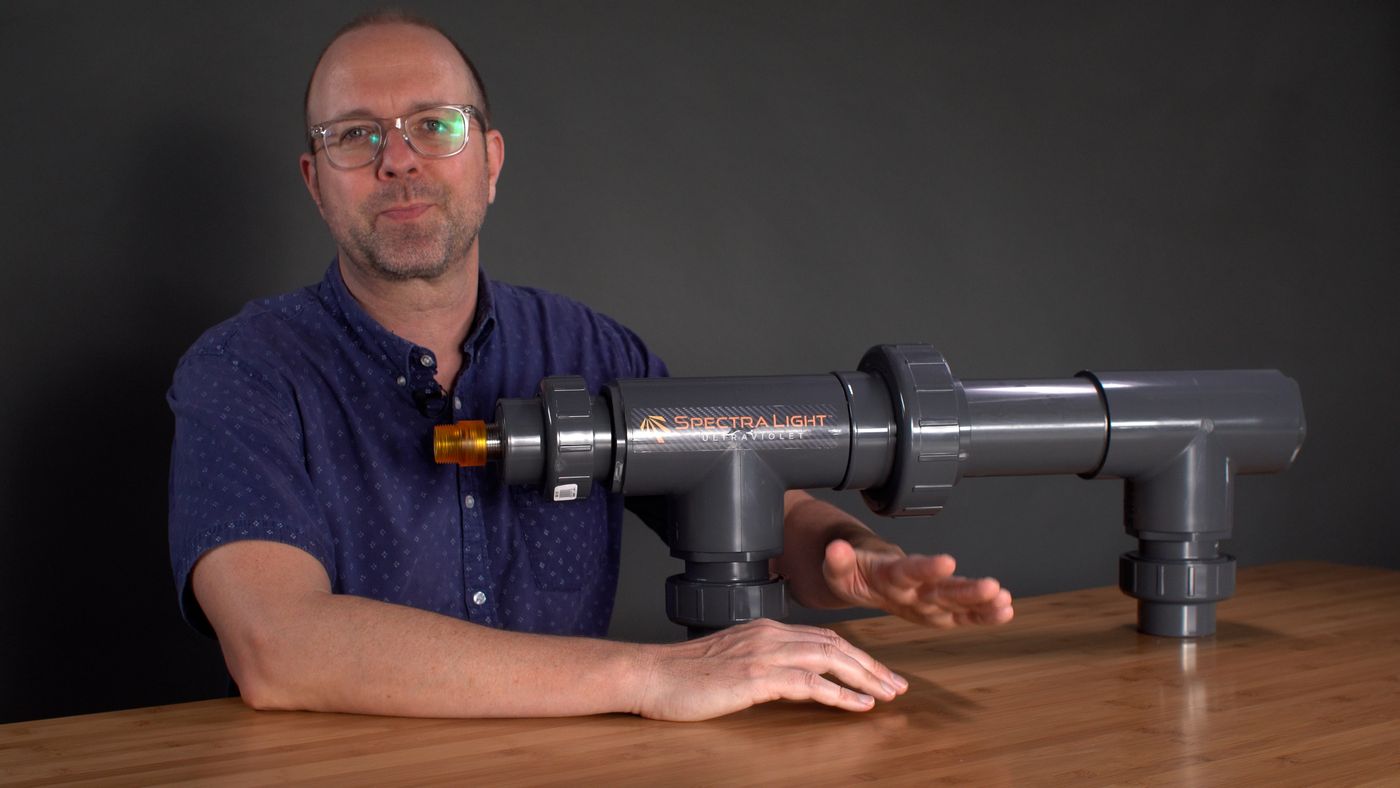
What it is: Inline UV-C on the return line—knocks down pathogens and helps with chloramines as water passes the lamp.
Why you need it: Cleaner water with less organic load means you reach for shock less often while staying comfortable. Read the full SpectraLight review for sizing and install notes.
What Chlorine Tablets Actually Are
So what are chlorine tablets? Most of the tabs you'll find—pool store, Costco, hardware store—are 3-inch trichlor pucks. Trichlor is short for trichloroisocyanuric acid (try-klor-oh-eye-so-sigh-uh-NUR-ik acid). It's a slow-dissolving, stabilized chlorine designed to release into your water gradually over several days.
That's the appeal. Drop a few in a floater, walk away, and let them do their thing.
But here's the distinction that matters: tablets are convenience chlorine, not precision chlorine. That single fact is the reason this article exists—and the reason so many people fight cloudy, green water all season long.
How Many Tablets Should You Use?
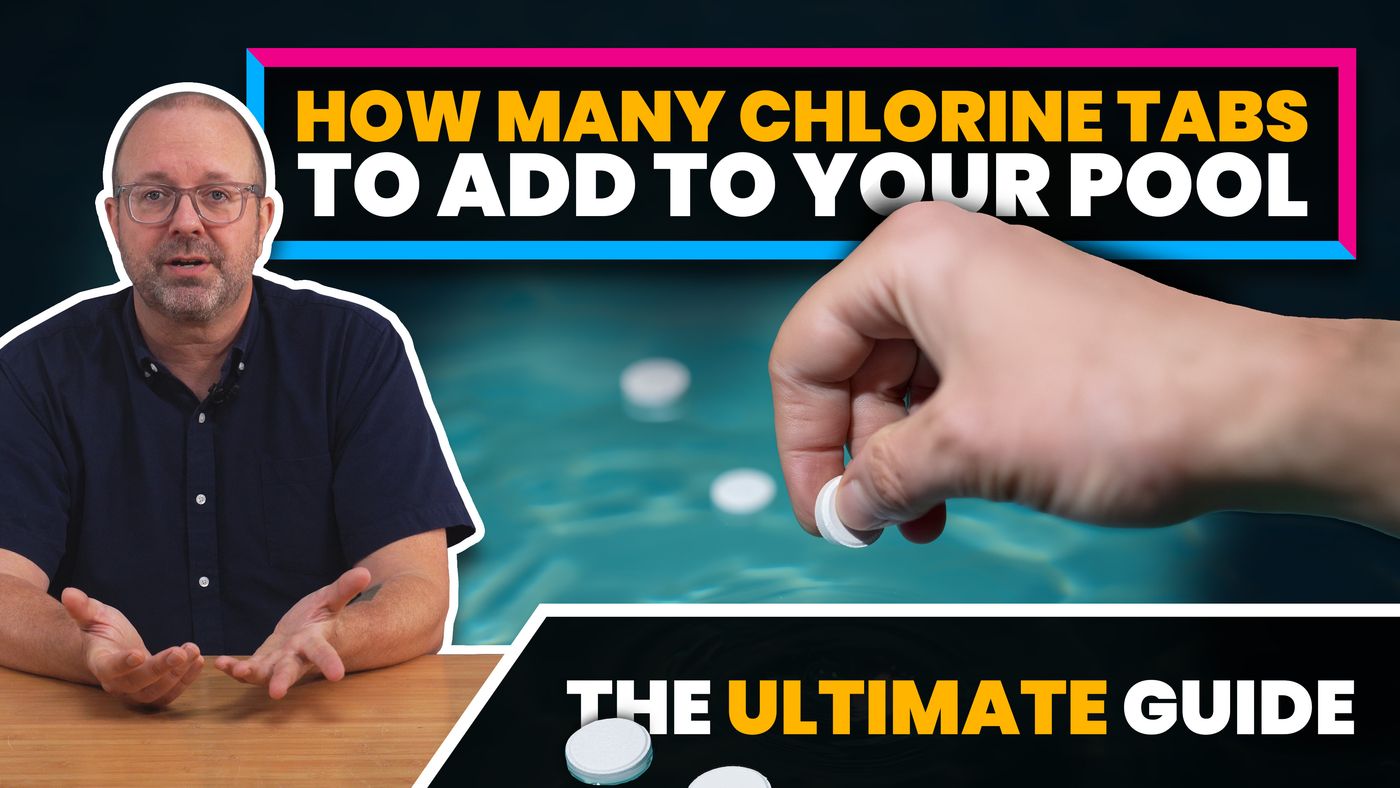
Let's answer the question you came here for. For standard 3-inch trichlor tablets, start here:
| Pool Size | Tablets | Frequency |
|---|---|---|
| 10,000 gallons | ~1 tablet | every 5–7 days |
| 20,000 gallons | ~2 tablets | every 5–7 days |
| 30,000 gallons | ~3 tablets | every 5–7 days |
The simple rule: about 1 three-inch tablet per 10,000 gallons every 5 to 7 days.
But this is where people get into trouble—those are starting points, not fixed recipes. Pool size, sun exposure, water temperature, bather load, and rainfall all change the equation. Most people just dump in the same number of tabs every week and never check what's actually happening to their water underneath.
That's the trap. If you don't know your exact volume, run it through my pool volume calculator first—every dosing decision depends on it.
Where To Put Your Tablets
This part is critical. Where you put your tabs matters way more than people realize. You've got three options—and two of them can quietly wreck your equipment.
Option 1 — Skimmer Basket (Don't Do It)
I see this all the time, and it's one of the worst things you can do. When your pump shuts off, super-acidic water just sits in your skimmer, your pump basket, your heater, and your plumbing. Over time, that acidic water eats your equipment from the inside out—heaters, gaskets, seals, all of it.
Option 2 — Inline or Offline Chlorinator
Better than the skimmer, because tabs only dissolve when water is flowing. But you're still stuck with imprecise dosing, and the tabs keep dissolving even when you don't want them to.
Option 3 — Floating Dispenser (Recommended)
This is what I recommend if you're going to use tabs. Even distribution, no equipment damage, and it's easy to pull out when you don't need it. Safest, easiest setup.
Pool Nerd Verdict
If you're using tablets, use a floater. Never the skimmer basket—and don't leave tabs sitting on the pool surface, where they'll bleach and etch.How Often To Add Tablets
The standard answer is every 5 to 7 days, depending on pool size, sun exposure, and how much you swim.
But here's the kicker: frequency isn't the real issue. What those tabs add to your pool is. And that brings us to the problem almost nobody warns you about.
The Real Problem: CYA Buildup
This is where tablets can get you into serious trouble.
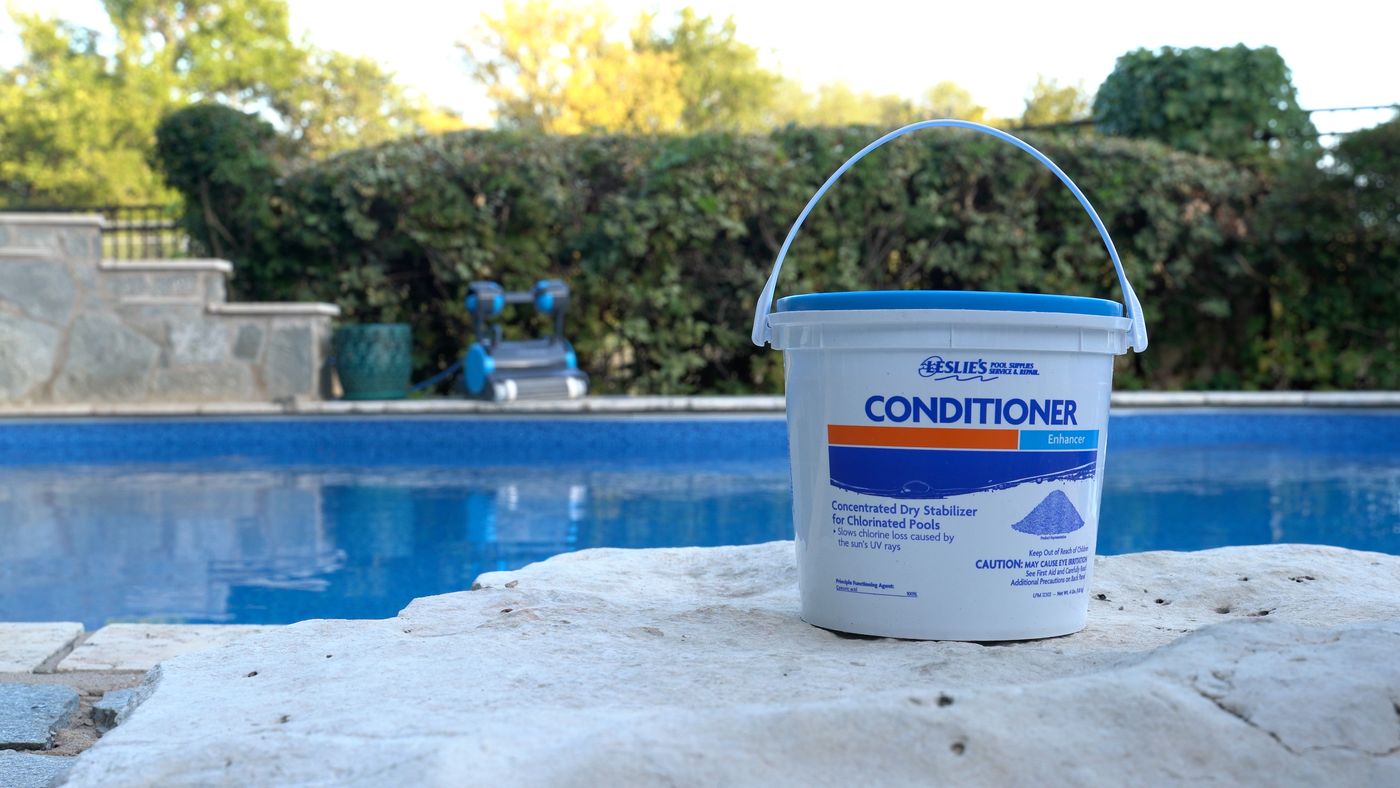
Every trichlor tablet you drop in your pool adds cyanuric acid—CYA for short. CYA is a stabilizer. Its job is to protect chlorine from the sun's UV rays so your chlorine doesn't burn off in a couple of hours. In the right amount, that's great.
The problem? Every tablet keeps adding more CYA. And CYA never leaves the water on its own. The only way to lower it is to drain and refill.
Simple Analogy
Think of CYA like a blanket over your chlorine. A little blanket protects it from the sun. Too much blanket suffocates it—the chlorine is in the water, but it can't do its job.Your target CYA is 30–50 ppm. Once you creep above 70–80 ppm, your chlorine starts getting locked up. Trichlor users: test your CYA regularly with a Taylor K-2005 kit before it sneaks up on you.
Chlorine Lock Explained
This is what people call chlorine lock—and it's one of the most misunderstood concepts in pool care.
Your test strip says 5 ppm of chlorine. Perfect, right? But your pool is cloudy. Algae keeps coming back. You shock the pool, and a few days later it's green again.
You can have plenty of chlorine in your pool and still have zero sanitizing power. That's chlorine lock, and it's almost always caused by CYA creeping above 70 to 100 ppm from too many tablets.
This is exactly why I focus on ORP—Oxidation-Reduction Potential—instead of chlorine ppm. ORP measures whether your chlorine is actually working, not just whether it's present. Olympic pools and commercial aquatic centers don't trust chlorine readings—they monitor ORP. The target range is 650 to 700 millivolts.
If you've got a green pool you can't seem to beat, my full guide on how to clean a green pool walks through the fix step by step.
The pH Problem
Then there's pH.
Trichlor tablets have a pH of around 2.8—that's roughly the pH of vinegar. Every tab you drop in your pool is essentially an acid bomb dripping slowly into your water.
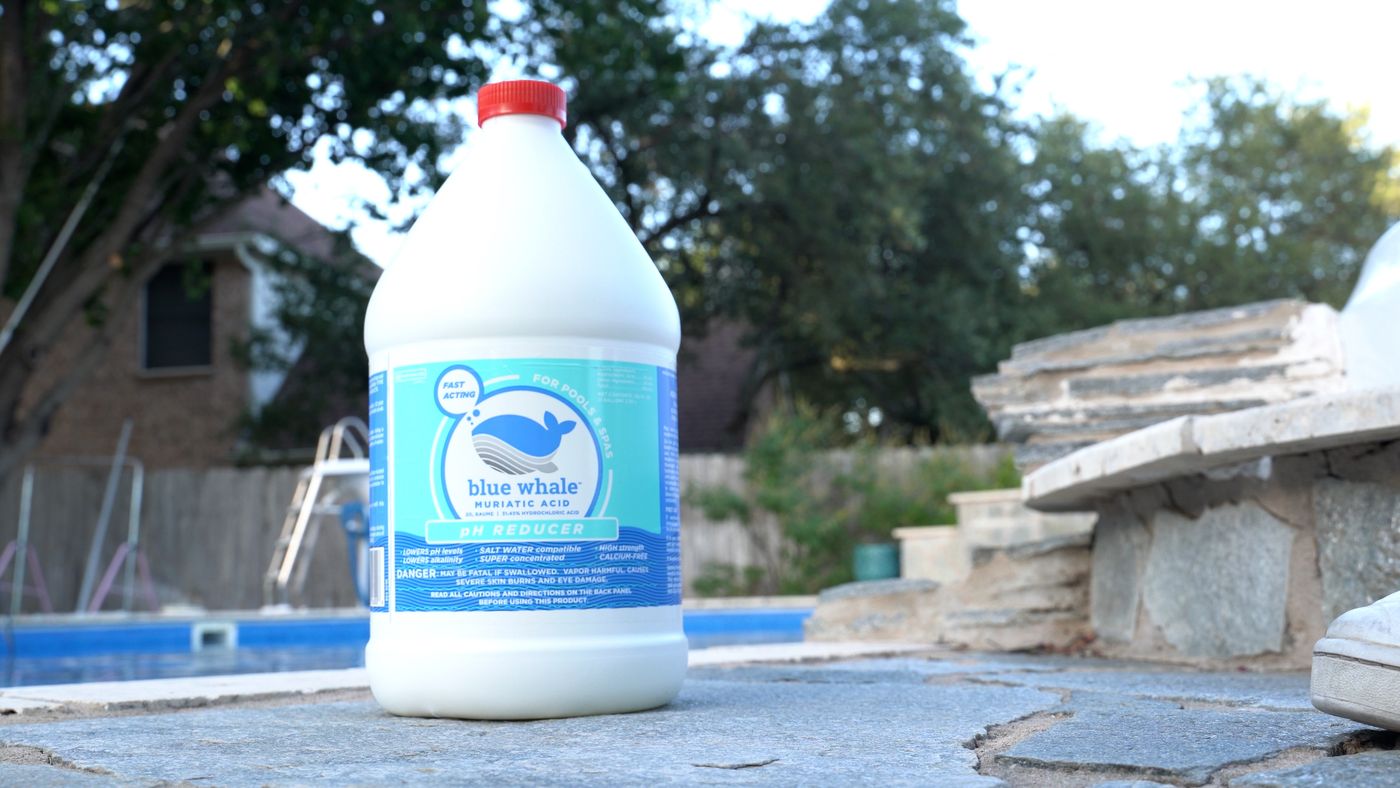
Use them long enough and you'll see it:
- pH constantly crashing
- Plaster etching on gunite pools
- Vinyl liners getting brittle
- Metal parts inside your equipment corroding faster than they should
That's not normal wear. That's tab abuse. If your pH won't hold, check out my guide on how to lower pool pH to understand the relationship between pH, alkalinity, and your tabs.
Signs You're Using Too Many Tablets
Here's a quick checklist. If you've got two or more of these, you're overdoing it:
- CYA above 70–100 ppm
- Chlorine reads fine, but algae keeps coming back
- pH constantly crashing
- You're shocking the pool every other week
- Water looks dull or cloudy even after maintenance
The answer? Don't use chlorine tablets for daily sanitation.
Tabs are fine for short-term situations—vacations, light shoulder-season maintenance, or a backup when you can't get to your normal routine. But they shouldn't be your main sanitizer. I don't use tablets as my primary chlorine source, and I haven't for years.
What I Use Instead
Here's the system that's kept my pool dialed in for over five years of testing.
Liquid Chlorine — Primary Sanitizer
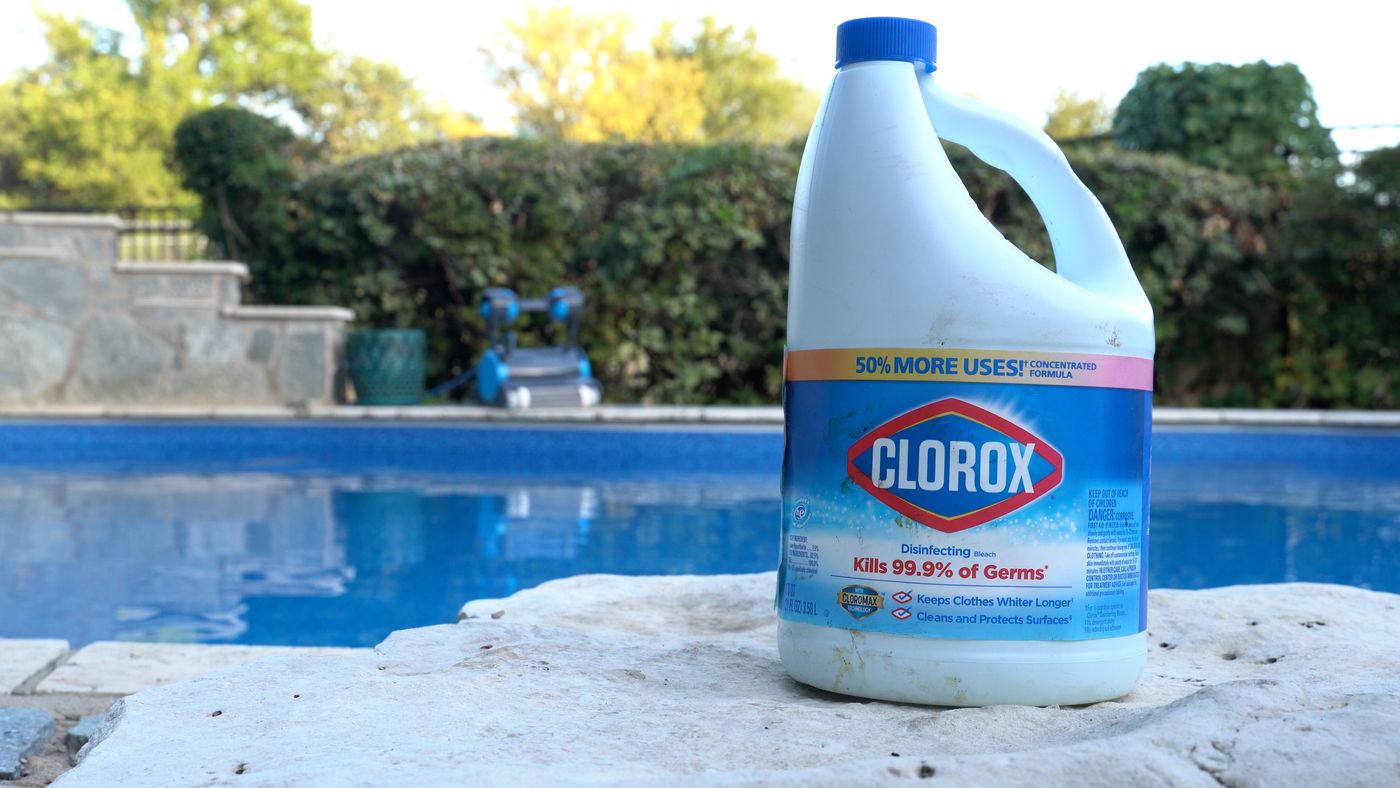
Fast-acting, zero CYA, precise control. No buildup, no chlorine lock, no surprise pH crashes. This is the foundation of the whole system.
Muriatic Acid — pH Control
Cheap, effective, and once you understand the dose, totally manageable. Always add acid before chlorine—never together. Not sure how much? My pool acid calculator gives you the exact amount for your pool.
Smart Pool Monitor — The ICO
This is the piece that ties it all together. The ICO sits in my pool 24/7 and tracks ORP and pH continuously, sending readings straight to my phone. Instead of guessing how much chlorine to add, I just look at my ORP and pH and adjust from there.
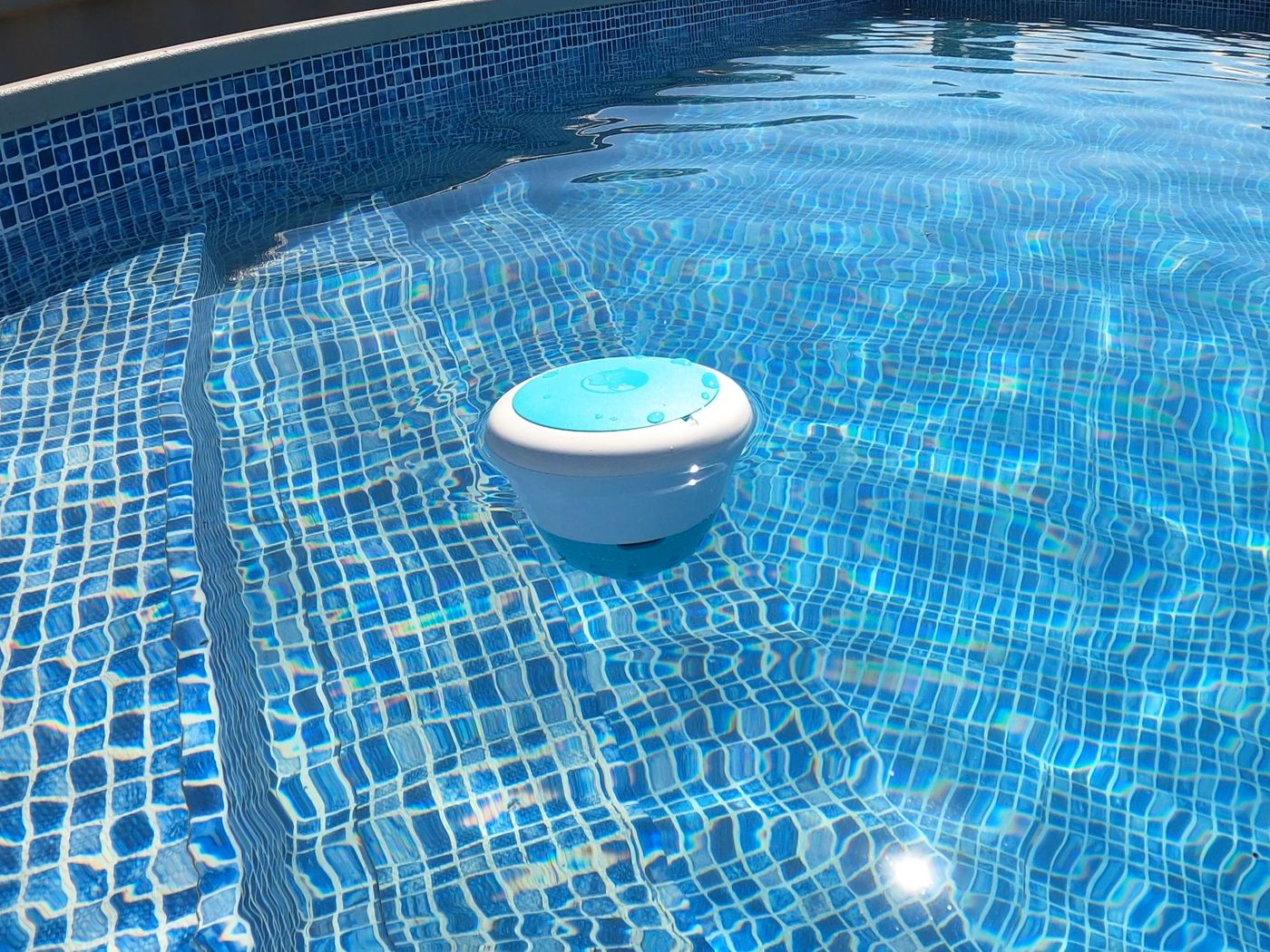
No more test strips. No more pool store trips. No more dumping in extra chemicals just to be safe. You can learn more at mysmartpool.com, and if you want to compare options, I rank them all in my guide to the best pool water monitors.
Optional Upgrade — Liquid Chlorine Doser
If you want true automation, a liquid chlorine injection system feeds your pool a small dose every day. Levels stay rock-steady—no more weekly chemistry swings. This is the endgame setup.Optional — UV Sanitation
If you want to reduce your chlorine demand even further, a UV system like SpectraLight UV kills bacteria, viruses, and algae before they reach your pool water. Lower chlorine demand, cleaner and gentler water—the same technology used in Olympic pools. Not required, but worth knowing about if you want the full setup.
Safety Reminders
Read Before Handling Any Pool Chemicals
Never mix chlorine and acid directly—that creates chlorine gas, which can seriously injure or kill you. Always read the label. Store tablets in a cool, dry place, never near other chemicals. And don't place tablets directly on pool surfaces—they'll bleach and etch.When handling chemicals, always:
- Add chemicals separately, with the pump running for proper dilution.
- Wait 15 to 30 minutes between adding different chemicals.
- Add chemicals to water—never mix them together beforehand.
- Use gloves and eye protection, and avoid inhaling fumes.
Frequently Asked Questions
How many chlorine tablets do I need for my pool?
About 1 three-inch tablet per 10,000 gallons every 5 to 7 days. So a 20,000-gallon pool needs roughly 2 tablets a week, and a 30,000-gallon pool needs about 3. Adjust up for heavy sun, heat, or bather load—and always confirm with a test.
Where should I put my chlorine tablets?
In a floating dispenser. Never in the skimmer basket—acidic water sitting in your equipment when the pump is off will corrode it. An inline or offline chlorinator is acceptable, but a floater is the safest and easiest setup.
How often should I add chlorine tablets?
Every 5 to 7 days for most pools. But frequency isn't the real issue—what the tabs add to your water (CYA and acid) is what creeps up on you over time.
Can I put chlorine tablets in the skimmer?
No. When the pump shuts off, super-acidic water sits in your skimmer, pump, heater, and plumbing, corroding your equipment from the inside out. Use a floater instead.
Why do chlorine tablets raise my CYA?
Trichlor tablets are stabilized with cyanuric acid (CYA). Every tab adds more, and CYA never leaves the water on its own—the only way to lower it is to drain and refill. Target CYA is 30–50 ppm; above 70–80 ppm your chlorine starts getting locked up.
What is chlorine lock and how do I fix it?
Chlorine lock is when you have plenty of chlorine but it has no sanitizing power—almost always caused by CYA above 70–100 ppm from too many tabs. No amount of shock fixes it. The only solution is to partially drain and refill to dilute the CYA. Test with a Taylor K-2005 kit to confirm.
Can I use only chlorine tablets to sanitize my pool?
You can, but I don't recommend it. Relying on tabs alone leads to CYA creep, pH crashes, chlorine lock, and equipment damage. Use tabs for backup and short-term situations—make liquid chlorine your primary sanitizer.
Do chlorine tablets lower pH?
Yes. Trichlor tabs have a pH around 2.8—about the same as vinegar. Used heavily, they constantly drag your pH down, which etches plaster, embrittles vinyl, and corrodes equipment.
What's the difference between 1-inch and 3-inch tablets?
Three-inch tabs dissolve more slowly and are best for larger pools and floaters. One-inch tabs dissolve faster and are better for smaller pools, spas, and certain feeders. Both are trichlor and both add CYA.
Final Verdict
So what's my final verdict? Add the right amount of chlorine tabs—but don't fully rely on them.
Look, chlorine tablets aren't evil. They have their place. But if you're leaning on them as your only sanitizer, you're going to run into problems: CYA creep, pH crashes, chlorine lock, equipment damage, and the most expensive problem of all—chasing chemistry issues with more chemicals.
Use tablets strategically. Don't rely on them daily. Focus on ORP, pH, and liquid chlorine—that's the system that actually works.
Safety Disclaimer: The information here is for educational purposes only. Handling pool chemicals, specifically muriatic acid and chlorine, involves significant risk of injury or property damage. Always read the manufacturer's labels and safety data sheets. Use this information at your own risk.
If you want to grab the ICO monitor, a quality floater, or any of the gear I actually use, head over to my deals page—that's where I post the best deals on the equipment that actually works. Until next time, keep nerding out, and I'll see you on the next one.