
 Justin D.
Introduction
You walked into the pool store with low chlorine. You walked out eighty dollars lighter with an armload of buckets, jugs, and "clarifier." And three days later? You're right back where you started, staring at the same test strip. Here's the thing—most of the time, low chlorine isn't a chlorine problem at all.
Hey there and welcome back to The Pool Nerd. I'm Justin, your resident pool aficionado. I've spent 5-plus years running real-world tests out of our test pool here in Texas. Today I'm going to show you how to raise your chlorine the right way—fast and cheap—and just as important, how to make it actually stay up. Let's dive in.
The Short Answer
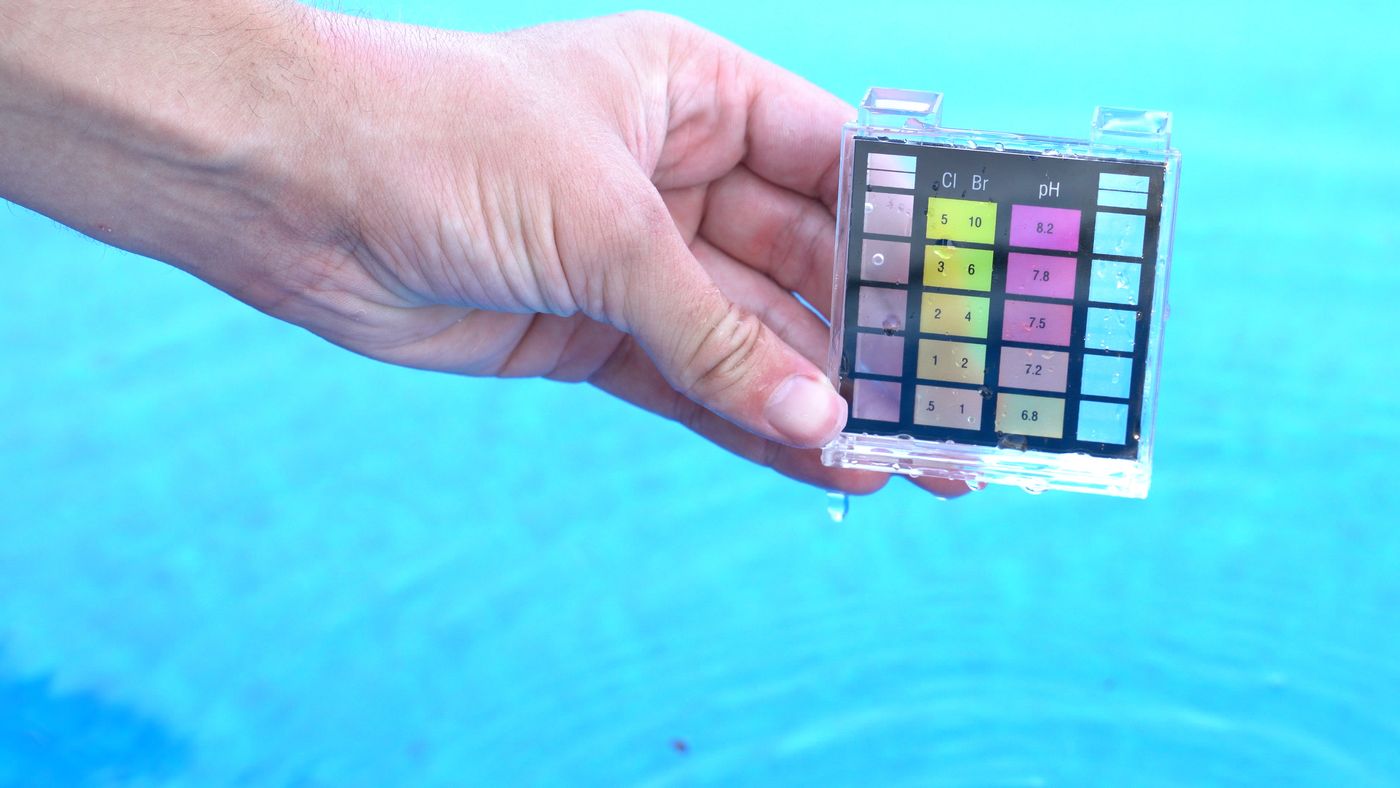
The simplest way to raise chlorine in your pool is to add liquid chlorine (sodium hypochlorite) with the pump running, ideally at dusk. Roughly 10–11 ounces of 12.5% liquid chlorine per 10,000 gallons raises your Free Chlorine (FC) by about 1 ppm. Test first, pour it in, circulate, retest in the morning. Done.
But before you pour a single drop, check the two numbers almost everybody ignores: pH and CYA. Those two decide whether your chlorine does its job or just evaporates into expensive nothing.
If you've seen my chart, you know your pool's chlorine becomes up to 80% less effective depending on your pH level. So it's super important to get your pH into the 7.0 to 7.4 range to maximize your chlorine's effectiveness. To do that, you may need to lower your pool's pH—I have a full guide on how to lower pool pH as well.
★ Pro Tip
The fastest way to "raise" chlorine is to stop destroying it. Dial in your CYA and pH first, and you'll need far less chlorine to hit the same sanitizing power. That's money back in your pocket every single week.
Shock Treatment: What You Need Checklist
Fix pH first (acid if high), then choose a shock that matches your pool—liquid, bagged packs, or cal-hypo granules.

Taylor K-2005 Test Kit
What it is: A professional drop (titration) kit for chlorine, pH, alkalinity, calcium hardness, and cyanuric acid.
Why you need it: You can’t SLAM or balance blind—especially CYA, which handcuffs chlorine. This kit gives numbers you can trust, not strip guesswork.

Ondilo ICO Pool Water Monitor
What it is: A floating smart monitor that samples pH, ORP (sanitizer effectiveness), and temperature on a schedule and sends trends to your phone.
Why you need it: You still need a real drop kit for parameters the ICO doesn’t replace (like TA and CYA), but hourly ORP/pH catches drift and dosing mistakes long before weekly strip checks do.

Champion Muriatic Acid
What it is: Dilute hydrochloric acid—standard for lowering pH and, with the right method, total alkalinity.
Why you need it: High pH destroys chlorine efficiency. Always follow the label; never mix acid with chlorine.

In The Swim pH Reducer (dry acid)
What it is: Sodium bisulfate (dry acid)—lowers pH (and can pull TA down when used in controlled steps).
Why you need it: Easier to handle and store than jugs of muriatic acid for small, precise corrections; still an acid—never mix with chlorine, follow the label, and retest after circulation.

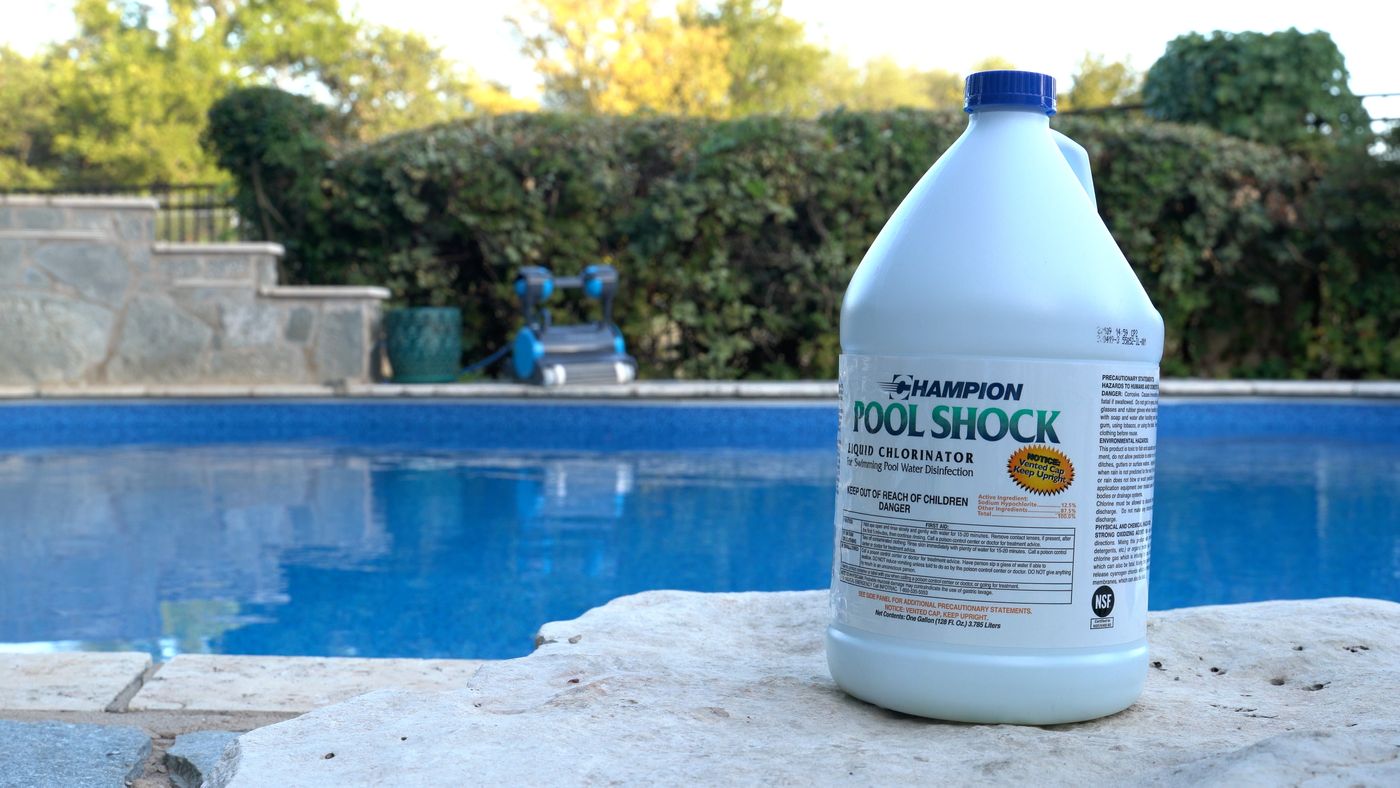
Champion Pool Shock (4 Pack)
What it is: A case of liquid pool chlorine (sodium hypochlorite)—not cal-hypo granules. Confirm strength on the listing and jug label (often around 10–12.5%).
Why you need it: Same upside as other liquid shock: no CYA from the product, easy to pour with the pump running—useful to keep stocked for openings, algae pushes, storms, or parties.
How to use: Treat it like any liquid shock (pour with circulation; big doses still work best at dusk). Store cool and shaded; opened jugs lose strength over time—plan to use them within a few weeks.

In The Swim Cal-Hypo Pool Shock
What it is: Calcium hypochlorite granular shock—high chlorine, adds calcium, no CYA.
Why you need it: Strong oxidizer for recovery and breakpoint; pre-dissolve; watch calcium if hardness is already high.

HTH Cal Hypo Pool Shock
What it is: Cal-hypo granular shock—same family as other cal-hypo products.
Why you need it: Alternative brand/size; compare % available chlorine and price per pound on the label.
Why Your Chlorine Won't Hold (The Part Pool Stores Skip)
"Chlorine lock" is a pool-store myth. The real story is the FC/CYA ratio and your pH. Get these two wrong and you can dump chlorine in all day with nothing to show for it.
CYA (cyanuric acid, a.k.a. stabilizer) is sunscreen for your chlorine. A little protects it from UV. Too much smothers it. The rule I live by: keep your FC at roughly 7.5% of your CYA.
There are two ways this goes sideways:
CYA too low (under ~30): the sun torches your chlorine in hours—you dose in the morning, it's gone by happy hour. Fix: add stabilizer to bring CYA into the 30–50 range (60–80 for saltwater pools).
CYA too high (over ~80–100, usually from tabs): your chlorine gets sluggish relative to demand. You keep adding, and it never feels like enough. Here's the kicker—there's no chemical that lowers CYA. You can't unring this bell. The only real fix is a partial drain and refill—here's how to lower CYA the right way.
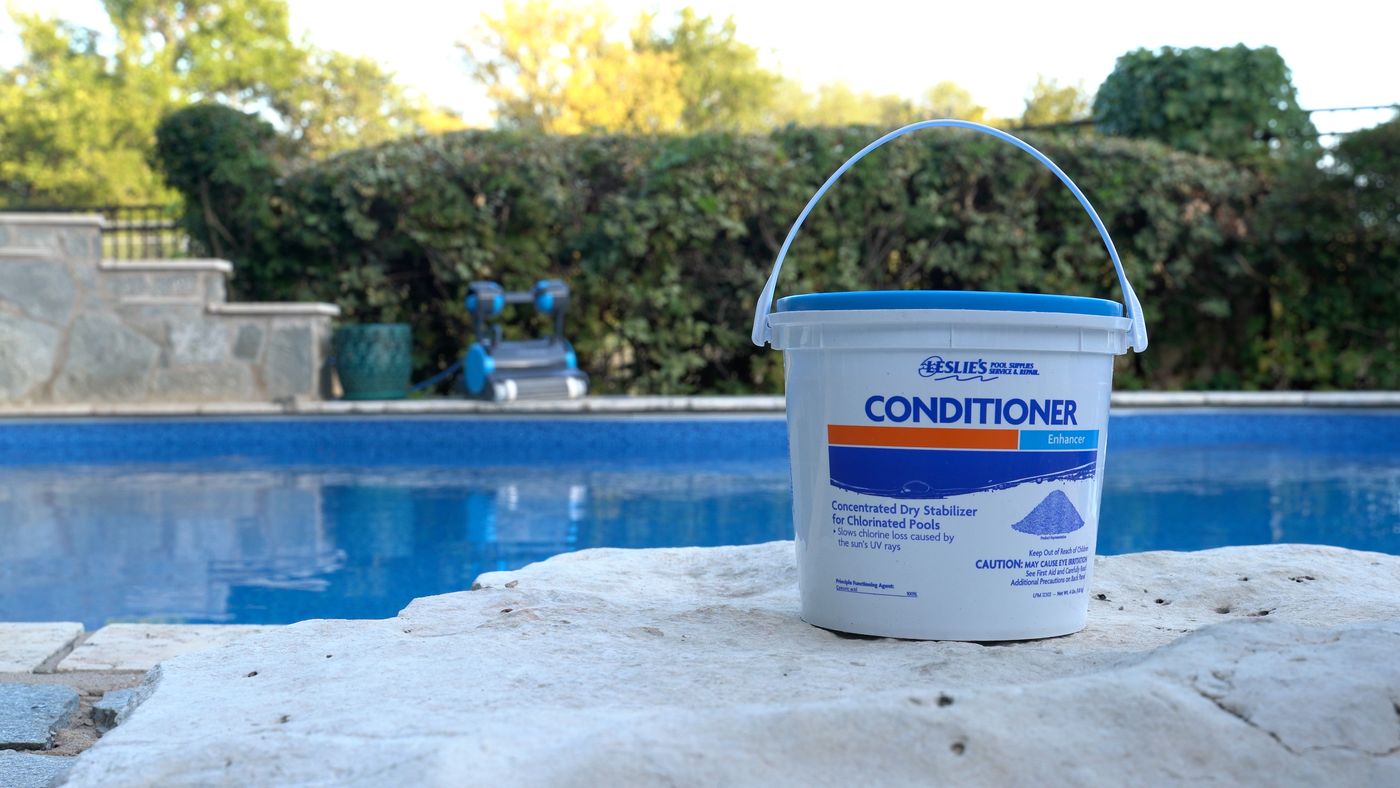
If you're running trichlor tabs in a floater, you're adding CYA to your water every single day. In my experience, that's the number-one reason chlorine "stops working." Switch to liquid chlorine to shut off the CYA creep at the source.
The FC/CYA Target Chart
Here's the quick-reference target. Find your CYA reading, then keep your Free Chlorine at or above the matching number:
| CYA (ppm) | Minimum FC to aim for (ppm) |
|---|---|
| 30 | 2–3 |
| 40 | 3 |
| 50 | 4 |
| 60 | 4–5 |
| 70 | 5 |
| 80 | 6 |
Always dose to your FC/CYA target, not some random fixed number. Don't know your pool's volume? Start with our pool volume calculator so your dosing math is accurate.
pH: The Hidden Chlorine Killer
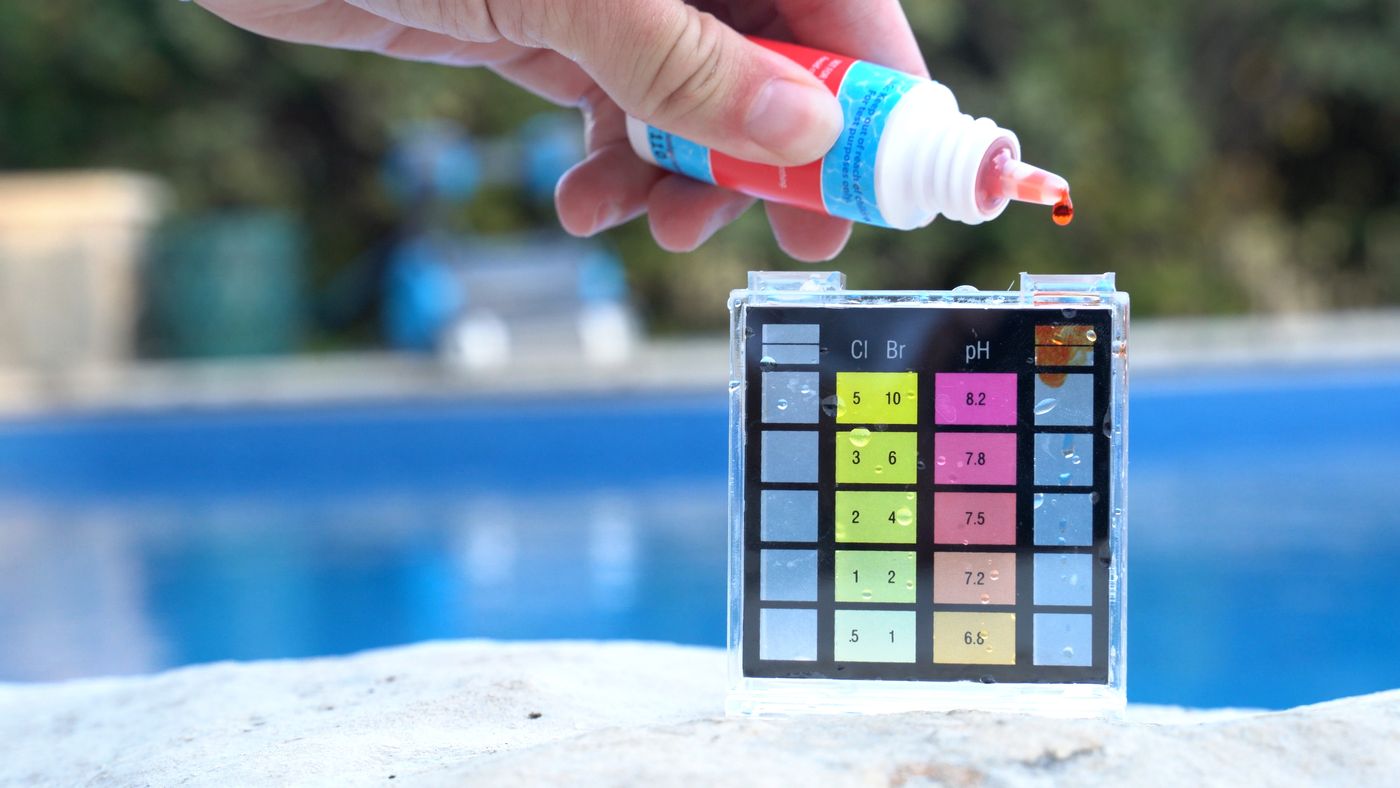
At a pH of 7.0, about 80% of your chlorine is active HOCl—the form that actually kills things. At 7.5 you're down to ~50%. At 8.0 you're at ~20%. So a "perfect" 3 ppm reading at pH 8 is doing almost nothing.
Get pH into the 7.0–7.2 Power Zone before you chase the chlorine number up. If your pH is high, fix it first with my guide on how to lower pool pH.
Here's the thing about a standard chlorine test: it tells you how much chlorine is present in the water, not whether that chlorine is actually working. That's where ORP comes in—Oxidation-Reduction Potential, the real measure of your water's killing power. It's the professional gold standard, and the target is 650–700 mV. A continuous monitor like the ICO by Ondilo is the easiest way to actually see it.
Which Chlorine Should You Use?
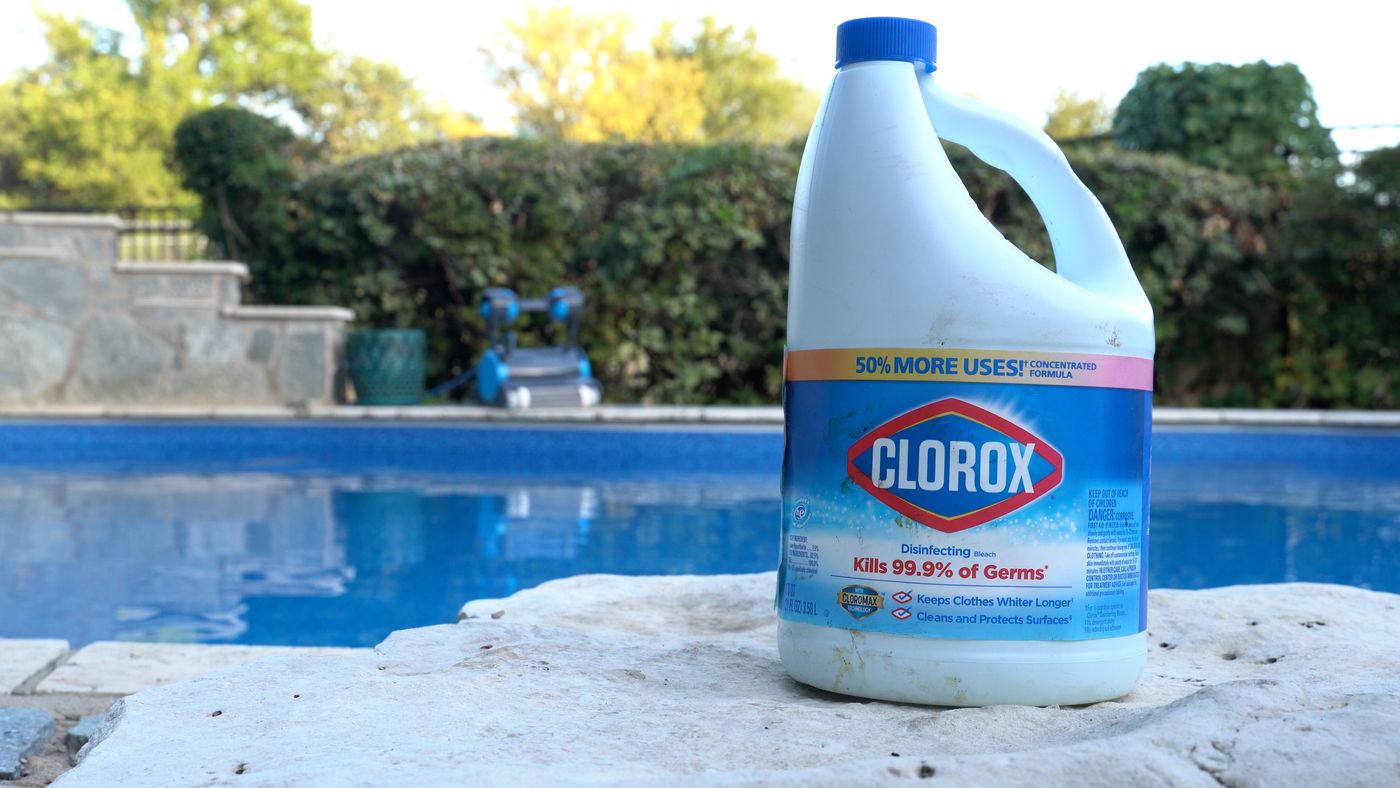
Liquid chlorine — my pick. No CYA added, no calcium added, fast-acting, and the cheapest option per ppm. The only catch: it's heavy and has a short shelf life. Buy it fresh, store it cool and out of the sun, and use it within a few weeks.
Cal-hypo — fine in the right pool. Powerful at 65–73% available chlorine, but it adds calcium, so skip it if your calcium hardness is already high. It also has to be pre-dissolved in a bucket first.
Don't use these to raise everyday FC: dichlor and trichlor. Both dump CYA straight into your water—dichlor as granules, trichlor as tabs. Use them to chase your chlorine up and you'll spike your CYA and build the exact lock problem we just covered. For routine chlorine raising, that's a dead-wrong move.
For the application instructions and side effects of all four forms, see my complete guide on how to add chlorine to your pool.
Liquid chlorine + ORP/pH monitoring + solid filtration. The cleanest, cheapest way to keep your chlorine exactly where it belongs.
✕ Pool Nerd Disapproved
Leaning on trichlor tabs or dichlor as your daily chlorine source. Convenient today, CYA creep and "locked" chlorine tomorrow.
How Much Chlorine To Add
Use this to raise your FC by 1 ppm per 10,000 gallons. Multiply by how many ppm you need and by your pool size:
| Chlorine product | Amount per 10,000 gal (per 1 ppm) |
|---|---|
| 12.5% liquid chlorine | ~10–11 fl oz |
| 10% liquid chlorine | ~13–14 fl oz |
| Cal-hypo, 73% | ~2 oz by weight |
| Cal-hypo, 65% | ~2.5 oz by weight |
Worked example: a 15,000-gallon pool sitting at 1 ppm FC, and you want 5 ppm—that's a 4 ppm jump. With 12.5% liquid: about 10.5 oz × 4 ppm × 1.5 (your pool is 1.5× of 10,000) ≈ 63 oz, or just over half a gallon. Always dose to your FC/CYA target, not some random fixed number, and confirm your volume with the pool volume calculator.
How To Add It — Step By Step
Test FC, CYA, and pH. If pH is high, fix it down to 7.0–7.2 first.
Calculate your dose for your volume and your target FC.
Turn the pump ON for full circulation.
Add at dusk so the sun can't burn it off overnight.
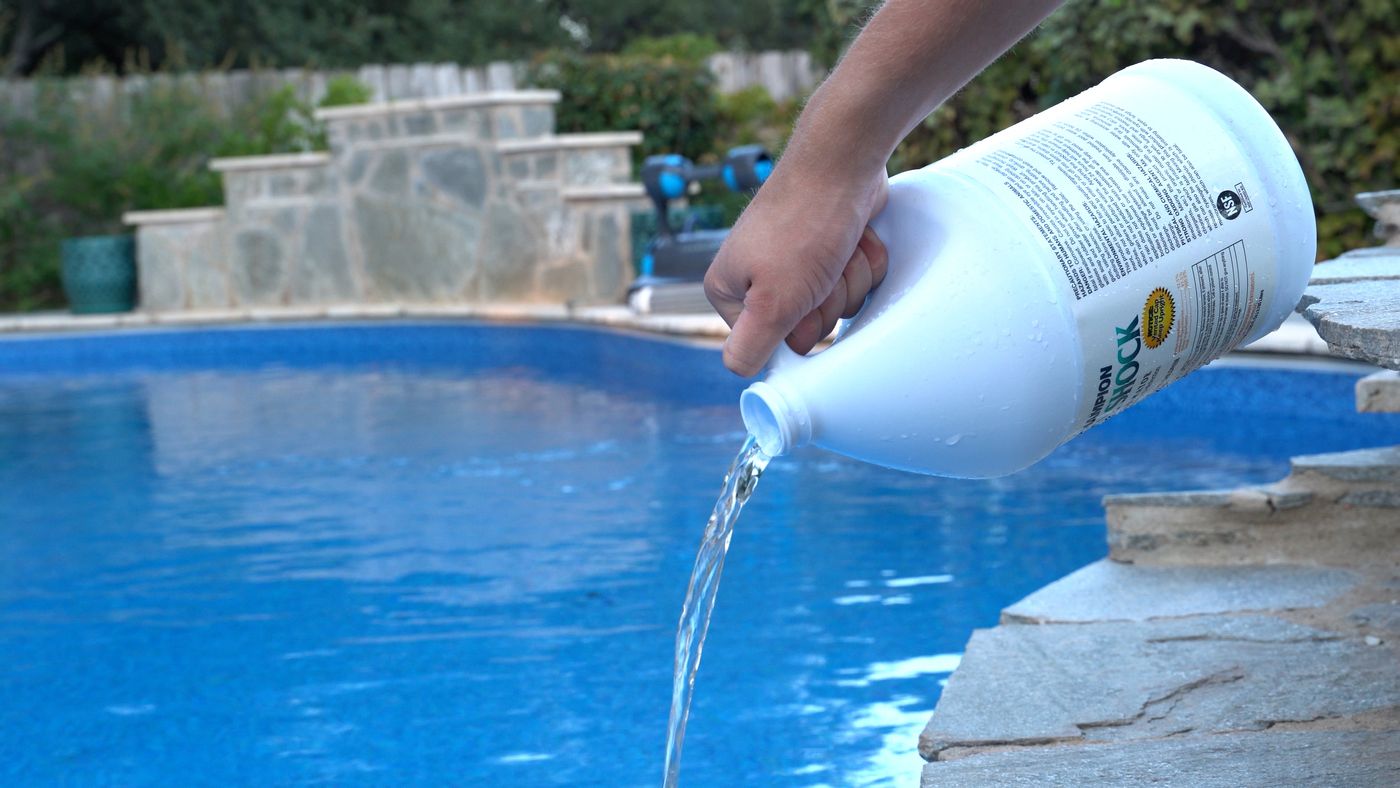
Pour it in the right way. Liquid: pour slowly around the perimeter, in front of the return jets. Cal-hypo: fill a bucket about three-quarters with pool water, slowly add the granules while stirring (chemical into water—never water into chemical), let it dissolve, then pour the solution around the perimeter.
Run the pump overnight (8+ hours). Brush the walls and floor to help it mix.
Retest in the morning and adjust if needed.
Never pour cal-hypo granules straight into the pool. They sink, sit, and bleach vinyl liners or etch plaster. I've watched people ruin a liner this way. Pre-dissolve. Always.
Why It Keeps Dropping
If your chlorine won't stay put, the usual suspects are heat and sun (brutal when CYA is low), heavy bather loads, storms that dilute your water and dump in organics, and algae eating chlorine faster than you can add it.
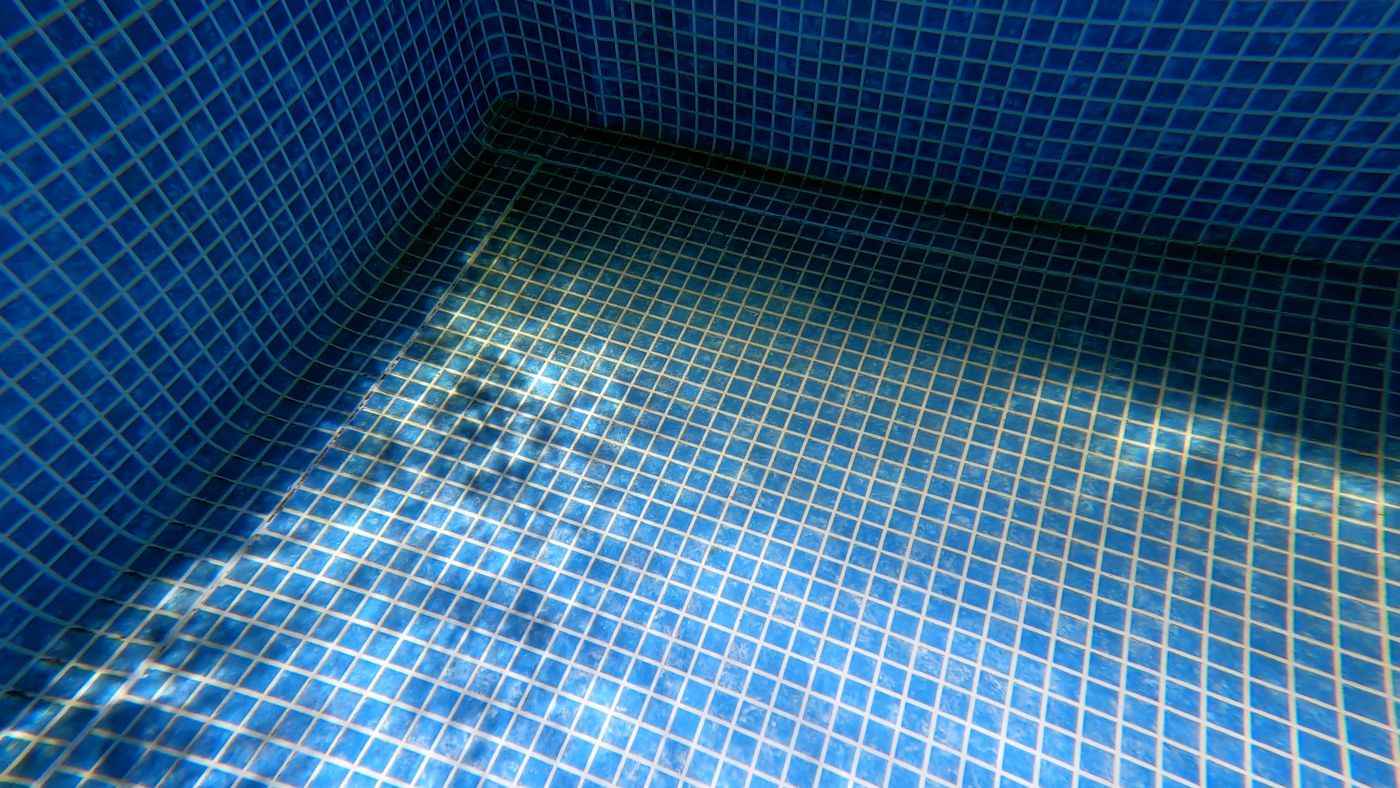
Here's the kicker: if your chlorine vanishes overnight, or the water's hazy or tinged green, you don't need a top-up—you need to shock your pool. If it's just cloudy, start with my guide on how to clear cloudy pool water. And remember the line I keep coming back to: most pools don't have a chlorine problem, they have an organic-load problem.
The Smart Setup
The ICO (or any pool water monitor) puts continuous ORP and pH on your phone, stops the over-dosing that drains your wallet, and usually pays for itself within a year. SpectraLight UV kills pathogens and chloramines inline—the same tech used in Olympic pools—and can cut your chlorine demand by 80–90%. Less demand means more stable chemistry and chlorine that finally holds.
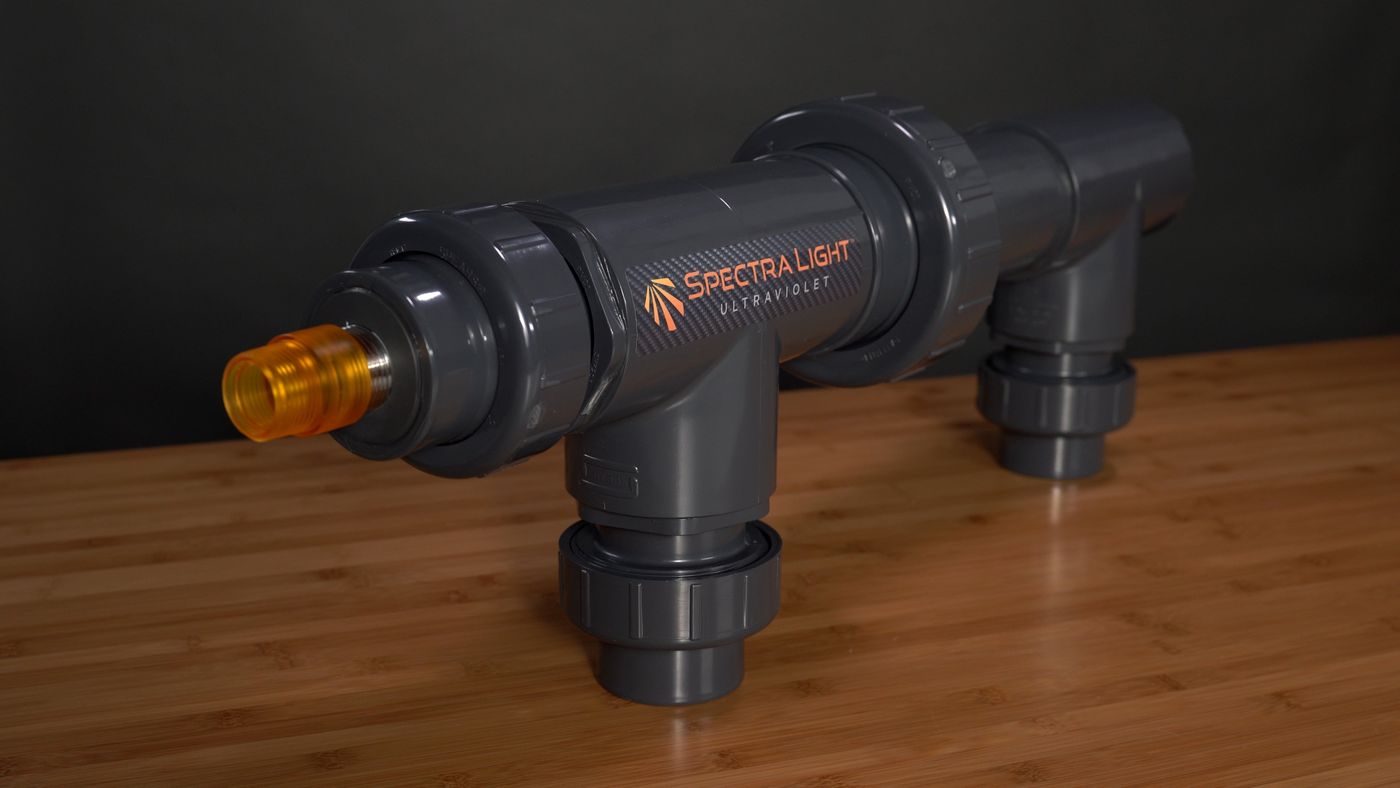
Read our full reviews: ICO Pool Water Monitor & SpectraLight UV
Frequently Asked Questions
How fast does liquid chlorine raise FC?
Almost immediately. It disperses fast and fully mixes within 30 minutes to an hour of circulation. Retest after the water has turned over.
Can I swim after raising my chlorine?
Wait until FC drops below about 5 ppm. For a small bump that's often just a couple of hours; for a big jump, give it overnight.
My chlorine reads fine but the water's still cloudy or green—why?
Your pH or CYA is sabotaging it, or your organic load is too high. Check pH and CYA first; if the water won't clear, it's time to shock.
Should I just use tabs to keep chlorine up?
Not as your main source. Tabs add CYA every day, and that's what eventually locks your chlorine. Liquid chlorine keeps FC up without the CYA creep.
My Final Verdict
So what's my final verdict on how to raise your chlorine?
- Test first. Know your FC, CYA, and pH before you touch a jug.
- Fix pH. Get it to 7.0–7.2 so your chlorine is actually active.
- Mind your CYA. Aim for FC at ~7.5% of CYA. Too low, the sun wins; too high, only a drain fixes it.
- Use liquid chlorine. ~10–11 oz of 12.5% per 10,000 gallons per ppm. Add at dusk, pump on, retest in the morning.
- If it won't hold, it's CYA, pH, or organics—not a chlorine shortage.
For a complete picture of how chlorine fits into your full water balance, check out our pool chemistry calculator and weekly pool maintenance guide.
Want a smarter setup like the ICO or a SpectraLight UV system? Head over to my deals page at ThePoolNerd.com/Deals, where I post the best deals on top pool equipment and more.
Until then, enjoy that pool—I'll see you next time.


Comments
Loading comments…