
 Justin D.
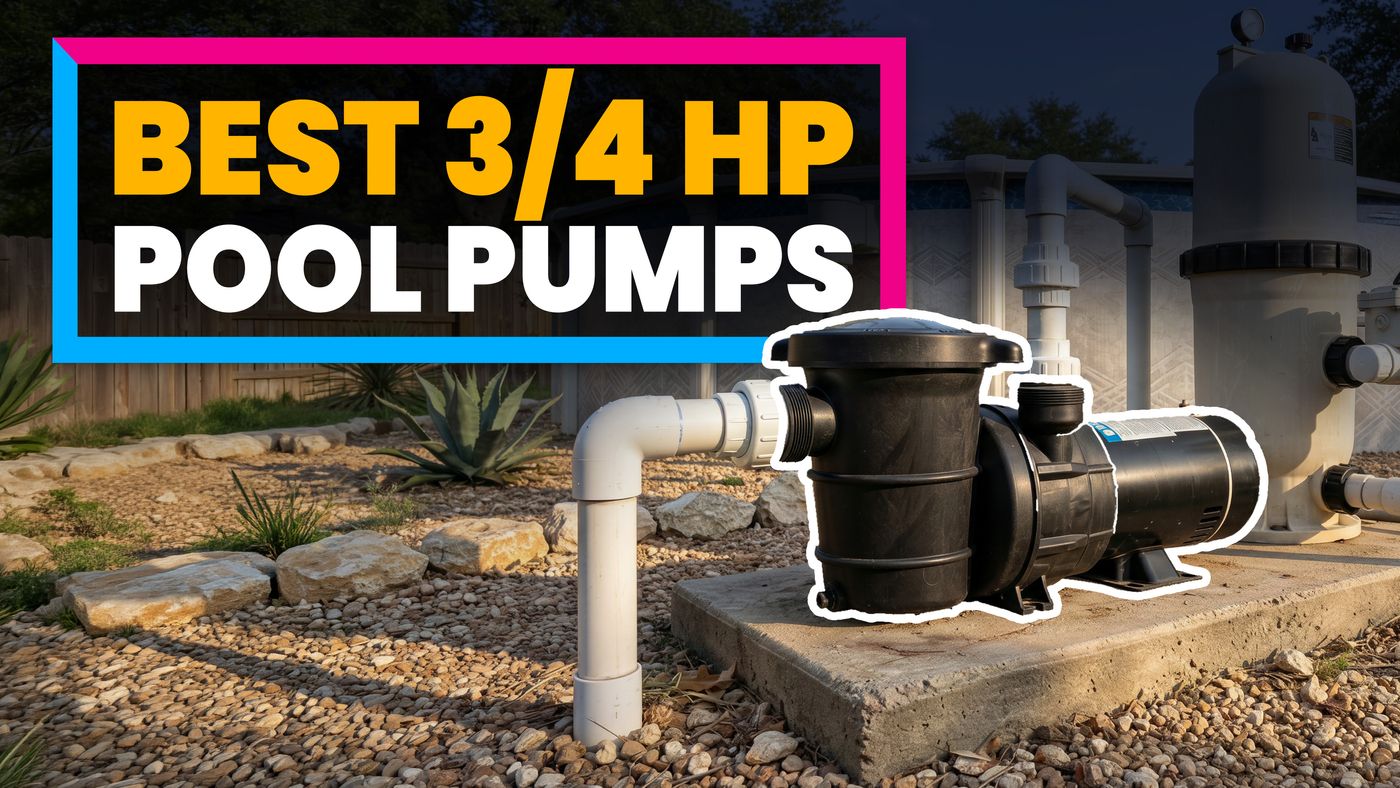
Your pressure cleaner stops making its rounds, so you search for a replacement ¾ HP pump. Alongside the familiar little booster, you find pumps with big strainer baskets. The horsepower matches, but you're suddenly shopping for two different pieces of equipment.
Welcome to The Pool Nerd! This is where I'd start before comparing brands. A booster supplies a pressure-side cleaner, while the main pump moves water through your filter. Once you know which job needs fixing, the choices get much easier to follow.
For a compatible Polaris cleaner, my first pick is the PB4-60. I'd compare the Hayward W36060 for an existing Hayward booster setup and consider the Aquastrong PBP075 when its installed price and support make it a worthwhile saving.
If you're replacing the main filtration pump, I'd look at the Jandy FloPro FHPM.75 on a suitable inground pad. I'll also cover the older Pentair SuperFlo 340037, plus the connections and scheduling details I'd check before putting any of these pumps in the cart.
The cleaners these boosters feed are in my best pressure-side pool cleaners guide. If a main pump is what you need, the neighboring sizes are in my best 0.5 HP and best 1 HP pool pumps guides.
My 3/4 HP Pool Pump Picks at a Glance
My 3/4 HP Pool Pump Picks at a Glance


- Best overall pressure-cleaner booster is the Polaris PB4-60. The strongest reason to choose it is a compatible Polaris cleaner and an existing booster line.
- Best Hayward booster pump is the W36060. It deserves the first comparison when a Hayward 6060 is the pump you're replacing.
- Best value booster alternative is the Aquastrong PBP075. Its manufacturer identifies supported pressure cleaners and offers a clear model number to match.
- Best Jandy ¾ HP main pump is the FloPro FHPM.75 for an installation that suits its curve and single-speed operation.
- Best Pentair legacy match is the SuperFlo 340037 reference. Use that number when discussing an older ¾ HP SuperFlo installation.
Polaris PB4-60: Best Overall ¾ HP Booster Pump
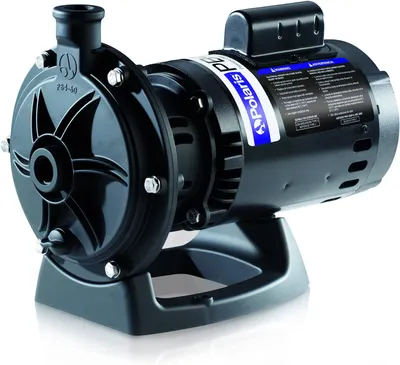
The PB4-60 is the one I'd put at the top of the list if a compatible Polaris pressure cleaner already does a good job in your pool. The cleaner, wall fitting and dedicated line form a working system. Replacing the booster with the model that belongs in that arrangement is often the most straightforward way to get back to cleaning.
The PB4-60 receives water from the filtration system and adds the pressure the cleaner needs. That gives you a separate cleaning window while the main pump continues handling the pool's filtration duties. Polaris identifies it as a ¾ HP booster and publishes model-specific installation and service information.
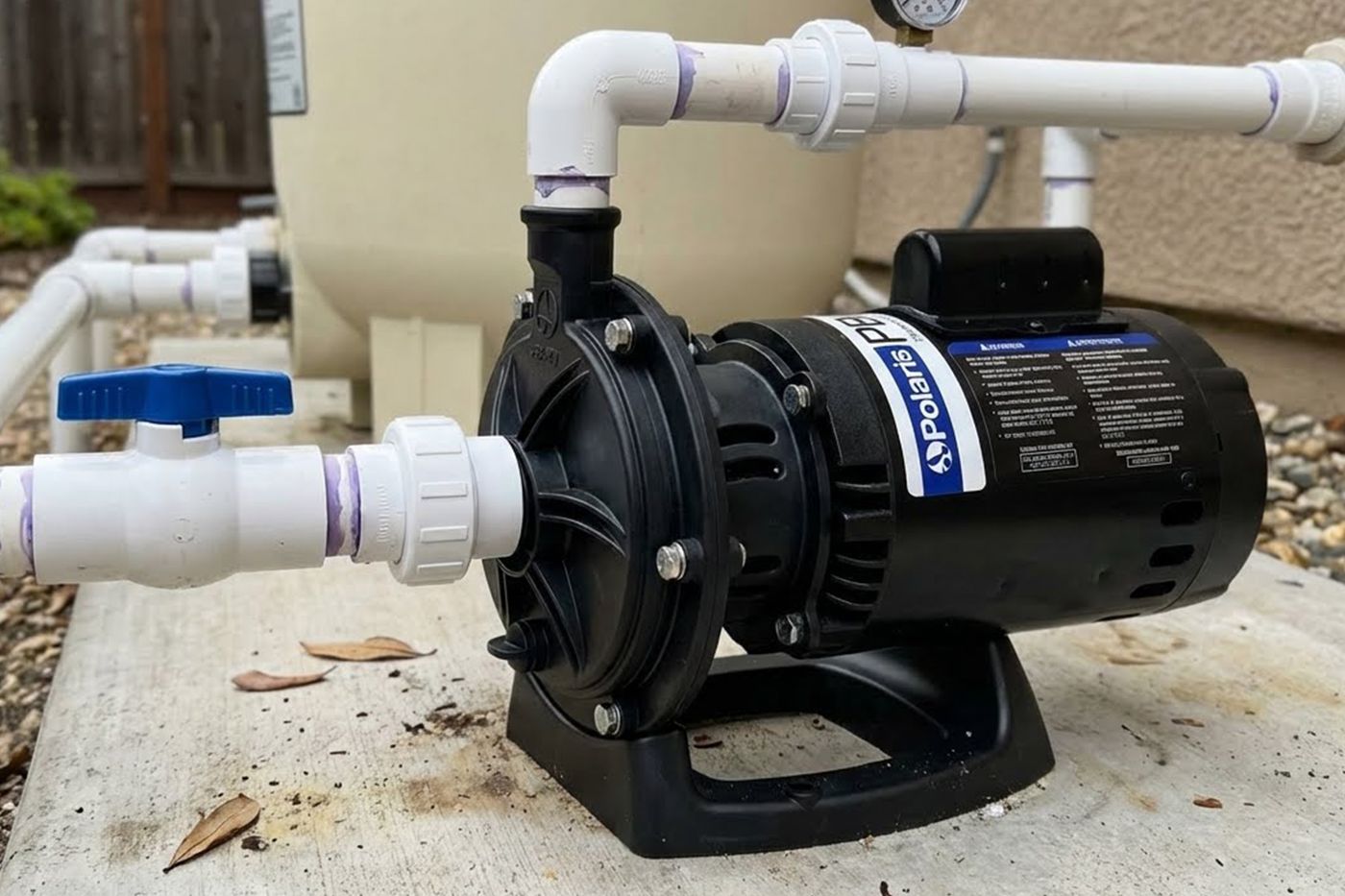
What I like most is the ability to make a precise comparison. You can look up the required installation, identify replacement components and compare the old connections with the new package. That's much more reassuring than trying to decode a listing that says it works with almost everything.
I would still diagnose the cleaner first. A blocked wall-fitting screen, a leaking hose or a worn cleaner component can cause poor movement even when the booster is operating. If the cleaner ran well until a hose split, a new pump is an expensive way to find out that the hose was the problem.
The other part of this purchase is scheduling. The booster needs the main filtration system supplying water whenever it operates. On a variable-speed main pump, the selected cleaning speed also needs to provide the booster with the water its installation requires. My variable speed pool pump schedule guide shows how to fit a cleaning window into the day.
Pros: A clear match for compatible Polaris systems, documented installation requirements and a readily identifiable model for service.
Cons: Requires a dedicated cleaner line and an appropriate water supply from the main pump. Cleaner troubleshooting may still be needed after a booster swap.
Who I'd buy it for: Someone who likes their existing Polaris pressure cleaner and needs to replace its booster with a clearly documented option.
Check the Polaris PB4-60 price.
See Polaris product information and manuals
Hayward W36060: Best Hayward ¾ HP Booster Pump
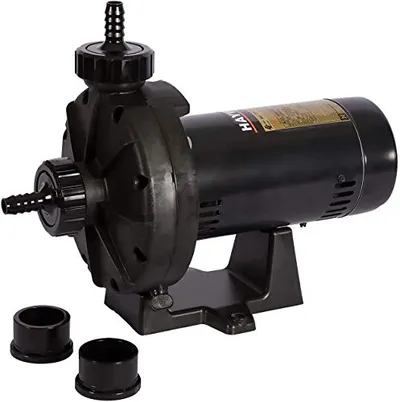
The W36060 earns its place because replacing an existing Hayward 6060 should begin with a close look at the same pump family. Compare the inlet and outlet arrangement, mounting space and hose connections before changing to a different design.
A booster replacement becomes more attractive when it preserves a cleaner system that already works well. If your cleaner covers the pool properly and catches the debris you deal with, restoring its water supply is a practical purchase. You don't have to rethink the entire cleaning setup because one motor has reached the end of its service.
The Hayward manual gives you the installation requirements for the 6060, including the electrical and plumbing details that matter for a replacement. I'd have those in hand before buying. Dual-voltage capability, where provided on the exact motor, still requires correct wiring for the actual supply.
I also want to know how the booster is controlled. A separate timer should agree with the main-pump schedule. If automation handles both pumps, make sure the cleaning program still calls for the necessary filtration speed after the replacement. A new booster can expose a schedule that was already marginal.
This would be my Hayward choice when the fit is favorable and local support is convenient. I'd compare its complete installed cost with the Polaris if both are suitable for the cleaner. The amount of plumbing work and the service arrangements can make a bigger difference than a modest shelf-price discount.
Pros: Worthwhile fit and service comparison for an existing Hayward 6060 installation. The manufacturer provides a dedicated installation manual.
Cons: Its performance still depends on the main system and the cleaner line. Buying the correct booster won't repair restrictions elsewhere in the plumbing.
Check the Hayward W36060 price.
Read Hayward's 6060 installation manual
The main pumps that feed this booster are in my best Hayward pool pumps guide.
Aquastrong PBP075: Best Value ¾ HP Booster Alternative
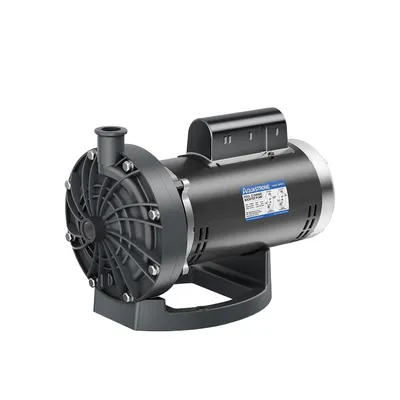
The Aquastrong deserves a look when restoring a pressure cleaner has to fit a tighter budget. Its manufacturer calls the pump PBP075 and names the Polaris Vac-Sweep 280, 380 and 3900 in its compatibility information. The listed supply options are 115V and 230V.
That model number is worth remembering. A shopping title may call it a PB4-60 replacement, but PBP075 is the Aquastrong product you'll use when asking about a seal, motor or warranty claim.
My approach here is simple. Compare the complete package and the service path before deciding how much value the lower price offers. Are the required connections included? Who handles a problem after delivery? Can you identify a replacement seal and obtain the instructions for the exact model?
I'd also compare the installation dimensions. A pump that costs less but needs different hoses, fittings and additional labor can end up close to the established-brand alternative. If it fits cleanly, supports your cleaner and has a clear service arrangement, the savings become more convincing.
I'd choose it for a compatible cleaner when those answers are satisfactory and the final price gives you a meaningful advantage. I would pay more for the Polaris if the price gap is small and the existing PB4-60 installation is already straightforward.
Pros: Manufacturer-stated compatibility with several common Polaris pressure cleaners and a specific model number for ordering and support.
Cons: The value depends on the complete installation and after-sale support. Confirm the fittings and replacement-parts path before buying.
Compare the Aquastrong booster price.
Check Aquastrong's cleaner compatibility
Jandy FloPro FHPM.75: Best Jandy ¾ HP Inground Circulation Pump
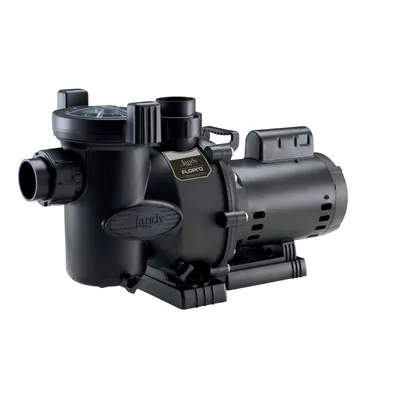
Jandy FloPro FHPM.75
Best Jandy ¾ HP Inground Circulation Pump
If the failed pump has a strainer basket and feeds your filter, this is where I'd turn the comparison. The FHPM.75 is a main circulation pump. Jandy's manual identifies it separately from the FHPM1.0 and lists the .75 version at 0.95 THP.
The FloPro's compact housing and adjustable base are useful when existing pipes leave little room to maneuver. The practical benefit is being able to compare the inlet height and footprint before cutting into plumbing. On a crowded pad, a few inches can decide whether the job is simple or awkward.
I'd consider the single-speed FloPro for an existing installation where the flow requirement is modest and the operating season is relatively short. The limitation is its one running speed. If your pool needs a long daily salt-chlorinator schedule, compare a suitable variable-speed pump over the expected years of ownership.
Jandy's buying channel also matters. The company's policy excludes online equipment purchases from its manufacturer warranty. I'd work through a Jandy professional who can confirm the exact configuration, install it correctly and put the applicable coverage on the paperwork.
Pros: Compact packaging, an adjustable base and manufacturer documentation help match an existing inground setup.
Cons: Single-speed operation offers limited control over daily energy use. Purchase channel and professional installation need to be included in the comparison.
Compare the FHPM models in Jandy's manual
The 1 HP FloPro and both VS FloPro models are compared in my best Jandy pool pumps guide.
Pentair SuperFlo 340037: Best Pentair Reference for an Older ¾ HP Installation
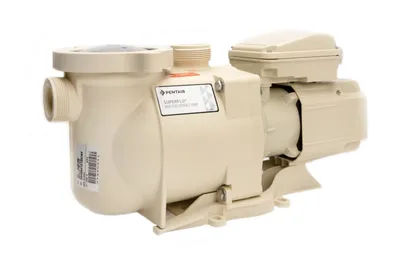
Pentair SuperFlo 340037
Best Pentair Reference for an Older ¾ HP Installation
The number to look for on an older ¾ HP SuperFlo is 340037. Pentair's original specification table identifies it as the SF-N1-3/4A, with 1½-inch ports and its own performance curve. Keep that part number when discussing a replacement.
This matters because the SuperFlo name covers several motors and generations. A current listing with the same housing style may have a different total horsepower rating or control system. I'd compare its curve with the old pump and confirm how the proposed replacement affects your filter.
If your existing SuperFlo maintained good flow and primed reliably, preserve that information. Tell the installer whether you use a heater, suction cleaner or salt cell, and whether those devices ran together. You want the replacement chosen around the duties the old system actually performed.
Pros: An identifiable legacy model makes it possible to compare fit and hydraulic performance with replacement choices.
Cons: Remaining old stock and similarly named current models require careful verification. The original model number is a reference for the decision.
See Pentair's original ¾ HP SuperFlo specifications
Current SuperFlo, WhisperFlo and IntelliFlo3 replacements are in my best Pentair pool pumps guide.
How to Choose a ¾ HP Pool Pump
Identify the job before the horsepower
Follow the pipes. A filtration pump draws water from the pool and pushes it through the filter. A pressure-cleaner booster receives filtered water and supplies the dedicated cleaner return. The pump's position in that route tells you which type you need.
Then identify the cleaner model if you're buying a booster. Some pressure cleaners operate with the pressure available from the pool's return system. Others require a booster. The cleaner manual is the place to confirm that requirement.
Check the main pump during cleaning
With a booster, the main pump's schedule becomes part of the purchase. A slow overnight filtration program may be useful for routine circulation, but the booster needs the supply specified for its installation during the cleaning window.
Polaris's PB4-60 instructions specify starting the booster at least 30 minutes after the filtration pump and stopping it at least 30 minutes before filtration ends when using a timer. Revisit both schedules when you change seasonal run times.
Read the Polaris installation and timer instructions
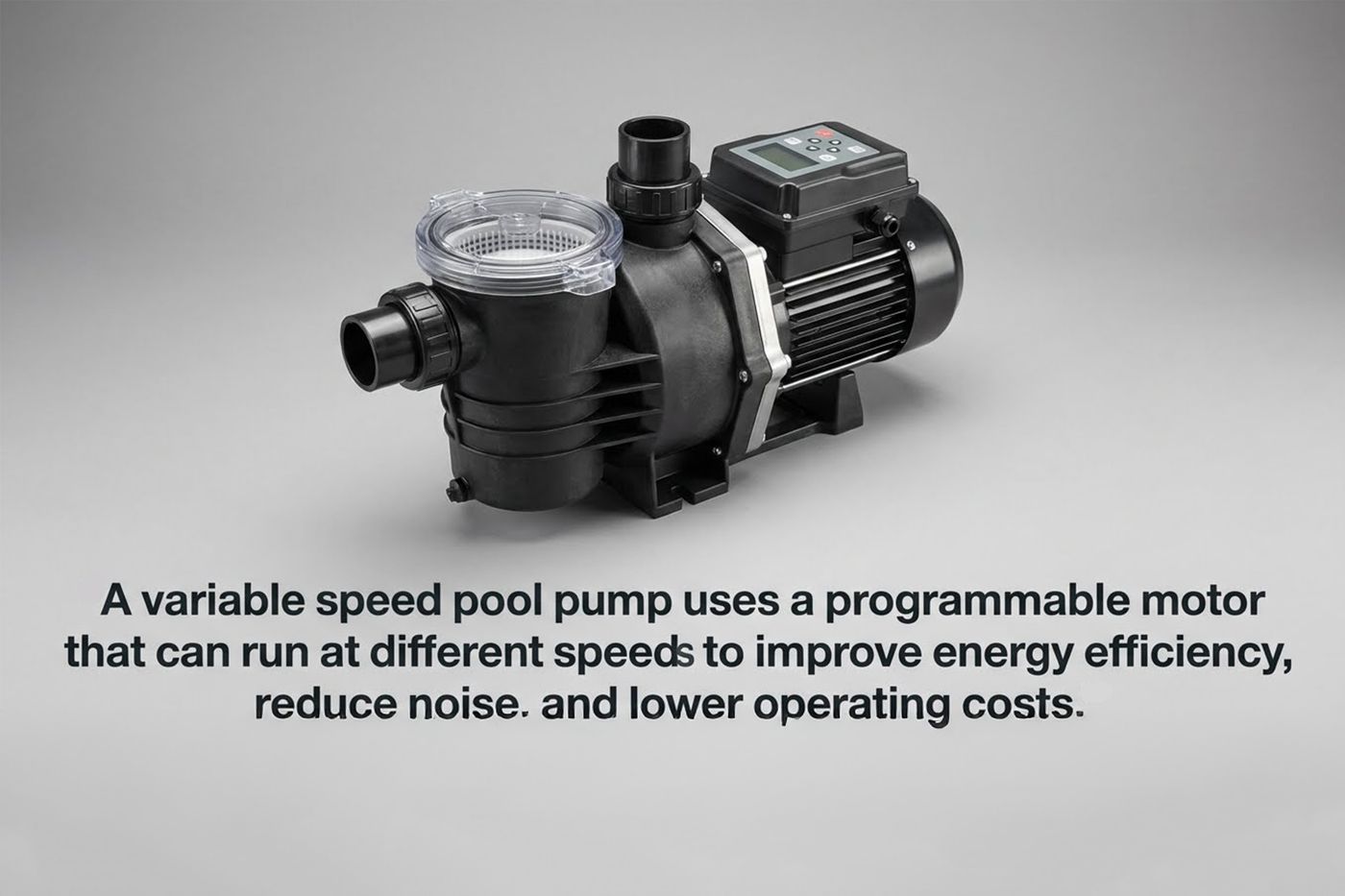
Compare voltage and connections
Photograph the existing motor label, electrical connection and inlet and outlet fittings. If the replacement can use more than one supply voltage, the motor still has to be configured correctly. Have an appropriately qualified installer handle the electrical work.
For plumbing, compare the fitting sizes, pipe centers and available service space. Leave room to access the pump and remove parts for maintenance. A matching photograph in a listing is a starting point, while dimensions settle the question.
Work out the total cost
For a main pump, compare the input watts at the flow you need and the hours you expect to run. For a booster, include the electricity used during cleaning and any higher main-pump speed needed to feed it.
A low purchase price can be attractive if you already own the cleaner, plumbing and controls. If you are building a pressure-cleaner system from scratch, compare that complete cost with your other cleaning options before committing. A robotic pool cleaner needs no booster or dedicated line at all.
Check the Cleaner Before Replacing Its Pump
I'd spend a few minutes reviewing what changed. Did the cleaner gradually lose movement, stop immediately after a hose repair, or slow down only after the main pump schedule was reduced? Those clues point to different parts of the system.
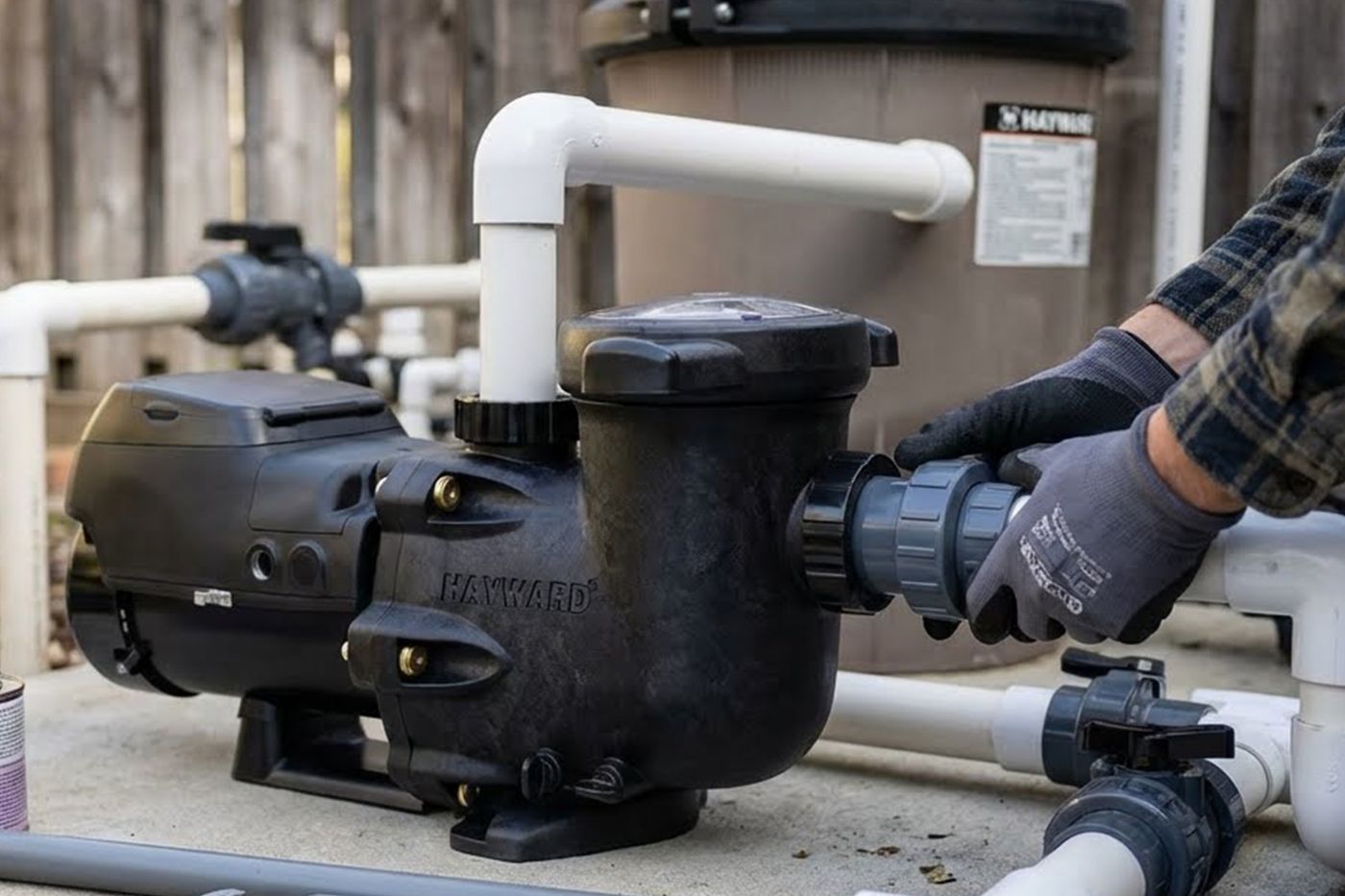
Use the cleaner's specified pressure or wheel-speed checks where its manual provides them. Inspect the wall-fitting screen and hoses, and have the service technician evaluate the booster if the supply remains weak. Restoring a working cleaner often starts with a small part, so a diagnosis can protect the budget you intended for a replacement.
Common ¾ HP Pool Pump Questions
Can a booster improve the flow through my filter?
A pressure-cleaner booster serves its dedicated cleaner line. If the skimmer or filter flow is weak, investigate the main circulation system. Check the baskets, filter, valves and signs of suction-side air before choosing a replacement main pump.
Can I run a booster while the filter pump is off?
The booster needs its specified water supply from the operating filtration system. Arrange the controls so it runs within that supported window and follow the model's installation instructions. Recheck the schedule after power interruptions or seasonal changes.
Is ¾ HP enough for an inground pool?
That depends on the required GPM and the resistance of the plumbing. Compare the main pump's curve with the filter, heater and cleaner requirements. Pool volume helps plan circulation time, but it can't describe a long suction line or a restrictive equipment layout.
Should I replace a booster or repair it?
A serviceable seal or connection problem can justify a repair estimate. A failed motor combined with a damaged housing and worn connections can make replacement more appealing. Ask for the full repair cost and what components the repair would renew.
My Final Verdict
For a compatible Polaris pressure cleaner, I'd buy the PB4-60 first. For an existing Hayward booster setup, I'd compare the W36060 before changing the plumbing. The Aquastrong PBP075 earns consideration when it offers meaningful savings with a clear installation and service plan.
For circulation through the pool filter, I'd evaluate the Jandy FHPM.75 or identify the old Pentair 340037 precisely. Buy the pump that fits the actual job, and you'll have a much better chance of spending once and getting back to enjoying the pool.
Compare the Aquastrong PBP075.
MORE POOL PUMP GUIDES
By horsepower: 0.5 HP · 3/4 HP and boosters · 1 HP · 1.5 HP · 2 HP · 2.5 HP · 3 HP
By brand: Hayward · Pentair · Jandy
By type: All pool pumps · Inground · Above-ground · Variable speed · Two-speed · Fixed-speed
Sizing and scheduling: Pump size calculator · What RPM to run · How long to run · Variable speed schedule
This article contains affiliate links. The Pool Nerd may earn a commission on qualifying purchases at no extra cost to you. Product specifications, prices, and availability can change; verify the exact model and revision before ordering.
Related Reading
- Best Pressure-Side Pool Cleaners
- Best 0.5 HP Pool Pumps
- Best 1 HP Pool Pumps
- Best Hayward Pool Pumps
- Best Jandy Pool Pumps
- Best Pentair Pool Pumps
- Best Inground Pool Pumps
- Best Pool Pumps: The Complete Guide
- Variable Speed Pool Pump Schedule
- Pool Pump Size Calculator


Comments
Loading comments…