
 Justin D.
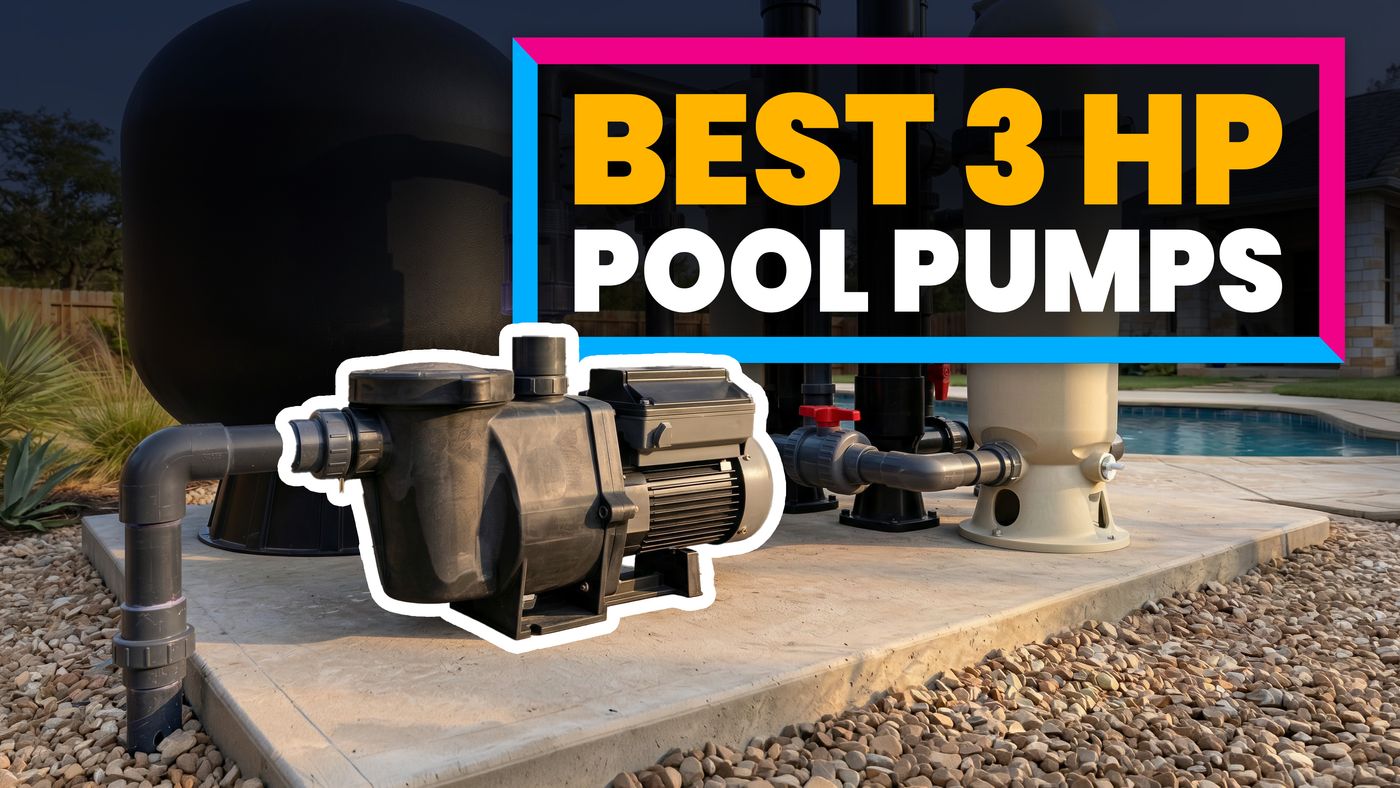
A pool with a spa or waterfall can ask a lot of its pump for a short part of the day. The rest of the time, you're paying to circulate water through the filter. That's what makes shopping for a 3 HP pool pump tricky. You need enough power for the demanding jobs and a sensible way to run it during all those quieter hours.
Welcome to The Pool Nerd! If you're replacing a big inground pump, I'll help you figure out which features you'll actually use and where the model number matters more than the horsepower in the listing.
My best overall pick for a new installation is the Pentair IntelliFlo3 VSF 3.0 HP. For a system that requires a safety vacuum release function, I'd start with the IntelliFlo VS+SVRS EC-011057. I'd also compare the Hayward TriStar VS 950 and Jandy VS FloPro 2.7 THP on a compatible pad.
I'll explain what each pump does well, what could rule it out for your pool, and how to check that its performance fits your plumbing before you buy.
If the curve says you can do the job with less, the next size down is in my best 2.5 HP pool pumps guide, and every variable-speed size is in my best variable speed pool pumps.
The Best 3 HP Pool Pumps at a Glance
The Best 3 HP Pool Pumps at a Glance


- Best overall 3 HP pump. Pentair IntelliFlo3 VSF 011075, with 3.0 total horsepower, speed and flow control, and app access.
- Best Pentair for an existing SVRS installation. IntelliFlo VS+SVRS EC-011057, a 230V model with integrated safety vacuum release functionality.
- Best legacy Pentair replacement to investigate. IntelliFlo VS 011028, especially when matching an existing installation has a meaningful cost advantage.
- Best Hayward alternative. TriStar VS 950 SP32950VSP, rated at 2.70 THP, for a compatible Hayward pad that fits its performance curve.
- Best Jandy alternative. VS FloPro 2.7 THP with SpeedSet, for an AquaLink pool or a compact pad that benefits from its adjustable base.
For the Hayward and Jandy alternatives, actual flow at your system's resistance determines whether they can replace the pump you're shopping for. You may get everything you need without insisting on a rounded 3 HP label.
Pentair IntelliFlo3 VSF 011075: Best Overall 3 HP Pool Pump
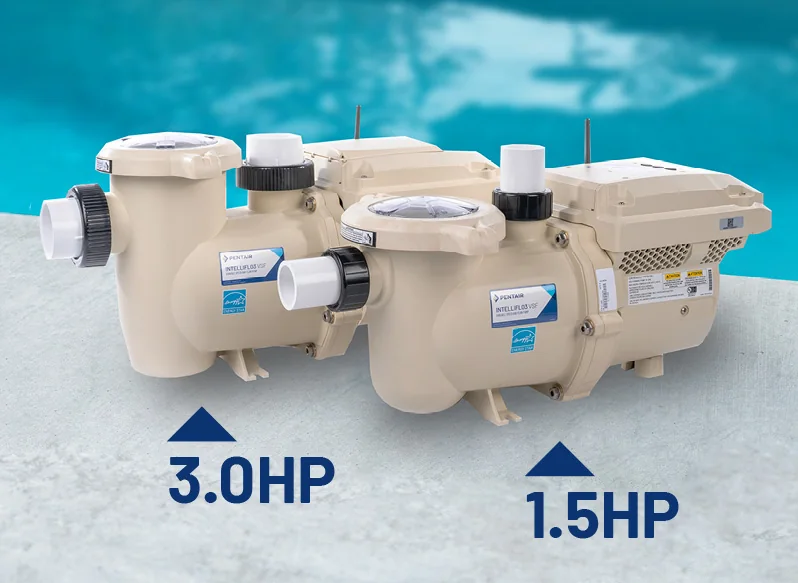
Pentair IntelliFlo3 VSF 3.0 HP
Best Overall 3 HP Pool Pump
The IntelliFlo3 VSF is the pump I'd put at the top of the list for a new high-demand inground installation. Pentair gives this version 3.0 THP, 208–230V input, and the ability to operate by speed or by a selected flow rate. That last feature is the one I'd pay particular attention to.
With a conventional variable-speed pump, you choose an RPM. That setting produces a certain flow through your particular plumbing. With the IntelliFlo3 in flow mode, you can choose the flow you want, and the pump adjusts its speed within its operating limits as resistance changes.
Here's a practical example. Your installer establishes a circulation setting that keeps the skimmer drawing and the salt cell operating properly. As the filter collects debris, the pump can increase its speed to maintain that target. It still needs a clean filter and sensible limits, but you have a more direct way to manage the water moving through the equipment.
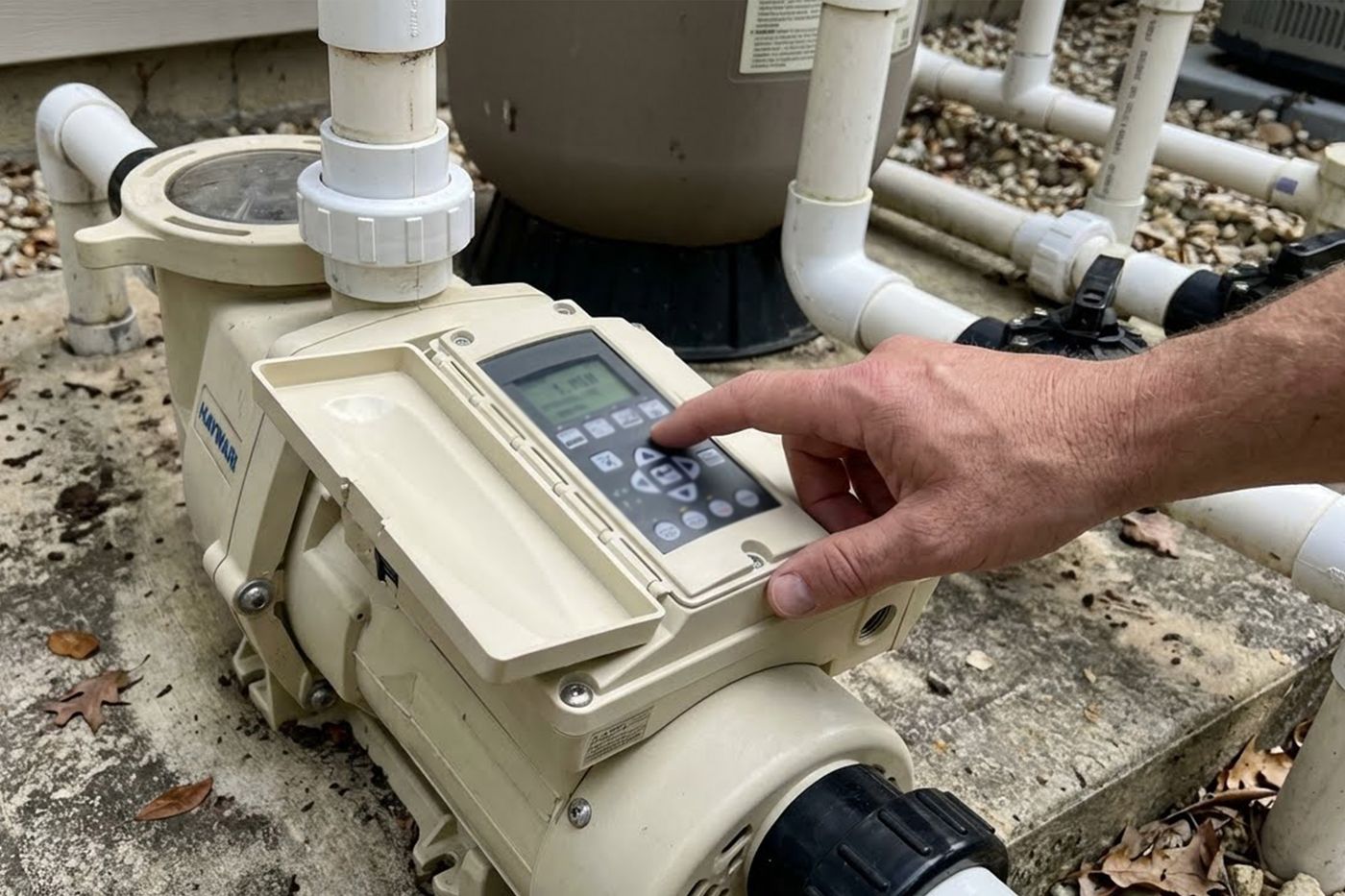
I also like having app control on a pump with several jobs. It's convenient to change the filtration schedule when the season changes or check the pump without making another trip around the house. For a pool with a connected spa, the control arrangement should be planned alongside the existing automation so the right program runs when the valves change position.
The optional accessories matter here. Pentair offers a touchscreen and relay-control options, with different model configurations. If you want a display at the pad or intend to control other equipment through the pump, include those pieces when you compare prices.
Pros: Speed and flow control, app access, substantial output for demanding pool duties, and published performance data for the exact model.
Cons: The 3 HP version requires 208–230V. Optional controls can add to the purchase price, and the plumbing must support the desired flow.
Who I'd buy it for: An owner building or updating an inground pool with a spa, features or other equipment that needs several operating modes.
Check the model before checkout. The 011075 is the 3.0 THP pump. The 011065 is the 1.5 THP version of the same family, which I cover in my best 1.5 HP pool pumps guide. They have similar names, so that part number belongs on your order.
Check the 3 HP IntelliFlo3 models and specifications
Pentair IntelliFlo VS+SVRS EC-011057: Best Pentair 3 HP Class Pump for an SVRS System
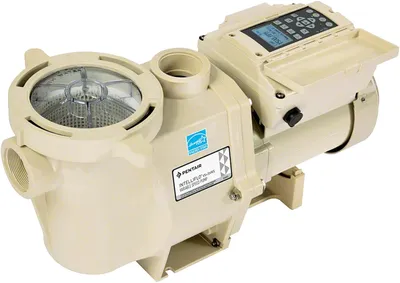
If your existing pool is designed around a safety vacuum release system, the IntelliFlo VS+SVRS belongs at the start of the conversation. Its built-in SVRS detects certain conditions associated with suction blockage and can shut the pump down. That function is a major part of this pump's identity.
Pentair identifies EC-011057 as the e-commerce version and lists the 011057 family at 3.95 total horsepower. Retail listings commonly use a 3 HP description. That difference comes from rating conventions, which is exactly why I use the part number when comparing these pumps.
I'd consider this model when replacing an existing SVRS pump or when the pool's design specifically calls for this function. Variable-speed operation still lets the installer build separate circulation and higher-demand settings. The reason to choose this particular IntelliFlo, though, starts with the requirements of the suction system.
Have the installation reviewed as a complete system. The pump, suction outlets, drain covers, controller settings and commissioning all matter. The manufacturer's instructions explain the operating limitations of the SVRS function, and a qualified pool professional should verify the replacement against them.
For the buyer, I'd keep the comparison practical. Identify the old model, confirm the new model's electrical requirements, and ask which setup and verification work is included. An attractive pump-only price is only one part of getting this installation working correctly.
Pros: Integrated SVRS, variable-speed operation, and a clearly identified Pentair model for installations that need this function.
Cons: Requires 230V and an appropriate suction-system design. Setup needs more attention than swapping a generic circulation pump.
Who I'd buy it for: A pool owner whose existing installation or approved design specifically requires an SVRS-equipped pump.
Check price on the Pentair EC-011057 IntelliFlo VS+SVRS.
Read Pentair's VS+SVRS specifications and manuals
Pentair IntelliFlo VS 011028: Best Legacy 3 HP Pentair Replacement to Compare
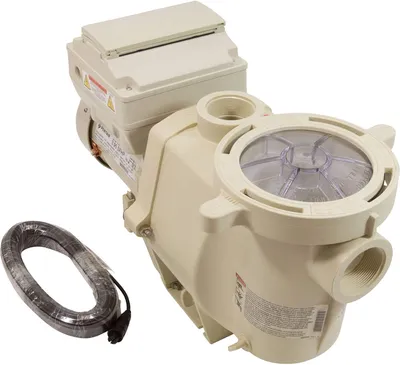
The almond IntelliFlo VS is familiar to a lot of pool owners, and the 011028 still appears in shopping results. Pentair lists it at 3 rated HP, with a service-factor horsepower figure of 3.95, and 230V operation. It's a variable-speed pump from an earlier IntelliFlo generation.
Its strongest case is an existing installation where keeping the same generation avoids expensive changes. Maybe the pump, plumbing and automation already work together well, and you have a service company that knows the setup. In that situation, a correctly matched replacement can be worth comparing.
There's an important buying detail. Pentair marks this model discontinued and points buyers toward the IntelliFlo3 VSF. I'd want the seller to identify the actual stock, warranty and included components before treating a listing as a deal. A photograph of a familiar pump doesn't tell you how long it has been sitting in inventory.
I'd also compare the total installed cost with the newer pump. If the difference is small, newer controls and flow management may be more valuable than keeping an older generation. If the old model saves substantial pipe and control work, the calculation may come out differently.
Pros: A precise replacement candidate for an existing 011028 installation, with variable-speed control and established manufacturer documentation.
Cons: Discontinued generation, with remaining inventory and support worth checking carefully. It is a separate model from the IntelliFlo VS+SVRS.
Who I'd buy it for: An owner making a deliberate replacement decision after comparing the legacy model with its newer alternative.
Check price on the Pentair IntelliFlo VS 011028.
See Pentair's product status and replacement recommendation
The whole Pentair range, current and legacy, is laid out in my best Pentair pool pumps guide.
Hayward TriStar VS 950 SP32950VSP: Best Hayward Alternative for a 3 HP Pump Replacement
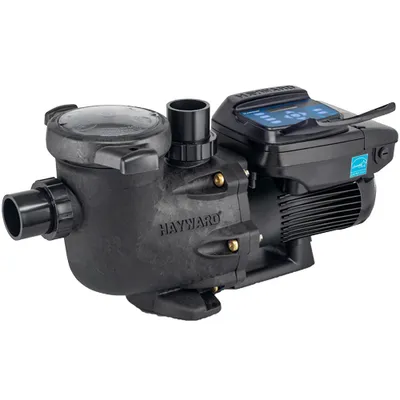
The TriStar VS 950 is rated at 2.70 THP, and I'd absolutely include it when replacing a larger inground pump on a compatible Hayward system. Its appeal is a combination of variable-speed operation, a familiar high-performance pump family and the opportunity to keep existing controls working together.
A good comparison starts with the pump curve. If the TriStar can deliver the flow your spa or feature needs at the resistance of your plumbing, the slightly smaller number on the label is easy to live with. The everyday filtration setting can then be much slower than the setting used for the demanding job.
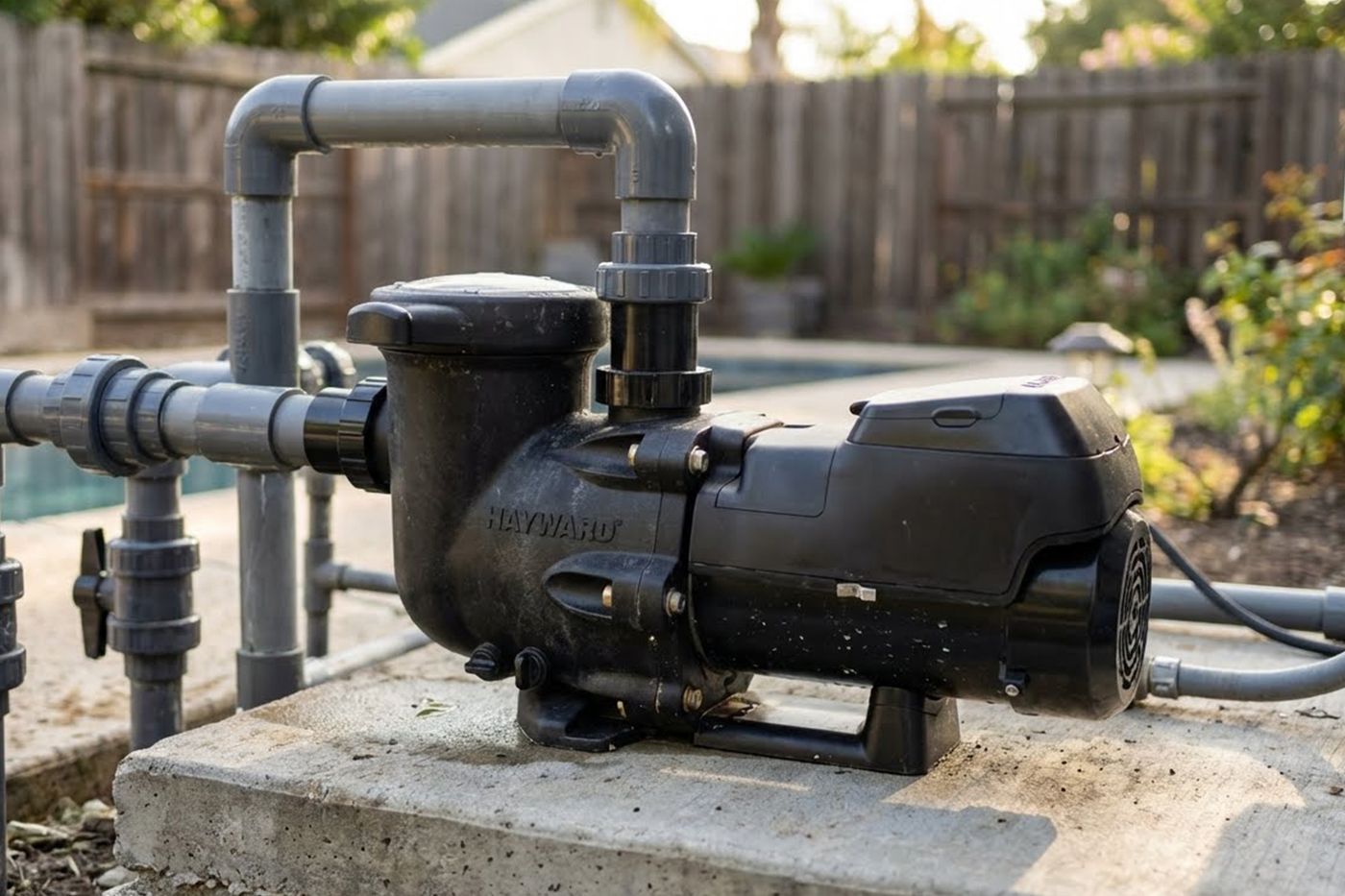
I like this option particularly when the pad already has a TriStar. Existing pipe positions and controller compatibility can make the installed cost more attractive than changing families. Measure those connections and check the exact control setup before counting the savings.
The standard TriStar and the SVRS configuration require a careful model check. If the system calls for SVRS, have the installer evaluate the SP3206VSPVR specifically. Keep that requirement on the written specification throughout the purchase.
Pros: Adjustable operating speeds and a useful replacement path for compatible Hayward equipment.
Cons: At 2.70 THP it is a nearby alternative, and its curve must cover your actual duty. Model and voltage details affect the comparison.
Check price on the Hayward TriStar VS 950.
Compare the Hayward SP3206VSPVR listing.
Read Hayward's installation and SVRS guidance
My best Hayward pool pumps guide compares it with the smaller TriStar and the Super Pump VS models.
Jandy VS FloPro 2.7 THP with SpeedSet: Best Jandy Alternative for an AquaLink Pool
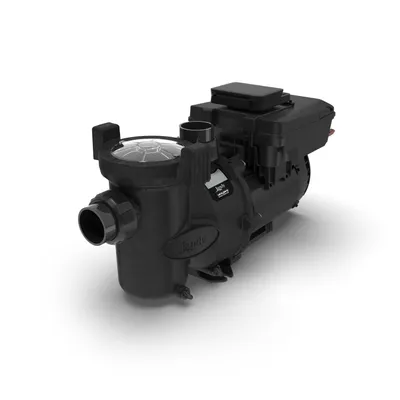
For an existing AquaLink system, I'd compare the VSFHP270DV2AS before moving to another brand. The S version includes a SpeedSet controller, and the FloPro's compact layout and adjustable base can help on a crowded equipment pad.
The 2.7 THP model accepts 115V or 208–230V, but its maximum performance differs between those supplies. Jandy publishes separate performance information, and the higher-voltage configuration is the one to examine when you need the most output. Simply seeing dual voltage in a listing isn't enough to settle the question.
I'd choose this pump when its curve covers the pool's needs and it works cleanly with the Jandy controls already installed. A familiar automation system is worth keeping when it saves the household from learning a new routine every time somebody wants to use the spa.
Jandy's manufacturer warranty policy excludes online pump purchases. Use the listing to identify the version, then compare an installed purchase through a Jandy professional with the other options on your shortlist.
Pros: SpeedSet included on the S model, AquaLink compatibility, and a layout suited to many replacement installations.
Cons: Maximum output is voltage-dependent. Manufacturer warranty terms make the purchase channel a meaningful part of the decision.
View the Jandy 2.7 THP SpeedSet product listing.
Compare Jandy's voltage-specific performance data
Both VS FloPro sizes are compared in my best Jandy pool pumps guide.
How to Choose the Right 3 HP Pool Pump
Identify the job that needs the most flow
Write down the equipment that will run at the same time. Spa jets, a waterfall and ordinary pool returns can place very different demands on the pump. Your installer can use each appliance's required flow and the plumbing arrangement to establish the operating points.
Pool volume helps plan circulation time. It doesn't tell you the pressure and flow needed by a bank of spa jets. This is why I'm cautious about any shopping chart that assigns horsepower using gallons alone.
Read the curve at your system's resistance
Total dynamic head describes the resistance the pump works against. Pipe length, fittings, valves and equipment all contribute. A performance curve shows how much water a particular pump can move at different amounts of head.
Ask to see your required flow marked on that curve. Then check the everyday filtration setting too. A pump that handles the most demanding duty should also have a useful setting for the hours when you only need circulation. My pool pump size calculator gives you a starting figure for both.
Keep the filter within its rating
Find the filter's maximum flow and check it against every mode that sends water through the filter. Programmable limits help, but they need to be configured for the actual plumbing. If spa mode changes the flow path, that mode needs its own evaluation.
I'd also have the installer explain the priming program. Starting the pump after it has lost prime can require a different sequence from ordinary circulation, and those settings should suit the system.
Compare the electricity bill alongside the price
Use input watts at the intended operating point, multiplied by runtime and your electricity rate. As an illustration, a 700-watt difference for eight hours daily over 180 days equals 1,008 kWh. At $0.18 per kWh, that's about $181 over the season.
That example isn't a promised saving for one model. It shows why the daily setting deserves attention when you compare a purchase that will run for years. My variable speed pool pump schedule guide shows what a sensible day looks like on a big pump.
Common Questions About 3 HP Pool Pumps
Can a 3 HP variable-speed pump run on a smaller pool?
It can be appropriate when its operating range and programmed limits fit the pool, but size alone provides no advantage. Compare a smaller pump first if your main jobs are circulation and heating. Extra capacity earns its place when the plumbing and equipment can use it.
Will a larger pump make my spa jets stronger?
It may, if the current pump lacks capacity and the plumbing supports the additional flow. Restricted lines, valve positions and jet design also affect performance. Diagnose those limits before spending money on a larger motor.
Does a 3 HP pump use full power all day?
A variable-speed pump's electricity use changes with speed and operating conditions. The setting you program and the hours spent there determine daily consumption. That is the reason I spend as much time on the filtration schedule as on maximum horsepower.
Which One Would I Buy
For a new installation requiring this capacity, I'd choose the IntelliFlo3 VSF 011075. For a system requiring SVRS, I'd start with the EC-011057. On an existing Hayward or Jandy pad, I'd compare the TriStar and FloPro using the actual curve and installed cost. Get those details right, and you'll have a pump that handles the demanding jobs while giving you a sensible everyday filtration schedule.
Compare the Pentair SVRS pump.
Compare the Hayward TriStar VS 950.
MORE POOL PUMP GUIDES
By horsepower: 0.5 HP · 3/4 HP and boosters · 1 HP · 1.5 HP · 2 HP · 2.5 HP · 3 HP
By brand: Hayward · Pentair · Jandy
By type: All pool pumps · Inground · Above-ground · Variable speed · Two-speed · Fixed-speed
Sizing and scheduling: Pump size calculator · What RPM to run · How long to run · Variable speed schedule
This article contains affiliate links. The Pool Nerd may earn a commission on qualifying purchases at no extra cost to you. Product specifications, prices, and availability can change; verify the exact model and revision before ordering.
Related Reading
- Best 2.5 HP Pool Pumps
- Best 2 HP Pool Pumps
- Best Pentair Pool Pumps
- Best Hayward Pool Pumps
- Best Jandy Pool Pumps
- Best Variable Speed Pool Pumps
- Best Inground Pool Pumps
- Variable Speed Pool Pump Schedule
- What RPM Should I Run My Pool Pump?
- Pool Pump Size Calculator
- Best Pool Pumps: The Complete Guide

Comments
Loading comments…