
 Justin D.
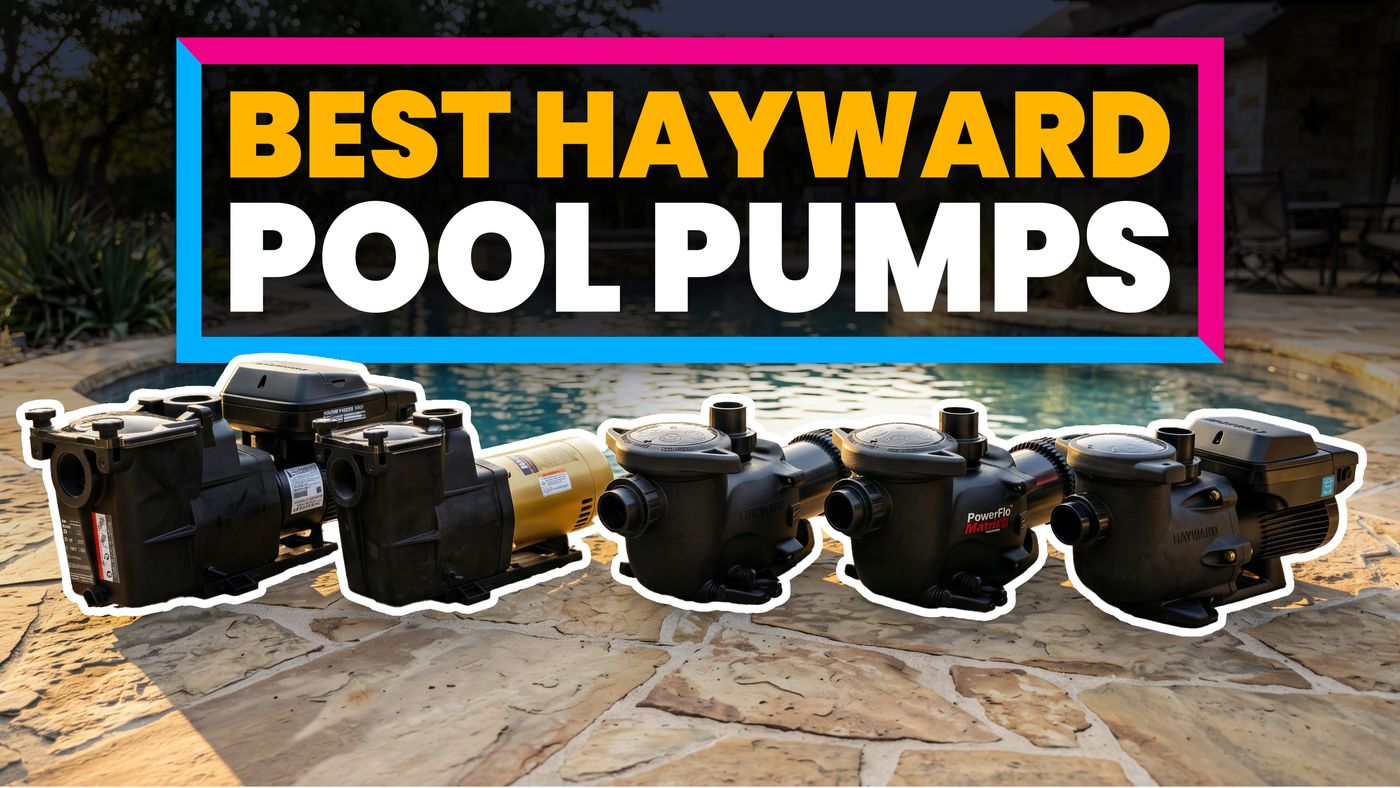
If the Hayward on your equipment pad has finally given out, buying another one sounds like an easy decision. Then you start comparing Super Pump, TriStar and PowerFlo listings, and even pumps with almost the same name have different controls and voltage requirements. The replacement that looks familiar in the photo can turn into a bigger project than you expected.
Welcome to The Pool Nerd! I'm going to help you narrow down the Hayward lineup around the pool you already own, including the upgrades I'd pay for when replacing an older pump.
The Super Pump VS W3SP2603VSP is my best overall pick for a compatible 230V inground installation. I'd consider the Super Pump VS 620 for its phone controls and the TriStar VS family when the pool needs more flow. For a matching above-ground setup, I like the PowerFlo Matrix two-speed.
Below, I'll cover the reasons to choose each one, the model details that can trip up a purchase, and how to compare the installation cost with what you'll spend running the pump every summer.
Comparing brands? The same treatment for the other two big names is in my best Pentair pool pumps and best Jandy pool pumps guides.
My Top Hayward Pool Pump Picks
My Top Hayward Pool Pump Picks


- Best overall inground pump. Super Pump VS W3SP2603VSP, particularly for an existing Super Pump installation with 230V service.
- Best Hayward for phone control. Super Pump VS 620 W3VSP26620, with OmniX and optional remote access through a separate gateway.
- Best TriStar for everyday inground use. TriStar VS W3SP3202VSP, when its 1.85 THP performance range covers the pool's requirements.
- Best for higher flow demands. TriStar VS 2.7 W3SP3206VSP or TriStar VS 950 SP32950VSP, selected around the actual installation.
- Best above-ground two-speed pump. PowerFlo Matrix W3SP15932S, for owners who want accessible controls and two useful operating speeds.
- Best pressure-cleaner booster. Hayward W36060, for a compatible cleaner on a dedicated line supplied by the running filtration system.
Hayward Super Pump VS W3SP2603VSP: Best Overall Hayward Pool Pump
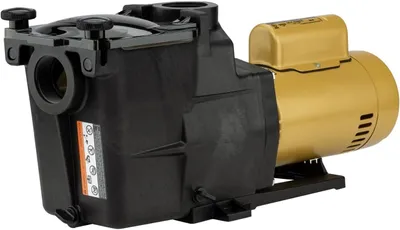
If an old Super Pump is coming off your inground pad, this is where I'd begin. The Super Pump VS combines a familiar pump layout with the ability to slow the motor for daily circulation. That can make a bigger difference to ownership cost than saving a little on the purchase price of another single-speed unit.
The exact model here is W3SP2603VSP, rated at 1.65 THP and 230V. Pay attention to that voltage. Hayward has offered several versions within the Super Pump VS family, and similar product names can make the wrong listing look like a match.
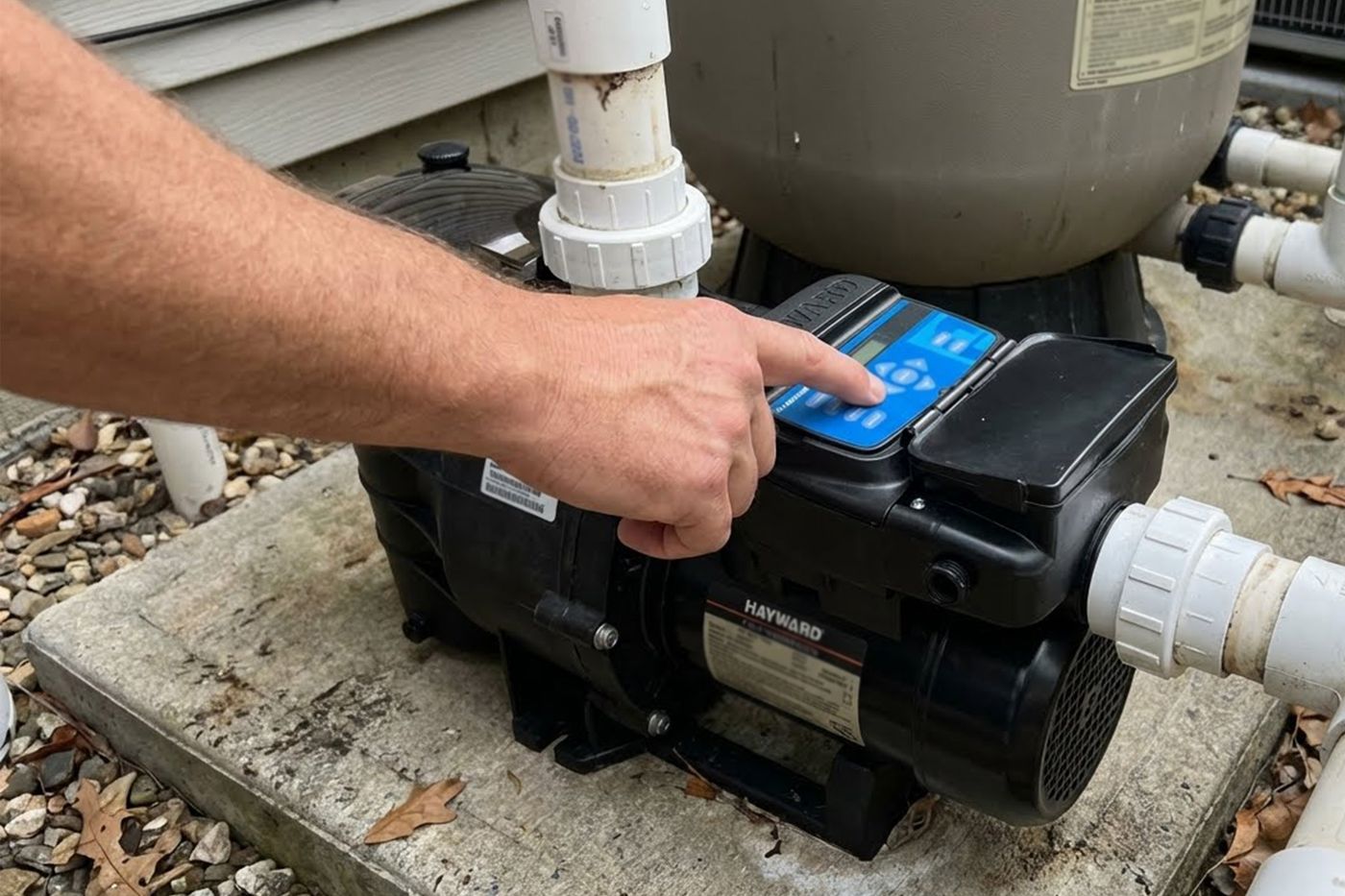
What I like is the practical upgrade path. If the previous Super Pump already ran the heater and handled vacuuming, your installer has a useful starting point. Compare the replacement curve, check the connection heights and then build a schedule that gives each job only the flow it needs.
For example, ordinary circulation may use a lower setting for much of the day, while heating or a suction cleaner gets a faster program. You choose those speeds around the equipment's requirements. The reward is having control over how hard the pump works during each part of the day. My guide to what RPM to run a pool pump helps you choose them.
I'd also keep maintenance access in mind. Being able to see and empty the basket easily is valuable in a yard full of leaves. A technically compatible pump loses some of its appeal if the motor ends up pressed against a wall and the lid is awkward to reach.
Pros: Variable-speed control, a familiar Super Pump layout, and a sensible replacement path for many existing inground pads.
Cons: This particular SKU needs 230V. Connections still need measuring, and a demanding spa or feature may require more capacity.
Best for: An owner replacing an existing Super Pump who wants better control over daily filtration costs.
Check price on the Hayward Super Pump VS W3SP2603VSP.
Verify the Super Pump VS model and voltage table
I compare it with the other pumps in its size class in my best 1.5 HP pool pumps guide.
Hayward Super Pump VS 620 W3VSP26620: Best Hayward Pump for Phone Control
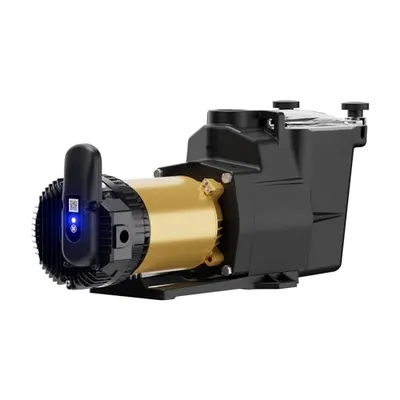
The VS 620 is the Super Pump I'd examine if you want more modern control from your phone. This version is rated at 2.25 THP and uses Hayward's OmniX platform. Local Bluetooth control is part of the appeal, with remote access available through the optional OmniX Gateway.
That gives you two different buying decisions. If you only want to stand at the pad and adjust the schedule through your phone, local connectivity may cover your needs. If you want to check or change settings while away from home, include the gateway in the price comparison.
I like that distinction because it lets you spend on the control you'll actually use. Phone access can be very convenient when the equipment sits behind a fence or down the side of the house. It's less valuable if you set the schedule once and your existing automation already handles everything.
The VS 620 also deserves a close look at the voltage-specific curves. Hayward shows different top-end performance at 115V and 230V. A pump can accept the existing electrical supply and still deliver less maximum flow than you expected from the larger number in the product title.
Pros: OmniX control, programmable speeds and an upgrade path for a compatible Super Pump installation.
Cons: Away-from-home access needs the separate gateway, and maximum available performance varies by supply voltage.
Best for: A Super Pump owner who wants to use a phone for scheduling and is willing to configure the right accessories.
Check price on the Super Pump VS 620.
Read Hayward's OmniX features and performance information
It also appears in my best 2 HP pool pumps guide as the Super Pump upgrade.
Hayward TriStar VS W3SP3202VSP: Best Hayward TriStar for an Inground Pool
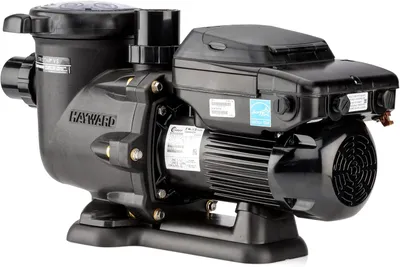
The 1.85 THP TriStar VS is the model I'd start with when a pool needs a capable inground pump and the existing pad already favors the TriStar family. It gives you a broad choice of speeds, which is useful when the heater, cleaner and daily circulation each work best at different settings.
The shopping decision should come back to flow. If the 1.85 reaches your required gallons per minute at the system's total dynamic head, I'd feel good about choosing it over a larger version. That leaves more room in the budget for a proper installation and commissioning.
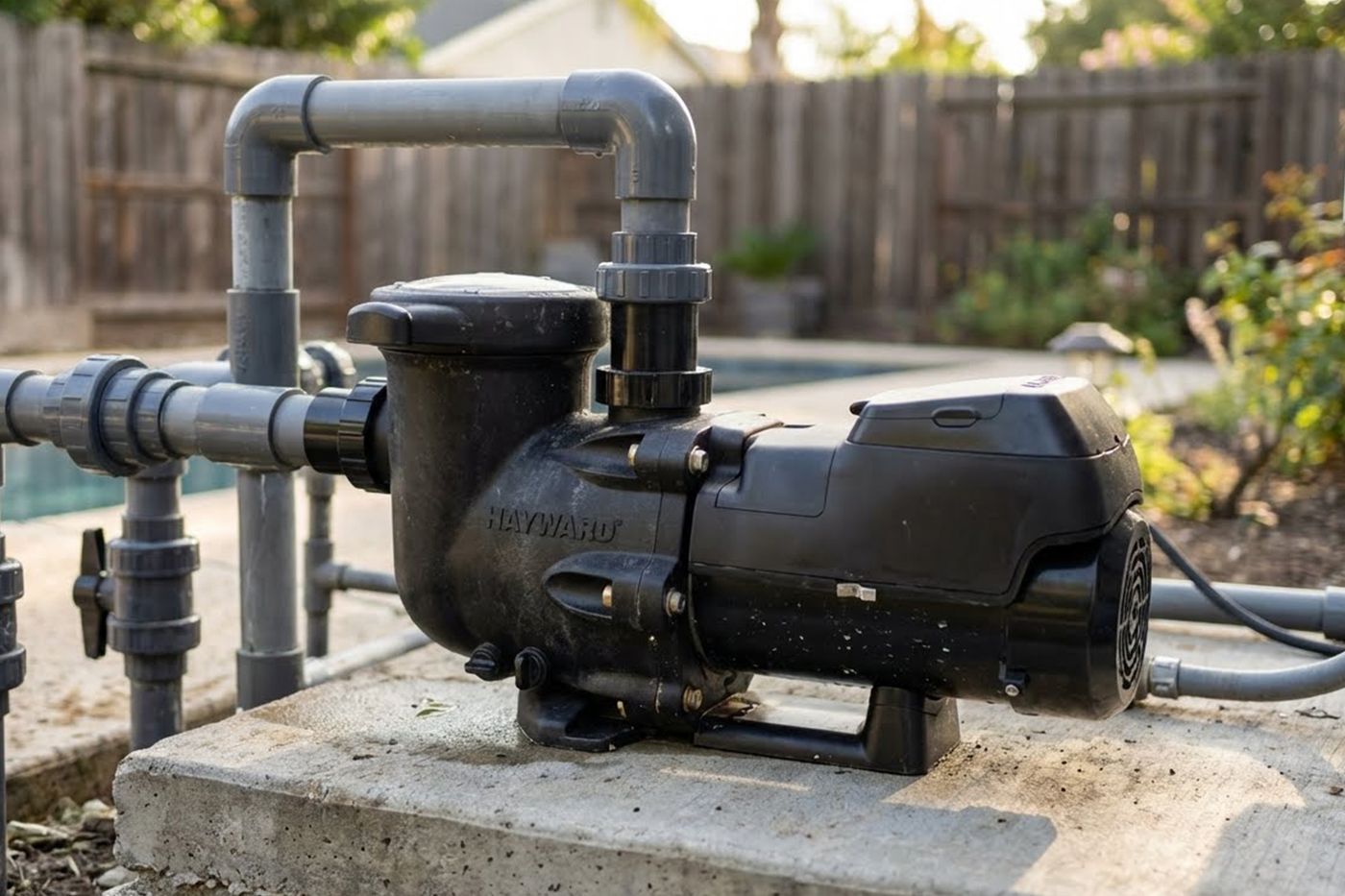
There's also a convenience argument for staying with a compatible Hayward system. Existing control equipment, pipe locations and service familiarity can all make the transition smoother. Verify the actual controller model and pump generation, since a matching brand name alone doesn't establish compatibility.
What would make me move up? A documented flow requirement that the smaller model can't cover. A pool-and-spa system or a substantial feature may create that situation. A large gallon count by itself is a less useful reason, because circulation can often be spread over more hours at a lower speed.
Pros: Flexible speed selection, a clear performance-based path to sizing, and a strong fit to investigate on an existing TriStar pad.
Cons: Voltage and model generation affect performance and controls. The 1.85 still needs enough capacity for the pool's highest-demand mode.
Check price on the TriStar VS 1.85 THP.
Review Hayward's TriStar performance curves
It is my starting pick in the best inground pool pumps guide too.
Hayward TriStar VS 2.7 and TriStar VS 950: Best Hayward Pumps for Higher Flow
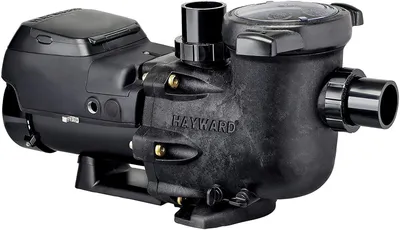
The W3SP3206VSP and SP32950VSP TriStar VS 950 sit in the 2.7 THP category. These are the Haywards I'd investigate when a smaller pump misses the flow requirement for a feature or shared pool-and-spa setup.
A larger variable-speed pump can cover the occasional high-output duty and then return to a slower circulation program. The benefit depends on actually programming those separate modes. Running the largest available setting all day gives away much of the reason to buy variable-speed technology.
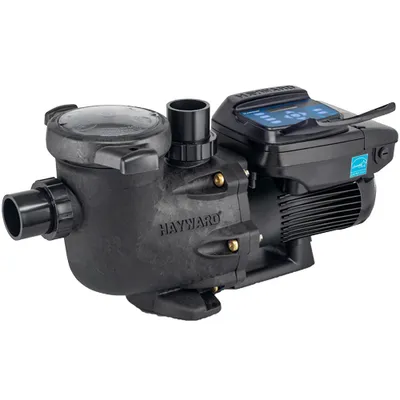
Between these two listings, I'd compare the precise model, control package, seller support and installed price. Check what the pump communicates with and whether the existing controller needs any changes. Those details can easily outweigh a modest price difference between pump-only listings.
The higher output also makes filter limits more important. Every program sending water through the filter needs to stay within its rated flow. Have the installer set appropriate limits and demonstrate the pool and spa modes before considering the installation finished.
Pros: Additional available capacity for a system that can use it, with slower settings available for routine circulation.
Cons: More capacity can cost more upfront. A restrictive filter or plumbing layout may limit the benefit of the larger motor.
Check price on the TriStar VS 2.7 W3SP3206VSP.
Compare the TriStar VS 950 SP32950VSP.
See Hayward's TriStar model comparison
For the Pentair and Jandy pumps in the same range, see my best 2.5 HP and best 3 HP pool pumps guides.
Hayward SP3206VSPVR: Best Hayward Option to Evaluate for an SVRS System
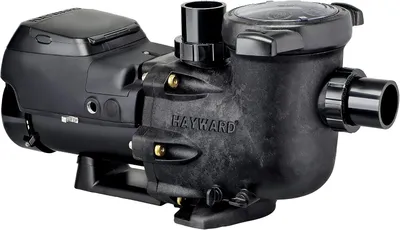
If the pool's design specifies a safety vacuum release system, have the installer evaluate the SP3206VSPVR configuration by its full model number. The required safety function belongs in the purchase specification, alongside horsepower and voltage. Confirm the pump, suction fittings and commissioning requirements together.
View the Hayward SP3206VSPVR listing.
Read Hayward's installation and SVRS guidance
Hayward PowerFlo Matrix Two-Speed W3SP15932S: Best Hayward Above-Ground Pool Pump
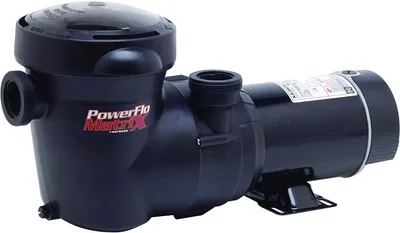
For an above-ground pool, I like the 1.5 HP PowerFlo Matrix two-speed because its controls are easy to understand. You have a low setting for ordinary circulation and a high setting available when the job needs more flow. That's useful flexibility without building the purchase around an app.
The discharge arrangement is another reason to consider the Matrix. On an above-ground pad, the filter might sit directly beside the pump, and the direction of the outlet can determine whether the existing hoses fit neatly. Check the pump configuration against the layout you already have.
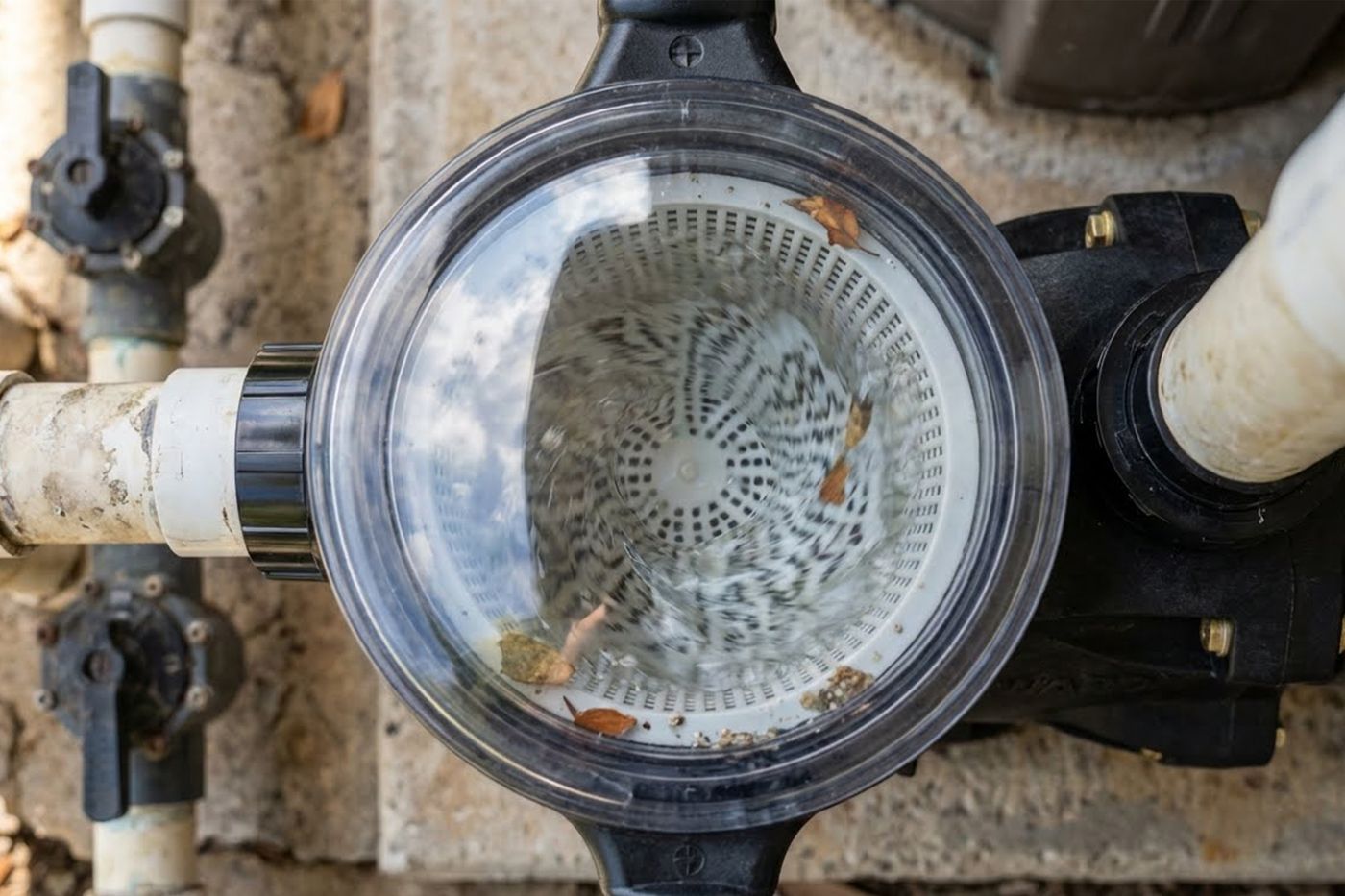
The basket matters too. Leaves that get past the skimmer need somewhere to collect before they reach the impeller. Easy access encourages you to empty the basket regularly, and a clear view into the housing helps you notice when something needs attention.
Where does two-speed operation become limiting? If low falls short of the heater's minimum flow while high is more than you need, there's no intermediate adjustment. A variable-speed model gives more room to tune that situation. For a simpler filter setup where both settings are useful, the Matrix is an appealing choice.
Pros: Straightforward controls, two operating speeds, and a practical above-ground layout.
Cons: Fixed speed settings provide less adjustment than a variable-speed pump. Match the cord, receptacle and filter requirements.
Check price on the PowerFlo Matrix two-speed.
Compare Hayward's Matrix design and specifications
Other brands' pumps for the same job are in my best above-ground pool pumps guide.
Hayward PowerFlo Matrix W3SP1592: Best Simple Hayward Above-Ground Replacement
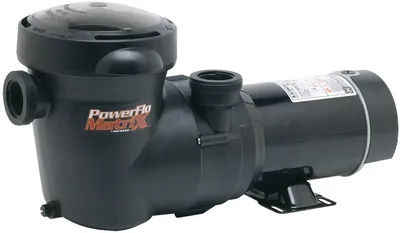
The W3SP1592 single-speed Matrix is worth comparing when you're matching an existing setup and want a straightforward replacement. Some retail titles describe 0.85 HP, while Hayward's model list identifies W3SP1592 as a 1 HP pump. Read the actual nameplate and check the exact listing before assuming it represents a smaller pump.
Its strength is simplicity. Its limitation is that it operates at one speed whenever it runs. If you're replacing a pump that filters for long summer hours, compare the two-speed version's installed cost before deciding.
Check the single-speed Matrix listing.
Verify the model in Hayward's US product list
Hayward Super Pump 1 HP: Best Single-Speed Hayward Inground Replacement
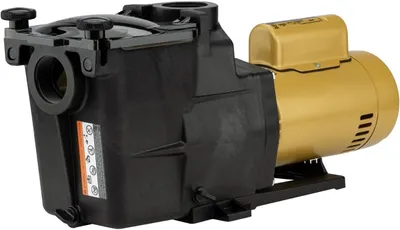
The classic 1 HP Super Pump still deserves a place in a replacement comparison. It can make sense for a known installation with a short seasonal schedule, especially when matching the physical layout keeps installation costs down.
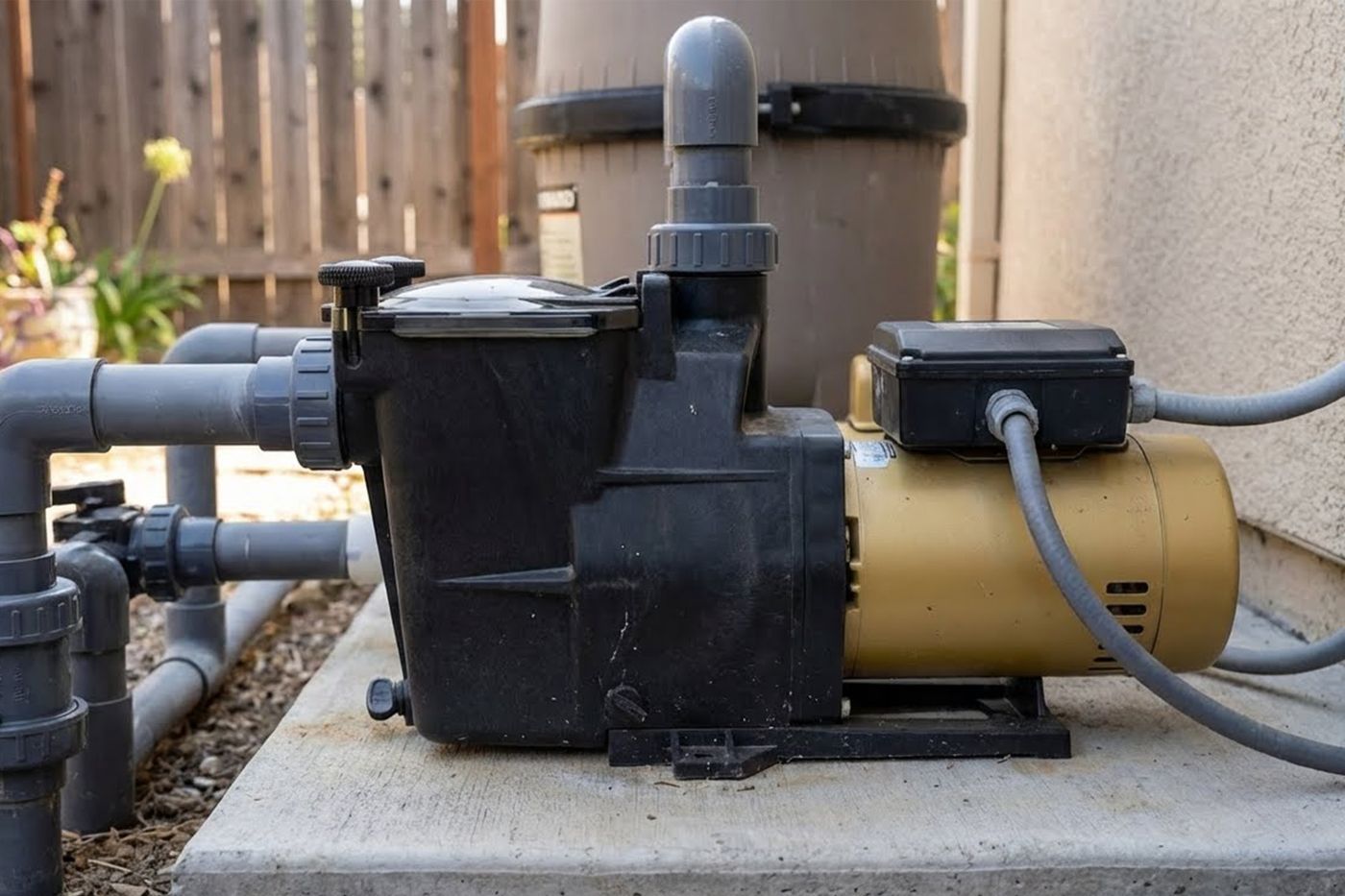
I'd weigh that saving against the daily operating cost. A single-speed pump uses its available setting during every filtration hour, including hours when the pool could circulate at a slower rate. For a long swimming season or a salt system that needs extended runtime, the variable-speed Super Pump becomes much more interesting.
Choose this model because the complete cost and installation fit your circumstances. Check the pipe dimensions and the actual curve, and compare the old motor's service factor as well as its rated horsepower.
Pros: Simple operation and a familiar replacement candidate for an existing Super Pump pad.
Cons: One operating speed and less control over the cost of long filtration schedules.
Check price on the Hayward Super Pump 1 HP.
See Hayward's Super Pump dimensions and curves
It is my overall inground pick in the best 1 HP pool pumps guide, and the half-horsepower version is covered in my best 0.5 HP pool pumps.
Hayward W36060: Best Hayward Pressure-Cleaner Booster
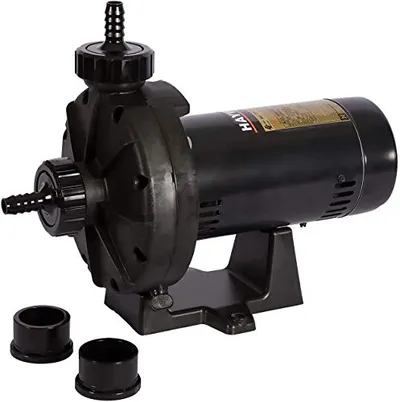
The W36060 supplies a compatible pressure-side cleaner through a dedicated line. It receives water from the operating filtration system and increases pressure for the cleaner. If your old 6060 has failed while the main filter pump still works, this is the Hayward model I'd examine.
Before ordering, check the cleaner's required setup and confirm that water reaches the booster during its scheduled run. A variable-speed main pump needs to provide adequate supply during that window. Coordinate the schedules so the booster operates only while the filtration system is supplying it.
Pros: A direct model to investigate for an existing Hayward cleaner booster installation.
Cons: Depends on the main circulation system and serves a specific cleaner duty.
Check price on the Hayward W36060 booster.
Read the 6060 installation manual
I compare it with the Polaris and Aquastrong boosters in my best 3/4 HP pool pumps guide, and the cleaners it feeds are in my best pressure-side pool cleaners.
How I'd Choose a Hayward Pool Pump
Start with a photo of the full motor and pump labels. Then collect the filter's maximum flow, the heater or salt cell's minimum flow, and the model of any automation controller. That information turns a vague horsepower search into a useful shortlist.
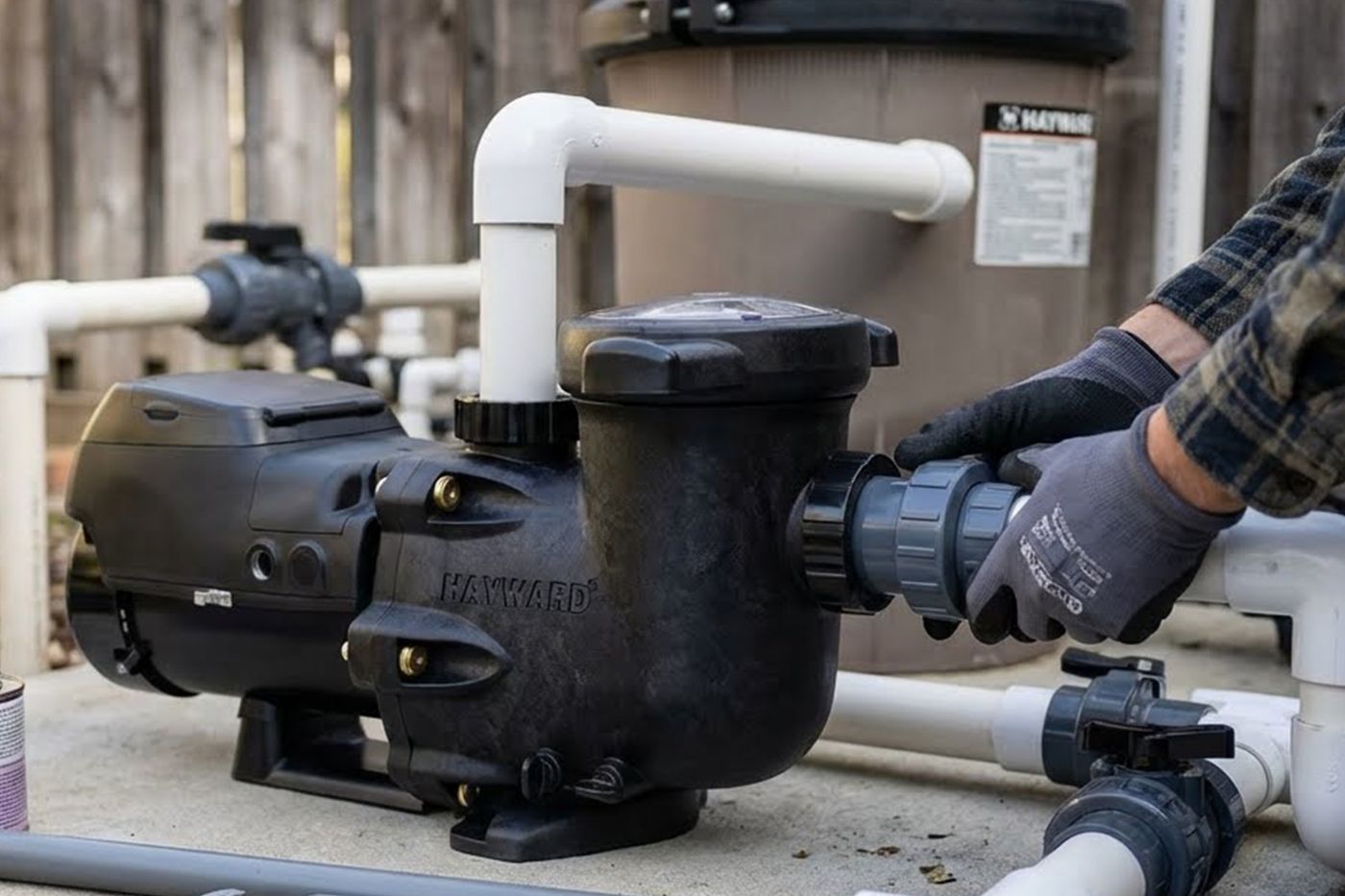
Measure the inlet height and the space around the motor. Include unions, adapters, electrical work and programming when you compare installation prices. An extra fitting or controller can change which pump is the better purchase.
For energy costs, compare input watts at the circulation setting you'll use most. Your annual runtime and electricity rate determine how valuable a lower-power setting becomes. Maximum horsepower and promotional savings percentages provide much less help with that calculation. My pool pump size calculator and pool pump runtime calculator give you the flow and the hours to work with.
Hayward Pool Pump Questions
Is Super Pump or TriStar better?
I'd choose Super Pump for a compatible Super Pump replacement and TriStar when its performance or existing pad fit makes it the better match. Compare the required operating points and the installation cost of each.
Do I need Wi-Fi on a pool pump?
Phone control is convenient if you'll change schedules or use remote access regularly. A well-programmed local controller can also handle daily operation. With the VS 620, price the gateway if access away from home is part of your plan.
Which Hayward Pump Would I Buy
For a typical compatible inground pad, the Super Pump VS gets my vote. I'd pick the VS 620 for its newer controls, the TriStar when the flow requirement earns it, and the Matrix two-speed for a matching above-ground pool. Buy around the work your pool needs done, and you'll get much more value from the pump you choose.
Check my Hayward inground pick.
Check my Hayward above-ground pick.
MORE POOL PUMP GUIDES
By horsepower: 0.5 HP · 3/4 HP and boosters · 1 HP · 1.5 HP · 2 HP · 2.5 HP · 3 HP
By brand: Hayward · Pentair · Jandy
By type: All pool pumps · Inground · Above-ground · Variable speed · Two-speed · Fixed-speed
Sizing and scheduling: Pump size calculator · What RPM to run · How long to run · Variable speed schedule
This article contains affiliate links. The Pool Nerd may earn a commission on qualifying purchases at no extra cost to you. Product specifications, prices, and availability can change; verify the exact model and revision before ordering.
Related Reading
- Best Pentair Pool Pumps
- Best Jandy Pool Pumps
- Best Inground Pool Pumps
- Best Above-Ground Pool Pumps
- Best Variable Speed Pool Pumps
- Best 1 HP Pool Pumps
- Best 1.5 HP Pool Pumps
- Best 2 HP Pool Pumps
- Best 2.5 HP Pool Pumps
- Best 3 HP Pool Pumps
- Best 3/4 HP Pool Pumps
- Pool Pump Size Calculator
- Best Pool Pumps: The Complete Guide

Comments
Loading comments…