
 Justin D.
If your 1.5 HP pool pump is getting louder every summer, I'd use the replacement as a chance to look at how the pool runs. A new pump can do more than get the water moving again. The right controls can make daily filtration quieter and give you a useful way to manage electricity costs.
Welcome to The Pool Nerd! I'm comparing the 1.5 HP pumps I'd consider for an inground or above-ground pool, including the budget options and the upgrades worth spending more on. The biggest difference often comes down to how much control you have over the speed.
My overall pick is the Pentair IntelliFlo3 VSF 1.5 HP. For an above-ground setup, I'd start with the BLACK+DECKER 1.5 HP variable-speed pump. Already have a Hayward Super Pump? The Super Pump VS 1.65 THP is worth comparing before changing the plumbing.
I'll walk through what makes each one appealing, the compromises you'll live with, and how to match the pump to the filter and equipment you already own.
If this turns out to be more or less pump than you need, the sizes either side are in my best 1 HP and best 2 HP pool pumps guides. For variable speed across every size, see my best variable speed pool pumps.
My Top 1.5 HP Pool Pump Picks
My Top 1.5 HP Pool Pump Picks


- Best Overall and Best Pentair 1.5 HP Pump. Pentair IntelliFlo3 VSF 011065, with variable speed, flow control and app access.
- Best Above-Ground Variable-Speed Pump. BLACK+DECKER 1.5 HP, for a compatible 115V filter setup.
- Best Hayward Above-Ground Pump. PowerFlo Matrix W3SP15932S, with straightforward two-speed operation.
- Best Budget Pump with a Timer. Aquastrong PSP150ADT, a 115V two-speed option.
- Best Hayward Inground Alternative. Super Pump VS W3SP2603VSP, rated at 1.65 THP.
- Best Jandy Alternative. VS FloPro VSFHP185DV2AS, rated at 1.85 THP with SpeedSet included.
The Hayward and Jandy alternatives are identified by their actual total horsepower. Their fit depends on the performance curve and the work your pool needs them to do.
Pentair IntelliFlo3 VSF 011065: Best Overall and Best Pentair 1.5 HP Pool Pump
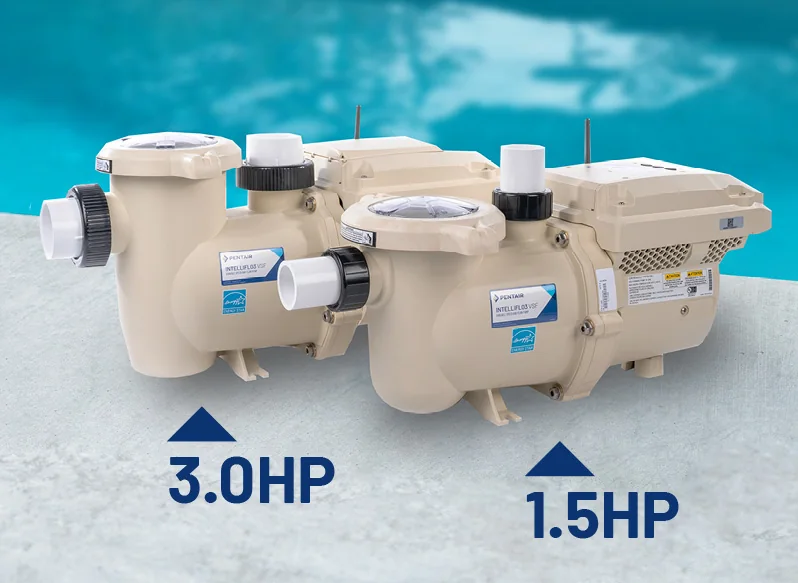
If I were choosing a new pump for an inground pool in this size range, this is where I'd start. The IntelliFlo3 gives you the everyday benefit of variable speed, then adds the ability to hold a selected flow rate within its operating range.
Here's why I like that. A salt cell or heater may need a certain amount of water moving through it. With a conventional variable-speed pump, you choose an RPM and establish whether that speed supplies enough flow. The IntelliFlo3 also lets you choose a flow target. As resistance changes, the pump can adjust its speed to maintain that target within its capability.
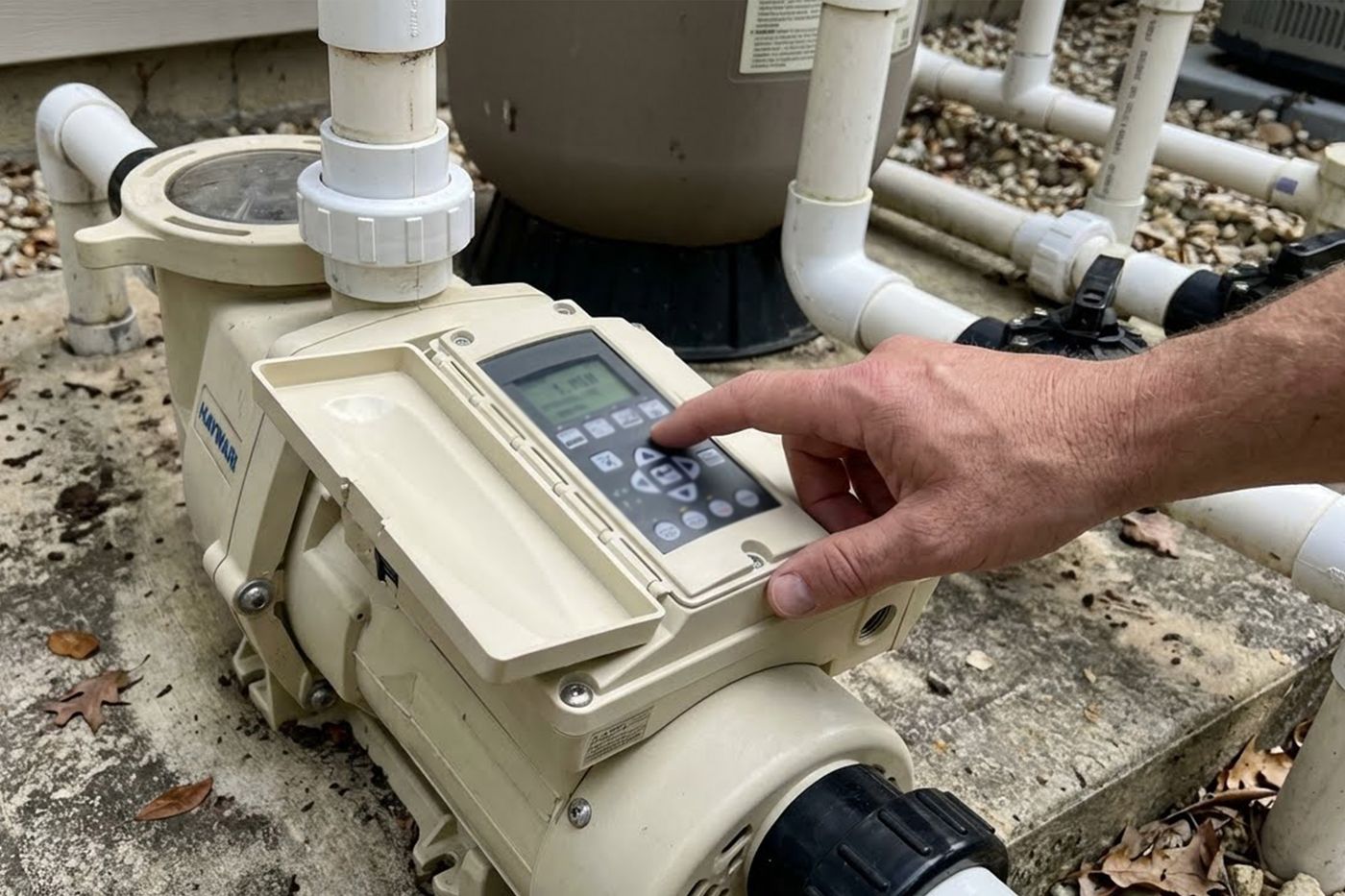
That is useful control to have. A filter gradually collecting dirt changes the conditions the pump works against. Flow mode can accommodate those changes, although you still need to clean the filter and keep the basket clear.
Pentair identifies 011065 as the 1.5 THP model, with 115V or 208–230V input. The app gives you convenient schedule access. If you want a touchscreen at the equipment pad or a relay board to operate other equipment, check which configuration you're buying. Those accessories affect the total price.
Pros: Variable speed and flow control, app access, and a clearly identified 1.5 THP model. A strong choice for an inground pool where you'll use the scheduling features.
Cons: The purchase price can be difficult to justify on a short-season pool with very simple needs. The optional display and relay hardware require attention when comparing packages.
Who I'd buy it for: The owner who wants quieter daily circulation, useful scheduling and room to fine-tune how the pool operates.
Check the Pentair IntelliFlo3 1.5 HP price on Amazon.
Pentair IntelliFlo3 specifications and model options
The rest of the Pentair range, including the 3 HP IntelliFlo3, is in my best Pentair pool pumps guide.
BLACK+DECKER 1.5 HP: Best Above-Ground Variable-Speed Pool Pump
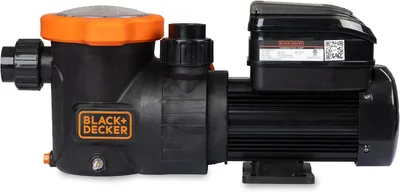
The BLACK+DECKER is the one I'd compare first if your above-ground pool runs for long stretches every day. Its appeal is the control you gain over flow. You can find a comfortable circulation setting and turn the pump up when another job requires it.
The above-ground BDXBTV24333 is listed with 115V input, 1½-inch ports, Wi-Fi and a control pad. That is a practical feature set for an owner who wants to adjust the schedule without adding a whole pool automation system.
I especially like variable speed on a pool where the filter and salt cell run for many hours. With a fixed-speed pump, your only easy adjustment is how long it stays on. This BLACK+DECKER gives you another adjustment that matters just as much, how hard it runs during those hours. My guide to what RPM to run a pool pump helps you pick those settings.
Check the above-ground model carefully. BLACK+DECKER sells several pumps with similar descriptions, and an inground version may have different electrical or plumbing requirements. Match the actual model, installation position and connections.
Pros: Adjustable filtration speeds, Wi-Fi and a local control pad. A useful upgrade for an above-ground pool with a long daily schedule.
Cons: Its benefits depend on setup. Running it at maximum speed all day gives away much of the reason to choose variable speed.
Who I'd buy it for: An above-ground pool owner willing to spend a little time programming the pump once so everyday operation becomes easier.
Check the BLACK+DECKER 1.5 HP above-ground pump price.
BLACK+DECKER model details and manual
Hayward PowerFlo Matrix W3SP15932S: Best Hayward 1.5 HP Above-Ground Pool Pump
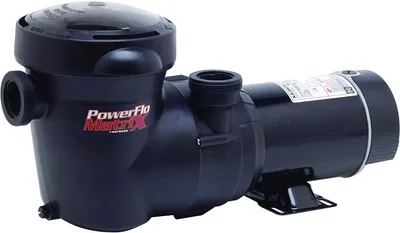
If you like the idea of a high and low switch, the two-speed PowerFlo Matrix deserves your attention. I'd choose it for a compatible above-ground pad where straightforward controls matter more than a phone app.
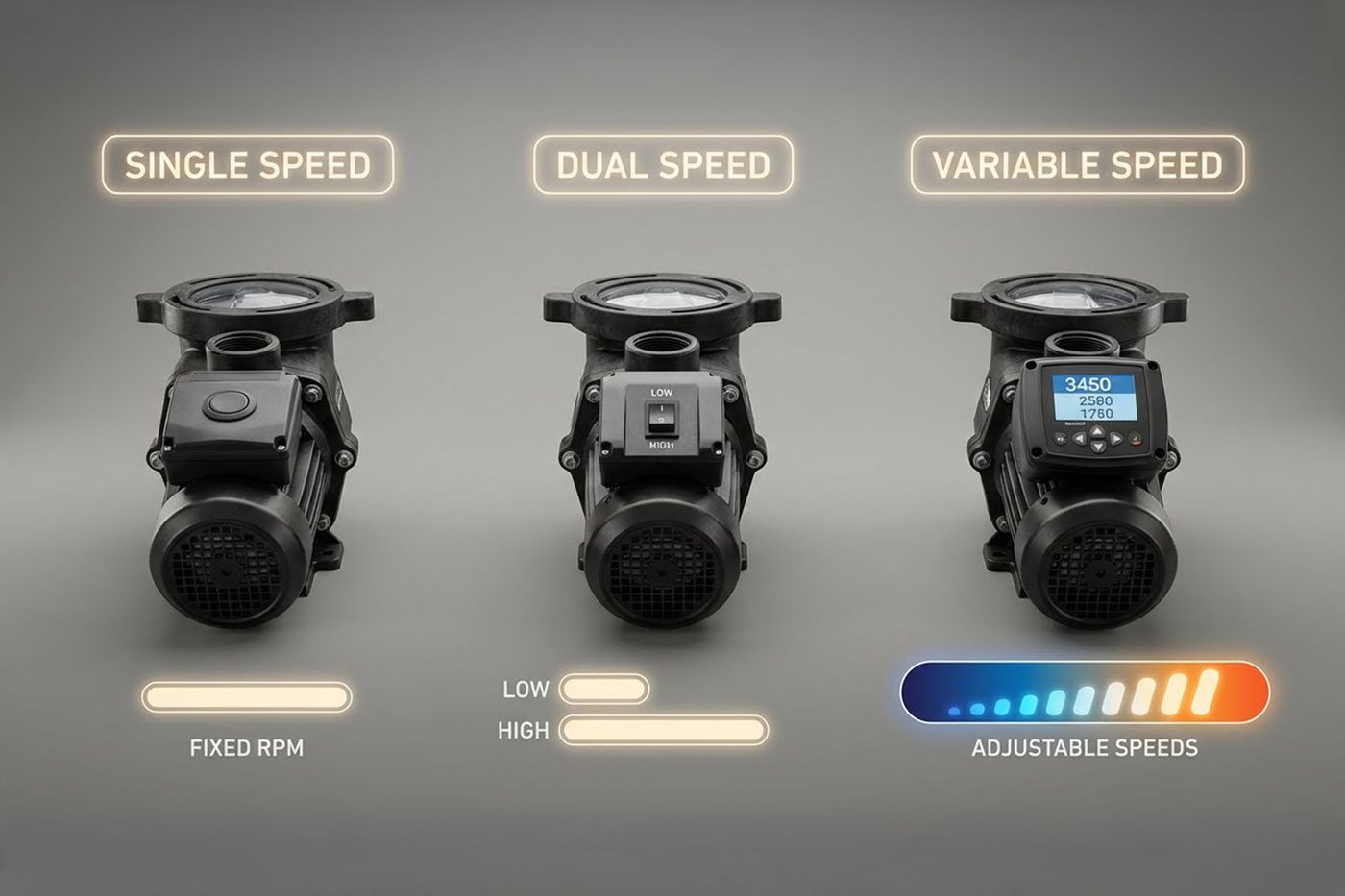
Low speed can cover circulation when it provides adequate flow, while high can be useful for vacuuming or other equipment duties. You still need to establish that low speed keeps your particular salt cell or heater operating when those devices are scheduled.
The Matrix is also worth considering when the old pump's discharge arrangement already fits your filter. Fewer changes to hoses and fittings can make a replacement much easier. Look for W3SP15932S so you get the two-speed version you intended.
The compromise is the gap between its settings. A variable-speed pump lets you choose an intermediate operating point. With this Hayward, you work with high and low.
Pros: Simple two-speed operation, an accessible basket and a layout suited to above-ground filtration.
Cons: Limited flow adjustment between its two settings. Equipment that needs more flow than low provides may require high for the entire operating window.
Check the Hayward PowerFlo Matrix two-speed price.
Aquastrong PSP150ADT: Best Budget 1.5 HP Pump with a Timer
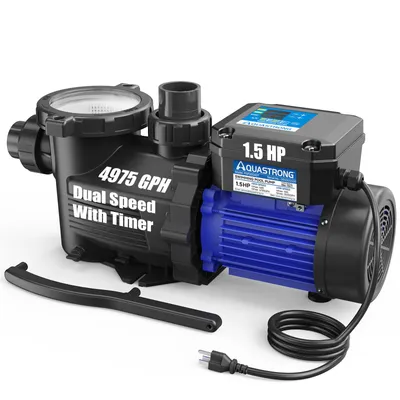
The Aquastrong is my value pick when you want two speeds and a timer in one package. For a compatible 115V setup, that can be an appealing step up from a basic pump you switch on manually.
The timer is the feature I'd notice first. Consistent circulation matters, and it's easier to maintain a schedule when the pump starts on its own. The second speed gives you another way to match the pump to everyday filtration and more demanding work.
Read the controls section before buying. Confirm which timer settings are available, how speed selection works, and what happens after a power interruption. You want the pump's actual controls to match the routine you have in mind.
I'd also check the return terms and replacement basket or seal availability. Those details help you judge the value of a lower purchase price without guessing how long the pump will last.
Pros: Two speeds, a built-in timer and 115V operation. A practical feature combination for a budget-conscious replacement.
Cons: Less control than the fully variable-speed options. Check the exact PSP150ADT listing because Aquastrong sells several similarly named 1.5 HP pumps.
Check the Aquastrong 1.5 HP pump with timer price.
Aquastrong PSP150ADT specifications
The other high-and-low pumps are compared in my best two-speed pool pumps guide.
The Budget Single-Speed Pumps I'd Compare
VIVOHOME 1.5 HP 115V
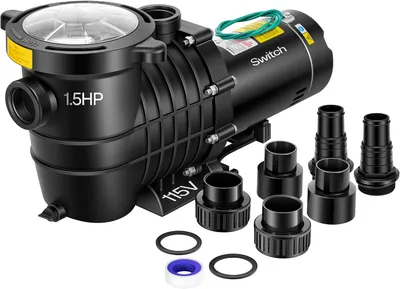
The VIVOHOME is worth comparing when your existing setup is simple and the initial cost matters most. The listing advertises 6,027 GPH, which works out to about 100 GPM before you account for the conditions behind that rating.
Your plumbing, filter and elevation determine the actual operating flow. I'd want to see a performance curve before treating the headline number as a match for my pool.
Its straightforward controls can be a plus for a short seasonal schedule. The drawback is that every running hour uses the same speed, even when a slower flow would serve the filter. Compare the full-season operating cost before deciding that the cheapest purchase is the best value.
Pros: A simple 115V option for a compatible basic filtration setup.
Cons: One speed limits the opportunity to reduce output during ordinary circulation.
Check the VIVOHOME 1.5 HP 115V price.
Oswerpon 1.5 HP dual voltage
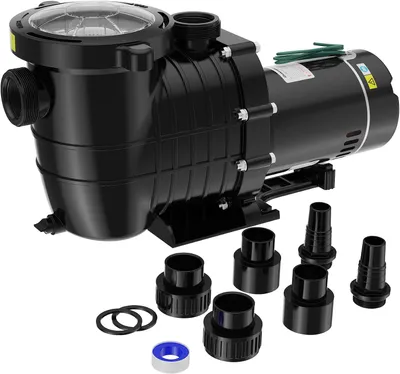
The Oswerpon listing offers 115/230V and advertises 6,600 GPH. I'd consider it when electrical flexibility and the included connectors simplify the replacement.
The difference between its advertised flow and the VIVOHOME's figure would carry little weight in my decision. What matters is the flow each delivers through your equipment. Ask for the curve, identify the replacement parts and compare the total installation cost.
Pros: Dual-voltage compatibility and connector options can help with a basic replacement.
Cons: A large advertised GPH number gives limited information about performance through a working filter.
Check the Oswerpon 1.5 HP dual-voltage pump price.
When one speed is all the pool needs, my best fixed-speed pool pumps guide covers the wider single-speed field.
Best Hayward and Jandy Inground Alternatives
Hayward Super Pump VS W3SP2603VSP
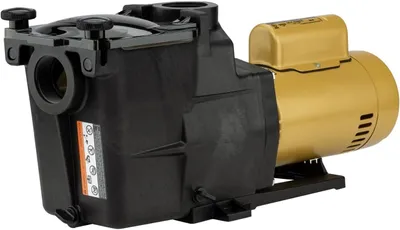
For an existing Super Pump pad, this is the Hayward I'd put beside the Pentair on my shortlist. The model is 1.65 THP and 230V. It offers variable-speed operation in a familiar pump family, which may reduce the amount of plumbing work needed.
I'd buy it when the footprint and operating curve suit the pool and the controls are all I need. Measure the pipe centers and confirm the fittings before assuming every replacement will drop straight in.
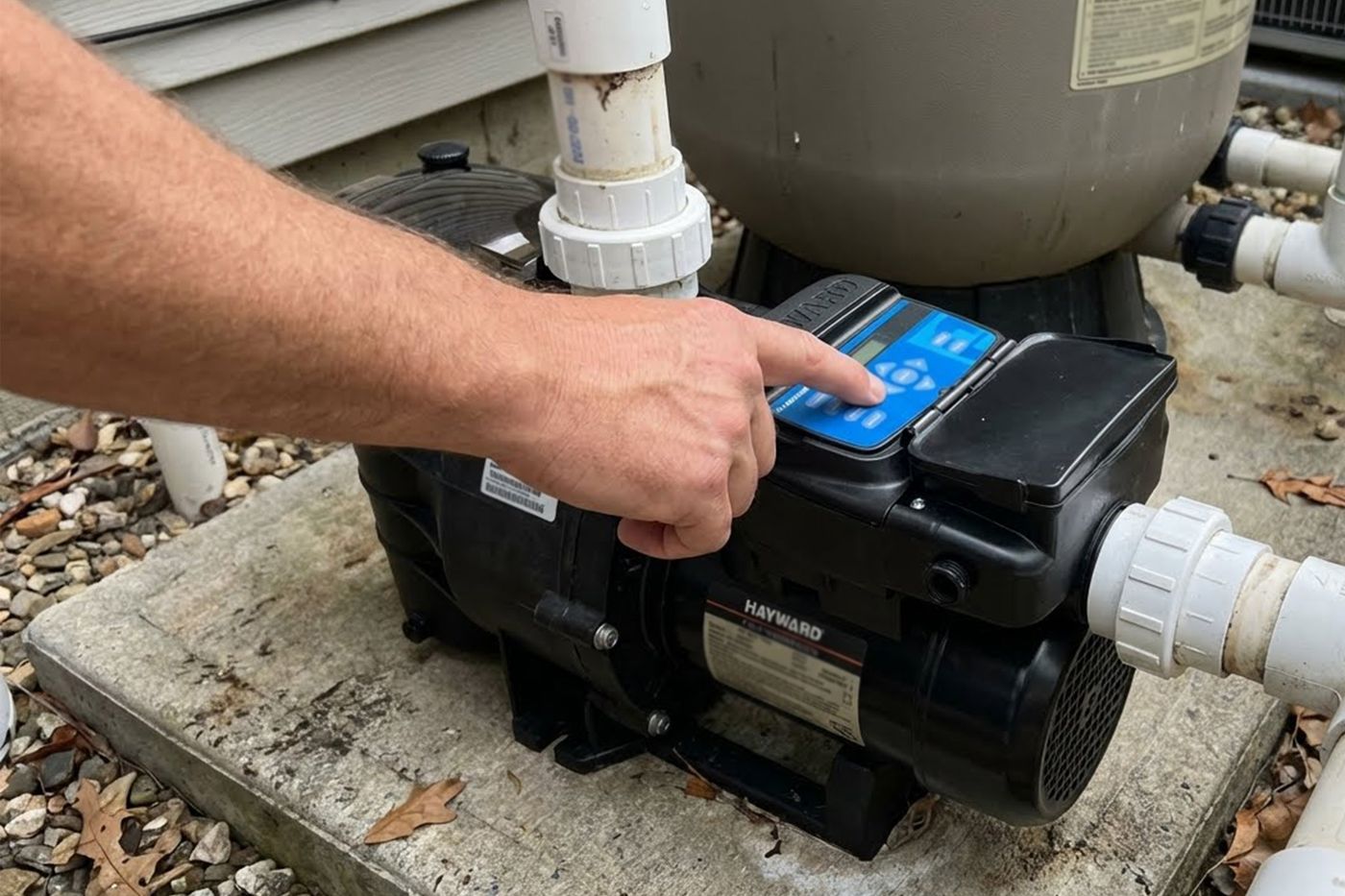
Pros: Adjustable speeds and a familiar replacement option for many Super Pump installations.
Cons: This exact model requires 230V. Its control package differs from the connected IntelliFlo3.
Check the Hayward Super Pump VS price.
Hayward Super Pump VS model specifications
The full Hayward lineup is in my best Hayward pool pumps guide.
Jandy VS FloPro VSFHP185DV2AS
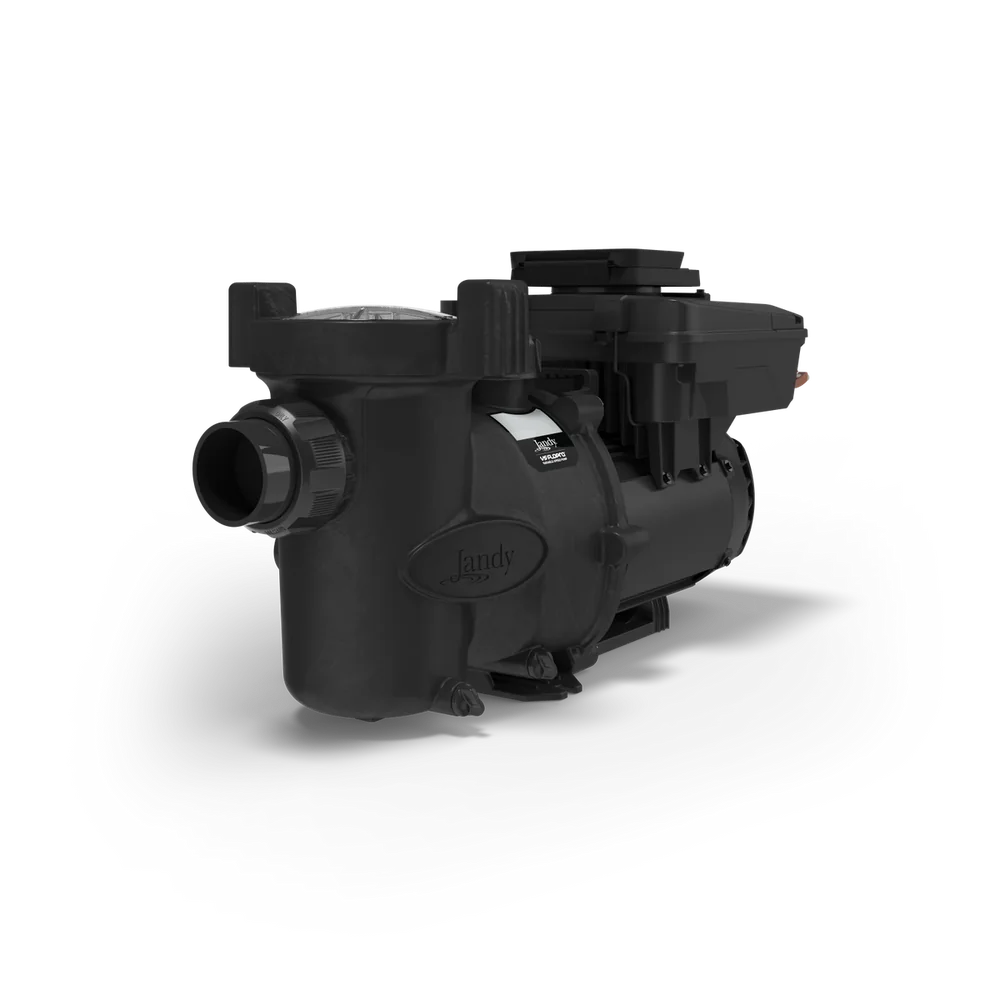
For a pool with AquaLink, the 1.85 THP FloPro is a strong alternative. The S version includes SpeedSet, and Jandy specifies the same hydraulic performance at 115V and 208–230V for this size.
That voltage flexibility is especially useful if you already have 115V at the pad. I'd look closely at the FloPro before paying for a new circuit just to use a different model.
Pros: Included local controller on the S model and compatibility with Jandy automation.
Cons: It is a nearby horsepower alternative. Jandy's manufacturer warranty also excludes online equipment purchases, so include the purchase channel in your decision.
View the Jandy VS FloPro 1.85 THP listing.
Jandy performance specifications
I compare it with the larger 2.7 THP FloPro in my best Jandy pool pumps guide.
The Pentair SuperFlo VS Listing to Read Carefully
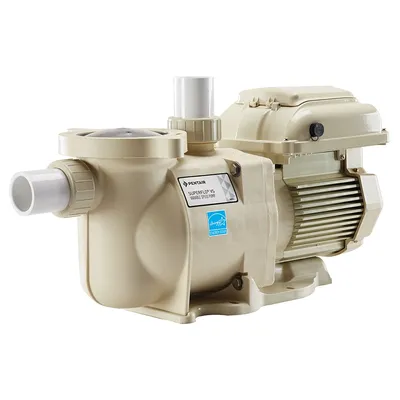
You'll still see the EC-342001 SuperFlo VS described as a 1.5 HP pump. Pentair identifies the 342001 family at 2.2 THP and marks that generation discontinued.
I'd consider remaining stock only for a specific retrofit where the price, support and installation advantage add up. The pump offers three operating speed settings plus override capability, but the familiar product name doesn't settle whether it's the best purchase today.
Compare it with the IntelliFlo3 using the actual curve and the installed price. If the older model costs nearly as much, I'd want a clear reason to choose it.
Check the Pentair EC-342001 SuperFlo VS listing.
Pentair SuperFlo VS product status and specifications
How to Choose the Best 1.5 HP Pool Pump
Start with the flow your equipment needs
Read the maximum GPM on the filter and the minimum flow required by the heater or salt cell. Those numbers define the operating range you're trying to satisfy. Then check what the pump delivers at your system's total dynamic head, the resistance created by the plumbing and equipment.
For a planning example, moving 15,000 gallons in ten hours averages 25 GPM. That calculation helps you compare schedules. Your skimming needs, chlorinator output and equipment requirements determine the schedule that works in practice. My pool pump size calculator runs the same sum for your pool.
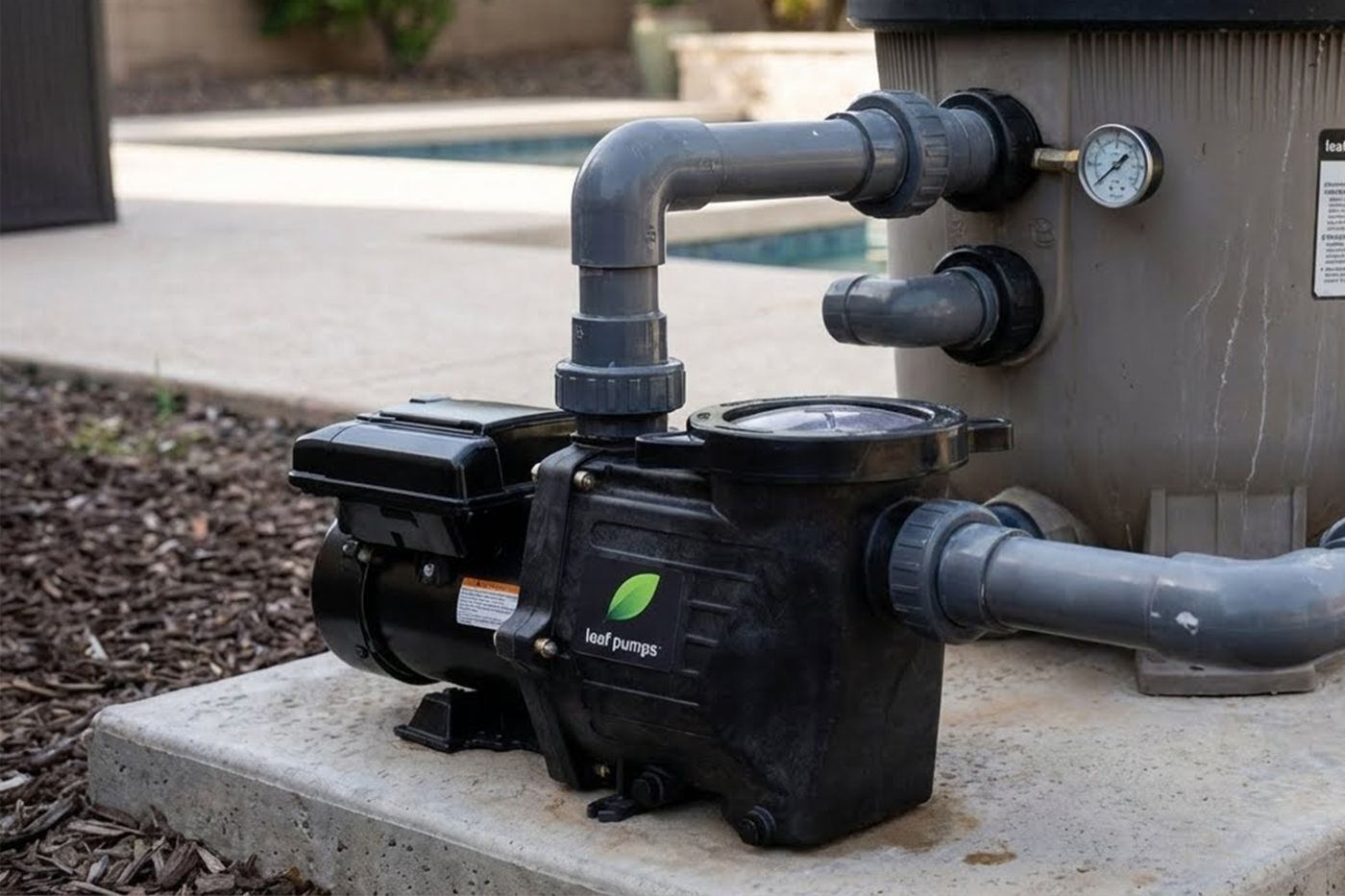
Compare the cost of the whole season
Use the pump's actual input watts at your intended setting. A hypothetical reduction from 1,000 watts to 400 watts for eight hours a day saves 4.8 kWh daily. Over 180 days, that is 864 kWh. At $0.18 per kWh, the difference is about $156.
Your result depends on the pool and how you program the pump. That example shows why a modest difference in purchase price can matter less over time than the everyday operating setting.
Check the parts you'll touch
A basket you can reach, room to remove the motor and unions that let you disconnect the pump all make ownership easier. Check the lid clearance if the equipment sits under a deck. Measure the pipe height before ordering adapters.
Choose the control system you'll actually use. Phone access is convenient, but a clear local control pad may be all you need. If you already have automation, confirm compatibility with the exact controller model.
Common Questions About 1.5 HP Pool Pumps
Is 1.5 HP enough for my pool?
Pool volume helps plan circulation time, while the pump curve shows whether the equipment receives enough flow. A long pipe run, a heater and a spa can change the answer even when two pools hold the same number of gallons.
How many hours should I run it?
Start with measured flow, water conditions and the time your equipment needs. A salt cell must operate long enough to produce the chlorine the pool consumes. A lower-speed filtration period can be useful, but the cell still needs adequate flow throughout that period. My guide on how long to run a pool pump works through the numbers.
Should I buy single speed or variable speed?
I'd choose variable speed for most inground pools with long operating seasons. A basic single-speed unit can be reasonable for a limited seasonal duty when its installed price is substantially lower. Make that choice using your expected run hours.
Which 1.5 HP Pump Would I Buy
For an inground pool, my first choice is the Pentair IntelliFlo3 VSF 1.5 HP. The combination of speed control, flow control and app access makes it the most complete option here.
For above-ground filtration, I'd take the BLACK+DECKER for adjustable speed, the Hayward Matrix for simple two-speed operation, or the Aquastrong when the timer and lower initial cost fit the budget.
Choose the pump that works with your filter and schedule, then set it up to take advantage of what you paid for. That's where a pump upgrade starts paying you back.
Check my overall pick on Amazon.
Check my above-ground pick on Amazon.
MORE POOL PUMP GUIDES
By horsepower: 0.5 HP · 3/4 HP and boosters · 1 HP · 1.5 HP · 2 HP · 2.5 HP · 3 HP
By brand: Hayward · Pentair · Jandy
By type: All pool pumps · Inground · Above-ground · Variable speed · Two-speed · Fixed-speed
Sizing and scheduling: Pump size calculator · What RPM to run · How long to run · Variable speed schedule
This article contains affiliate links. The Pool Nerd may earn a commission on qualifying purchases at no extra cost to you. Product specifications, prices, and availability can change; verify the exact model and revision before ordering.
Related Reading
- Best 1 HP Pool Pumps
- Best 2 HP Pool Pumps
- Best Pentair Pool Pumps
- Best Hayward Pool Pumps
- Best Jandy Pool Pumps
- Best Variable Speed Pool Pumps
- Best Above-Ground Pool Pumps
- Best Two-Speed Pool Pumps
- What RPM Should I Run My Pool Pump?
- Pool Pump Size Calculator
- Best Pool Pumps: The Complete Guide

Comments
Loading comments…