
 Justin D.
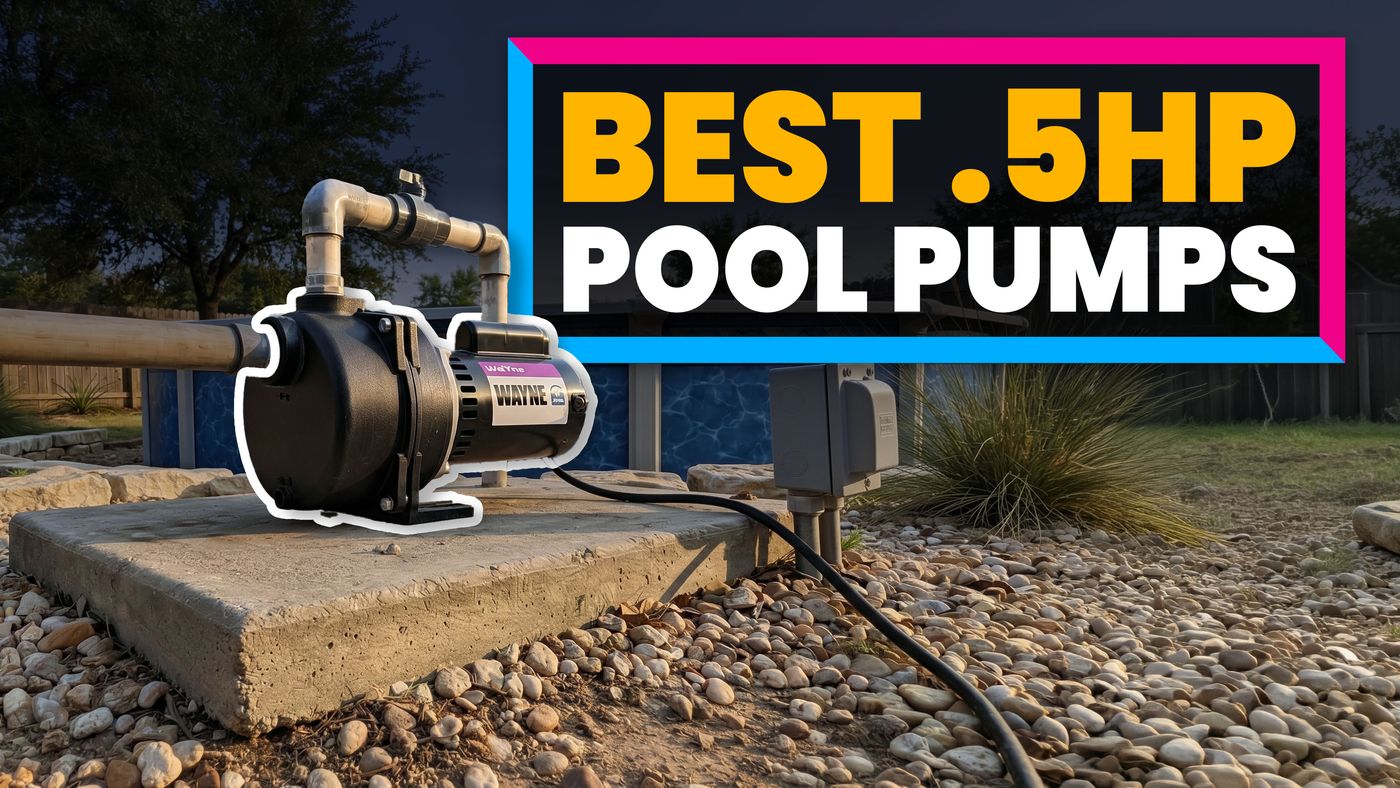
Replacing the pump on a small pool can turn into a surprisingly expensive shopping trip. You start with a half-horsepower model, then wonder whether a bigger motor would clear the water faster. Before long, you're looking at a pump that may overwhelm the little filter beside it.
Welcome to The Pool Nerd! I like keeping a small pool simple, and choosing the right pump is a big part of that. A half-horsepower pump can make sense when its flow matches your filter and the way your pool is plumbed.
For a suitable above-ground setup, I'd start with the Aquastrong MINI ½ HP with timer. On an inground pool, I'd look at the half-horsepower Hayward Super Pump or identify the older Pentair SuperFlo already on the pad before choosing a replacement.
I'll walk through those choices and explain what I'd check before buying. That includes the fittings you already have, how water reaches the pump, and whether spending more would actually improve anything for your pool.
If your pressure cleaner's booster is what failed, or the filter needs a little more than this, the next sizes up are in my best 3/4 HP pool pumps and best 1 HP pool pumps guides. For every size and type in one place, start with my complete pool pump guide.
My Best Half-Horsepower Pool Pump Picks
My Best Half-Horsepower Pool Pump Picks


- Best overall for small above-ground pools goes to the Aquastrong MINI ½ HP with timer. It combines everyday filtration features with a built-in schedule on a compatible 115V setup.
- Best Hayward ½ HP replacement goes to the Super Pump configuration that matches your existing model and pipework. The published dimensions and pump curve make a more useful comparison than the product photo.
- Best Pentair match for an older ½ HP installation is the SuperFlo 340036 reference. This is a legacy model to identify accurately before choosing its replacement.
- Best larger above-ground alternative is the Hayward PowerFlo Matrix when your filter, plumbing and electrical supply can handle it. The Matrix belongs on the comparison list for an existing Matrix pad.
Aquastrong MINI ½ HP with Timer: Best Overall Small Above-Ground Pump
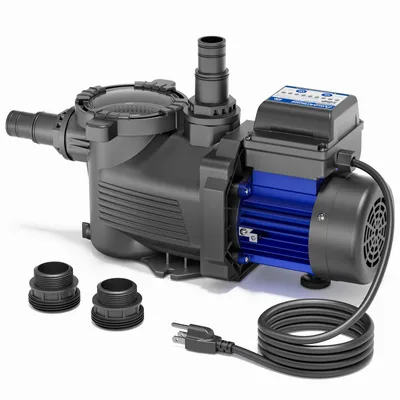
Aquastrong MINI ½ HP with Timer
Best Half-Horsepower Pump for Small Above-Ground Pools
A small above-ground pool often needs straightforward circulation, an easy-to-empty basket and a way to run on a schedule. That's why the Aquastrong MINI gets my attention. You're buying the features you interact with every week, and on a basic installation those features go a long way.
The model to select is ½ HP, 115V, with timer, with PSP050T-PU shown on Aquastrong's listing. The same product page offers several horsepower choices. Check the selected variation before checking out, because the page's headline flow range covers the family.
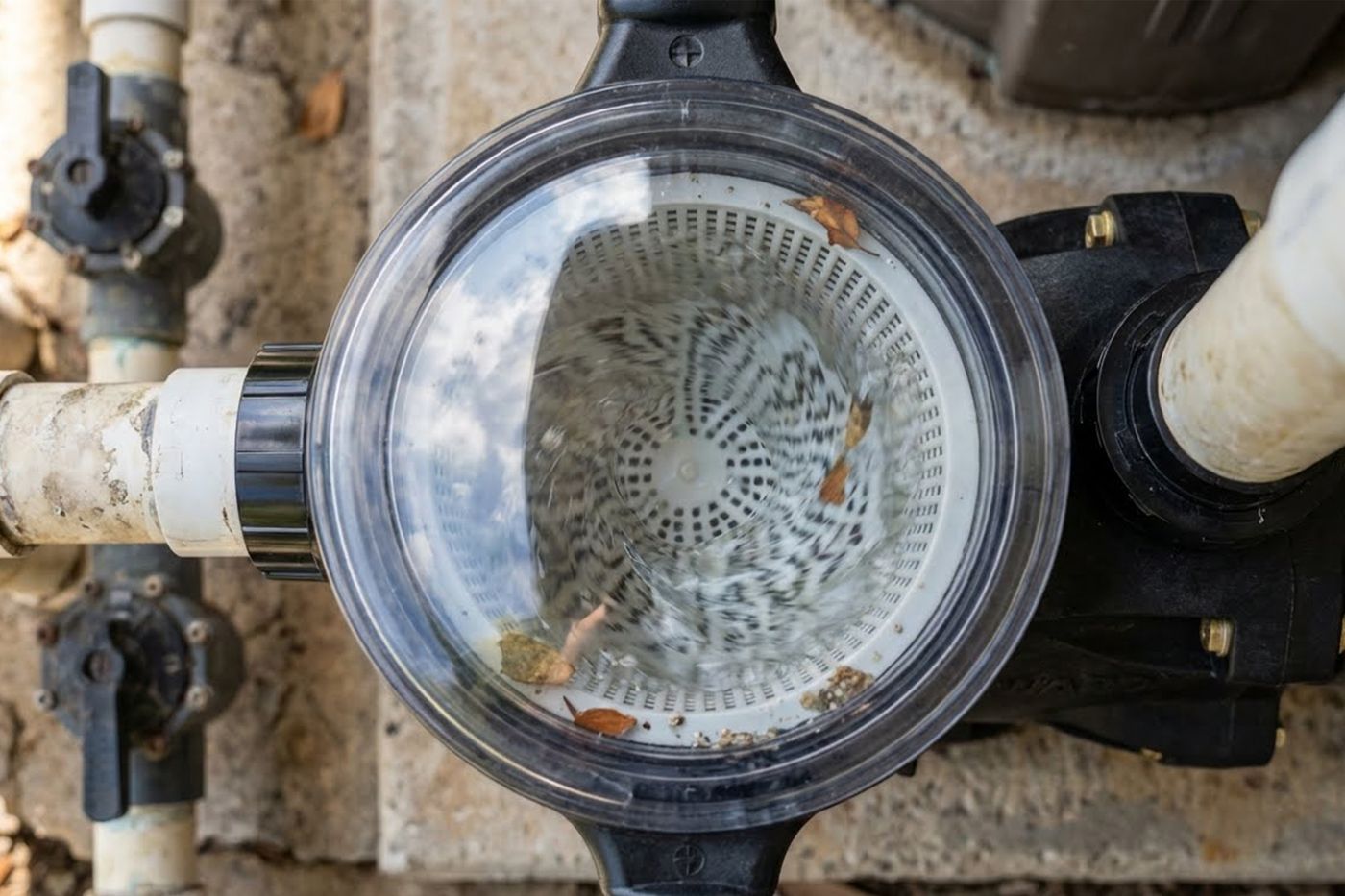
I particularly like having the timer built into a pump at this end of the market. You can establish a daily circulation window and adjust it as the pool's needs change. A clear lid also makes ordinary maintenance easier. You can look down, see leaves collecting, and empty the basket before the restriction starts interfering with flow.
Here's where I'd use it. Picture an above-ground pool with a modest filter nearby, a short hose run and a pump positioned so water can reach the inlet as the installation instructions require. That's the sort of simple arrangement where this MINI makes sense. An elevated equipment pad, long suction run or demanding heater deserves a closer hydraulic check.
I'd also pay attention to the filter that came with the pool. Owners sometimes replace an original pump and keep the original cartridge housing. That housing still has a maximum flow rating. Check the proposed pump at the resistance of the complete system before assuming a small horsepower number guarantees compatibility. My pool filter size calculator gives you a quick way to compare the two.
Pros: A built-in timer, clear strainer cover and compact design suit routine above-ground filtration. The 115V configuration can fit a properly equipped existing pad.
Cons: Single-speed operation gives you one running speed. Fine adjustments require a different type of pump, and the exact variation needs to be checked carefully.
Who I'd buy it for: The owner of a small above-ground pool whose filter and plumbing suit the pump, and who wants convenient daily scheduling without buying a large inground unit.
Check the exact ½ HP MINI and current availability.
For more options beside a soft-sided or steel-wall pool, see my best above-ground pool pumps.
Hayward Super Pump: Best Hayward ½ HP Inground Replacement
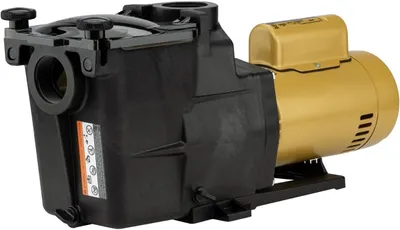
Hayward Super Pump ½ HP
Best Hayward Half-Horsepower Inground Replacement
If an older Hayward Super Pump has served your pool well, I would start with that housing and model number. Matching a known installation can save time, parts and the annoyance of discovering that the new inlet sits just far enough away to require rebuilding the suction connection.
Hayward's SP2600X5A specification sheet provides a useful example. It lists ½ rated HP with a 1.20 service factor, giving 0.60 total horsepower. Seeing both 0.5 and 0.60 in descriptions therefore doesn't automatically indicate a different pump. You need the full model and rating convention.
The appeal of the Super Pump is how much information is available to support that decision. You can compare dimensions, connection sizes and the performance curve with the old installation. For an inground pool, where lifting water into the pump and overcoming equipment resistance matter, that information is worth having before a pump arrives.
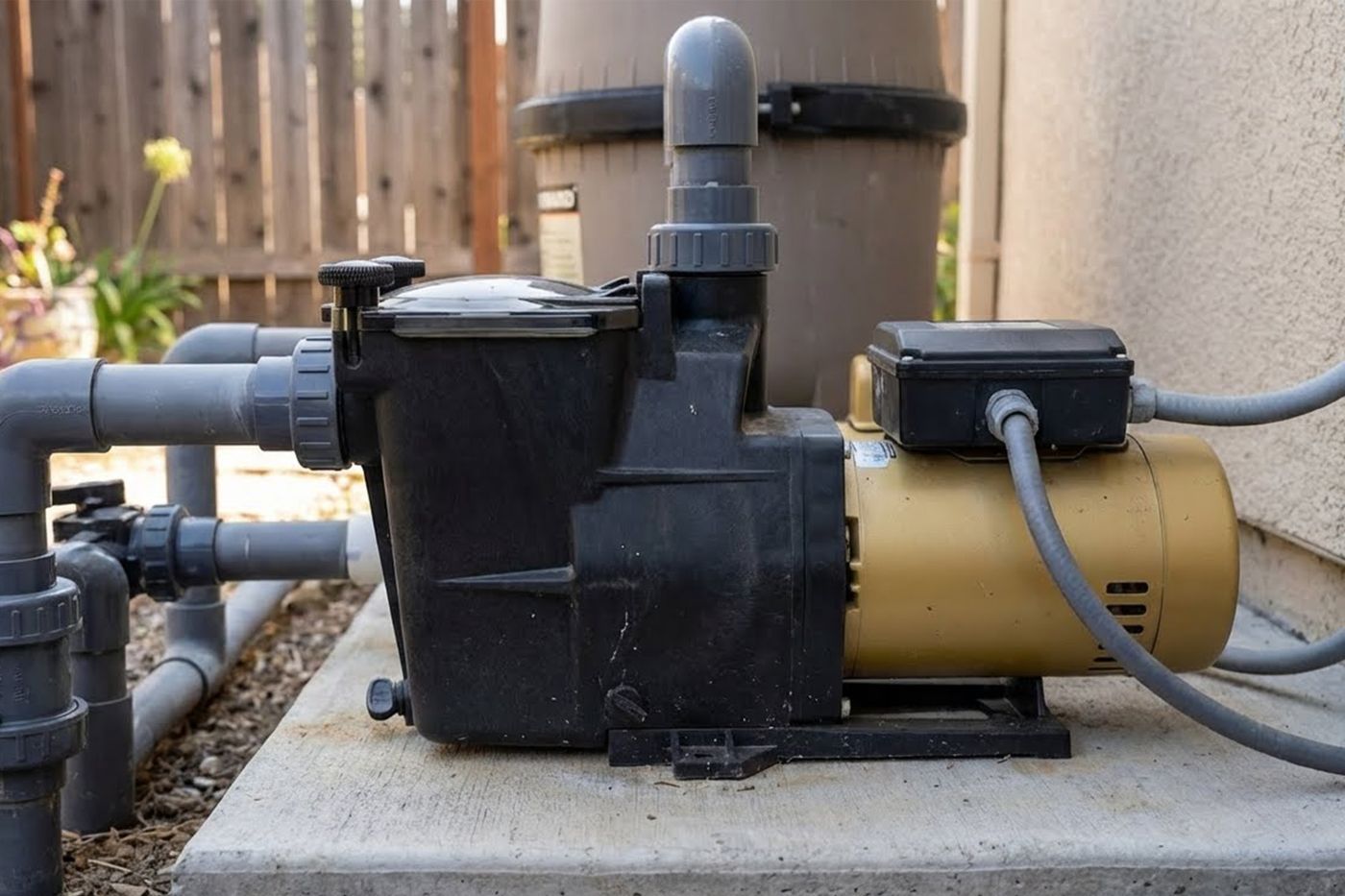
My favorite reason to stay with this family is a successful existing setup. If the old pump reliably primed, skimmed the surface and kept the heater operating, you have an actual performance history to build on. Write down what worked and what you wanted to improve. A failed motor doesn't erase that information.
I'd be careful with suffixes. Hayward's documents cover different Super Pump versions, including differences in ports and published dimensions. "Super Pump half horsepower" is an incomplete order description. Compare the exact drawing and the installed unit.
Pros: A documented curve and familiar service layout make an existing Hayward installation easier to evaluate. Matching the right housing can limit additional plumbing work.
Cons: Single-speed operation limits how you manage a long filtration day. Different Super Pump revisions require careful matching.
Who I'd buy it for: An owner replacing a suitable half-horsepower inground Hayward who values a familiar installation and has confirmed the exact replacement configuration.
Check Hayward's half-horsepower model table
Compare Super Pump dimensions and curves
The rest of the family, including the 1 HP and variable-speed Super Pumps, is in my best Hayward pool pumps guide.
Pentair SuperFlo 340036: Best Pentair Option for an Older Half-Horsepower Pool
Pentair SuperFlo 340036
Best Pentair Reference for an Older Half-Horsepower Pool
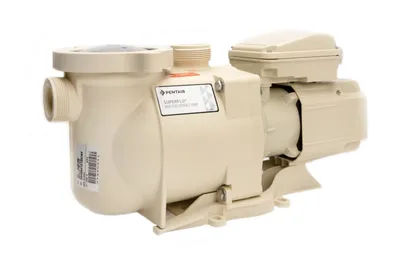
The SuperFlo belongs in this guide because there are existing Pentair installations with 340036 on the label. Pentair's original model table identifies that version as a half-horsepower single-speed pump with 1½-inch ports. If that number matches yours, you have a useful starting point for discussing a replacement.
I'd focus on keeping the useful parts of the old installation. Is the pump easy to access? Does its basket have enough room to lift out? Do the pipes line up cleanly? A replacement that preserves those practical details can be worth more than a small discount on an unfamiliar housing.
The shopping trap is the newer 348190 SuperFlo. It shares the family name, but Pentair lists it at 1.10 THP. It needs to be evaluated against the old pump's curve and your filter capacity. The similar name alone can't establish that it will behave the same way. I cover that model in my best 1 HP pool pumps guide.
For owners with older equipment, I'd also compare the full price of a replacement with repairing the existing pump. If the housing is damaged, the basket cover leaks, and the motor is finished, replacing the assembly can be sensible. If the problem is confined to a serviceable component, a repair estimate gives you another number to consider.
Pros: The exact legacy part number makes it easier to compare flow and fit with replacement options.
Cons: Older inventory needs careful verification, and a current SuperFlo with a similar name may have a materially different motor rating.
See the original Pentair SuperFlo model table
Compare the 348190 specifications
My best Pentair pool pumps guide covers the current SuperFlo, WhisperFlo and IntelliFlo3 models.
Hayward PowerFlo Matrix: When I'd Consider a Larger Pump
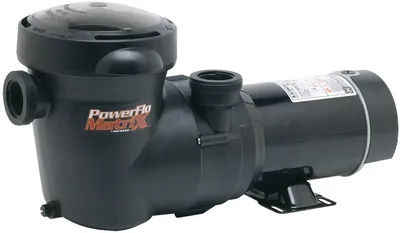
The PowerFlo Matrix is worth looking at if you already have one beside an above-ground pool. Its basket, service access and discharge arrangement may be familiar, and keeping that arrangement can simplify a replacement.
I'd treat the W3SP1592 as a larger alternative. Hayward's US model list identifies it as a 1 HP pump, while some retail descriptions use 0.85 HP wording. Read the actual nameplate and compare its performance with the filter's limit.
The advantage is an established above-ground pump layout. The compromise is that you may be moving into more pump than your small filter needs. Before paying for that change, decide what it improves. Better skimming through a suitable system is a reason. A larger number on the label is a weak buying argument.
Compare the Hayward PowerFlo Matrix listing.
Verify Hayward's US model list
How to Choose the Right 0.5 HP Pool Pump
Start with the pool and filter you actually own
Write down the pool's approximate volume, filter model, pipe or hose diameter and any heater or salt chlorinator. Those four details narrow the choice quickly. A small pool with a simple sand filter and a small pool feeding extra equipment can ask very different things of the pump.
Find the filter's maximum recommended GPM. Then identify minimum flow requirements for connected equipment. The pump has to operate within that usable range. You also need enough surface movement to get floating debris into the skimmer.
Understand the flow number
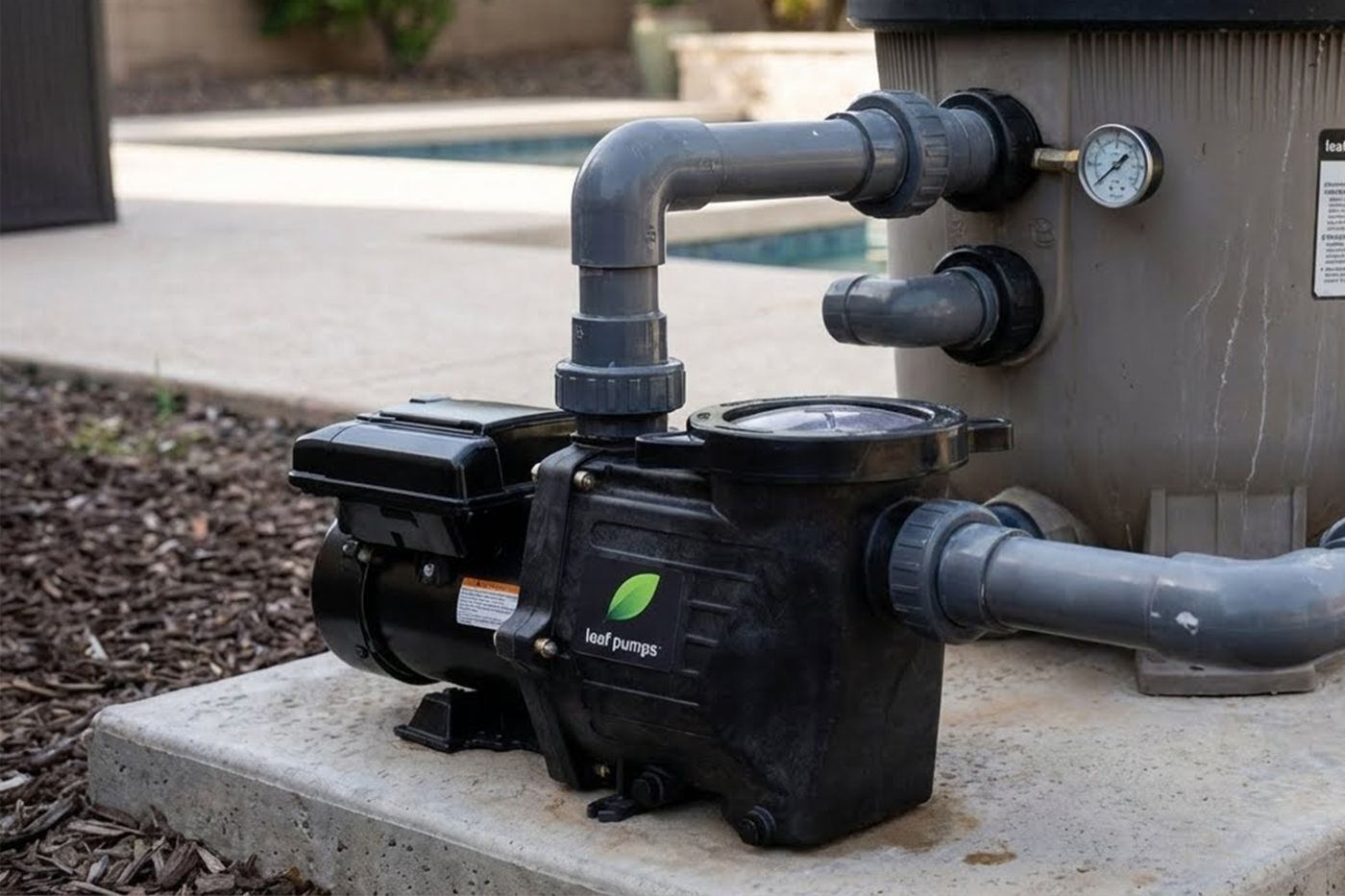
Gallons per hour is useful only when you know the conditions behind it. Dividing GPH by 60 converts it to gallons per minute. It doesn't tell you how much flow remains after the water travels through hoses, elbows, valves and filter media.
A pump curve shows how delivered flow changes as resistance increases. Your installer can estimate the system's total dynamic head and compare the pump at that point. For a replacement purchase, that's the figure I'd want to see.
Here's a simple planning example. Moving 6,000 gallons in six hours averages about 17 GPM. That calculation describes volume divided by time. A heater may need a higher flow while operating, and the pool may need a longer circulation window for skimming or chlorine production. Use the arithmetic to start the conversation, or run your own numbers through my pool pump size calculator.
Check how water reaches the inlet
Some above-ground installations let water flow into the pump from the pool. An inground pad can require the pump to establish suction and lift water to the basket. The installation height and permitted suction arrangement belong in the selection.
Follow the model's priming instructions and fill requirements. If a pump struggles to prime, investigate an air leak, blocked inlet or unsuitable installation before assuming you need a larger motor. More horsepower can leave the original problem unresolved.
Compare everyday operating costs
A smaller HP label doesn't give you a monthly electric bill. Input watts and run time do. For an illustration, a pump drawing 500 watts for eight hours uses 4 kWh. At $0.18 per kWh, that would cost $0.72 for that day.
Use the actual measured or documented input at your operating conditions. If the pool operates only during a short season, a simple pump may be reasonable. If circulation runs for much of the year, compare a suitable variable-speed alternative over several seasons of ownership. My guide on how long to run a pool pump helps with the run-time half of that sum.
Think about maintenance before installation
Leave enough room to remove the strainer lid and lift the basket. Keep the motor's cooling area clear as the manual requires. Check whether the drain plug will still be accessible once the pump is against a filter or wall.
Those small decisions are easy to ignore on a shopping page. They matter when you're kneeling beside the pool with a basket full of wet leaves or getting ready to winterize. I'd happily spend a little more to avoid an awkward installation I have to fight every week.
Avoid the Replacement Mistake That Costs Twice
Before ordering, take a photograph that shows the pump and the first fixed connection on each side. Then measure the inlet height and available space behind the motor. A replacement that looks compact in a product photo can still force a pipe to turn sharply or leave the basket lid trapped beneath another component.
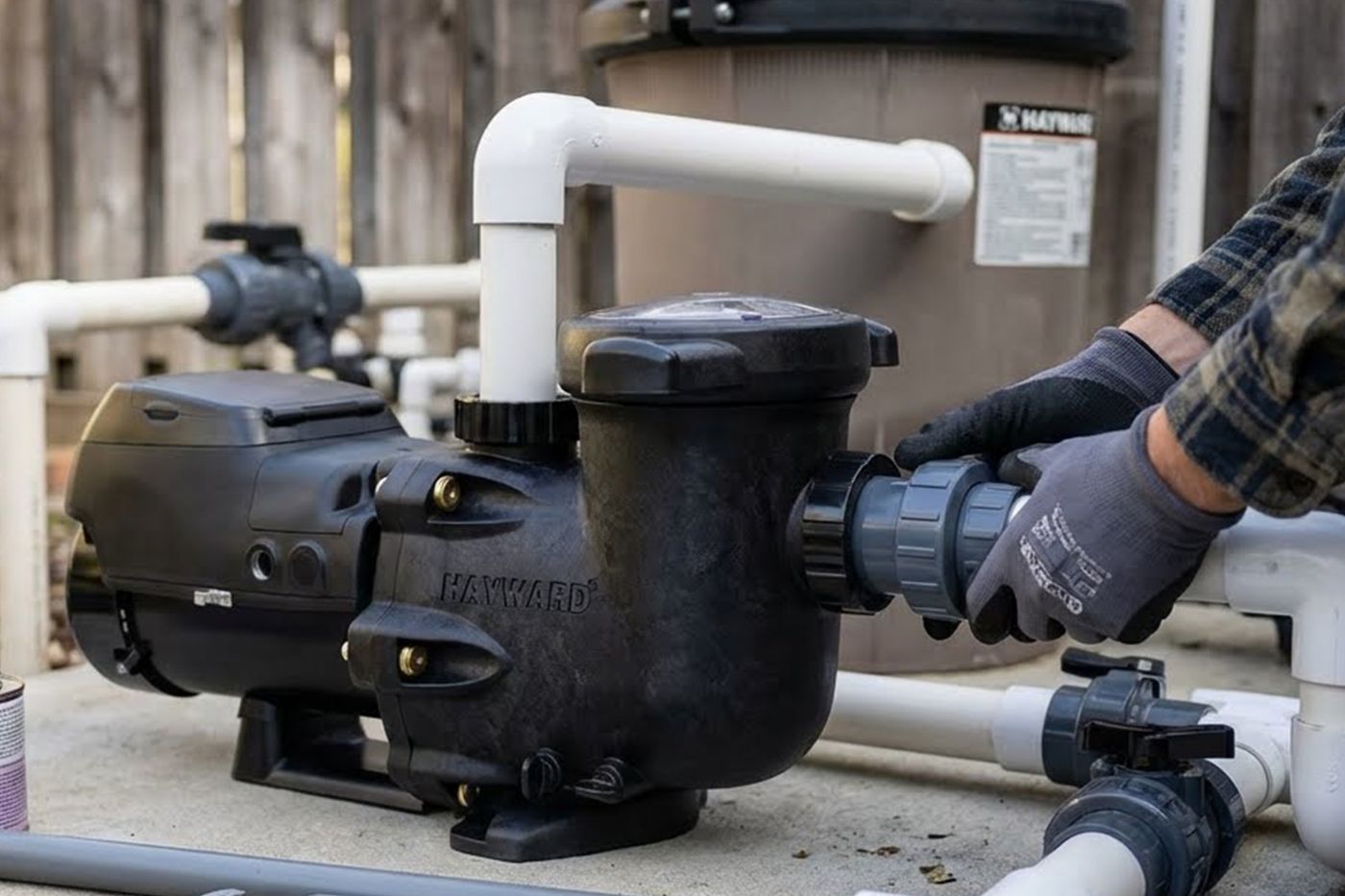
I'd also check what comes in the box. Unions, adapters, a plug and a timer can change the value of two otherwise similar pumps. Put those items into the comparison before declaring one model cheaper. The goal is to price a working replacement you can maintain comfortably.
Keep the old pump information even if its motor has failed. A photograph of the model plate can help identify the correct curve, seal or replacement housing later. That's particularly useful with older Hayward and Pentair equipment, where a family name can cover several generations and motor combinations.
Half-Horsepower Pool Pump Questions
Is a 0.5 HP pump enough for my pool?
It can be, especially on a small pool with low plumbing resistance. Confirm the GPM at your system's head, the filter rating and the demands of connected equipment. A universal maximum pool-size claim leaves out too much of the installation.
Can I replace a 1 HP pump with a half-horsepower pump?
Possibly, if the old pump was larger than the system needed and the smaller pump covers every required operating point. Start with what the old setup actually delivered. A reduction that leaves the heater below its required flow can create a frustrating new problem.
Does a half-horsepower pump work with a saltwater pool?
Check the exact pump's approved water conditions and materials, then check the salt cell's flow requirement. The daily schedule also needs to give the cell enough operating time to produce the chlorine your pool consumes. Motor size alone doesn't answer either question.
What if the pump runs but water flow is weak?
Check the water level, baskets, filter condition, valve positions and signs of air entering the suction side. Shut equipment down before opening it and follow the manufacturer's pressure-release procedure. If flow has declined on a previously successful setup, find the restriction or leak before replacing the pump.
My Final Verdict
For a suitable small above-ground pool, I'd start with the Aquastrong MINI ½ HP with timer. It addresses the daily basics without complicating a simple filter setup. For an inground Hayward replacement, I'd match the Super Pump carefully, and I'd use 340036 to identify an older half-horsepower Pentair installation.
The purchase I'd feel best about is the one that fits your filter, starts reliably and keeps the water moving at the flow your equipment needs. Get those details right and a smaller pump can be exactly the right amount of pump.
Check the Aquastrong MINI ½ HP.
MORE POOL PUMP GUIDES
By horsepower: 0.5 HP · 3/4 HP and boosters · 1 HP · 1.5 HP · 2 HP · 2.5 HP · 3 HP
By brand: Hayward · Pentair · Jandy
By type: All pool pumps · Inground · Above-ground · Variable speed · Two-speed · Fixed-speed
Sizing and scheduling: Pump size calculator · What RPM to run · How long to run · Variable speed schedule
This article contains affiliate links. The Pool Nerd may earn a commission on qualifying purchases at no extra cost to you. Product specifications, prices, and availability can change; verify the exact model and revision before ordering.
Related Reading
- Best 3/4 HP Pool Pumps
- Best 1 HP Pool Pumps
- Best Above-Ground Pool Pumps
- Best Inground Pool Pumps
- Best Hayward Pool Pumps
- Best Pentair Pool Pumps
- Best Pool Pumps: The Complete Guide
- Pool Pump Size Calculator
- How Long to Run a Pool Pump
- Best Pool Filters

Comments
Loading comments…