
 Justin D.
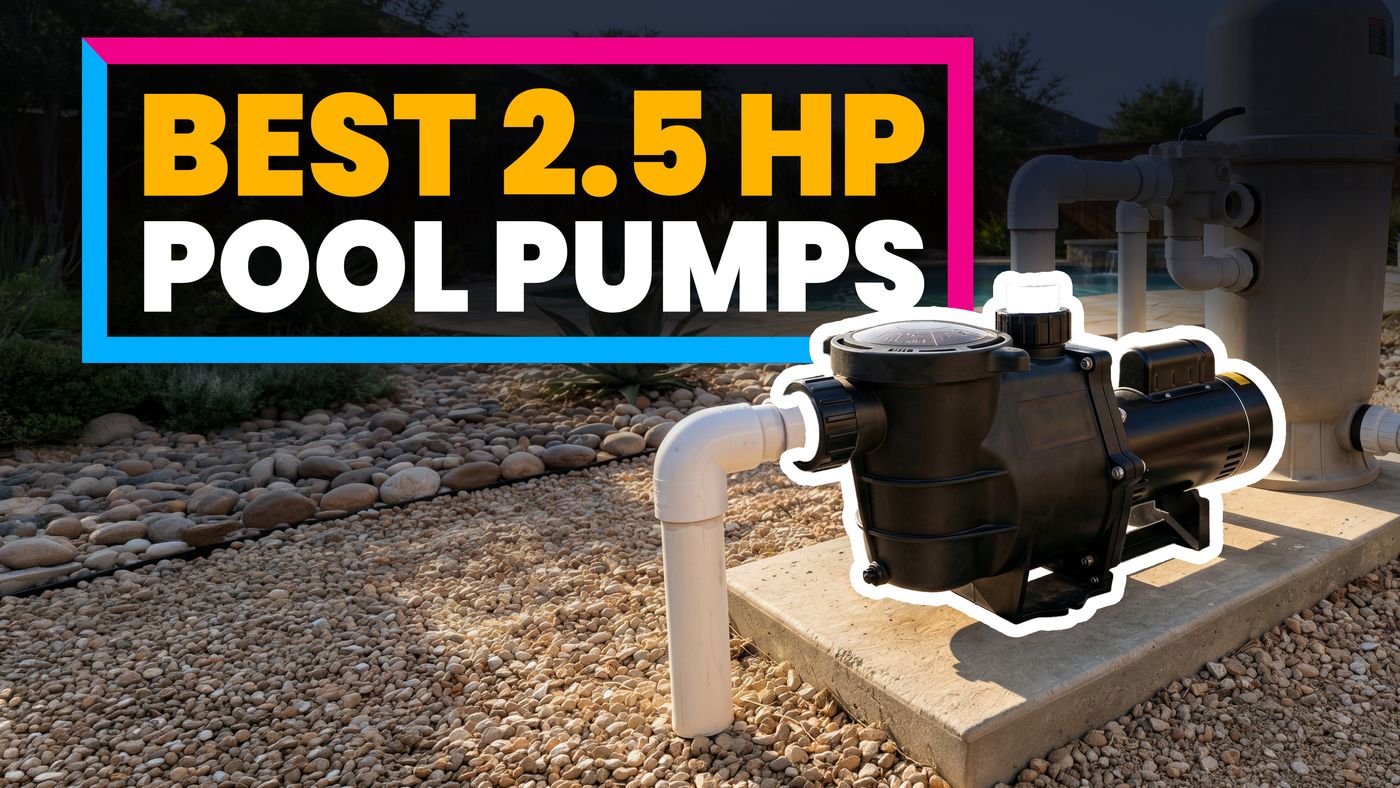
When a pool pump struggles to keep a spillway looking right or supply the spa jets, it's easy to start shopping for more horsepower. Before I'd buy a 2.5 HP replacement, I'd want to know which job needs the extra flow and how the pump will run during the rest of the day.
Welcome to The Pool Nerd! I'm comparing the 2.5 HP options with the nearby Pentair, Hayward and Jandy models you'll see while shopping. The ratings vary a little, but the useful comparison is what each pump can deliver through your plumbing.
My exact 2.5 HP two-speed pick is the VIVOHOME VH1165 for a compatible 230V installation. On an existing WhisperFlo pad, I'd investigate the Pentair WhisperFlo VST 2.6 THP first. The Hayward TriStar VS 2.7 THP and Jandy VS FloPro 2.7 THP are worth comparing when you already use those controls.
I'll explain the reasons to choose each one, where voltage changes performance, and how to avoid spending more on capacity your pool can't use.
The sizes either side of this one are in my best 2 HP and best 3 HP pool pumps guides.
My Top Picks in the 2.5 HP Range
My Top Picks in the 2.5 HP Range


- Best Exact 2.5 HP Two-Speed Pump. VIVOHOME VH1165, for a compatible 230V installation where its high and low settings cover the job.
- Best Pentair Near 2.5 HP. WhisperFlo VST 011533, rated at 2.6 THP and especially attractive as a WhisperFlo replacement.
- Best Hayward Near 2.5 HP. TriStar VS W3SP3206VSP, rated at 2.7 THP.
- Best Jandy Near 2.5 HP. VS FloPro VSFHP270DV2AS, rated at 2.7 THP with SpeedSet.
I'd compare the Pentair, Hayward and Jandy alternatives using their actual flow curves before deciding whether a few tenths of horsepower make a meaningful difference to your pool.
VIVOHOME VH1165: Best Overall Exact 2.5 HP Two-Speed Pool Pump
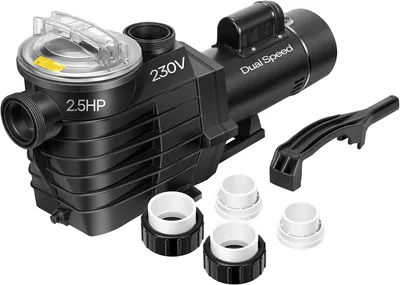
The VIVOHOME is the model I'd examine first if you specifically want a 2.5 HP, 230V, two-speed pump. It combines high and low settings with a strainer basket and connection options for common 1½- and 2-inch plumbing.
Its appeal comes down to how you operate the pool. If low speed provides enough circulation for filtration and high handles the occasional vacuuming session, two speeds can cover your routine without paying for a full variable-speed controller.
I like that simplicity for the right setup. You have a clear choice between everyday operation and a more demanding job. The question is whether those two available settings fall in the useful range for the equipment you own.
The listing advertises a maximum lift of 79 feet. That number needs some explanation before it influences a buying decision. Maximum head is near the point where a pump produces little or no flow. The maximum flow figure belongs at the other end of the curve, where resistance is low. The operating point your pool uses lies between them.
In practical terms, ask what the pump can deliver at the resistance of your filter, plumbing and heater. A long pipe run or restrictive system can move that operating point a long way from the headline flow number.
The main limitation is the space between high and low. If low cannot satisfy a heater, you may need high for every heating hour. A variable-speed pump can offer an intermediate setting that does the job with less output.
Pros: An exact 2.5 HP listing, two operating speeds, a strainer basket and commonly used connector sizes.
Cons: Requires the appropriate 230V installation. Its two fixed settings provide limited adjustment for equipment with different flow requirements.
Who I'd buy it for: A pool owner whose filtration and higher-flow jobs fit those two settings and whose installed price makes the simpler control worthwhile.
Check the VIVOHOME 2.5 HP dual-speed pump price.
Verify the exact VIVOHOME VH1165 model
It sits alongside the other high-and-low pumps in my best two-speed pool pumps guide.
Pentair WhisperFlo VST 011533: Best Pentair Pool Pump Near 2.5 HP
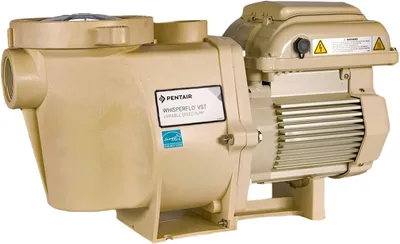
If an old WhisperFlo is sitting between two fixed pipes on your equipment pad, this is the first replacement I'd investigate. Pentair rates the 011533 at 2.6 THP and lists it as a replacement option for existing WhisperFlo pumps.
The practical benefit is getting variable-speed operation while working with a familiar pump family. Matching the equipment layout can reduce plumbing work. You still need to confirm the actual connections and dimensions before counting the labor savings.
I'd use its adjustable speeds to create an everyday filtration period, then a separate setting for heating, cleaning or another task that needs more water. That's where a pump in this horsepower range becomes much easier to live with. You can reserve the upper output for when it has a useful job.
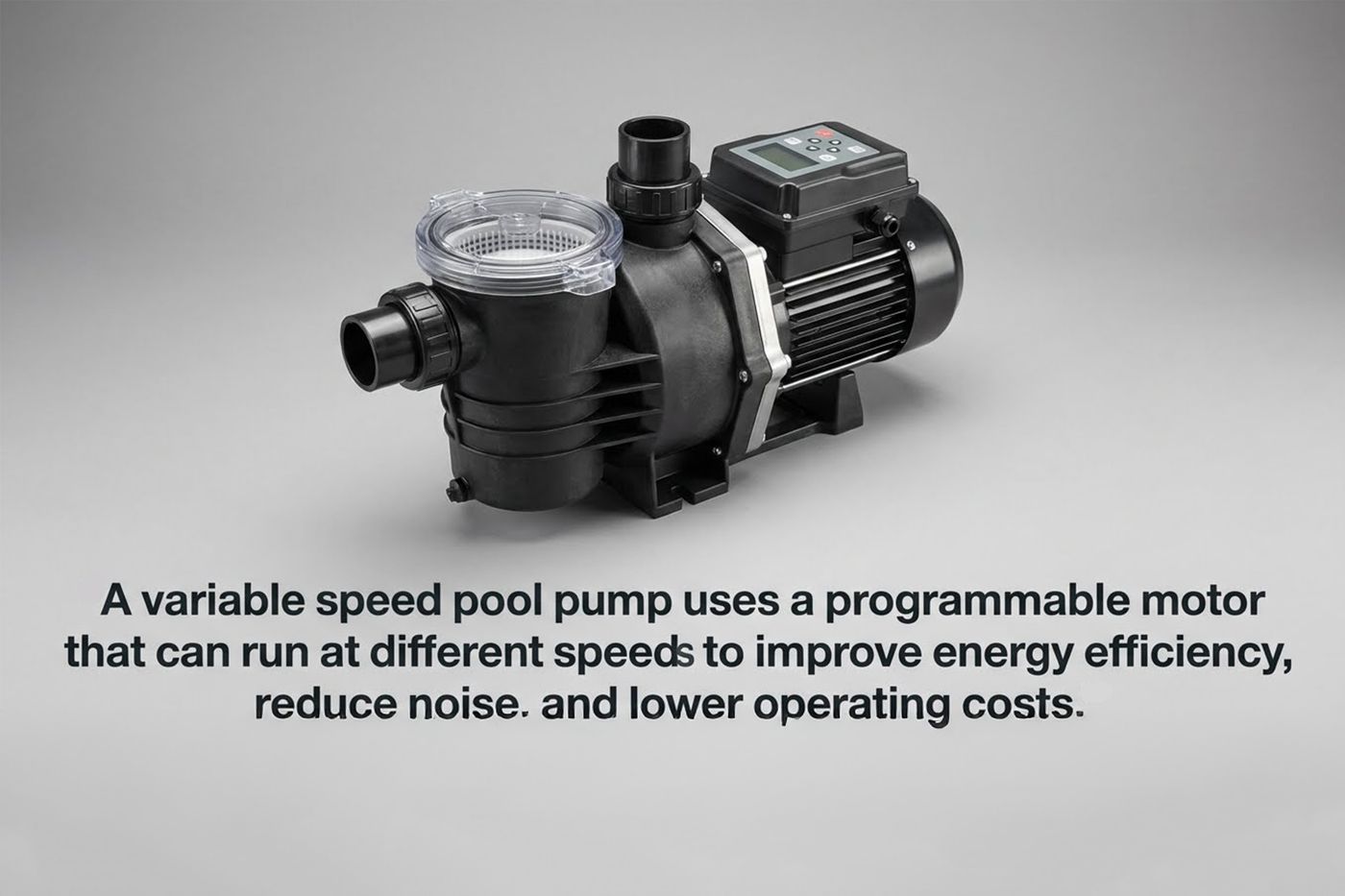
Pentair lists 2-inch ports and input voltage options of 115V or 208–230V. Pay close attention to the performance curves, because the upper output is lower on 115V. A pump accepting your voltage doesn't settle whether it can deliver the flow you bought it for.
For a 230V WhisperFlo replacement with established plumbing, the VST makes a strong case. For an installation that will stay on 115V, I'd check the curve before making it my choice for a demanding spa or feature.
The onboard controls are also worth a look. If you want convenient local programming, they may cover everything you need. If you use automation, confirm the exact controller compatibility and how the schedule will be managed after installation.
Pros: Fine adjustment of operating speeds, a well-documented performance curve and a replacement path for existing WhisperFlo installations.
Cons: Lower maximum performance on 115V. The controls and connection package need to match the rest of your equipment.
Who I'd buy it for: An inground pool owner replacing a WhisperFlo who wants to stop running the pump at one high setting through every filtration hour.
Check the Pentair WhisperFlo VST price.
Pentair WhisperFlo VST specifications
Voltage-specific performance curves
I compare it with the IntelliFlo3 and SuperFlo models in my best Pentair pool pumps guide.
Hayward TriStar VS W3SP3206VSP: Best Hayward Pool Pump Near 2.5 HP
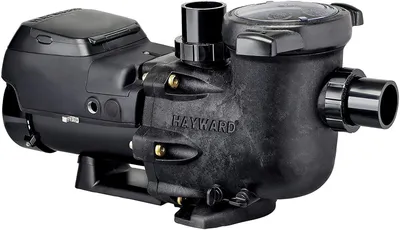
For an existing TriStar pad, I'd put this 2.7 THP variable-speed pump on the shortlist before changing brands. The important comparison is how much installation work and control integration each option requires.
The TriStar makes sense when the pool has several distinct flow requirements. Everyday filtration may need one setting, the heater another, and a waterfall a higher setting for a few hours while you're outside.
With variable speed, you can build around those jobs instead of choosing between the two fixed speeds offered by the VIVOHOME. That additional adjustment becomes more valuable as the equipment setup gets more involved.
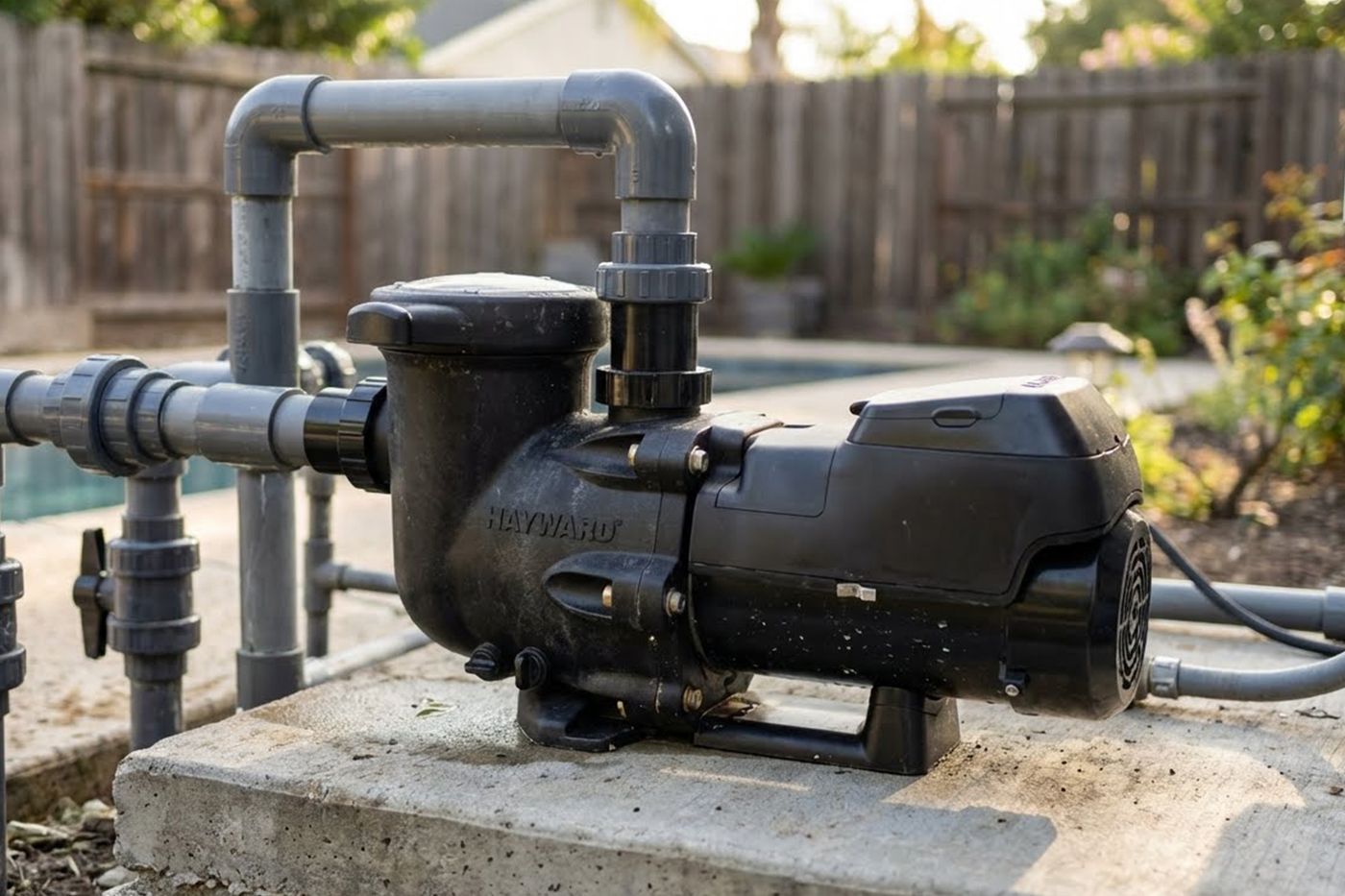
I'd also consider how frequently you use the highest-flow feature. If you run a waterfall only during weekend swims, there is little reason to make its flow requirement determine the setting used for all the weekday filtration hours.
The cost is the compromise. A variable-speed pump carries a higher initial investment than many basic two-speed options. It earns that price when you use the control range, run enough hours to benefit and avoid unnecessary changes to the rest of the pad.
Check the exact model on the written order. Hayward has several TriStar names and configurations, and a family name alone doesn't specify the controller, purchase channel or warranty.
Pros: Variable speeds for separate pool functions and a sensible first comparison for an existing TriStar installation.
Cons: Higher initial cost than many basic pumps. Choosing the exact configuration takes more attention than matching the family name.
Who I'd buy it for: A Hayward pool owner who needs higher output for specific tasks and wants the rest of the schedule to run more gently.
Check the Hayward TriStar VS 2.7 THP price.
Hayward TriStar family specifications
The smaller TriStar and the Super Pump VS models are in my best Hayward pool pumps guide.
Jandy VS FloPro 2.7 THP with SpeedSet: Best Jandy Pool Pump Near 2.5 HP
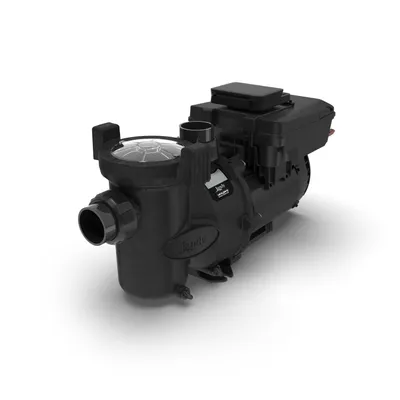
For an AquaLink pool, this is the Jandy I'd compare when the smaller FloPro misses a required flow. The exact model here is VSFHP270DV2AS, with 2.7 THP and the SpeedSet controller included.
That last letter matters. Jandy has controller configurations that look almost identical in a listing. Specify the complete model so you know what you'll be able to operate at the pad when the box arrives.
The adjustable base can help an installer work around existing pipe heights. Jandy's controller compatibility is another advantage when you already use its automation for the pool. Keeping a familiar daily routine can be worth more than adding a new app you rarely open.
There's an electrical detail I'd pay particular attention to on this size. Jandy lists maximum input of 1,840 watts at 115V and 2,550 watts at 208–230V. The performance curves reflect that difference. Those figures describe input limits, and your normal filtration setting can use much less.
If you are buying the 2.7 specifically for extra flow, verify that your supply voltage allows the performance you expect. Ask the installer to point out the required operating point on the relevant curve.
Jandy's manufacturer warranty excludes online equipment purchases. You can use the listing to identify the product, then compare an installed dealer package with a clear statement of warranty coverage.
Pros: Included SpeedSet on the S model, Jandy automation compatibility and a base arrangement useful for replacements.
Cons: Reduced upper output on 115V. The purchase channel affects manufacturer warranty coverage.
Who I'd buy it for: An AquaLink owner whose pool or spa requires the larger FloPro's available flow and who wants the pump to work with the controls already in place.
View the Jandy FloPro 2.7 THP with SpeedSet listing.
Jandy model and voltage specifications
My best Jandy pool pumps guide explains when the 1.85 THP FloPro is the better buy.
Do You Actually Need a 2.5 HP Pool Pump
This is the question I'd answer before spending money on any of these models. A larger pool holds more water, but volume alone cannot tell you the pressure and flow a pump must deliver.
Start with the job that made you shop this category. Maybe a spillway is thin and uneven, the spa jets feel weak, or a cleaner barely moves. Each symptom calls for a different check.
A clogged filter, obstructed basket or incorrect valve position can reduce flow from an otherwise suitable pump. Fixing those problems gives you a useful baseline before you decide the motor needs to be larger.
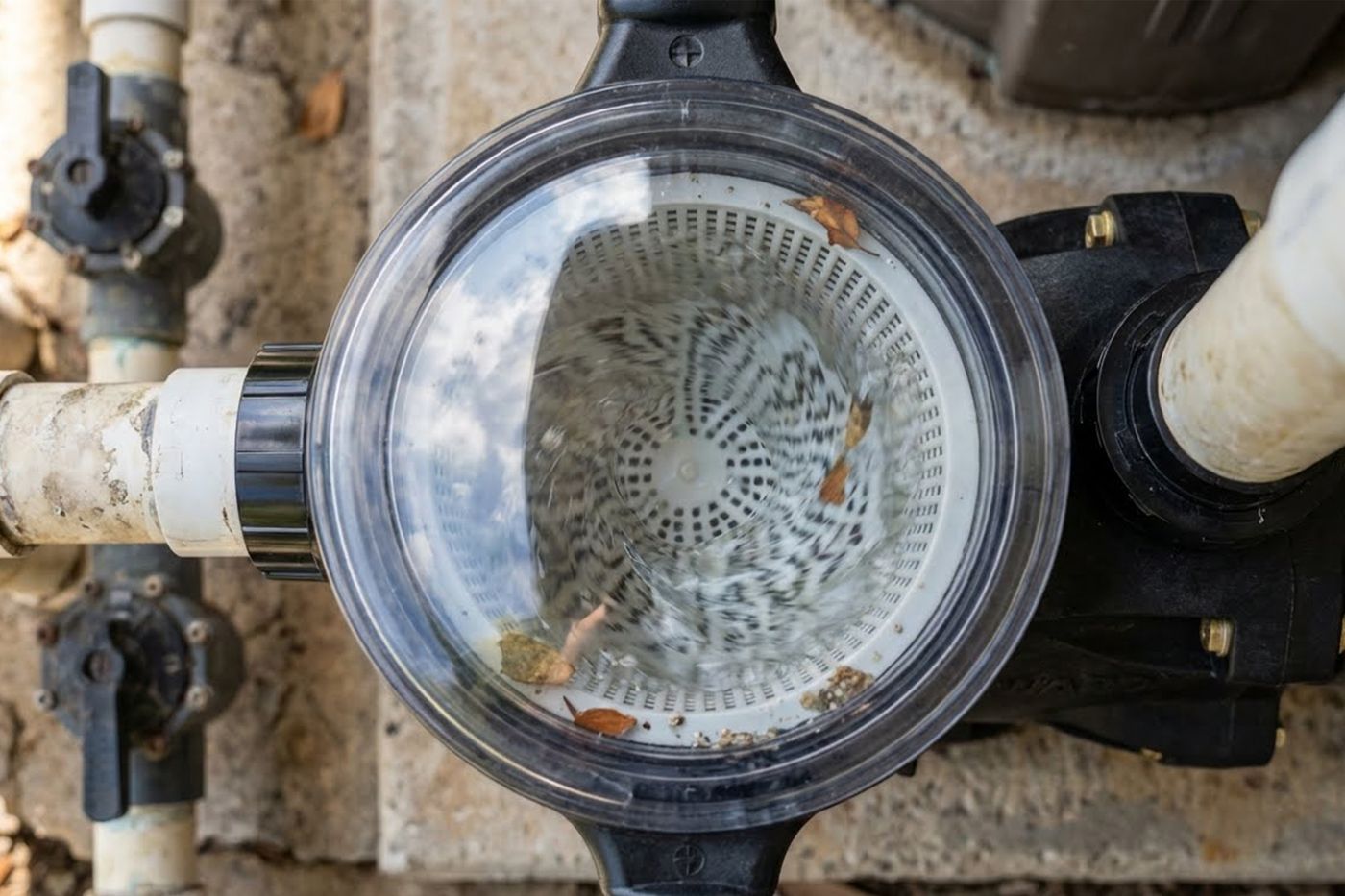
If the system is working properly and still falls short, identify the required GPM and the system resistance. That gives you a point to compare on each pump's curve. The higher horsepower range earns its place when it reaches an operating point a smaller option cannot cover. My pool pump size calculator gives you a first estimate of that flow.
I'd be especially careful with a small filter or narrow existing plumbing. Those components may limit the amount of water the system can handle, regardless of how large a motor you install.
How I'd Choose Between These Pumps
Match filtration and feature operation
Write down which equipment runs together. A heater operating during filtration is one requirement. Spa mode may send the water through a different set of pipes. A waterfall running at the same time as both can change the required operating point again.
A variable-speed pump is particularly useful when the pool alternates between several jobs. A two-speed model is attractive when its two settings already serve the routine. Choose based on those jobs and the hours each one runs.
Check the filter flow limit
Find the filter's maximum rated GPM. Then establish how the chosen pump will stay within that rating in the relevant operating modes.
This becomes important when a larger pump serves both a pool and a spa. The setting that supplies spa jets may be excessive for ordinary filtration. Your installer should account for valve positions, programmed speeds and the equipment in each path. If the filter is the limit, my best pool filters guide covers the larger tanks.
Compare the full installed price
Include unions, adapters, plumbing changes, wiring and the controls required to run the pump as intended. If one pump fits the existing pipe centers, that advantage should appear in the installed comparison.
Ask what commissioning includes. I'd want the daily schedule established and the heater or chlorinator demonstrated at the settings it will use. Being able to see the equipment working together is part of getting value from the upgrade.
Estimate operating cost from watts
Horsepower doesn't give you the electricity bill directly. Use input power at the intended setting, then multiply kilowatts by running hours and your electricity rate.
For example, an assumed 500-watt reduction sustained for ten hours a day saves 5 kWh daily. Over 180 days, that is 900 kWh. At $0.18 per kWh, the seasonal difference would be $162.
That illustration helps compare purchase prices. Your actual savings depend on speed, flow requirements, resistance and how long the pump runs. Ask for figures that describe your pool's normal setting.
Mistakes I'd Avoid When Shopping
Buying the largest GPH number. The advertised maximum needs its test conditions. Compare delivered GPM at the head your equipment creates.
Assuming dual voltage means equal performance. The WhisperFlo VST and 2.7 THP FloPro have different upper operating limits at different voltages. Use the relevant curve.
Overlooking controller costs. A gateway, optional board or different controller package can change a price comparison. Write down the features you want and price the parts that supply them.
Leaving the new pump on high. A programmed lower filtration setting is one of the main reasons to buy variable speed. Give the setup enough attention to benefit from it. My guide to what RPM to run a pool pump shows where to start.
Questions About 2.5 HP Pool Pumps
Can a 2.6 or 2.7 THP pump replace a 2.5 HP pump?
It may, depending on the operating curve, electrical supply, plumbing and controls. Check whether the old label describes rated horsepower or total horsepower. Comparing the required flow at the same head gives you a meaningful answer.
Is two-speed enough for a saltwater pool?
It can be if the selected operating speed supplies the salt cell's required flow and the schedule allows enough chlorine production. Check the cell's instructions and confirm operation during the low-speed period you intend to use.
Will a larger pump make the spa jets stronger?
Only if the current limitation is insufficient pump capacity and the plumbing and jets support the additional flow. Closed valves, restrictions or incompatible jet requirements can also cause weak performance.
Which one would I buy for an existing WhisperFlo?
I'd start with the WhisperFlo VST because its family and connection layout make it a practical replacement to evaluate. Then I'd confirm the voltage-specific curve covers the pool and spa duties.
My Final Picks
I'd choose the VIVOHOME VH1165 when an exact 2.5 HP two-speed pump fits the system and budget. For an existing Pentair pad, the WhisperFlo VST 2.6 THP is the upgrade I'd investigate first.
On an automated pool, the Hayward TriStar VS and Jandy FloPro deserve a close comparison with the controls you already own. Match the curve, confirm the installed package and program the everyday setting. You'll get far more from the purchase when the pump fits the way you actually use the pool.
Check the VIVOHOME 2.5 HP price.
Compare the Pentair WhisperFlo VST.
MORE POOL PUMP GUIDES
By horsepower: 0.5 HP · 3/4 HP and boosters · 1 HP · 1.5 HP · 2 HP · 2.5 HP · 3 HP
By brand: Hayward · Pentair · Jandy
By type: All pool pumps · Inground · Above-ground · Variable speed · Two-speed · Fixed-speed
Sizing and scheduling: Pump size calculator · What RPM to run · How long to run · Variable speed schedule
This article contains affiliate links. The Pool Nerd may earn a commission on qualifying purchases at no extra cost to you. Product specifications, prices, and availability can change; verify the exact model and revision before ordering.
Related Reading
- Best 2 HP Pool Pumps
- Best 3 HP Pool Pumps
- Best Pentair Pool Pumps
- Best Hayward Pool Pumps
- Best Jandy Pool Pumps
- Best Variable Speed Pool Pumps
- Best Two-Speed Pool Pumps
- Best Inground Pool Pumps
- What RPM Should I Run My Pool Pump?
- Pool Pump Size Calculator
- Best Pool Pumps: The Complete Guide

Comments
Loading comments…