
 Justin D.
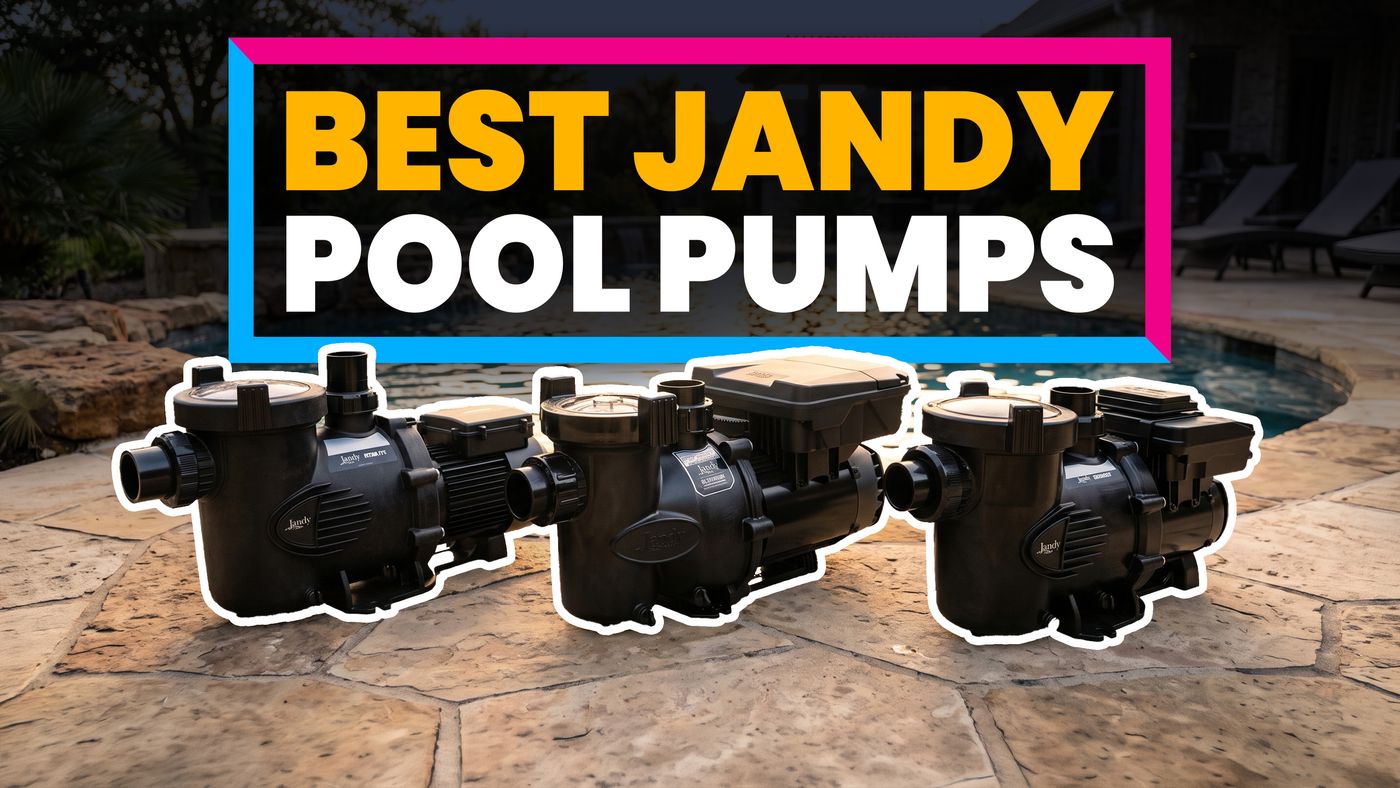
Two Jandy FloPro pumps can look almost identical online, yet one arrives with the controller you want and the other leaves you shopping for extra parts. That's a frustrating detail to discover after the box shows up. Before I'd spend more on the bigger pump, I'd want to know exactly what's included and what my pool needs.
Welcome to The Pool Nerd! I'm going to walk you through the Jandy pool pumps I'd put on my shortlist, including when it's worth moving up to a larger motor. We'll also look at the controls and replacement fit, because those can matter just as much as horsepower.
My starting pick is the VS FloPro 1.85 THP with SpeedSet when it covers the pool's required flow. I'd compare the 2.7 THP VS FloPro for a more demanding pool and spa. The FHPM1.0 single-speed FloPro also deserves a look if you're replacing a compatible older unit. I'll explain what you gain with each option and what I'd check before ordering.
Comparing brands? The same treatment for the other two big names is in my best Hayward pool pumps and best Pentair pool pumps guides.
My Top Jandy Pool Pump Picks
My Top Jandy Pool Pump Picks


- Best overall and best for an existing 115V pad. Jandy VS FloPro VSFHP185DV2AS, rated at 1.85 THP, with SpeedSet included.
- Best high-output option for a pool and spa. Jandy VS FloPro VSFHP270DV2AS, rated at 2.7 THP, with SpeedSet included.
- Best simple 1 HP replacement. Jandy FloPro FHPM1.0, a single-speed option for a compatible inground installation.
Before you choose a seller, factor in Jandy's purchase policy. Jandy says its manufacturer warranty excludes equipment purchased online. I'd use the listings to compare the exact models and then weigh that price against a local dealer's installed package and warranty coverage. Get the coverage in writing so you know what you're buying.
Read Jandy's purchase and warranty policy
Jandy VS FloPro 1.85 THP with SpeedSet: Best Overall Jandy Pool Pump
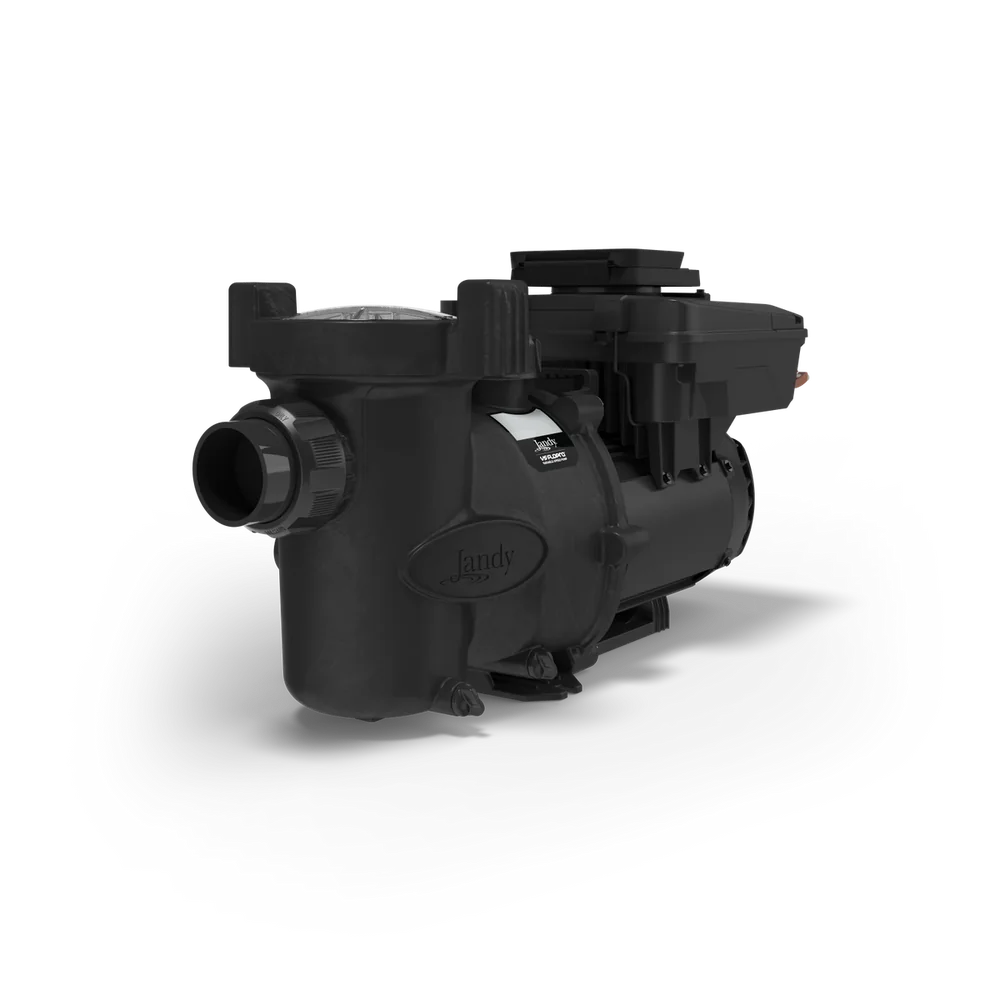
The 1.85 is where I'd start for a residential pool that needs dependable daily circulation with extra output for cleaning or heating. Its appeal is flexibility. You can set a slower speed for the hours spent filtering and a faster setting for a job that needs more water moving.
That control makes a difference because a pool's needs change throughout the day. You might want stronger skimming after a windy afternoon, more flow while the heater runs, and a quieter setting while you're having dinner outside. Variable speed gives you room to make those adjustments. You're buying a pump you can tune to the way you use the pool. My guide to what RPM to run a pool pump helps you pick those settings.
The exact model here is VSFHP185DV2AS. The final S means it comes with a SpeedSet controller. Jandy also lists VSFHP185DV2A, with the controller sold separately. That one letter can explain a price difference between two otherwise similar listings.
I also like the adjustable base on a replacement. If your current pipes are in good shape, moving the new pump's connection height can be easier than rebuilding everything around it. Measure the actual pipe centers and allow room to remove the basket lid. The most convenient pump is the one you can install and service without fighting the equipment around it.
See Jandy's 1.85 THP specifications and controller options
Why the 1.85 is my favorite for 115V
This is one of the strongest reasons to choose this FloPro. Jandy specifies the same hydraulic performance on 115V and 208–230V for the 1.85 model. For a homeowner who already has a suitable 115V circuit, that can make the upgrade much simpler.
Picture a small inground pool with a heater and a salt cell, where the old pump did its job but used one speed all summer. If the 1.85 reaches the required flow on the published curve, you can focus on programming and the physical replacement. You don't need to buy more motor simply because a larger number appears beside it in the catalog.
I'd still have the circuit checked for the new pump's requirements. Voltage is only part of electrical compatibility. The installation must also meet the pump manual and local requirements.
Where the 1.85 falls short
The main limitation is available flow for a demanding job. A large spa jet circuit or a water feature may need an operating point the 1.85 can't reach. Lower-speed filtration can be excellent while the occasional high-output job remains beyond its range.
That's why I'd look at the hardest task before ordering. If the 1.85 covers it, this is my starting recommendation. If it falls short, the 2.7 becomes a much more meaningful upgrade.
Pros: SpeedSet comes with this exact model. Adjustable speeds suit different daily jobs, and the published performance stays consistent across its supported voltages.
Cons: Peak flow has a limit. A demanding spa or feature can justify moving up, and remote phone access depends on the control setup.
Who I'd recommend it to: A homeowner replacing a typical inground pump, especially on an existing 115V pad or in a pool already using compatible Jandy automation.
Check the Jandy VS FloPro 1.85 with SpeedSet.
It is the Jandy alternative in both my best 1.5 HP and best 2 HP pool pumps guides, where you can see it beside the Pentair and Hayward pumps of the same size.
Jandy VS FloPro 2.7 THP with SpeedSet: Best Jandy Pump for a Pool and Spa
The 2.7 THP FloPro is the pump I'd consider when the 1.85 can't supply the most demanding part of the system. Think about spa jets, a larger spillway, or several features operating together. Those are reasons to look for more output.
The important comparison is the water delivered at your plumbing's resistance. An installer can mark the required gallons per minute on each pump's performance curve. When the smaller model misses that point and the larger one reaches it, the extra money buys a result you can use.
I'd ask for VSFHP270DV2AS when the package should include SpeedSet. This keeps the local controls familiar if you're comparing it with the 1.85. You can use higher output when the system needs it and program an appropriate lower speed for routine filtration.
That second part matters. Buying the larger pump doesn't mean you should run it hard all afternoon. A properly commissioned variable-speed pump gets separate settings for the jobs on your pad. The filter's flow rating still applies when the pool is in filtration mode.
Check the voltage before paying for extra power
On this model, supply voltage affects the upper performance limit. Jandy's manual lists maximum input of 1,840 watts at 115V and 2,550 watts at 208–230V. Its performance curves show the difference in available output.
Those figures describe maximum input. Your daily energy use depends on speed and runtime. They do, however, explain why the 2.7 you saw on a 230V installation may perform differently on your 115V pad.
If you're paying for more spa flow, compare the curve for the voltage you'll actually use. I'd also include any necessary electrical work in the purchase comparison. The pump price is only part of getting the result you want.
Read the FloPro voltage and performance tables
What I'd weigh before choosing the 2.7
A bigger pump can be a worthwhile investment on a pool that regularly uses its extra capacity. It's a harder purchase to justify when the feature runs twice a year and the 1.85 already does everything else.
Ask whether the equipment needs to run simultaneously. A waterfall operating alone may be a different duty from that same waterfall running alongside spa jets. Your valve arrangement and control programming determine which flow paths are active.
Pros: More available output for a demanding system, SpeedSet on the S model, and the ability to program lower filtration speeds.
Cons: Upper performance is reduced on 115V. The larger motor also deserves a careful check against the filter and plumbing limits.
Who I'd recommend it to: A pool-and-spa owner whose required flow exceeds the 1.85's capability, particularly with a suitable higher-voltage supply already available.
Check the Jandy VS FloPro 2.7 with SpeedSet.
I compare it with the Pentair WhisperFlo VST, the Hayward TriStar VS and the 3 HP IntelliFlo3 in my best 2.5 HP and best 3 HP pool pumps guides.
Jandy FloPro FHPM1.0: Best Jandy 1 HP Replacement
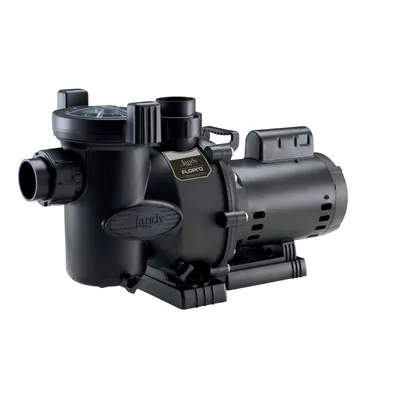
Sometimes the old pump handled the pool perfectly well and the owner wants the simplest reasonable replacement. That's where I'd consider the FHPM1.0. It's a single-speed FloPro with the compact body and adjustable base that make this family useful on crowded pads.
If your equipment is squeezed between a fence and a filter, dimensions become a real feature. You need access to the lid, drain plugs and connections after installation. A housing that fits comfortably can save both plumbing work now and frustration during routine maintenance.
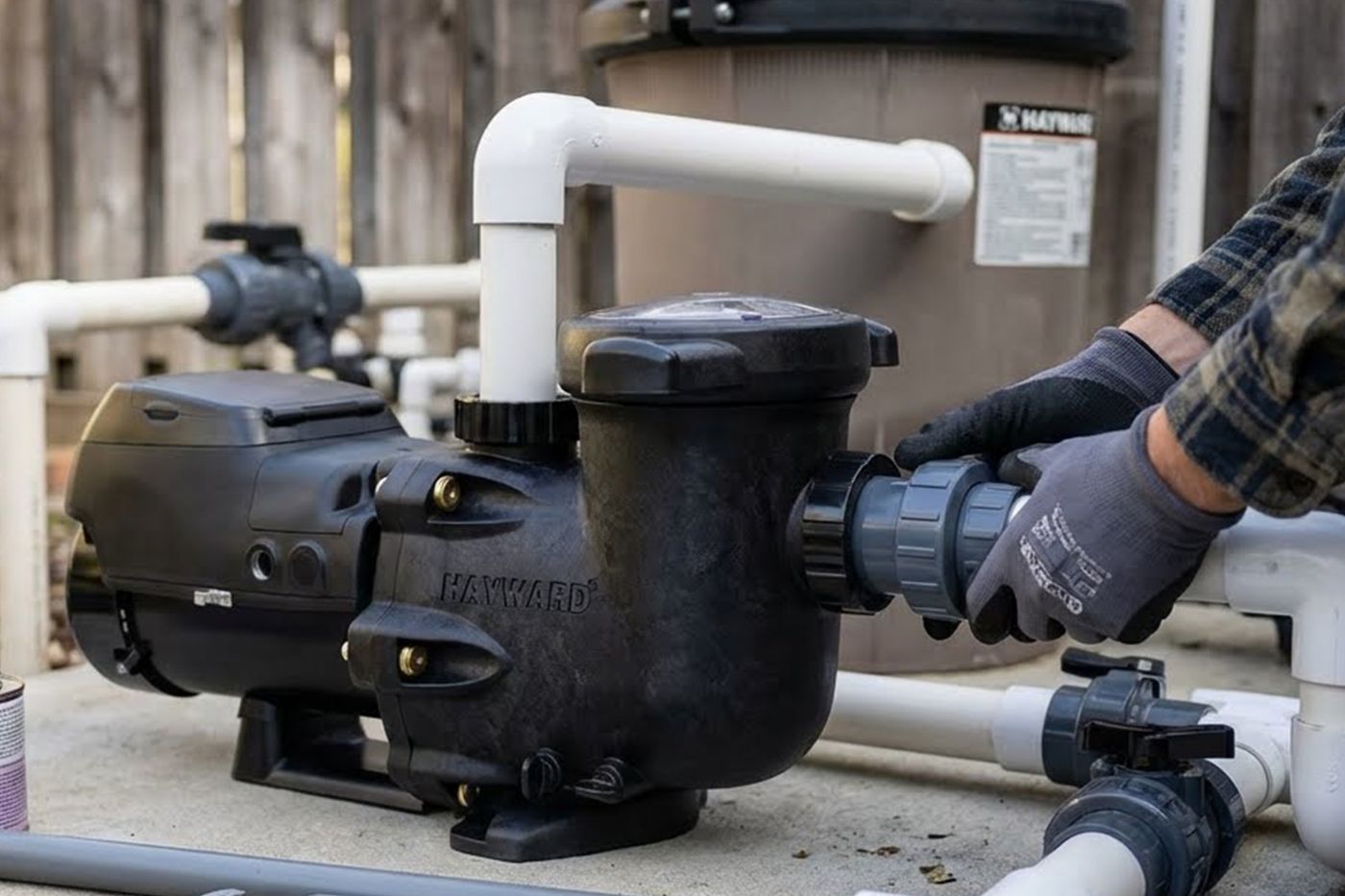
I'd compare this model directly with the 1.85 variable-speed FloPro. Use the complete installed price for both. Include fittings, controls and any wiring work so that a cheap bare-pump listing doesn't distract from the cost of a functioning system.
The single-speed pump's strength is its straightforward operation. When the timer calls for circulation, the motor runs at its available speed. There's less scheduling to learn, which can appeal on a basic seasonal pool with modest daily use.
The drawback shows up in longer schedules. If the pump is sized to cover vacuuming or heating, ordinary circulation runs at that same speed. A variable-speed model gives you more opportunity to reduce input power during the hours that need less flow.
See Jandy's FloPro design and installation documents
Read the full model number
The FloPro family includes multiple motor sizes and single- and two-speed versions. The FHPM1.0 here is the single-speed model in the shopping list. Similar names and matching product photos can make a different version look interchangeable.
Check the motor label, pipe sizes and applicable performance curve against the existing unit. Also check the total horsepower shown in the documentation for that particular version. Jandy's documents span different revisions, which is another reason to make the actual model plate part of your purchase decision.
Pros: Compact layout, an adjustable base and straightforward operation make it worth considering for an existing FloPro installation.
Cons: A single available speed limits your control over electricity use and noise during routine filtration.
Who I'd recommend it to: An owner with a suitable existing FloPro setup and a modest operating schedule who values a simple replacement.
Check the Jandy FHPM1.0 listing.
The Hayward and Pentair pumps it competes with are in my best 1 HP pool pumps guide, and the smaller FHPM.75 is covered in my best 3/4 HP pool pumps.
How to Choose the Right Jandy Pool Pump
Match the flow to the jobs you actually use
Start with the equipment that depends on flow. Your heater and salt cell have operating requirements. The filter has a maximum rated flow. A suction cleaner or spa jet circuit adds another demand.
The replacement should meet those requirements in the modes where each device operates. I'd have the daily filtration program checked with the salt system running, and the heating program checked with the heater operating. Seeing the equipment work at the chosen setting is more useful than having an unexplained RPM written on an invoice.
Pool volume helps plan circulation time. For example, moving 18,000 gallons in ten hours averages 30 GPM. That arithmetic gives you a reference for comparing pumps. Your actual schedule also needs enough skimming and chlorination, and any heater may require a different flow while it runs. My pool pump size calculator does that sum for your own pool.
Understand the pump curve
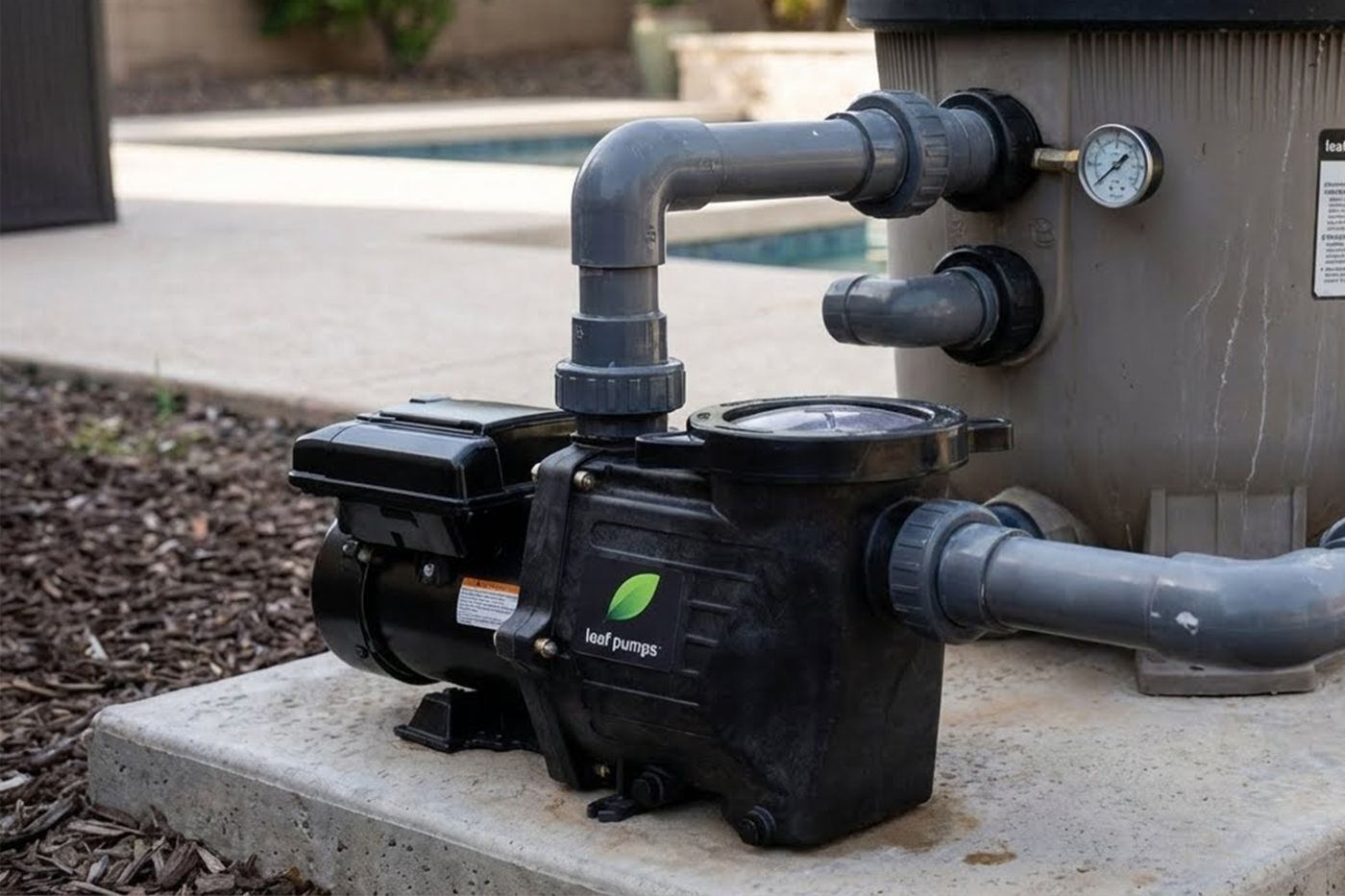
A pump curve shows how much water the pump can deliver against different amounts of resistance, called total dynamic head. Pipe length, fittings, valves and equipment all contribute. An elevated water feature can add another requirement.
For a replacement, ask for the target flow and estimated head used to select the model. You should be able to point to that operating point on the curve. This makes the difference between the 1.85 and 2.7 much easier to understand than a general claim that one is better for a larger pool.
Choose controls you'll use
SpeedSet handles local control. AquaLink can coordinate the pump with other compatible pool equipment. The right choice depends on what you already own and how much of the pool you want to operate together.
If you have AquaLink, bring the model number to the purchase conversation. Ask where you'll set filtration hours afterward and how a spa command changes pump speed. If you want access from your phone, identify the hardware and services that provide that connection. A local controller and remote access are separate features to price.
Compare electricity over your swimming season
Use input power at the proposed operating settings. Suppose one schedule saves an average of 500 watts for eight hours a day over 180 days. That equals 720 kWh. At $0.18 per kWh, the difference is about $130 for that season.
This is an example, so replace those numbers with your local rate and expected settings. It helps answer a practical question. Does the installed price difference make sense for the number of summers you expect to use the pump?
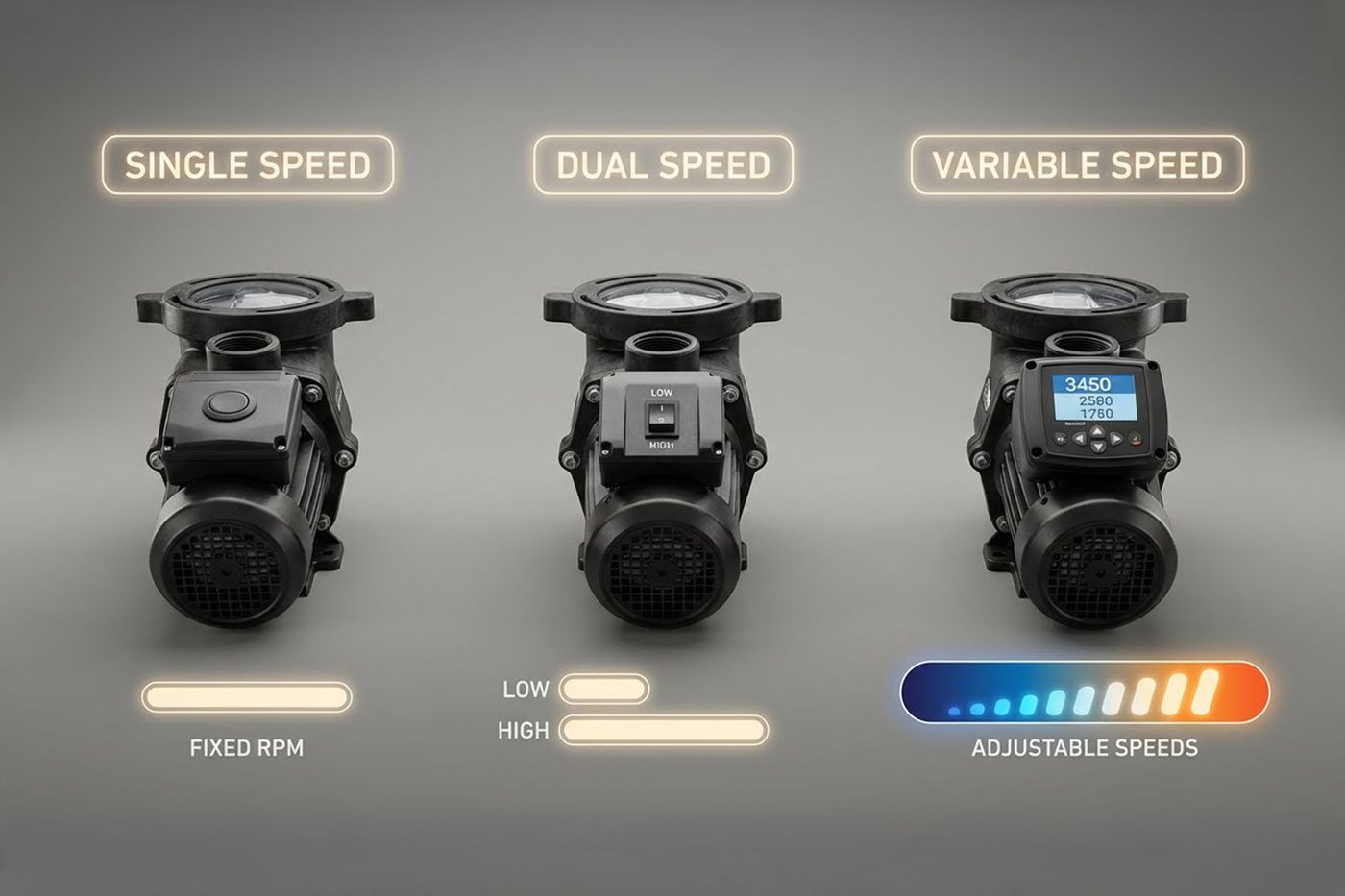
A year-round pool and a short-season pool can reach different answers. The useful comparison includes purchase price, installation, operating cost and the support available when something needs service.
Jandy Pool Pump Questions
Is the 1.85 or 2.7 FloPro better?
I'd choose the 1.85 when it reaches every required operating point. The 2.7 earns its higher price when extra available output serves the spa or features you use. On 115V, compare the voltage-specific curves carefully before expecting a large performance increase.
Can I use these pumps with a saltwater pool?
Check the exact model's permitted water conditions and follow its installation manual. For everyday operation, the salt cell needs sufficient flow and enough operating time to meet the pool's chlorine demand. Set the filtration program with both requirements in mind.
Will a Jandy pump work with my existing automation?
The VS FloPro models discussed here support compatible Jandy controls, including AquaLink. Have the exact panel and pump combination checked before purchase. That lets you account for communication wiring, configuration and any additional controller hardware in the installed price.
Does SpeedSet include phone control?
The SpeedSet included on these S models provides local pump control. For remote access, verify the specific automation or connected controller included with the installation. Ask to see the connection method on the quote so the features you expect arrive with the pump.
Should I replace a noisy pump immediately?
First identify the cause. Air getting into the suction line, a restricted basket, debris or worn components can produce different symptoms. A professional diagnosis can establish whether the repair is worthwhile. If replacement is the better choice, use the old pump's successful operating duties to size the new one.
Which Jandy Pool Pump Would I Buy
My first choice is the VS FloPro 1.85 with SpeedSet. For a compatible residential pool, it combines useful control, flexible voltage support and a compact replacement layout. The 2.7 is my upgrade for a system that can use the additional flow. The FHPM1.0 remains worth considering when simplicity and the installed price carry more weight.
Check the exact models below, compare the full installation costs, and choose the pump that covers your pool's jobs. Once the speeds are set properly, you should have less reason to keep walking out to the equipment pad.
Compare the Jandy 1.85 FloPro.
Compare the Jandy 1 HP FloPro.
MORE POOL PUMP GUIDES
By horsepower: 0.5 HP · 3/4 HP and boosters · 1 HP · 1.5 HP · 2 HP · 2.5 HP · 3 HP
By brand: Hayward · Pentair · Jandy
By type: All pool pumps · Inground · Above-ground · Variable speed · Two-speed · Fixed-speed
Sizing and scheduling: Pump size calculator · What RPM to run · How long to run · Variable speed schedule
This article contains affiliate links. The Pool Nerd may earn a commission on qualifying purchases at no extra cost to you. Product specifications, prices, and availability can change; verify the exact model and revision before ordering.
Related Reading
- Best Hayward Pool Pumps
- Best Pentair Pool Pumps
- Best Variable Speed Pool Pumps
- Best Inground Pool Pumps
- Best 3/4 HP Pool Pumps
- Best 1 HP Pool Pumps
- Best 1.5 HP Pool Pumps
- Best 2 HP Pool Pumps
- Best 2.5 HP Pool Pumps
- Best 3 HP Pool Pumps
- What RPM Should I Run My Pool Pump?
- Pool Pump Size Calculator
- Best Pool Pumps: The Complete Guide

Comments
Loading comments…